|
 Log in |
Register Log in |
Register
|

|
|

Gloucestershire
|


 Show |
 |
|
|
Sites in this group:
|
6 posts
Ablington Camp Hillfort |
3 posts
Adlestrop Hill Long Barrow |
27 posts
Avening Burial Chambers Burial Chamber |
|
4 posts
Avenis Long Barrow |
14 posts
Bagendon Earthworks Ancient Village / Settlement / Misc. Earthwork |
2 posts
Barnsley Wold Barrow Round Barrow(s) |
|
1 post
Barrow Elm Farm Round Barrow(s) |
1 post
Batsford Camp Enclosure |
28 posts
Beckbury Hillfort |
|
1 post
The Beck Swan Standing Stone / Menhir (Destroyed) |
136 posts
Belas Knap Long Barrow |
1 post
Beverston Stones Standing Stones |
|
26 posts
Birdlip Camp Hillfort |
1 post
Bourton on the Hill Long Barrow |
1 post
Bowldown Wood Round Barrow(s) |
|
1 post
Bown Hill Long Barrow |
1 post
Boxwell stone Standing Stone / Menhir |
5 posts
Boy's Grove Round Barrow(s) |
|
38 posts
Brackenbury Camp Hillfort |
2 posts
Broadfield Farm Round Barrow(s) |
10 posts
Buckholt Wood Long Barrow |
|
15 posts
The Buckstone Rocking Stone |
5 posts
Buck's Head Barrow Round Barrow(s) |
13 posts
The Bulwarks (Minchinhampton) Dyke |
|
15 posts
Burhill Farm Hillfort |
25 posts
The Camp Long Barrow |
13 posts
Camp Hill (Aylburton) Hillfort |
|
8 posts
Castle Hill Wood Ancient Village / Settlement / Misc. Earthwork |
21 posts
Churchdown Hill Ancient Village / Settlement / Misc. Earthwork |
5 posts
Clearwell Caves Ancient Mine / Quarry |
|
43 posts
Cleeve Cloud Hillfort |
21 posts
Cleeve Common cross dyke Dyke |
9 posts
The Clump Long Barrow |
|
38 posts
Coberley Long Barrow |
3 posts
Cobstone Standing Stone / Menhir (Destroyed) |
13 posts
Cold Aston Long Barrow |
|
9 posts
College Plantation Long Barrow |
1 post
Colnpen Long Barrow Long Barrow |
9 posts
Combend Farm Round Barrow(s) |
|
12 posts
Condicote Henge Henge |
11 posts
Cooper's Hill Dyke |
7 posts
Cotswold Park Long Barrow |
|
12 posts
Cow Common Barrow / Cairn Cemetery |
3 posts
Cranham Corner Enclosure |
1 post
Crickley Barrow Long Barrow (Destroyed) |
|
70 posts
Crickley Hill Causewayed Enclosure |
53 posts
Crippets Long Barrow Long Barrow |
4 posts
Cutsdean Hill Round Barrow(s) |
|
5 posts
Dixton Hill Hillfort |
20 posts
Dowdeswell Hillfort |
4 posts
East Vaga Ancient Village / Settlement / Misc. Earthwork |
|
25 posts
Emma's Grove Round Barrow(s) |
1 post
Erves Leasowe Long Barrow (Destroyed) |
1 post
Eubury Camp Enclosure (Destroyed) |
|
3 posts
Eyford Long Barrow |
1 post
Eyford Park Round Barrow(s) |
1 post
Farhill Farm Round Barrow(s) |
|
1 post
Farmcote Round Barrow(s) |
4 posts
Farmington Round Barrow(s) |
8 posts
Farmington Long Barrow |
|
4 posts
Foxcote Hill Farm Round Barrow(s) (Destroyed) |
2 posts
Ganborough Long Barrow |
11 posts
Gatcombe Lodge Long Barrow |
|
15 posts
The Giant's Stone Long Barrow |
11 posts
Hailes Wood Camp Hillfort |
4 posts
Hampnett barrows Barrow / Cairn Cemetery |
|
13 posts
Hangman's Stone, Hampnett Holed Stone |
1 post
Hangman's Stone (Preston) Standing Stone / Menhir (Destroyed) |
2 posts
Haresdown Barn Round Barrow(s) |
|
37 posts
Haresfield Camp Hillfort |
17 posts
Hazleton Long Barrows Long Barrow |
6 posts
Henley Bank Round Barrow(s) |
|
113 posts
Hetty Pegler's Tump Long Barrow |
13 posts
High Brotheridge Camp Hillfort |
20 posts
The Hoar Stone (Duntisbourne Abbots) Long Barrow |
|
3 posts
Honeycombe Farm Long Barrow |
5 posts
The Horestone (Rodborough) Standing Stone / Menhir |
19 posts
The Horestone (Swell) Standing Stone / Menhir |
|
3 posts
Inlands Plantation Round Barrow(s) |
1 post
Kingscote stones Standing Stones |
6 posts
Lad Barrow Long Barrow |
|
26 posts
1 site Lamborough Banks Long Barrow |
1 post
Lancaut Promontory Fort |
1 post
The Lang Stone Standing Stone / Menhir (Destroyed) |
|
15 posts
Lechmore Long Barrow Long Barrow |
9 posts
Lechmore Round Barrows Round Barrow(s) |
95 posts
Leckhampton Hill Hillfort |
|
37 posts
Lineover Long Barrow |
12 posts
Lodge Park Long Barrow |
68 posts
The Longstone of Minchinhampton Standing Stone / Menhir |
|
1 post
The Longstone (St Briavels) Standing Stone / Menhir (Destroyed) |
27 posts
Long Stone (Staunton) Standing Stone / Menhir |
14 posts
Lower Swell Long Barrow |
|
1 post
Manor Farm Round Barrow(s) |
3 posts
Money Tump Round Barrow(s) |
4 posts
Nan Tow's Tump Round Barrow(s) |
|
1 post
Nash End Farm (Bisley) Round Barrow(s) |
1 post
Naunton Barrow Round Barrow(s) |
6 posts
Norbury Camp (Farmington) Hillfort |
|
24 posts
Norbury Camp (Upper Coberley) Hillfort |
7 posts
Norn's Tump Long Barrow |
6 posts
North Cerney Long Barrow |
|
50 posts
Notgrove Long Barrow |
29 posts
Nottingham Hill Hillfort |
66 posts
Nympsfield Long Barrow |
|
9 posts
Oakhill Wood Ring Cairn |
2 posts
Oak Piece Long Barrow |
1 post
Odo and Dodo Standing Stones |
|
6 posts
Oldfield Wood Long Barrow |
3 posts
Oldwalls Farm Long Barrow |
5 posts
The Oven Round Barrow(s) |
|
6 posts
Oxenton Hill Camp Hillfort |
25 posts
Painswick Hill Hillfort |
1 post
Park Wood Farm Round Barrow(s) |
|
7 posts
Pegler's Knob, Donnington Round Barrow(s) |
8 posts
Pinkwell Long Barrow |
14 posts
Pole's Wood South Long Barrow |
|
27 posts
Randwick Long Barrow Long Barrow |
11 posts
The Ring, Cleeve Hill Ancient Village / Settlement / Misc. Earthwork |
15 posts
Roel Hill Camp Ancient Village / Settlement / Misc. Earthwork |
|
7 posts
Saintbury Barrow Round Barrow(s) |
1 post
Sales Lot Long Barrow Long Barrow |
19 posts
Salmonsbury Ancient Village / Settlement / Misc. Earthwork |
|
8 posts
Salperton Park Round Barrow(s) |
1 post
Sezincote Round Barrow(s) |
1 post
Sezincote Warren Round Barrow(s) |
|
6 posts
Shawswell Farm Long Barrow |
18 posts
Shenberrow Hill Camp Promontory Fort |
2 posts
Snowshill Barrow / Cairn Cemetery |
|
23 posts
Soldier's Grave Round Cairn |
Soudley Camp
Promontory Fort
|
8 posts
Standish Wood Dyke |
|
9 posts
Stumps Cross Round Barrow(s) |
16 posts
St Paul's Epistle Round Barrow(s) |
3 posts
Swell Hill Farm Round Barrow(s) |
|
2 posts
Swell Wold Round Barrow Round Barrow(s) |
2 posts
Symonds Hall Farm Long Barrow |
43 posts
Symonds Yat Hillfort |
|
19 posts
Tar Barrows Round Barrow(s) |
3 posts
Througham Long Barrow |
16 posts
The Tibblestone Standing Stone / Menhir |
|
41 posts
The Tinglestone Long Barrow |
15 posts
The Toots Long Barrow |
2 posts
Towbury Hill Hillfort |
|
7 posts
Trewsbury Hillfort |
7 posts
The Tump Round Barrow(s) |
4 posts
Tump Belt Round Barrow(s) |
|
1 post
The Twizzle Stone Standing Stone / Menhir |
9 posts
Twizzle Stone Long Barrow Long Barrow |
36 posts
Uley Bury Camp Hillfort |
|
Upper Hyde Farm
Round Barrow(s)
|
11 posts
Upper Swell Long Barrow |
1 post
Wagborough Bush Round Barrow(s) |
|
9 posts
The Warren Hillfort |
1 post
The Waste Round Barrow(s) (Destroyed) |
12 posts
Welshbury Hillfort |
|
4 posts
Westwood Long Barrow |
9 posts
West Barrow Long Barrow |
42 posts
West Tump Long Barrow |
|
17 posts
Whitfield's Tump Long Barrow |
17 posts
Whittlestone Standing Stone / Menhir |
9 posts
Wibdon Broadstone Standing Stone / Menhir |
|
11 posts
Willersey Camp Hillfort |
3 posts
Willersey Long Barrow Long Barrow |
43 posts
Windmill Tump Long Barrow |
|
3 posts
Windrush Camp Hillfort |
3 posts
Wins Barrow Round Barrow(s) |
8 posts
Withington Long Barrow Long Barrow |
|
8 posts
Withington Woods West Round Barrow(s) |
5 posts
Woodleaze Long Barrow |
6 posts
Woodmancote Round Barrow(s) |
|
8 posts
Wood Barrow Long Barrow |
13 posts
Wood Farm Round Barrow(s) |
4 posts
Worgan's Wood Cairn(s) |
|
8 posts
Wyck Beacon Round Barrow(s) |
Sites of disputed antiquity:
|
2 posts
Battledown Camp Hillfort |
8 posts
Kiftsgate Stone Standing Stone / Menhir |
12 posts
Shortwood mounds Round Barrow(s) |
|
4 posts
Tabitha's Well Sacred Well |
News |
 Add news Add news |
Bronze Age spearhead found at Cirencester sewage worksA rare Bronze Age spearhead has been found by workers while developing a wetland in Gloucestershire. Experts discovered it at Cirencester Sewage Works, near South Cerney, earlier this year and on 10 May estimated it is about 3,500 years old... continues... |
 Posted by ryaner
19th May 2022ce |

|
Iron Age coins found in 1990s declared treasure trove A hoard of 17 Iron Age coins has been declared treasure trove by a coroner. More Info : https://www.bbc.co.uk/news/uk-england-gloucestershire-61348636 |
 Posted by drewbhoy
9th May 2022ce |
Unearthed Ancient British chieftain and probable shaman reveal secrets about old burial ritualsThe once monumental final resting place of a probable prehistoric chieftain and, potentially, his shaman has been discovered in southwest England. It’s one of the most fascinating archaeological discoveries in southern Britain in recent years... continues... |
 Posted by moss
25th April 2020ce |
BU archaeologists uncover 6,000-year-old long barrow in the CotswoldsA 6,000-YEAR-OLD PREHISTORIC BURIAL MONUMENT HAS BEEN UNCOVERED NORTHEAST OF CIRENCESTER IN THE COTSWOLDS BY ARCHAEOLOGISTS FROM BOURNEMOUTH UNIVERSITY... continues... |
Posted by moss 30th September 2016ce |
Cinderbury Iron Age Village Opens This WeekendA new attraction which offers visitors the chance to experience life as an Iron Age villager opens this weekend. The Cinderbury settlement near Coleford in the Forest of Dean, includes several roundhouses, an iron smelting furnace, pottery kiln and clay-domed bread oven... continues... |
 Posted by Rhiannon
6th July 2005ce Edited 30th March 2006ce |
Iron Age remains found at castleA team of university archaeologists has uncovered the remains of an Iron Age settlement in the grounds of a Gloucestershire castle. The group, from the University of Bristol, found fragments of human bones and prehistoric flint tools in the gardens of Berkeley castle... continues... |
 Posted by Jane
7th June 2005ce Edited 14th February 2006ce |
Iron Age Holiday Village PlannedMore at www.thisisgloucestershire.co.uk Holidaymakers will be able to spend a week living in the Iron Age at a new tourist attraction being planned in the Forest of Dean... continues... |
Posted by Rhiannon 21st January 2004ce Edited 30th March 2006ce |
Save Gloucester Archaeology UnitRESCUE - The British Archaeological Trust Gloucester Archaeology Unit is threatened with closure. Gloucester City council are currently considering a number of ways to save money for next year, and the Archaeology Unit is a prime target... continues... |
Posted by phil 8th December 2003ce Edited 15th February 2006ce |
Miscellaneous |
Add miscellaneous |
There are two round barrows here (you'll have to look carefully though, as they are less than half a metre high), set close to the crest of a hill, and they were found to conceal some interesting burials. The smr record on 'Magic' says:One of these barrows was partially excavated in 1847, when eight skeletons were found, lying in seven stone-lined graves arranged in a circle around the circumference of the mound. One of the skeletons was accompanied by a spearhead. Three feet below the top of the mound was another skeleton. Finds from the barrow included about 30 yellow glass and amber beads, several iron spearheads, a shield boss, a saucer-brooch, the decorative plates from three brooches, silver earrings and a bronze ring. The site was re examined in 1869 by Playne, who claimed that the centre portion of the barrow was undisturbed,This doesn't really enlighten us as to when the burials were made? It sounds rather like reuse of a bronze-age barrow? |
Posted by Rhiannon 21st December 2005ce Edited 14th February 2006ce |
Links |
Add a link |
Cup-marked stones from the Gloucestershire CotswoldsA .pdf file detailing four cup marked stones. By A. Marshall From the Transactions of the Bristol and Gloucestershire Archaeological Society 1986, Vol. 104, 220-225 Courtesy of the University of Gloucestershire website. |
 Posted by Hob
20th January 2007ce Edited 26th February 2011ce |

BBC News Magazine: Testing your metalWhat's it like living in an Iron Age village? How did they keep warm and make tools? Did they live more rewarding lives? A re-created Iron Age village [at Cinderbury] allows visitors to stay and find out. |
 Posted by Kammer
24th April 2006ce Edited 24th April 2006ce |
George Witts: Archaeological Handbook of GloucesterBill Thayer has put the text of this Victorian antiquarian's book onto the internet. In places he has kindly linked back to this site. Though I don't think George Witts himself thought of this. [With thanks to Bill Thayer himself for updating this link]. |
Posted by Rhiannon 11th November 2003ce Edited 26th February 2011ce |
Latest posts for Gloucestershire |
Showing 1-10 of 2,352 posts. Most recent first | Next 10 
The Tibblestone (Standing Stone / Menhir) — Images (click to view fullsize) |
|
Posted by Rhiannon 6th January 2024ce |
The Tibblestone (Standing Stone / Menhir) — Folklore |
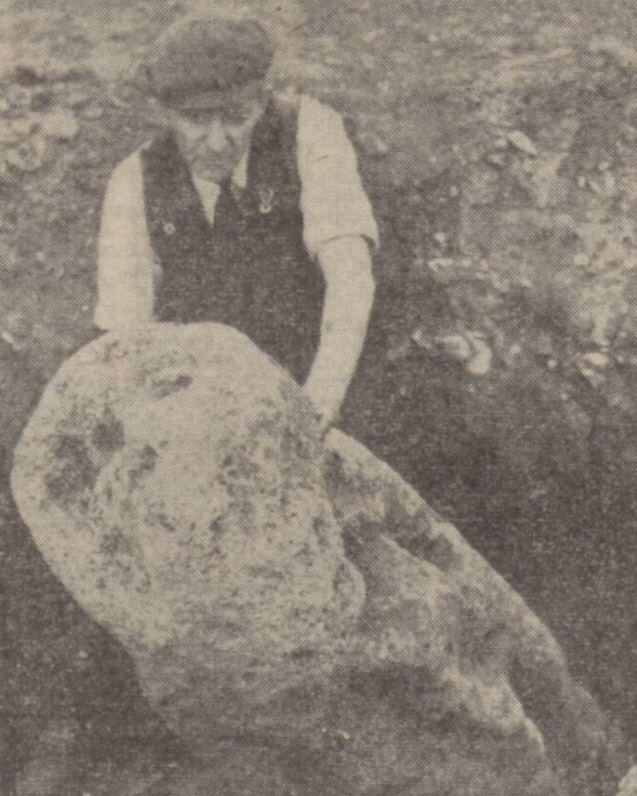
Local gardener finds ancient landmark.From the Cheltenham Chronicle, 17th April 1948. Why does this look much bigger than the existing stone (if it does?)? |
Posted by Rhiannon 6th January 2024ce |
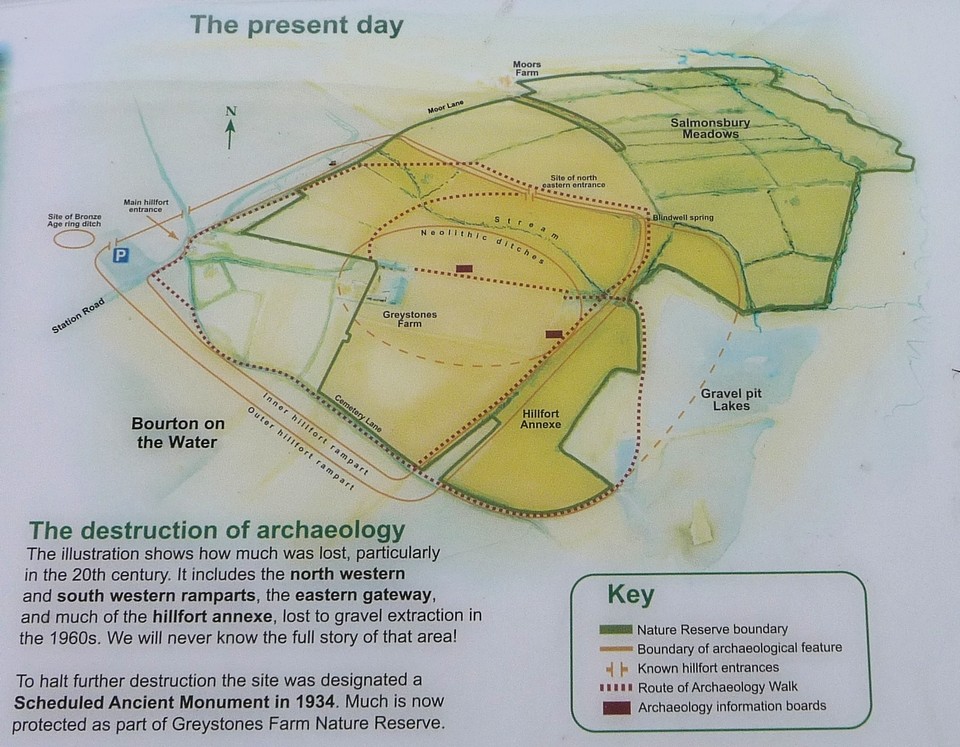
Salmonsbury (Ancient Village / Settlement / Misc. Earthwork) — Images |
|
 Posted by thesweetcheat
6th January 2024ce |
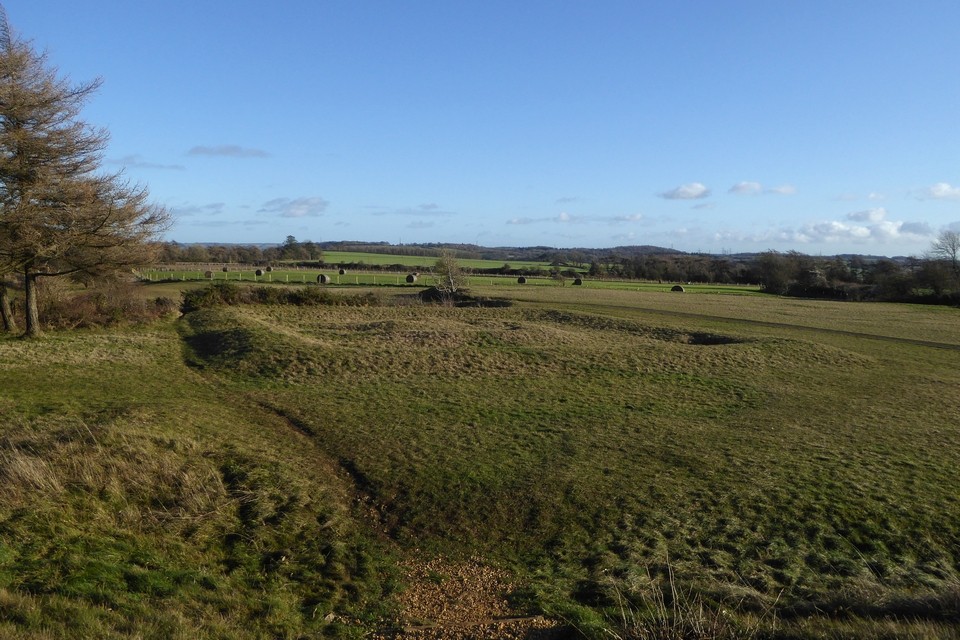
Leckhampton Hill (Hillfort) — Images |
|
Posted by thesweetcheat 21st December 2023ce |
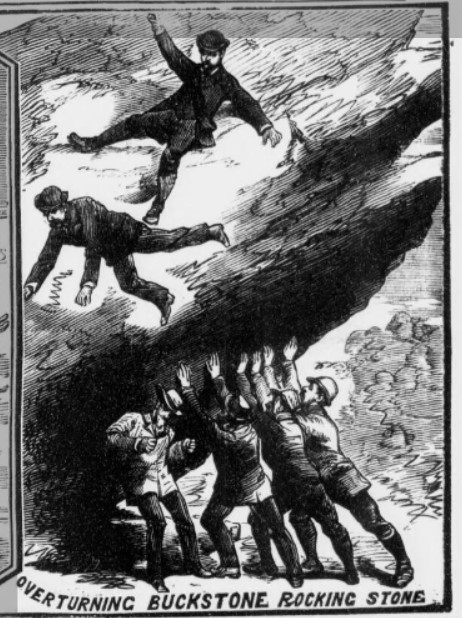
The Buckstone (Rocking Stone) — Images |
|
Posted by Rhiannon 11th June 2023ce |
Cleeve Cloud (Hillfort) — Images |
  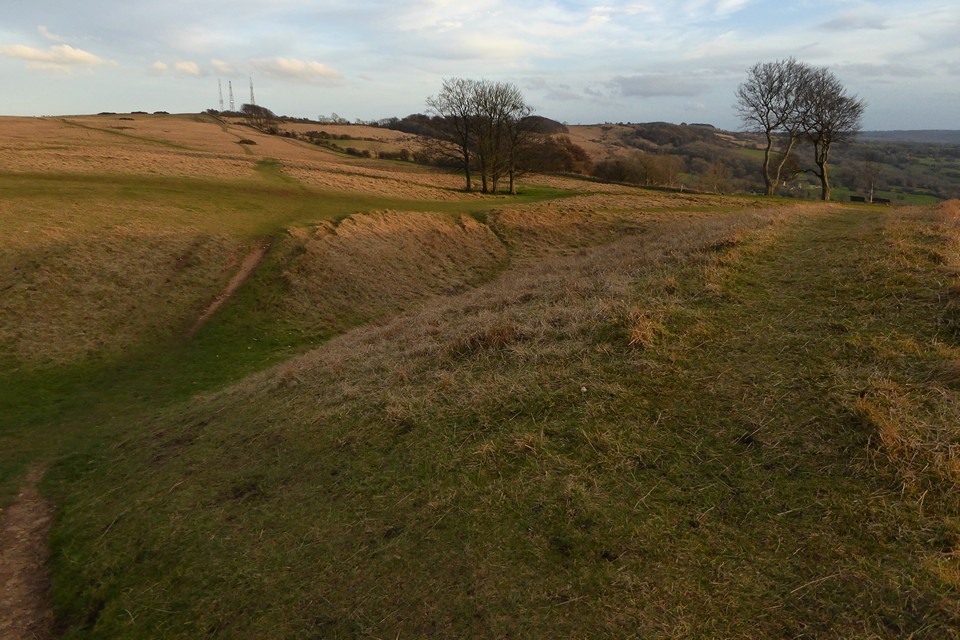 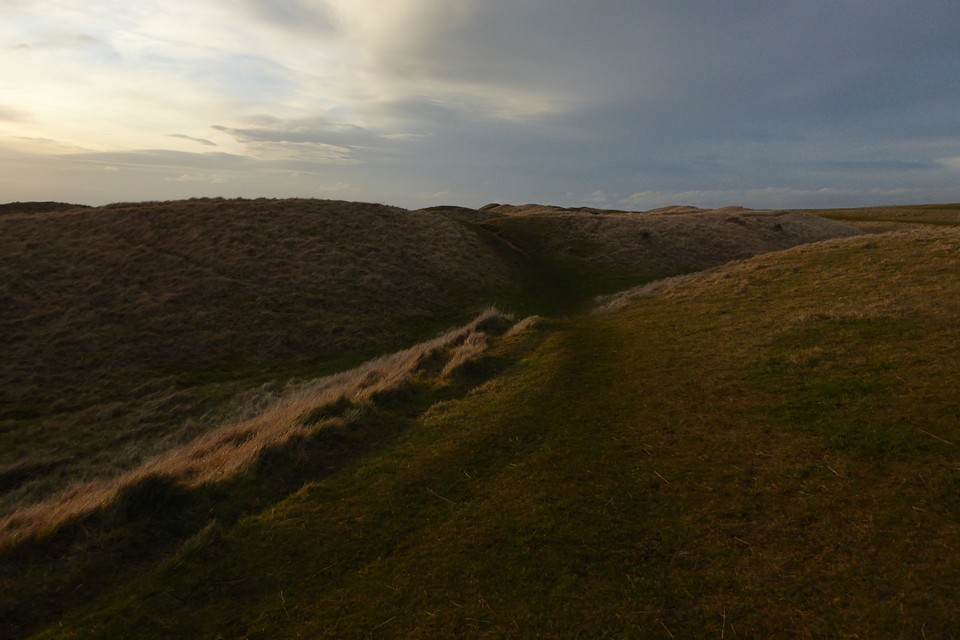 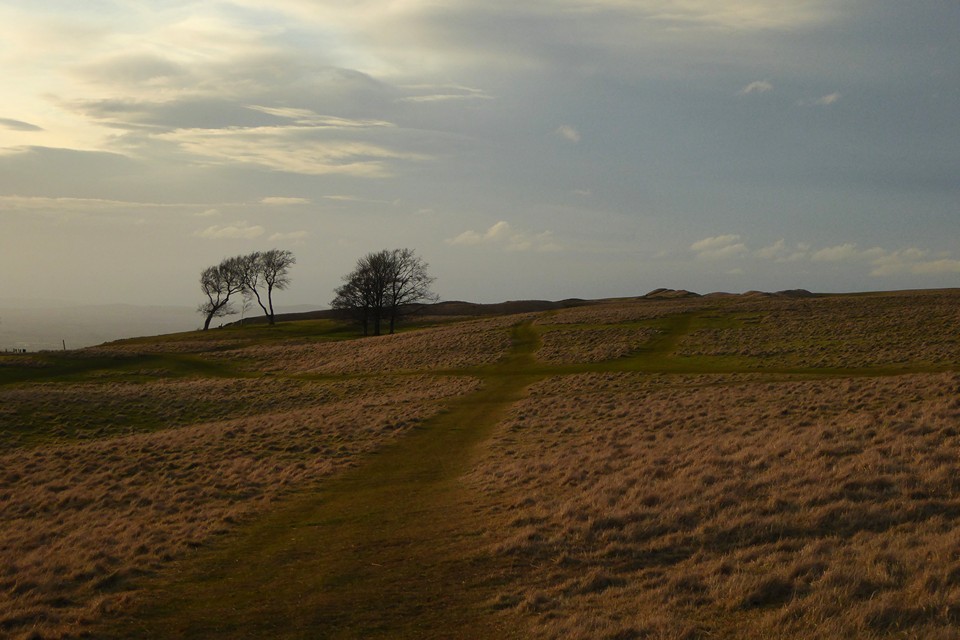
|
Posted by thesweetcheat 1st March 2023ce |
Showing 1-10 of 2,352 posts. Most recent first | Next 10
 Top of page