Showing 1-50 of 1,642 posts. Most recent first | Next 50 
|
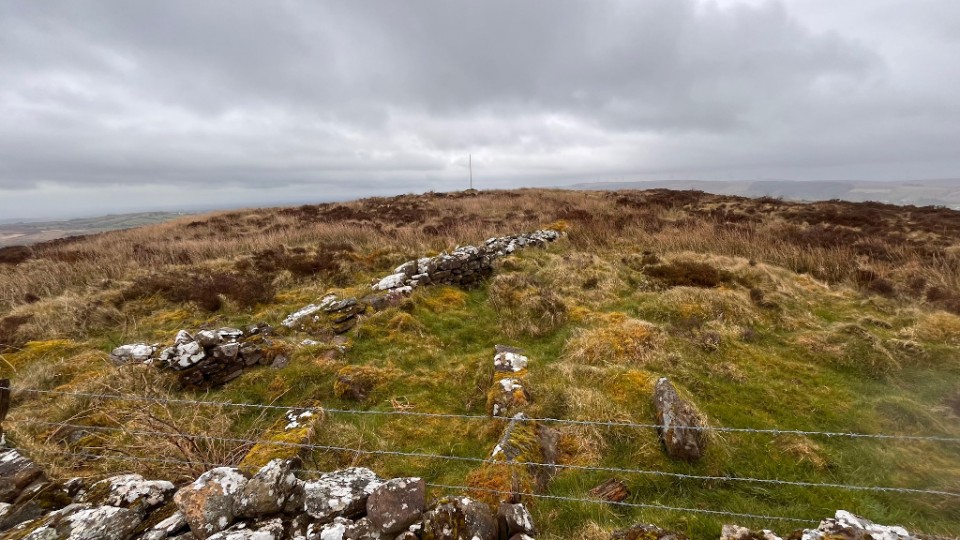
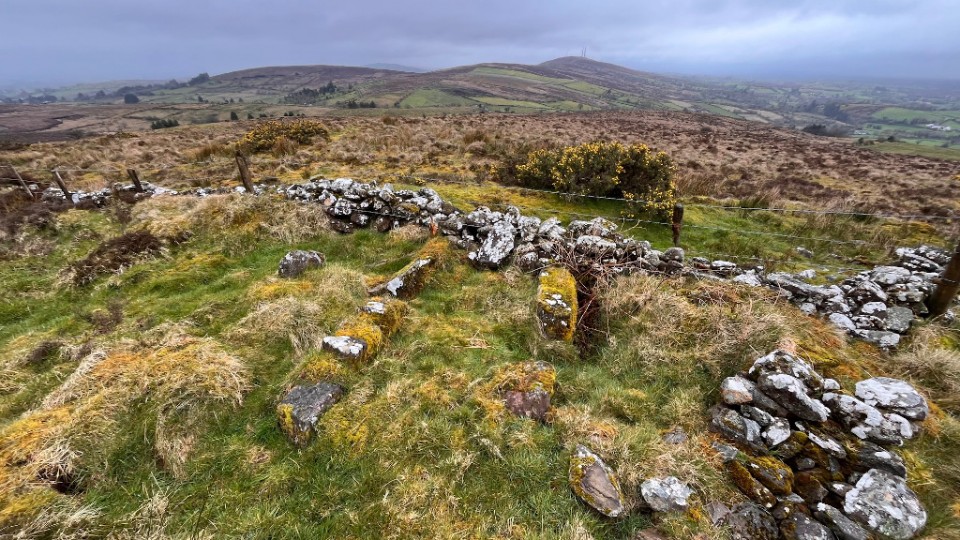
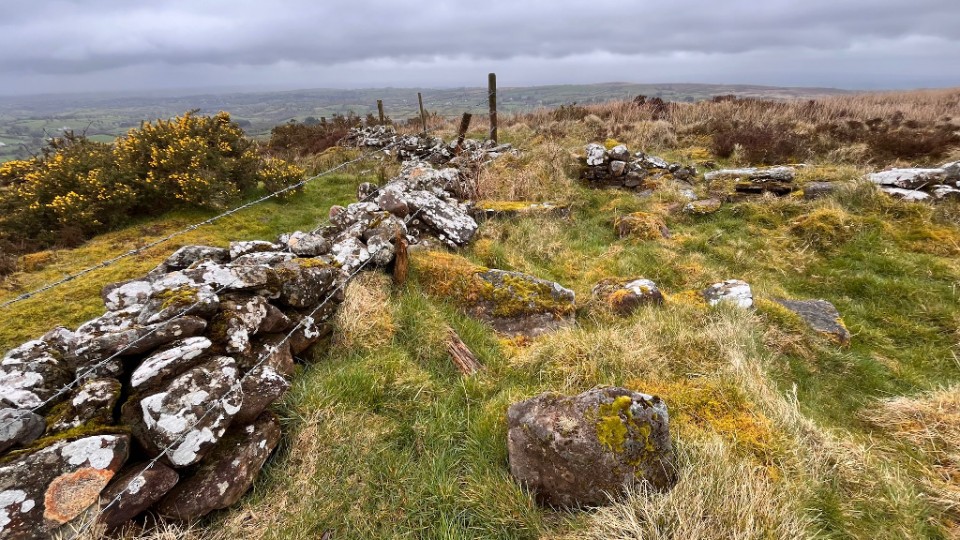
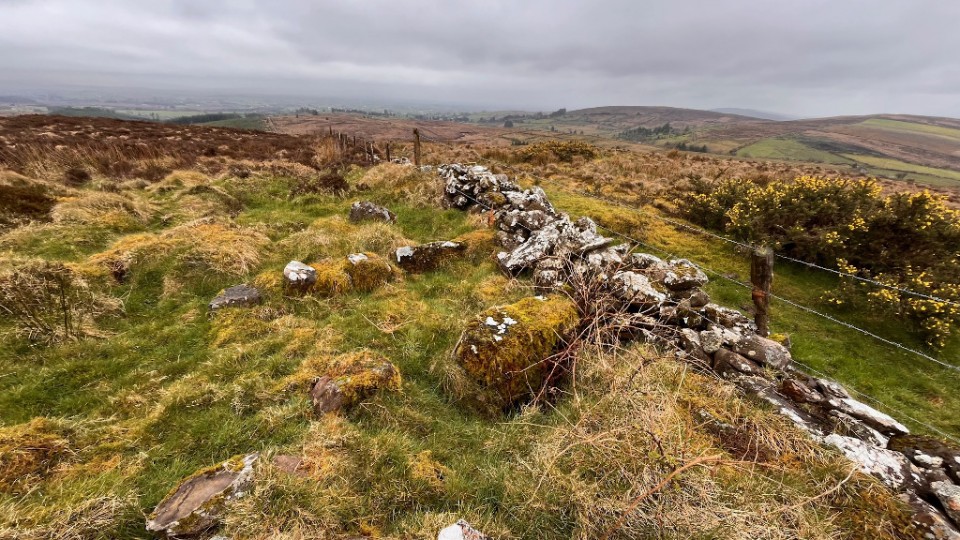
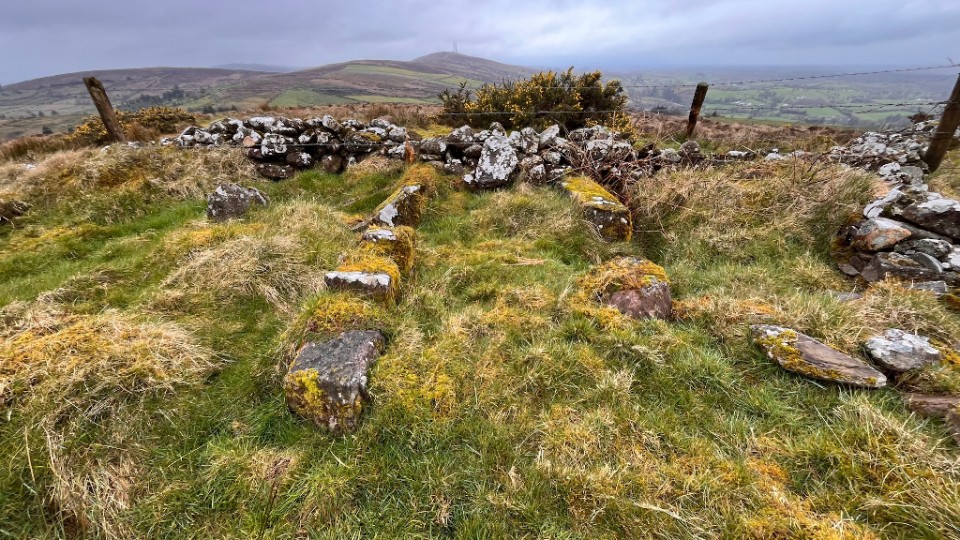
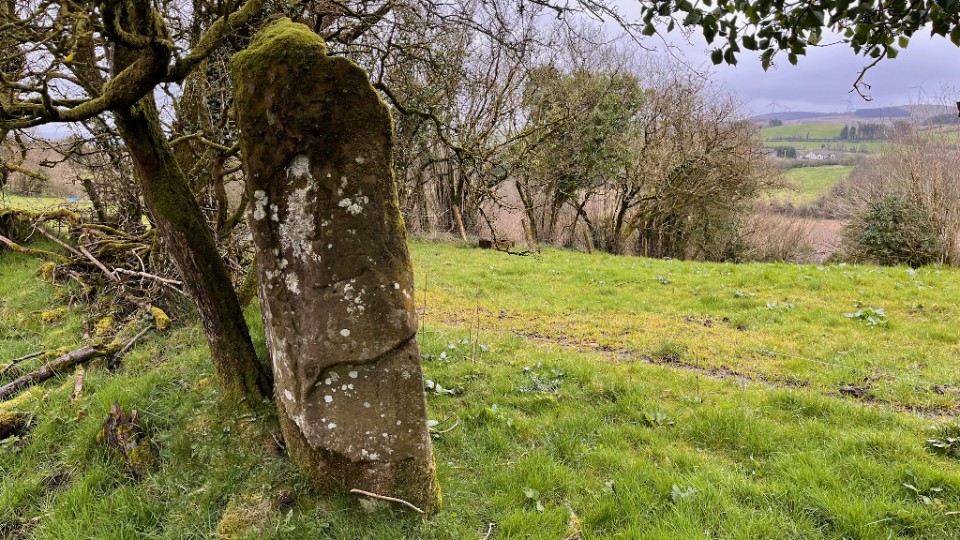
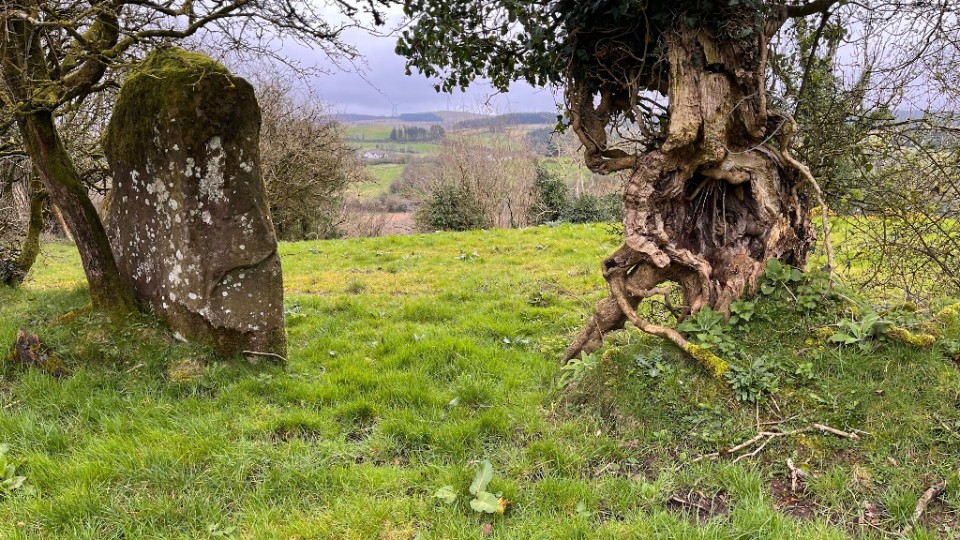
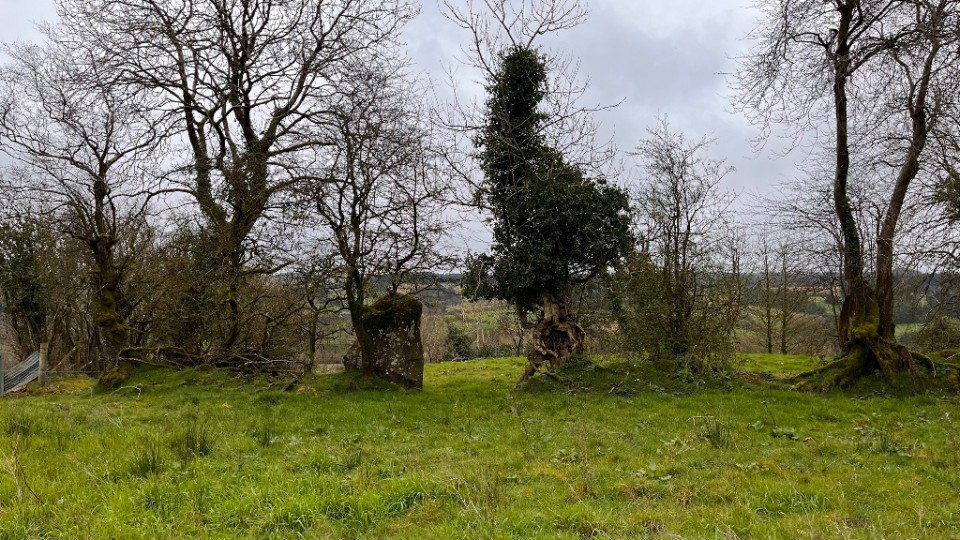
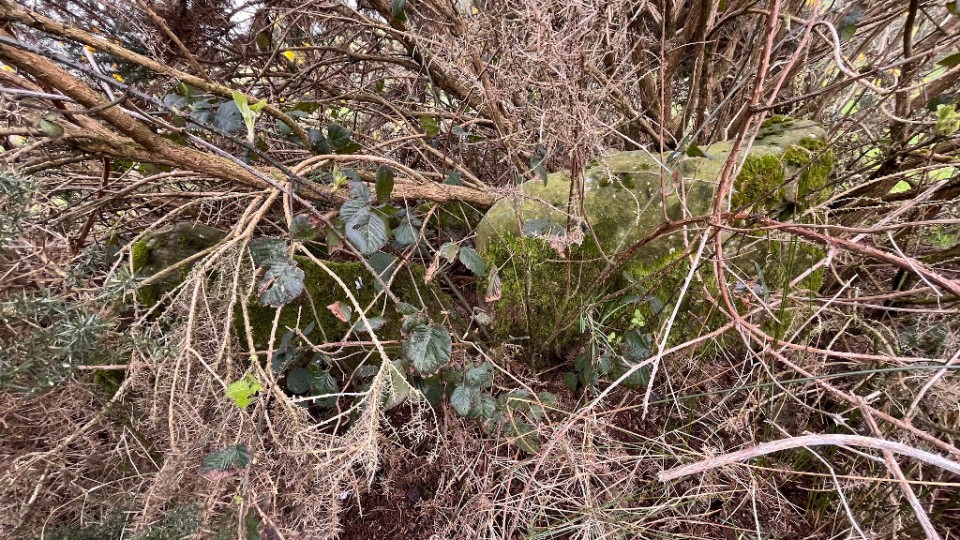
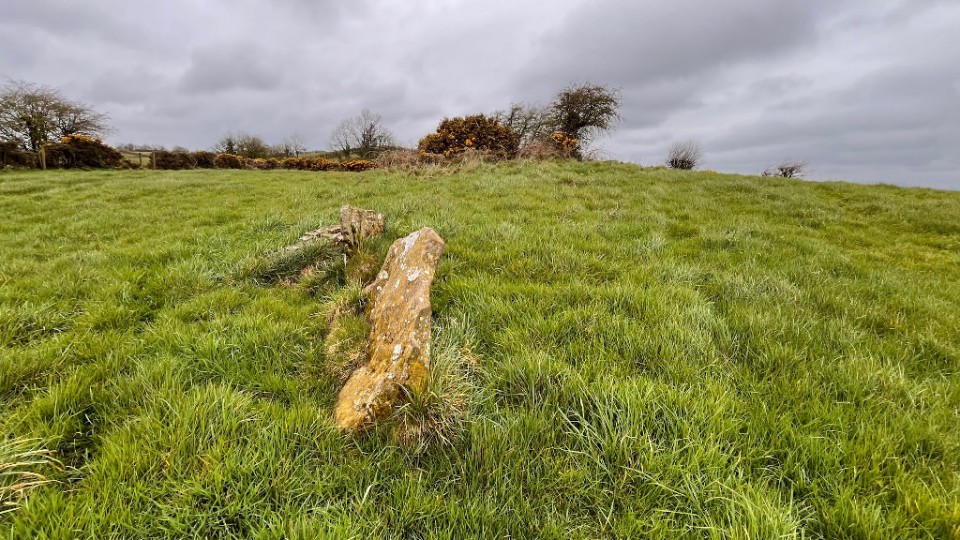
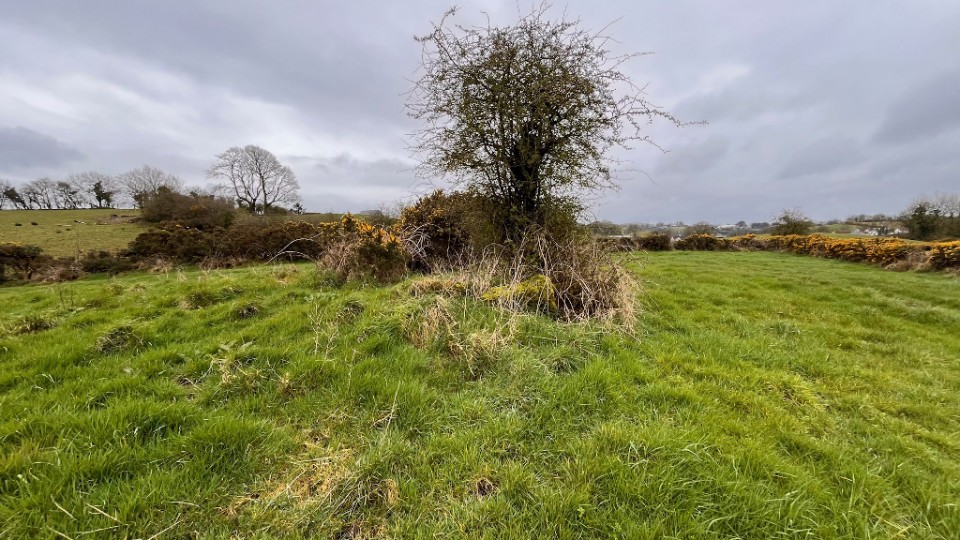
I wasn't expecting much from this ruined mound and I wasn't disappointed, at least not be the mound itself. What is it, what was its purpose, is it even prehistoric? I don't know the answer to any of these, but it is in a prime location, high above what would have been the River Dodder and is now one of the Glenasmole reservoirs. Ballinascorney Gap directly west has a barrow and a cairn, Piperstown Hill to the south-east is a habitation site and has a cairn cemetery, and there are many other prehistoric places that would be visible from here had the views not been blocked by modern hedgerows. An intriguing spot, but what a slog to get to!
|
 
|
Piperstown is a place slow to give up its secrets. I pass it by every once in a while and wonder. Burl mentions it in his Guide to the Stone Circles of Britain, Ireland and Brittany in connection with site K, where a circle of 5 or 6 standing stones were revealed upon excavation.
Altogether there are said to be 8 cairns and 7 structures/hut sites on the hill. There's also a pre-bog wall on top of the hill with 3 more cairns associated with it. Piperstown Hill is like a central locus in the area, with views all around. There is much more going on here than is immediately apparent, but I've just now discovered a map/plan of the site and intend to return soon before the heather and gorse really take hold.
|

|
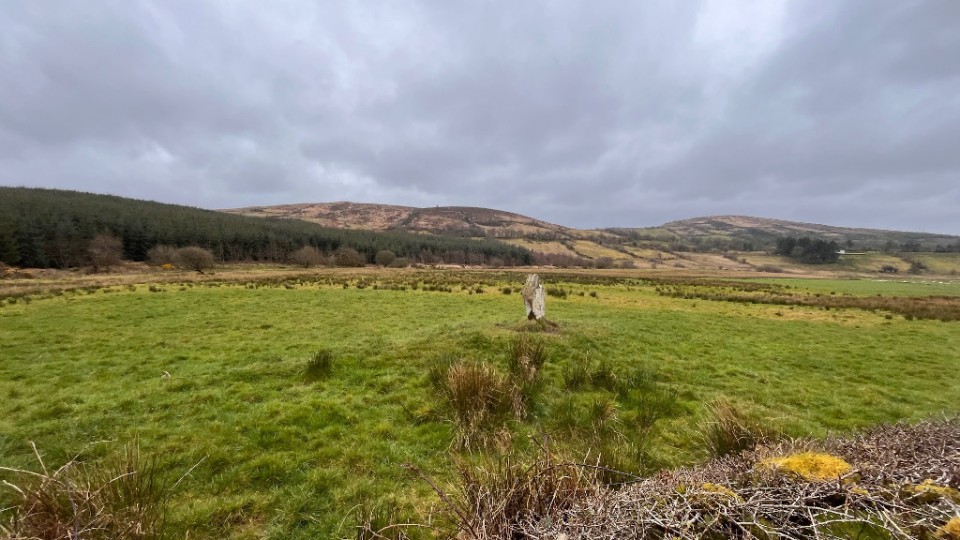
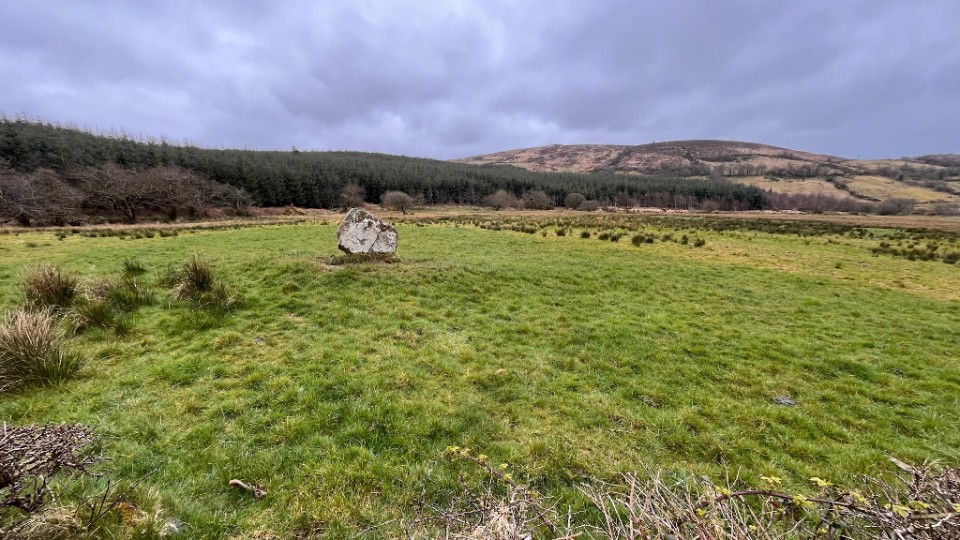
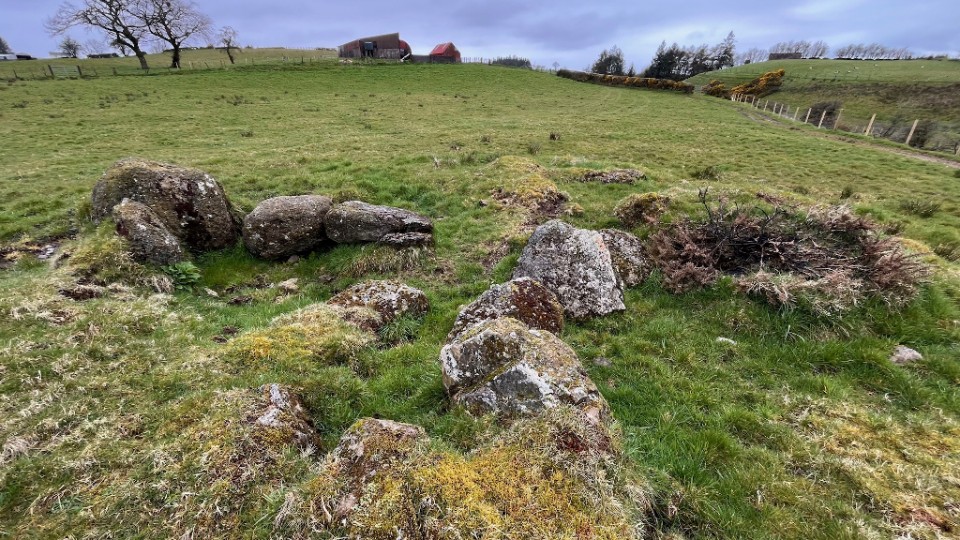
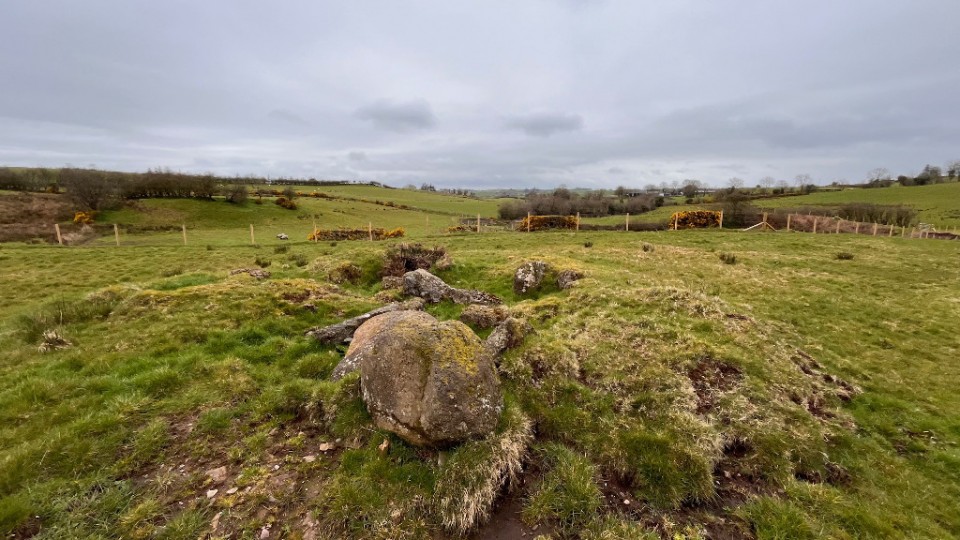
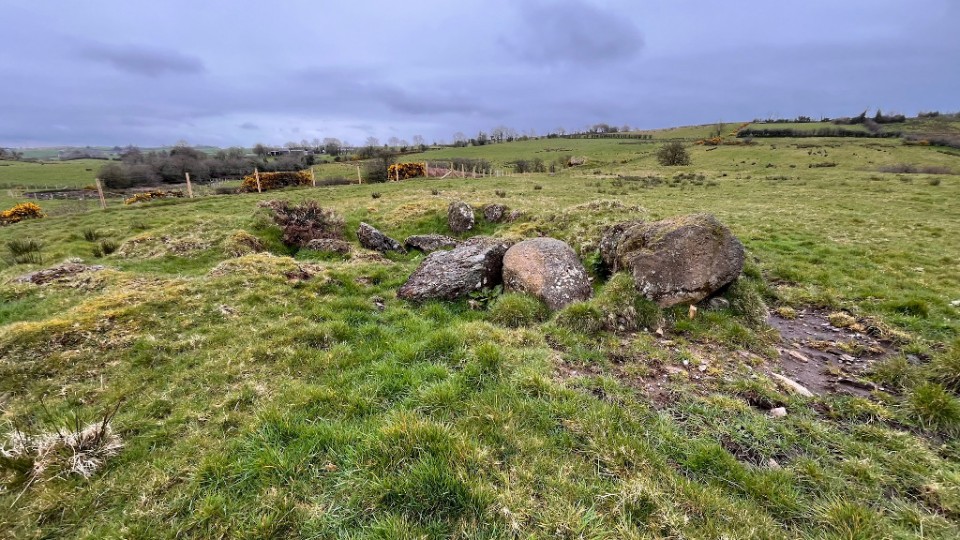
I've been in this field before looking at the lumps and bumps and have said to myself there's something going on here. It's just up the road from me, less than a 10 minute drive. I've surveyed the archaeology.ie website for sites in my vicinity and this comes up as a "Cairn, unclassified" and has no notes.
It's about 1.4 metres high, oval, maybe 6 metres on its longer axis, by 4 metres on the shorter. There's a much-flattened ring barrow about 350 metres to the north-west and there are some signs of habitation sites/earthworks in the immediate area.
I'm not entirely convinced by this, though it's hard to disagree that it is artificial – the stones that I saw on the western side of the cairn looked suspiciously like bedrock to me. Maybe this was incorporated into the cairn/barrow and there is a burial at its core.
|
   
|
|
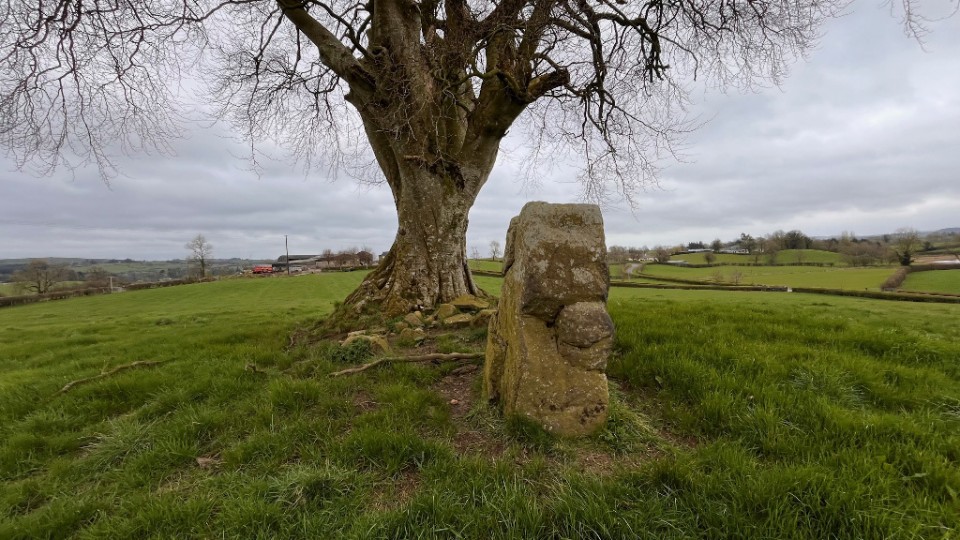
A quick visit to Killakee wedge tomb with my daughter and a friend. There's the usual trash about the area, a popular spot so close to Dublin. This, though ruined, is actually quite a good example of a classic wedge tomb. Double-walling is visible on both sides; much of the other structural stones are still there, though a more modern wall cuts through the front of the tomb. The presence of a massive beech tree in the south-west corner of the wedge does detract and distract. The ground to the east falls steeply away about 10 metres behind the tomb.
|

|
My plan for the day in Fenagh had included a visit to the court tomb in the neighbouring parish of Commons, as many of the standing stones and sundry other pre-christian monuments in the vicinity, and, of course, Fenagh Beg portal tomb and its attendant passage tombs and cairn. So far I'd been put off coming here by a combination of a local lass and Ken's fieldnotes about the bull. It had lashed hail at the court tomb and I'd been attacked by hungry sheep, and the cluster of standing stones north-east of the village had proved utterly elusive. The best laid plans of mice and men…
I had earlier gone up the lane above and to the east of the tomb and had spied it across what now is a lake but is a stream on the maps. The field looked empty, but the very cool response that the local had given to my enthusiastic plan to jaunt across the private land had left me doubting the wisdom of such a venture. My companion and his dog had accompanied me on the fruitless leg of the standing stone search and now we were back in the centre of the village, not 300 metres due south of the tomb. So what to do?
My ventures out in the field have been drastically curtailed by the recession and the perpetual "f*** you, pay me" of my mortgage provider. So I'd killed two birds with one stone – visited my mate in Cavan town, and plotted an attack on Fenagh and its rich megalithic heritage. And here I was, on the verge of bottling the ultimate goal of my trip. Well, bollocks to that, as they say nearly everywhere. I spied a quick route over a farm gate, across an empty field where the remains of the first passage grave are – then it would be over another fence and across the field with the portal. I've done this type of manoeuver so often but never have I been cheered on by a friend and his dog. I said I'd be about 20 minutes and that I'd meet him back in the village and off I set.
I headed straight for the mound with the small chamber at its top. Because of the rush I was in I didn't give this much time. The small chamber is box-like, resembling a small kist. It's about a metre square and sits oddly at the top of the mound and gradually becomes visible as you cross the field from the south. Behind the mound is a fence/hedge and this cuts across the monument. Almost immediately over this is the second passage grave, a strange rectangular structure with a couple of stones from a chamber and some kerbstones on its north side. The odd thing about this is that it's all raised about a metre above the field level, including the kerb. It was excavated in 1928 and "Cremated bone, six bone pendants, the head of a bone pin, and one quartz and two chalk balls were recovered." Again, moving fast I didn't give this much time either.
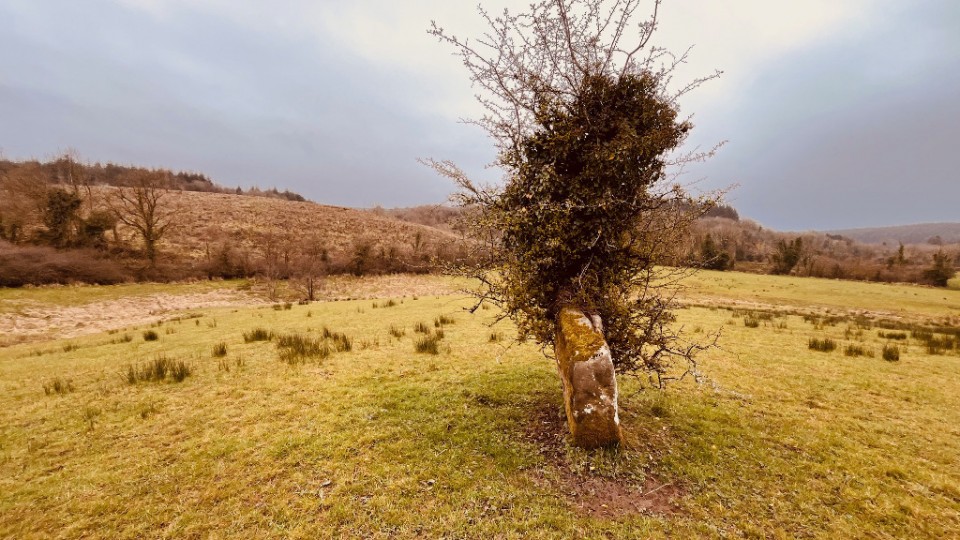
And then on to the main event: the ivy is really taking over here. The capstone rests precariously on one portal (the other portal, like the capstone itself, having been broken), the backstone and the eastern sidestone. The broken piece of the roofstone is a couple of tons in itself and the complete tomb itself would have been quite a construction. What really gives this place its character though is the mad bush that has parasitically given the tomb a full head of hair. However, from what I could see on my brief visit, this is not as charming as it used to be and some of the ivy trunk/branches are really strangling the stone. As the plant increases in size and bulk I fear it's in real danger of pulling the already damaged and quite precariously balanced capstone down. All of the stone are of the same conglomerate that you find in Sligo and Leitrim and it's really rather brittle and erosion-prone.
Having said all that, this is really a fantastic place. There's an air of ancientness about the place with that really rugged, damp, loaminess to the surrounds. The view immediately north to the beginnings of Lough Reane is gorgeous. The people of the vicinity are aware of what they have on their doorstep but haven't come up with a way to make the most of it yet, what with the tensions between private property and public monuments and the disgraceful lack of a public right to roam movement in Ireland.
I left here way too soon and took a few shots of the very small cairn in the corner of the field. A fascinating and undervalued place that maybe I won't see again.
|
|

|
 
|
|
    
|
We pulled in to Fenagh and parked up at the still functioning Church of Ireland church. Just as we got out of the car, the heavens opened with an almighty hail storm. My companion had a dog and agreed that it would be better if he went for a stroll around the old ecclesiastical sites while I checked the court tomb over the road.
Once the hail had stopped I headed over. It's not too far into the field and there was only one or two sheep in the vicinity. I headed down to the tomb and started to have a gawk. It is very prettily situated on a small hillock in sloping pasture. Just as I was trying to come to grips with its layout, attack of the very hungry sheep got underway. Suddenly, as if out of thin air, 100 sheep and lambs decided that I was daddy and that I had some fodder for them in these lean, hungry times. I've never had to retreat from a site because of sheep, but the racket they were making was enough to force me back without ever really having taken the time this tomb deserves. Ah well, there was always Elvis up the road!
|
 
|
A nice evening stroll through Killykeen Forest Park, from the northern approach via Killashandra. This is that rare monument in the republic - marked on the map of the amenity and now in its own fenced enclosure. The forestry will be re-planted but there is a sufficient gap surrounding it to allow it to breathe a little.
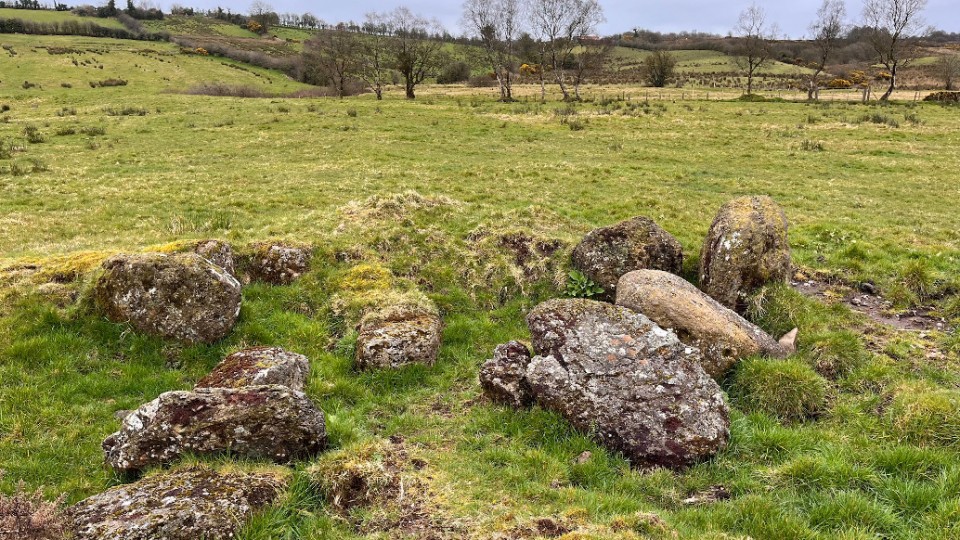
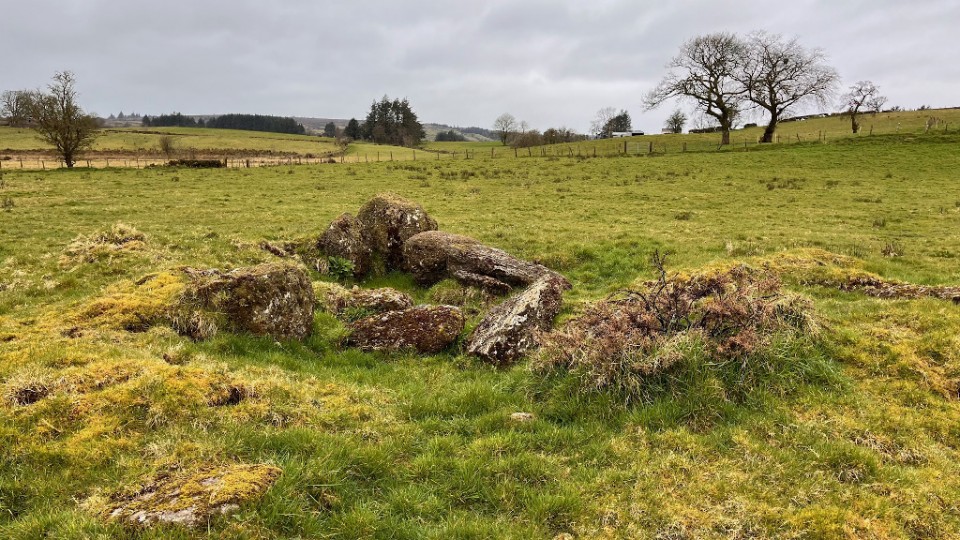
5 minutes up the track from the parking space are the de-nuded remains of a co. Cavan dual court tomb. There is still much of the cairn/mound material lying strewn about and both tombs retain much of their structural stones. The gap between the backstones of the tombs is quite large, maybe 8 metres, the courts of both similarly diminutive. The stones are all of the same conglomerate that is found in the locality.
I'm beginning to think that I'm better off going to these places on my own, as most people that I go with are only momentarily interested and I don't get enough time to drink in the atmosphere. My companion here was bored within 5 minutes, so my visit was curtailed.
|
  
|

|

|
Large barrow on the top of Athgoe Hill, just about inside the county Dublin boundary. Athgoe Hill and Lyons Hill are the last, most north-westerly, of a series of hills/mountains that form an arc to the south of Dublin city.
Access to the barrow is easy as there's a track up to the aerial/mobile phone mast. It's quite henge-like, about 45 metres in diameter and also quite ploughed/eroded away. In fact the national monument's database has this as an enclosure, with the remains of the barrow downslope to the north of here.
|
 
|
|
This is a very accessible, surprisingly intact, and slightly overgrown monument. I must admit that I was taken aback by the condition of the henge, having understood from previous reading that it would be barely recognisable when encountered.
A 15 minute stroll uphill from the forestry entrance leaves you just beside Lugg henge. The outer ring is roughly 30 metres in diameter, with an outer ditch that is a metre deep in places, especially on the south to west arc. The bank rises to a metre and a half in places here as well.
Inside this is a second ring with a visible ditch and about 10 metres in diameter. Much else has gone on here over the milennia as excavations show that this is a multi-faceted, multi-period site. I was definitely impressed by this place, hidden away as it is in the trees, but I had to leave rather sooner than I wished. Somewhere I would like to return to and contemplate its purpose more lengthily.
|
|
Showing 1-50 of 1,642 posts. Most recent first | Next 50 
Taxi-driving, graphic artist with a penchant for high hills and low boulders. Currently residing in Tallaght where I can escape to the wildernesses of Wicklow within 10 minutes.
|
|