The Modern Antiquarian. Ancient Sites, Stone Circles, Neolithic Monuments, Ancient Monuments, Prehistoric Sites, Megalithic Mysteries

Get the TMA Images feed
thesweetcheat

Latest Posts
Showing 1-50 of 1,861 posts. Most recent first | Next 50

Chypraze (Round Barrow(s)) — Fieldnotes

Visited 23.6.2010. The last prehistoric wandering of my June hoilday. This one is prompted by a mention in the latest edition of Maen Mamvro magazine, which mentions that a recent clifftop fire has exposed this barrow for the first time for years - must be worth a look then.

A quick bus trip to Morvah, a village in possession of the only church in England dedicated to a Swedish saint (St Bri(d)get). It's a pleasant stroll along the South West Coast Path to Chypraze Cliff, taking in views of Watch Croft, Carn Galva and Gurnard's Head, before I come to a large area of burning on the seaward side. I've approached from the east, and make the mistake of heading off the path into the burned area too soon. After 10 minutes of poking about, I have interesting charcoal stripes all over my trousers, but no barrow to show for it. I head back to path and head further west. Almost at the end of the burned area, a small fenced off structure appears on the seaward side of the path - I have the barrow in my sights now.

Although confined behind a (hopefully temporary) post and wire fence, the barrow is a bit of a gem. The kerb in particular is very well preserved, almost contiguous and with its stones all leaning inwards at an angle of about 60 degrees. There's not much left in the way of a mound, but the remains of a central cist can be seen. A small quartzite rock, about fist sized, can be seen in the remains of the mound.

As well as the barrow itself, there is a curving linear feature on the slope to the east, the remains of a prehistoric boundary feature of some kind and probably part of an early field system.

All in all this is a very worthwhile site to visit, especially before the bracken starts to encroach again as it inevitably will do. From here I follow the coast path west, until an intersecting footpath takes me back to Morvah, over granite stiles wreathed in the inevitable foxgloves. And the little tea room sells very nice home-made cakes. Yum!

Giant's Castle (Cliff Fort) — Fieldnotes

It's an odd sort of a fort, this. There are several (at least four) low lines of "defence" that cut the rocky headland off from Salakee Down. There are quite closely spaced, not much room between each line. And the interior is a small, exposed space, climbing up to a rocky promontory that has been sculpted by the elements into fantastic shapes. It's hard to believe that this could have been big enough to warrant defending, let alone be possible to live inside. All of which may suggest status rather than practical defensive purpose. Still, I have fun clambering onto the topmost rocks, where a gusty wind does its best to send me back down again.

At the base of the fort, the low mound of another battery can be seen, perhaps evidence that the real need for defence would come a millennium and a half after the Iron Age construct.

Salakee Downs (Cairn(s)) — Fieldnotes

Next up we reach Salakee Down. The tombs here are much harder to see, being covered in deep bracken. I bumble about on top of one, finding a very long capstone still roughly in place, together with a decent kerb. G/F doesn't share my enthusiasm and carries on along the coast path – very wise. What I do get from here is a great view of Giant's Castle, with its concentric lines of ramparts. We head there next.

Porth Hellick Downs (Cairn(s)) — Fieldnotes

The "Great Tomb" is a huge, reconstructed circular passage grave, which includes an unusual blocking-slab separating the roofless passage from the central chamber itself. From here many of the other chambered tombs on the Down can be seen, as can the Deep Point tombs on the headland to the north.

All these tombs are thought to be part of a Bronze Age continuation of a chambered tomb style that begun during the Neolithic, on the mainland in West Penwith. Whether they actually pre- or post-date similar mainland tombs, the Scillonian ones are preserved in much greater numbers, usually in concentrations like this (or at least pairs). All in all, this makes for a hugely rewarding place for the stonehead to visit, particularly when coupled with such lovely surroundings. We confine ourselves to a few of the more obvious tombs ('B', 'C', 'E' and 'G' are all well worth a look) before we head off the Down.

Deep Point (Chambered Cairn) — Fieldnotes

The ridge is surmounted by a number of chambered tombs, in varying degrees of preservation. There's a heavy covering of bracken over the mounds at this time of year, but the general shape and form can still be seen. We have a poke about on the top of 'A', the most westerly of the three primary tombs that remain. This reveals one in-situ capstone, as well as another slab that presumably formed part of the chamber's roof.

'B' is another large mound, but the chamber is badly ruined with only a couple of uprights to be seen. 'D' on the other hand is great, with a well-preserved kerb and a largely intact chamber covered by a very thick, square slab. This is a beautiful spot, with views across Crow Sound to St Martin's and south to Porth Hellick, also dotted with chambered tombs and our next destination.

Mount Todden (Cairn(s)) — Fieldnotes

Our first stop of an already hot day is the cairn at Mount Todden. At first sight, this large barrow could easily be dismissed as a natural boulder outcrop, as the western side of the barrow is exactly that. However, a couple of long slabs, similar to the ones that roof many of the island's chambered tombs, can be seen on the east side and may mark the remains of a cist or chamber.

Mayon Cliff Barrows (Round Barrow(s)) — Fieldnotes

The last two barrows of the day bear no resemblance to each other. The well-known Mayon Cliff cairn, which the coast path passes right next to, is rather lovely. It has a retaining kerb of rounded boulders and the remains of a central cist. A huge longstone lies across the mound, presumably dismounted from a position covering the central burial. Lands End (and its tacky tourist park) is visible, as are the Longships with their lighthouse. By contrast, the round barrow to the NE (assuming I did find it) is simply a low mound, covered in heather and almost imperceptible unless you're really looking for it. It has no visible stonework at all but is in the correct place based on the OS map and Craig Weatherhill's "Belerion" description. It is intervisible with the better-preserved cairn.

Escalls Cliff cairn (Round Cairn) — Fieldnotes

Escalls cairn sits atop the cliffs, with The Brisons visible offshore to the NNW. The coast path here runs along the base of the cliff, so this barrow is not much visited by the casual passerby, unlike Mayon Cliff for example. It is sited next to a granite outcrop and appears almost a natural feature itself, comprised of large slabs of granite which probably didn't come from very far away at all. When excavated by W.C. Borlase, a small cist was found containing an urn, together with flints and shells (shells may be local, but flint probably wasn't). There's no sign of any of that now, just the outer slabs. Worth a visit and a stop because of its lovely location, where the sky meets the sea and the sea washes the shore. I've come over all poetic, so it must be time to head onwards.

Tregiffian Vean (Chambered Tomb) — Fieldnotes

I'm not hoping for much from Tregiffian Vean chambered tomb, having only seen the black and white photo in Craig Weatherhill's essential "Belerion", in which only the capstone appears above the ploughed surface of the field. In fact, I'm pleasantly surprised, as there is a visible mound and although the capstone is displaced it still rests on upright orthostats. The general shape of the tomb is apparent at any rate. On the downside, the chamber has been blocked with rubble and the top of the tomb has been used to dump what look to be assorted clearance stones. Perhaps not up there with the likes of Brane in terms of condition, but nevertheless a survivor and worthy of the time spent in a visit.

Chapel Carn Brea long cairn — Fieldnotes

Past the topograph and to the southwest of the chambered tomb, there is an even rarer (and earlier) early Neolithic long cairn. Not many long cairns exist in Cornwall and I'm pretty sure this is the only one in Penwith. I didn't know it was here the first time we visited, but the new re-print of Cheryl Straffon's excellent A5 size "Ancient Sites In West Penwith" lists it, otherwise I still wouldn't be any the wiser. It would be very easy to miss this, as it looks pretty much like a natural rock outcrop. In truth, it appears that the natural rock and the contour of the hill have been incorporated into a long, low mound. The rocks form the south-eastern end of the mound. There are some stones along the sides of the mound, which may indicate that it once had some kind of retaining kerb.

Chapel Carn Brea (Entrance Grave) — Fieldnotes

The main draw of the hill, apart from the extensive views, is the rather extraordinary chambered tomb and later cairn, which fills the hilltop and despite much subsequent damage (notably caused by the building of a medieval hermitage and then a radar observation post on top of it) still measures almost 20m across. The original Neolithic chambered tomb has been covered by the later, larger Bronze Age cairn, which accounts for most of the stonework still to be seen. The small intact chamber that can be seen is a secondary cist added when the Bronze Age mound was constructed. I manage to squeeze inside and get back out again without damage to the tomb or (more likely) myself. This is a terrific monument even in its damaged condition and definitely worth coming to visit. It provided us with the perfect location for Midsummer lunch and general chilling out.

The Merry Maidens (Stone Circle) — Fieldnotes

The fourth of the Penwithian circles, Merry Maidens usually leaves me a bit disappointed. Its easy access makes it busy and also takes away some of the atmosphere, for me. There's no moorland walk, no secluded space, just a field next to the road. That said, the circle itself is lovely and it is very pretty. Today, there are cars parked up and a couple dowsing in the circle. I walk around the circle and renew acquaintances with it, but don't linger.

Boscawen Menhir (Standing Stone / Menhir) — Fieldnotes

Situated two fields north of the Boscawen path, this tall and shapely stone stands over 2.5m tall, but is easily missed as it is out of site of the path. It does not stand straight, as the natural shape of the stone curves gently. Truthfully, it's rather phallic looking from some angles. Landscape views are even more restricted from here than from the Blind Fiddler, due to the agricultural surroundings that make up the lower areas of West Penwith.

Boskawen-Un (Stone Circle) — Fieldnotes

Past the farm buildings (where I was once bitten on the bum by a goose, while G/F made her laughing escape), the tracks heads west and becomes more enclosed – not the overgrown state of a few years ago though. Anticipation builds, as it always does when approaching a circle. I wonder whether there will be anyone else there? It's three days to the solstice, when no doubt the circle will be alive with ritual of one sort or another, but I am in luck today and as I reach the wooden gate into the secluded enclosure, I see that it is empty. Fantastic! I've never been here on my own before, and never in such terrific weather. My memories of summer Boscawen are usually of either rain or hordes of weekend pagans, so this is a real treat. Julian's daughter is dead right; the quartz stone is such a draw. You may be interested to know that the central pillar provides just enough shade to escape from the midday sun if you squeeze right up under it. Time passes.

Boscawen-Un Menhir (Standing Stone / Menhir) — Fieldnotes

Back on the A30, I head WSW along the verge until the turn for Boscawenoon farm appears. Right next to the farm track, the pointy bulk of Bowscawen-Un hedge stone looms. Despite its rather everyday setting, this is a huge stone. Its triangular shape wouldn't necessarily mark it out as an obvious choice for a standing stone, so perhaps it was erected here on a spot close to its natural setting.

The Blind Fiddler (Standing Stone / Menhir) — Fieldnotes

This magnificent stone stands over 3m tall, one of the tallest in the peninsula. It's one of those stones that assumes an entirely different character from each angle, being very thin on the southwest/northeast faces and broad and tapering on the others. The views are somewhat restricted by hedges and trees, and apart from Sancreed Beacon it doesn't appear to point to any other obvious prehistoric sites (I'm not sure if the Drift stones would be visible if you removed all the intervening hedges). Great stone though.

Drift Stones (Standing Stones) — Fieldnotes

The bus drops me off at Drift crossroads and I have a not very enjoyable 200yds or so along the verge of the A30 itself. My objective is the pair of stones to the southwest, sometimes called The Sisters, which I've seen from the bus before but never visited. They stand in a cultivated field immediately adjacent to the A30. I'm fortunate with the timing of my visit, as the crop has obviously been recently harvested, leaving the stones clear of obstruction. Their location is on sloping ground, above and to the west of a little valley that eventually reaches the sea at Lamorna Cove, which is coincidentally my final destination for the days walk. This sloping ground allows views across the farmland to the east and round to the southwest, where St Buryan church tower is clearly visible.

These are two impressive stones, both over 2m tall. The southeast stone is the pointier of the two, with a natural crevice running diagonally across its southeast face and providing a home for snails out of the fierce sun. The northwest stone is patched with the yellow lichen that adorns many of the Brecon Beacons' stones. I'm really pleased to have finally visited this excellent pair, despite the less than ideal road-walk to get to them.

Shipman Head Down (Cliff Fort) — Images (click to view fullsize)

<b>Shipman Head Down</b>Posted by thesweetcheat<b>Shipman Head Down</b>Posted by thesweetcheat

Castle Down (Chambered Cairn) — Fieldnotes

Visited 16.6.2010 on a day-trip to Tresco on the Scillonian ferry. The boat across from St Marys dropped us off at Carn Near, the southern point of the island, which put us as far from Castle Down as it was possible to be.

It was a lovely walk under blue skies along the eastern edge of the island, and the views across to St Helen's, Round Island and Northwethel from Gimble Porth are beautiful. We climbed up to the Down from its eastern side (Tregarthen Hill) and a prehistoric landscape opens out. Unfortunately it's very heather-covered, making it difficult to see what's what. There are 78 cairns on the downs, but most are simply lumps in the heather. A nice prehistoric field boundary does break free of the vegetation and as we head northwest across the Down we do manage to find a decent cairn with surrounding kerb and then what looks like a small capstone protruding from another be-heathered cairn.

Unfortuately our time is rather limited and in going up to have a look around the 16th century King Charles's castle (which predates the monarch of the same name by the best part of a century), we don't have time to seek out the entrance grave up on the west side of Tregarthen Hill. Still, it's a great spot on a nice day and we'll have to come for longer another time.

As we head back towards New Grimsby, we pass another prominent cairn towards the southern end of the Down. New Grimsby has a rather lovely modern megalithic folly, with a kerbed quoit (mini-Chun) and several standing stones, overlooking the harbour. From there we headed off to Tresco Abbey Gardens, with its holed stone.

It seems that the majority of visitors to the island come to see the Gardens and the little town, so Castle Downs are a nice quiet spot even on a lovely sunny summer's day.

Nine Stones of Boskednan (Stone Circle) — Fieldnotes

Boskednan circle, or Nine Maidens, is without doubt my favourite circle of all (and by extension my favourite site of all). It's not a perfect or pristine circle, many of the stones lean alarmingly or have fallen. It's not on a dramatic peak, or surrounded by a fairy ring of trees. Instead it sits on a bare moor, exposed to the elements and sticking its figures up at 'em. We've been here in dreadful weather, rain, mist (never snow though) and it's never less than brilliant. Today, under a cloudless cerulean sky, I think that there can't be a more perfect place to be.

Time passes and we reluctantly drag ourselves away, for the pub beckons but there's still a way to go.

Bosullow Trehyllys Courtyard House Settlement (Ancient Village / Settlement / Misc. Earthwork) — Fieldnotes

From the Castle, after a bit of bracken-exploration, we find a vague path heading northeast, which clears a bit as it finds a route between two hedges. Some lumps and bumps appear in the field on the south side of the path, telling us we've found Bosullow Trehyllys, one of the best preserved courtyard house settlements in the area. Much less visited than Chysauster or Carn Euny, this settlement has been dogged by restricted access and impenetrable vegetation, so we've never tried to visit before. But the barbed wire has rusted away and the little gate is open to us, so we go and have a mooch round. Thanks again to Chrisbird for pointing out that the site had been cleared. The vegetation is actually already pretty high again, but we easily found simple round-houses in the south-western field and the impressive courtyard houses in the field next door. We're joined by a fellow enthusiast, who tells me this is his first visit to the site for over a decade.

Chun Castle (Ancient Village / Settlement / Misc. Earthwork) — Fieldnotes

This time we're heading up to the nearby Chun Castle hillfort, which actually we rarely visit on our trips. Its circular walls are satisfyingly chunky and provide a wonderful 360-degree panorama, including the engine house at Ding Dong mine, which is such a ubiquitous landmark from much of the peninsula. But we don't hang around here for long, as our main reason for heading this way is another site we haven't visited previously.

Chûn Quoit & Boswens Menhir (Dolmen / Quoit / Cromlech) — Fieldnotes

Chun Quoit is another of the area's "show sites", but to see it ahead of you in its beautiful setting is still enough to cause a flutter of anticipation. Watch Croft, Penwith's highest point, rises behind and the blues of sea and sky meet over to the north. The Quoit itself needs no introduction, so we'll just sit and have a snack and enjoy the view for a little while.

Portheras Common Barrow (Round Barrow(s)) — Fieldnotes

We head east off the moor and, on reaching Boslow Stone, swing north along a little track. Still almost hidden, in a triangle of land next to the track is Portheras Common barrow. I have looked for it before but always been defeated, but Chrisbird's photos from earlier in the year have given me fresh heart and sure enough, the barrow has been freed from the mess of undergrowth for the first time in years. This is a terrific little barrow, with a near-complete kerb and a central chamber/cist still boasting its capstone. Already the vegetation is growing back, brambles are trailing the barrow and patches of purple-ish campion sprout around the centre and the lovely Cornish foxgloves are doing their thing nearby as well. But it's great to finally see this barrow, especially to see how well-preserved it is.

Tregeseal Stone Circle and Carn Kenidjack — Fieldnotes

Tregeseal stone circle, or more properly the eastern circle, is the first stop-off today. Almost always deserted on our visits, today is no exception and we can sit undisturbed in the sunshine, breathing in sea air and generally chilling. I mess about in the bracken looking for the remnants of the western circle and g/f lets me get on with it – she has more sense. It's only just gone 11 o'clock and it's already shaping up to be scorcher, so sun-cream is liberally applied. I love this circle. If it wasn't for one other (more of which later) it would be my favourite of all.

East Riding of Yorkshire — News

IA Goddess figurine returns to East Yorks


EAST Yorkshire's oldest lady has come home – after a 21-year absence.
The Iron Age representation of a woman was sent to experts at the British Museum in 1989.

Staff at Hull Council's archaeology department assumed it had been returned and was somewhere in their stores.

Manager of Humber Archaeology Partnership Dave Evans decided recently to track it down and found it still at the British Museum. He said: "It's a joy to have her back."

http://www.yorkshirepost.co.uk/news/Back-home-Iron-Age-figure.6462598.jp

Isle of Skye — News

Prehistoric cave on Skye "Still occupied"


A cave thought to have been occupied by people as early as 3BC was still being lived in this year, it has emerged.

A new hearth for a fire and stacks of wood cut for kindling were found in the L-shaped fissure at Leitir Fura, Kinloch, on Skye.

Its present day occupation is noted in the former sea cave's entry on Highland Council's historic environment record database.

The cave is 6m deep and stretches to 3m at its widest sections.

Forestry Commission Scotland commissioned archaeologist Martin Wildgoose to make a fresh assessment of a township abandoned during the Highland Clearances and the nearby cave.

His report was published earlier this year and is among new additions uploaded to the online database of Highland archaeological and historic sites.

Excavations of the cave in May 1996 uncovered evidence that the cave was occupied at periods of time from at least 3BC.

When it was first discovered tools, pottery, a hearth and a shell midden were found suggesting people had lived in it during the late 18th or early 19th Century.

But according to its historic environment record entry, the site remains in regular use.


From BBC News website:

http://www.bbc.co.uk/news/uk-scotland-highlands-islands-11004214?

Burford Down (Stone Row / Alignment) — Fieldnotes

The final row of the day climbs Burford Down, towards a visible terminal cairn circle at the high point of the hill. This last site pulls my tired legs onwards. As the row climbs the hill, I turn around for a last look towards Stalldown behind, what a wonderful landscape this is.

The terminal cairn-circle isn't a match for the Dancers. There is a hollowed mound in its centre and many of the stones are missing or fallen, but this is still a grand enough way to finish the row.

Stalldown South-East (Ancient Village / Settlement / Misc. Earthwork) — Fieldnotes

As I reach the bottom of the hill, I'm into the best-preserved settlement of the day, a selection of variously sized roundhouses and larger enclosures. But I don't stop for long as there's still one more hill to climb and a stone row to follow.

Stalldown Stone Row (Stone Row / Alignment) — Fieldnotes

After another of the Blatchford Bottom settlements, this one with a suspicious bullock keeping a wary eye on me, I start to climb again, this time up to Stalldown. As I reach the crest, the tips of the northernmost upright stones of the row come into view. This is the tallest of Dartmoor's stone rows and the four uprights at the northern end are the tallest stones in the row. They are all about 2-2.5 metres tall and very shapely, leaning in slightly different directions, which makes for a very photogenic site. There are a couple more large stones lying fallen to the north, which may well have been part of the row – the northernmost is a large slab. What a lovely setting of stones this is, who could ask for more?

Following the row roughly south as it heads off the top of the hill, the stones become markedly smaller after those first few, and there is the additional treat of a small cairn- or kerb-circle adjacent to the row. Towards the south end of the row is a recumbent slab, which would have been much taller than its neighbours if erected and the final upright is a rounded, boulderish stone – it may be that the row continued beyond this point, but no uprights remain. Plymouth Sound emerges from the gloom to the southwest to show I'm heading in the right direction.

Stall Moor Stone Circle — Fieldnotes

And here it is! The uprights of the cairn circle come into view – empty, miles from anywhere, this is a real treat of a circle. Some of the stones lean alarmingly, the ground is wet and muddy around the stones, but I'm grinning from ear to ear. Without doubt worth the effort of the long walk, the circle is a gem that I doubt has many visitors, except the cows that graze a little way off and pay me no attention at all. Coming to places like this makes the heart sing, makes me feel glad to be alive and all the transitory worries of life seem so far behind. After a good while spent circling the site, then sitting in the ring (devoid of much sign of a cairn, by the way) I am reluctantly reminded of the long walk back to Ivybridge and the further delights still to be had on the way and head off south. The stones hang crooked on the skyline behind me for a moment, before disappearing back into their timeless solitude. I hope to come back here again one day, for this is a wonderful circle.

Stall Moor Stone Row (Stone Row / Alignment) — Fieldnotes

I've joined the row less than a quarter of the way along its length from its southern terminus – it continues much further north, all the way up to Green Hill, making it the longest row on Dartmoor by some way. The stones of the row are minuscule to say the least, but there are a few notable individuals, such as a weirdly eroded one that stands more than twice as high as its neighbours, and a lovely row of three differently marked quartz stones next to a small brook that the row crosses. The stones get gradually bigger as they head south, where they disappear over the brow of the hill. By this point I am buzzing with anticipation as I have passed the furthest point out of my walk and am nearly at my main objective, tantalisingly close just over the ridge.

Stall Moor Cairn (Cairn(s)) — Fieldnotes

The cairn is large but ruinous, having been heavily dug into. It lies slightly to the west and uphill from the row, from where it commands good views over the Erme Valley and southwards towards the Dancers.

Piles Hill (Cairn(s)) — Fieldnotes

There are two decent cairns on Piles Hill and one less certain one. The southern cairn is an unusual bell cairn, with a definite raised perimeter of approximately 30m diameter surrounding it. The central mound is very low however and is exceeded by that of the smaller northern cairn. The less-certain cairn lies a few metres further to the north-east and is a low green mound with no visible structural stones. Sharp Tor cairn, with typical walker-excrescence, is an obvious monument on the skyline to the NNW from here.

Piles Hill (Standing Stone / Menhir) — Fieldnotes

When I approach the Longstone, a wild pony is having an enjoyable backside-scratch up against it. It think my arrival must have been a disappointment! This re-erected stone is over 2 metres high and is a big old lump, standing next to a much more modern boundary marker. From here there are extensive views across the moors.

Butterdon (Stone Row / Alignment) — Fieldnotes

Anyway, I have found my first Dartmoor cairn circle and from here I can find the start of my first row. It heads roughly north, consisting of small (a foot or so tall) stones and crosses over a mile of moorland to a terminus on Piles Hill. On its route it passes the sandcastle-esque Butterdon Hill (north) cairn, which has gained its unusual look by excavation followed by a covering of turf. The direction of the row changes slightly north of this cairn, possibly suggesting that it was erected in more than one phase.

As the row starts to head up towards Piles Hill a taller and more modern boundary marker creeps in amongst the lower stones of the row. Further north Sharp Tor and Three Barrows are now in view, more hills topped with bronze age cairns. As the row approaches Hobajons Cross it still consists of very low stones, and the cross itself is merely a taller upright that has been christianised by the incision of a small cross near its top. It is possible that this stone was once the terminus of the row (see Jeremy Butler's "Dartmoor Atlas of Antiquities"). From here most of the stones are missing as the line of the row climbs Piles Hill to its leaning terminal stone (shown as "recumbent" on the OS).

Butterdon Hill cairn circle (Stone Circle) — Fieldnotes

But the main draw for me is a cairn circle, which marks the southern terminal of the second-longest stone row on Dartmoor. It takes me a while to find the circle, even in low grass. Burl mentions that one of the stones is upright, but in fact all are fallen (although a couple are still – just about – leaning). There is the merest hint of the cairn mound in the centre and the stones are quite nice shapes, several tapering at what I assume was the top when they were originally erected.

Butterdon Hill (Cairn(s)) — Fieldnotes

As the ground starts to rise again towards Butterdon, I pass a taller boundary stone, marked on the OS as "Longstone", while the trig point on the hill ahead is another visual prompt. The first Butterdon cairn is already looking like a monster, silhouetted on the skyline. When I reach it, I find a small triangular stone in front of it, but can't work out if it "belongs" to anything else – perhaps it's part of the boundary line, but it looks to be of a different character and I make out (I think) a low semi-circular bank that appears to incorporate the stone. Another, even bigger, cairn marks the northern end of the summit. This is a huge cairn, 30 metres across and still 4 metres high. From here there are excellent views all around, with every hill apparently topped by more cairns.

Western Beacon (Cairn(s)) — Fieldnotes

The OS map simply notes "cairns", so I am a little unprepared for the number of cairns that are actually crowding the top of the Beacon. I pass what I take to be one next to the path on the climb uphill, but the better-preserved ones are out of sight until the top is gained. These are similar to the ones I am becoming used to from trips to the Brecon Beacons, proper rubble-constructed summit cairns. They are in pretty good condition, except one that has a mini-shelter built on its top (I learn from TMA when I get home that these cairns were restored after earlier walker-damage).

From the top of the Beacon, views open northeast to the higher Ugborough Beacon, also topped with assorted barrows, and north to Butterdon Hill, which is the site of my first Burl-guided site of the day. The route to Butterdon is marked by a very handy row of post-medieval boundary stones, the first of which start in the midst of the Western Beacon cairns. At these southern reaches of the moors, there are a few folks about and although the sky is overcast, it doesn't look like it will rain. Nevertheless, this is an expansive landscape and it's reassuring to have a helpful navigation aid as I head downhill and northwards in the company of these markers.

County Cork — News

Two Irish ring-forts destroyed


CONSERVATION GROUP Friends of the Irish Environment has called for the "full weight of the law" to be brought to bear following the complete destruction of two ancient ring forts located in Co Cork.

The group has written to Minister for the Environment John Gormley calling for prosecutions to follow the recent destruction of the two forts in north Co Cork.

The ring forts were located in the townland of Knockacareagh, near Kilmurry, Co Cork.

One was oval and measured almost 60m in an east-west direction, 48m in a north-south direction, and was enclosed by a two-metre high earthen bank.

Archaeologists had found the remains of cultivation ridges crossing its interior.

The other ring-fort was circular and slightly smaller, measuring just more than 33 metres, and was surrounded by a two-metre high earthen ditch. It featured numerous cattle gaps across its bank.

However, both structures have been completely levelled. No above-ground trace remains. All their earthen banks have been removed and filled in.

Further details from the Irish Times (10.8.2010) and Irish Examiner (9.8.2010):

http://www.irishtimes.com/newspaper/ireland/2010/0810/1224276470654.html

http://www.irishexaminer.com/ireland/inquiry-after-two-ring-forts-destroyed-127349.html#ixzz0x5L9TSYQ

The Netherlands (Country) — News

IA grave found in Alkmaar town centre


Archaeologists digging in the Paardenmarkt (Horse market) square in the centre of the Dutch town of Alkmaar have discovered a prehistoric grave.

The remains show a person buried in the crouched position, which is typical of the Iron Age. The grave was found under a layer of sand found earlier in Alkmaar and known to date from the same period, between 700 BC and the beginning of the Christian era.

The dig in the centre of town is now in its final phase.

Earlier, archaeologists found a collective grave dating from 1573 and containing 15 skeletons and several musket balls and traces of shot. The siege of Alkmaar by the Spanish and the subsequent relief by William of Orange took place between August and October 1573. Other discoveries include a monastery graveyard and the remains of an historic street plan.

The dig is due to end later this month, after which the square will be subject to a major redesign.

From Radio Netherlands Worldwide:

http://www.rnw.nl/english/bulletin/prehistoric-grave-found-alkmaar?

Eddisbury (Hillfort) — News

Excavation at Eddisbury


THE Habitats and Hillforts project has been staging a four week archaeological dig at Eddisbury Hill Iron Age Hillfort.

The intention is to re-excavate trenches through the ramparts and one of the entrances that were originally opened up between 1936 and 1938 in order to expose the sections and recover charcoal samples for radiocarbon dating.

Details at iccheshireonline:

http://iccheshireonline.icnetwork.co.uk/0100news/0100regionalnews/tm_headline=habitats-and-hillforts-project-stage-dig-at-eddisbury-hill&method=full&objectid=27031610&siteid=50020-name_page.html?

Moel Arthur (Hillfort) — Images

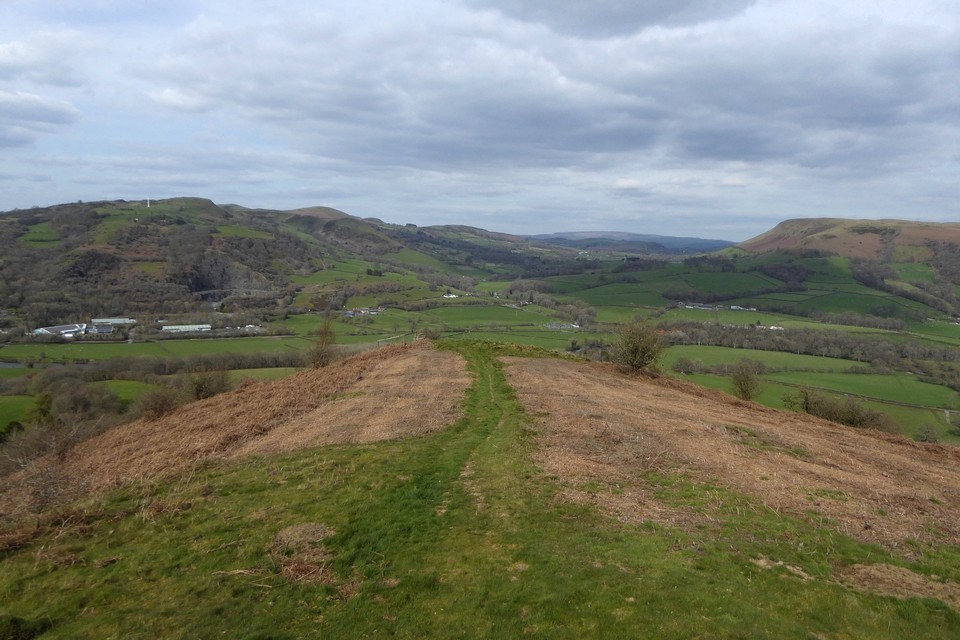
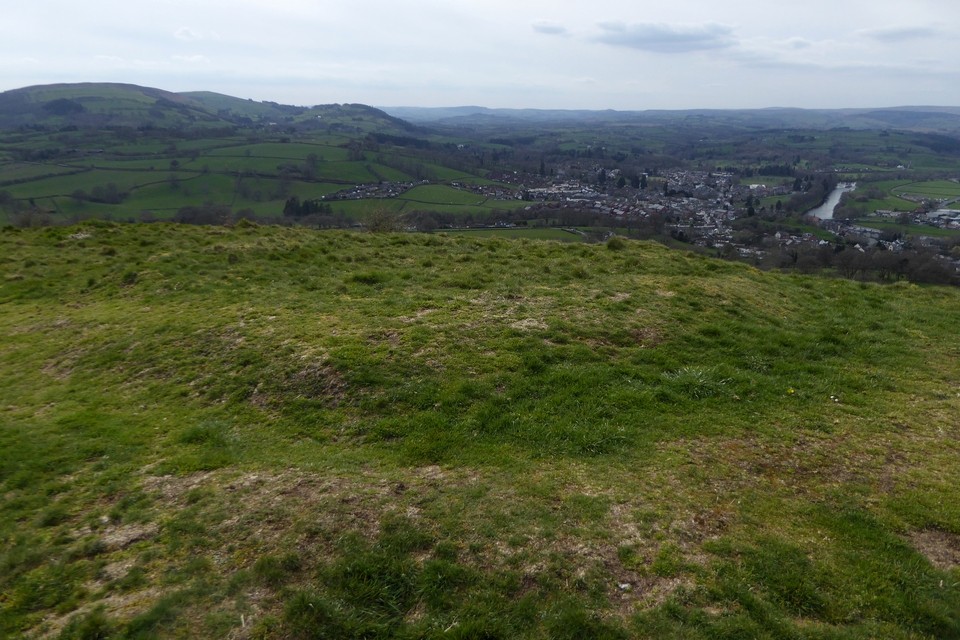
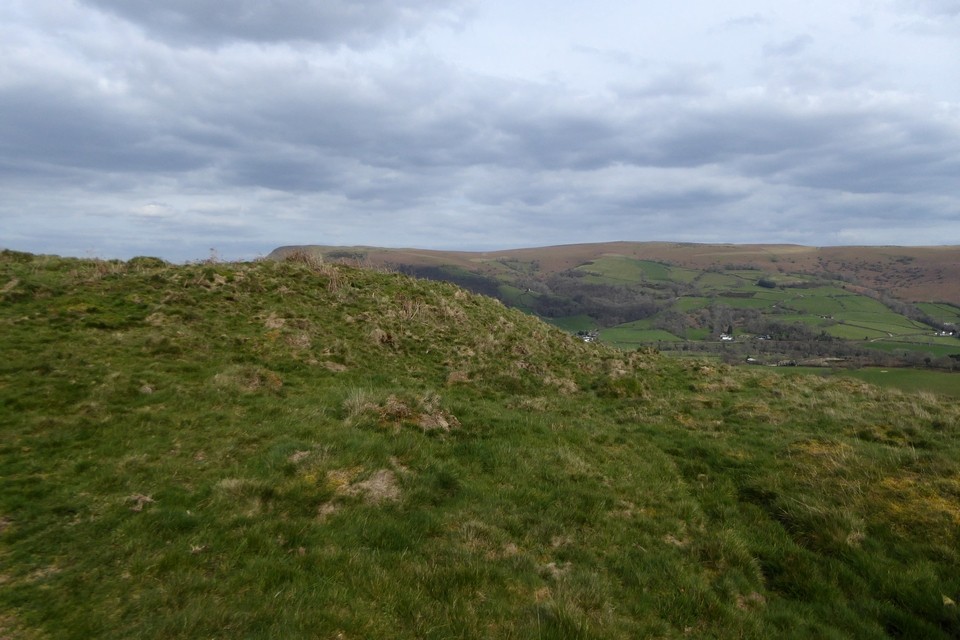
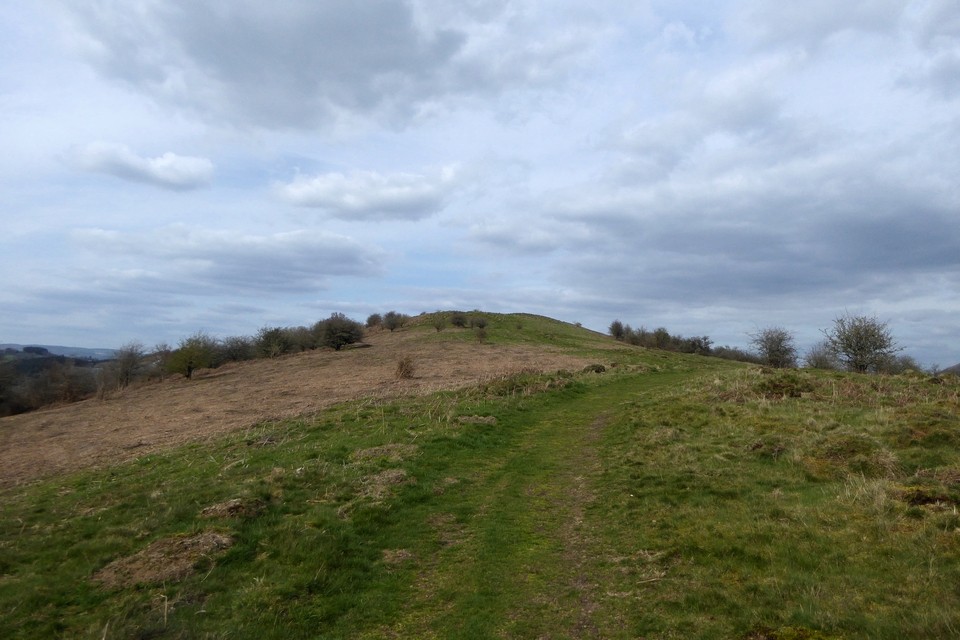
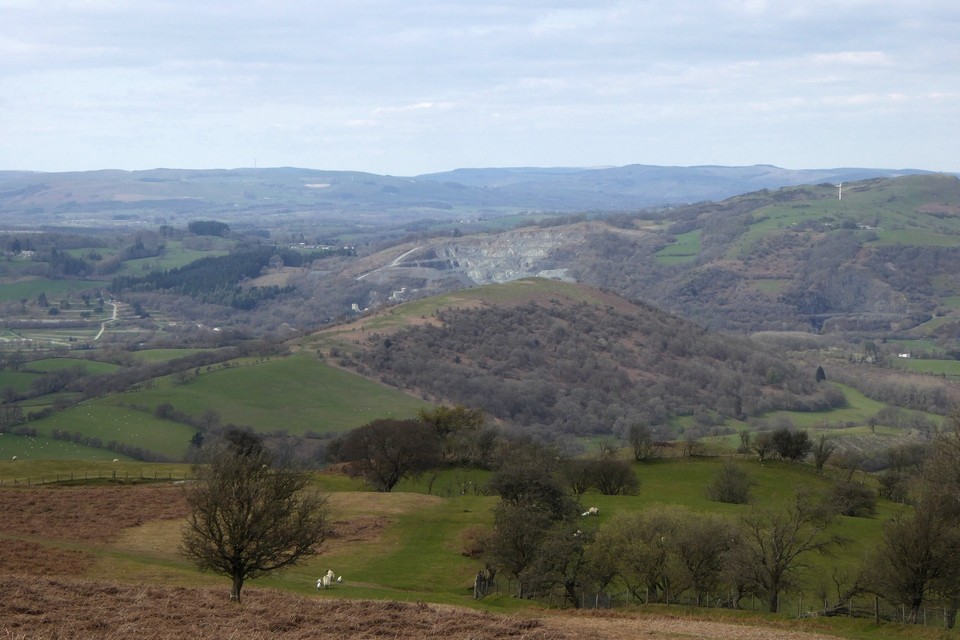
<b>Moel Arthur</b>Posted by thesweetcheat<b>Moel Arthur</b>Posted by thesweetcheat<b>Moel Arthur</b>Posted by thesweetcheat<b>Moel Arthur</b>Posted by thesweetcheat<b>Moel Arthur</b>Posted by thesweetcheat<b>Moel Arthur</b>Posted by thesweetcheat

Penycloddiau (Hillfort) — Images

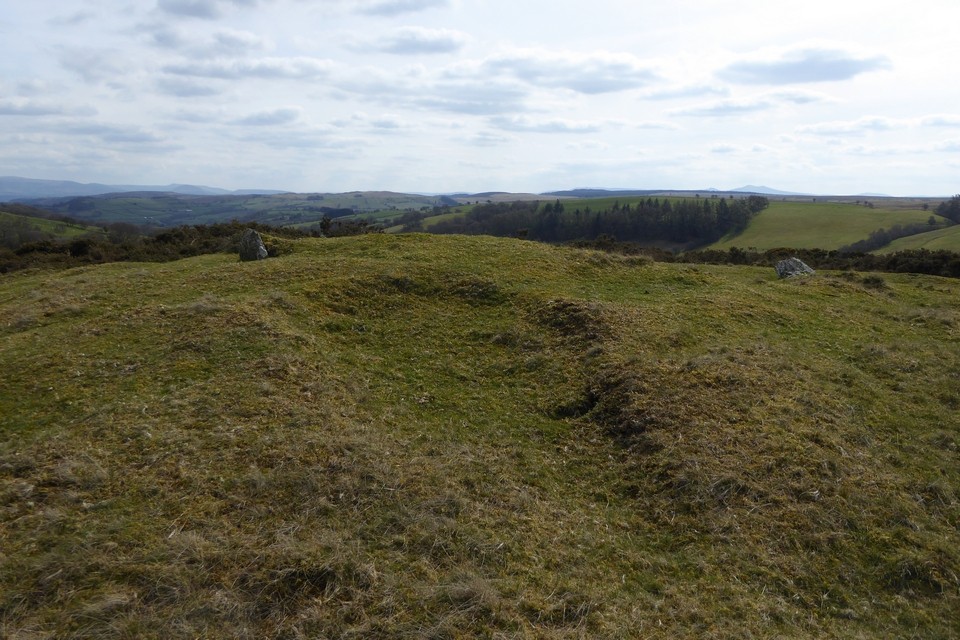
<b>Penycloddiau</b>Posted by thesweetcheat
Showing 1-50 of 1,861 posts. Most recent first | Next 50
Twin interests are music and prehistory - music obviously includes Mr Cope, but wide variety of other things including Durutti Column, New Order/Joy Division, Billy Bragg, Smiths, Chameleons, Cardiacs, 50s rock'n'roll, etc. Many hols (and every opportunity) spent dragging very patient girlfriend to see vaguely discernable stone lumps obscured by mud and vegetation, particularly in West Penwith, also the Peak District and Herefordshire/Shropshire. Used to live in Yorkshire (Blakey Topping and High Bridestones being favourites) now live in Gloucestershire and discovering Long Barrows, as well as occasional trips to Wiltshire. Also blaming TMA in general and Gladman in particular for increasing levels of obsession where Wales is concerned. No car (and can't drive) so sites are visited by public transport and on foot, which is more possible than you might think. Working for a government scheme designed to kill your dreams. Appreciate a nice pint after a hard day's stone spotting (particularly in the Tinners Arms at Zennor).
My TMA Content: