|
 Log in |
Register Log in |
Register
|

|
|

CoberleyLong Barrow
|
||||||||||||||||||||||||


 0 discussions


 Show map (inline Google Map)
|
|
|
Images (click to view fullsize) |
 Add an image Add an image |
Photographs: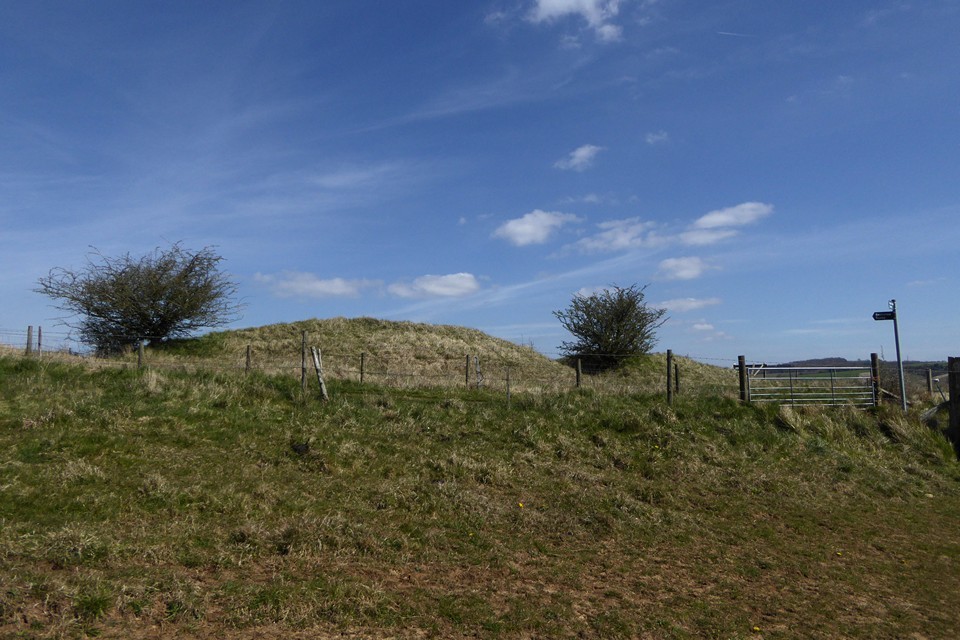

 Maps / Plans / Diagrams:
|
Fieldnotes |
Add fieldnotes |
|
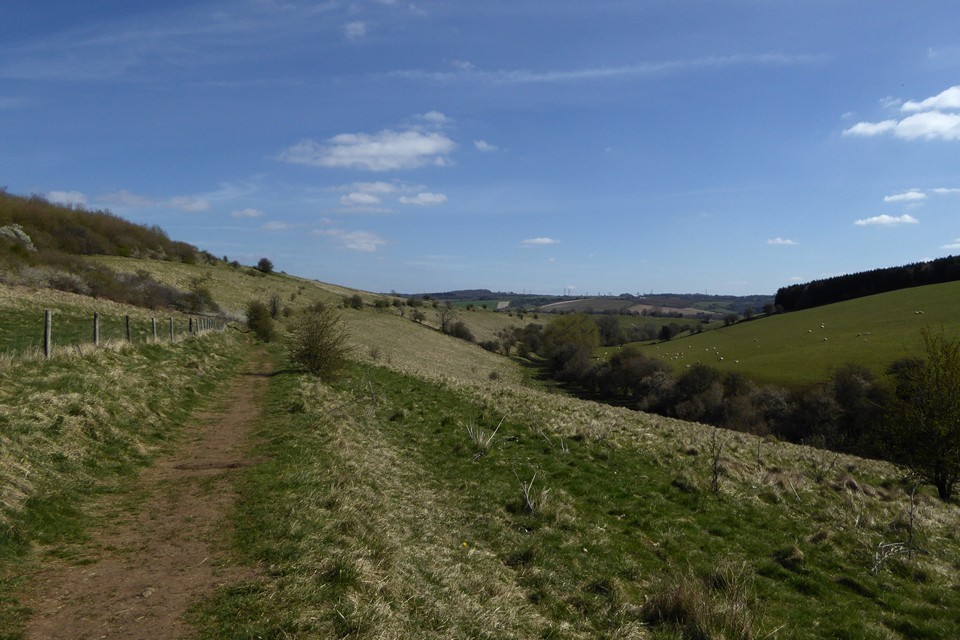
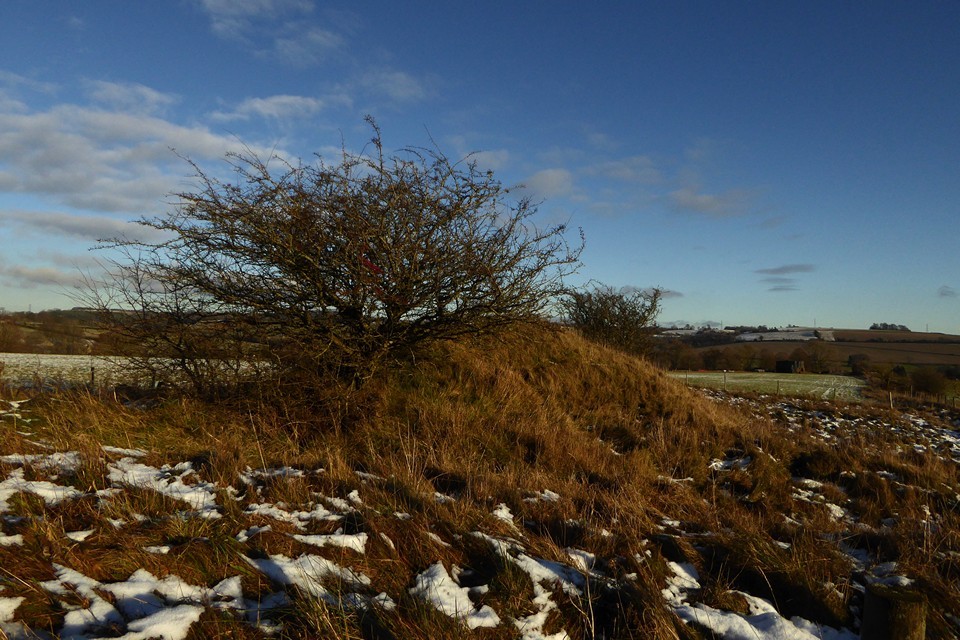
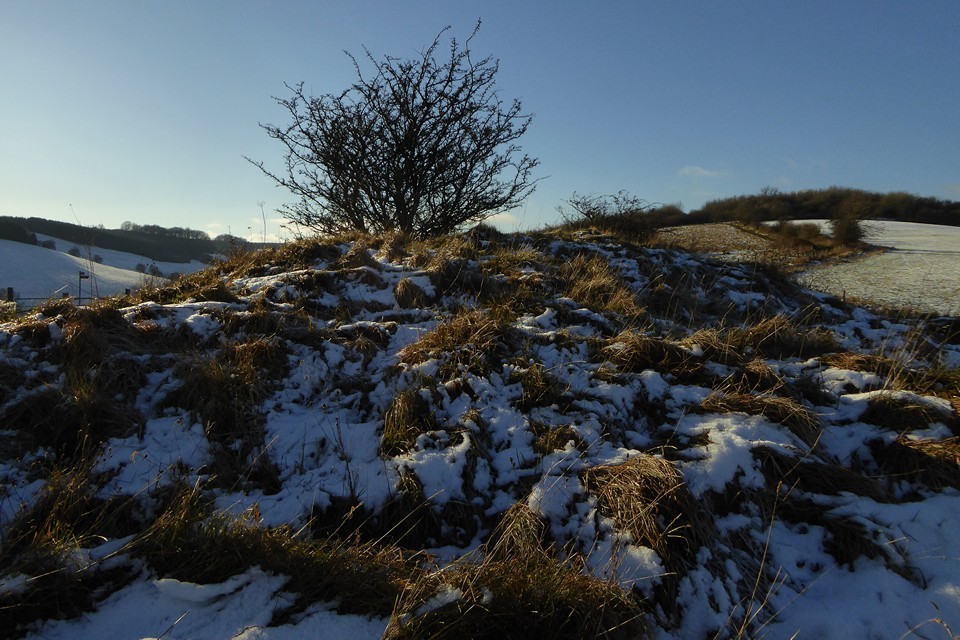
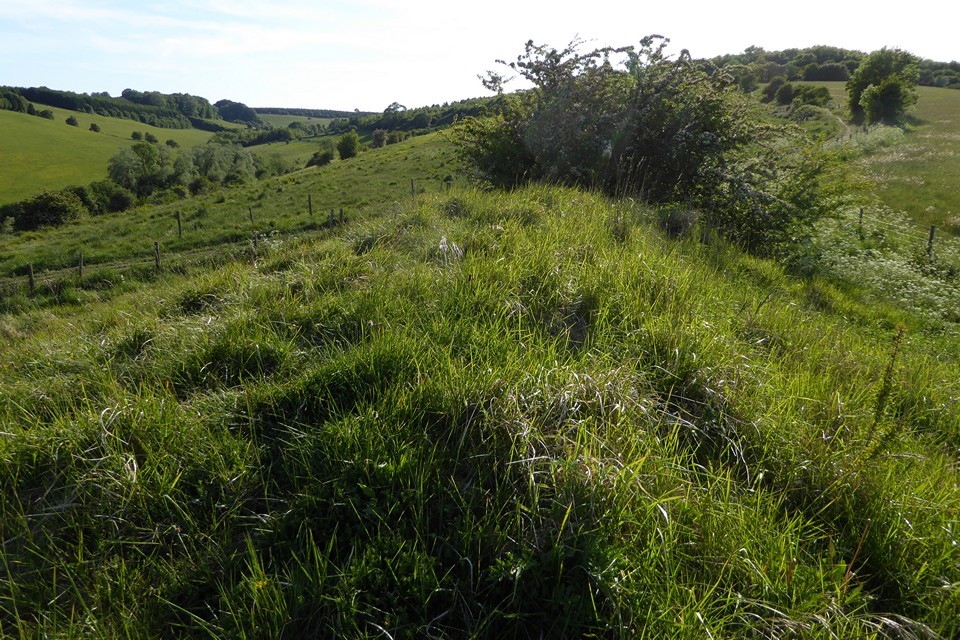
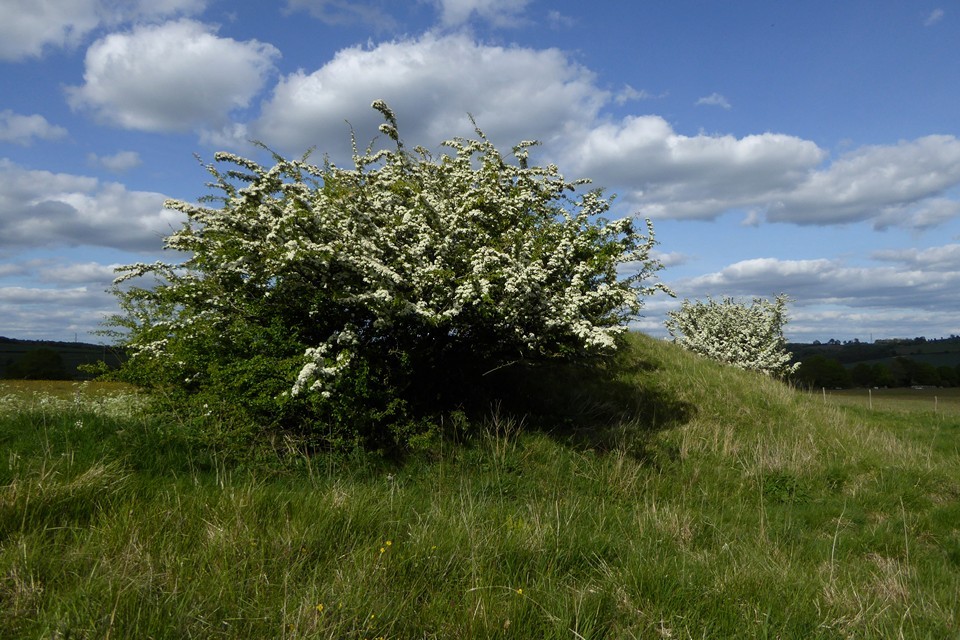
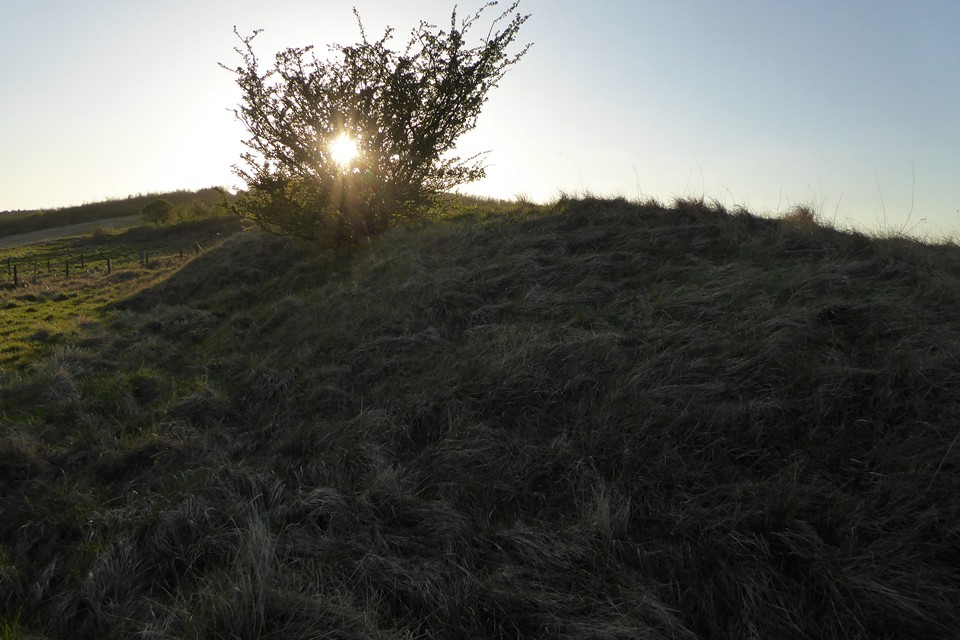
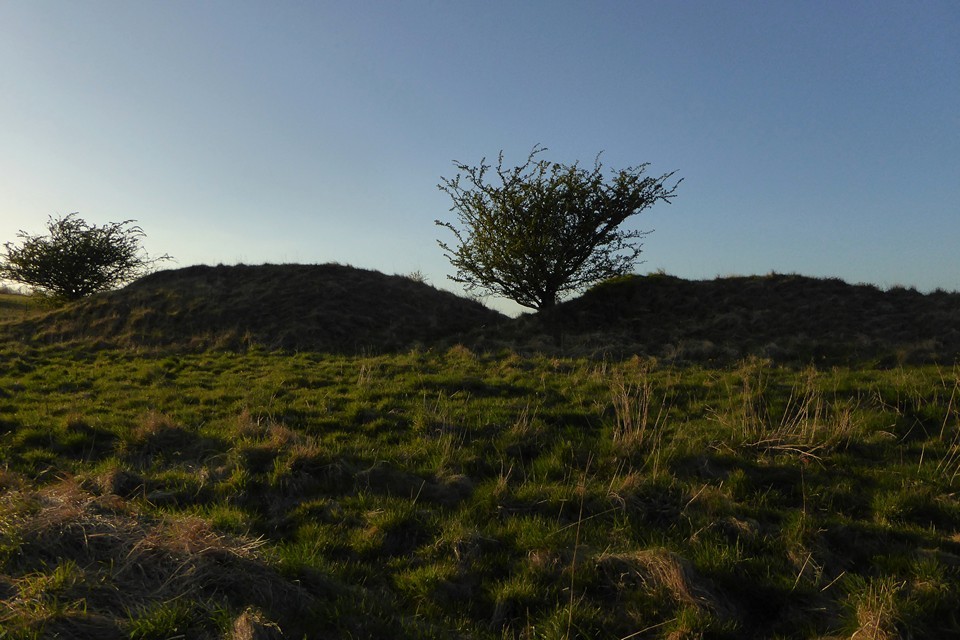
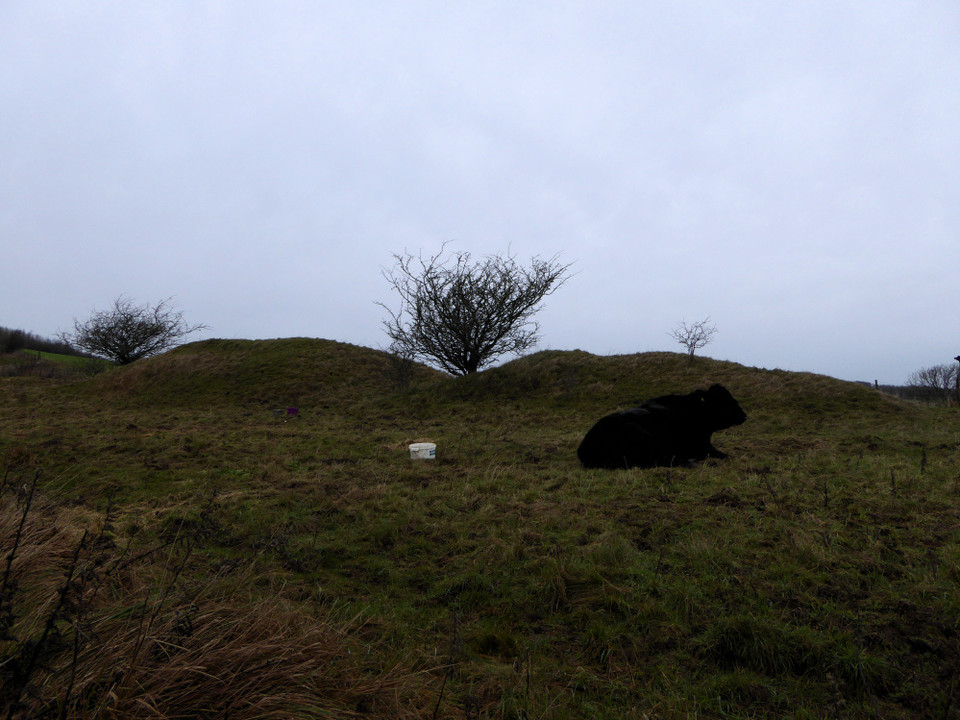
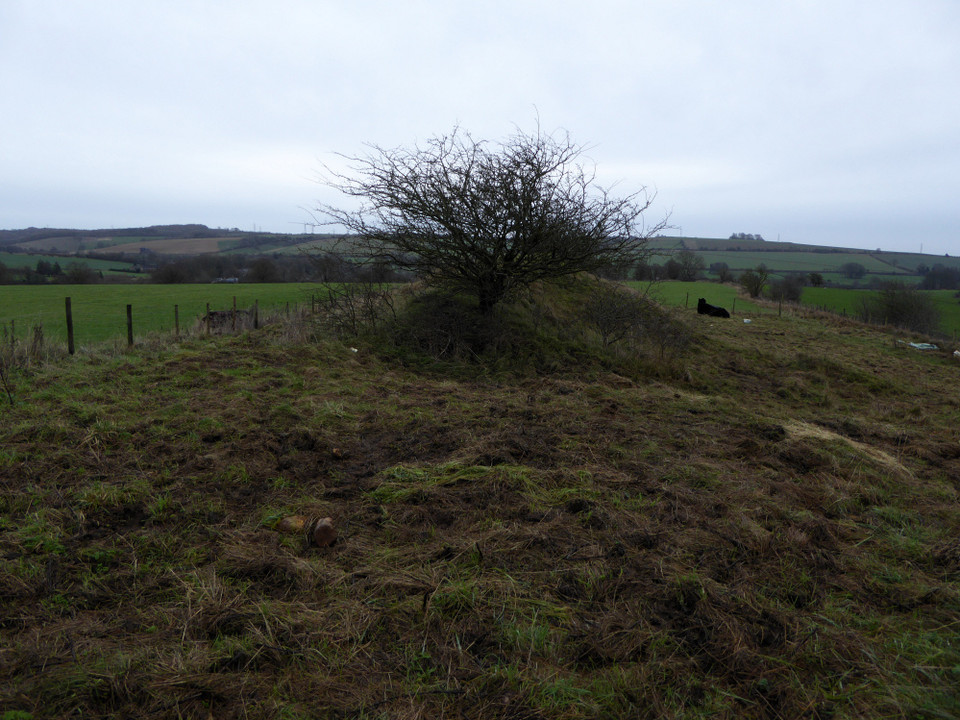
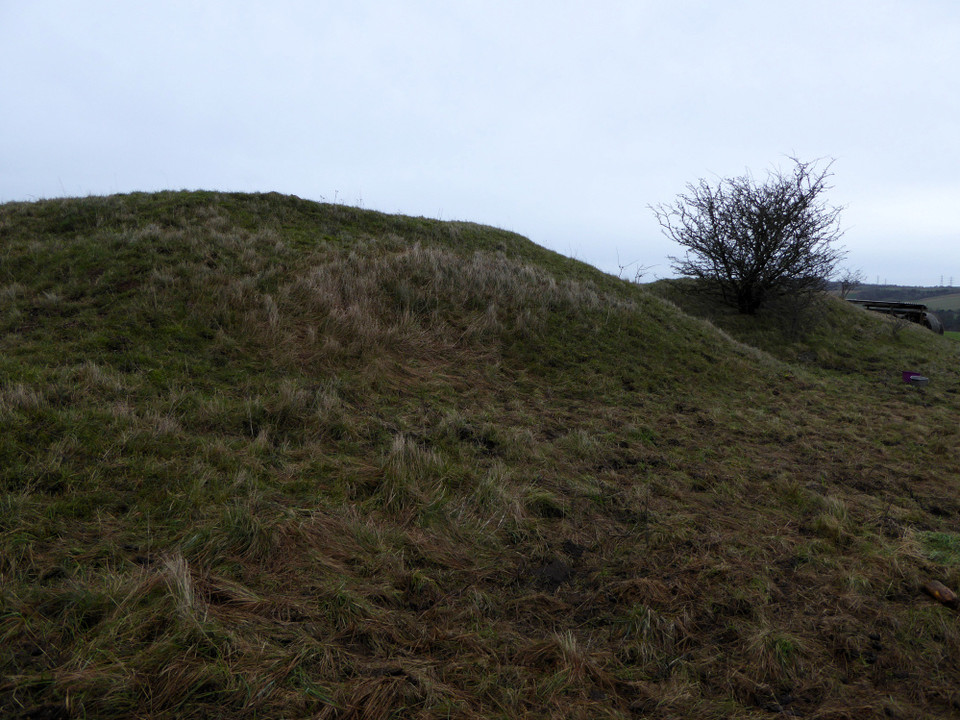
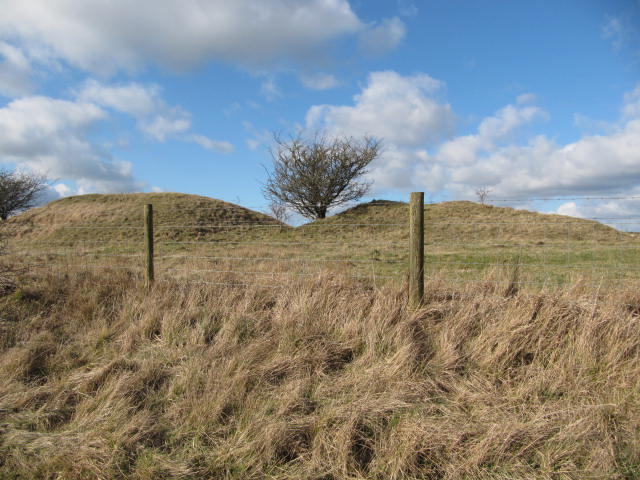
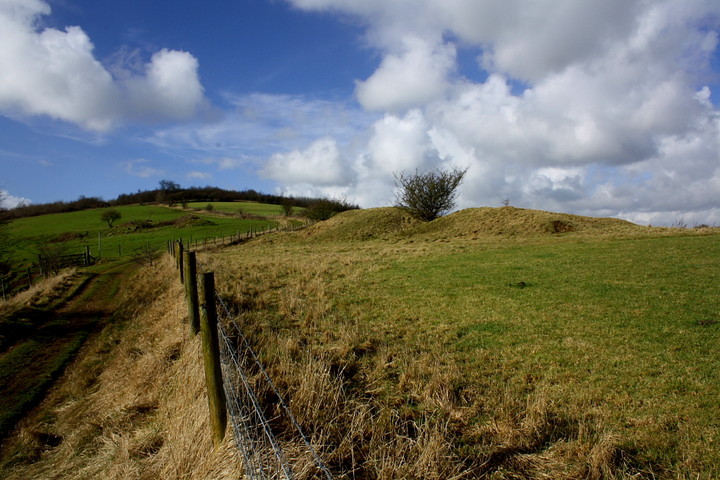
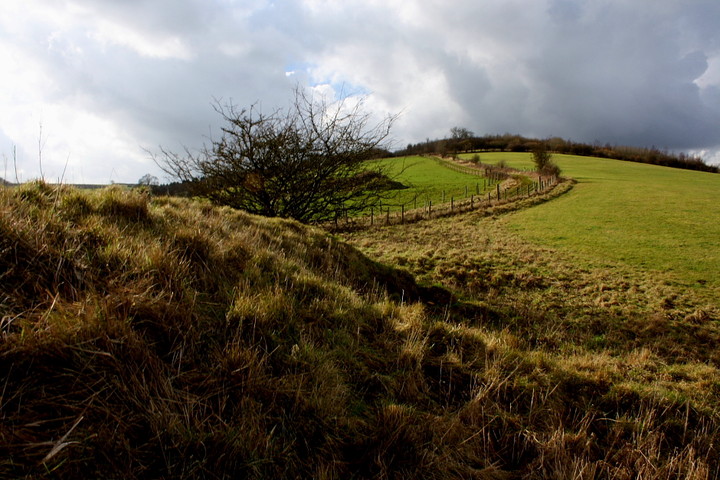
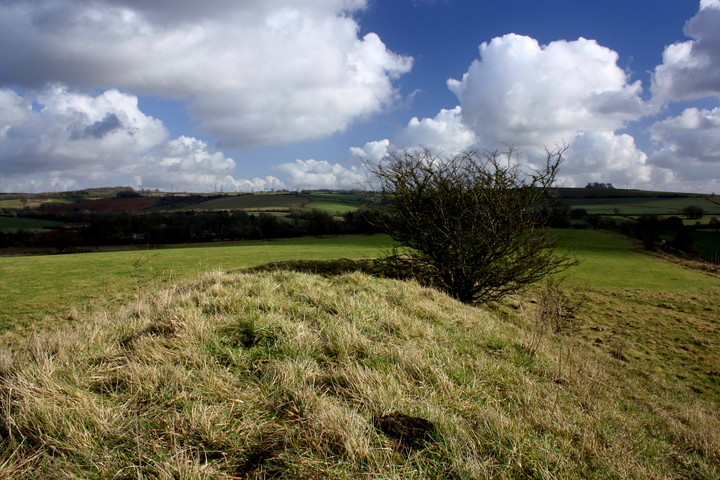
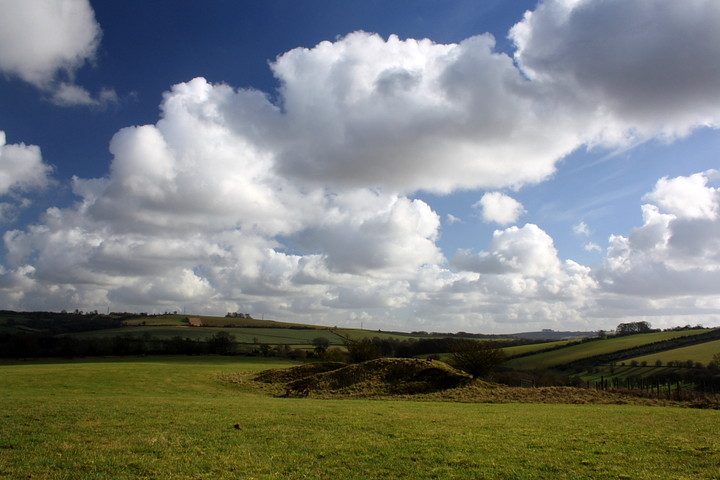
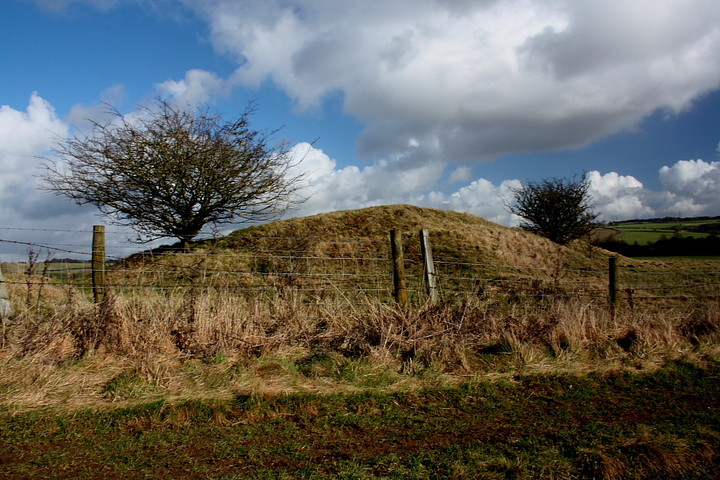
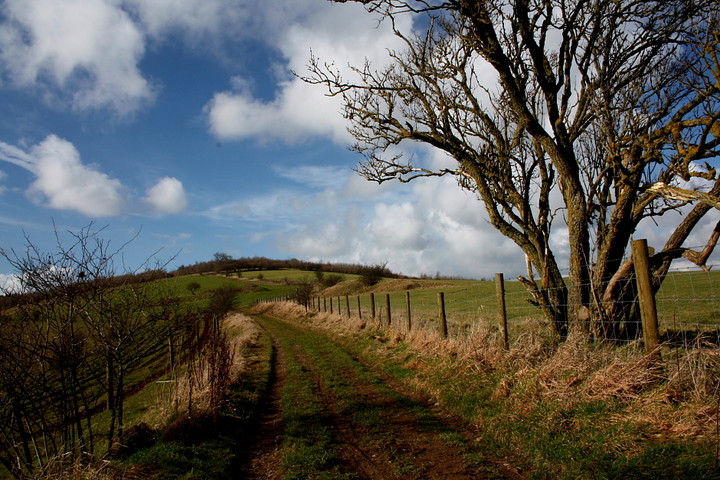
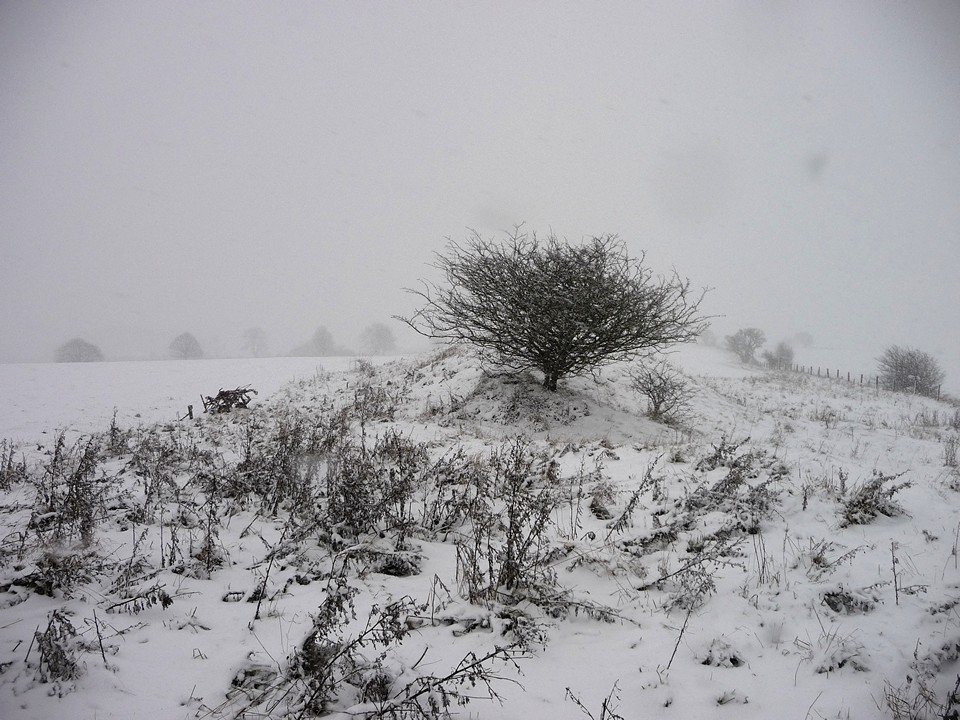
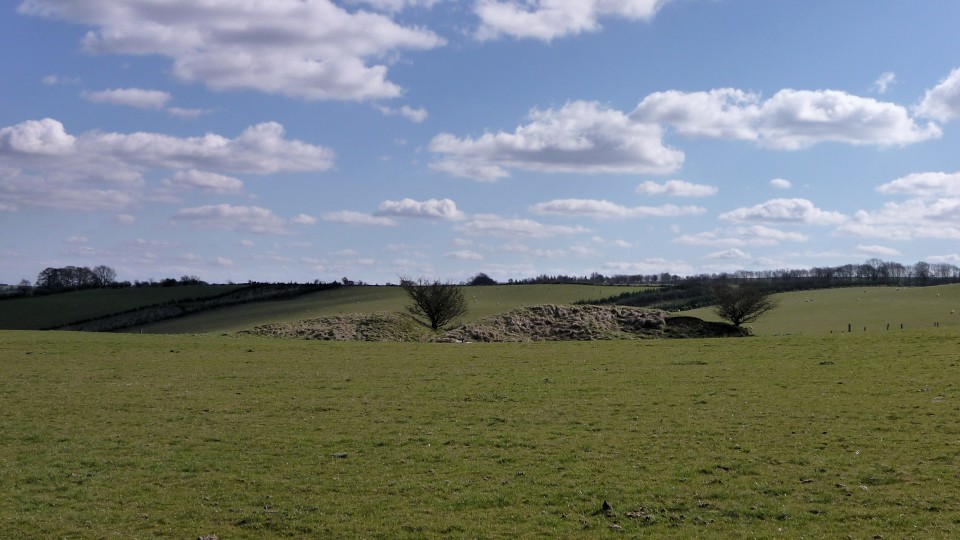
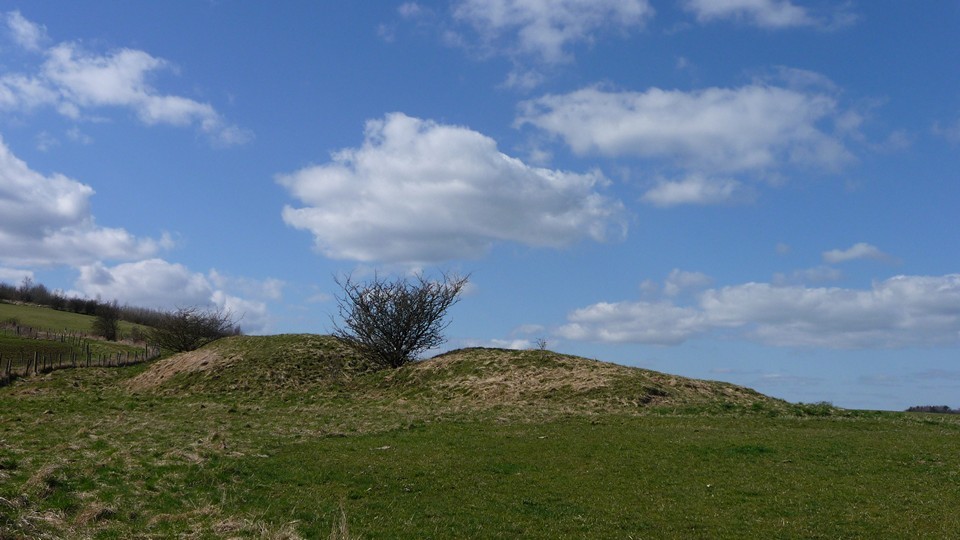
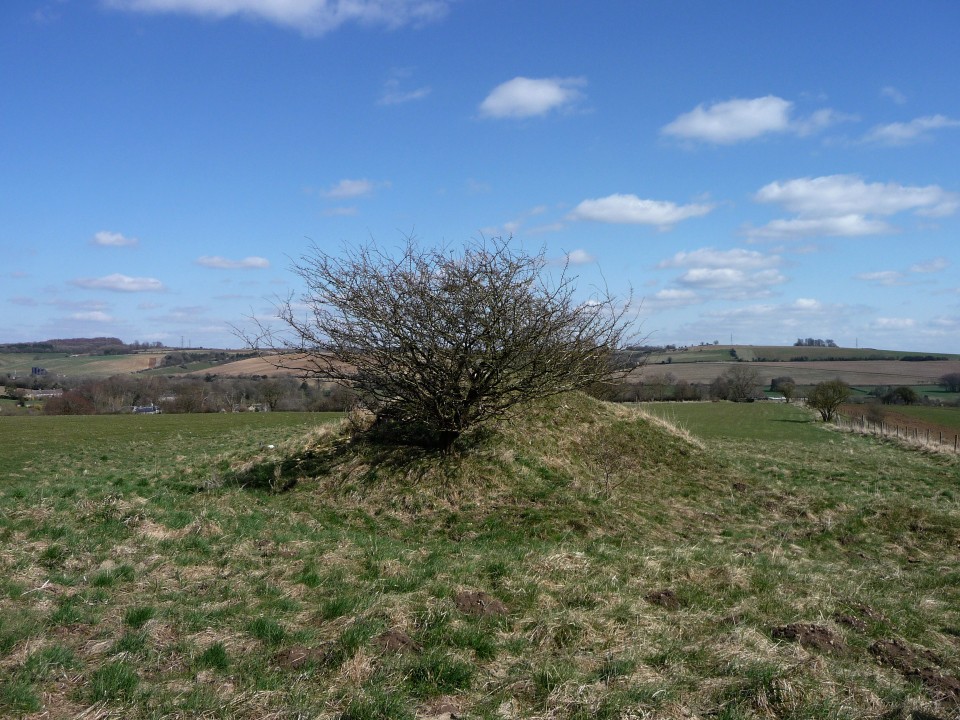
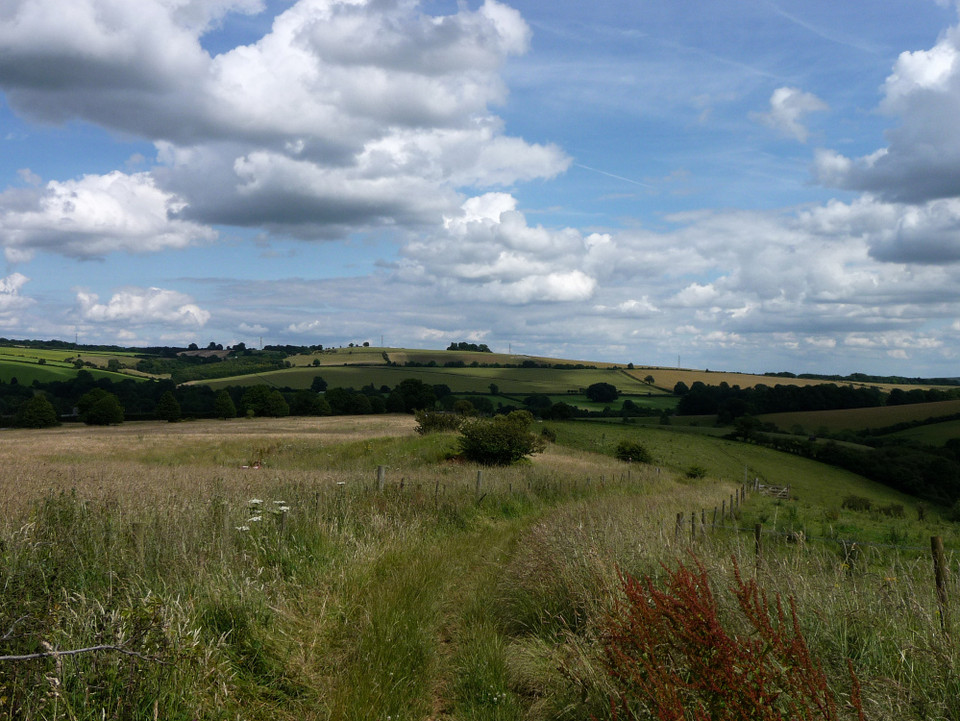
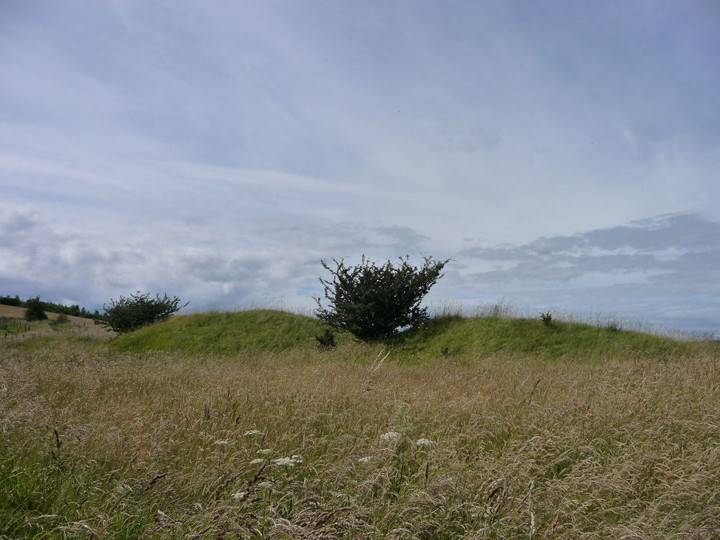
Visited 24.4.13 Directions: From Cheltenham take the A435 south and then west along the A436. You will shortly cone to a turning on your left (south) signposted Cowley. Take this turning and about 1.5km along the minor road you will come to a turning on the left. There is room to park next to the field gate opposite. The Long Barrow is visible from the gate and is only a short walk away, along the Gloucestershire Way. After spending a day visiting what must have been every charity shop in Cheltenham (It’s what Karen wanted to do for her birthday) it was time for a bit of ‘old stoning’. After my recent near scrapes with farmers it was nice to be able to visit a site that has a public right of way. Well, that isn’t 100% accurate as you do have to enter a field off the Gloucestershire Way – but it is only a matter of a few metres – so I am sure it would be ok. The sun was shining through the gaps in the clouds. Had it not been for the cold wind it would have been quite warm. The track way from the road was fairly flat and I passed a herd of cows with an ever watchful bull in a field to my left. Fortunately I was more interested in the Long Barrow which was in the empty field opposite. A handy metal field gate gave easy access. The Long Barrow has clearly taken a bit of punishment over the years and was now in two sections with a gap through the middle of it. It looks as though the cattle walk through this gap when using the field. There is also evidence of what appears to be at least two ‘excavations’ of the Barrow in years gone by? For all this, the Long Barrow still stands tall and proud in its position at the head of a valley. It is approximately 30m long x 3m in height. A large bush/small tree grows in each of the Barrow’s two sections. I could only see one largish stone lying on top of the grass. There are good views all along the valley and presumably this is why the Barrow was placed here originally? I sat for a short while on top of the Barrow, looking down the valley and simply watching the world go by. It is these types of moments which make it all worth while. Well worth the effort when in the area. Before too long I had to head back to Karen in the car. ‘Do you have a plastic bag I can have?’ I asked. ‘Yes, here’ she replied passing the bag. ‘Why do you need a bag?’ ‘I just passed a large cow pat which would be good for the rhubarb’ ‘Does it smell much?’ Karen wearily enquired. ‘Not much’ I reassured her! I know how to treat a girl on her birthday!! |
Posted by CARL 25th April 2013ce |

|
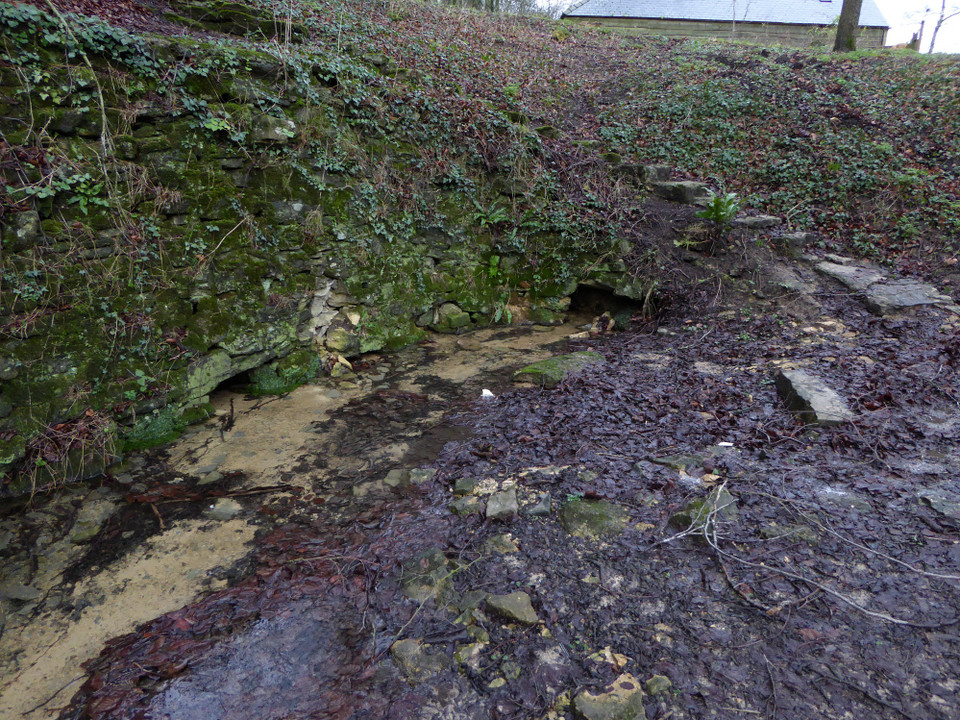
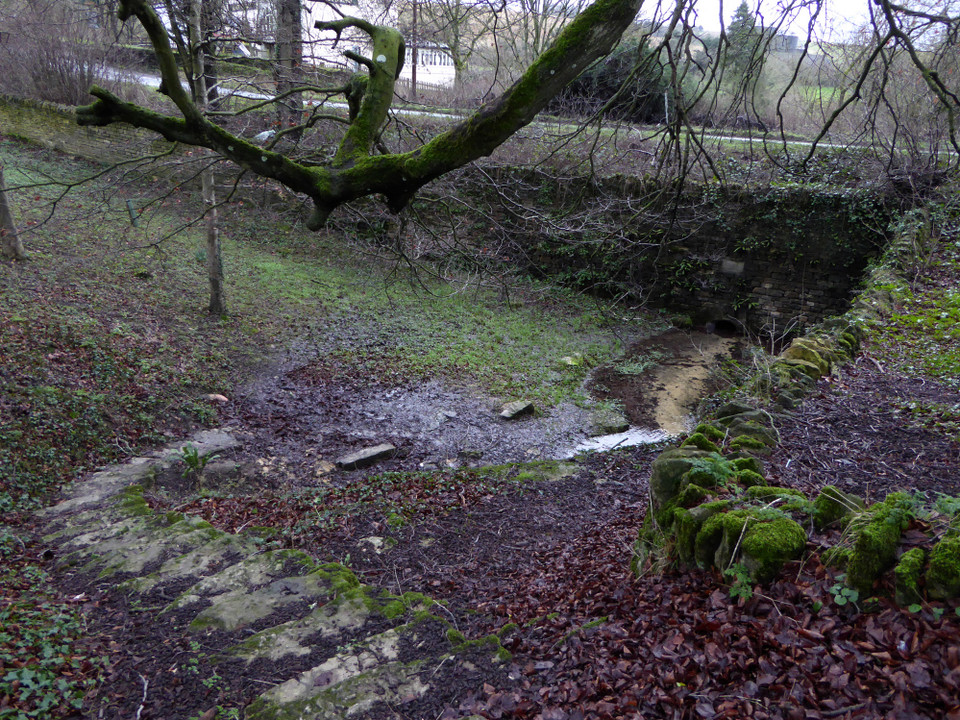
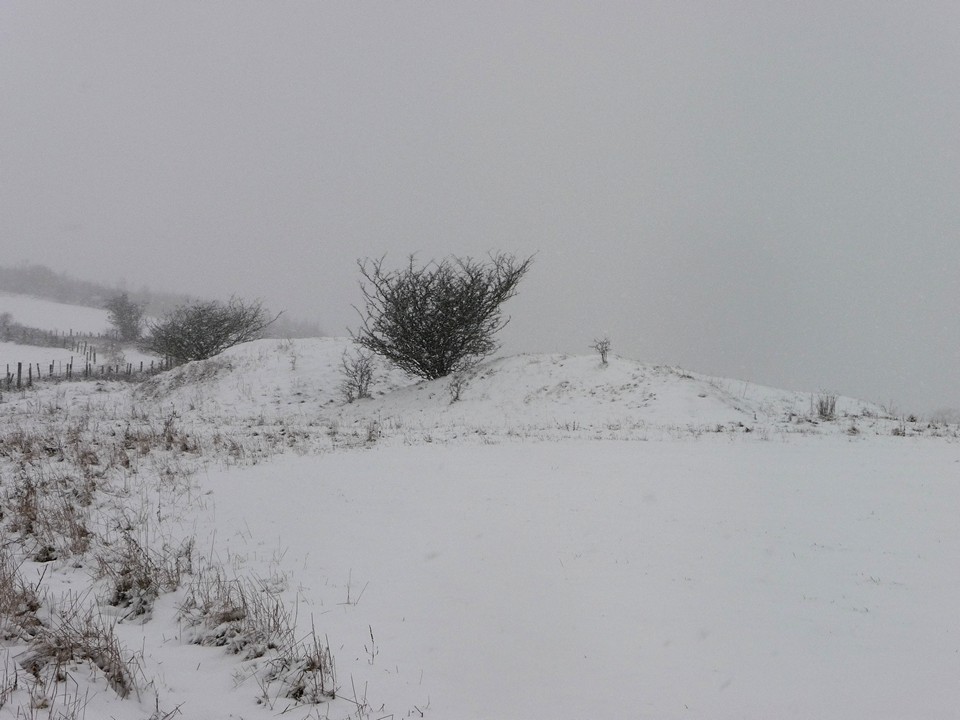
Went past this long barrow today while walking along the Gloucester Way from the village of Coberley. The most notable thing about this barrow is its position - perched on the side of a hill overlooking a beautiful valley known as Coldwell Bottom. The barrow is fairly ruinous with the appearance of being split in two. Many people's feet have formed a footpath through the centre of the barrow. We climbed over a gate to take a closer look and from the far side of the barrow dips made by excavations can be more clearly seen. It may be worth mentioning for those who like springs that in the nearby village of Coberley near the village green is a bubbling spring flowing fast and clear. |
 Posted by tjj
5th March 2012ce |
|
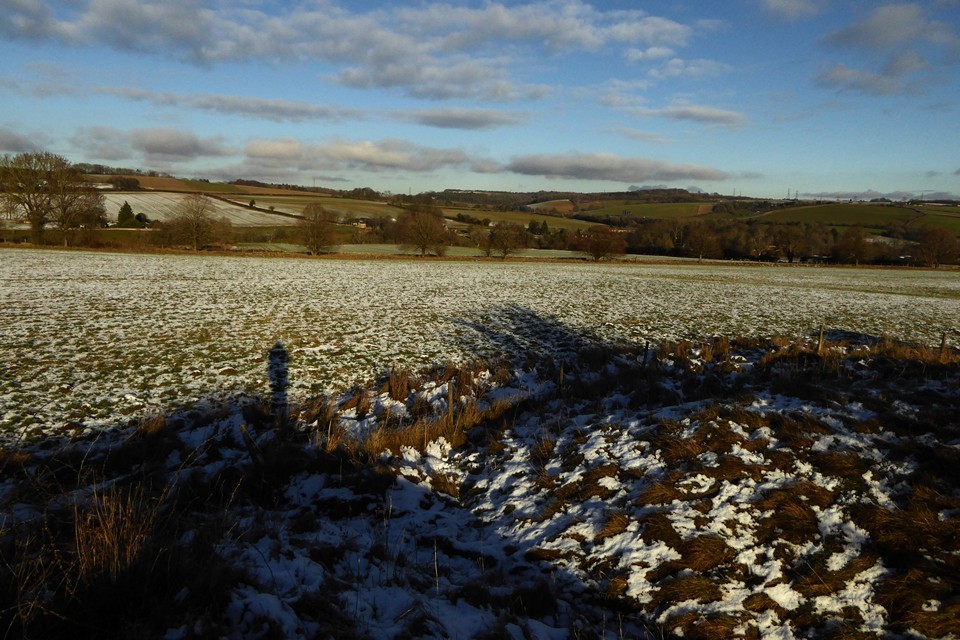
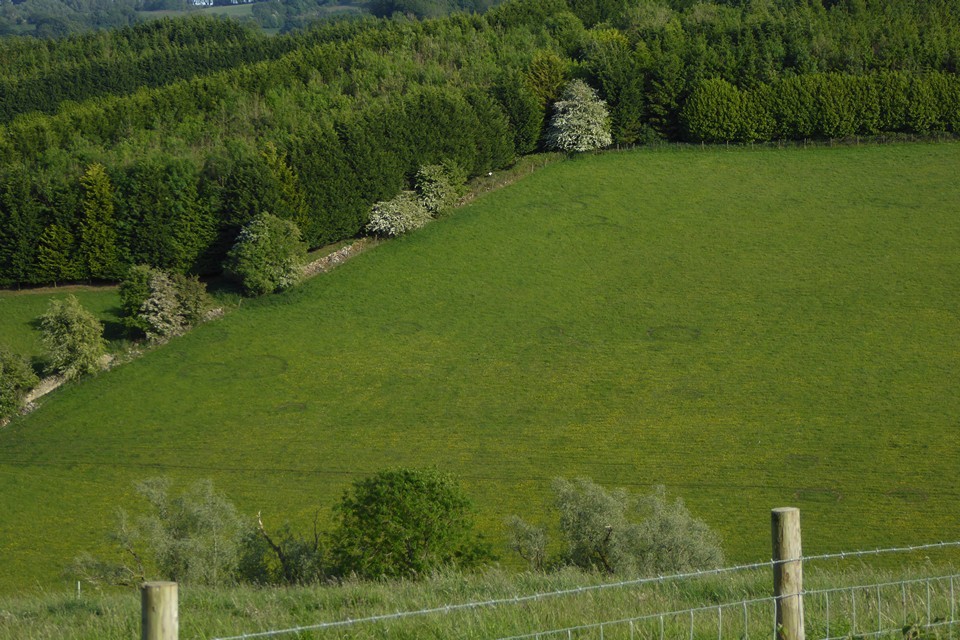
If visited following a sojourn at its not too distant neighbour, the Crippets long barrow, Coberley will always prove something of an anti-climax, I guess. Yeah, but not a disappointment.... since, although crudely dismembered by a lateral trench and subjected to numerous other horrors, Coberley nevertheless remains an upstanding, well positioned monument. I approach from the east along what the map reveals to be the 'Gloucestershire Way', having parked upon the nearby minor road just before a sharp left hand descent to Coberley village. It is certainly an aesthetically pleasing approach above Coldwell Bottom to the south, the valley cradling what I assume to be the nascent River Churn? Ha! A long barrow upon a hillside overlooking a fledgling water course... whatever next? The Gloucestershire Way veers to the south-west beside the monument, perhaps following the same contours of millennia past, an unlocked gate providing access to the long barrow itself. Once upon the barrow, the wanton damage to ancient fabric somehow becomes irrelevant - after the moral indignation has subsided, that is - as vast, billowing clouds take centre stage and raise both the visitor's gaze and spirits (if not consciousness, but hey, one day perhaps?) to, quite literally, another level. The stratosphere itself, no less. The notion recurs.... is it just me or were these monuments designed as viewing galleries for a theatre where the very landscape itself was the stage? Needless to say, it still is to me. |
 Posted by GLADMAN
8th March 2011ce Edited 8th March 2011ce |
|
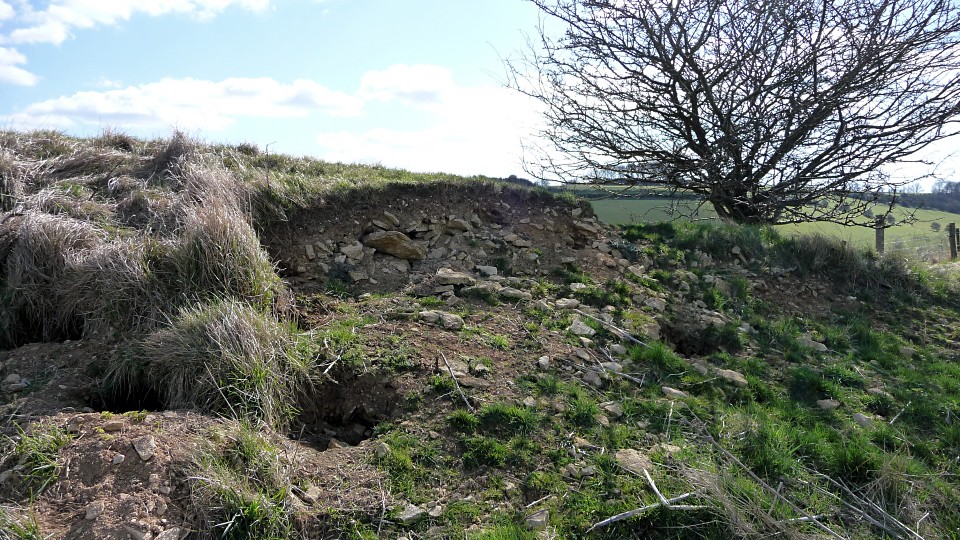
Second visit to the barrow, much earlier in the year this time (29.3.2009). The field is now covered in cropped grass making access possible. As is apparent from the footpath along the south, the excavation damage is extensive, the trench almost cutting the barrow in two. Round on the north side, there is also plenty of animal damage, with a number of holes and burrows in the side of the monument (it again reminds me of Lower Swell long barrow). More interestingly, there is much visible limestone on the north side, showing the construction of the mound to be more stone that soil. I could see no megaliths though. A busy spot this, five couples and a large group of ramblers passed while I was here today. |
 Posted by thesweetcheat
30th March 2009ce Edited 30th March 2009ce |
| Visited on a nice July day (13.7.08), walking from Cheltenham up Leckhampton Hill and then via Coberley village (more of a hamlet I suppose, but does have a village church tucked away behind the manor house). The walk up to the barrow from the east is a reasonably gentle uphill (particularly compared with the scarp face of Leckhampton hill!). The barrow is set in a private field, but is very close to the fence and to the Gloucestershire Way, so I didn't go onto the site itself. The barrow itself is in a bit of a state, resembling two joined round barrows more than a long barrow, due to a deep 19th century excavation trench effectively cutting it in two. There is also an abandoned vehicle parked immediately adjacent to the northern side of the barrow in the field (this has obviously been there a while). The setting is pleasant rather than spectacular, with views across to the east and south. Worth a visit if you're passing, and lovely countryside around, but not necessarily one to come from far away to see! |
Posted by thesweetcheat 3rd January 2009ce |
 Top of page