|
 Log in |
Register Log in |
Register
|

|
|

NorthumberlandCounty
|


 Show |
 |
|
|
Sites in this group:
|
9 posts
Addeyheugh Standing Stone / Menhir |
3 posts
Alnmouth Wall Rocks Cup and Ring Marks / Rock Art |
6 posts
Alwinton-Clennel Cottages Cup and Ring Marks / Rock Art |
|
17 posts
2 sites Amerside Law Cup and Ring Marks / Rock Art |
1 post
Bamburgh Barrow Barrow / Cairn Cemetery |
19 posts
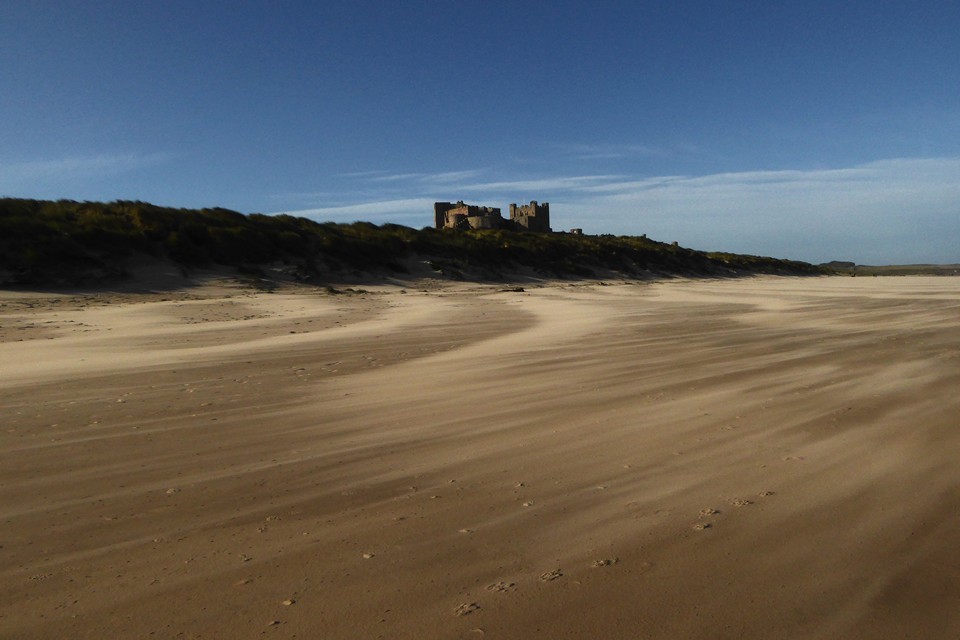
Bamburgh Castle Hillfort |
|
Bantam Hill
Promontory Fort
|
Barrowburn Wood
Cairn(s)
|
9 posts
Battlestone (Humbleton) Standing Stone / Menhir |
|
9 posts
Battle Stone (Yeavering) Standing Stone / Menhir |
8 posts
Beanley Plantation Settlement Hillfort |
5 posts
Beggarbog Round Barrow(s) |
|
1 post
The Bell Hillfort |
1 post
Bellshiel Long Cairn |
6 posts
Benthall Cairn (Beadnell) Cist |
|
3 posts
Berthele's Stone Natural Rock Feature |
3 posts
Birney Hill Cup and Ring Marks / Rock Art |
9 posts
Blackbog Dean Cup and Ring Marks / Rock Art |
|
7 posts
Blackchester Hillfort |
1 post
The Black Dyke Dyke |
54 posts
Blawearie Cairn Kerbed Cairn |
|
3 posts
Bolam Cairn Cairn(s) |
2 posts
Bold Venture Ancient Mine / Quarry |
11 posts
The Bowden Doors Natural Rock Feature |
|
9 posts
Brigantium |
2 posts
Brinkburn Promontory Fort |
5 posts
Broad Mea Long Cairn Long Cairn |
|
3 posts
Broomhouse Ancient Village / Settlement / Misc. Earthwork |
37 posts
Broomridge Cup and Ring Marks / Rock Art |
3 posts
Broomwood Camp Enclosure |
|
7 posts
Bunkerhill Plantation Standing Stone / Menhir |
43 posts
Buttony Cup and Ring Marks / Rock Art |
18 posts
Bygate Hill Standing Stone / Menhir |
|
15 posts
Caller Crag Cup Marked Stone |
2 posts
Campville Hillfort |
1 post
Camp Hill (Alnwick) Hillfort |
|
3 posts
Camp Hill (Otterburn) Hillfort |
1 post
Camp Knowe Hillfort |
16 posts
Carr Hill Cup and Ring Marks / Rock Art |
|
5 posts
Cartington Cup and Ring Marks / Rock Art |
2 posts
Cartington Carriageway (a) Cup Marked Stone |
2 posts
Cartington Carriageway (b) Cup and Ring Marks / Rock Art |
|
3 posts
1 site Cartington Hill Cairn(s) |
Castle Hills
Hillfort
|
2 posts
Castle Hill (Callaly) Hillfort |
|
12 posts
Cateran Hill Cave / Rock Shelter |
2 posts
Cawledge Bridge Enclosure |
1 post
Charlton Burn Enclosure |
|
117 posts
Chatton Cup and Ring Marks / Rock Art |
16 posts
Chatton Camp Hillfort |
2 posts
Chester Cottage Settlement Enclosure |
|
5 posts
The Cheviot Cairn(s) |
4 posts
Chirnells Moor, Thropton Cup and Ring Marks / Rock Art |
2 posts
Clavering Hillfort |
|
9 posts
Cocklawburn Beach Rings Natural Rock Feature |
31 posts
Coldmartin Loughs 1-2 Cup and Ring Marks / Rock Art |
3 posts
Colouring Crags Long Cairn Long Cairn |
|
8 posts
Corbridge Cup Marked Stone |
2 posts
Corby's Bridge Enclosure Enclosure |
23 posts
Corby's Crags Rock Shelter Cave / Rock Shelter |
|
2 posts
Coupland Henge Henge |
1 post
Cragside Cairn Cairn(s) |
9 posts
Crag Hill Cist |
|
7 posts
Craster Heugh Enclosure |
3 posts
Crawberry Hill Stone Circle |
4 posts
Crocky's Heugh Cup Marked Stone |
|
11 posts
Cuddy's Cave (Doddington) Cave / Rock Shelter |
5 posts
Davy's Lee Cup Marked Stone |
|
|
1 post
Devil's Lapful Long Barrow |
15 posts
5 sites Doddington Cup and Ring Marks / Rock Art |
4 posts
Doddington North Moor Cup and Ring Marks / Rock Art |
|
29 posts
Doddington Stone Circle Stone Circle |
2 posts
Dod Hill Long Cairn |
8 posts
Dod Hill East Barrow / Cairn Cemetery |
|
11 posts
Dod Law Hillfort |
3 posts
Dour Hill Chambered Cairn |
10 posts
Drake Stone Natural Rock Feature |
|
100 posts
Duddo Five Stones Stone Circle |
17 posts
Dunstanburgh Castle Promontory Fort |
5 posts
Dunstan Hill Enclosure |
|
1 post
East Linkhall Round Barrow(s) |
1 post
East Marleyknowe Henge |
7 posts
Ellsnook Round Barrow(s) |
|
1 post
Ewart Park Henge Henge |
4 posts
Fawdon Hill Hillfort |
11 posts
Fenwick Fell Field Cup Marked Stone |
|
The Five Barrows
Cairn(s)
|
17 posts
Five Kings Stone Row / Alignment |
2 posts
Flodden Camp Henge |
|
4 sites
Fontburn |
23 posts
1 site Football Cairn Round Cairn |
1 post
Ford Henge Henge |
|
8 sites
Fowberry Cup and Ring Marks / Rock Art |
6 posts
Gefrin Ancient Village / Settlement / Misc. Earthwork |
8 posts
Glead's Cleugh Promontory Fort |
|
31 posts
1 site Gled Law Cup and Ring Marks / Rock Art |
16 posts
Goatscrag Cup and Ring Marks / Rock Art |
43 posts
The Goatstones Stone Circle |
|
6 posts
Great Hetha Camp Hillfort |
15 posts
1 site Great Swinburne Standing Stone / Menhir |
6 posts
Greenlee Lough Cup Marked Stone |
|
6 posts
Green Castle Hillfort |
3 posts
Green Hill Ring Cairn |
2 posts
Grindstone Law Enclosure |
|
3 posts
Groat Haugh Henge |
5 posts
Hallion's Rock Cup and Ring Marks / Rock Art |
2 posts
Hard Nab Round Cairn |
|
5 posts
HareHaugh Hillfort Hillfort |
3 posts
Harehope Hill Cairn(s) |
3 posts
Harehope Hill Ancient Village / Settlement / Misc. Earthwork |
|
16 posts
Hare Law Crags Cup and Ring Marks / Rock Art |
1 post
Harlaw Hill Bank Barrow |
2 posts
Harlaw Hill 2 Cist |
|
5 posts
Hartleyburn Common Cup Marked Stone |
2 posts
Hart Heugh Cairn(s) |
2 posts
Hart Heugh Stone Circle |
|
23 posts
Haughton Common Stone Circle |
8 posts
Hawick (Bavington) Cup Marked Stone |
2 posts
Hazelrigg Cup Marked Stone |
|
3 posts
Heddon Hill Ancient Village / Settlement / Misc. Earthwork |
4 posts
Heddon Hill Cup Marked Stone |
10 posts
Heddon Moor Ancient Village / Settlement / Misc. Earthwork |
|
4 posts
Heddon Moor cairn Round Cairn |
6 posts
Hedgehope Cairn(s) |
9 posts
Heifer Law Enclosure |
|
11 posts
Hepburn Crags Camp Hillfort |
5 posts
Hepburn Moor Cairn(s) |
22 posts
Hethpool Stone Circle |
|
3 posts
Hethpool cairn Cairn(s) |
7 posts
Highburn House Cup and Ring Marks / Rock Art |
High Buston 2
Cist
|
|
9 posts
High Chesters Cup and Ring Marks / Rock Art |
5 posts
High Shaws Cup Marked Stone |
3 posts
Homer's Lane Cup Marked Stone |
|
6 posts
1 site Honey Hill Enclosure |
15 posts
Howden Hill (Northumberland) Cup Marked Stone |
8 posts
Howick Ancient Village / Settlement / Misc. Earthwork |
|
1 post
Howick Hall Barrow / Cairn Cemetery |
14 posts
Howick Hillfort Enclosure |
9 posts
Humbleton Hill Hillfort |
|
6 posts
4 sites Hunterheugh Crags |
2 posts
Hut Ancient Village / Settlement / Misc. Earthwork |
1 post
Isabella's Mount Enclosure |
|
5 posts
The Kettles Hillfort |
64 posts
2 sites Kettley Crag Cup and Ring Marks / Rock Art |
1 post
Kielder Stone Natural Rock Feature |
|
22 posts
Kingscrag Gate Cairn(s) |
6 posts
Kings Crag Cairn Round Cairn |
5 posts
The King's Stone Standing Stone / Menhir |
|
6 posts
King Wanless Green Cist |
1 post
Kippy Heugh Enclosure |
6 posts
Kirkhaugh Round Barrow(s) |
|
1 post
Kyloe Camp Hillfort |
10 posts
Lamp Hill Cup Marked Stone |
2 posts
Langley Stone Circle |
|
16 posts
Lemmington Wood Cup and Ring Marks / Rock Art |
6 posts
Lindisfarne Cup Marked Stone |
9 posts
Little Hetha Hillfort |
|
4 posts
Longframlington Cup Marked Stone |
65 posts
5 sites Lordenshaw Cup and Ring Marks / Rock Art |
Lowshield Green
Cairn(s)
|
|
7 posts
Low Hauxley Cairn(s) |
5 posts
Low Hauxley Submerged Forest Mesolithic site |
12 posts
Low Thornhope Cup and Ring Marks / Rock Art |
|
3 posts
Lucker Moor Round Cairn |
3 posts
Lyham Moor Cup and Ring Marks / Rock Art |
16 posts
Maelmin Henge Reconstruction |
|
1 post
Maiden Way Standing Stone Standing Stone / Menhir |
26 posts
The Mare and Foal Standing Stones |
1 post
Matfen Barrow Round Barrow(s) |
|
30 posts
The Matfen Stone Standing Stone / Menhir |
11 posts
Middleton Standing Stone / Menhir |
10 posts
Middleton Bank Top Cup and Ring Marks / Rock Art |
|
8 posts
Middleton Dean Promontory Fort |
4 posts
Middleton Dean cairn Round Cairn |
24 posts
Midstead Cup and Ring Marks / Rock Art |
|
1 post
Milfield North Henge |
65 posts
Millstone Burn Cup and Ring Marks / Rock Art |
5 posts
Millstone Hill Cup Marked Stone |
|
9 posts
Monday Cleugh Hillfort |
54 posts
Morwick Cup and Ring Marks / Rock Art |
1 post
Netherwitton Cairn(s) |
|
16 posts
Newtown Mill Standing Stone / Menhir |
1 post
Nunwick Park Stone Circle (Destroyed) |
98 posts
Old Bewick Cup and Ring Marks / Rock Art |
|
8 posts
Old Bewick Cairn Cairn(s) |
29 posts
Old Bewick Hillfort Hillfort |
4 posts
Old Rothbury Hillfort |
|
2 posts
Old Yeavering Henge |
4 posts
Ox Eye Long Cairn |
8 posts
Paine's Bridge Cup and Ring Marks / Rock Art |
|
1 post
Percy's Leap Natural Rock Feature |
11 posts
Piper's Chair Hillfort |
1 post
Piper Shaws Stone Circle |
|
9 posts
Pitland Hills Cairn(s) |
13 posts
The Poind And His Man Standing Stone / Menhir |
9 posts
Powburn Cup and Ring Marks / Rock Art |
|
6 posts
Prudhoe Castle Cup and Ring Marks / Rock Art |
19 posts
Ray-Sunnyside Cup Marked Stone |
23 posts
Ridley Common Stone Circle |
|
40 posts
The Ringses Cup and Ring Marks / Rock Art |
21 posts
Ringses Camp, Beanley Moor Hillfort |
2 posts
The Ringses Hillfort Hillfort |
|
26 posts
Ros Castle Cup Marked Stone |
6 posts
Rothbury Standing Stone / Menhir |
4 posts
Roughlees Enclosure |
|
96 posts
Roughting Linn Cup and Ring Marks / Rock Art |
11 posts
Roughting Linn Camp Promontory Fort |
9 posts
Rough Castles / Roughley Wood Cup and Ring Marks / Rock Art |
|
8 posts
Russell's Cairn Cairn(s) |
7 posts
Salter's Nick Ancient Village / Settlement / Misc. Earthwork |
5 posts
Scrainwood Cup and Ring Marks / Rock Art |
|
Scrog Hill
Round Barrow(s)
|
6 posts
Sea Houses Farm Cup Marked Stone |
3 posts
Shillhope Law Cairn(s) |
|
6 posts
Shindon Hill Hillfort |
5 posts
Shortflatt Round Barrow(s) |
5 posts
Shortflatt Tower Cup and Ring Marks / Rock Art |
|
29 posts
6 sites Simonside Sacred Hill |
39 posts
Snook Bank Cup and Ring Marks / Rock Art |
1 post
Soldier's Fold Hillfort |
|
2 posts
South Middleton Moor Cup and Ring Marks / Rock Art |
1 post
Spindlestone Heughs Ancient Village / Settlement / Misc. Earthwork |
2 posts
Spithope Chambered Cairn |
|
6 posts
Stanniston Hill Cup Marked Stone |
6 posts
St John Lee Cup and Ring Marks / Rock Art |
2 posts
Swarland Camp Enclosure |
|
Swindon Hill
Cairn(s)
|
10 posts
Thornborough Portable Cup and Ring Marks / Rock Art |
20 posts
Threestone Burn Stone Circle |
|
32 posts
Three Kings Stone Circle |
6 posts
Throckley Bank Top Cup and Ring Marks / Rock Art |
9 posts
Tick Law Cairn(s) |
|
13 posts
Titlington Mount Cup and Ring Marks / Rock Art |
21 posts
Tod Crag, Ottercops Moss Cup and Ring Marks / Rock Art |
1 post
Tone Hall Henge |
|
3 posts
Tosson Burgh Hillfort |
Uplaw Knowe
Cairn(s)
|
6 posts
Wallington Hall Standing Stone / Menhir |
|
7 posts
Wandylaw Cup and Ring Marks / Rock Art |
6 posts
Warden Law Hillfort |
2 posts
Warden Mound Artificial Mound |
|
5 posts
Warkshaugh Farm Barrow / Cairn Cemetery |
31 posts
The Warrior Stone Standing Stone / Menhir |
1 post
The Wedderstone Standing Stone / Menhir (Destroyed) |
|
86 posts
1 site Weetwood Moor Cup and Ring Marks / Rock Art |
3 posts
Weetwood North Cup and Ring Marks / Rock Art |
7 posts
Wellhope Cup and Ring Marks / Rock Art |
|
1 post
West Akeld Stead Henge |
2 posts
West Brizlee Enclosure |
2 posts
West Brizlee (South) Enclosure |
|
7 posts
West Hills, Thropton Cup and Ring Marks / Rock Art |
10 posts
West Horton Cup and Ring Marks / Rock Art |
3 posts
West Horton 6 c Cup and Ring Marks / Rock Art |
|
6 posts
West Shaftoe Cup and Ring Marks / Rock Art |
16 posts
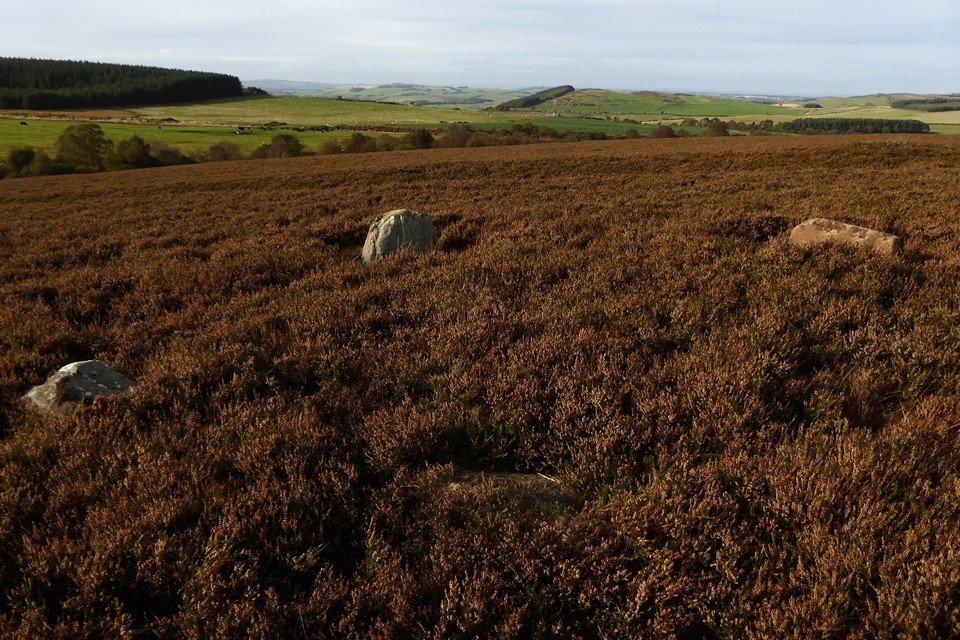
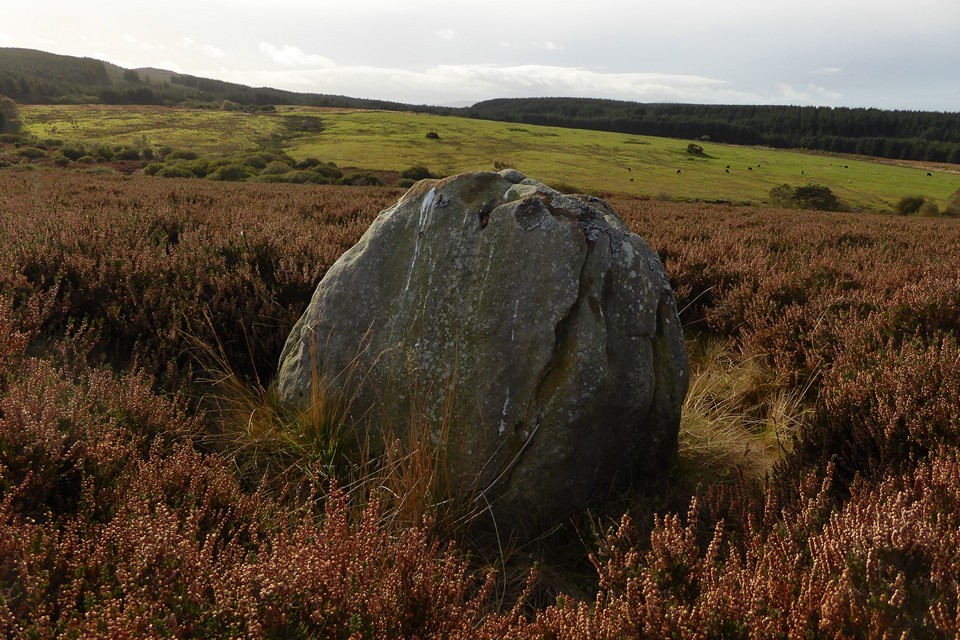
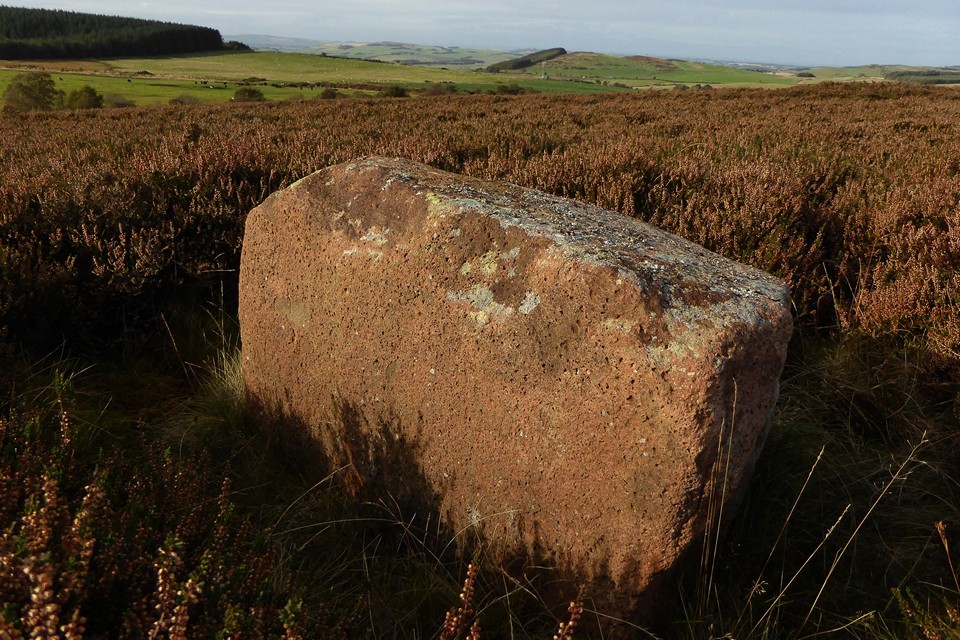
Whinny Hill Stone Circle |
3 posts
Whitehill Head Cup and Ring Marks / Rock Art |
|
24 posts
White House Folly Hill Cist |
1 post
2 sites Whitsunbank Cup and Ring Marks / Rock Art |
7 posts
Whitton Burn Cup and Ring Marks / Rock Art |
|
5 posts
Witchy Neuk Hillfort |
2 posts
Wolfershiel Hillfort (Destroyed) |
1 post
Woodhouse Cairn(s) |
|
3 posts
Woolaw Iron Age Settlement Ancient Village / Settlement / Misc. Earthwork |
38 posts
Yeavering Bell Hillfort |
Sites of disputed antiquity:
|
2 posts
Devil's Stone (Birtley) Cup and Ring Marks / Rock Art |
3 posts
Doddington Dubious Stone Standing Stones |
13 posts
Hurl Stone Standing Stone / Menhir |
|
3 posts
Lady's Well (Coquetdale) Sacred Well |
7 posts
Pin Well / King's Chair Sacred Well |
2 posts
Slaggyford Stones Standing Stones |
|
2 posts
Slaggyford Stone Rows Stone Row / Alignment |
12 posts
St Cuthbert's Cave (Cockenheugh) Cave / Rock Shelter |
4 posts
Wansbeck Standing Stone / Menhir |
|
11 posts
Whitley Pike Carving |
News |
 Add news Add news |
National recognition for Northumberland ancient historyFrom The Journal online: Seventeen of the mysterious cup and ring carvings in Northumberland have been scheduled as Ancient Monuments by the Department for Culture, Media and Sport following advice from English Heritage... continues... |
 Posted by Hob
8th April 2014ce Edited 8th April 2014ce |

|
Northumberland stone circle - 'DIY Stonehenge' This may be old news by now. I've not come across it before though. http://www.chroniclelive.co.uk/news/north-east-news/northumberland-builders-diy-stonehenge-causes-6358709 |
 Posted by tjj
2nd December 2013ce |
Low Hauxley dig reveals evidence of ancient tsunamiEvidence has been uncovered of a huge tsunami, which cut Britain off from the rest of Europe 8,000 years ago. Excavations at Low Hauxley, near Druridge Bay in Northumberland, have unearthed material, which experts say, was deposited by the giant tidal wave... continues... |
 Posted by moss
21st August 2013ce Edited 7th October 2016ce |
Rock art Meeting - Northumberland (RAM 2011)This years RAM (Rock Art Meeting) has been arranged for Sunday June 5th at Lordenshaw. Northumberland. Lordenshaw is just to the south of Rothbury in Northumberland (see a detailed map Here and then zoom out for road directions etc)... continues... |
Posted by Chappers 18th May 2011ce Edited 19th May 2011ce |
Ancient rock carvings discovered.More than 100 new examples of prehistoric art have been discovered carved into boulders and open bedrock throughout Northumberland and Durham. The 5,000-year-old Neolithic carvings of circles, rings and hollowed cups, were uncovered by volunteers... continues... |
 Posted by The Eternal
31st July 2008ce Edited 7th October 2016ce |
High tides unearth burial mystery of bronze age childHigh tides and winds that have battered our shores have unearthed a burial mystery for archaeologists. Erosion by the sea and weather has revealed what seems to be the remains of a Bronze Age child... continues... |
Posted by moss 15th November 2007ce Edited 7th October 2016ce |
|
Novice tells of Bronze Age find A metal-detecting novice who unearthed an "extremely important" hoard of Bronze Age artefacts has said his discovery was due to "sheer luck". http://news.bbc.co.uk/1/hi/uk/6586331.stm |
 Posted by Pilgrim
24th April 2007ce Edited 24th April 2007ce |
Durham County Council's Archaeology Department 3rd Annual ConferenceSaturday 10 March 2007, 9:50am-4.30pm Durham County Council's Archaeology Department will be holding its 3rd Annual Conference. The day will offer talks on recent archaeological discoveries, community excavations, recording and research... continues... |
 Posted by fitzcoraldo
27th February 2007ce Edited 27th February 2007ce |
3,000-year-old hoard of treasure unearthedExtract from The Northern Echo's website: Three amber beads, two bronze rings, a bugle-shaped fitting and a fragment of a spearhead, found six inches below ground in a field near Sedgefield, County Durham, are thought to have been part of an ancient burial ceremony... continues... |
Posted by Hob 30th August 2006ce Edited 30th August 2006ce |
Rock Art Meeting 2006" The 2006 Rock Art Meeting (RAM'06) is sheduled for Sunday 4th of June 2006 in Wooler, Northumberland You are most welcome to take part in this meeting. Bring camera's, childern, wellies, lunch packet, water and good weather! After coffees between 10.30 and 11... continues... |
Posted by fitzcoraldo 23rd May 2006ce |
Excitement at Neolithic site findFrom BBC online, Wednesday, 2 November 2005: http://news.bbc.co.uk/1/hi/england/tyne/4399194.stm Archaeologists have unearthed what is thought to be one of the largest Neolithic settlements in Britain... continues... |
 Posted by Jane
2nd November 2005ce Edited 24th May 2011ce |
Volunteers needed to record rock artRock Art project officer Tertia Barnett said: "It is fascinating work and we are uncovering more all the time. Help from volunteers has been invaluable so far and we are looking to recruit more... continues... |
 Posted by Rhiannon
23rd September 2005ce |
Laser Scans for Northumbrian Rock ArtExamples of rock art are to be recorded with '3D laser scanning' as part of the Northumberland and Durham rock art project. This is being funded and co-ordinated by the two county councils and English Heritage. The project's main aim is to develop new and undamaging approaches to recording and conserving rock art... continues... |
Posted by Rhiannon 24th June 2005ce Edited 24th June 2005ce |
Ancient Rock Carvings go OnlineFrom an article published on the BBC News web site on 14th January 2005: Archaeologists have discovered more than 250 new examples of prehistoric rock carvings, it has been revealed... continues... |
 Posted by Kammer
14th January 2005ce Edited 14th January 2005ce |
|
Milfield Plain - Stan, Clive, Henges & Rock Art http://icteesside.icnetwork.co.uk/thejournal/news/tm_objectid=14996465%26method=full%26siteid=50081-name_page.html |
Posted by fitzcoraldo 20th December 2004ce Edited 24th May 2011ce |
Modern Art - Ancient InspirationFrom an article by David Prudames, published on www.24hourmuseum.org... continues... |
Posted by Kammer 22nd November 2004ce Edited 22nd November 2004ce |
Sunderland Bronze Age Settlement UncoveredArchaeologists have described the finds of the Bronze Age community on the former Vaux Brewery site in the city centre as "significant". The dig was carried out as part of pre-development work on the site ... continues... |
Posted by Rhiannon 1st September 2004ce |
|
More Mystery Rock Carvings http://www.24hourmuseum.org.uk/nwh/ART22422.html Expert Stan Beckinsall is stumped. One suspects a local will sheepishly admit they're the culprit, like after other recent similar stories? Have a look at the photos on the link... |
Posted by Rhiannon 17th June 2004ce |
3,000 Year Old Gold Earing Found at DriffieldGold earring found buried under a few inches of soil in a ploughed field in East Yorkshire could be more than 3,000 years old. A metal detector enthusiast, part of a group from Durham, stumbled across the treasure near Driffield last year... continues... |
Posted by BrigantesNation 2nd February 2004ce Edited 2nd February 2004ce |
Iron Age find at Business ParkExperts have uncovered evidence of Iron Age houses and pottery dating from around 100 BC at a major Tyneside development. Residents at the Newcastle Great Park (NGP) development are learning about their Iron Age counterparts after the latest archaeological work on the site uncovered evidence of an ancient settlement... continues... |
 Posted by pebblesfromheaven
11th January 2004ce Edited 12th January 2004ce |
More rock art mysteriesDon't know if this will turn out to be another misunderstanding (like this) but some strange carvings have been found near Wooler in Northumberland. Mr Beckinsall's on the case though: BBC News site at http://news.bbc... continues... |
Posted by Rhiannon 9th October 2003ce Edited 9th October 2003ce |
|
Underwater Site Discovered It is claimed that Britain's first underwater "Stoneage" site has been discovered. Go to: http://asia.reuters.com/newsArticle.jhtml?type=scienceNews&storyID=3425828 |
 Posted by Earthstepper
11th September 2003ce |
|
Grizzly find for gardener From the Evening Chronicle. Iron Age skull unearthed in a back garden in North Tyneside. Full story here |
Posted by Hob 6th September 2003ce Edited 6th September 2003ce |
Stan Beckinsall's Archive to go on the Internethttp://www.entertainment.scotsman.com/visual/headlines_specific... continues... |
Posted by Rhiannon 13th March 2003ce Edited 13th March 2003ce |
|
Breamish Valley http://icnewcastle.icnetwork.co.uk/0100news/0100local/page.cfm?objectid=12603054&method=full&siteid=50081 |
Posted by fitzcoraldo 22nd February 2003ce |
Stan Beckinsall's rock art archive to be made publicfrom icNewcastle The huge archive built up by Stan Beckensall in decades of investigating rock art is being donated to the Museum of Antiquities at Newcastle University... continues... |
Posted by Rhiannon 11th December 2002ce Edited 12th January 2003ce |
Countryside Stewardship scheme protects rock arthttp://icnewcastle.icnetwork.co.uk/0100news/0100local/page... continues... |
Posted by Rhiannon 11th December 2002ce Edited 12th January 2003ce |
|
Bronze Age Forum 15-17th Nov Bronze Age Forum Newcastle Friday 15–17 November 2002 Museum of Antiquities |
Posted by fitzcoraldo 22nd October 2002ce Edited 12th January 2003ce |
Images (click to view fullsize) |
Add an image |
Photographs:
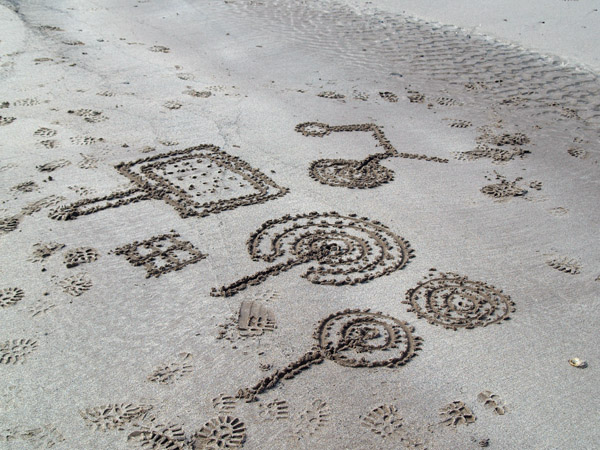
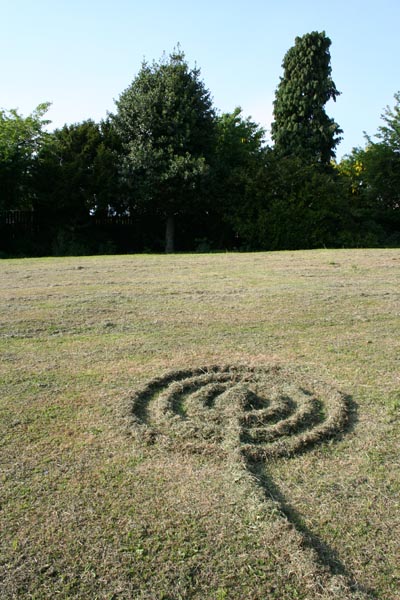
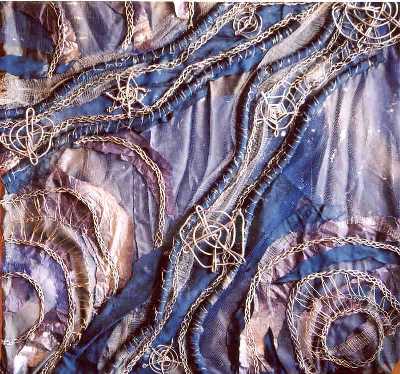
 Artistic / Interpretive: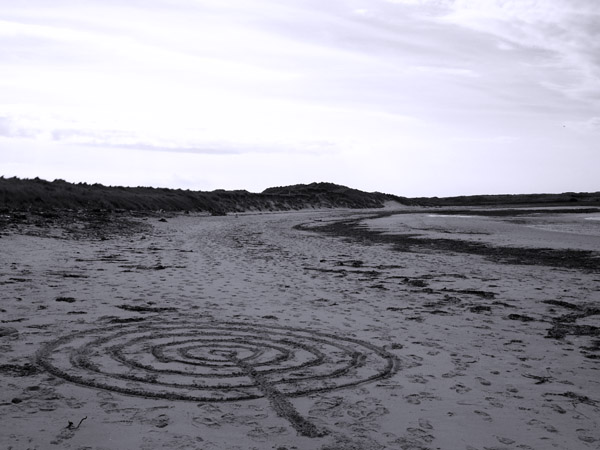
|
Miscellaneous |
Add miscellaneous |
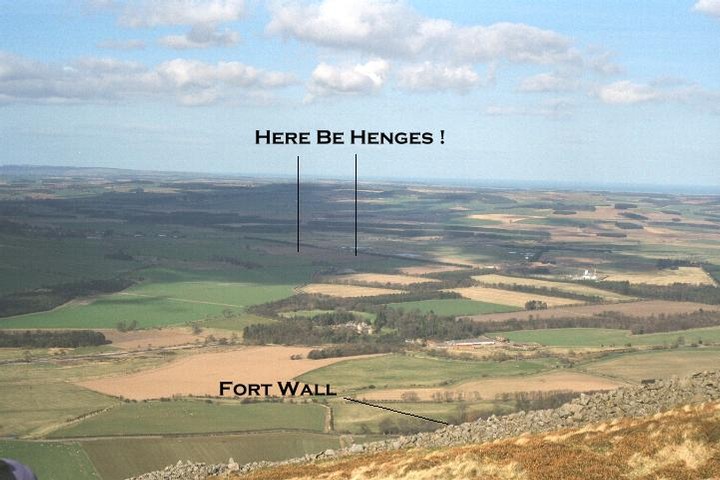
| There are 15 henge-like structures in the Milfield basin, 9 of which are thought to be definite henge monuments. This is the greatest concentration of henges anywhere! |
Posted by fitzcoraldo 31st March 2003ce Edited 24th May 2011ce |
Links |
Add a link |
Internet ArchiveHistory of the Berwickshire Naturalists' Club, volume 9 (1879-81) - has a list of "The named Stones of Northumberland; being a list of huge stones, single and in groups, in situ and detached, to which local names have been given in the County." by G. A. Lebour. |
Posted by Rhiannon 4th November 2011ce |

The Telegraph Online"Ancient rock art baffles experts" From the point of view of two of the D&NRAP stalwarts. |
Posted by Hob 19th January 2009ce Edited 7th October 2016ce |
Mr Tate's book on BRAC'The Ancient British Sculptured Rocks of Northumberland and the Eastern Borders' Seminal work on British Rock art by Mr George Tate, 1865. |
Posted by Hob 22nd November 2006ce |
Video Clip of Rock Art in NorthumberlandThe bit of the BBC's Countryfile programme which has Stan Beckensall and Aron Mazel talking about Northumbrian RA. Some nice shots of Ketley Crag in there. |
Posted by Hob 31st August 2006ce |
Upper Coquetdale Community Archaeology ProjectNorthumbria National Park Authorities Community Archaeology website. Includes a downloadable newsletter, News, Events and activities and volunteer oportunities. |
Posted by fitzcoraldo 2nd December 2005ce |
Northumberland Rock Art, access to Beckensall archiveThis website is the celebration of rock carvings made by Neolithic and Early Bronze Age people in Northumberland in the north east of England, between 6000 and 3500 years ago. Over 1000 carved panels are known and most of them are still located in the countryside. The website is also a celebration of the work of Stan Beckensall who has spent 40 years finding and recording this ancient rock art. For many years Beckensall shared his knowledge and recordings of Northumberland rock art through public talks, conference presentations, and richly illustrated publications. Now we have the World Wide Web! It is our hope that the information and images presented in this website will encourage greater enjoyment of this cultural resource; inspire the creation of new knowledge and insights into Northumberland and British rock art; and set the basis for the effective management and conservation of this ancient resource for future generations. |
Posted by franmort 14th January 2005ce Edited 14th January 2005ce |
Ryton StoneA description of the discovery and original setting of an unusual example of portable rock art found in Tyne and Wear. |
Posted by Hob 18th November 2004ce |
BBC Radio FourListen to Aubrey Manning's 'Unearthing Mysteries' programme on the tri-radial cairns of Northumbria. About 20 have been found (some are at Lordenshaw. The three arms of the cairns are aligned in the same way; one pointing north and the others at 140 and 240 degrees (SE and SW). That means they could be pointers to the mid-summer and midwinter sunrise and sunset. It's thought that they're Bronze Age. |
Posted by Rhiannon 11th August 2004ce Edited 11th August 2004ce |
Keys To The PastSearchable lists of prehistoric sites for both Durham and Northumberland. Not a lot of info, but good maps available, and ref numbers for each site, to let people send them requests for more detailed info. Includes a few potential sites that aren't on the SMR or the RSM. Nb: Durham and Northumberland only. |
Posted by Hob 5th March 2004ce |
GefrinYeavering, Ad Gefrin, Lordenshaws and the North Cheviots with original photographs and panoramas. Ths site is under development by BoC (Modern Antiquarian member) in collaboration with Paul Frodsham, archaeologist with the Northumberland National Park. |
 Posted by BoC
10th October 2003ce Edited 3rd May 2011ce |
County Durham Sites & Monuments RegisterAn excellent resource. Details of monuments and archaeological finds from all historic periods in County Durham are available here. |
 Posted by TomBo
14th August 2003ce |
Past perfectThe virtual Archaeology of Durham and Northumberland. Nice site check out Yeavering! |
Posted by fitzcoraldo 29th March 2003ce |
The Beckensall archive project |
Posted by fitzcoraldo 22nd March 2003ce |
Newcastle Uni's Milfield Geoarchaeology project |
Posted by fitzcoraldo 22nd March 2003ce Edited 24th May 2011ce |
Durham University Archaeology Dept's Rock Art Page |
Posted by fitzcoraldo 10th January 2003ce Edited 12th January 2003ce |
Latest posts for Northumberland |
Showing 1-10 of 3,316 posts. Most recent first | Next 10 
Bamburgh Castle (Hillfort) — Images (click to view fullsize) |
|
 Posted by thesweetcheat
29th September 2022ce |
Whinny Hill (Stone Circle) — Images |
   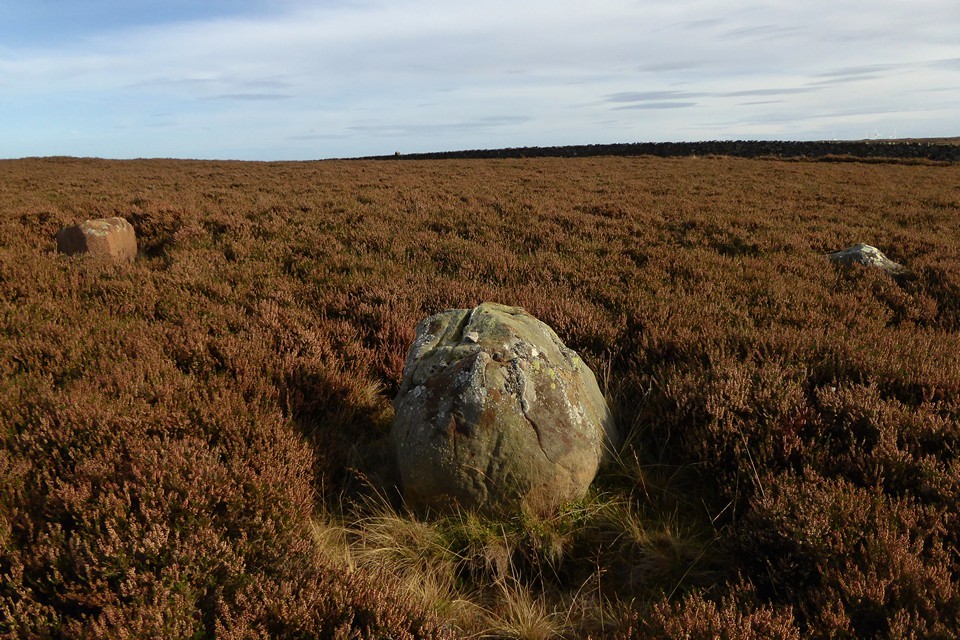 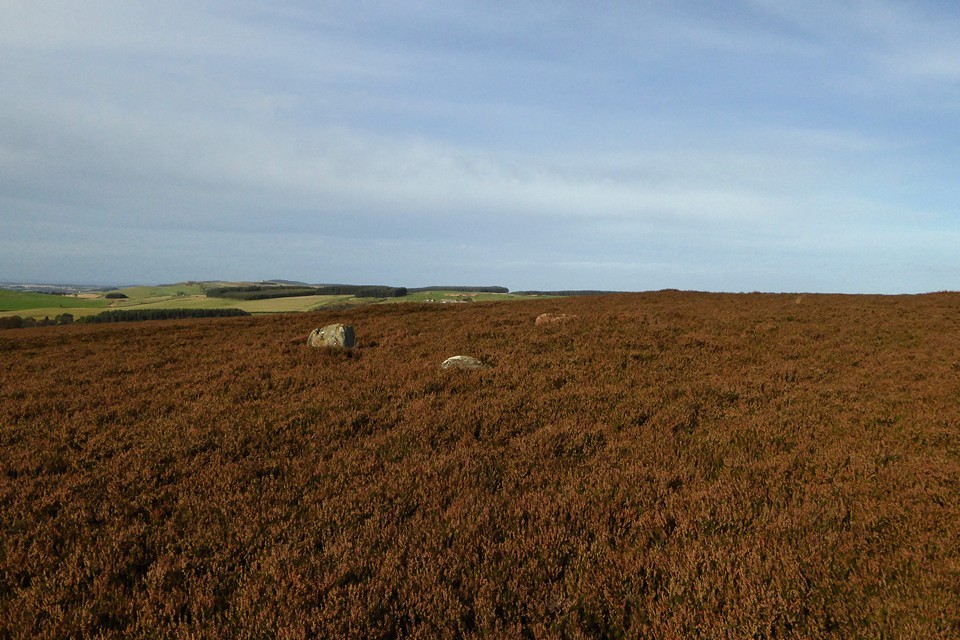 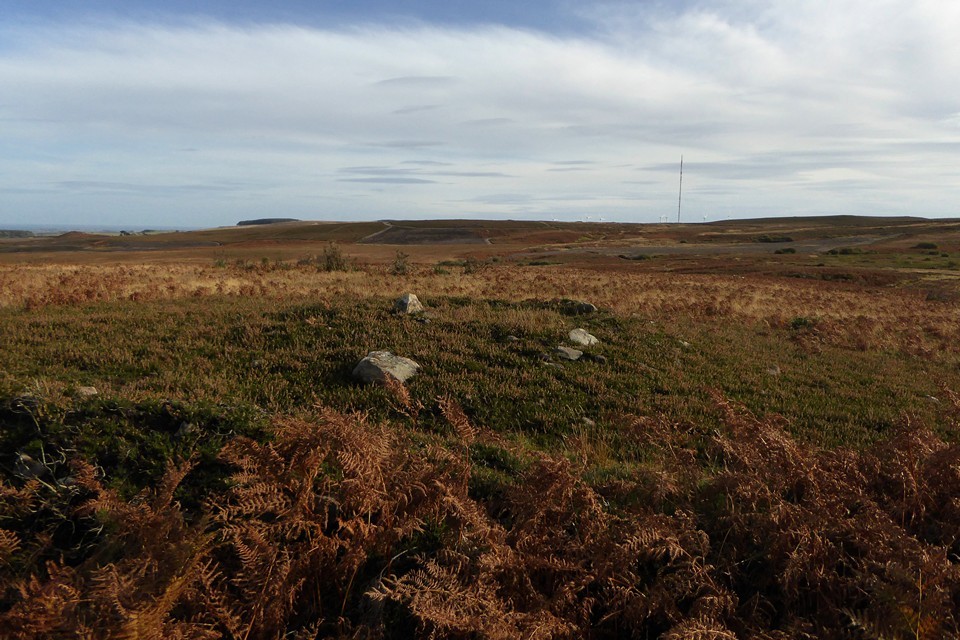
|
Posted by thesweetcheat 29th September 2022ce |
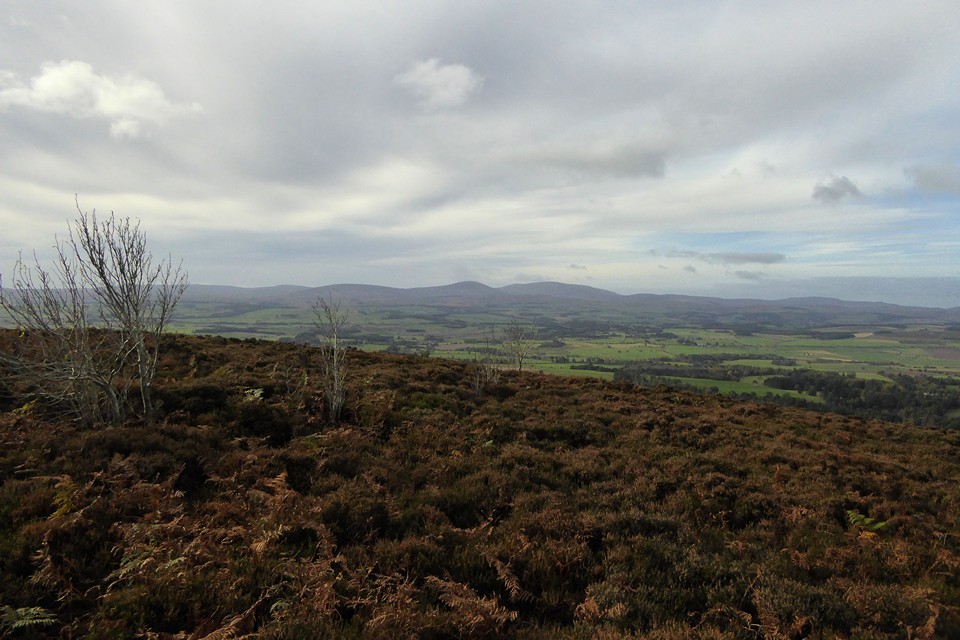
Ros Castle (Cup Marked Stone) — Images |
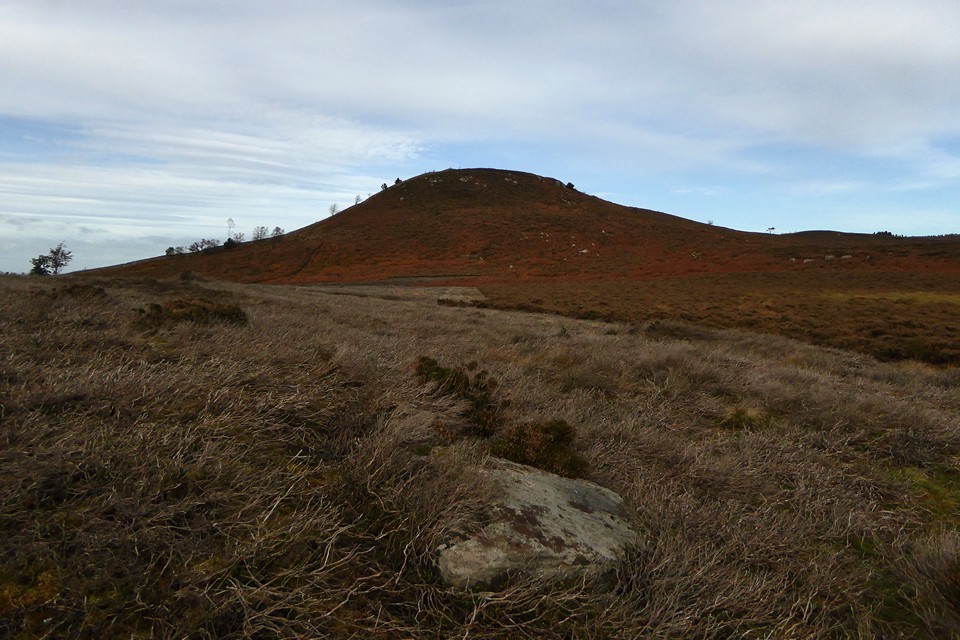 
|
Posted by thesweetcheat 28th September 2022ce |
Showing 1-10 of 3,316 posts. Most recent first | Next 10
 Top of page