|
 Log in |
Register Log in |
Register
|

|
|

AngleseyCounty
|


 Show |
 |
|
|
Sites/Groups in this region:
|
98 posts
Barclodiad-y-Gawres Chambered Cairn |
11 posts
Bedd Branwen Round Barrow(s) |
75 posts
Bodowyr Dolmen / Quoit / Cromlech |
|
4 posts
Bod Deiniol Standing Stone / Menhir |
2 posts
Brynsiencyn Round Barrow(s) |
31 posts
Bryn-yr-Hen-Bobl Chambered Cairn |
|
173 posts
2 sites Bryn Celli Ddu Chambered Cairn |
50 posts
Bryn Gwyn Stone Circle |
6 posts
Bwlch Farm Standing Stone / Menhir |
|
22 posts
Bwrdd Arthur (Llanddona) Hillfort |
1 post
Caer Idris Hillfort |
18 posts
Caer Leb Enclosure |
|
17 posts
Carreg Leidr Standing Stone / Menhir |
25 posts
Castell Bryn-Gwyn Henge |
6 posts
Castell Trefadog Cliff Fort |
|
12 posts
Cremlyn (North and South) Standing Stones |
17 posts
Dinas Gynfor Hillfort |
2 posts
Dinas (Llaneugrad) Promontory Fort |
|
6 posts
Dinas (Trearddur) Promontory Fort |
30 posts
Din Dryfol Chambered Tomb |
9 posts
Din Lligwy Ancient Village / Settlement / Misc. Earthwork |
|
4 posts
Ffynnon Eilian Sacred Well |
14 posts
Foel Fawr Burial Chamber |
31 posts
Glyn Burial Chamber |
|
25 posts
Gogarth Bay Round Cairn |
9 posts
Gorsedd Gwlwm Burial Chamber |
8 posts
Graiglas Standing Stone / Menhir |
|
1 post
Graiglas Barrow Round Barrow(s) |
29 posts
Henblas Dolmen / Quoit / Cromlech |
14 posts
Hendrefor Burial Chamber |
|
8 posts
Hirdrefaig Standing Stone / Menhir |
2 sites
Holyhead Mountain |
8 posts
Llanddyfnan Standing Stone / Menhir |
|
21 posts
Llanfaethlu Standing Stone / Menhir |
13 posts
Llanfechell Standing Stone / Menhir |
2 posts
Llangaffo Standing Stone / Menhir |
|
6 posts
Llangristiolus Standing Stone / Menhir |
19 posts
Llech Golman Standing Stone / Menhir |
67 posts
Lligwy Dolmen / Quoit / Cromlech |
|
5 posts
Llyn Cerrig-bach |
6 posts
Llys Einion Standing Stone / Menhir |
17 posts
Maenaddwyn Standing Stone / Menhir |
|
6 posts
Maen Hir, Tregwhelydd Standing Stone / Menhir |
8 posts
Maen Morddwyd Standing Stone / Menhir (Destroyed) |
12 posts
Maen Pres Standing Stone / Menhir |
|
4 posts
Maen y Goges Natural Rock Feature |
19 posts
Malltraeth Standing Stone / Menhir |
58 posts
Mein Hirion Standing Stones |
|
13 posts
Mynydd Bach (Aberffraw) Round Cairn |
32 posts
Pant-y-Saer Burial Chamber |
15 posts
Parys Mountain Ancient Mine / Quarry |
|
57 posts
Penrhosfeilw Standing Stones |
11 posts
Pen-yr-Orsedd (North) Standing Stone / Menhir |
15 posts
Pen-yr-Orsedd (South) Standing Stone / Menhir |
|
Pen y Maen
Standing Stone / Menhir
|
24 posts
Perthi Duon Burial Chamber |
4 posts
Plas Bodafon Standing Stone / Menhir |
|
20 posts
Plas Cadnant Standing Stone / Menhir |
55 posts
Plas Newydd Burial Chamber Dolmen / Quoit / Cromlech |
2 posts
Pont Sarn-las Ancient Village / Settlement / Misc. Earthwork |
|
11 posts
Porth Dafarch Ancient Village / Settlement / Misc. Earthwork |
6 posts
Porth Trecastell Promontory Fort |
3 posts
Porth Wen Ancient Village / Settlement / Misc. Earthwork |
|
38 posts
Presaddfed Dolmen / Quoit / Cromlech |
1 post
Rhosbeirio Round Barrow(s) |
7 posts
Stanley Mill Standing Stone / Menhir |
|
16 posts
Traeth Fawr Round Cairn |
5 posts
Trearddur Natural Rock Feature |
78 posts
Trefignath Chambered Cairn |
|
Trefor
Burial Chamber (Destroyed)
|
11 posts
Trefwri Standing Stone (East) Standing Stone / Menhir |
16 posts
Trefwri Standing Stone (West) Standing Stone / Menhir |
|
1 post
Treiorwerth Round Barrow(s) |
3 posts
Twyn y Parc Promontory Fort |
3 posts
Ty-Newydd Round Barrow(s) |
|
1 post
Ty’n Pwll Round Barrow(s) |
29 posts
Ty Mawr Standing Stone / Menhir |
14 posts
Ty Mawr Burial Chamber |
|
45 posts
Ty Newydd Dolmen / Quoit / Cromlech |
8 posts
Werthyr Standing Stone / Menhir |
10 posts
Ynys y Fydlyn Promontory Fort |
Sites of disputed antiquity:
|
3 posts
Benllech Burial Chamber |
1 post
Craig yr Allor Burial Chamber (Destroyed) |
4 posts
Fynnon Gwenfaen Sacred Well |
|
7 posts
Lain Wen Farm Inscribed Stone |
Llwynon
Standing Stone / Menhir
|
8 posts
Maen Chwyf Chambered Tomb |
|
6 posts
Shop Farm Standing Stone / Menhir |
10 posts
The Three Leaps Stone Row / Alignment |
News |
 Add news Add news |
|
Anglesey: Iron Age coins found declared treasure A hoard of Iron Age gold coins have been discovered for the first time in Wales. More info : https://www.bbc.co.uk/news/uk-wales-66471319 |
 Posted by drewbhoy
13th August 2023ce |

Largest Neolithic site in Wales found on Ynys MonMore than 2,000 artefacts possibly dating back as much as 6,000 years have been discovered on the site of a new school in Anglesey . It is the largest ever Neolithic discovery in Wales after being discovered by archaeologists investigating the site at Llanfaethlu... continues... |
 Posted by thesweetcheat
16th October 2015ce |
|
Standing Stones of Anglesey A photographic exhibition of the standing stones of Anglesey at Llandudno museum which may be interesting and a good coffee stop when returning from said stones. On until 28 Feb 2015. http://www.visitllandudno.org.uk/events/standing-stones-of-anglesey-at-llandudno-museum-p317641 |
Posted by JohnAko 2nd February 2015ce Edited 3rd February 2015ce |
Iron Age relics return to islandwww.dailypost.co.uk/.../iron-age-artefacts-coming-back-to-oriel-ynys-m-n- anglesey-55578-30950076/ Iron Age artefacts unearthed 70yrs ago will finally return to the island to be exhibited... continues... |
Posted by JohnAko 13th May 2012ce Edited 15th May 2012ce |
Possible new cup-marked stone found on Ynys MonFrom 'WRAO' on Facebook: "Six? possible cup-marks on a stone re-used as a gate post. The hole in the centre is for a gate bolt and is distinctly different in character to the standard bowl profile of the cup-marks... continues... |
 Posted by blossom
13th March 2012ce Edited 14th March 2012ce |
Bid to Return Druid Treasure to AngleseyApr 29 2009 By Elgan Hearn ANCIENT artefacts, more than 2,000 years old, should be brought back to Anglesey claims an island politician. A large hoard of Iron Age materials were discovered in Llyn Cerrig Bach, Llanfair-yn-Neubwll, in 1942... continues... |
 Posted by moss
30th April 2009ce |
Desecration of Ancient Burial Site.. AngleseyFirst Tara.. and now the welsh assembley has followed suit by sneaking through the distruction of one of the most sacred sites on anglesey. 2km from Holyhead is Ty Mawr and Trefignath and surrounding tombs and circles. Excavators are currently ploughing up the area so as to build a buisness park on the site... continues... |
Posted by salamander 4th December 2007ce Edited 5th December 2007ce |
Bronze age copper mine may be tourist attractionJuly 19, 2004 form icNorthWales EXPERTS have been brought in to help turn ancient bronze age copper workings in North Wales into a major tourist attraction. Focus for the Copper Mountain project, which includes the old port of Amlwch in Anglesey, will be the historic Mynydd Parys mines and open cast sites... continues... |
 Posted by Jane
20th July 2004ce |
Links |
Add a link |
Welsh History Month: A tale of two tombs ..."The island of Anglesey has a personality all of its own. Sheltered in the lee of Snowdonia, it is the only area of fertile and accessible land in a region of high and barren mountains. It is, therefore, not surprising that settlers have been drawn to its shores from the dawn of history. And they have left us some of the most inspiring monuments in Wales." |
 Posted by tjj
26th February 2015ce |

Megalithic tour of Anglesey |
Posted by tjj 19th February 2015ce |
Archives and ArchaeologyOpen day on 10th march for new archives, with sessions and workshops. |
Posted by blossom 24th February 2012ce Edited 24th February 2012ce |
Songs from StonesGreat animation of four important sites. |
Posted by moss 27th May 2011ce |
Internet ArchiveTen Days' Tour Through the Isle of Anglesey. A super record of the Reverend Skinner's journey in 1802, with many illustrations of stoney places and much druid-related speculation. |
 Posted by Rhiannon
16th December 2009ce |
Latest posts for Anglesey |
Showing 1-10 of 1,678 posts. Most recent first | Next 10 
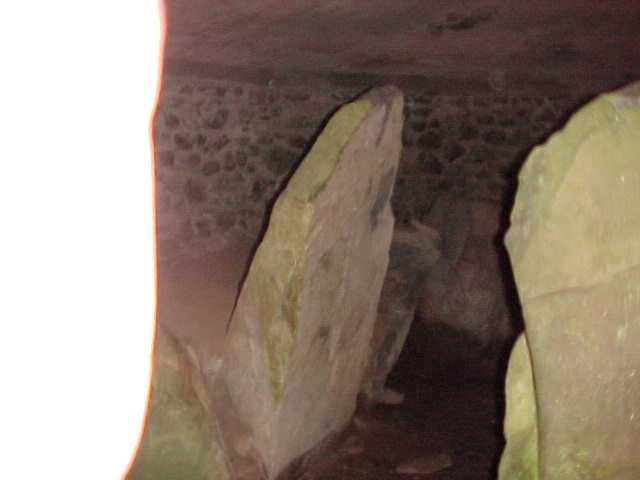
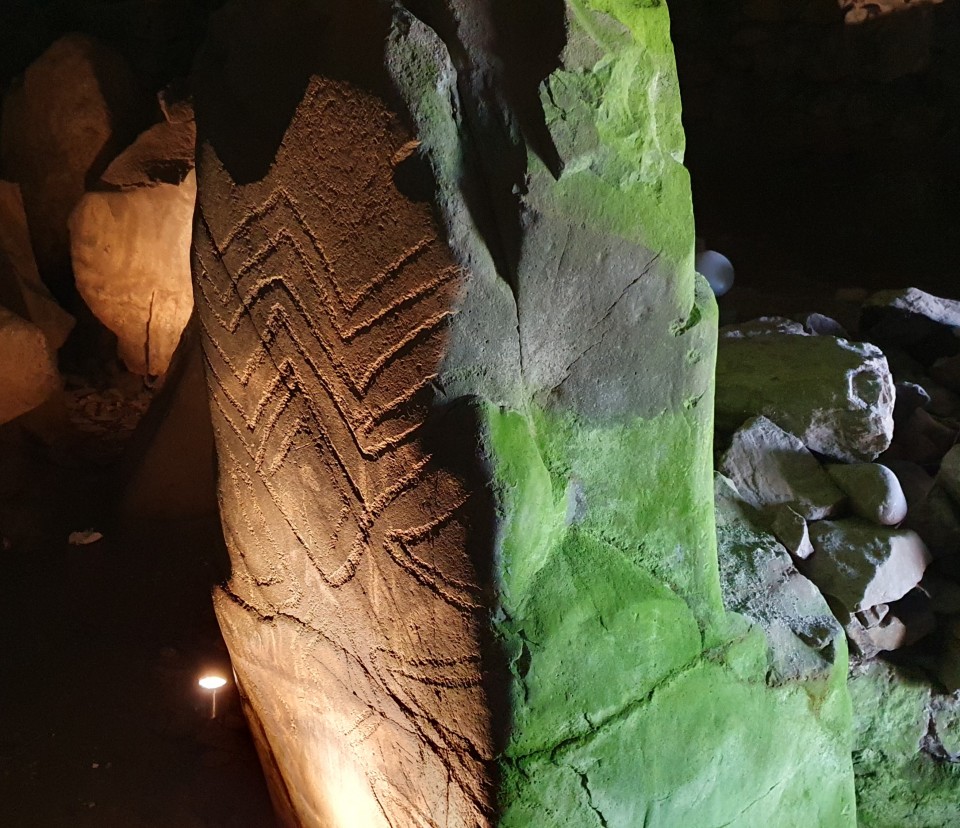
Barclodiad-y-Gawres (Chambered Cairn) — Images (click to view fullsize) |
|
Posted by Rhiannon 24th May 2023ce |
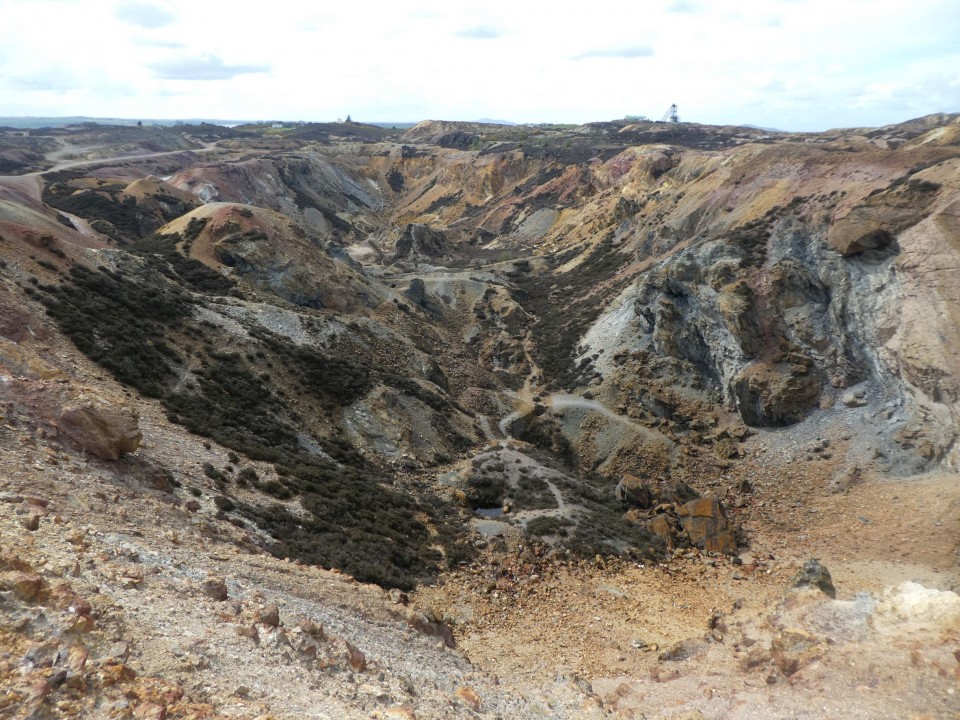
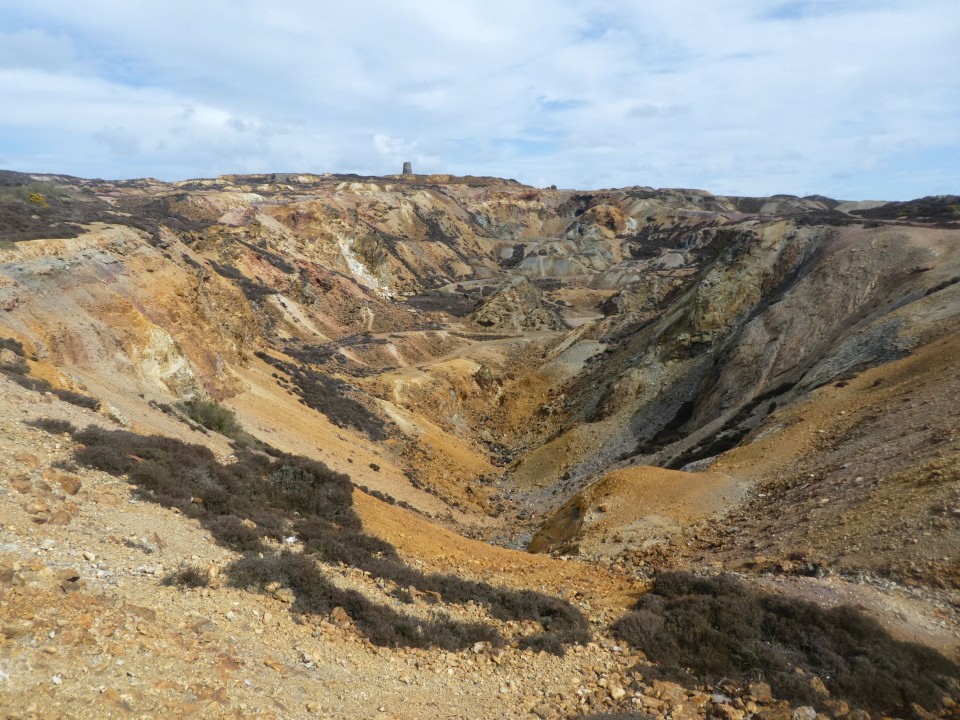
Parys Mountain (Ancient Mine / Quarry) — Images |
  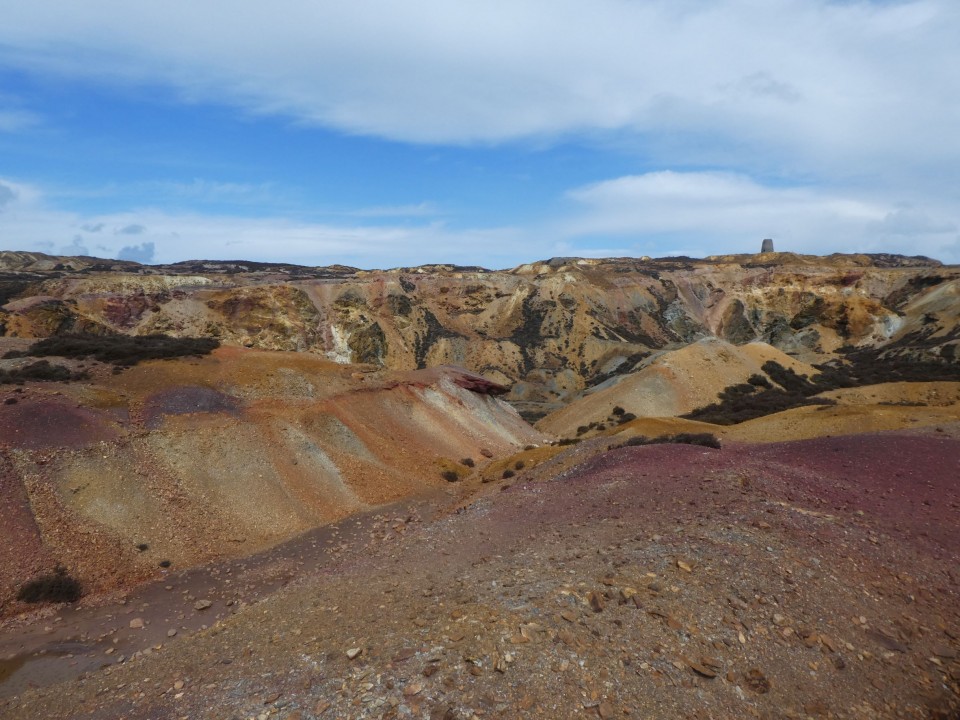  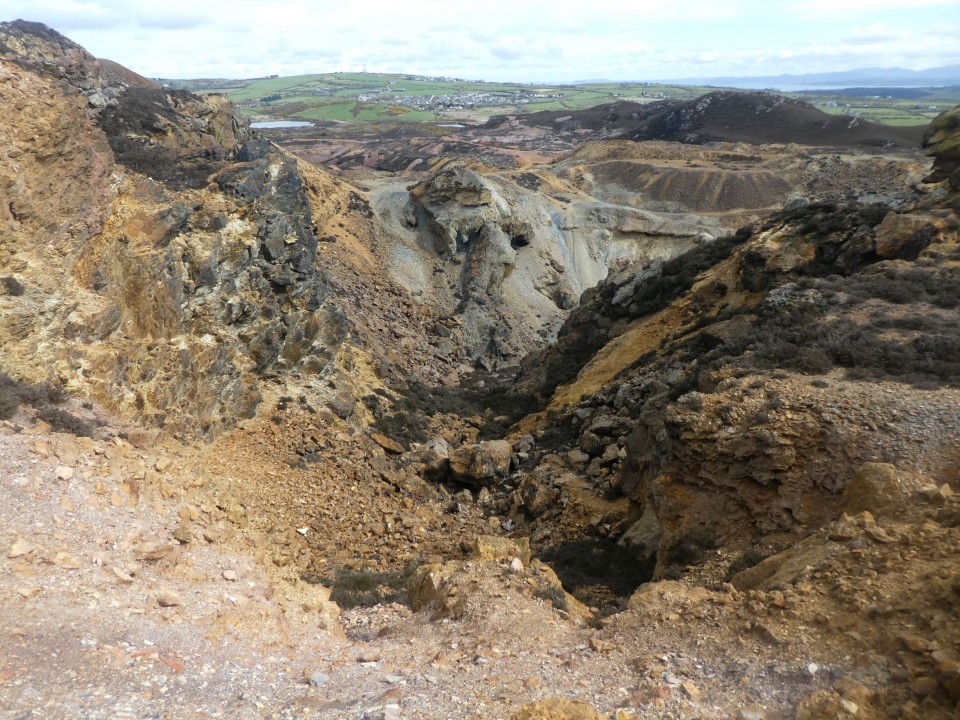
|
Posted by costaexpress 11th April 2022ce |
Barclodiad-y-Gawres (Chambered Cairn) — Links |
Cadw - Virtual Visits - Barclodiad-y-GawresTake a virtual tour of Barclodiad-y-Gawres |
 Posted by baza
23rd June 2021ce |
Bryn Celli Ddu (Chambered Cairn) — News |
Minecraft: Lockdown lesson recreates ancient island tombTake an archaeologist, a bored schoolgirl living through coronavirus lockdown, and a shared interest in exploring ancient tombs. More info : https://www.bbc.co.uk/news/uk-wales-53239650 |
Posted by drewbhoy 5th July 2020ce |
Barclodiad-y-Gawres (Chambered Cairn) — Miscellaneous |
|
I rang up Wayside Stores this afternoon, to see whether access was still possible. They told me that, as of this year, they no longer hold a key. Apparently Cadw are running occasional open days though. K x |
 Posted by Kammer
25th July 2019ce |
Plas Cadnant (Standing Stone / Menhir) — Images |
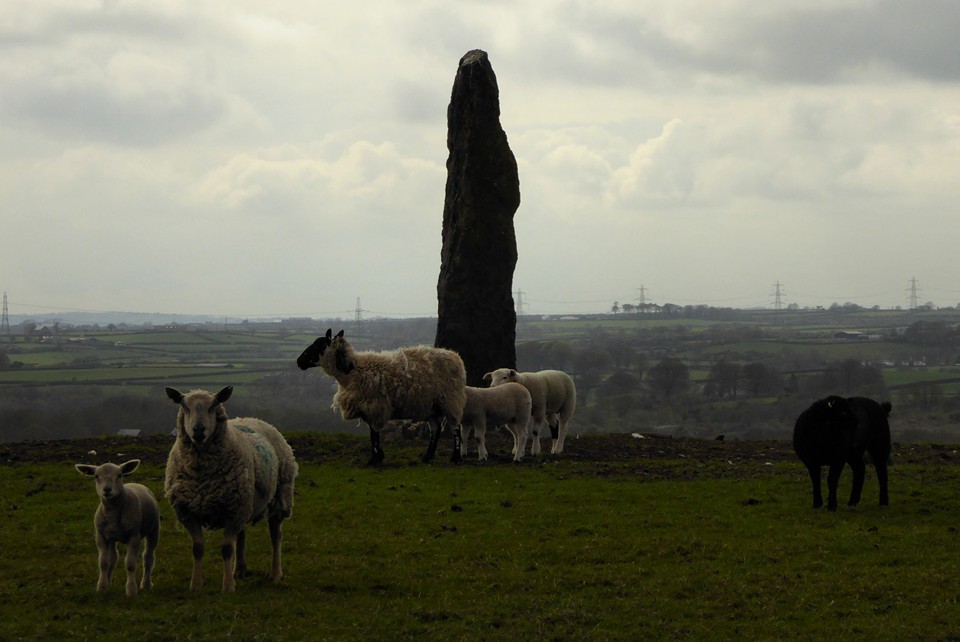
|
Posted by thesweetcheat 10th July 2018ce |
Showing 1-10 of 1,678 posts. Most recent first | Next 10
 Top of page