|
 Log in |
Register Log in |
Register
|

|
County KildareCounty
|


 3 discussion topics


 Show |
 |
|
|
Sites/groups in County Kildare:
|
3 posts
Ballybought Round Barrow(s) |
5 posts
Ballybought Bullaun Stone |
5 posts
Ballymore Eustace West Bullaun Stone |
|
1 post
Baltracy Standing Stone / Menhir |
1 post
Barretstown Hill Barrow / Cairn Cemetery |
3 posts
Bishopsland Round Barrow(s) |
|
7 posts
Bolton Hill Bullaun Stone |
13 posts
2 sites Brewell's Hill Stone Circle |
34 posts
Broadleas Stone Circle |
|
27 posts
1 site Carbury Hill Round Barrow(s) |
7 posts
Caureen Artificial Mound |
5 posts
Chair of Kildare Artificial Mound |
|
4 posts
Clane Bullaun Stone |
9 posts
Craddockstown West Standing Stone / Menhir |
2 posts
Cromwellstown Bank Barrow |
|
1 post
6 sites Curragh Round Barrow(s) |
The Currah
Barrow / Cairn Cemetery
|
5 posts
Dun Ailinne Hillfort |
|
1 post
Firmount East Artificial Mound |
3 posts
Forenachts Cup and Ring Marks / Rock Art |
8 posts
Forenaghts Great Henge |
|
2 posts
Grangebeg Burial Chamber |
2 posts
Griffinrath Artificial Mound |
7 posts
Hill of Allen Sacred Hill |
|
3 posts
Kildare Christianised Site |
12 posts
Kilgowen Standing Stone / Menhir |
4 posts
Killeen Cormac Passage Grave |
|
1 post
Killickaweeny Standing Stone / Menhir |
2 posts
Kilteel Bullaun Stone |
5 posts
Kingsland Round Barrow(s) |
|
3 posts
12 sites Little Curragh Barrow / Cairn Cemetery |
Longstone
Standing Stone / Menhir
|
4 posts
Maudlings Standing Stone / Menhir |
|
5 posts
2 sites Mullamast Long Stone Standing Stone / Menhir |
Newtown Great
Round Barrow(s)
|
4 posts
Newtown Park Round Barrow(s) |
|
1 post
Old Kilcullen Christianised Site |
6 posts
Punchestown Round Barrow(s) |
15 posts
Punchestown Standing Stone Standing Stone / Menhir |
|
8 posts
Rathangan Rath |
5 posts
Red Hill Round Barrow(s) |
The Ring
Hillfort
|
|
4 posts
Ringwood Rath |
2 posts
Ticknevin Bullaun Stone |
11 posts
Whiteleas Stone Circle (Destroyed) |
Images (click to view fullsize) |
 Add an image Add an image |
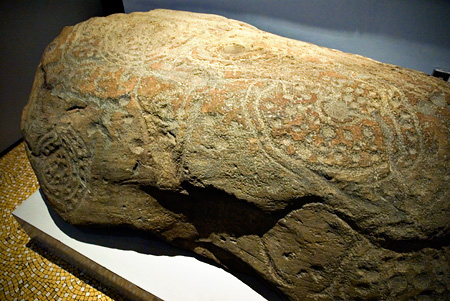
|
Latest posts for County Kildare |
Showing 1-10 of 321 posts. Most recent first | Next 10 
Cromwellstown (Bank Barrow) — Images (click to view fullsize) |
 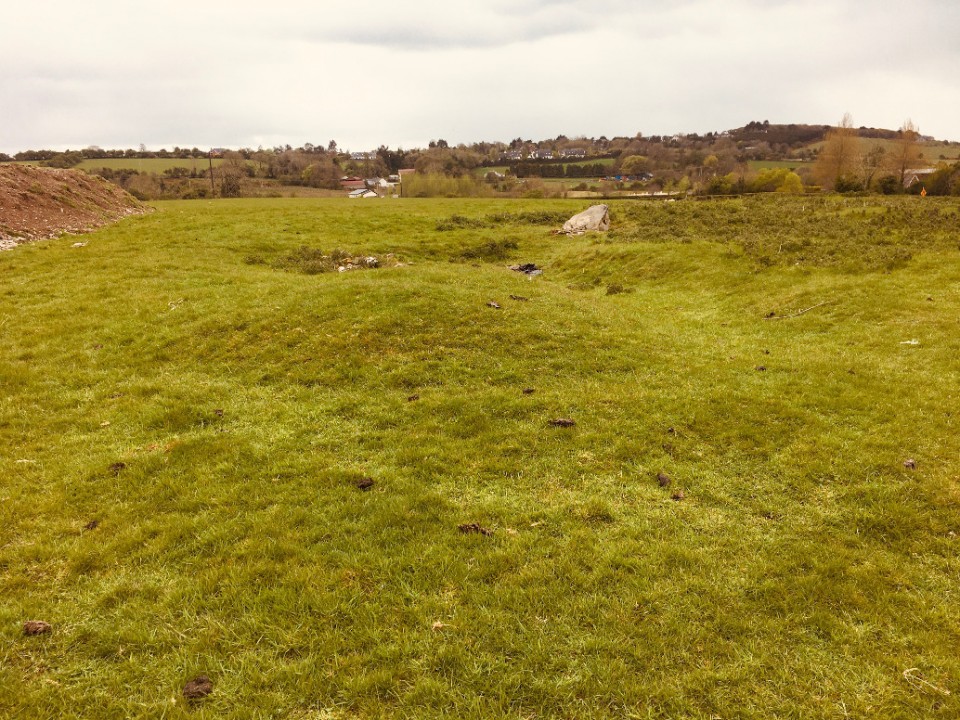
|
 Posted by ryaner
9th May 2021ce |
Broadleas (Stone Circle) — Images |
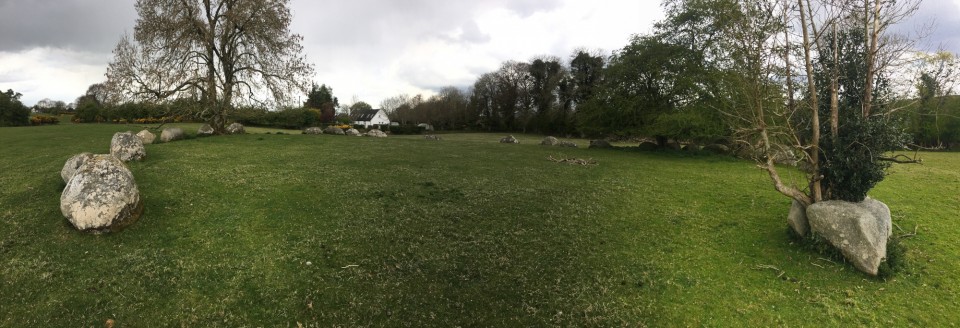
|
Posted by ryaner 1st May 2021ce |
Kilteel (Bullaun Stone) — Images |
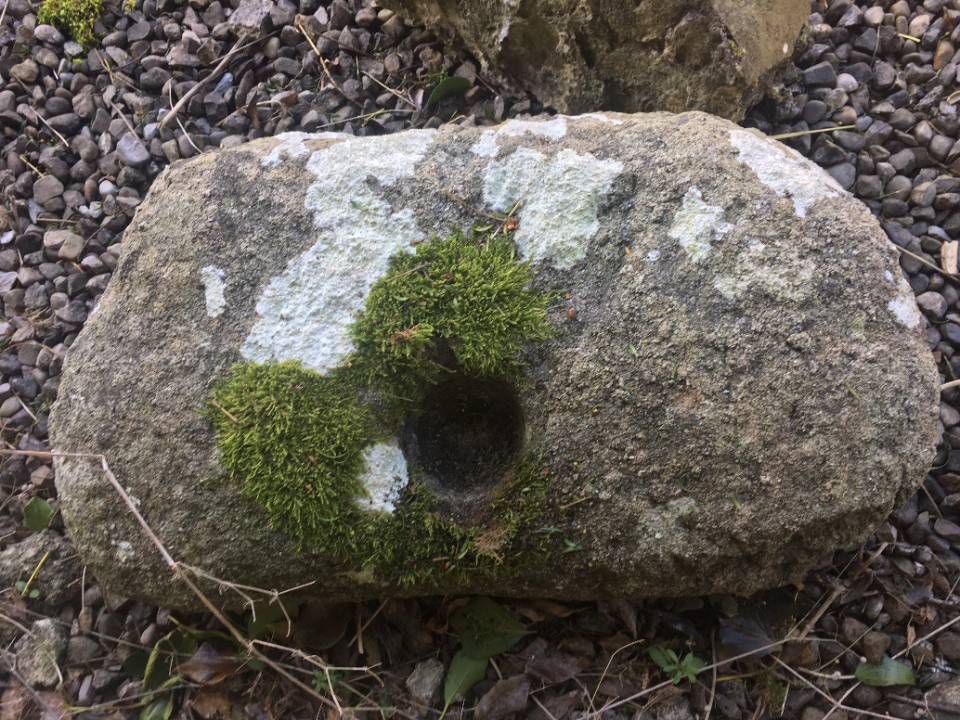
|
Posted by ryaner 21st March 2021ce |
Little Curragh (Barrow / Cairn Cemetery) — Links |
The Curragh PlainsThe project was commissioned jointly by Kildare County Council and the Department of Defence in order to: help protect and conserve the special status of this landscape. help manage more effectively the diverse yet critical uses of the Plains; and to help realise its potential as a destination of value to locals and visitors alike, thereby contributing to the local and regional economy. |
Posted by ryaner 17th March 2021ce |
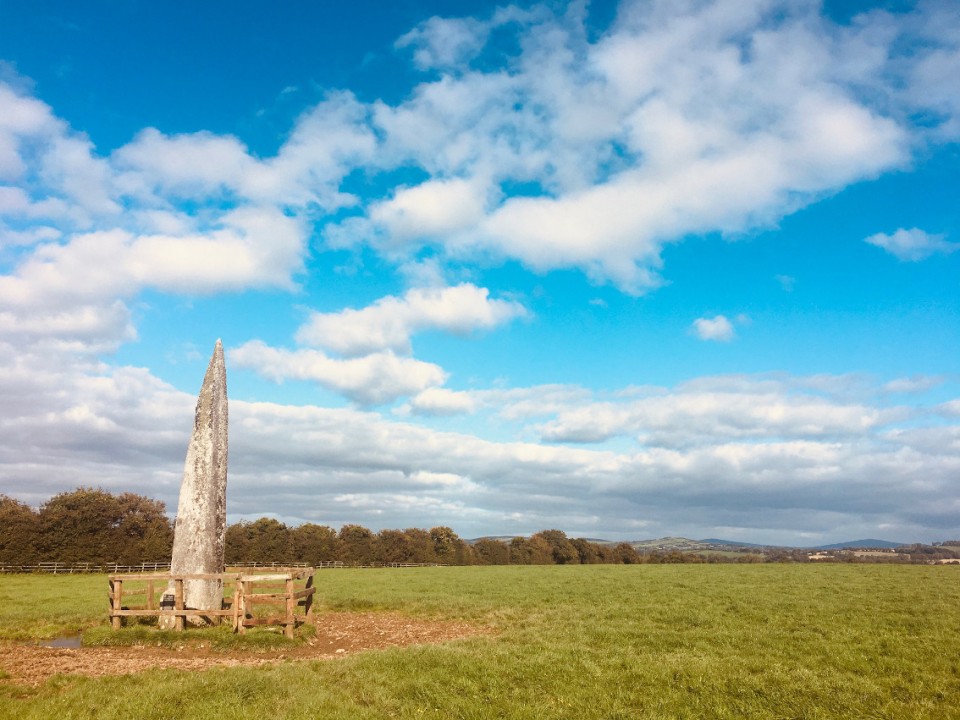
Punchestown Standing Stone (Standing Stone / Menhir) — Images |
|
Posted by ryaner 10th September 2020ce |
Craddockstown West (Standing Stone / Menhir) — Images |

|
Posted by ryaner 10th September 2020ce |
Brewell's Hill (Stone Circle) — Folklore |
There is another stone circle on "Brewel Hill" known as "The Piper's Stones.Collected as part of the Schools Collection in the 1930s, and now online at Duchas.ie. |
 Posted by Rhiannon
11th August 2020ce |
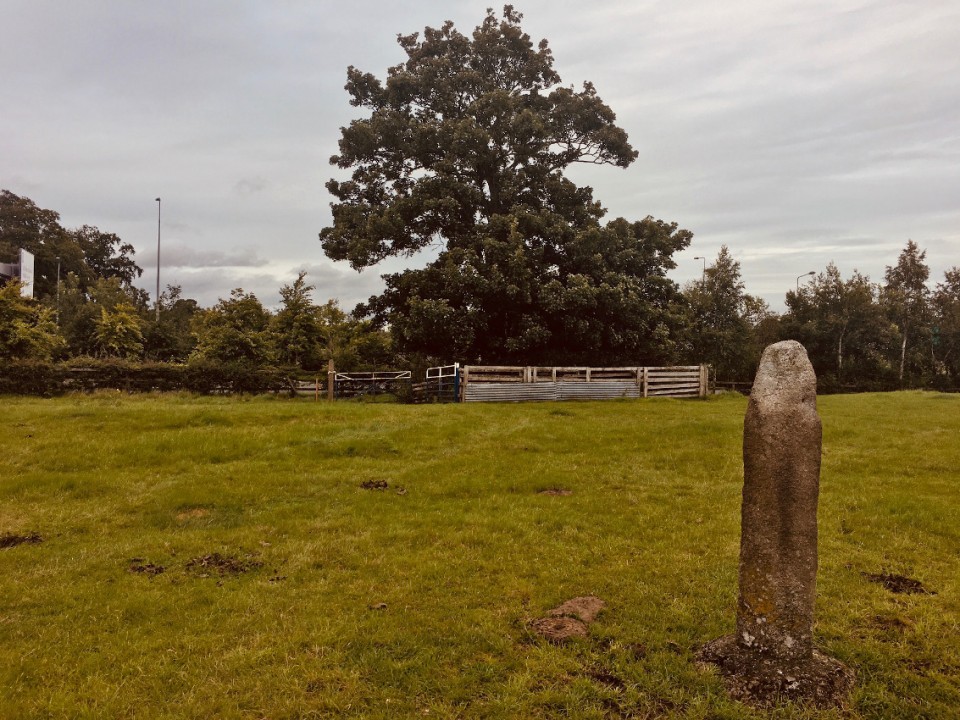
Maudlings (Standing Stone / Menhir) — Miscellaneous |
|
From archaelogy.ie: Class: Standing stone Townland: MAUDLINGS Scheduled for inclusion in the next revision of the RMP: Yes Description: On a gentle E-facing pasture slope, c. 35m W of the N-flowing Morell River. A tall, almost square, granite stone (H 1.62m; L 0.29m; Wth 0.26m) is orientated on a NE-SW axis. A small perforation pierces the top of the stone NW-SE. Believed locally to be a scratching post, but exhibits no obvious signs of wear. Compiled by: Gearóid Conroy Date of upload: 10 June 2011 |
Posted by ryaner 30th July 2020ce |
Maudlings (Standing Stone / Menhir) — Images |
|
Posted by ryaner 30th July 2020ce |
Showing 1-10 of 321 posts. Most recent first | Next 10
 Top of page