|
 Log in |
Register Log in |
Register
|

|
|

Radnorshire
|
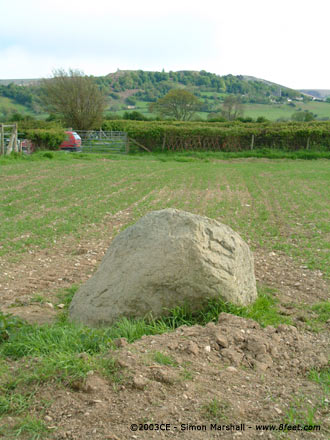


 Show |
 |
|
|
Sites in this group:
|
80 posts
Bache Hill and the Whimble Round Barrow(s) |
10 posts
Banc Cynnydd, Cwmdeuddwr Cairn(s) |
7 posts
1 site Banc Trehesglog, Cwmdeuddwr Stone Row / Alignment |
|
14 posts
Banc Ystrad-Wen Barrow / Cairn Cemetery |
12 posts
Beacon Hill Barrow / Cairn Cemetery |
6 posts
The Beacon (Llandrindod) Cairn(s) |
|
17 posts
Beddau Folau Chambered Cairn |
4 posts
Beggar's Bush Round Barrow(s) |
21 posts
Black Mixen Round Barrow(s) |
|
1 post
Blaen Henllan Cairn(s) |
2 posts
Briddel Felen Standing Stone Standing Stone / Menhir |
3 posts
Broomy Hill Standing Stone / Menhir |
|
6 posts
Bryn yr Hydd Enclosure |
12 posts
Bryn y Maen Stone Row / Alignment |
4 posts
Bryn y Maen fallen monolith Standing Stone / Menhir |
|
27 posts
Burfa Bank Hillfort |
11 posts
Carneddau Hill (Builth Wells) Round Cairn |
14 posts
Carneddau North (Builth Wells) Cairn(s) |
|
12 posts
Carn Nant-y-Ffald Cist |
5 posts
Carn Ricet Cairn(s) |
8 posts
Carn Wen, Cwmdeuddwr Round Cairn |
|
11 posts
Carn Wen, Garth (Llanwrthwl) Round Cairn |
9 posts
Carn Wen (Gwastedyn) Cairn(s) |
8 posts
Carregwiber Hillfort |
|
7 posts
Carregwiber (stone 1) Standing Stone / Menhir |
7 posts
Carreg Bica Round Cairn |
24 posts
Castle Bank Hillfort |
|
18 posts
Castle Ring (Old Radnor) Hillfort |
10 posts
Cefn-y-Gaer Hillfort |
9 posts
Cefn Ceidio Round Barrow(s) |
|
6 posts
Cefn Llyn Standing Stone / Menhir |
4 posts
Cefn Wylfre Stone Circle |
6 posts
Clap yr Arian Cairn(s) |
|
7 posts
Clyro Court Farm Long Barrow |
6 posts
Creggin Cairn(s) |
5 posts
Crossfield Lane barrow Round Barrow(s) |
|
6 posts
Crossfoot Farm Standing Stone / Menhir |
1 post
Crossway Barrow Round Barrow(s) |
12 posts
Crugyn Gwyddel Cairn(s) |
|
6 posts
Cwmade Round Barrow(s) |
14 posts
Cwm Berwyn, Carneddau (Builth Wells) Promontory Fort |
30 posts
Cwm Bwch, Great Rhos Round Barrow(s) |
|
7 posts
Cwm Maerdy Standing Stone / Menhir |
5 posts
Cwm Stone Standing Stone / Menhir |
9 posts
Domen-ddu Cairn(s) |
|
11 posts
Esgair Beddau, Cwmdeuddwr Cairn(s) |
8 posts
Esgair Crawnllwyn, Cwmdeuddwr Round Barrow(s) |
7 posts
Esgair y Llwyn, Cwmdeuddwr Cairn(s) |
|
6 posts
Fedw Stone Circle |
9 posts
Fedw Llwyd Round Barrow(s) |
6 posts
Ffrwd Stone Standing Stone / Menhir |
|
55 posts
The Four Stones Stone Circle |
19 posts
Gelli Hill Stone Circle |
10 posts
Gelli Hill Cairn Cairn(s) |
|
8 posts
Gelli Hill stone Standing Stone / Menhir |
16 posts
Giants Grave Barrow / Cairn Cemetery |
5 posts
Gilfach Hill Enclosure |
|
7 posts
Gilwern Hill Cairn(s) |
1 post
Glascwm Mill Cottages Round Barrow(s) |
11 posts
Graig Camp Hillfort |
|
1 post
Groddwr Bank Round Barrow(s) |
1 post
Gwern Dyfnant Round Barrow(s) |
3 posts
Harpton Court Barrow Round Barrow(s) |
|
3 posts
Hindwell Cursus Cursus (Destroyed) |
4 posts
Hindwell Enclosure Enclosure |
9 posts
Hindwell round barrow group Barrow / Cairn Cemetery |
|
1 post
Hundred House Common Round Barrow(s) |
23 posts
Kinnerton Court Stone I Standing Stone / Menhir |
15 posts
Kinnerton Court Stone II Standing Stone / Menhir |
|
8 posts
Knobley Standing Stone / Menhir |
1 post
Knobley Brook barrow Round Barrow(s) |
1 post
Lane Farm Round Barrow(s) |
|
9 posts
Lan Fraith Round Barrow(s) |
1 post
Larch Grove Standing Stone / Menhir |
1 post
Little Hill cairn II Cairn(s) |
|
1 post
Little Hill cairn III Cairn(s) |
4 posts
Little Hill VII Round Barrow(s) |
6 posts
Llandegley Rocks Ancient Village / Settlement / Misc. Earthwork |
|
6 posts
Llanerch Stone Cup Marked Stone |
1 post
Llanfihangel Nant Melan Round Barrow(s) |
9 posts
Lluest Aber Caethon, Cwmdeuddwr Round Barrow(s) |
|
4 posts
Llyn Dwr Standing Stone / Menhir |
1 post
Llyn Gwyn Enclosure |
6 posts
Maengwyngweddw Standing Stone / Menhir |
|
1 post
Maesgwyn Mound Round Barrow(s) |
25 posts
Marteg Valley Kerbed Cairn |
1 post
Milton Hill Round Barrow(s) |
|
3 posts
Old Stone (Pant-y-Caregl) Standing Stone / Menhir |
5 posts
Pawl Hir Ring Cairn |
1 post
Pegwn Bach Cairn(s) |
|
2 posts
Pennant Pound Round Barrow(s) |
1 post
Pen Cae Newydd Round Barrow(s) |
10 posts
Rhiw Afon, Cwmdeuddwr Round Cairn |
|
22 posts
Rhiw Porthnant Barrow / Cairn Cemetery |
1 post
Rhos-Goch Chapel Round Barrow(s) |
2 posts
Shepherd's Tump Round Barrow(s) |
|
6 posts
Shepherd's Well cross dyke Dyke |
2 posts
Six Stones Stone Circle |
21 posts
Twyn-y-Big Round Cairn |
|
10 posts
Twyn y Garth Hillfort |
7 posts
Twyn y Garth barrows Round Barrow(s) |
14 posts
Ty Lettice Round Barrow(s) |
|
12 posts
The Van Barrow / Cairn Cemetery |
2 posts
Walton Green Cursus Cursus (Destroyed) |
1 post
Wern-y-Gaufron Round Barrow(s) |
|
1 post
Windy Hall Round Barrow(s) |
1 post
Womaston Causewayed Enclosure |
9 posts
Y Gaer, Llanddewi Ystradenni Hillfort |
Sites of disputed antiquity:
|
2 posts
Church of St Michael Christianised Site |
6 posts
Hindwell Pool |
10 posts
Hindwell Stone Standing Stone / Menhir |
|
18 posts
Maen Serth Standing Stone / Menhir |
6 posts
Moll Walbee's Stone Standing Stone / Menhir |
6 posts
Old Radnor Church Christianised Site |
Miscellaneous |
 Add miscellaneous Add miscellaneous |
|
Maybe it's relevant, maybe it's not, but there are a number of distinctive conical hills near Old Radnor: Stanner Rocks, Worsell Wood, Hanter Hill. Apparently these contain some of the oldest rocks in Wales - Precambrian and 700 million years old. Old Radnor was called 'Pen-y-Graig': 'head of the rock'. The geology means Stanner Rocks supports some pretty strange and rare plants, and it was said: "by the common people it is called the Devil's Garden." You can't help wondering where the stones for the local monuments came from. Probably. "The Cambrian Balnea: Or Guide to the Watering Places of Wales, Marine and Inland" by Thomas Jeffery Llewelyn Prichard (1825). |
 Posted by Rhiannon
12th September 2007ce |

|
Extracted from "Betwixt & Between" by Mary Dodsworth and Iain Steele in "The Cauldron" no.115), themselves drawing on "The Folklore of Radnorshire" by Roy Palmer :- Beguildy church, on raised site by River Teme, probably a B.A. settlement. Bleddfa church on a B.A. mound. Bryngwyn: The Six Stones near N boundary of village is a stone circle of ~12 stones. Llanfihangel Cascob cut into a burial mound. Llanfihangel Cefnllys a B.A. site. I.A. fort on Cefnllys Hill turned into mediaeval castle. Discoed church south of a five millenium old yew - a circular site about an antient mound and a Neolithic tree. Disserth church a circular site with a well nearby formerly dressed with mistletoe. Kinnerton church within an earlier circular wall. By the road to Old Radnor there is a standing stone. Llanbister church has tower behind altar, at the E end. Sulfur well overlooks church. Llandegley church very late, healing well on Cymaron riverbank side nearby. Llandeio Graban tower bedroom for last Welsh dragon. Llandewi Ystradenni. Giant's burial at Tomen Beddugre nearby. Llanelwedd church has thity tumuli within half-a-mile and a lost standing stone. Llanfihangel Nant Melan ringed by ancient yews, with one holding solitary remnant of a stone circle. Nantmel church has 6 two millenia old yews in precinct. 2 standing stones called the Devil's Clogs on nearby Tan-y-cefn farm. Old Radnor church font cut from fifth stone of Four Stones group at edge of Kinnerton-Walton road. In 1994 a vast stone circle revealed from the air in the Radnor valley - probably defined by 1400 oaks, it covers 34 hectares but doesn't have a precise location ! Pilleth church has well behind that was resorted to by people with eye problems. St. Harmon chuch first dedication in Wales, but he wasn't buried in Bedd Harmon near it. Two stone circles also near, though Cwm y Saeson only has two stones left out of 14 and that on Hendre Rhiw farm only one of 5. Dogs and people treated by sulfur spring on Temple Bar farm. Whitton church lies in an earlier circular llan. |
 Posted by wideford
5th March 2005ce |
Latest posts for Radnorshire |
Showing 1-10 of 1,010 posts. Most recent first | Next 10 
Twyn-y-Big (Round Cairn) — Images (click to view fullsize) |
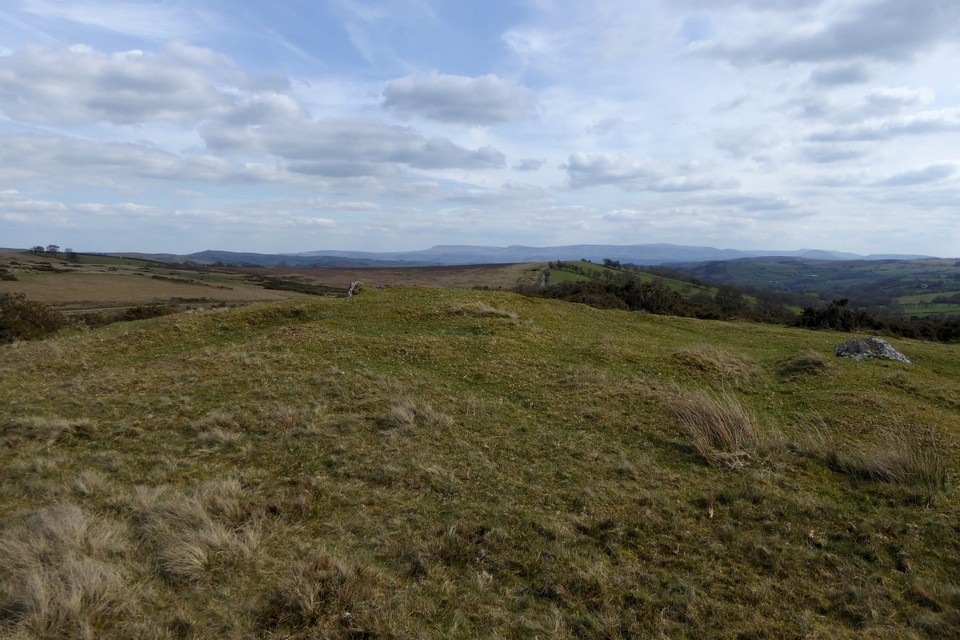 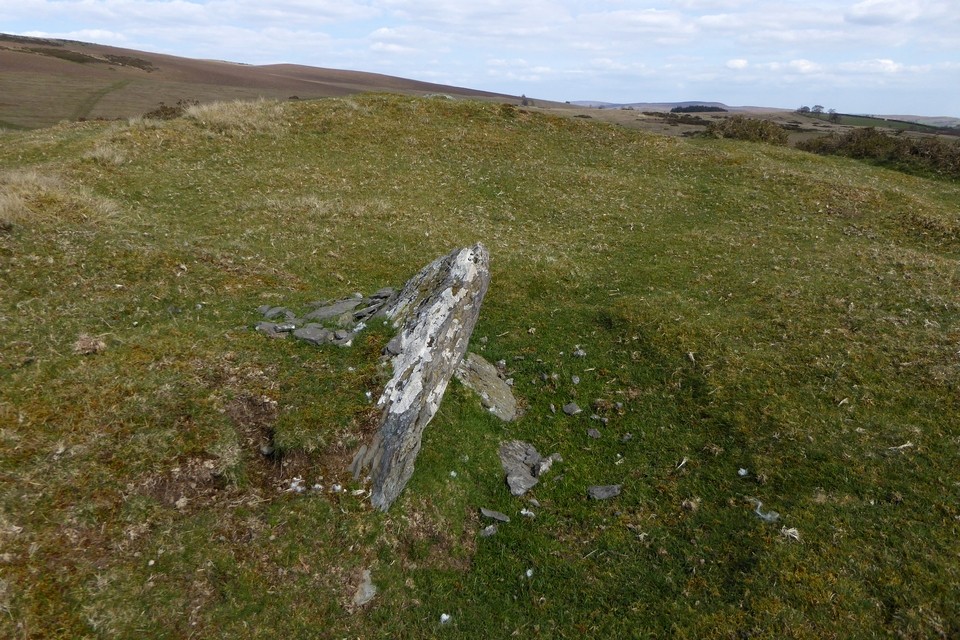 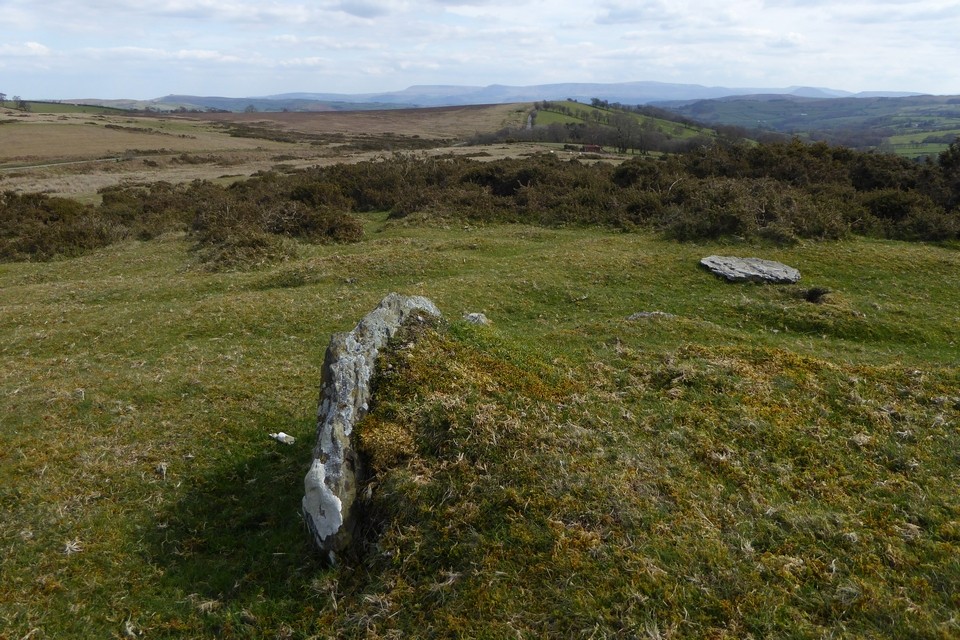 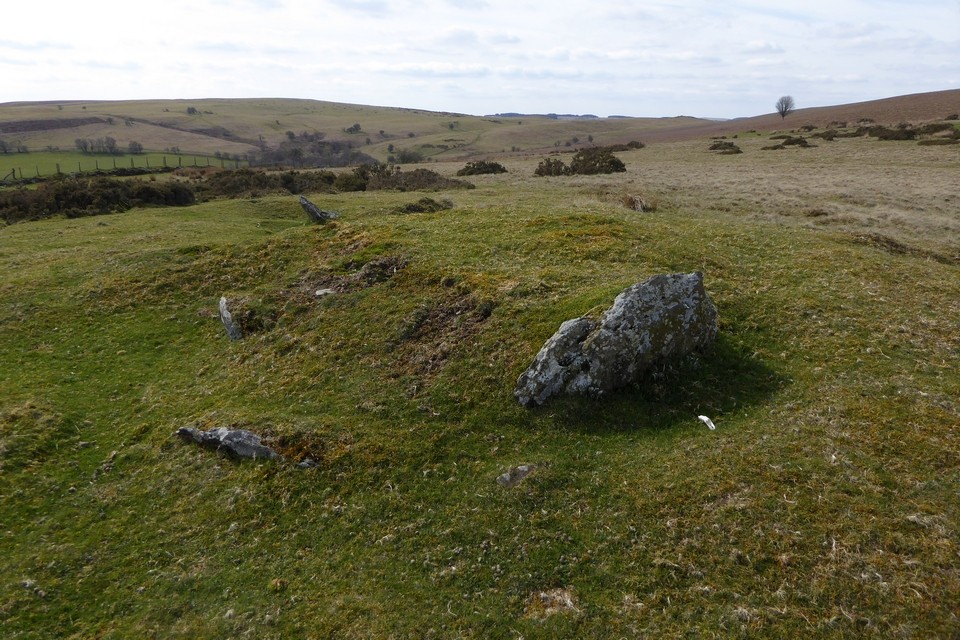 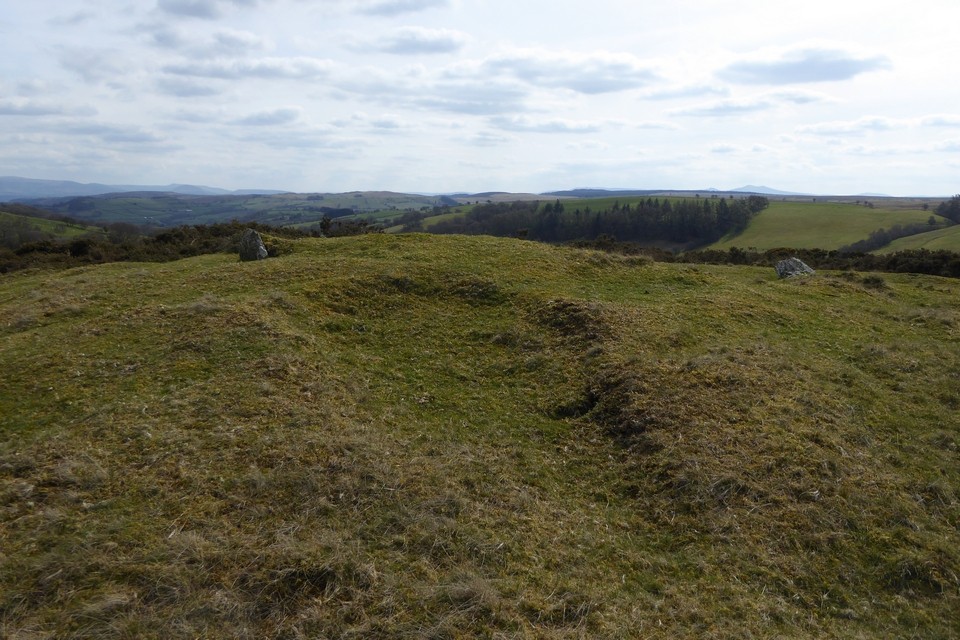
|
 Posted by thesweetcheat
8th April 2024ce |
Twyn y Garth (Hillfort) — Images |
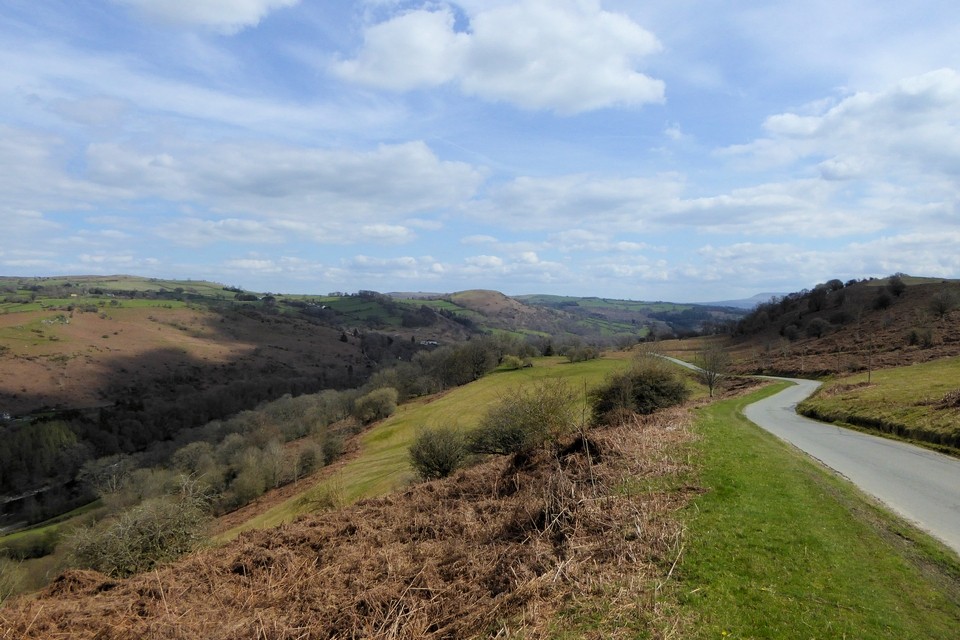   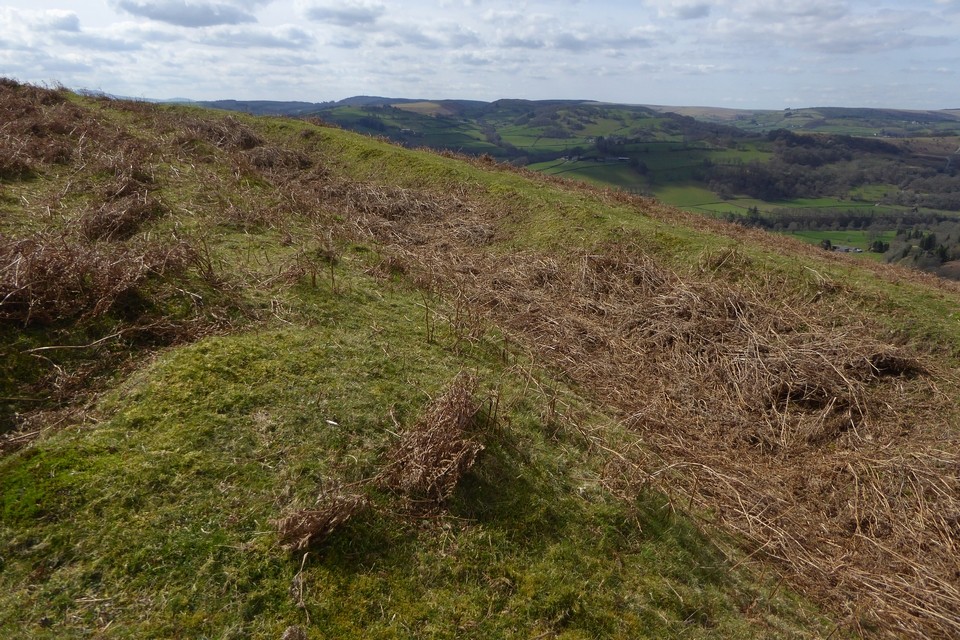 
|
Posted by thesweetcheat 7th April 2024ce |
Showing 1-10 of 1,010 posts. Most recent first | Next 10
 Top of page