|
 Log in |
Register Log in |
Register
|

|
|

The Shetland Isles
|
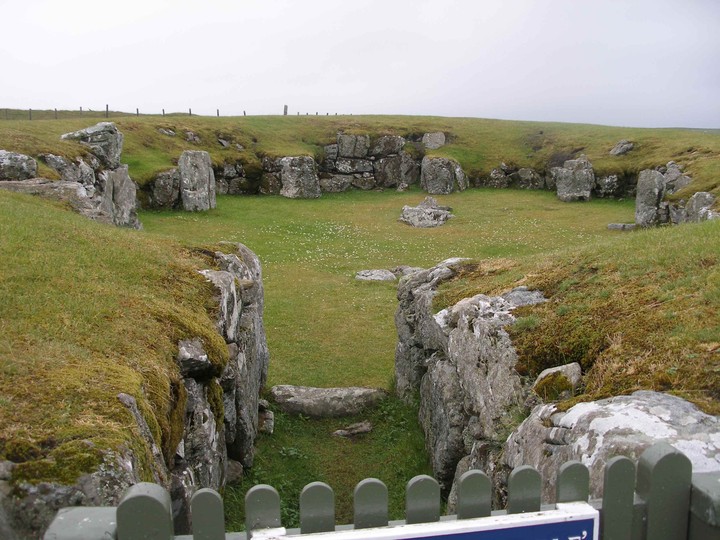


 Show |
 |
|
|
Sites/Groups in this region:
|
5 posts
Bays Water Chambered Cairn |
1 post
Benston Broch |
8 posts
The Beorgs of Housetter Standing Stones |
|
9 posts
Beorgs of Housetter Cairn Chambered Cairn |
6 posts
Beorgs Of Uyea Chambered Cairn |
12 posts
Beorgs Of Uyea Ancient Mine / Quarry |
|
10 posts
Bordastubble Stones Standing Stone / Menhir |
7 posts
Brough Head Broch |
7 posts
Burraland Broch Broch |
|
10 posts
The Busta Stone Standing Stone / Menhir |
1 post
Cattapund Knowe Long Cairn |
6 posts
Clevigarth Broch |
|
14 posts
Clickimin Broch Broch |
6 posts
Clivocast Standing Stone / Menhir |
2 posts
Cruester Burnt Mound / Fulacht Fia |
|
7 posts
Crussa Field Cairn(s) |
10 posts
Culsetter Ancient Village / Settlement / Misc. Earthwork |
2 posts
Easthouse Standing Stone / Menhir |
|
6 posts
East Burrafirth Chambered Cairn |
1 post
Ernes Ward Chambered Cairn |
1 site
Fair Isle |
|
2 sites
Fetlar Island |
1 post
Fiddler's Crus Cairn(s) |
1 post
Gallow Hill Chambered Cairn |
|
1 post
Gallow Hill Cairn Cairn(s) |
2 posts
The Giant's Stones of Hamnavoe Stone Row / Alignment |
1 post
Gravlaba Knowe Standing Stones |
|
1 post
Gutcher, Yell Standing Stone / Menhir |
3 posts
Haltadans Stone Circle |
1 post
Hard Knowe Cairn(s) |
|
Heel-shaped chambered cairn, Round Hill, Papa Stou
Chambered Cairn
|
Heel-shaped chambered cairn, Round Hill, Papa Stou
Chambered Cairn
|
7 posts
Hill of Burravoe Cairn(s) |
|
9 posts
Hill of Cruester, Bressay Standing Stone / Menhir |
10 posts
Islesburgh Chambered Cairn |
34 posts
Jarlshof Ancient Village / Settlement / Misc. Earthwork |
|
8 posts
Knowe of Wilga Chambered Cairn |
1 post
Laxo Cairn(s) |
5 posts
Little Heog Cairn(s) |
|
1 post
Loch of Breckon Burnt Mound / Fulacht Fia |
1 post
Loch of Flatpunds Cairn(s) |
5 posts
Loch of Huxter Broch |
|
3 posts
Loch of Tingwall Standing Stone / Menhir |
6 posts
Longhill Cairn(s) |
1 post
Lumbister, Yell Stone Row / Alignment |
|
1 post
March Chambered Cairn |
4 posts
Mavis Grind |
4 posts
Mid Field Standing Stone / Menhir |
|
27 posts
Mousa Broch Broch |
5 posts
Muckle Flugga Rocky Outcrop |
7 posts
Muckle Heog East Chambered Cairn |
|
6 posts
Muckle Heog West Chambered Cairn |
9 posts
Ness of Burgi Cliff Fort |
4 posts
North Lochend Cairn(s) |
|
11 posts
Old Scatness Ancient Village / Settlement / Misc. Earthwork |
1 post
Pettigarth's Field Ancient Village / Settlement / Misc. Earthwork |
9 posts
Ronas Hill Chambered Cairn |
|
9 posts
Rounds Of Tivla Cairn(s) |
3 posts
Sae Breck Broch |
5 posts
Sandness Hill Cairn(s) |
|
8 posts
Scord of Brouster Ancient Village / Settlement / Misc. Earthwork |
1 post
Seli Voe Standing Stone / Menhir |
1 post
Skelberry Burnt Mound / Fulacht Fia |
|
4 posts
Skellister Standing Stone / Menhir |
5 posts
Skeo Of Gossaford Cairn(s) |
1 post
South Hill of Lunna Natural Rock Feature |
|
1 post
Stanesland Standing Stone / Menhir |
1 post
Staneydale Cairns Cairn(s) |
21 posts
Stanydale Temple Stone Circle |
|
7 posts
St. Ninian's Chapel Christianised Site |
1 post
Sumburgh Airport Cist Cist |
8 posts
Sumburgh Head Promontory Fort |
|
1 post
Sweenister Burnt Mound / Fulacht Fia |
5 posts
Tonga, Scatness Promontory Fort |
1 post
Troswick Standing Stone / Menhir |
|
6 posts
Trowie Knowe Chambered Cairn |
2 posts
Upper Scalloway Broch |
1 post
Utnabrake Burnt Mound / Fulacht Fia |
|
4 posts
Ward Of Scousburgh Cairn(s) |
4 posts
Weisdale Hill Cairn(s) |
2 posts
Wormadale Hill Standing Stone / Menhir |
|
1 post
Yaa Field Standing Stone / Menhir |
2 posts
Yamna Field, Gluss Standing Stone / Menhir |
News |
 Add news Add news |
|
Bronze Age discovery made at Shetland spaceport site Remains of what is believed could have been a Bronze Age ritual cremation cemetery have been found at Shetland's planned SaxaVord spaceport. More info : https://www.bbc.co.uk/news/uk-scotland-north-east-orkney-shetland-66259713 |
 Posted by drewbhoy
21st July 2023ce |

|
The iron age sites seeking world heritage status Three iron age settlements in Shetland are in the running to win Unesco World Heritage status. More info : https://www.bbc.co.uk/news/uk-scotland-north-east-orkney-shetland-65231943 |
Posted by drewbhoy 10th April 2023ce |
Prehistoric pottery and mysterious stone box gathered in ShetlandArchaeology Shetland has found 6,000 years worth of archaeology in the isles, but one hotspot in particular faces going underwater. More info : continues... |
Posted by drewbhoy 11th October 2022ce |
|
Broch In Loch Could Be The Missing Link In Story Of Iron Age Building From the best newspaper. http://www.thenational.scot/news/broch-in-a-loch-could-be-missing-link-in-story-of-iron-age-building.22927 |
Posted by drewbhoy 28th September 2016ce |
Archaeologists Rise to Solstice Circle DiscoveryArchaeologists working on a remote Scottish island have discovered an ancient stone ceremonial enclosure that is perfectly aligned to the winter and summer solstices. The find was made by members of the Bath and Camerton Archaeological Society (Bacas) working on the island of Foula... continues... |
 Posted by nickbrand
5th July 2007ce Edited 5th July 2007ce |
'Poignant finds' at Unst digThe excavation of an Iron Age site at Sand Wick on Unst, funded by the Heritage Lottery Fund and Historic Scotland, was initially aimed at training volunteers how to excavate eroding coastlines... continues... |
 Posted by Rhiannon
24th October 2005ce Edited 25th October 2005ce |
Folklore |
Add folklore |
The abodes of the Daoine Shi' are supposed to be below grassy eminences or knolls, where, during the night, they celebrate their festivities by the light of the moon, and dance to notes of the softest music.p108 in 'A History of the Highlands and of the Highland Clans' by James Browne (1834) - now on Google Books. |
Posted by Rhiannon 21st October 2007ce |

The original Celts, or axes, are of polished stone, shaped something like a wedge. These are found of all sizes, some seeming intended for felling trees, and others for warlike purposes; and others again so very small, that they could only be designed for carving or dividing food..page vii in vol 2 of 'The Border Antiquities of England and Scotland' by Walter Scott, Luke Clennell and John Greig (1817). |
Posted by Rhiannon 20th August 2007ce |
Miscellaneous |
Add miscellaneous |
|
SHETLAND SITES IN OLD ORKNEY NEWSPAPER REPORTS Bressay July 18th 1865 "The Orcadian" George Petrie and Dr Hunt excavate 65'D 10~11' high bowl barrow. Near the centre 5-6' below the apex were fond a "peculiar" stone tool (similar to one found at Sefster on same trip), potsherds and ox bone fragments. Tumulus made of burnt stones, having a circle of stones just inside the perimeter with the remains of an encircling circular wall a few feet inside that. On the wall's inner face, roughly 15' inside the north perimeter, a large edgeset freestone block was found facing the centre. This was held up by a wall either side and had a large perforation near its upper end. Not far from the mound, but unconnected, were found two inscribed stones, each with a different kind of runes. These were taken to Lerwick.. Brindister Voe HU25NE 6 July 18th 1865 "The Orcadian" Broch of Brindister at edge of steep cliff and defended by double earthworks landward. George Petrie and Dr Hamiltton saw doorway and traced galleris in the circular wall but didn't examine inerior as choked with debris from broch tower. Broch of Burraness HU58SW 1 October 31st 1865 "The Orcadian" described. In 1854 one of the best preserved broughs in Shetland but a lot taken for cottage building in Burraness. The Brough HU48NW 3 31st 1865 "The Orcadian" llttle left of Brough of West Sandwick's wall. Brough of North Garth ~HY547005 October 31st 1865 "The Orcadian" brough below house, at beach's N end, almost entirely gone. Brough of Stoal HU58NW 1 October 31st 1865 "The Orcadian" at least 3 ditches cut off brough at stole/chair of Awick, very high banks. Brough of West Yell October 31st 1865 "The Orcadian" name mentioned. Burgi Geo HP50NW 2 October 31st 1865 "The Orcadian" description of approach to brough on Burgar Goes, a site mentioned by Hibbert. Burra Voe HU57NW 2 October 31st 1865 "The Orcadian" little left as most of Brough of Burnavoe stones taken to build house at Burnavoe by owner Mr Henderson, entrance to underground passages now blocked by stone. Charlotte Street, Lerwick February 12th 1886 "Orkney Herald" stone cist with remains, probably previously disturbed, found near surface in clearing site for Mr Ogalvy's houses at bottom of Charlotte Street. Clickhimin HU44SE 2 July 18th 1865 "The Orcadian" Broch of Clickimin [sic] in worse state than Mousa but wall restoration more in keeping with design.. April 11th 1888 "Orkney Herald" Stones removed from causeway by local butcher for building material. Fillicomb Point HP50NW 3 October 31st 1865 "The Orcadian" some ditches of brough in heads of Toft remain but part of broch fallen into the sea. Foula June 27th 1883 "Orkney Herald" report from "Shetland News"; man on Foulis [sic] finds fresh-looking but headless female body, lying on an o.g.s. of stunted heath, after digging 6' through solid peat. Giant's Grave, North Yell July 29th 1871 "The Orcadian" close to St Niniian's Kirk site (Papil Bay) is a N/S aligned low mound called giant's grave and never built upon, though slight attempts to excavate seem to show natural sandstone only. Gossabrough HU58SW 1 October 31st 1865 "The Orcadian" chambers visible in Brough of Gossaburgh ruins, graves reported nearby. Graveland HU49NE 3 October 31st 1865 "The Orcadian" remains of buildings at Brough of Bergaard on small peninsula. Greenbank HP50SW ?53 July 29th 1871 "The Orcadian" two stone fragments with worn lettering found at Clinsara Reggs on the meik of Papal by Margaret Craigie of Millby Cottage servant, near the St Ninian's Kirk site. Head of Brough HU48SW 2 October 31st 1865 "The Orcadian" description of Brough of Brough. Holm of Coppister HU47NE 1 October 31st 1865 "The Orcadian" Brough of Cuppister mentioned (name only). Levenwick HU412NW 3 August 21st 1869 "The Orcadian" recorded by Dryden.Broch excavated down to the foundations within the last fortnight by Gilbert Goudie and described. Only finds part of a handmill and bone fragments. Loch of Huxter HU56SE 1 June 17th 1879 "Orkney Herald" described in notice read to Society of Antiquaries of Scotland.. Mailand (Unst) HP60SW June 10th 1876 "The Orcadian" D Edmonton's men digging May 31st on area long dug for peats discover 4 cast metal items together mouth down in the peat, a large basin and 3 fire-pots different sizes. Mousa HU42SE 1 July 18th 1865 "The Orcadian" description of Mousa-Borg, where restorations have been made to the walltop and the doorway but those to the latter has greatly changed the appearance. Muckle Heog East HP61SW 12 September 27th 1864 "The Orcadian" burnt human bones from crouched people found in cist 18" below ground level in digging hole for flagstaff, 2 skulls sent by Mr Edmonton to Mr Roberts at Somerset House. Papil Bay HP50SW 4 July 29th 1871 "The Orcadian" St Ninian's Kirk site at the Kinwail 'gard of Weeping' close to mound called giant's grave. Sefster HU35SW 14 July 18th 1865 "The Orcadian" celts and stone knives found by minister Bryden several years ago in underground passage at Safsetter/Safester. Passage re-opened and many more tools found, including one similar to that already found in a Bressay mound. Potsherds and stone vessels also found. St Ninian's Church HU32SE 4 ? August 26th 1885 "Orkney Herald" letter from the "Scotsman" describing situation of unenclosed disused St Ninian/Ringan's graveyard: ~6 miles from Fitful Head on E side of tidal outlet on W side of mainland's southern part. Soil is loose light sand to a great depth. Trebister HU43NW 13? March 28th 1883 "Orkney Herald" preparations on Saturday for a graveyard at a grass-covered mound belonging to Rev Mr Walker bring to light a 'Pictish castle', 40' of a circular section 4' high surviving from what is likely to have been a ~140' outer wall of the building. Stone dyke encloses mound. Large quanities of dark red peaty ash in several places and a man's jawbone found. Other discoveries were a few stone celts, several 12x8" ovoid polished stones (some with oval cavities) and four pottery varieties - 2 dark red soft earthenware sherds, a hard brick red sherd, and a vrery hard modern looking highly polished grayish sherd with light green spots. Uyea, Shetland HU69NW 7 March 18th 1885 "Orkney Herald" article includes extra to P.S.A.S record of meeting, being mention of 3 steatite urns found in tumulus and 4 polished oval porphyrite knives found by Mr J Leisk, all exhibited. |
 Posted by wideford
21st January 2016ce |
Links |
Add a link |
The Tower People of Shetland |
 Posted by tjj
29th January 2013ce |

The Shetland Museum site |
 Posted by fitzcoraldo
9th January 2003ce Edited 17th March 2004ce |
Latest posts for the Shetland Isles |
Showing 1-10 of 425 posts. Most recent first | Next 10 
Sae Breck (Broch) — Images (click to view fullsize) |
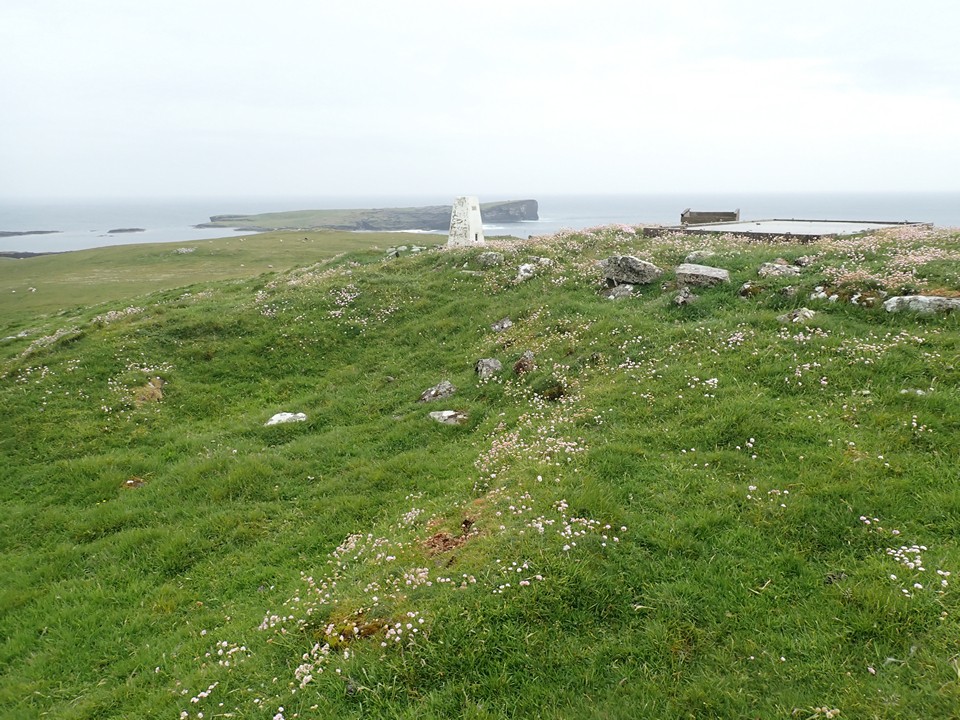 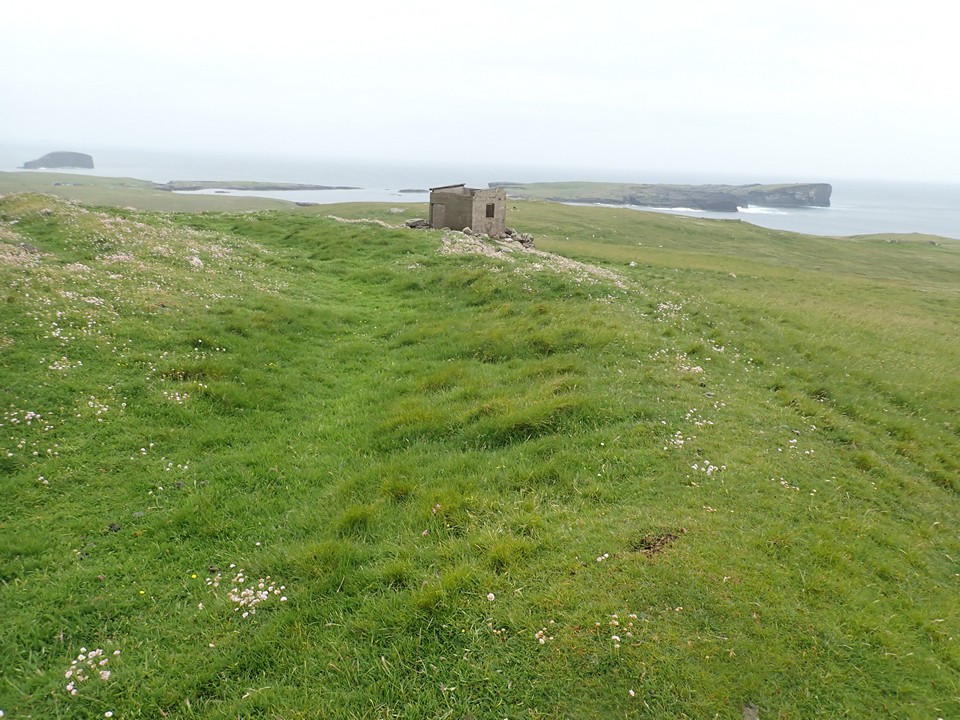
|
 Posted by thelonious
9th July 2023ce |
Sae Breck (Broch) — Fieldnotes |
| 01/07/2023 - Our run of good weather came to an end. Today it chucked it down for most of the day. We headed north to Eshaness to try and dodge the rain but it found us in the end. Whilst there me and Mrs T made a quick dash up and down Sae Breck in the rain to have a look for the broch. There was not much to see (or we just missed it). Still nice views of the surrounding landscape and a bonus trigpoint. |
Posted by thelonious 9th July 2023ce |
Mousa Broch — Images |
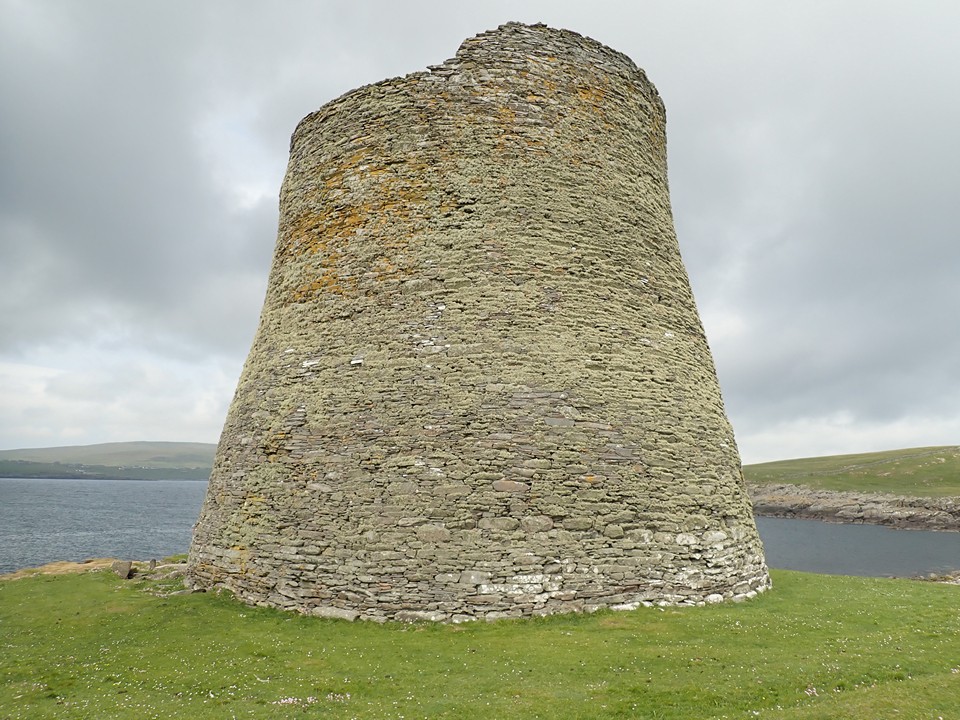 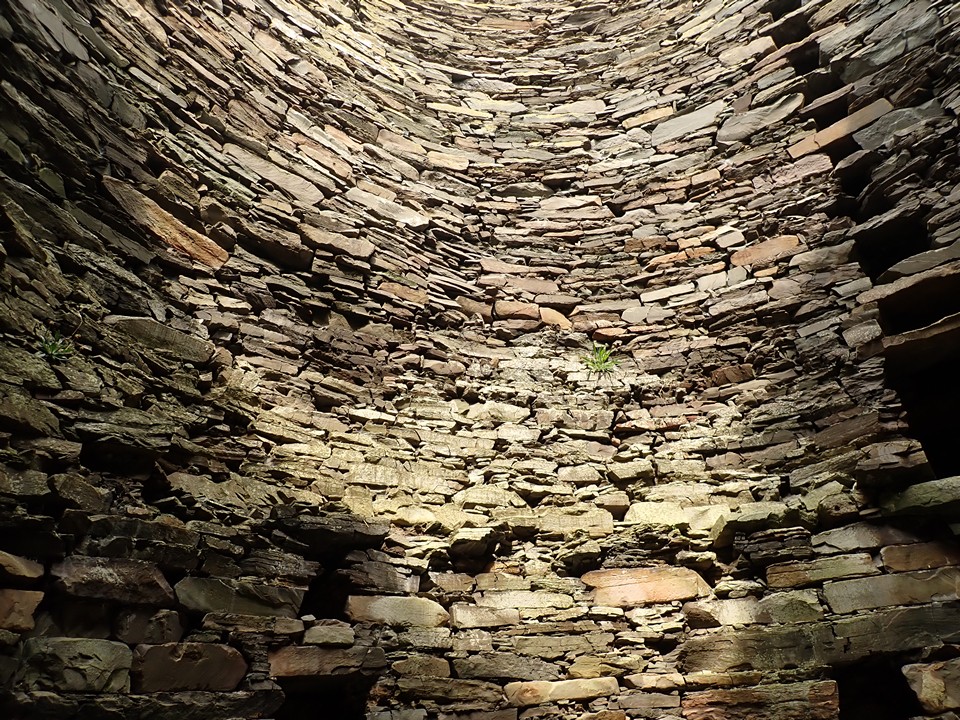 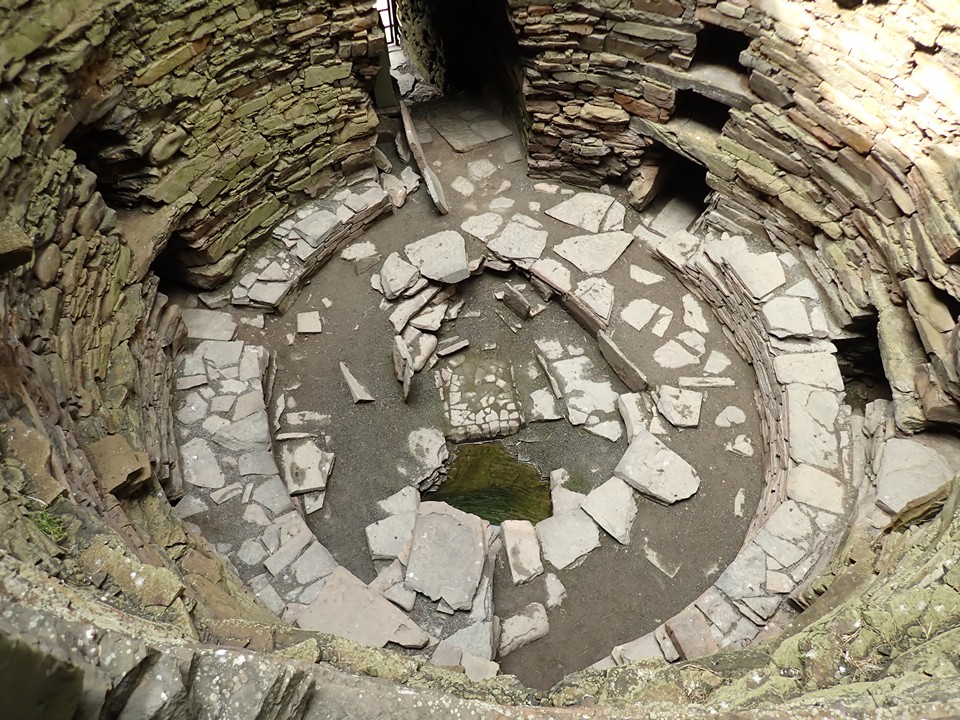 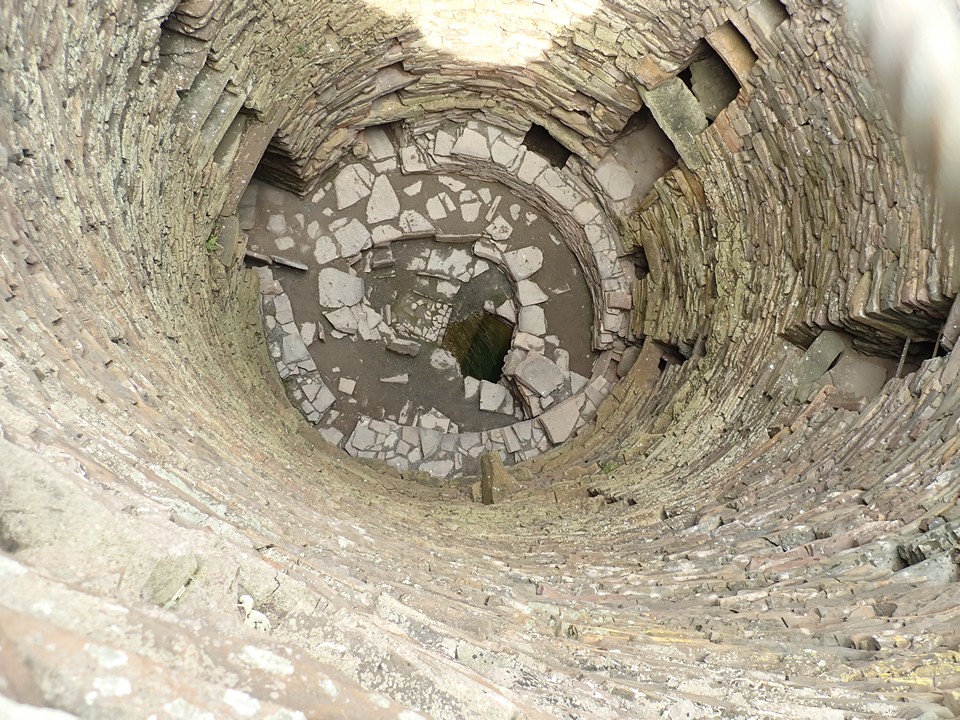 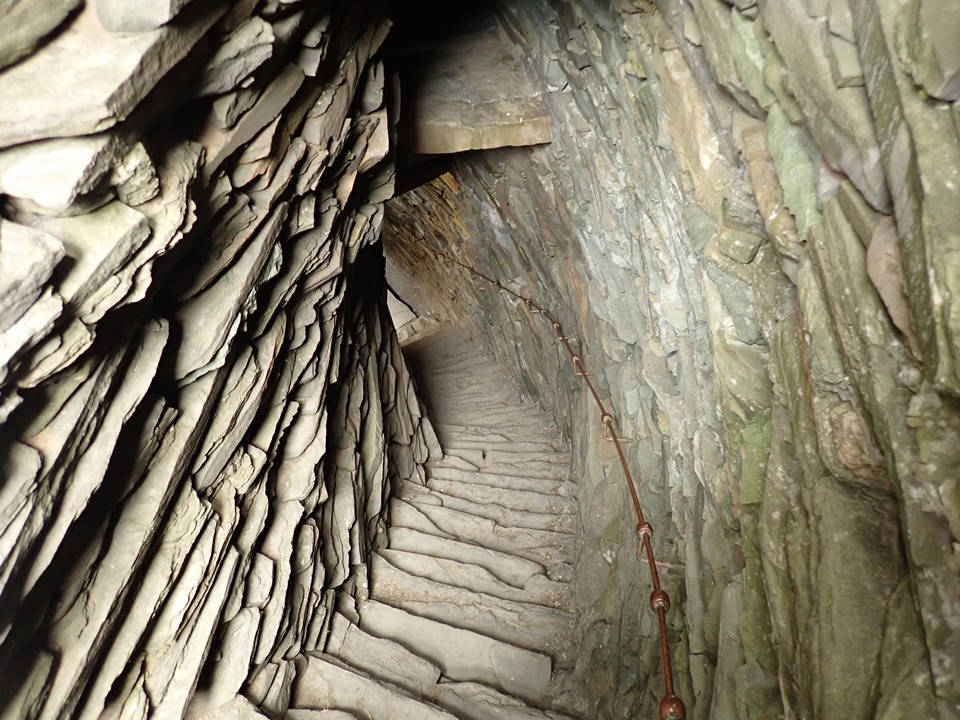 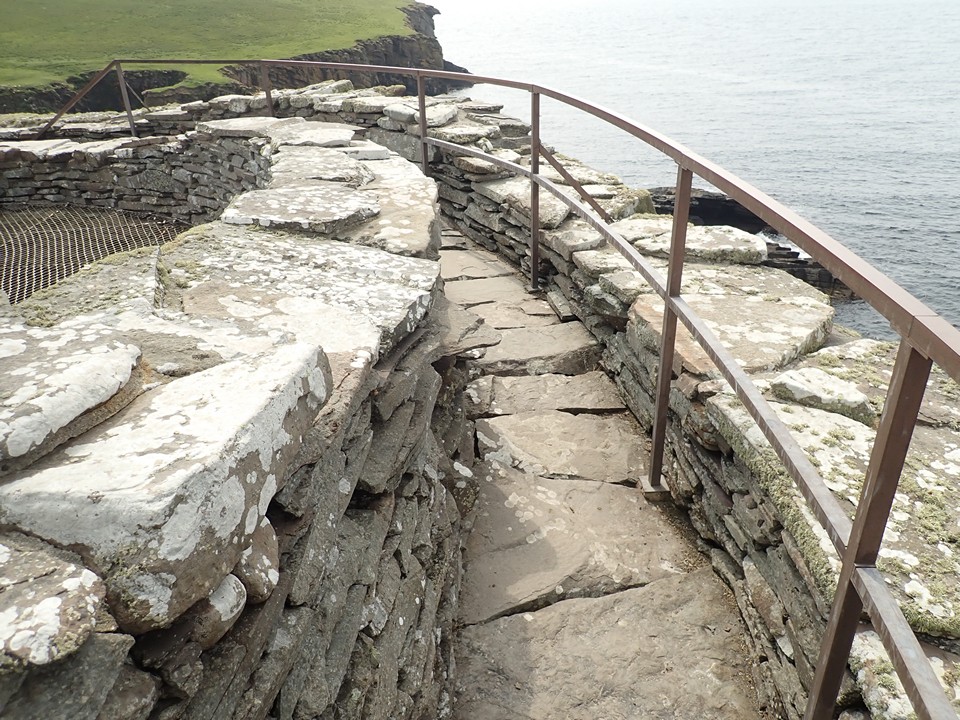
|
Posted by thelonious 9th July 2023ce |
Mousa Broch — Fieldnotes |
| 30/06/2023 - A boat trip to Mousa. 9 years since my last visit, 25 years for my dad. We were both happy to be back. I'd rushed it a bit last time, nervous about missing the boat back (didn't need to be as you get plenty of time). It was great to get a chance to visit again, enjoyed it more. My dad made it to the broch and back too, which was pretty ace as his knees ain't great nowadays. On the way back to the boat we were lucky to hear Storm petrels calling from the old stone walls nearby which was proper magic. Top day out with my dad, I'd not seen him for ages as we don't live near to each other. Just great that he made the trip up. Mousa is a special place. |
Posted by thelonious 9th July 2023ce |
Showing 1-10 of 425 posts. Most recent first | Next 10
 Top of page