13 April 2012 CE

13 April 2012 CE

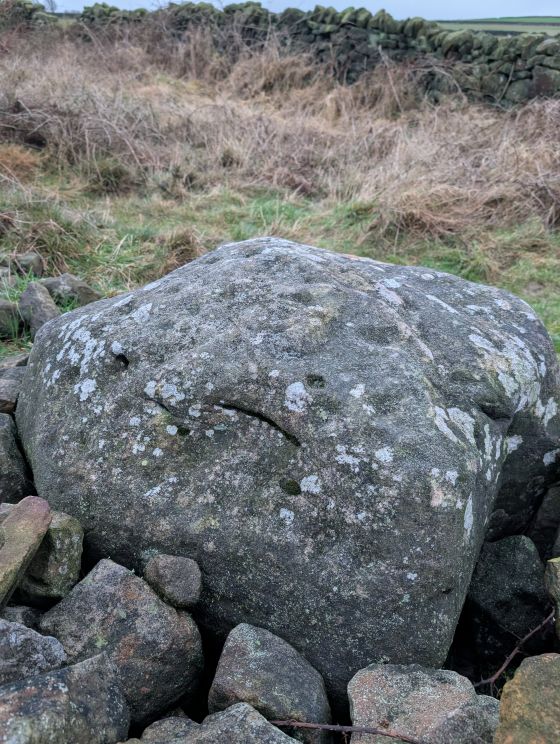
Look into the All Seeing Eye.


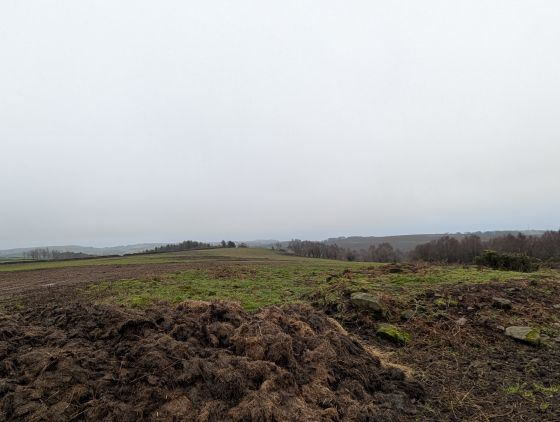
Arrived too late for the sun on the panel, but it cast Birchen Edge in a nice glow instead.

Photo taken 7th March 2015.


Photo taken 7th March 2015.

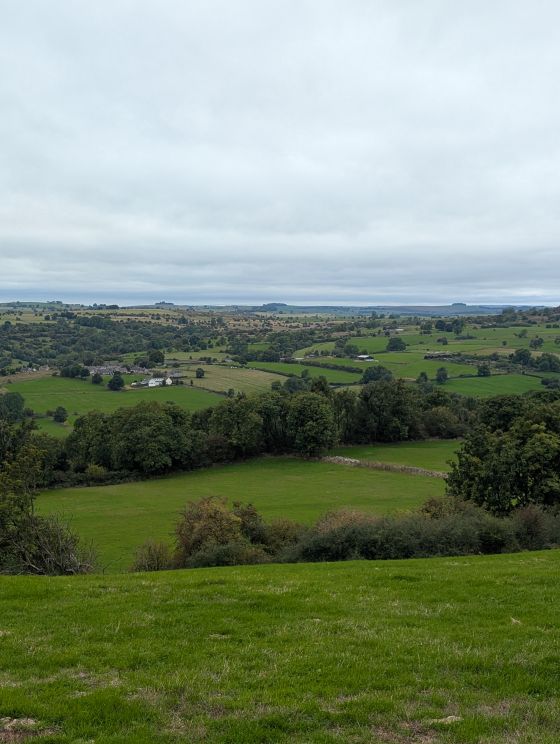
Looking south(ish) towards Birchin Edge.


Looking south(ish) towards Birchin Edge.

Only minimal apologies for the floral arangements, once I’d started I couldnt stop.


This perfectly camouflaged caterpiller (many bonus points for correct identification please) escapes from a cupmark and makes for the surrounding ring

Birchen edge brings up the rear.


Looking over the rock?art to Birchen edge.


06/03. Enclosure wall in the heather behind.


another picture of the real stone as it was

this was taken when the stone was real, david who is in the photo is now six feet tall

07/02 The fibreglass copy
Next up, we encounter the stonework of Meg’s Walls. Half-buried in the undergrowth, too large to take in easily, this is a fascinating survivor enhanced by a lovely woodland setting. But we’re really here for rock art. After a bit of rooting about in the undergrowth, we find it on the edge of the woods, looking towards the steep western face of Birchen Edge. The light is now too low to illuminate the panel, but casts a soft orange glow across the moor ahead of us.
Despite knowing that it’s a replica, the panel itself is still very impressive. I love the variety of patterns, whatever it represents – or doesn’t. Water has collected in the deepest cup, reflecting the slender trees and blue sky above, an ever open, all-seeing eye on the world.
Visited 7th March 2015
Third time lucky! Twice before I’ve fruitlessly searched for this cup and ring marked stone, but given the preponderance of gritstone rocks strewn around Gardoms Edge it was like looking for a needle in a huge pile of needles. Today I’ve got Andrew Johnstone’s rather excellent ‘Prehistoric Peak’ book with me, which gives excellent directions and maps, and once we had arrived back at nearby standing stone we fanned out and walked back along the edge of the woodland, where just before coming level with the Nelson monument atop Birchen Edge across the moor a likely looking large flat stone became visible.
On the edge of the trees, long afternoon shadows pick out the intricate inscribed whorls and indentations of the cups and rings on the stone. I know the visible stone is a fibreglass copy, but it’s done so well, the naturalistic colouring and speckling of lichens giving it an uncanny realism, only broken if you tap the stone. Normally I’d be in two minds about such a replica, but the fact that the original stone is still here albeit buried out of sight, and the quality of the reproduction means that things seem to work, and the original location means you don’t lose the context of the placement as you would if the stone had just been unceremoniously dug out to be placed in a museum.
The patterns on the stones are intricate and intriguing, and some the best I’ve seen in Derbyshire, so I’m glad the decision to protect them this way was made. I don’t suppose we will ever know what inspired someone several thousand years ago to take the time to carve out these markings, but they still hold the power to make us wonder today, and enjoy the beautiful surroundings in which they are set.
It’s a pleasant place to sit by the stone, whilst Ellen sketches the designs, and the sun sinks lower, bringing the motifs into even sharper relief. I’m so pleased to have finally found the place, the efforts have been worth it, and after enjoying the rock art there is nothing else for it but to head back to the Robin Hood Inn for a celebratory pint of Hobgoblin before heading for home after a great day out.
[visited 2/10/11] I’ve seen the other replica of this stone in Sheffield museum and so I was extremely glad to find this ones surroundings were so nice. Just don’t touch it else the illusion is shattered, which is a shame as I am wont to stroke rocks (away from any carvings obviously).
Its relationship to and siting outside of the neolithic enclosure is interesting. In fact, the whole of the edge looks to have been a ceremonial focus point for quite a long time.
Access is fairly easy after a mile or so along footpath to get to the top of the edge. In summer the way is hampered in the wood by all the bracken.
From the three men cairn cross over the wall in the only place you can and follow the faint path through the heather and birch trees, this will eventually take you to the rock art.
Though we can call it rock art, its not strictly true, fibreglass art is more accurate but less attractive.
I meant to bring some bottled water to better show off the art, but as ever forgetfulness waded into me once again and it got left behind. So what to do, I sat round for a bit, appreciated the natural beauty for a bit, but then what ?
Not wanting to depart just yet, I tried to put all the nearby heather to some good use, I stripped all the tiny flowers off and started to fill in the cupmarks, once that was done I thought it looked quite pretty, but it wasnt enough.
I then filled in the spiral and rings, now that is pretty, 42 year old men arent usually concerned with pretty, but I couldnt help myself, once I’d started I couldnt stop. From out of one cupmark came a perfectly camouflaged catepiller, I macro’d the camera and caught the bliter making for the outer ring.
I got quite a lot of sites out of just one day, stone circles and burial chambers but this is the one i’ll remember most,(despite its plasicity) a most satisfying visit.
Don’t let the fact that this is a replica of the original carved rock put you off. It’s a beautiful reproduction.
What makes me feel comfortable about this replica is that the original rock is buried directly beneath it.
I find it curious that the artist chose to ignore the rocks on the scarp edge within the enclosure and placed the carving in this particular place in the landscape.
About twenty yards East of the enclosure wall lies this fibreglass replica of a boulder. The original has been reburied. Hmmm.
I wasn’t expecting to be able to find this art, given my innability when it comes to such things. Considering that this is fibre-glass, it looks excellent and I wasn’t aware of its deficiency prior to tapping it. Don’t touch and you won’t know, unless you read this first!
Dave 26th March 2004
Tim Bennetts interpretation of the carvings.
Short article about the replica rock art at the site.