|
 Log in |
Register Log in |
Register
|

|
|

Penmaenmawr
|


 Show |
 |
|
|
Sites in this group:
|
1 post
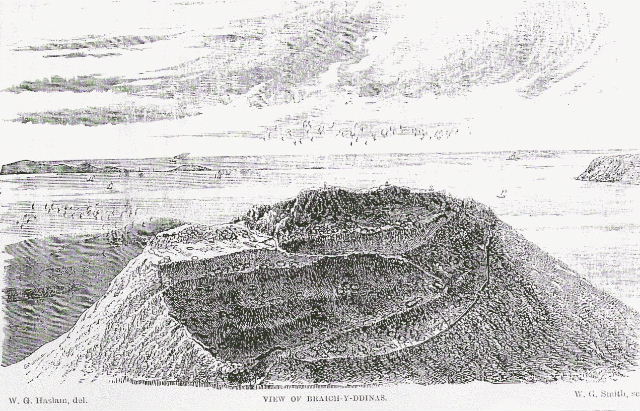
Braich y Dinas Hillfort (Destroyed) |
6 posts
Bryniau Bugeilydd Barrow / Cairn Cemetery |
39 posts
Cefn Coch (Penmaenmawr) Cairn(s) |
|
9 posts
Cerrig Gwynion Cairn(s) |
36 posts
Circle 275 Stone Circle |
29 posts
Circle 278 Ring Cairn |
|
8 posts
Cors y Carneddau Stone Circle |
45 posts
Cors y Carneddau Cairn(s) |
11 posts
Fridd Wanc Barrow / Cairn Cemetery |
|
15 posts
Graig Lwyd Ancient Mine / Quarry |
23 posts
Maen Crwn Standing Stone / Menhir |
15 posts
Moelfre Cairn(s) |
|
50 posts
Monument 280 Standing Stones |
24 posts
Red Farm Stone Circle |
139 posts
Y Meini Hirion Stone Circle |
News |
 Add news Add news |
Stories in stone walk and exhibition launch Saturday 21st JulySat 21 July; 13.30-16.30 Come and see our brand new exhibition about stone working at the extraordinary Neolithic quarry at Graiglwyd, Penmaenmawr. The launch will begin with a guided walk to visit the quarry site and its surrounding archaeological landscape, led by the Snowdonia National Park Archaeologist... continues... |
 Posted by blossom
19th July 2012ce Edited 19th July 2012ce |

|
Prehistoric Ancestors - Ritual in the Carneddau Mountains A guided walk around the area above Penmaenmawr. A National Archaeology Week event by Gwynedd Archaeological Trust. Saturday, 14th July 2007, 11.00am. http://www.heneb.co.uk/waunllanfair/waunllanfairwalk.html |
Posted by Robert Carr 13th July 2007ce |
Images (click to view fullsize) |
Add an image |
|
Miscellaneous |
Add miscellaneous |
|
The Rev. W Bingley decided to hike up Penmaen Mawr - he scrambled up a steep ascent "from the sixth milestone" and "it was not before I had experienced several severe tumbles" on the loose stones, that he reached the summit. On the summit, and extending in an oval form from north to south, are some evident remains of antiquity [..] This ruin is called Braich y Ddinas, The Arm of the City, and is supposed to have been an ancient British fortification. He also spotted a shrub, "called by the Welsh Pren Lemwn, or lemon tree" which he was relieved, as a Logical Englishman, to find was actually Whitebeam. From p312 of 'Excursions in North Wales' (1839) - on Google Books. |
 Posted by Rhiannon
8th October 2007ce |
Latest posts for Penmaenmawr |
Showing 1-10 of 428 posts. Most recent first | Next 10 
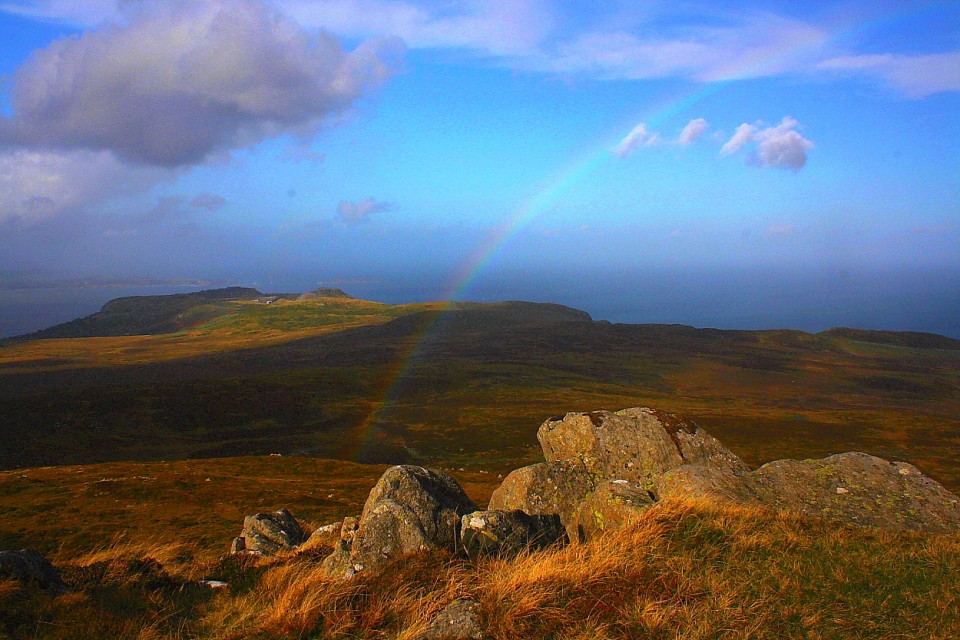
Graig Lwyd (Ancient Mine / Quarry) — Images (click to view fullsize) |
|
 Posted by GLADMAN
18th April 2020ce |
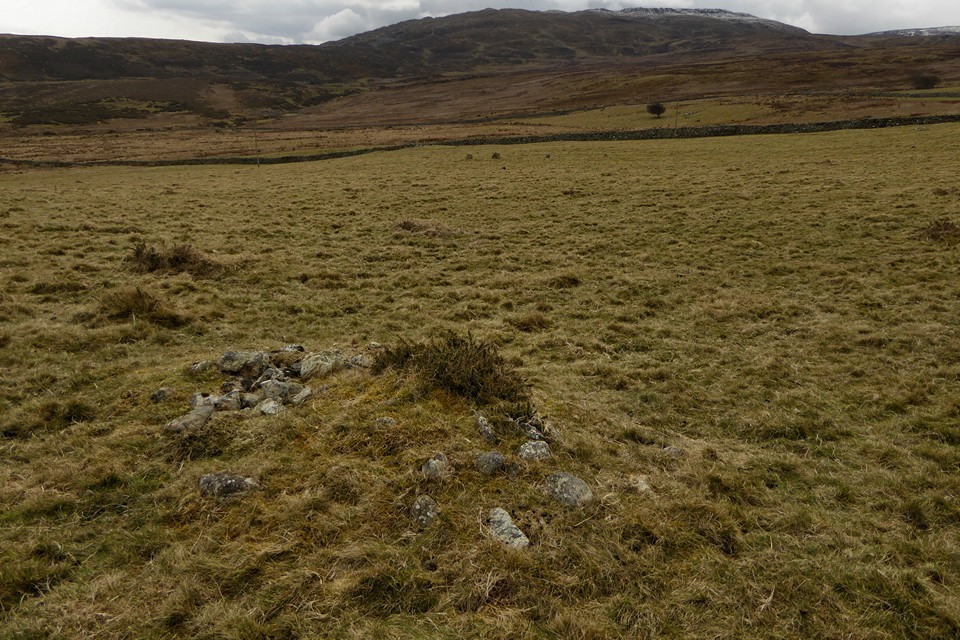
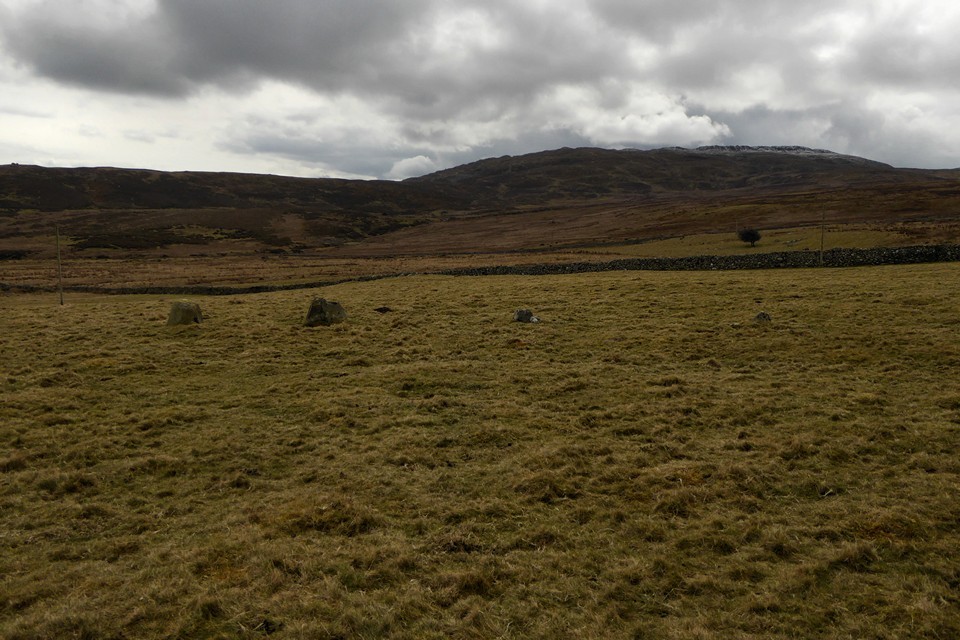
Red Farm (Stone Circle) — Images |
  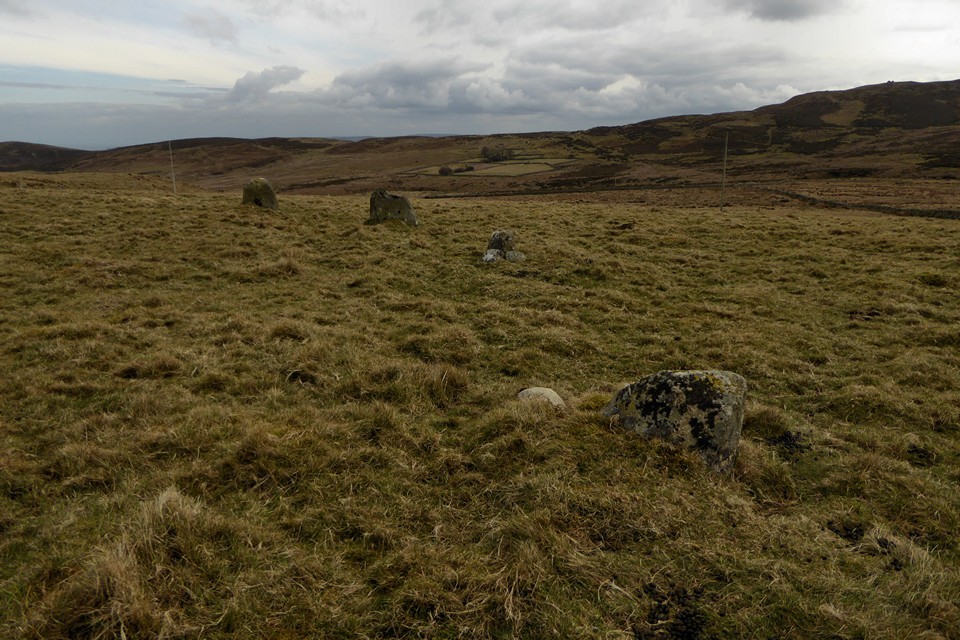 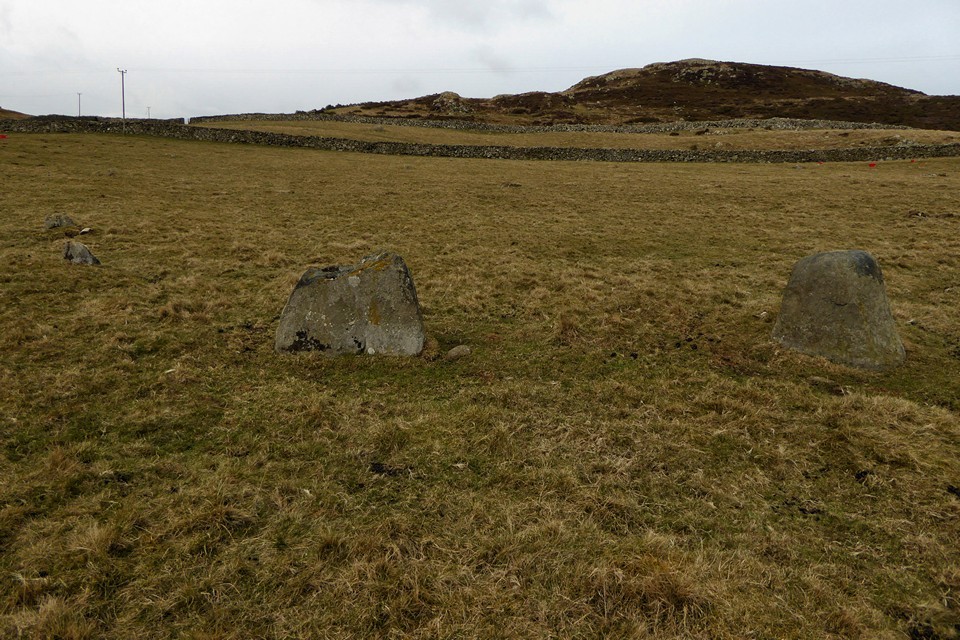 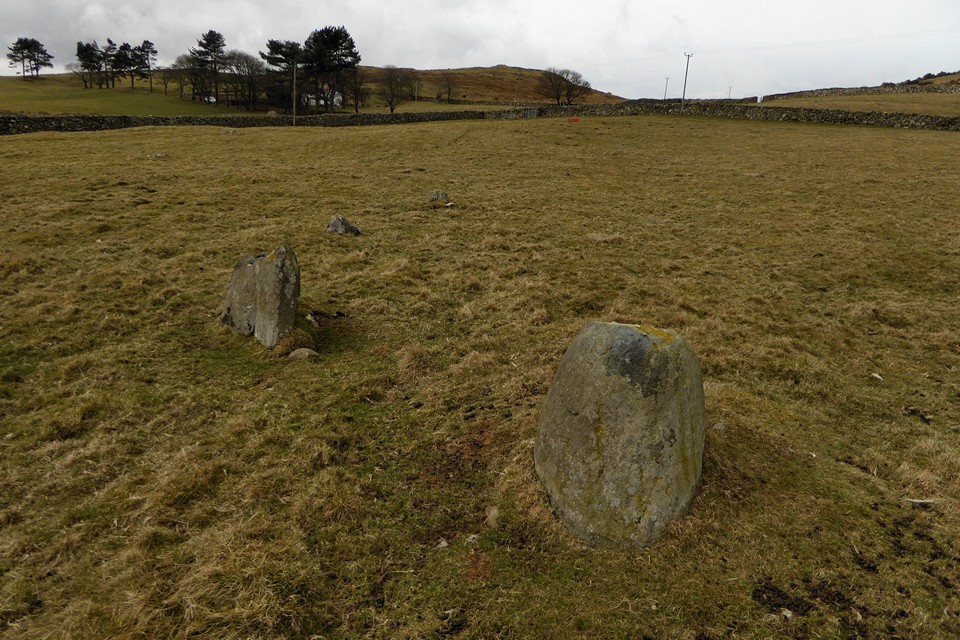
|
 Posted by thesweetcheat
9th May 2018ce |
Maen Crwn (Standing Stone / Menhir) — Images |
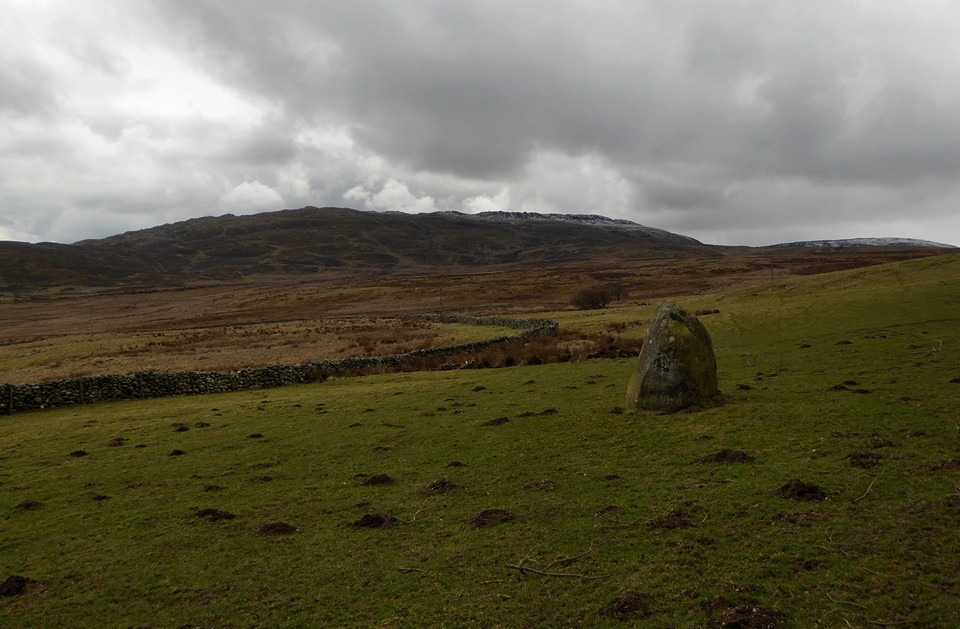 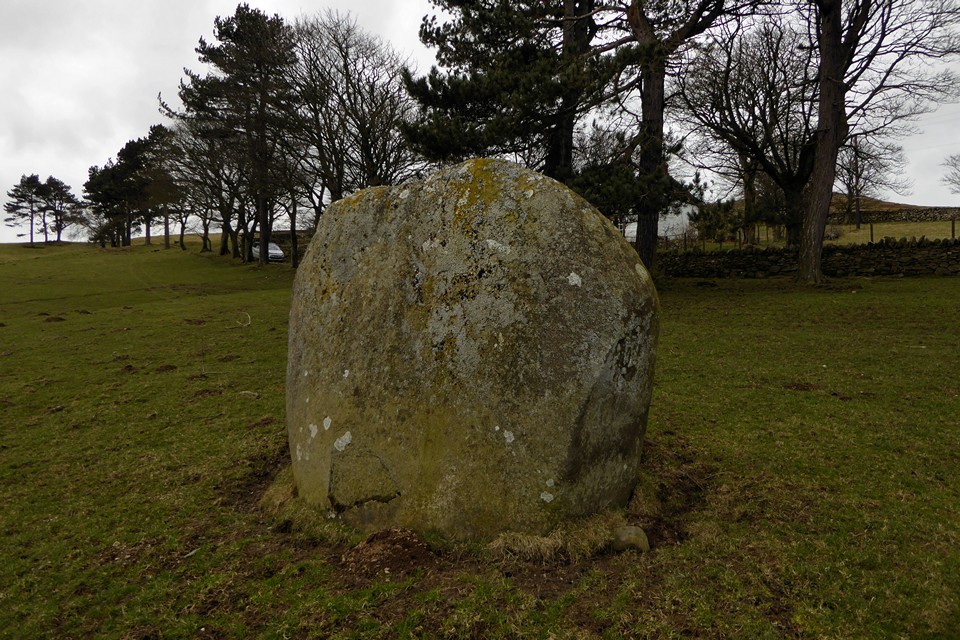
|
Posted by thesweetcheat 8th May 2018ce |
Fridd Wanc (Barrow / Cairn Cemetery) — Images |
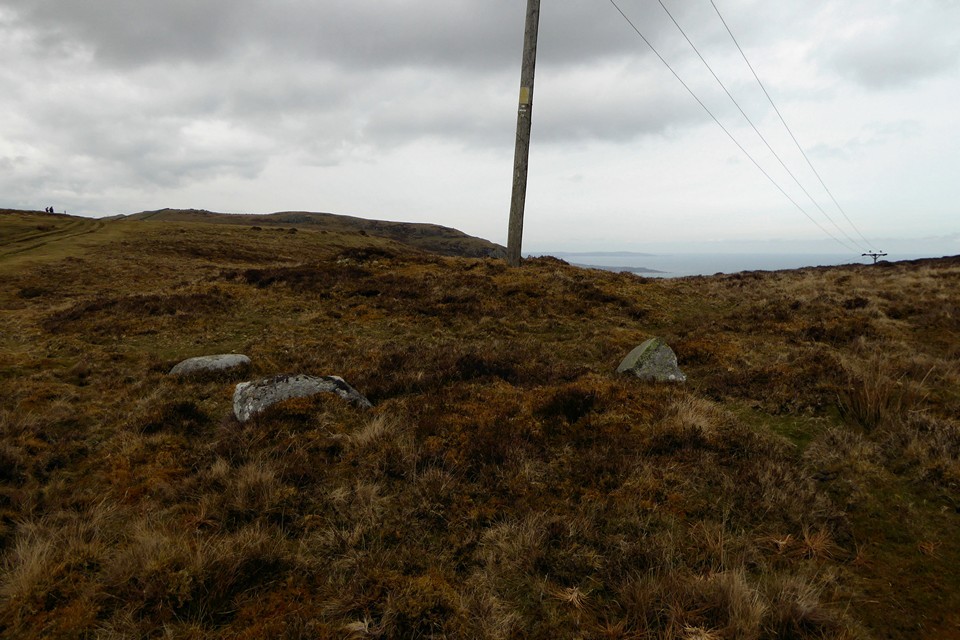 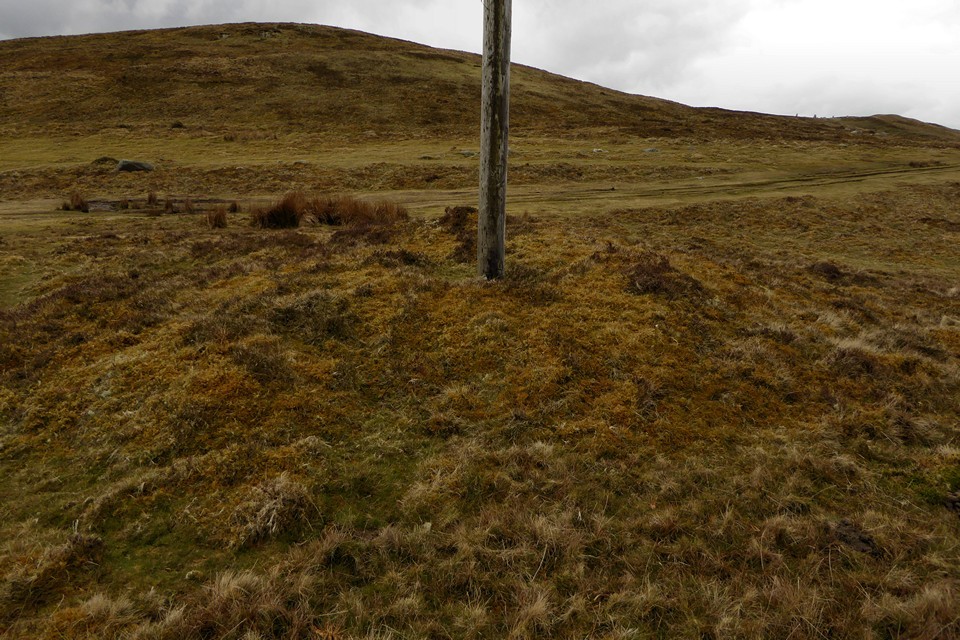
|
Posted by thesweetcheat 8th May 2018ce |
Showing 1-10 of 428 posts. Most recent first | Next 10
 Top of page