|
 Log in |
Register Log in |
Register
|

|
|

Old OswestryHillfort
|


 Show map (inline Google Map)
|
|
|
News |
 Add news Add news |
Television historian speak out for Oswestry hillfortHistorian and television presenter, Professor Michael Wood, has expressed serious concern over plans to build houses within the historic landscape of Old Oswestry hillfort. .................................... In a letter of objection he wrote: "I have followed with concern the proposed developments... continues... |
 Posted by moss
30th July 2019ce |

National experts talk about Oswestry hillfort’s futureTV archaeologist Stewart Ainsworth has claimed ancient hillforts should be “treasured” – and insisted surrounding fields should also be protected from development... continues... |
Posted by moss 3rd March 2014ce Edited 3rd March 2014ce |
Iron age hill fort threatened by plans to build 200 luxury homesUpdate: Protesters in Shropshire say housing for 'affluent commuters and rich retirees' will ruin a site of national importance and set back archaeological research. Old Oswestry is one of Europe's best preserved iron age hill forts, a site that has existed for more than 3,000 years and can be seen for miles around... continues... |
Posted by moss 24th November 2013ce Edited 26th November 2013ce |
Old Oswestry Hillfort - Caer Ogyrfan under threatMany of you have visited this this site and I thought you should see this breaking news. The site is unique, it is large, impressive, and has features which are not found on any other Iron Age site anywhere. It is not too strong to say that it is among the UK's top 5 Iron Age sites and is of international importance... continues... |
Posted by jas davidson 13th August 2013ce Edited 13th August 2013ce |
Images (click to view fullsize) |
Add an image |
Photographs: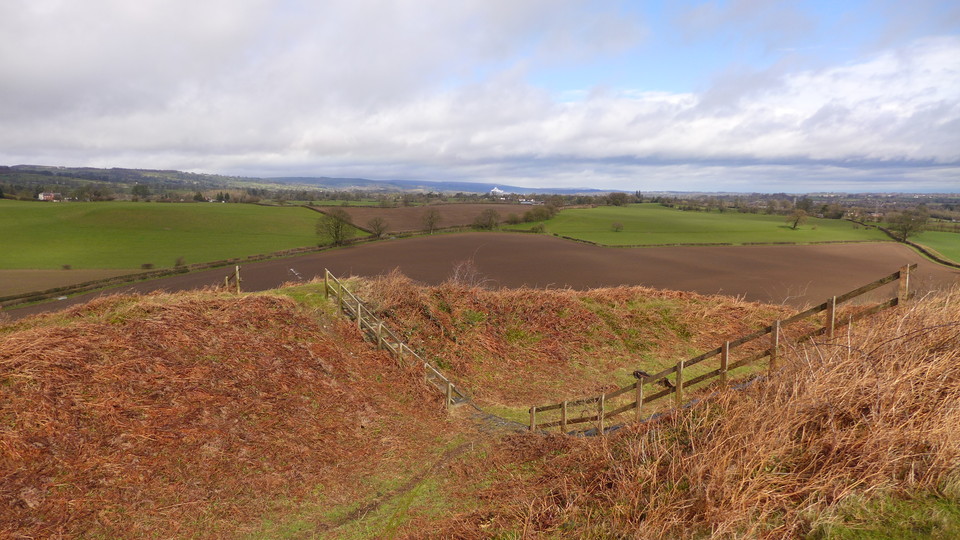
 Maps / Plans / Diagrams: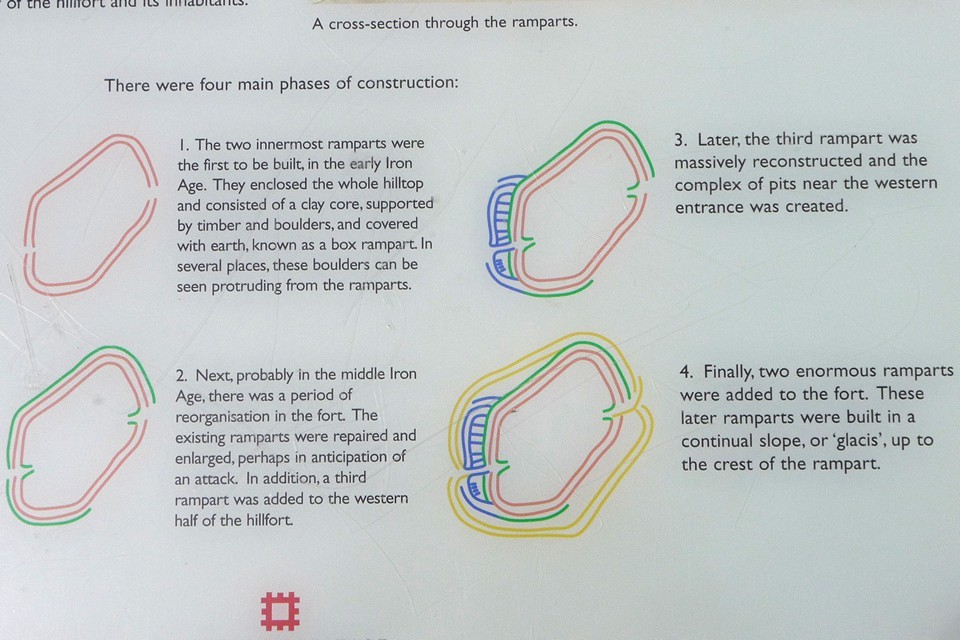
|
Fieldnotes |
Add fieldnotes |
| 28/03/2015 - Rain started to clear as we arrived and there was a lovely rainbow over the ramparts to greet us as we walked through the west entrance and up to the top of the fort. Old Oswestry is one big place. If ramparts are your thing this is the place for you. Nice circuit of the top (clockwise), stopping occasionally to shake my head at the sheer number and size of the ramparts. It's a must see site but I've got to admit not one of my favourites. |
 Posted by thelonious
3rd April 2015ce |

|
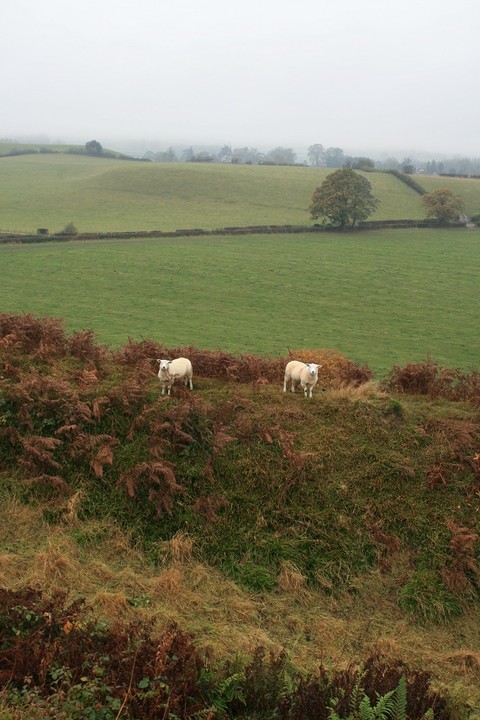
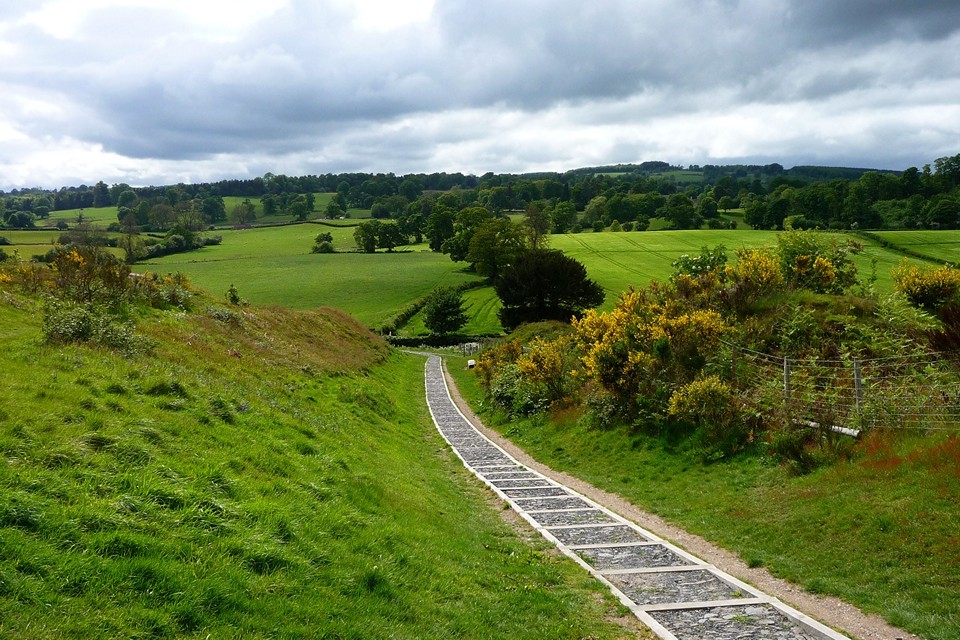
What does a skint Tma'er want most for his birthday ? Yep ! A full tank of petrol, nice one dad. In between school runs I decide to take myself over to the Maiden castle of the north, the second most impressive hill fort i've ever seen. Sadly it rained all the way here, but, no matter, I have waterproofing, funny though, it stopped raining as I got them on, it does that quite often. Dressed as an orange fluorescent Jedi Knight I enter the fort by it's main western entrance and make my way via a myriad of paths to the modern stairway at it's north western corner, we had a picnic here one summer many years ago, Eric was still in nappies, I always meant to come back but it's taken almost ten years, bad postie. Incorrectly I start a circuit of the fort in an anticlockwise manner, mostly because I intend to get up Llwyn Coppice, the hill next door, to get a different view of the fort and I need to see what access is like. Passing the entrance, New Oswestry stands not far away, compared to the fort it is a sprawling metropolis. Low mist clings to even the lowest hills and I cant make out any distant features at all. Half way round I come to a herd of sheep, one in particular keeps eyeballing me, it is the last to turn tail and scarper further up the ditch, but they don't go far and I'm chasing them all the way round from the lesser eastern entrance and all the way back to the stairs, which they use with ease, Oi they're people stairs, I use a Jedi mind trick that only works on the feeble minded and they stick to the bottom of the ditch. After an inspection of the mystery ditches I conclude they must be frog farms and leave the fort walls. Time for a climb of the nearest and closest hills, to the north is a 151 meter high hill that looks a good vantage point to eye up the western fortifications. It is. An harangued Buzzard flew past being mobbed by Crows, poor thing. Next after a walk down the road containing a waving good morning from a fat fellow with two Labradors. Soon I'm up to the top of llwyn coppice hill, a good lookout point if you can get a view through the trees. And a nice place in itself, autumnal colours abound, and birds streak by, but, the local youth have been here and even the trees have been Graffitied and one poor tree has had a dozen long nails hammered in to a six inch space. God damn no brains, they should all just drop down dead. Time to go see some stones. |
 Posted by postman
13th November 2012ce Edited 13th November 2012ce |
|
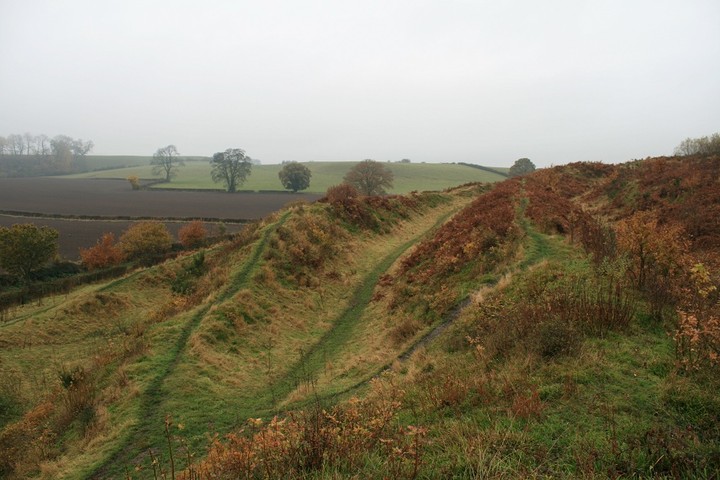
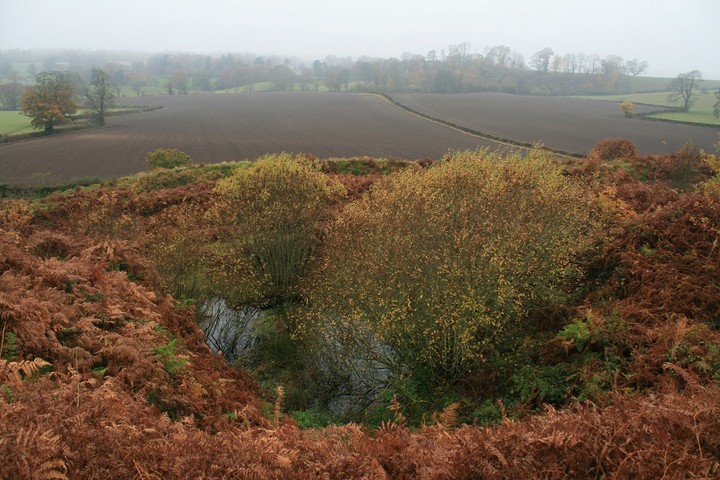
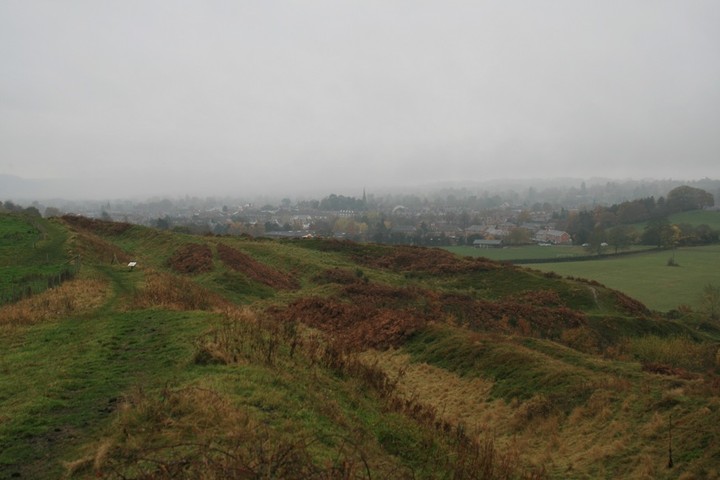
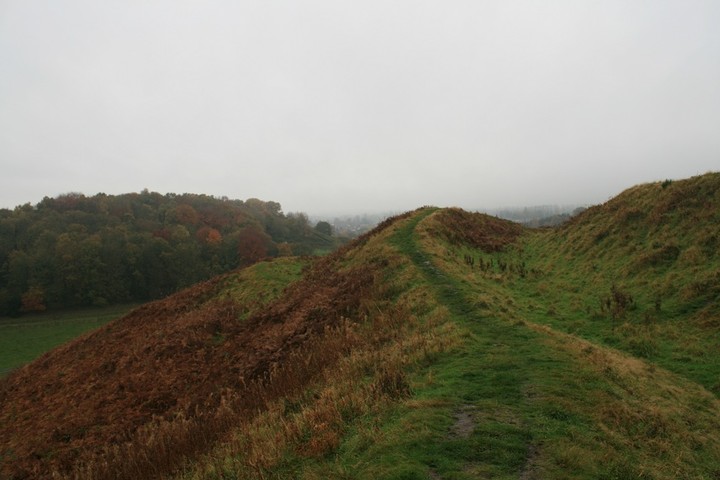
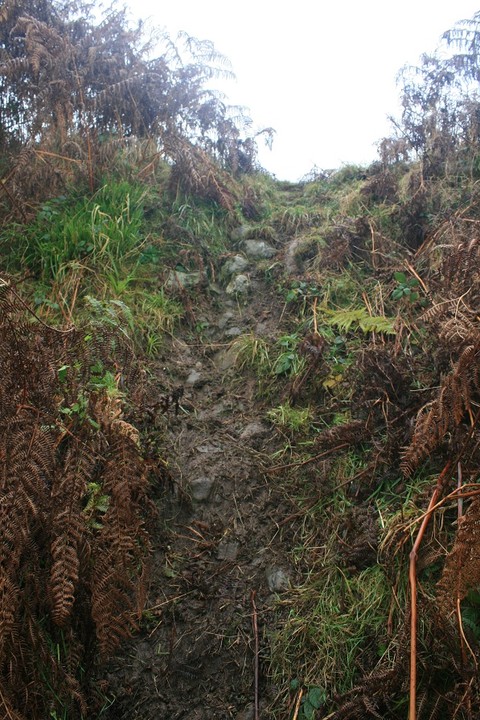
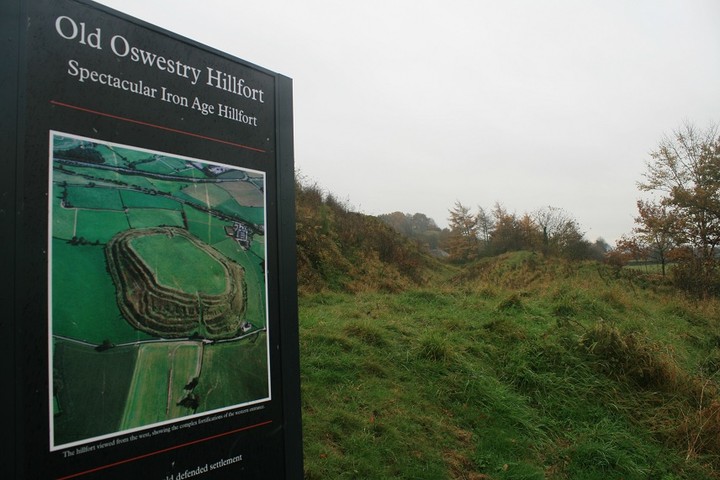
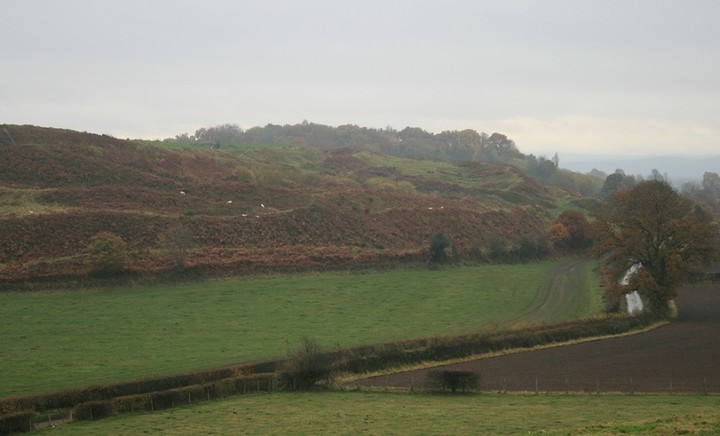
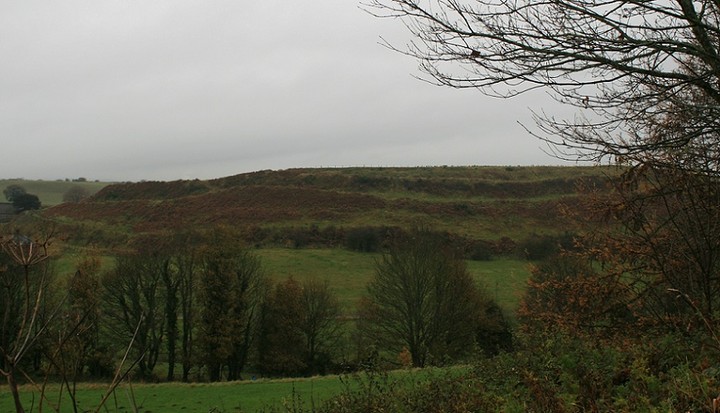
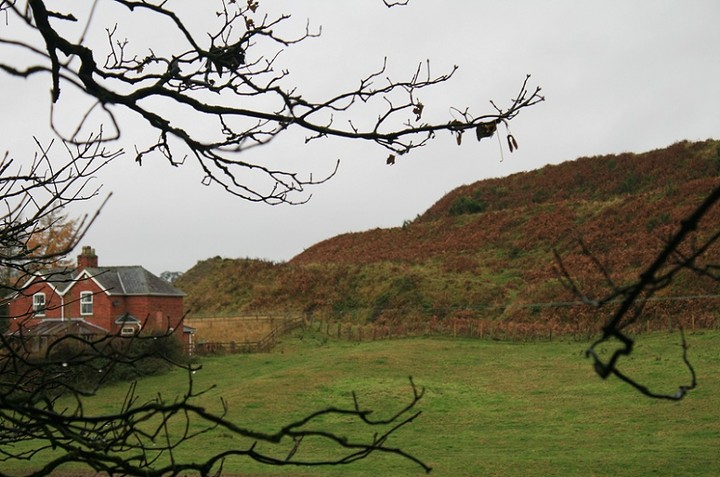
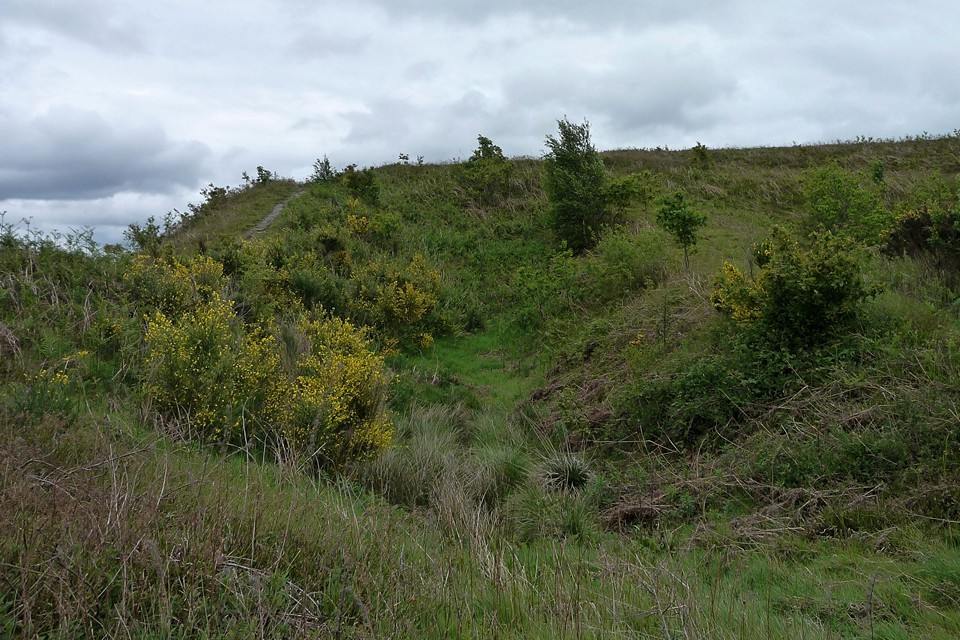
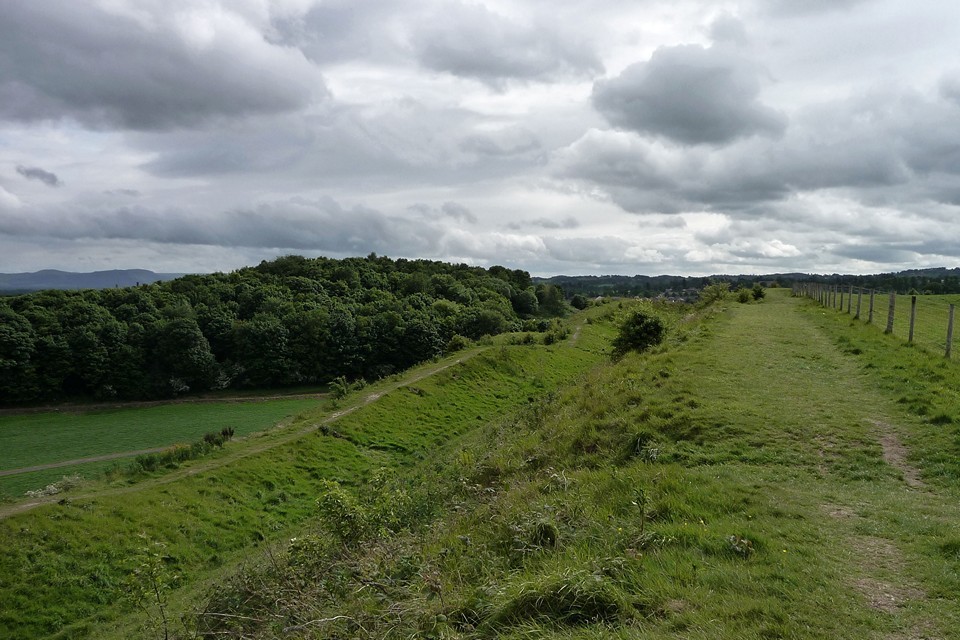
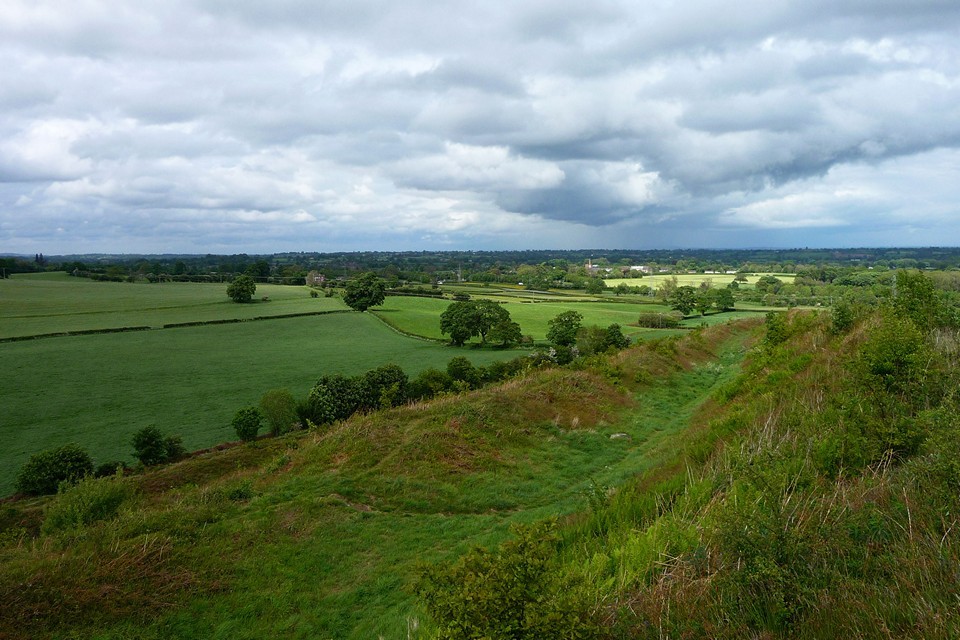
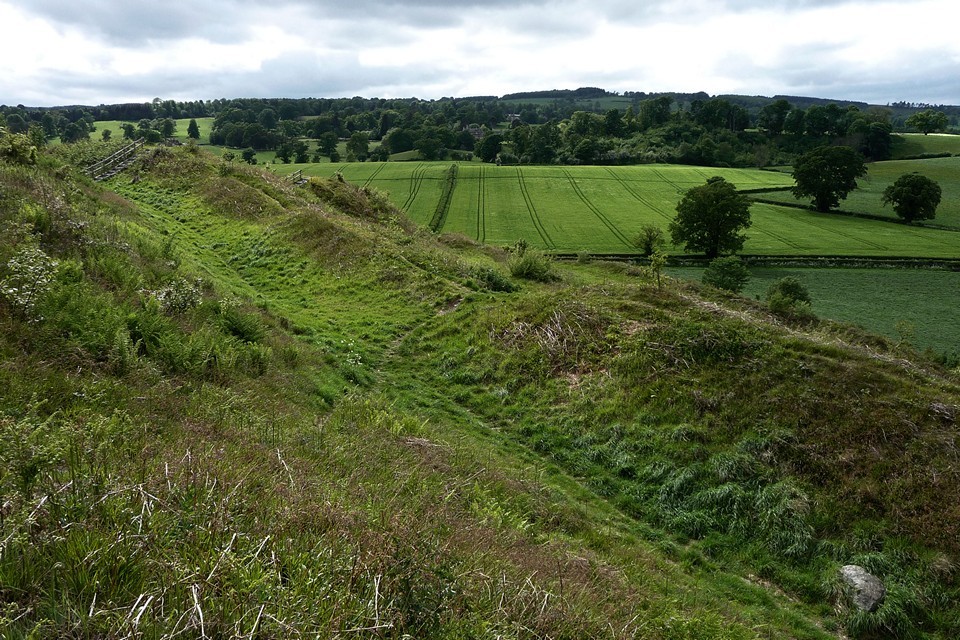
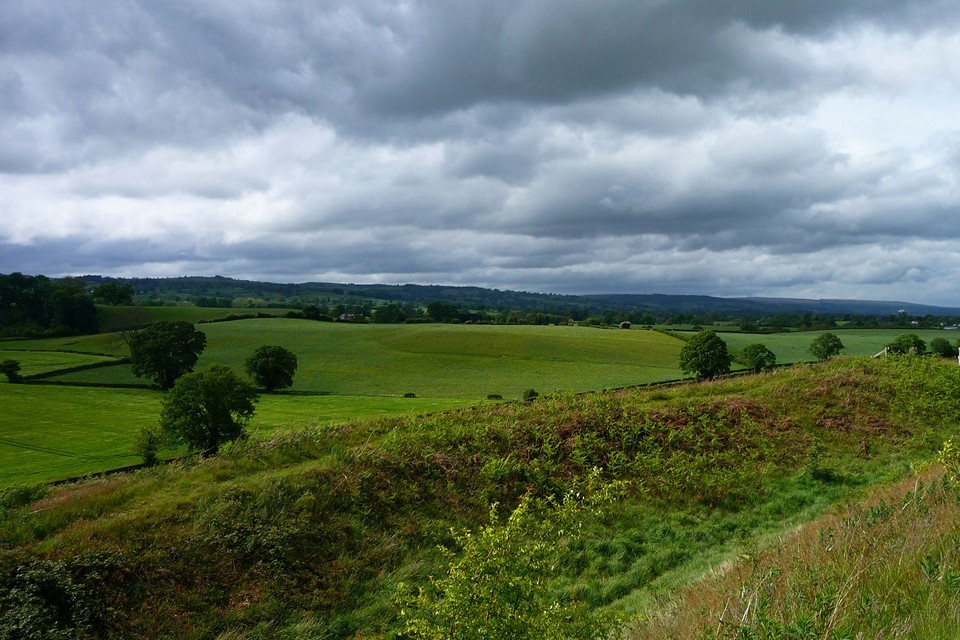
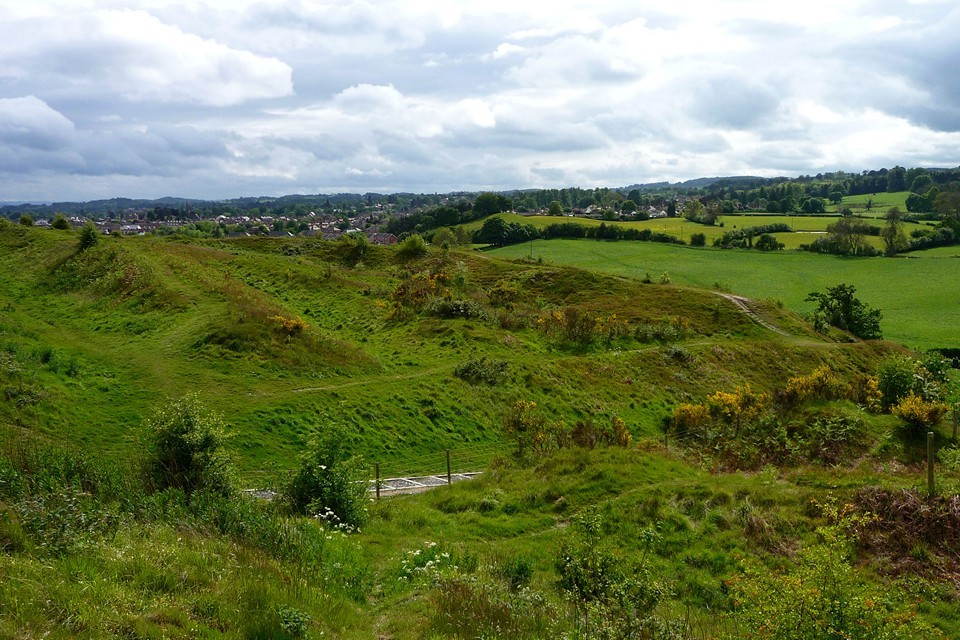
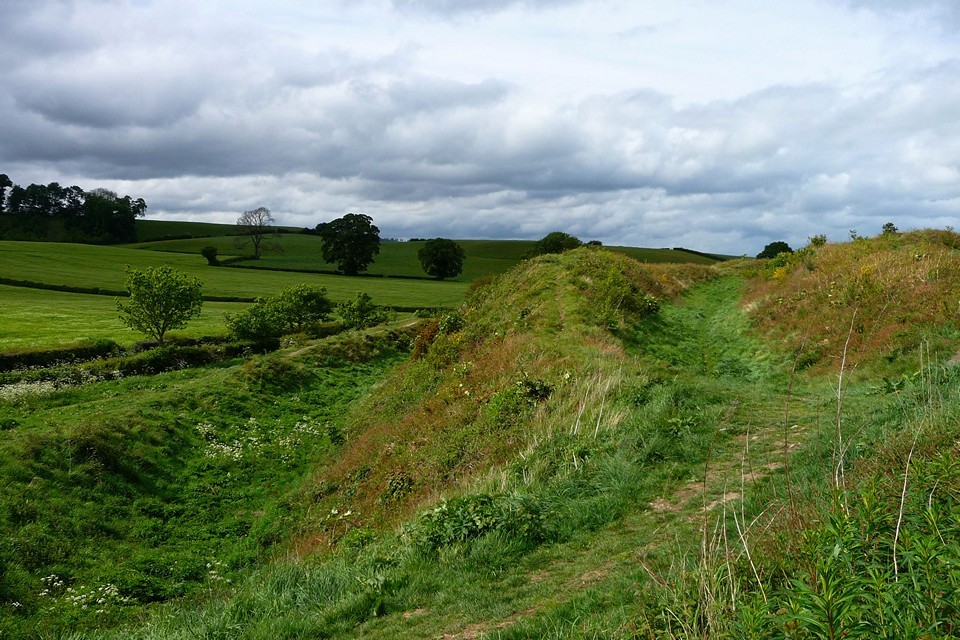
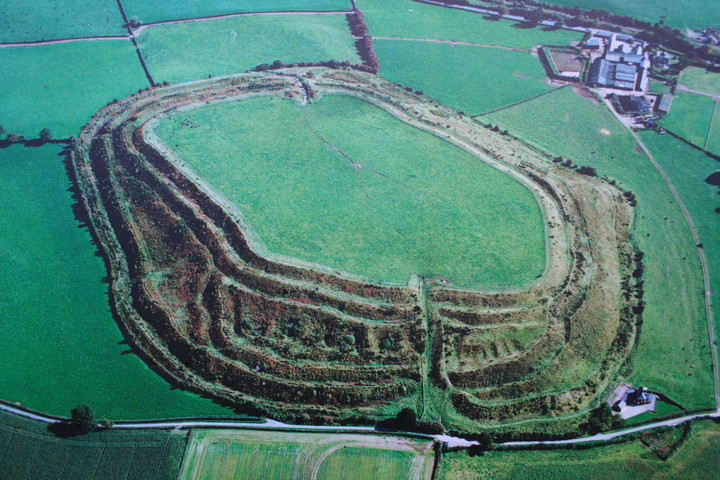
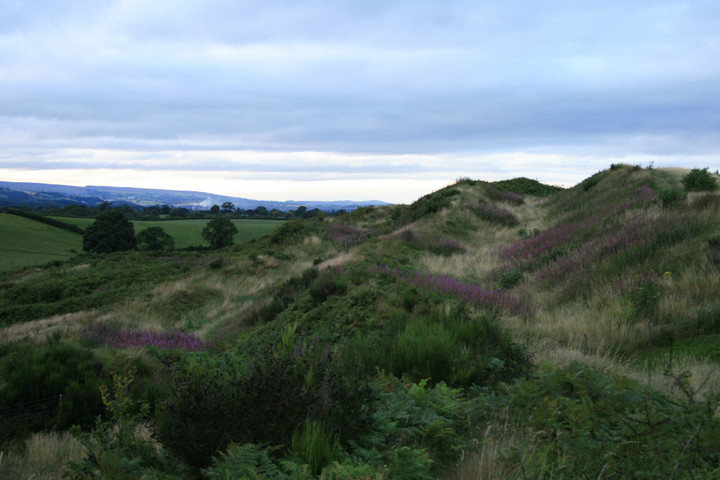
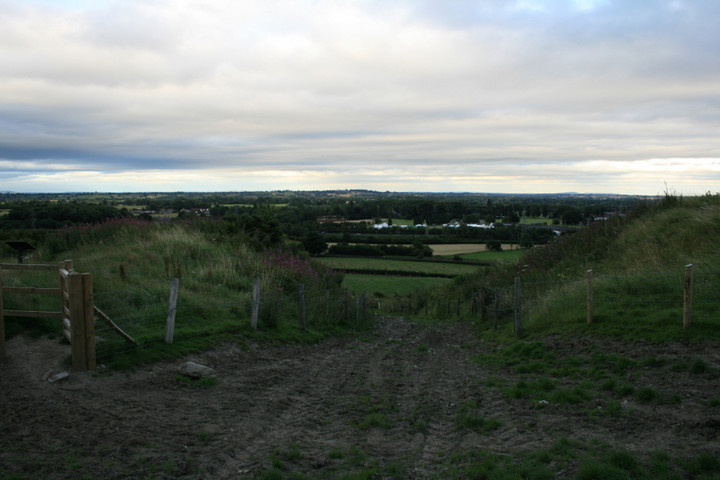
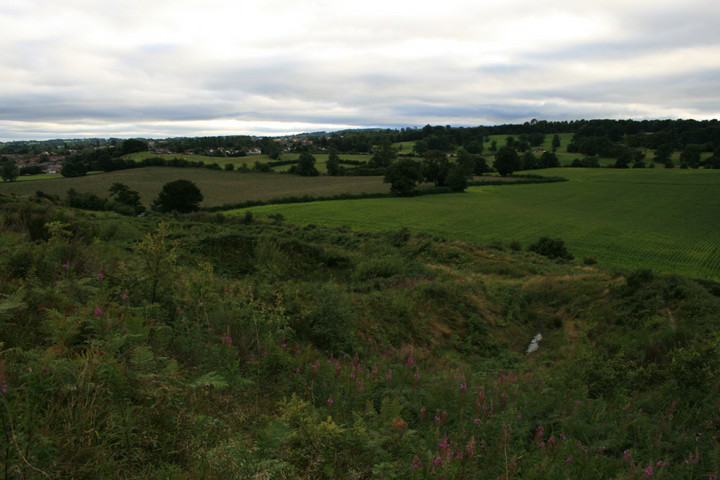
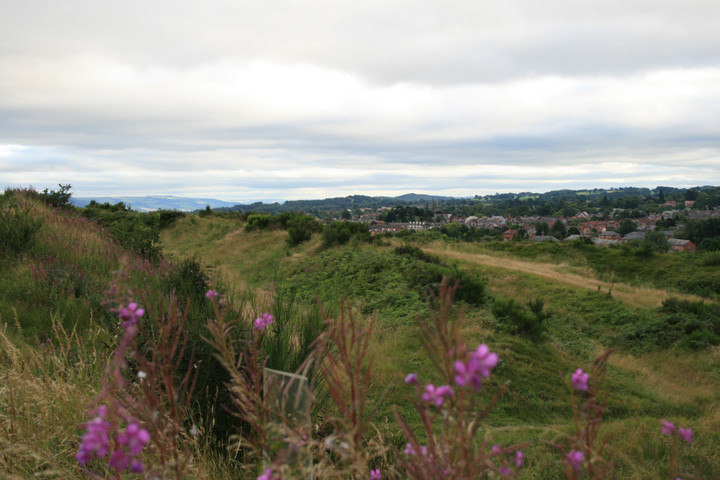
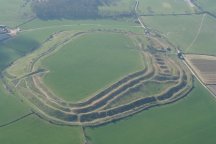
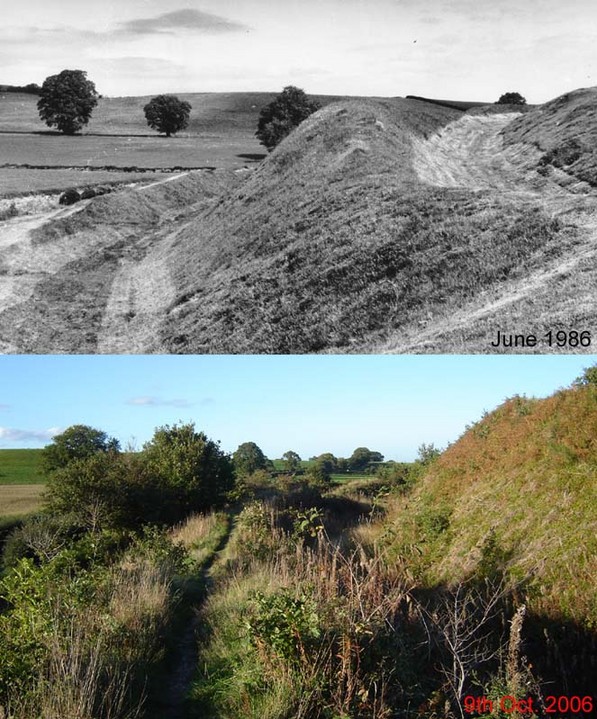
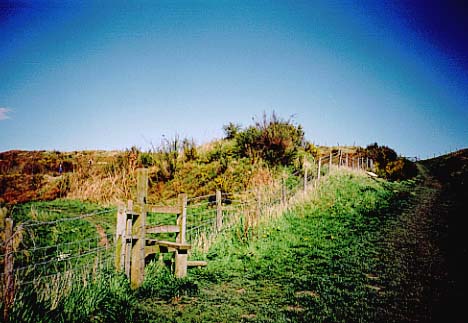
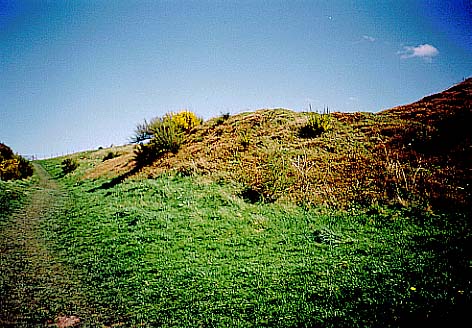
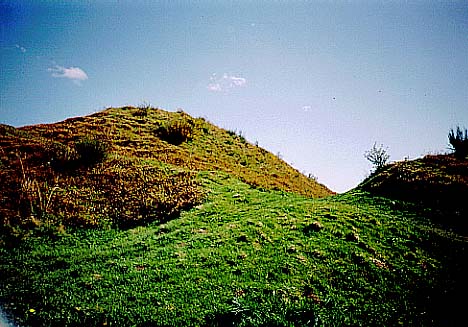
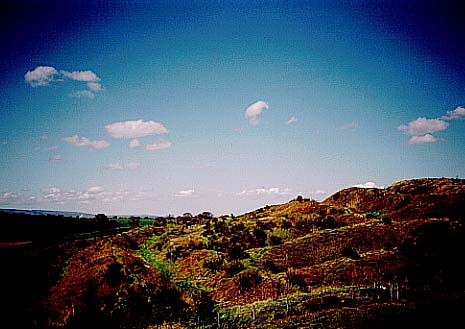
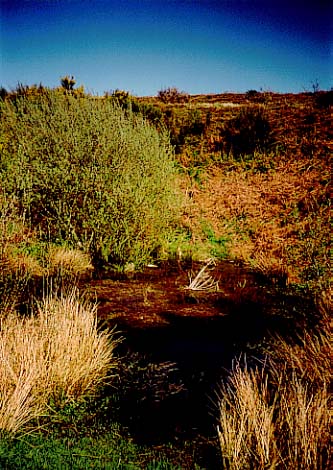
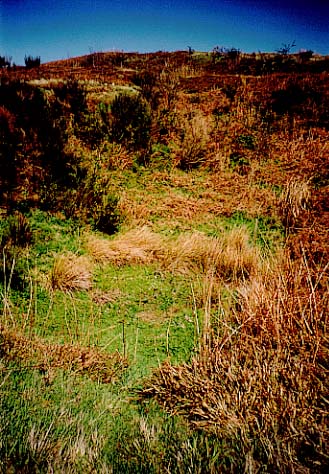
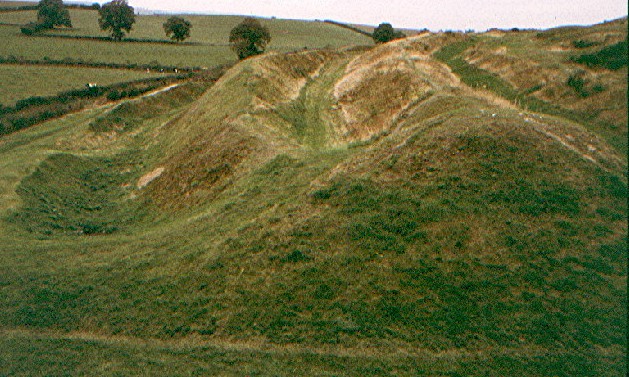
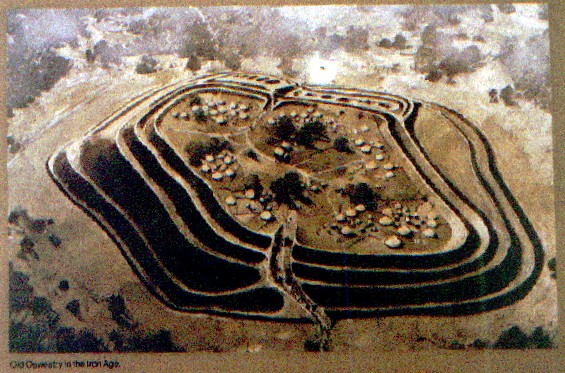
Friday the 13th (13.5.2011) brings us to Oswestry for a couple of days, in our ongoing Offa's Dyke Path walk. Old Oswestry is an easy stroll from the town, it's only a mile to the northeast. On our way, we spend a little time in the town's suburbs, seeking out a rather fine section of Wat's Dyke that runs through a housing development. Wat's Dyke is roughly contemporary with the much better known Offa's version a few miles west of here. Constructed between the 5th and 8th centuries AD (CE), it's too late for TMA, but is still worth a look, especially as its course runs both north and south from the ramparts of the hillfort. The section of dyke running through the suburbs here remains as a standing earthwork of over a metre in height. We follow this northwards, until it disappears under a Victorian factory building (being refurbished for re-use, nice to see) and then its course crosses the old railway line that used to run from the main line at Gobowen into Oswestry itself. It runs under the roads and streets for a while, but eventually we come to a recreation ground to the north of the town, where a quick uphill detour offers views of the hillfort itself. From here the low bank of the dyke continues northwards, until it comes to a halt at the foot of the massive earthworks of the fort. And what earthworks they are. Michael Watson described it as "big, bold and brassy" and he's certainly not wrong. This is without doubt one of the most impressive prehistoric constructs you can find in this country. Old Oswestry does not have the advantage of a lofty hilltop, or cliffs, or a steep escarpment. True, it is on a natural hill rising above the low-level plains of north Shropshire. But the defensive behemoth rising above us is largely the work of human hands. Along the road, a gate with English Heritage boards gives access to the fort itself. We are facing the western entrance to the fort, which presents an overwhelmingly depressing sight to any would-be attacker. Seven (yes, seven!) lines of ramparts rise above us, one above another. The only way through is straight up the funnel of the western entrance track, providing any number of places for the defenders to throw javelins, fire arrows, pour hot cauldrons, etc over the hapless aggressor. Luckily such scenes do not greet us today and we can make our way unchallenged up the steep track to the top of the fort. From here, the scale of the western defences, laid out below us, is readily apparent. Once the top is reached, the interior of the fort is a large open grassy space, now home to a herd of cows rather than the late Bronze Age/early Iron Age houses that once stood here. We walk clockwise around the interior, watching low rain-clouds passing over but thankfully leaving us alone. The fort's shape is an irregular pentagon, with the western side being the most heavily defended. Around the other sides, there are only(!) five lines of ramparts. Wat's Dyke picks up its northwards progress from the northern corner of the fort, heading off towards Wrexham. The surrounding ground is lowest to the east of the fort. Further to the east, the hump-backed and hillforted Wrekin can be seen, while to the southeast the hills around Church Stretton and onwards towards Brown Clee can be made out. Due south, the view is blocked by the Breiddin hills, while to the west the nearby Offa's Dyke ridge cuts off any lines of sight beyond. After completing the circuit, we have a look at the mysterious line of pits that have been placed halfway up the western side of the defences, enclosed between ramparts. Each one is different, some are very overgrown while others appear to be full of greenish water. Who knows what they were for? Not me anyway. Suitably impressed after the walk around, we've also managed to avoid any date-related ill-fortune and so we head off back to Oswestry, where a much needed ice cream beckons. A cracker of a site this, fully deserving of its "show site" reputation. |
 Posted by thesweetcheat
16th May 2011ce |
|
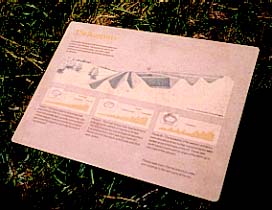
I visited the Hillfort on my way home after a long day in north Wales. Although I was tired and it was starting to get dark, I made my way to the car park and then through the kissing gate and up the steps to the Hillfort. The ramparts are very well preserved and large. The path around the site is easy to follow and there are several E.H. information boards to read. I didn't have time to go right around the Hillfort as it was so late but I managed to see about half of it. I am sure I will come back for a longer visit one day. Highly recommended. |
Posted by CARL 27th October 2010ce |
|
What a corker! This is a huge, overwhelming, complex and thoroughly unusual hillfort. Massive ramparts tower upwards, on the eastern side numbering five banks, but on the west increasing to seven. Even more intriguingly, the western side has five massive pits built into the defences, a construction totally unique in hillfort design. The history is rich (see weblog for full run-down), the views magnificent, the atmosphere lovely and unspoilt. An absolute must-see for any self-respecting hillfort fan, or those requiring a jolly splendid picnic. This post appears as part of the weblog entry O We Try . . . And How We Succeed!
|
 Posted by treaclechops
25th April 2004ce |
| An impressive hillfort with complex defences second only to Maiden Castle. Occupied from the 6th century to the Roman occupation. I have only seen it from the A5, but its at the top of my "must visits". Surprised the site is not already covered on TMA. |
 Posted by Earthstepper
5th September 2003ce |
Folklore |
Add folklore |
Remarking to a gentleman, that I had gleaned up some anecdotes relative to Oswald, he asked me, if I had seen Old Oswestry, where he assured me the town formerly stood? I, with a smile, answered in the negative.p45/46 of 'Remarks upon North Wales' by William Hutton (1803). |
 Posted by Rhiannon
14th August 2007ce |

|
From 'Salopia antiqua' by Charles Hartshorne (1841) p79: "It is called 'Hen Dinas' or the old city; and anciently Caer Ogyrfan, or Ogyrfan's Castle, who was a hero contemporary with King Arthur." - Ogyfan was the father of Guinevere, of the King Arthur myths. You can read more about the legends at 'buzzpages' http://www.buzz-pages.com/features/oswestry/Fest2000/OldOS.htm which has excerpts from the 'History of Oswestry' by a Mr Watkins. |
Posted by Rhiannon 13th January 2004ce Edited 14th August 2007ce |
Miscellaneous |
Add miscellaneous |
Leland came here in the 1530s:Hene Dinas a quarter of a mile out of Oswestre north-west. The toune or castelle of Hene Dinas standith apon a rounde hillet aboute half a mile in cumpace. Ther be iii. greate diches in the botom of the hillet cumpasing it, and in the toppe of the hille now grow great treas of oke. The commune people say that ther was a cite withyn those ditches. I think rather a campe of men of war, wheras perventure was the campe when Penda and Oswaldes did fight. There is a nother hillet of caste yerth bytwixt it and Oswester not far from Dinas self.It always has to be about fighting when it comes to you men doesn't it. Or so it seems. The nother hillet I assume is the little wooded bump between the fort and Oswestry, on the line of Wat's Dyke. I'd have liked to have seen all the oke treas up there. From John Leland's Itinerary In Wales. |
Posted by Rhiannon 13th February 2014ce Edited 13th February 2014ce |
Links |
Add a link |
Past HorizonsGeorge Nash talks about the 'Pegasus Stone', found in 2008 near the currently beleaguered fort. It's a raised carving of a horse and could be from the Iron Age / Romano-British era... (tipped off from the Heritage Journal's mention of a seminar in Oswestry on the 22nd February) |
Posted by Rhiannon 13th February 2014ce Edited 13th February 2014ce |

Old Oswestry hillfort on youtube |
 Posted by wickerman
4th May 2009ce |
 Top of page