|
 Log in |
Register Log in |
Register
|

|
|

Pumlumon and its Environs
|
|||||||||||||


 0 discussions


 Show |
 |
|
|
Sites in this group:
|
6 posts
Aber Camddwr Reconstruction Platform Cairn |
1 post
Aber Camddwr Ring Cairn Ring Cairn (Destroyed) |
25 posts
Banc Llechwedd-mawr (Pumlumon) Cairn(s) |
|
15 posts
Banc Lluest Newydd (Pumlumon) Cairn(s) |
6 posts
Blaen Llywernog Standing Stones |
41 posts
Buwch a'r Llo and Mynydd March Standing Stones |
|
10 posts
Bwlch yr Adwy (Ceulanamaesmawr) Round Barrow(s) |
9 posts
Carnfachbugeilyn Round Cairn |
19 posts
Carn Biga Cairn(s) |
|
15 posts
Carn Fawr Round Cairn |
30 posts
Carn Hyddgen (Pumlumon) Cairn(s) |
15 posts
Carn Owen Round Cairn |
|
1 post
Carreg Slic Standing Stone / Menhir (Destroyed) |
19 posts
Carreg Wen Standing Stone / Menhir |
3 posts
Castell Coch Standing Stone / Menhir |
|
12 posts
Craig-y-Dullfan (Pumlumon) Cairn(s) |
23 posts
Dinas (Blaenrheidol) Hillfort |
Dinas Hut Circle
Ancient Village / Settlement / Misc. Earthwork
|
|
5 posts
Disgwylfa Fach Stone Standing Stones |
29 posts
Disgwylfa Fawr Round Cairn |
20 posts
Drosgol (Pumlumon) Cairn(s) |
|
9 posts
Esgair Gorlan Round Cairn |
6 posts
Esgair Nant-y-Moch Cairn(s) |
5 posts
Garn Lwyd Stone and Barrow Cemetery Barrow / Cairn Cemetery |
|
13 posts
Garrig Hir Standing Stone / Menhir |
22 posts
Hirnant Circle Kerbed Cairn |
22 posts
Lle'r Neuaddau Circle Kerbed Cairn |
|
3 posts
Nant-y-Fedwen Cairn(s) |
11 posts
Nant Geifaes Round Barrow(s) |
10 posts
Nant Maesnant Fach Cairn(s) |
|
2 posts
Pen Cor-Maen, Pumlumon Standing Stone / Menhir |
13 posts
Pen Craig y Pistyll (Ceulanamaesmawr) Round Cairn |
66 posts
Pen Pumlumon-Arwystli Cairns Cairn(s) |
|
84 posts
Pen Pumlumon-Fawr Cairn(s) |
3 posts
Y Garnedd Cairn(s) |
22 posts
Y Garn (Pumlumon) Round Cairn |
Sites of disputed antiquity:
|
3 posts
Glandwr Stone(s) Standing Stone / Menhir |
Images (click to view fullsize) |
 Add an image Add an image |
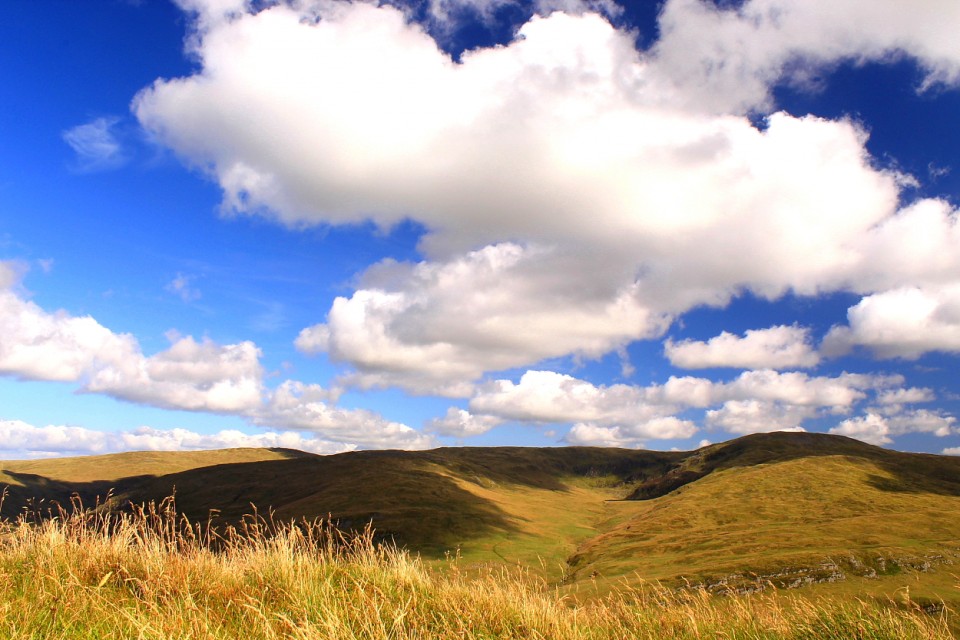
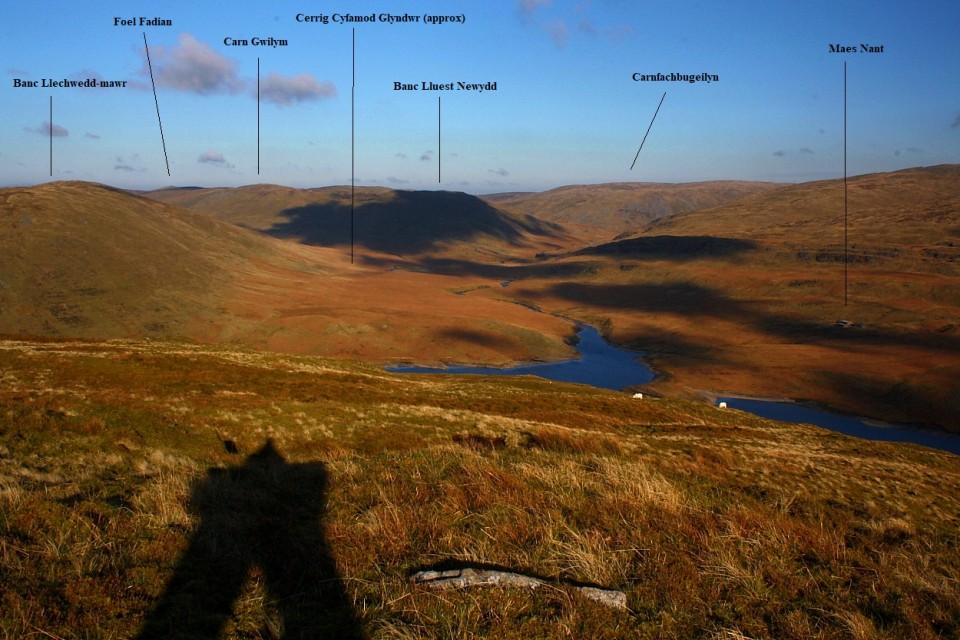

|
Fieldnotes |
Add fieldnotes |
|
Following a (very belated) visit to Craig-y-Dullfan last month, the thought occurred that regular browsers of this, Mr Cope's wondrous community resource, may well feel somewhat bemused by my constant eulogising of Pumlumon over the last decade or so... even should they happen to possess more than a passing interest in upland cairns - those massive, sometimes not so massive stone piles generally acknowledged to represent the funerary monuments of Bronze Age VIPs that still grace the high hill and mountain tops of these Isles - and view walking Britain's skyline as a life-affirming privilege to be savoured while one is physically and mentally able. As I do. Particularly those punters who have glimpsed the, frankly, rather nondescript profile of the mountain when travelling along the A44 'Aberystwyth road' to the south, rising above the industrial spoil of former lead mining once so important to the locale and thought 'What is he on?' To be honest, 'Plynlimon' - to fleetingly adopt the nonsensical anglicised version of the name beloved by an older generation of hillwalkers - is no stranger to negative press: the Reverend William Bingley (1774 – 1823) tartly dismissed the opportunity of a potential visit with "..there did not appear any probable compensation for my trouble in going so far... to ascend its summit. I, therefore, continued my route and passed it at a distance". Predictably perhaps, the views of another cleric, the Reverend Richard Warner (1763-1857) are in a similar vein and arguably typical of any number of myopic early commentators... views which, so it would appear, are unfortunately still very much prevalent today: "Plynlimon is a vast mountain, surrounded by many others of humbler height, which occupy a great extent of sterile and dreary country, without a house or tree to relieve the eye, while their natural horrors are encreased by sounding cataracts and deep ravines. In this solitude, all the miseries and penury and desolation rush on the heart; and the spectator feels what a dreadful blank life would be without the society of his fellow men. Yet the hope of a precarious donation from transient visitors, has induced a guide to fix his abode, in summer, in a hovel, at the bottom of this dreary mountain; and, without a conductor, the ascent should never be attempted. After all, there is nothing particularly attractive in the character of Plynlimon, but it is remarkable for giving rise to no less than five rivers, the principal of which are the Severn, the Wye and the Rhydol." [A Walk through Wales in Aug, 1797, (Bath, 1798), p. 84]. Hmmm, never let it be said that men of the cloth lacked objectivity, eh? What a complete muppet, highlighting that partisan travel 'reviews' are not solely the preserve of dodgy Trip Advisor contributors. Clearly it required the 'poet's vision' of Shakespeare contemporary Michael Drayton (1563 – 1631) to place the significance of those five unprecedented river sources in a suitably epic perspective: "Plynillimon's high praise no longer, muse, defer; What once the Druids told, how great those floods should be That here (most mighty hill) derive themselves from thee; That all the Cambrian hills, which high'st their heads do beare, With most obsequious showes of lowe subjected feare Should to thy greatness stoupe; and all the brookes that be Doe homage to those floods that issue out of thee. To princelie Severne first." E. R. Horshall-Turner (again quoted from within his Walks and Wanderings in County Cardigan,1902) notes: "Pymlymon, as it is called by the people of the hills, is said to signify five beacons; and if we are satisfied with the derivation, we may imagine that the cairns which top the five peaks are thus explained; rather than believe them to be memorials of ancient heroes. Rising from the semicircular chain of mountains which exposes its steep convex side to the sea, the mass of Plynlimon shows more lofty and abrupt on the Cardigan than on the Montgomery side. Its summit is readily accessible, and is most easily reached from 'Steddva, the head of the pass between Llanidloes and Aberystwyth. Eisteddva Gurig (the resting-place of Curig or Cyrus), is itself 1360 feet above the sea level. It consists of a few houses nestling in a basin enclosed by rocky heights. Through the western gap, the mountain gale sweeps from the Castell valley with terrific violence. Often have we entered Cardiganshire at the little bridge of 'Steddva, and not unfrequently have passed from a heavy banner cloud which obscured the road before and the valley below and soaked us with mizzled rain into a completely changed scene. Over the pass we suddenly left the cloud, and entered clear air under a sky of deepest blue ; and when the broiling sunshine beat upon us as we descended towards the sea, looking back, we admired the white, feathery streamers of cloud which, flung from the mountain summits, blended into the dull purple and grey. Not yet, however, must we make the descent, but see... High o'er his mates, how huge Plynlimon lifts, His many-beaconed head ! O'er coronalled, With still and shadowy mists or rolling storms, That speak loud-voiced thunder to the echoing hills, And rouse repeated thunder." Mr Horshall-Turner also sees fit to highlight Pumlumon's propensity to issue forth principal watercourses of the finest pedigree, adding: "The mountain is most widely known as the home of famous rivers. Everyone has surely heard the nursery legend of the Severn, Wye and Rheidol. The fable represents the streams asleep within Plynlimon bogs. They had arranged that on the morrow each should choose its course to the sea. Severn first awoke, and priding itself upon early rising, took a graceful curve through the broadest vales and visited many a renowned city. The Wye awoke next, found the Severn had already gone and rushed to overtake her. The Rheidol awakening last saw her chance was gone, and rushing tumultuously down the western slope, dashing over rocks and foaming through gullies in her haste, reached the sea first and felt quite consoled." However, it is George Borrow (1803 – 1881) who seems to me to have finally got that unique Pumlumon vibe, asserting in his classic, trailblazing tome 'Wild Wales' (1862): "Its proper name is Pum or Pump Lumon, signifying the five points, because towards the upper part it is divided into five hills or points". Rising from his hotel at Dyffryn Castell, the inquisitive gentleman then proceeded to ascend Pen Pumlumon-Fawr singing Lewis Glyn Cothi, as one does: "From high Plynlimmon's shaggy side Three streams in three directions glide; To thousands at their mouths who tarry Honey, gold and mead they carry. Flow also from Plynlimmon high Three streams of generosity; The first, a noble stream indeed, Like rills of Mona runs with mead; The second bears from vineyards thick Wine to the feeble and the sick; The third, till time shall be no more, Mingled with gold shall silver pour." To be fair, it probably wouldn't have been the same singing a Tom or Cerys ditty. Or even something as devastatingly sublime as once emanated from the chaotic notebook of Richey Manic. Whatever, clearly the venerable George was made of much tougher stuff than your inveterate travelling cleric.... far more enlightened, open-minded, inspiring... more human. Even, by all accounts, than some contemporary antiquarians who really should know better. Yeah, unfortunately - despite the wealth of information now available at the click of a mouse, the swipe of a finger across the 'smartphone' screen - Pumlumon would still appear subject to the same adverse prejudice infesting those early ecclesiastical travellers. As for myself, I first tentatively stumbled in the great man's boot prints - well, sort of - in 1993 during my early 'peak-bagging' forays away from the heartlands of Snowdonia... the introduction a shambles of route finding, if the truth be told, this utterly confused 'stone illiterate' finally surveying the majestic, sweeping vista from Pen Pumlumon-Fawr's summit via an unforeseen ascent of Carn Hyddgen.... to find (in very short order) that there was something 'different' about Pumlumon. OK, there was the topography: an absence of those soaring aretes of naked rock so prevalent further north; in fact an (apparent) dearth of ANY rock to temper the brutally unrelenting tussocky grass and eroding peat hag. But no, that wasn't it. A refreshing lack of other visitors - of chattering voices? Well certainly, the resulting silence enabling the wind to bring distant, otherwise barely discernible hints of Mother Nature going about her inexorable business to the fore: the unseen erosive clash of cascading water against rock, the bleat of a far-off sheep, the shrill cry of a circling buzzard or raven overhead (the red kite still far from common in Mid Wales back then). Yes, there was that. But also a perceived lack of corporeality seemingly infused within the very air itself, an other-worldly atmosphere at odds with the only too tangible, endurance-sapping, industrial-strength bog sucking at the boots, as if caught in some powerful undertow intent upon dragging the doomed mortal down into the depths, the interior of the mountain... to meet those who came before. Yeah, a vibe, a feeling that Nature still held sway here, the visitor merely granted a temporary permit to pass quickly by on his way. Hey, before preternatural forces decided to the contrary. Granted, this is all in the mind... after all, earth is earth, rock is rock, a cairn ultimately a pile of old stones... but how we relate to the physical landscape informs our own personal reality, does it not? Suffice to say, right from the off, Pumlumon 'spoke' to this inexperienced young man pushing his boundaries, devoid of plan... although certainly not of incompetence and a fair degree of nerves when regarding the sheer 'wildness' of the terrain. Not to buttress pre-existing dogma, as in the case of our travelling clerics and pseudo-antiquarians, but, following in the purposeful strides of George Borrow, to question. Yeah, if your mind can open doors... explore, my friends. Indeed, returning soon after to walk the main ridge from Eisteddfa Gurig (in mitigation, my one and only approach from the south), I vividly recall stumbling into an area of the aforementioned bog to find a small marker post announcing - with scant ceremony - the source of the Afon Hafren. Yeah, the River Severn.... scarcely conceivable that a small, muddy pool could represent the birth of a watercourse so mighty, with such an overwhelmingly powerful - hey, world renowned - bore, that crossing its confluence with the Bristol Channel, via either great suspension bridge, is something to linger within the memory. The massive twin cairns of Pumlumon Cwmbiga were not my primary objective that day (incidentally I was to discover in 2011 that there is another, much smaller adjacent monument - I hesitate, for obvious reasons, to claim forming a third trio - plus others nearby... a veritable cemetery); neither was the great triumvirate crowning Pen Pumlumon-Arwystli, nor Pen Pumlumon-Fawr itself, for that matter. But it is clear in retrospect that the seed of curiosity had been sown, the germination of which would bring me back many times since over the following decades to ponder unanswerable questions: with so few walkers, just who erected these vast cairns? And why? Why here? So, far from having my curiosity sated.... I merely found it elevated to feline proportions. Perhaps there is a clue, a hint as to what is going on here, inherent within the name 'Pumlumon' itself? OK, consider: 'Pum' is Welsh for 'five', right?... but five of 'what' depends upon which of the meanings of the vernacular 'Lumon' one favours: beacon, chimney, peak, stack? As mentioned earlier, viewed from the south the topography of the range is such that it would be far from clear how many 'summits' Pumlumon possessed, even if the traveller was lucky enough to pass by and not be engulfed in suitably ethereal vapour. Indeed, so relatively featureless are the southern flanks that, back in 1993 anyway, stakes had been driven into the turf to guide those seemingly foolhardy enough to venture forth. So maybe the name originally referred to great stone piles, 'chimney stacks'? Perhaps featuring the enigmatic 'beehive' profile still to be seen not just upon Pumlumon's isolated subsidiary summits, but across the hills of Cwmdeuddwr to the south. The great Bronze Age cairns, no less, which appear in unprecedented numbers at altitude upon the main ridge and sweeping towards the exquisite aesthetics of the Dyffryn Dyfi to the north/north-west. In fact, Pumlumon and its supporting cast of northern acolytes possess so many upland cairns - a dozen or so at c2,000ft upon the main ridge alone - that, taken as a whole, I believe they form the most extensive, impressive upland Bronze Age cemetery in these Isles. Bar none. Yeah, I'm aware that is quite an assertion. But one that anyone with the necessary curiosity and drive can verify for themselves by donning their boots. Granted, none of the monuments here is anything like as structurally impressive as, say, the magnificent hilltop passage graves of Carrowkeel; or as extremely located as those funerary cairns surmounting the domed summits of Y Carneddau up there in Gwynedd; but then, in my opinion, Pumlumon surpasses both in the sheer scope of human endeavour. And, of course, there's the hidden ace up the sleeve - or more correctly, three of them: that mind-blowing trilogy of river heads upon the main ridge! Is it any wonder that Pumlumon is traditionally one of the 'Three Mountains of Wales' alongside Cadair Idris and Yr Wyddfa (Snowdon) herself. Quite an accolade for reputably 'the boggiest mountain in Wales' (as quoted by Horshall-Turner), one would have thought? Unless there was a lot more to it than meets the casual gaze, known only to those who understood these hills intimately? I think you get my drift. So, for me, the location of such an unprecedented number of funerary cairns - particularly where featuring THREE multiple sets (furthermore with the two central summits bearing a trio of primary monuments each - I'll suspend judgement upon Pumlumon Cwmbiga for now, pending other viewpoints?) across the THREE of those 'Pum Lumon' straddling a ridge bearing the sources of THREE major rivers in the close vicinity - cannot be mere coincidence. Oh come on, surely? In retrospect, the association appears to be as crystal clear as the water which ceaselessly cascades from the Llyn Llygad-Rheidol, 'three' being the recurring theme here.... the 'magic number'. Although how the oft-sodden traveller to Pumlumon chooses to interpret the significance of this singularly unique state of affairs is, it goes without saying, open to endless debate. One theory - that the placing of the remains of Bronze Age VIPs amongst river heads, quite literally the essence of carbon-based life upon this crazy, spinning globe, was seen as beneficial to their re-birth within some 'spirit world' - seems as plausible as any. The fact that Pumlumon gives birth to three rivers within such a small area might well have been seen as very significant to locals perhaps attuned to notions of the Triple Goddess? Significant enough to maybe attempt to infuse their mountain with a 'numerical homage' to their deity? Or should that be deities? Can never get my head 'round that one, to be fair. A logical enough progression for superstitious people struggling to make sense of their environment, one would have thought? Hey, was Pumlumon regarded as some sort of 'transitional portal' between this world and whatever one imagined to form the 'next'. Between life, death and subsequent elevation into the collective consciousness, as determined by the collective? Unanswerable questions, but what an apt location to ponder them. To be curious. To think. To be human. It is apparent to me that Pumlumon is now no longer as neglected by tourists as it once was, the number undertaking the plod from Eisteddfa Gurig on the increase (incidentally, and quite rightly, recompensing the landowner for the privilege of easy access for at least the past 25 years). Perhaps a curious recent re-designation of 'The Cambrian Mountains' as relating specifically to the Mid Walian uplands - thus according Pumlumon with the accolade of 'Highest Point' - is a catalyst for this potentially double-edged development? Now I always thought the magnificent Aran Fawddwy - also well worth a visit by the discerning Citizen Cairn'd - was the holder of that honour, but there you go. Needless to say, the creation of the Nant y Moch reservoir in 1964 inevitably changed the locale forever, a tarmac road driven as far as Maesnant to the north opening up the formerly isolated 'hidden' flank to personnel of Dwr Cymru and the more informed walker alike. However, as with the green fastness of Cwmdeuddwr to the south, the sacrifices of former local residents have given a new opportunity for waterfowl to flourish.... silver linings to even the darkest clouds. As with other communities impacted by our insatiable demand for water straight from the tap - e.g Capel Celyn - we should remember them. But what of those green hills viewed stretching way in an arc west to north of the great summit cairns of Pen Pumlumon-Fawr? Well, Drosgol and Banc Llechwedd-mawr sport a brace of large cairns a piece, the sparkling quartzite blocks of Cerrig Cyfamod Glyndwr, located at the eastern foot of the latter, traditionally the site of Owain Glyndwr's victory over an Anglo-Flemish force in 1401 and forming the most enigmatic of Pumlumon's limited collection of standing stones (although the Buwch a'r Llo stones at SN722833 are also well worth seeing). Note that access here has recently been improved no end by the construction of a footbridge across the Afon Hyddgen at SN779891 negating the need for a potentially problematic fording (there is also a new bridge at SN766888 across the Afon Llechwedd-mawr connecting the two peaks). While to the north-east, overlooking the eastern flank of Cwm Hyddgen, are the twin 'beehive' cairns of Carn Gwilym crowning Carn Hyddgen. As postulated above, the thought occurs as to whether such iconic profiles have an archaeologically sound origin? Those 'Chimney stacks' perhaps? Directing the gaze to the north-west, the sharp-eyed may note the substantial Carn Owen, while another large cairn cemetery occupies Moel y Llyn looming above Cwm Ceulan, the eponymous summit tarn the subject of one of those wondrously mysterious 'Lady in the Lake' myths with an origin lost in the mists of time, if not the watery depths. Moel y Llyn not only overlooks the diminutive stone circle of Cylch Derwyddol (SN699910) but is also adjacent to Esgair Foel-ddu and Foel Goch, again the location of numerous Bronze Age cairns. There are yet more upon the south bank of the Afon Clettwr and Cae’r Arglwyddes...'The Lady's Field', the latter presumably a nod to our aqueous maiden of yore? Note also the Bedd Taliesin chambered cairn at Pen y Sarn Ddu ('The End of the Black Road' - SN671912), traditionally the final resting place of the actual Brythonic 'Chief of Bards'. Those who relish Welsh lore and Arthurian legend will appreciate the importance of the tomb's later association with the main man of King Urien of Rheged. But that's Pumlumon for you. Arcing to the north, aficionados of cascading water could not do much better than to visit the small quartzite cairn of Carneddau Hafod Wnog (SN7643994301) standing sentinel beside surely one of the finest waterfalls in all Wales: where the Afon Llyfnant, the fourth of Pumlumon's maternal rivers, tumbles down sheer rock faces as the Pistyll Gwyn. Although, in my opinion, far superior to the nonetheless justly famed Mynach Falls at the not-too-distant Devil's Bridge, my suggestion would be to visit both? Pumlumon's final river source is the gaunt upland lake of Glaslyn to the south of the splendid little 'mini-mountain' Foel Fadian (again bearing a prehistoric monument) from where issues forth the nascent Afon Dulas, tumbling down the shattered crags of Uwch-y-Coed. Due east is another magnificent waterfall near the old mining hamlet of Dylife (at SN872940), whereby the Afon Twymyn cascades 130ft as the Ffrwd Fawr - 'Big Torrent'. Hey, say what you see, right? There is a further multitude of lower-level funerary cairns in the extended locale, including a long cairn within Cwmbiga (SN86338902)... not to mention numerous hill forts (arguably the finest being Pen Dinas at SN67728767, the largest Dinas overlooking Llyn Clywedog at SN90538893, the most obscure perhaps Esgair Nant-yr-Arian at SN710816) and - even - cairn-circles. The approach from Ponterwyd to Maesnant (SN774880) - the recommended starting point for any expedition upon the main ridge or peaks bordering Cwm Hyddgen or upper Cwm Hengwm - will take the traveller past both the Hirnant kerbed cairn (SN753839) and that at Lle'r Neuaddau (SN755846) so ensuring any Citizen Cairn'd aiming to 'do' Pumlumon in a short flurry of activity will inevitably leave frustrated. And feeling rather stupid at lack of personal foresight. (Incidentally, please do the farmer the courtesy of 'checking in' before a visit to Lle'r Neuaddau... taking a cue from those recently established crossings spanning the Llechwedd-mawr and Hyddgen, let's ignore puerile notions of 'them' and 'us' proffered by cartoon 'class warriors' such as Monbiot... and look to build bridges, not destroy them. Yeah, talk to people. I think Mr Borrow would've approved). Lle'r Neuaddau is overlooked to the east by the towering presence of Y Garn, as its name implies, crowned by a massive cairn... and to the west by Disgwylfa Fawr, 'The Watching Place'. The latter is particularly notable for the 1937 discovery of two dug-out 'canoes' (with associated funerary remains) within its summit cairn. I'll leave you to ponder just why it was thought necessary to intern such aquatic grave goods upon a hilltop? I mean, we're not exactly talking Russel Crowe and his dodgy ark here, are we? But fact, the real deal. It is, nonetheless, pretty hard to escape the association of Pumlumon with water, is it not? Yet again, you do the maths, my friends. Finally, a note of caution. It should be fairly evident that those who plan the locations of reservoirs tend, on the whole, to know roughly what they are doing: it rains a lot upon Pumlumon (by all accounts, it always has!) and, owing to the topography, shelter from inclement weather upon the main ridge is minimal and route finding in hill fog problematic, to say the least. Furthermore, poor drainage, peat hags and tussocky grass can make the 'going' very difficult indeed. So, should you decide to come and see Pumlumon for yourselves... please bring not just an open mind... but also map, compass and waterproofs as standard kit. Please don't underestimate what may appear an easy enough route on the map since it's probably much harder than you might think. Plan ahead and stay safe. |
 Posted by GLADMAN
22nd August 2020ce Edited 29th August 2020ce |
Links |
Add a link |
The Citizen Cairn's 'Pumlumon - Mother of Rivers'A photographic tour of the upland cairns - and some lower sites - of Pumlumon, Ceredigion by The Citizen Cairn. |
Posted by GLADMAN 25th May 2021ce Edited 13th June 2021ce |
Latest posts for Pumlumon and its Environs |
Showing 1-10 of 593 posts. Most recent first | Next 10 
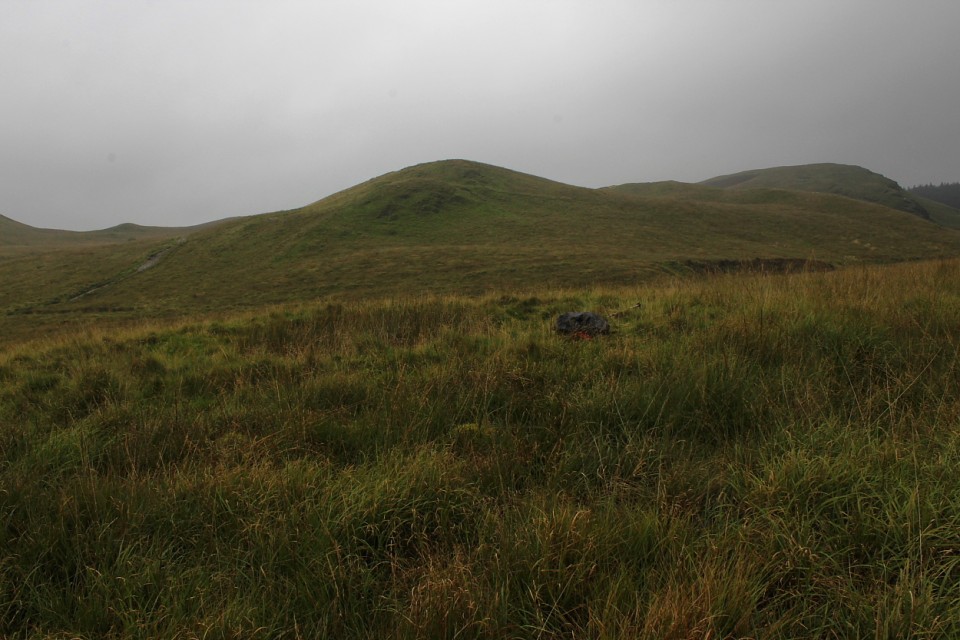
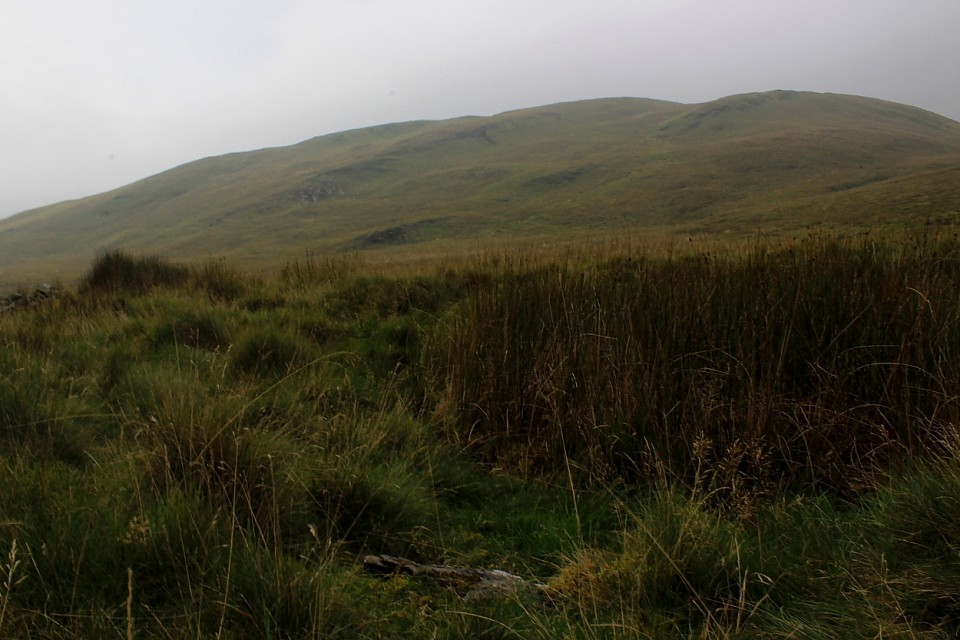
Nant Geifaes (Round Barrow(s)) — Links |
Nant Geifaes round cairn, west of PumlumonBit wet, but there you are... |
Posted by GLADMAN 28th April 2024ce |
Nant Geifaes (Round Barrow(s)) — Images (click to view fullsize) |
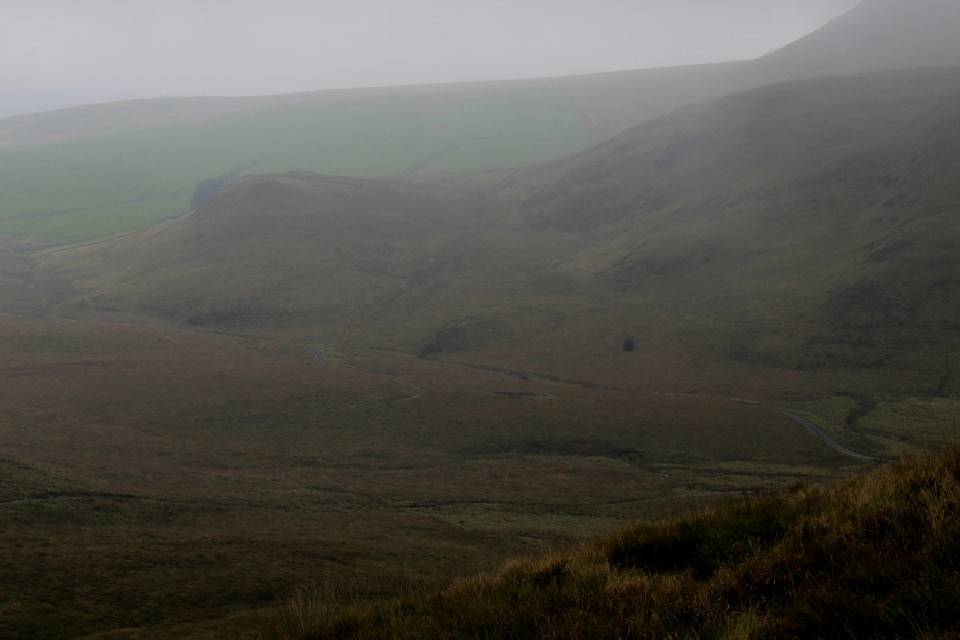 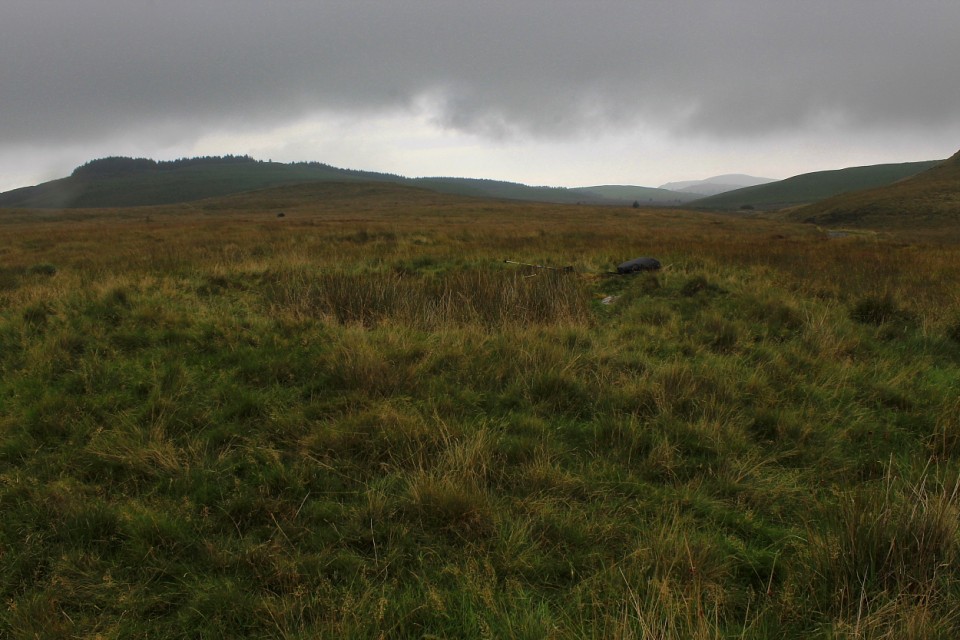  
|
Posted by GLADMAN 3rd February 2024ce |
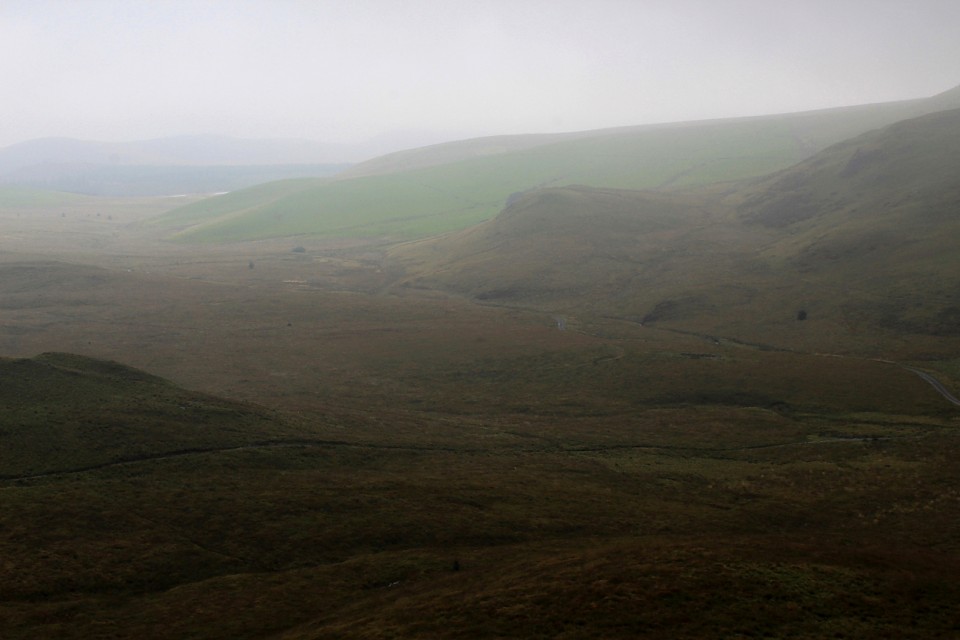
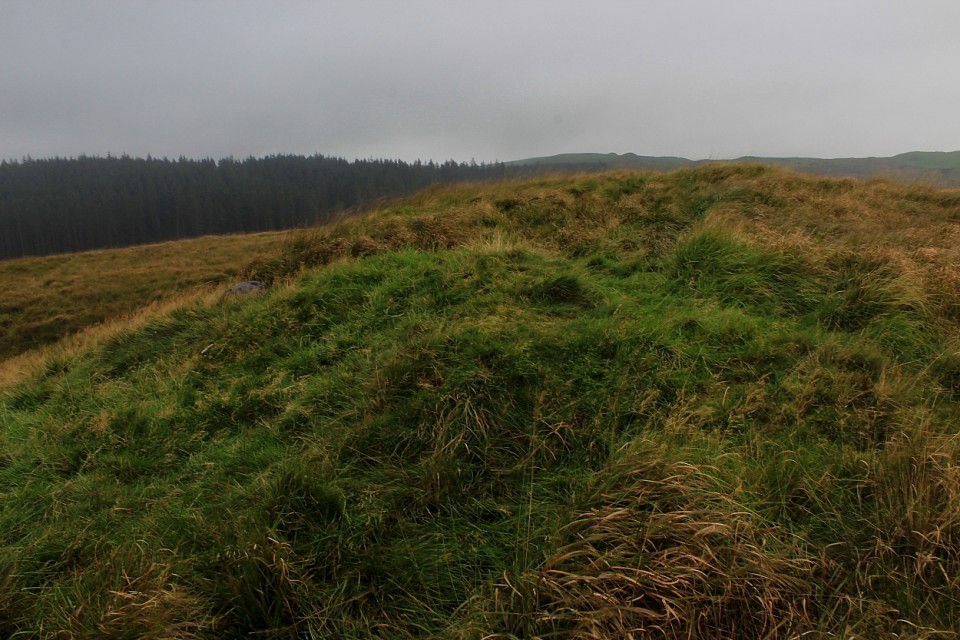
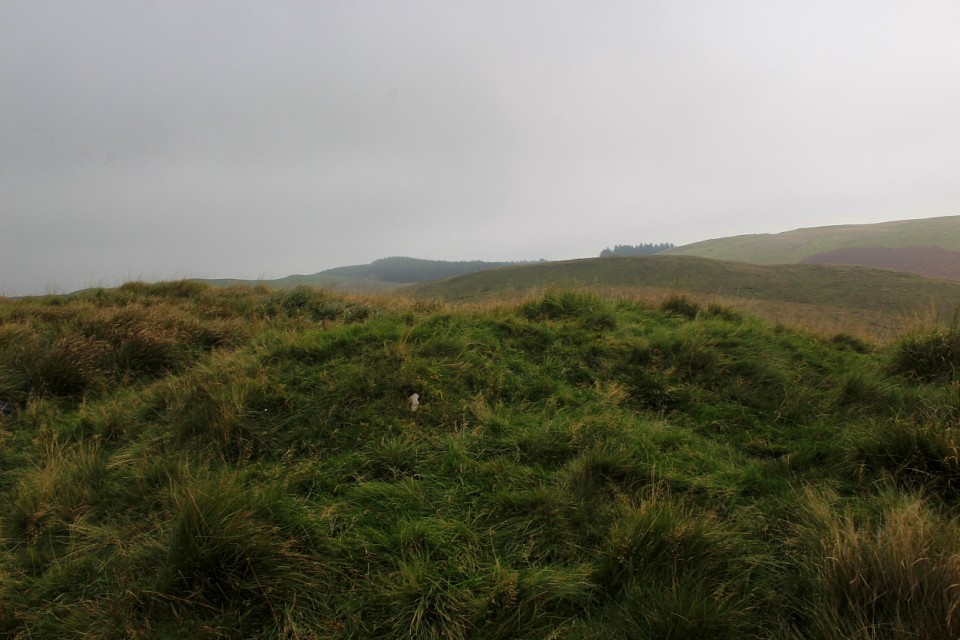
Esgair Nant-y-Moch (Cairn(s)) — Images |
|
Posted by GLADMAN 30th January 2024ce |
Showing 1-10 of 593 posts. Most recent first | Next 10
 Top of page