|
 Log in |
Register Log in |
Register
|

|
|

Pen Pumlumon-FawrCairn(s)
|
||||||||||||||||||||||||


 0 discussions


 Show map (inline Google Map)
|
|
|
Images (click to view fullsize) |
 Add an image Add an image |
Photographs:





 Artistic / Interpretive:
|
Fieldnotes |
Add fieldnotes |
|
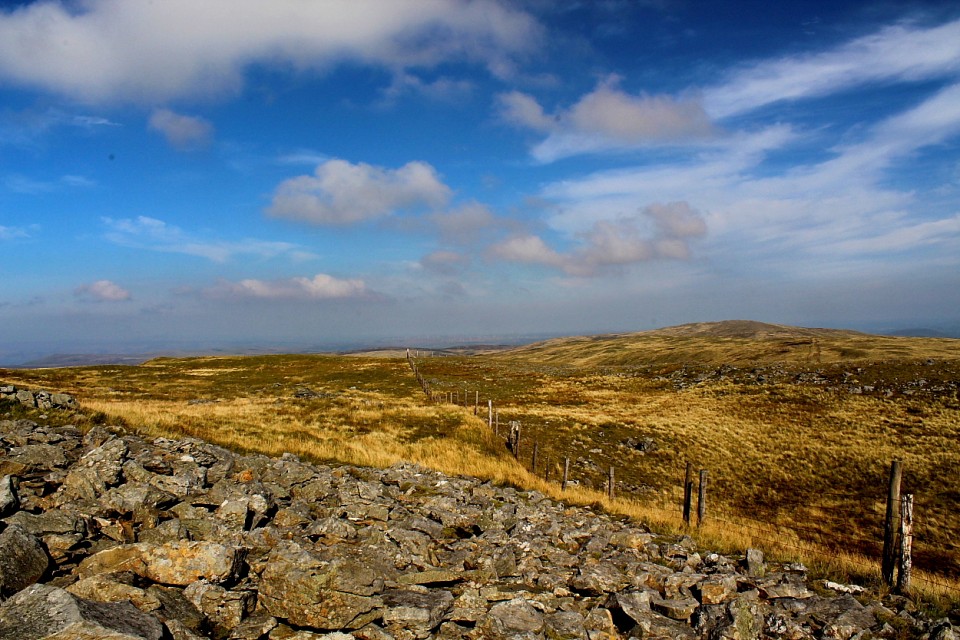
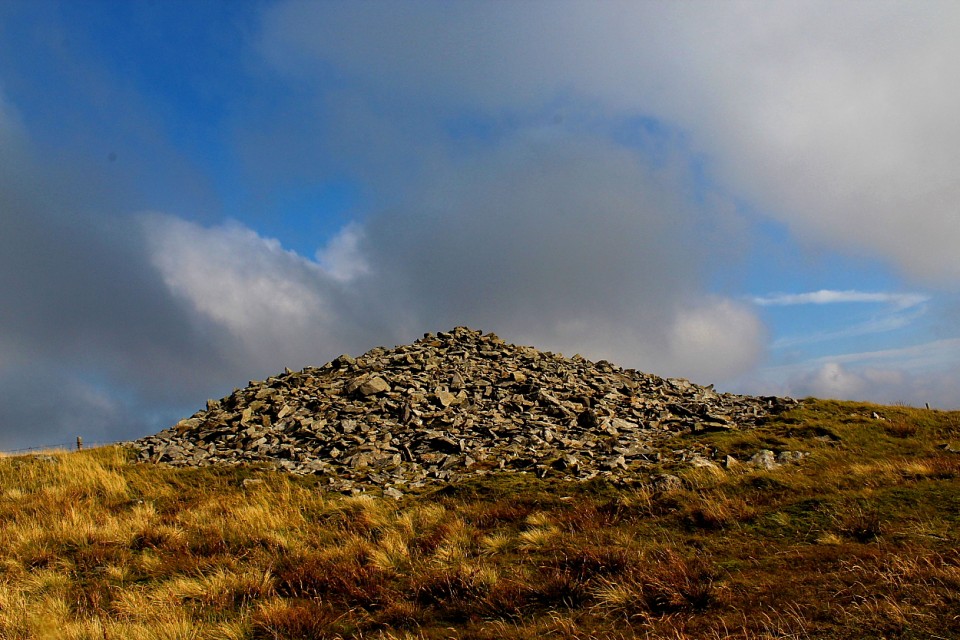
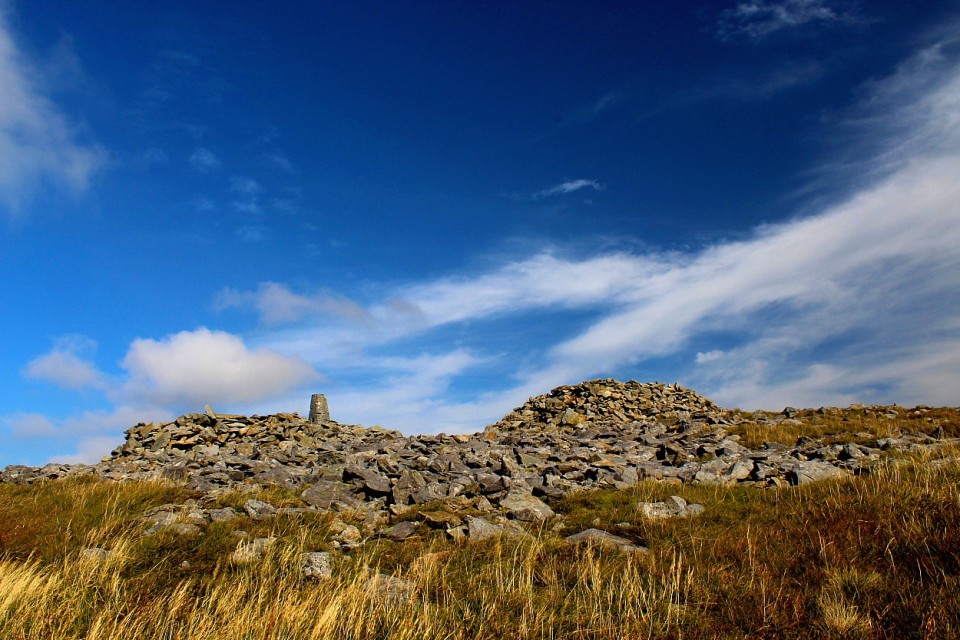
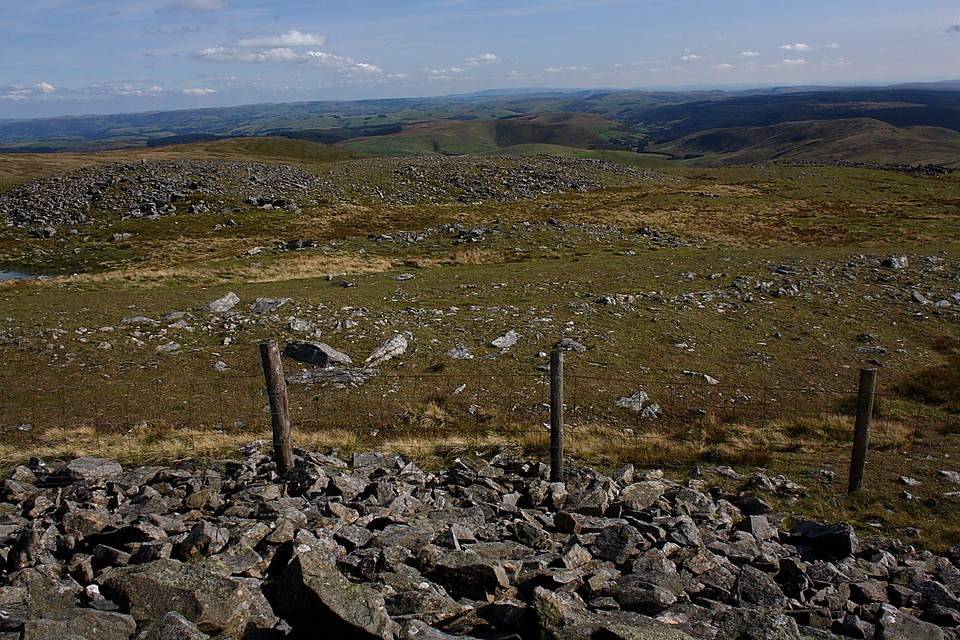
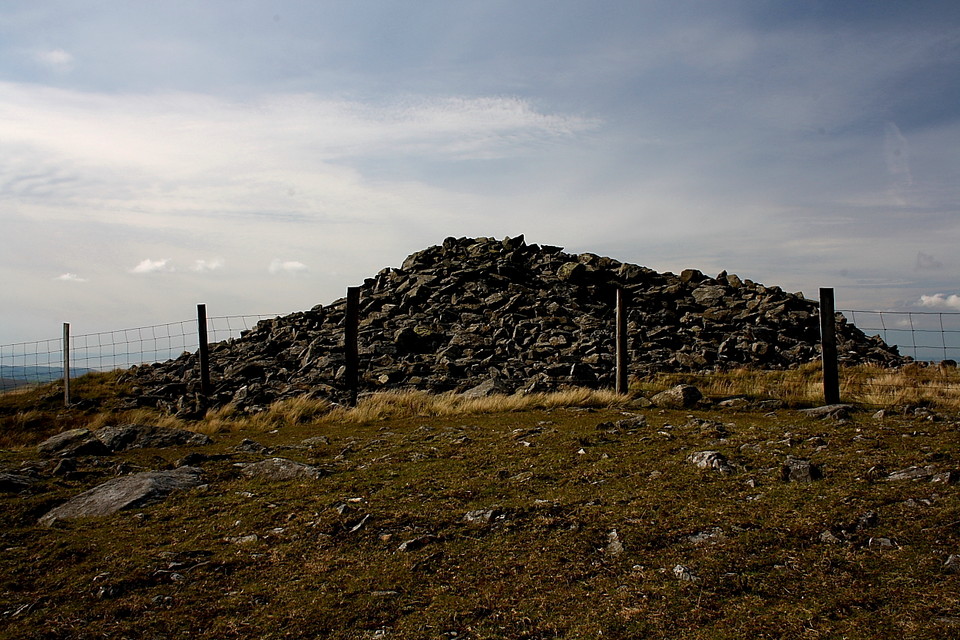
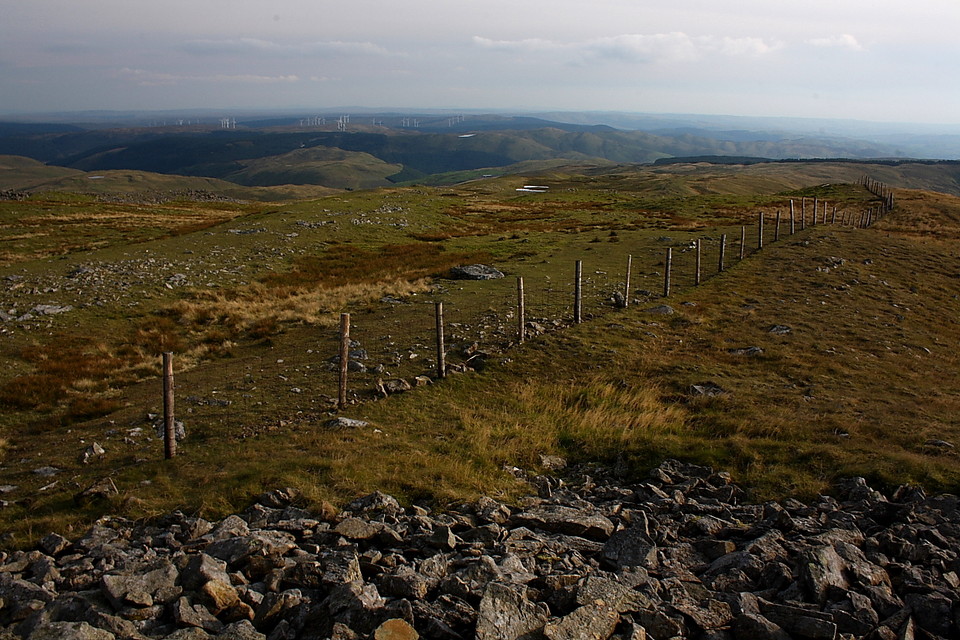
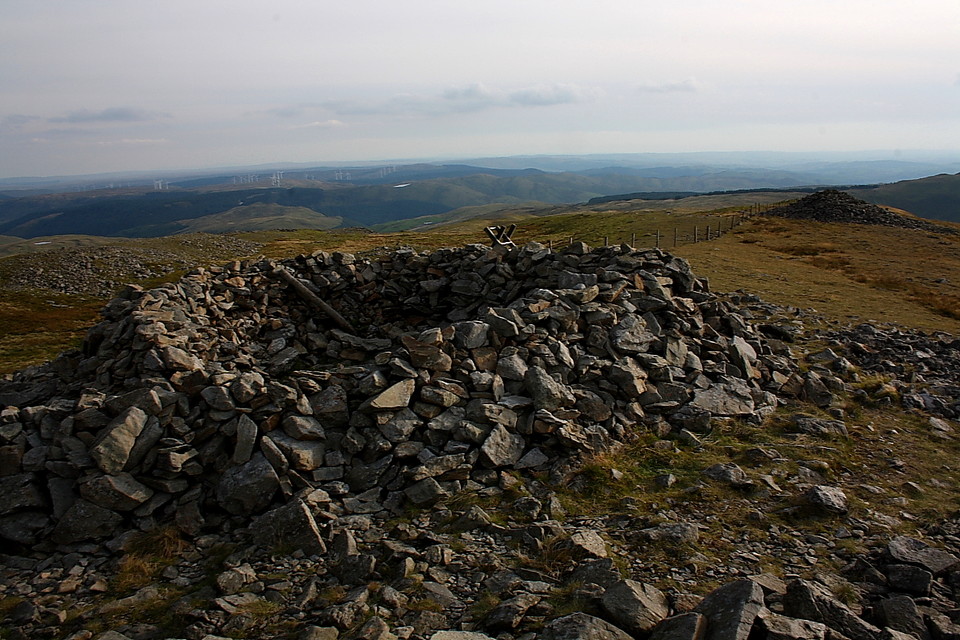
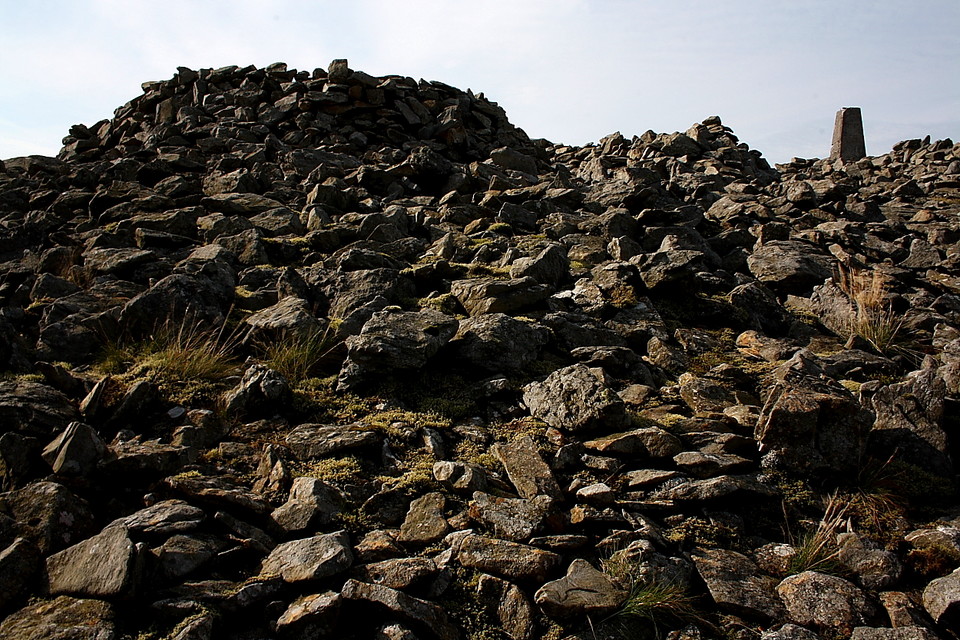
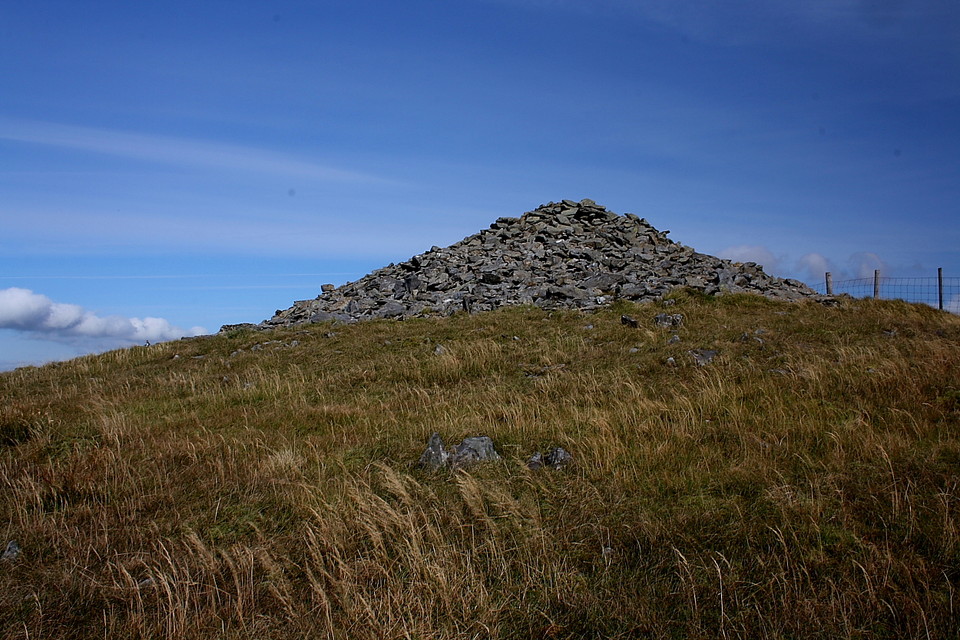
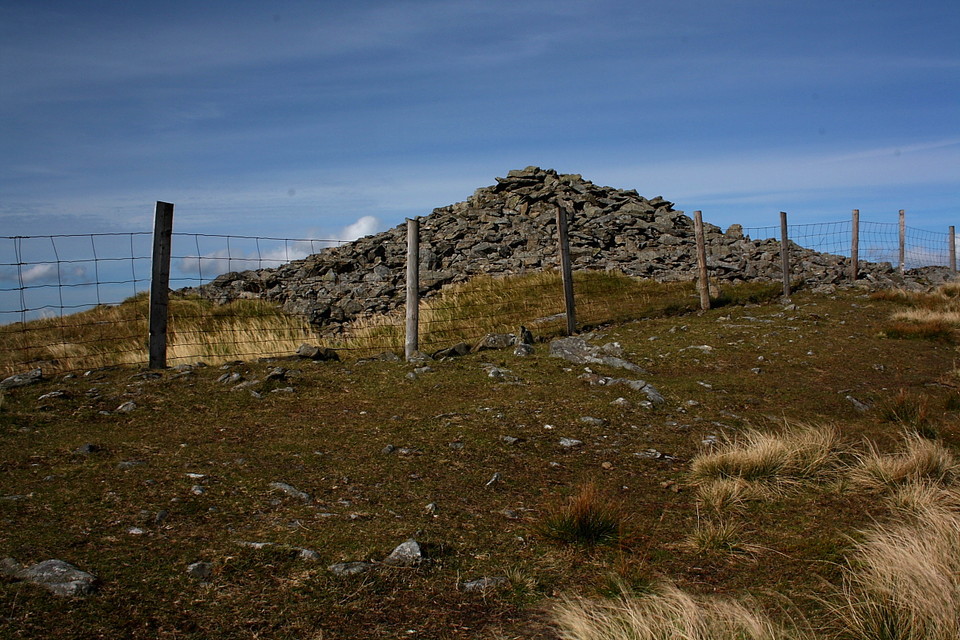
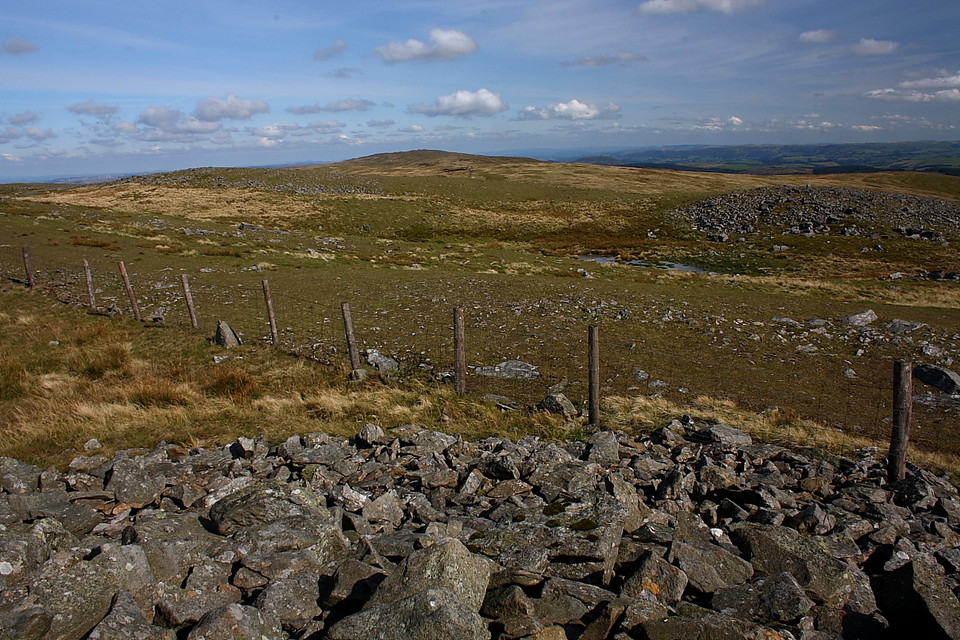
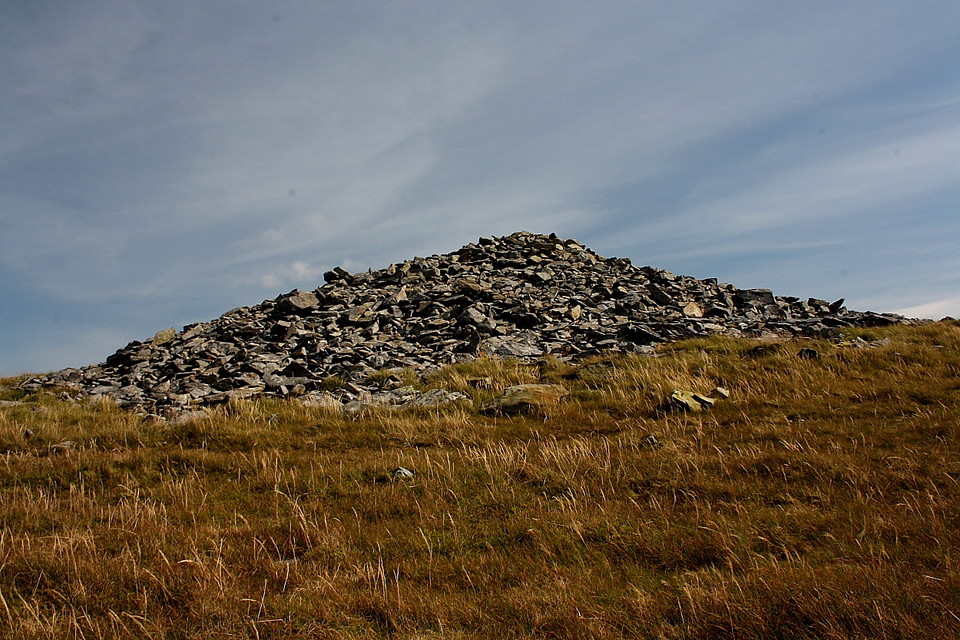
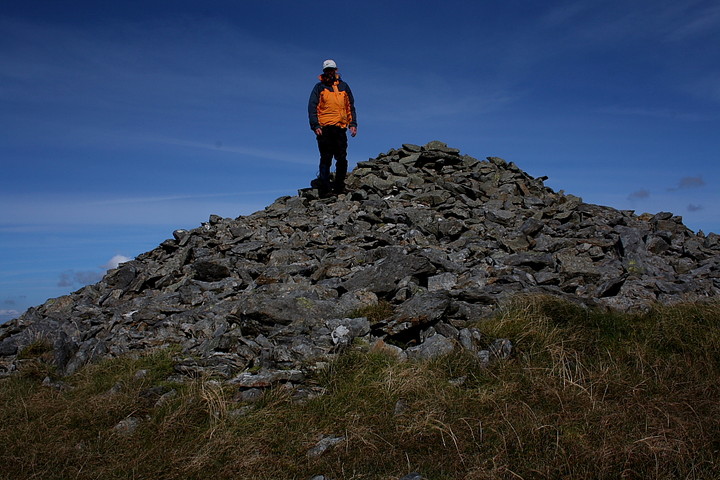
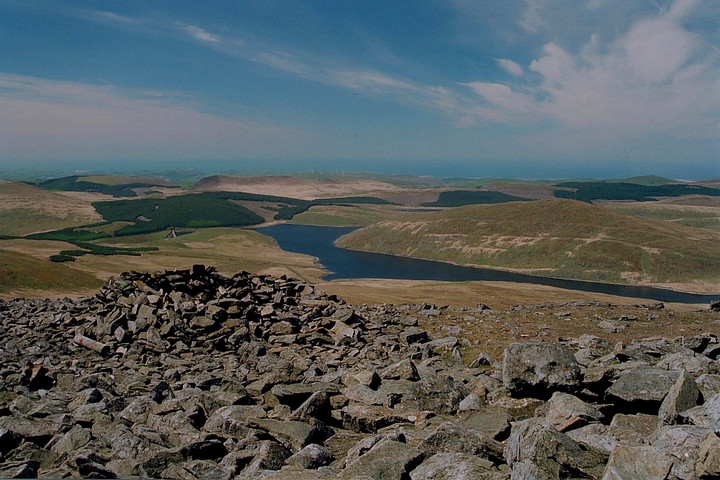
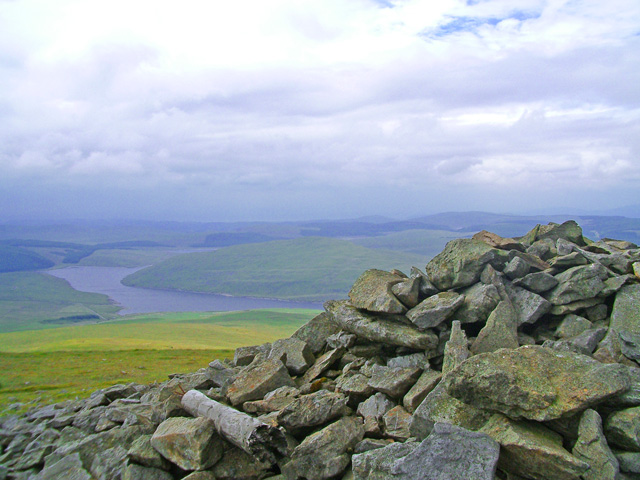
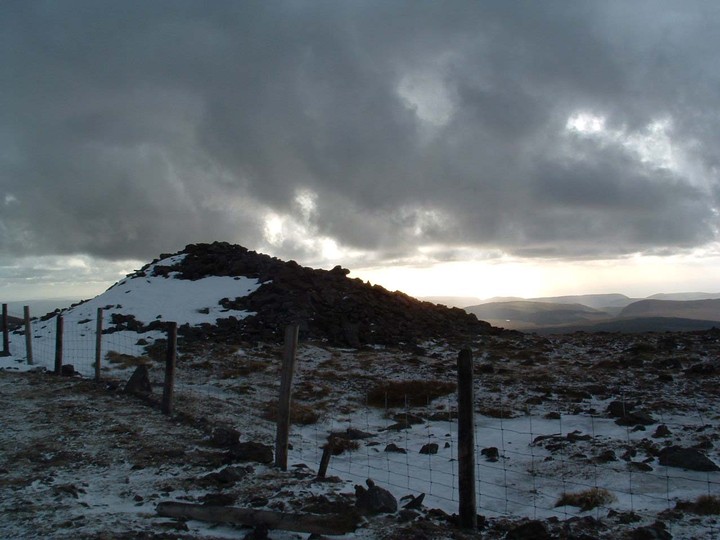
Pumlumon, seemingly one of Gladman's favourite places, I've never been up myself, I've only ever driven by en route to somewhere else, and there are plenty of other places to see, places that don't require a £5 parking fee or an eight mile round mountain walk. Doing the job that I do which necessitates vast amounts of walking I am well and truly turned off by walking, it is I feel massively overrated, so Pumlumon wasn't really in my targets, or on my list, I got over my mountain addiction in Snowdonia, it took some time, there was cold turkey for sure but I got over it in the end. But once a site is on my list, then it's on my list, there is very little I can do about it, I have to go, I need to see it all. You cant just watch one Star Wars film, if you liked Encounter at Far point, you'll love All good things, you may not know what I mean, but in short I want to see all the places I want to see, and if I don't I'll be really disappointed, and there are still a few places round here I want to see, one of which is Carreg Wen, a lovely big pure white quartz standing stone, an albino menhir. It is not easy to get to, so I decide quite uncharacteristically, to walk over at least two mountains to get there, fortunately for me they are not bland "just another mountain" mountains, they've both got multiple cairns upon them, the rivers Severn and Wye both rise in the vicinity, and Gladman really seems to like it round here, so here I am, trying on the Cambrian mountains for size, and getting to a place I've longed after for ages. There was a lot of traffic on the roads, everyone seemed to be making for the coast, it was a nice day, so hopefully i'll have the mountains more or less to myself. Getting to the car park I find that it is a privately owned car park and costs five pounds, in cash, and I've only a card, who carries cash nowadays. So I have to go back to Llangurig to look for a cash point, there isn't a hole in the wall, but guess who came to the rescue, the Post Office. Money attained, a quick drive back to Eisteddfa Gurig, car parked, old lady payed. I'm on my way, up. It starts off quite easy, a gravelly track is followed all the way to the old mine, you'll know when you've got to the old mine, it rather sticks out. Just after the dirty git that is the old mine, the footpath veers off the gravelly track left heading straight for the summit of Pen Pumlumon-Fawr, though it is hidden from view for a while yet. This is the part of the walk that I like least, it's not all that steep, it's just the uneven ground, it makes it all soooo much more taxing, I found myself wishing for one of those electric mountain bikes, I'd really like one of those. But after not too much grumbling and staggering along like a drunkard I attain the summit, yippee I'm at the top, and as predicted, I am alone. The big main central cairn is heavily eroded, sadly, by the hand of man, the trig point is erected on its northern side, and two wind breaks have been made out of the stones, one of which is quite far from the original structures position. I crumple into a heap, sat with my back against the trig point, and just sit staring at the views and the cairns all about me. Then I take food and drink, and sit for a while longer. Then I set about photographing. The southern cairn doesn't have a hollow interior, it is all quite together, which is a massively nice surprise. Right now three men also attain the summit, but they soon move on, do they not know they've just climbed this ranges tallest peak, they really don't hang round long at all, just two minutes and they've gone. With the wide summit ridge back to myself I wander slowly over to the third cairn, it is much smaller and lower than the other two. Something I was about to find mirrored in the sister hill across the way at Pen Pumlumon Arwystli. So, another mountain to climb, with cairns, until I can get to my true destination, Carreg Wen..... the Albino stone, off I go. |
 Posted by postman
2nd August 2020ce Edited 23rd September 2020ce |

|
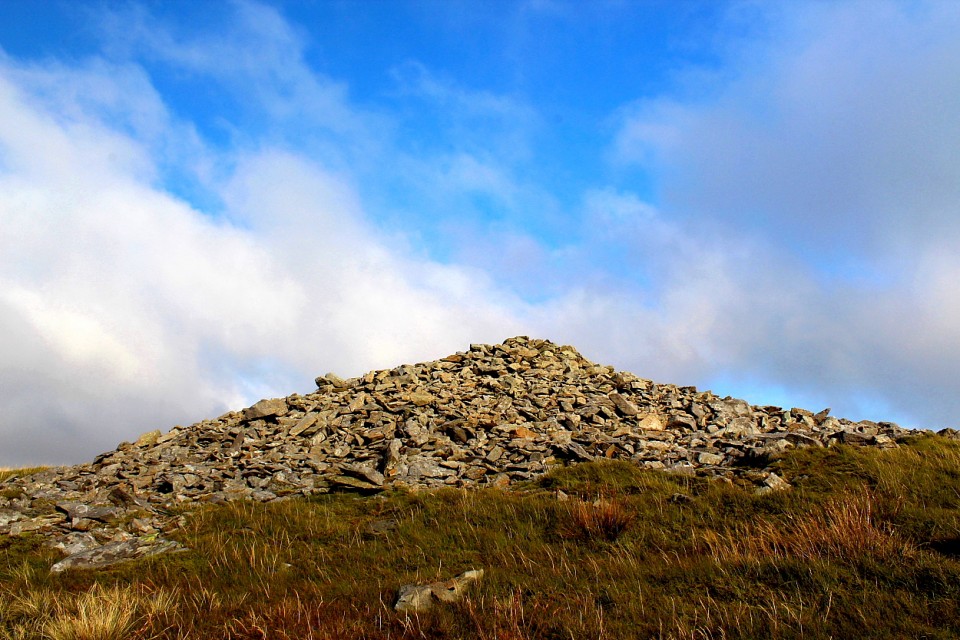
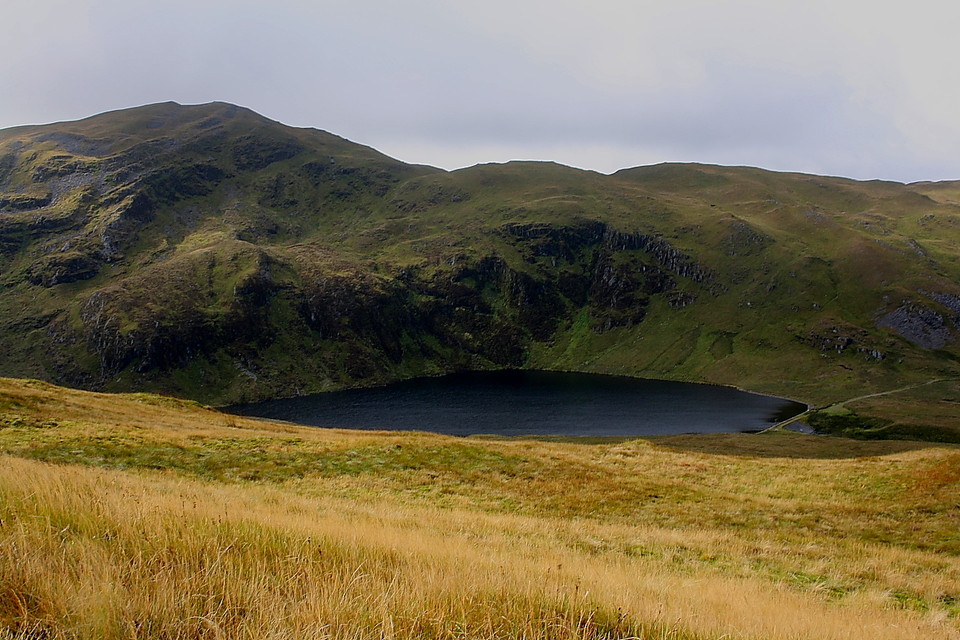
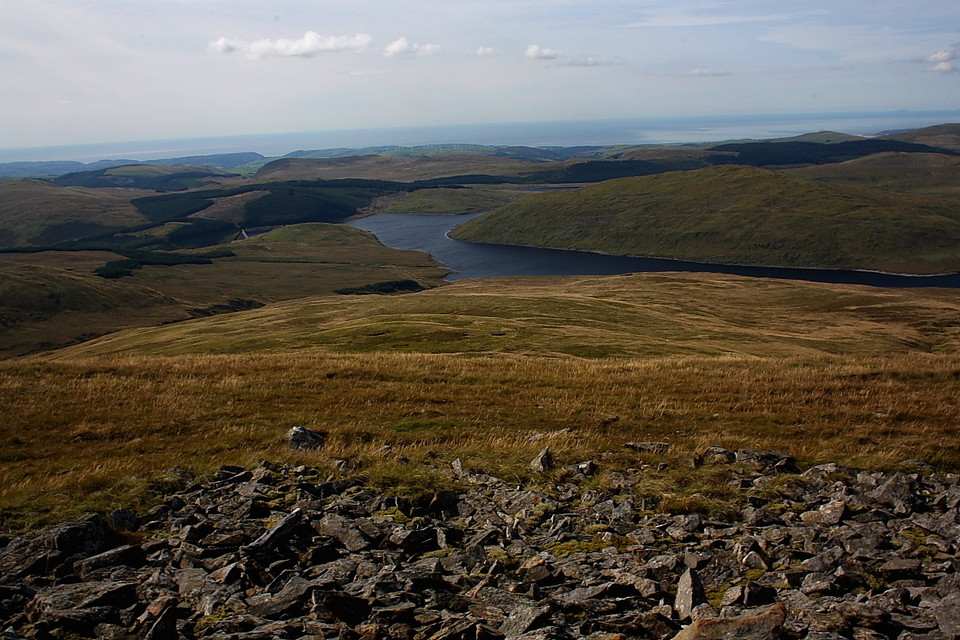
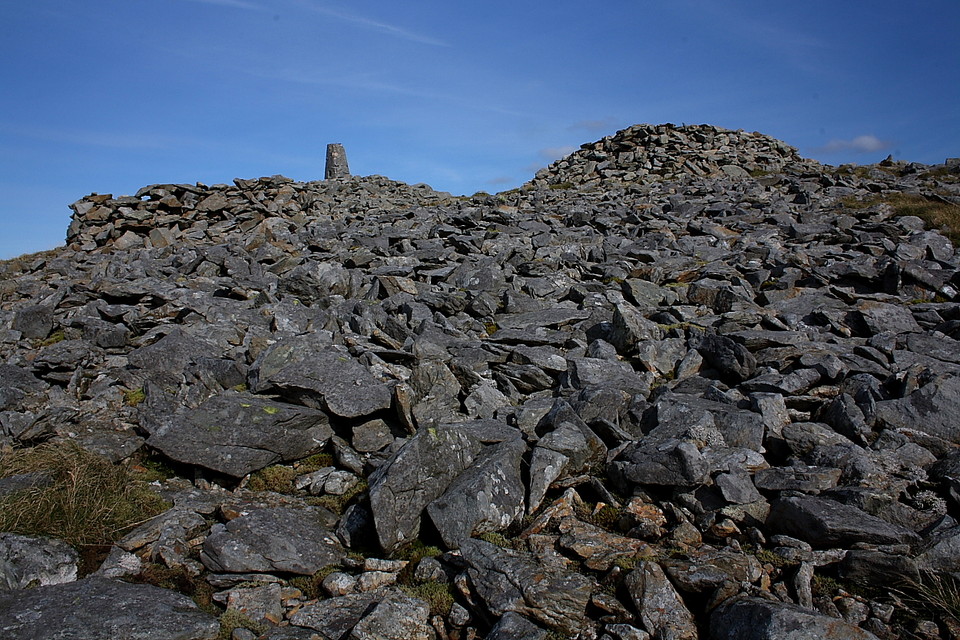
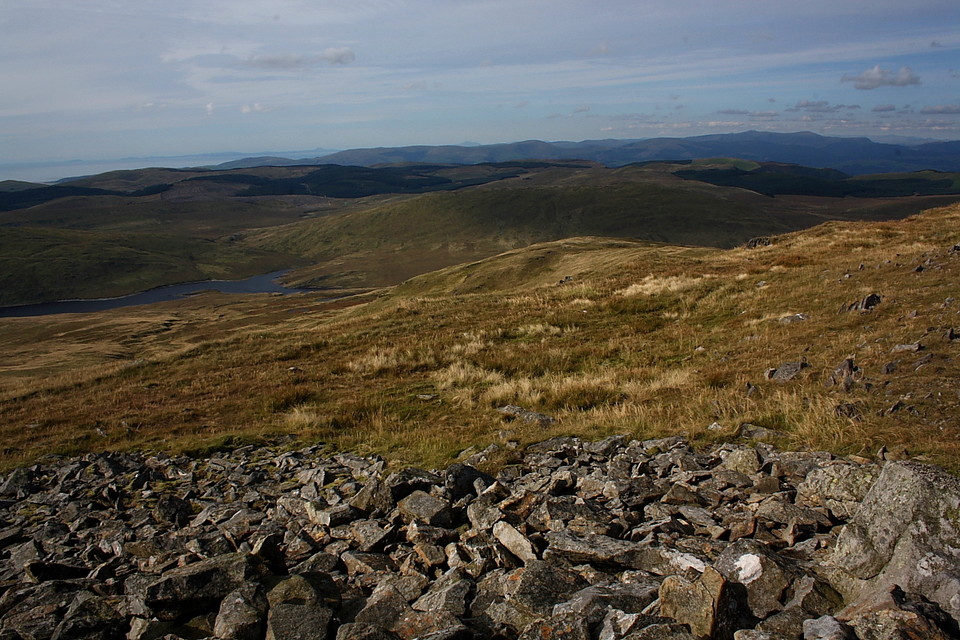
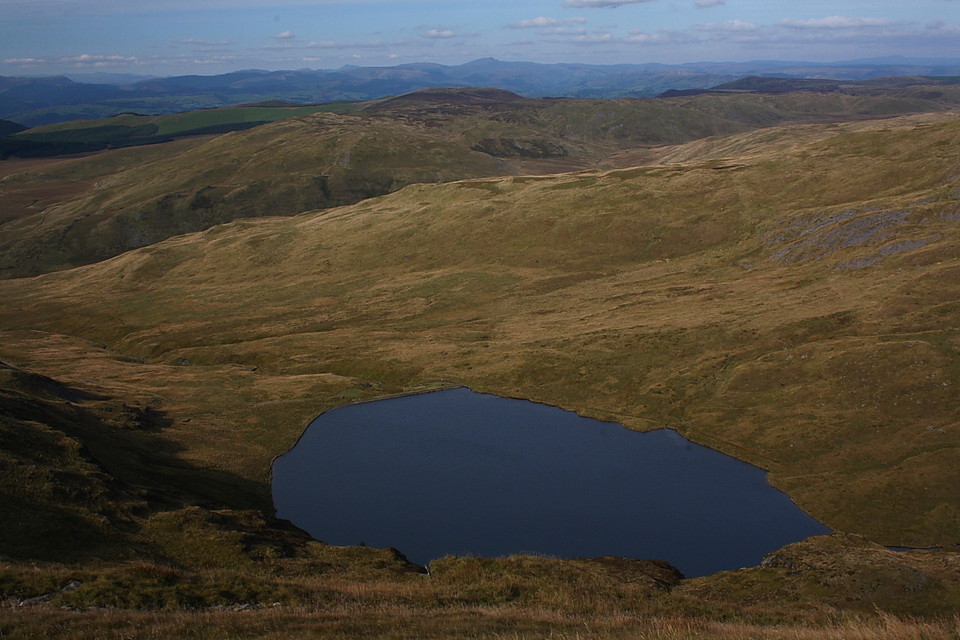
Ah, Pumlumon.... I've never been able to determine, to articulate the origin of the apparent synchronicity that exists between this often world-weary traveller... and the soggy summit of 'The Green Desert of Wales'; this synergy inspiring me to efforts well outside my comfort zone, drawing me back to these bleak uplands time and time again where, or so it would appear, so few modern antiquarians see fit to tread nowadays. OK, consider: there is the unrivalled rising of THREE major Welsh rivers upon the main ridge according Pumlumon the status of fountainhead extraordinaire; there is its location, both geographically and within the national consciousness, blocking access to the fastness of Gwynedd, natural fortress of yore, from the south - pivotal watershed in more ways than one; then there is Pumlumon's inclusion within the exclusive traditional mountain triumvirate of Wales (the others being, of course, Yr Wyddfa herself and Cadair Idris); and last but certainly not least, the fact that the local Bronze Age inhabitants saw fit to erect Wales', arguably the UK's, finest collection of upland cairns upon Pumlumon and her subsidiary hills. You know, upon reflection I reckon all the above are pretty compelling reasons to visit. But considered in unison the mix is overwhelmingly potent. Consequently, it's rather ironic that the decision to ascend to the sentinel summit once again was - as seven years previously - a spur-of-the-moment thing made following three days wild camping below. Yeah, packed and ready to leave upon a glorious, cloudless morning the sight - or perhaps the sound, the 'aural sculpture'? - of the cascading Maesnant proves the catalyst for an abrupt change of plan. A volte-face or, if you prefer, Amy Winehouse's '180'. To be fair, it does happen to me. Quite a bit, in fact. Clearly it would take minds far exceeding mine in complexity to rationalise such apparently arbitrary choices in a coherent manner; however should one of those 'engineers' from Ridley Scott's 'Prometheus' happen to suddenly appear brandishing a 'universal translator' gizmo, what odds that the fast-flowing waters were revealed to be saying something akin to "And WTF do you think you're doing on a day like this, muppet? Up you go and let's say no more about this, capisce?" Whatever, it's good advice since cloudless mornings at Pumlumon, in my experience, tend to be notable by their absence. Hence, despite a gaping hole in my left boot acquired the previous day, I shove everything back in the car boot and set off steeply uphill alongside the left-hand (northern) bank of the tumbling stream. The path, such as it is, is certainly soggy, but since rivers not only run through here but are endlessly reborn here, what else should one expect? Just not ideal with a hole in the footwear such as to cause Neil from the Young Ones to have a really heavy bummer. Indeed, the route soon crosses the access track to one such river's 'womb', the Llyn Llygad-Rheidol (Eye of the Rheidol) cradled beneath the powerful, craggy northern face of Pen Pumlumon Fawr, now beckoning to the approx south-east. From here the view is that of restrained anticipation, rather than head-spinning primaeval beauty - just as I like my approaches. Well, you wouldn't tuck straight into the main course of a cordon-bleu meal without the hors d'oeuvres, would you? Or perhaps you would? As chance would have it I happen to catch up with another punter, previously some way in front, taking a breather before the final push to the summit. However any triumphant exclamations of 'Get in there! There's life in this old dog yet!' are stifled at source upon ascertaining said gentlemen is not only an octogenarian... but also convalescing from a recent heart attack. Yeah, clad in a 'Cwm Ystwyth' T-shirt - a none too subtle clue to the whereabouts of his retirement home (and, incidentally, site of a wild camp earlier this week) - he's happy to discuss the relative merits of large scale geological maps versus the current OS series.. or rather 'educate' since I know nothing of the former... and can barely use the latter, even after all these years. One thing we can agree upon with more-or-less certainty, however, is there is 'something' about Pumlumon... so quiet, trodden by relatively few boots etc.... and there are surely few more rewarding places to be this morning. The irony - yes, that again - is therefore not lost upon me when having bid farewell and made (very) surprisingly short work of the final ascent, I'm greeted by a horde of ramblers seemingly poured over the summit like Lyle's Golden Syrup over that pudding I used to have as a kid. To be fair the 'person in charge' does apologise for the rather excessive noise of her charges. Nonetheless, miserable bastard that I am, I instead retreat eastward to enjoy a peaceful, extended sojourn overlooking the aforementioned Llyn Llygad Rheidol. This is arguably the finest perch upon Pumlumon, with the quartzite blocks of the Cerrig Cyfamod Glyndwr, shining beyond the brooding tarn to approx north, drawing the gaze toward a horizon crowned by Cadair Idris and The Arans. Here, at this classic spot making a mockery of all who seek to arraign this wondrous mountain with charges of monotony, minutes imperceptibly become several hours until, eventually, I venture a little further west toward an apparently inauspicious bog to the north of Pen Lluest-y-Carn to labour the point. For here, within this infelicitous marsh, rises none other than the sinuous River Wye (the Blaen Afon Gwy). Furthermore, as if having two prodigious watercourses seeping from the very earth in the immediate locale isn't enough.... just a mile or so further to the north-east, beyond the massive cairns of Pen Pumlumon-Arwystli, can be found the birthplace of the Afon Hafren; the mighty Severn. This traveller knows of no other comparable landscape within these Isles. Frankly, the mind swims at the realisation, at the significance of what we have here set among the great cairns. This is the compelling reason to come to Pumlumon. But what about the cairns? Yeah, forgot about those. Returning to the now-empty fastness of Pen Pumlumon-Fawr's summit a diverse trio of stone piles can be appreciated, each affording magnificent panoramic views, particularly to the north-west where, gazing out across a multitude of similarly-endowed lesser hills to the distant Dyffryn Dyfi, the rounded green tops of Y Tarenau catch both my eye and deep consciousness. Not that I realise it yet. South-westward, the main ridge connects Y Garn, resplendent with its own massive Bronze Age behemoth, to the sentinel, while to the west Aberystwyth sparkles in the autumn sunshine, in turn, marking journey's end for our pre-eminent senior mountaineer's own river. Of the three cairns, the central has by far the largest footprint, if not elevated profile; in fact, it is so large - and unfortunately so disturbed (has there been significant slippage?) - that it is debatable whether any authority can ever definitively assign dimensions. Suffice to say, the incomparable Miosgan Meadhbha looming over Sligo notwithstanding, it covers the largest surface area of any proper upland cairn I've seen and holds three 'muppet shelters' with ease. Although the educated will weep at the actions of such ignorant people. Stupid is as stupid does, as Tom Hanks perceptively remarked once upon a time. In stark contrast, the northern monument is, by Pumlumon standards, rather small. But nevertheless nicely formed. Which brings me to the southern cairn, arguably combining the aesthetic best of both worlds with a classic profile incorporating significant volume of stone. By any account a classic upland cairn, particularly when appreciated in context bathed in the warmest of warm light ... but, as usual it's all about where they put it. Crucially, crowning a mountain that, for me, defies all classification. Unique, teeming with prehistory, Mother of Rivers and occupying a salient position within this nation we call Wales... perhaps it is its very idiosyncrasy that places Pumlumon in a class of its own. "And a man said, Speak to us of Self-Knowledge.... But let there be no scales to weigh your unknown treasure" (thanks Claudia). |
 Posted by GLADMAN
14th January 2020ce Edited 15th August 2020ce |
|
I'll begin with an admission: I didn't actually intend to make my way to Pumlumon's summit today, a sojourn upon Y Garn the relatively modest limit of ambition. However these mysterious uplands of Mid Wales are intoxicating, truly beguiling to this traveller. Lacking - for the most part - the stark, angular rock formations to be found further north in Snowdonia, the attraction here is more subtle... more, well, feminine..... with an innate strength of character. Consider Katherine Hepburn, if you will. Yeah, Pumlumon's contours are generally soft, rounded, the frequent veneer of mist perhaps reminiscent of the alluring movement of silk across the female breast, representations of which the ancients saw fit to erect upon their summits. How can a man resist? As it happens all is clear today, but nonetheless, perched upon Y Garn's great cairn, I am drawn to Pen Pumlumon-Fawr as a moth to the flame. It is further than I anticipate, much more so than I recall. Ha! Truly, my eyes and memory doth deceive me, the hamstring beginning to tighten as I swing north to follow the fenceline along Pen y Drawsallt to the summit (a handy guide should you find yourself engulfed by the mist.... not so beguiling then, it has to be conceded). Despite such physical 'idiosyncracities' I duly approach the top after a little over 30 minutes, the first of a trio of cairns, erected in north-south alignment upon the summit ridge, crowning the skyline. It is a fine monument, seemingly more or less intact and utilising the bedrock to great effect. According to Coflein: 'The southernmost and best preserved cairn on Pen Plynlimon-fawr. It is 55ft in diameter and about 10ft in height, including a modem cairn on top.... The cairn appears to be founded on a natural boss of rock.... (CADW Scheduling description, 1993)'. Nice, a great spot to hang out for lunch and take in the majestic, extensive views toward distant southern Snowdonia and the Elanydd, not to mention the coastline of Cardigan Bay and Pen Pumlumon-Fawr's myriad supporting, cairn-endowed peaks clustering around mother... with the added bonus of avoiding the walker punters drawn to the summit as ferrite to the magnet. Ah, yes. It has to be added that, although a worthy cairn to crown the summit peak of Pumlumon, this 'un actually sits a little below to the south. The reason for its survival, no doubt. Guess we should be grateful for small mercies. Sadly the 2,467ft summit is actually home to a massive, sprawling - it has to be said - shattered mess of a cairn set a little further up the ridge to the north. I have to admit to conflicting, mutually exclusive emotions as I stand beside the OS trig pillar and survey the carnage... overwhelming, breathless wonder at the fabulous vistas stretching to every horizon, humility at the sheer priviledge of being here on such a day as today... alternating with the realisation that here resides a monument with a dual purpose, recognising not only the considerable, back-breaking efforts of our ancestors, but standing also in mute testimony, a damning indictment of sheer ignorance engendering mindless, pointless 'walker' vandalism perhaps unequalled in all Wales? Yeah, what have they done to what must originally have been a true behemoth of a cairn? Again, Coflein: 'One of three cairns upon a summit of Plynlimon... c.10m in diameter & 1.0m high, having several shelters & an OS trig. pillar set upon it. (source Os495card; SN78NE9) RCAHMW AP955040/44-5 J.Wiles 16.01.04' Note the reference to 'several shelters'.... speaking of which, two 'tough' Welsh walkers arrive to interrupt my bemused ponderings, attired only in T-shirts (for some reason). They agree with my observations regarding the loss of their heritage... before heading straight for the largest 'muppet shelter' to eat, cower from the wind and avoid the views. What is it with these people? I am loathe to share the summit with suchlike, taking my leave in order to view what is arguably Pumlumon's 'jewel in the crown'.... who knows, perhaps for the last time? I head north, passing another cairn, again cited by Coflein as being of Bronze Age origin. On this occasion, however, I'm not so sure - although the positioning is consistent, it just 'doesn't look right', you know? Consequently I must reserve judgement. Beyond, the summit ridge falls away to the north-east to form the crags overlooking the still waters of Llyn Llygad-Rheidol (the 'eye' of the Rheidol). As the nomenclature suggests, this mountain tarn is indeed the source of the Afon Rheidol, and how wondrous does it look nestling within its rocky bowl! I plonk myself down and ponder once again... Pen Pumlumon-Arwystli rises above to my right, the source of the Wye to its right, that of the Severn (Hafren) obscured by the mountain's tri-cairned bulk. Panning north... Carn Hydggen, with a pair of massive cairns of its own, lies across the Afon Hengwm and..... yes, there they are.... the quartzite blocks of Y Cerrig Cyfammod Glyndwr shining in the sun beneath the (inevitably) be-cairned Banc Llechwedd-mawr. There is more. Hey, it's easy to get carried away and forget I still have to get back down again with a tight hamstring. Hmm. Time expires.... the universal constant. I decide to retrace my steps and so hopefully minimise any unforeseen eventualities and avoid any 'tarmac bashing'. As the light begins to fail upon Y Garn's massive cairn the horizon develops a pink hue that somehow seems to epitomise Pumlumon today. Understated, yet with an inherent character to take the breath away. Just like a certain film star from Hollywood's golden age, perhaps? |
Posted by GLADMAN 29th November 2012ce Edited 29th November 2012ce |
Folklore |
Add folklore |
|
Pen Pumlumon Fawr finds its place in legend as the dwelling of a reaver giant who often waylaid unwitting travellers and became notorious throughout the land. In King Arthur's hunting of the monstrous boar Twrch Trwyth, as told in the tale of Cullhwch and Olwen, a great hunting hound named Drudwyn was needed. Unfortunately no leash in the world could hold such a powerful hound save one manufactured from the beard of this robber giant of Pumlumon. Here is the extract from Lady Charlotte Guest's translation of the Mabinogion that details the events which were said to have taken place here. 'As Cai and Bedwyr sat on a beacon carn on the summit of Pumlumon, in the highest wind that ever was in the world, they looked around them, and saw a great smoke towards the south, afar off, which did not bend with the wind. Then said Cai, "By the hand of my friend, behold, yonder is the fire of a robber!" Then they hastened towards the smoke, and they came so near to it, that they could see Dillus Farfawc scorching a wild boar. "Behold, yonder is the greatest robber that ever fled from Arthur," said Bedwyr unto Cai. "Dost thou know him?" "I do know him," answered Cai, "he is Dillus Farfawc, and no leash in the world will be able to hold Drudwyn, the cub of Greid the son of Eri, save a leash made from the beard of him thou see yonder. And even that will be useless, unless his beard be plucked alive with wooden tweezers; for if dead, it will be brittle." "What thinkest thou that we should do concerning this?" said Bedwyr. "Let us suffer him," said Cai, "to eat as much as he will of the meat, and after that he will fall asleep." And during that time they employed themselves in making wooden tweezers. And when Cai knew certainly that he was asleep, he made a pit under his feet, the largest in the world, and he struck him a violent blow, and squeezed him into the pit. And there they twitched out his beard completely with the wooden tweezers; and after that they slew him altogether.' |
Posted by Davey Jones 22nd June 2006ce |
Links |
Add a link |
Maes Nant - the recommended starting point for an ascent of Pen Pumlumon-FawrThe path starts by an enigmatic rickety bridge crossing the Maesnant... |
Posted by GLADMAN 1st April 2021ce Edited 3rd September 2022ce |

Legendary LandmarksFolklore and folklore inspired artwork at a number of sites in west Wales including a section on Pen Pumlumon Fawr. |
Posted by Davey Jones 22nd June 2006ce |
 Top of page