From The Antiquities Of Gigha
Image credit: R.S.G. Anderson

From The Antiquities Of Gigha

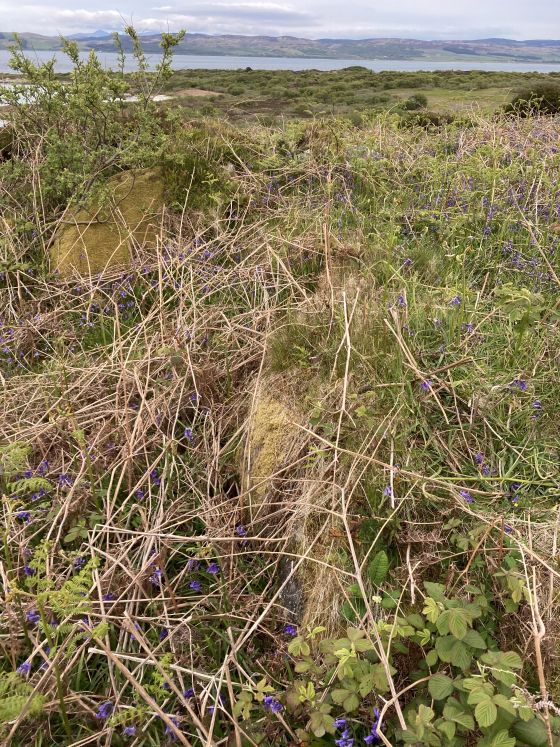
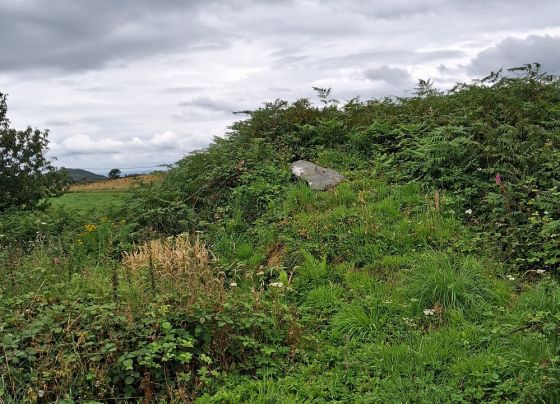
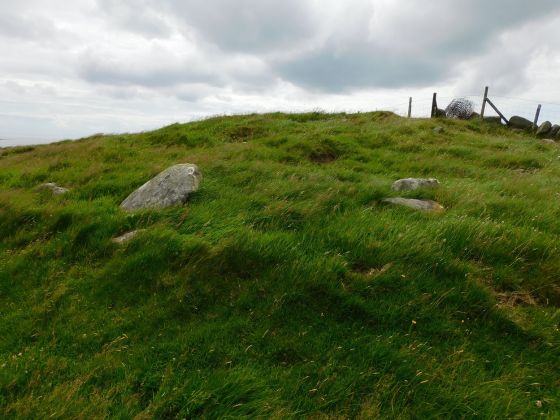
Reverse view of the north east cist.

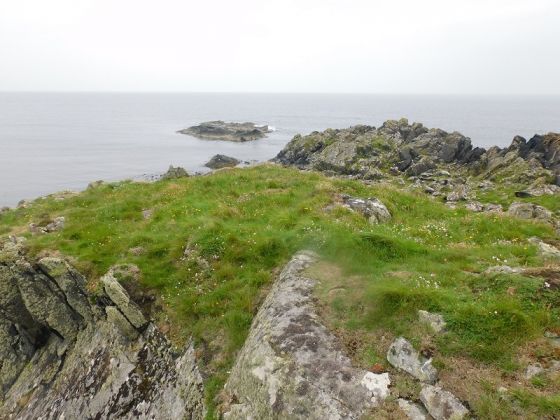
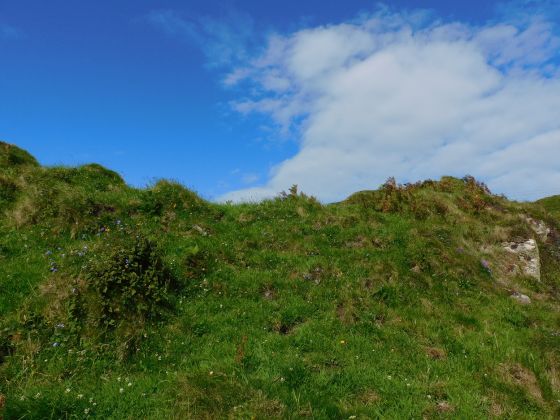
On the south west, another possible side.

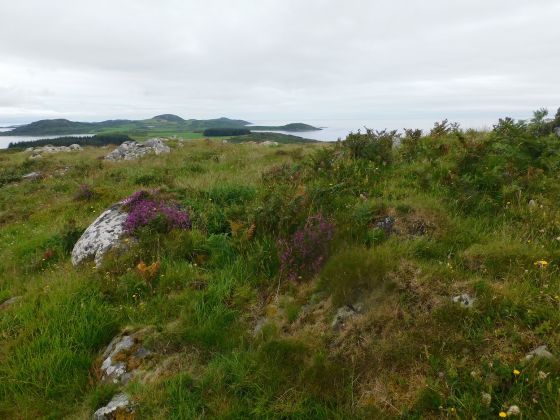
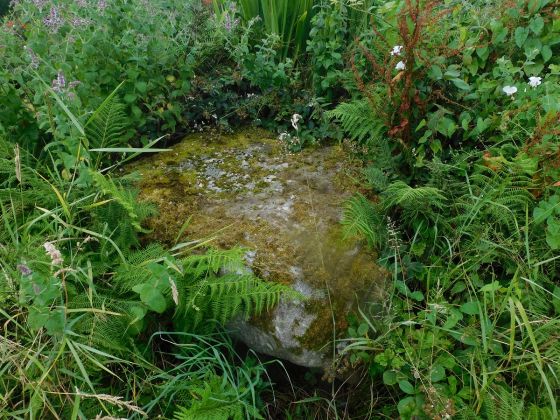
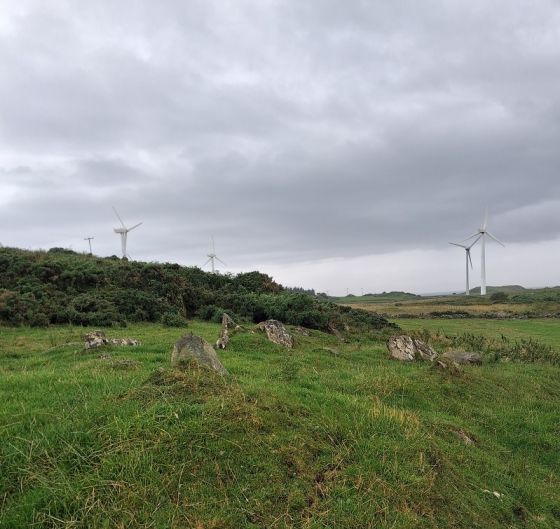
Possibly 2 cists, or capstones to cists.

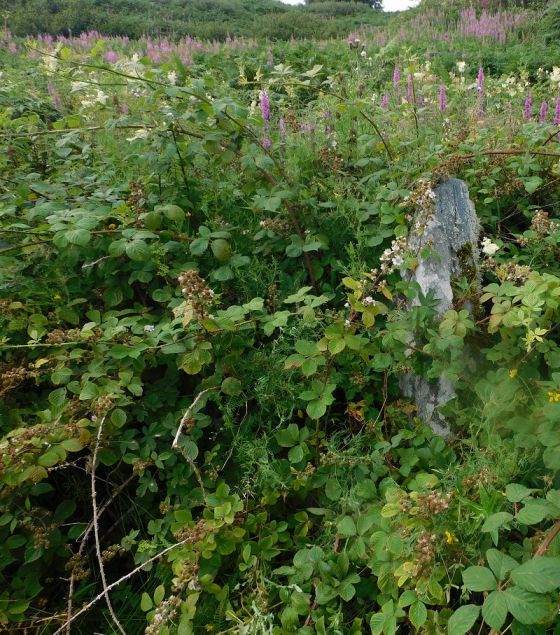
A tad overgrown, you can just about spy another cist to the left.

A closer look at the north east cist.

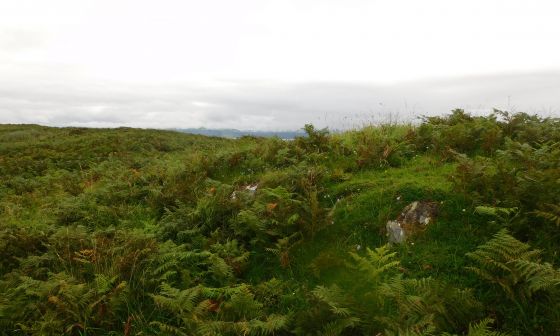
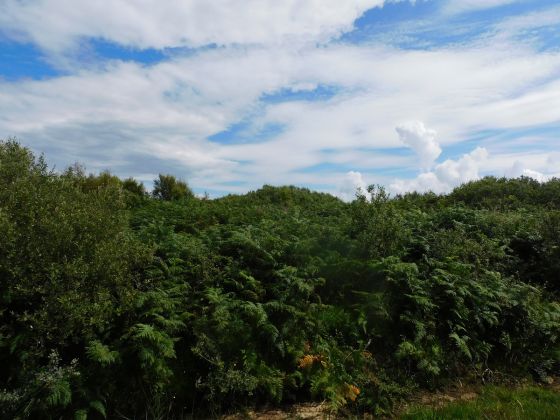
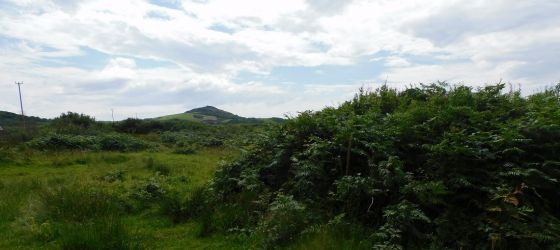
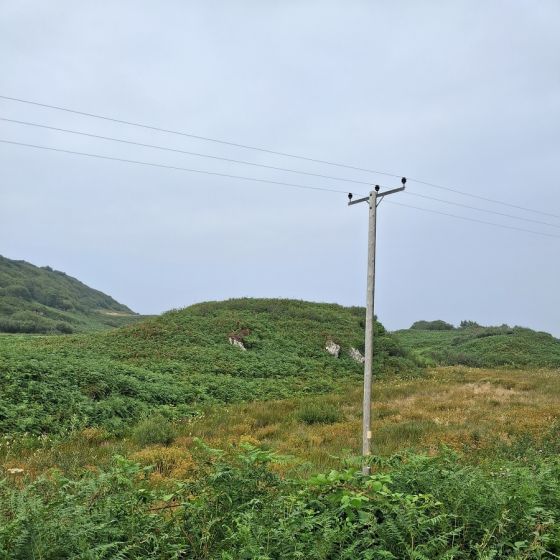
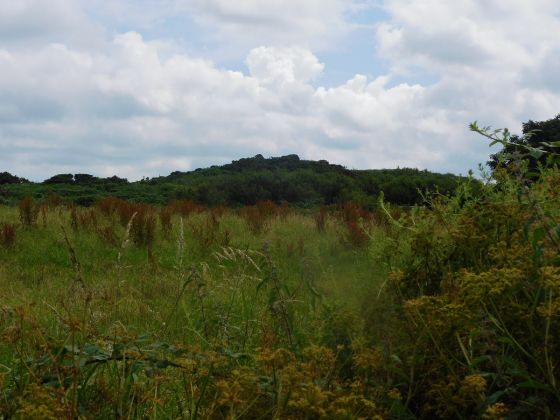
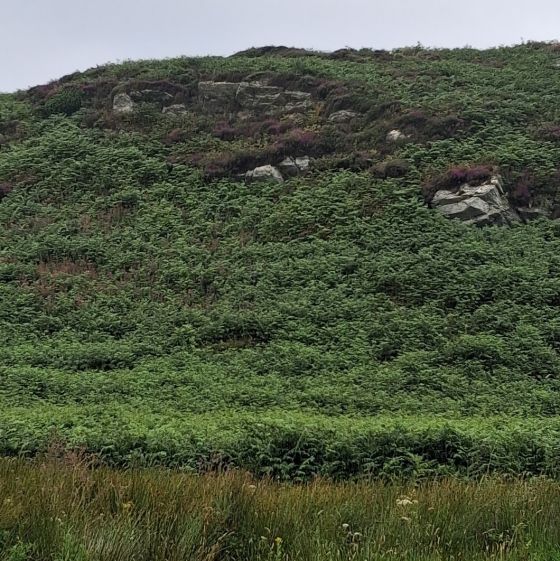
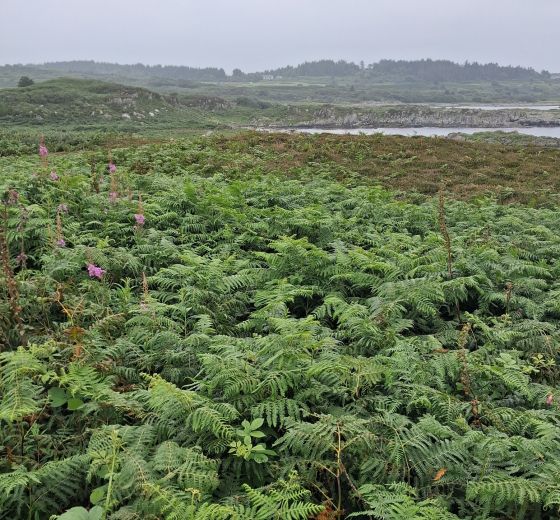
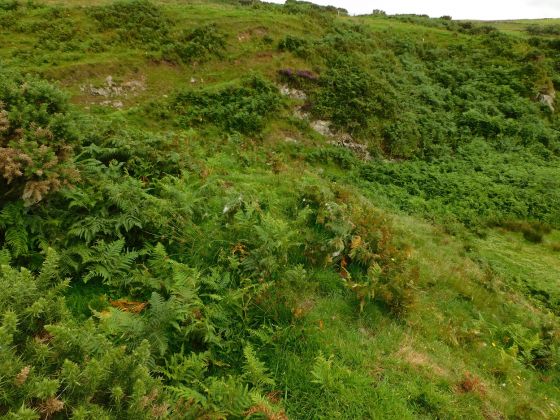
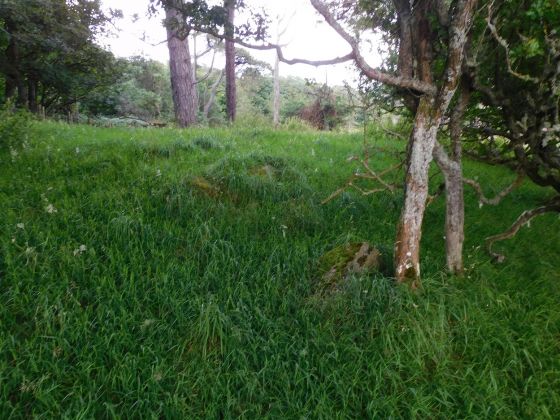
The overgrown north east corner of Carn Ban.
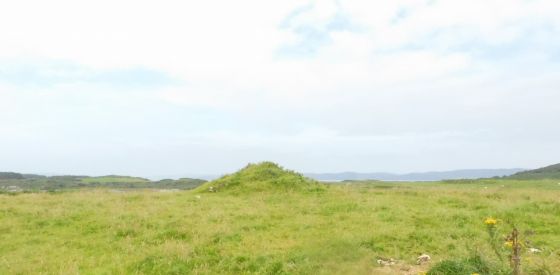
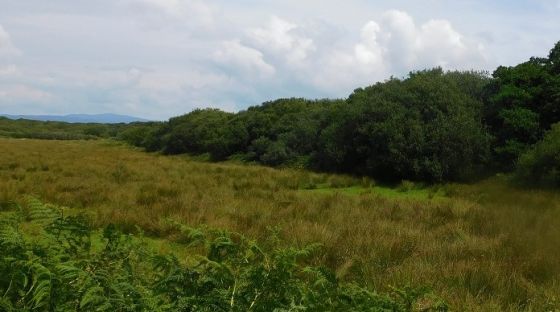
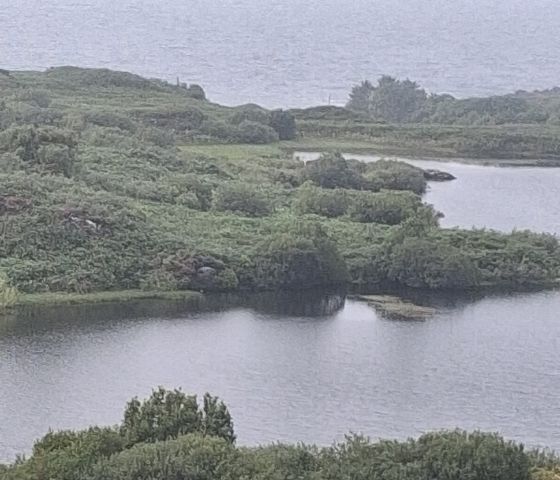
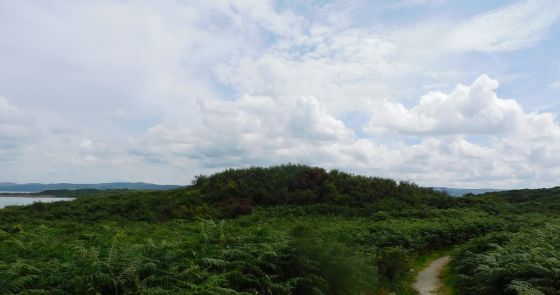
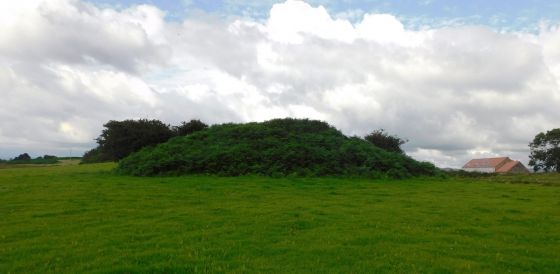
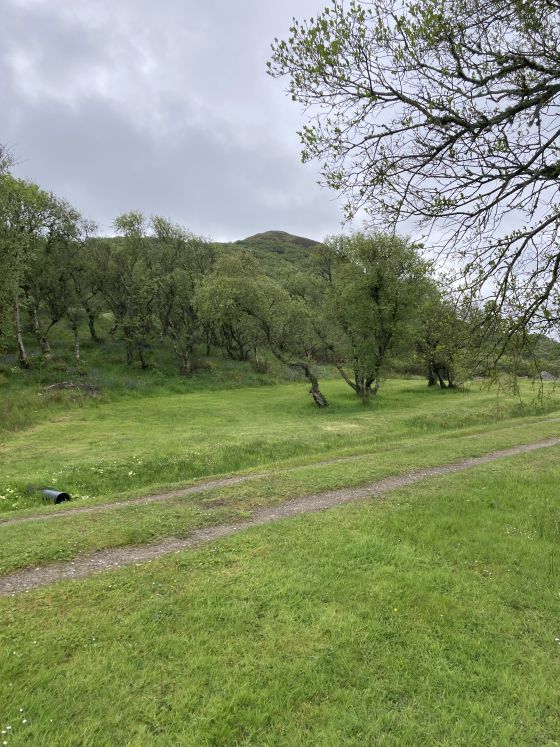
After a good look at some mounds near the Kinerach cist I followed the grassy track heading north east towards the much disturbed but reasonably well known Carn Ban.
Sadly towards the end of the 18th century much of the cairn material was removed to make nearby walls, houses and possibly some met a stone grinder which enabled roads to be constructed.
What remains is a cairn nearly 18m wide, I spied at least 5 cists and there could well be more – difficult to locate because of all of the ferns, bracken, gorse – basically the ‘jabby stuff’. It is a pity, a good clean-up might reveal a lot more.
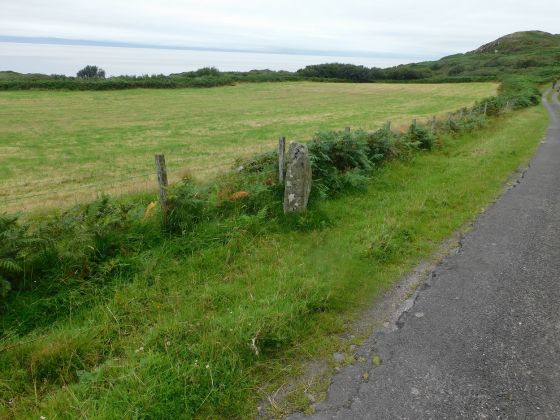
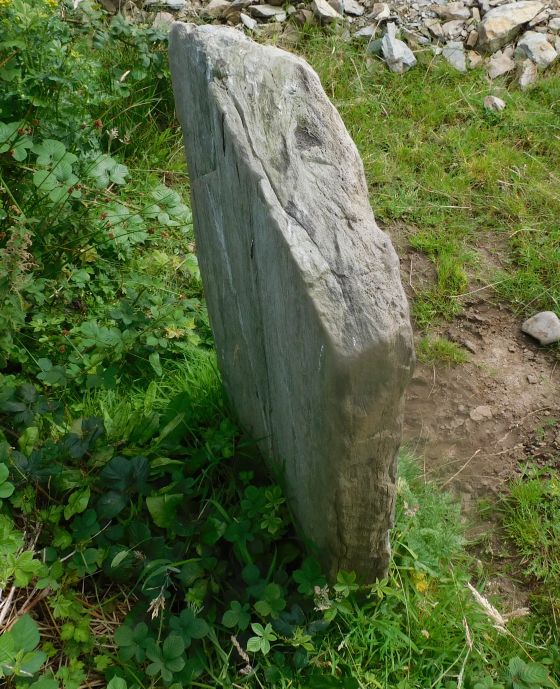
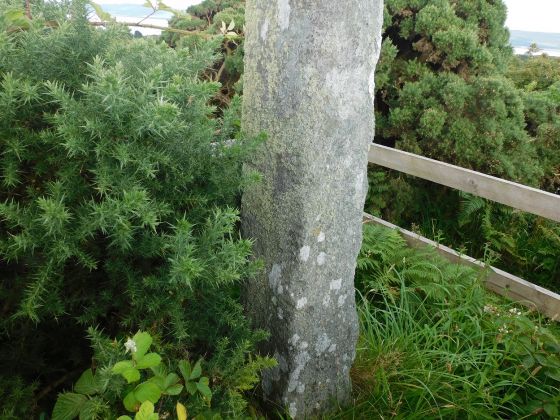
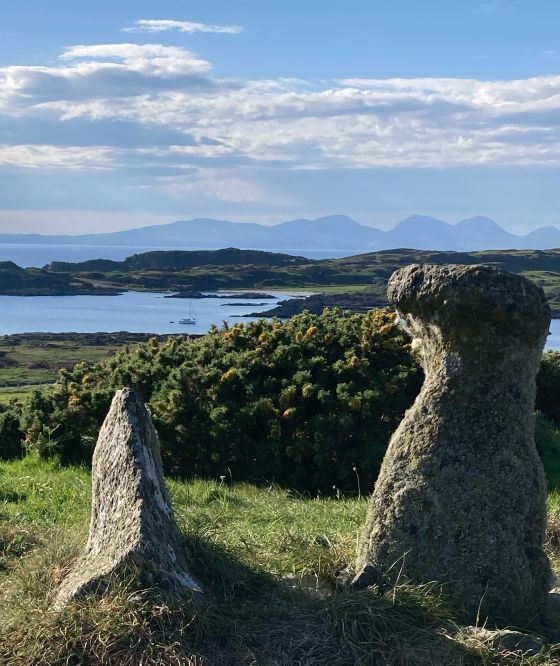
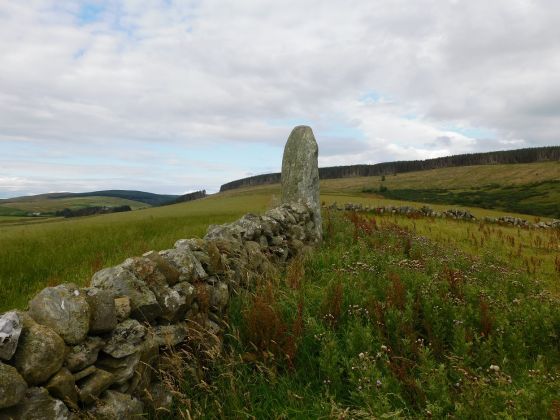
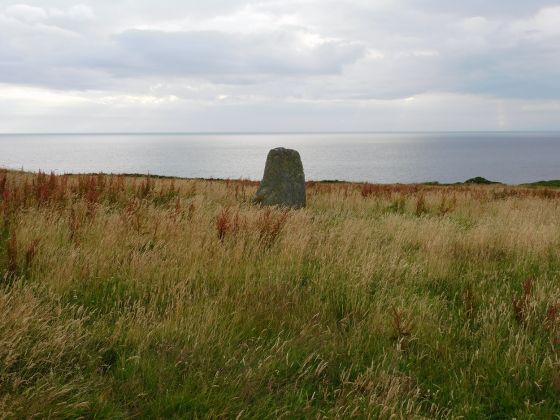
Photos from the ‘Antiquities Of Gigha’ show the much robbed site, some cists and a stone that once stood – it maybe still does.
Could be impressive!
Visited 04/08/2025.
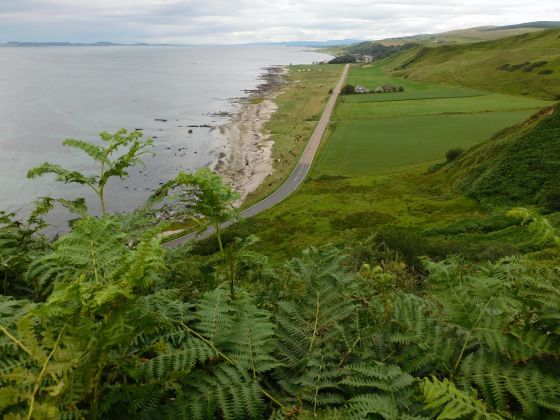
Amongst the oldest relics of man in Gigha is Carn Ban (the White Cairn) of the Late Bronze Age. It is of circular type, with no passage, and the cists are closed, with no divisions. The site is on a bench or shelf 30 feet above sea level, a few yards back from the beach, in a sea of heather and bracken, half a mile south south of Port Righ (King’s Port). In 1792, the cairn was denuded of almost all its stone by dykebuilders, who were unaware of its purpose until they laid bare the internal chambers.. They told how when they opened these they were greeted by an intolerable stench, which obliged them to drink spirits and keep on the windward side; and when they omitted these precautions they had violent headaches.
The Magic of Gigha – Freddie Gillies
Around 4000 years ago, eight or more people were buried in Càrn Ban. One was a woman, laid on one side with her legs curled up to fit into the small stone chamber. White quartz rocks and pottery urns were buried with her, perhaps because they were believed to be important in the afterlife. In 1792, four of these chambers or cists were uncovered by local people as they took the stone away to build dykes, but when they opened them, they were hit with an intolerable stench that gave them violent headaches.
From ‘Visit Gigha‘