Image credit: Mike Purslow


From The Antiquities of Gigha


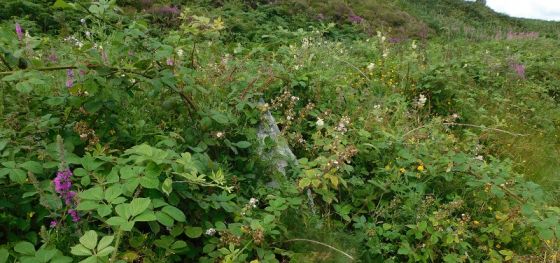
‘The Road Goes Ever On’ – the road goes south, I head north.

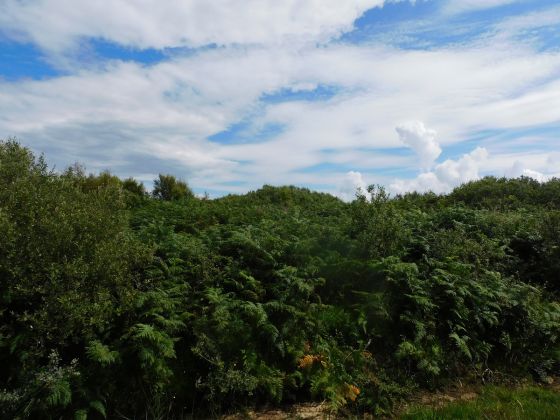
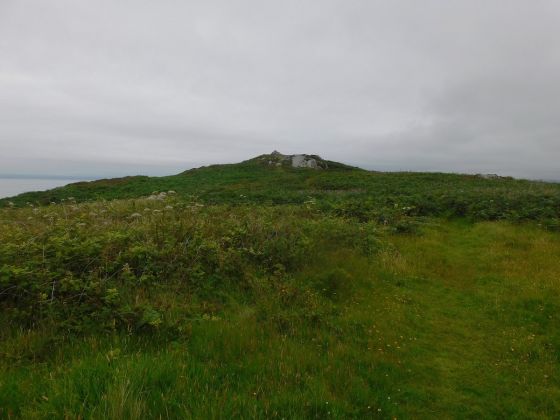
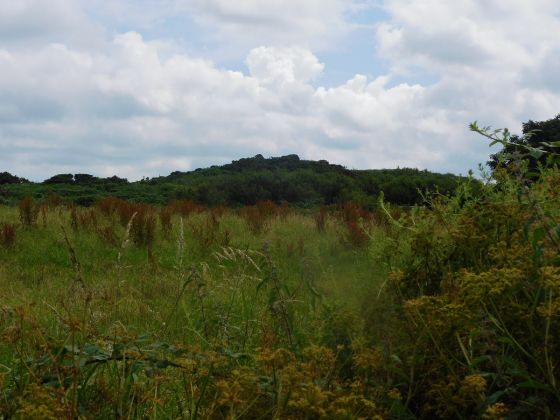
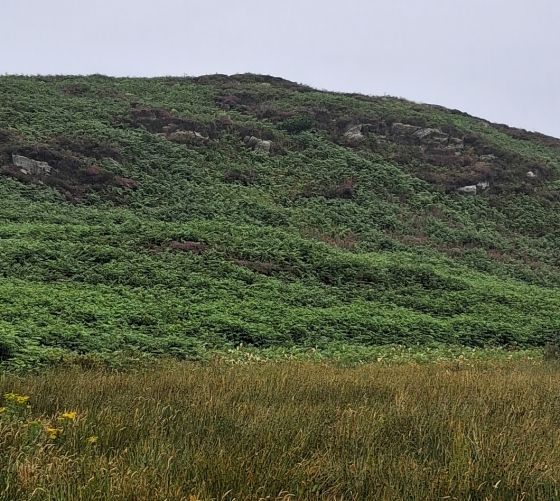
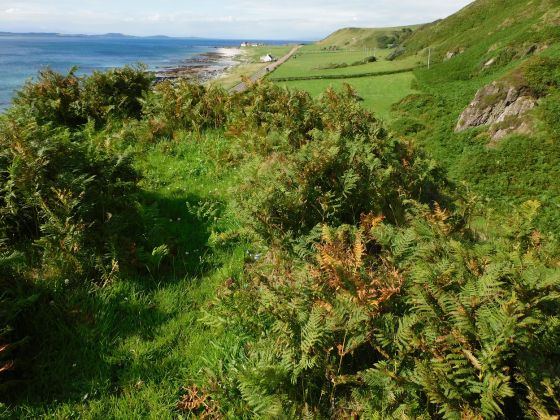
The view to the south.

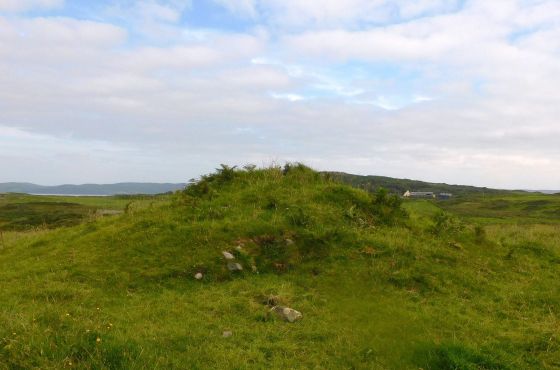
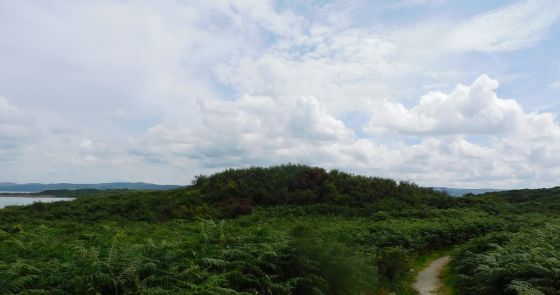
Looking west, to the north west – the Paps of Jura.

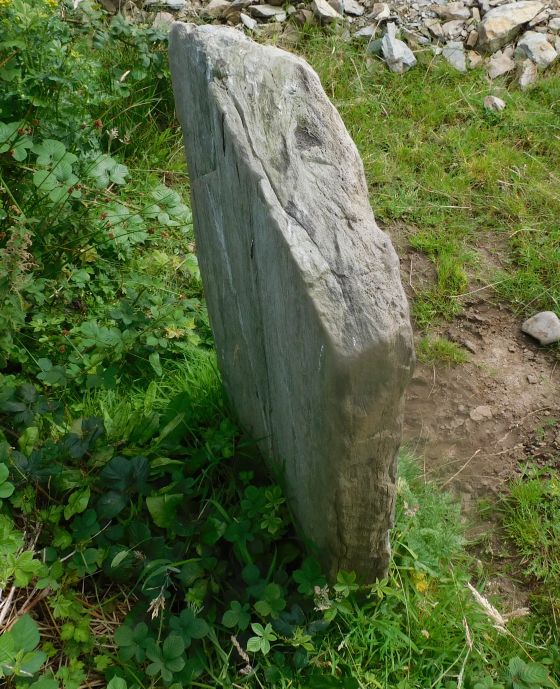
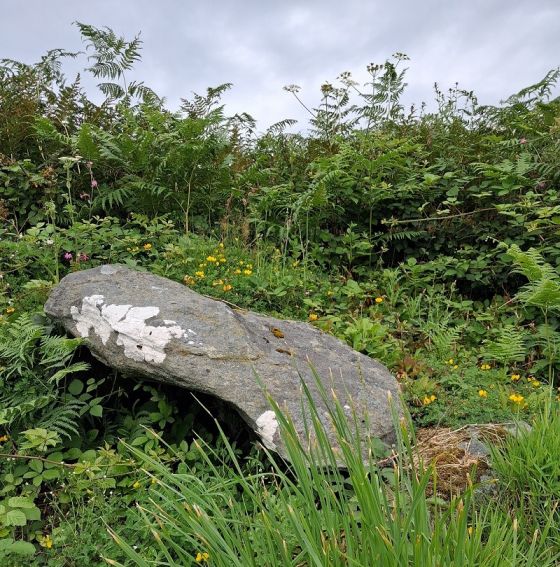
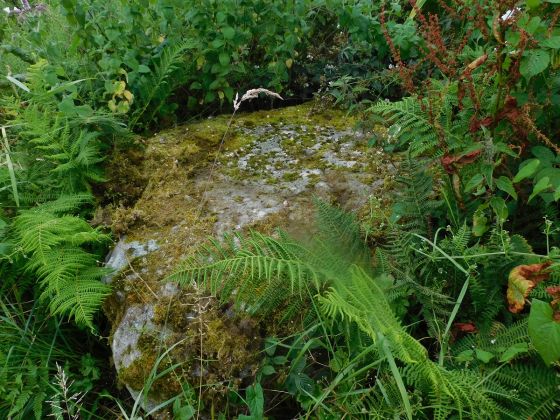
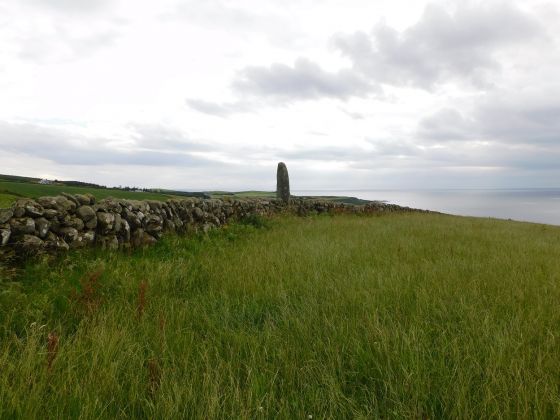
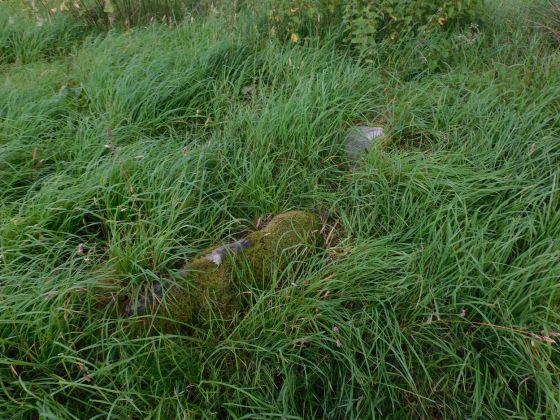
South side of the stone.

I often wonder if this stone is trying to say something.

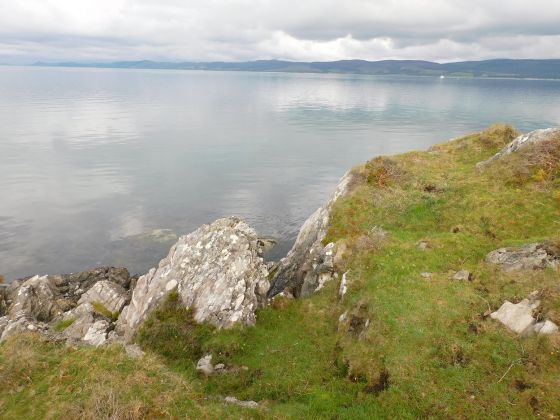
A view like this makes it all worthwhile.


The Paps of Jura beyond


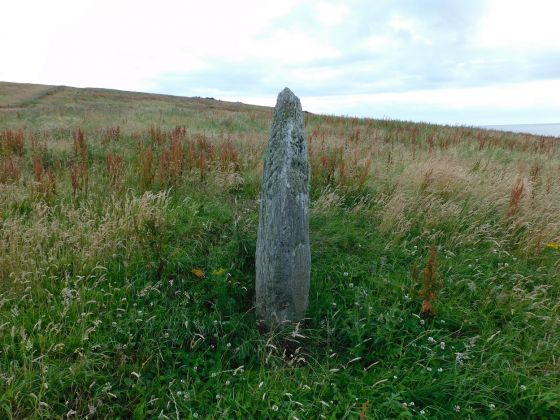
Situated right next to the road on the way to the north of the island from Ardminish. Tarbert in Gaelic means a narrow piece of land seperating two bodies of water. In ancient and later times a place to get various types of boat from one side to the other. Tarberts in Kintyre, Jura and Harris plus plenty of others are examples of this. In Jura two standing stones mark the narrowest park of the island likewise in Gigha the odd shaped stone marks its narrowest point.
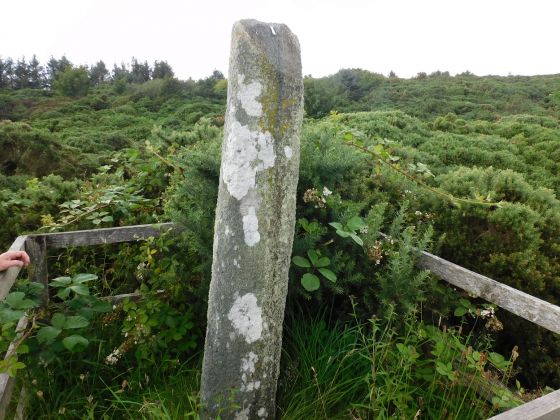
Also known as the Giant’s Stone it maybe is apt that the stone looks like a hand. Legend has it that the giant pulled out a tooth, flung it away and it landed here.
Fortunately no teeth flying around today – just an excellent and peaceful view.
Visited 06/08/2025.
I can’t think of much to say about this stone. It’s definitely not difficult to find, and being about 2 feet from the road, it’s very accessible. I got the feeling that it’s placement had to be something to do with this spot being at the narrowest point of the island, but can’t quite explain why.
The one thing I feel I can say is this is a much nicer stone than the one at the south of the island at Cathan’s Church. Shame it’s been a bit broken, but it does make it a nice shape.
Visited August 2006
Since the Bronze Age or earlier, Carragh an Tairbeirt standing stone has marked the narrowest point of Gigha, tall enough to be seen from the sea from both east and west. The name might be familiar – there are several places named Tarbert (An Tairbeart or Tairbeirt in Gaelic) across Scotland, on narrow necks of land where boats could be drawn or carried from water to water. The stone marks this isthmus, but it’s likely to have had deeper meaning. Was its placement linked to cycles of the Moon or to the midsummer sunset?
Local legend knows it as the Giant’s Tooth, pulled and thrown by a giant with toothache. It’s also known as the Hanging Stone, where people convicted at nearby Cnoc an Eireachdais – the Hill of the Assembly – were hanged from the cleft at the top. Or perhaps you prefer the story of betrothed couples who shook hands through the gap for luck.
From ‘Visit Gigha‘
More info about the stone, with mention of the other ancient stones of the island, including the Bodach and the Cailleach.
Some stuff about possible archaeoastronomical significance of the stone.
Description of the stone courtesy of the West of Scotland Archaeology Service.