|
 Log in |
Register Log in |
Register
|

|
|

Rowtor RocksCup and Ring Marks / Rock Art
|


 Show map (inline Google Map)
|
|
|
Images (click to view fullsize) |
 Add an image Add an image |
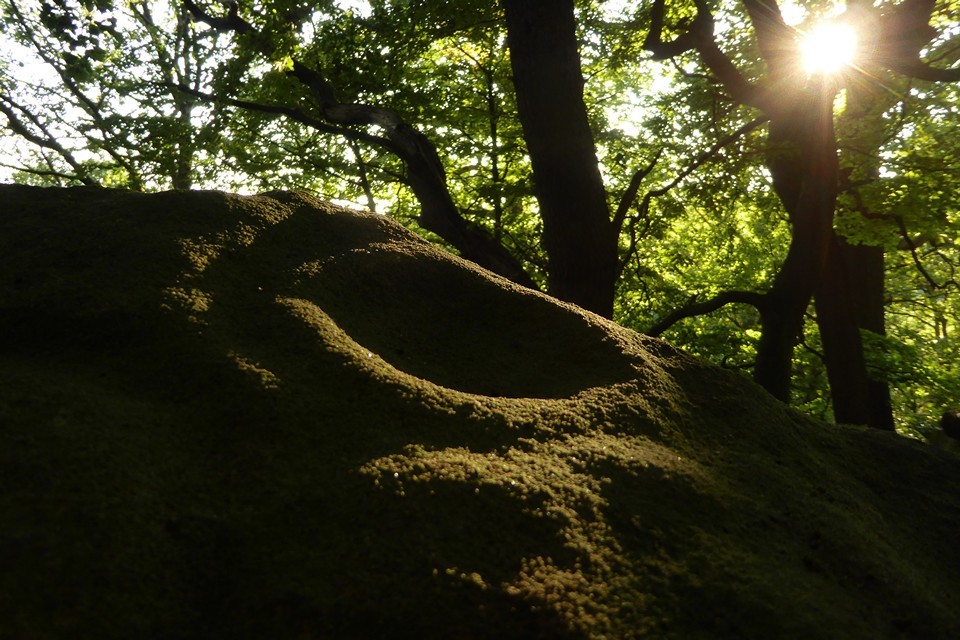
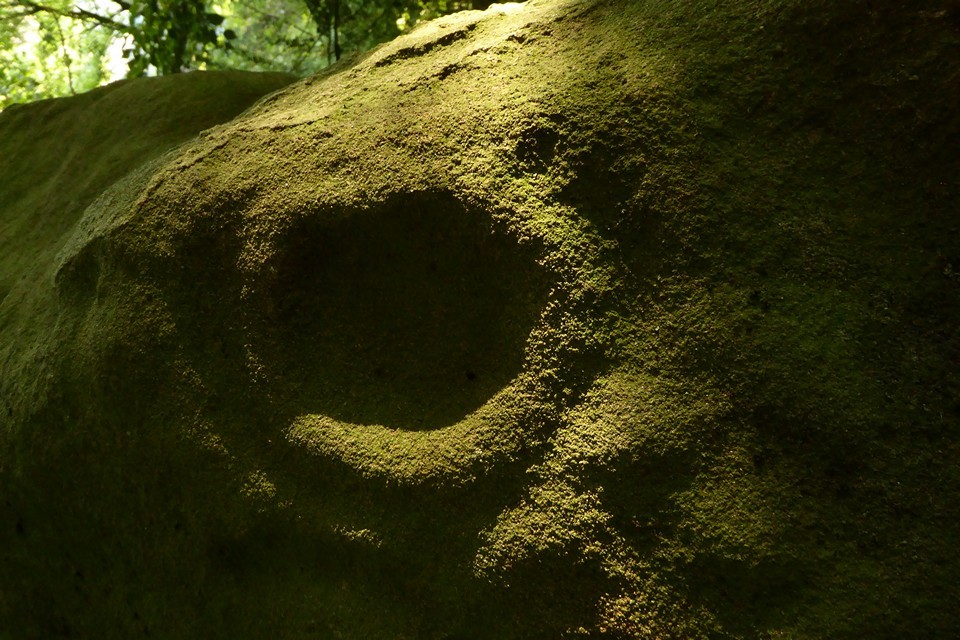
Photographs: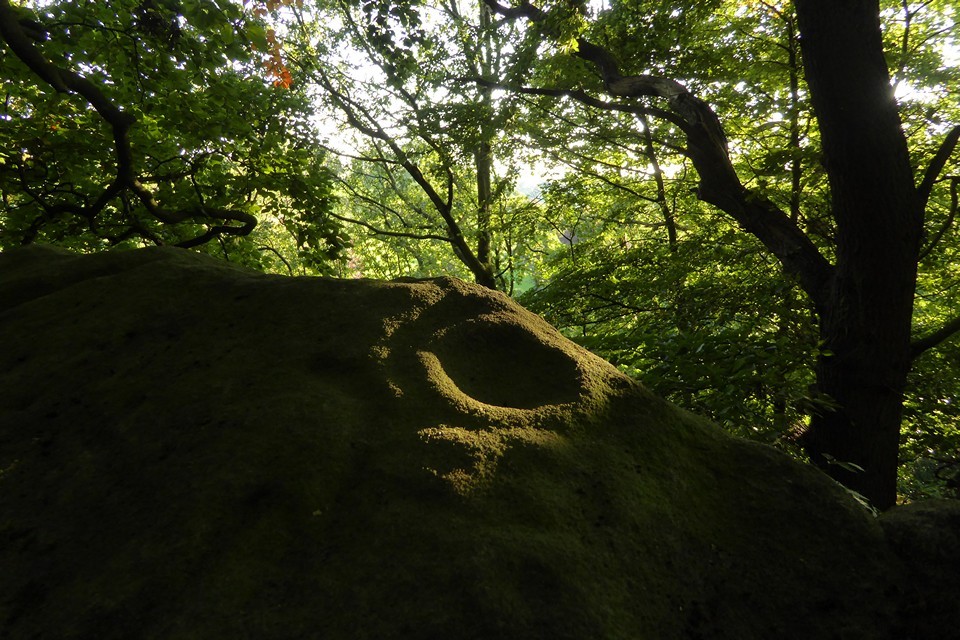




 Maps / Plans / Diagrams: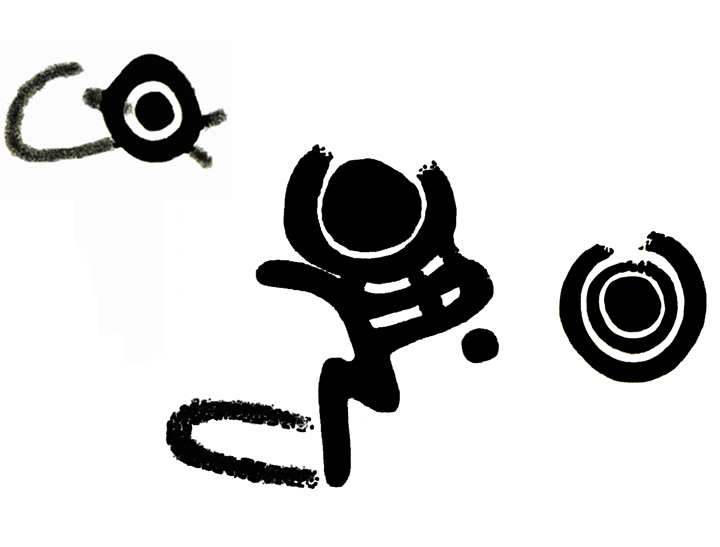

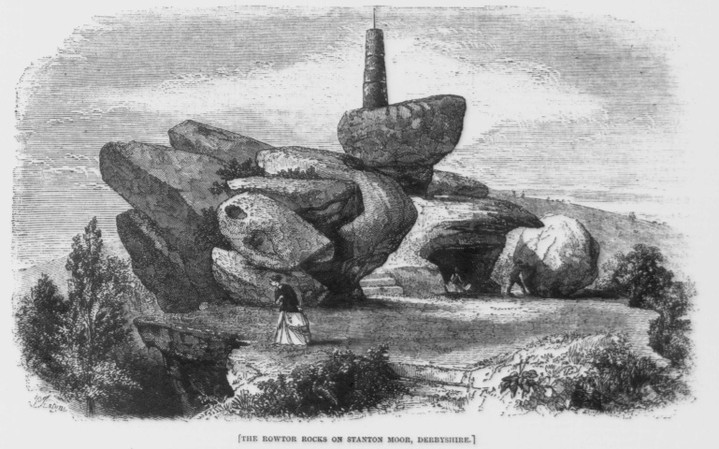
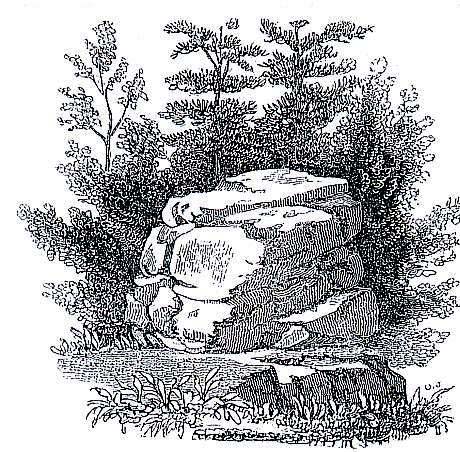
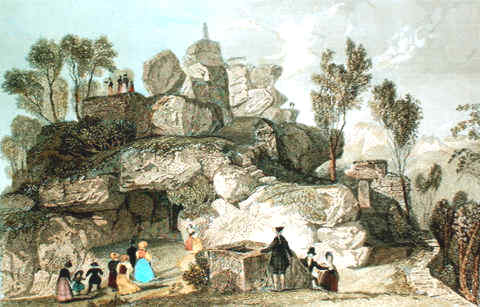
 Artistic / Interpretive: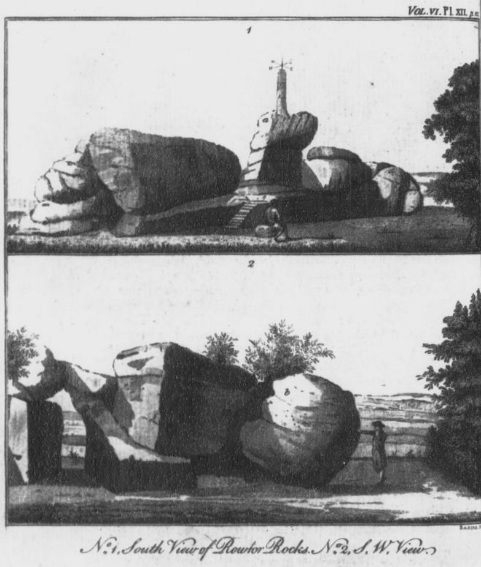
|
Fieldnotes |
Add fieldnotes |
|
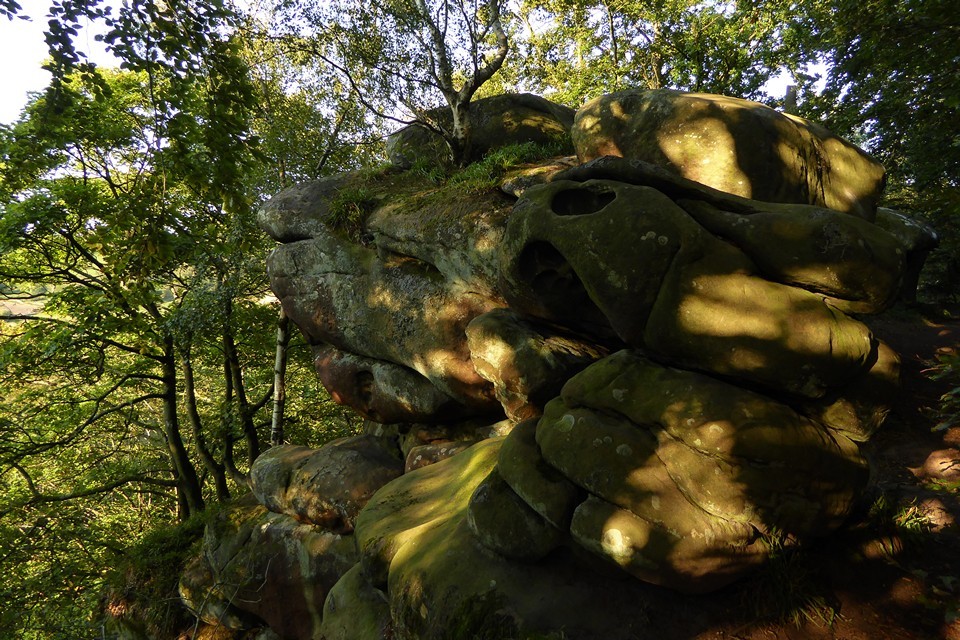
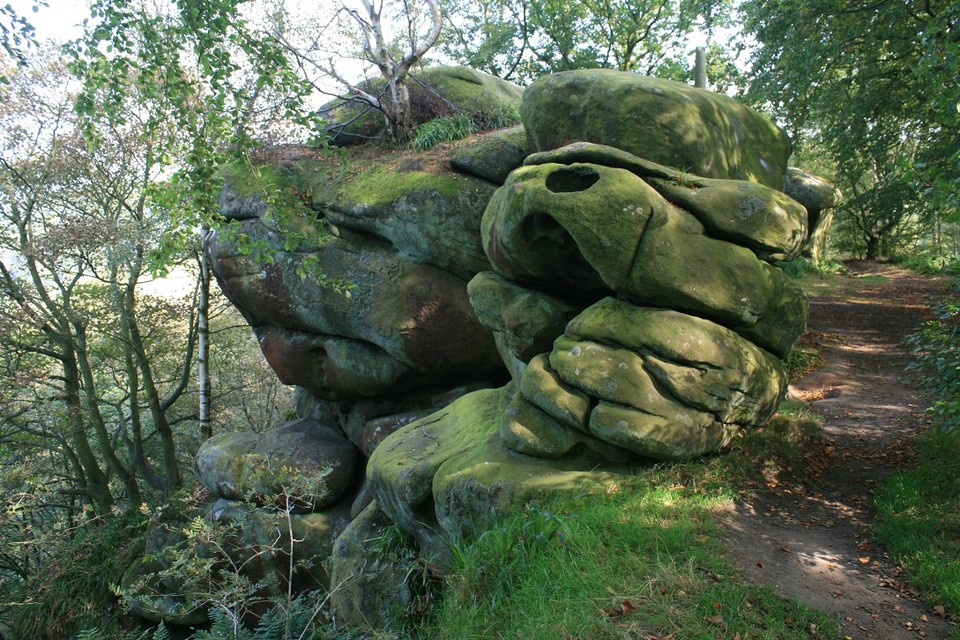
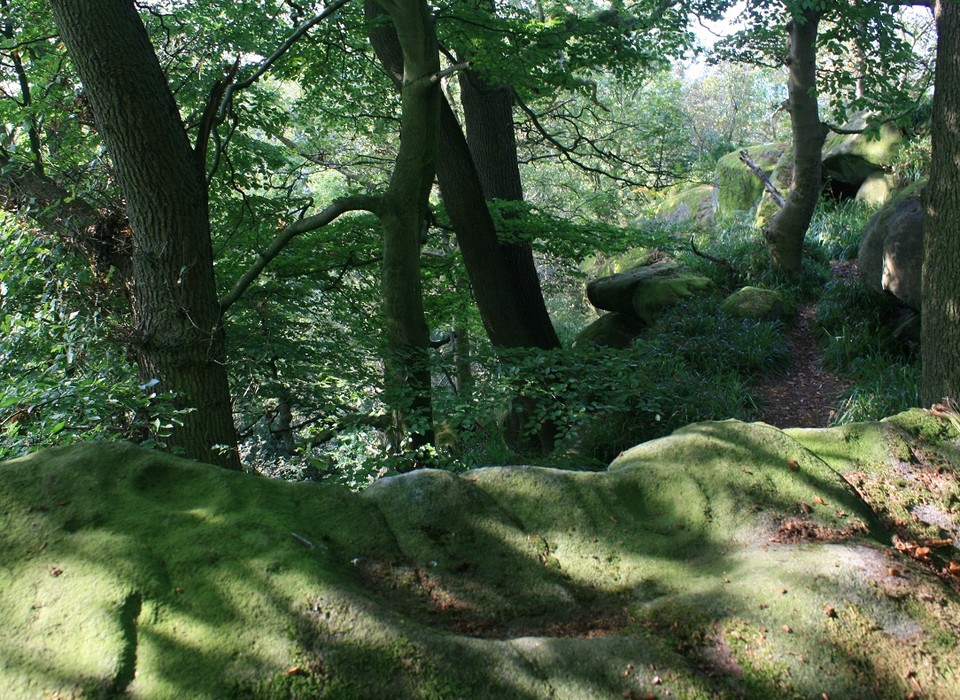
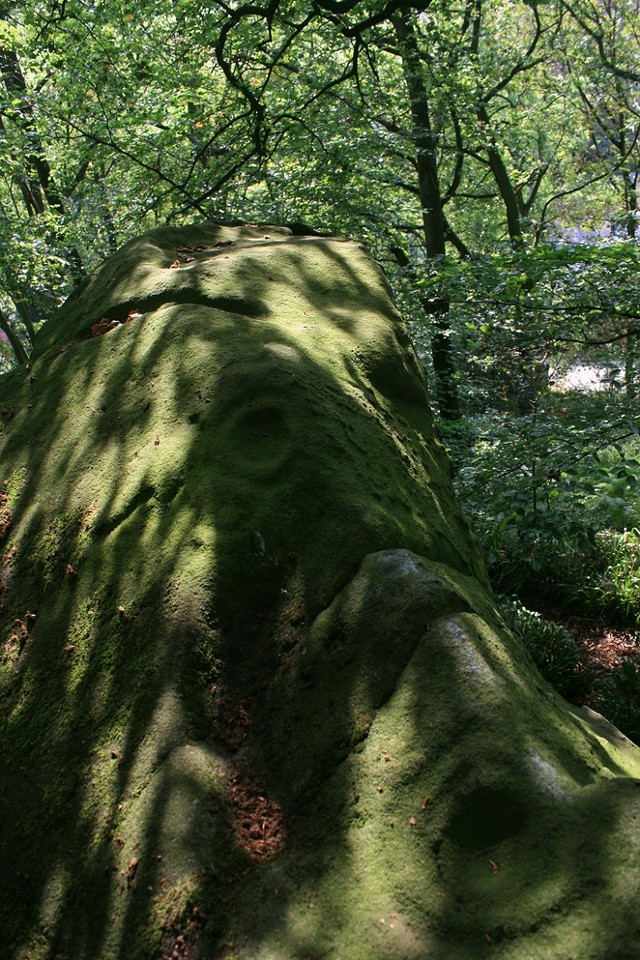
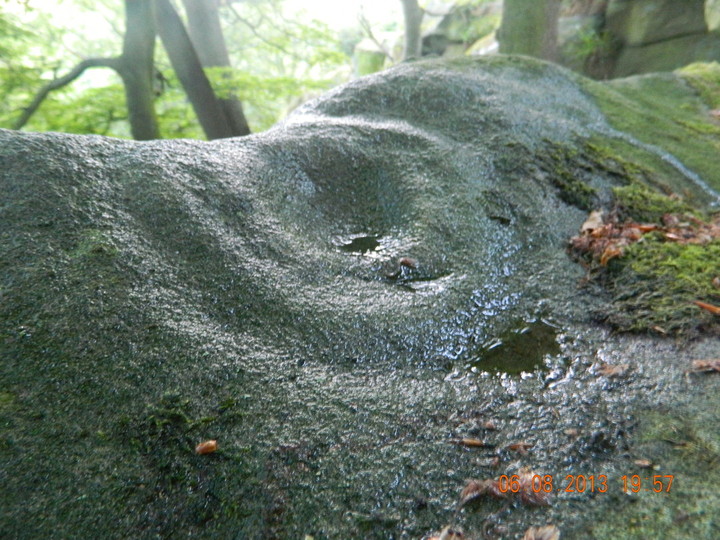
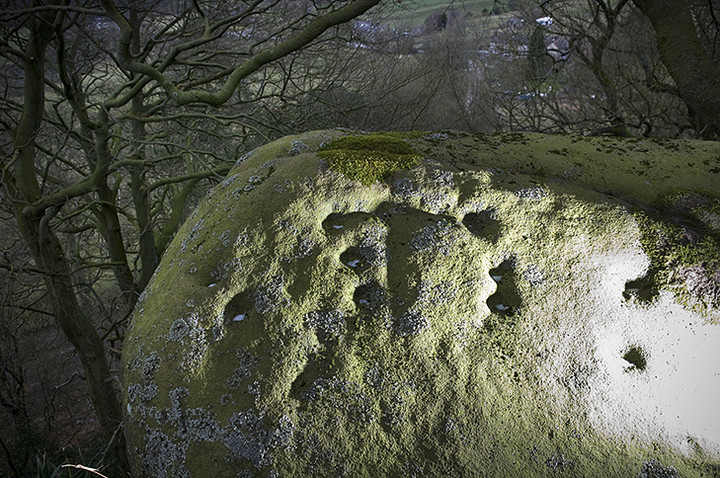
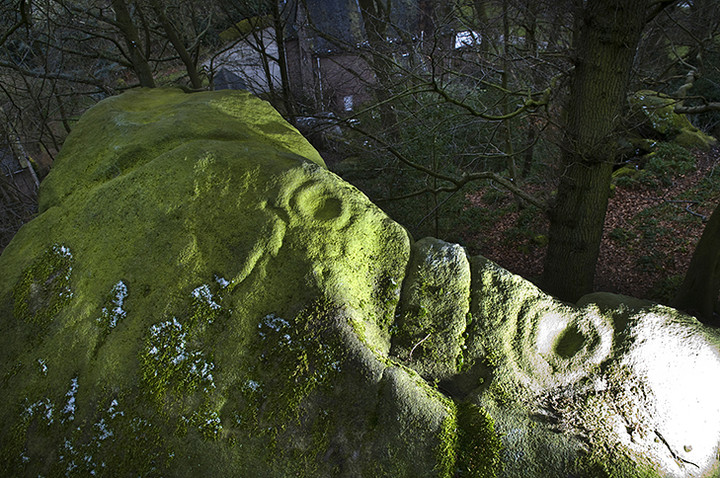
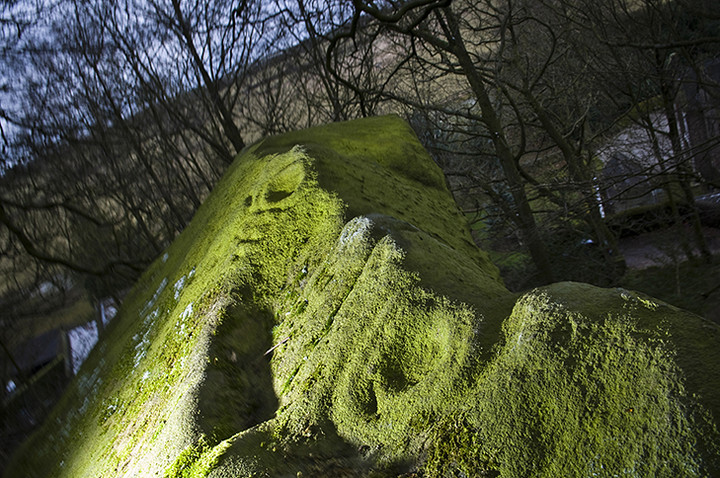
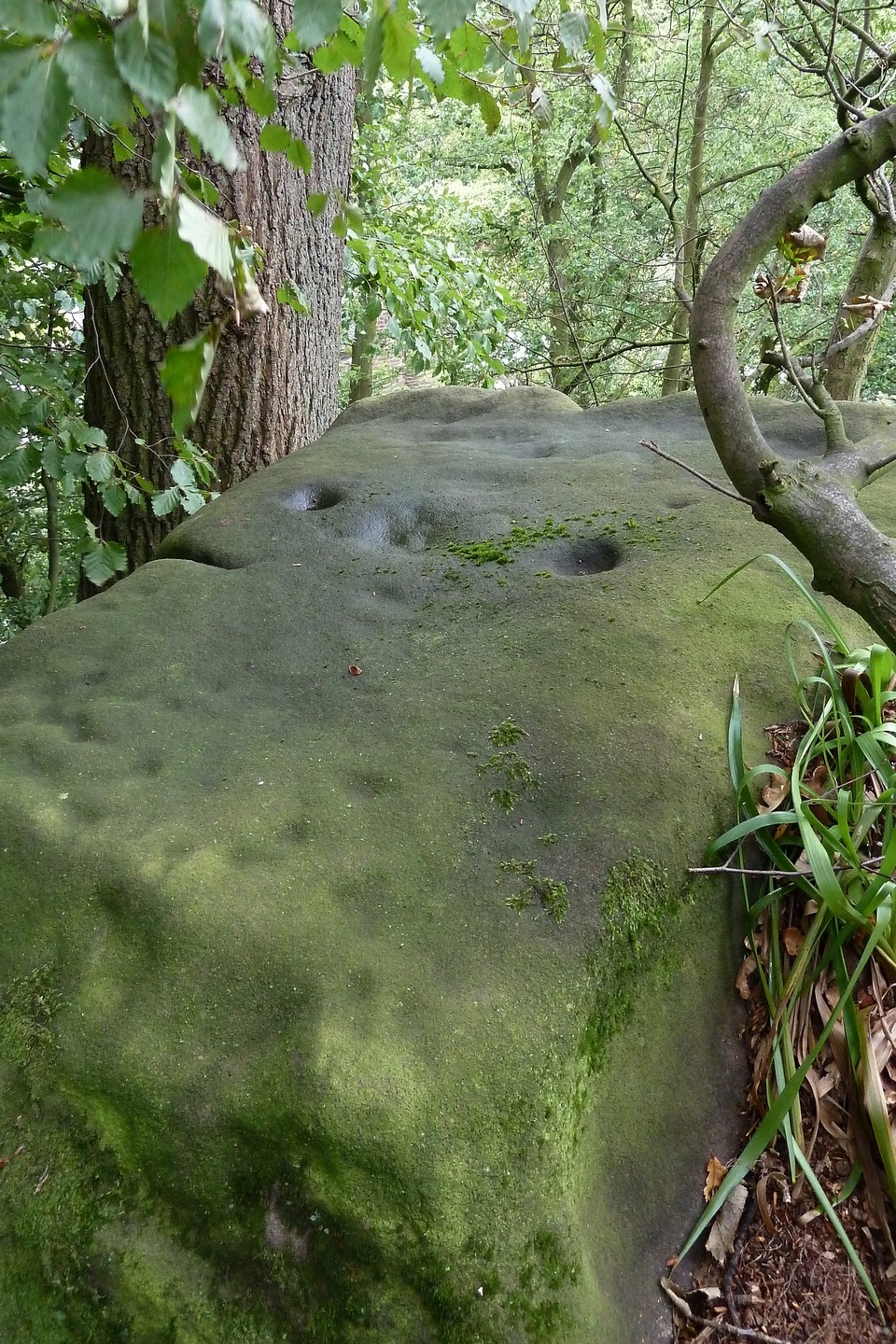
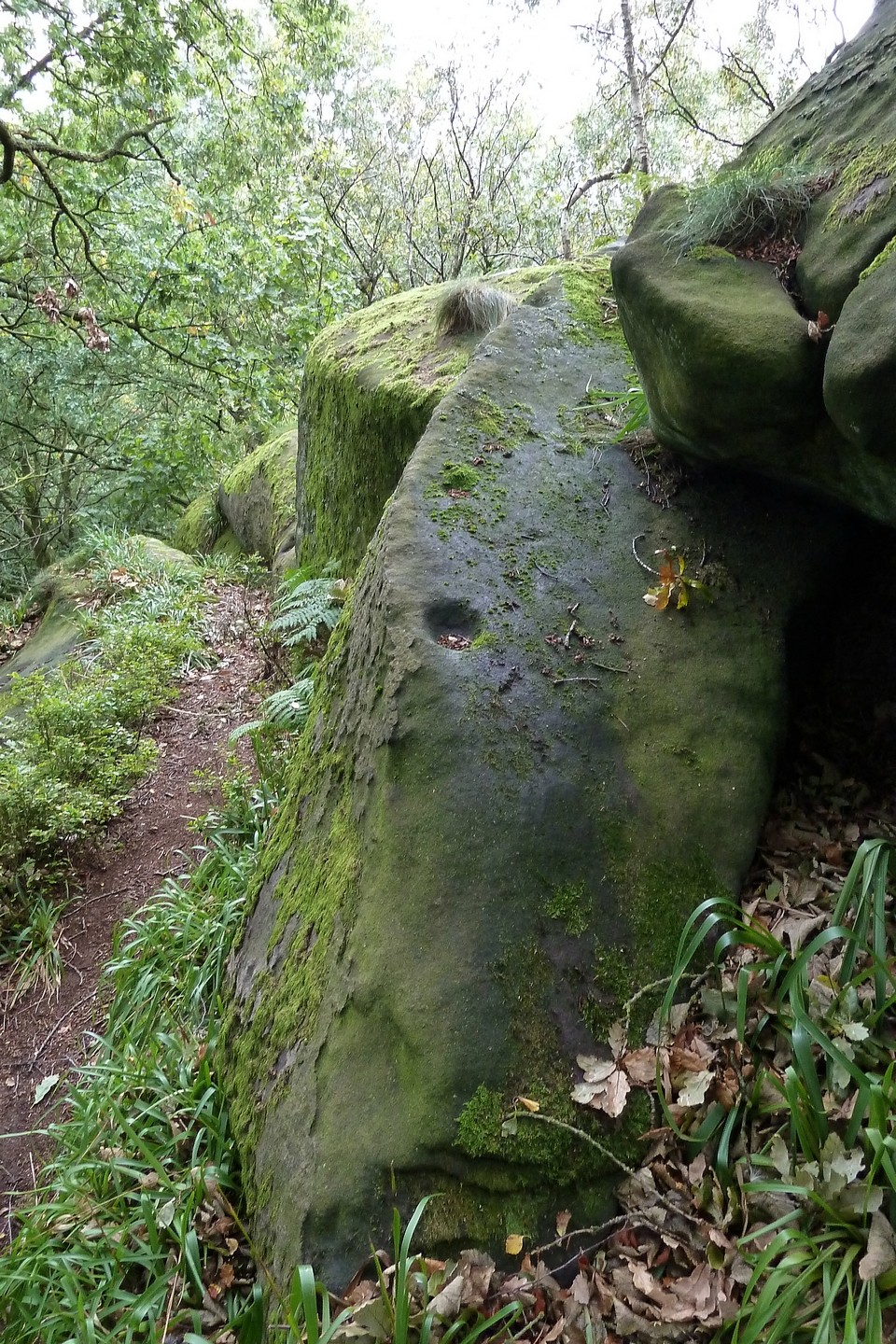
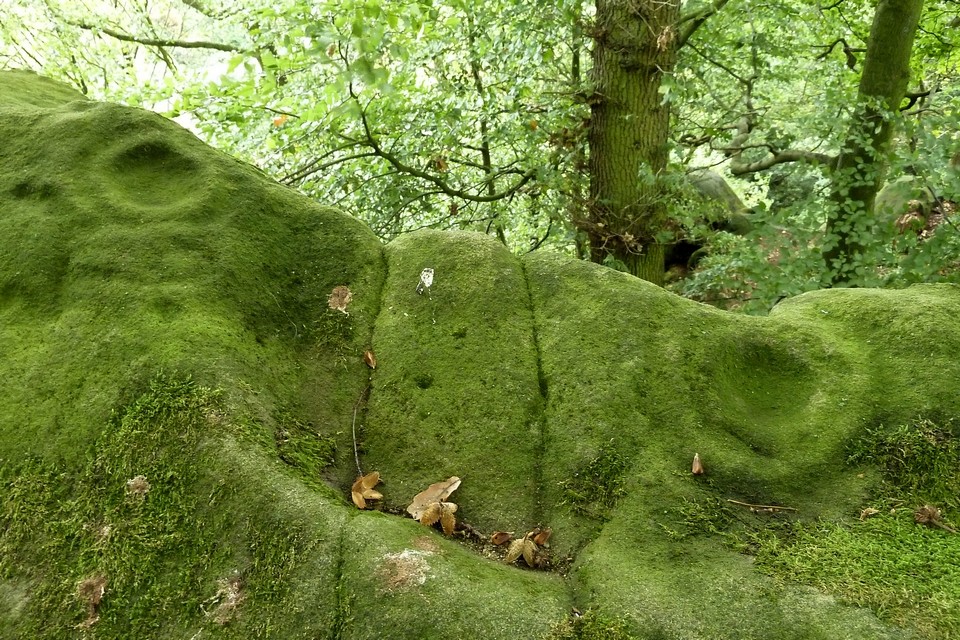
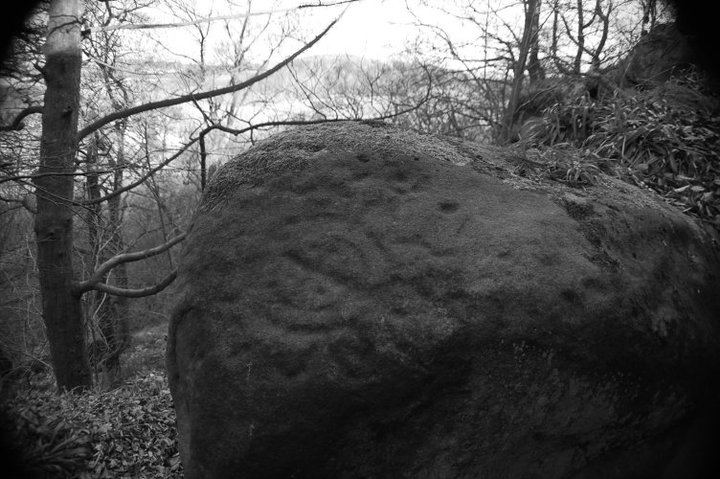
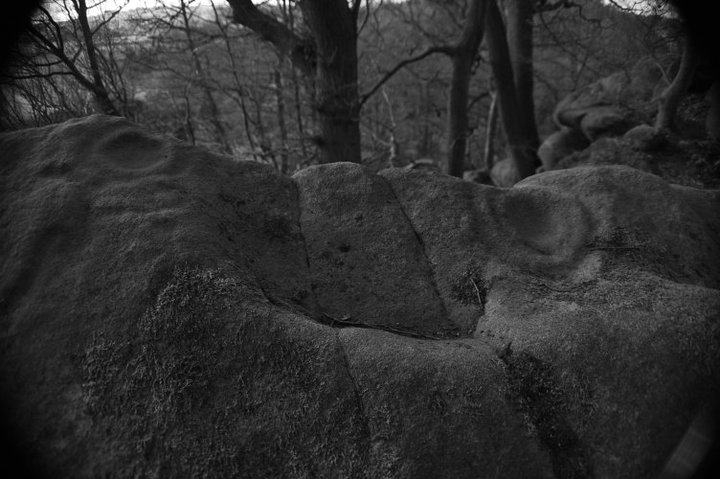
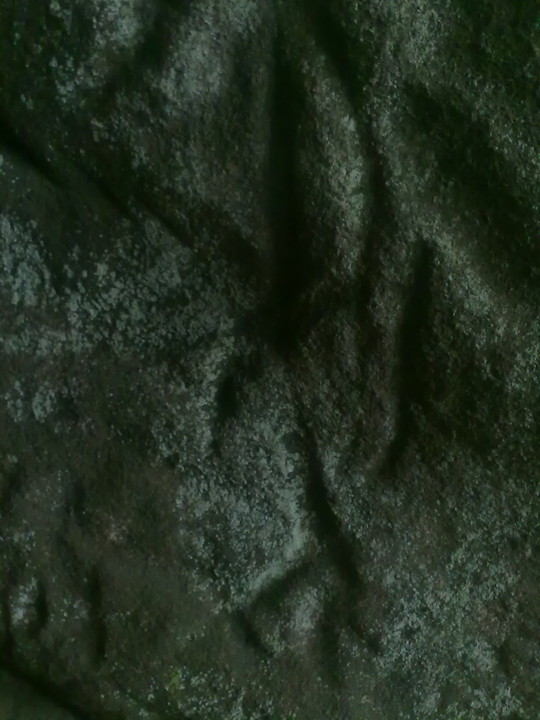
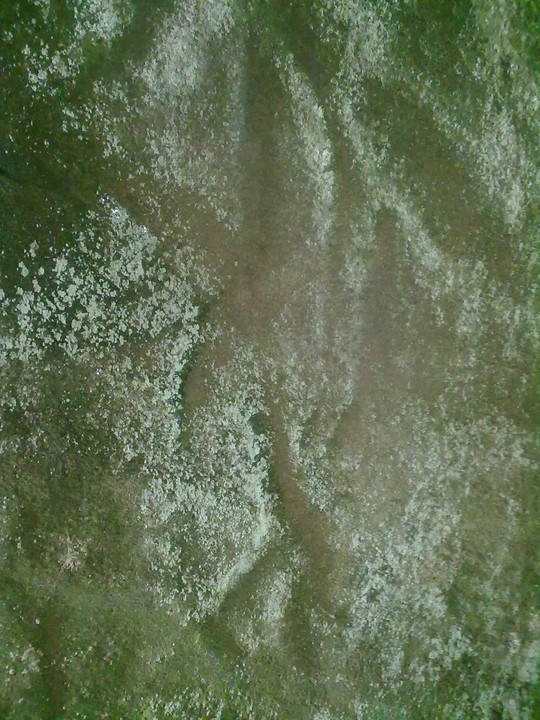
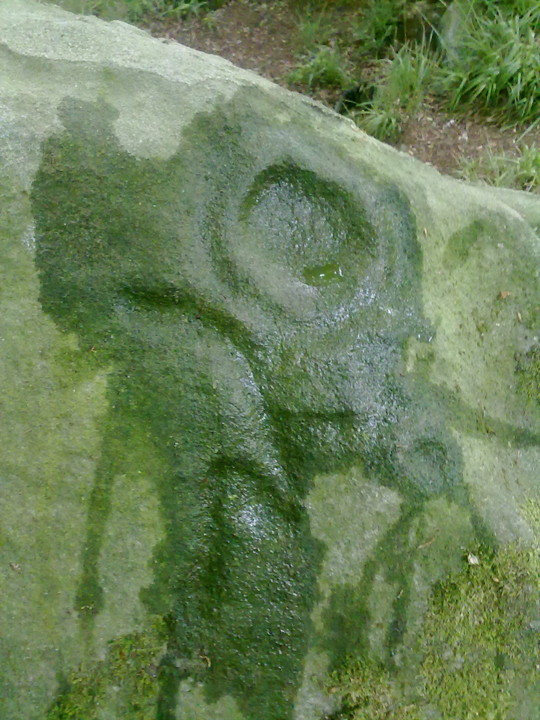
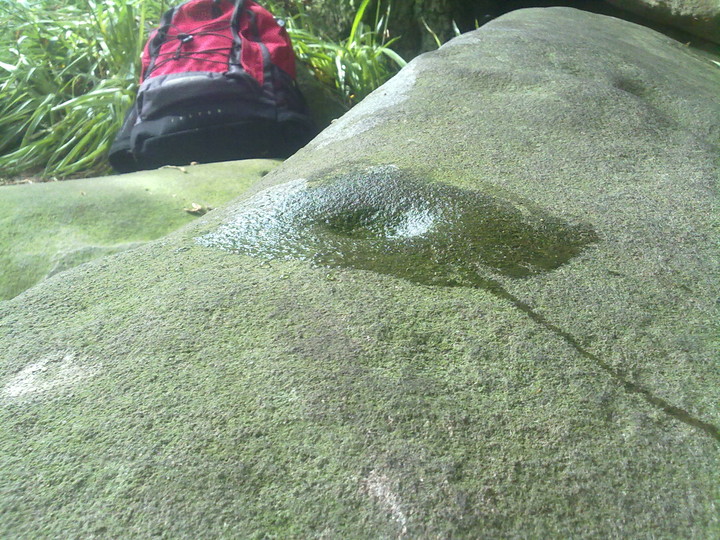
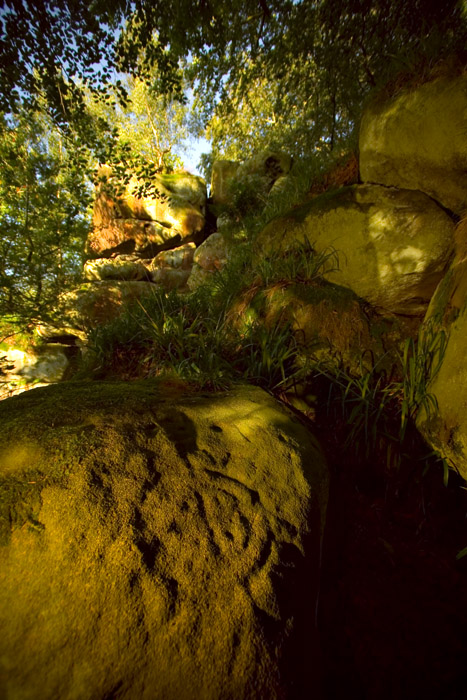
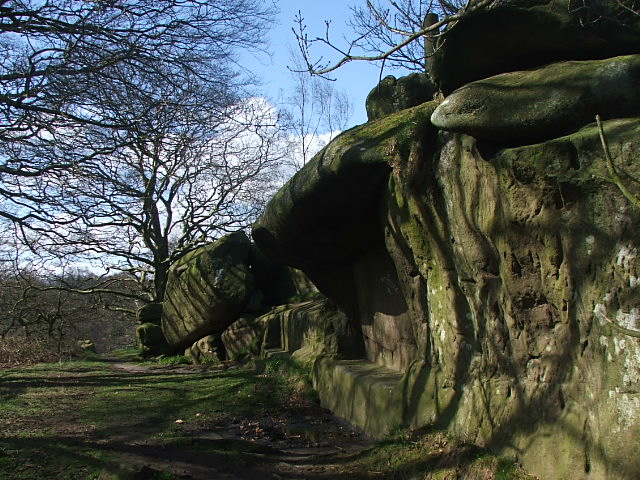
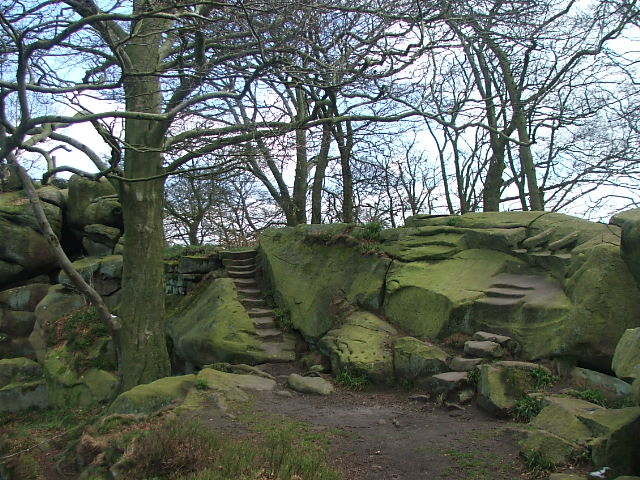
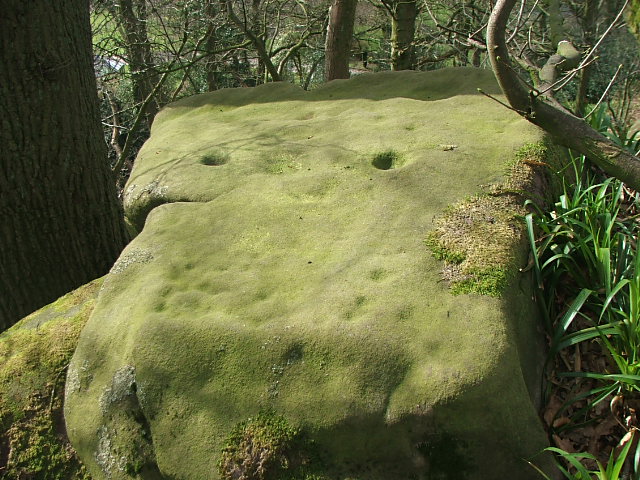
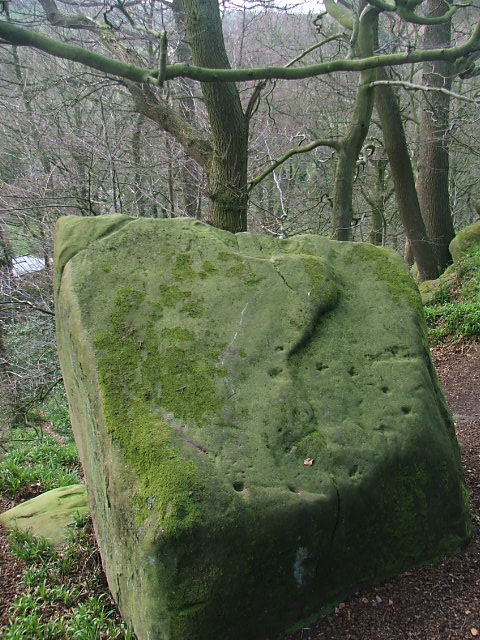
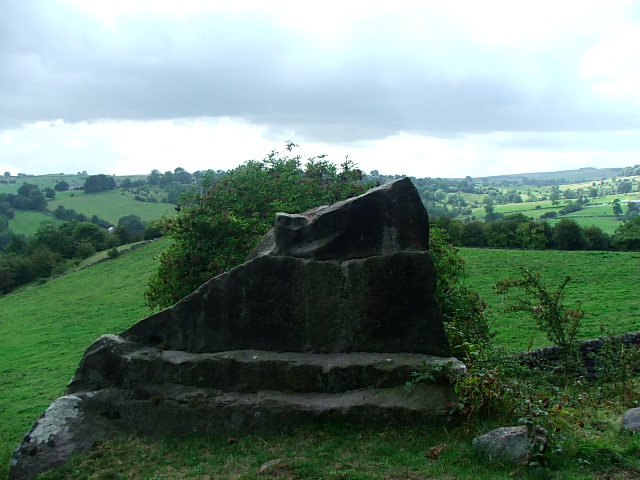
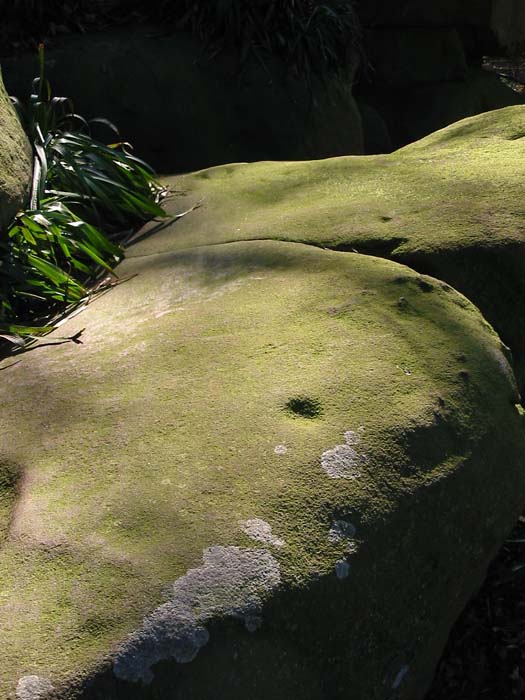
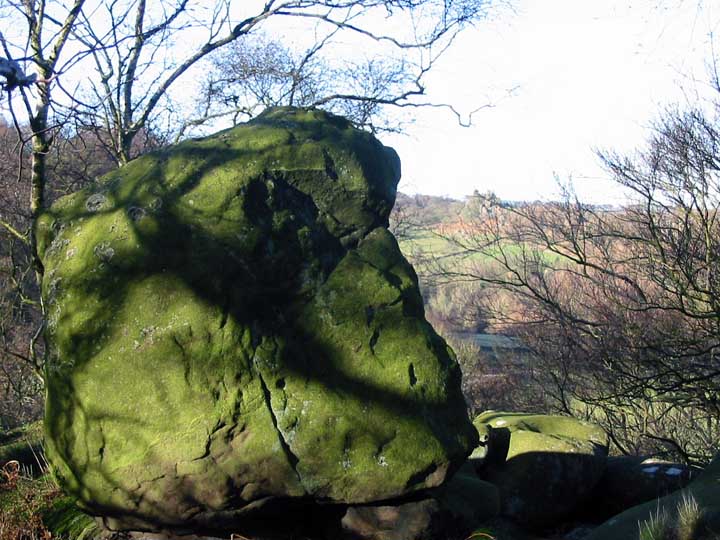
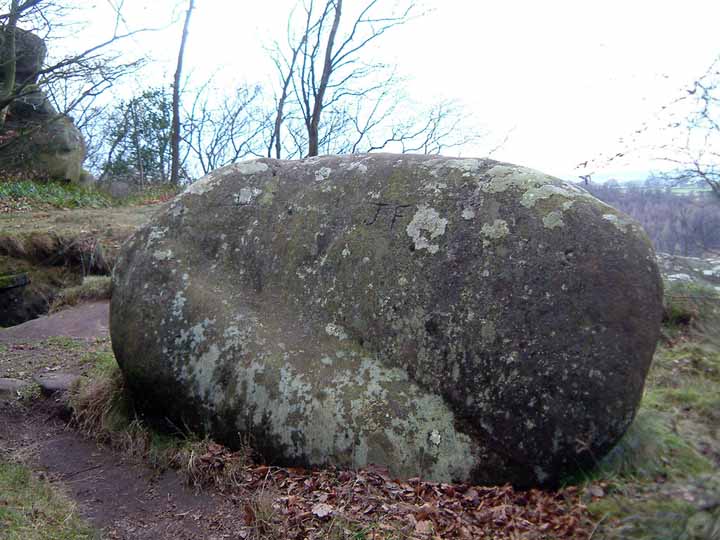
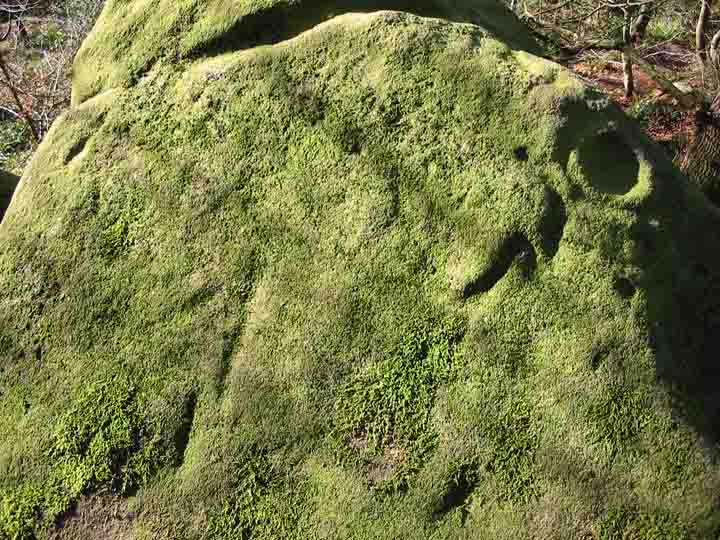
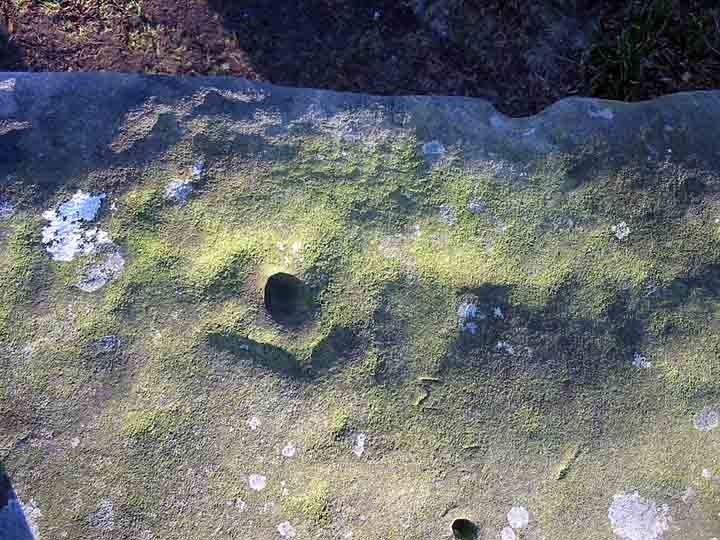
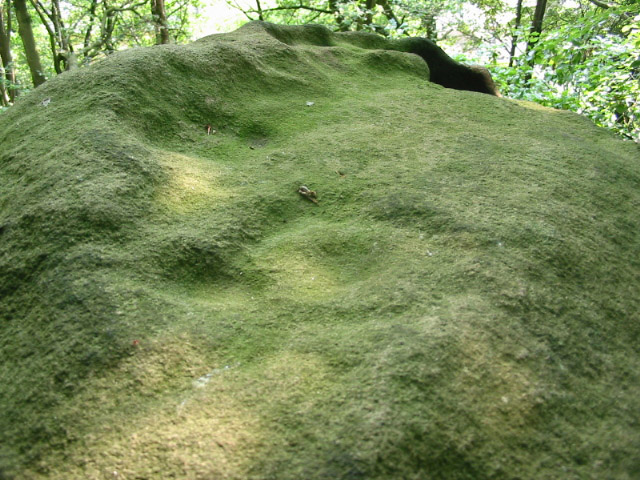
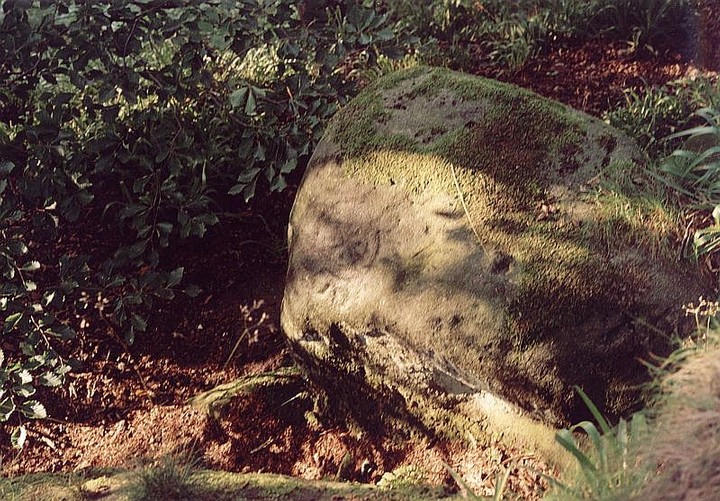
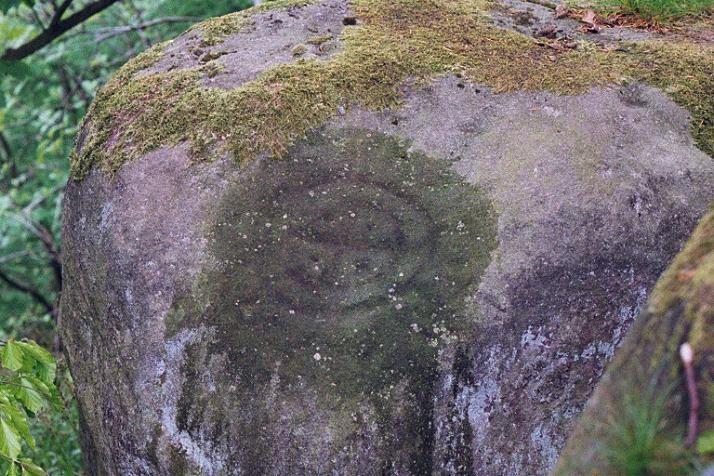
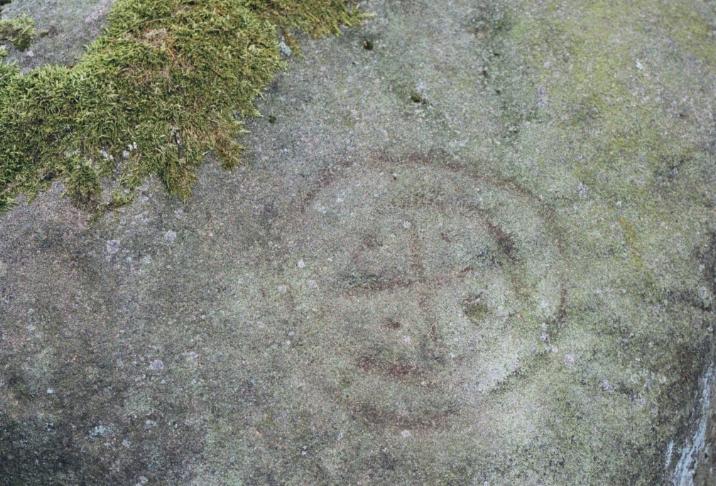
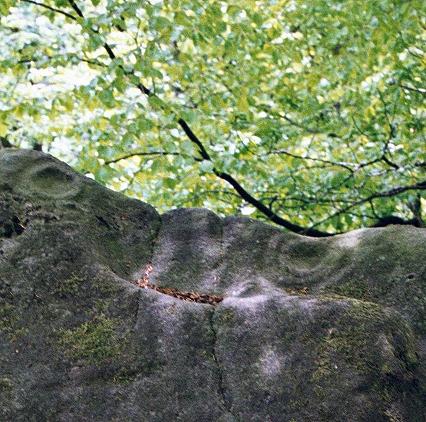
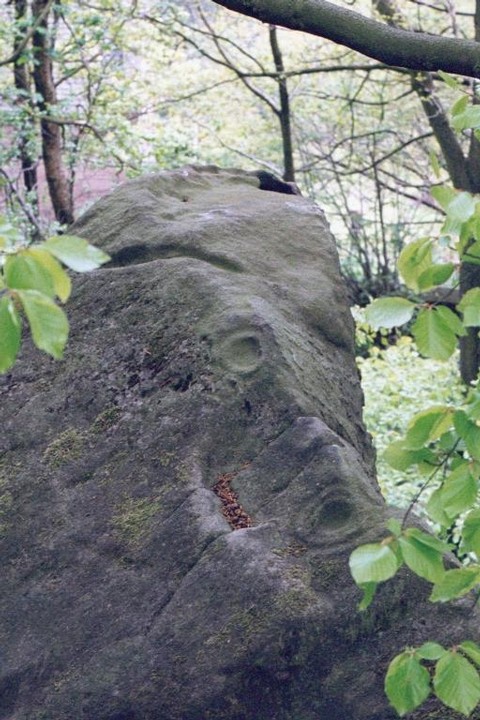
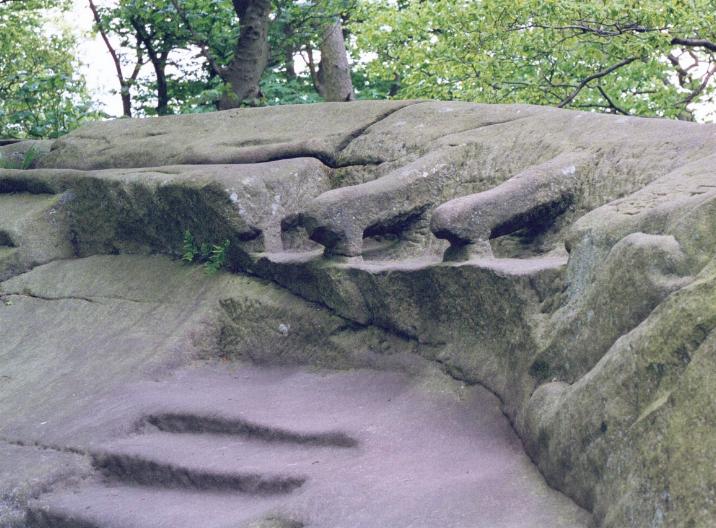
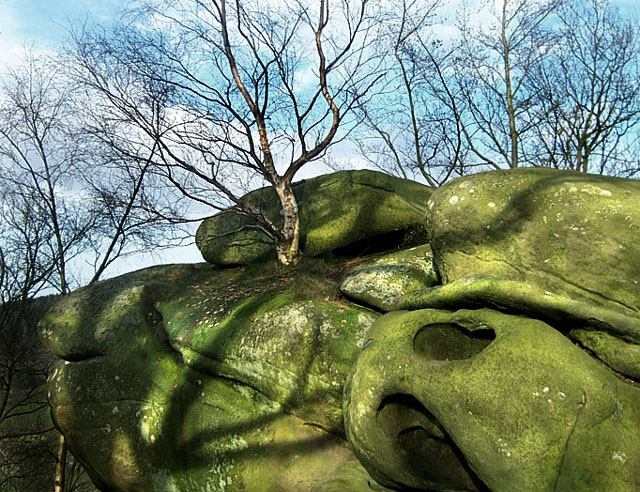
I'm astounded by this place. I know it's not a monument as such, but by The Lord Harry it's a remarkable spot. No wonder it was chosen for cup and ring stuff. It has a sense of place that just oozes from the rocks, from the soil, from the vegetation, from the gaps in between the rocks even. The re-working done by the modern folk hasn't detracted anything from the Genius Loci. If anything it's just added to it. I had originally planned to visit after dark, but was advised by a wise fella that this might be a good way to injure myself. Having seen the holes in the ground and the precipitous drops, grasping brambles and slidey mud bits, I can now see why. Having said that, I'm going back after dark at some point. It would be rude not to. The cup and ring marks are faint, and the quarrying evident all over the place does make you wonder what may have been lost (despite what I wrote there about the genius loci). The main ones are on the SW side of the outcrop, below the carved armchair. If you take the path up from the pub, this puts them at the other end of the outcrop, past the carved steps leading to the armchair, and down to your left as you're looking at the chair. A nice unique little motif with flower petal things, iirc, the boulder with the smaller concentric motifs is just below this. |
 Posted by Hob
4th September 2009ce |

|
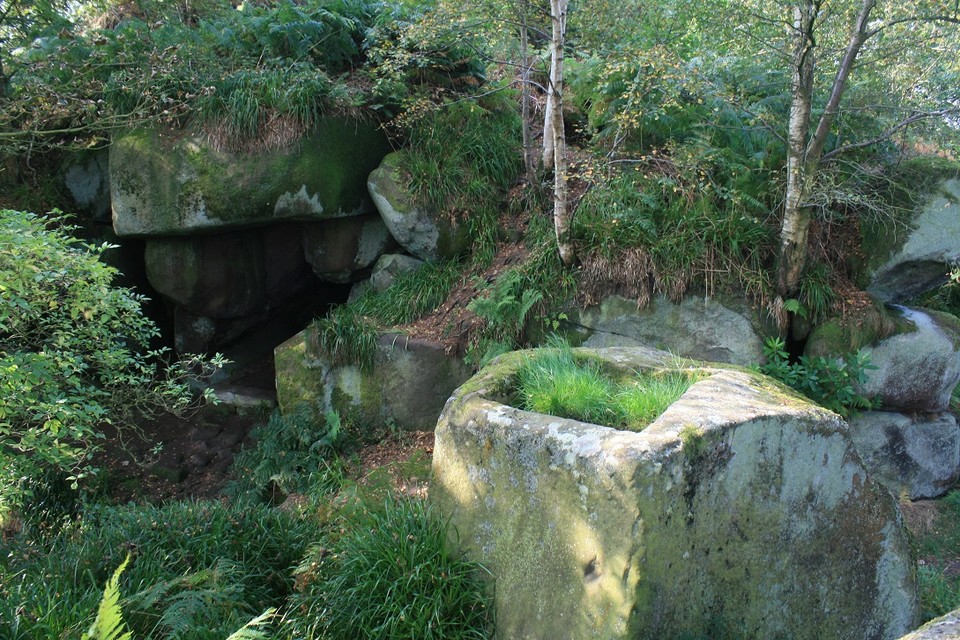
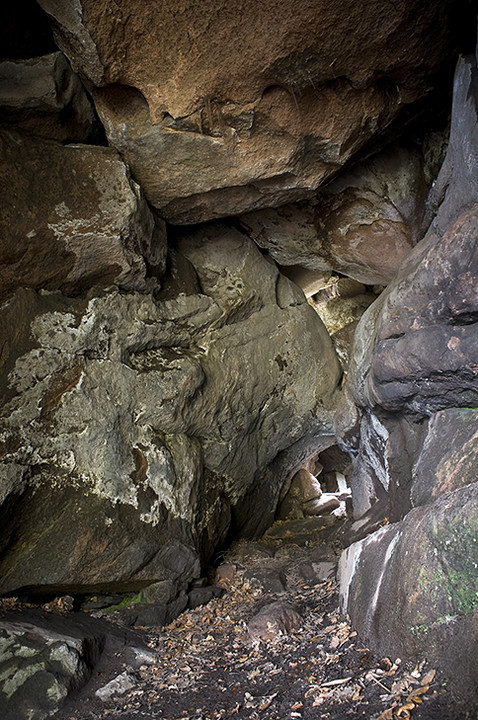
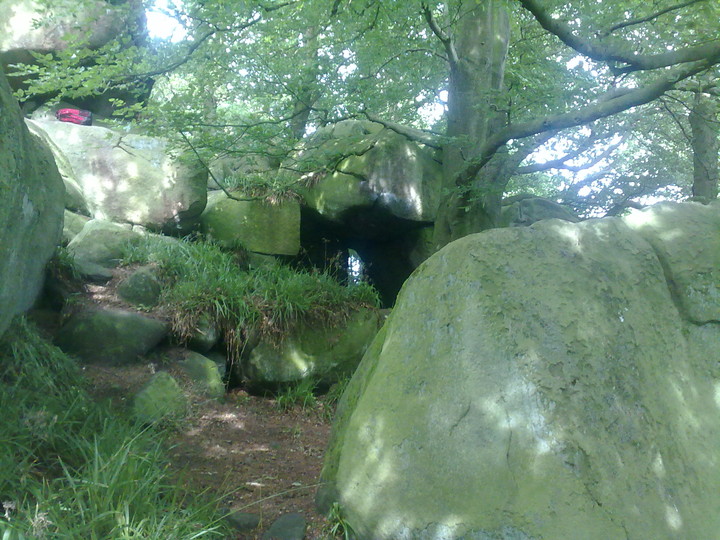
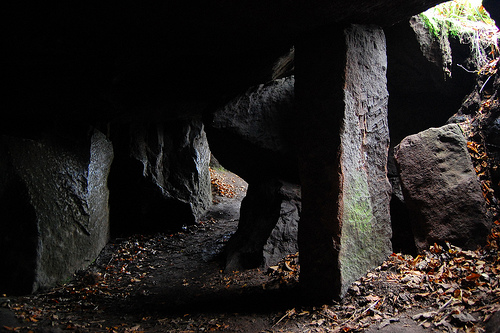
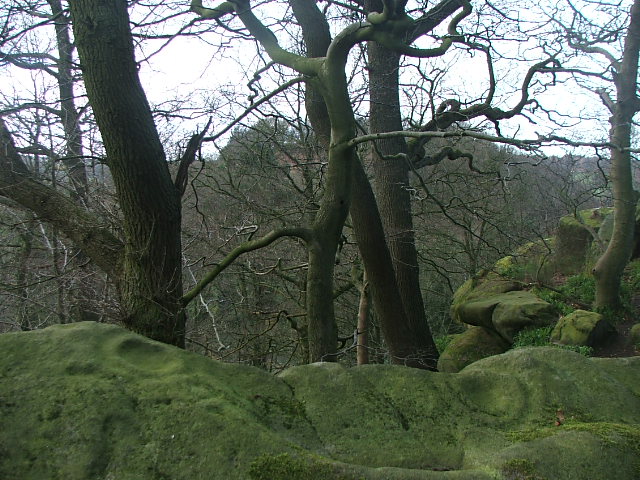
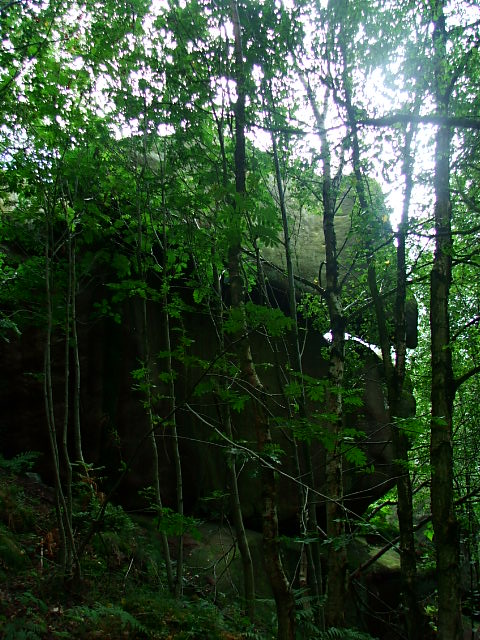
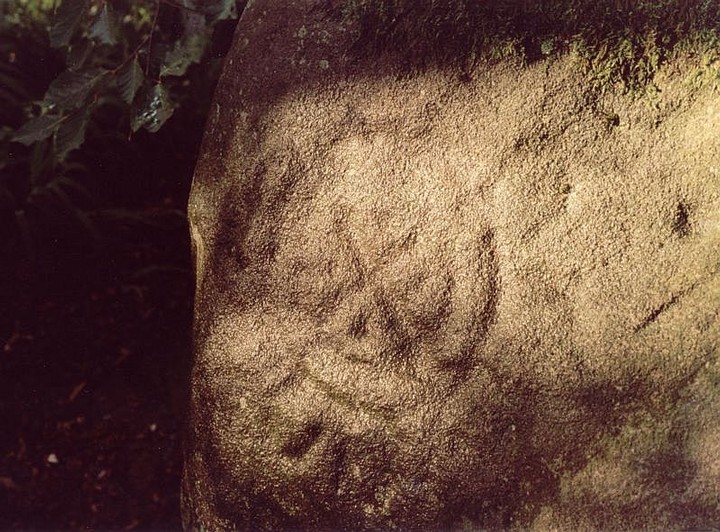
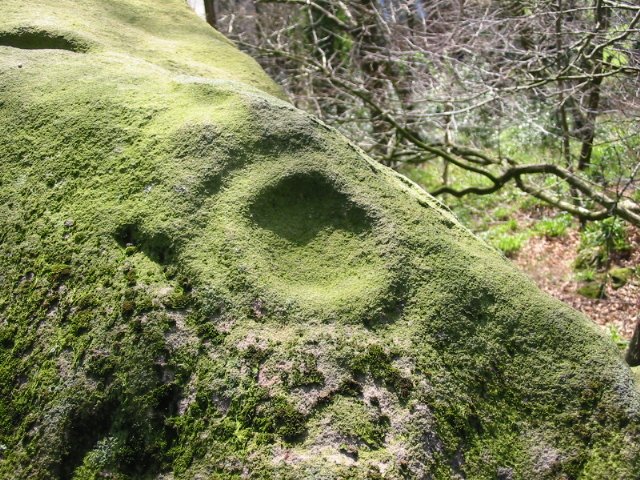
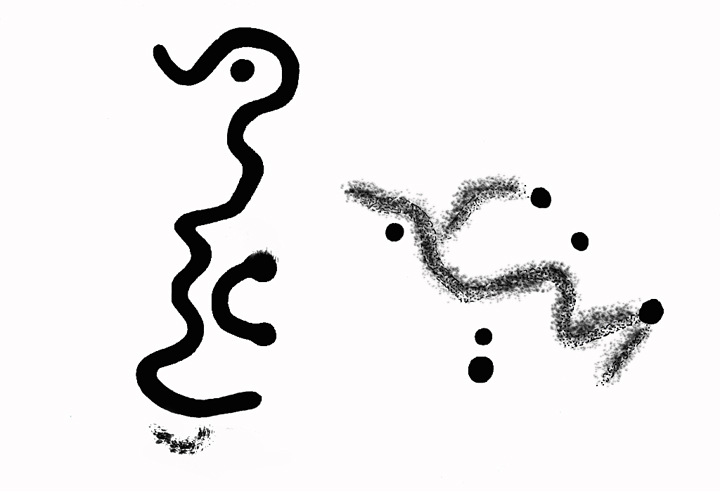
This is a magical place set in a megalithic landscape. You can see evidence of the hand of man altering the rocks stretching way back into prehistory. There are at least two sets of rock carvings here that are unique, this is not suprising once you look at the landscape they are set in. Views across the valley to Cratcliff Rocks and Robin Hood's Stride with Nine Stones Close just beyond, Doll Tor and the Andle Stone less that 1km away and Stanton Moor just beyond that. This is a beautiful and unique landscape and must have influenced the minds of the carvers. The Serpent carving was very difficult to make out and will probably have to be visited in different light conditions to appreciate it's true beauty. The quartered circle with cup and petal motifs is gorgeous as are the two 'eye-like' rings. The none-prehistoric carvings are is amazing too. What was in the head of the barmy masons who altered huge swathes of the rocks. Caves, steps, seats, passages and massive rock faces have all been created from the altered rocks. Me and Stu checked out one rock cut room that had been worked on every surface, a small hole had been bored through the cave wall to allow a tiny shaft of light to enter the otherwise dark room. In this room I saw the biggest spider I have ever seen in the UK, it was supsended from the roof and guarding a huge silk ball. Whilst admiring the view, a huge wagon drove by in the valley below, on the back of the wagon were three massive stone blocks, evidence that the Derbyshire stonemasons have an unbroken lineage from the present day back to the neolithic (that beats the phoney freemasons, with their Solomon's temple crap, hands down dunnit?). Rowtor Rocks is a magical place, take your kids, take a torch and take your time. |
 Posted by fitzcoraldo
22nd May 2003ce Edited 30th November 2003ce |
| This is a truly amazing site - from the moment I entered the site I felt transported. Each turn around the huge boulders offers something new - at times it's like being on one of the original Star Trek sets. The subtle movement between the natural and the artificial is the most incredible thing here - cave entrances turn out to be man-made, passageways to higher and lower levels of the rocks open up before you. The actual prehistoric rock art on display (what little we could find of it) is just a small part of the attraction here - these rocks seems to have been drawing human attention forever. An incredibly magickal place. |
 Posted by IronMan
24th February 2003ce |
|
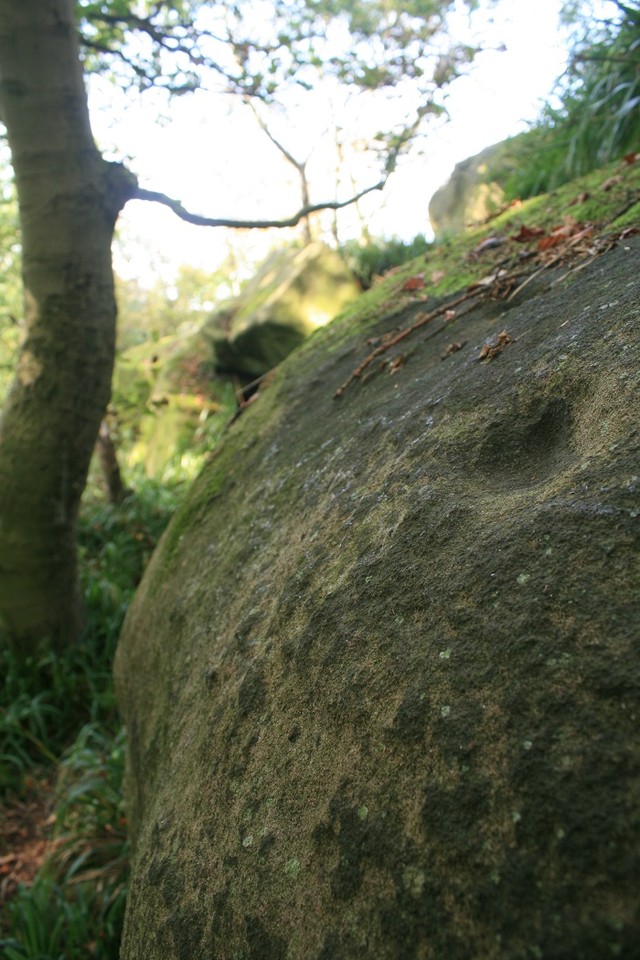
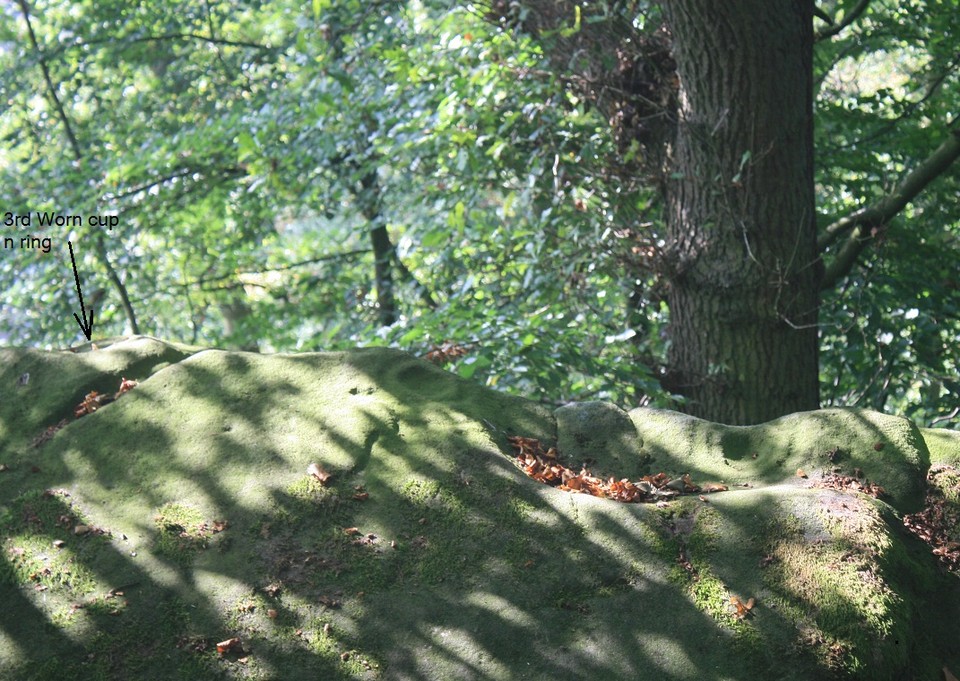
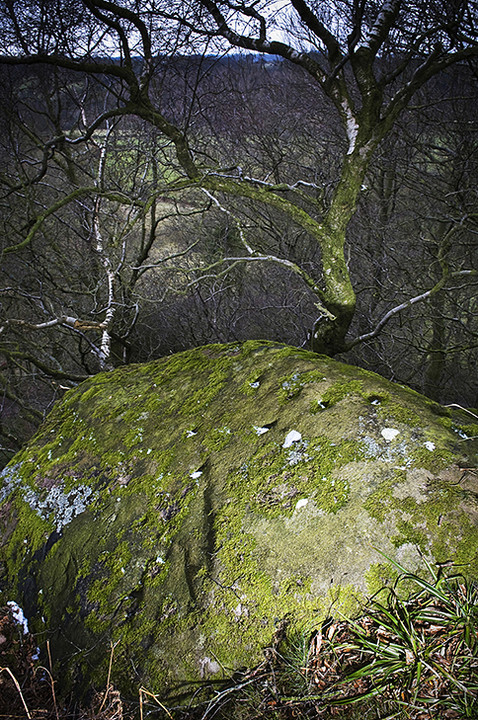
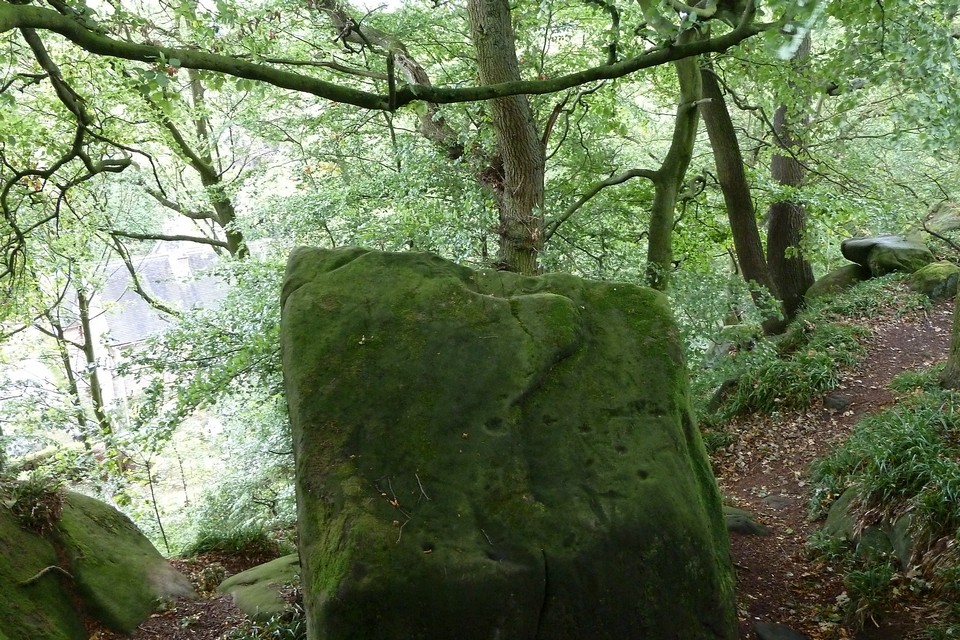
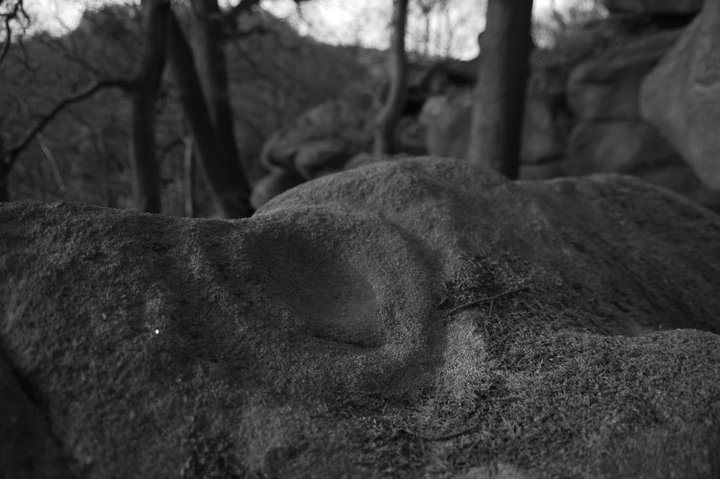
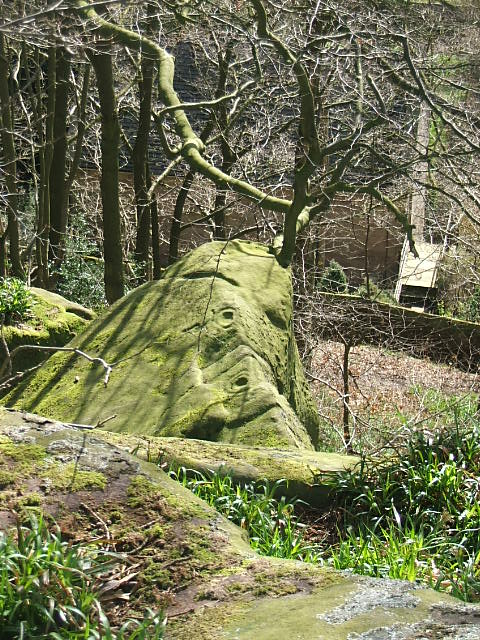
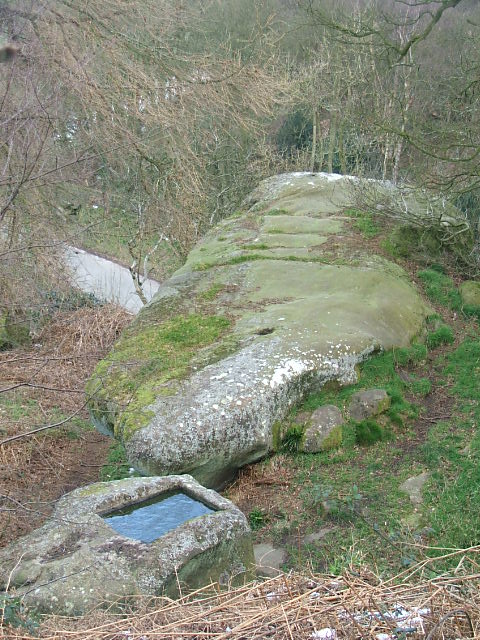
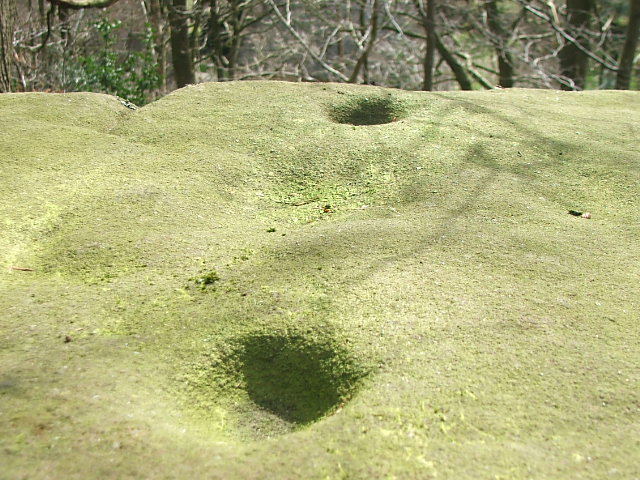
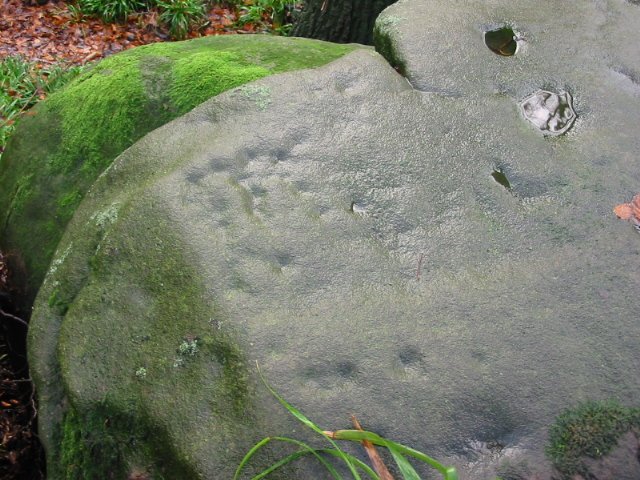
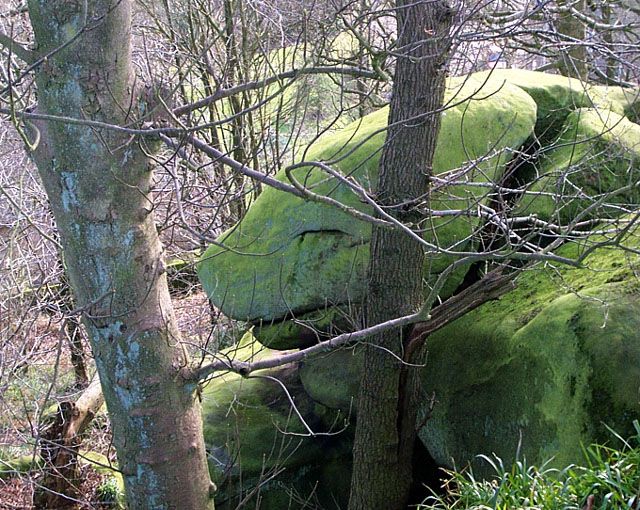
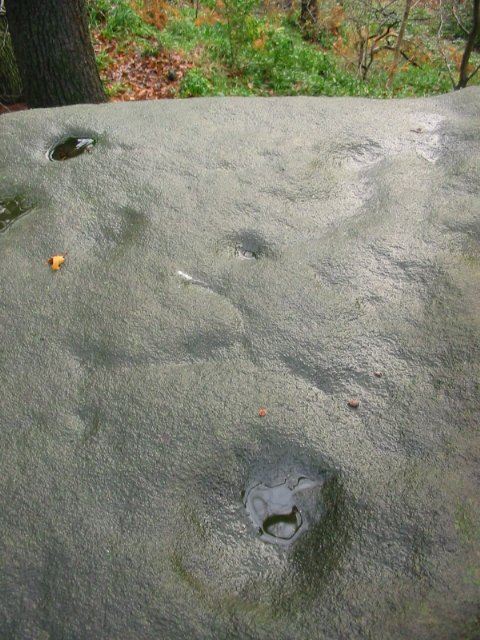
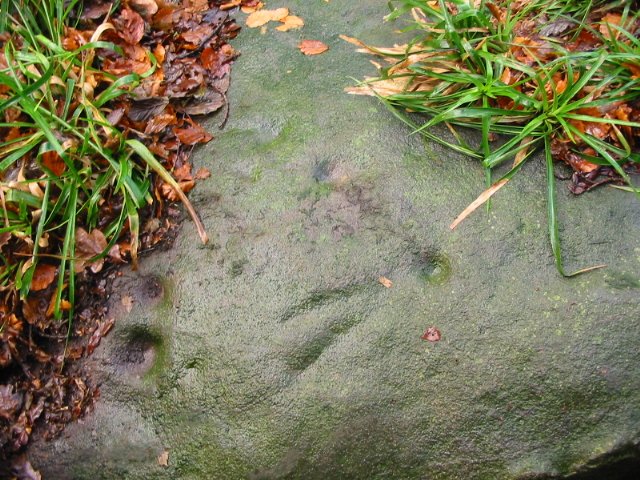
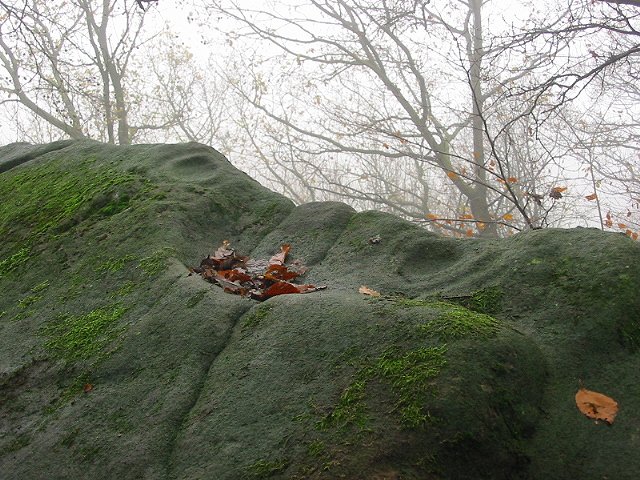
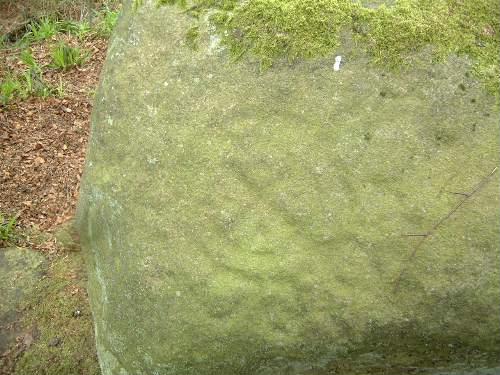
Most of the ancient carvings are found on the western edge of the outcrop, around the level below the 3 seater rock armchair. The 'cross' in Baz's pic is on the northern side 20ft below the armchair. The cup and ringed marked boulder can be seen south of the chair on the level below, two of the carvings can be seen. While a very worn third carving, is on the boulders top flat left hand corner. 25ft west of the cup and ring boulder and under a large tree is a very worn carving of a 'serpent'? There's a large cup mark and a faint wavy line travelling down the rock, with a semi cirle carving next to it ( along with the cup this is the most prominent part ) A couple of feet below this, in the tree roots is another rock with a worn carving along the same lines as the 'serpent'. 6 cup marks and another faint wavy line between them. |
 Posted by stubob
4th December 2002ce Edited 15th September 2006ce |
| I always knew these as Druid Rocks when I was growing up in Derbyshire, but 'officially' they're called Rowtor Rocks. They resemble a mini-Robin Hood's Stride. There are many legends and myths about druidic activity on the rocks (although as far as I know the evidence is sketchy) and the Victorians loved 'em. There are comfy little armchairs carved into the rocks, and several caves, rooms and passages to explore. I went up there yesterday for the first time in years, and they're as much fun as they've always been. If you're going to the Nine Ladies or the Andle Stone, then don't miss these rocks. The views from the top are amazing, especially in winter when there are no leaves on the trees. Does anyone know any history of Rowtor? |
 Posted by rangzen
14th March 2002ce Edited 18th February 2003ce |
Miscellaneous |
Add miscellaneous |
|
Further to the rock art that is shown in the photographs the DAJ note 3 more examples i) Two parrallel lines of cups flanked by two pairs of cups with a long groove above them ii) A large cup surrounded by a ring of seven cups with a further five cups nearby. iii) Similar to ii) a central cup and five outer cups. |
Posted by stubob 29th October 2012ce |

It should be observed, that the huge masses which occupy the summit of the Router rocks, range from east to west along the middle of the hill, and have had a narrow passage and two chambers or caves cut within them. The largest cave has a remarkable sound, and has thence been named the Echo; its length is sixteen feet, its width twelve, and its height about nine. The origin of these excavations cannot have been very remote, as the marks of the pick on the sides are very visible and fresh. They were probably formed about the same period as an elbow-chair near the west end on the north side, which has been rudely shaped on the face of a large mass of stone, and has a seat for one person on each side of it. This we have been informed was executed by the direction of Mr. Thomas Eyre, who inhabited the ancient manor-house, called Router hall, near the foot of the hill on the south, between seventy and eighty years ago, and used frequently to entertain company on this elevated spot.From p280 of 'The history of the county of Derby' by Stephen Glover (1829). |
 Posted by Rhiannon
2nd September 2012ce |
The name of these rocks bespeaks the purpose to which they have been applied, as the compound appellation of Row-tor, or Roo-tor, Rocks appears to have been derived from the various rocking-stones near the summit, as it is common in the provincial dialect to say that a thing "roos" which moves backwards and forwards.From 'The Scenery and Traditions of England' in The London Journal, July 1st, 1871 (p13). |
Posted by Rhiannon 31st August 2012ce |
A little more on what we're missing, with added rant:[At Land's End] a few years ago an officer of the British Navy amused himself and his crew by the wanton overthrow of [a rocking stone] from its balance. On representation properly made, he was obliged to restore the stone to its former state at his own cost.p168 in Naology: Or, A Treatise on the Origin, Progress, and Symbolical Import of the Sacred Structures. By John Dudley (1846). |
Posted by Rhiannon 7th March 2007ce Edited 7th March 2007ce |
|
Major Hayman Rooke suggested that the name of Rootor came about in reference to the outcrops rocking stones, of which there once were reputedly 8 or 9. The word 'roo' being an old Peak(/English?) word for something that moves "to and fro". The village of Birchover was also once known by the same name, Rowtor/Rootor. |
Posted by stubob 11th February 2006ce Edited 11th May 2006ce |
| If your ever up here...check out the small chapel at the foot of the rocks. Built by Thomas Eyre in the 18C, the man thought to be responsible for the more modern carvings and rock shelters. On the small porch built on the side are carved stones and stone heads. These were found around the village and are believed to have come from a local Norman church, site of which is now lost. |
Posted by stubob 4th December 2002ce |
Links |
Add a link |
You Tube - Shropshire TravellerClip of a rocking stone at Rowtor Rocks |
 Posted by ShropshireTraveller
12th July 2010ce Edited 12th July 2010ce |

George Eastman House Stereoscopic Cabinet 1859-1860Wonderful stereoscopic image of the top of Rowtor Rocks circa 1860. |
Posted by IronMan 27th February 2003ce |
Birchover village - Rowtor RocksThis is a great local history site, if you go back to birchovervillage.co.uk and follow the local history link on the lefthand side, there are pages of info on Stanton Moor, the Nine Ladies, Doll Tor, Harthill and more |
Posted by rangzen 14th March 2002ce |
 Top of page