Showing 1-50 of 4,108 posts. Most recent first | Next 50 
      
|
Pastscape description:
The earthwork in Hailes Wood is on a spur of the Cotswold escarpment with steep natural slopes to the west, and more gentle slopes to N and S. The ground rises steadily to the east, and on this side the defence is strongest with a bank up to 2.3m in height above a ditch which is 1.5m deep. On the south side a ditch and slight outer bank is in use as a path, except where it turns at the SW corner to end on the natural slope. The SW approach is also defended by two additional banks between the outer ditch and the level area above it, which has been cut off from the rest of the interior by a ditch up to 1.8m deep. The total area enclosed is 1 1/2-2 acres. Modern paths run through the earthwork, but the entrance near the SE corner may be original.
|
|
|
Pastscape description:
Remains of a probable IA fort situated upon the flat summit of the northern end of the ridge called The Warren, and centred at SP02403180. The work is roughly oval in shape, measures about 230.0 m, NW-SE, by 170.0 m transversely, and is contour-following all the way.
Where the defences crossed the ridge at the northern and southern ends, no traces remain, probably due to ploughing.
Along the W side, the upper slopes of the ridge have been steepened by scarping, and are 5.0 m in height, 10.0 m in length. A probably original entrance cuts very obliquely up through the scarped slopes near to the NW corner of the work.
The E side has been reduced by ploughing to a lynchet-like slope, 5.0 m in length, 1.5 m in height.
|
            
|
English Heritage description:
Despite some disturbance in the past, the two bowl barrows known as Stumps Cross round barrows survive well.
The monument includes two bowl barrows, aligned north west-south east, set just below the crest of a hill in the Cotswolds and within two separate areas of protection. The northern barrow mound measures 20m in diameter and is 0.6m high while the barrow mound to the south measures 18m in diameter and is 0.5m high. Surrounding each mound is a ditch from which material was excavated during the construction of the barrows. These ditches are no longer visible at ground level, having become infilled over the years, but survive as buried features about 2m wide.
|
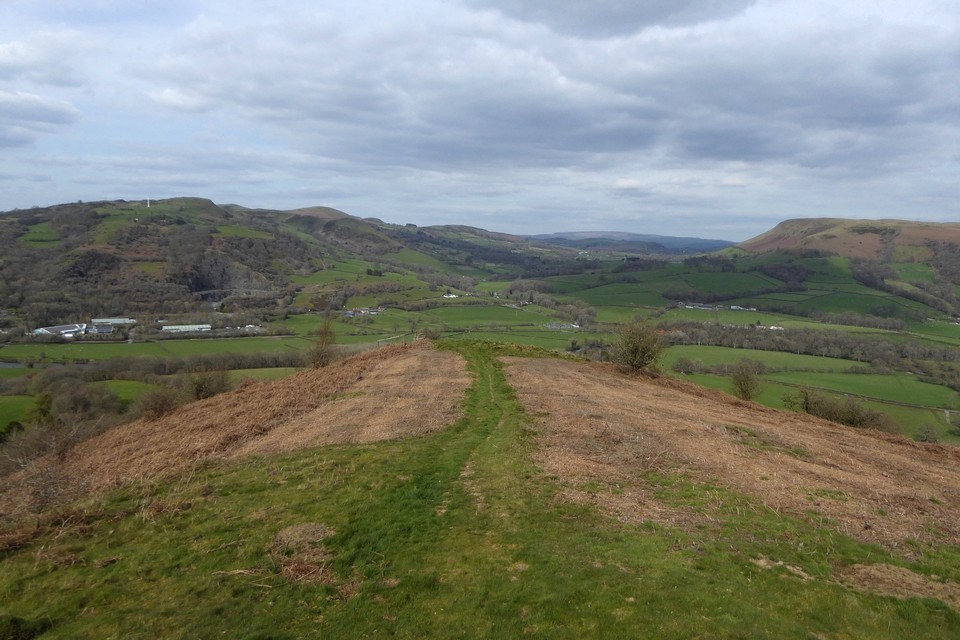
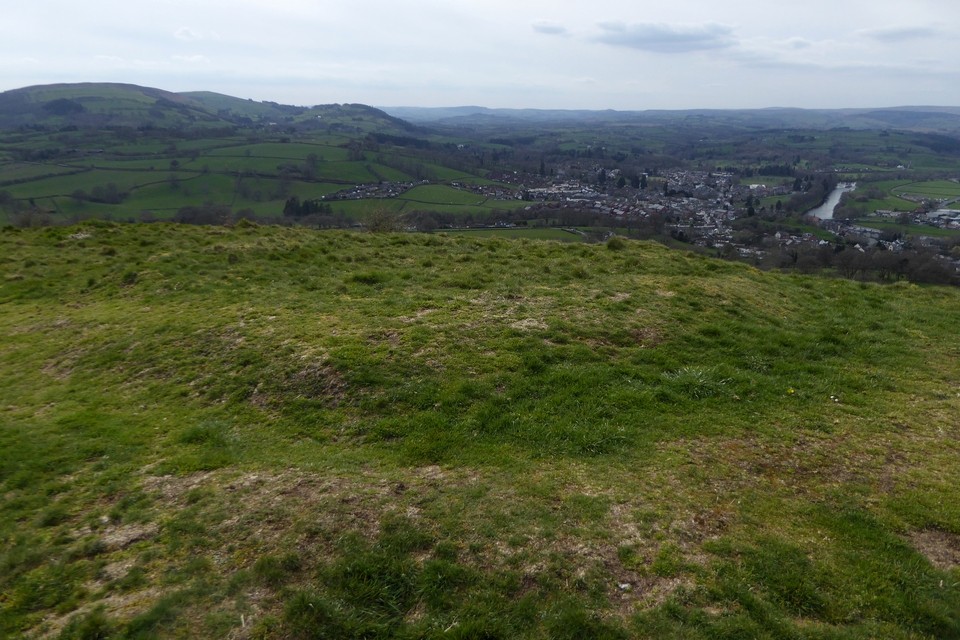
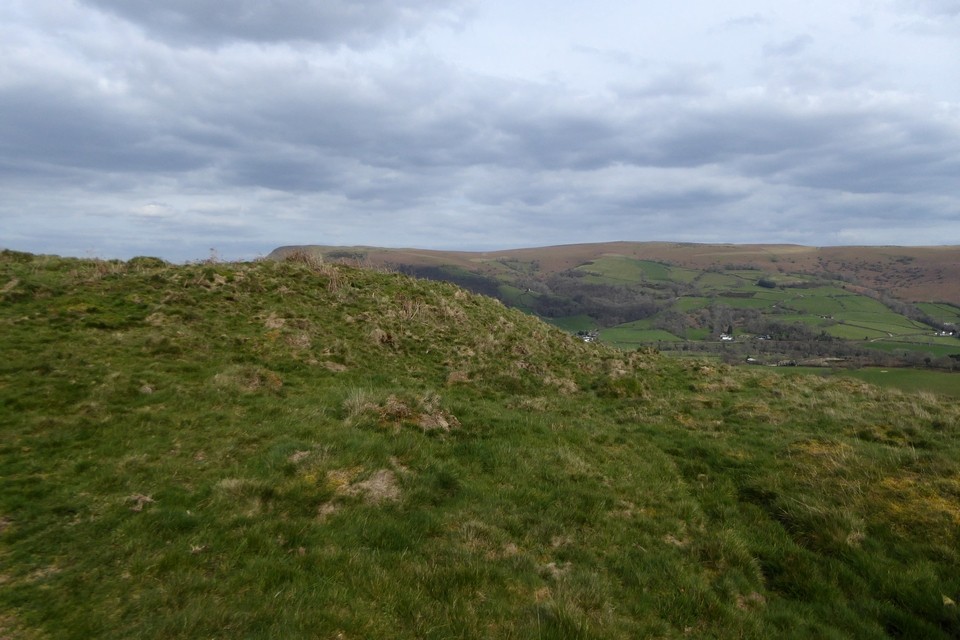
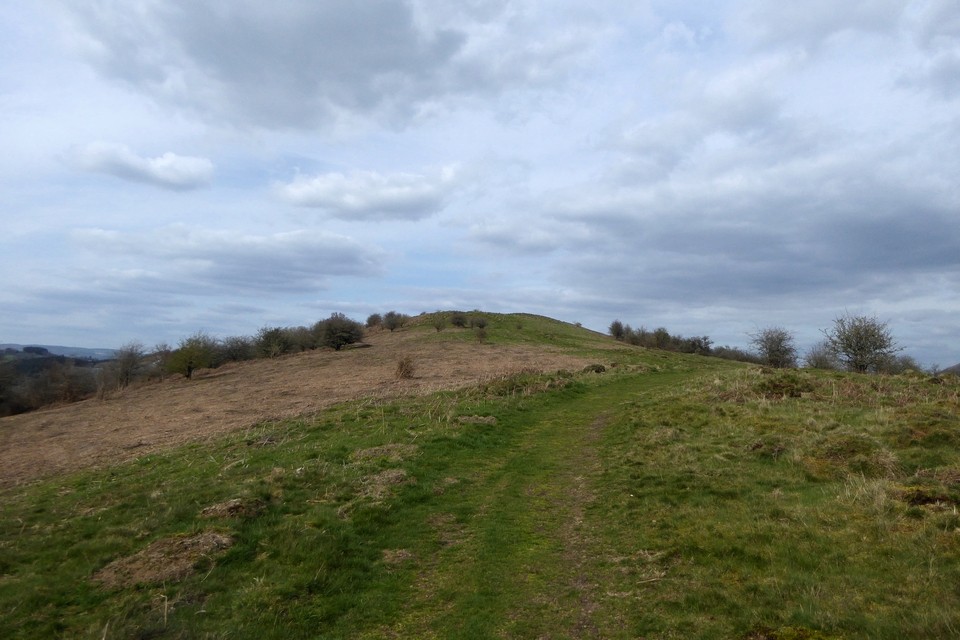
Coflein has the following description:
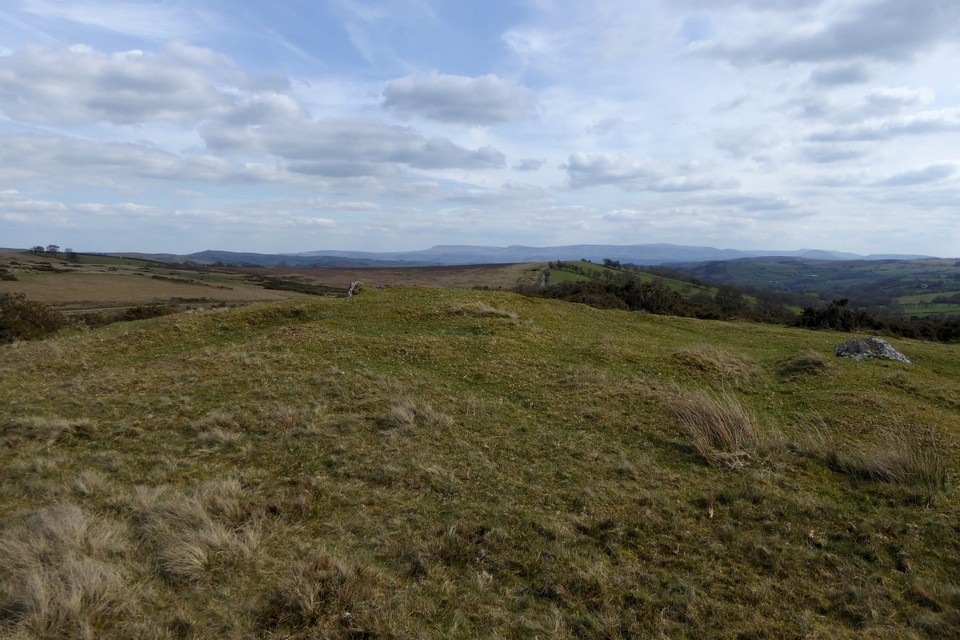
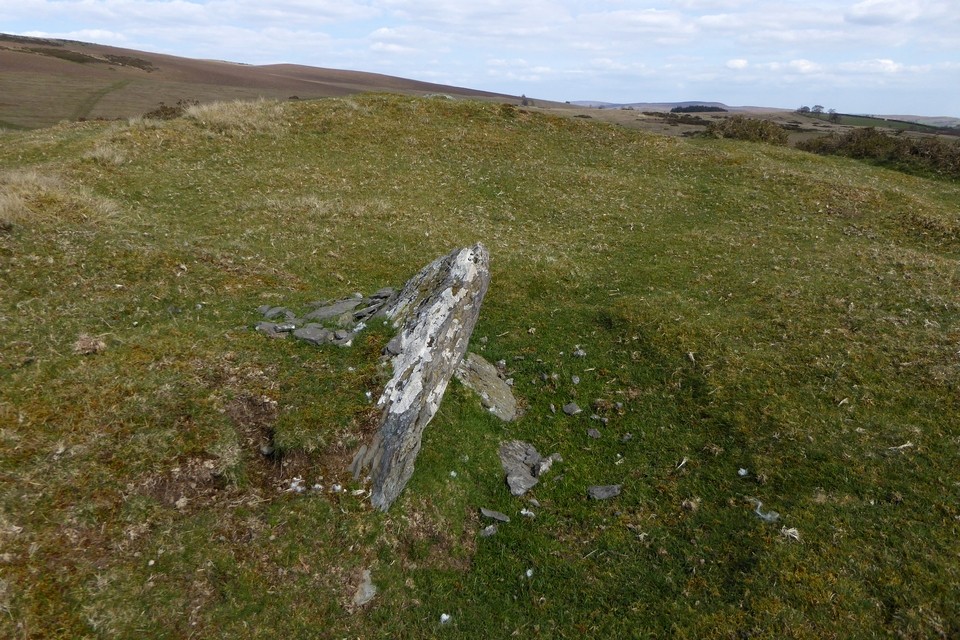
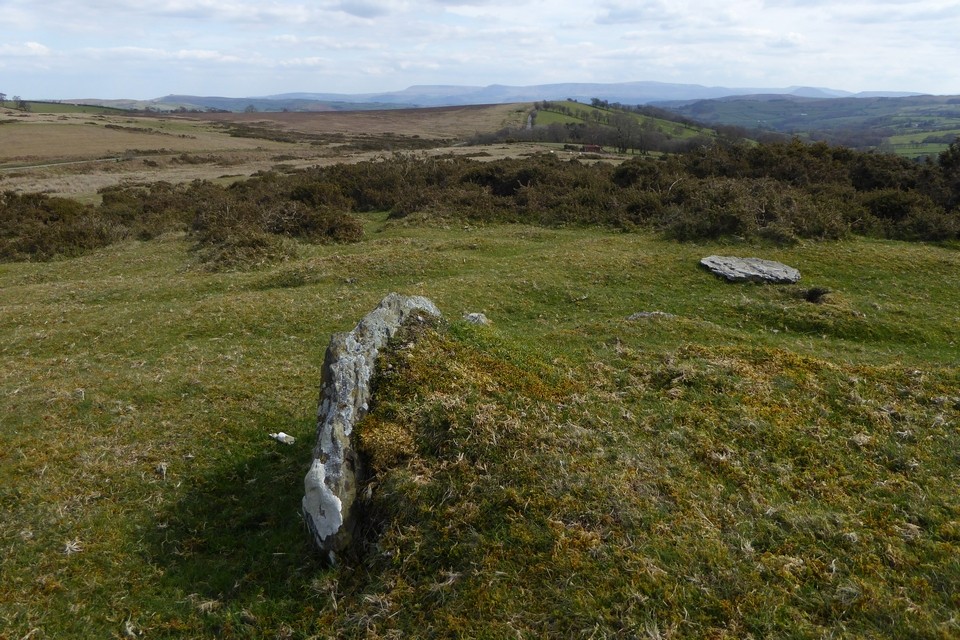
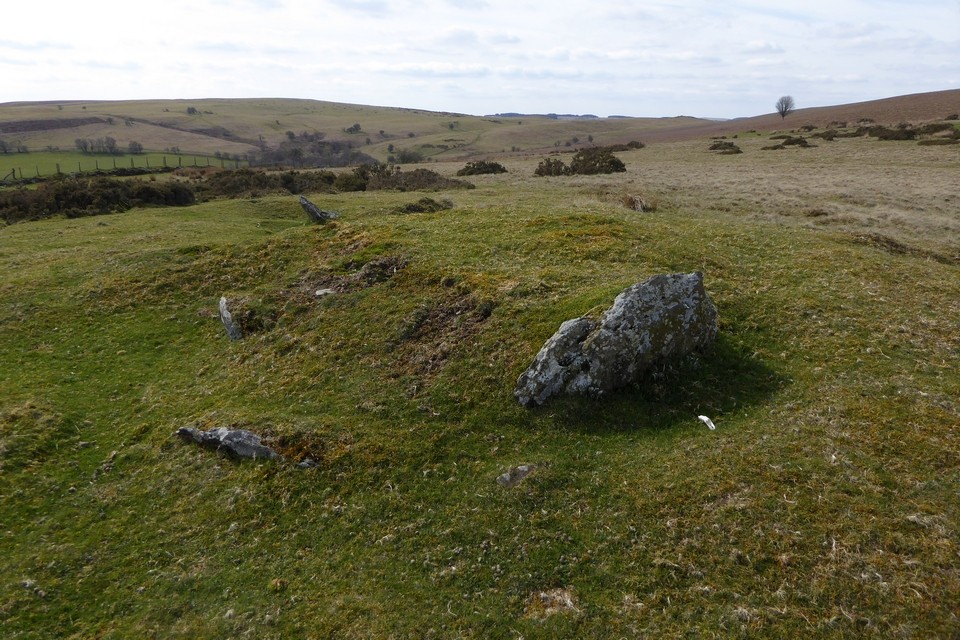
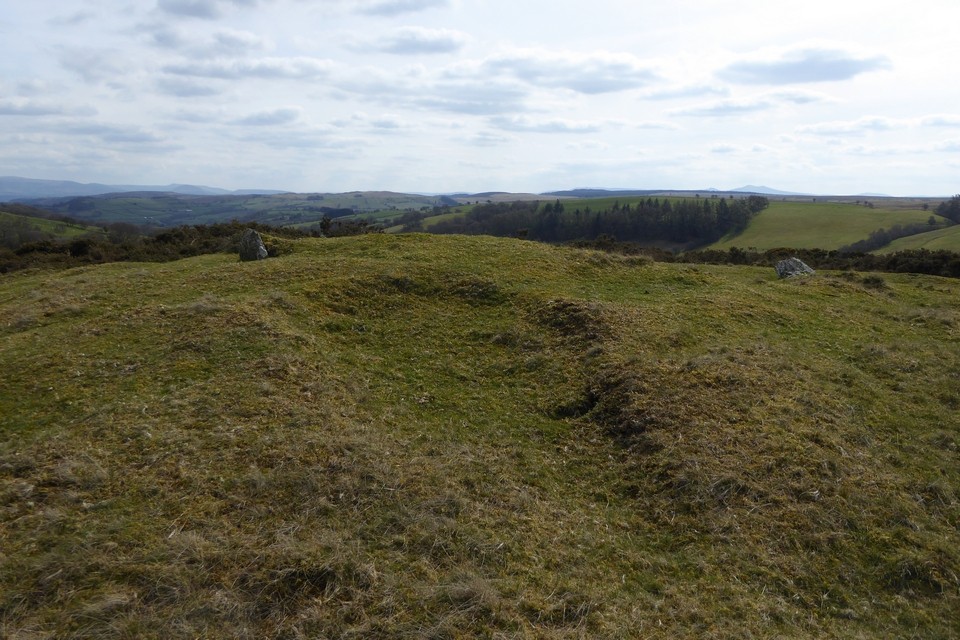
A sub-oval hilltop enclosure, 120m by 90m, defined by a bank, ditch and counterscarp, with entrances to the SW and NE.
|
|
|
 
|
      
|
      
|
Showing 1-50 of 4,108 posts. Most recent first | Next 50 
Twin interests are music and prehistory - music obviously includes Mr Cope, but wide variety of other things including Durutti Column, New Order/Joy Division, Billy Bragg, Smiths, Chameleons, Cardiacs, 50s rock'n'roll, etc. Many hols (and every opportunity) spent dragging very patient girlfriend to see vaguely discernable stone lumps obscured by mud and vegetation, particularly in West Penwith, also the Peak District and Herefordshire/Shropshire. Used to live in Yorkshire (Blakey Topping and High Bridestones being favourites) now live in Gloucestershire and pining for stone circles. Also blaming TMA in general and Gladman in particular for increasing levels of obsession where Wales is concerned. And now also blaming Drewbhoy for the urge to move to Drewland, RSC Central. No car (and can't drive) so sites are visited by public transport and on foot, which is still just about possible, despite the efforts of our beloved government to reduce/stop less profitable services by cutting funding everywhere. Working for a government scheme designed to kill your dreams. Appreciate a nice pint after a hard day's stone spotting (particularly in the Tinners Arms at Zennor).
|
| |