|
 Log in |
Register Log in |
Register
|

|
|

King Arthur's Round TableHenge
|


 Show map (inline Google Map)
|
|
|
Images (click to view fullsize) |
 Add an image Add an image |
Photographs: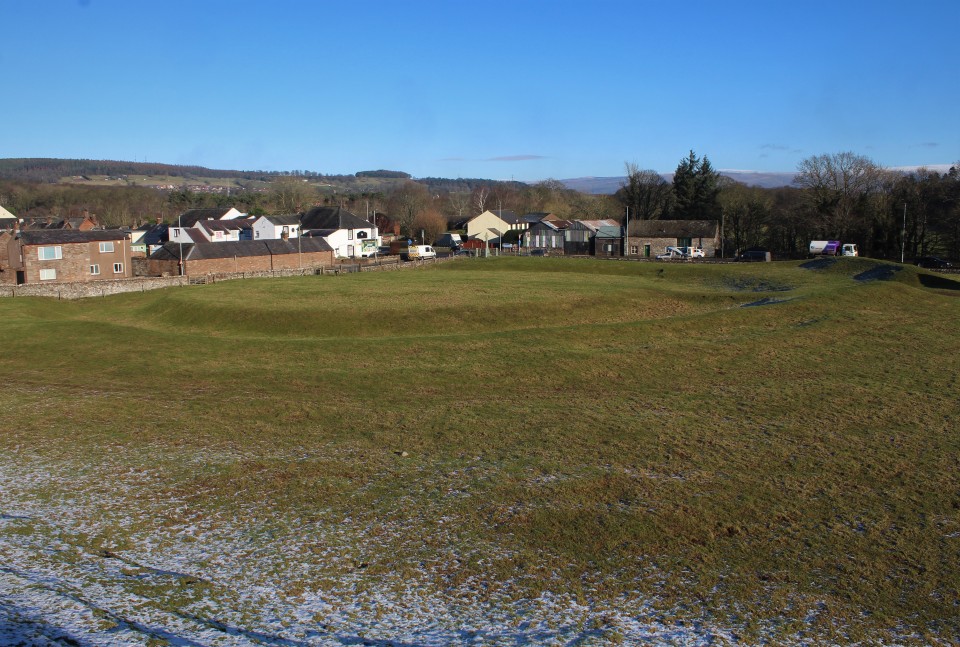
 Maps / Plans / Diagrams:
 Artistic / Interpretive: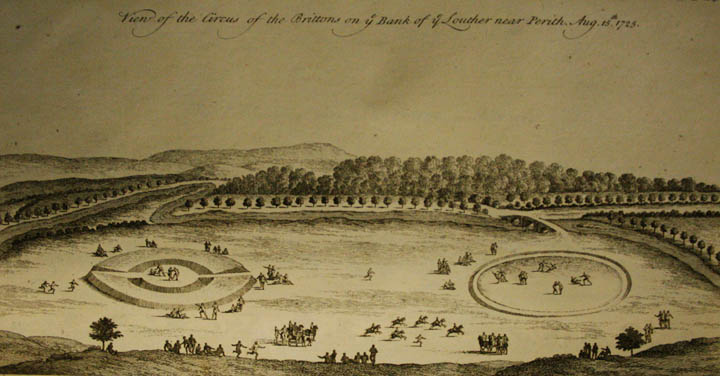
|
Fieldnotes |
Add fieldnotes |
|
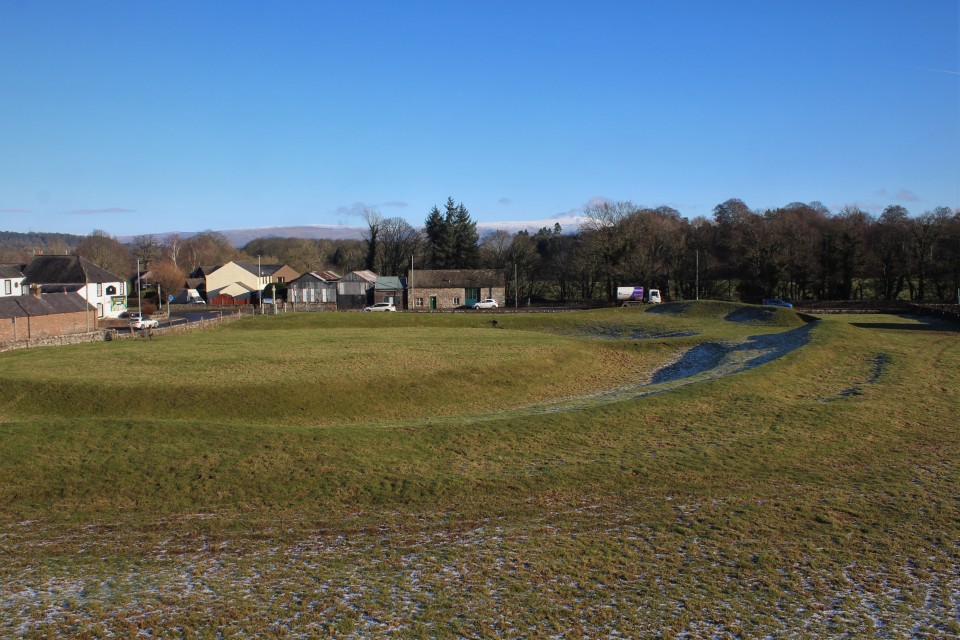
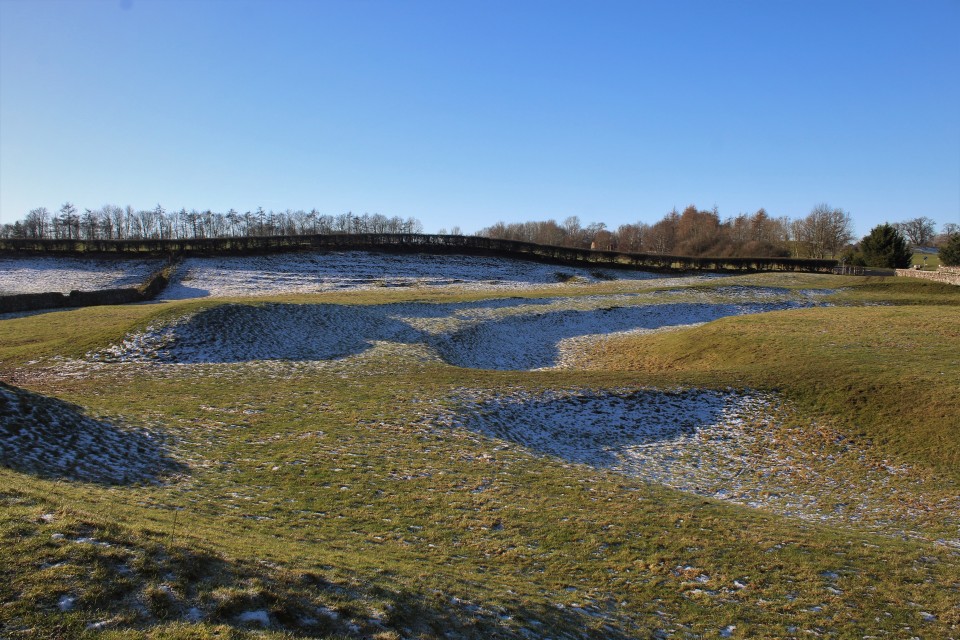
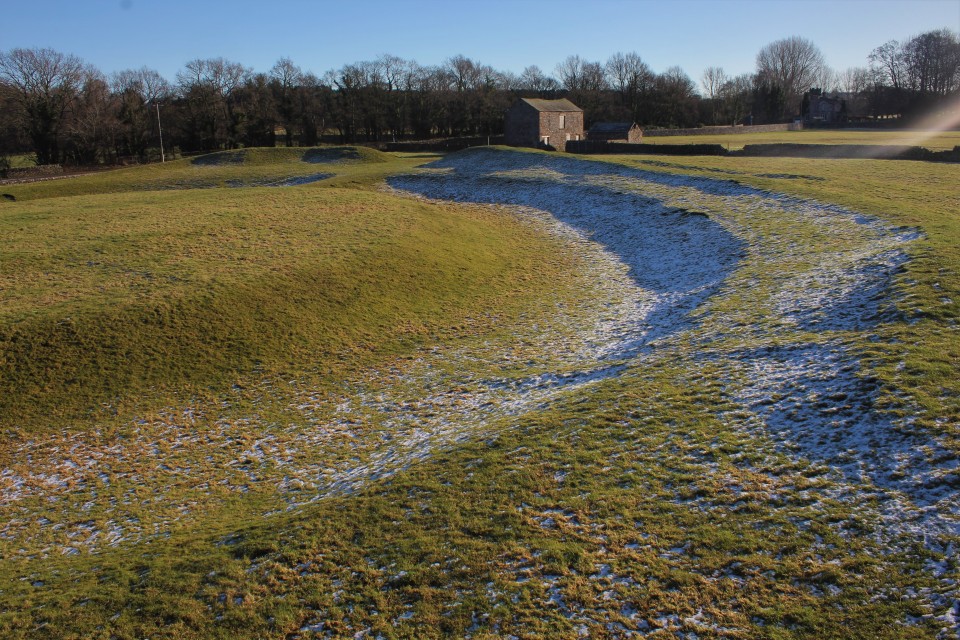
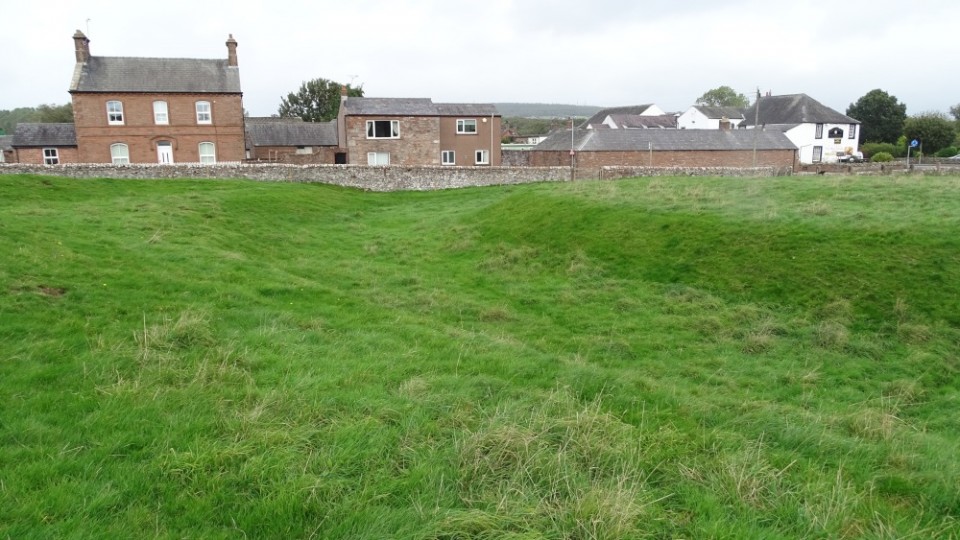
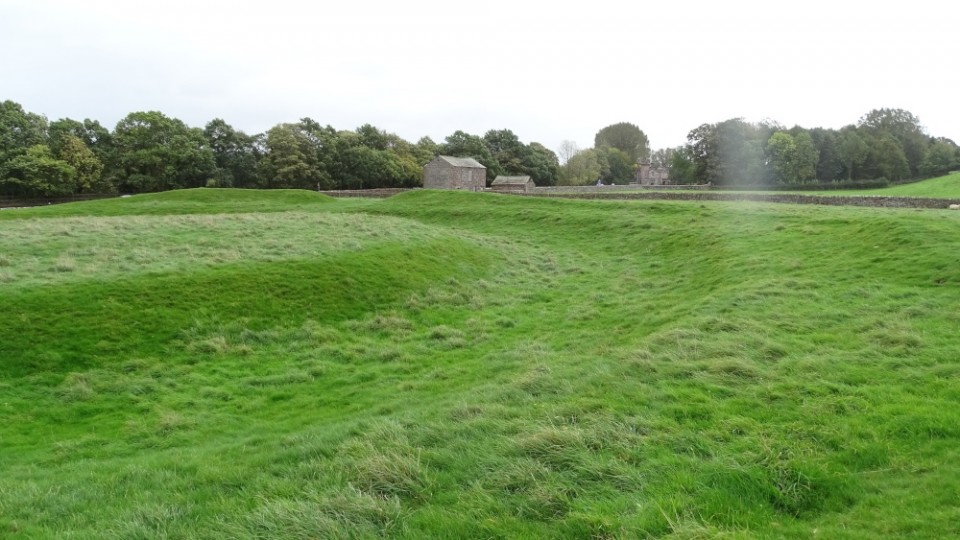
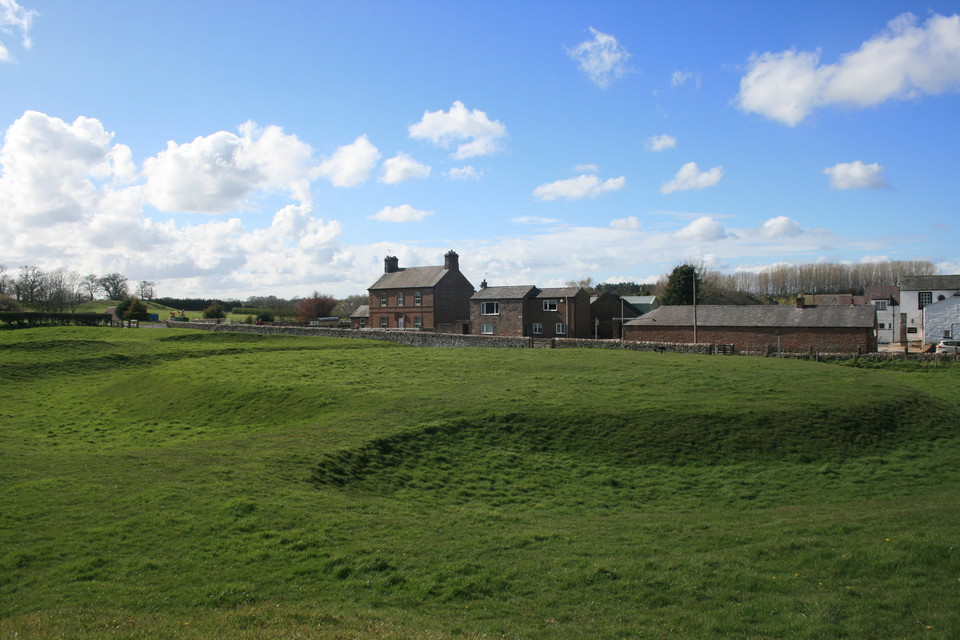
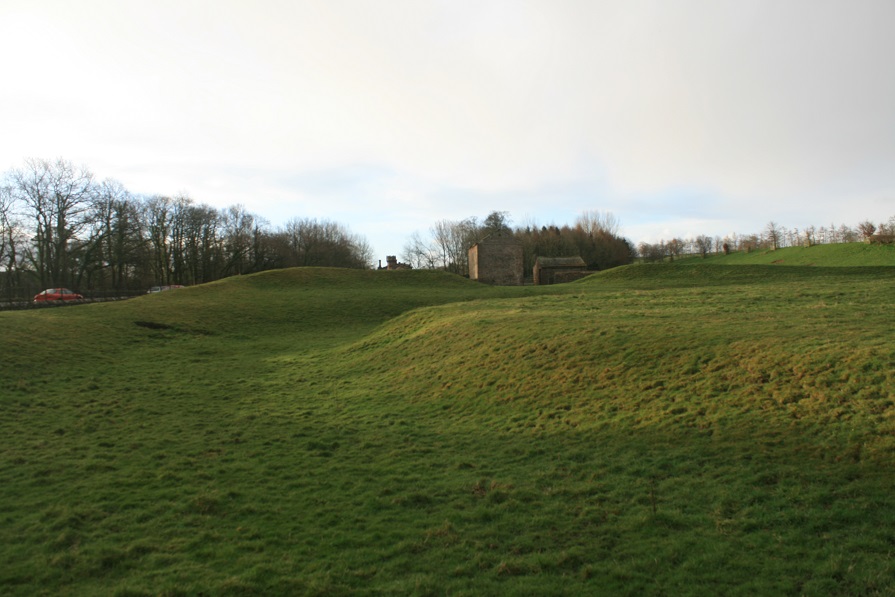
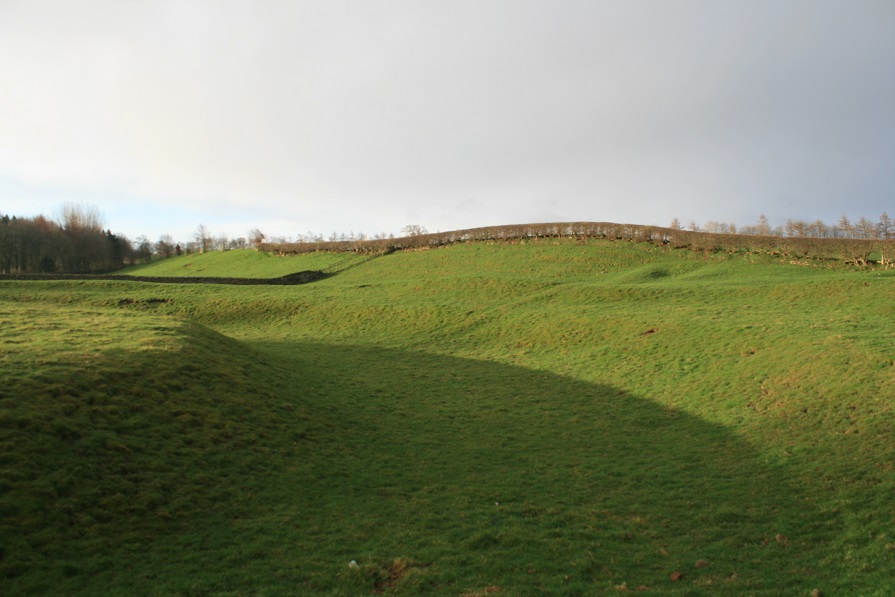
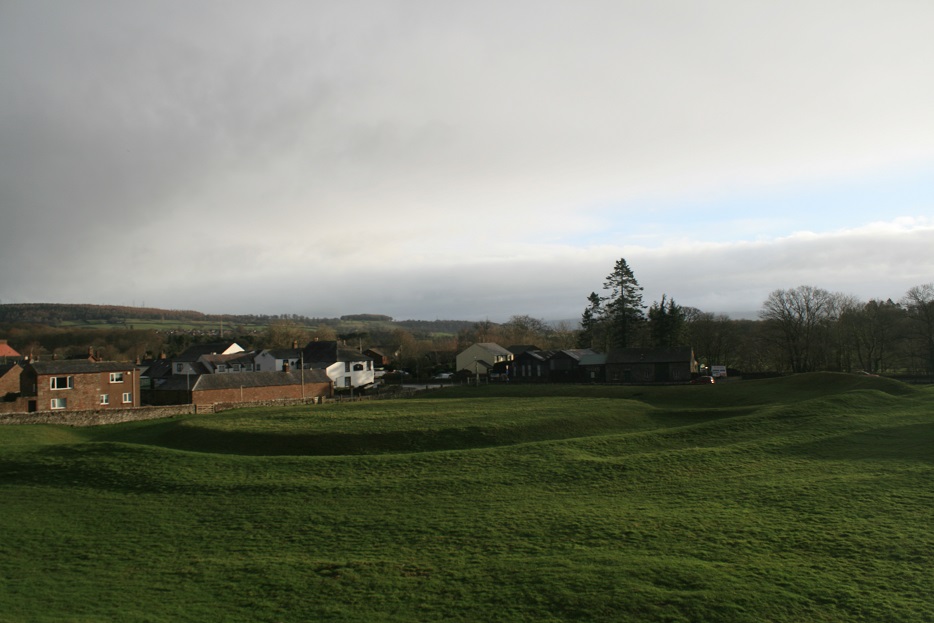
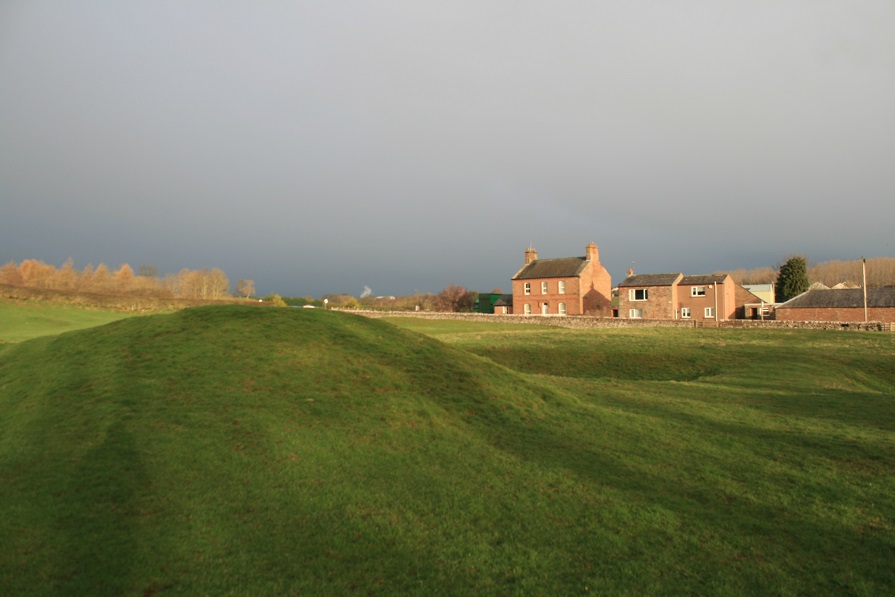
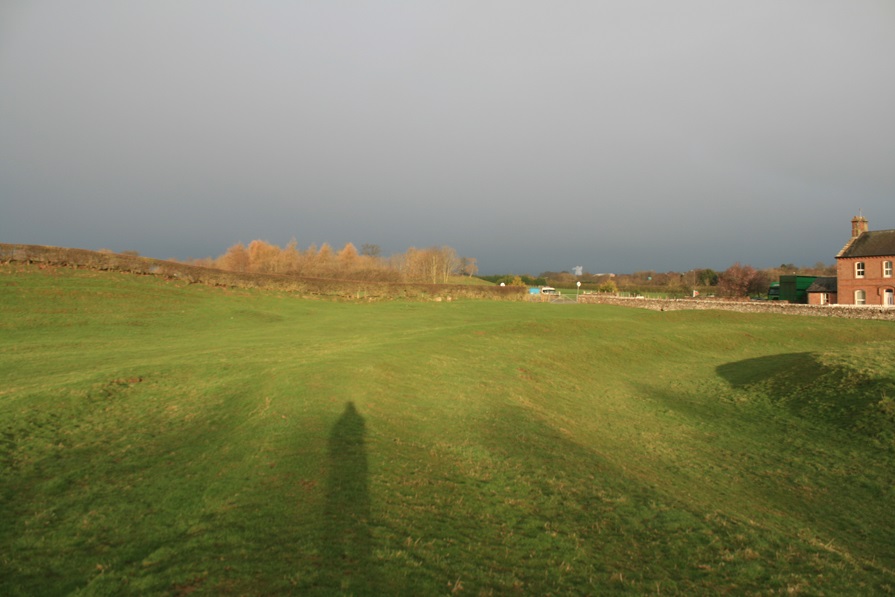
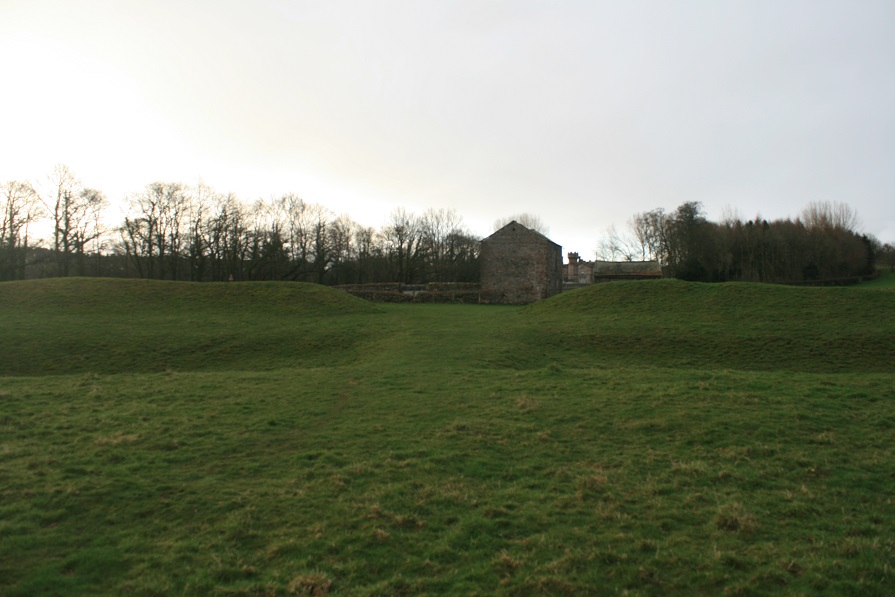
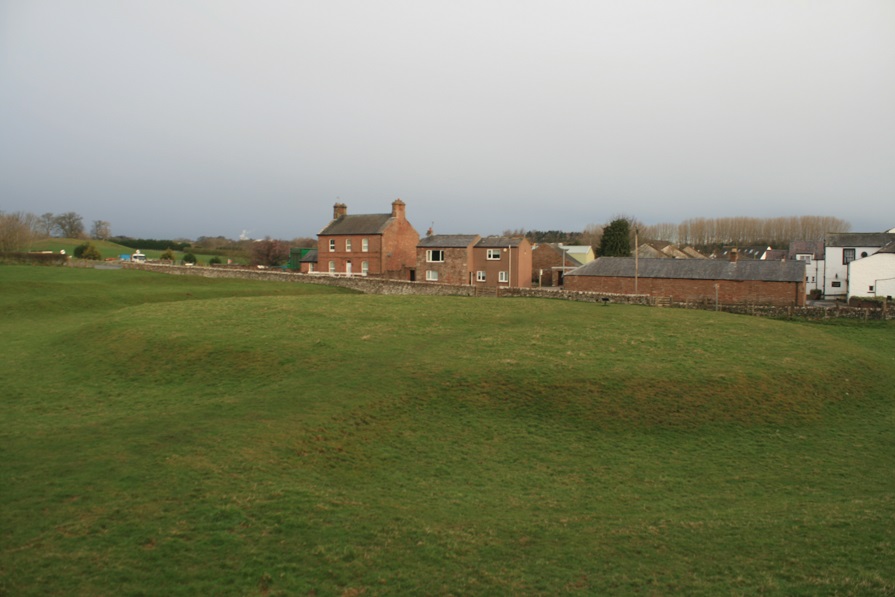
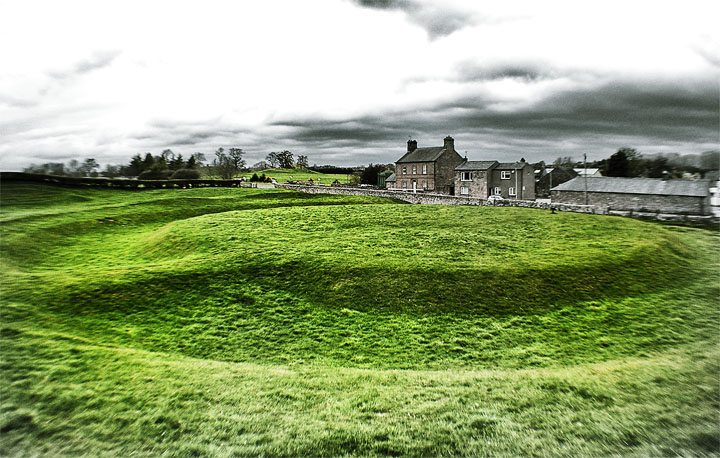
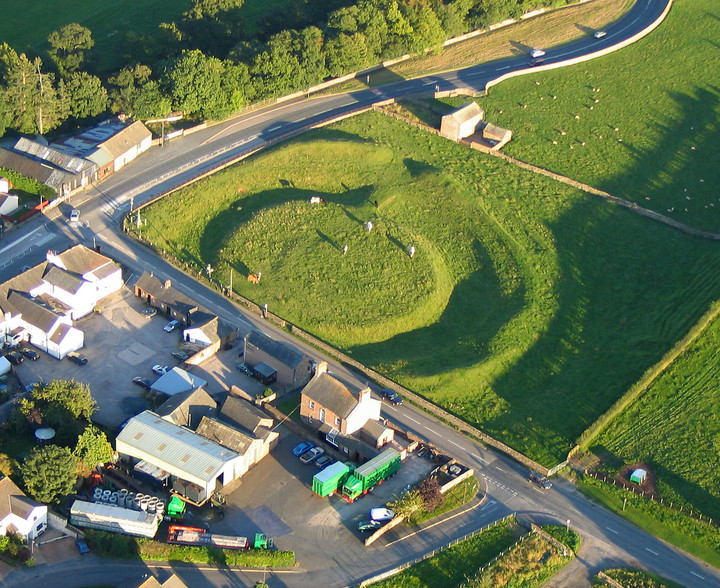
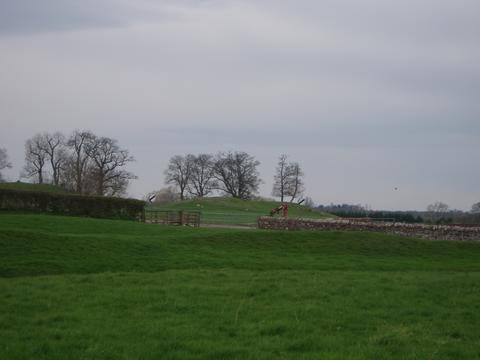
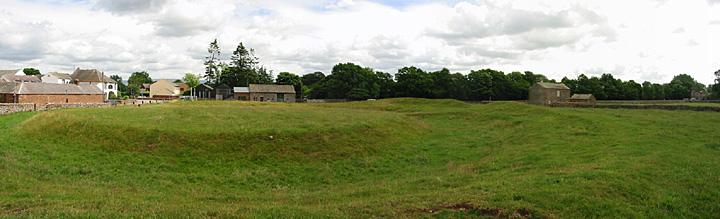
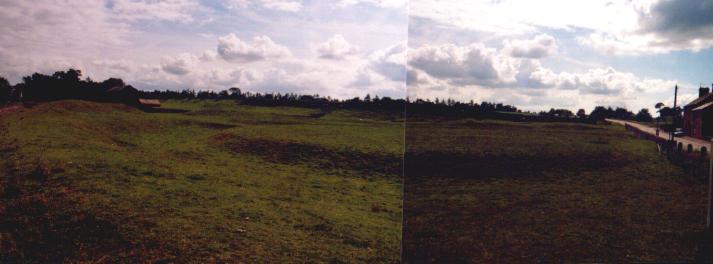
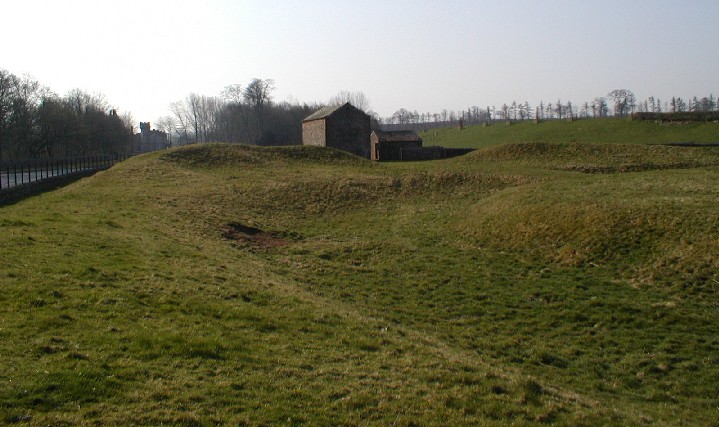
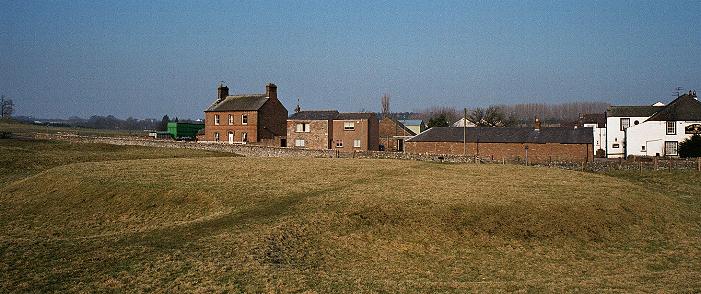
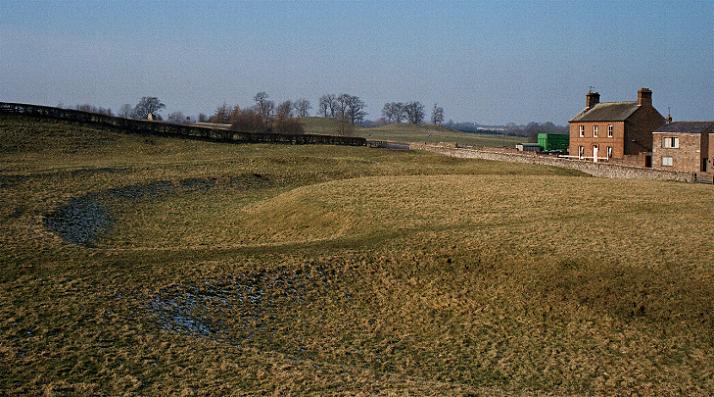
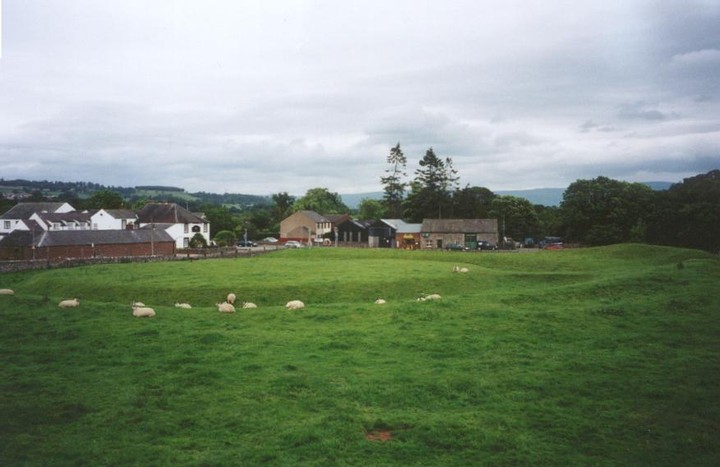
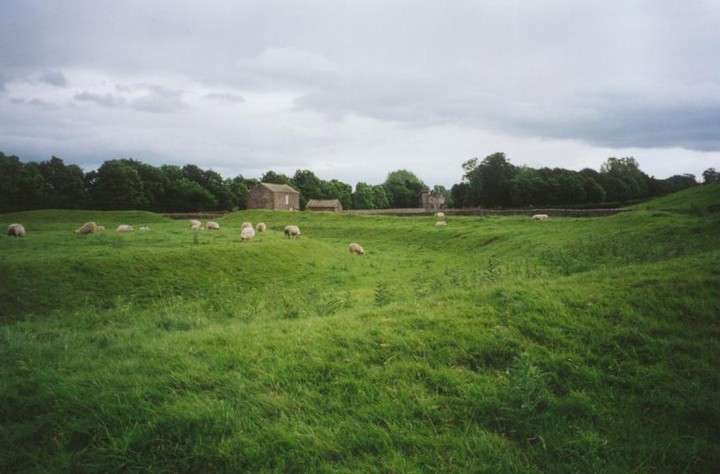
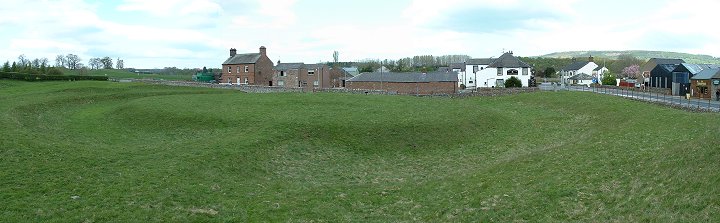
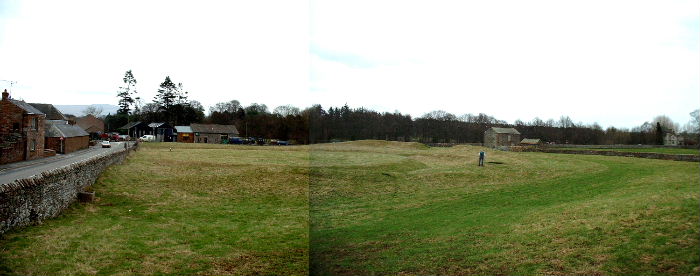
Visited 2nd May 2016 When visiting King Arthur’s Round Table I’d make two suggestions. Firstly the little village of Eamont Bridge is surprisingly busy, and there isn’t really anywhere designated to park if you’re coming to see the henge. We squeezed in amongst some other cars at the side of the A6, outside what seemed to be a rather busy hair salon and garage that seemed to be holding a yard sale. In hindsight it would probably have been better to park up at one of the two nearby pubs, where a leisurely drink, as opposed to a continual fear of getting the car bumped, might have proved more conducive to a pleasant visit. Secondly make sure you come here first before visiting Mayburgh henge. Having just come from there it’s fair to say that after the grandeur of the amazing Mayburgh, which exceeded all expectations, there’s a palpable sense of let-down when you first see King Arthur’s table. Huddled between the intersection of two busy roads, on first appearances it bares more resemblance to a village bowling green, or King Arthur’s picnic spot perhaps? Like Carl before us we were somewhat disappointed with this place. Shadows from the late afternoon sun pick out the gentle undulations of the earthworks. It’s a shame the northern edge of the henge seems to have been barbarously shaved off, along with the second entrance, but walking around the neatly trimmed grass of the lumps and bumps of the ditch and mound everything was pleasant enough, there just seemed to be something missing. The tree adorned top of the bank at Mayburgh is visible on the horizon, and as I wander around the circular centre of the henge I try to imagine how the sightlines must once have been between the two monuments, but it’s hard to strip away the modern trappings of the road and village. I can’t quite put my finger on why I’m not so taken with this place, perhaps if it sat in splendid isolation, with just the majestic embankments of Mayburgh on the horizon, or in a way just felt a bit more ‘wild’ I’d appreciate it more. I was interested to read in Fitzcoraldo’s notes that it was once turned into a tea garden, as it still feels a bit like that now, perhaps just a little too manicured? Still it’s so close to the road and near to Mayburgh it seems rude not to at least pay a visit when passing, but I think it’s perhaps best taken as an appetiser to the wonderful Mayburgh just up the road. |
 Posted by Ravenfeather
10th May 2016ce Edited 11th May 2016ce |

|
Visited July 2009. I must admit I was a bit dissapointed when I visited. I'm not sure why, perhaps after the long drive I was a bit tired? Anyway, easy enough to find right next to the road. When I am next in the area I will visit again and see what I think next time. |
Posted by CARL 24th May 2010ce |
|
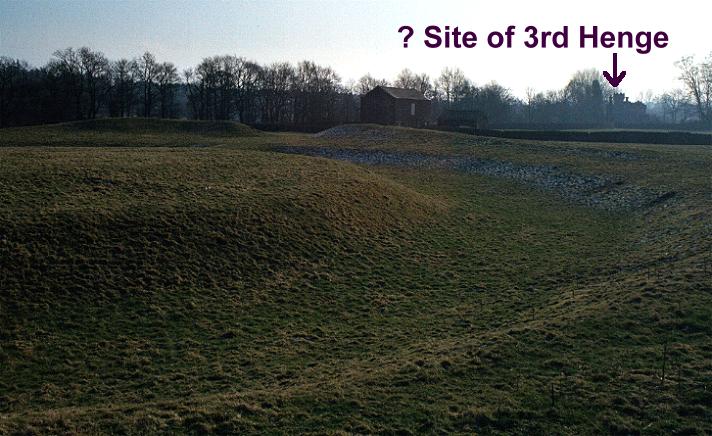
Of the three that there were said to be, one we know. one has been destroyed by the building of the gatehouse, where is the second one? under the road? Are there any remains of the other two left? The fields either side? |
 Posted by bobpc
9th March 2007ce Edited 9th March 2007ce |
|
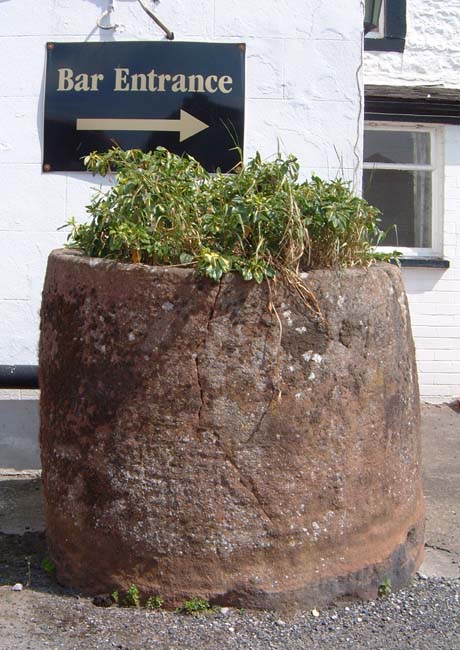
I was very taken with the small raised circular platform in the middle of the henge. It's just off centre, only a few inches high. It put the fancy into my head that this was a cousin to the aboriginal Australian bora circles, and that the henge was built around a pre-neolithis ritual platform. Probably totally tosh, I know, but if there's another more sensible explanation, I don't know that I want to hear it, it would spoil the delusion. Even dodgier idea, is that the big stone planter in the carpark of the pub is the remains of one of the two stones alleged to have stood over the entrance to the henge. The pub Landlord was adamant about the truth of this claim. It it is such a large thing, it must have taken some effort to reduce it to an oversized garden ornament. Though it looked more like sandstone to me, and not of the same stuff as the central stone of Mayburgh, not that that means anything either way. |
 Posted by Hob
31st August 2004ce Edited 31st August 2004ce |
|
[visited 31/5/4] Sitting almost in the shadow of Mayburgh is this Arbor Lowesque henge. Its a bit trashed by the road and forgotten by modern penrith but its doing remarkably well compared to compatriots about the country. Access is ok, I stuck the car on the verge next to the henge and shinied over the gate. I think you can get in without gymnastics though. Henge complexes are reasonably common in Britain but I've not heard of two so dramatically different, being so close as this and Mayburgh are. Despite the closeness I feel this one is the true henge of the area, maybe the local henge for local people. This post appears as part of the weblog entry Four stone circles and two henges, doodaa doodaa
|
 Posted by juamei
27th June 2004ce Edited 27th June 2004ce |
|
Sunday 29 June 2003 Hadn’t really looked at King Arthur’s Round Table before and could’ve done with a bit of time on this occasion. It’s a really nice example of a henge, but couldn’t be much more different to Mayburgh. Anywhere else it’d be pretty damn impressive I reckon. Here in the ‘shadow’ of Mayburgh, it’s difficult to give it enough spotlight, but I reckon it’s pretty damn impressive anyway!!! This post appears as part of the weblog entry Such a nice Shap!
|
 Posted by Moth
2nd July 2003ce Edited 16th July 2003ce |
|
I have been visiting this site since I was a bairn. My uncle used to take us camping to the lakes and his favouite stopping off place was the boozer at Eamont Bridge. Me and my cousins were given the obligatory glass of pop and a bag of crisps and left to our own devices for a couple of hours. The henge and the river were our playgrounds. In recent years I discovered the Mayburgh Henge and neglected King Arthurs Round Table. I decided to make amends on my last visit and stayed away from Mayburgh and devoted myself soley to this henge. It's a beautiful place! How could I neglect it ? You can be just yards away from a busy road (A6) and yet emerse yourself to an extent that everything else just fades away. This is what henges do to me, I'm sure that this is what they are supposed to do. I knew it as a kid and I'm re-learning it now. |
 Posted by fitzcoraldo
21st February 2003ce Edited 16th September 2003ce |
|
King Arthur's Round Table (21.8.2002) Well signposted, but no organised place to park a car. I found it best to park in side road virtually opposite the main entrance to the site. This is on the B5320, barely 50 metres from the junction with the A6. You can also then walk to Mayburgh if you wish. It is hard to really get a feel for the place because of it destruction and location, but it did remind my in a small way of the henge at Arbor Low, and the banks and ditches of numerous hill forts, especially Figsbury Ring. |
 Posted by pure joy
24th November 2002ce Edited 25th November 2002ce |
|
I don't know when it was, or who it was, but at some point in time some idiot decided to build a road through the edge of this monument. There were originally two entrances, only the one to the South East remains leading in through the banks, across a raised walkway over the ditch into the central enclosure. This can only be some kind of gathering place- we can only wonder what went on here. Interestingly the entrance to Mayburgh Henge can easily bee seen from the centre of circle - how and why were these two monuments linked? |
 Posted by Chris Collyer
12th May 2002ce |
|
Amazing that this is still here, sliced on two sides by roads. OK, so it's not intact, but still fairly impressive. Good to watch the cars going by staring at the idiot on the fence with the camera March 2002 |
 Posted by moey
1st April 2002ce |
|
I'd considered dropping in on these henges the last few times I'd driven up the M6 but never quite got round to it. Henges don't send me aquiver in the way they should... or so I thought. Travelling back from julian's Bolton gig early on Saturday moning, having been advised to check them out by the man himself, with no map or TMA in the car and only Julian's directions from the night before to guide me, we neared Penrith. A downpour of some considerable intensity began as we got within 5 miles, almost like my resolve to go was being tested. Visibility out the windscreen was poor and I almost went straight thru the lights on the main roundabout off the M6. Turning up the small road past King Arthur's Table, driving along to Mayburgh with no real expectations, wrapping up and setting off for the short walk across the style. Climbing the raised henge, looking down on the solitary stone left in the centre of the ring - wow! Walking over the rather wet & soggy ground towards the stone and being enveloped by the surrounding walls of green - you could be 1000 miles away from the M6, not a couple of hundred yards. There was a feeling of ancient ceremony, almost being able to imagine a ring of people stood atop the henge ring lit by flickering torchlight ot moonlight and something heavy going down. So even in the pouring rain it grooves. Give it a look next time, don't merely pass by... |
Posted by a23 12th November 2000ce Edited 1st January 2016ce |
Folklore |
Add folklore |
|
So I returned [from Lowther Hall] 4 mile back to Peroth ... and came by a round green spott of a large circumfference which they keep cut round with a banke round it like a bench; its story is that it was the table a great Giant 6 yards tall used to dine at and there entertained another of nine yards tall which he afterwards killed; there is the length in the Church yard how farre he could leape a great many yards; ... Travel book, manuscript record of Journeys through England including parts of the Lake District, by Celia Fiennes, 1698. Taken from the very excellent website Guides to the Lakes http://www.geog.port.ac.uk/webmap/thelakes/html/simpson/smp3fram.htm |
Posted by fitzcoraldo 27th May 2008ce |

A fine assortment of early opinions on [the henge] is fortunately available. Thomas Pennant, journeying north, wrote of it in 1769, "Some suppose this to have been designed for tilting matches, and that the champions entered at each opening. Perhaps that might have been the purpose of it: for size forbids one to suppose it to be an encampment." Four years later, however, he visited the Thornbrough henges (all three are very similar) and changed his mind, deciding that they at any rate, were designed for holm-ganga, or single combat in the Norse style, with the contestants entering at either side and spectators thronging the bank. He cites Saxo Grammaticus to illustrate this, and he adds, "I daresay the ring near Penrith, in Cumberland" (i.e. King Arthur's Round Table) "was formed for the same purpose."Folklore from a Northern Henge Monument Charles Thomas Folklore, Vol. 64, No. 3. (Sep., 1953), pp. 427-429. |
 Posted by Rhiannon
2nd October 2006ce |
|
In 1538, Leland (who was the king's antiquary - what a position) wrote: "It is of sum caullid the Round Table, and of sum, Arture's Castel." In 1724 Stukeley said "The site is used to this day for a country rendez-vous, either for sports or for military exercises, shooting with bows, etc." The Cumberland historian Hutchinson was told by villagers in 1773 that the place was an ancient tilting yard where jousts had once been held. He said wrestling matches had taken place there within living memory. info in Marjorie Rowling's 'Folklore of the Lake District' (1976). |
Posted by Rhiannon 22nd April 2004ce Edited 26th July 2005ce |
Miscellaneous |
Add miscellaneous |
|
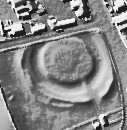
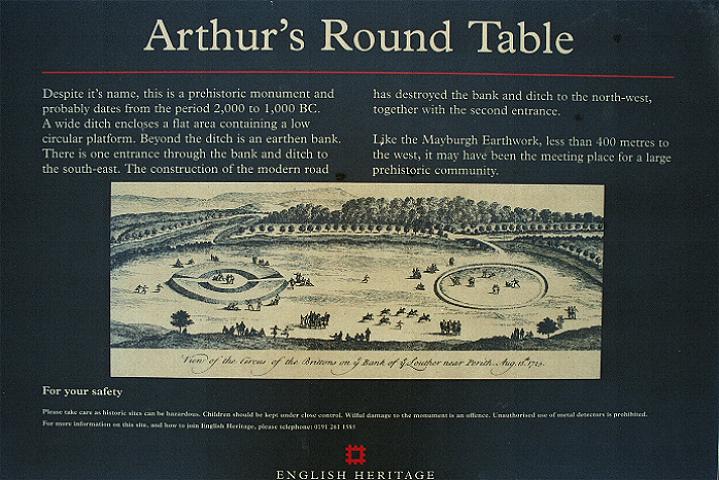
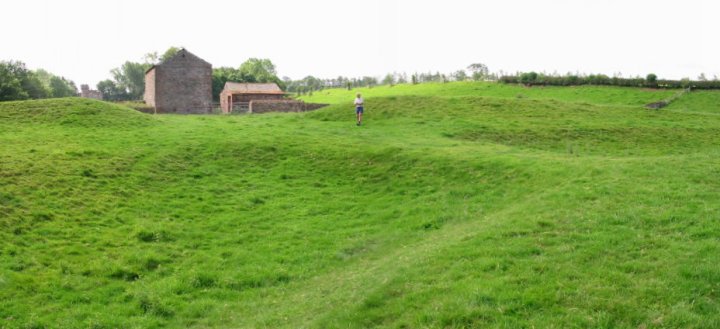
Details of henge on Pastscape King Arthur's Round Table, a Late Neolithic henge monument surviving as an earthwork; one of three clustered between the Rivers Eamont and Lowther. The name probably derives from the 17th century or earlier due to its circular form and the interest in Arthurian ledgends. The earthworks were surveyed and some geophysical survey undertaken, although the degree of disturbance interior proved to have been to great for the latter to produce useful results. The site comprises a sub-circular bank with internal berm and ditch. The enclosed area is a maximum of 51.2 metres across, the ditch has a maximum width of 16.2 metres, the berm 7 metres, and the bank 13 metres. Within the enclosed area is a low sub-circular platform circa 24 metres across. This has been suggested to be a relatively recent feature - parts of the earthwork were "enhanced" in the late 18th to early 19th century, apparently with a view to using the site as a tea garden - but it does appear in William Stukeley's unpublished early 18th century sketch of the site. The earthwork has been truncated somewhat by roads on the northern and eastern sides. A single entrance exists on the southern side, but it is clear that a second entrance was formerly situated on the opposite, northern side, and was apparently flanked by two standing stones. Excavations were undertaken in 1937 by R Collingwood and continued in 1939 by G Bersu. Collingwood claimed to have identified a number of structures, represented by postholes and other features recognised at similar sites elsewhere in the country. Bersu was subsequently able to demonstrate that nearly all of these features were not of archaeological significance. The only one which may have been of importance was a "cremation trench" near the centre of the site which, although it contained little, Bersu accepted it may have been a disturbed grave. The two excavations and excavators have been compared by Richard Bradley. The site is now in the care of English Heritage. |
 Posted by Chance
4th January 2015ce |

|
Regarding Hob's photo http://www.themodernantiquarian.com/post/31699/king_arthurs_round_table.html In Mayburgh and King Arthurs Round Table by C.W. Dymond CWAAS 1890. In the inn yard, serving as a water butt, is a circular tank of red sandstone, 38ins in diameter and about 36ins in depth, which has been called "King Arthur's Drinking-cup." About this object, as many another, a baseless story has been started which, unless checked, may in time, become, by repetition, a fixed tradition of the spot. I find that even some antiquarians have been misled by confiding too easily in statements made to them, to the effect that this tank was dug up on the site of the Round Table; nay, that it has been found in the very centre thereof. I myself was told this improbable tale, till on closely cross-questioning my informant,-the same who had set the story afloat, - he acknowleged that he knew nothing about it; and that he had stated as fact that which he only supposed to be so. The aforesaid man-the most ancient authority in the village, having lived there for more than 60 years-testified that it had been in the inn yard, (though not in the same position) as long as he could remember. of course, this tank has never really had any connection with the earthwork over the way. |
Posted by fitzcoraldo 14th October 2008ce Edited 14th October 2008ce |
|
On the southern bank of the Eamont is an intrenched amphitheatre, called King Arthur's Round Table, in ancient times used as a tilting-ground; and near it is another relic of antiquity, named Mayburgh, which is supposed to have been the Gymnasium, where the wrestlers, racers, and others of the humbler class performed their exercises. From: 'Eachwick - Earnley', A Topographical Dictionary of England (1848), pp. 121-124. URL: http://www.british-history.ac.uk/report.aspx?compid=50933. |
Posted by fitzcoraldo 30th October 2007ce |
|
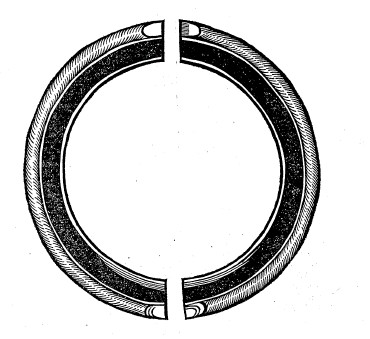
"A little before Loder joins the Emot, it paffes by a large round entrenchement, with a plain piece of ground in the middle, and a paffage into it on either fide: the form of which is this: http://www.themodernantiquarian.com/post/54181 It goes by the name of King Arthur's Round Table: and it is poffible enough; it might be a jufting-place. However, that it was never defign'd for a place of frenth, appears from the trenches being on the infide. Near this is another great Fort of Stones, heap'd-up in the form of a horfe-fhoe, and open towards it; call'd by fome King Arthur's Caftle, and by others Mayburgh or Maybrough. " Taken from Britannia By William Camden 1586 |
Posted by fitzcoraldo 13th December 2006ce Edited 1st January 2016ce |
|
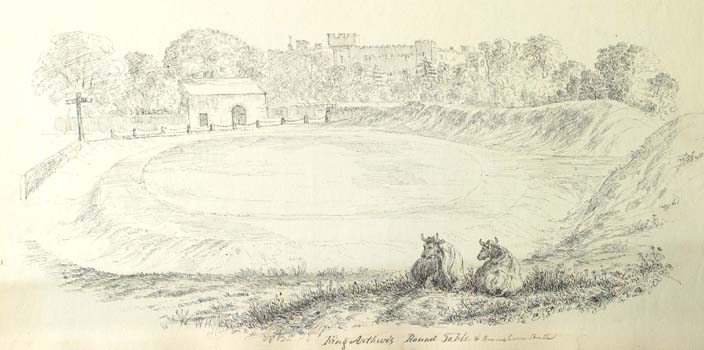
Regarding Hobs picture of the stone outside the pub http://www.themodernantiquarian.com/post/31699. Two large stones once stood outside the destroyed entrance to the henge and are shown on a drawing of the henge made in the 16th century by William Dugdale and were mentioned by Camden in his 'Monumenta Brittania. The fact that Hobs stone is now at the pub may be significant . The remains of the henge that we see today are not really an accurate representation of the original structure. Around 1820 a chap called William Bushby turned the henge in a tea garden. He raised the central platform by dumping 1000 cu metres of sand and gravel on it, much of which came from cutting away the inner bank of the henge, he also deepened the ditch. William Bushby also owned the pub. |
Posted by fitzcoraldo 23rd July 2005ce |
| Another small henge existed nearby but was destroyed when the new approach to Lowther Park lodge gates was constructed in 1878 |
Posted by fitzcoraldo 23rd November 2002ce |
|
The link with Arthur is probably early 14th century for that is the time the Cliffords became the owners of nearby Brougham Castle. They claimed descent from the Welsh kings and therefore Arthur. It is significant that after their arrival their castle of Mallerstang became known as Pendragon Castle". Archaeological sites of the Lake District T. Clare Moorland Publishing Co. |
Posted by fitzcoraldo 1st August 2002ce Edited 19th December 2002ce |
 Top of page