|
 Log in |
Register Log in |
Register
|

|
|

Dragon HillArtificial Mound
|
||||||||||||||||||||||||


 0 discussions


 Show map (inline Google Map)
|
|
|
Images (click to view fullsize) |
 Add an image Add an image |
Photographs: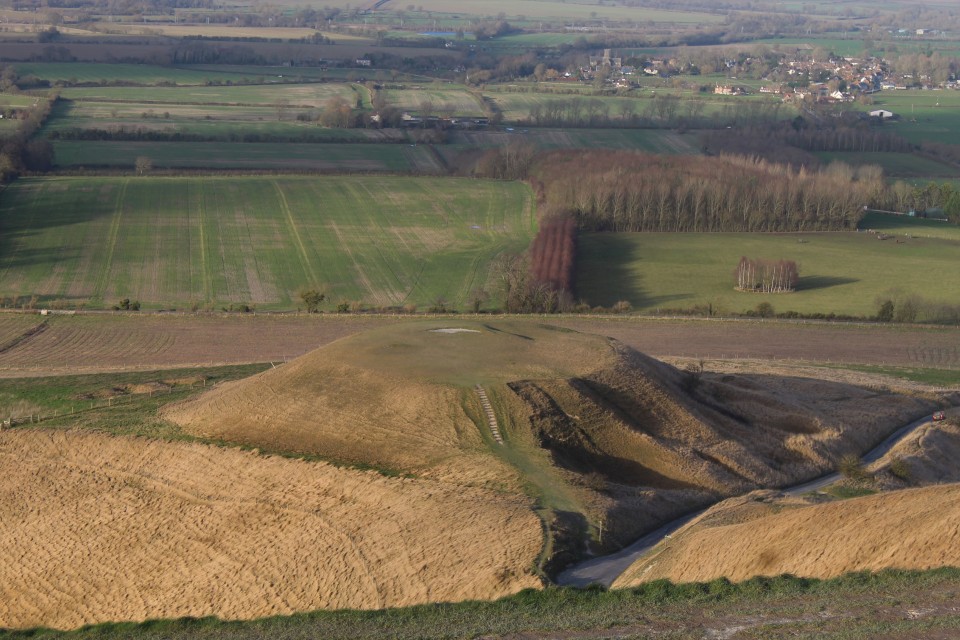
 Artistic / Interpretive:
|
Fieldnotes |
Add fieldnotes |
|
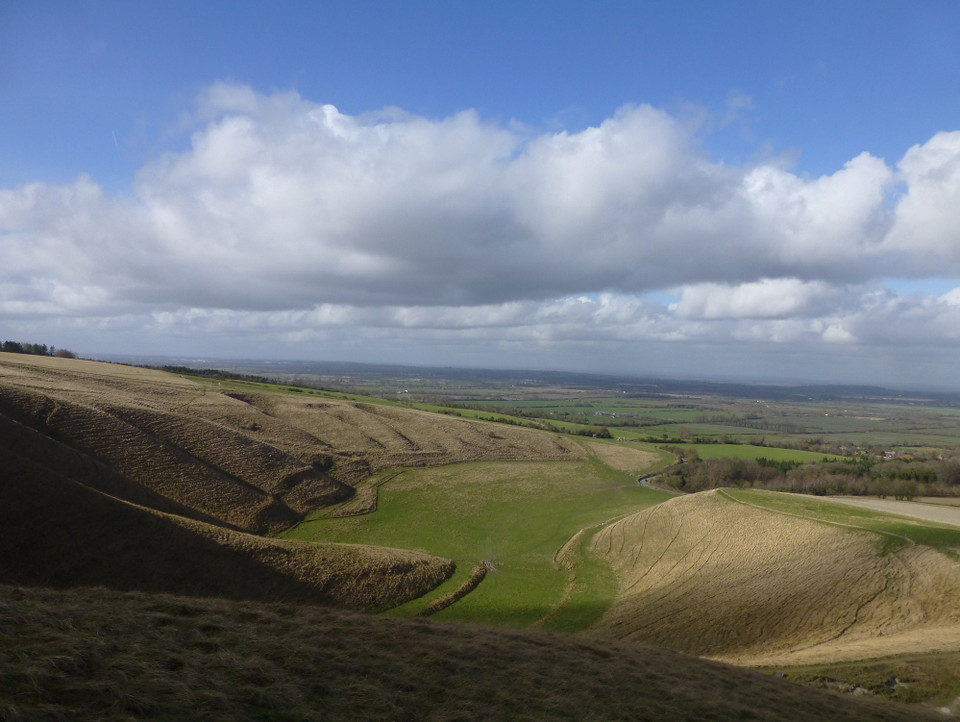
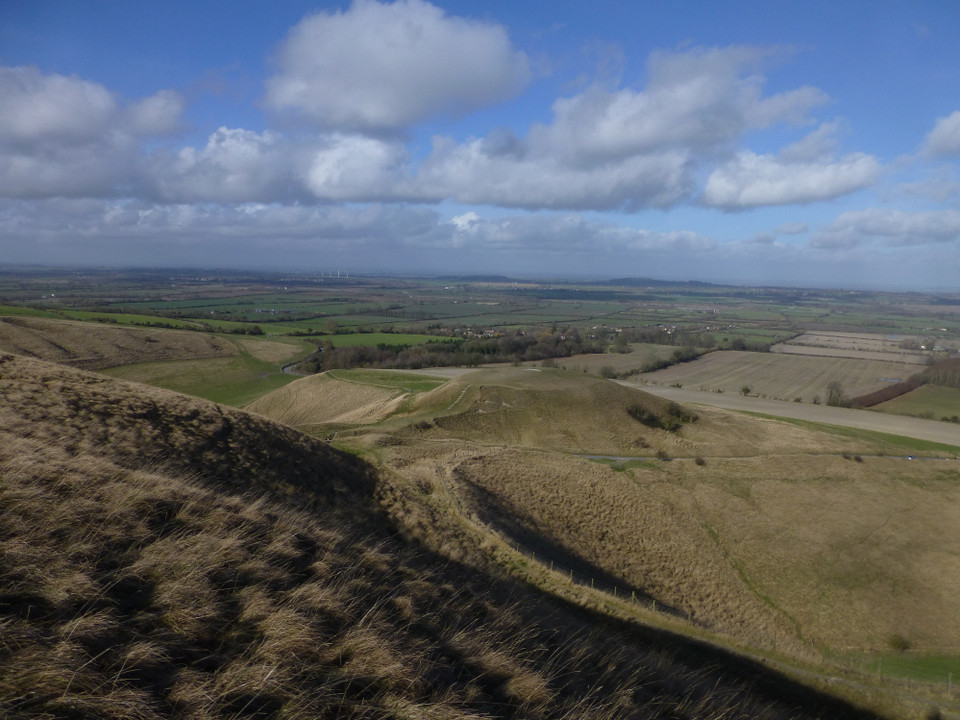
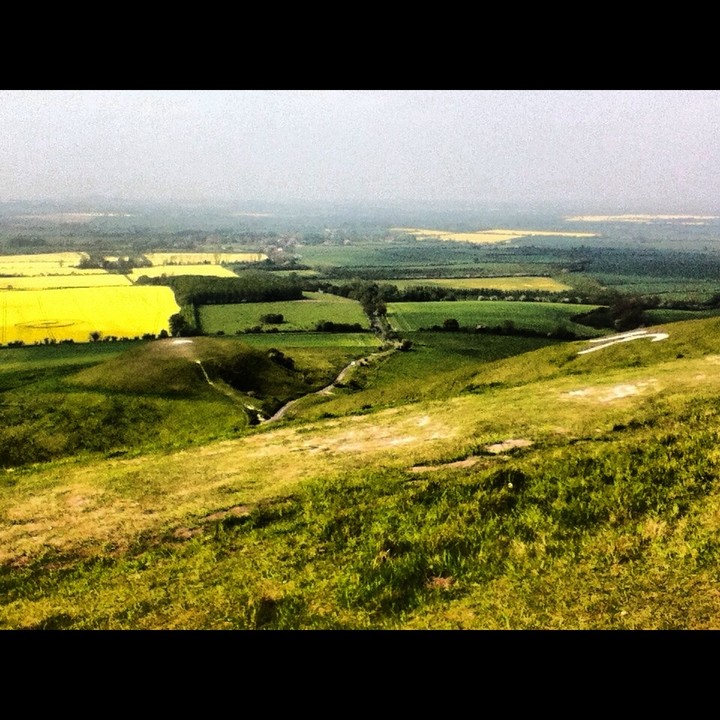
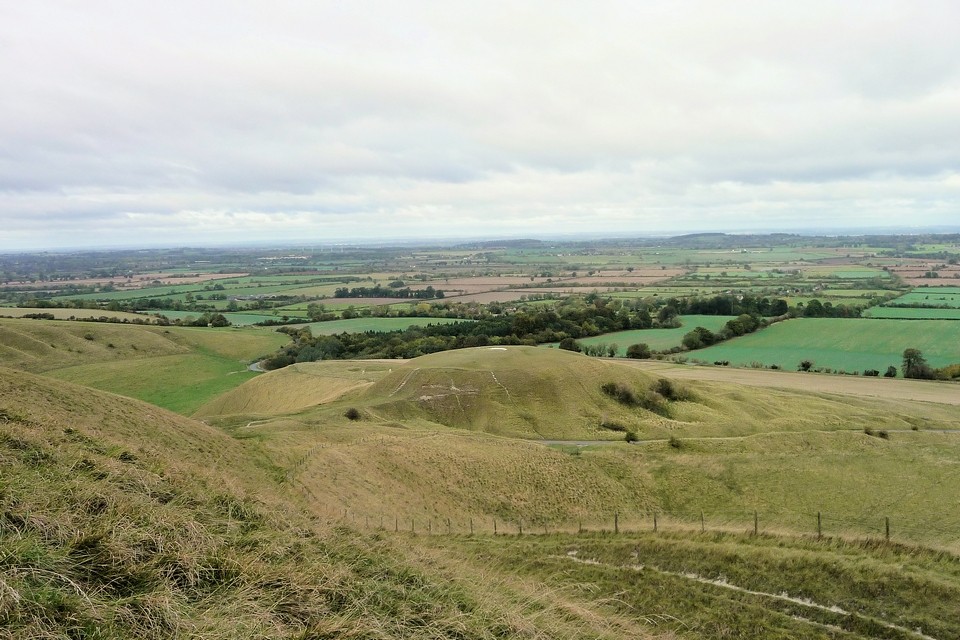
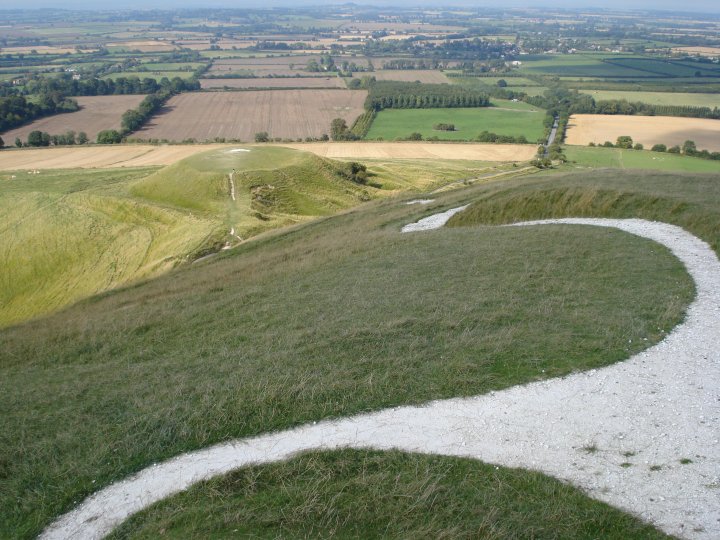
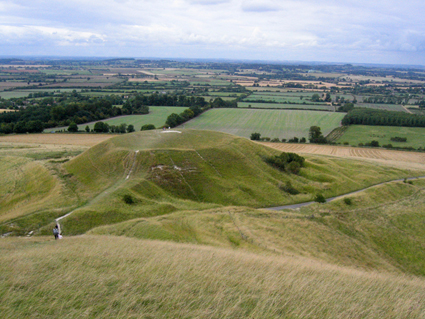
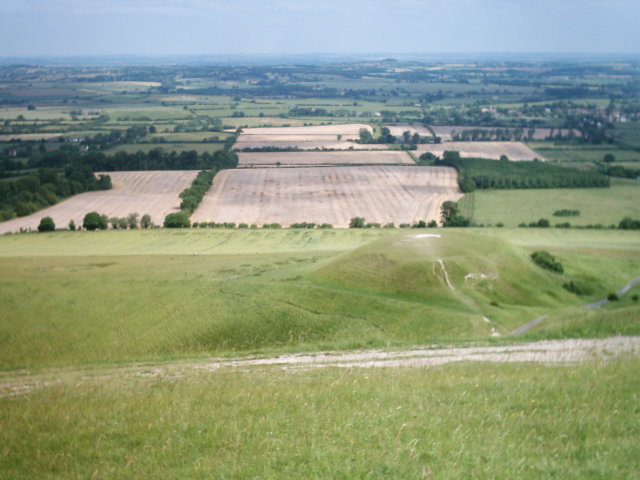
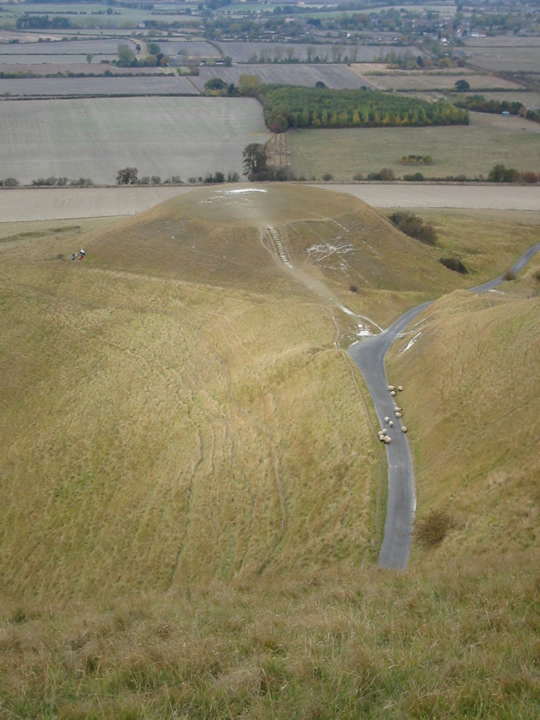
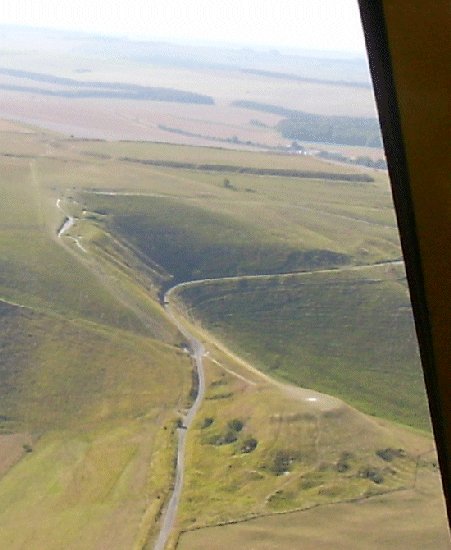
A friend down from London looking for some photo opportunities; against the odds another beautiful November day broke through the early mist so I suggested Uffington White Horse. Parked friend's car in Ashbury and walked uphill along a narrow downland footpath at the side of the village church. Along the Ridgeway via Wayland's Smithy to Uffington Castle; the White Horse is impossible to truly appreciate from the hillfort - tremendous views of Dragon Hill today though. (See link for history and folk-lore). http://www.berkshirehistory.com/archaeology/dragon_hill.html While we looked down at Dragon Hill two motorised hang gliders flew over and graced us with a display of their aerial manouvres; a bit later both a kestrel and buzzard appeared over this magnificent place. Mid afternoon and the sun was sinking fast; by the time we reached the path back down to Ashbury it was setting in the western sky and almost full moon was rising. Utterly peaceful and a perfect day out for my city friend and me. |
 Posted by tjj
20th November 2010ce Edited 22nd November 2010ce |

| Like everyone else this is something you look out for when visiting the White Horse. It is s very odd shape. I would guess it is either fully man made or more likely 'shaped' from a natural mound? There again, what do I know? Interesting. |
Posted by CARL 12th August 2010ce |
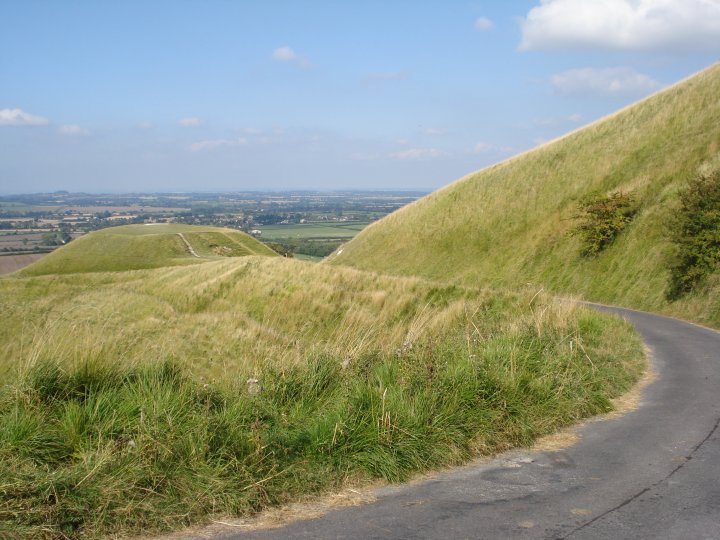
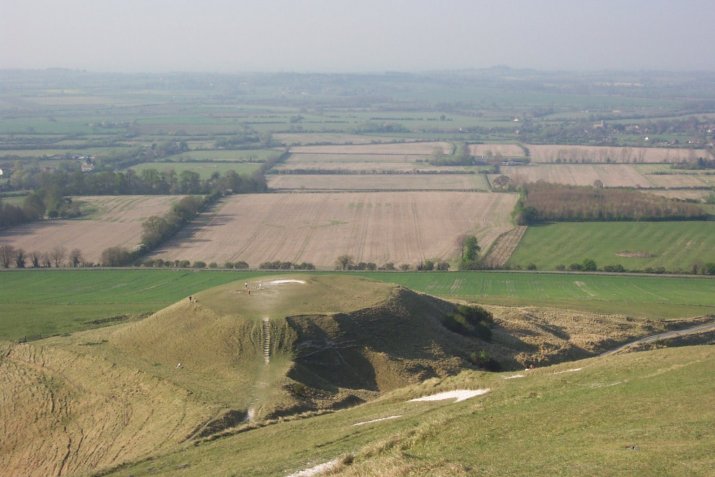
| Dragon Hill is an amazing place. As we walked down from the White Horse the sun shone through the cloudy sky illuminating it as we made our way down. There are great views from here of Uffington White Horse and Uffington Castle and of the surrounding Oxordshire countryside. It's a great place to sit and gather your thoughts too, whether contomplating the slaying of dragons or anything else for that matter. |
 Posted by texlahoma
31st October 2004ce Edited 16th November 2004ce |
|
Natural or man made? A question that has been bothering me for quite some time (and indeed every time I visit) is: Is dragon hill a natural formation, or is it man made? I have found some archaeological references to it and all indications are that the geology is natural. I agree, except to add that the top may be artificially flattened. I believe it is 'man-enhanced', that is to say, that it is a naturally occuring piece of geography and that prehistoric man may have added to it to perfect the shape. Also, note the similarity of it to Silbury Hill. It is like a 'mini-Silbury' to me. |
 Posted by wysefool
4th November 2003ce Edited 6th May 2007ce |
| ...sit with me a moment longer on hillside, just above the head of the White Horse and look down and see Dragon Hill. Wow! What is this massive chalky children's sandcastle? A landing pad for flying white horses? Certainly a significant ritual place. I think of Mexican temples, Guatemalan ruins at Tikal, Saqqara pyramid in Egypt. What happened here? It feels like a place of sacrifice or death, but not in a morbid way. Perhaps the dead were laid out on platforms up here, to be picked off by crows, or maybe a priest performed sky burials? |
 Posted by Jane
19th April 2003ce |
| Dragon Hill is the podium in the open air nightclub of Uffington - Imagine the horse/dragon under the moon-strobes |
Posted by fat elvis 17th March 2003ce |
Folklore |
Add folklore |
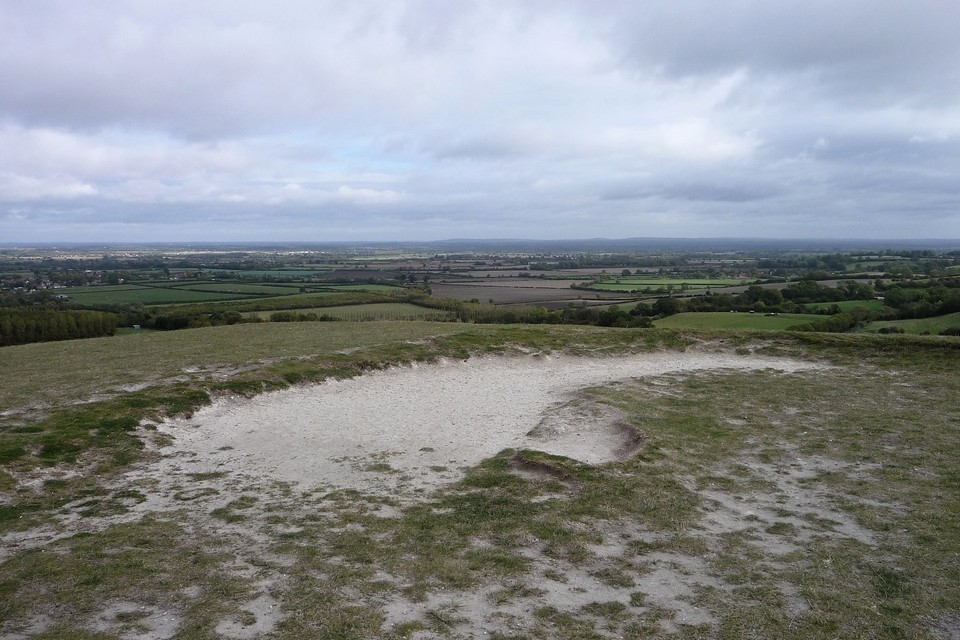
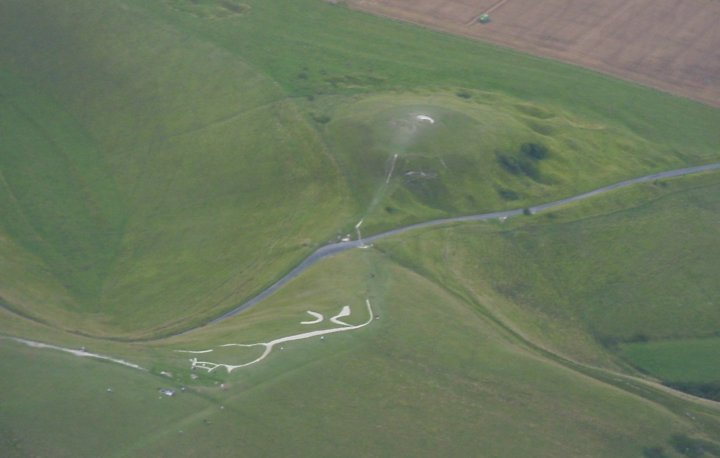
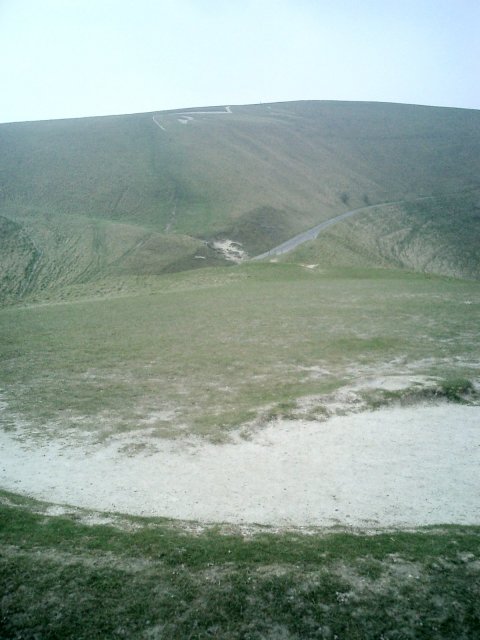
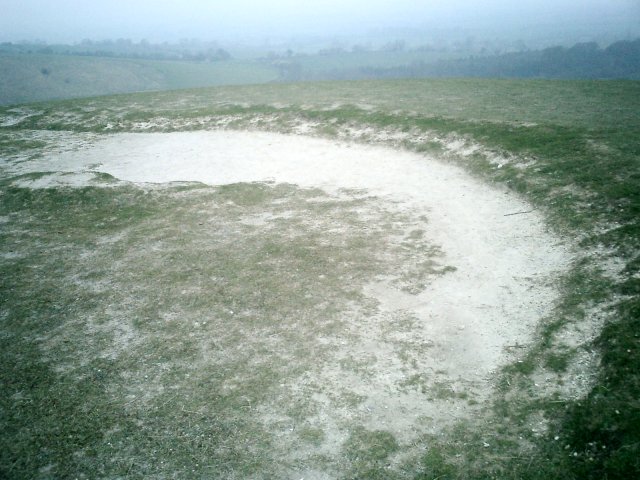
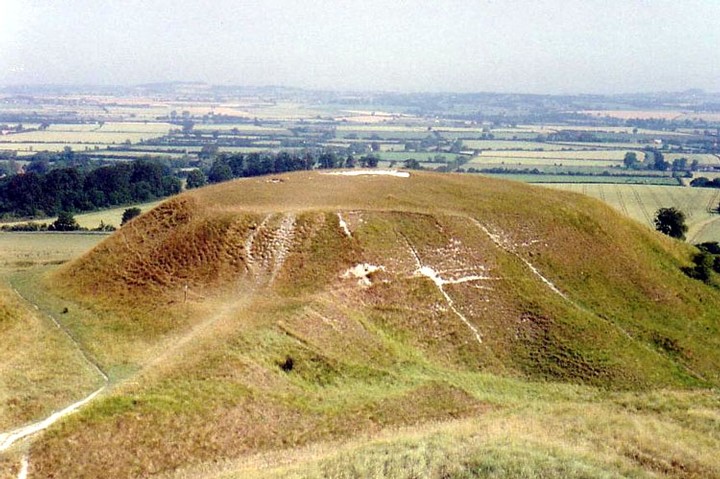
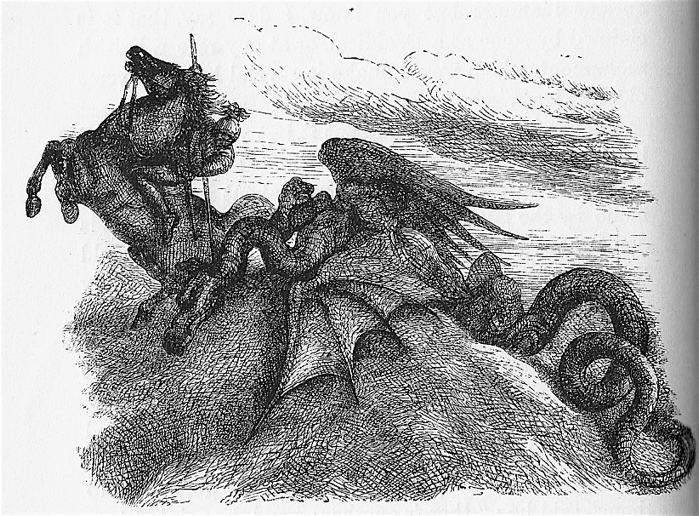
Between the Ickleton-way and White-horse-hill, under the Horse, stands a large Barrow, which the common people living hereabouts, call DRAGON-HILL, and they have a tradition, that "Here St George killed the Dragon." The Horse too is brought into the Legend, as belonging to that Saint, who is usually pictured on Horse-back. They shew besides a bare place on the top of it, which is a plain of about forty or fifty yards over, where the turf, I don't know by what means, can gain no footing; which they imagine proceeds "from the venemous blood that issued from the Dragon's wound."Francis Wise: 'A letter to Dr Mead concerning some antiquities in Berkshire' (1738). |
 Posted by Rhiannon
27th September 2016ce |

In a letter among his MSS. in the British Museum Bishop Pococke discusses the dragon legend. He dates from "Highworth, April 12th, 1757," and the following expresses his views:—Notes and Queries, October 25th 1884. |
Posted by Rhiannon 22nd September 2006ce Edited 22nd September 2006ce |
| Ah, the old story of St George and the Dragon is attached to Dragon Hill, as it is to many places. Could it be a big analogy? Is St George the Christian faith and the Dragon the Pagan one? Such a significant place of heathen worship for centuries (nee Millennia) must have had to have been conquered. |
Posted by wysefool 4th November 2003ce |
| Dragon Hill, the flat hillock below the white horse, is where St George (or King Jarge, as he might be known locally) uncharitably killed the Dragon. Where the mortally wounded dragon's blood fell, it is said no plants will grow. |
Posted by Rhiannon 4th September 2003ce |
Miscellaneous |
Add miscellaneous |
|
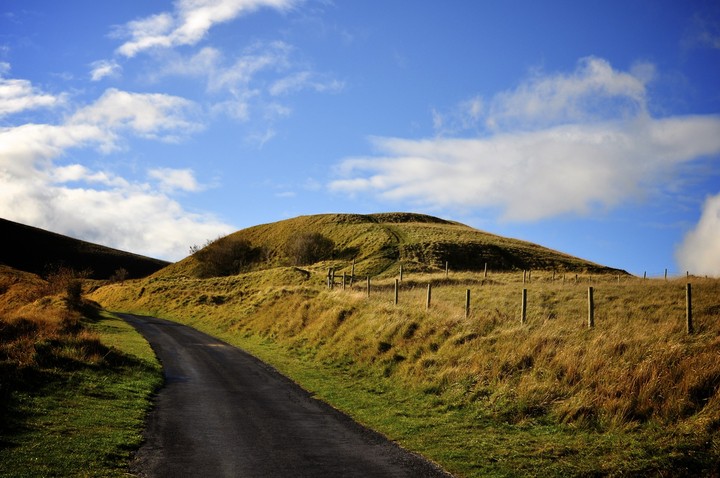
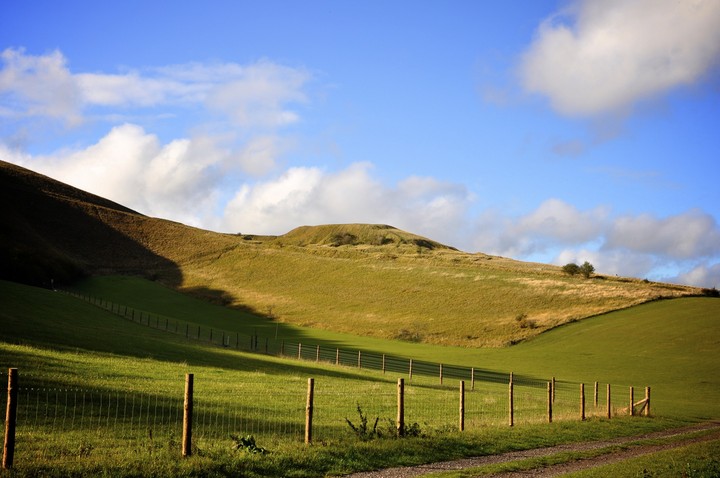
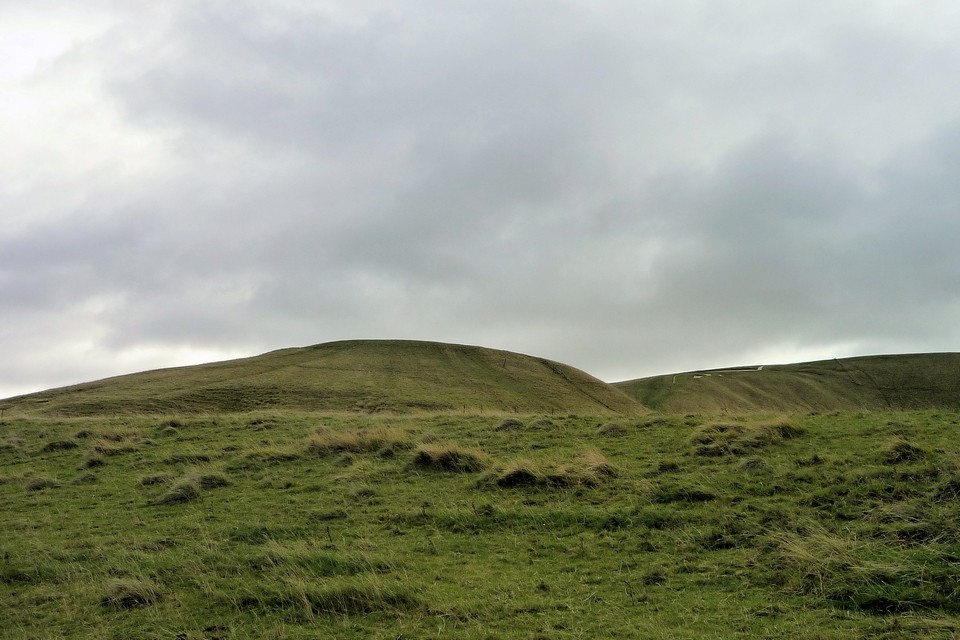
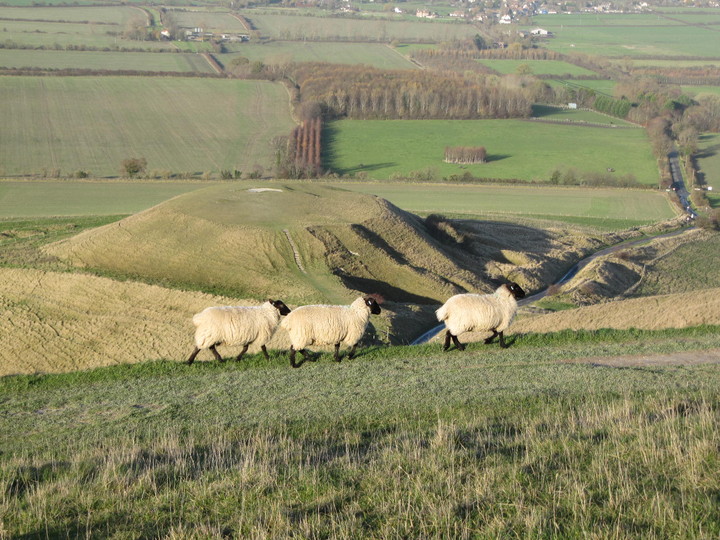
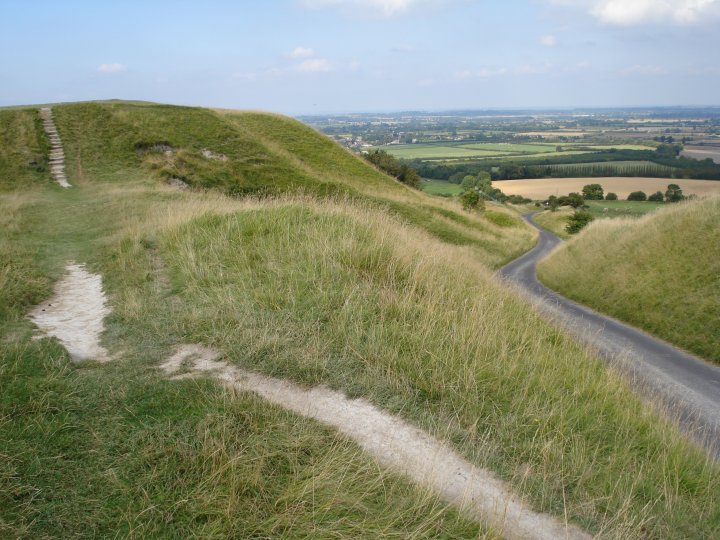
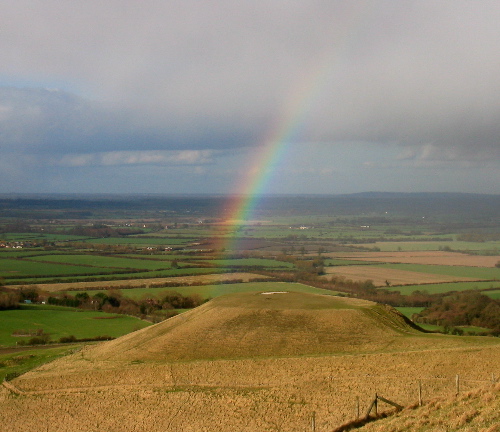
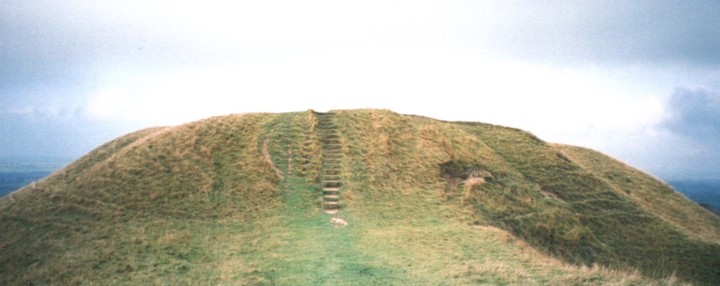
Details of site on Pastscape A large circular flat-topped mound known as Dragon Hill. The name derives from the mound's associations with the legends of St George and the Dragon. It measures about 10 metres high with much chalk digging around the base, and has a flat circular summit. It is situated below the top of a chalk scarp and is thought to be a natural feature formed by glacial erosion, although this has not been conclusively proved, and indeed it may have been a natural feature that was enhanced to provide a more mound-like shape. It is joined to White Horse Hill by a narrow ridge known as the Shepherd's Steps which leads past the White Horse to Uffington Castle hillfort. Excavations into the top of the mound were undertaken by the owner, Lord Craven, in 1852. He uncovered only topsoil covering the natural underlying bedrock. Occasional Roman finds have been found on the hill, including bones brought to light through quarrying for chalk. The date of the quarrying activity is not known. Three inhumation burials were also found in the hollow between the White Horse and Dragon Hill. It may have been used as some sort of viewing platform for the horse and hillfort, or even for ceremonial activities which have left no immediately obvious trace. The mound is in the care of English Heritage. [Name SU 3008 8695] Dragon Hill [T.I.] Roman Coins found [T.I.] (1) Dragon Hill, on the Uffington/Woolstone parish boundary is "A very large circular mound which may or may not be artificial. It has been known as Uffington Castle [Huntingford (3) says this is not so, the name having always been applied to the nearby Iron Age hill-fort - SU 28 NE 6] a name that supports one theory - that it is a Norman castle-mound. Roman coins have been found on the site". (2) E. Martin Atkins who excavated the mound circa 1852 concluded that it was natural. (3-5) Dragon Hill is a large circular flat-topped mound about 10 metres high with much chalk digging around the base. Its position below the top of a chalk scarp is unlikely to be that of a castle mound and it is probably only a chalk outlier. No artificial works (ditch or ramparts) are apparent at the foot of the mound and the top appears entirely natural. No information could be obtained locally about the Roman coins referred to by authority (2). (6) SU 301871 Four Iron Age sherds have been found on Dragon Hill (Acc 308/65: 184/67), two of them donated by P H Crampton: he also donated a Roman colour-coated sherd and a rim sherd (Acc 94/65: 313/65). Another colour-coated sherd was picked up on the SE corner ofthe hill at -SU 301868. (Acc 134/67). A coin of Constantine II (AE), was also found on Dragon Hill by Master R Dunkley (Acc 262/65). (7) It is situated below the top of a chalk scarp and is thought to be a natural feature formed by glacial erosion, although this has not been conclusively proved, and indeed it may have been a natural feature that was enhanced to provide a more mound-like shape. It is joined to White Horse Hill by a narrow ridge known as the Shepherd's Steps which leads past the White Horse to Uffington Castle hillfort. Excavations into the top of the mound were undertaken by the owner, Lord Craven, in 1852. He uncovered only topsoil covering the natural underlying bedrock. Occasional Roman finds have been found on the hill, including bones brought to light through quarrying for chalk. The date of the quarrying activity is not known. Three inhumation burials were also found in the hollow between the White Horse and Dragon Hill. It may have been used as some sort of viewing platform for the horse and hillfort, or even for ceremonial activities which have left no immediately obvious trace. (8) A brief description. (9) -------------------------------------------------------------------------------- SOURCE TEXT -------------------------------------------------------------------------------- ( 1) Ordnance Survey Map (Scale / Date) OS 6" 1960 ( 2) Berkshire Archaeological Society The Berkshire archaeological journal (L.V.Grinsell) 40, 1936 Page(s)24 ( 3) Berkshire Archaeological Society The Berkshire archaeological journal (G.W.B. Huntingford) Page(s)166-7, 170 ( 4) Transactions of the Newbury District Field Club 1, 1870 Page(s)182 ( 5) edited by P H Ditchfield and William Page 1906 The Victoria history of Berkshire, volume one The Victoria history of the counties of England Page(s)215 ( 6) Field Investigators Comments F1 JP 21-NOV-63 ( 7) Berkshire Archaeological Society The Berkshire archaeological journal (Reading Museum) 62, 1965-6 Page(s)72, 74 ( 8) D Miles, S Palmer, G Lock, C Gosden, and AM Cromarty 2003 Uffington White Horse and its landscape Page(s)24, 34 ( 9) English Heritage 2005 Heritage Unlocked: London and the South East Page(s)111 |
 Posted by Chance
10th August 2012ce |

|
'....near the scarp foot stands the curious isolated stump of Dragon Hill. This spur of natural rock has been shaped for some unknown purpose in antiquity. Its sides have been steepened and its top levelled to make a drum shape. In the early nineteenth century Dragon Hill was thought to be a built feature such as a barrow, and the Saxons believed it was a barrow too, but when explored in 1852 it was concluded that it was a natural rock outcrop. Its projection well above the surrounding chalk slope nevertheless suggests that it is at least in part a built feature.' From 'Ancient British Hill Figures' by Rodney Castleden. He also writes that in the Saxon charters it was named Ecelesbeorg (church barrow?) and that roman coins were found on the summit. |
Posted by wysefool 6th May 2007ce |
Links |
Add a link |
Berkshire historyInformation on Dragon Hill, including: In a 10th century charter, the hill is given its original name of Eccles Beorh, that is 'Church Barrow'. This may suggest that a Christian religious building once stood on the summit. There was a geophysical survey conducted in 1990 to identify the early medieval chapel that once stood on dragon hill. |
Posted by wysefool 24th April 2008ce |
 Top of page