|
 Log in |
Register Log in |
Register
|

|
|

Grimspound & Hookney Tor
|
||||||||||||||||||||||||


 0 discussions


 Show map (inline Google Map)
|
|
|
Images (click to view fullsize) |
 Add an image Add an image |
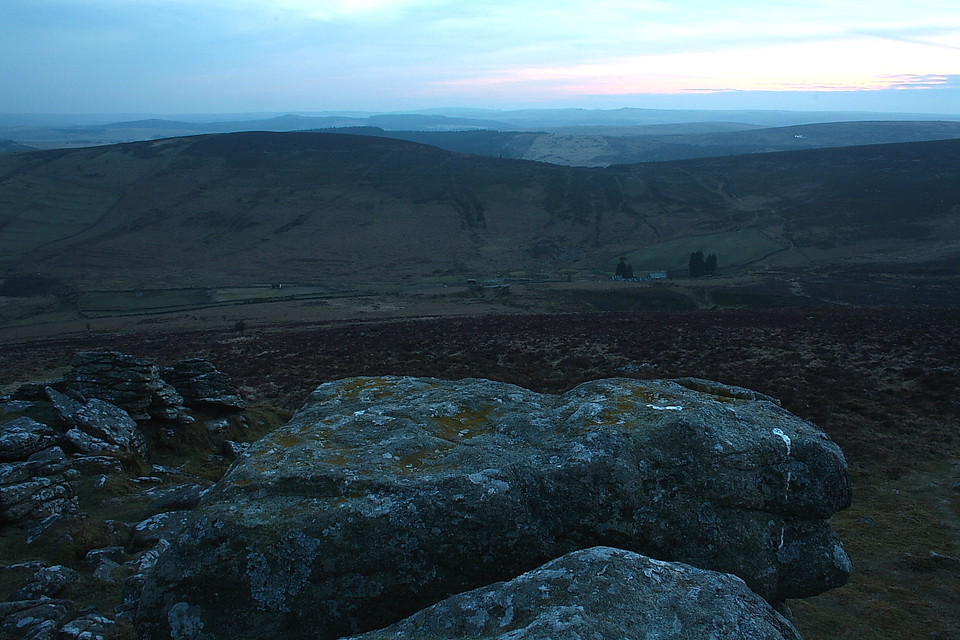
Photographs: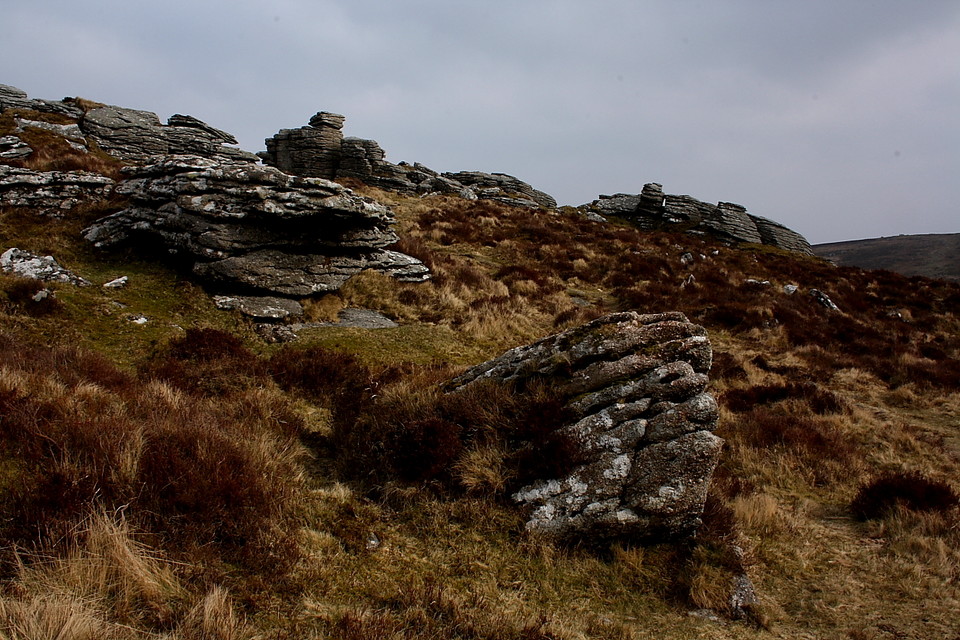
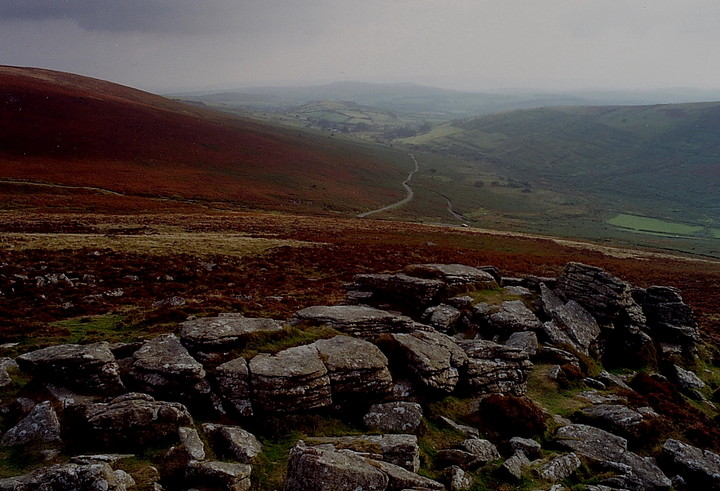
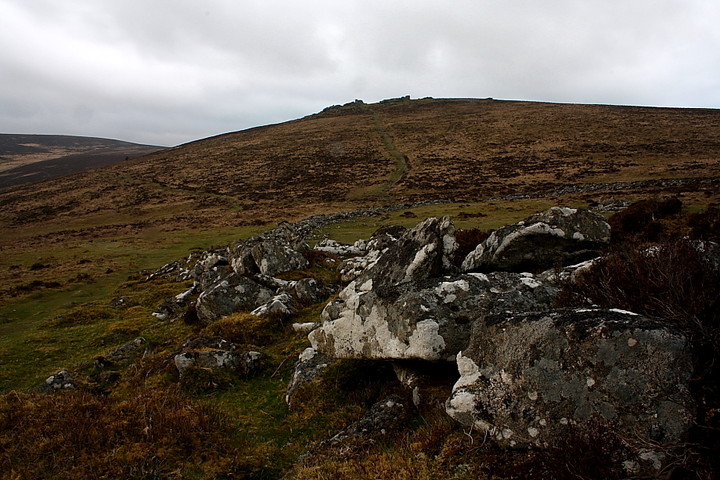
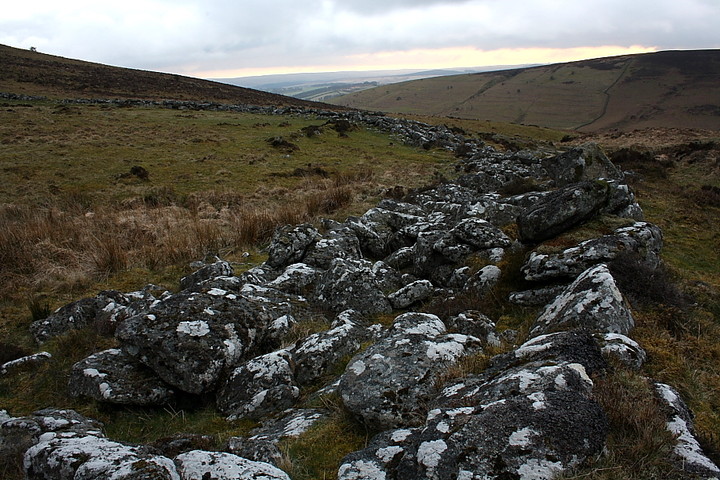
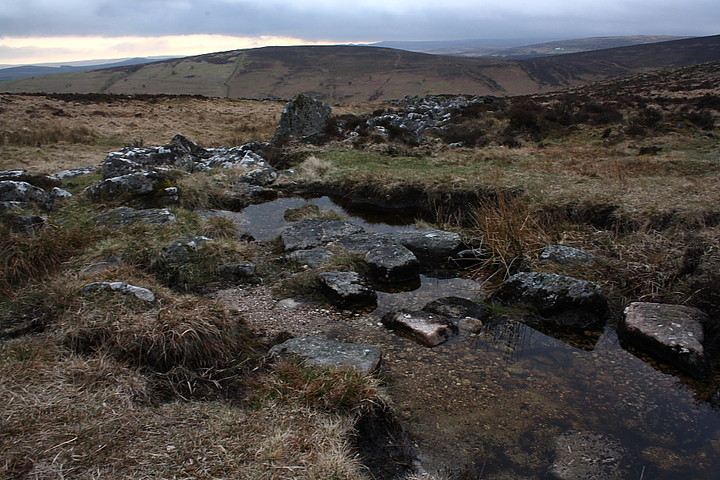
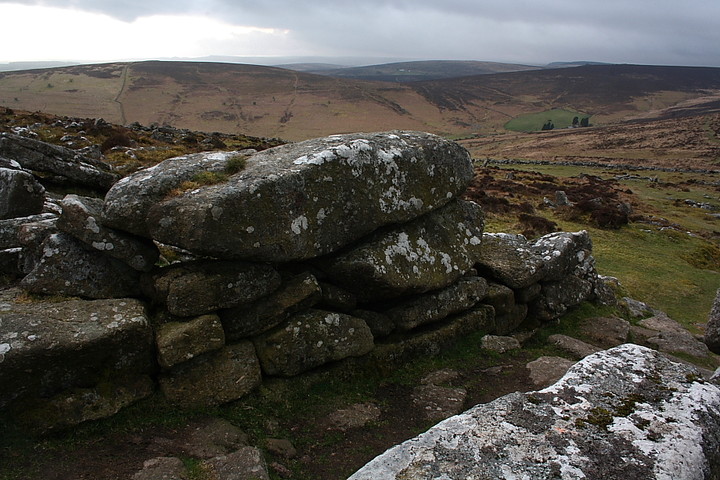
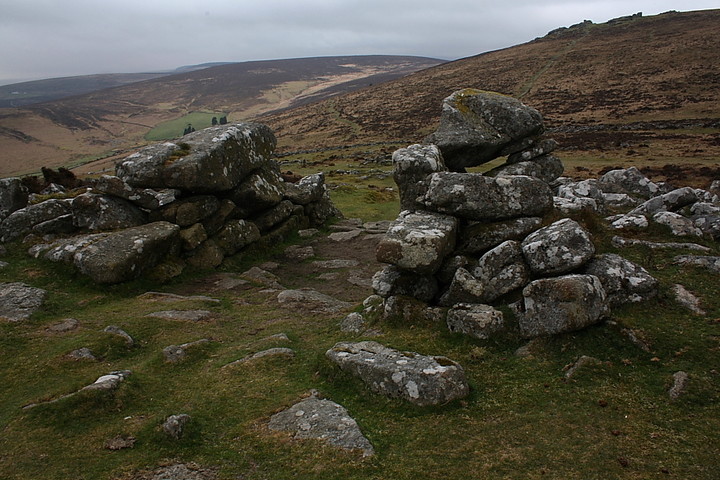
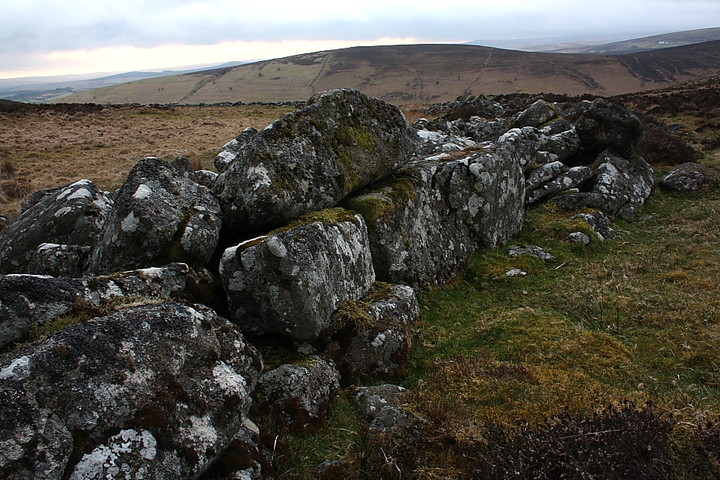
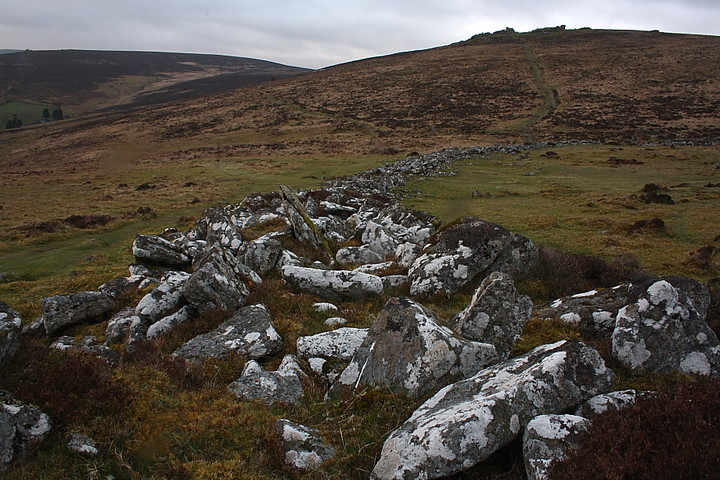
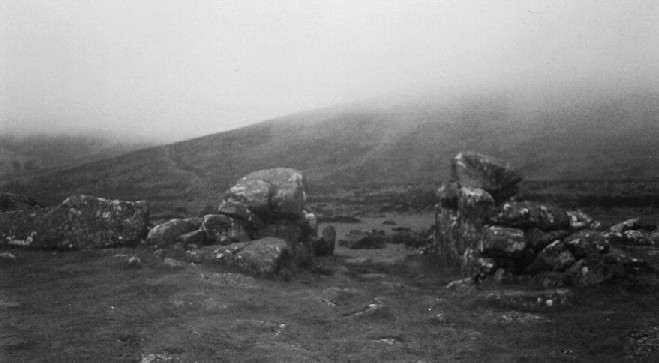
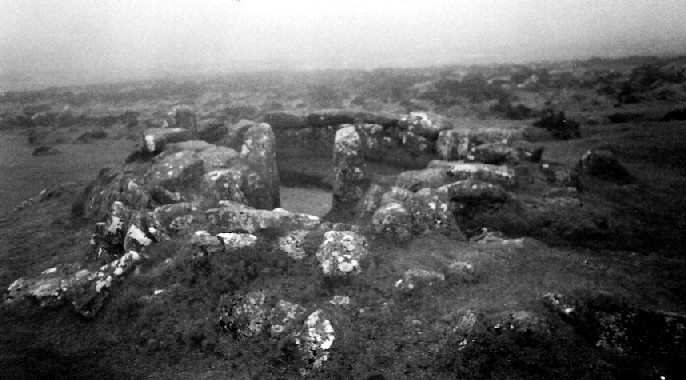
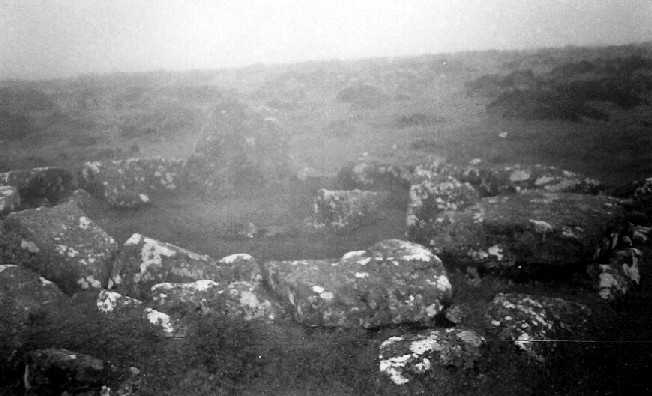
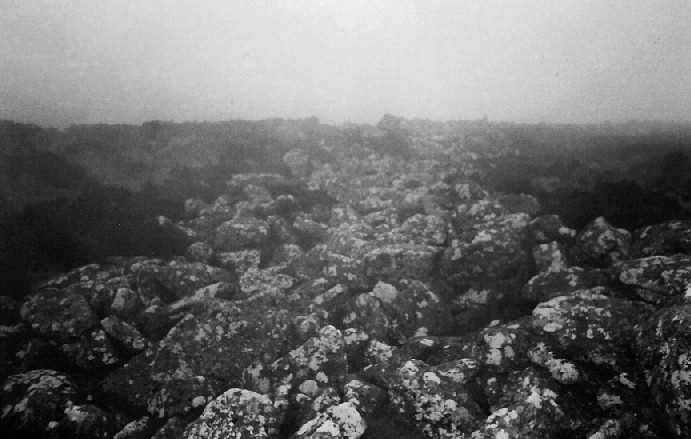 Artistic / Interpretive: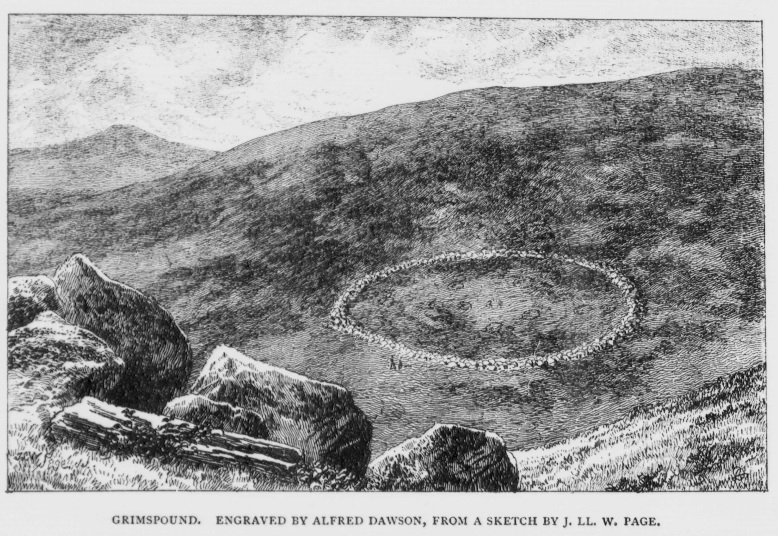
|
Fieldnotes |
Add fieldnotes |
|
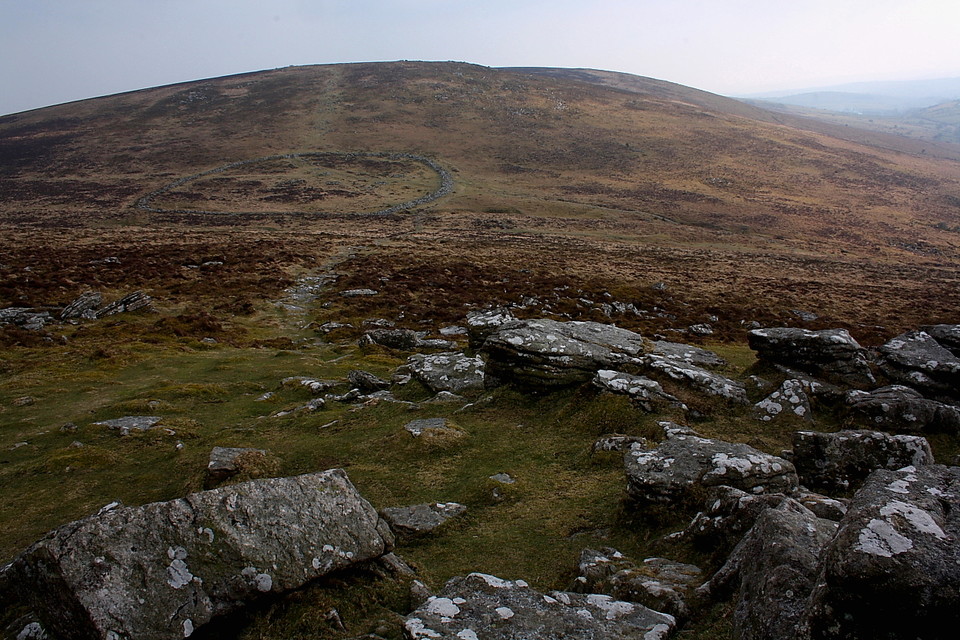
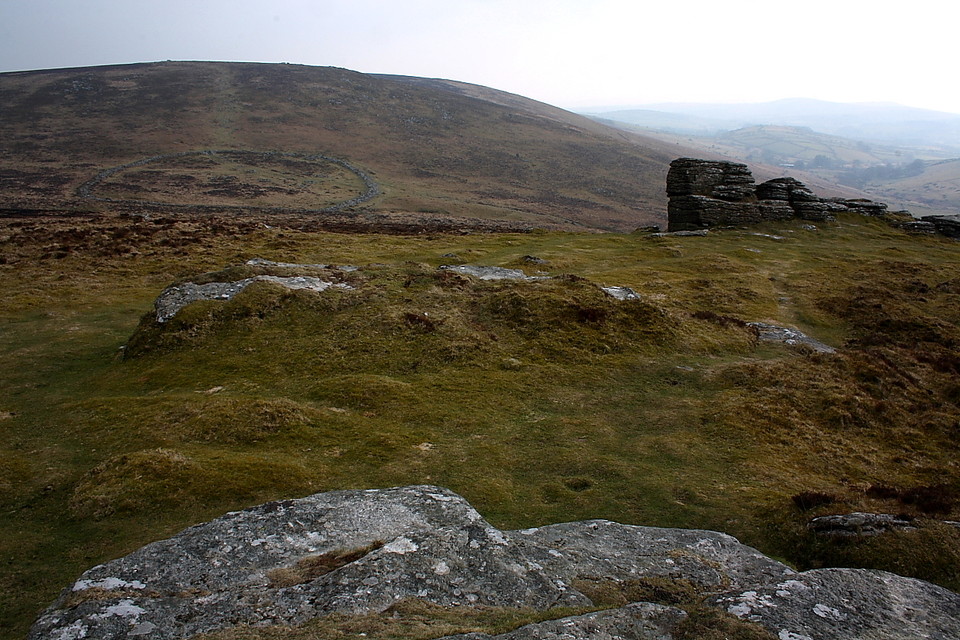
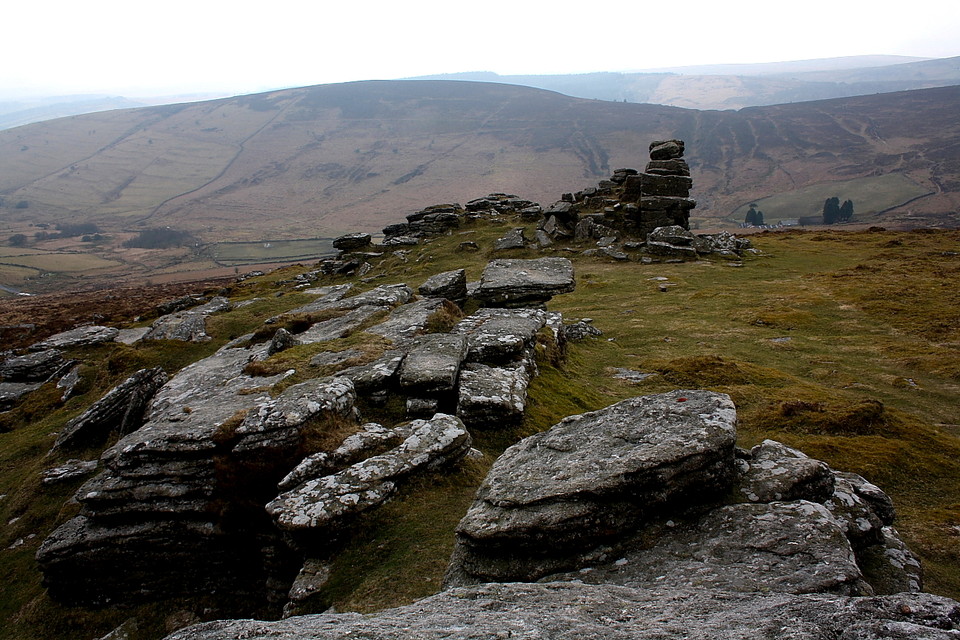
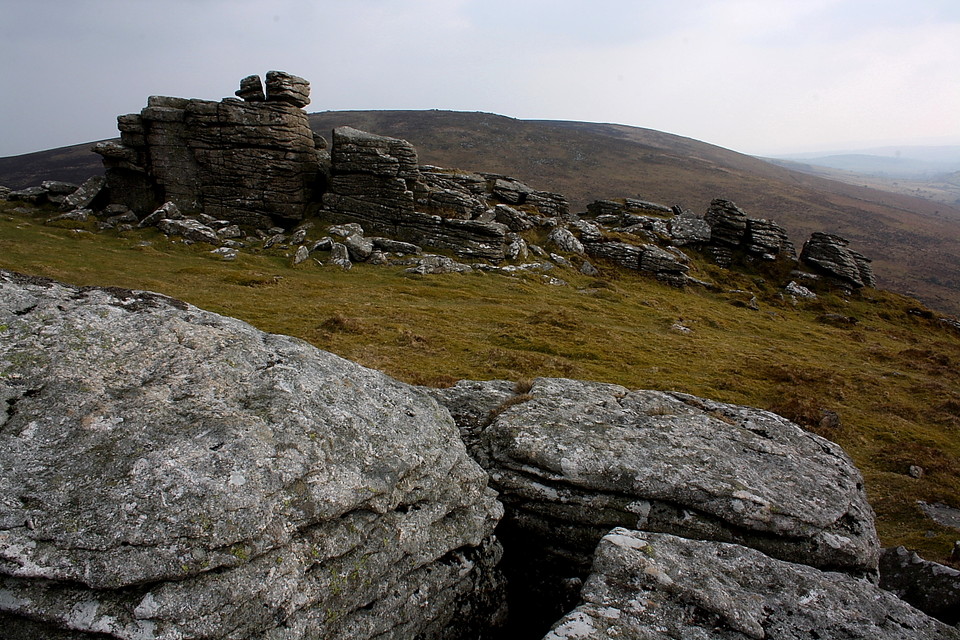
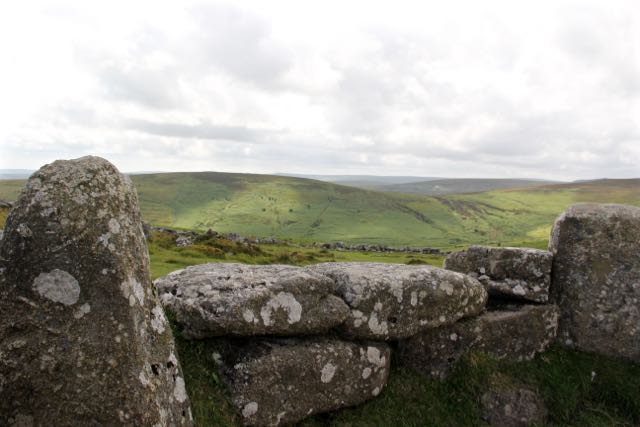
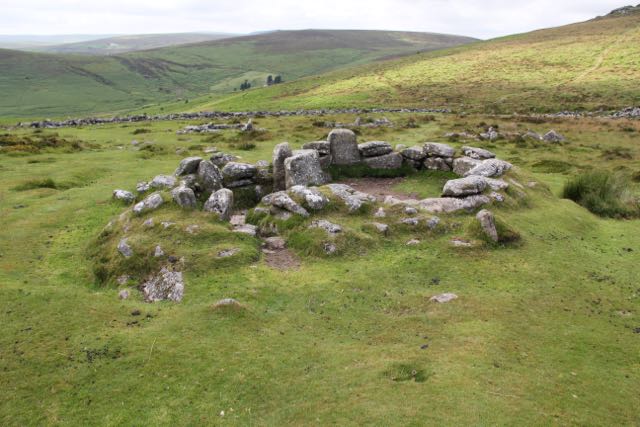
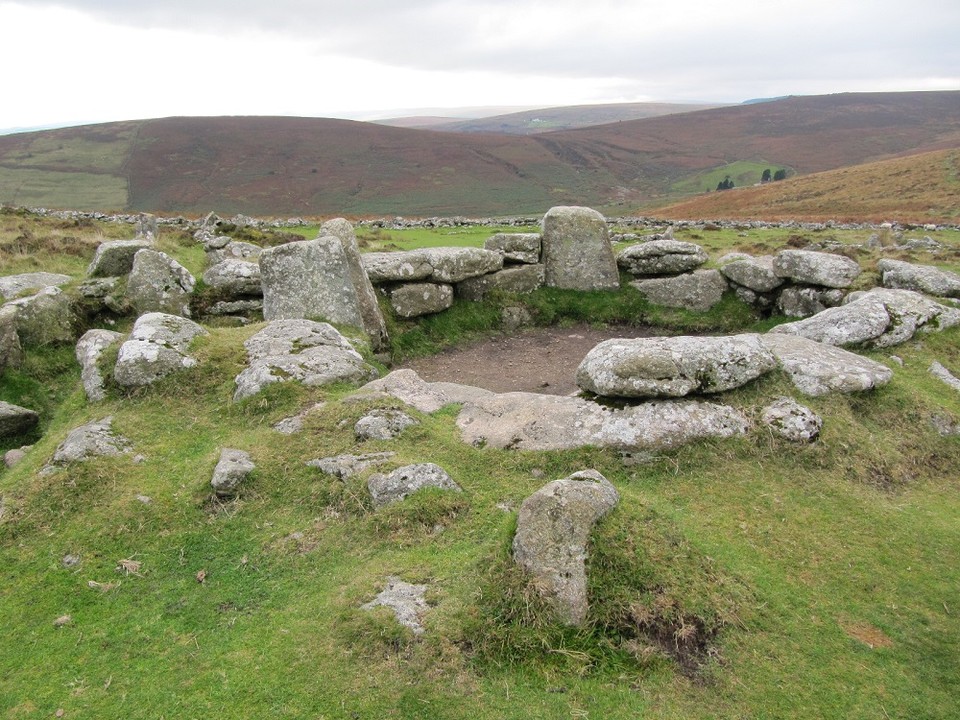
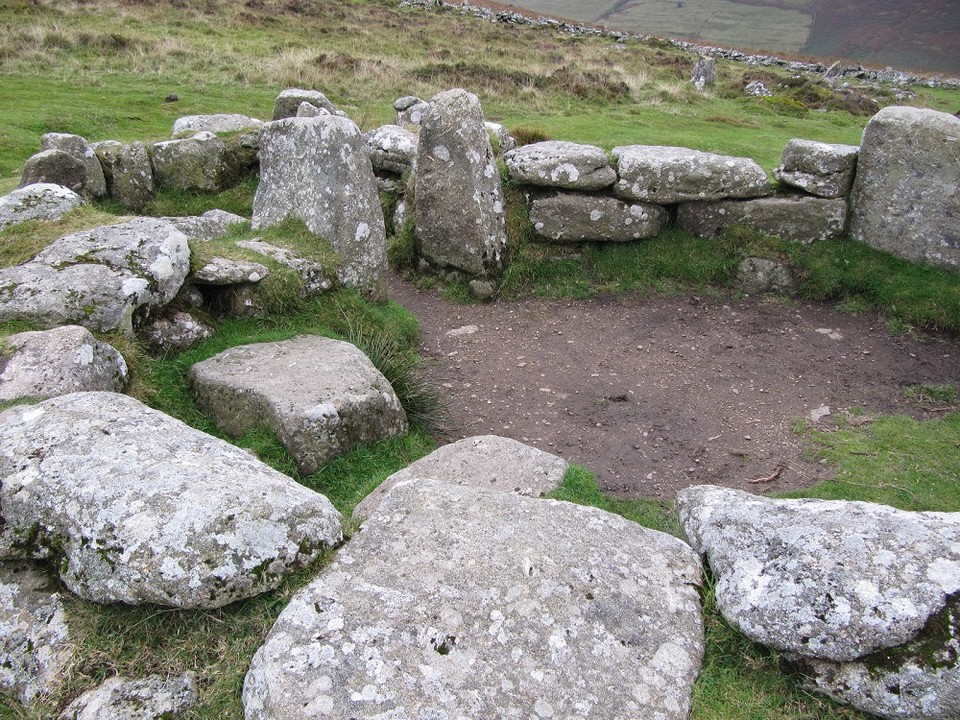
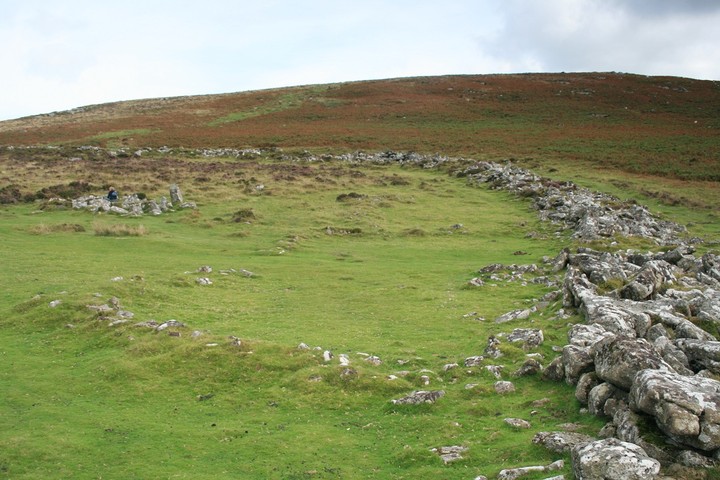
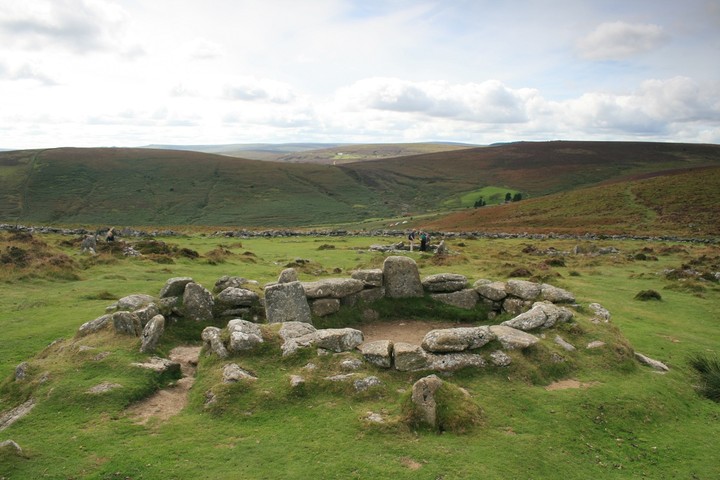
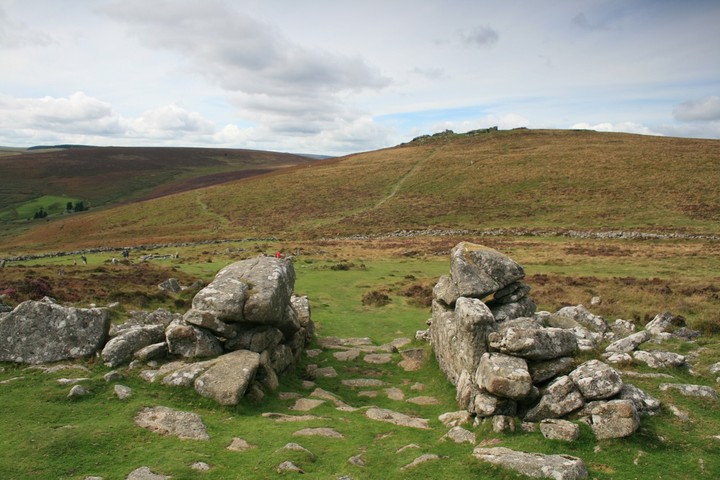
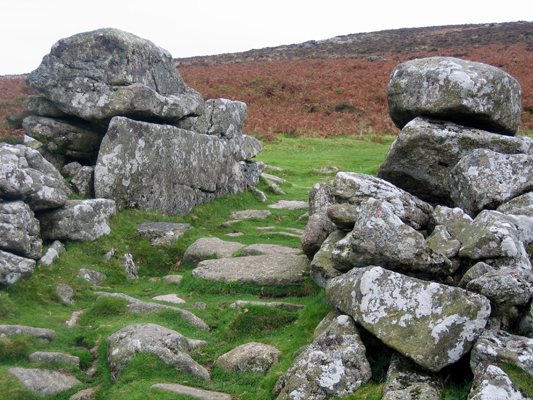
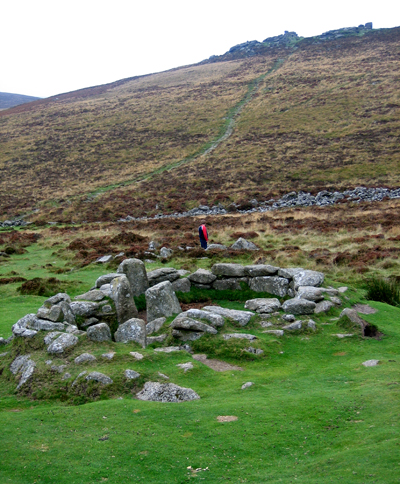
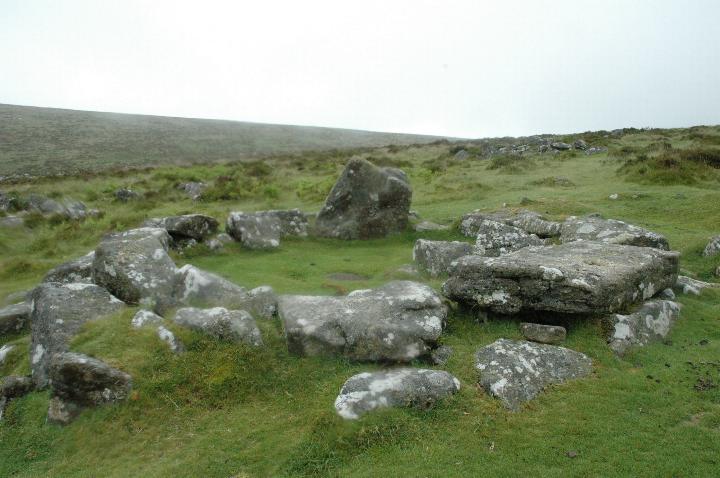
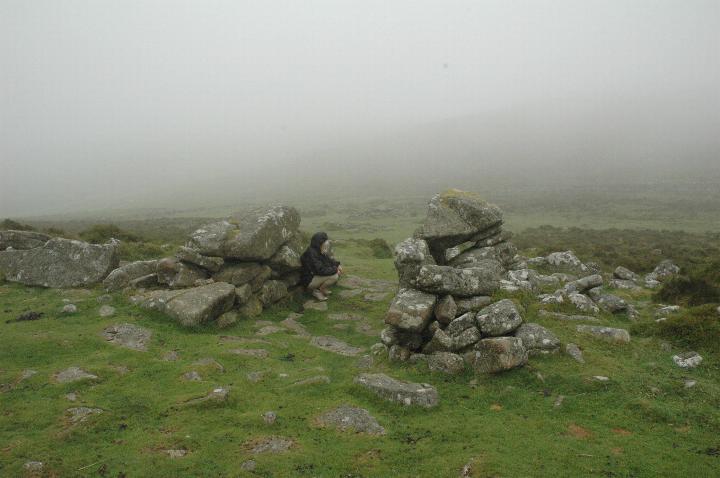
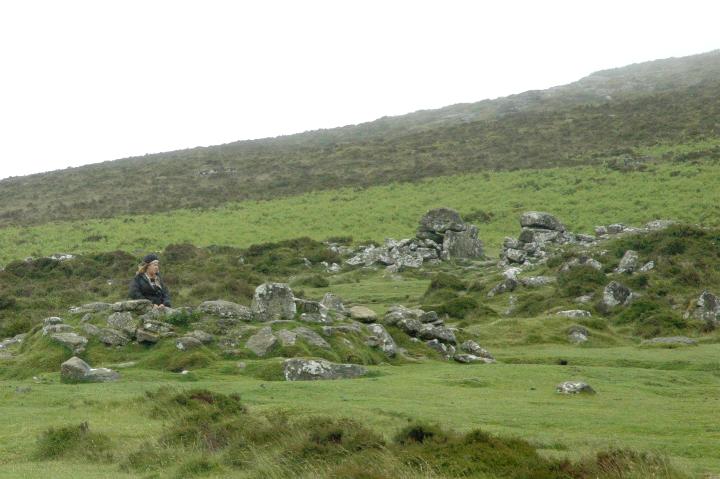
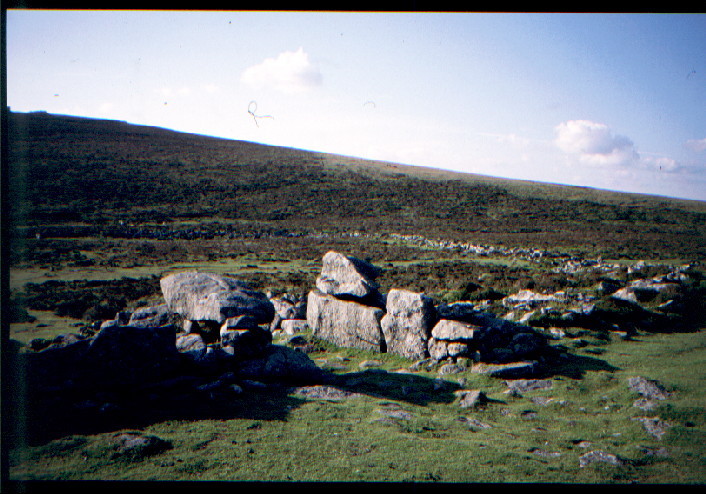
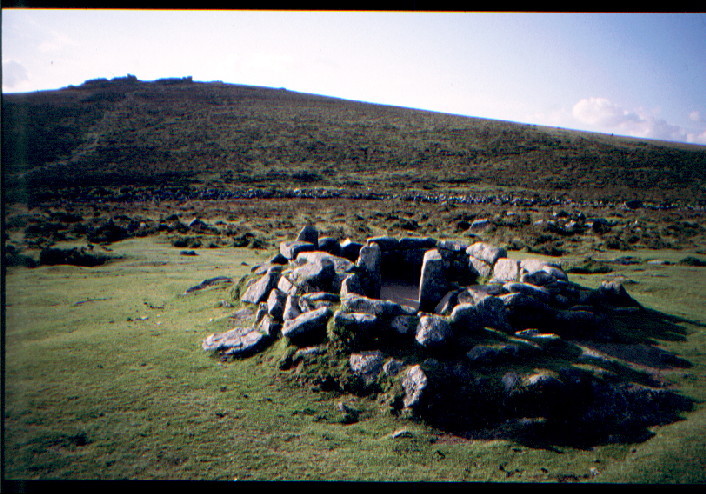
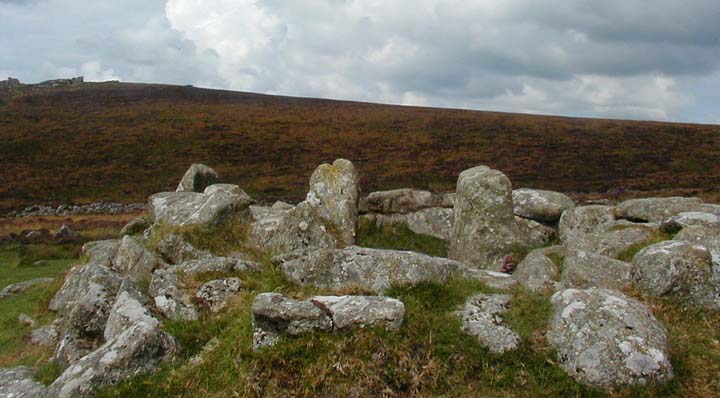
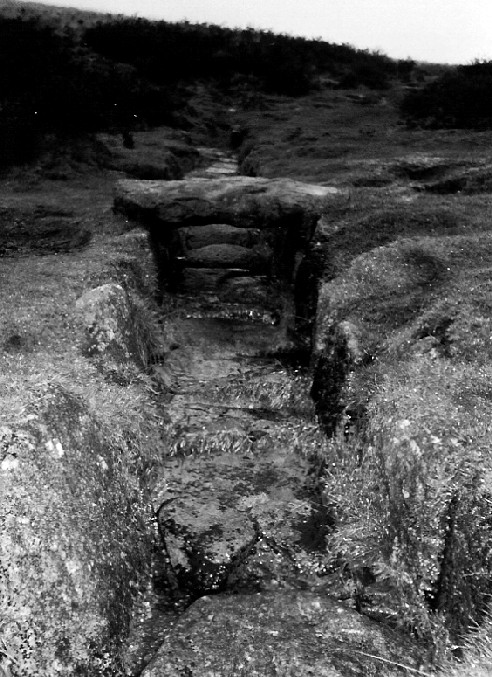
Visited 13.4.15 Directions: South of the B3212 (sign posted) Although the site is sign posted from the main road, the appropriate parking place isn’t. Best bet is to follow Pure Joy’s directions. I wasn’t expecting the stone path up to the site and it was a lovely (and surprisingly easy) walk from the parking area to the site. The weather was fantastic, hot sunshine and blue skies. The children loved messing about in the small streams tumbling down the hillside. The dry, crisp grass crunched underfoot. No need for walking boots or coat today – in fact it turned out I didn’t need them all week! We soon arrived at Grimspound and what a fantastic place it is! A real ‘wow’! We walked around the outside of the circular wall and entered the village through what would have been the original entrance. The two stones forming the doorway certainly give you the feeling that you are entering a place – passing from the outside to the inside. We looked around several of the houses and each picked our favourite one to live in. I was drawn to the large house in the middle of the village – the one with the ‘porch’. I could see myself living here! A family were enjoying a picnic next to one of the lower houses (a great place to have one) and several people could be seen walking up to Hookney Tor – something I unfortunately didn’t have time to do on this occasion. Grimspound is an excellent place to visit - particularly in good weather. It is a lot easier to access than you may think (for a moorland site) and is well worth the effort. I can’t recommend Grimspound highly enough. One of the best places I have visited for a long time. And it’s another English Heritage site ticked off the list! |
Posted by CARL 23rd April 2015ce |

|
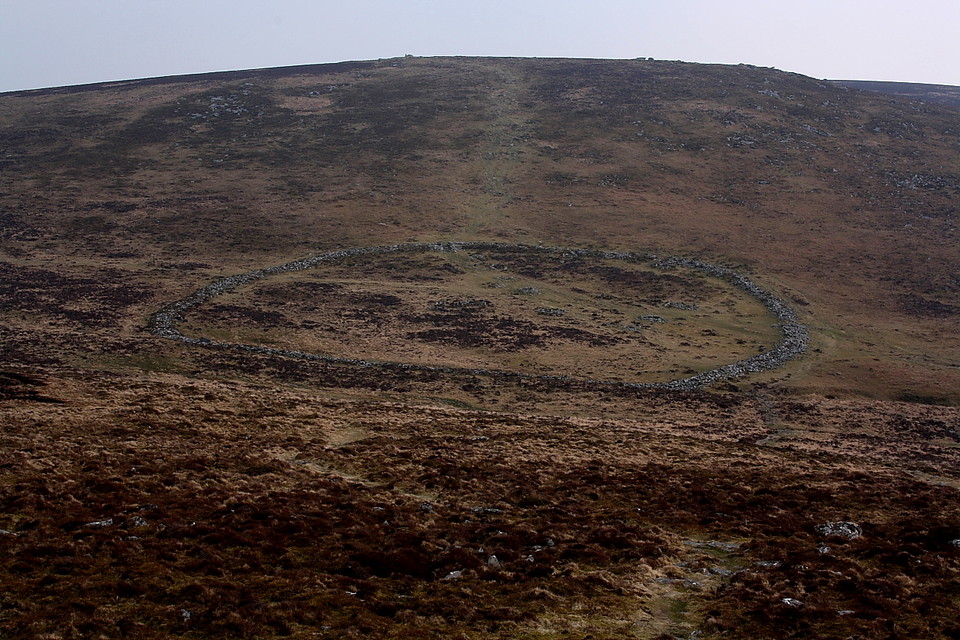
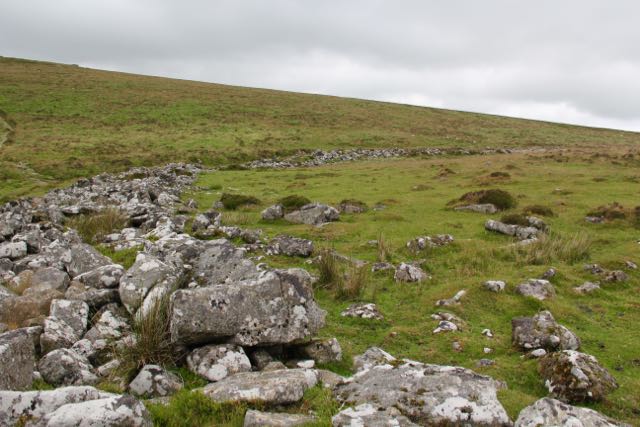
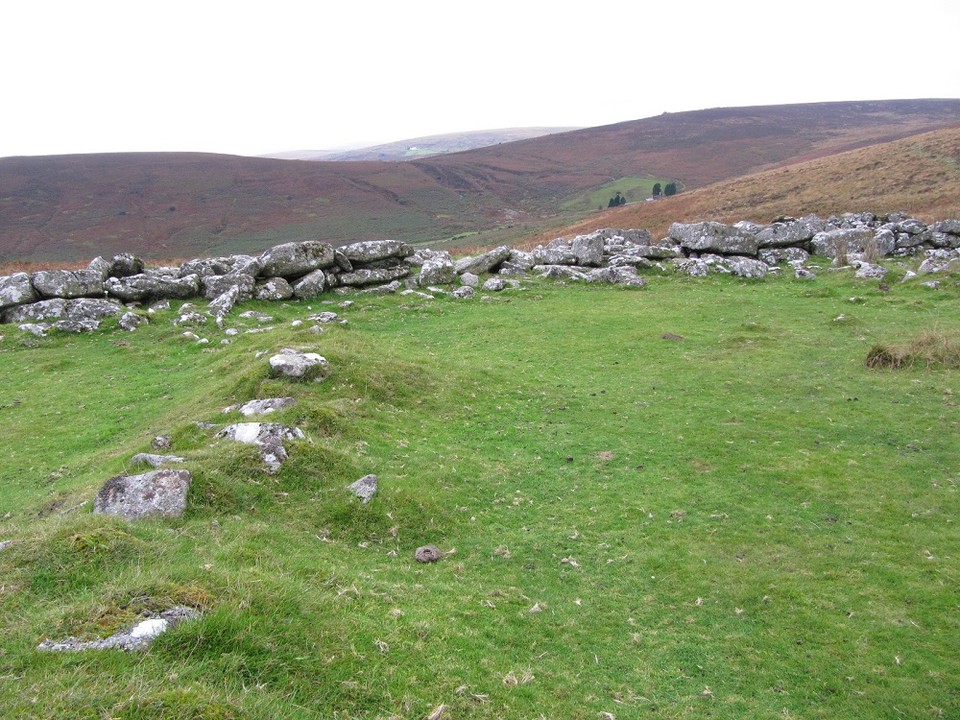
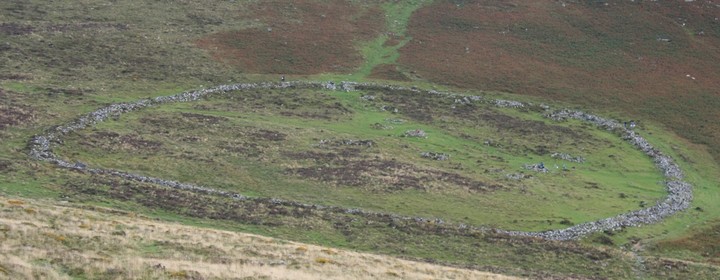
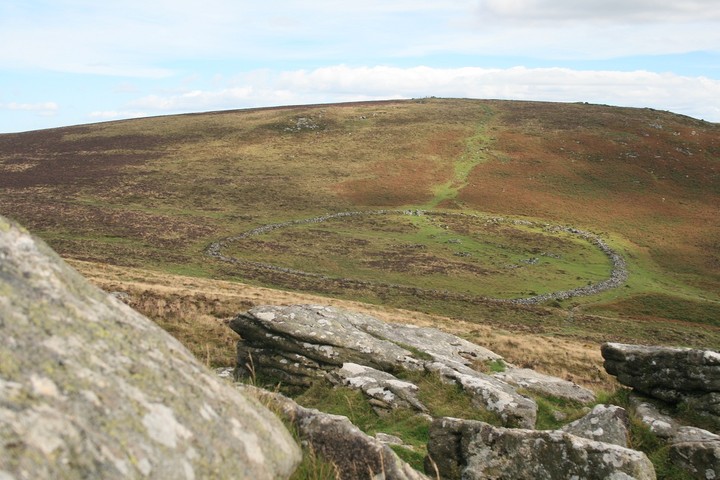
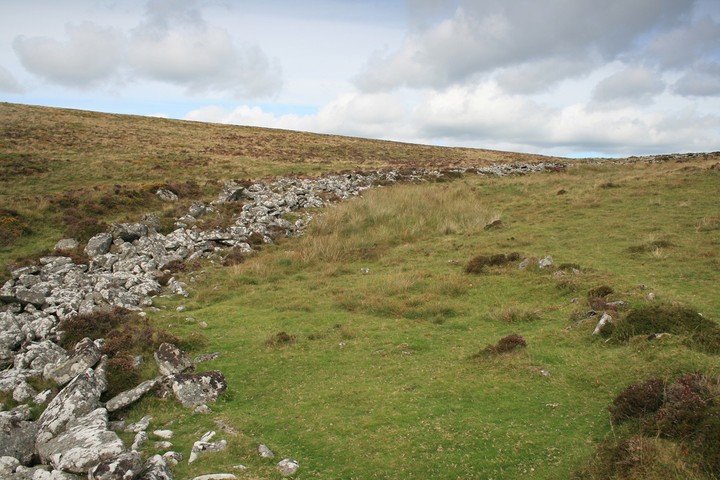
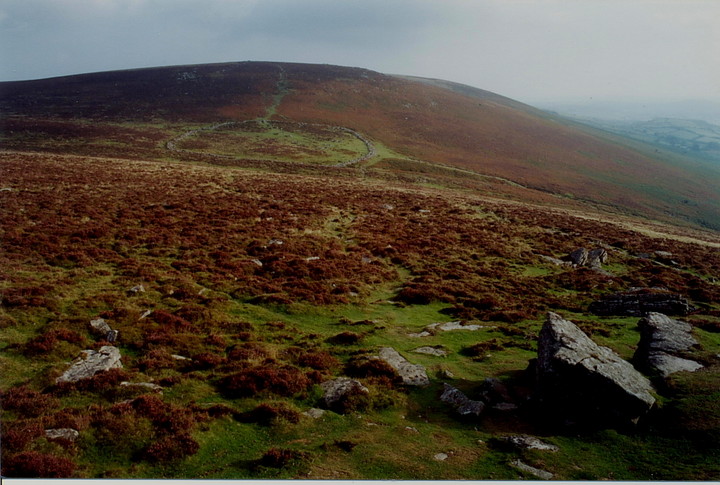
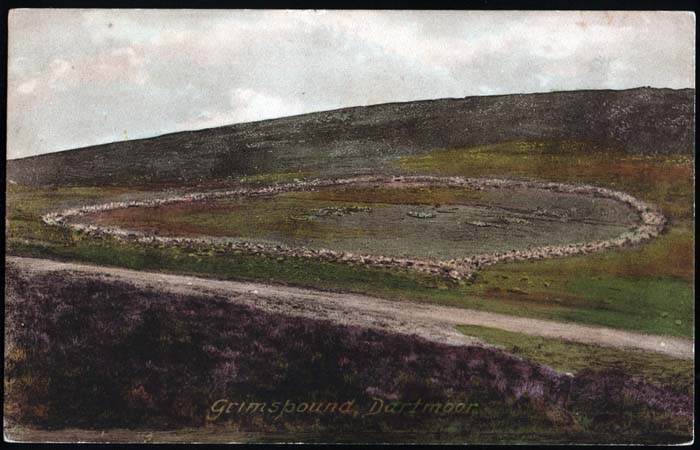
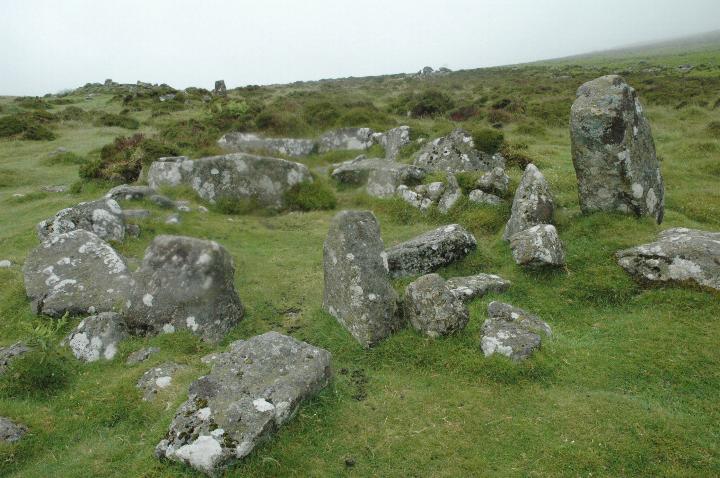
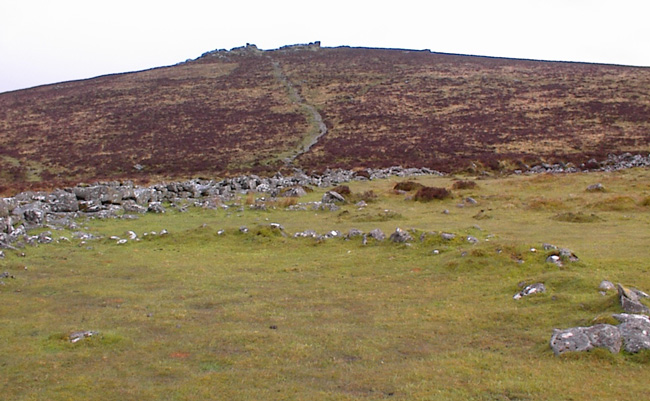
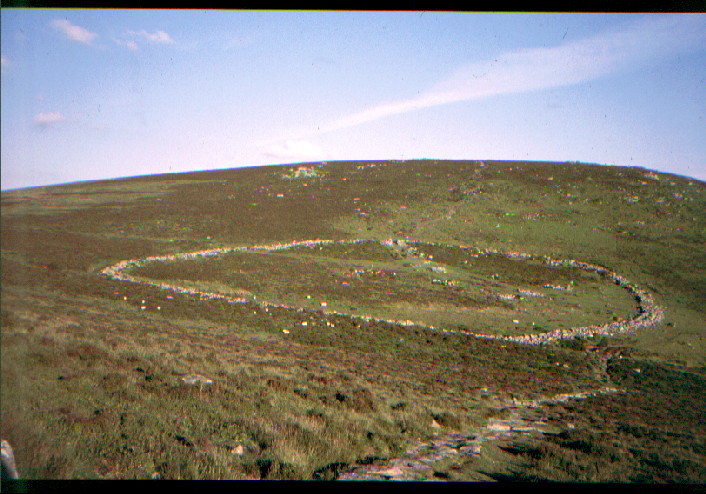
On a walking break for a few days in Devon last week. Spent a day (it was never going to be long enough) travelling to and walking on Dartmoor. First walk was to Wistman's Wood - a place I have long wanted to visit. Ancient twisted oaks dripping with silvery lichen and huge rocks covered in mosses, the place had another-worldly feel. Later, a quick roadside stop to look at Soussons Common Cairn Circle and then on to Grimspound Bronze Age settlement. Grimspound is one of the best known prehistoric settlements on Dartmoor, probably dating from the Late Bronze Age, with the remains of 24 houses/hut circles enclosed within a stone wall. A very impressive place to visit as positioned on the steep side of some spectacular moor land. A peaty fast flowing stream runs down past one side of the circular wall. Text taken from 'Ancient Dartmoor' by Paul White says "The most famous of the pound settlements is Grimspound, which is untypical in the immense thickness of its outer walls. It has been calculated that these would have taken 35 man-years to make. Since the site is badly positioned for defence (and the Bronze Age was a remarkably peaceful period) it is hard to see why such a massive structure was needed." Paul White goes on to say it would be tempting to assume these people were pastoralists, keeping their sheep and cattle on the moor and bringing them in for protection from raiders such as wolves or 'the wild lads from the next valley', however, he adds there is no evidence to support these assumptions. |
 Posted by tjj
20th October 2014ce |
|
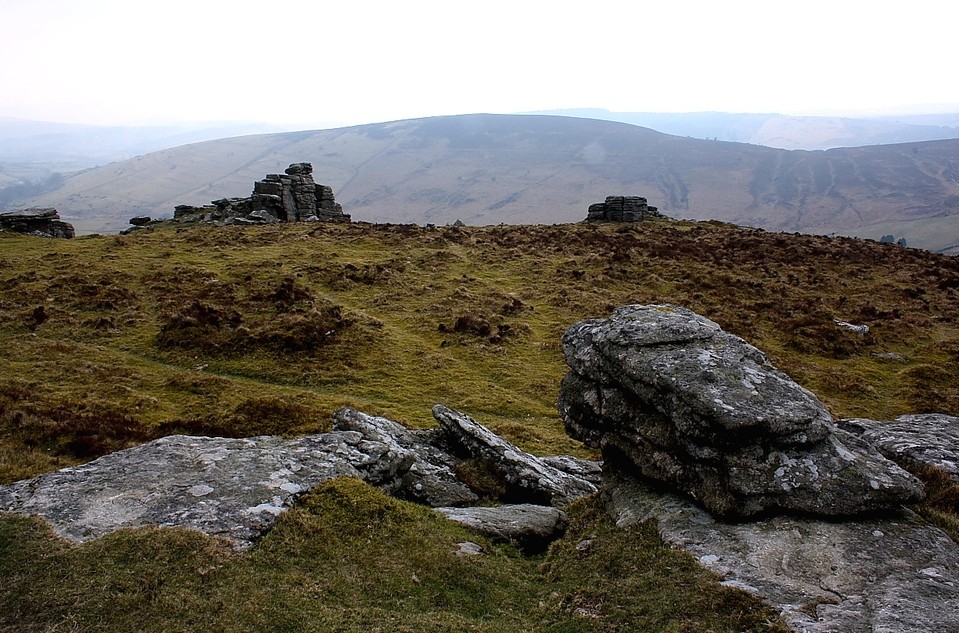
Just maggie the black jack russell and me can rustle up excitement enough for the walk round Grimspound, and excited I was too, for we had plenty of time to rummage about in folks houses, to walk the long walk round the walls, to climb the Tor and look down upon ye mighty works of old. We sat upon the Tor awhile and time just seemed to fly, maggie was looking wistfully down the valley sitting good next to me, but I can tell she wants more walking, the girls playing in the best house have gone now so we now have it and the entire pound to ourselves, but to no avail, we must leave it to the moors for sunset at Scorhill is our last port of calm. |
 Posted by postman
12th November 2010ce |
| A settlement? Some of these "buildings" are not big enough to lie down in, let alone get your family in. Feels more like a graveyard to me. Any guesses why the entrance is so strangely aligned. Facing uphill seemed like the wrong way to be pointed. It did align with the entrance to whatever is on the hill to the north though. |
 Posted by faerygirl
30th April 2010ce |
|
Just a short five minute walk uphill from the road brings you to this ancient village settlement. Filthy weather prevented us from exploring this site thoroughly as the fine drizzle was blowing at an angle of 45 degrees quite unpleasantly. The huge low wall which surrounds the long-abandoned settlement maps out the extent of the compound. Despite the looming sense of abandonment it was easy for me to imagine the place in its hayday. As I walked through the ruined ground plans of many houses I imagined the bustle of women working, children playing, goats and sheep corralled, men talking - ordinary things. The layout and size reminded me very strongly of the maasai villages of East Africa today. Sadly, no African sun here today. Indeed, so bleak did it become that we declared 'rain stopped play' and headed back to the car. This post appears as part of the weblog entry The 'Must-Sees' we saw on Dartmoor
|
 Posted by Jane
10th July 2005ce Edited 13th July 2005ce |
|
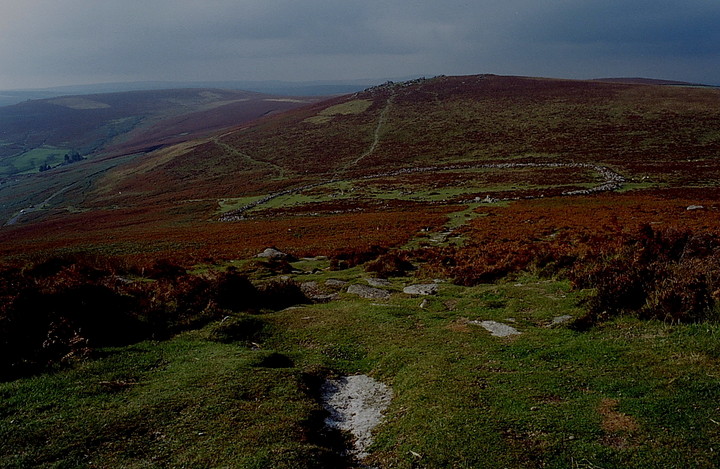
Visited 21/5/5 What a fantastic place! From the layby, walk up the steps then keep up the hill till the stream is heard. Keep the stream on the right until a 'stone path' is seen. Follow the path to the settlement - the path continues on up to Hookney Tor. There's a real sense of loss here – it's easy to imagine the bustling community that once existed within the encircling wall with its three entrances. This post appears as part of the weblog entry Well Cross in Kernow (1)
|
 Posted by ocifant
6th June 2005ce Edited 6th June 2005ce |
|
Much easier to find in good weather. Accessiblity note: Probably OK for those with sticks, though slightly uphill. Ground too uneven for any but the most rugged wheelchairs. |
 Posted by Hob
19th October 2003ce |
|
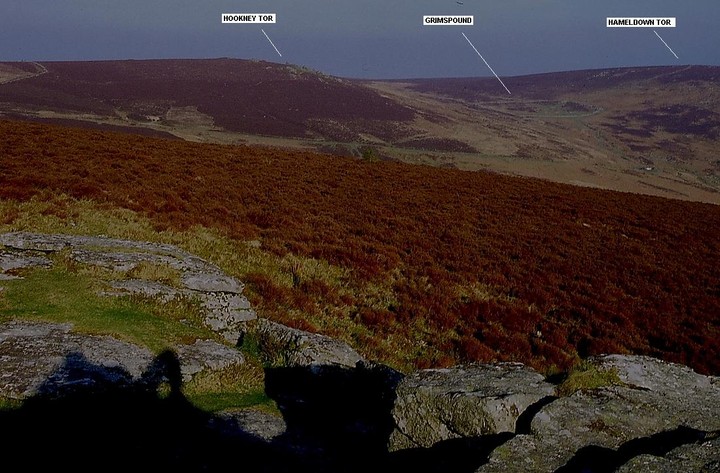
Grimspound - 22.12.2002 These notes may seem overly detailed, but in the Dartmoor fog, you may need them!! Grimspound is shockingly not at all signposted from the North (the B3312), or at the nearest place on the minor road that runs past the site (Grid ref - SX697809). And before anyone says 'well...that's good because it keeps the crowds away and keeps the site to people clever enough to find it', I say this. This is one of the most important settlements in Britain and is a national treasure, not something to keep to the select few. And, anyway, even with a large scale map you may struggle to find it (as I did, in fog and without a map reader in the car!). From the North (i.e. from the B3212) I can only advise that you take the turning that you think it should be, if you've been closely following the OS map. The junction does have a general signpost at its north side (pointing to Tavistock, and Moretonhampstead) but nothing towards Grimspound. If you successfully get this road then on a clear day you may spot Grimspound up on the hill on your left hand side, between Hookney and Hameldown Tors, exactly 2 km south of the junction. On a less clear day look for the only place along that road where there is quite a substantial tarmaced lay-by (enough for about 4 cars) on the right hand side of the road, very close to the kink in the road where it crosses the stream that comes does from Grimspound. If you reach the road on your right for Headland Warren Farm, you've gone too far. Opposite the lay-by there are 4 stone steps; that's the way towards Grimspound. If you find the partly paved route to the main West entrance of Grimspound, well done. If not, don't worry; the other route will take you to the edge of the outer wall anyway. Grimspound is magical. Amazing. I love settlement sites. At these places my imagination is far more rampant than at other sites. We know people lived here - slept, ate, drank, talked, loved, argued, planned, died; just like we do today. And the big drystone outer wall reminds me in essence (although not in purpose) of Gaho and Gersale, small villages where I used to work in the very dry and dusty Southern Ethiopian badlands where local feuds have led to circular protective walls being built by the villagers. |
 Posted by pure joy
6th January 2003ce |
Links |
Add a link |
Grimspound-Youtube |
 Posted by wickerman
16th July 2013ce |

Richard LongGrimspound features in one of Richard Long's time/space-spanning artworks: "Dartmoor Time". |
 Posted by Rhiannon
8th March 2005ce |
 Top of page