
Autumn evening, St Paul’s Epistle.
Image credit: A. Brookes (7.11.2020)

Autumn evening, St Paul’s Epistle.
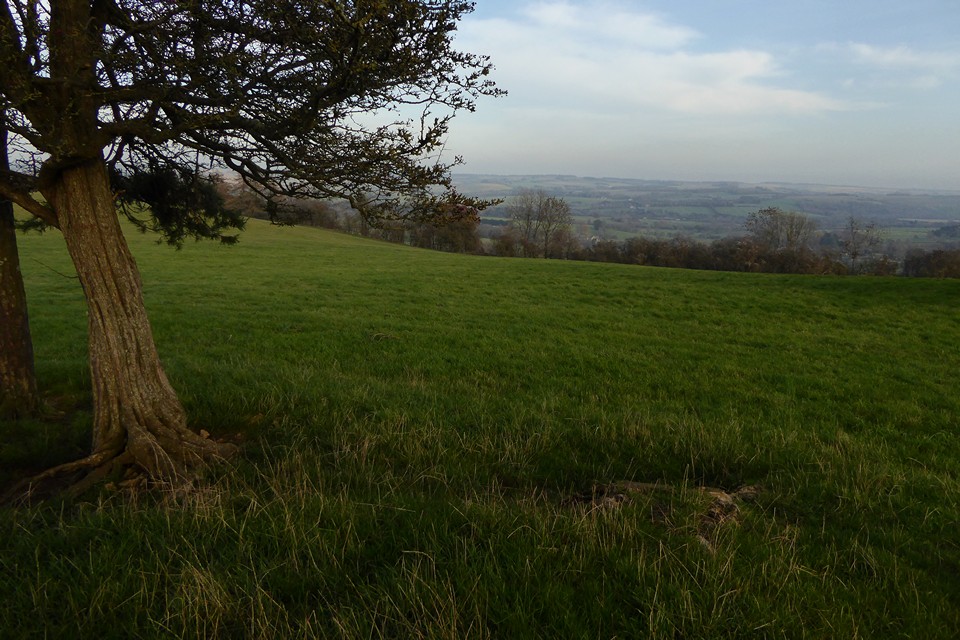
Looking east from the barrow over the Coln valley. There are many long barrows in the landscape ahead, although most have been ploughed down.


Where the round barrow definitely isn’t. I thought I’d have another look now the grass is short, but there’s absolutely no trace of a mound here.

Now the vegetation has died back, the composition of the barrow from small limestone blocks becomes clearer.
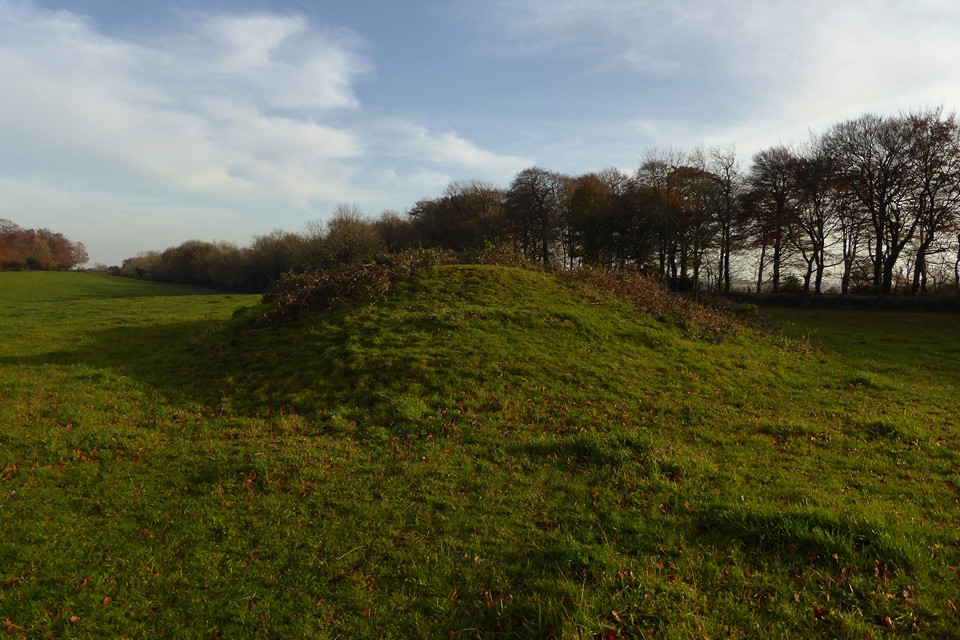
Lovely autumn light at Lineover. This ruined barrow has been a little beacon of sanity during 2020, visiting it has kept me anchored me in a sea of uncertainty.


The removal of trees will no doubt stop damage caused by roots. Instead the barrow is already being claimed by tangled vegetation. The trade-off between preserving the barrow and keeping its wonderful woodland atmosphere has begun.


First sight of the newly treeless barrow through the November drizzle.

Looking along the eastern rampart. St Ives Bay and Godrevy Island over on the right.

Lovely granite outcrop right in the middle of the interior.

Hut circle in the northern part of the fort.

In between the outcrops that divide the northern and southern parts of the interior. Trink Hill and Rosewall Hill, both with cairns, are the two hills on the left skyline.

Hut circle in the southern half of the fort.

Rock basin incorporated into the southeastern rampart. Looking south towards St Michael’s Mount.

The southern end of the fort, looking WSW towards the neighbouring Castle-an-Dinas hillfort above Nancledra.
The government’s decision to approve the Stonehenge tunnel has been quashed following a judicial review.
The government will now need to consider what to do next.
Full text of the court’s judgment here:

We arrived at our last site of the day to find some kind of survey underway, the circle criss-crossed with tapes and bedecked with flags.

The top of the cleared southwestern barrow, looking towards Boswens Croft on the left and Deveral Common (with a linear barrow cemetery) on the right. Wheal Buller standing stone is in the valley between the two hills.

The newly cleared central barrow.

The chamber of the central barrow, clearer than I’ve ever seen it.

Repaired stone 5, still keeping it together.

The area around the base of the stones has been cleared,revealing various stones between stones 2 (pictured) and 3 (behind the camera).

Looking southeast towards Boswens Croft. The menhir can be seen on the skyline from here, to the left of the air traffic control installation.


Looking east. Watch Croft is far left, Chun Castle to the right of that (with Chun Quoit just visible between the two), the Ding Dong engine house can be seen on the centre skyline.


Massive granite blocks marking the outer rampart, with the inner rampart beyond on the left.

Between Chun and Watch Croft there are several Iron Age settlement sites, as well as prehistoric field systems that are still in use today.


Against the backdrop of an awful year, it was a huge delight to get back here again.

The round barrow inserted into the edge of the circle, behind the stone on the right.

As the gloom of the morning lifted.


The stones at the southern end of the mound.

Granite outcrops on Zennor Hill.


Autumn sun on the stones.
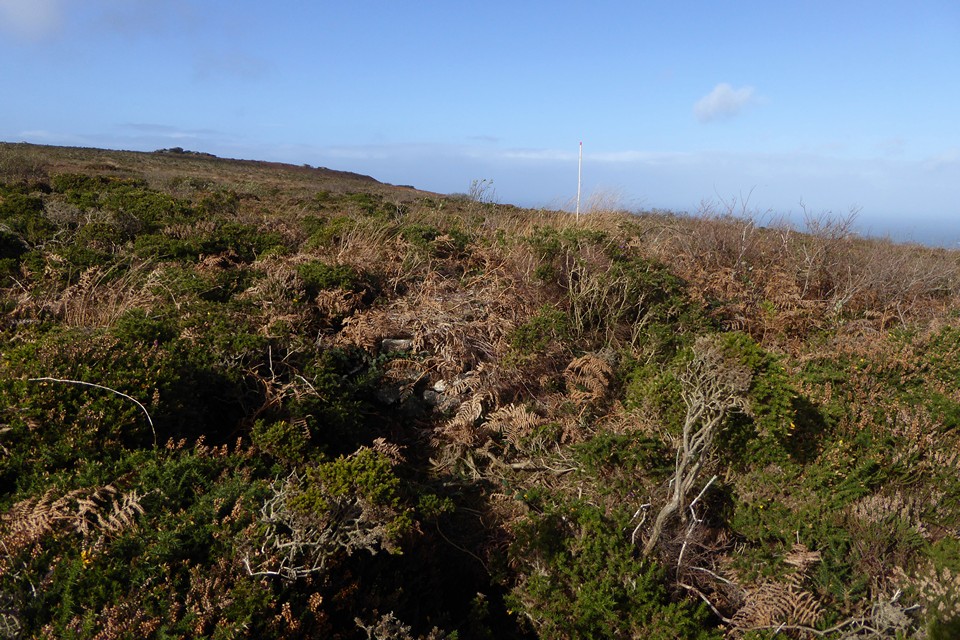
The clearance of the site is work in progress; here’s one of the houses at the west of the settlement. Work by the Penwith Landscape Partnership will be ongoing here.