
The well-preserved entrance of the small house.
Image credit: A. Brookes (20.10.2020)

The well-preserved entrance of the small house.

A smaller, newly cleared house.


Looking through the doorway of one of the cleared houses. The paving slabs in the doorway have been exposed for the first time in decades.

Another of the houses cleared by Penwith Landscape Partnership.

Looking across the newly cleared house at the eastern end towards Trink Hill.

Work is being undertaken by the excellent Penwith Landscape Partnership to clear the site of gorse and other vegetation. This is the house near the eastern end of the settlement, which was always the clearest but nothing like this.

Northern cairn (left) and southern cairn (right).


Looking eastwards across the south cairn towards Rosewall Hill.

Massive kerb stones on the southern cairn, with remaining cist slab behind.

Approaching from the southeast, after an ankle-shredding, bullock-dodging walk up from Towednack.


Large kerbstones on the southern arc of the barrow.

The badly mutilated eastern side of the barrow. Chapel Carn Brea with its own cairns rises behind.

Looking southeast. The notch of the Lamorna valley and St Buryan church tower are skyline features.

From the northwest, showing the wall built across the edge of the barrow.
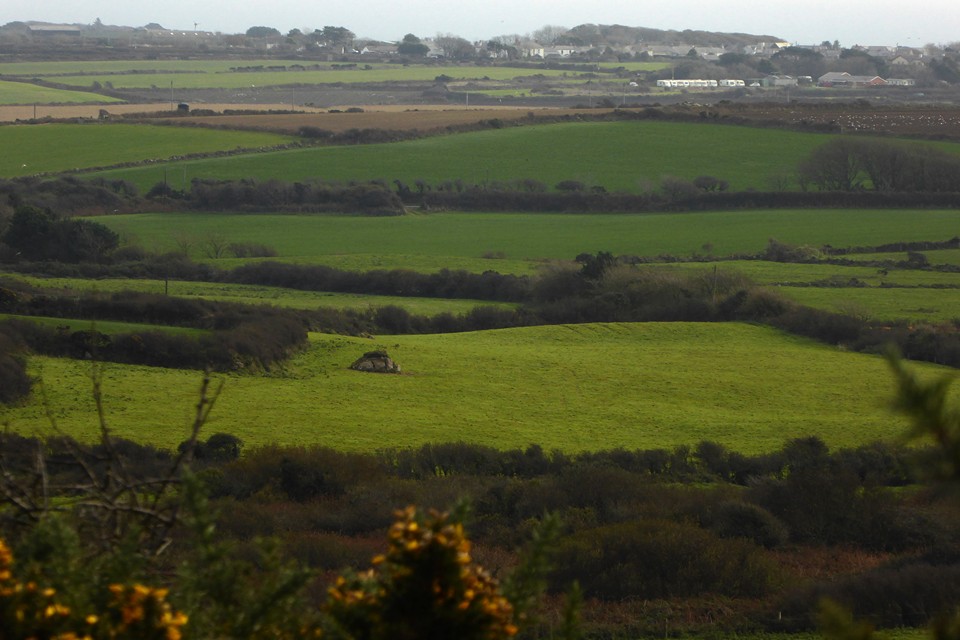
Zoom on the chambered cairn and long barrow from the path west of St Euny’s Well.
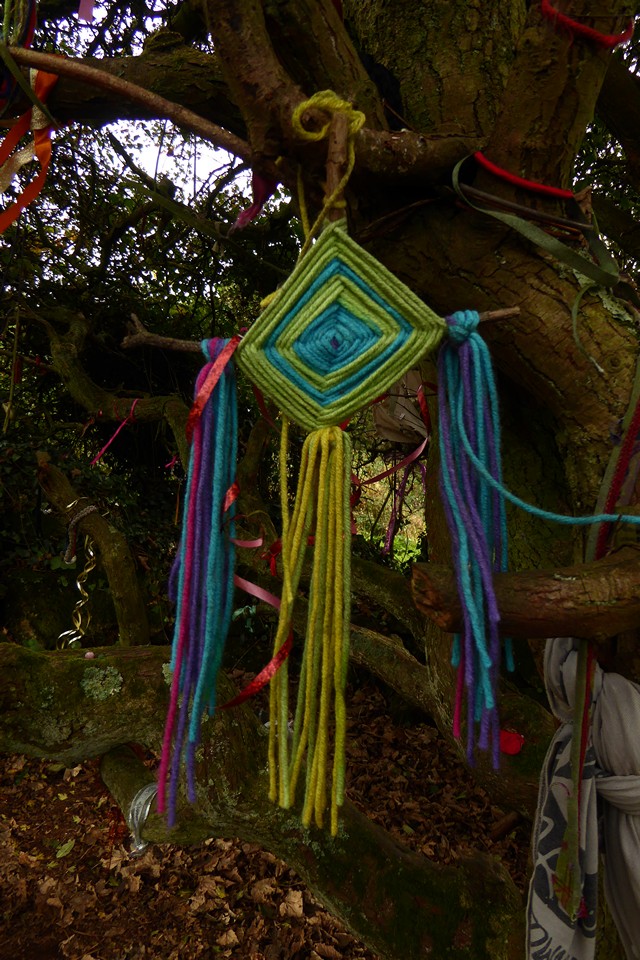

St Euny’s Well north, recently cleared by the Penwith Landscape Partnership.

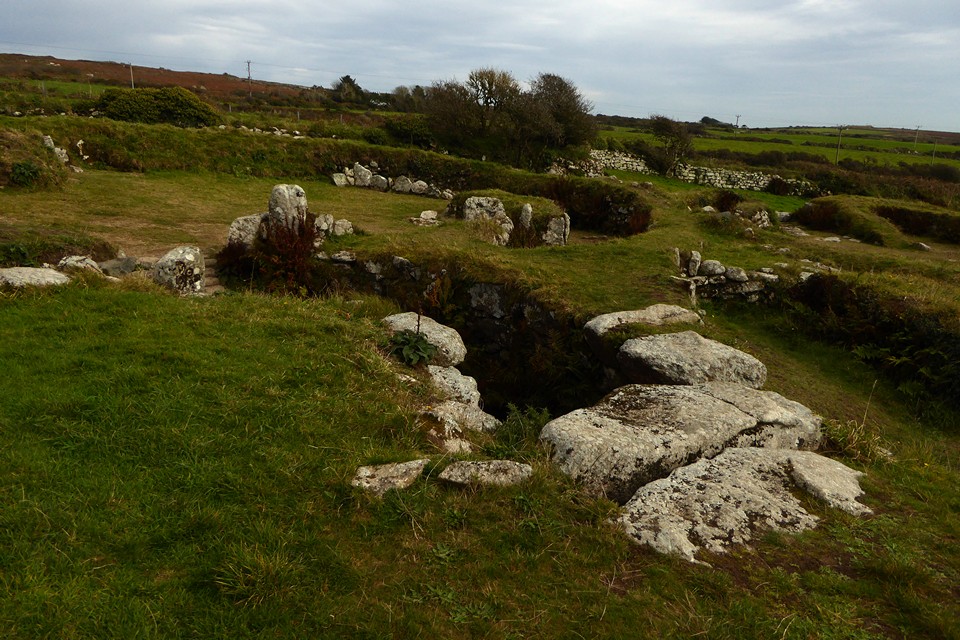
The unroofed part of the fogou.


One of the entrances in the courtyard site.


Tall megalithic door- or gatepost within the courtyard settlement.

As far as I can tell this is inside the courtyard.

Remains of structures within the settlement.

General view of the very overgrown site, looking northeast. The prominent hill to the left is Sancreed Beacon, the more distant one to the right is Castle-an-Dinas.

Info board to the west of the site.

Looking south, the Boscawen-Un circle extreme left and St Buryan church tower on the right.

Looking towards Chapel Carn Brea.


Lovely bright green lichen on the central stone contrasts with the muted autumn colours around.

An attempt to show one of the axe (or foot) carvings at the base of the central stone. The torch light is shining down the recess formed by the axe shape, with the narrower end at the top.


Although not as iconic as Minninglow, Aleck Low’s tree-crowned hilltop is still a prominent landmark. Seen from Mouldridge Lane, some miles to the east.

Looking over the top of the round barrow towards the huge Neolithic monument.

The chamber or cist, after a bit of judicious nettle and thistle flattening.


The round barrow, a fine monument in its own right.

The huge Neolithic mound from the nearby round barrow.

Badly damaged chamber on the edge of the monument, now with fallen tree.

