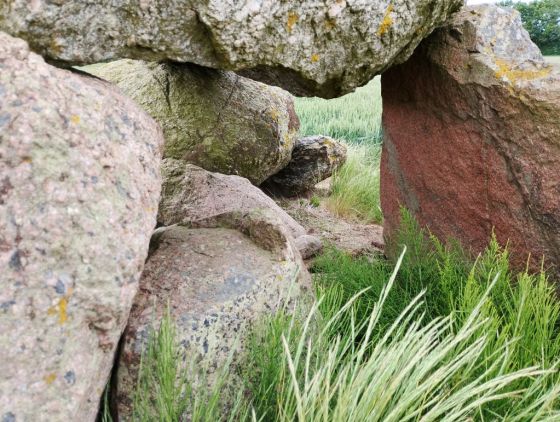
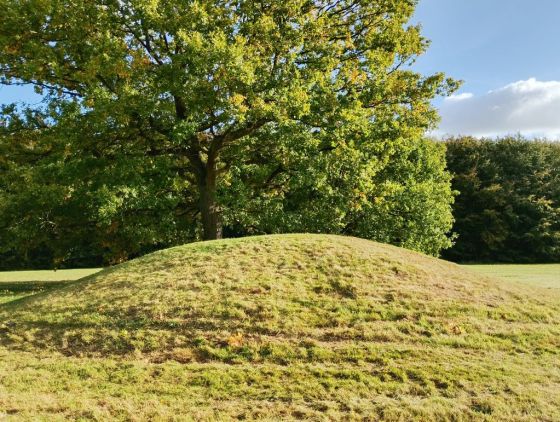
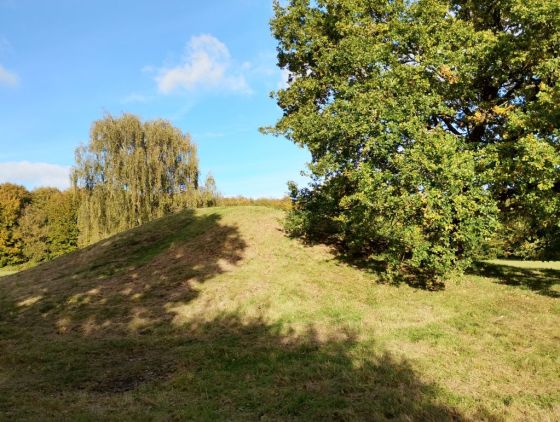
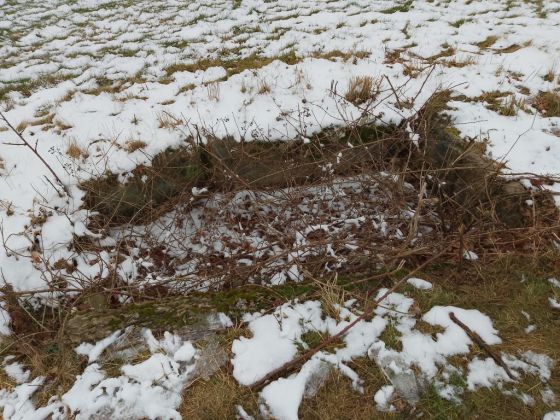
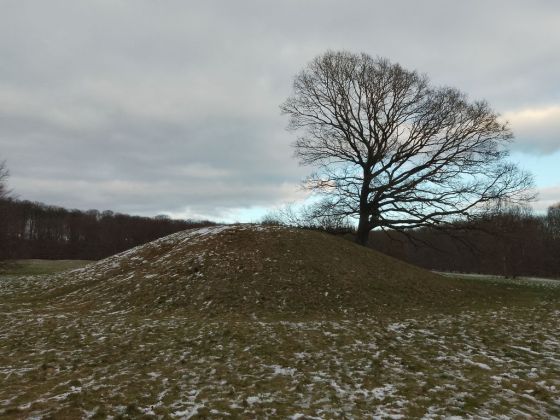
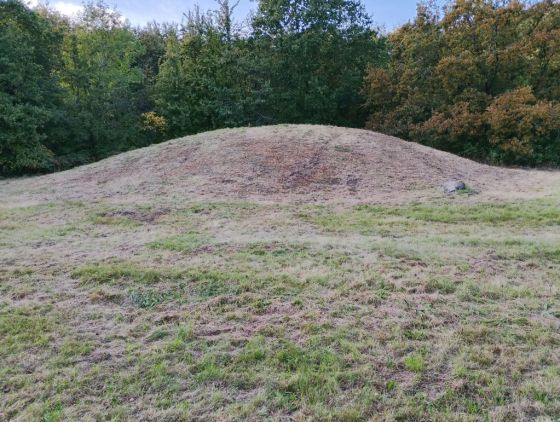
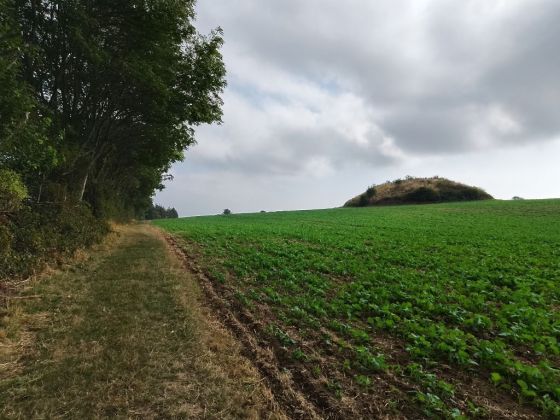
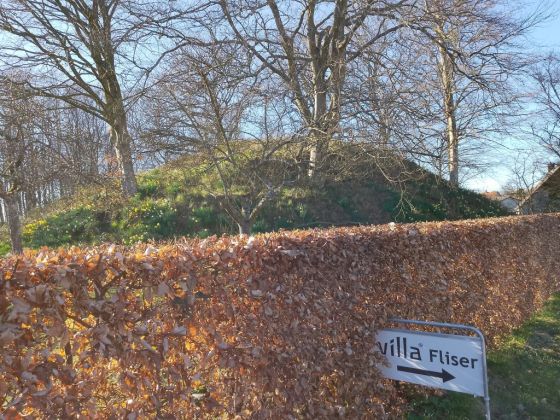
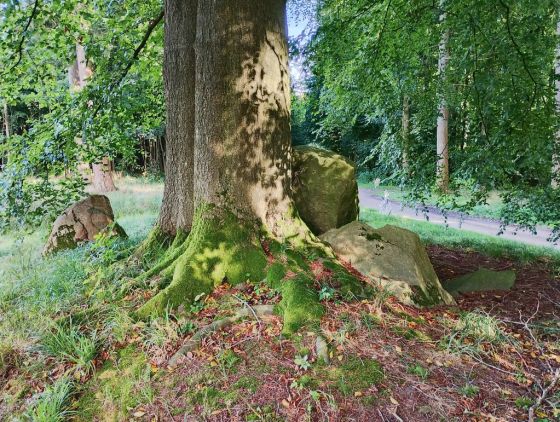
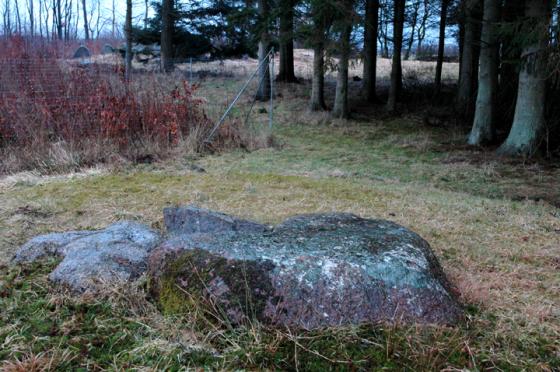
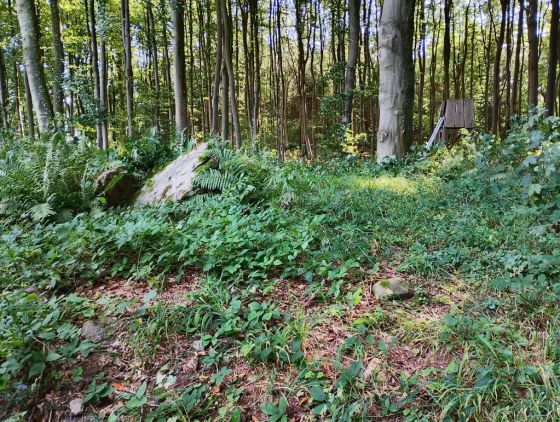
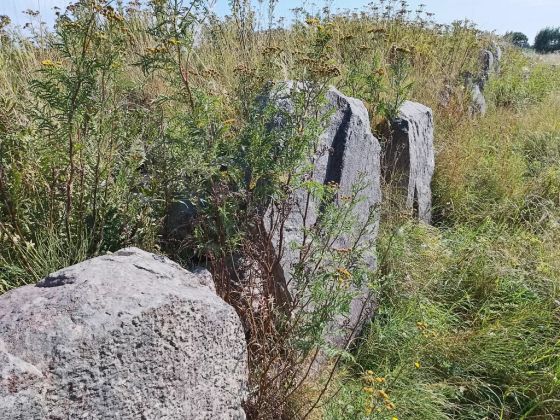
The Dybendalsgård megalithic tomb is a Stone Age archaeological site located in Svendborg Municipality, South Funen. Dated to the period between 3950 and 2800 BC, the monument consists of a burial chamber—identified as either a dolmen or a passage grave—that is currently located on a private field with crops.
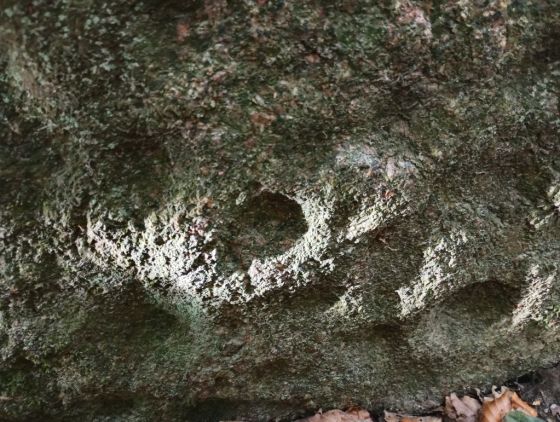
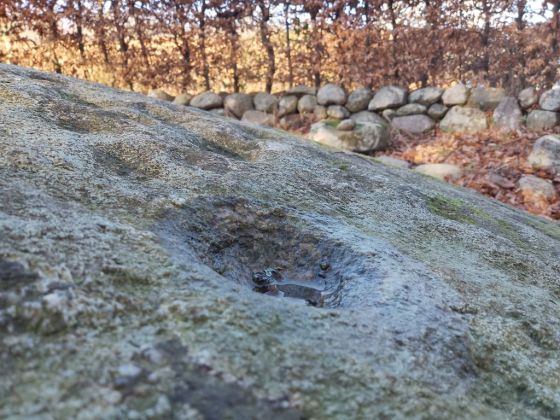
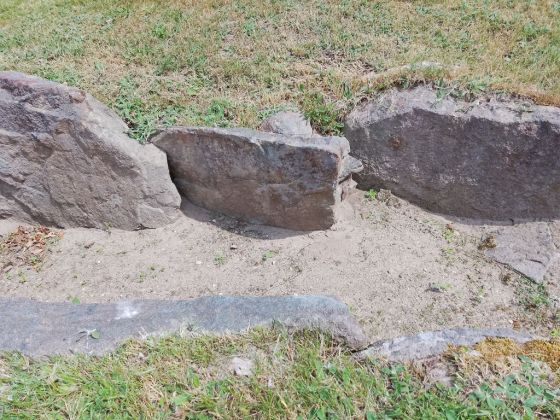
The structure features six support stones and a massive capstone. In 1878, the capstone was recorded as being 4 cubits (Alen) long and 2.5 cubits wide with a curved top and flat underside. More recent surveys from 1983 note that the capstone contains one or two cup marks (skåltegn) and that the internal dimensions of the chamber are 2.0 meters wide by 1.6 meters long. Historical records indicate the tomb was partially damaged in the past by treasure hunting, which caused some of the side stones to give way under the weight of the capstone.
The tomb and a surrounding 10x10 meter area have been officially protected since 1947.
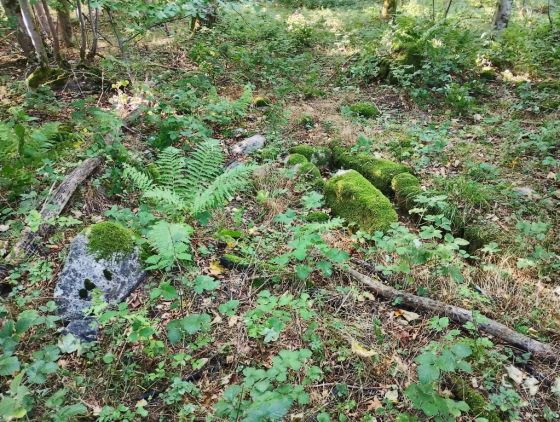
In 1978, a nearby stone row with charcoal was discovered at a depth of 40 cm, and in 1979, a flint tool (possibly a flake axe) was found about 30 meters west of the chamber.
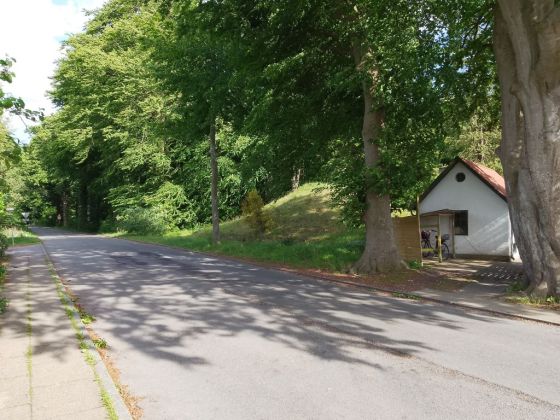
Although the site is considered a remnant, it is described as having a “magnificent effect” and is visible from a nearby public road.
In front of the dolmen itself, a flat stone stands on top of a tall stone. In the middle of the flat stone is a piece of metal that looks like a large nail.