Capeshøj
Image credit: Bjørn Houdorf

Capeshøj

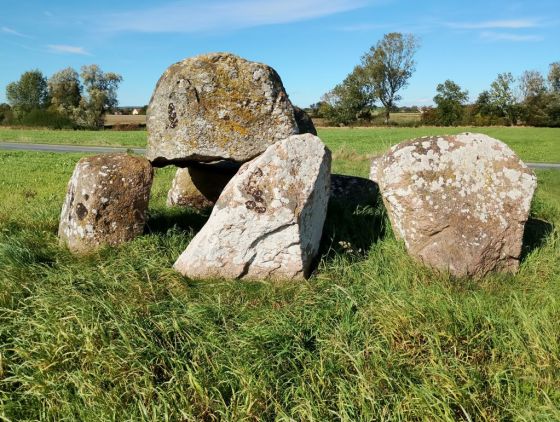
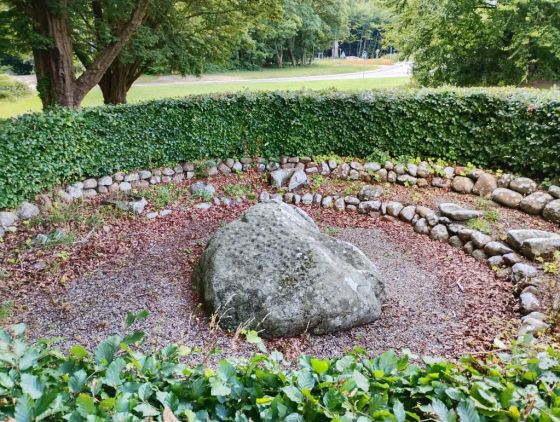
Burial chamber in Capeshøj

Capeshøj

Capeshøj
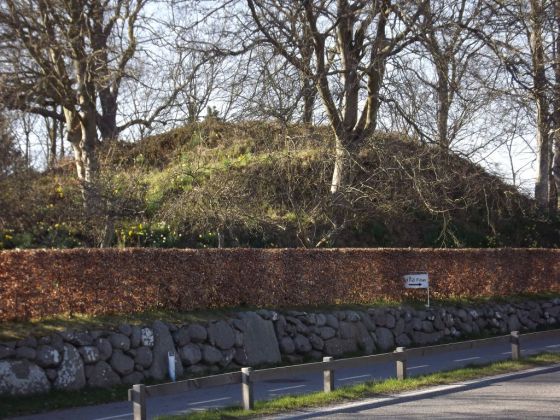
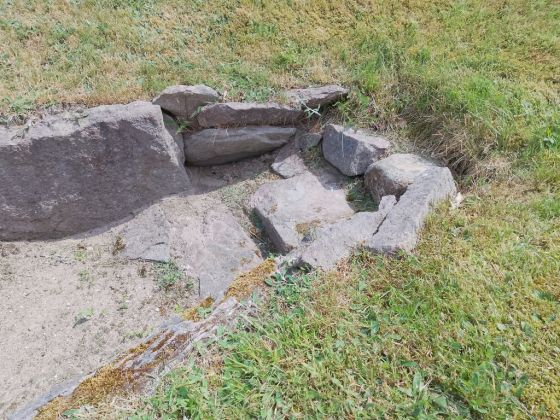
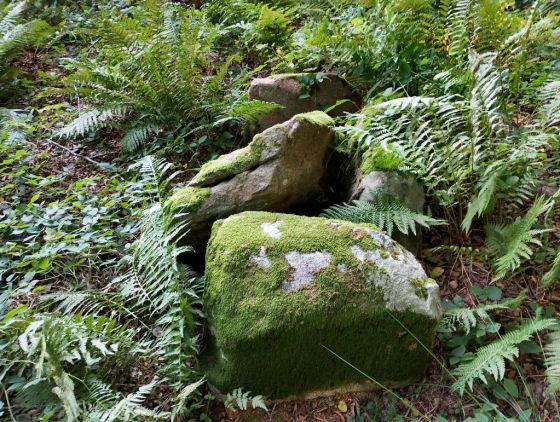
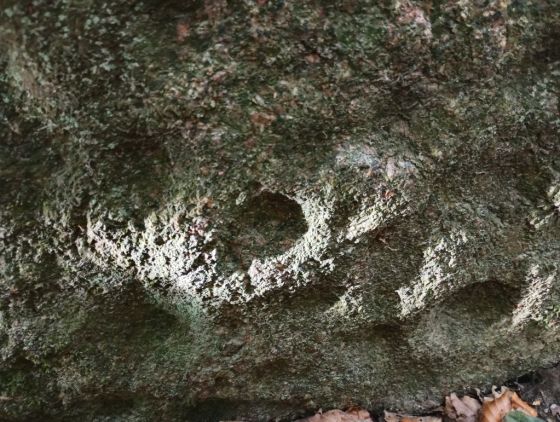
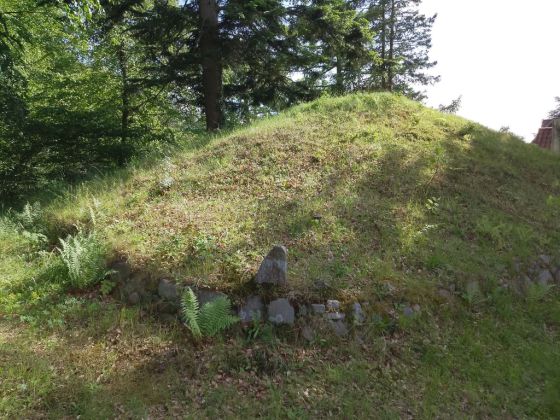
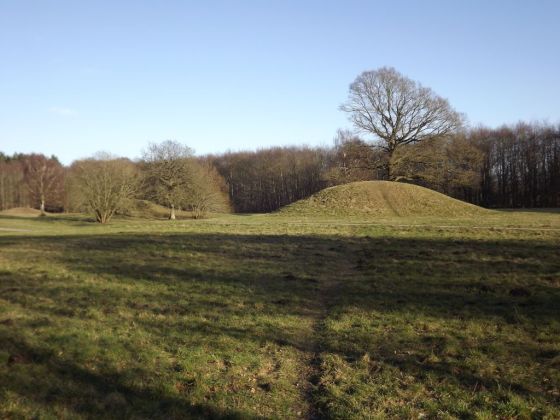
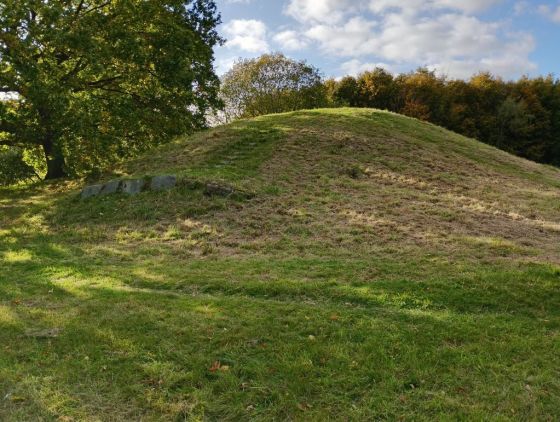
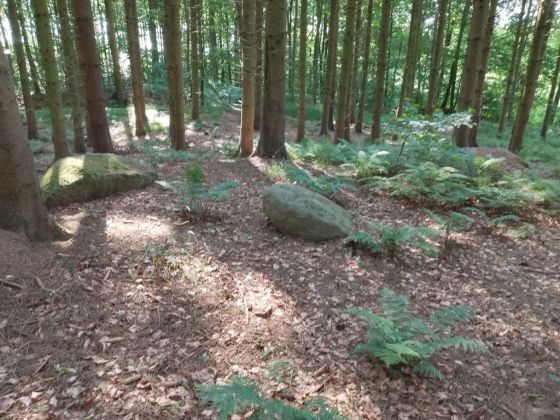
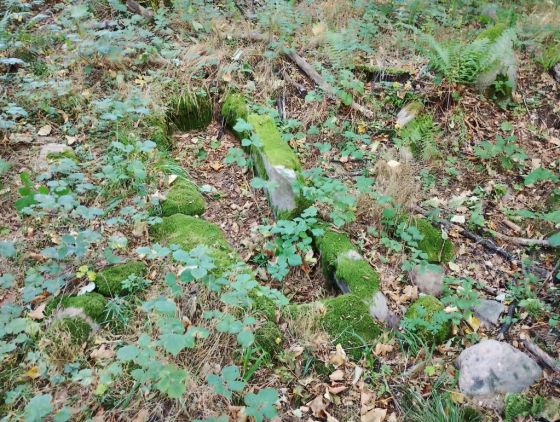
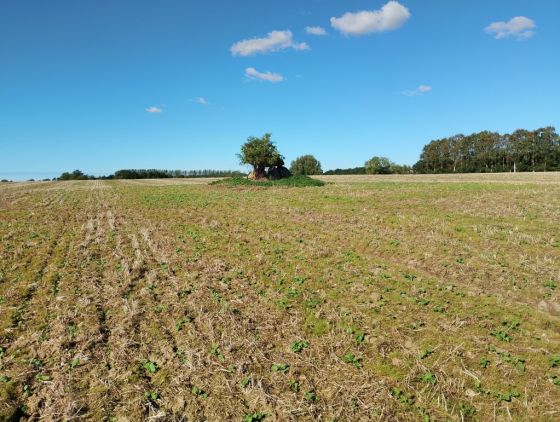
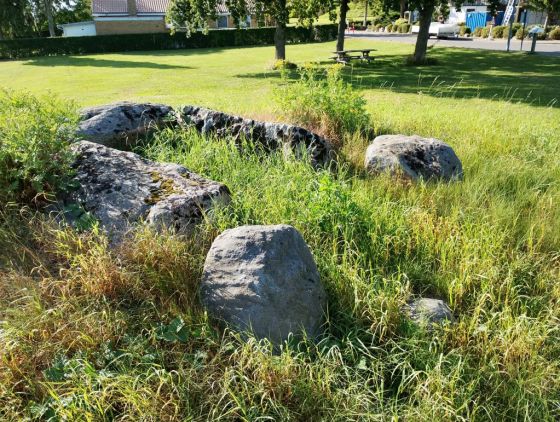
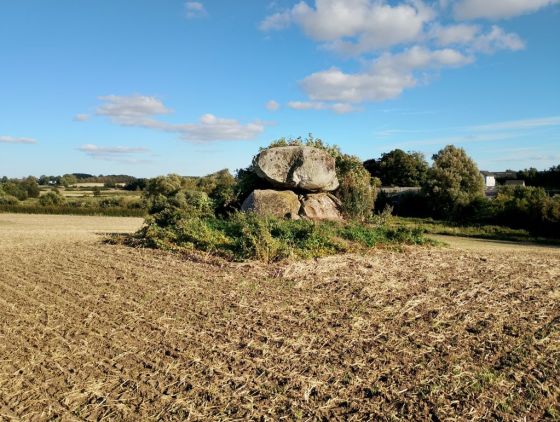
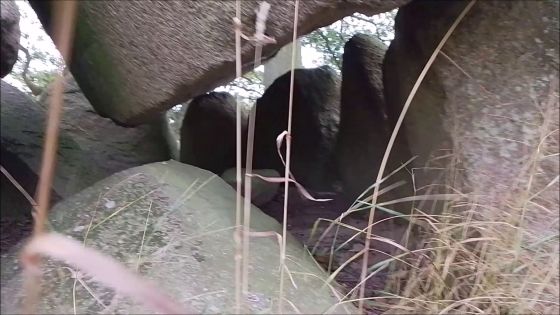
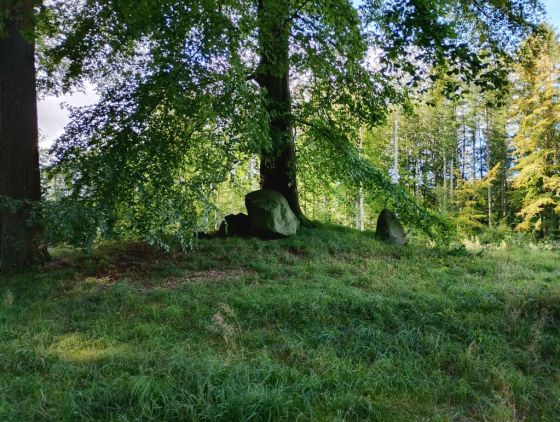
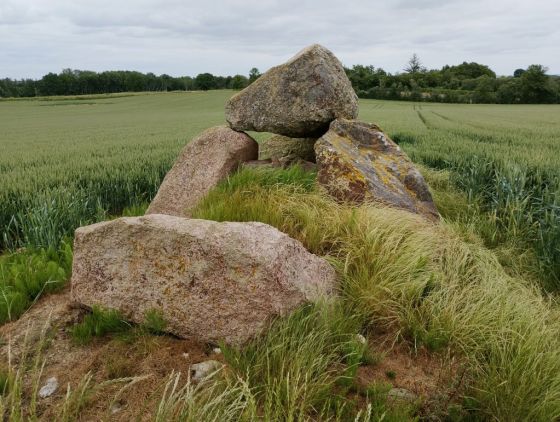
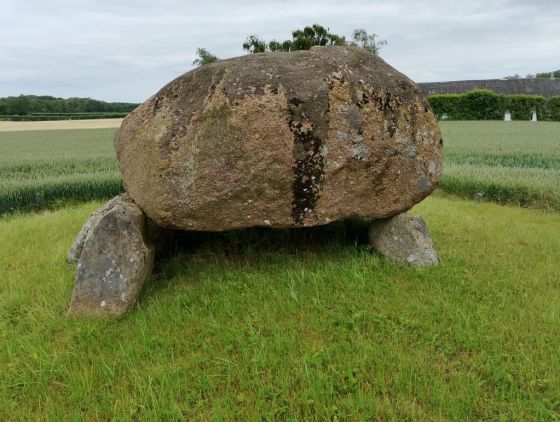
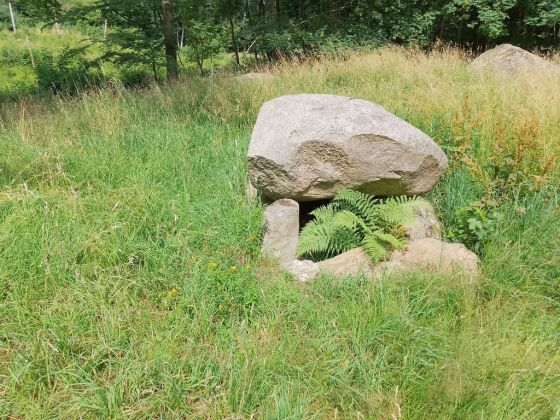
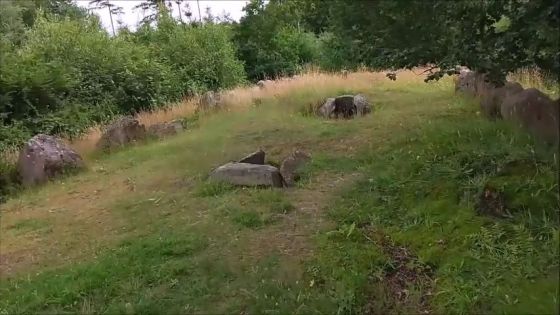
Capeshøj is the best-preserved long dolmen on Tåsinge and a significant archaeological site on South Funen, Denmark. It measures approximately 36 meters long, 7 meters wide, and nearly 1.5 meters high, and was originally encircled by 56 large kerbstones (though some are now missing). Within, it contains a narrow, rectangular burial chamber, which was once sealed with capstones, now absent. Evidence suggests a dry stone wall of red sandstone tiles existed between the kerbstones, with four stones notably bearing cup marks.
Dating to the Younger Stone Age, Capeshøj was constructed by the Funnelbeaker culture (Tragtbægerfolket) between 3400 and 3100 BC.
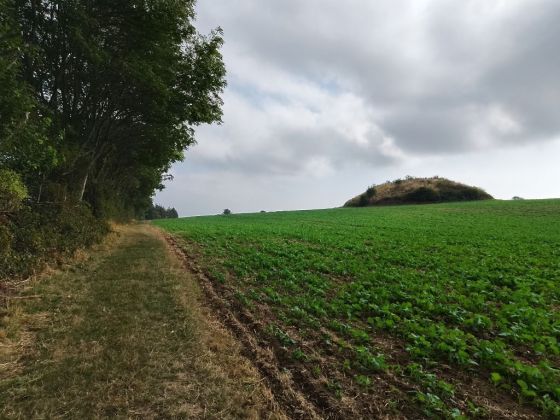
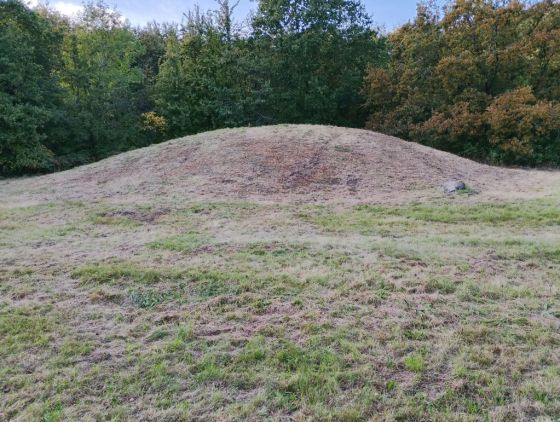
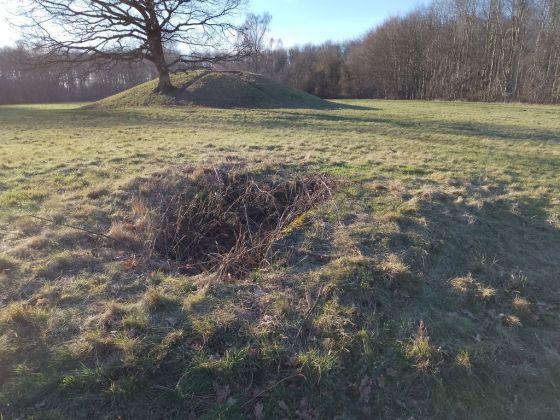
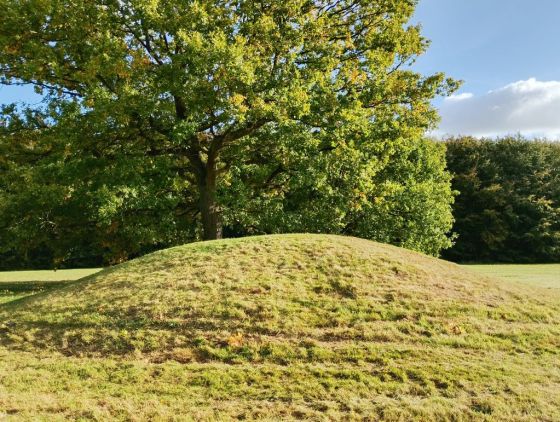
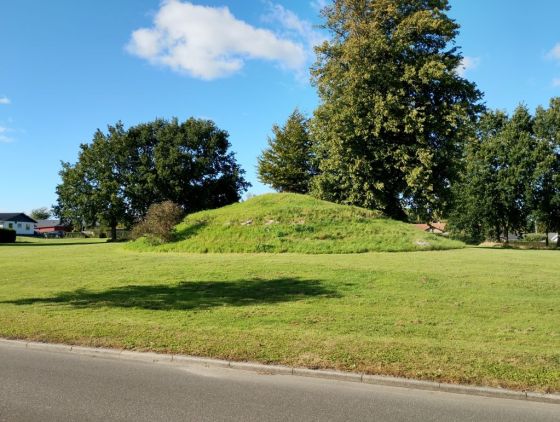
Its exceptional preservation is due to its discovery in 1976-1979, when it was found concealed for about 3500 years beneath a large burial mound from the Older Bronze Age (approximately 1700-1100 BC). This later mound, about 40 meters in diameter and 1.6 meters high, was built around 1500 BC on the highest point in the area, intentionally using the pre-existing long dolmen as its central feature, thereby protecting it from the elements.
Excavations within the Bronze Age mound unearthed four Bronze Age graves, yielding notable artifacts such as two bronze swords, two bronze bow fibulae, and a double button.
.Other finds included a strike-a-light stone and burned bones. Following its discovery, Capeshøj underwent restoration due to its well-preserved state, despite some kerbstones and chamber capstones having been destroyed between 1950 and 1970. The site also revealed ard traces beneath both the dolmen and the Bronze Age mound, indicating ancient agricultural activity.
The discovery of Capeshøj, hidden for millennia beneath a later burial mound, is like finding a precious time capsule. Just as a modern safe can protect valuable items from the passage of time, the Bronze Age mound acted as a protective vault, preserving the ancient dolmen and its secrets for future generations to uncover and study.