Image credit: Bjørn Houdorf


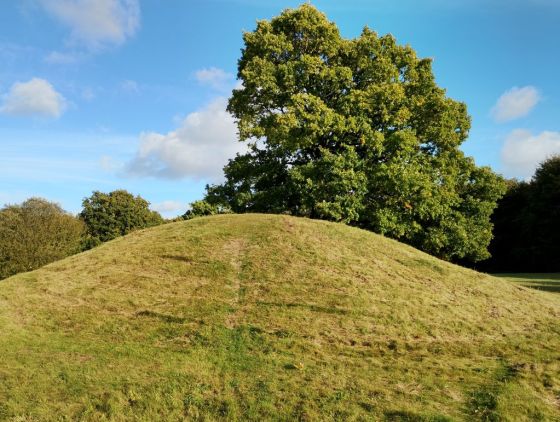
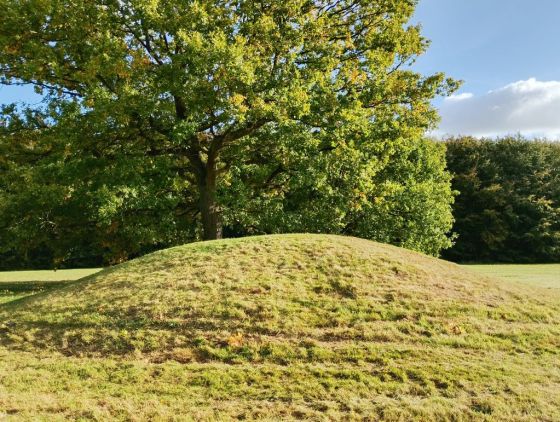
The archaeological site known as Ballen Rundhøj, located in the Svendborg Municipality, consists of a Stone Age round barrow and dolmen dating from 3950 to 2800 BC. The site has been officially protected since 1937 or later and is currently under the responsibility of Arkæologi Sydfyn.
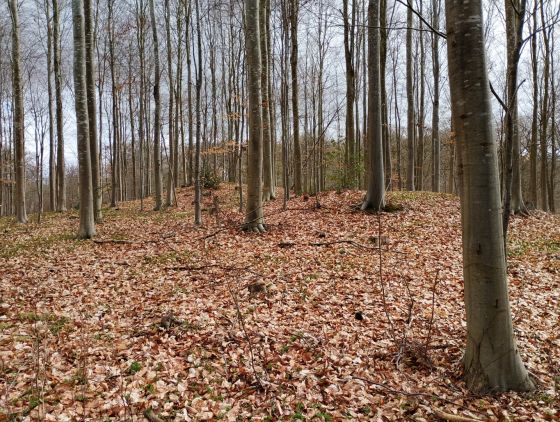
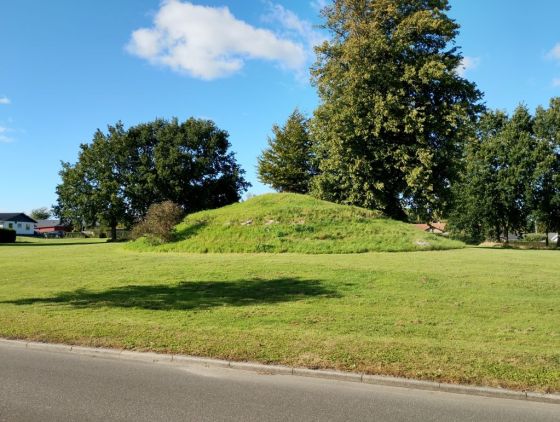
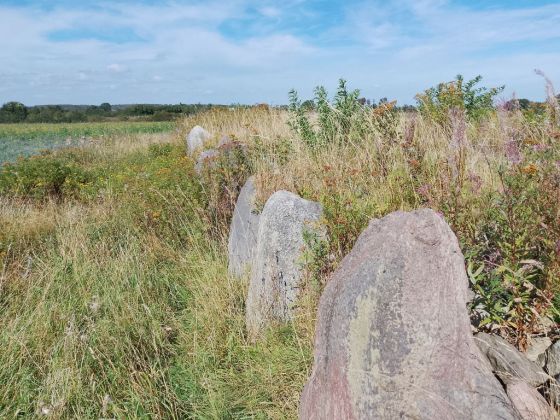
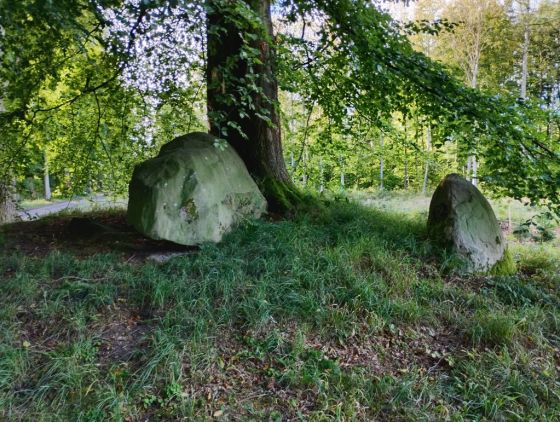
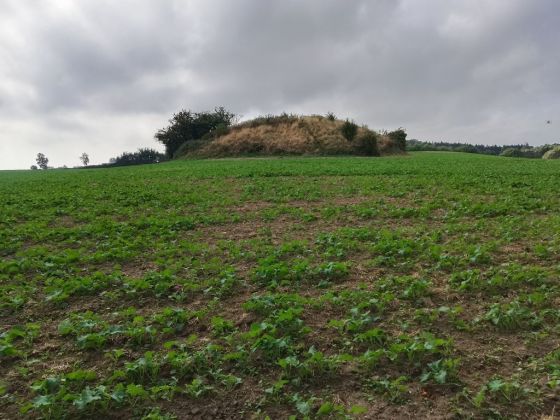
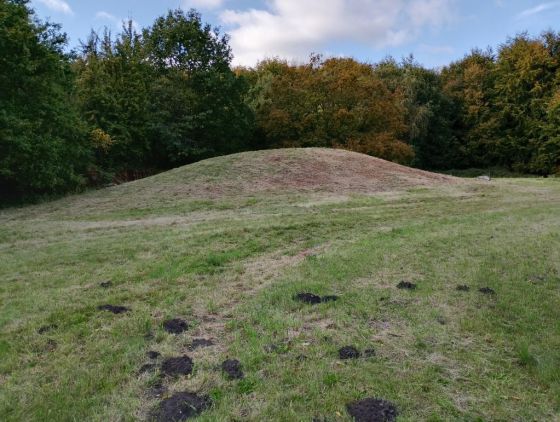
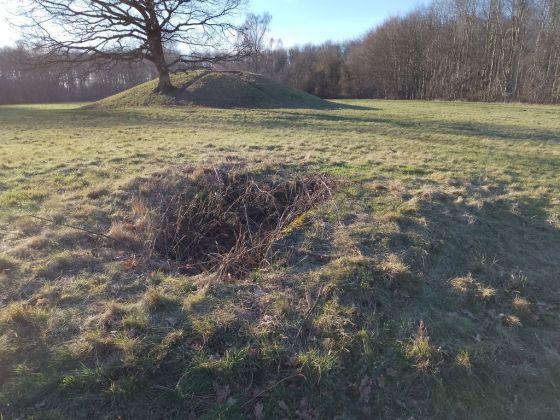
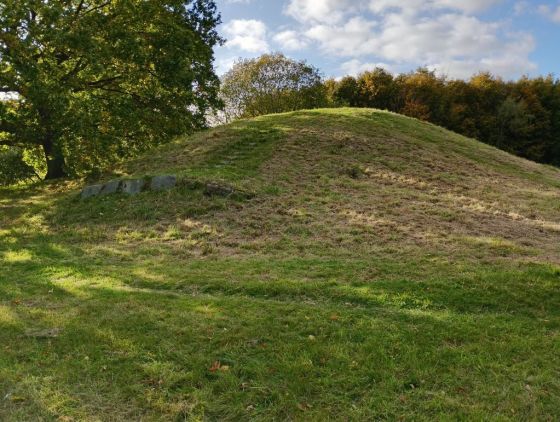
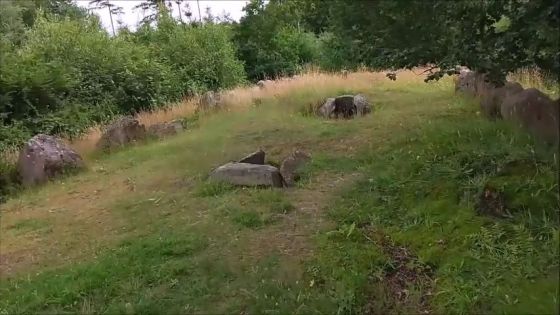
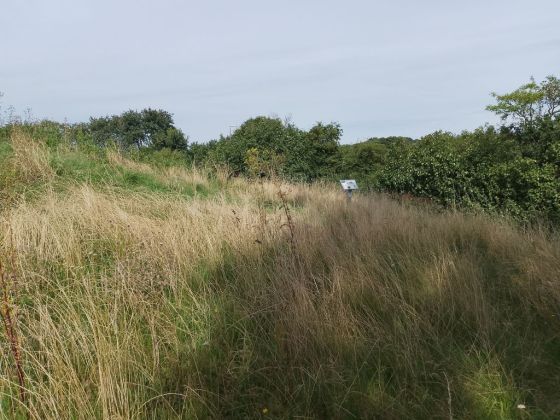
The Mound and Curbstones: The monument features a mound approximately 1 meter high with a diameter of 12 meters. It is encircled by roughly 12 curbstones, though historical records suggest that not all of these stones are original to the site.
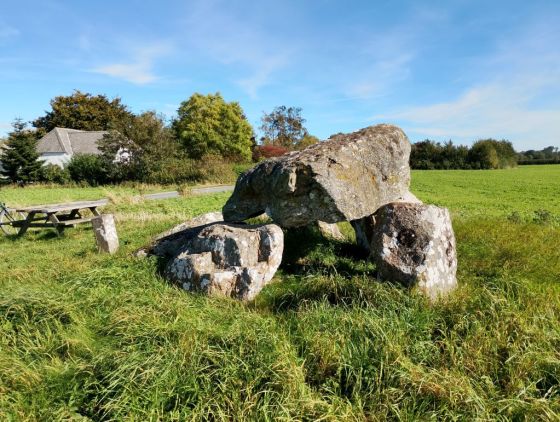
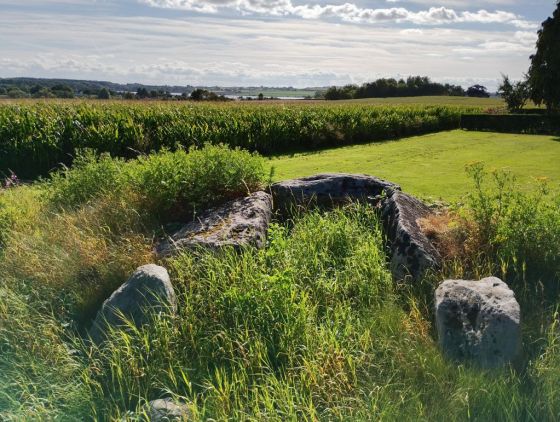
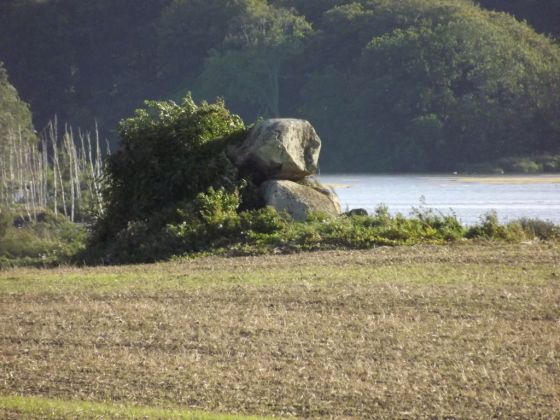
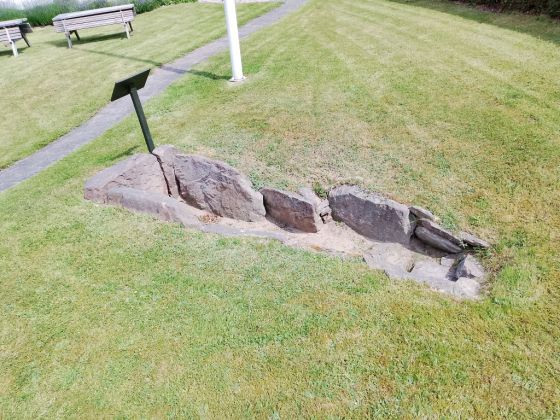
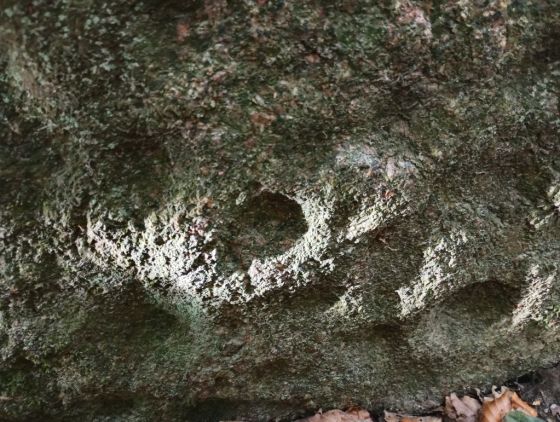
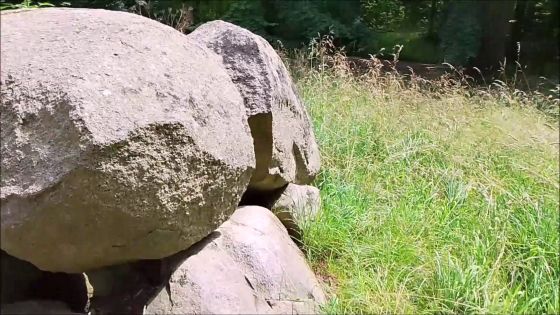
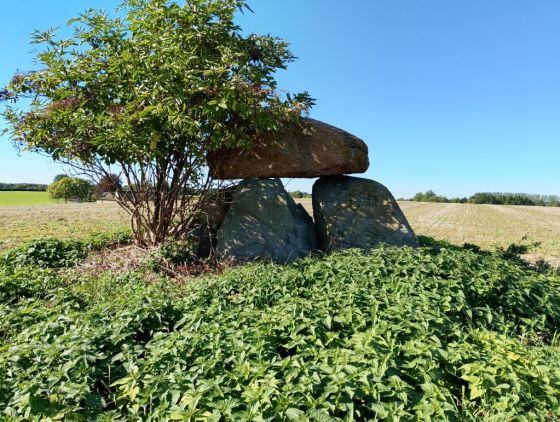
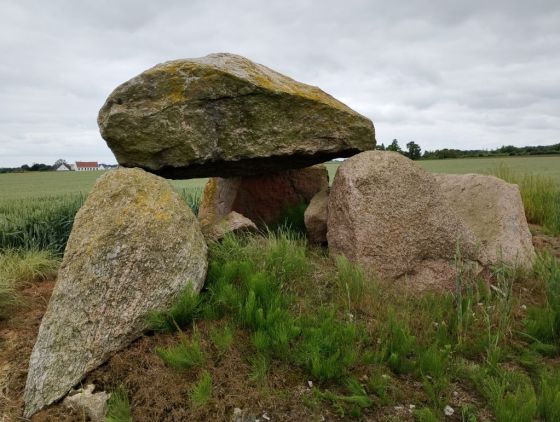
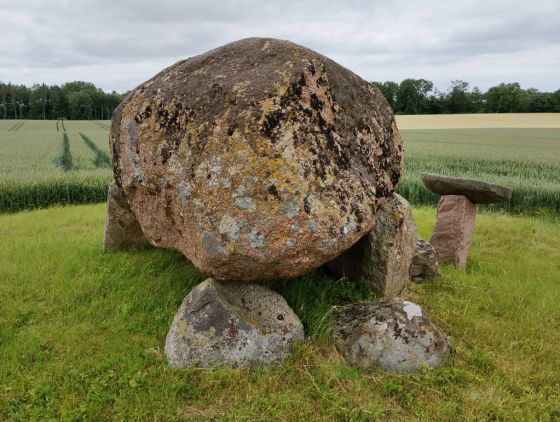
The Burial Chamber: At the top of the mound sits a burial chamber oriented East-West. It was constructed using four stones, each about 90 cm high. While a 1947 survey estimated the internal dimensions to be 1.20 meters by 0.60 meters, a subsequent 1983 inspection measured them at 1.4 meters by 0.7 meters.
Current State: The capstone is missing. Additionally, the northern side stone has been displaced from its original position.
The site has undergone several recorded inspections and changes over the last century:
1918: Vandalism or damage was reported by the National Museum.
1947: A private restoration occurred. During this period, the owner noted that his father had installed the eastern stone in modern times. There was also a correction to older records; a southern stone previously thought missing was confirmed to be in its original place.
1983: Experts suggested that the current chamber might be the northern remains of a larger, older structure that was partially removed in the past.
Recent Status: Inspections in 1997 and 2015 confirmed the site remains as described in earlier records.
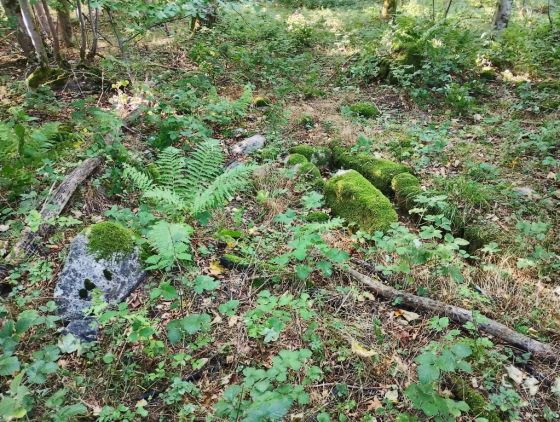
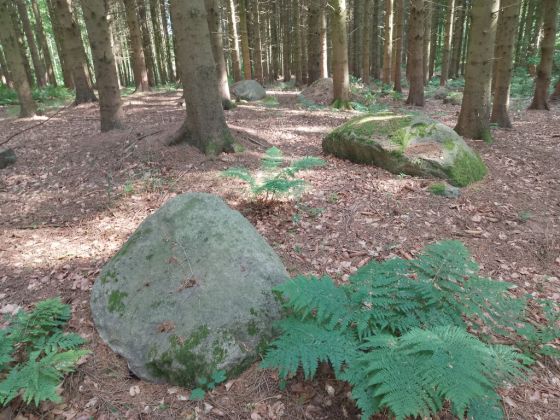
The monument is situated in a forested area and is frequently overgrown with bushes and deciduous trees, which the owner clears periodically. Notably, the surrounding forest contains exceptionally well-preserved ridge and furrow fields (højryggede agre), which are historical farming traces that extend directly to the foot of the dolmen. Additionally, there is a lookout tower located near the ancient monument.
To understand the preservation of this site, one might compare it to a vintage car that has had its roof removed and a few modern parts added to the engine; while it is no longer in its original factory condition, its core structure still provides a clear and valuable window into the era in which it was built.