|
 Log in |
Register Log in |
Register
|

|
|

Moel ArthurHillfort
|
||||||||||||||||||||||||


 0 discussions


 Show map (inline Google Map)
|
|
|
News |
 Add news Add news |
Mysterious Stone Tools Unearthed at Bronze-Age Site in WalesAmateur archaeologists excavating a Bronze Age site in the United Kingdom have discovered a cache of unusual stone tools unlike any that have been found before. The tools appear to have been deposited deliberately — perhaps ceremonially — in what would have been a stream around 4,500 years ago, according to the researchers... continues... |
 Posted by moss
6th November 2017ce Edited 7th November 2017ce |

|
Bronze Age burnt mound found on Moel Arthur A recent CPAT dig has unearthed a burnt mound and there are some good photographs with this article from The Leader newspaper. http://www.leaderlive.co.uk/news/131942/-fantastic-discovery-from-bronze-age-era-near-cilcain.aspx |
Posted by JohnAko 17th March 2014ce |
Images (click to view fullsize) |
Add an image |
|
Fieldnotes |
Add fieldnotes |
|
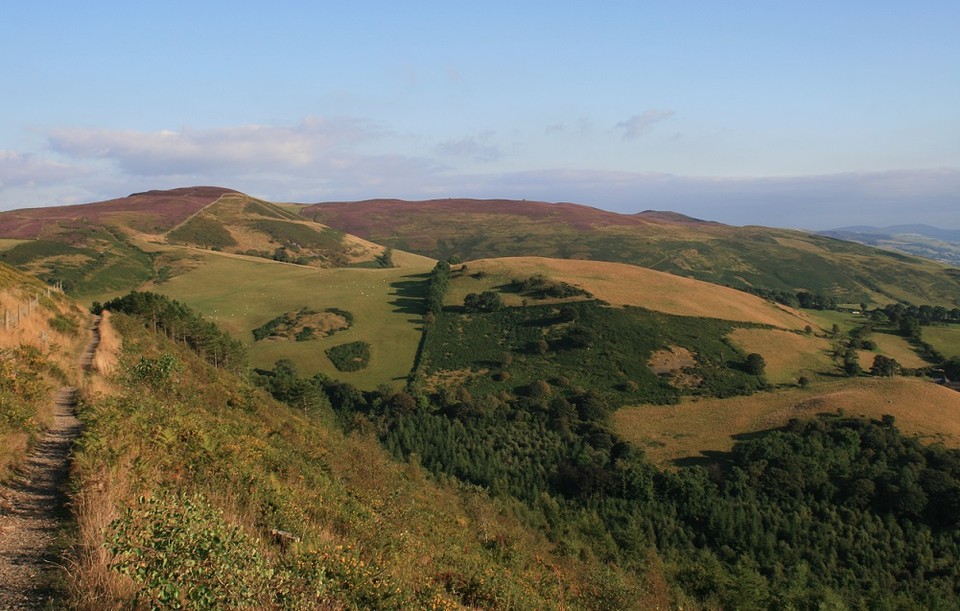
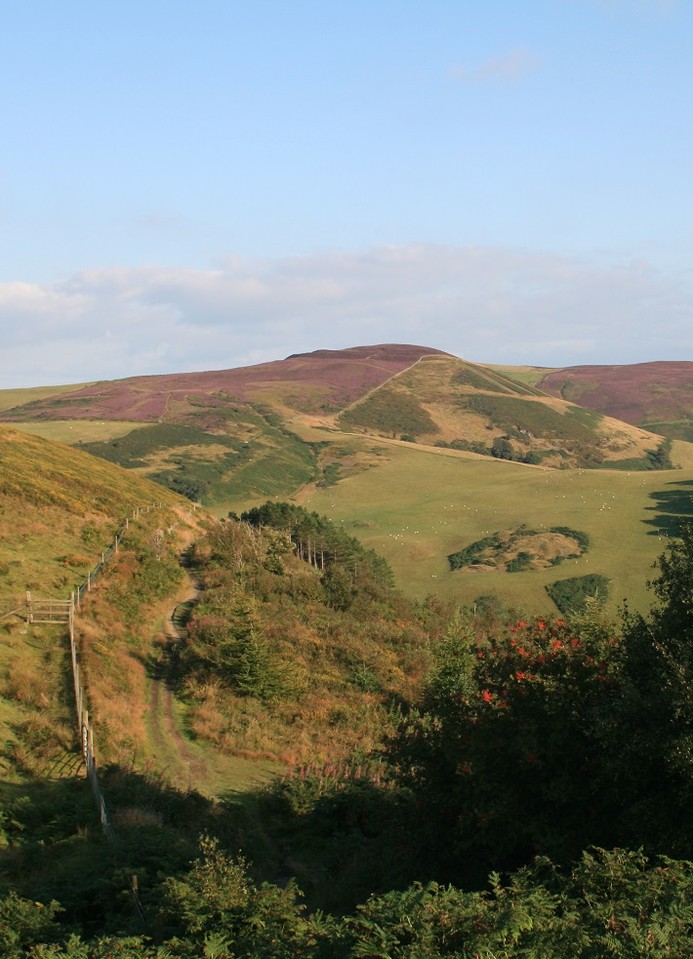
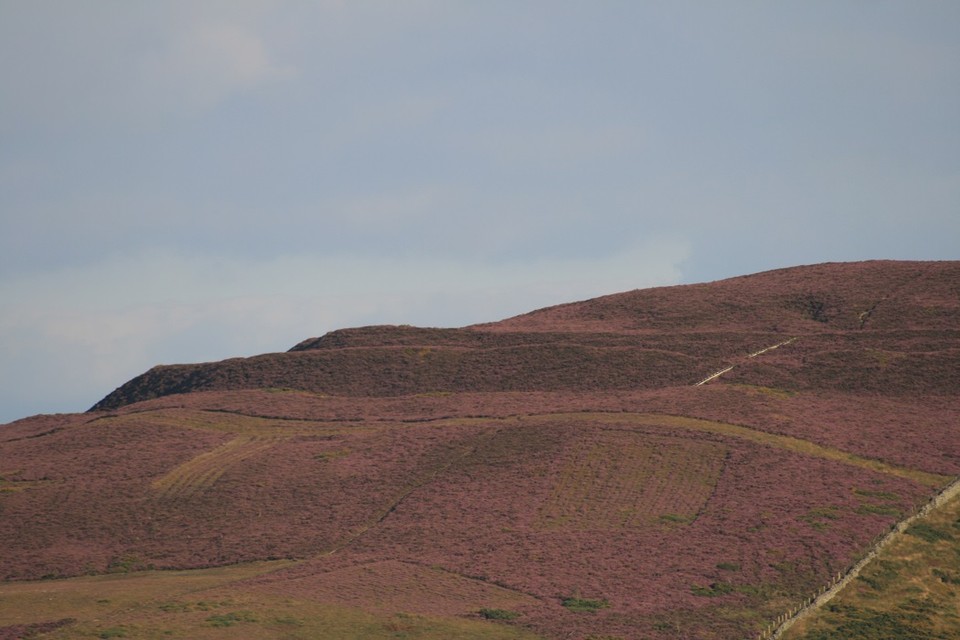
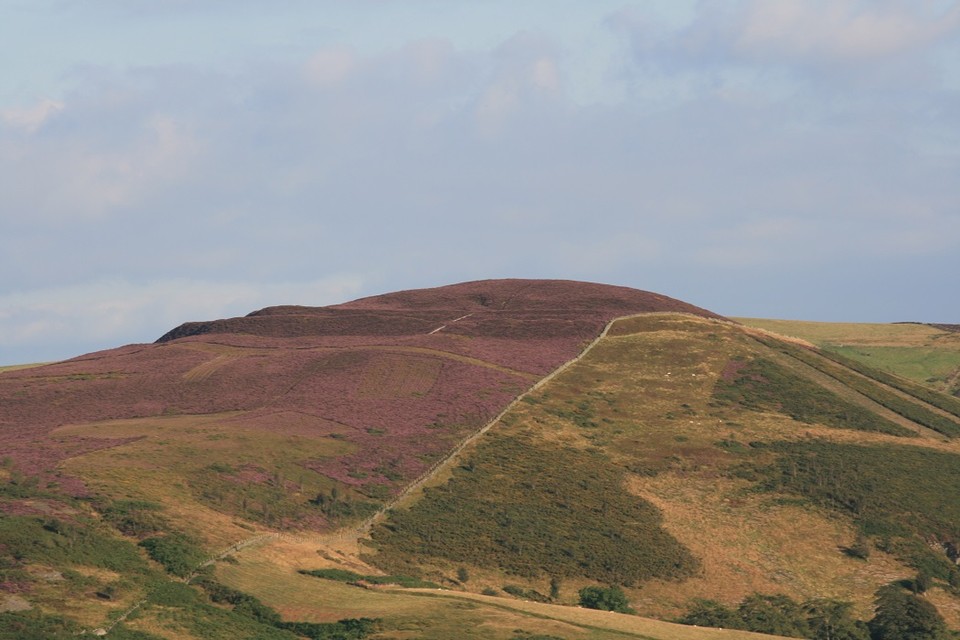
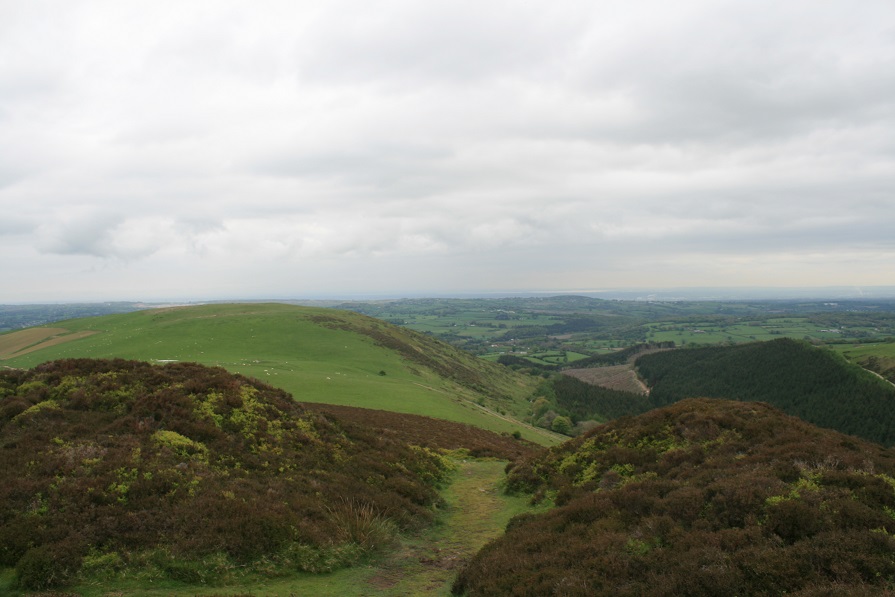
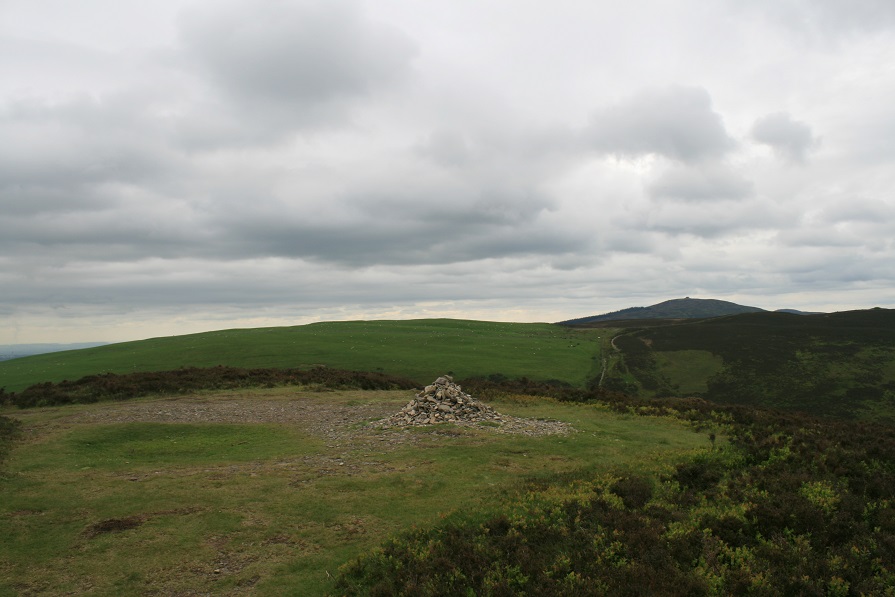
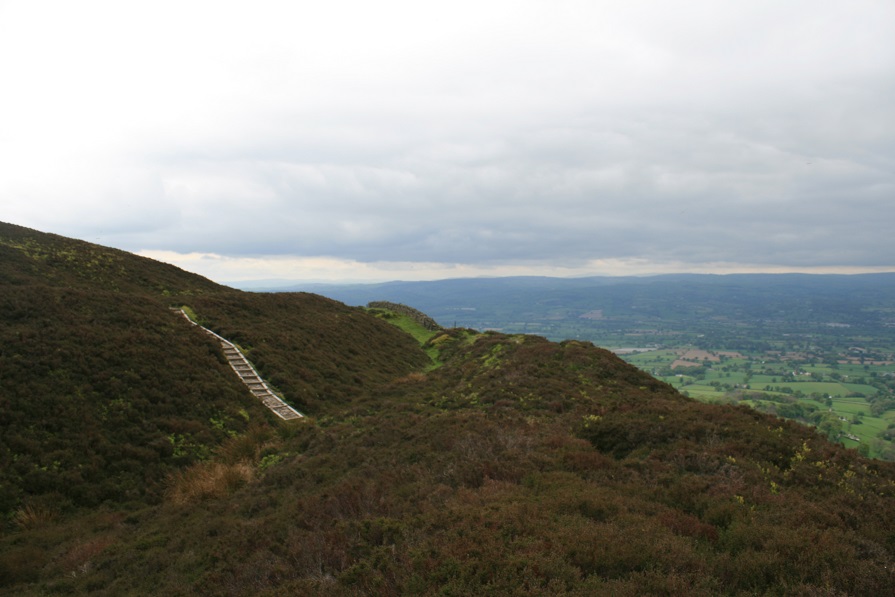
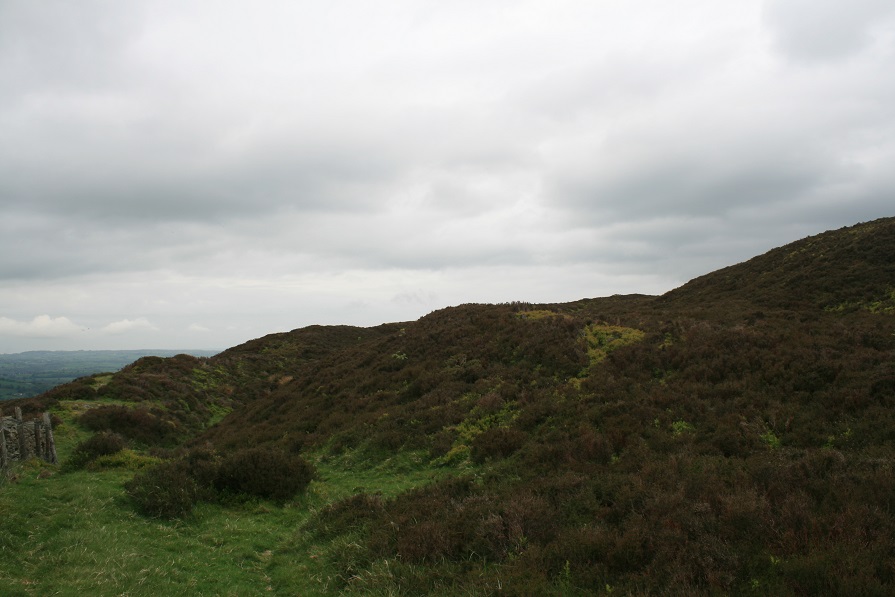
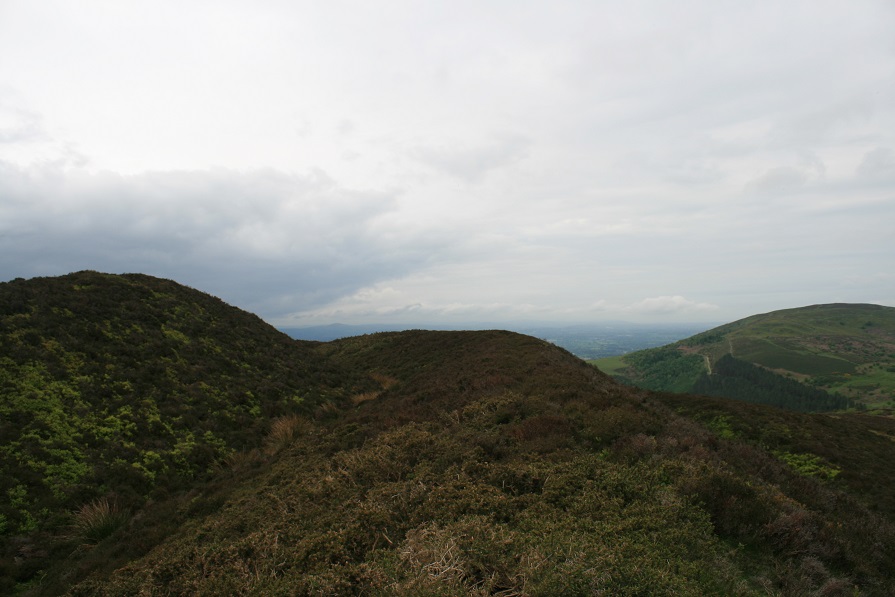
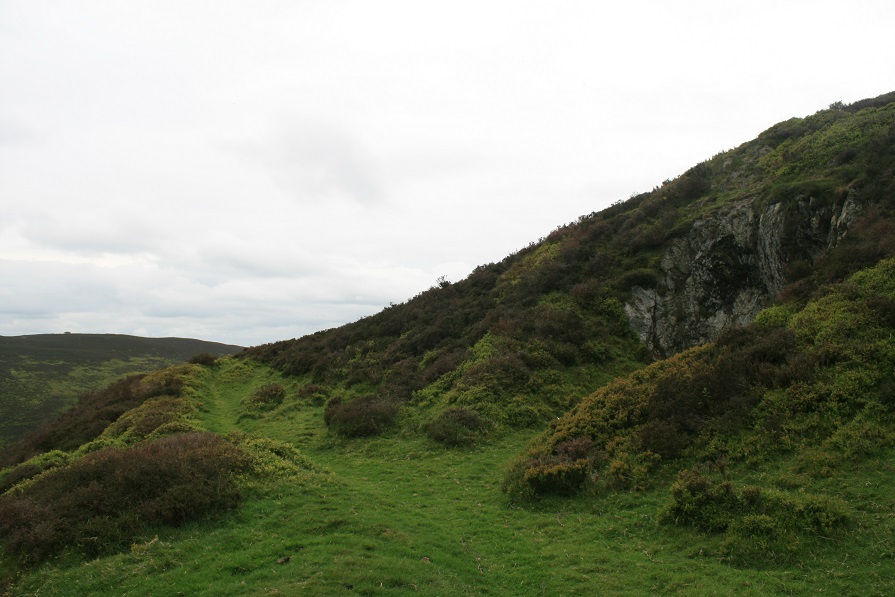
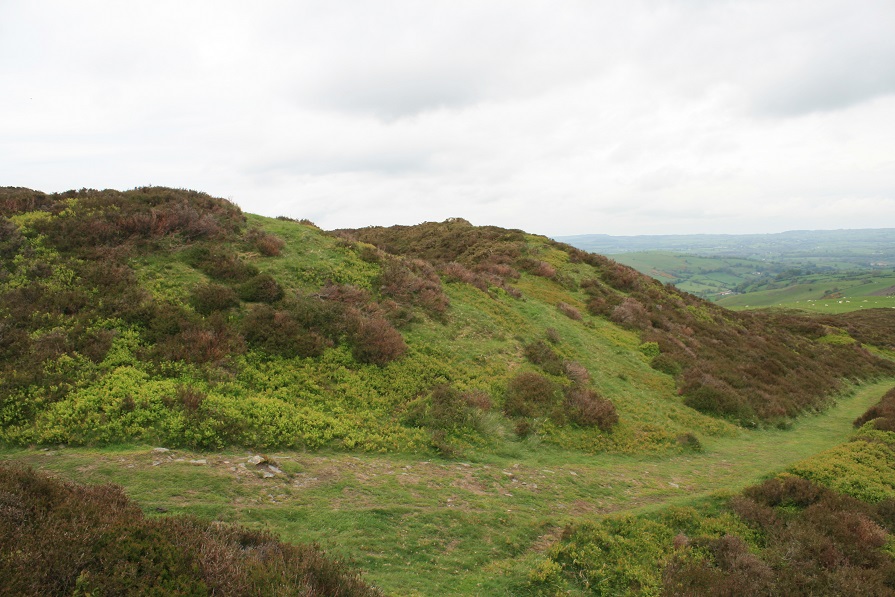
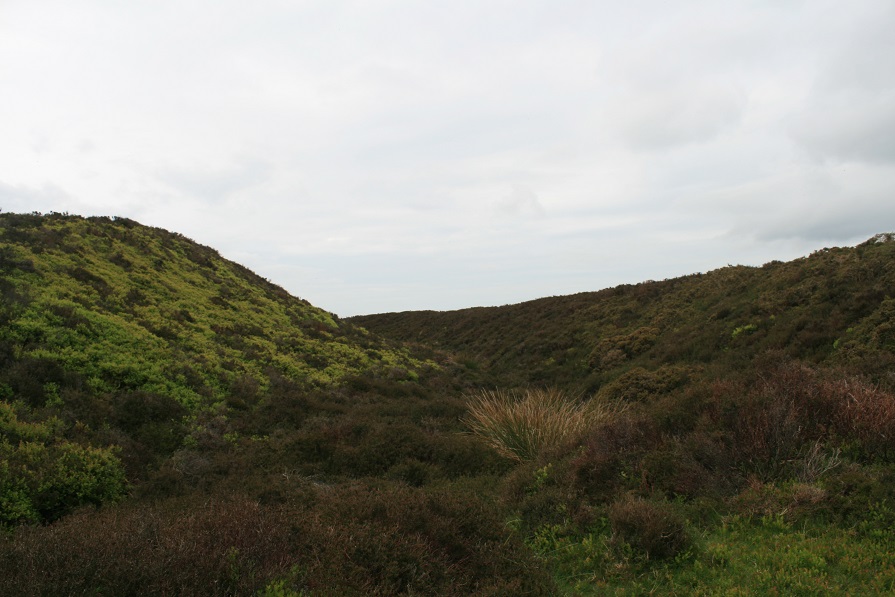
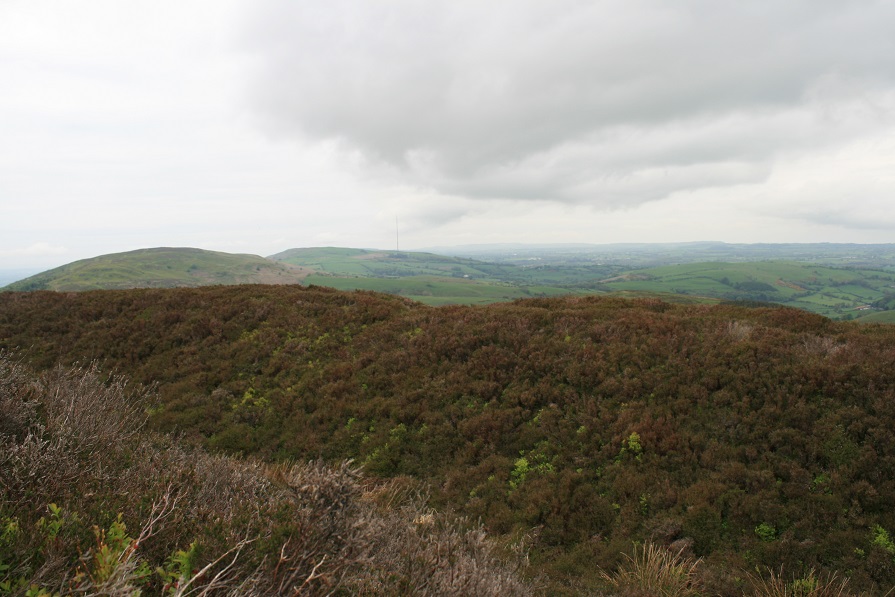
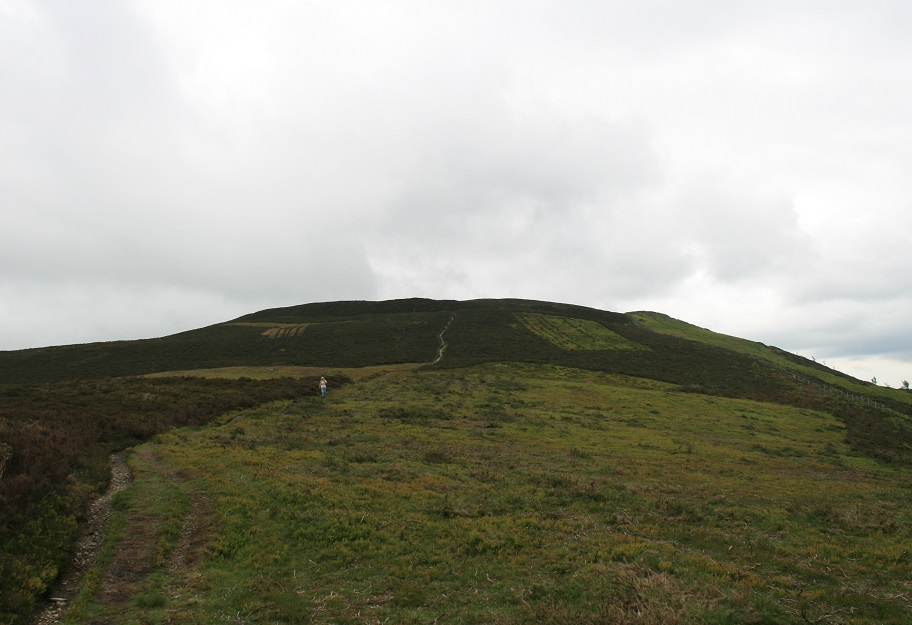
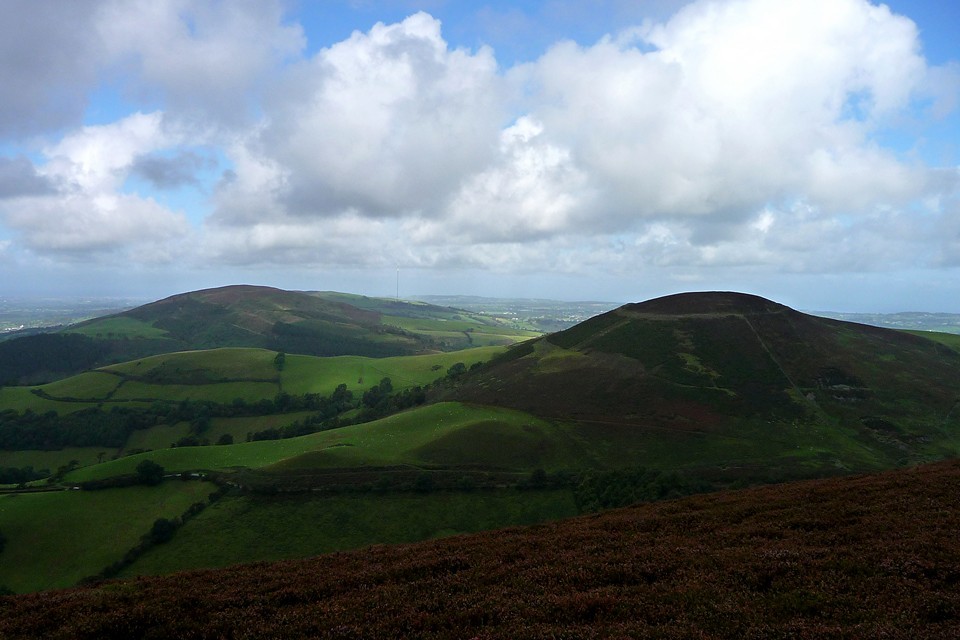
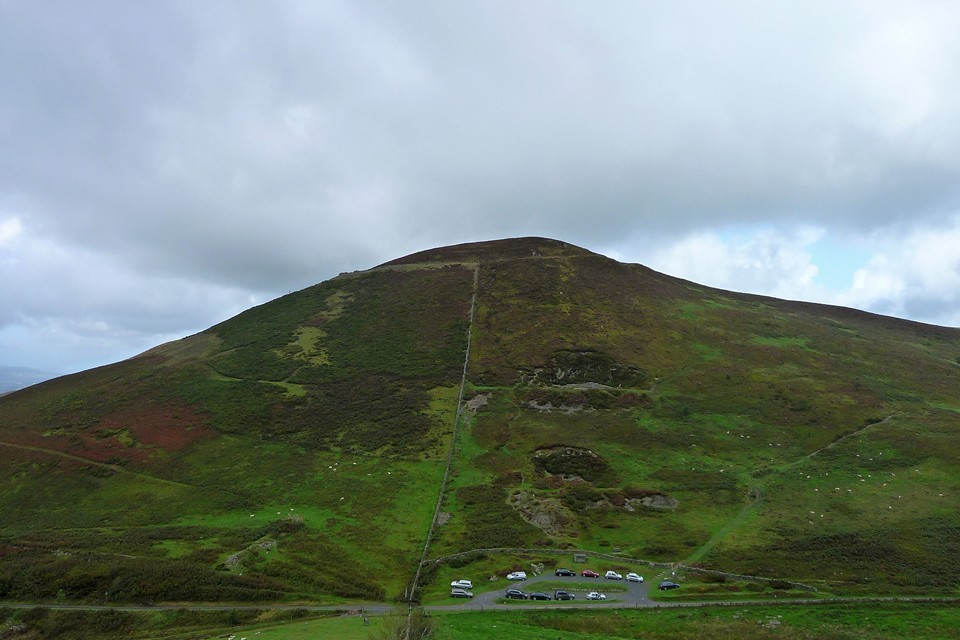
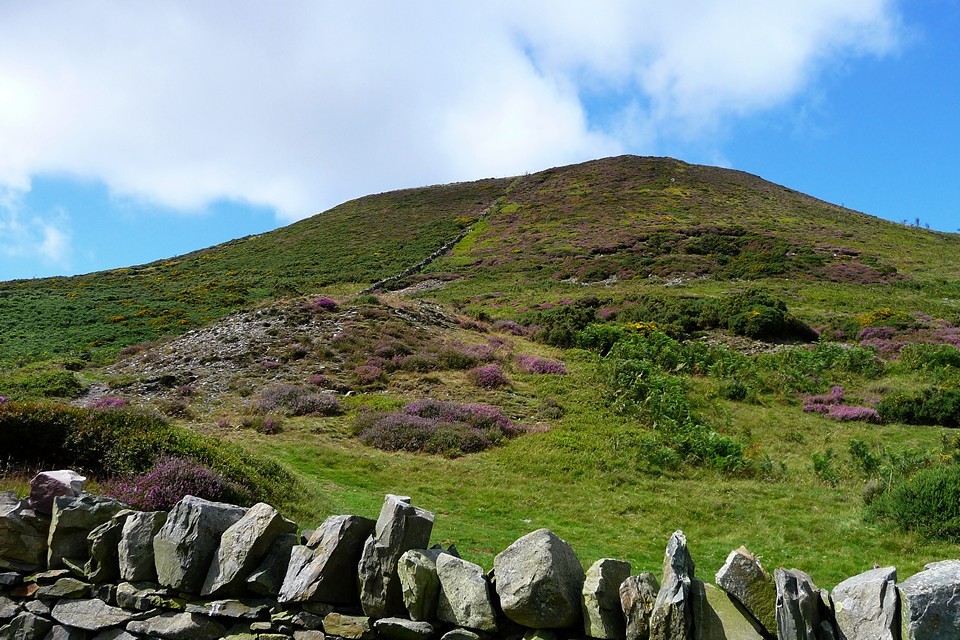
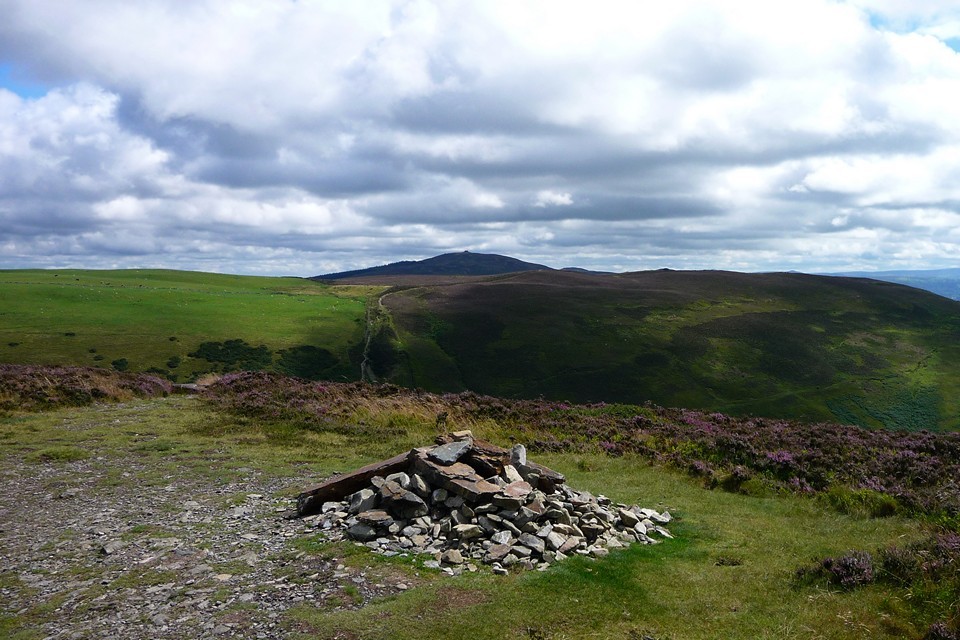
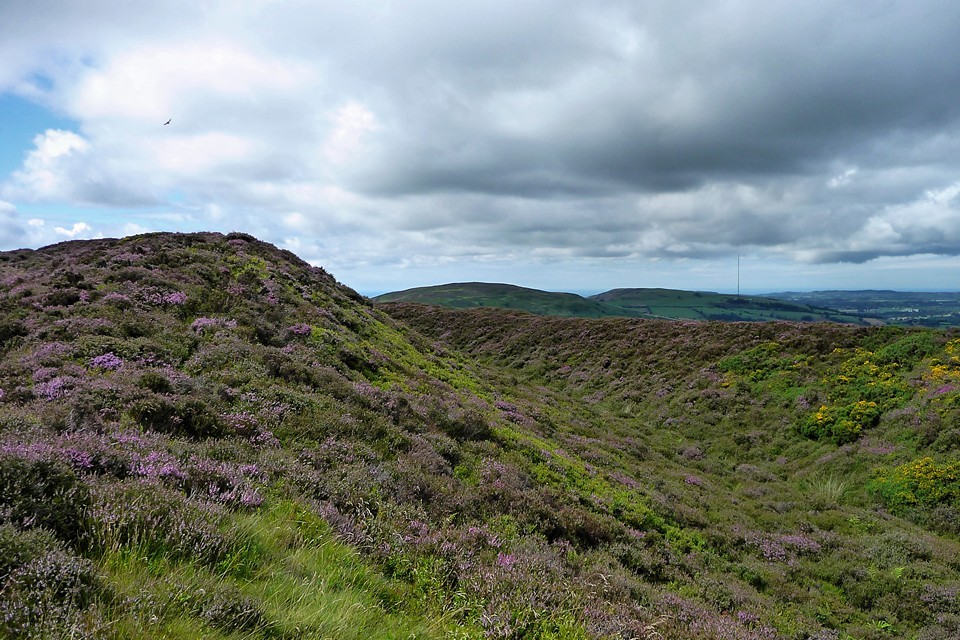
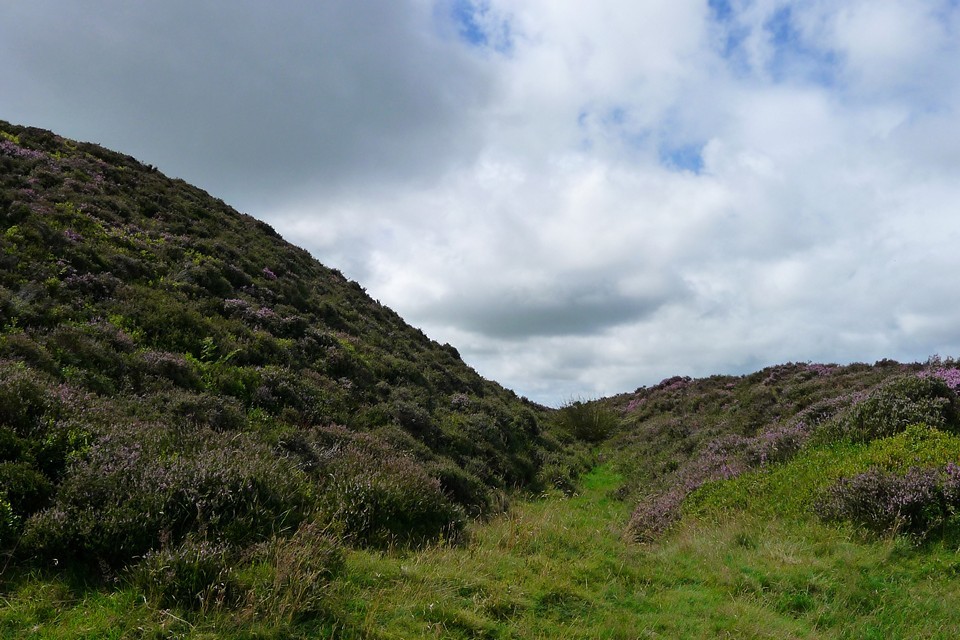
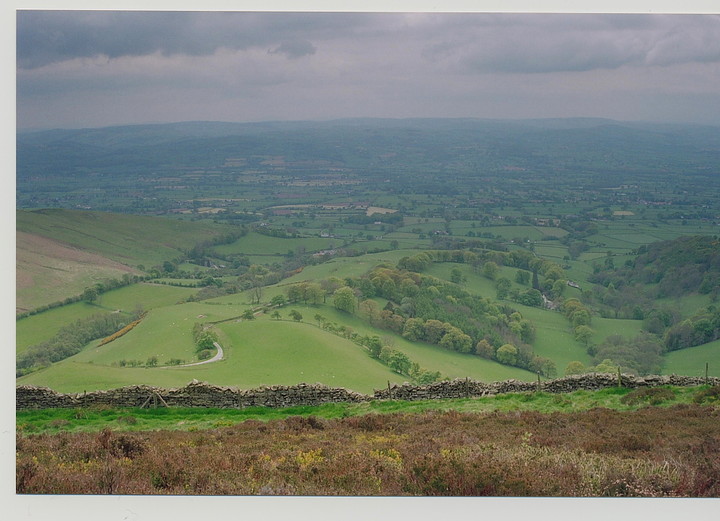
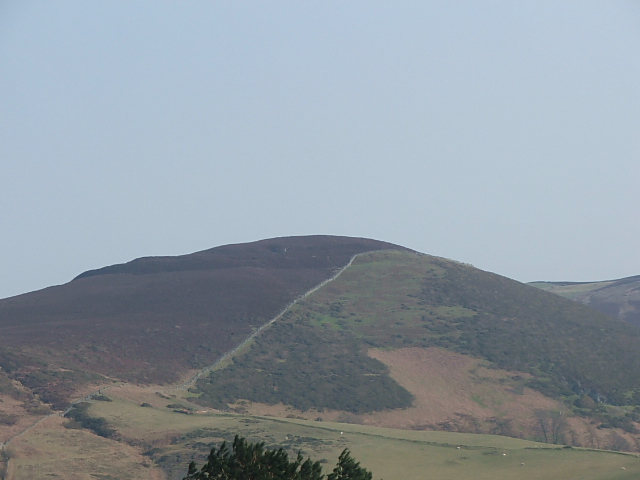
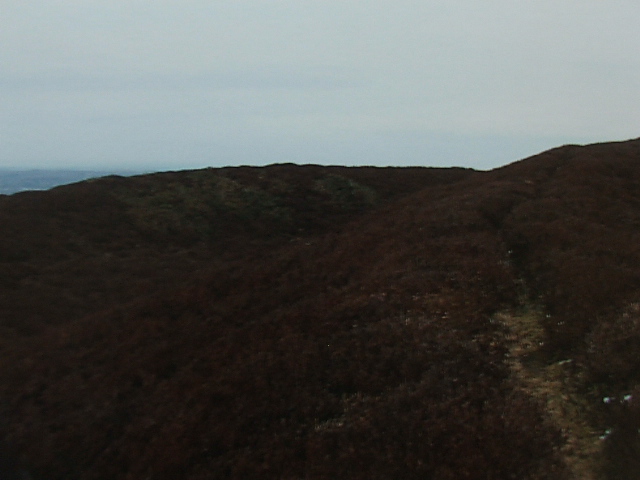
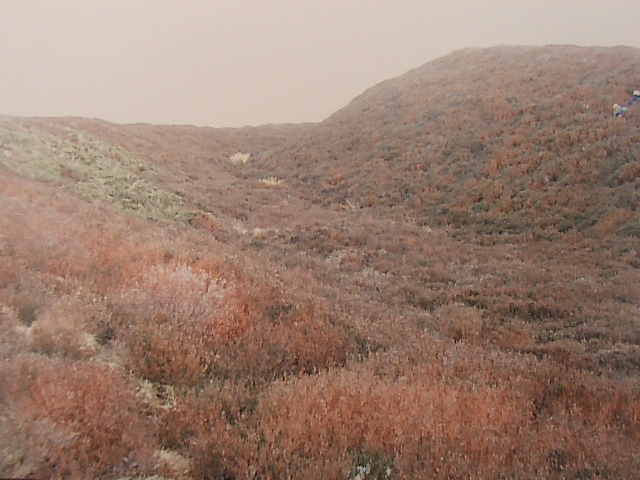
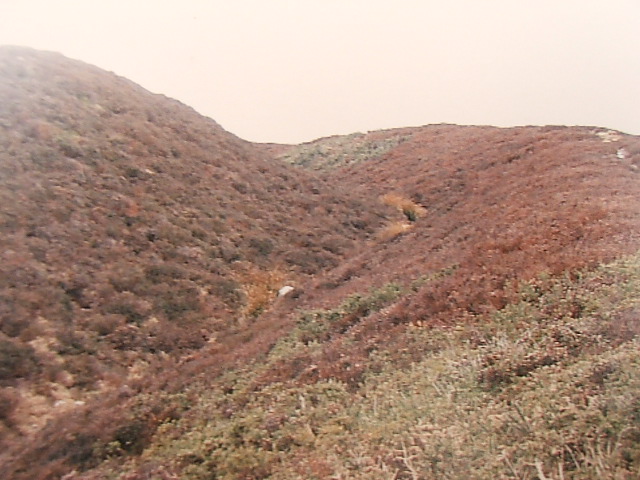
The first time I came up here I was with both my kids, the wife stayed at the bottom, I don't remember much about the fort only that it was winter. Going back down the south steeper side, holding hands, my son was pulling us down, my daughter pulling us back and me trying to keep us all upright and not falling to our deaths, despite the obvious dangers were all laughing really hard, the wife said she could hear us laughing from the bottom. That was all a million years ago now though, I miss those uncomplicated go for it days. This time I'm on my own and I'm coming at it from the opposite side, the northern route is longer but half as steep, my sciatic leg thanked me profusely. As I start the walk there is a couple of older American ladies right behind me, I decide that I cant let them overtake me so I put my foot down as it were and leave them behind, but slowly. It was nice to know that I can still out pace old ladies. As I gain some height I can see that the hills are liberally strewn with inattentive walkers. I say inattentive because as I reach the top and enter the fort I see no one else all the time I was there, literally dozens of walkers pass by on the path but not a one bothers to come up and see whats what. Whilst that's good for my visit, I feel sorry for the fort, it deserves some attention, and I feel sorry for the inattentive walkers who are out and about but still not getting their value for petrol money. I pass through the large obvious entrance and make my way up to the top and sit for a while enjoying the views and the wind in my hair. From up here I can see the Mid Cheshire ridge twenty five miles away, with Beeston castle at its northern end and Maiden castle further south, the inter-connectedness of all the forts round here is almost mind blowing. From the top I make way down to the earthworks, which are very substantial. Then follow them round, something which ive found just has to be done. On the eastern side they fade away to almost nothing a wall marks the route any fortifications would have followed. The south side is much the same only with no wall. I sit here for another while noting the route down me and the kids took last time, nostalgia huh ? who needs it. The earthworks slowly rise up again as I approach the east facing entrance. I saw my first Swallow of the year here, which is better than last years behind McDonald's, and heard my first Cuckoo of the year too, do they really say "Cuckoo"? because they seem to be sticking up two fingers to the natural way of child rearing leading me to presume that their call is really more like "F***you". Passing the entrance I move along inside the deepest ditch, boggy ground with the odd boulder here and there. Up the bank I sit once more amid the heather, very close by I can hear a birds wing flap just once, it is very close but it doesn't betray it's position, now that's parenting. The heather is very comfy to sit upon. A better seat than this I have not seen in all of Clwyd. Over the bank in front of me is the near but distant Pennyclodiau hill fort, the largest in these hills. I spend quite some time sitting hear, the Swallows are shooting about all around me diverting their streak at the last moment when they see me. Nature abounds. But now time has gotten the better of me so I must trundle back down to the car park and resume my normal life. Juxtaposed the two parts of my life couldn't be more different, unless I was a spy, super hero or astronaut. A brilliant fort this one sadly overlooked by all except the attentive. |
 Posted by postman
4th June 2014ce |

|
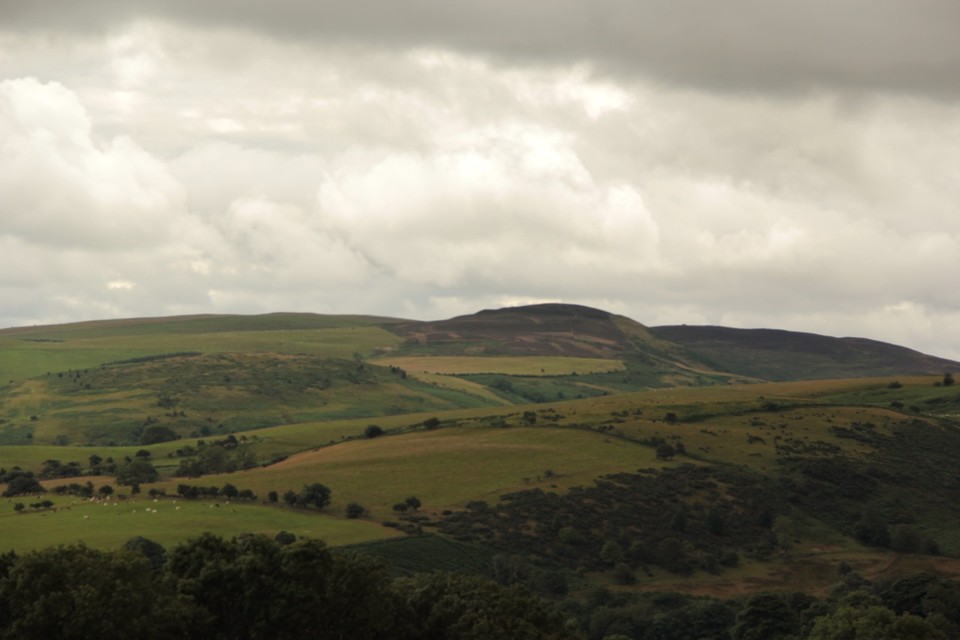
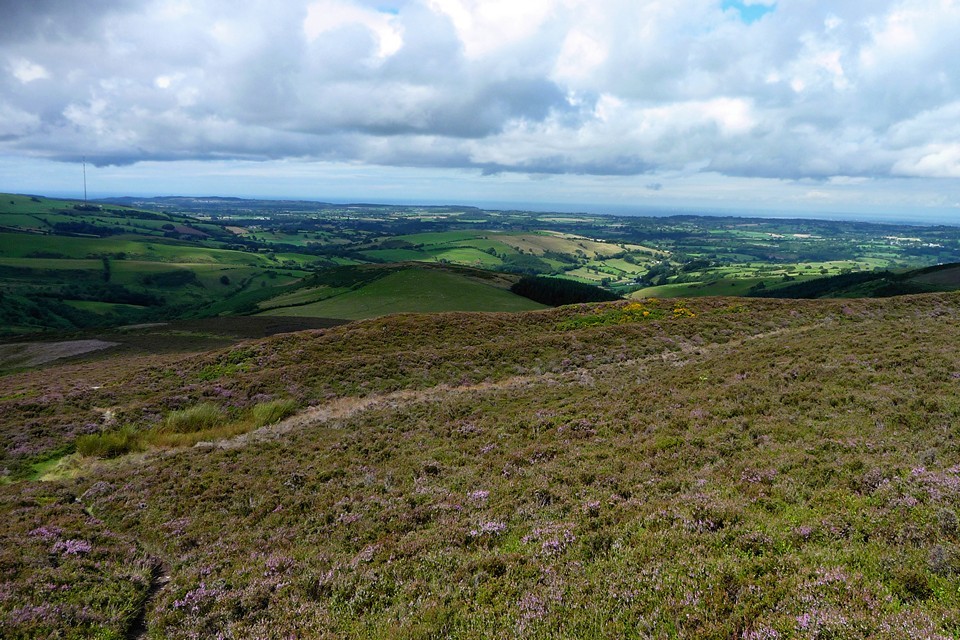
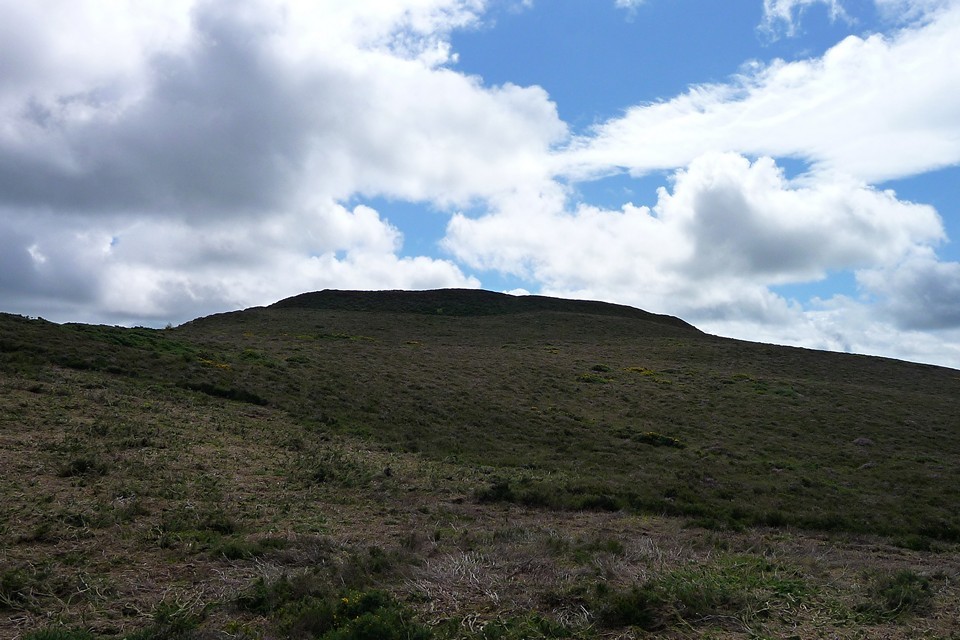
The further we drop, the steeper the climb up Moel Arthur starts to look. By the time we get to the parking area between the two hills, it's clear that there will be a pretty sharp uphill to come, and so it proves. But it's the last climb of the day and the ground levels out a little before it reaches the fort. A track leads off The Path to the fort itself, at which point G/F decides to stop while I go for an explore. This is a lovely fort, roughly circular and surrounded by multiple lines of banks and ditches in the style that characterises these Clwydian forts. Once into the fort's interior, the views open out on all sides, taking in Moel Famau to the south, Penycloddiau to the north and the extensive vale of Clwyd to the west. At its highest point (456m) the fort is higher than its northern neighbour. A quick tour of the concentric heather-clad ramparts reveals a very steep drop away to the south, making this small, compact fort a much more defensible proposition than the much larger site to the north. Unlike its neighbour though, there's no obvious water supply within the fort itself – perhaps the North Walian rain provided enough! This post appears as part of the weblog entry Offa's Dyke Path II – Rhuallt to Denbigh
|
 Posted by thesweetcheat
13th December 2010ce Edited 13th December 2010ce |
Folklore |
Add folklore |
A woman robed in grey formerly used to frequent a spot on Moel Arthur, overlooking the Vale of Clwyd, in North Wales. Under a rock near which the grey lady was chiefly seen, treasure was concealed in an iron chest with a ring handle. People said that the place of concealment was illuminated by a supernatural light. Occasionally in the evening, or soon after dawn, men dug for this treasure; but their efforts were rewarded with fearful noise and they were driven away by thunder, lightning, and rainstorms. One man found the grey lady beckoning to him as he ascended with pickaxe and shovel. He went to her, and she gave him some peas in a pod, and whispered, "Go home." He did so, and the peas turned to gold in his pocket.From Mary Trevelyan's 'Folk-lore and folk-stories of Wales' of 1909. The site is also rumoured to be Queen Boudica's burial place.( J+C Bord's 'Atlas of Magical Britain') The name of Moel Arthur (bare hill of Arthur) was recorded before the 17th century (so at least it's not a romantic fabrication of the Victorians). (mentioned in Grinsell's 'Folklore of Prehistoric Sites in Britain') Local tradition points [the encampment] out as the residence of a prince, and as a spot charmed against the spade of the antiquary.from p181-2 of 'A record of the antiquities of Wales and its marches (vol 1)' by the Cambrian Archaeological Assoc. Published 1850 and now online at Google Books. |
 Posted by Rhiannon
4th November 2003ce Edited 31st July 2007ce |
Links |
Add a link |
BBCi: Wales, North EastA panorama of Moel Arthur and surrounding landscape. |
Posted by Rhiannon 4th November 2003ce Edited 4th November 2003ce |
 Top of page