|
 Log in |
Register Log in |
Register
|

|
|

Willy HoweArtificial Mound
|
||||||||||||||||||||||||


 0 discussions


 Show map (inline Google Map)
|
|
|
Images (click to view fullsize) |
 Add an image Add an image |
|
Fieldnotes |
Add fieldnotes |
|
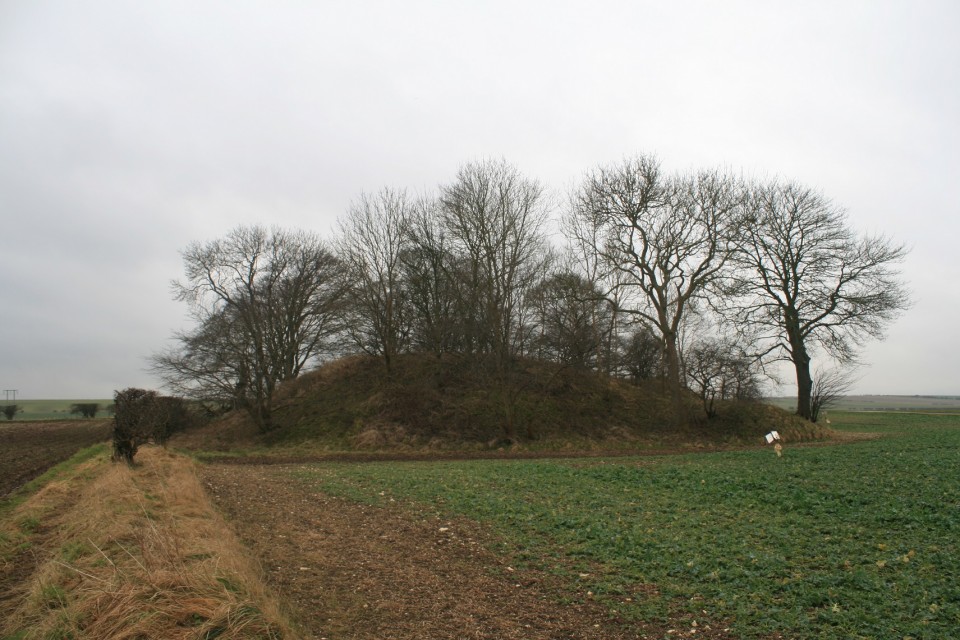
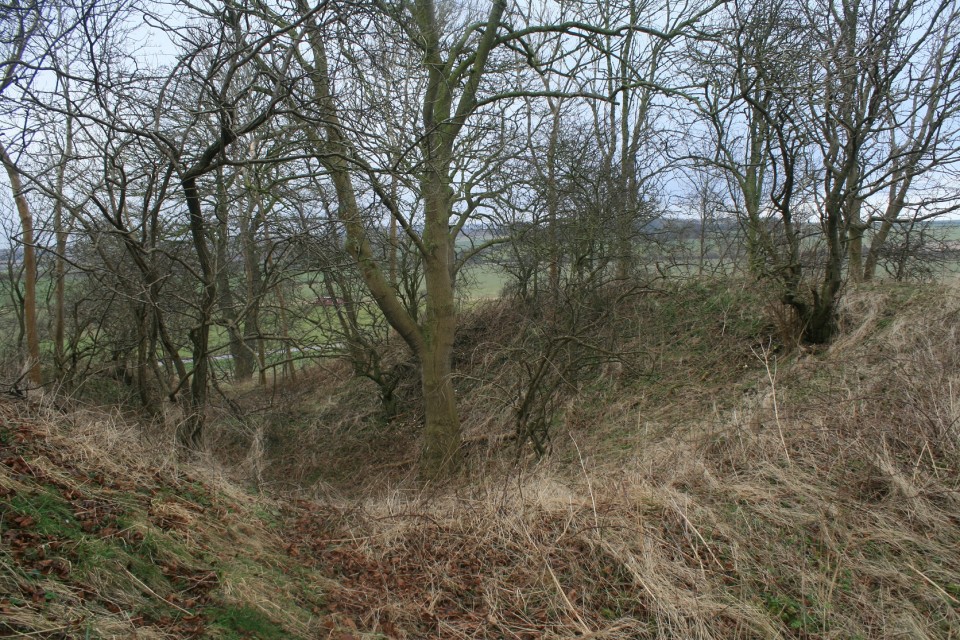
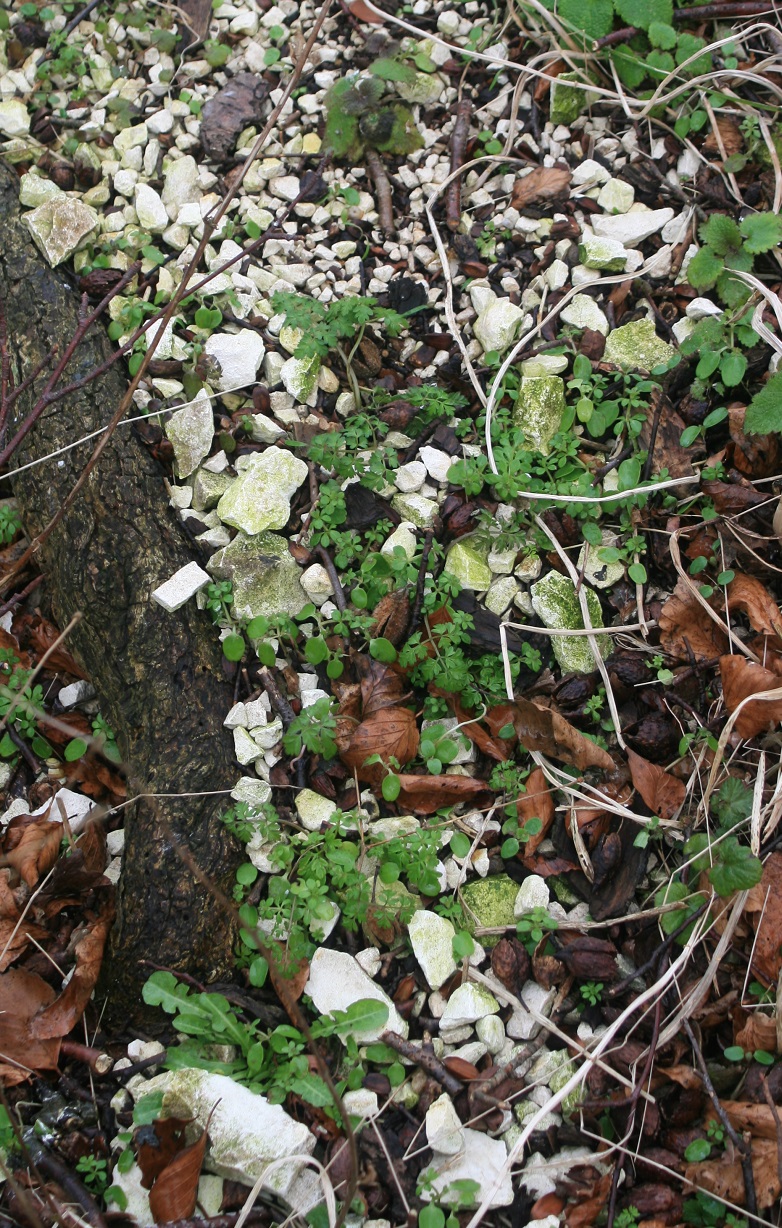
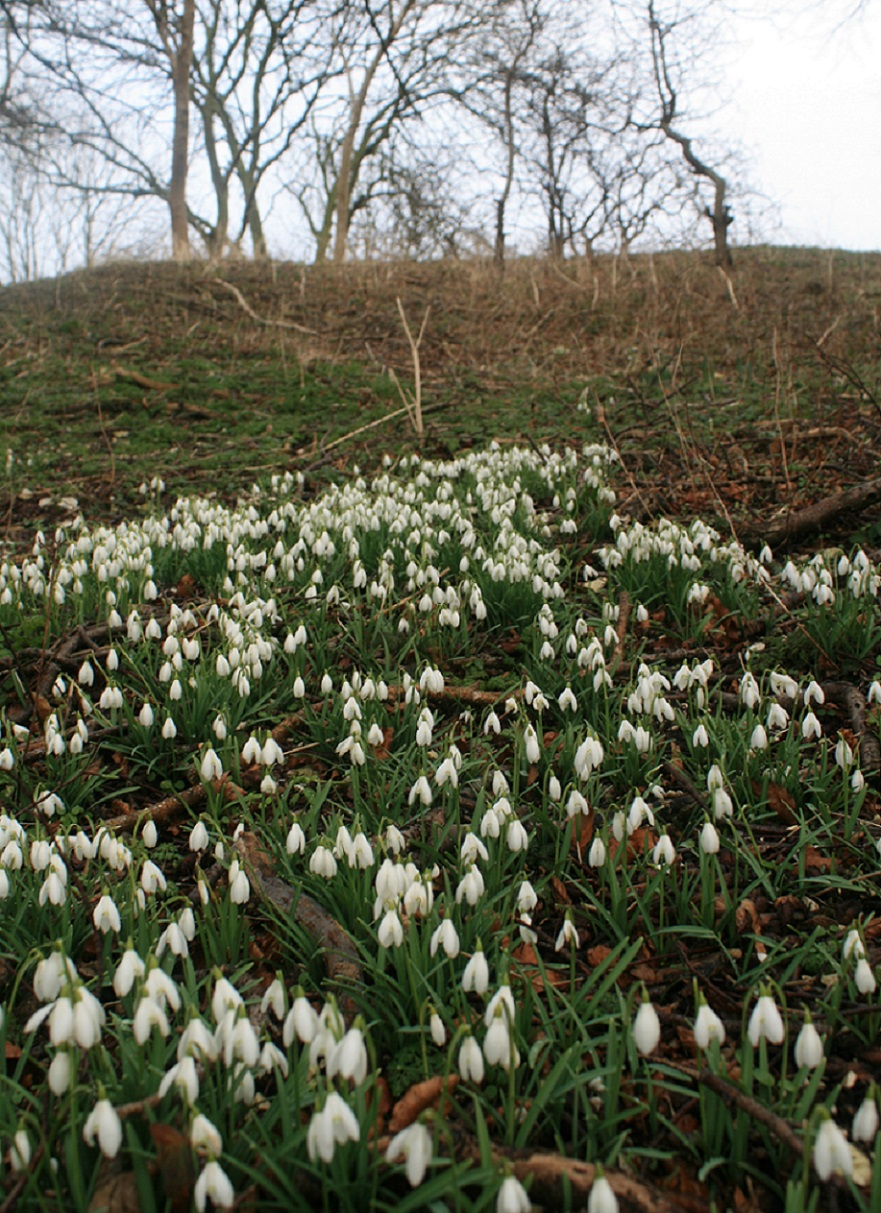
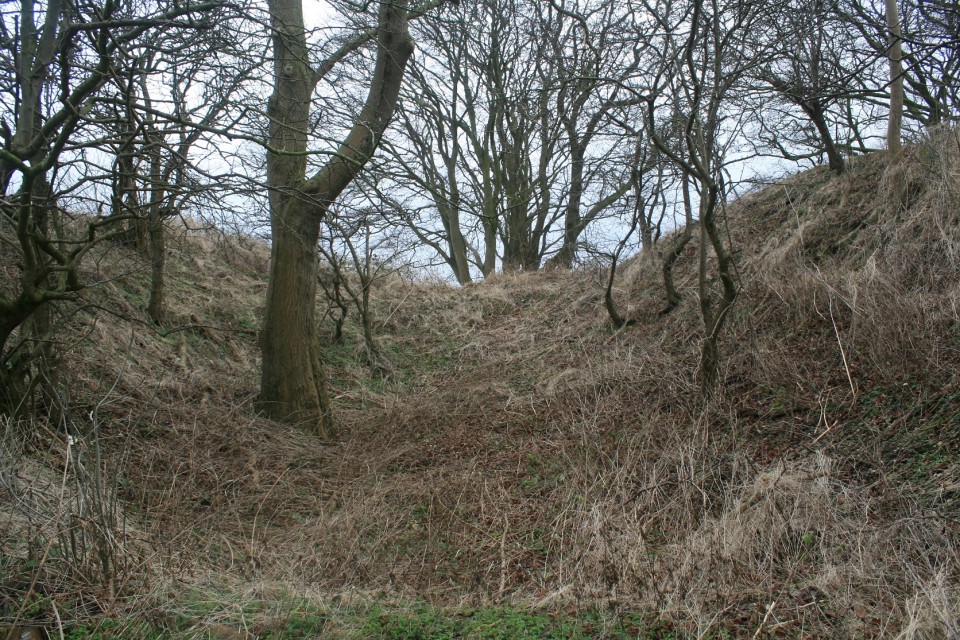
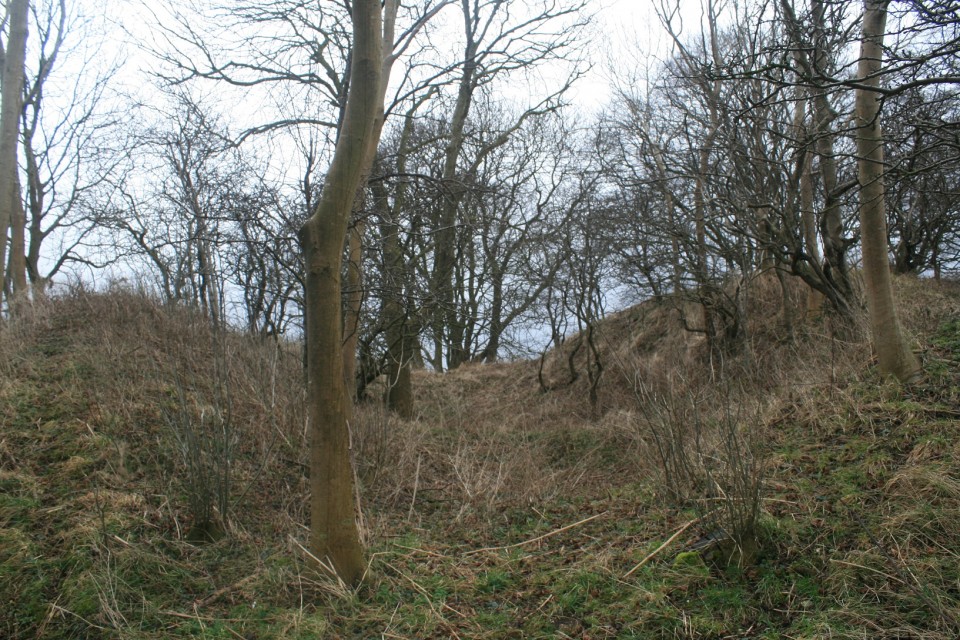
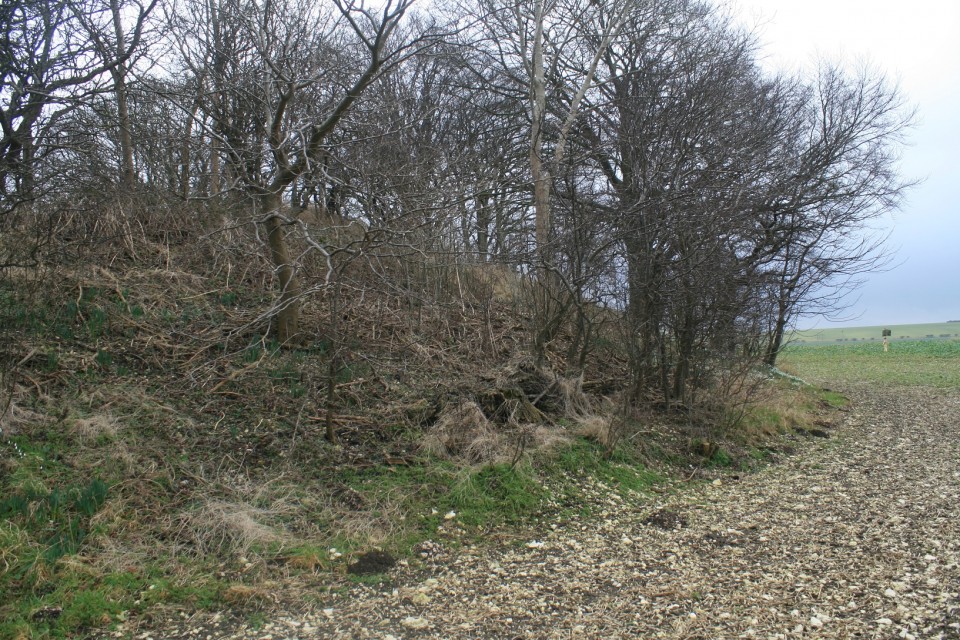
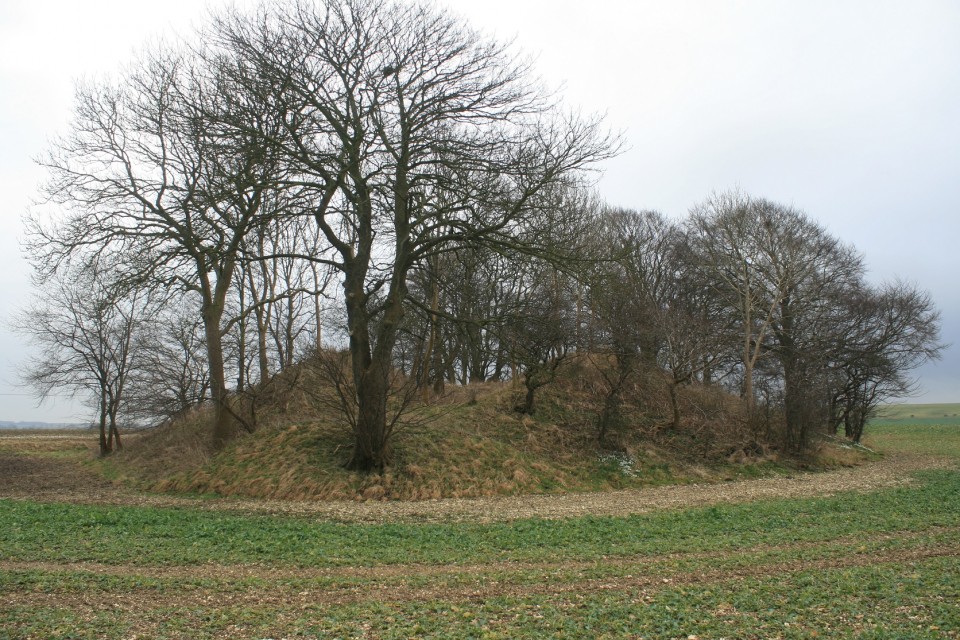
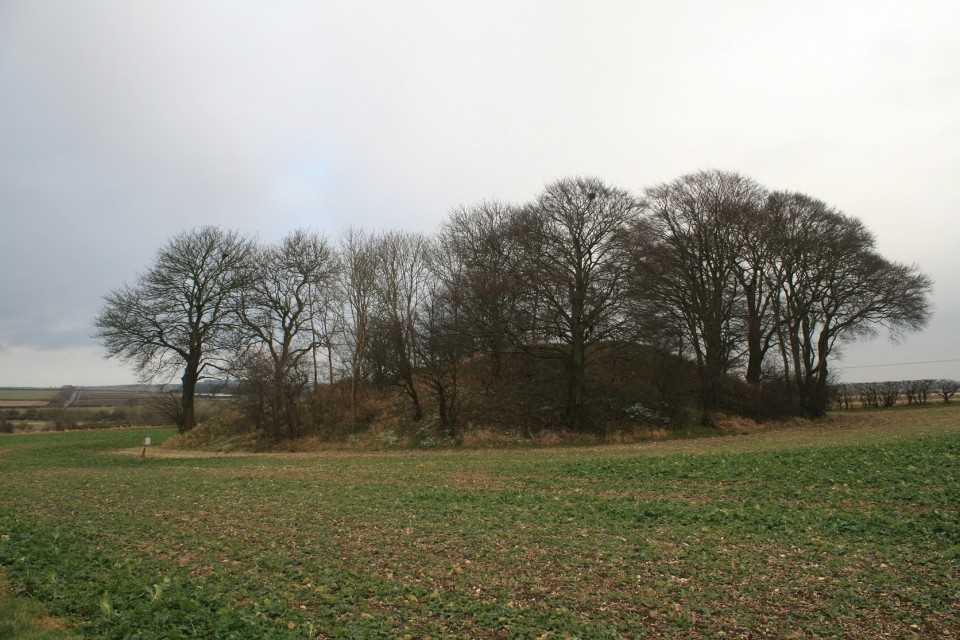
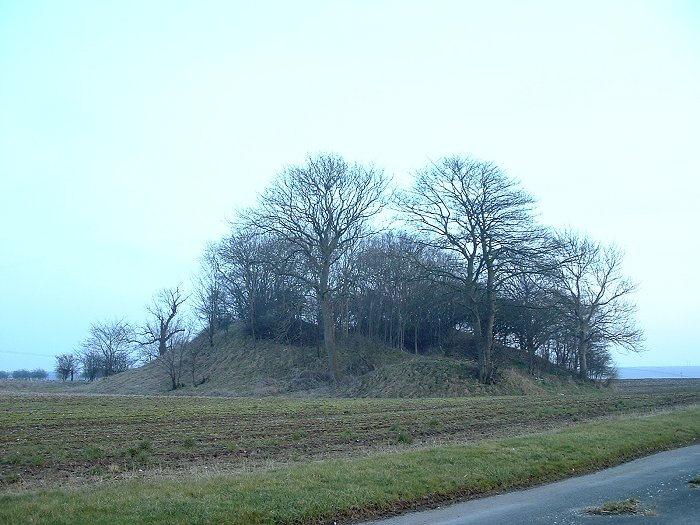
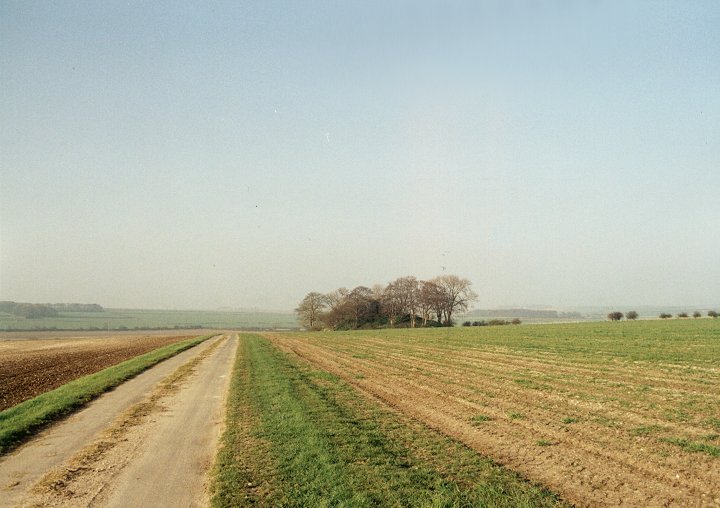
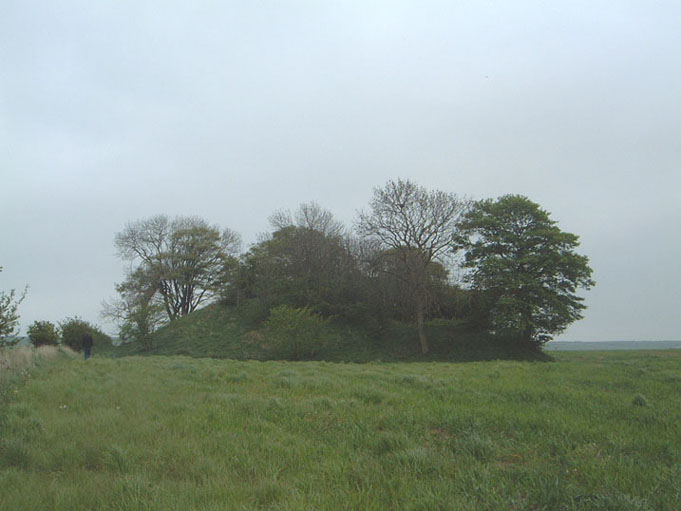
I've been to the Rudston monolith a couple of times but never made it to Willy Howe before. It's in the big orange book so it's on the list. I'm killing two birds with one car journey here, been to the Bridestones, now it's time for Willy, or William as his mother demands. I've heard of unhelpful farming types round here, so it's with some trepidation that I leave the daughter in the car not far at all from the mound, right next to a sign saying private road keep out. My first impression was, wow how big is that, quite big is the answer. Clearly the best time of year to see it properly is now, ie February. I correctly align the mound in between the farm and myself and assail the mound. I'm getting a bit tired of calling it a mound, it sounds far too simple, the countryside is truly cluttered with what the map calls tumuluseses, but this isn't one? Has Willy never been properly investigated? I shall refer to the mound just as Willy. Having climbed to the top of Willy, I can see the two scoops taken out of Willy, the scoops are very big, rendering the true height of Willy open to question, has material gone or just been piled up to the sides. All over are small chips and lumps of white stone, is it chalk or limestone ? One side of Willy has blankets of Snowdrops over it, surely spring can't be too much further away. I quite liked it here. |
 Posted by postman
4th March 2018ce Edited 4th March 2018ce |

|
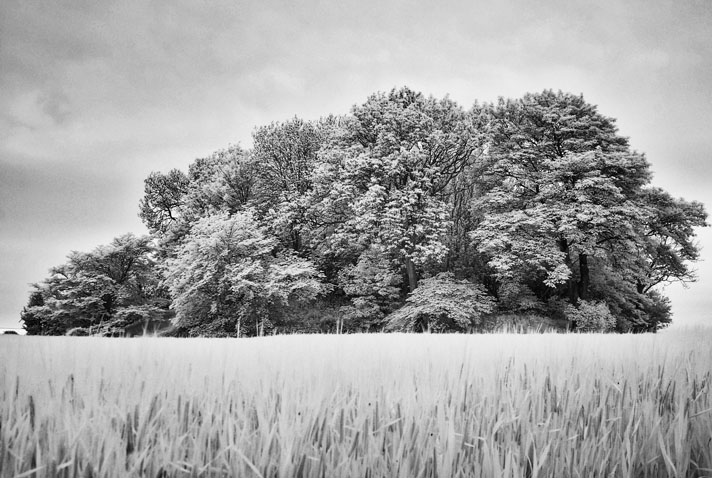
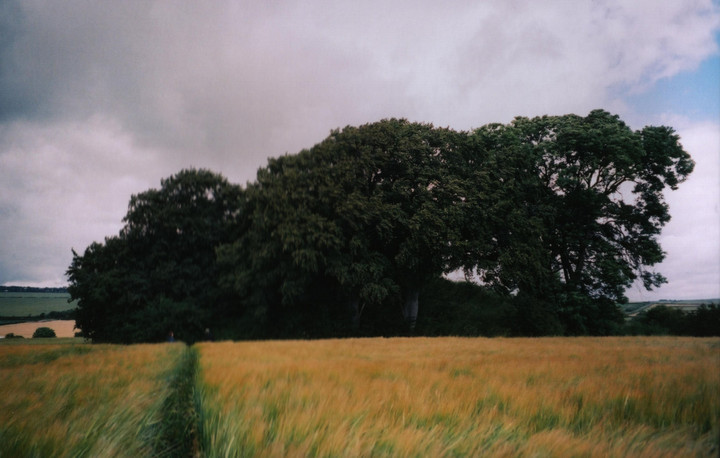
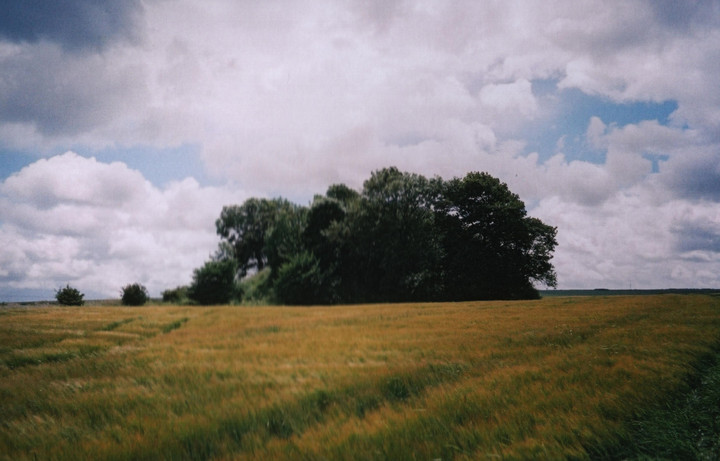
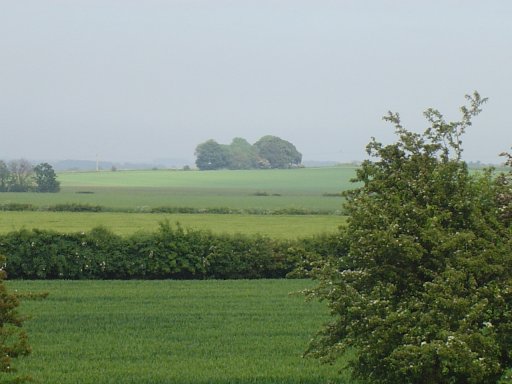
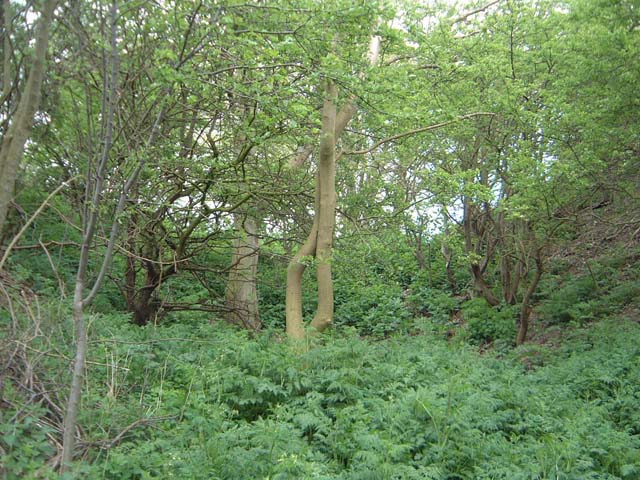
From Burton Fleming we made our way to Willy Howe, a tree covered artificial mound, which had been hollowed out by excavators in the past. The Howe is in a dominant setting on the brow of a hill overlooking the race and can be easily seen on approach from the village. You can clamber through the thick undergrowth and onto the top of the howe but once you get there you are conforted with a steep drop into the middle. The place is totally overgrown and quite literally you can get into the belly of the mound where trees now grow. This post appears as part of the weblog entry Exploring the Gypsey Race! A tour around a forgotten landscape
|
 Posted by notjamesbond
10th June 2004ce |
|
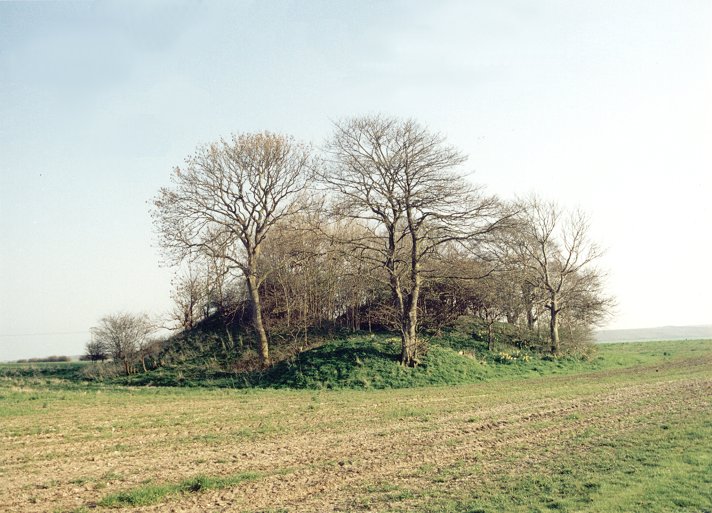
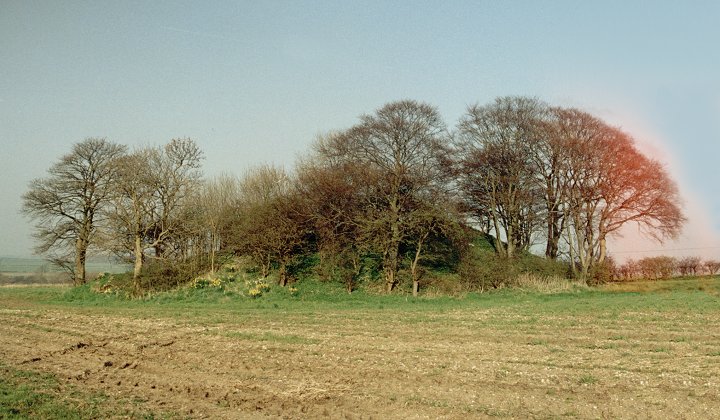
Me and Tim (my indentured dodman) visited Willy Howe on the way back from Rudston on a lovely sunday afternoon. Tim was greatly amused by the name. You can't miss it in the chalk, wold landscape, the thought crossed my mind that the landscape was very feminine with it's broad rollings and undulations. If this is the landscape of the goddess then she's a big lass. The trees on its flanks were just coming into bud and there was a lovely show of daffs on one side. Spring had sprung on Willy Howe, a very sexy place. |
 Posted by fitzcoraldo
25th March 2002ce Edited 3rd November 2009ce |
Folklore |
Add folklore |
The 12th century version of the story, in William of Newburgh's "History", book 1, chapter 28, 'of certain prodigies':In the province of the Deiri, also, not far from the place of my nativity, an extraordinary event occurred, which I have known from my childhood. There is a village, some miles distant from the Eastern Ocean, near which those famous waters, commonly called Gipse, spring from the ground at various sources (not constantly, indeed, but every alternate year), and, forming a considerable current, glide over the low lands into the sea: it is a good sign when these streams are dried up, for their flowing is said unquestionably to portend the disaster of a future scarcity. A certain rustic belonging to the village, going to see his friend, who resided in the neighboring hamlet, was returning, a little intoxicated, late at night; when, behold, he heard, as it were, the voice of singing and reveling on an adjacent hillock, which I have often seen, and which is distant from the village only a few furlongs. Wondering who could be thus disturbing the silence of midnight with noisy mirth, he was anxious to investigate the matter more closely; and perceiving in the side of the hill an open door, he approached, and, looking in, he beheld a house, spacious and lighted up, filled with men and women, who were seated, as it were, at a solemn banquet. One of the attendants, perceiving him standing at the door, offered him a cup: accepting it, he wisely forbore to drink; but, pouring out the contents, and retaining the vessel, he quickly departed. A tumult arose among the company, on account of the stolen cup, and the guests pursued him; but he escaped by the fleetness of his steed, and reached the village with his extraordinary prize. It was a vessel of an unknown material, unusual color, and strange form: it was offered as a great present to Henry the elder, king of England and then handed over to the queen's brother, David, king of Scotland, and deposited for many years among the treasures of his kingdom; and, a few years since, as we have learnt from authentic relation, it was given up by William, king of the Scots, to Henry II, on his desiring to see it.Online at Fordham University's Internet History Sourcebooks Project. |
 Posted by Rhiannon
30th March 2013ce |

A slightly different version of the 'cup' tale, and a few new points:The legend [as told by William of Newburgh] existed early in the twelfth century, or more than seven hundred years ago. I learnt, during my visit to the spot, that it still exists, though in a debased form.From 'On some ancient barrows or tumuli recently opened in East Yorkshire' - chapter 2 in 'Essays on Archaeological Subjects' by Thomas Wright, v1, 1861. |
Posted by Rhiannon 7th May 2007ce Edited 7th May 2007ce |
There is an artificial mount, by the side of the road leading from North Burton to Wold Newton, near Bridlington, in Yorkshire, called "Willy-howe," much exceeding in size the generality of our "hows," of which I have often heard the most preposterous stories related.p92 in: The every-day book and table-book; or, Everlasting calendar of popular amusements. By William Hone, 1837, and now online at Google Books. |
Posted by Rhiannon 19th March 2007ce |
|
Another story connected with Willy Howe - in Jennifer Westwood's 'Albion' (and originally from 'Hone's Table Book of 1827). I retell it as a warning to you all to respect the fairies. One of the fairies who lived in Willy Howe had rather a crush on a local man. She wanted to help him, so she told him that if he came to the top of the Howe early every morning he would find a guinea waiting for him. However, he must never tell anyone where he got his money from. For some time he did exactly as she said, and as his money grew he was able to live comfortably (and finally maybe a bit too comfortably). His friends were surprised and suspicious at his new found wealth, and couldn't understand why he was so secretive about its source. Eventually one night the man could keep his secret no longer and told one of his friends. In the morning he took his friend to the hill to show him the guinea that would be there. Of course there was no money at all. He 'met with a severe punishment' and was beaten up by invisible fists. For ever after that he found he had lost his luck. |
Posted by Rhiannon 21st April 2004ce |
|
Fitzcoraldo's account mentions the classic motif that once the man had crossed 'the first beck' and put moving water between himself and the hobs, he was safe. Grinsell notes a version of the story, which was told to Raymond Hayes by a local in 1938. The important point here is that the beck was specifically named as the Gypsey Race. Rather grossly, when the man got there the fairies were just catching up with him, and they cut off the back half of the horse, which hadn't quite crossed the stream. He escaped clinging to the forequarters, which managed to struggle ashore! The Gypsey Race is right by Willy Howe, so our hero didn't have far to go, luckily! |
Posted by Rhiannon 12th September 2003ce Edited 21st April 2012ce |
| I hope Fitzcoraldo won't mind me reiterating the folklore he's recorded, because I was fascinated with the extra bit I found out. Apparently the story originally comes from something written by William Newburgh - and considering he died in 1198, that's proof that the story is pretty old. Often tales were only written down in the Victorian era, and then you can say they're only Victorian romanticism - but this time it suggests that stories with the same themes and motifs go back a long way. It's interesting that the Gypsey Race should get first billing. The 'unknown material' of the goblet is also interesting and even reminds me of modern tales of alien abduction rather than fairy abduction. |
Posted by Rhiannon 12th September 2003ce Edited 30th March 2013ce |
|
A farmer returning home late one night heard music coming from Willy Howe. On investigation he found a door which neither he or anyone else had seen before. He peeped inside and saw a table groaning with food and a bunch of hobs making merry. The hobs invited him in and offered him a drink. He took the drink and then dashed off with the cup. The hobs gave chase but as soon as he crossed the first beck on his route they gave up and returned to their feast. On arriving home he saw that the cup was a fabulous gold vessel. He presented this cup to King Henry I who later passed it on to his brother-in-law King David of Scotland |
Posted by fitzcoraldo 23rd April 2002ce |
Miscellaneous |
Add miscellaneous |
|
Details of barrow on Pastscape Two Bronze Age round barrows, both excavated, one contained a small cist in the centre, the other contained a crouched inhumation, an urn and some flint arrowheads, both still visible as slight earthworks [TA 01107630] Tumuli [NR]. (1) Two tumuli on Willerby Wold at a place called Fry Moor. The largest is 105 feet in diameter and 12 ft high. It contained a small cist in the centre but no other object. The smaller barrow is 66 ft in diameter and at a depth of 6 ft a skull was found together with a few bones. A perfect skeleton of an adult was discovered 18" deeper. It was in a crouched position and in association with an "urn" 7" high (crushed but now restored). "Rude flint arrowheads" were found in the mound material. [It is suggested that the above descriptions may refer to this site, but not confirmed. Fry Moor does not seem to be shown on 6" plan. (2) The site of the smaller barrow is marked by the silhouette of a mound 0.5m high on the fence bank, and amorphous remains to the east of the fence. The other is 1.0m high, and under pasture. Published survey (25") of both revised. Fry Moor is unknown locally. (3) TA 011 763. Round barrow W of Willerby Wold House. Scheduled no. NY/788. (4) |
 Posted by Chance
9th May 2016ce |

| Aubrey Burl (in 'Prehistoric Avebury') hypothesises that Willy Howe is another Silbury Hill or Duggleby Howe - a Neolithic mound with no burial, and with significance other than a mausoleum (the burial mentioned by fitzcoraldo below was a later interment). It was trenched into by Canon Greenwell in 1886, who like Lord Londesborough before him found no bones, but did find a rock-cut pit. Greenwell was an enthusiastic digger, "a clergyman whose methods have led archaeologists to wish that he had used his knees more often in prayer and less frequently in excavation." |
Posted by Rhiannon 25th November 2003ce Edited 21st April 2012ce |
|
Another type of Bronze Age burial was burial in an oak coffin, consisting of a hollowed out tree trunk. The most recent example was found in the barrow at Willie Howe, 2 miles from Sledmere (NGR SE 955 658). the coffin burial was in fact the third burial on the site. The primary grave was in a deep rock cut pit, just off centre, which had been robbed prior to 1863. This was surrounded by a ditch 70ft in diameter. In phase 2 another grave was dug outside the ditch, containing an adolescent lying on a bier of chalk blocks and accompanied by a bronze awl and a long necked beaker. The oak coffin belonged to the final phase, and was set in a deep rock cut grave and was surounded by a ditch 110ft in diameter. Only a few charcoal fragments of the coffin itself survived, but it had been surrounded by compressed chalky rainwash which left its shape quite clear. It had been covered by a wooden lid, part of which had caved in. The coffin contained an adult male lying on the right side, with two rough flint blades as grave goods. a radiocarbon date of 1600 +/- 70 bc was obtained from one of his bones". From "Five Yorkshire Barrows" Peter Armstrong Current Archaeology No.94 Vol. VIII No. 11 Published October 1984 |
Posted by fitzcoraldo 30th April 2002ce |
 Top of page