|
 Log in |
Register Log in |
Register
|

|
|

Carreg CennenSacred Well
|
||||||||||||||||||||||||


 0 discussions


 Show map (inline Google Map)
|
|
|
Images (click to view fullsize) |
 Add an image Add an image |
Photographs: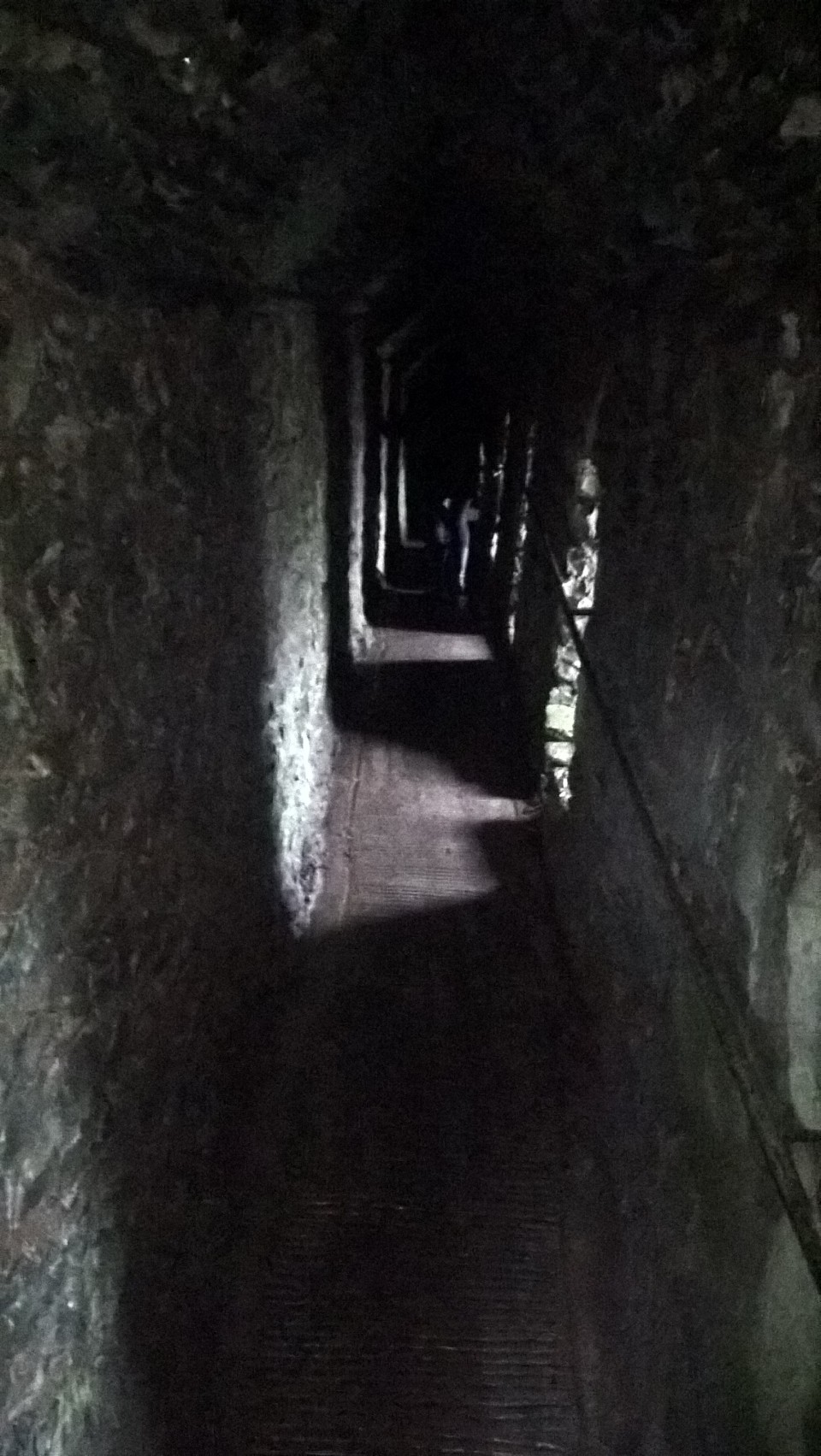
 Artistic / Interpretive: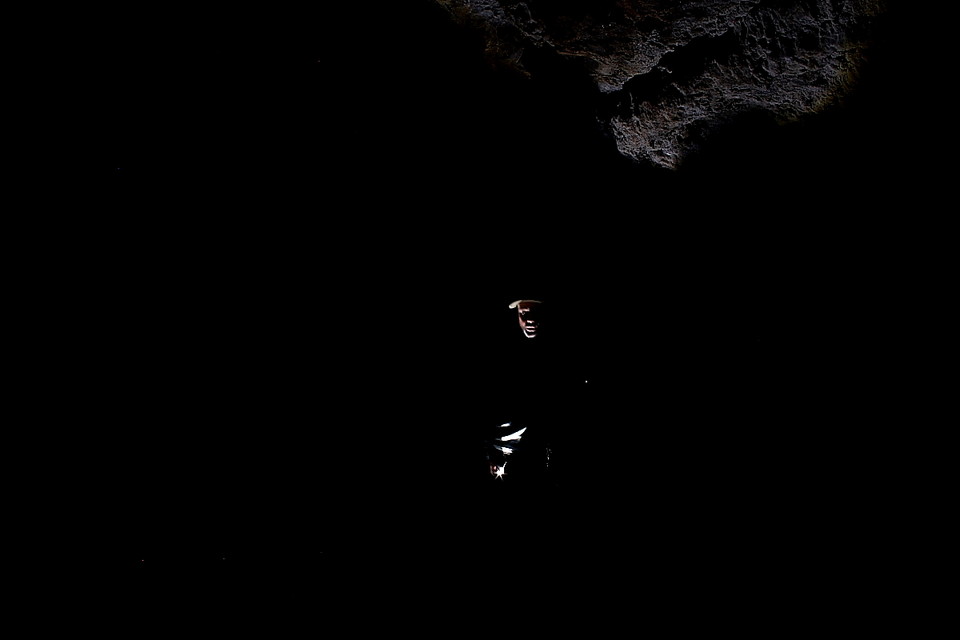
|
Fieldnotes |
Add fieldnotes |
|
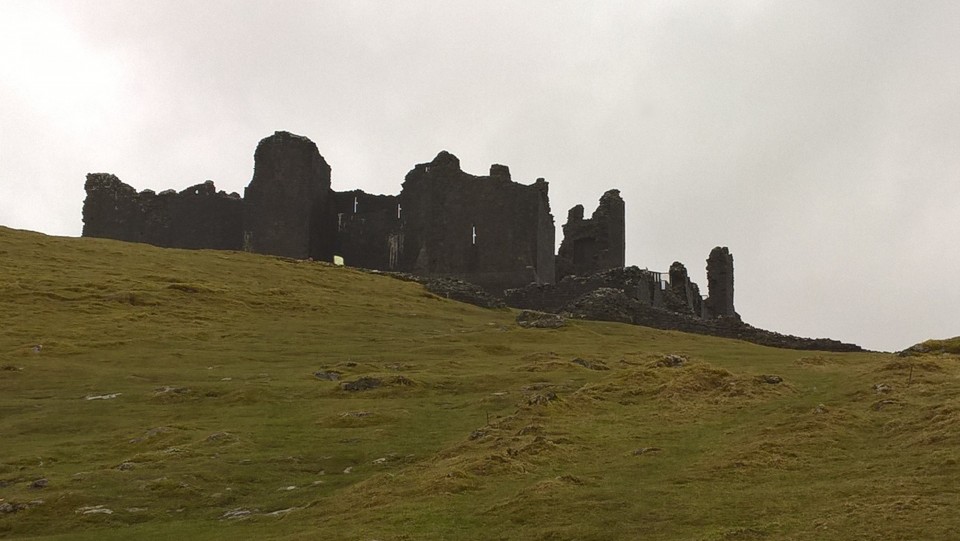
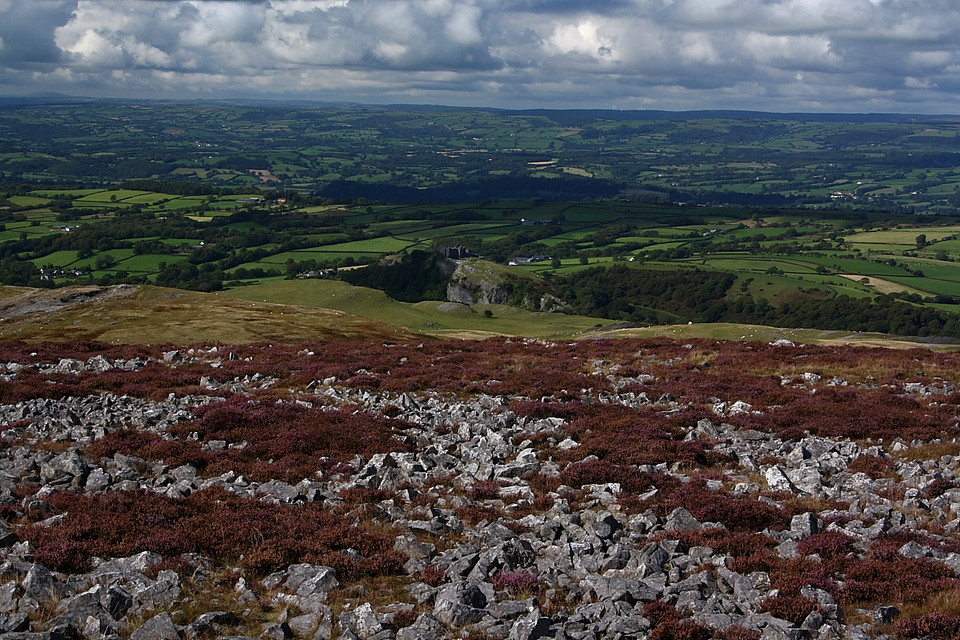
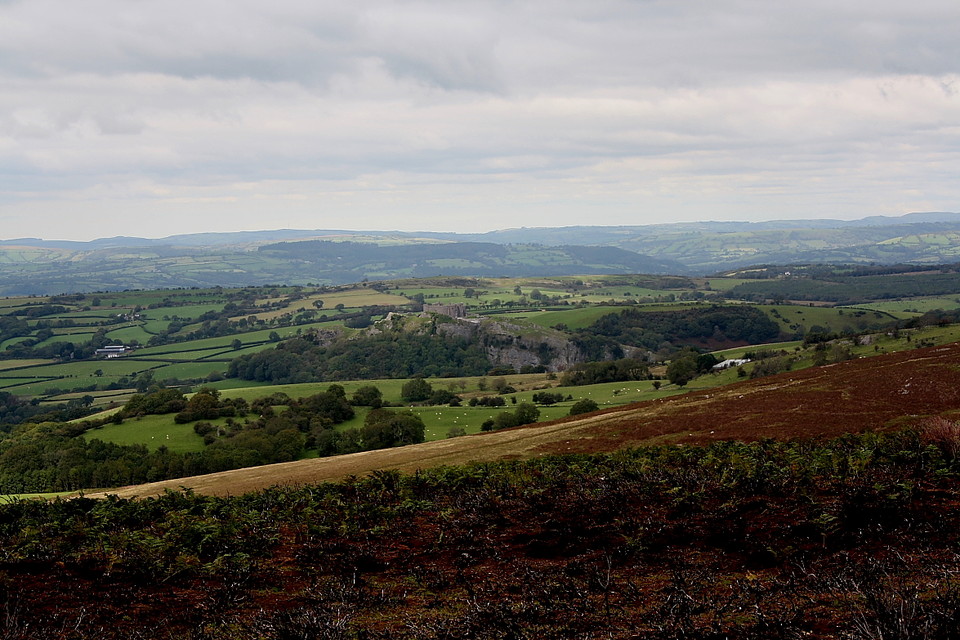
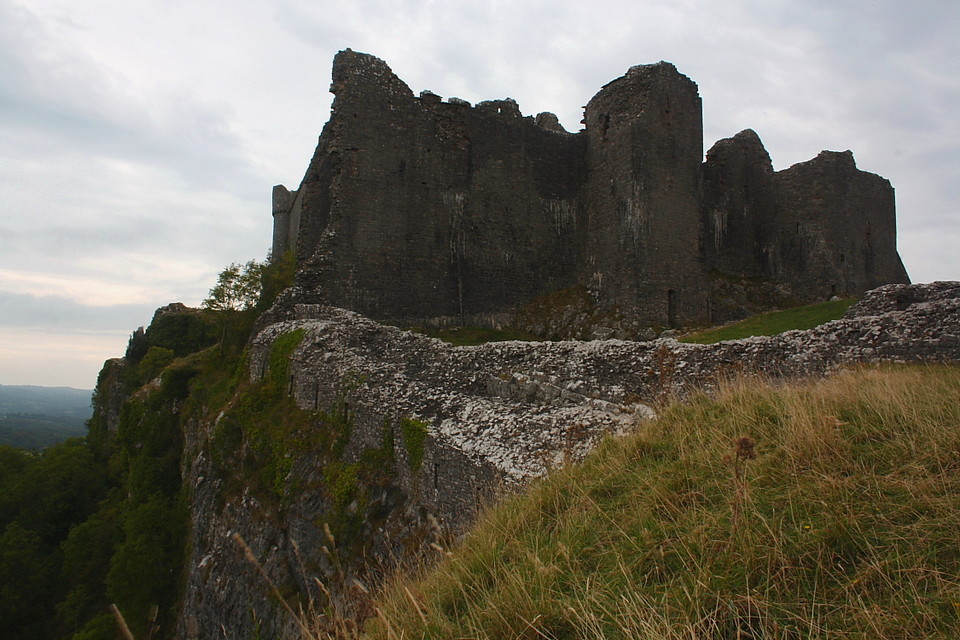
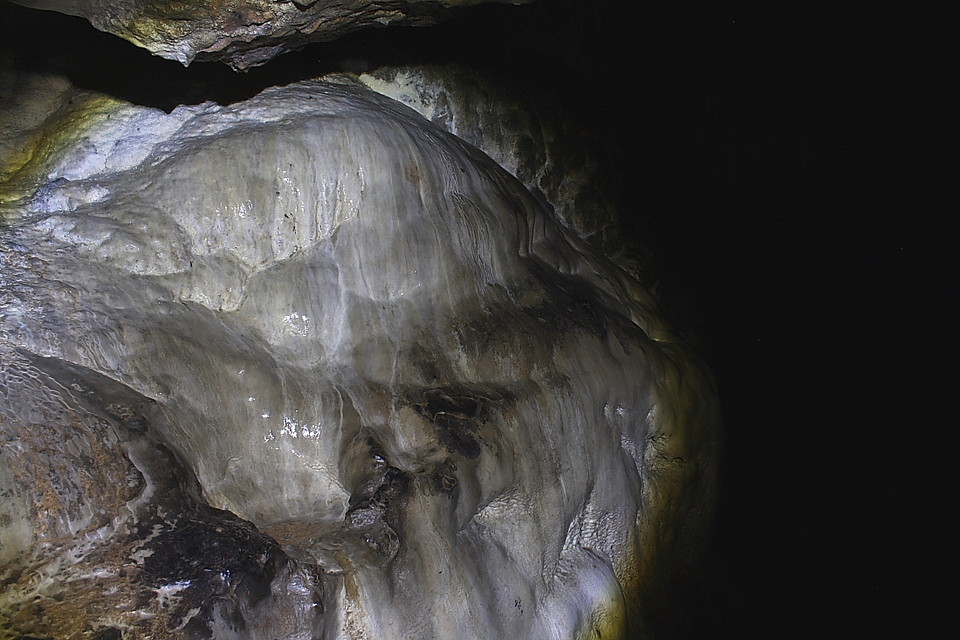
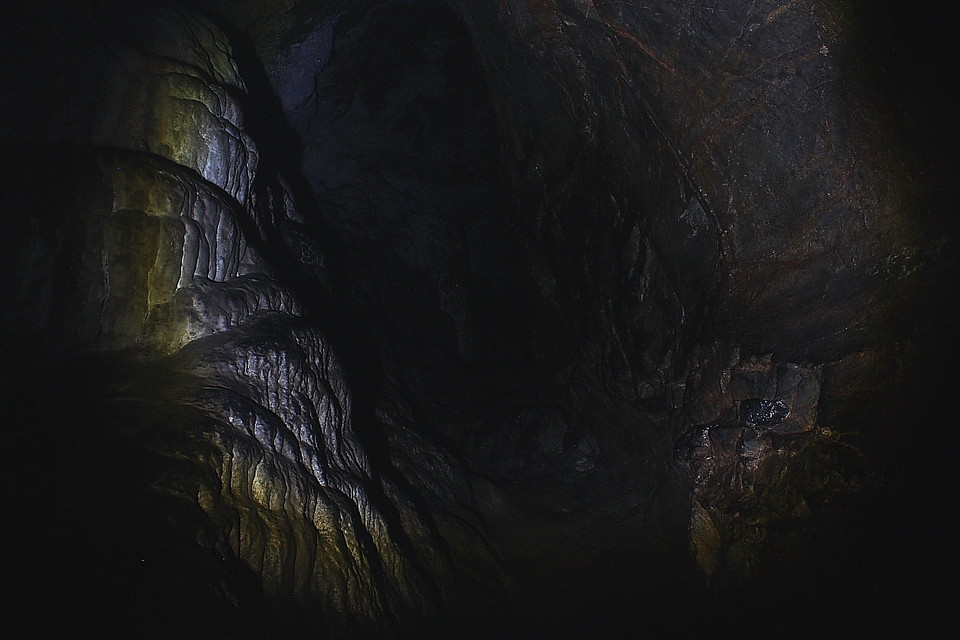
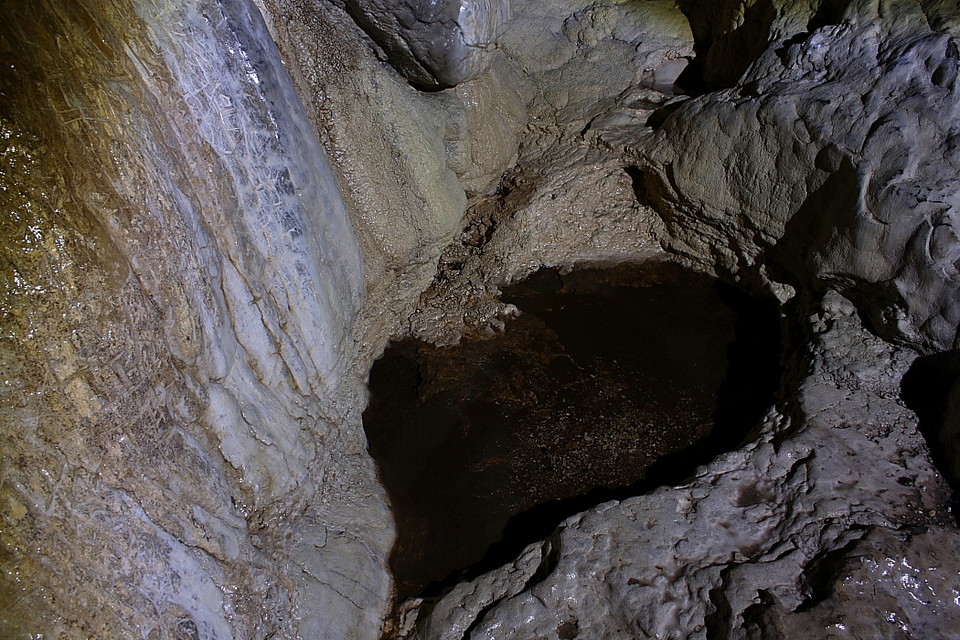
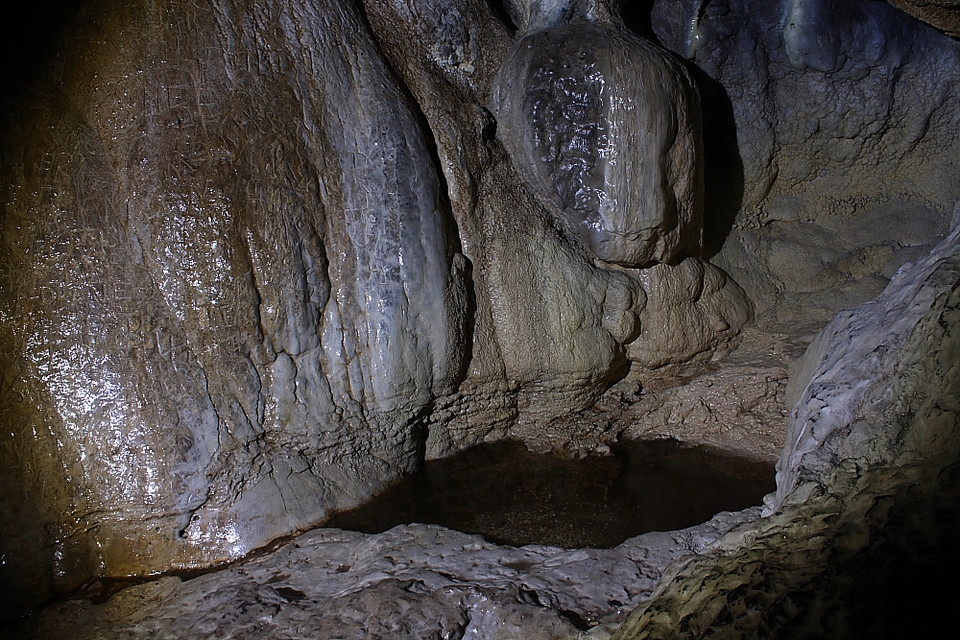
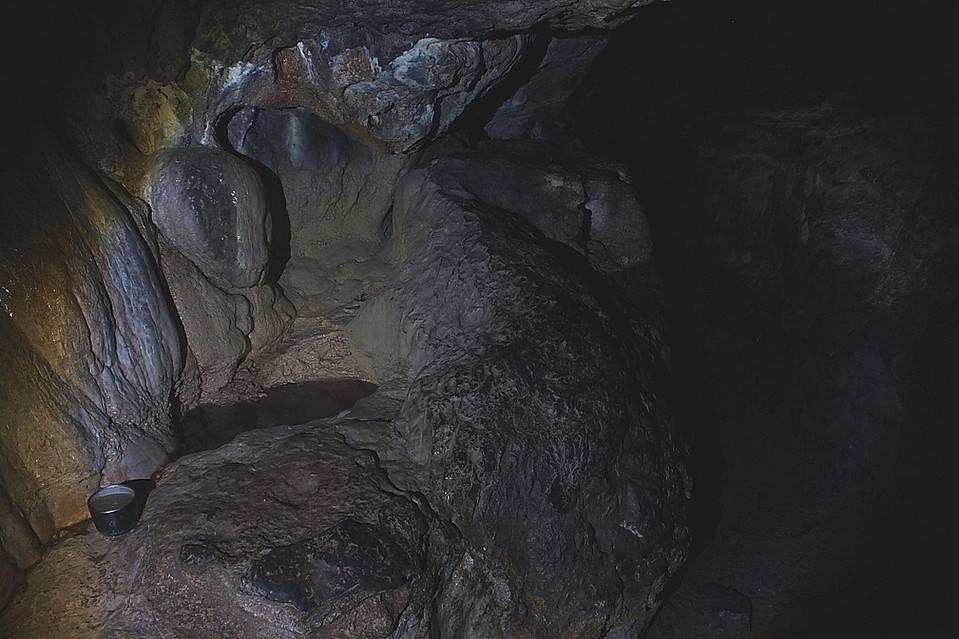
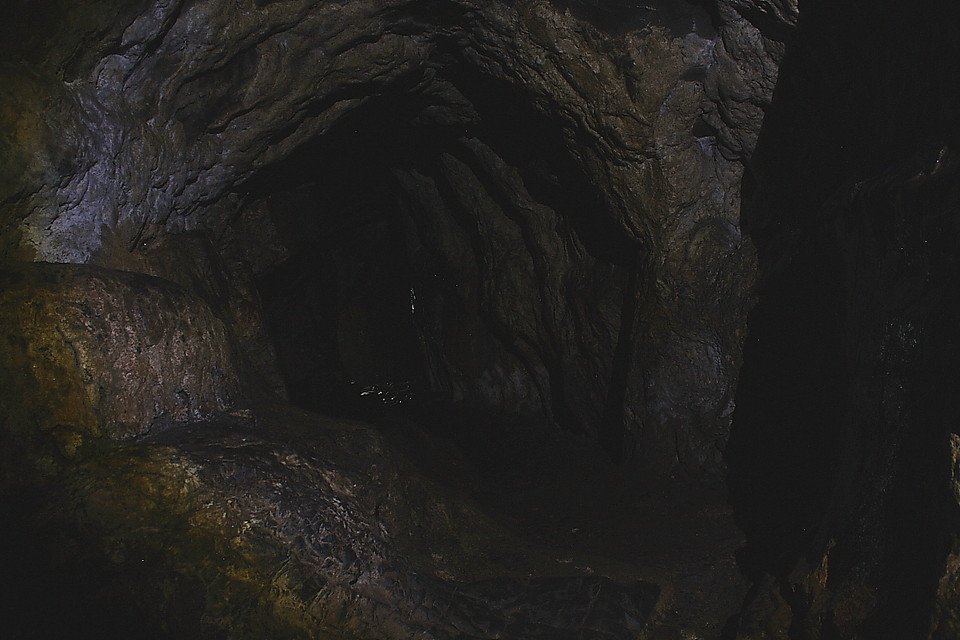
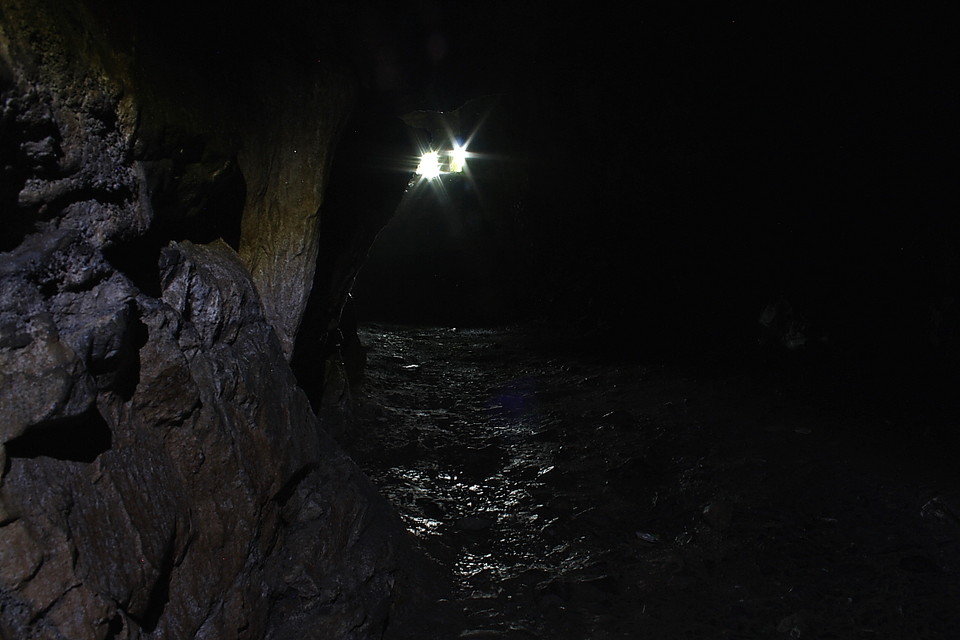
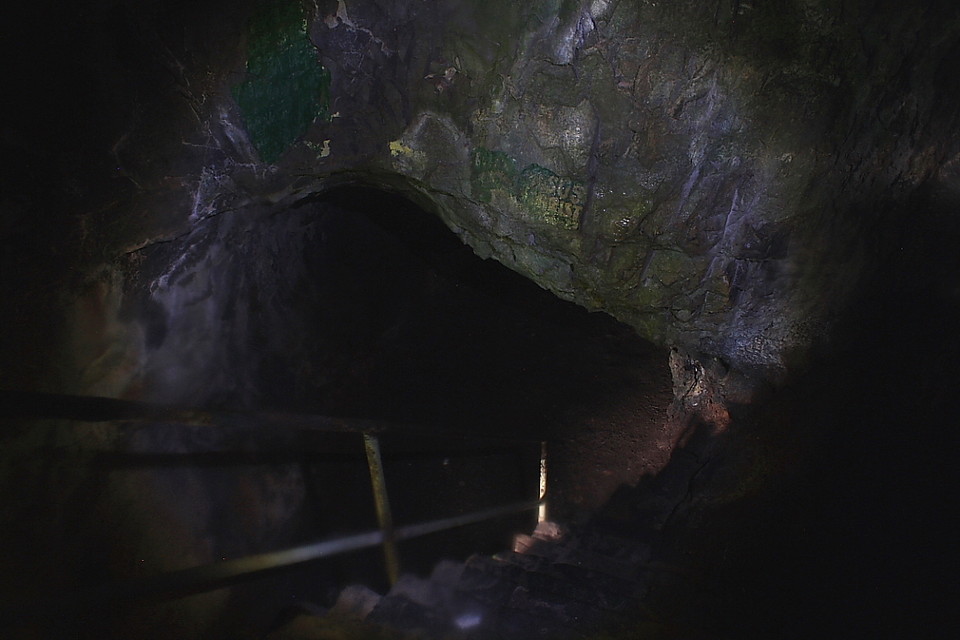
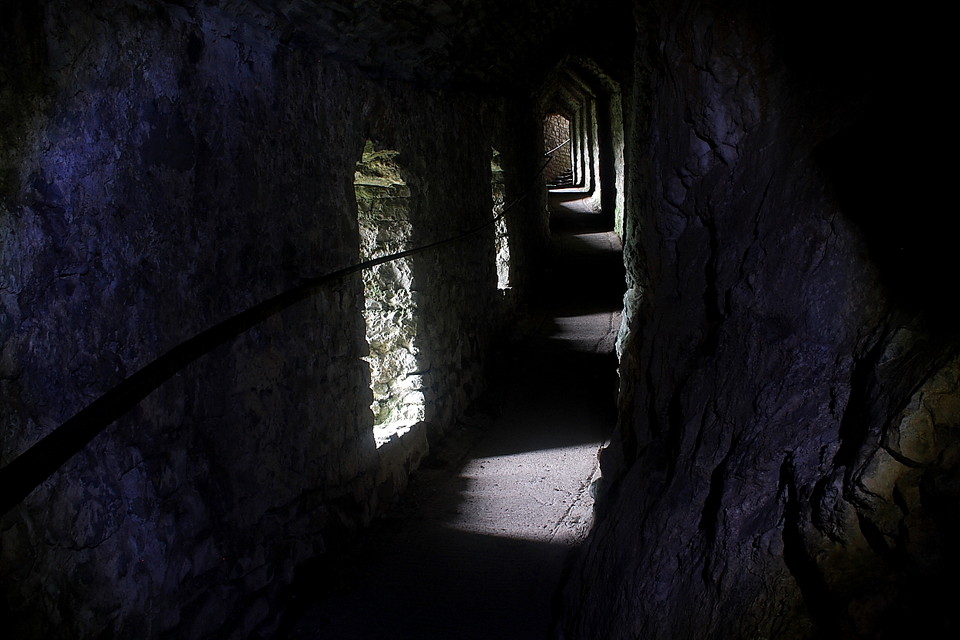
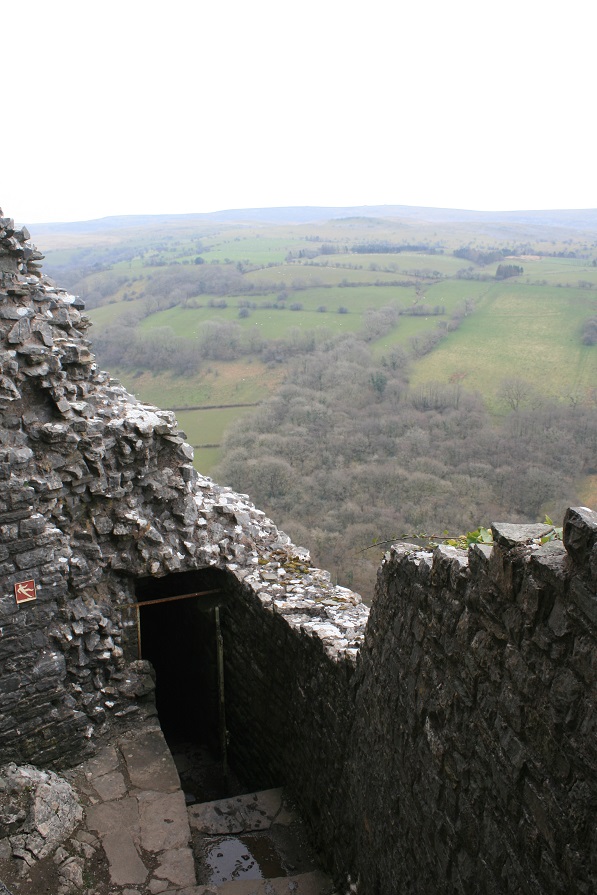
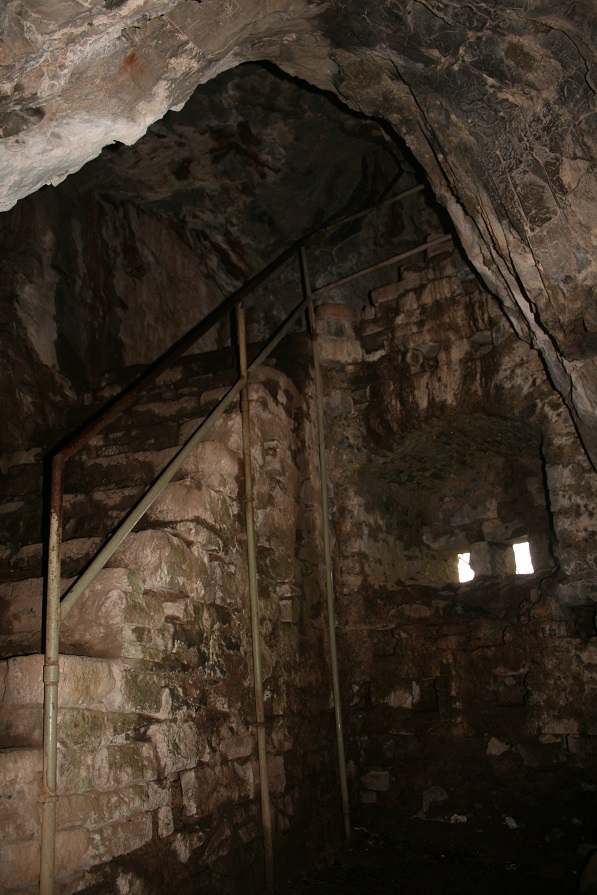
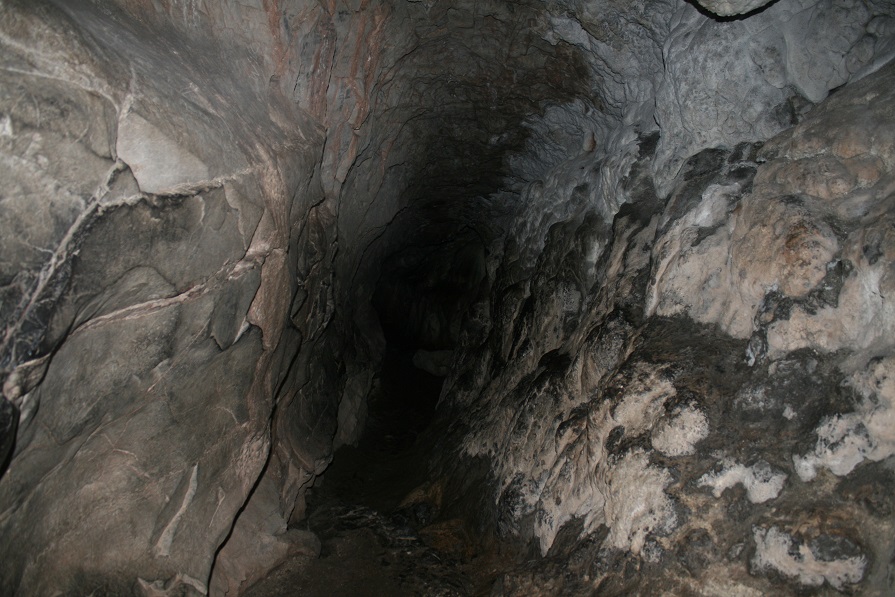
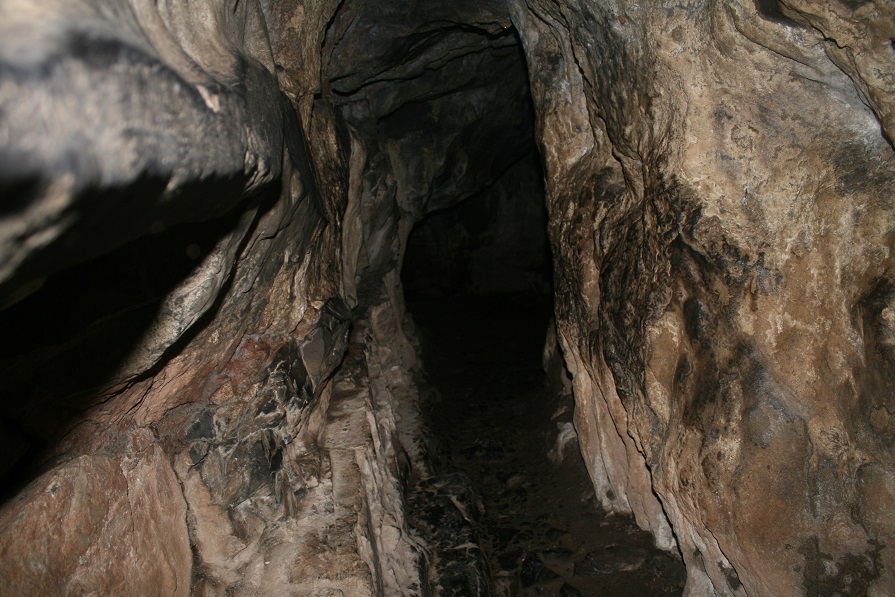
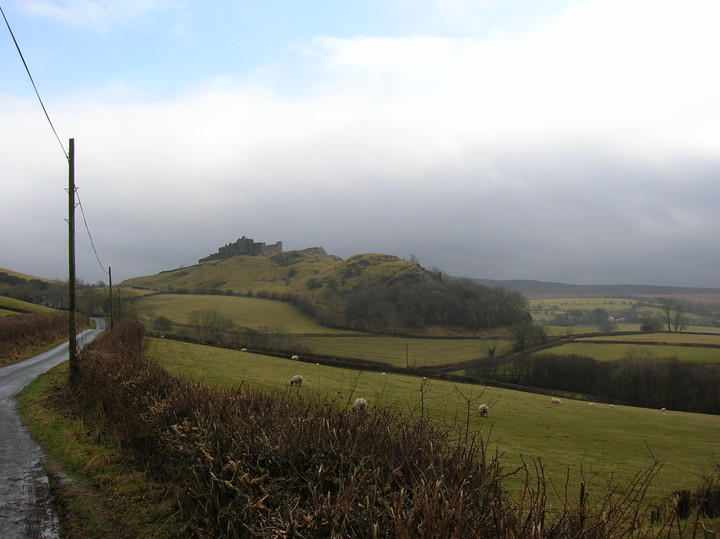
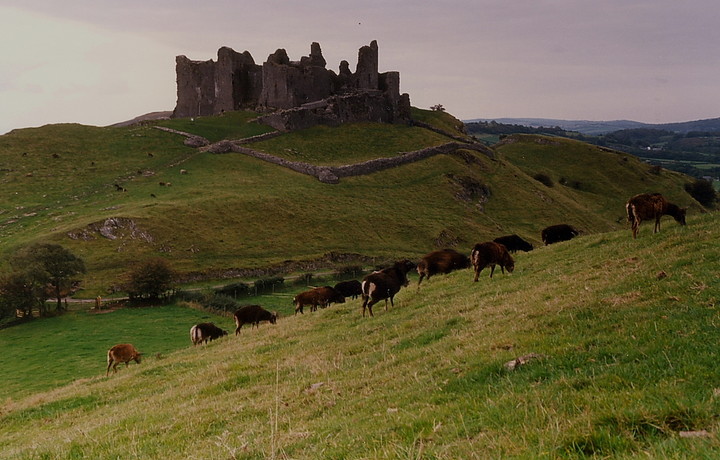
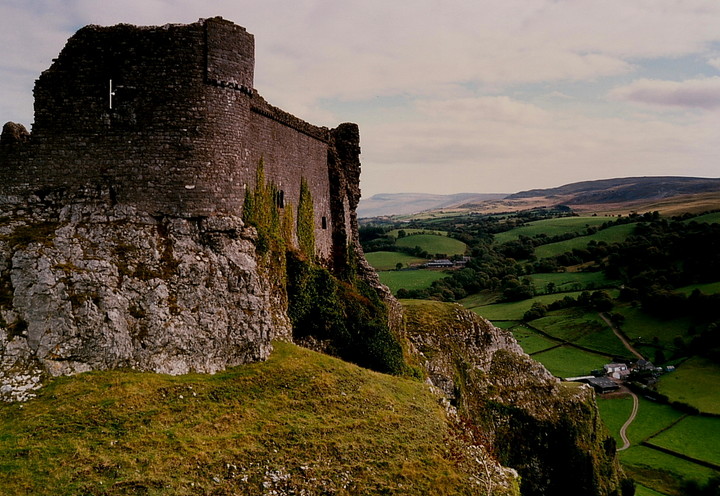
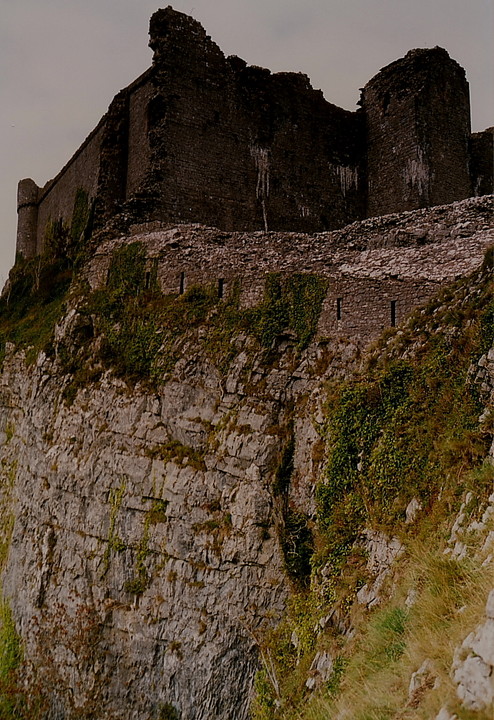
We first came here to Carreg Cennen castle at least eight years ago, but strangely I have no photos of the place, good excuse to come back then, plus were on our way to a simply splendid hill fort, so, no excuses. Adults:- 4.00 quid, Children 3.50, Family 12.00 Open 364 Days of the year. Summer Opening 9.30 - last admission 17.30 Winter Opening 9.30 - last admission 16.00 The whole site is closed and the car park is locked at 18.30 daily. It's not a bit on the cheap side, and it's not exactly the kind of place you can sneak into ( though I have sneaked into castles before), but if you only see one castle in South Wales make it this one (or maybe Pembroke). Perched right on the edge of the very epitome of precipitous cliffs Carreg Cennen has a secret, in fact it has nine. Nine caves, an ennead of tight twisting slippy caves. But as far as I know only one is visible or accessible. As you enter the castle, right in front of you is a stone doorway tucked away in a corner, go through this doorway and down some steps, beware they are slippery and steep, and whilst there is a wall separating you from a long drop to certain death, vertigo will pop it's head round the corner, ignore it and pass through another stone doorway. Don't know why I'm pointing out the stoniness of the doorway, it's a castle. There is now a long walkway, punctuated with openings out into the world, it feels like a perambulatory in an old abbey or something. Imagine what it would be like if the castle wasnt there, I'm sure it would be a right bugger to get to. At the end of the corridor, there are modern steps that go down, they will take you into the cave. The original entrance is blocked up, and turned into a Dovecote, sans Doves. Bones of two adults and a child, and a perforated horse tooth were found in the cave's stalagmite deposits. Three human teeth were found, the remains are dated to the Upper Palaeolithic, now that's ancient. The caves entrance is quite large but it doesn't take long for it to get tighter and smaller. The walls of the cave are in places seemingly worn smooth, perhaps by the fumbling hands of stumbling pin depositors. For at the end of the cave is the sacred well, or at least it used to be, and it is here that people would deposit pins into the collecting waters, perhaps in hope of the invention of the nappy ? Who can fathom the mind of the superstitious. Eric me and the dogs went about as far as we could before we had to get down on hands and knees, that is usually far enough for me , but one day i'd really like to go really far into a cave. They are a place of a very singular nature, no two are the same but they always illicit the same feelings with in me, the feeling of being somewhere very special, deep within our great mother, hidden from the fiery ball in the sky, does one really exist when one is safely ensconced with in the earth, presumably so, but I couldn't swear to it. I love ancient places, I love castles and caves, this is a good one. |
 Posted by postman
4th April 2014ce Edited 4th April 2014ce |

| When you pay to go into the castle, ask for a torch (small fee) - or bring your own torch. Once you enter the castle, look for the tower in the bottom left corner - this is where you will find the entrance to the cave. Initially there are steps down but this then changes to a concrete slope and then you are onto wet, natural stone - slippery. The cave ends with what appears to be a blocked up well? |
Posted by CARL 17th March 2010ce |
Folklore |
Add folklore |
Coflein says that there are at least nine caves in the rock. In about 1907 bones of two adults and a child, and a perforated horse tooth were found in the cave's stalagmite deposits. Three human teeth were found in 1980. The record says "the remains are conventionally dated to the Upper Palaeolithic, the period before the end of the last Ice Age."In one part of the [castle] building a passage terminates in a flight of steps leading down to a dark subterranean cave of about 200, or perhaps, 250 feet long, and at the end of this passage or cave, there is a well which is still used as a "wishing well," more especially by young people.From 'Folklore of West and Mid-Wales' by J C Davies (1911). |
 Posted by Rhiannon
17th December 2009ce Edited 5th April 2014ce |

| In his book Mysterious Wales Chris Barber writes that, "people used to throw pins into [the well] and make wishes". |
 Posted by Kammer
16th March 2003ce Edited 17th October 2003ce |
Miscellaneous |
Add miscellaneous |
|
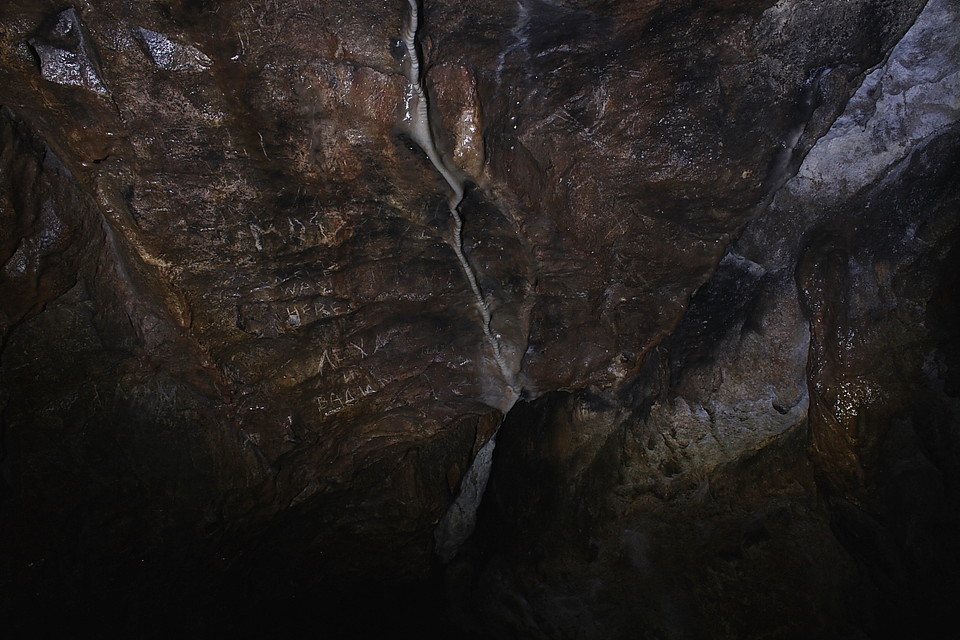
[Notes from 19th Sept 2014... deleted at the time after causing a farcical furore but resurrected following a visit to the cairn surmounting nearby Trichrug at Easter]: Carreg Cennen. An evocative name to the (somewhat protruding) ears of an Englishman first brought here by his father during 1983 (Cestyll '83, as I recall), a boy with a head filled with incoherent images of 'something' that perhaps existed before what was quickly becoming, to him, the childish fallacy of organised religion... the hymns we were forced to sing at school.... but took subconscious delight in defying. Even then. Something burning within, something subsumed deep in the folk memory. Ancient Britains. Not desert people. Christianity irrelevant. I arrive today, in the pouring rain, with more than an eye on re-visiting the not so distant (incredibly undervalued) hill fort of Garn Goch. Do so if you can. Parking in the rather busy car park, I wonder if it is actually a good idea to revisit times past? Would the somewhat cynical mind of the 45 year old render the magical experience of the initiate superfluous? In short, er, no. I purchase my ticket and ascend the track to the fortress perched upon its eyrie. The medieval fortifications are easily retrieved from my psyche... their imprint seared upon my impressionable mind years ago. Not so the very attractive lady - with an idiosyncratic canine companion and perfect figure - engaged with capturing the vibe for posterity upon her DSLR. Pure class. Superlatives come as standard at Carreg Cennen, the mind thrown into overdrive, with carnal base thoughts vying for attention with those upon an altogether higher plane. Unfortunately, the words do not flow from my brain to the tongue in any coherent manner.... as usual. So... a rather steep flight of steps descend to a dark passage - lit by loopholes - to access the entrance to (one of) the caves which permeate this carboniferous limestone crag. This is something special, however. Really special indeed. The rough-hewn steps vanish into a more-or-less unfathomable gloom below.... so careful now. The eyes adjust a little, revealing a medieval outer wall, fashioned into 'pigeon holes' to accommodate, well, pigeons - funnily enough - to supplement the castle food supply. Within, a naked gash within the cliff face represents the threshold beyond which a torch will be required. To be fair I've been here before, feeling my way to the cave's terminus in utter darkness during the early 90's. Forgot a torch. And humans so need to appreciate where they are going, do they not? Ok, appreciate, if not necessarily understand. I've borrowed the Mam C's torch today..... and advance down the narrow, undulating passage toward the very underworld itself. The thought that pre-Ice Age people were laid to rest within here, a proto-chambered tomb if ever there was one, blows my mind, the floor of the cave suddenly descending to afflict a stumble, walls as luminescent as marble, as apparently hydrated as a cascade, yet ironically dry to the touch. I reach the endpoint of the cave, my heart pounding as if in homage to New Order's iconic Oberheim DMX drum machine, my breath clouding my vision as upon a sub-zero December morning, my camera lens overwhelmed with vapour. Here, upon the right-hand flank, has been fashioned a small pool of water, inexorably replenished from water dripping from the roof. I extinguish the torch and eat my lunch in utter darkness, struggling to comprehend how such sensual deprivation can have such an opposite effect? The flanks of the cave are engraved with graffiti, some inspiringly celebrating love, some utter moronic bollocks. The human experience, then? The instinctive baseline and the sublime. I refrain from recording my passage, of course, leaving behind merely a trace of my exhaled carbon dioxide and spilt coffee. Well, distant ancestors were laid to rest here, it has to be said. I ponder for a while and suppose I can see the reason why. Yeah, this place is not really that different from the Pavilland Cave visited earlier this year. If I'm anything to go by, the perceptive visitor's brain appears able to retrieve a fragment of what went before.... sorry, but I can't articulate any more than that. So come and experience for yourself. |
 Posted by GLADMAN
11th May 2019ce Edited 12th May 2019ce |

|
Incidentally the popular 'Brecon Carreg' mineral water brand is sourced at a spring here (the village of Trap, according to the bottle labels). One wonders if those involved are aware of the Sacred Well folklore. I would guess so. |
Posted by GLADMAN 10th January 2010ce Edited 10th January 2010ce |
|
The hilltop is best known for it's spectacular late 13th century castle. Long before this was built the site was occupied, probably as an Iron Age fortress, and possibly earlier. Roman coins and four skeletons have been found at the site indicating early occupation, but if there was an Iron Age hillfort at the site, all trace of it has been obliterated by subsequent building. The sacred well or spring was probably sited at the end of the cave that was eventually incorporated into the castle itself. Water still collects at the end of the cave, but if this is the site of the spring, it's no longer active. The atmosphere in the cave is certainly electric. When I lived in Carmarthen we sneaked up there at night and sat at the end of the cave in the dark. It was an amazing feeling being so deep down in the cold wet rock. I've read in one source that the name Carreg Cennen has its roots in the Welsh for sacred well. I've not been able to confirm this though. |
Posted by Kammer 7th January 2003ce Edited 17th October 2003ce |
Links |
Add a link |
Carreg Cennen Official WebsiteTo be fair a lot of websites designed to draw in punters (that I've seen) are not that helpful to the average member (or perceptive visitor) to TMA. Not saying TMA folk are more intelligent; rather that we perhaps use what we have to a greater degree. The brain requires exercise, after all. So rather pleasantly surprised that this DIY effort is refreshingly informative. If you happen to have children, I reckon this is truly an ideal site to fire the young psyche. Can there be a more precious gift a parent can bestow? Mine was. Eternal thanks to my father - now an old man - for taking his son here back in the early 80's and freaking out that mind full of swirling hormones. This is a place of legend, of life, death and every state in between! Hey, the Llewleyns (the farm - and castle owners) even organise weddings. What better way for two people deeply in love to cement their commitment to each other than by venturing to the well at the terminus of the cave? Searing emotion with no hiding place. Jeez. A Citizen Cairn can dream, I guess. Yeah, having sat with my hand in the pool of water percolating down from the roof in utter darkness... my heart pounding like the Oberheim DMX from Blue Monday... I can well understand our ancestors' (apparent) connection with this crazy, spinning globe. There is an awful lot we can learn from the past, methinks. [edited to update URL] |
Posted by GLADMAN 16th October 2014ce Edited 21st January 2024ce |

Castles of Wales: Carreg Cennen CastleThis Web page is largely about the castle, but it includes photos of the cave, and the passage leading to it. Don't be alarmed if you find that some images on this page are obscured by text. The page isn't very well glued together! |
Posted by Kammer 7th January 2003ce |
 Top of page