|
 Log in |
Register Log in |
Register
|

|
|

Essa Standing StonesStanding Stones
|
||||||||||||||||||||||||


 0 discussions


 Show map (inline Google Map)
|
|
|
Images (click to view fullsize) |
 Add an image Add an image |




|
Fieldnotes |
Add fieldnotes |
|
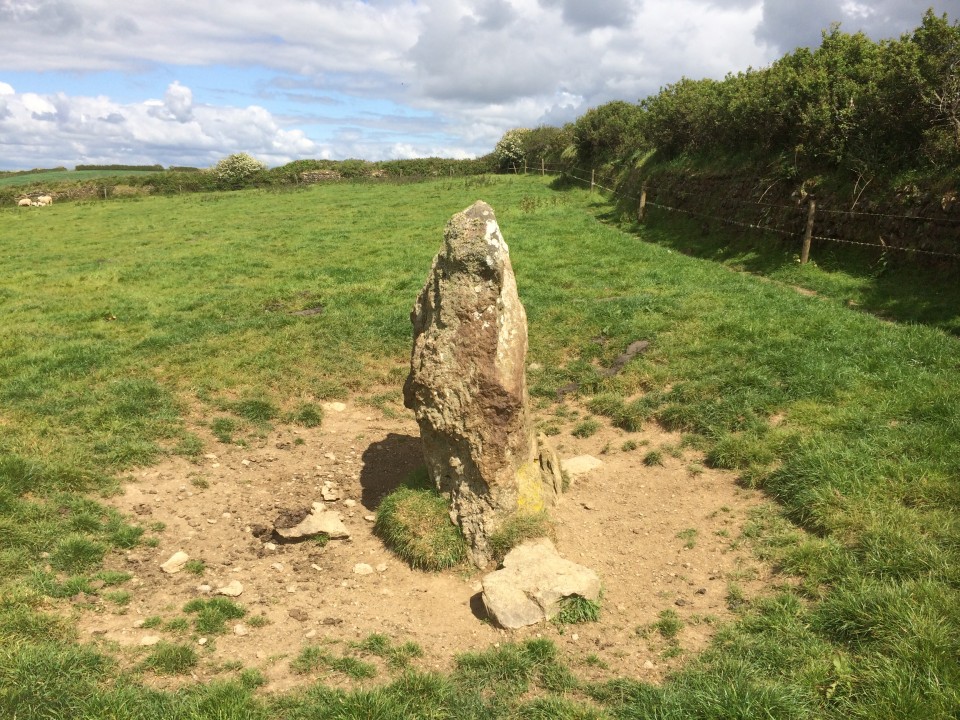
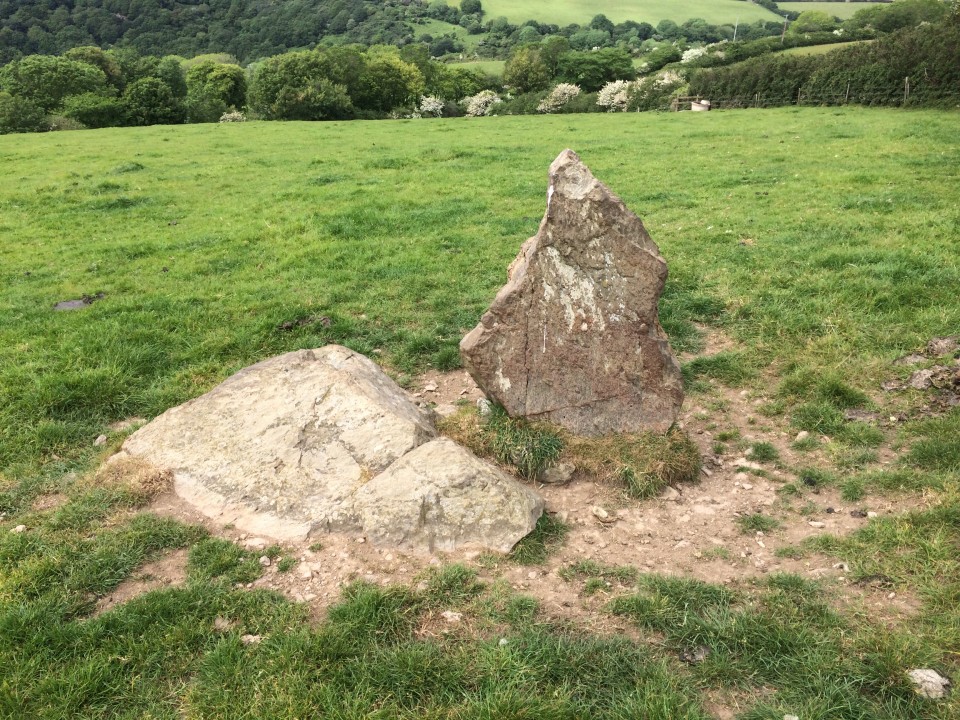
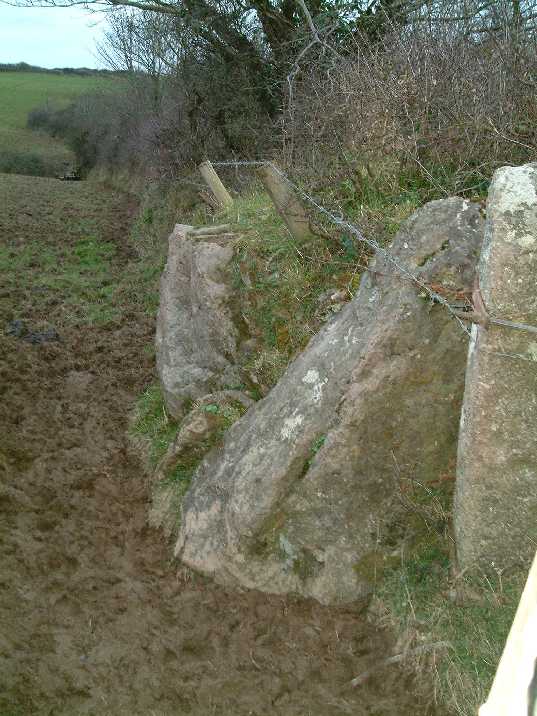
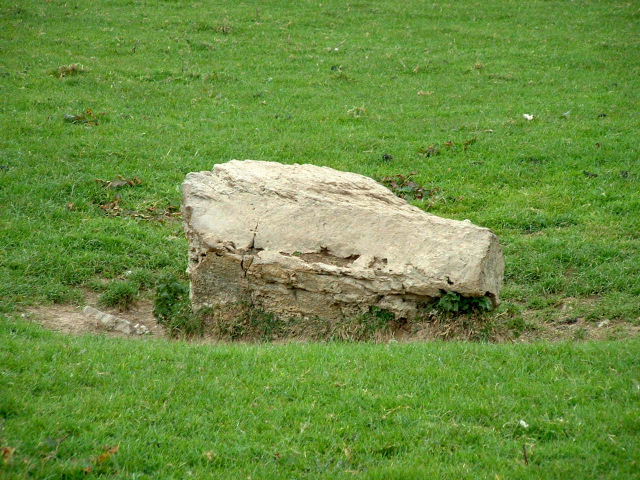
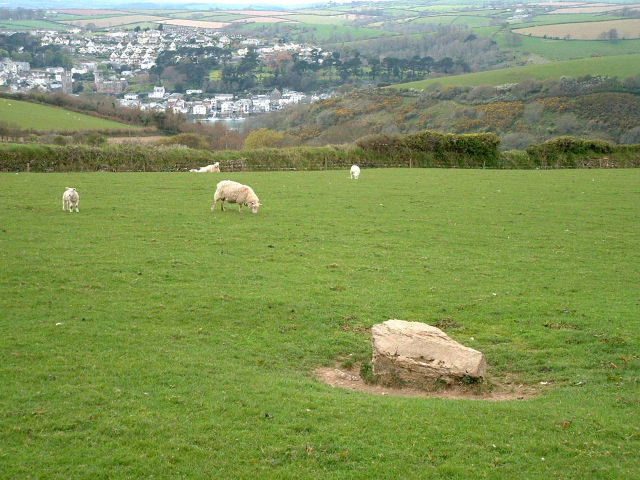
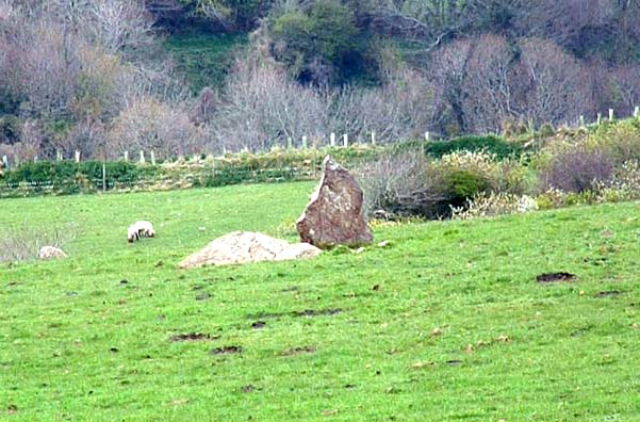
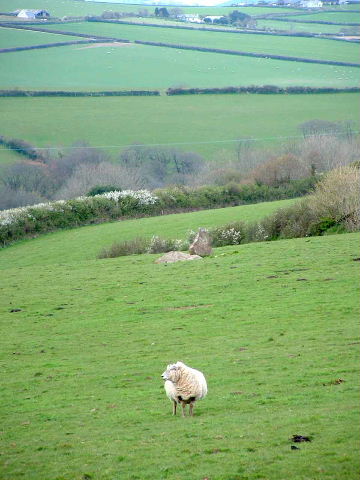
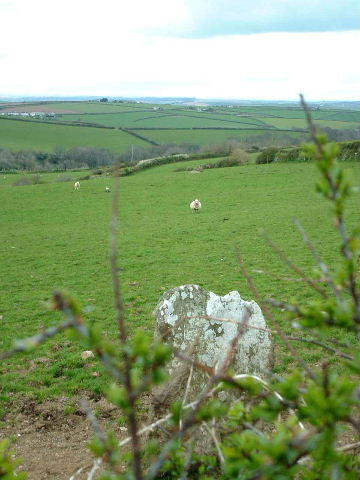
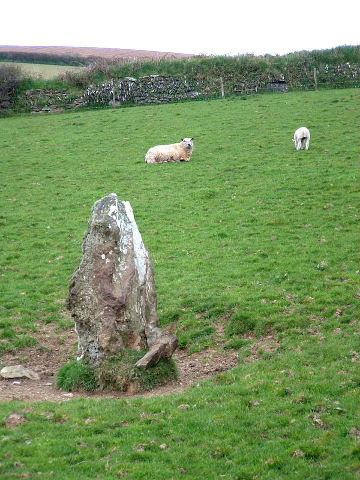
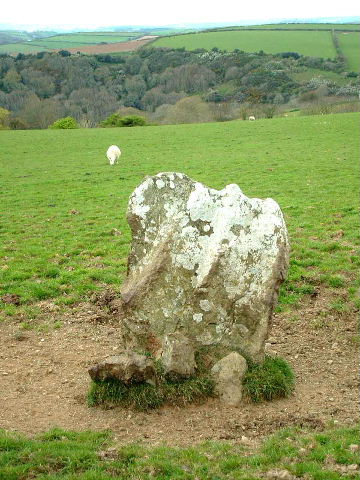
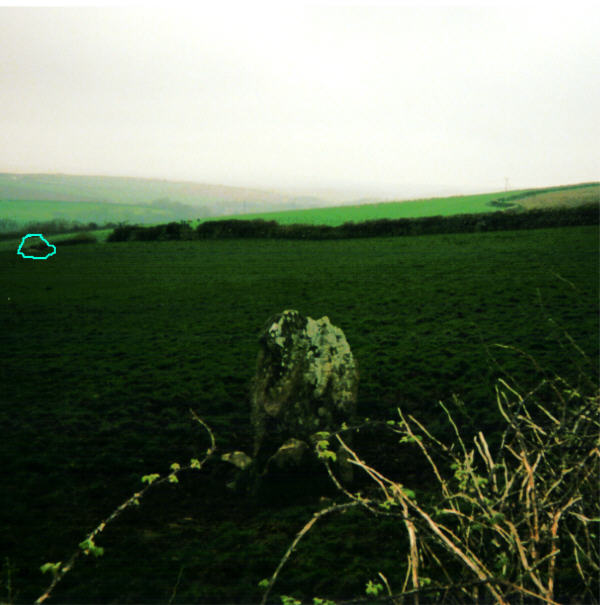
The Essa stones puzzle me although I have to admit Essa 1 does look like it could be "proper" as we say down here. You do wonder how long this one will stay upright what with all the erosion around its base caused by cattle and water. The Devil's Stone is in danger of being completely obscured by ivy and other green things! It stands beside the minor road from Polruan to Lanteglos Church and got its name from the fact that coffins would be rested on it! (so says Robin Payne in the book "Romance of the Stones") He goes on to say that it is believed to be part of a group of stones that may have made up a barrow in the area mentioned on the 1803 OS map. There are two or three other large stones built into the wall just inside the field and also on the othere side of the road to the left of the gateway. The stones are not in keeping with most of the soft cornish slate that is generaly found in this area so must have been brought to this spot but I am still not convinced. If you walk around the fields here you will see many large lumps built into walls as well as the three Essa stones. If they were building a barrow wouldnt they have used smaller stones easier to transport? The tithe map does mention a barrow field at Triggabrowne, further east from the church but why would they then transport stones half a mile or so along the ridge just to leave them in a pile beside the track? |
 Posted by Mr Hamhead
4th January 2004ce Edited 8th April 2013ce |

|
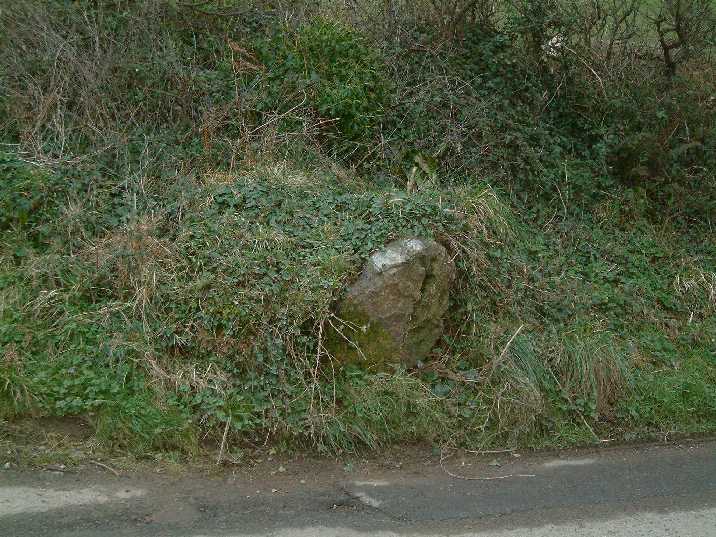
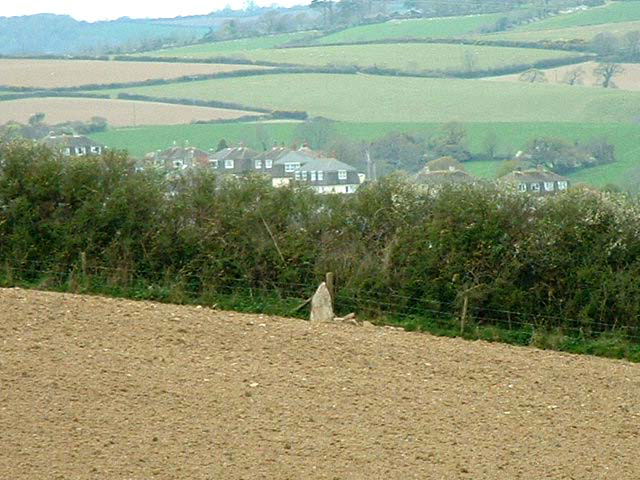
Visited these after tip off from Johan. After crossing on the passenger ferry from Fowey, we walked along the narrow (& steep!) road out of Polruan for half a mile till we came to the fork in the road after a further 200 metres along the right fork, you can see the first big stone on the left hand side. Looking down the the right you can see the smaller stone near the edge of the field. They are unlike any other stones I have seen in Cornwall. I saw 2 other similar stones in neighbouring fields of a similar type. I also found some similar stones in the hedges around the fields. The stones are mentioned in Robin Payne's book which I use for alot of my references. He says that in 1813 the first ordnance survey map for this area shows a mound at SX141510 which is just to the south of these stones. Could this be the source of these strange stones? While looking at the Essa stones 1 and 2, I found a stump ("Essa 3") in the field to the east. It looks very similar to the other two apart from the fact that it's much more squat. Again no mention on the map and NO mention in Robin Payne's book. If this is an ancient stone then I claim it! Phil's stump! :o) "Essa 4" - Noticed this from the roadside on the way to visit the Essa stones. It looks lighter that the Essa stones so may be a spar stone. I thought it may be a rubbing post but why is it so close to the hedge when most rubbing posts are in the middle of the field? The pic I took was using the full zoom on my camera. Lack of access prevents closer examination. |
Posted by phil 15th April 2002ce Edited 8th April 2013ce |
|
Reading Phil's postings about Cornish stones reminded of a stone I'd seen a few years back but not heard any info for. I've stayed in Polruan and surrounding villages many times but only once spotted these stones, even though Essa1 is right by the road side, admittedly the hedge is quite high. Any I snapped a photo, which I have uploaded. According to Phil these stones don't appear on maps, which is scandalous. Anyway, if you are in the area, take a walk up Polruan's road out, up the hill toward Lantic Bay and the stones are in a field on your left - sorry can't remember how far along the road they are. johan |
Posted by johan 9th April 2002ce Edited 8th April 2013ce |
Miscellaneous |
Add miscellaneous |
|
Sorry Phil but "Essa 3" is the possible stump of a menhir that Robin Payne mentions on page 249 and 250. In the hedge behind it there are several other large stones of the same type and the Devils Stone is at the bottom of the field. |
Posted by Mr Hamhead 5th January 2004ce Edited 8th April 2013ce |

|
A group of rare examples of slate menhirs. They are sited in a field, just above the village of Polruan. Essa Stone 1, is the most impressive at 1 .6 metres high. |
Posted by phil 7th April 2002ce Edited 8th April 2013ce |
 Top of page