|
 Log in |
Register Log in |
Register
|

|
|

Green LowBurial Chamber
|
||||||||||||||||||||||||


 0 discussions


 Show map (inline Google Map)
|
|
|
Images (click to view fullsize) |
 Add an image Add an image |


|
Fieldnotes |
Add fieldnotes |
|
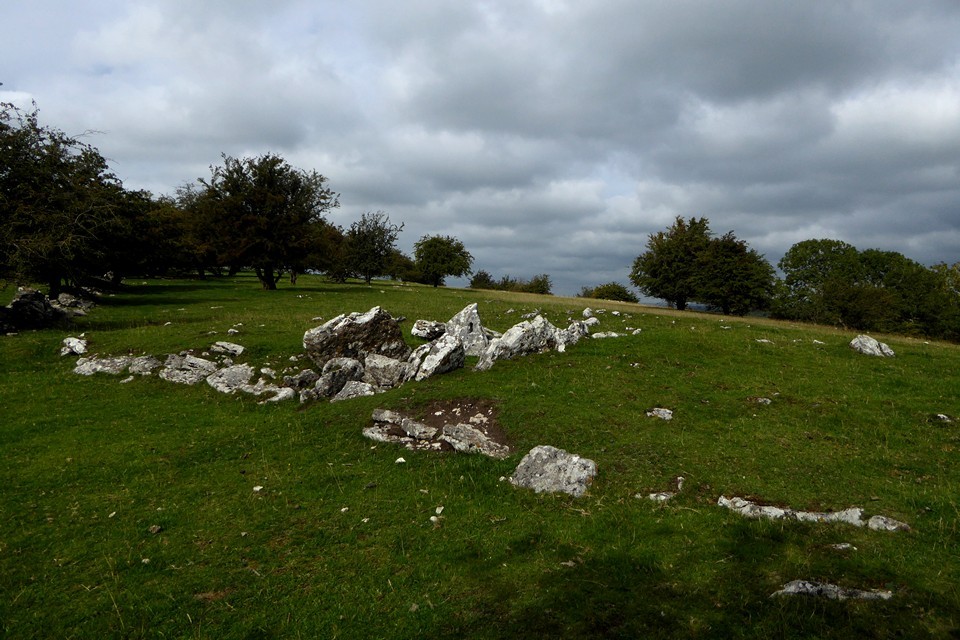
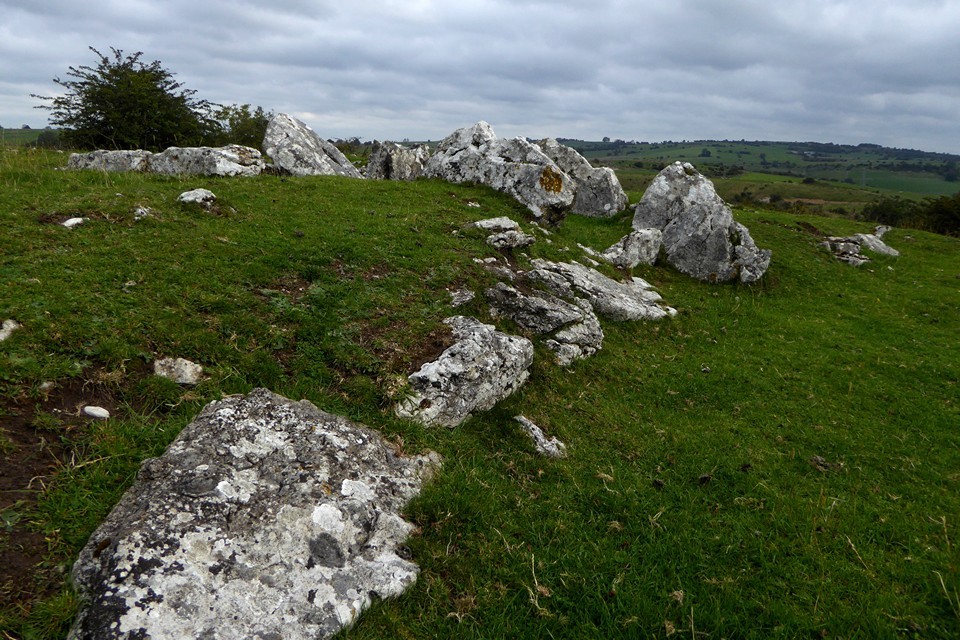
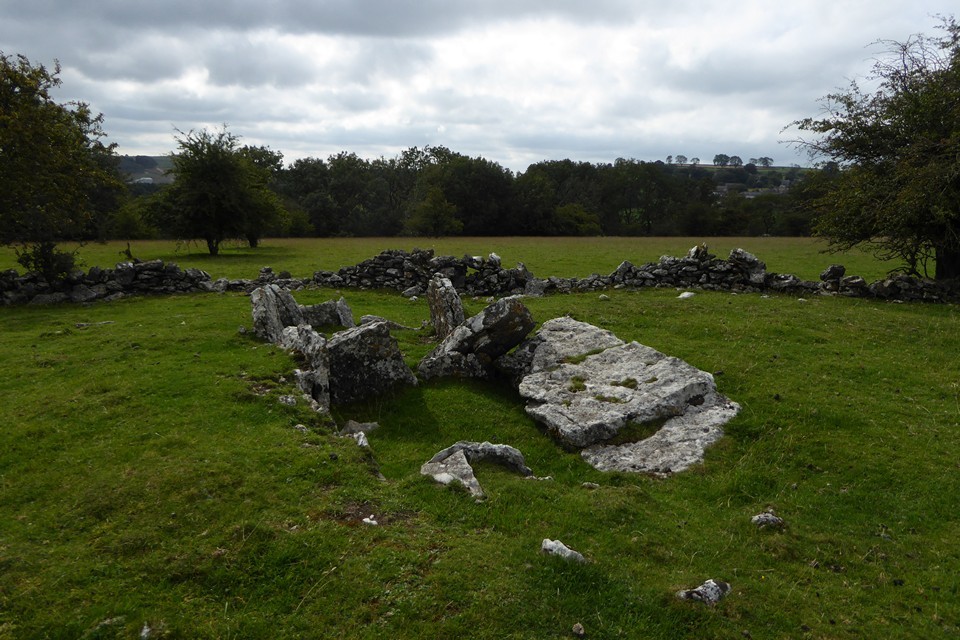
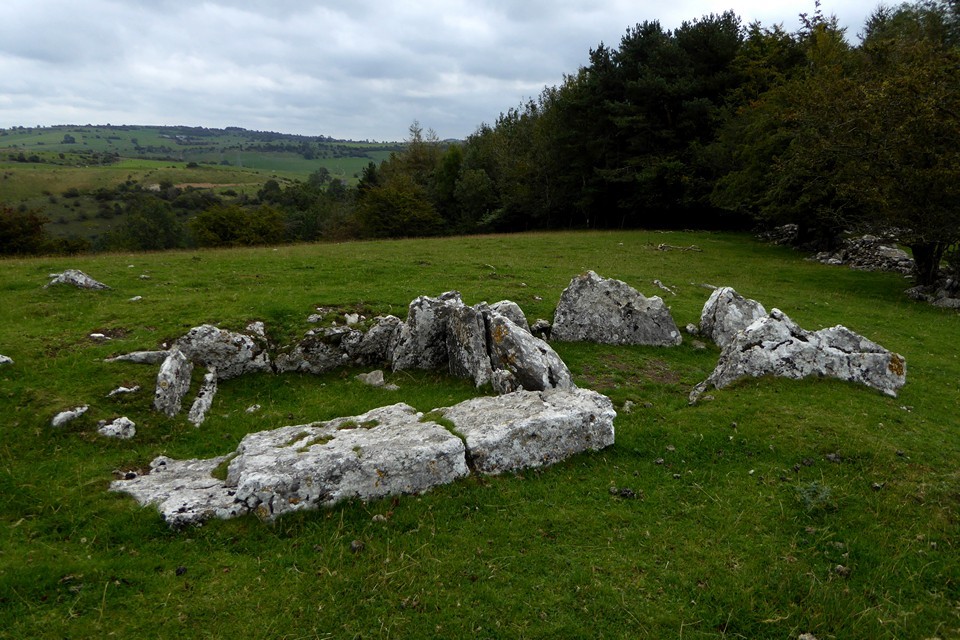
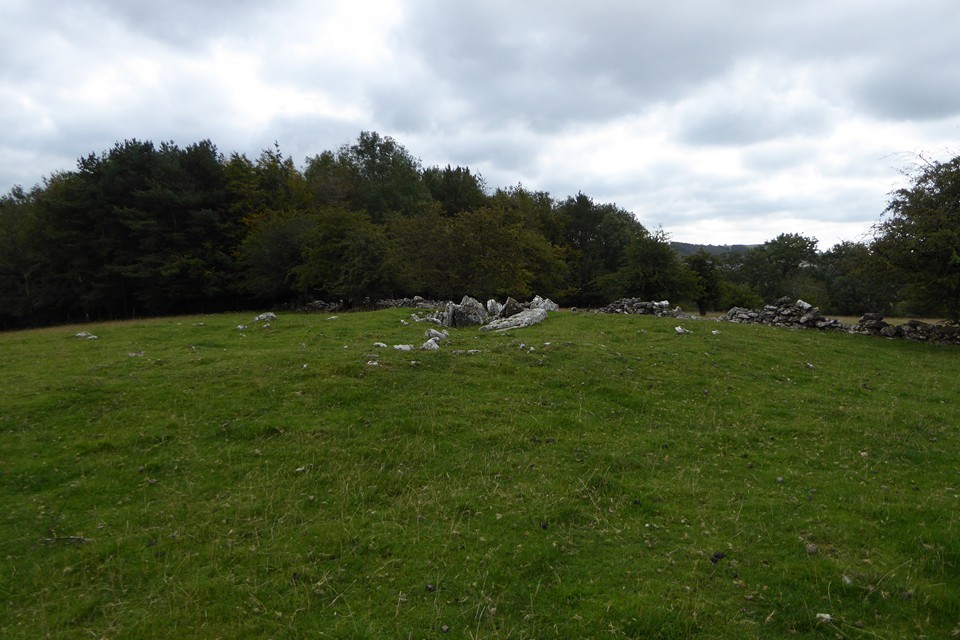
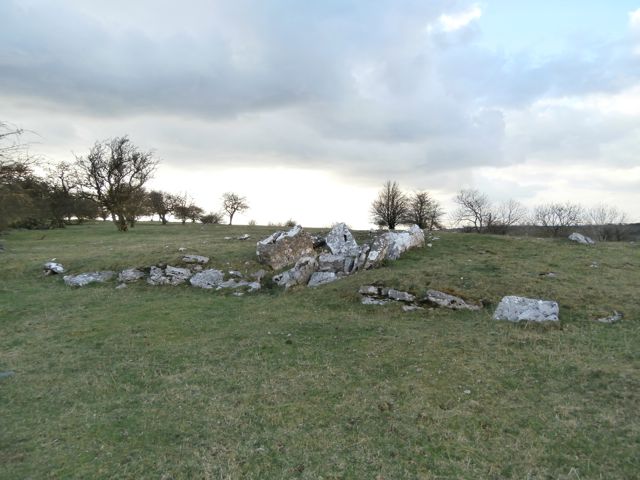
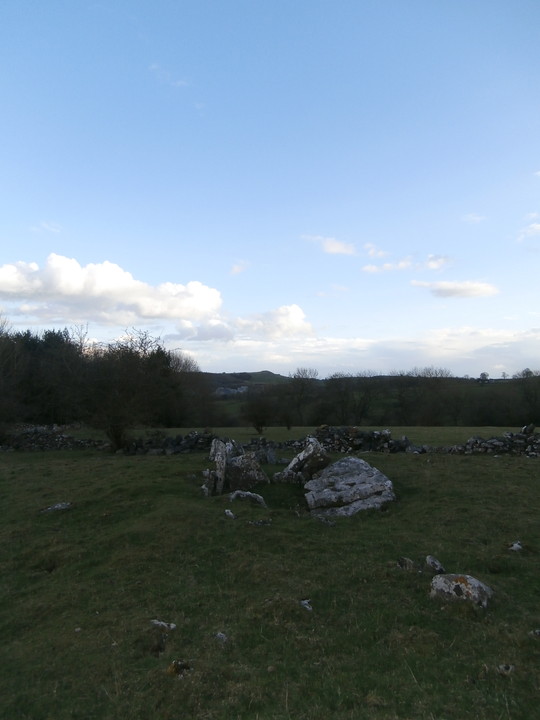
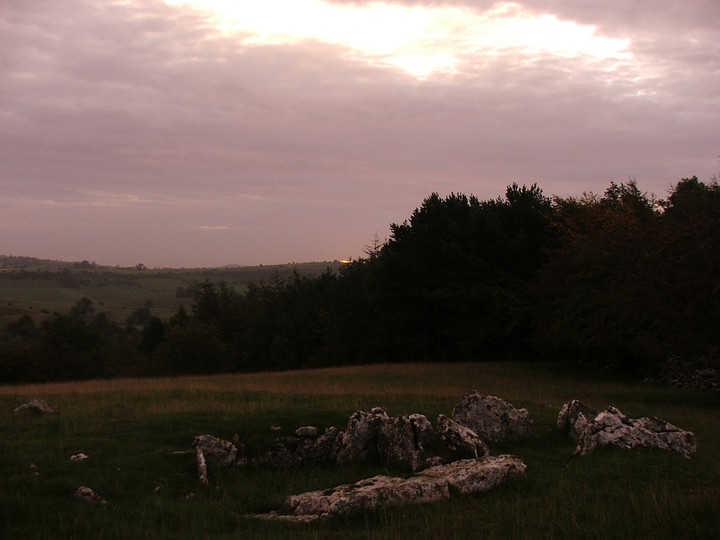
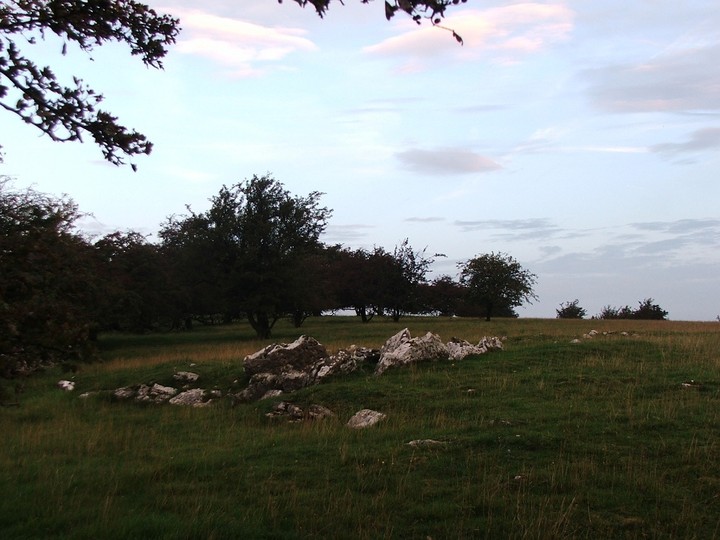
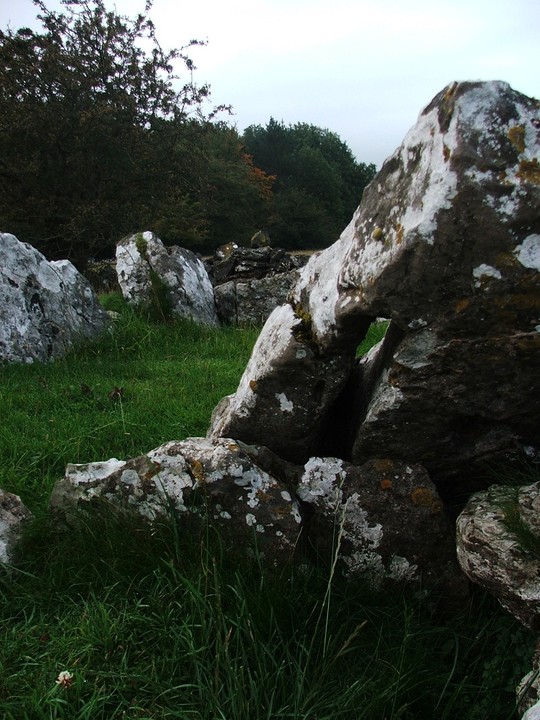
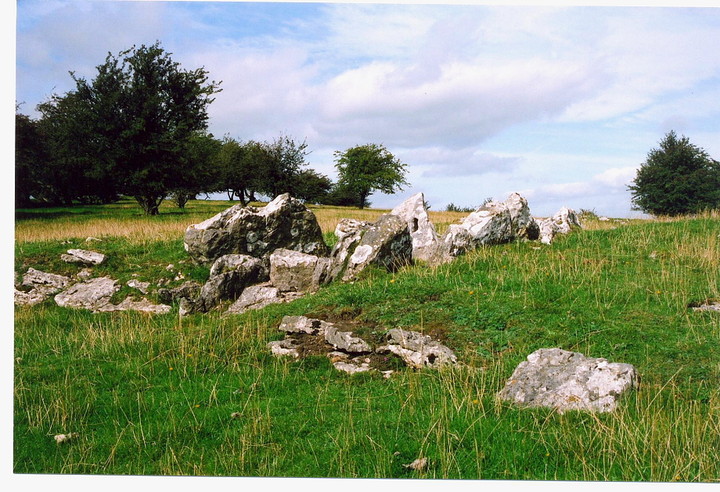
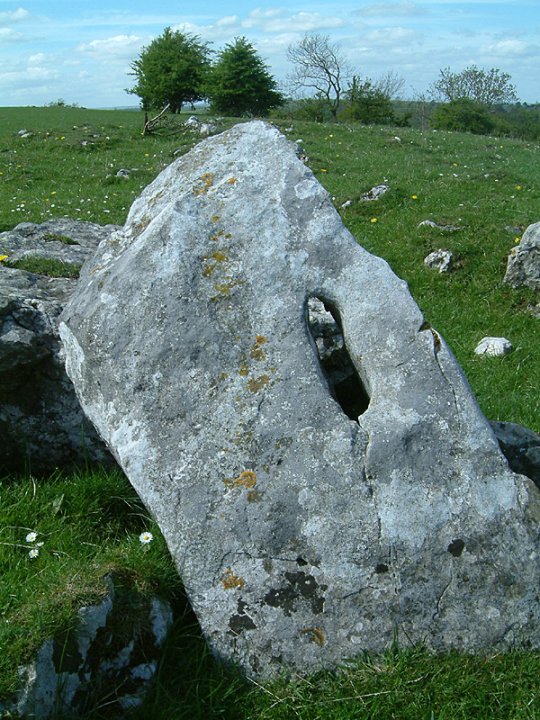
I was quite awestruck by this place - I wasn't expecting it to be so spectacular! I thought it'd be another grassy bump, but it's like a mini Nympsfield (in Gloucestershire) with fewer people and better views. Possibly my enthusiasm is heightened by the fact that this is the only ancient site I have ever reached entirely on foot, so it felt like a proper adventure. (I like adventures!) The horned forecourt is still visible and the entrance is aligned dead straight with the distinctive peak of Harboro' Rocks - surely this can't be a coincidence? Other sites which can be seen from the barrow or very near it include the edge containing the Bonsall Lane rock shelter, Aleck Low and Minninglow (surprise surprise). There are probably loads more too which I just don't know of/recognise from a distance. I did wonder about the stone with the hole in it which is part of the separation between passage and chamber. Was it chosen on purpose, maybe to let the spirits out? I don't usually go in for spirits or ritual or lands of the living and dead etc, so maybe they chose it purely because it's interesting and the right shape. |
 Posted by Emma A
19th March 2012ce Edited 19th March 2012ce |

|
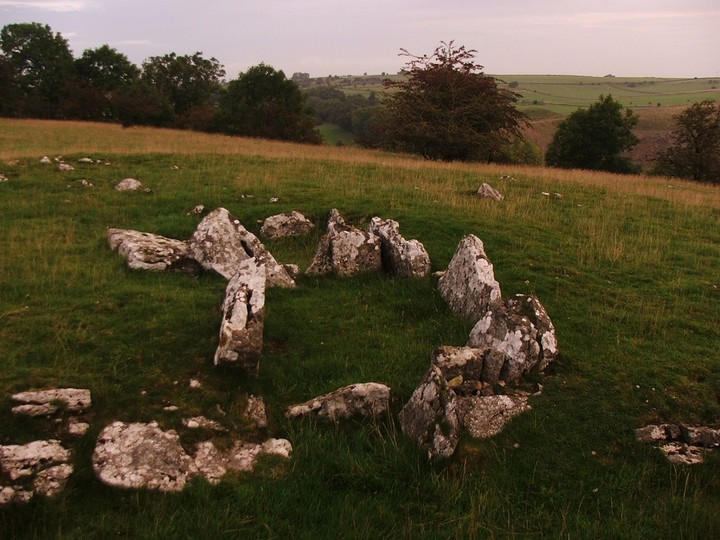
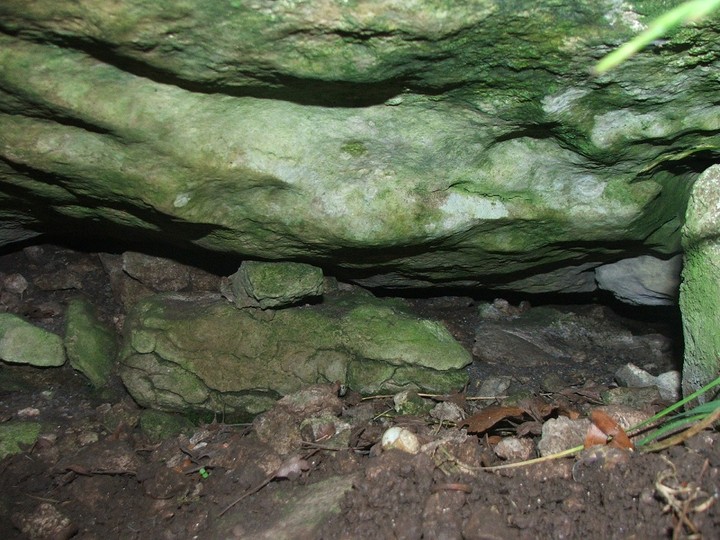
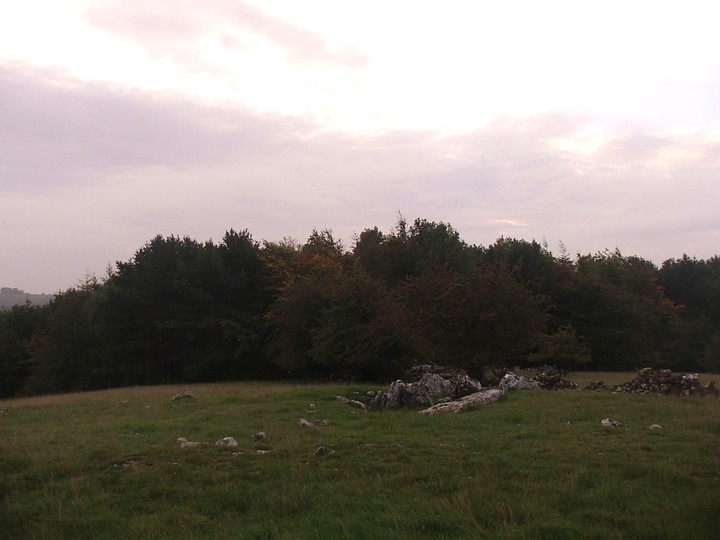
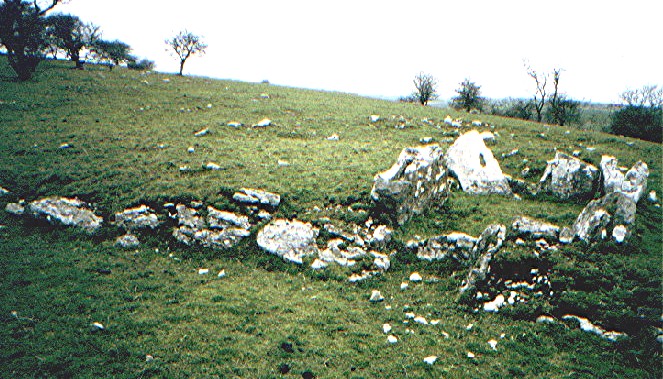
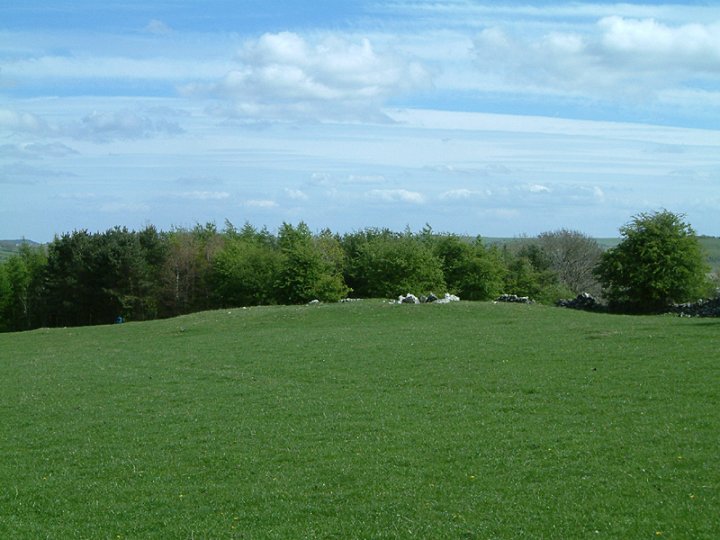
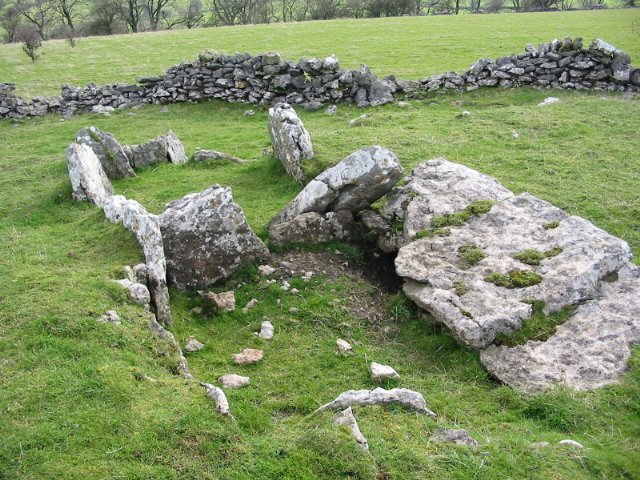
There is no where good and nearby to park, I all but dumped it in the driveway to the hideous quarry to the northeast on the A5012. I havent been here since before my digital changeover, but because I cant be bothered scanning old pictures I havent posted to a lot of places I have been to. An equinox was all I needed to get me back here, there is no special alignments to any significant sunrise, closest is the winter solstice but even thats way off, perhaps its aligned on a pointy hilltop, but I wouldnt swear to it. My lower extremities were soaked by the time I got to the chamber, flippin slug infested dewy grass, but a good postie shrugs off such things. I even wandered to the top of the hill to check out the small barrow, it wasnt impressive, but it did have a direct line to Minning low, as do so many places in the southern Peak. The sunrise only just peaked through a smidgen, a tiny gap at the bottom of a huge bank of cloud was all there was to let me know it was occuring right now, though predictably the rest of the sky was ok. The D shaped mound faces just east of south, the passage is almost the same as the chamber, so much so that it looks to have no passage just a fore and aft chamber. The chamber has a big flat stone as one of its side stones, but I wondered whether it was actually a capstone or part of one, to get a better look I poked the camera through a hole and photographed the underneath to see if there was other stones that it rested on or if it is just the big one, I came to no conclusions, if anyone else can say let us know. |
 Posted by postman
24th September 2011ce |
|
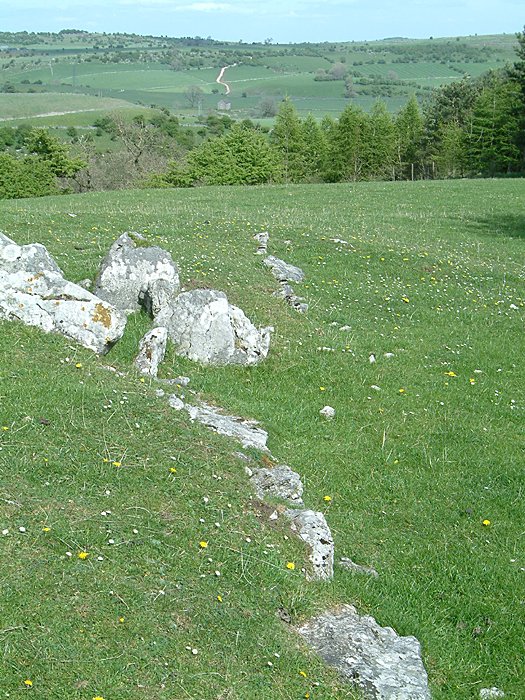
Exposed passage and chamber of one of the 'Peak' passage graves. The passage and the grave are both the same width, a curled horned forecourt is still visible( just ). The site is thought to have been robbed since the Romans arrived. Green Low is on private ground, 50yds away from the footpath. Great views...except the quarry. |
 Posted by stubob
23rd March 2002ce Edited 12th December 2002ce |
Miscellaneous |
Add miscellaneous |
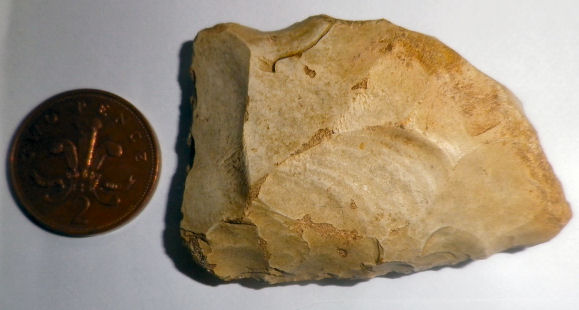
| The passage of the chamber is unmistakenly aligned to Harboro' Rocks a short distance away....I have a hair brained theory that the builders of the mound were acknowledging a local historically important place....the Rocks are the site of another Neolithic chambered burial but the finds made around them, like the Hopton handaxe, takes Harboro' back in human history to the Paleolithic. |
Posted by stubob 25th October 2012ce |
 Top of page