|
 Log in |
Register Log in |
Register
|

|
|

Oakley DownBarrow / Cairn Cemetery
|
||||||||||||||||||||||||


 0 discussions


 Show map (inline Google Map)
|
|
|
Images (click to view fullsize) |
 Add an image Add an image |
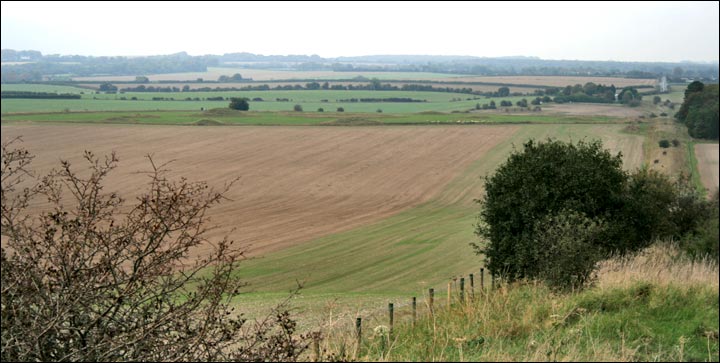
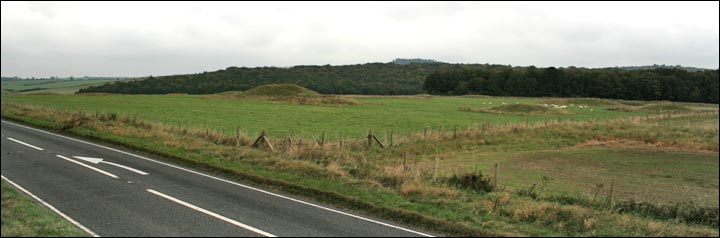
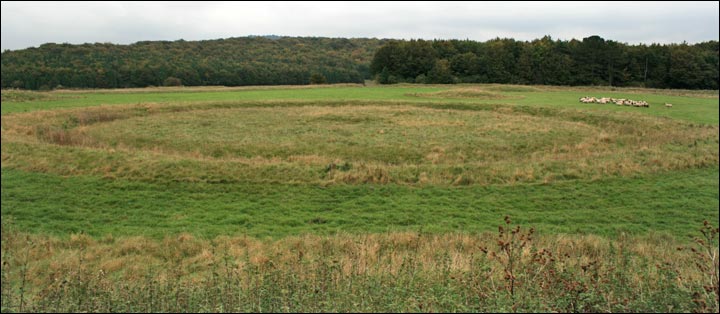
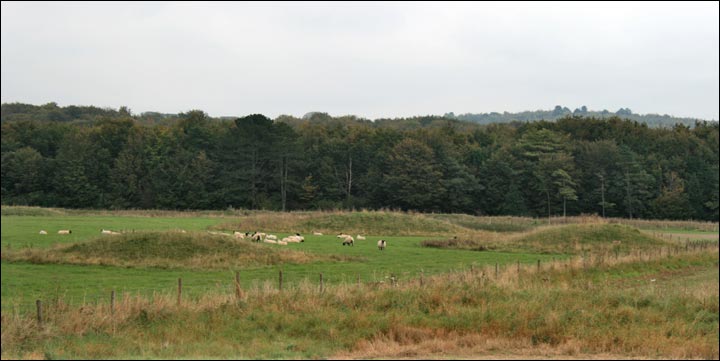
|
Fieldnotes |
Add fieldnotes |
|
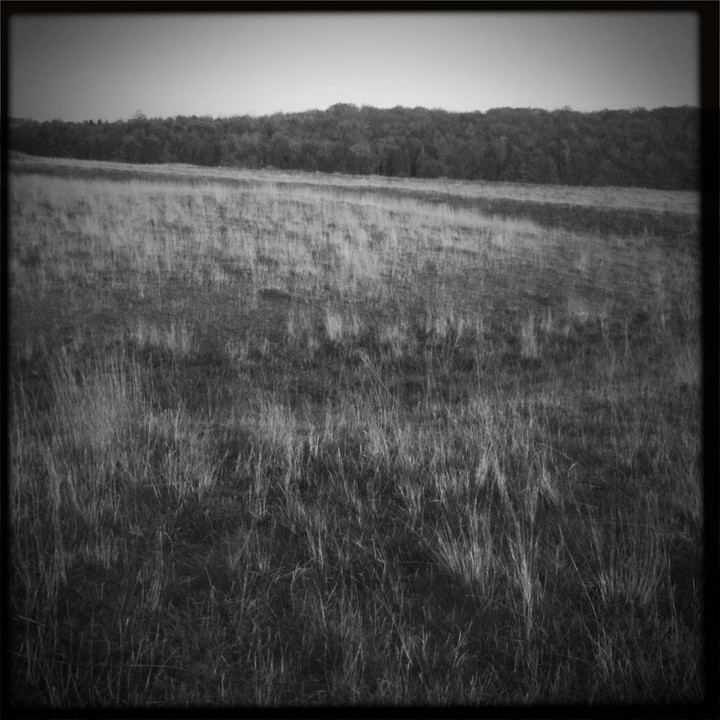
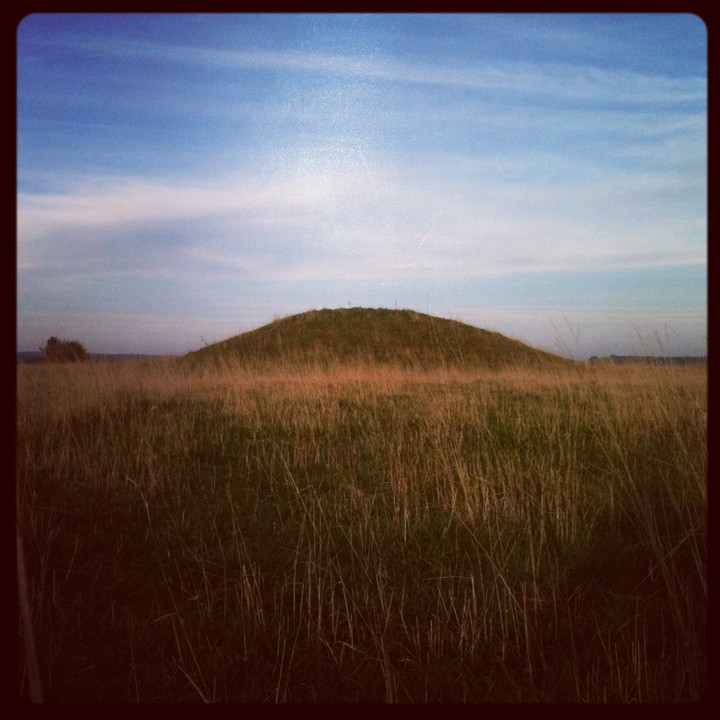
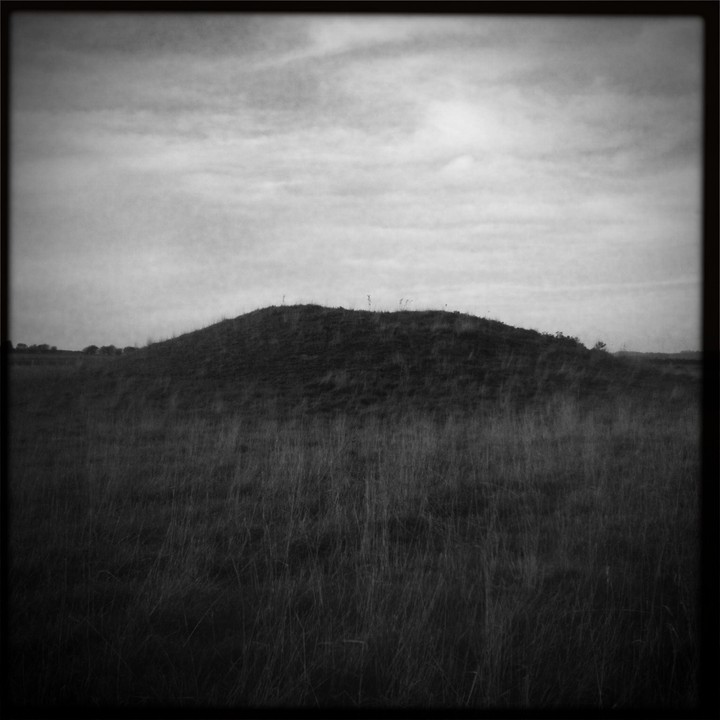
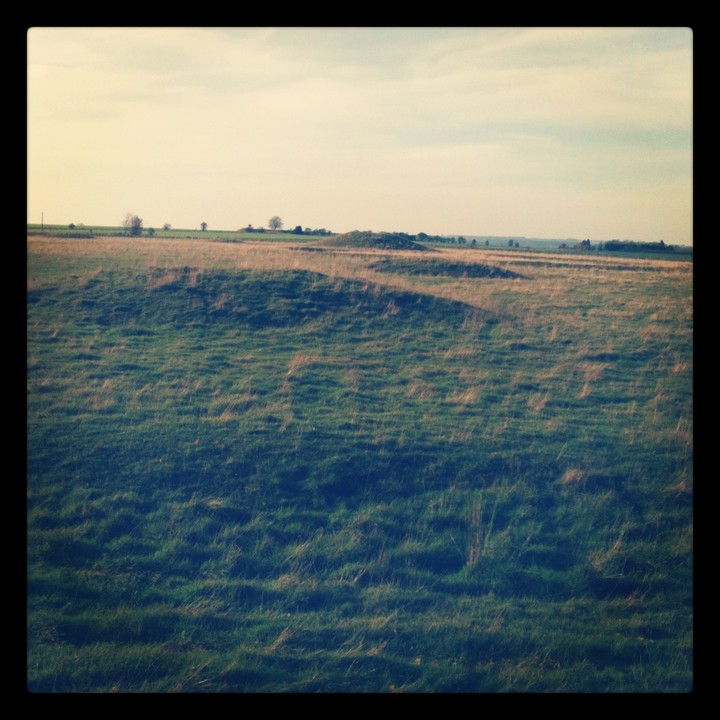
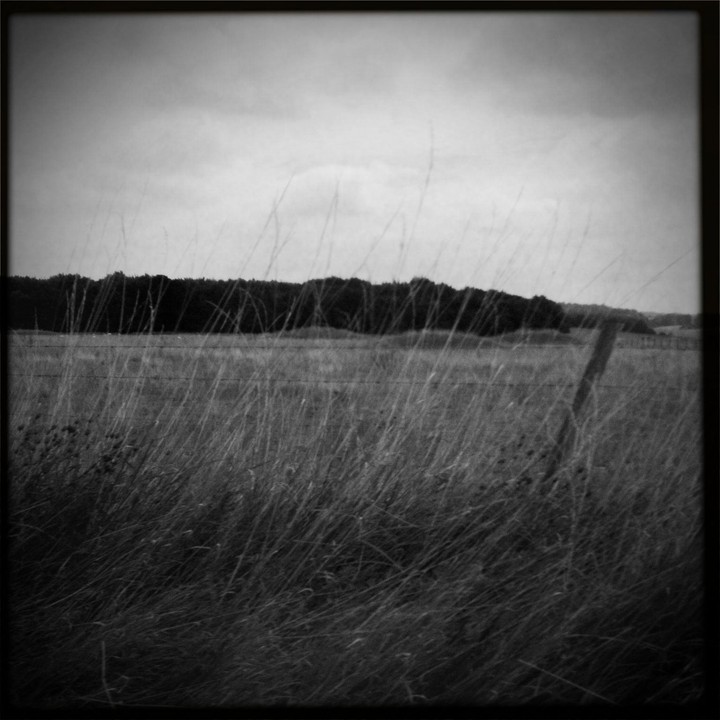
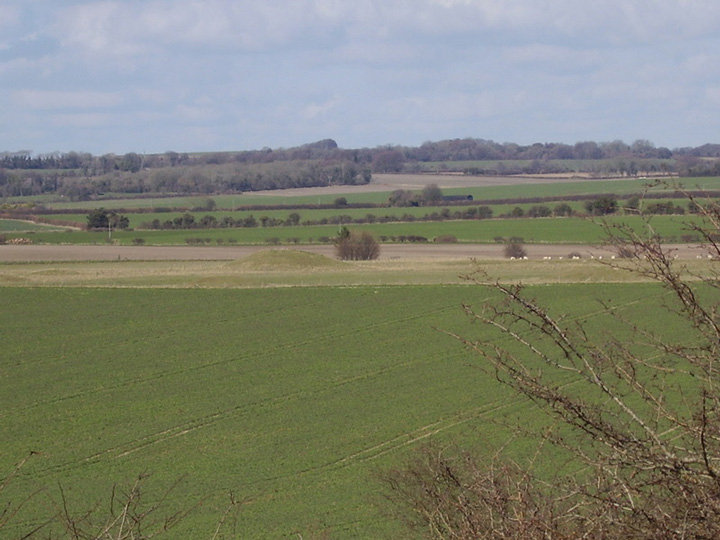
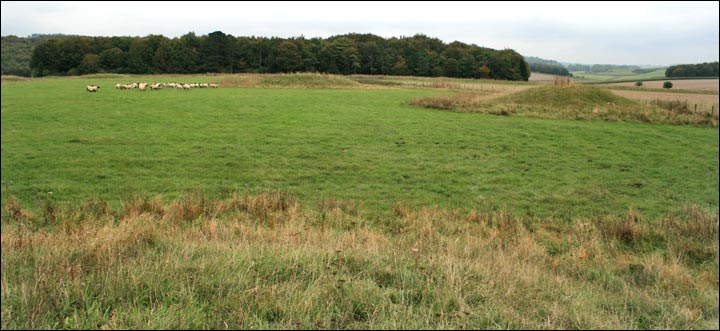
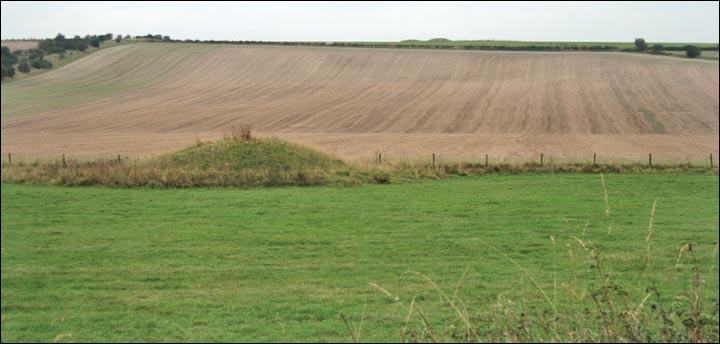
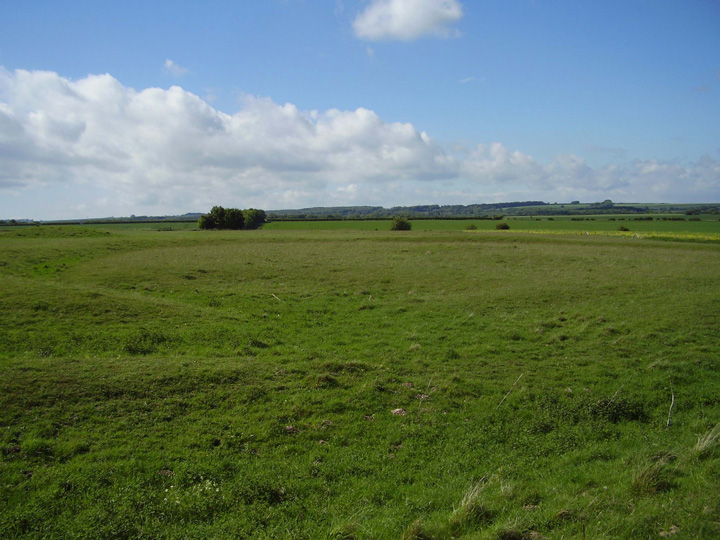
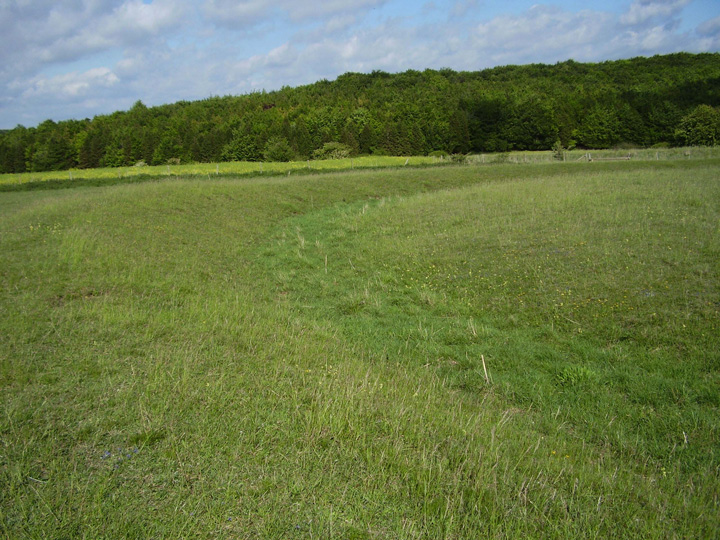
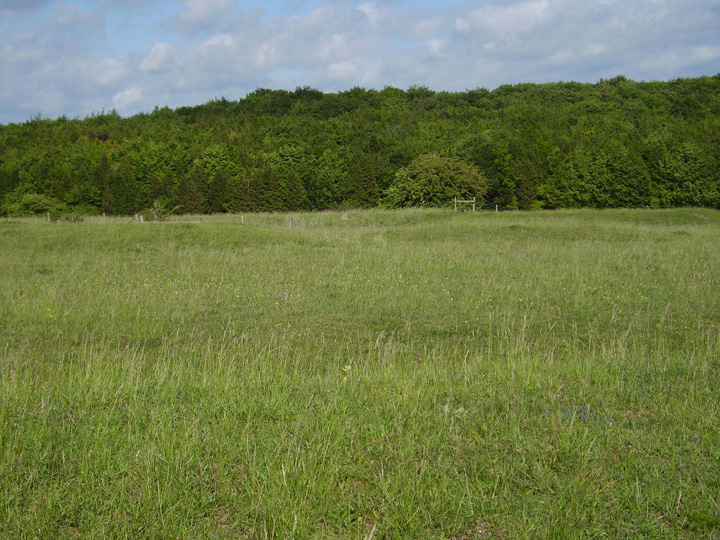
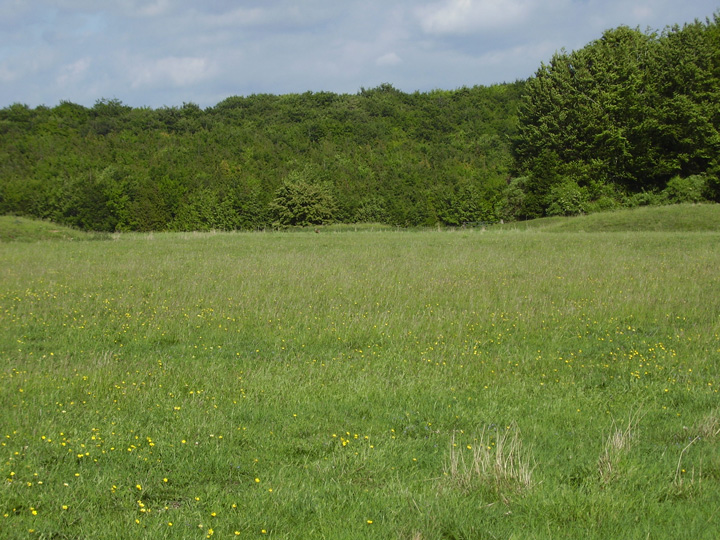
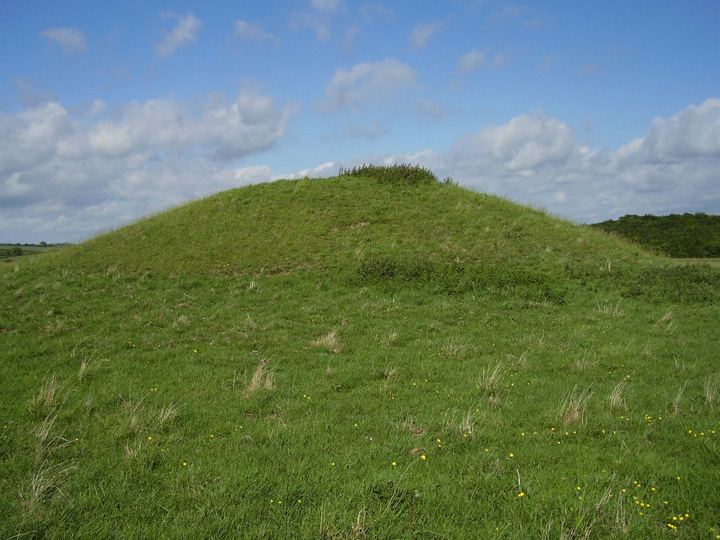
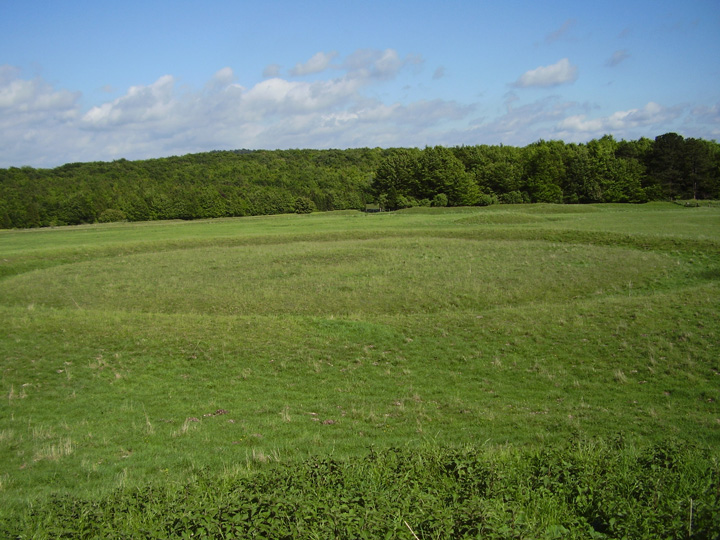
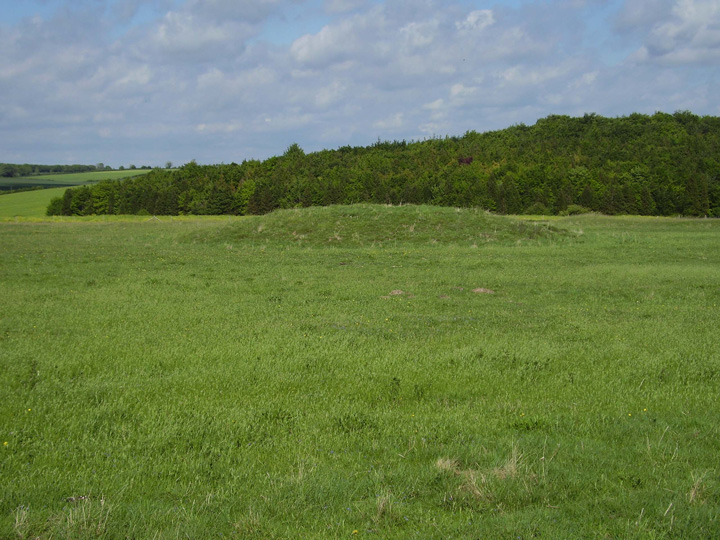
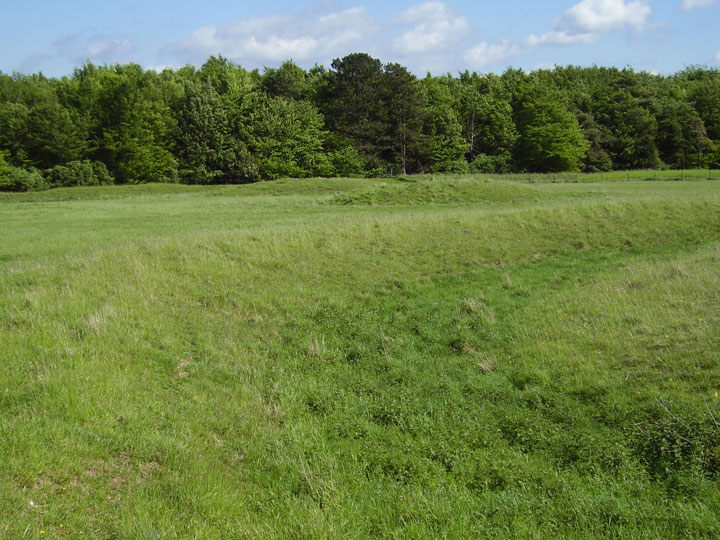
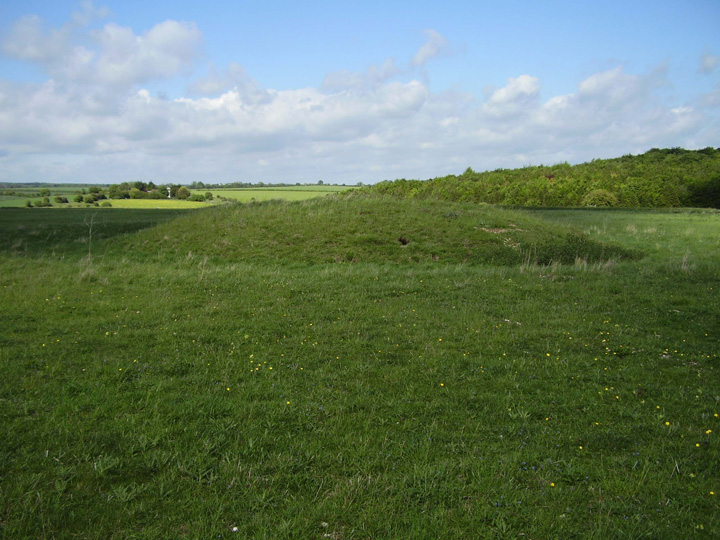
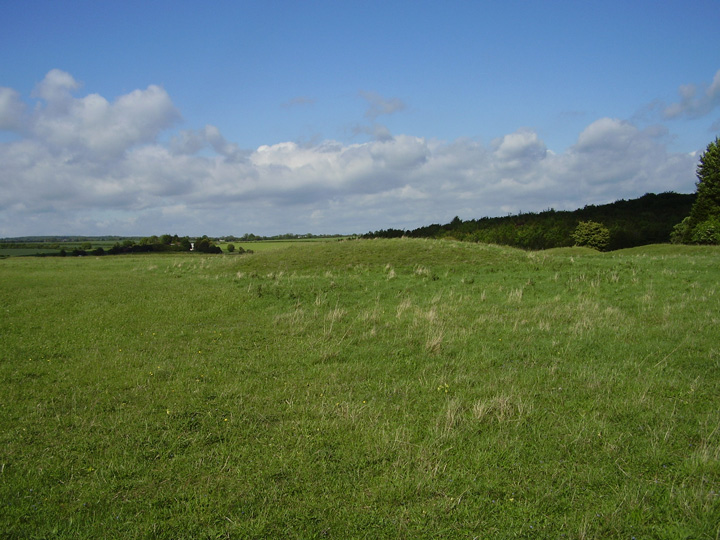
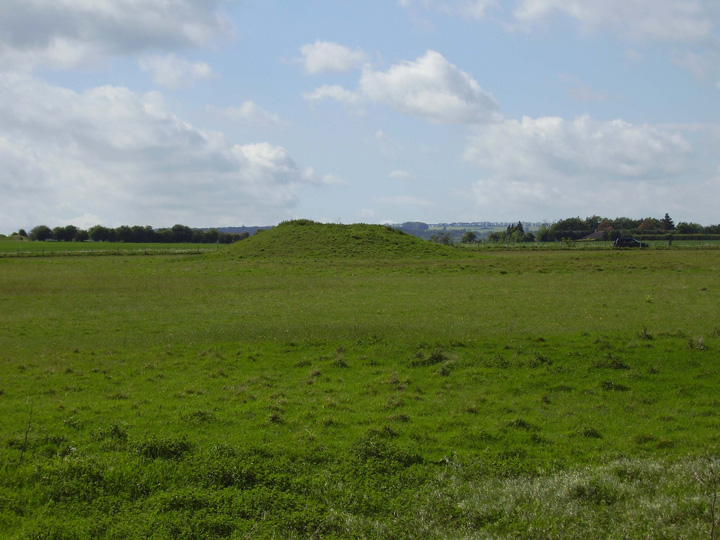
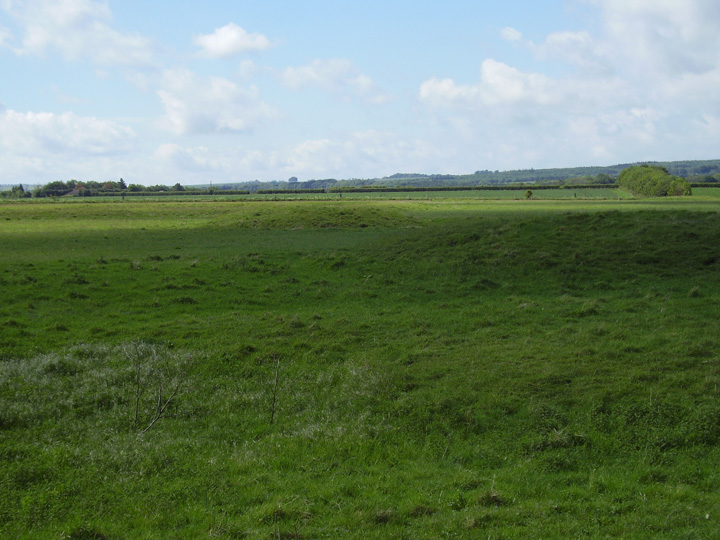
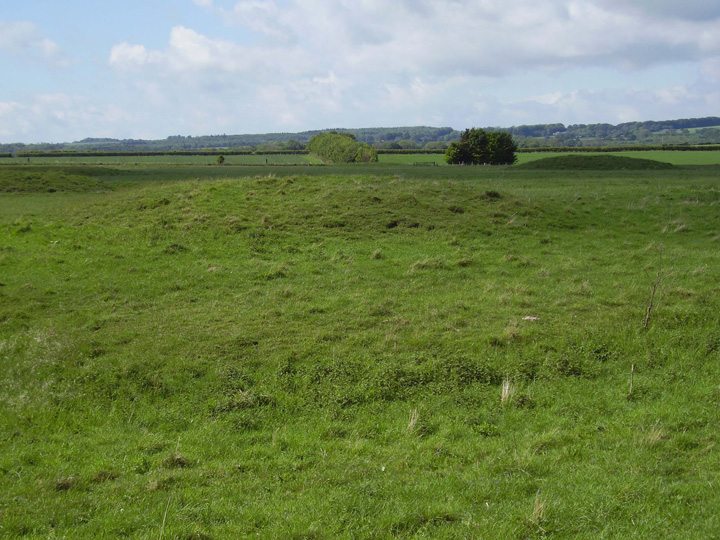
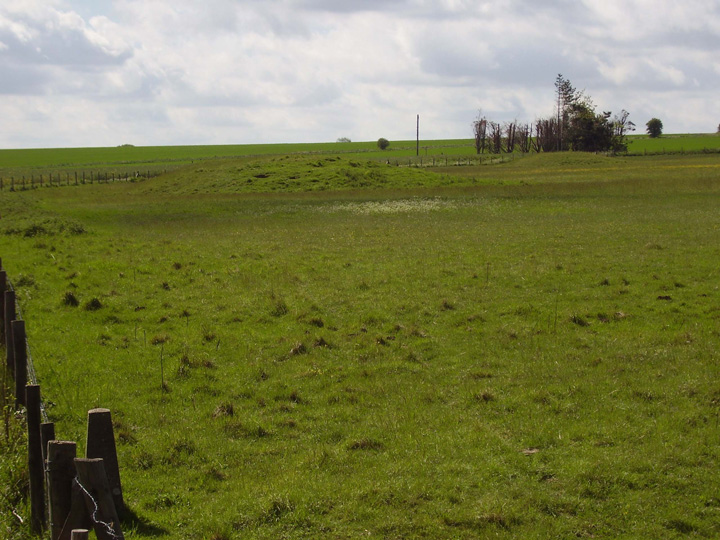
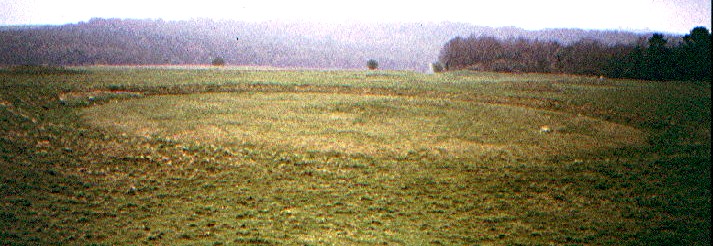
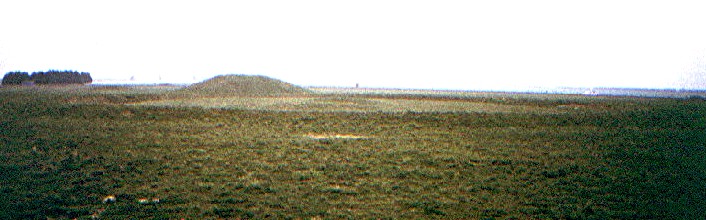
Another visit to this place, this time minus the sheep, so I felt it was o.k. to walk on it. The large bell barrow at first dominates the site, it has a large cleft in it's top, and has clearly been excavated. The real stars of this cemetery are for me the four huge disc barrows (there are actually five, one is now obscured by a nearby wood), two of which must be two hundred feet or so across. The best view I had of the central, largest one was from the top of the big bell barrow. Only from this extra height can a shortarse like me get a full view of the size of this thing.It has two small mounds on it, one central and the other close to the eastern ditch. The outer bank now stands about two feet high with the inner ditch being about twice as deep. Just to see one of these close up is unusual in Dorset but there are four to see here, one of which has clearly had it's ditch cut through by the bank of the Ackling dyke. This is the rarest one as it is not round, but oval in shape , it also has twin mounds. The romans were obviously no respecters of ancient burial sites. A smaller example, perhaps seventy five feet across, has three small mounds within the banks. Another of the more normal looking bowl barrows has a two foot deep ditch surrounding it very close to it's base, this again is fairly unusual in these parts , as most have had the plough too close to them or it's silted up. Something must be said about pond barrows here, as there were three I could see, although at this time of year the long grass makes them hard to spot. They may well be the oldest burials on this ground, but are probably the most overlooked features in any landscape. The added bonus to being on this site today, with nobody else about, were the half dozen or so hares I saw running about the place. Normally with dog walkers about , these shy creatures have long since legged it. Unlike rabbits these non burrowing native animals don't knacker these old places by digging great big holes in them , the normans have a lot to answer for. This must be one of the best preserved, most varied barrow fields in Dorset, it's only rival for different types, is the Winterbourne Poor Lot on the south Dorset ridgeway. |
 Posted by formicaant
17th May 2007ce Edited 18th May 2007ce |

| This is a great and varied barrow cemetery , having most of the known types included in it .The Ackling dyke roman road runs right through it , indeed it cuts part of the oval ditch of a twin disc barrow off. It looks to me that this may have been a deliberate show of military power on the part of the romans , as a few yards movement could easily have avoided this. Most of the barrows on this site have been excavated , thankfully in a reasonably sympathetic way, it wasn't done by the local vicar with a shovel .Burials of different types were found within the mounds along with grave goods. |
Posted by formicaant 15th April 2007ce Edited 18th May 2007ce |
|
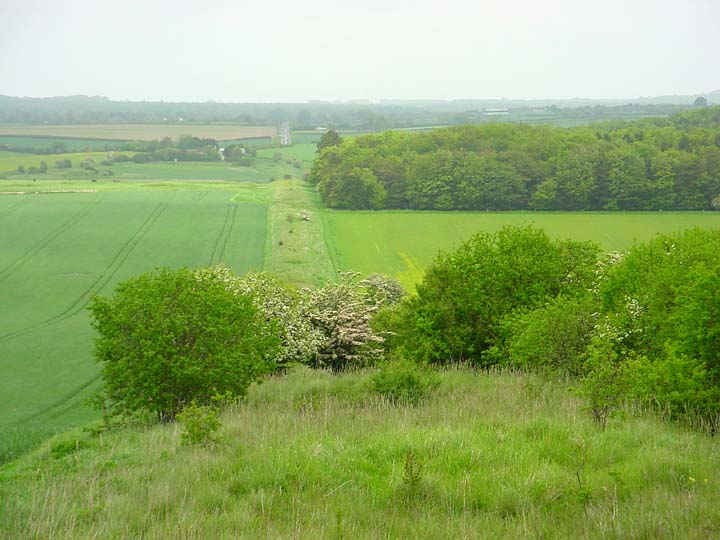
Ackling Dyke: Although not in itself "megalithic" , being of definite roman origin , this place is surrounded with ancient sites. Everywhere you look there are barrows , including the very impressive Oakley down barrow cemetery which has examples of just about every type of barrow known. It's siting by the romans appears, at least to me to be a deliberate show of military strength , passing through a major cemetery and close to the great Dorset cursus as it does. |
Posted by formicaant 15th April 2007ce Edited 22nd October 2007ce |
| A collection of about 20 round barrows with a variety of different types. |
 Posted by greywether
27th January 2004ce |
Folklore |
Add folklore |
Phantom CoachesFrom:The Folklore of Sixpenny Handley, Dorset, Part I Aubrey L. Parke Folklore, Vol. 74, No. 3. (Autumn, 1963), pp. 481-487. |
 Posted by Rhiannon
1st October 2006ce |

I have not recorded in the body of the text the story that the Rev. A.R.T. Bruce was chased off Oakley Down by a ghostly warrior because, when I asked him if this adventure had indeed occurred, he denied it, albeit regretfully.I think he's slightly missing the point. Whoever said folklore had to be factual?! From: The Folklore of Sixpenny Handley, Dorset, Part I Aubrey L. Parke Folklore, Vol. 74, No. 3. (Autumn, 1963), pp. 481-487. |
Posted by Rhiannon 1st October 2006ce Edited 1st October 2006ce |
Miscellaneous |
Add miscellaneous |
|
Details of Oakley Down Group on Pastscape A group of over 30 barrows on the eastern side of Oakley Down. Most are located within the angle created by the Ackling Dyke Roman road and the modern road (A354). Most of the barrows are bowl barrows, although some disc barrows are also present, as are some mounds which are probably not barrows at all. The barrows occupy two spurs which slope gently towards a dry valley to the east, though their location may be in part due to the presence of the Neolithic long barrow Wor Barrow (SU 01 NW 14), visible on higher ground to the west. Many of the barrows were dug into early in the 19th century by Colt Hoare and Cunnington, and it is possible to identify most of the mounds excavated by them. Some of the finds from their investigations are in Devizes Museum, Wiltshire. All of the barrows in the group were previously described at length as part of this record. In order to simplify matters, each has now been recorded separately (see child monuments and associated monuments), while this record refers to the barrow cemetery as a whole and contains some additional sources and information relevant to the group as a whole. |
 Posted by Chance
4th April 2016ce |

|
‘Drive by’ 13.10.14 Several of the barrows making up this cemetery can be seen when driving along the very busy A354. Parking would be a problem if opting for a closer look. |
Posted by CARL 17th October 2014ce |
An earlyish mention of the area, in volume 1 of William Maton's extremely long titled "Observations relative chiefly to the natural history, picturesque scenery, and antiquities of the western counties of England, made in the years 1794 and 1796." It's interesting to see Formicaant making some similar observations 200+ years later. About a mile and a half from Woodyates' Inn, we observed several tumuli, or barrows, some of which are extremely large. There are also four circular trenches, each about sixty feet in diameter, and having a sort of hillock in the centre, that appears to be depressed or sunk in the middle. It is probable that these last were used in the performance of some religious or funereal rites, and are coeval with the former; that they are as old as the British times, seems evident from the following circumstance: the Roman road reduces the size of one of them that lay in the line of its course, the bank being in one part incomplete. On the declivity of the hill to the left, there are vestiges of some extensive entrenchments, which afford reason for believing that this spot might once have been the scene of an important battle. |
Posted by Rhiannon 9th August 2013ce Edited 9th August 2013ce |
 Top of page