|
 Log in |
Register Log in |
Register
|

|
|

Druid's AltarStone Circle
|


 Show map (inline Google Map)
|
|
|
Images (click to view fullsize) |
 Add an image Add an image |
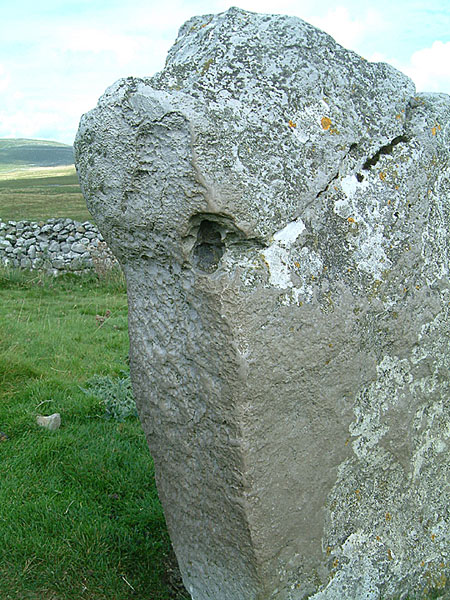
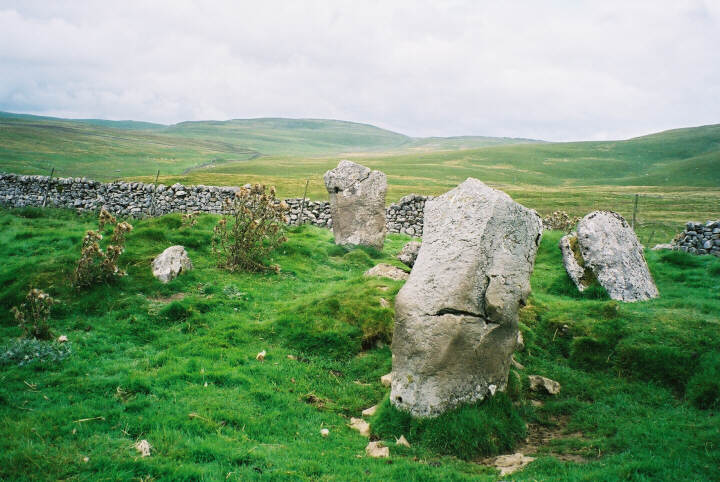
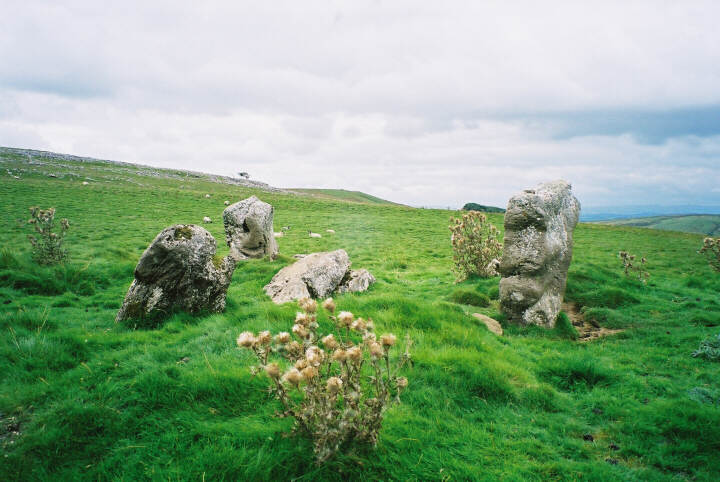
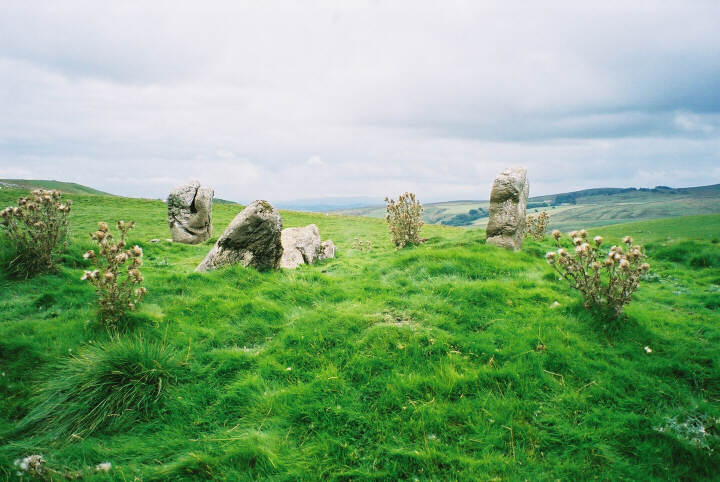
|
Fieldnotes |
Add fieldnotes |
|
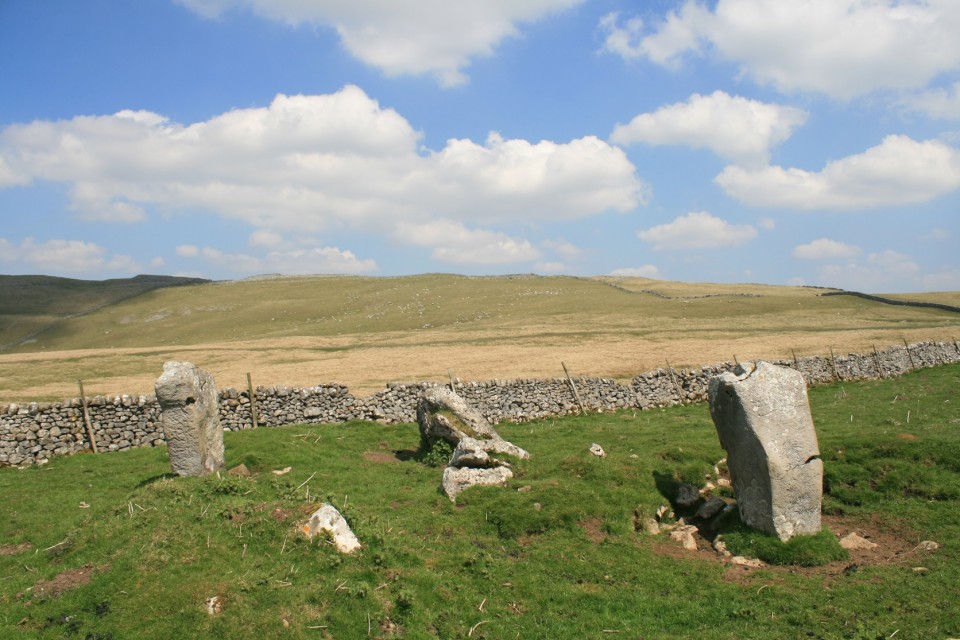
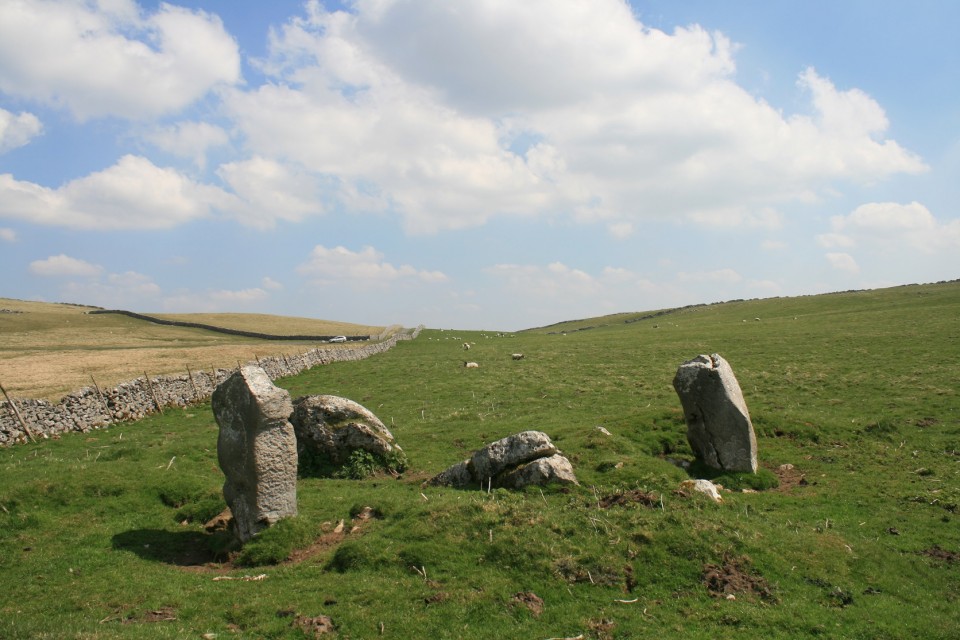
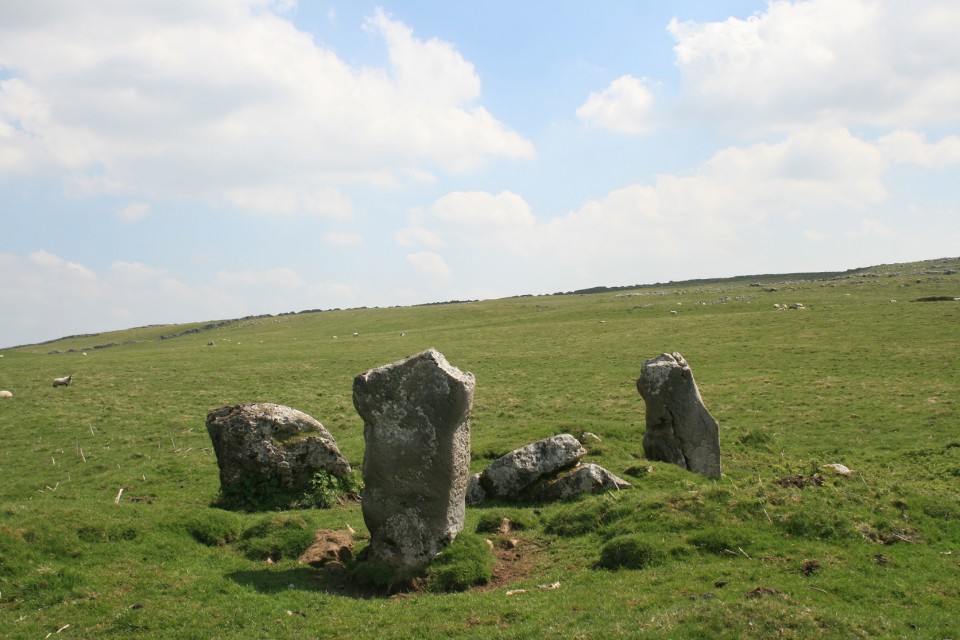
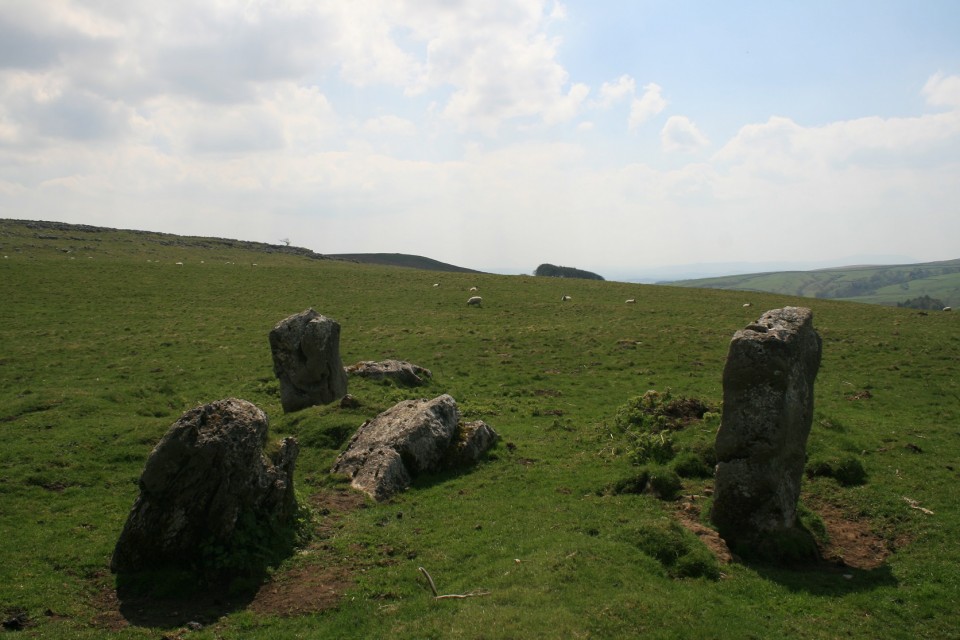
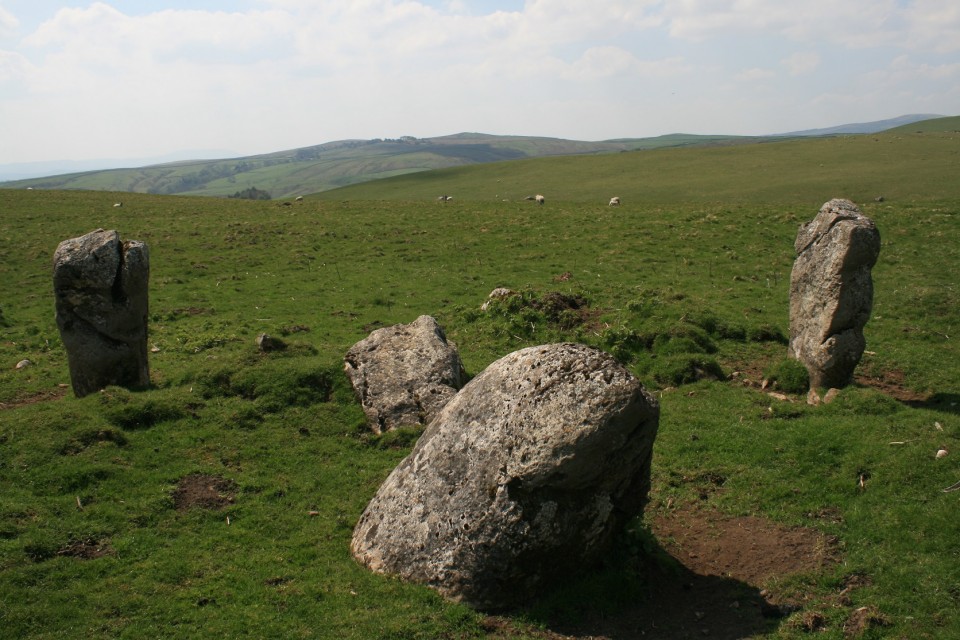
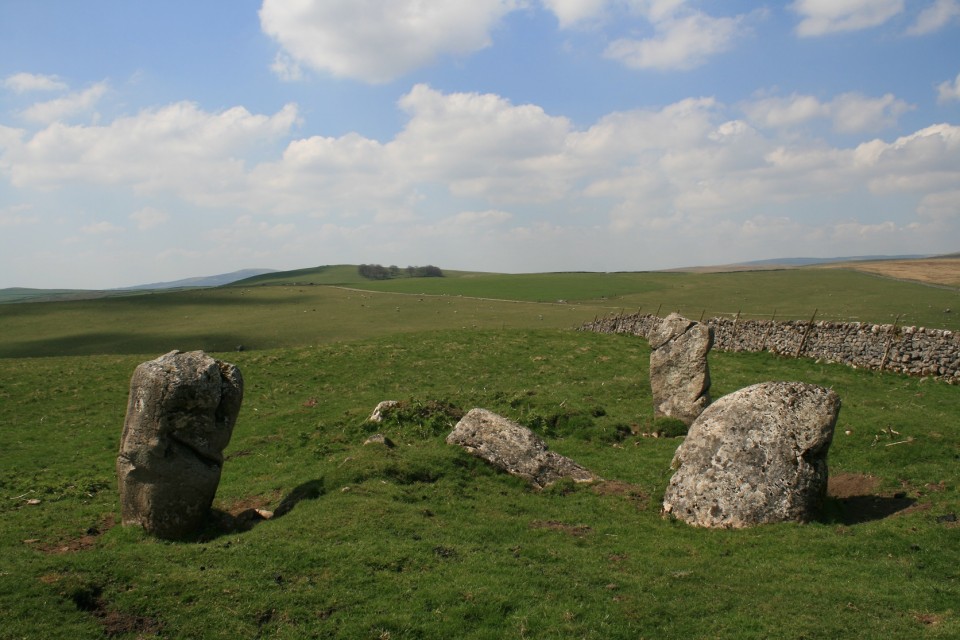
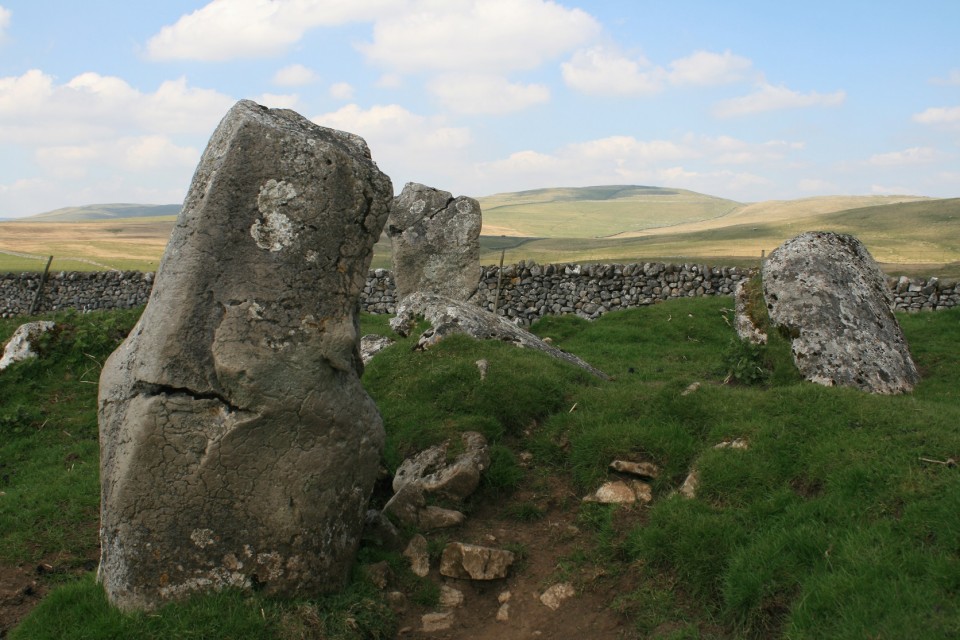
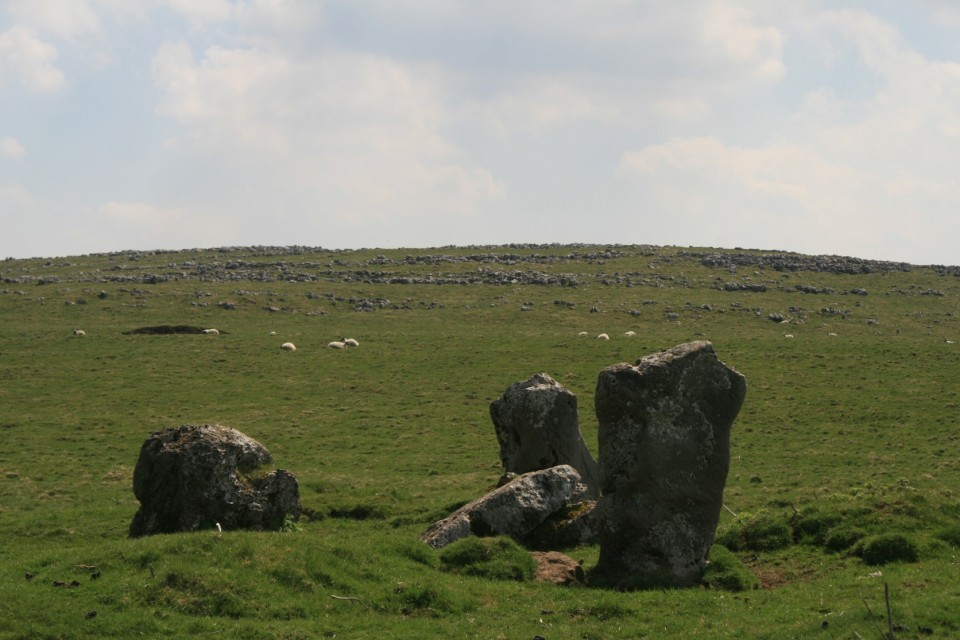
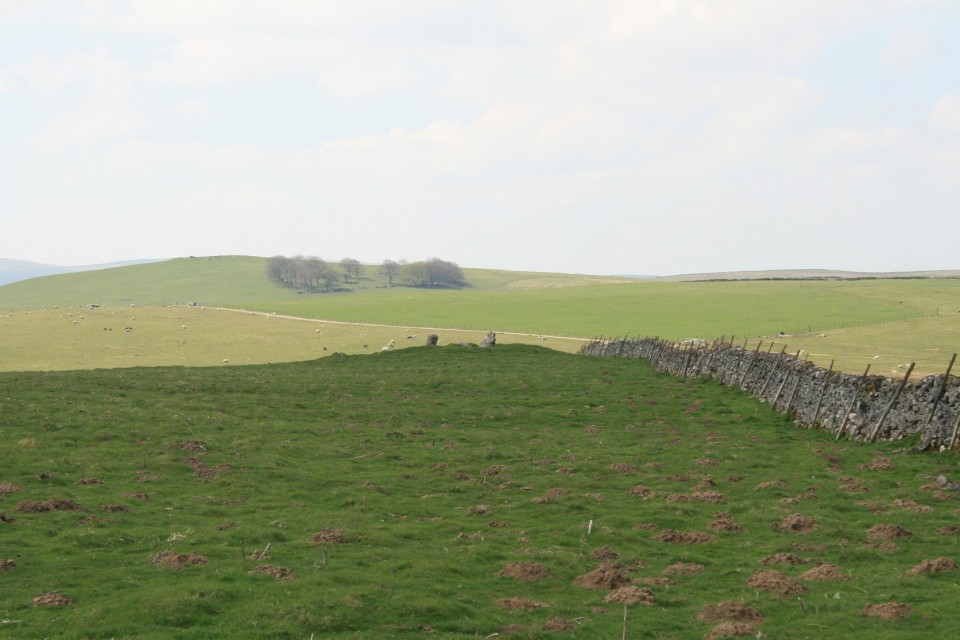
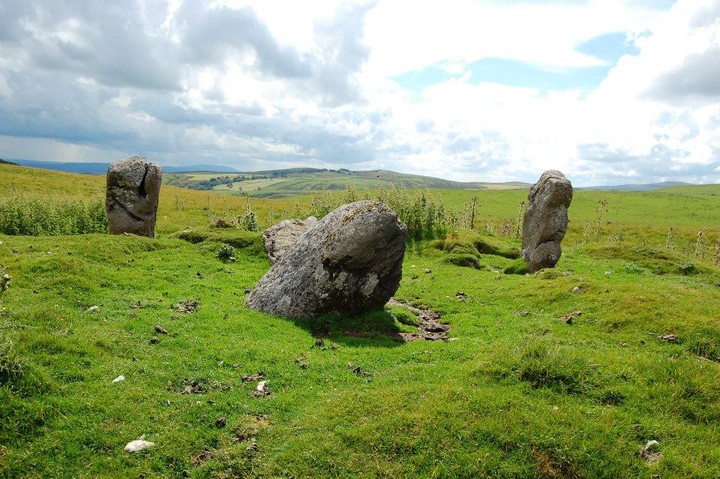
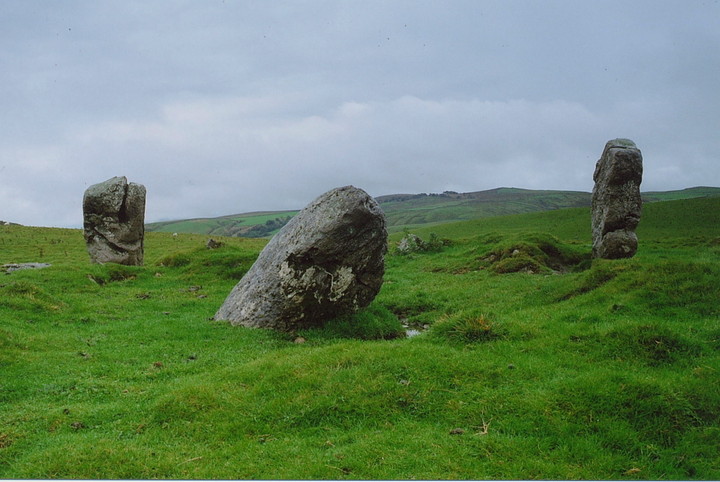
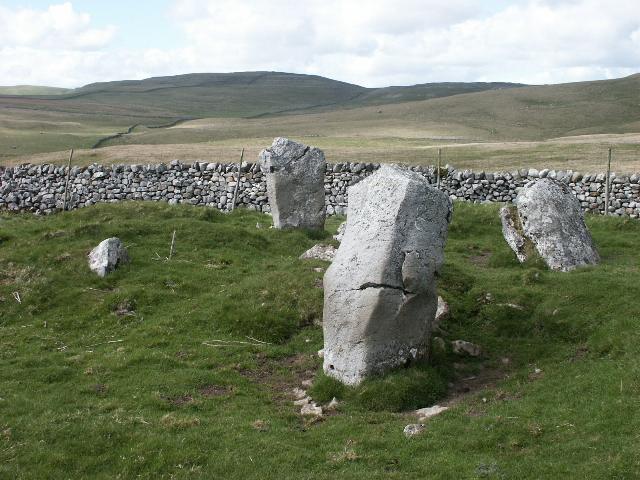
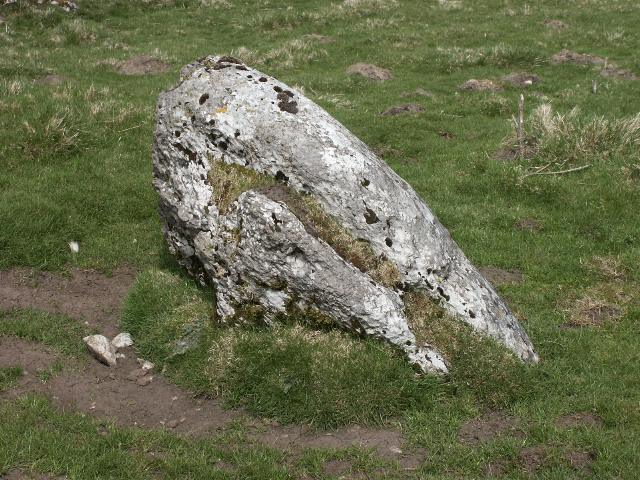
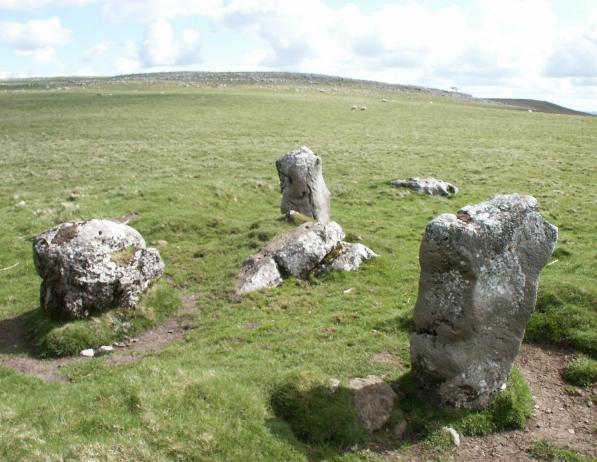
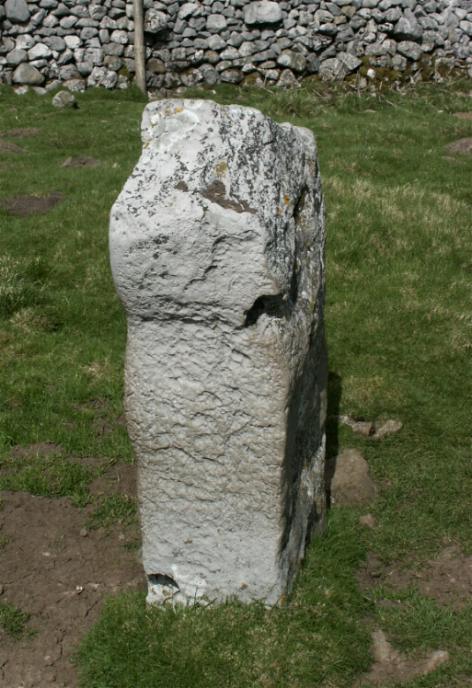
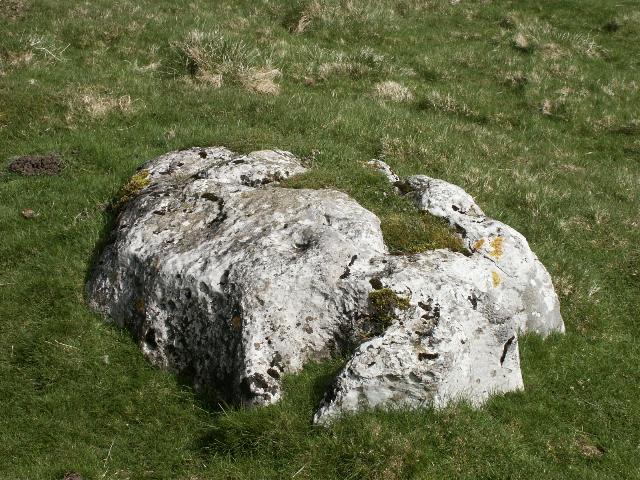
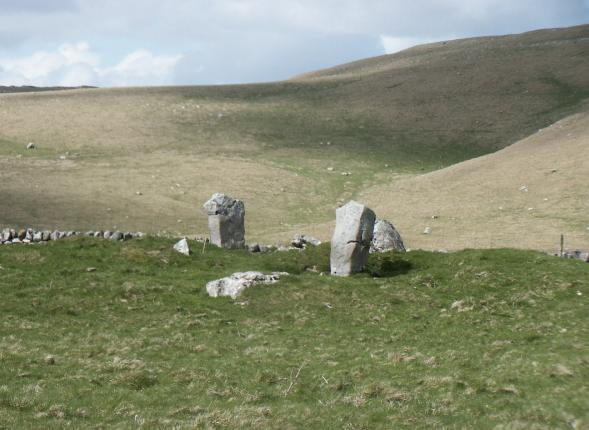
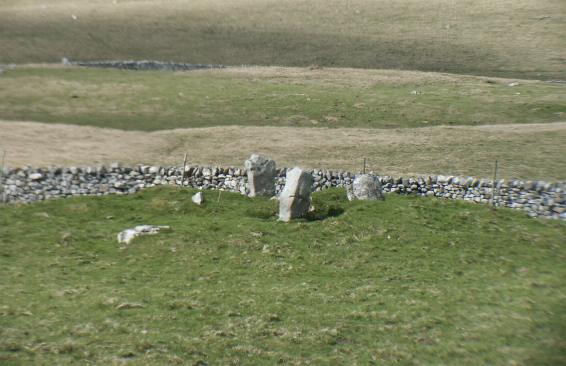
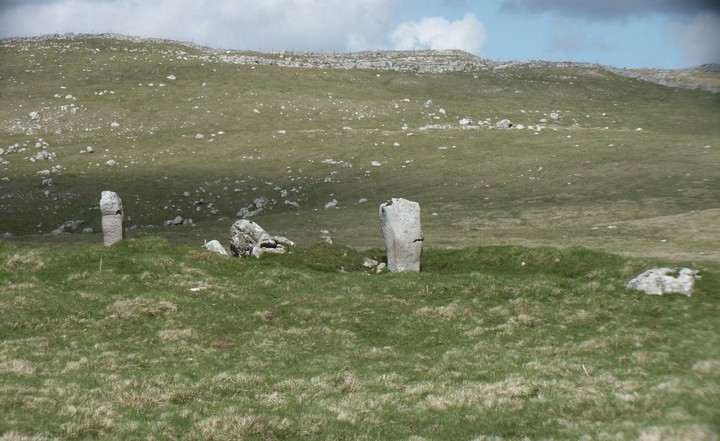
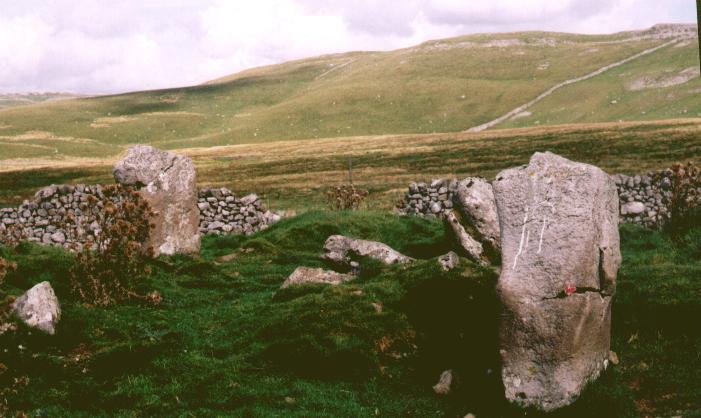
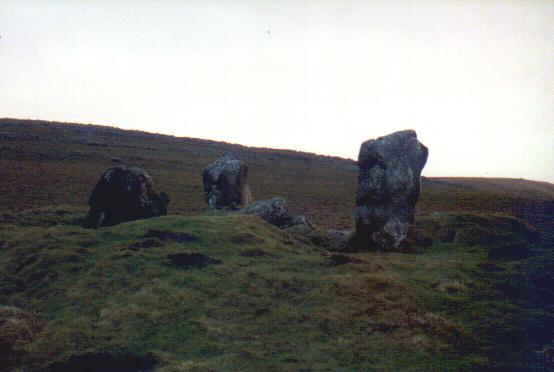
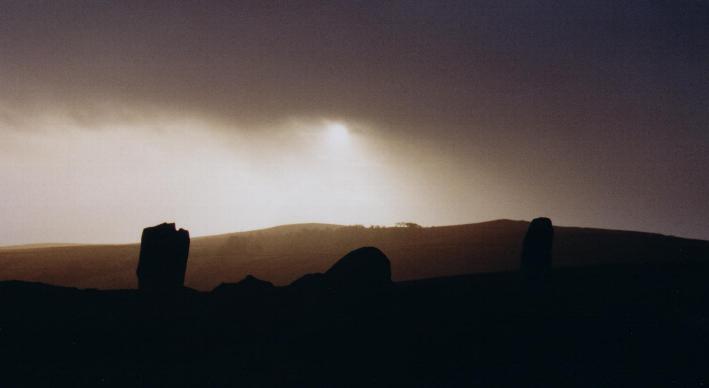
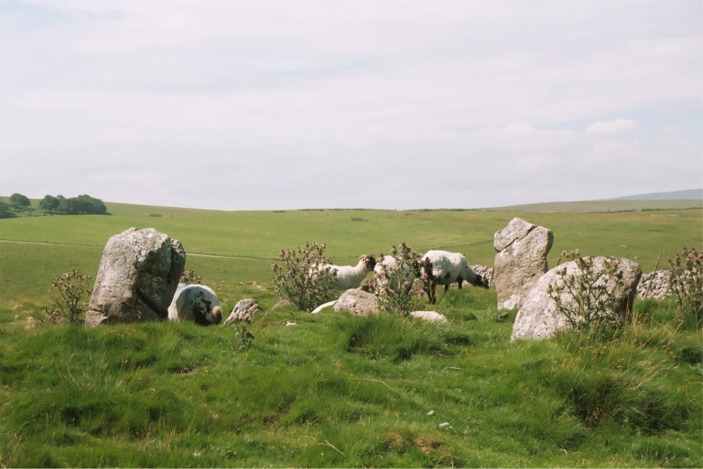
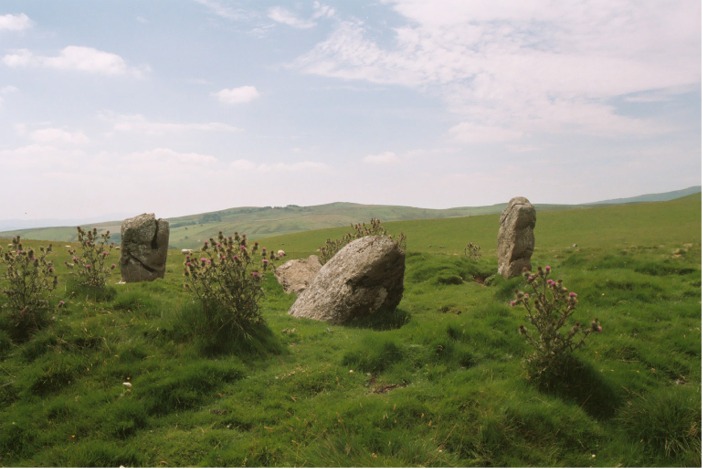
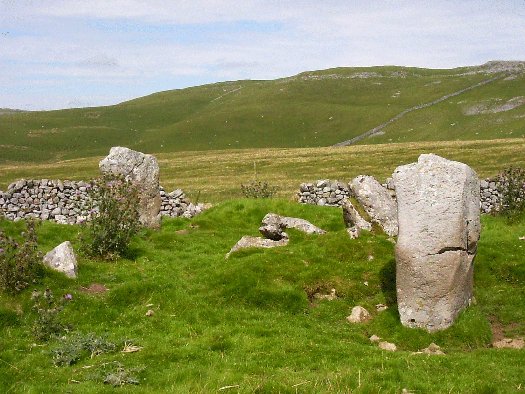
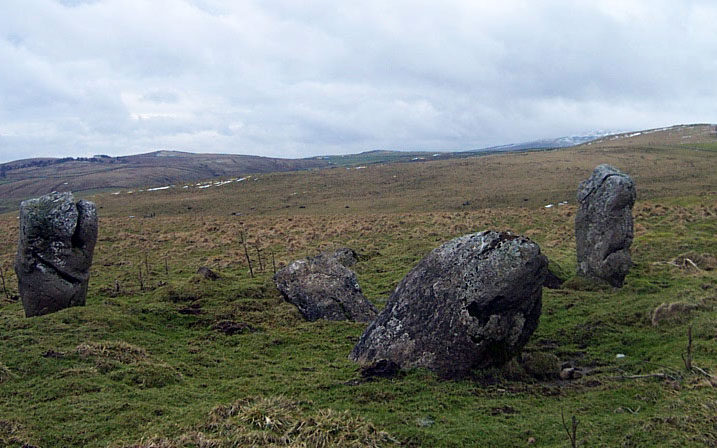
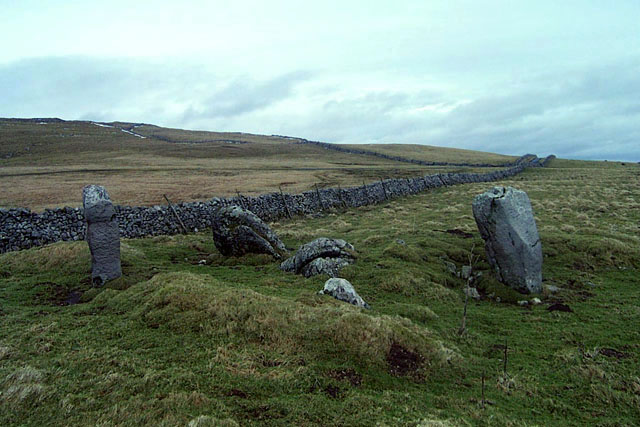
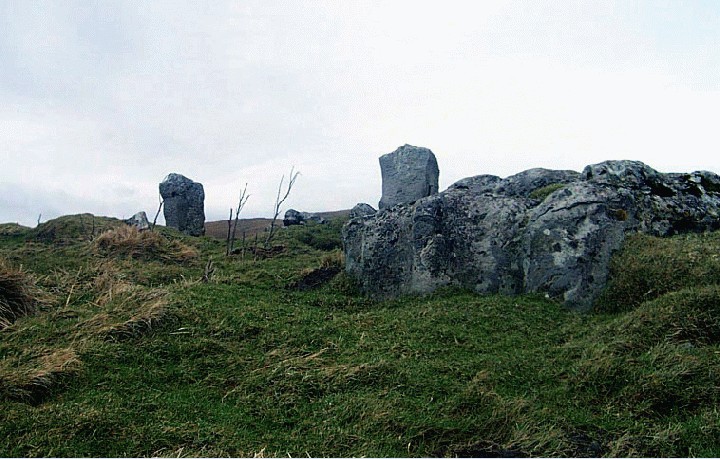
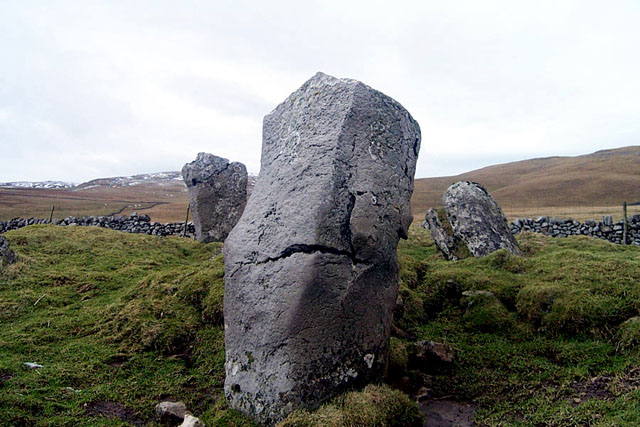
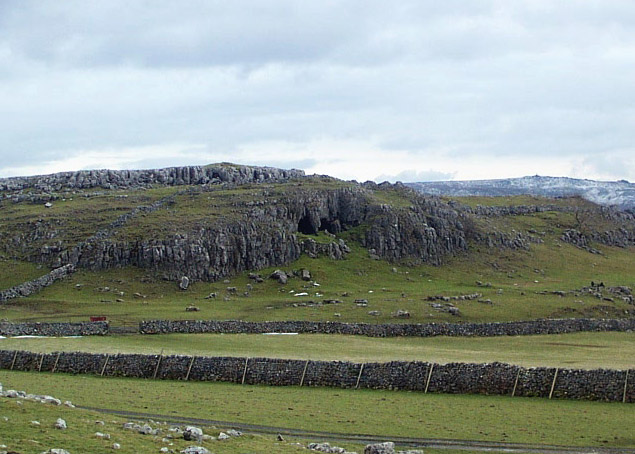
It's been about a million years since I was last here, pre digital, pre children, pre lots of things. Because I've got no pictures on my computer and because I'm apparently into four posters that have a cairn, I decided that the new cars first outing would be to take me back there. Only this time with a digital camera and a child, don't worry it's one of mine. Moths directions are fairly spot on, don't waste time parking miles away and walking in drive right up to the point you see the stones on the left side of the wall, park by cattle grid and right hand bend. See picture. No field notes for fourteen years? BrigantesNation recognised that it's a four poster, but not a stone circle, talk about contradictions. Far away in North Wales I've championed a hugely unknown site called Hafodygors Wen, I think it is what it looks like but am unable to prove it, so I've taken to seeing as many actual accepted four posters as I can, for comparison like. This one compares quite well. Stupidly, we started the walk towards the stones on the wrong side of the wall, at the stones there is no gate only a wall and wire fence, we crept through at a place where the wall is tumbling slightly. In hind sight, we should have gone back down the road away from the stones, opened the gate, and walked unhindered straight to the stones. If I was here with a certain other TMA'er we probably would have gone up the hill first to inspect the settlement remains, hut circles and stuff. But my daughter is not very outdoorsy so I don't push my luck. It's quite a large cairn, maybe a meter high, like untold thousands of others all over Britain, only this one has a stone circle in it. Ooh's and aah's indeed. Four posters are sometimes in a cairn, whether the cairn and the stones were done at the same time has yet to be revealed to me, for some four posters don't seem to have any cairn at all, the Goat stones for instance. One of the stones has gone, or migrated slightly, there is a very suspect stone right in the middle of the circle, and another just a few yards away towards the hill. Or, perhaps one of these stones is the stone that made up the trilithon, mentioned by Burl several times in his books, he's doubtful of this assertion and we should be too, because it's undoubtedly a load of old boules. We sat around for a bit drinking in the sunshine, it's been a long time coming, having a butty, also a long time coming, then the sun went in and I pointed out to Phil that because the suns now gone in we are just sitting round in a field. She agreed. The views aren't bad, for Yorkshire, some nice limestone paving, and caves, but it's all too barren for me. I do like a nice tree, they're alive you know. Then we ran into the dreaded Tour de Yorkshire, what a bunch of gobshites. |
 Posted by postman
7th May 2018ce Edited 7th May 2018ce |

| This site appears to be a four poster type grave site. It's not a stone circle as far as I can see, it sits within the remains of the collapsed burial mound. |
Posted by BrigantesNation 4th May 2004ce Edited 4th May 2004ce |
|
These lovely stones rise up in front of you as you come down the path towards them. As a four poster they're a bit jumbled up but the stones themselves are lovely and full of character. The site does not look down into a valley or plain, it lies in the shadow of the limestone scars of Malham Moor. Significantly the site may be on a trackway from Settle to Grassington. The site also appears to be on the most westerly margin of Wharfedale and its many enclosures, settlements and hut circles. |
 Posted by fitzcoraldo
9th September 2003ce |
|
Wednesday 20 August 2003 *Remember that the circle is marked as a cairn on both the Landranger and Explorer OS maps, but that such luminaries as Aubrey Burl regard it as a stone circle.* Just at the north end of Threshfield we took the small (initially residential) 'Skirethorns Lane' to the west from the B6160, signposted to Wood Nook caravan site. You can follow this lane well past the caravan site right onto the tops. It is increasingly narrow and in places steep, so take care! Park when you reach the first gate barring the lane – after perhaps as much as 3 miles. Or if you have time, park lower down and enjoy the walk! From the small area where you can park just before the gate across the lane, the circle is visible a few hundred yards away. It is just to the left of the wall that leads off directly west across the moor. The lane itself bears slightly right (north) away from the wall. The circle is probably fairly unimpressive on first sight, but really seems to grow in stature as you properly take it and its surroundings in. It's not just me either. Everyone I take there seems to feel the same, unprompted! The stones of the 'errant Scottish 4 poster' stand on a distinct embanked mound, probably around 2 feet above the surrounding field. As has been documented on this website, the SW stone is broken off and lies in the centre of the 'circle'. The stone at the SE has had the mound cleared from its base, but still stands solidly. Interestingly, the mound extends further out to the south east to reach a large stone that lies recumbent. Whether this stone was ever anything to do with the circle is unlikely. But the extension of the mound looks to either be the earth removed from the base of the SE stone, or to suggest that the embankment actually originally extended a good 10 feet or more from the circle stones, at least to the south. The weather was much cooler and the general atmosphere considerably 'wilder' than on my last visit with Jane. (See her fieldnotes). Still a fantastic spot though!!! The very openness of the land really shows how visible even such a diminutive circle would've been for some distance – especially if the drystone walls were absent! I'd forgotten but Burl relates that the name comes from the legend that 2 of the stones once had a lintel stone, making them form a tiny trilithon. It seems highly unlikely, but is a nice thought to bear in mind when looking at the stones! This post appears as part of the weblog entry More Moth meanderings (starring the Squid family)
|
 Posted by Moth
29th August 2003ce Edited 29th August 2003ce |
|
A tortuous lane through bleak rolling moors pitted with white limestone scattered here and there lead us as close as we could drive (I'm not a walker) to this curious little stone .... circle? To call it a stone circle is stretching ths imagination, but it's not a cairn, as suggested by the map, but a four poster, of a type more commonly viewed in Scotland. One of the uprights has cracked off and fallen inwards. You can see that it was originally built on a little mound. I had been warned that is was mightily underwhelming, but the peace and clarity of the atmosphere here, coupled with completely silent solitude and tear-jerking views makes up for it's damaged state. This is a corker. This post appears as part of the weblog entry Fluttering round the (high)lights of Yorks with Moth
|
 Posted by Jane
4th August 2003ce Edited 9th August 2003ce |
| Situated on the edge of the great Malham limestone plateau, this site is a strange one. This 'four-poster' is probably best left to the purist. If you are bringing a vehicle, the best thing to do is leave it at the bottom of the steep bit on the single track lane, then walk the mile or so up to the site (it's not the easiest road in the world!) On the way, one of the highlights is the cave above the farm buildings on the left, looking like an imposing skull shaped castle it fair gets the mythical juices flowing. The stones themselves are initially disappointing. Persevere, there is a lot of character in these stones, from one angle they really do grab you (they did me anyhow!) As with the other sites around this area the views are fantastic. |
 Posted by IronMan
4th March 2002ce Edited 1st October 2006ce |
Links |
Add a link |
Megalithic WalksImages and description of the site. |
Posted by IronMan 26th February 2002ce Edited 30th July 2003ce |
 Top of page