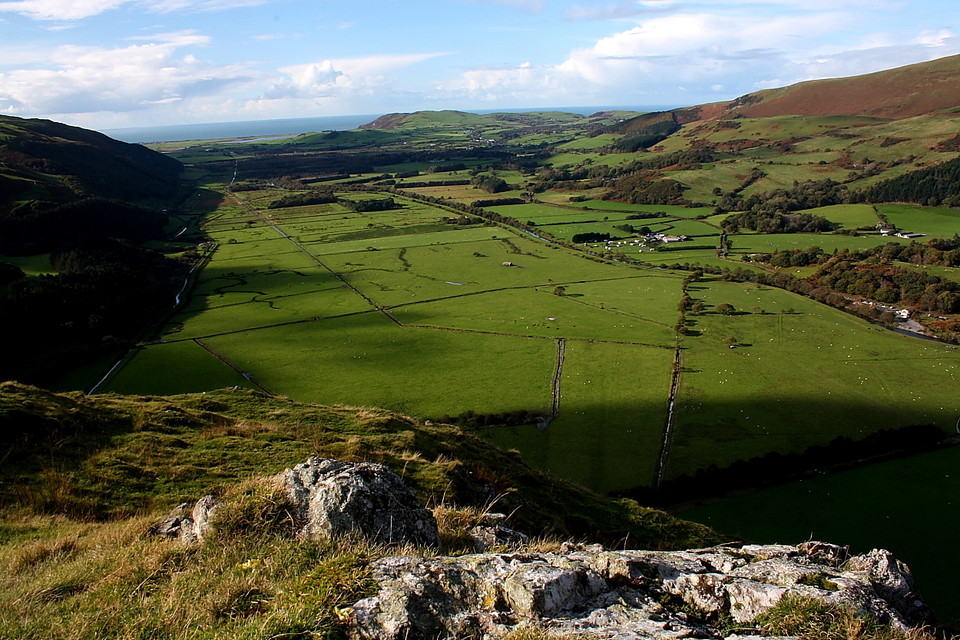
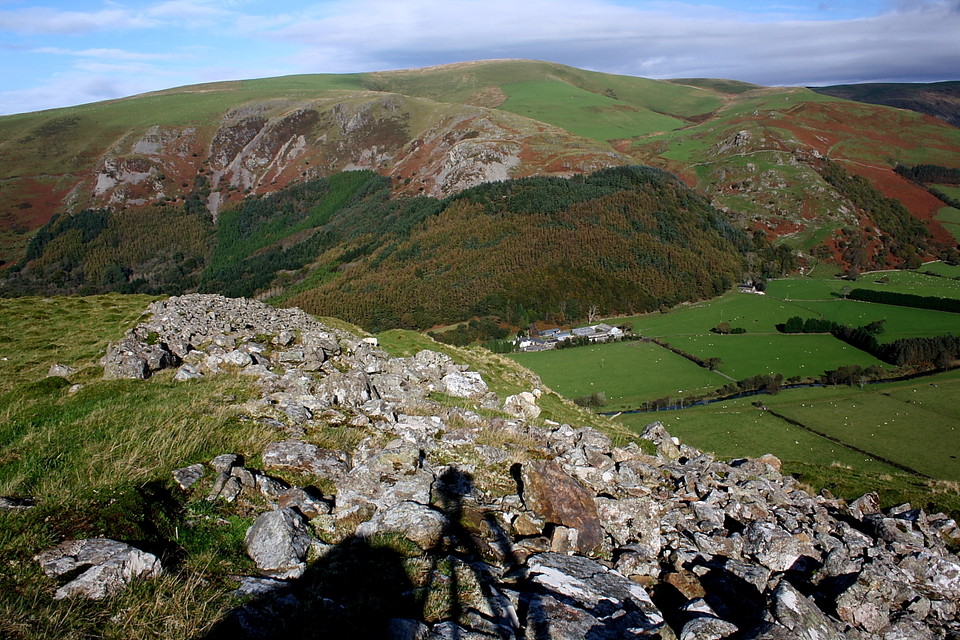
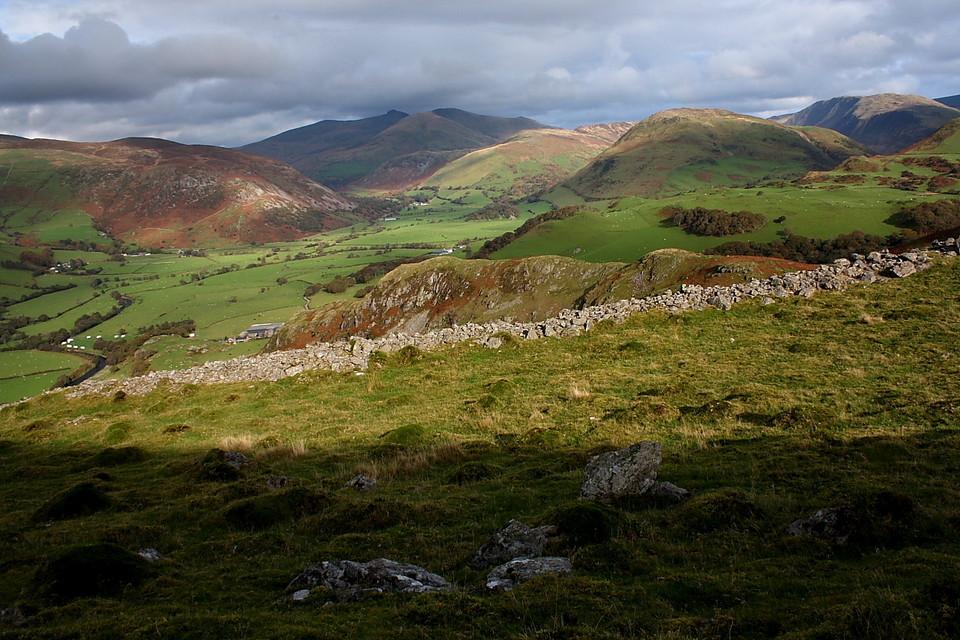
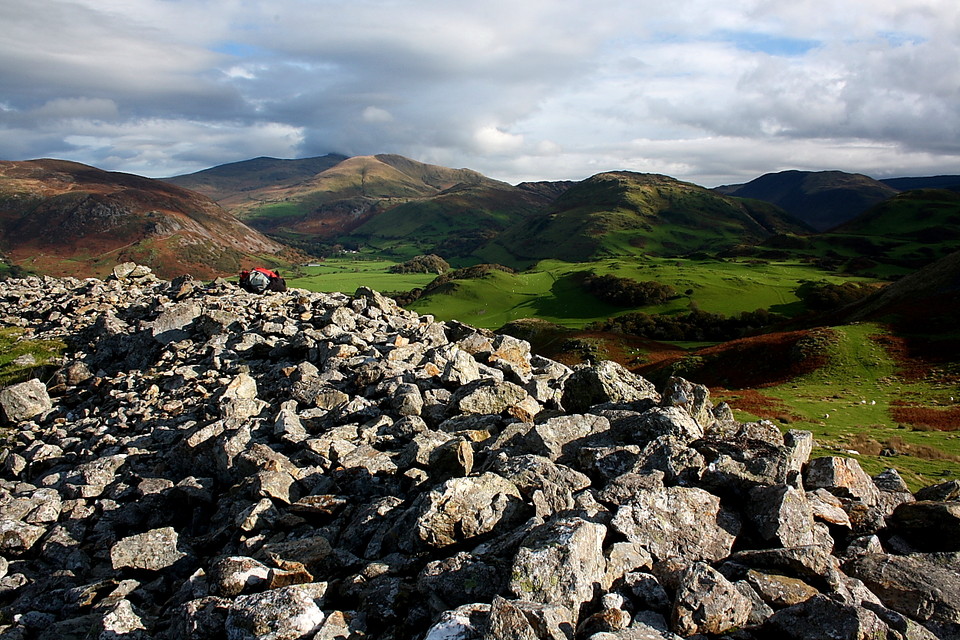
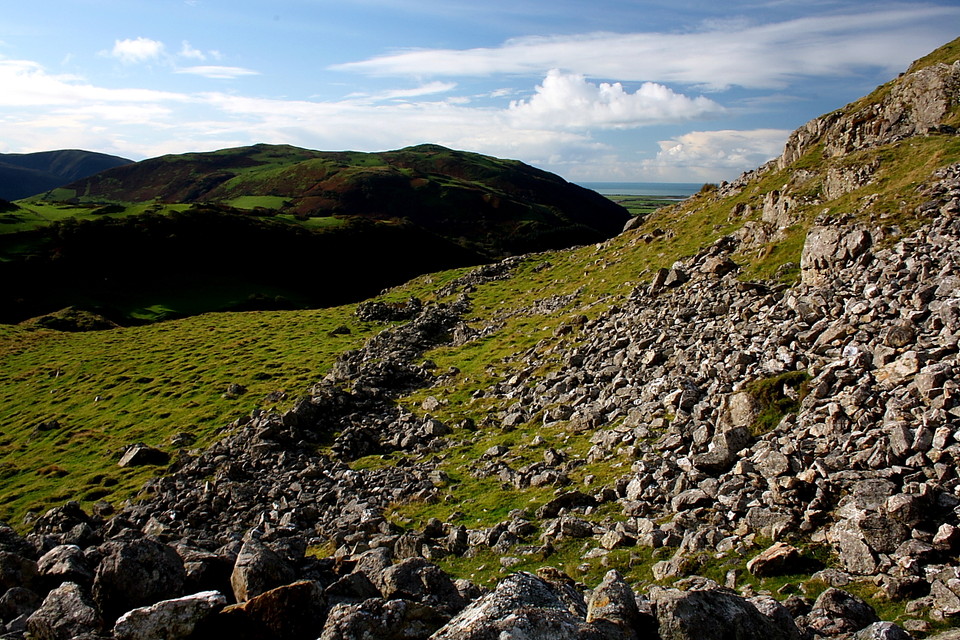
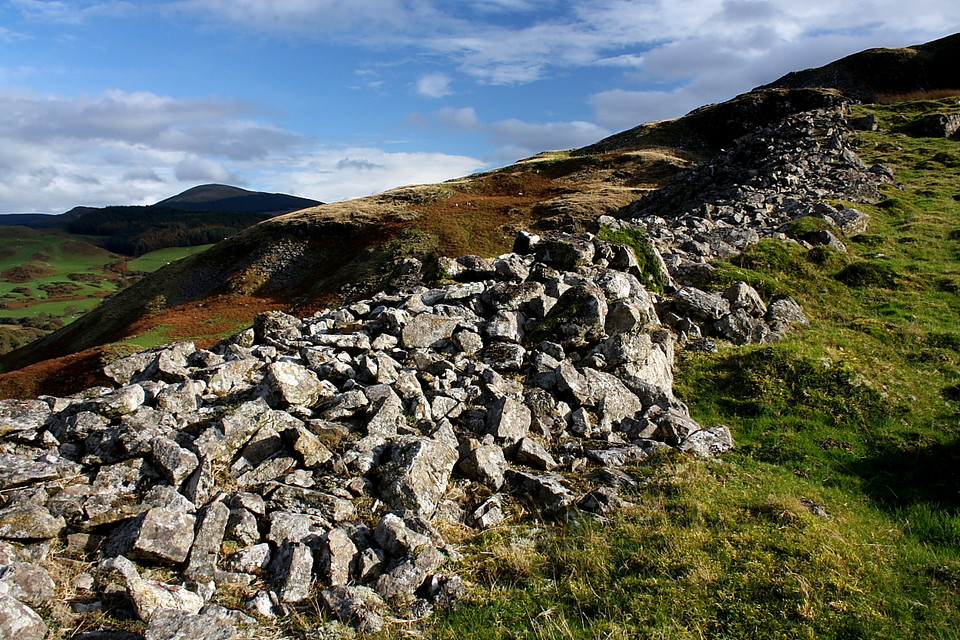
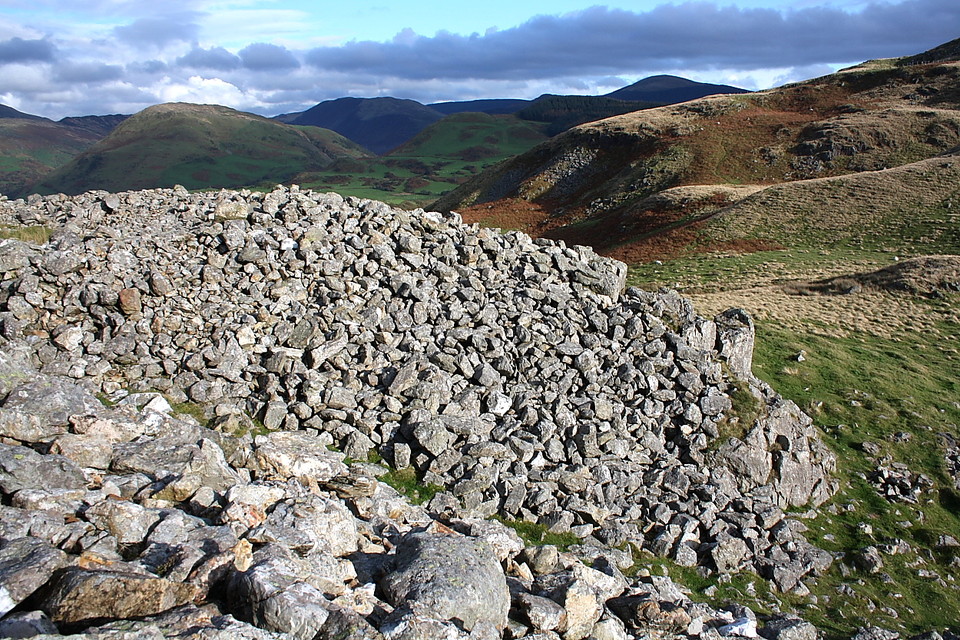
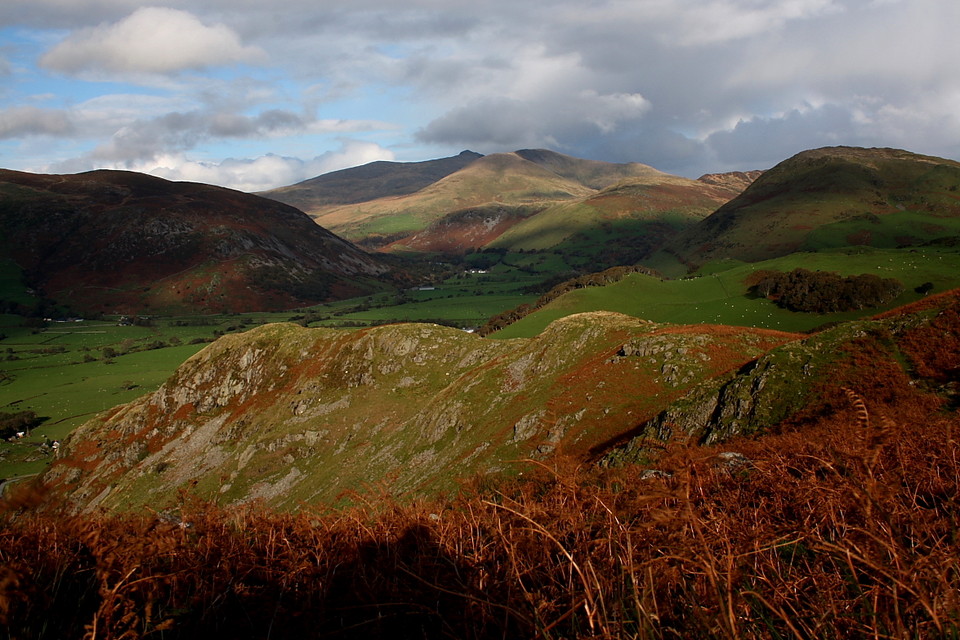
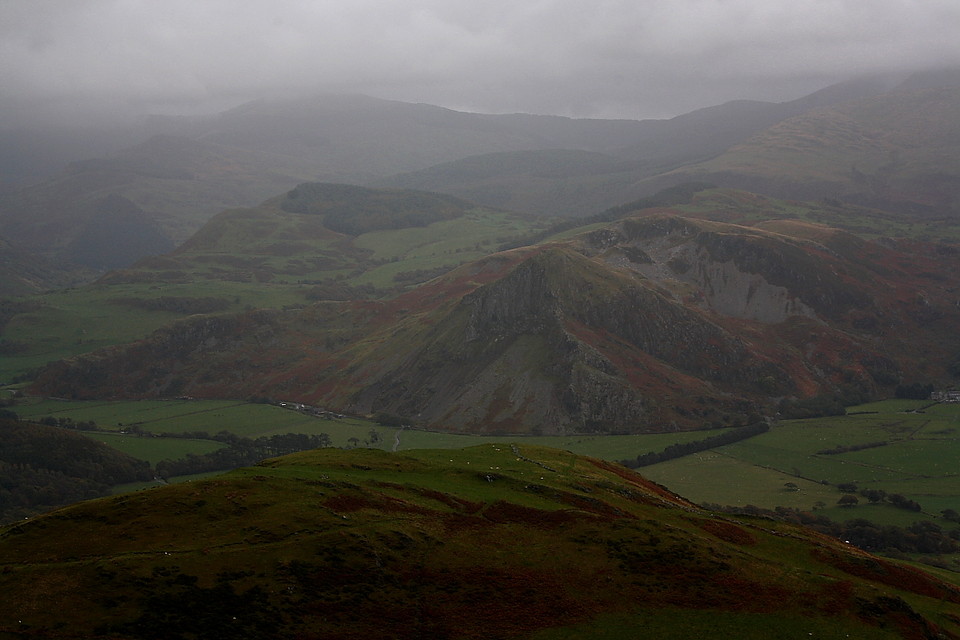
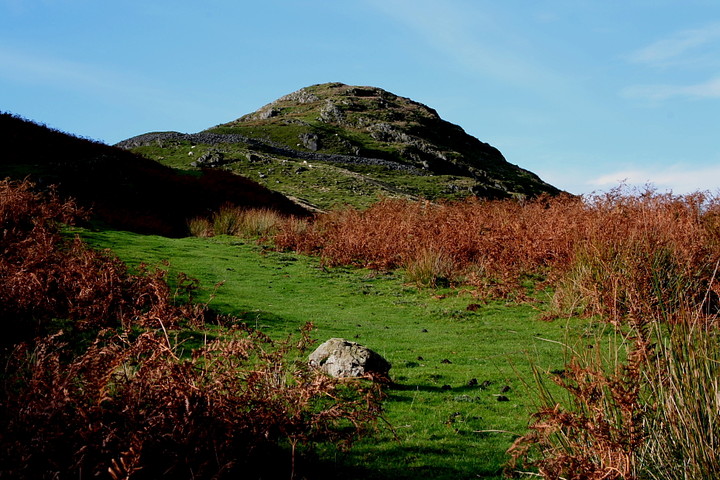
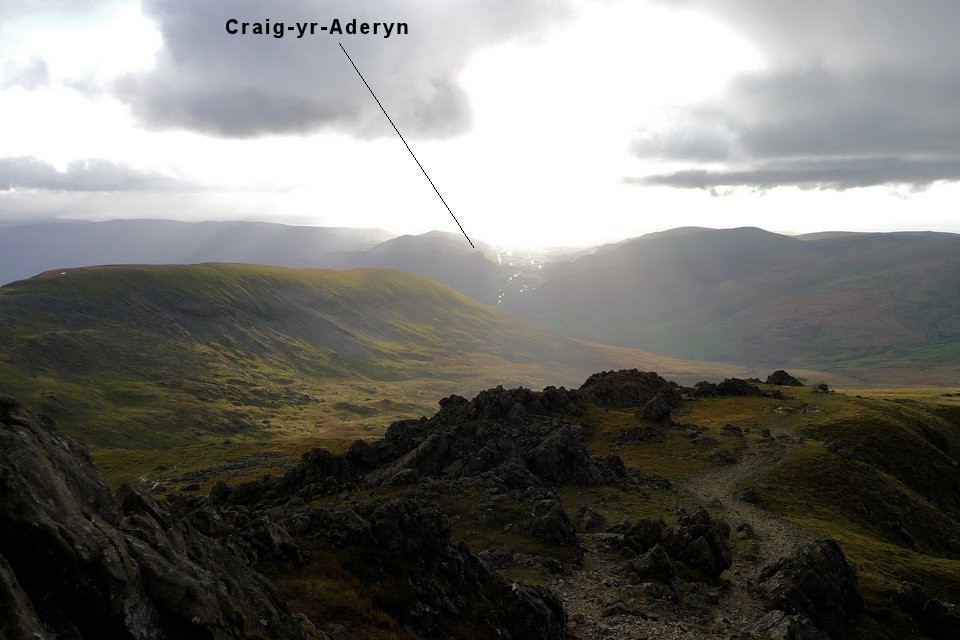
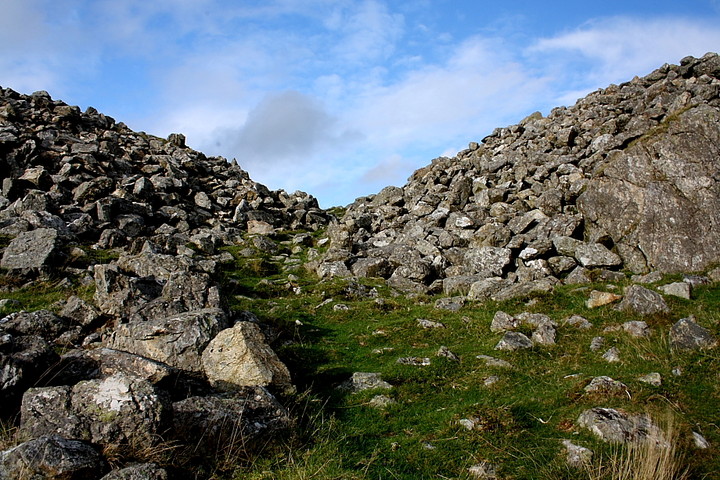
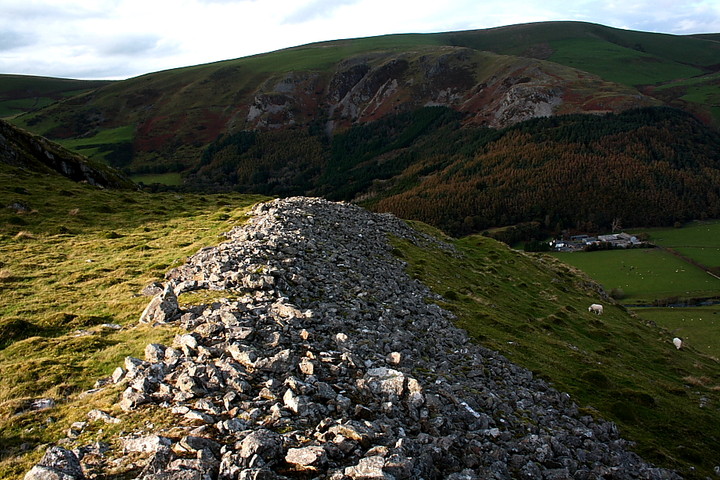
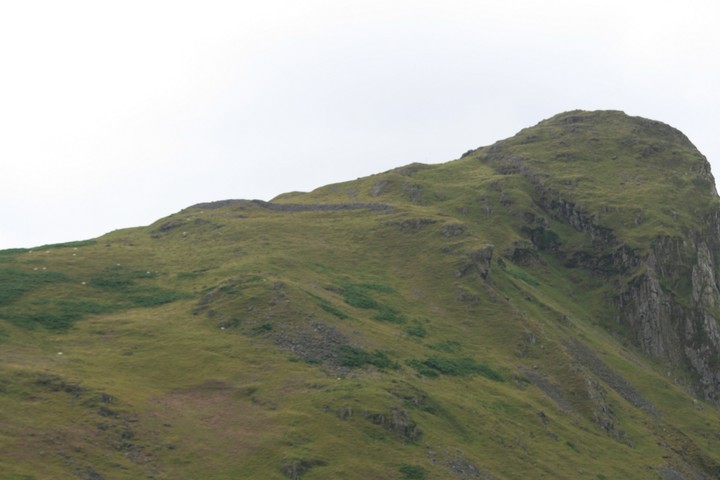
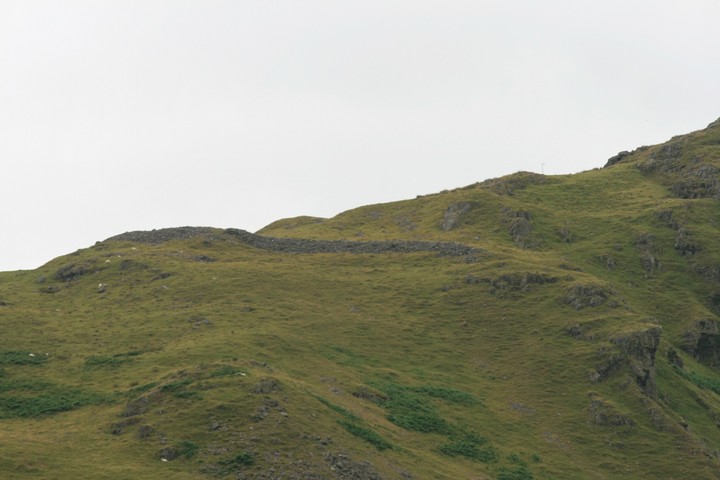
Ive yet to have the pleasure of a full scale visit up Birds rock, but after looking at the aerial views taken by Coflein and provided by the sweetcheat, there arent many things I'd rather do. Instead of a few mild earthworks there are tumbled stone walls, much more interesting..... in a sad kind of way.
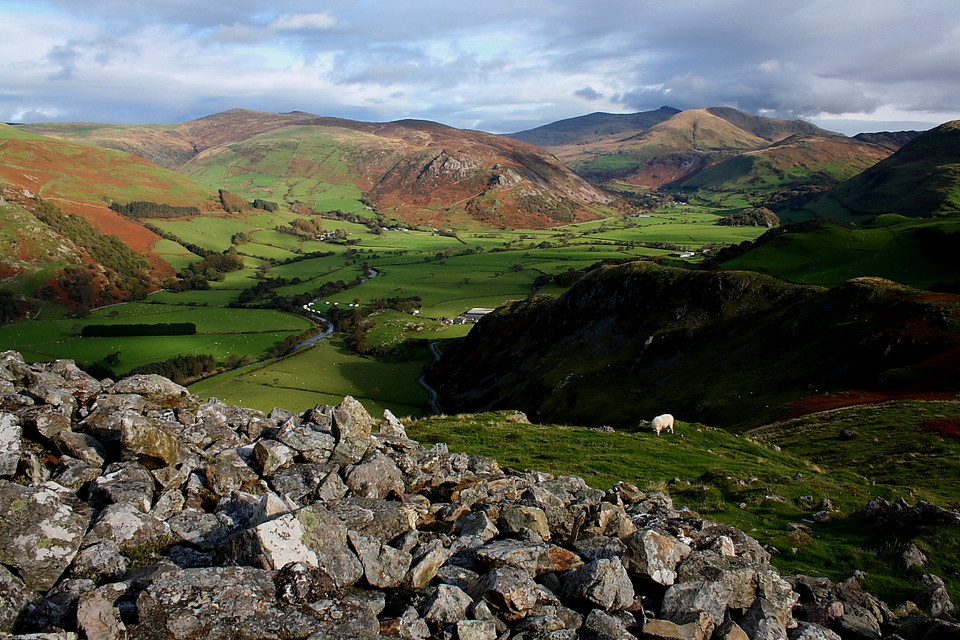
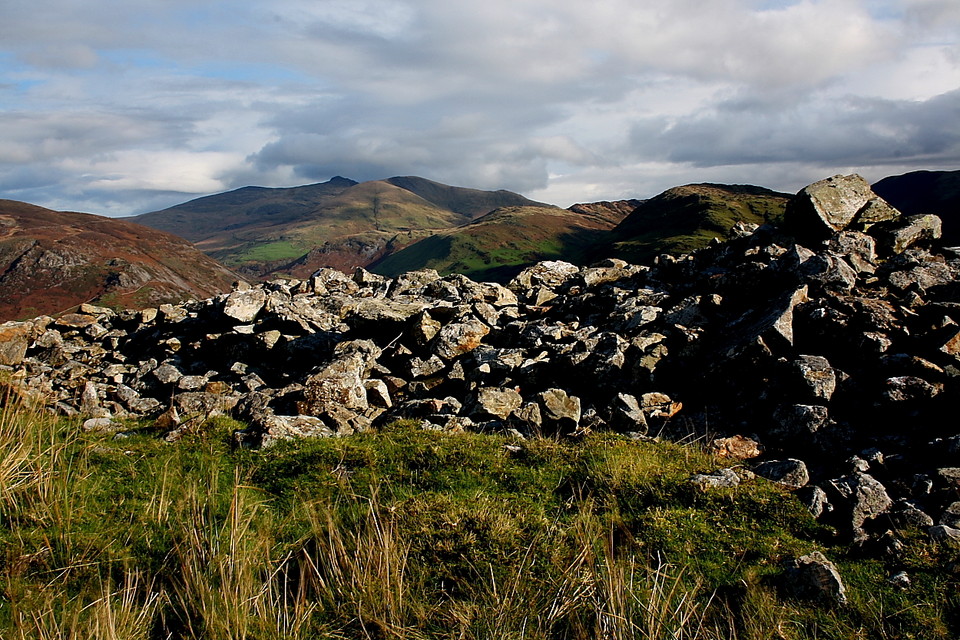
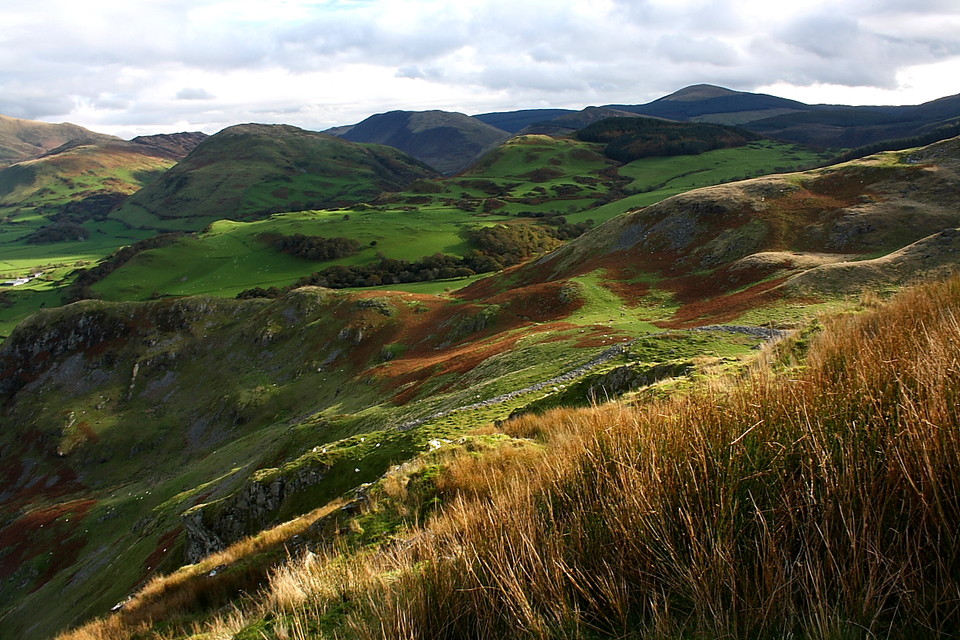
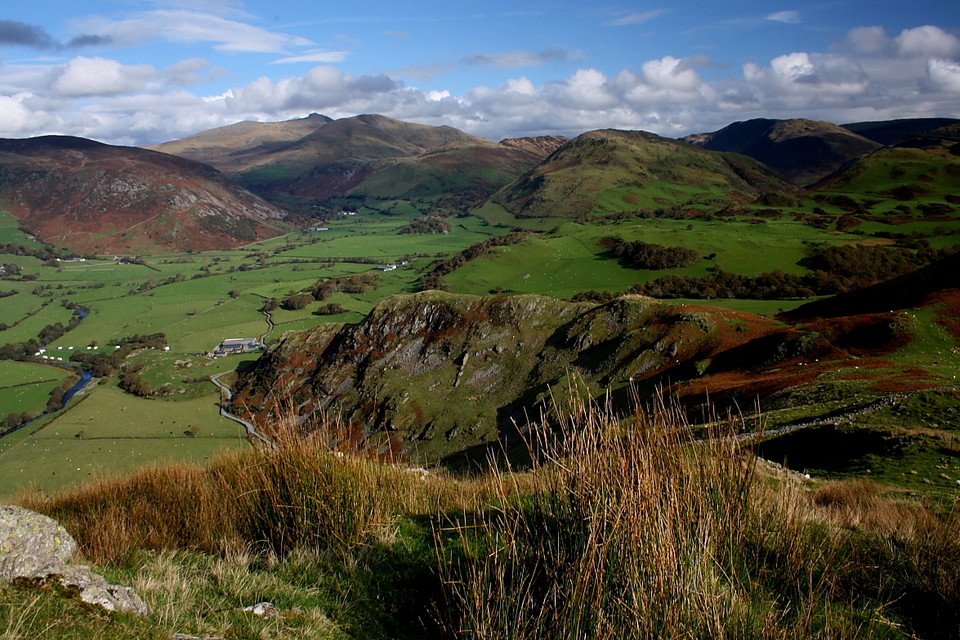
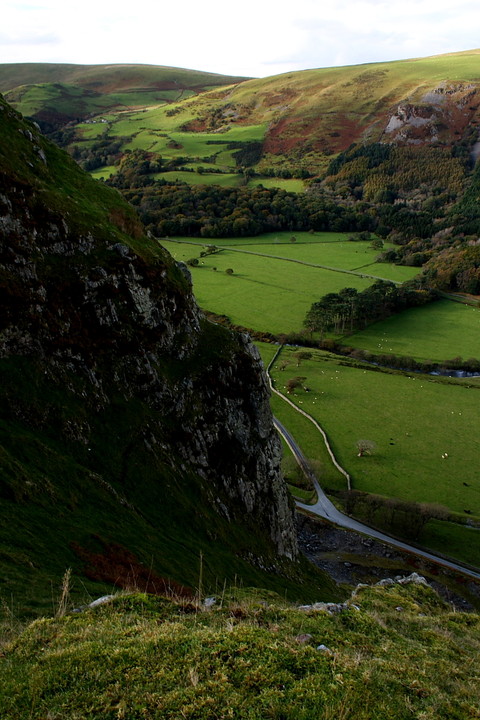
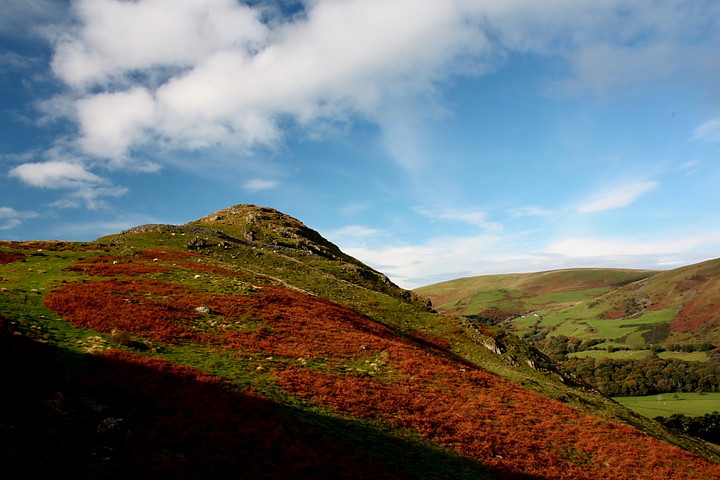
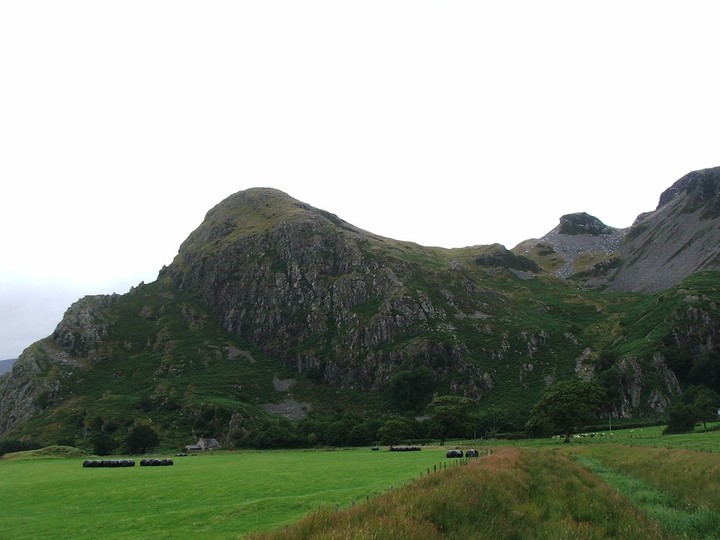
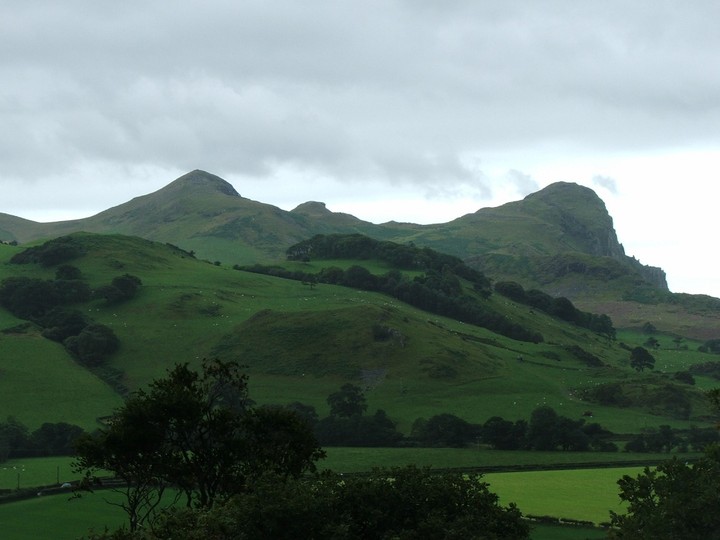
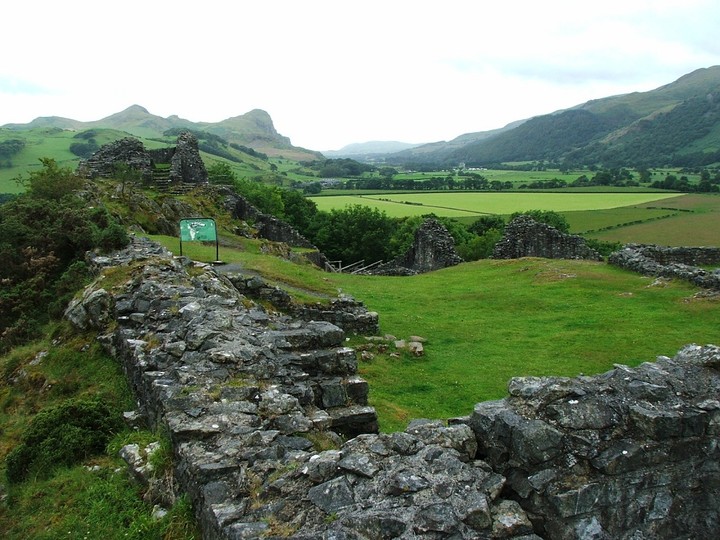
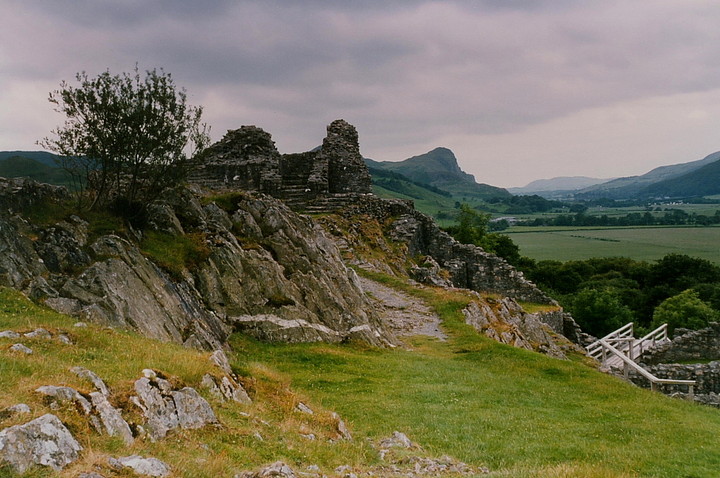
The rock dominates the entire valley much more so than the Norman castle to the northest, and acts as an appetiser for the bigger mountains, that seem to crowd in close to look down on the valley, but the true king of the area is the otherwordly Cadair Idris.
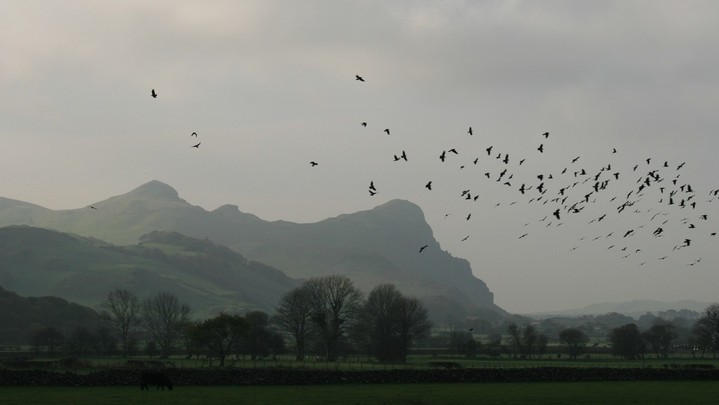
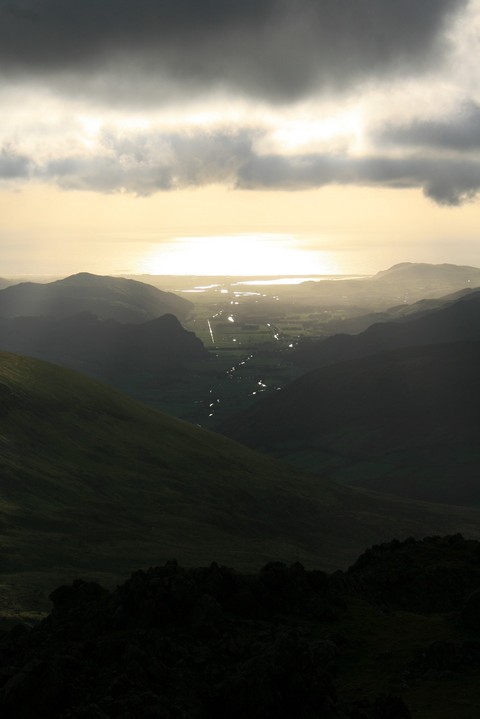
Craig y Deryn (Craig Aderyn) is a most picturesque and lofty rock, about three or four miles up the vale of the Dysynni. It is so called (the bird's rock) from the numerous birds which nightly retire among its crevices: the noise they make at nightfall is most hideously dissonant, and as the scenery around is extremely wild and romantic, the ideas engendered by such a clamour in the gloom of evening, and in so dismal and desolate a spot, are not the most soothing or agreeable. Towards twilight some large aquatic fowls, from the neighbouring marsh, may be seen majestically "wending their way" to this their place of nocturnal rest.
By which I think he meant it had him scared half to death. From 'The History of North Wales' v2, by William Cathrall (1828).
 Log in |
Register
Log in |
Register


 0 discussions


 Show map (inline Google Map)
 Add an image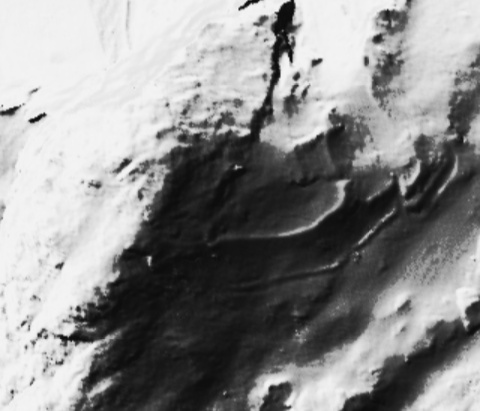
 Artistic / Interpretive: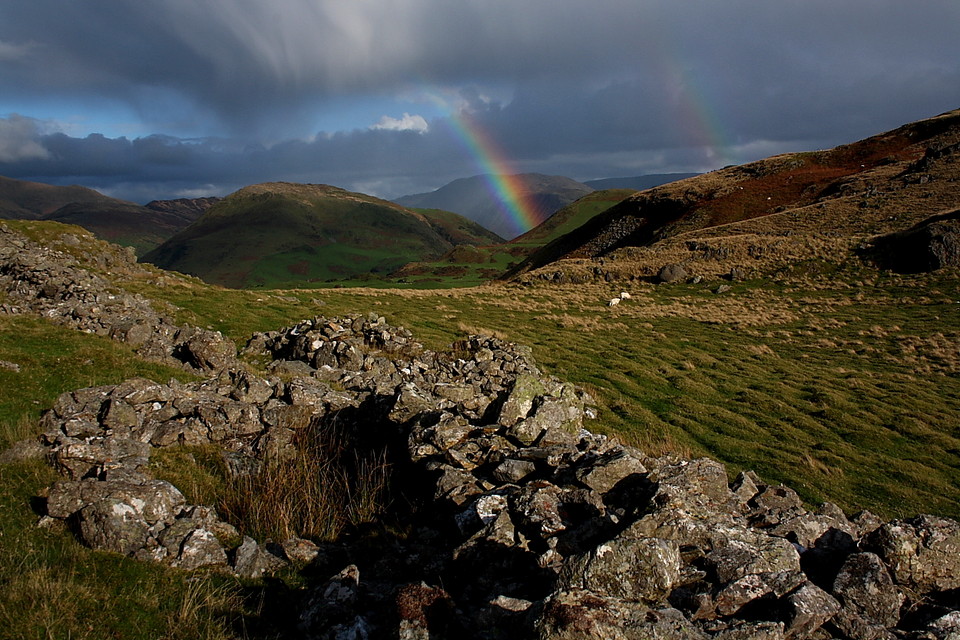
 Posted by postman
 Posted by Rhiannon
 Posted by thesweetcheat
 Top of page