|
 Log in |
Register Log in |
Register
|

|
|

Carn FadrynHillfort
|
||||||||||||||||||||||||


 0 discussions


 Show map (inline Google Map)
|
|
|
Images (click to view fullsize) |
 Add an image Add an image |
|
Fieldnotes |
Add fieldnotes |
|
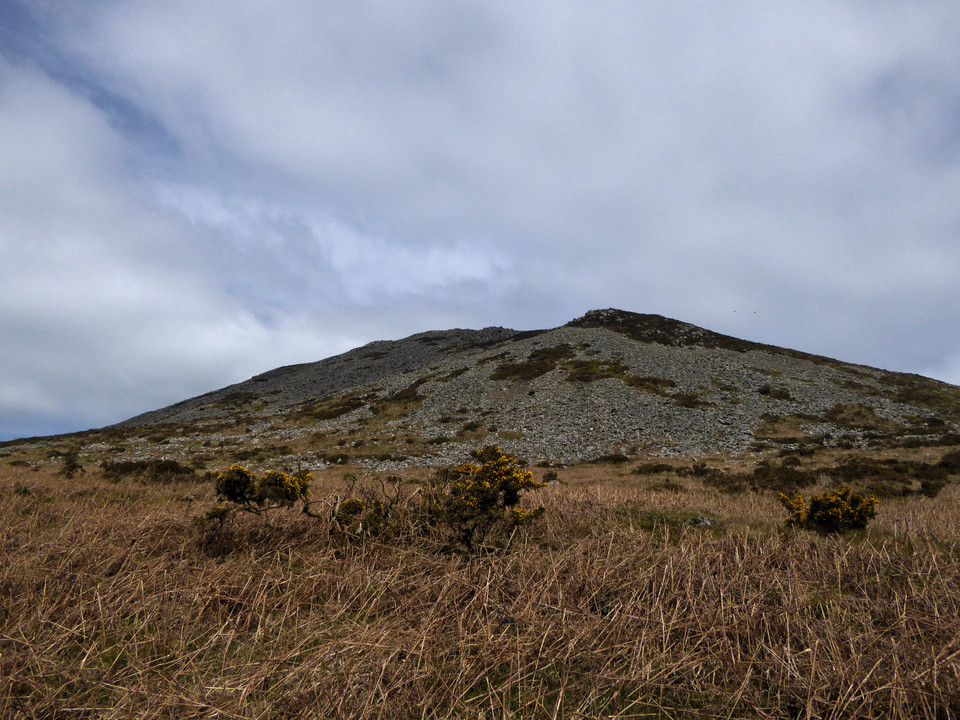
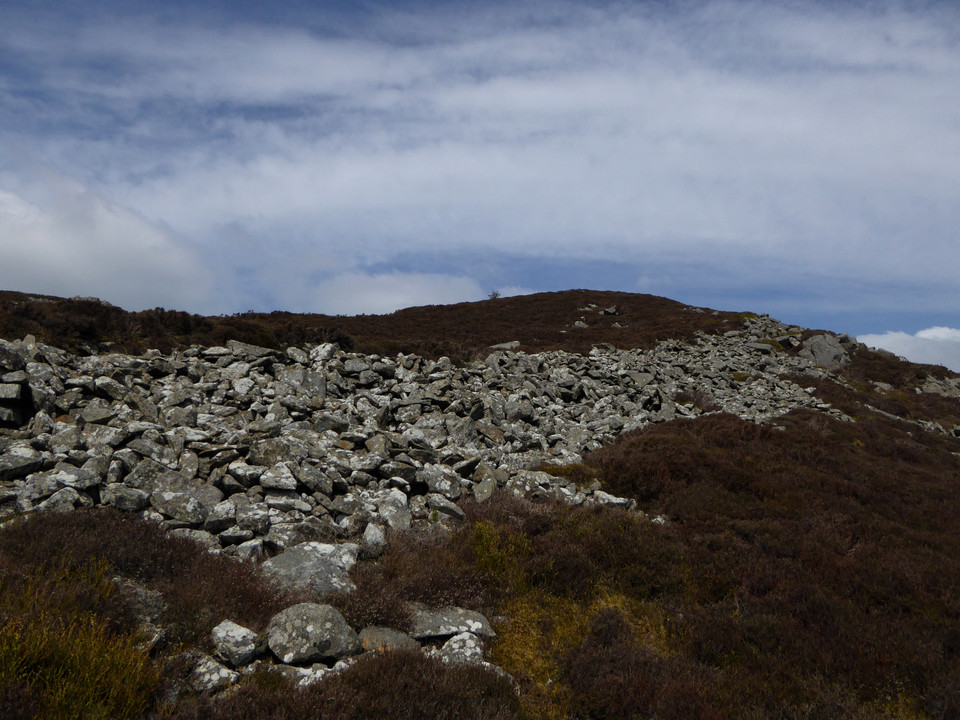
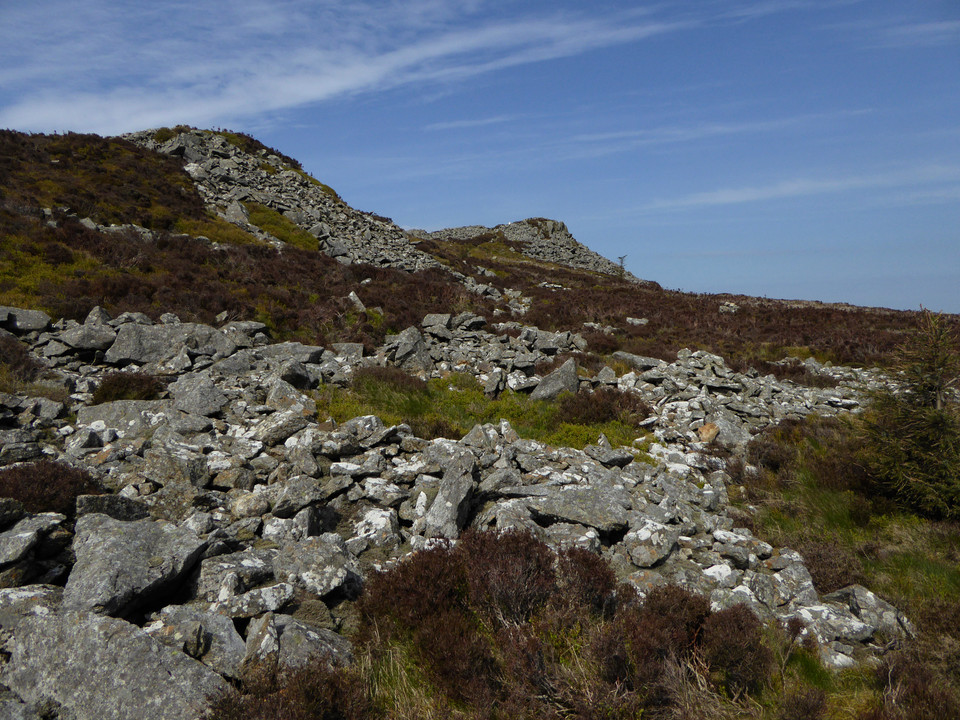
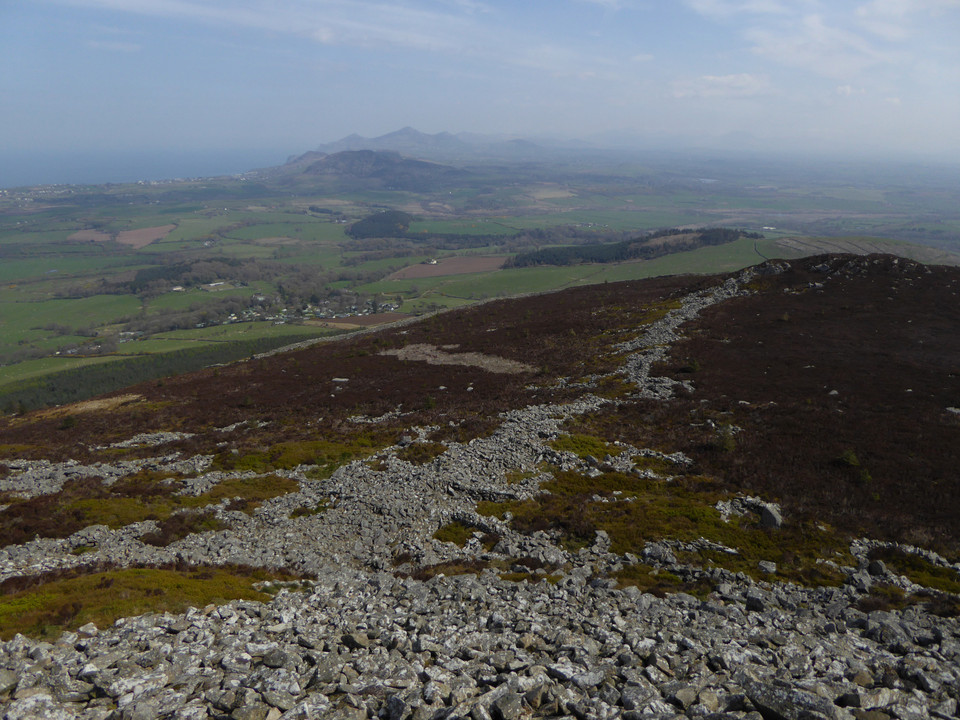
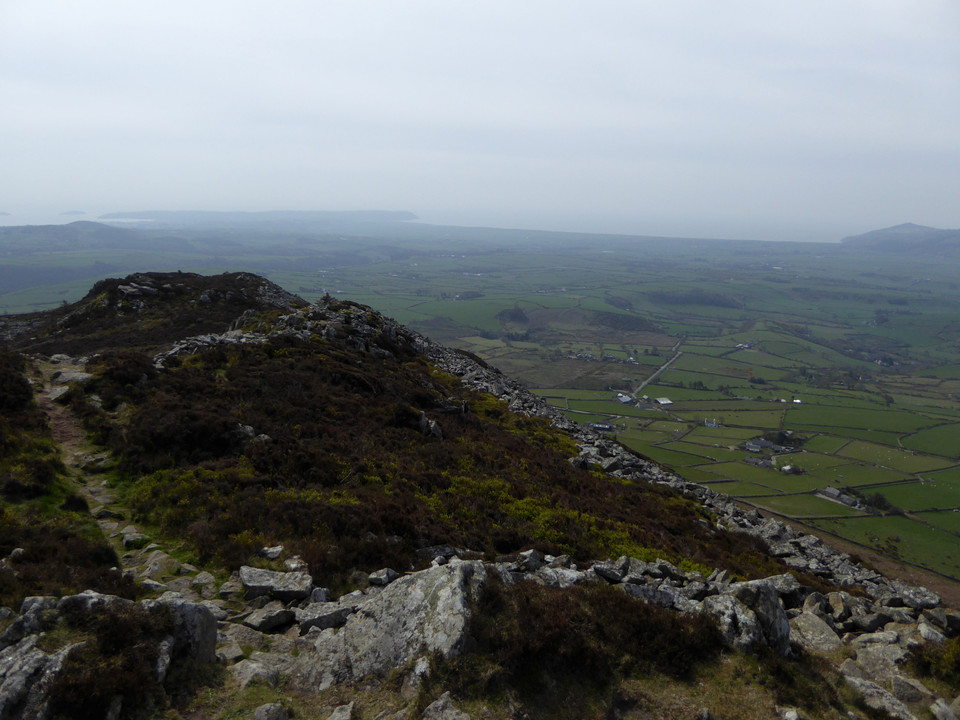
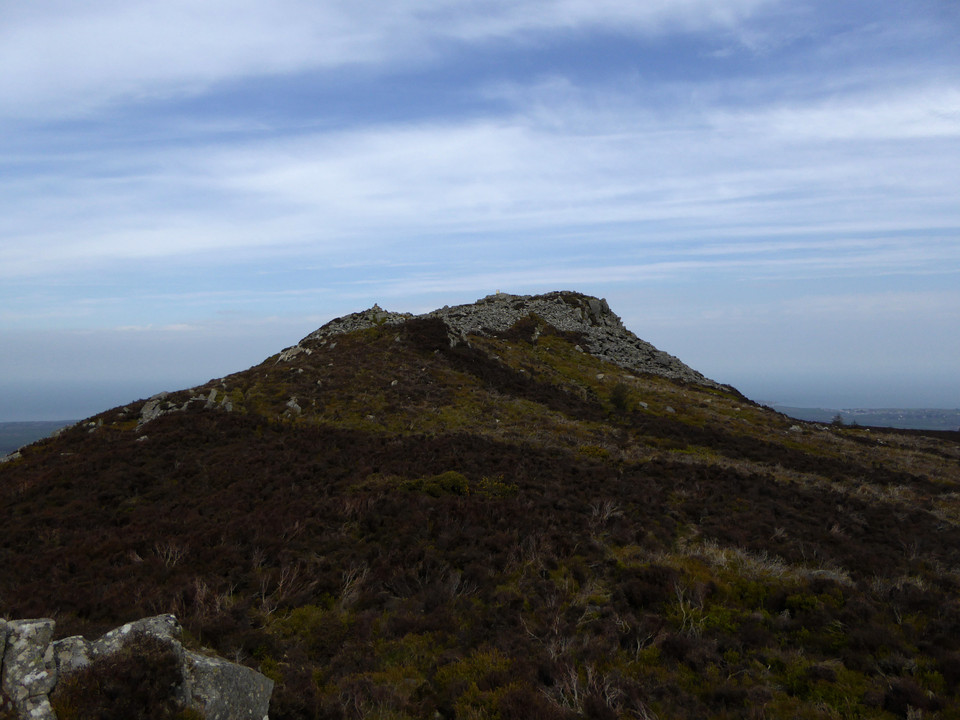
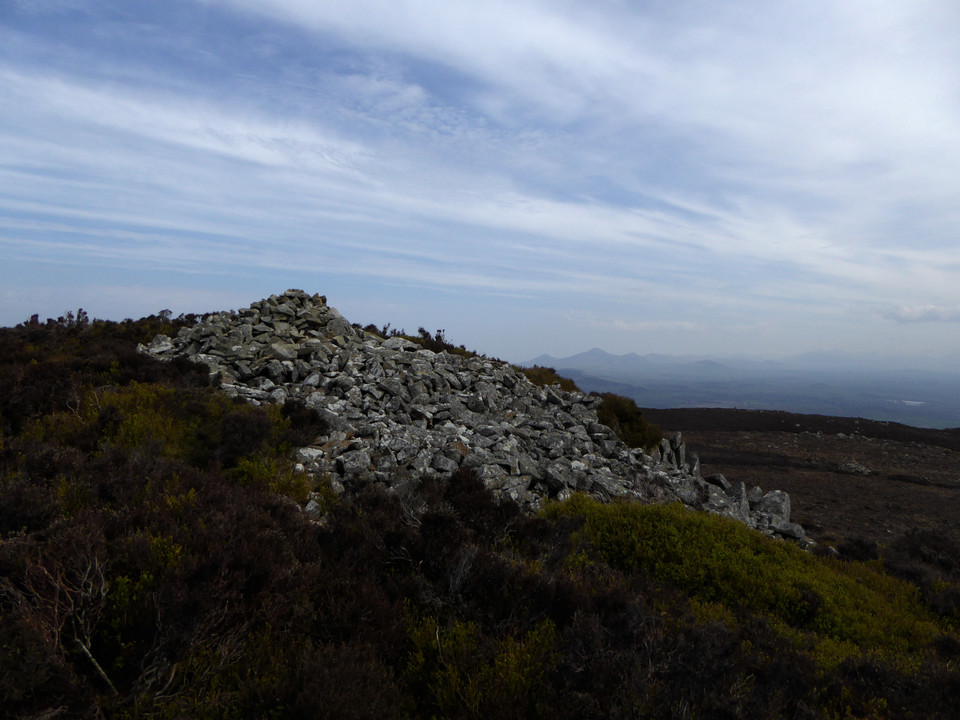
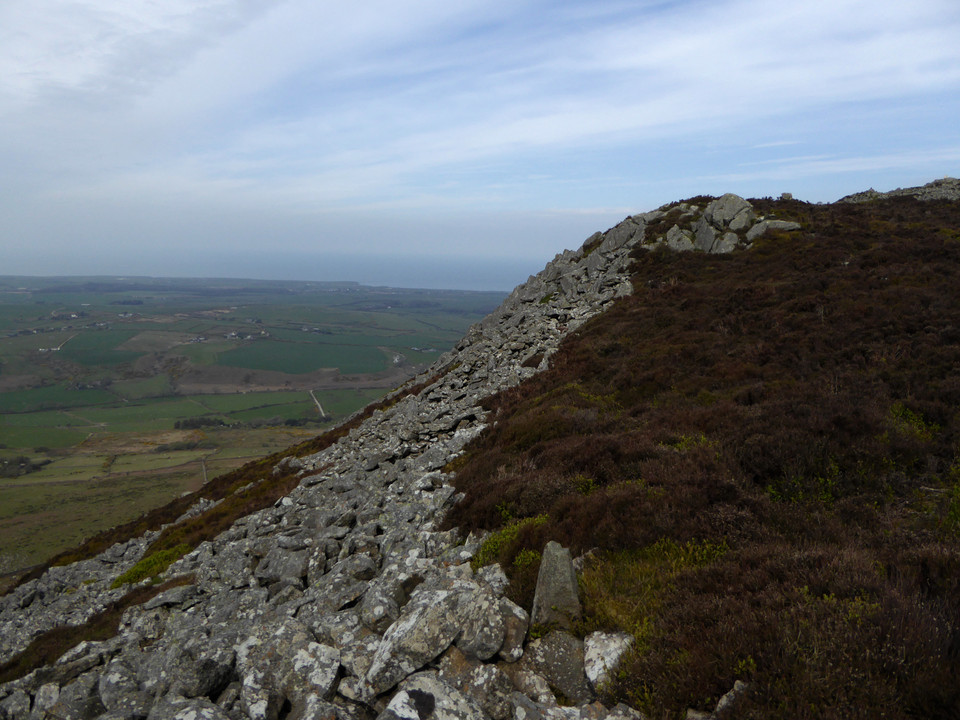
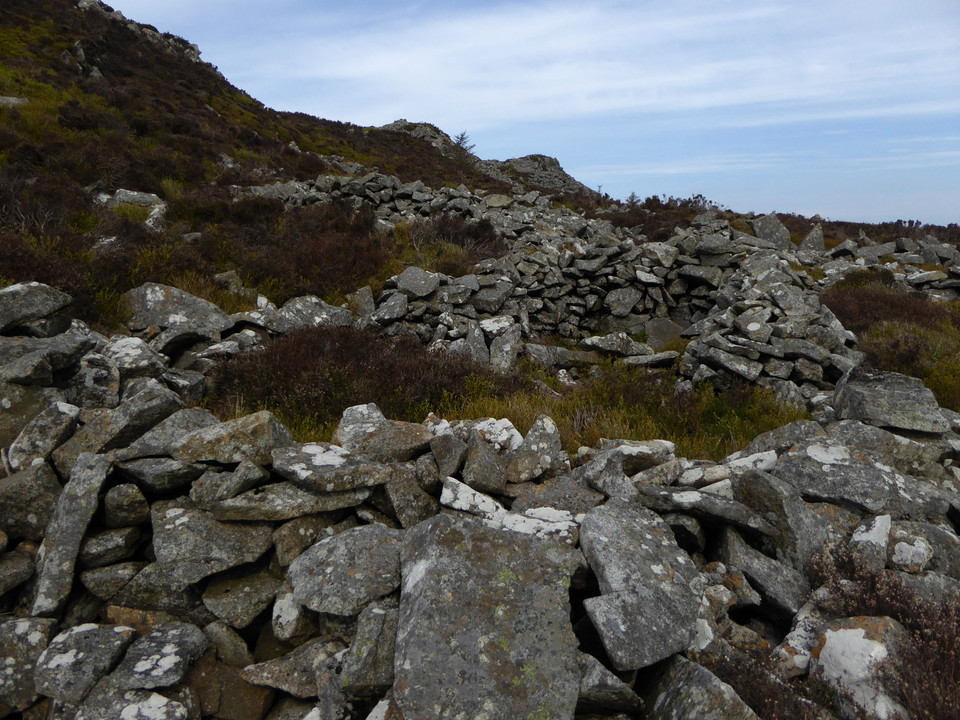
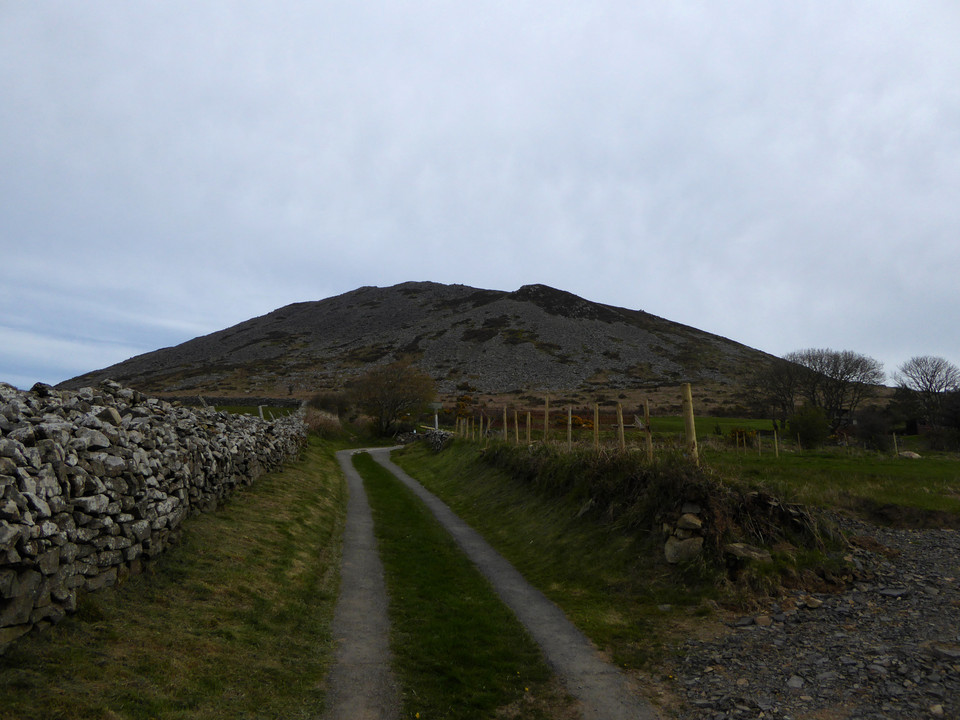
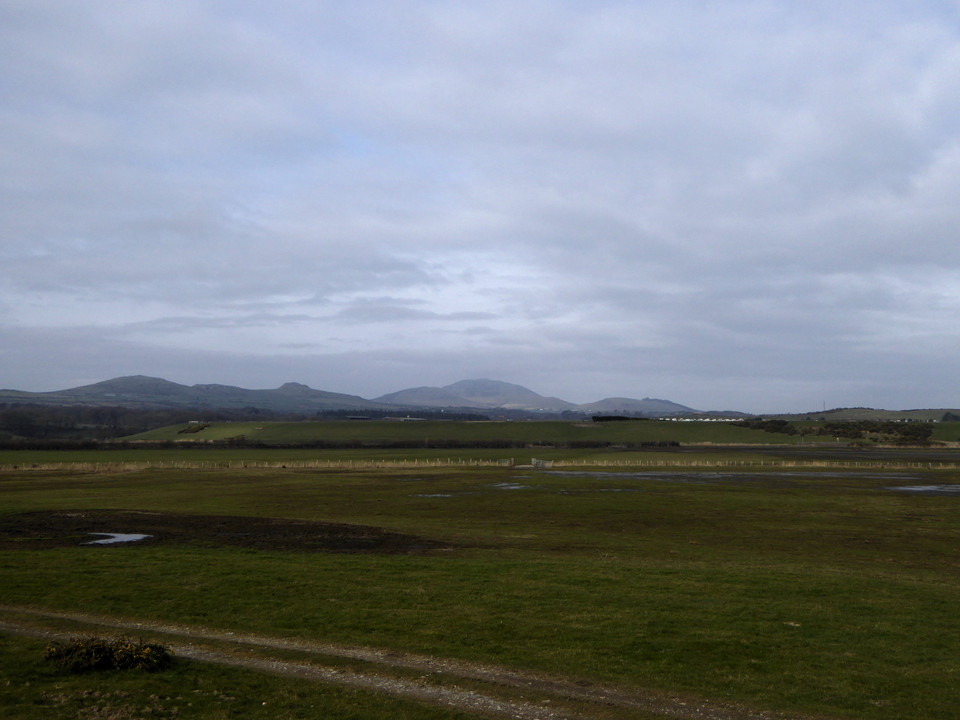
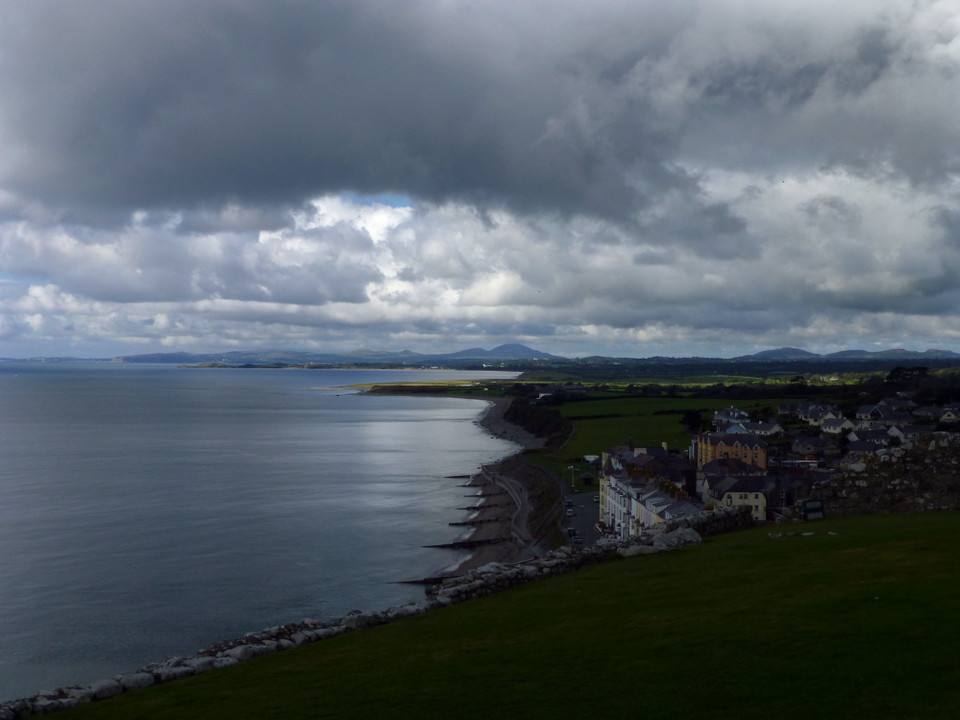
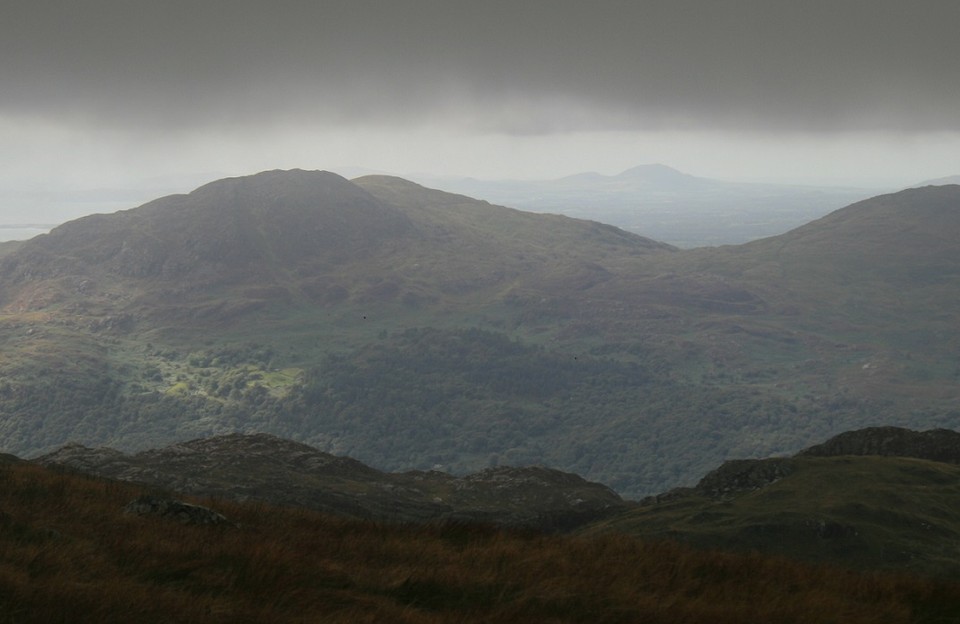
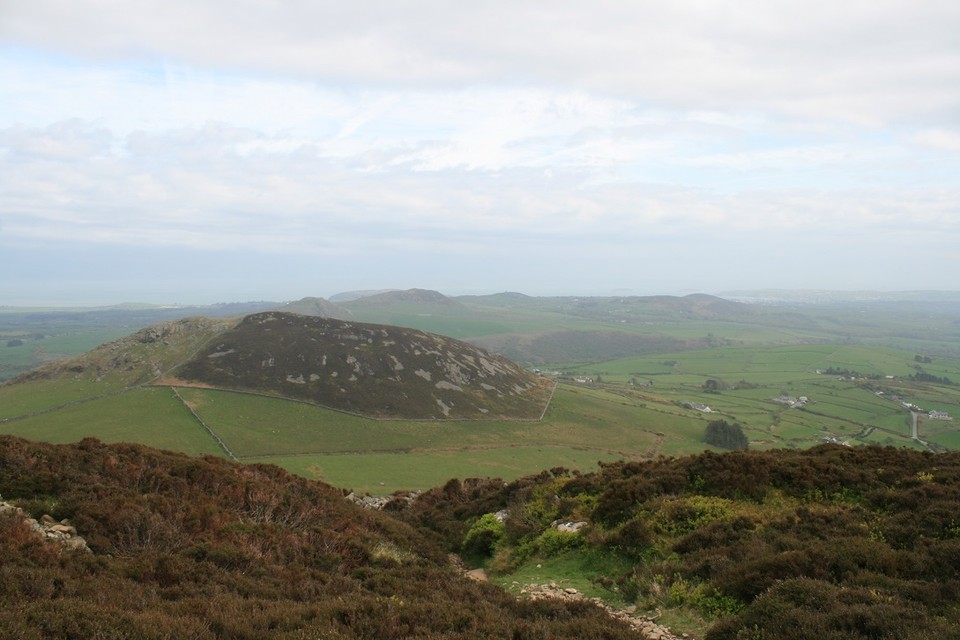
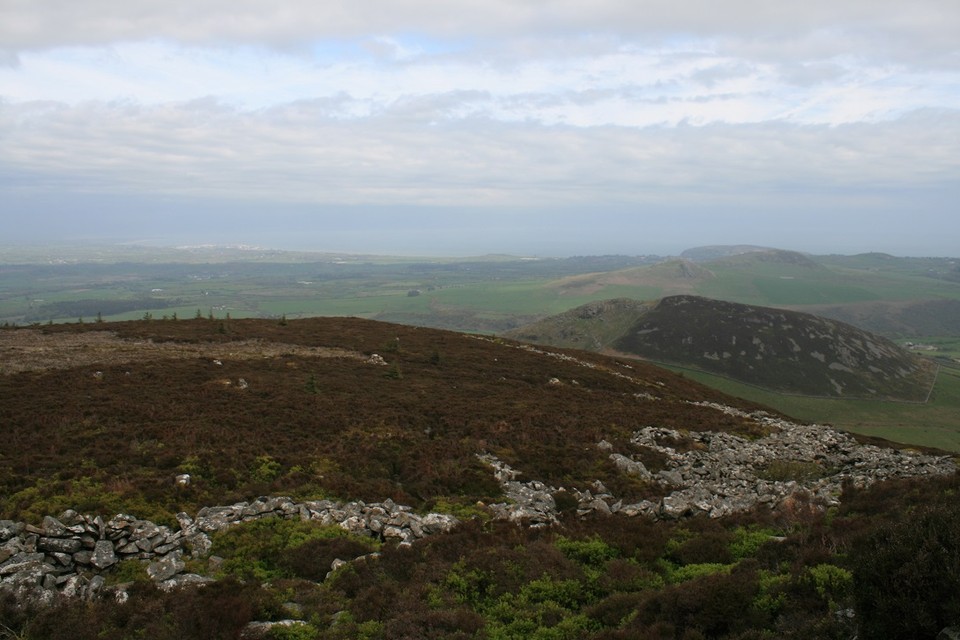
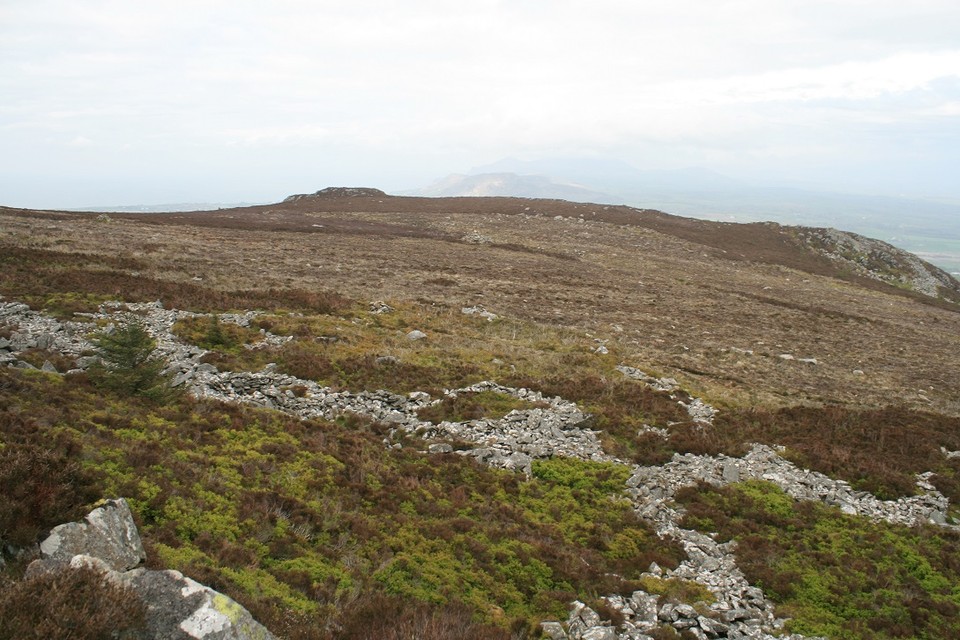
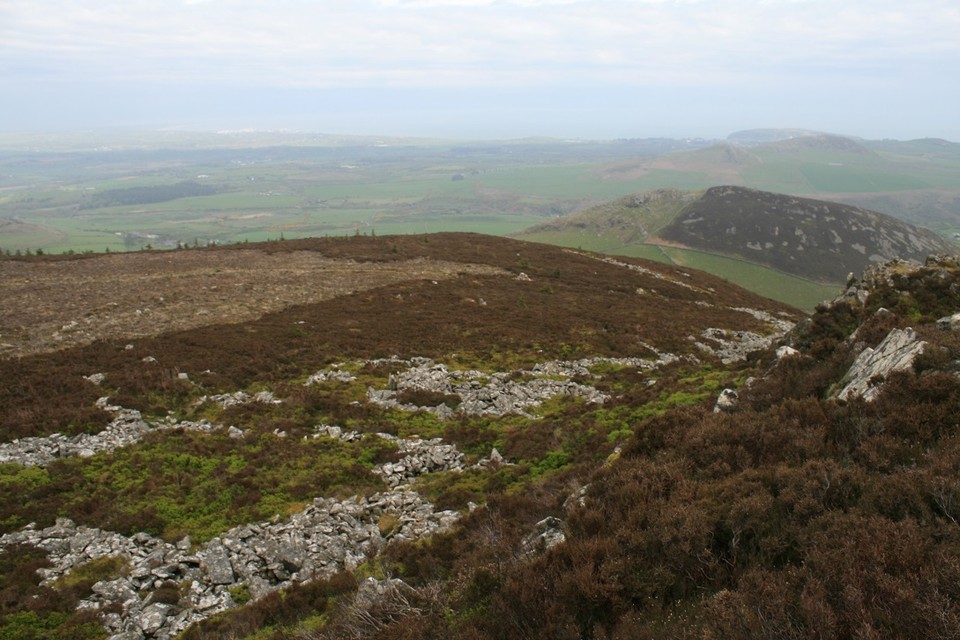
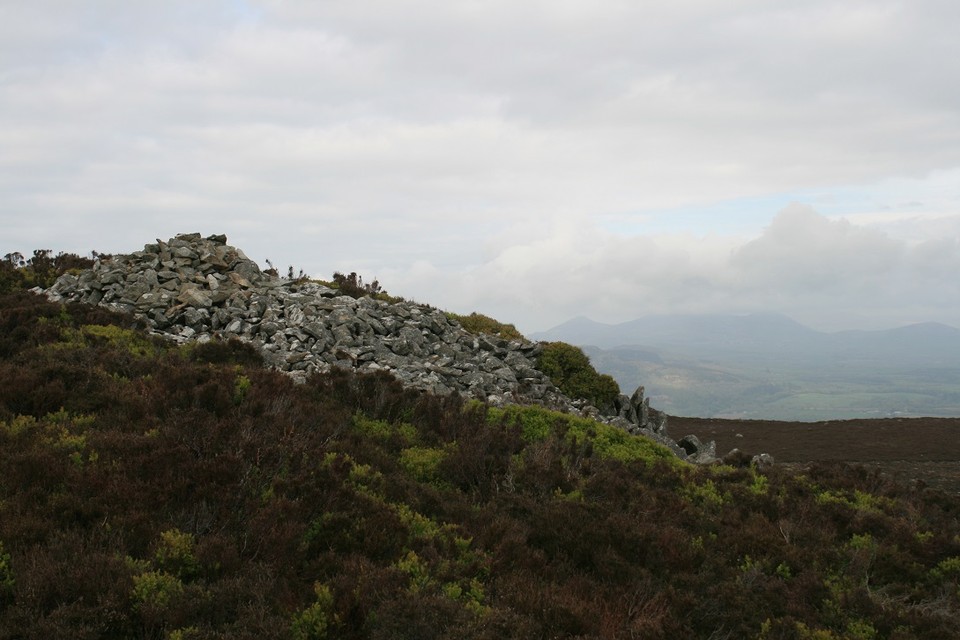
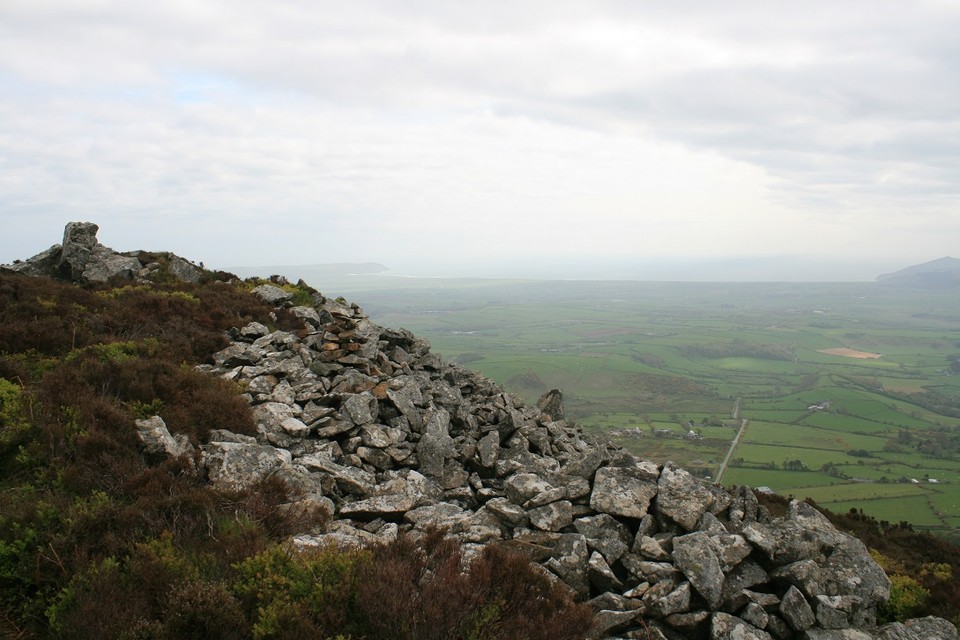
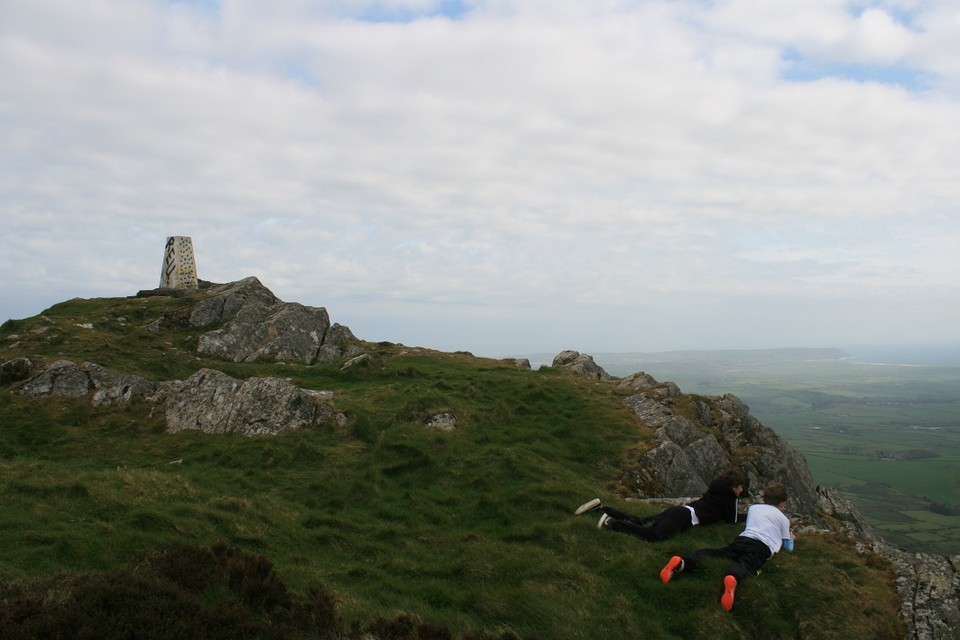
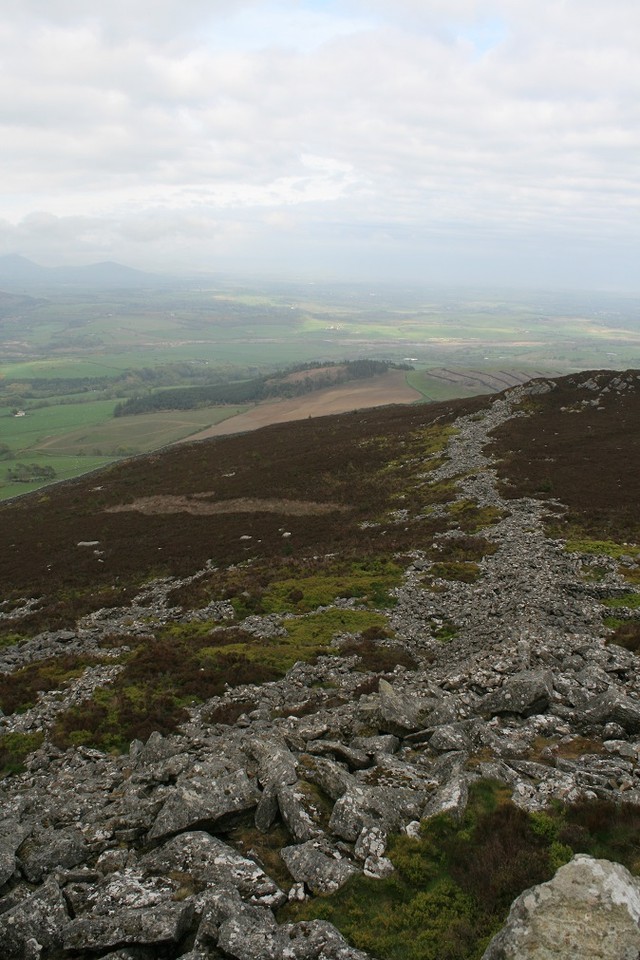
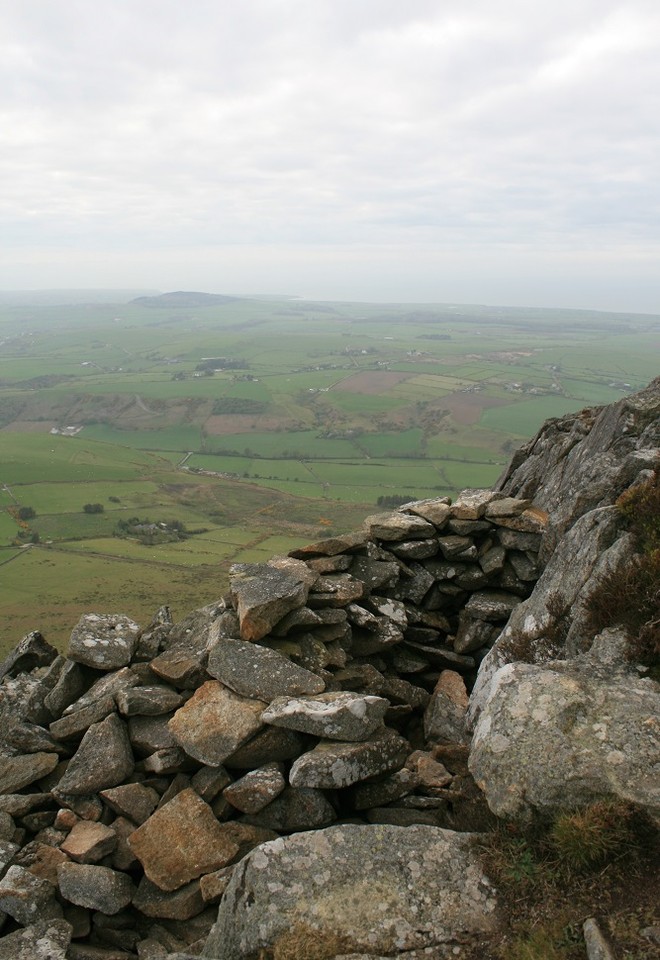
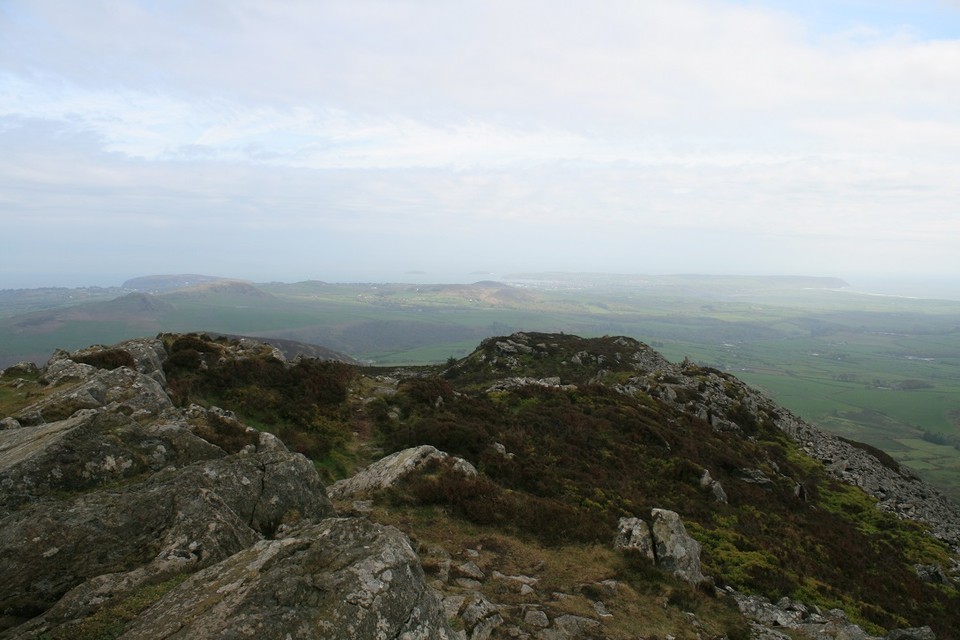
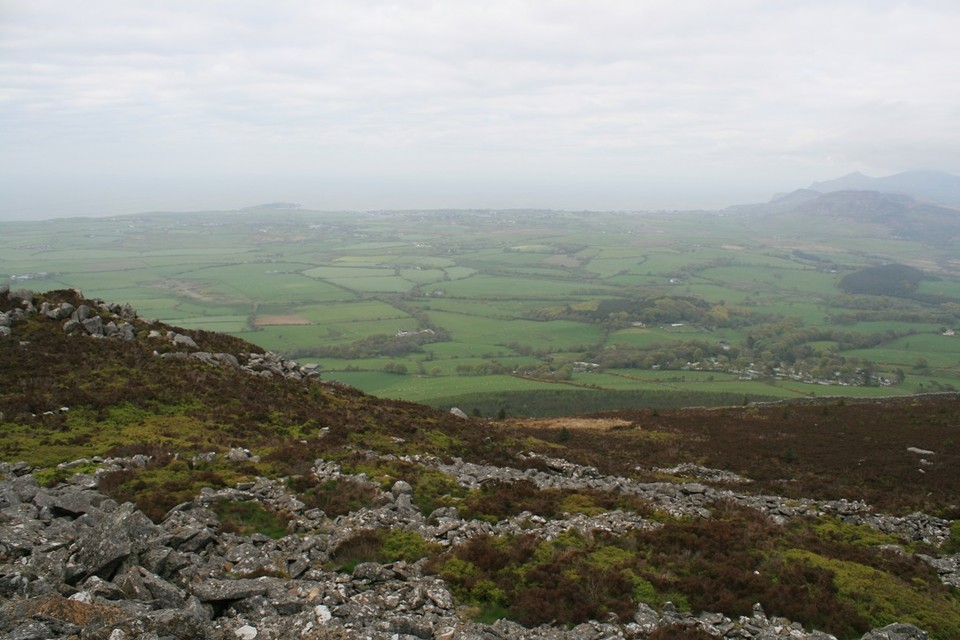
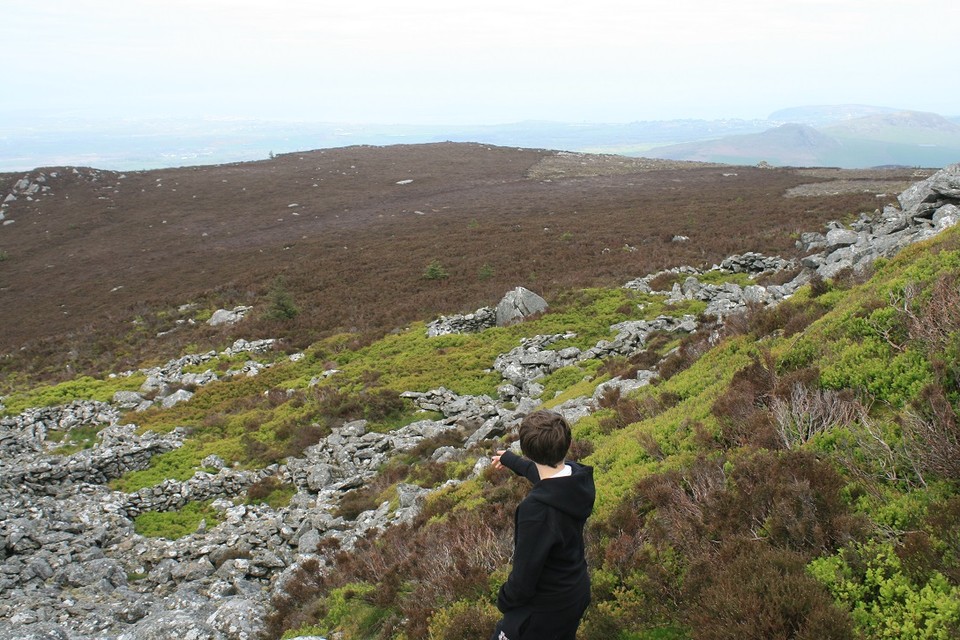
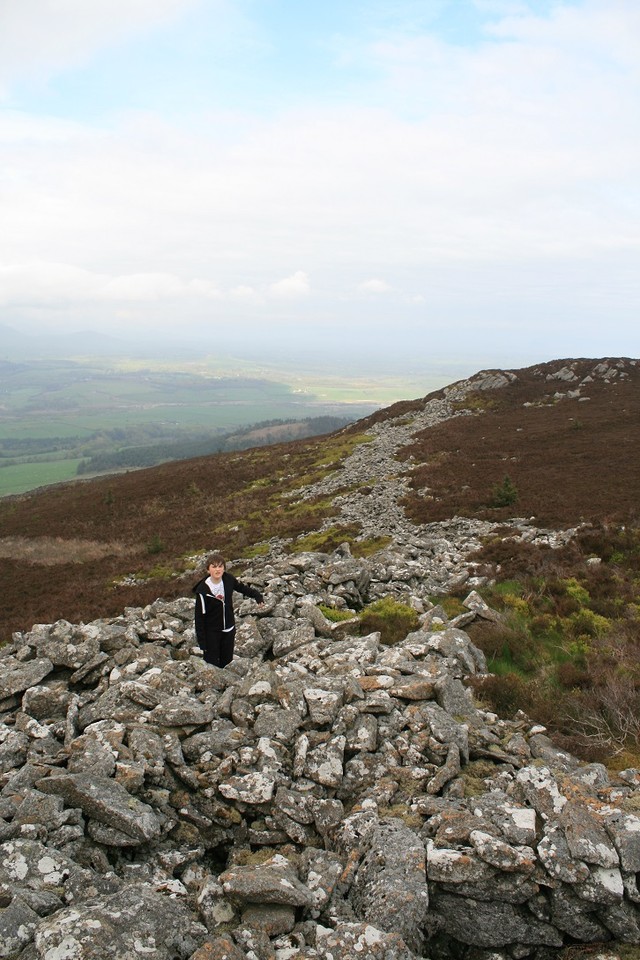
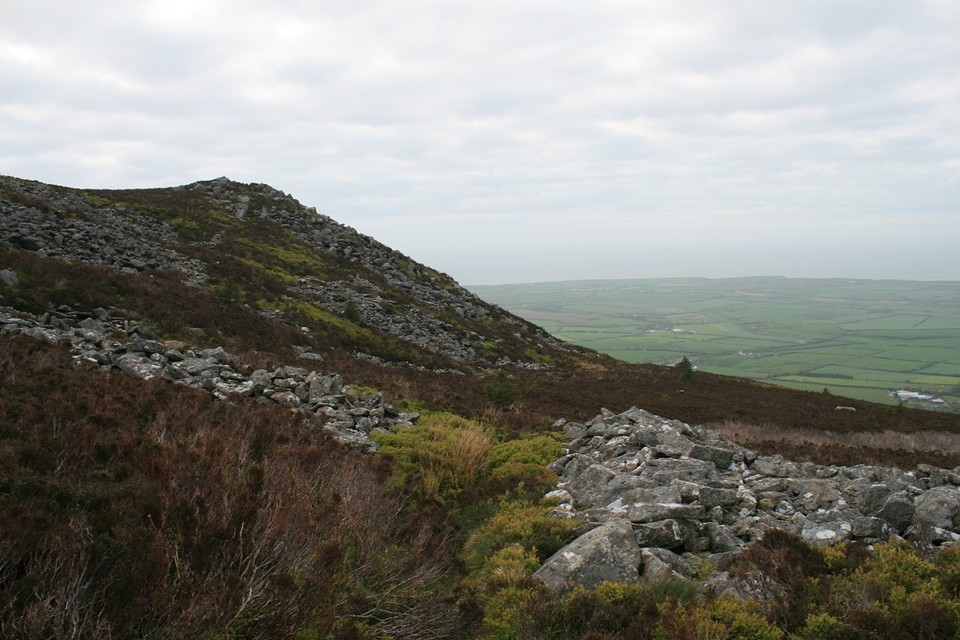
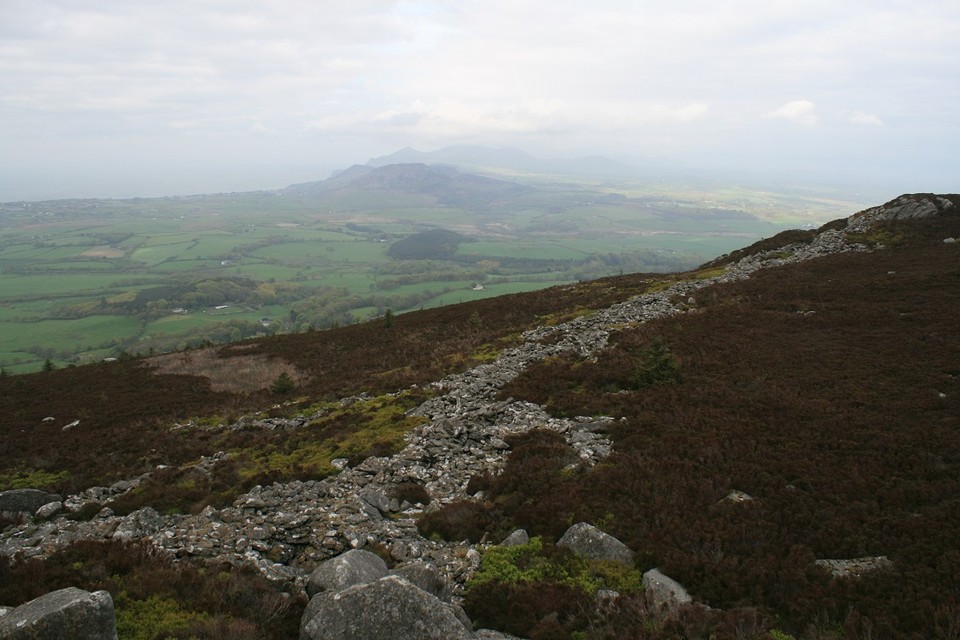
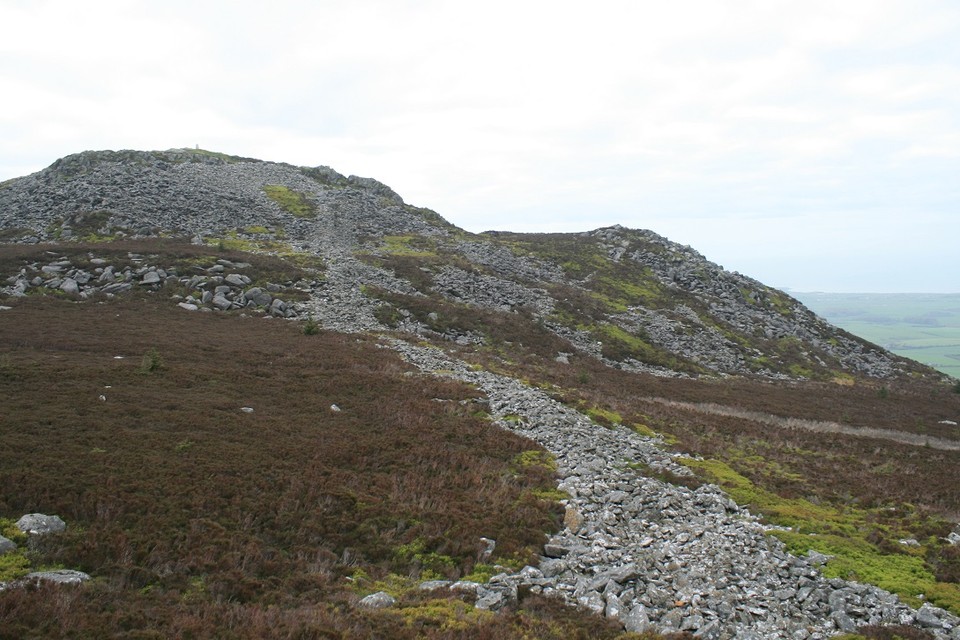
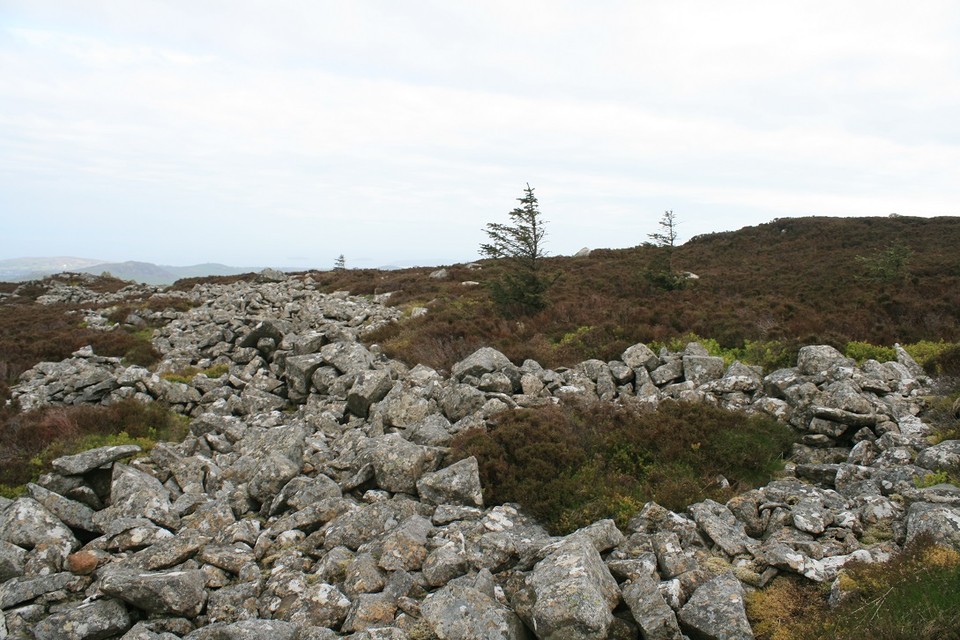
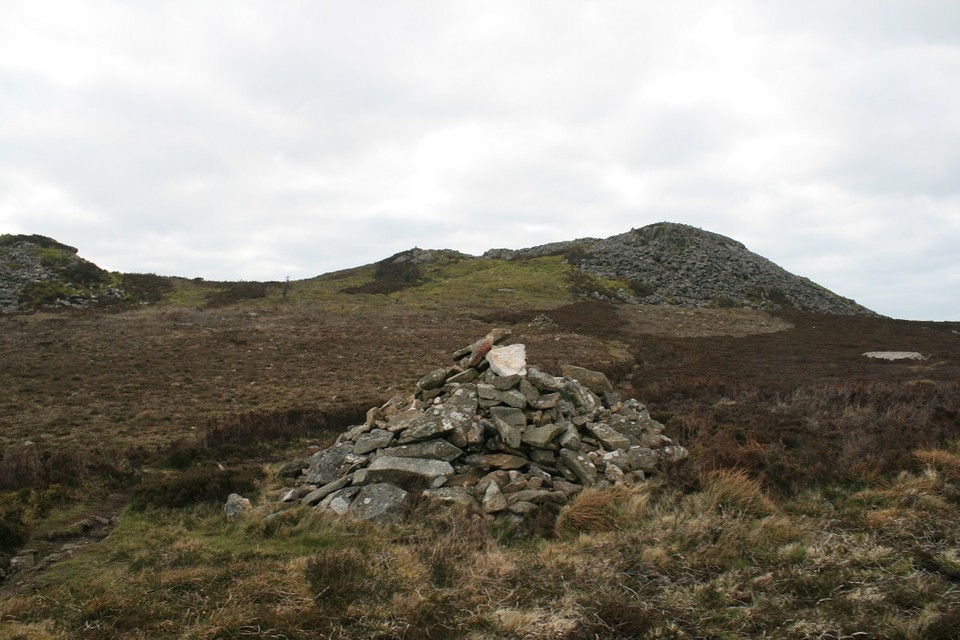
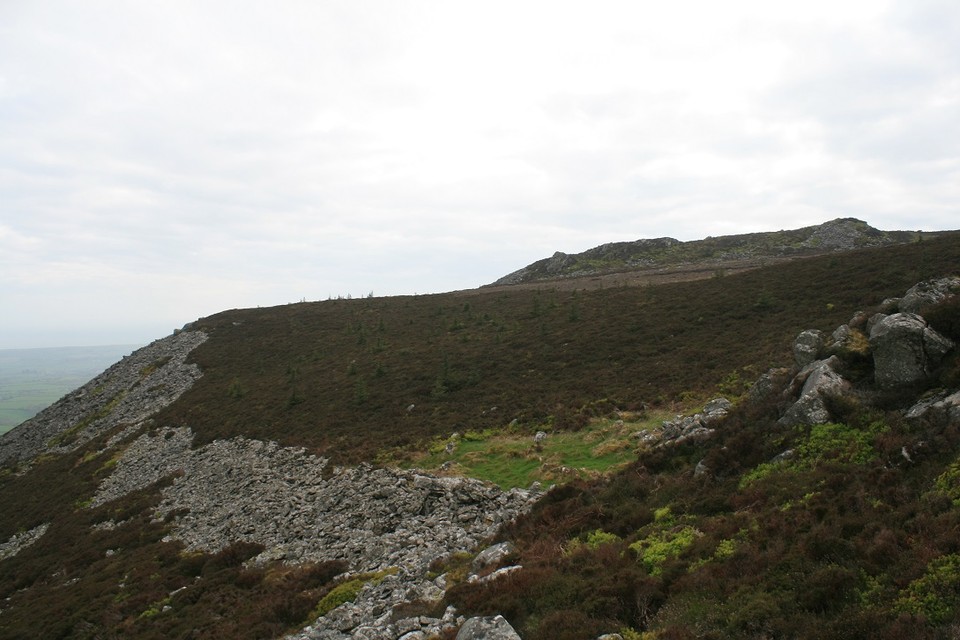
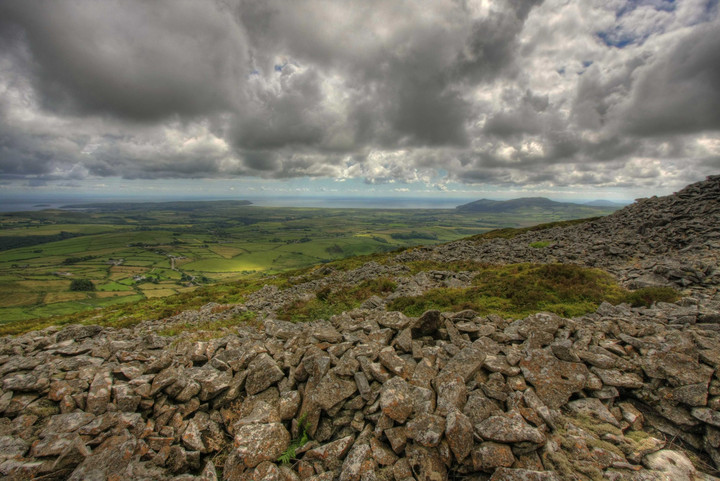
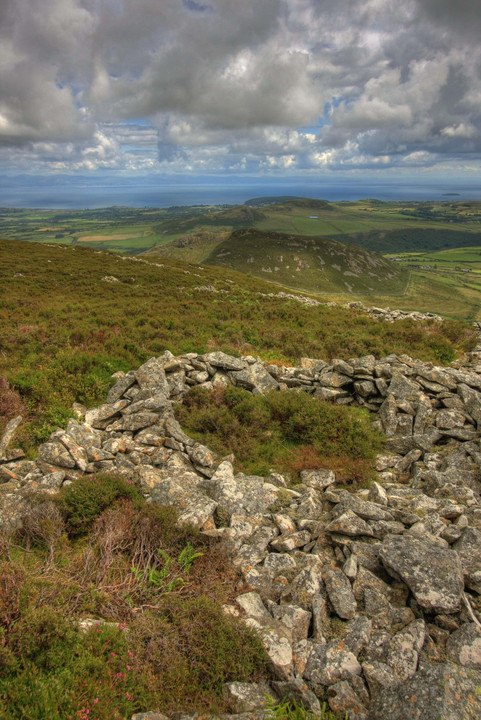
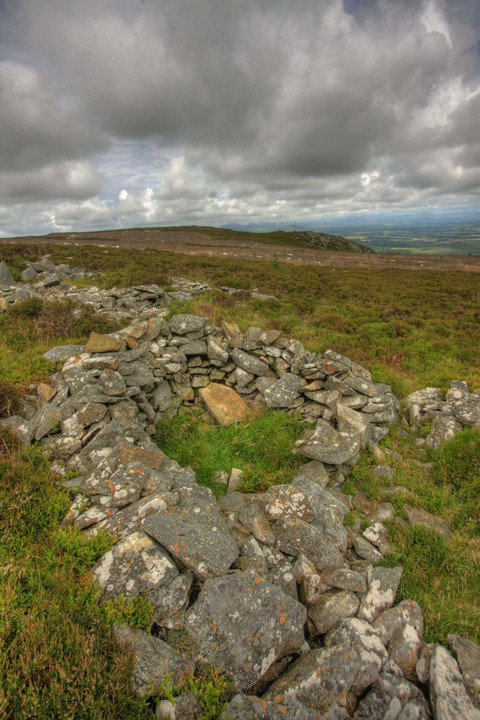
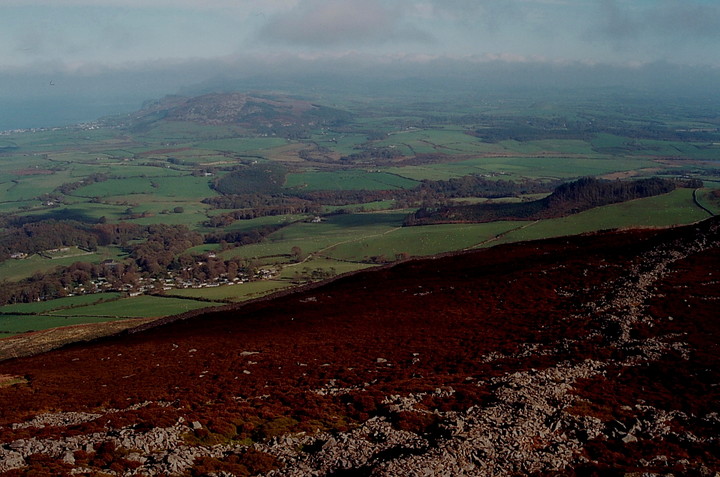
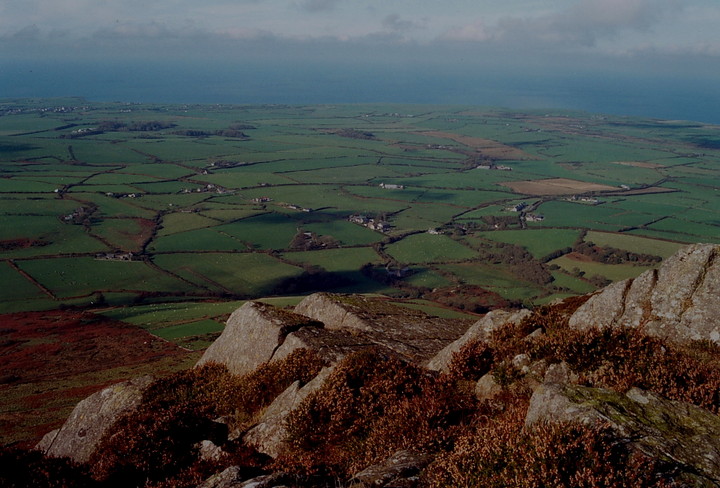
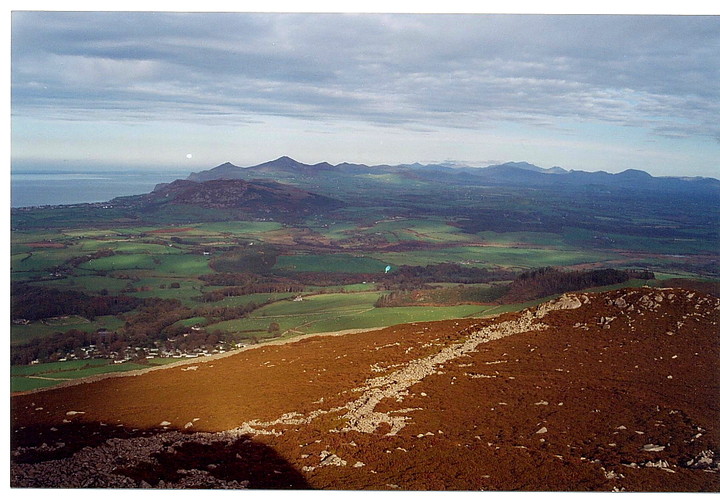
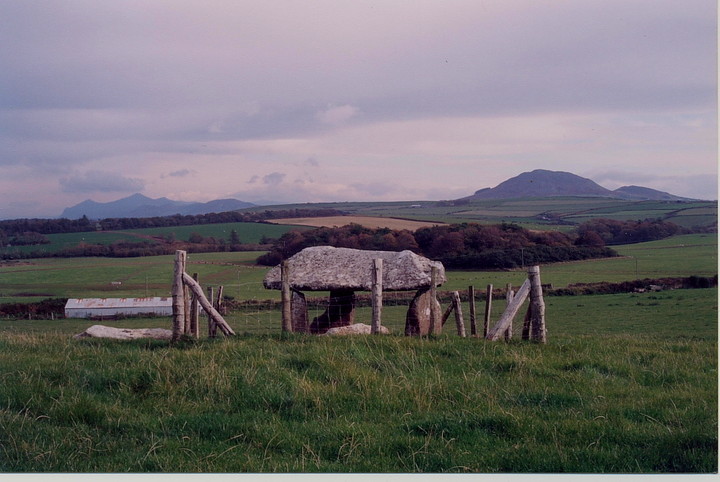
There is free parking for nigh on a dozen cars by the church, south of the fort, as parking spots go it's a good one, on one side is Carn Fadryn itself and on the other is the rest of the Lleyn peninsula, for those who elect to stay in the car it at least has a good view. On the other side of the church go up a lane that goes up to the covered reservoir, go through a gate turn right and follow the thin but well worn path, it goes all the way (baby) to the top. Near the top we go through the southern entrance, the wall goes off to the right and round a corner and left it continues up hill towards the rocky summit. The childrens guide to climbing mountains expressly forbids any dallying with ancient remains, but insists that you proceed straight to the top with gusto and intrepidity. So, straining against the strong wind I'm led up a mountain by two thirteen year olds, one of whom has never been up a mountain, and the other has seen too many Bear Grylls. I turn to photograph some of the huts and pounds that huddle out of the wind under the cliffs, from here I can see Mynydd Tir-y-Cwmwd, where we've just seen a very sorry dismantled dolmen, below me is the fort interior, coflein assures us that the entire place is covered in hut circles, but they've all gone from there, but not gone is a cairn, we'll see that shortly though. There is also a cairn further up the rocks behind me closer to the top, so I return to following the kids, who have now somewhat disconcertingly, disappeared. I catch up with them huddled behind some rocks, the wind is very strong, not cold, but strong. They have also inadvertently stopped right by the cairn, so I give it a good inspection whilst they sit and look on. Right up at the top is the trig point, 371 meters high, doesn't sound much does it, it's not even once round the running track, but 1217 feet does sound a lot. Apparently if a hill is over a thousand feet its a mountain, perhaps explaining why we consider Wales to be very mountainous. Up at the top, the ground seems not wholly natural, I found that was probably because there was once a Norman tower castle up here, nothing too big, just big enough to make the downtrodden locals feel oppressed. From up at the top the view is teasingly not over expansive, behind Garn Boduan The Rivals struggle to be seen through the haze, and the whole of Snowdonia just isn't there at all. We start the walk along the great north wall, the night watch are long gone now, the dozens and dozens of huts and pounds are getting swallowed by high heather and much greenyness. I even stumble across the north entrance, it too is choked with undergrowth. But even better hidden than the entrance will be something I've not heard of before. If it's not unique let me know, this is cofleins description..........A robbed and ruined cist or ancient burial vault, 2.4m by 1.2m, is overlain by the inner rampart of Carn Fadrun. It is suggested that the cist was originally covered by a cairn, of which a scatter of loose boulders remain. Such a monument would conventionally be ascribed to the Bronze Age........... How on earth am I supposed to discern a cairn with a wall over it, a wall that fell centuries ago and has spread twenty yards in either direction, this one will stretch my stone finding skills to be sure. A needle in a haystack, and a haystack made of needles. We continue to the end of the north wall to the north east corner of the fort, on another rocky outcrop. Ive already seen half a dozen contenders for being ex cists. But then I find what I thought to be hut circle attached to the inner side of the inner wall, but the interior of the hut is very small, this could be the cairn, the inner scoop of the cairn is chokka block full of plant growth, at the time, I was still unsure so we carried on. At the south east corner, I decided that that was it after all, maybe, probably. I detour into the forts interior to see the big cairn, it has been added to by Joe public, massively. So much so that I wonder if its bronze age at all, the very lowest section looks to be it, even a couple of kerb stones? Back to the kids and we finish off the mountaineering part of the day by returning to the path via a path of our own choosing, over and among massive rocks, short cliffs and small caves, quite dangerous, stick to the path. A superb hill fort with loads to see, epic views, easy to get to, but, still not as good as Tre'r Cieri. |
 Posted by postman
17th May 2015ce |

|
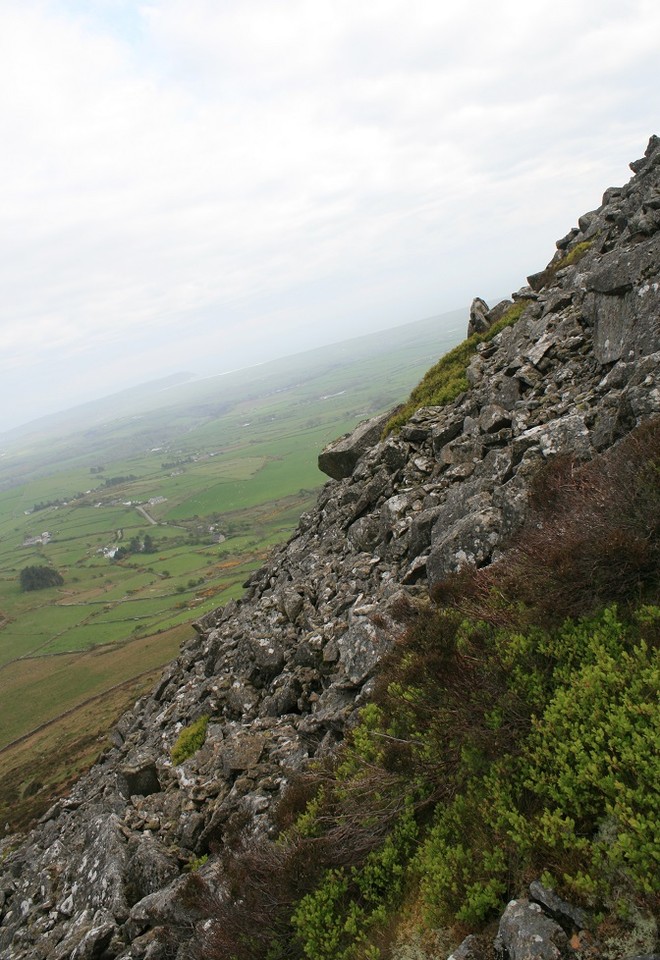
Once you've reached the village of Garnfadryn, there is plenty of space to park near the sadly forlorn looking chapel. Follow the marked path and after about 200 yds keep straight on instead of bearing right. After that it's just a steepish climb. Tread carefully! I saw a common lizard sunning itself on a rock on the edge of the path (it wasn't too bothered about me). The views from the summit are spectacular in all directions. The highlights for me were the round stone walls of the hut dwellings - still intact. Very similar to Tre'r Ceiri, not on such a scale but wonderful nonetheless. Soak it up! |
 Posted by jones-y-gog
2nd July 2013ce |
Folklore |
Add folklore |
About fifteen miles to the westward of Crickaeth there is a lofty hill, called Carn Madryn, which is noted for having been a strong hold of Roderick and Maelgwyn, the sons of Owen Gwyneth.A pig-sty? a bit harsh, it is thousands of years old. It's hard to know from this if the Owain Gwynedd (a prince of North Wales) connection is a folk story or something dreamt up by historian types. From "A voyage round Great Britain, undertaken in the summer of the year 1813.." by Richard Ayton and William Daniell. |
 Posted by Rhiannon
4th October 2012ce Edited 4th October 2012ce |

|
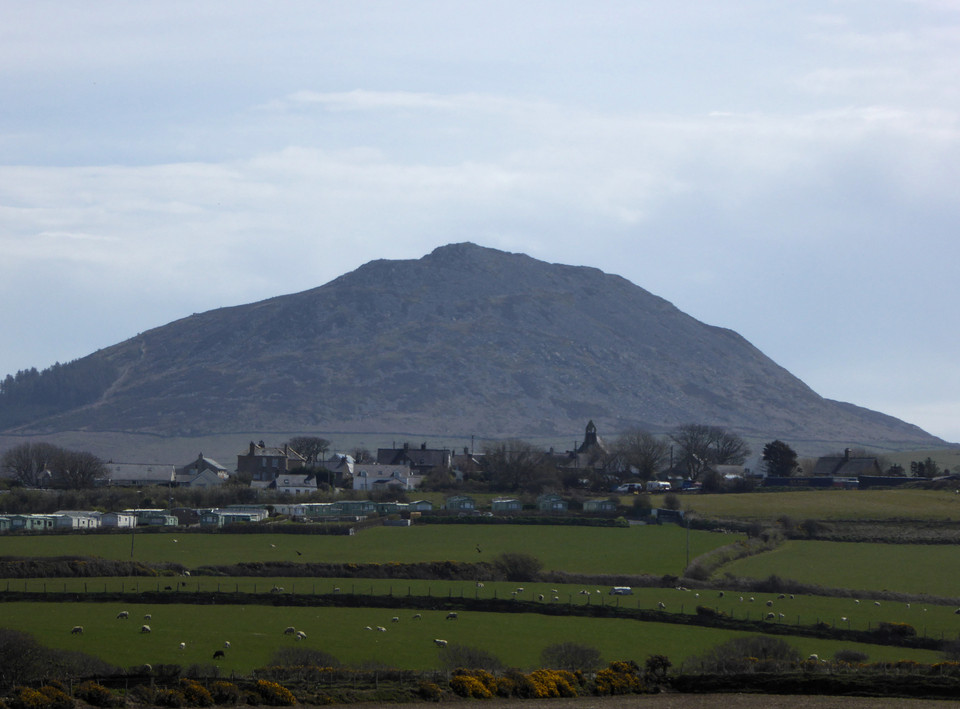
There are numerous remains on Carn Fadryn - the large Iron Age fort was overlain by a castle in the 12th century. The fort is associated with Queen / Saint Madrun (supposedly the granddaughter of Vortigern). Maybe the name is also linked with the Roman mother goddess of Matrona.. "Ceidio, in the promontory of Lleyn, is under the remarkable isolated hill of Carn Madryn, which takes its name from Madrun. The local tradition is that on the burning of the palace of Gwrtheyrn, under Tre'r Ceiri, Madrun fled with Ceidio, then a child in arms, to the fortress on Carn Madryn, and that later in life Ceidio founded the church that bears his name beneath the mountain..." (from Baring-Gould's section on S. Ceidio in 'Lives of the British Saints'). Such a vantage point is also ideal for throwing stones from - Penllech Coetan Arthur originated up here. |
Posted by Rhiannon 22nd March 2006ce Edited 22nd April 2013ce |
Links |
Add a link |
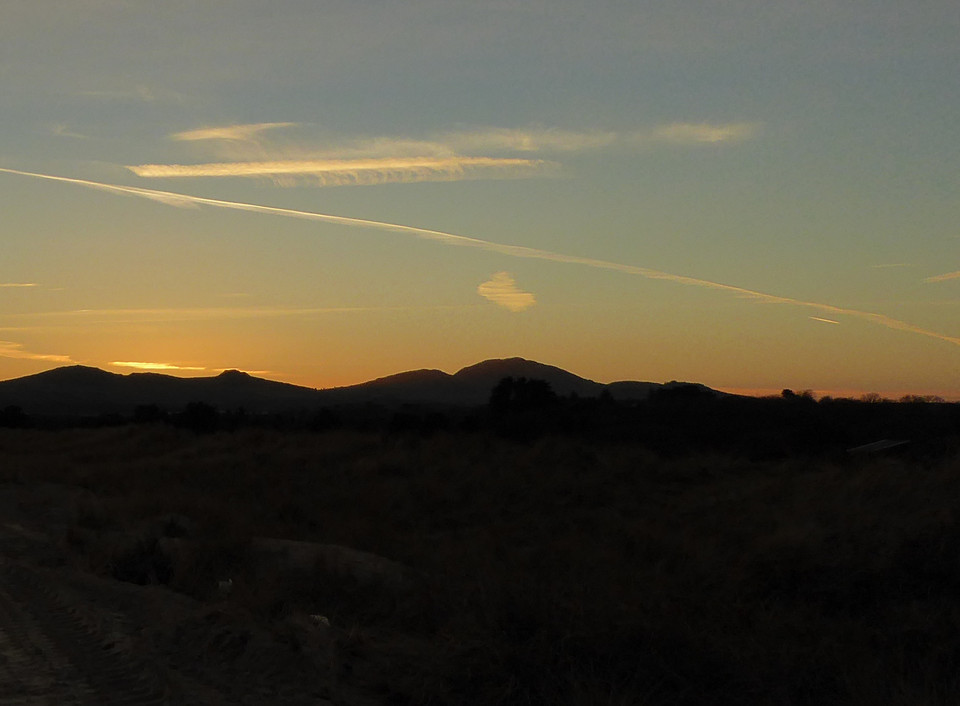
Vortigern StudiesThis informative page includes a long-distance view of the striking mountain. |
Posted by Rhiannon 22nd March 2006ce |
 Top of page