The Modern Antiquarian. Ancient Sites, Stone Circles, Neolithic Monuments, Ancient Monuments, Prehistoric Sites, Megalithic Mysteries

Switzerland

Country

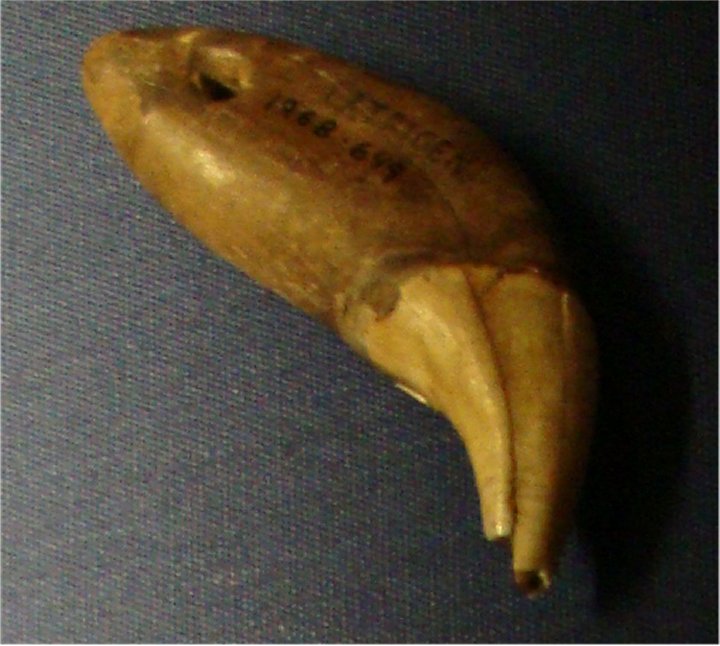
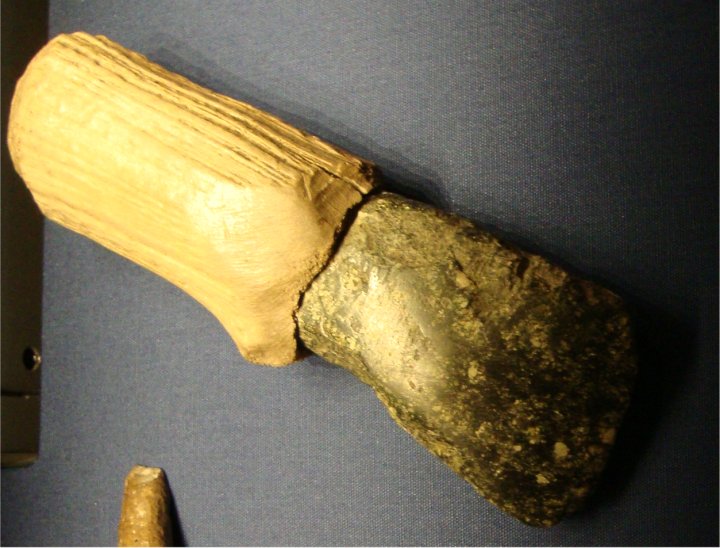
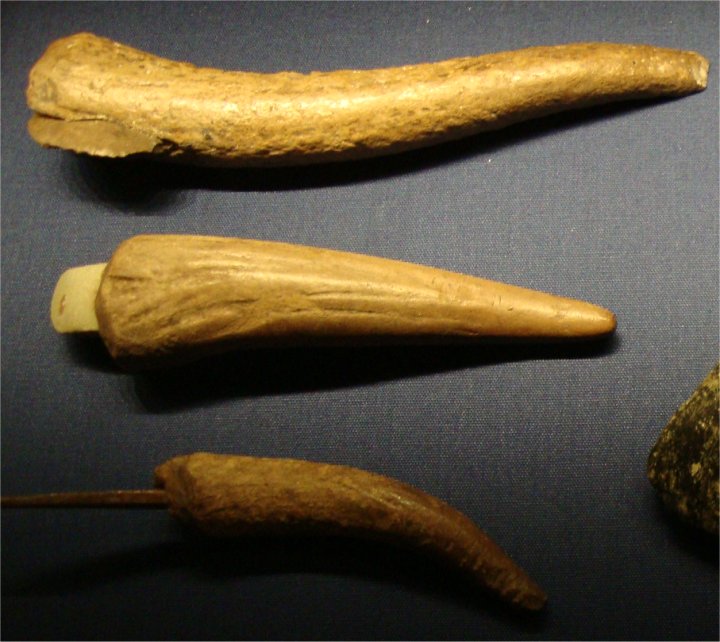
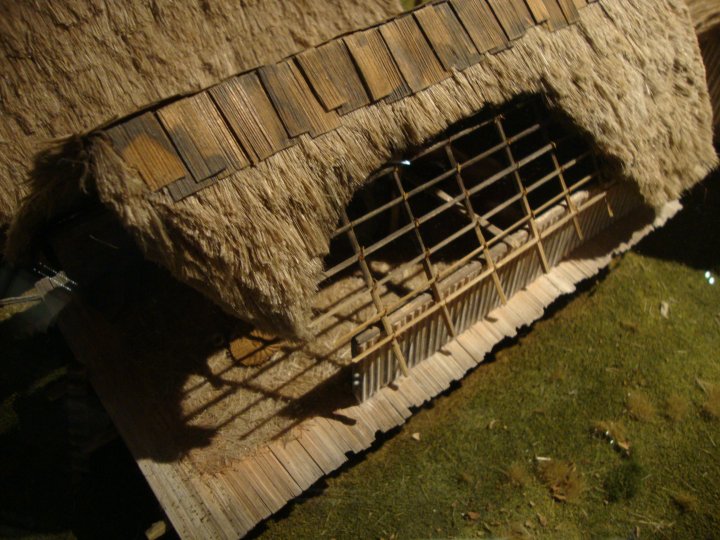
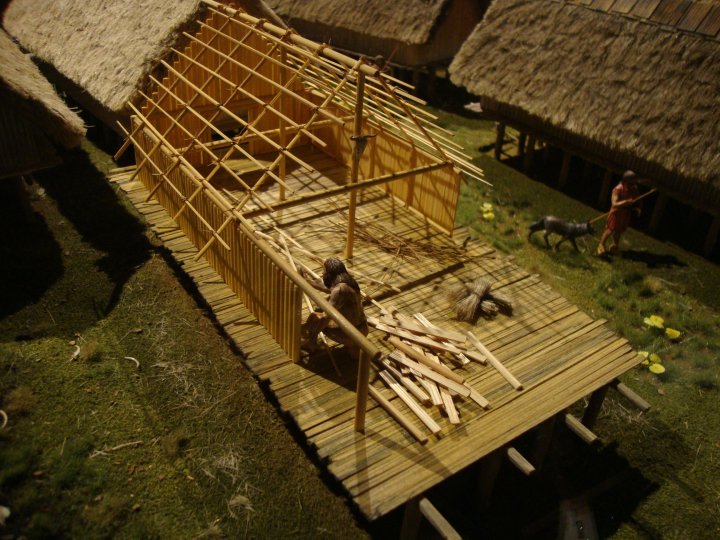
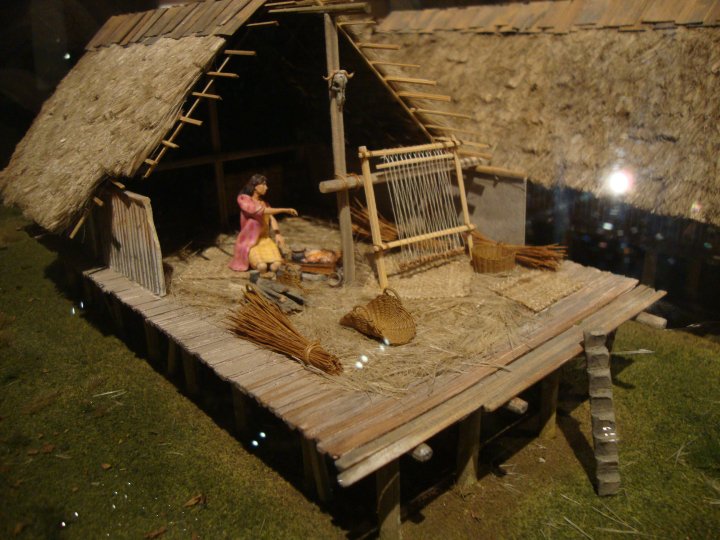
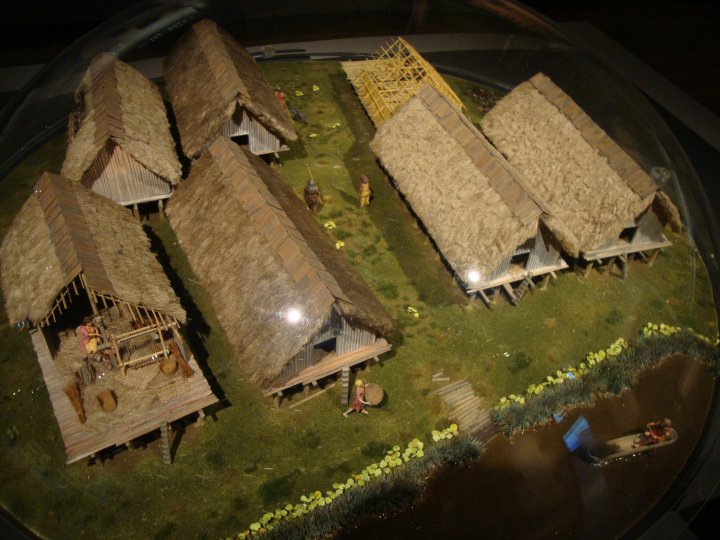
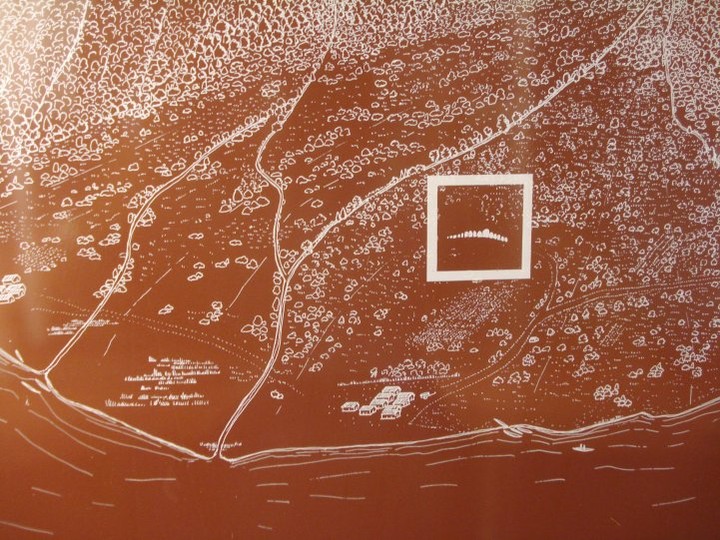
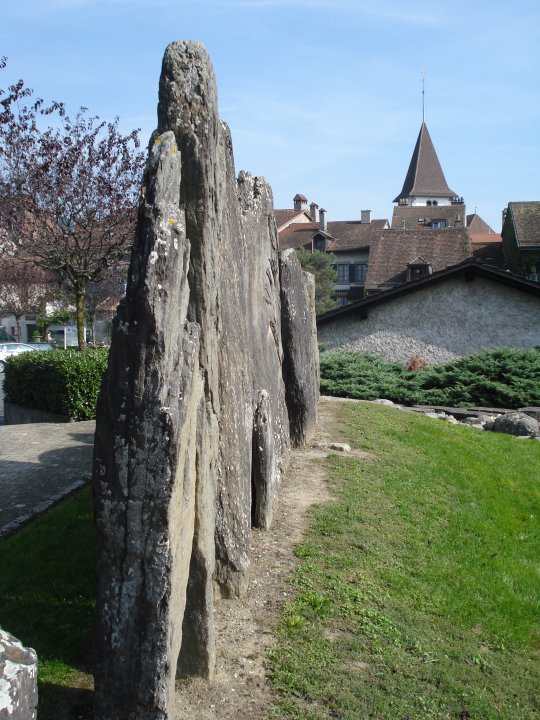
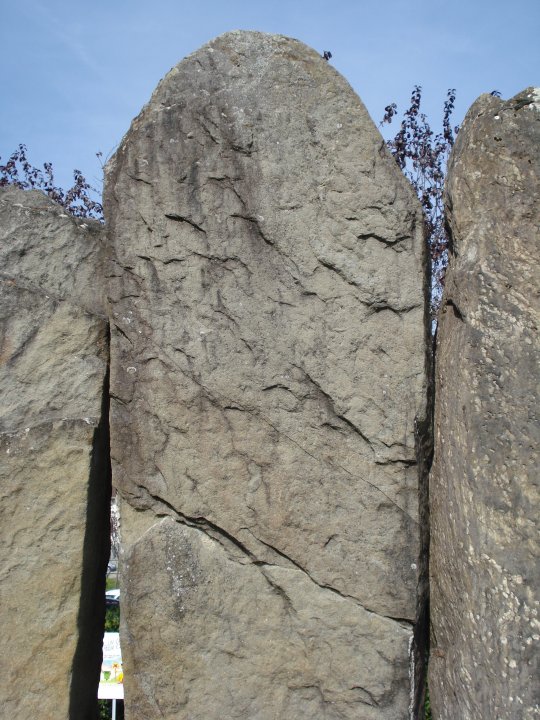
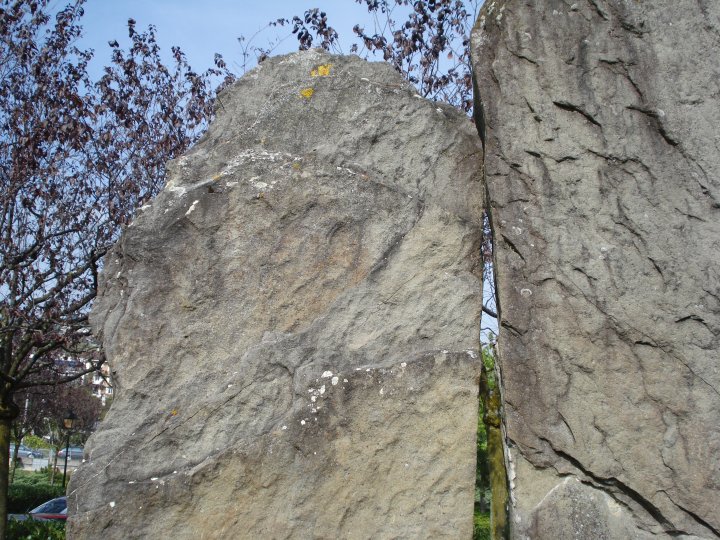
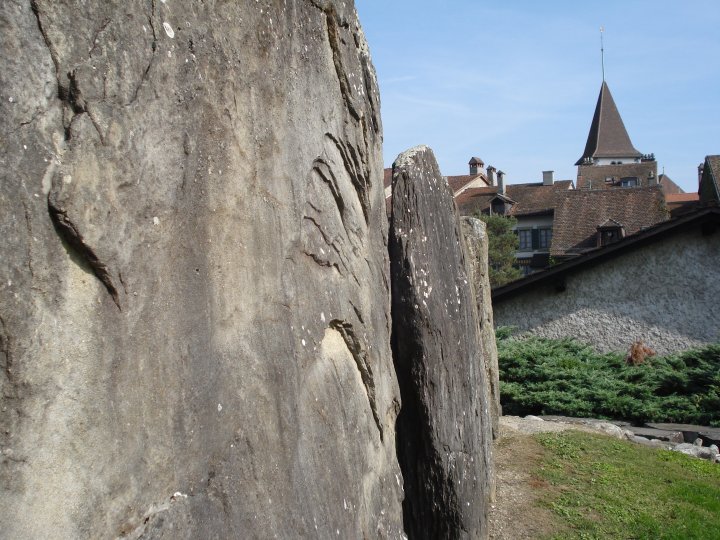
<b>Switzerland</b>Posted by ChanceImage © Chance - 2010 Model by David Provan, Ashmolean museum, Oxford
See individual sites for details

Added by TMA Ed


Discussion Topics0 discussions
Start a topic


Show  |  Hide
Web searches for Switzerland

Sites/Regions:

Appenzellerland Departement
1 post
Canton of Geneva Departement
1 post
Canton of Neuchâtel Departement
Canton of Vaud Departement
9 posts
Crap Carschenna Cup and Ring Marks / Rock Art
3 posts
Falera Stone Row / Alignment
5 posts
Laténium Ancient Village / Settlement / Misc. Earthwork
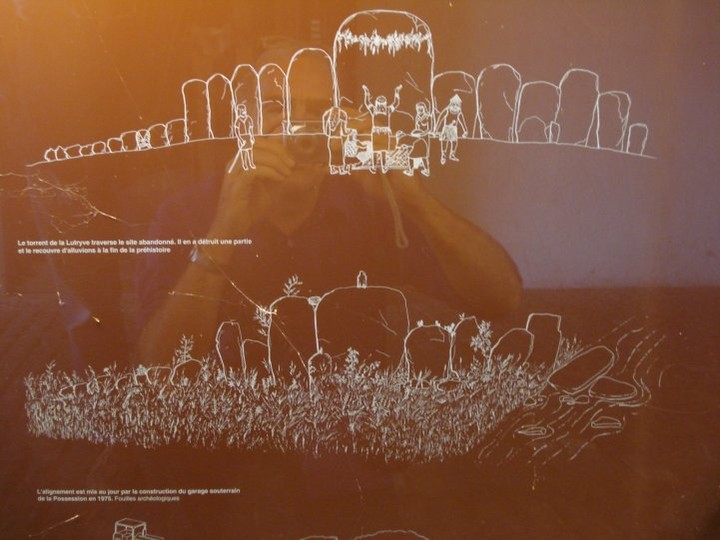
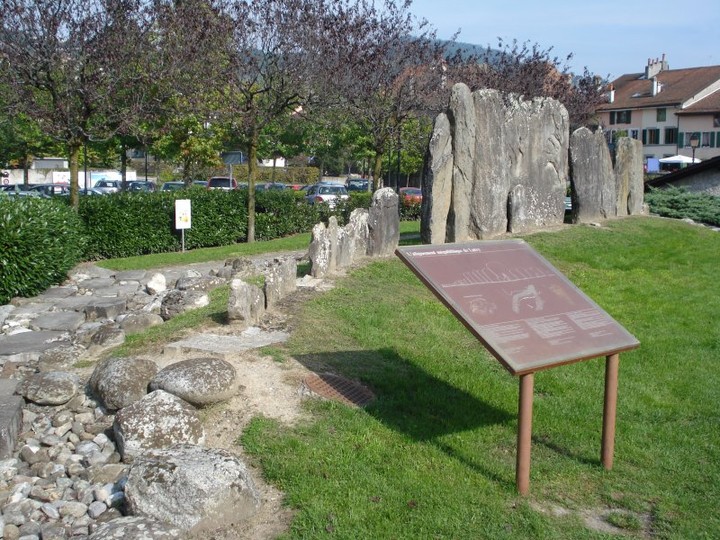
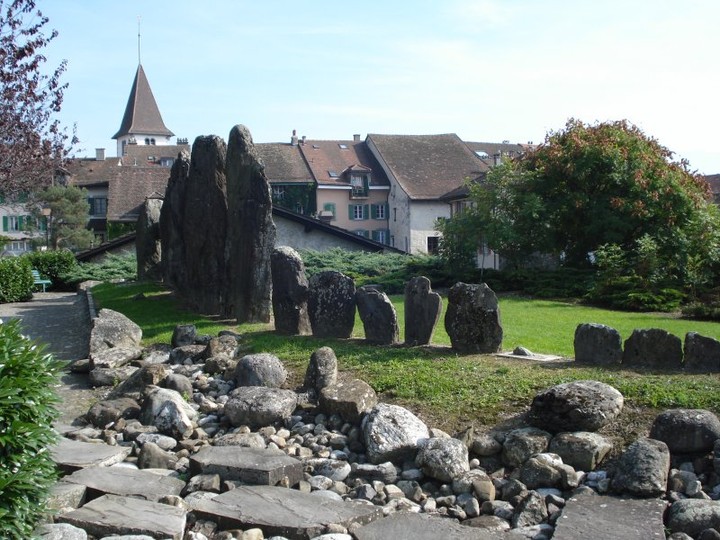
Lutry Menhirs Standing Stones
11 posts
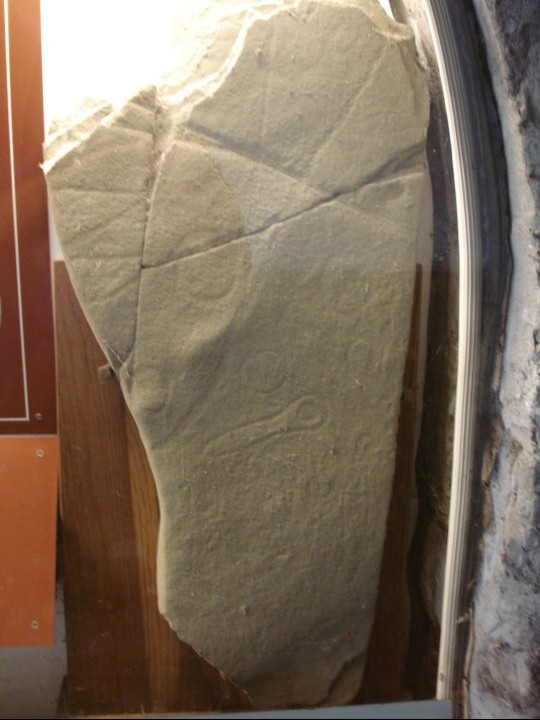
Pierre-aux-Dames (Musée d'art et d'histoire) Cup and Ring Marks / Rock Art
24 posts
Wildkirchli Cave / Rock Shelter

Images (click to view fullsize)

Add an image Add an image
Photographs:<b>Switzerland</b>Posted by Chance <b>Switzerland</b>Posted by Chance <b>Switzerland</b>Posted by Chance Artistic / Interpretive:<b>Switzerland</b>Posted by Chance <b>Switzerland</b>Posted by Chance <b>Switzerland</b>Posted by Chance <b>Switzerland</b>Posted by Chance

Links

Add a link Add a link

STEINKREIS.CH


STEINKREIS.CH is a Swiss web site dedicated to unlocking the mysteries of ancient Switzerland. "Our selected books will provide numerous travel and hiking tips lots of general information and news on the subject megaliths, power stations, landscape mythology, geomancy and Celts ... "

Site includes numerous photos and information on site locations within selected cantons.

English translation via Google
Chance Posted by Chance
13th June 2011ce

The Lake Dwellings of Switzerland and other Parts of Europe By Dr. Ferdinand Keller


The Lake Dwellings of Switzerland and other Parts of Europe By Dr. Ferdinand Keller.
Translated and arranged by John Edward Lee, FSA, FGS London: Longmans. 1866

Download the complete book in PDF format from Google Books
Chance Posted by Chance
11th October 2010ce

Latest posts for Switzerland

Showing 1-10 of 54 posts. Most recent first | Next 10

Canton of Neuchâtel (Departement) — Miscellaneous

The Canton of Neuchâtel lies in the far western part of Switzerland between the French border and the Lake of Neuchâtel. It's capital is the City of Neuchâtel.

The area was ruled for many years by the dynasty of Count Ulrich von Fenis who took over the town and its territories in 1034.The dynasty prospered and by 1373 all the lands now part of the canton belonged to the count. In 1405, the cities of Bern and Neuchâtel entered a union. The lands of Neuchâtel passed to the lords of Freiburg about a century later, and then in 1504 to the French house of Orléans-Longueville (Valois-Dunois).

When the house of Orléans-Longueville became extinct with Marie d'Orleans-Longueville's death in 1707, the Principality of Neuchâtel (German: Fürstentum Neuenburg) went to King Frederick I in Prussia of the Berlin-based Hohenzollern, who then ruled Neuchâtel in personal union. Napoléon Bonaparte deposed King Frederick William III of Prussia as prince of Neuchâtel and appointed instead his chief of staff Louis Alexandre Berthier.

In 1814 the principality was restored to Frederick William III. A year later he agreed to allow the principality to join the Swiss Confederation, then not yet an integrated federation, but a confederacy, as a full member. Thus Neuchâtel became the first and only monarchy to join the otherwise entirely republican Swiss cantons. This situation changed in 1848 when a peaceful revolution took place and established a republic, in the same year that the modern Swiss Confederation was transformed into a federation. King Frederick William IV of Prussia did not give in immediately and several attempts at counter-revolution took place. In 1857, Frederick William renounced his claims on the area.

The canton is well-known for its wines, which are grown along the Lake Neuchâtel, and for its absinthe. The Val-de-Travers is famous as the birthplace of absinthe, which has now been re-legalized both in Switzerland and globally.

Lake Neuchâtel has been lived by and on for millenia. The latenium is an archeology museum located in Hauterive, a suburb of Neuchâtel.
Chance Posted by Chance
12th June 2011ce

Canton of Geneva (Departement) — Miscellaneous

Canton of Geneva

Although listed as a department on TMA, Geneva is actually a Republic and well as one of the 26 Cantons within the Swiss confederation.

Geneva was an independent republic until 1798, but had been an "everlasting ally" of the Swiss Confederation since 1584. During the Napoleonic wars, Geneva was occupied and annexed to France. After its liberation in 1813, Geneva joined the Swiss Confederation in 1815 as the 22nd canton, having been enlarged by French and Savoyard territories at the Vienna Congress.

The canton of Geneva is located in the southwestern corner of Switzerland and is considered one of the most cosmopolitan areas of the country. As a center of the Calvinist Reformation, the city of Geneva has had a great influence on the canton, which essentially consists of the city and its hinterlands.

The municipality of Troinex, original site of the Pierre-aux-Dames stone, lies on the southern limits of the Canton.
Chance Posted by Chance
12th June 2011ce

Laténium (Ancient Village / Settlement / Misc. Earthwork) — Images (click to view fullsize)

<b>Laténium</b>Posted by Chance<b>Laténium</b>Posted by Chance<b>Laténium</b>Posted by Chance Chance Posted by Chance
21st February 2011ce

Laténium (Ancient Village / Settlement / Misc. Earthwork) — Links

Laténium


Offical website for the archeology museum with events diary
Chance Posted by Chance
21st February 2011ce

Laténium (Ancient Village / Settlement / Misc. Earthwork) — Miscellaneous

The Laténium is an archeology museum located in Hauterive, a suburb of Neuchâtel in the Swiss Canton of Neuchâtel, on the shore of Lake Neuchâtel.

Its name refers to the La Tène culture.

The Laténium is composed of a 2500 m² park, and a museum building which also houses the archaeological section of the University of Neuchâtel.

The park features dolmens and erratic stones, reconstitutions of prehistoric and antique devices (a La Tène house, a gallo-roman ship and a Celtic bridge, notably), and modern works of art. The museum displays the Bevaix Boat, a 20-metre gallo-roman ship found in Bevaix.

Items from periods comprised between the paleolithic to the Roman empire are on display, including the remains of a Magdalenian hunting camp.
Chance Posted by Chance
21st February 2011ce

Pierre-aux-Dames (Musée d'art et d'histoire) (Cup and Ring Marks / Rock Art) — Folklore

Found you a little bit Chance, for your lovely carved stone. But sounds like whatever curses worked at the time they didn't last enough to stop it being moved in the end.
Not very long ago the authorities of Geneva conceived the idea of carrying away, and placing in the Botanic Garden of the city, the great Druid Stone of Troinex, known as the Pierre aux Dames. The project went so far that a trench was dug about the block, rollers were on the spot, and the removal was about to begin, when the people of the neighbourhood raised such an outcry and besought the Council of State so earnestly to let the stone be, that the order was countermanded, and the Pierre aux Dames of Troinex still remains undisturbed where it has lain for unnumbered ages.

It used to believed in days gone by (and the belief probably still lingers in the remoter parts of the Pays de Gex) that the Pierre aux Dames, an the three Druid stones between Versonnex and Grelly, were thrown thither in sport by the giants who, according to tradition, once dwelt in the fastnesses of the Jura. Another legend has it that the giants placed the stones in their present situation to protect the treasures which are supposed to be buried at immeasurable depths underneath them. These treasures are further and more effectually guarded by the giants' curse, which will pursue anybody who attempts to destroy or remove the stones; and it is a well known fact that evil has never failed to befall the reprobates who have dared to lay unhallowed hands on these mysterious relics of the past.
From 'Tales and Traditions of Switzerland' by W B Westall (1882).

Also there is a long-winded tale about a stone at Versonnex in the same chapter.
Rhiannon Posted by Rhiannon
15th January 2011ce

Pierre-aux-Dames (Musée d'art et d'histoire) (Cup and Ring Marks / Rock Art) — Links

Des mégalithes, des légendes et des dieux By Jean-François Kister


Exerts from Google books, in French, with reference to Pierre-aux-Dames showing excavation photos from 1877
Chance Posted by Chance
15th January 2011ce

Pierre-aux-Dames (Musée d'art et d'histoire) (Cup and Ring Marks / Rock Art) — Folklore

Switzerland has very little, if any, folklore concerning megalithic sites. This is because the tribes that lived in the area adopted a scorched earth policy and destroyed all their villages before beginning their doomed mass migration in 58 B.C.. When Julius Caesar burned the bridge of Geneva, to stop the advance of the Helvetii, the area around Troinex would have been trashed too.

See - http://en.wikipedia.org/wiki/Helvetii

The Pierre-aux-Dames is a mystery of this period. The four sculpted figures are attributed to the Gallo-Roman period due to their dress, the use of metal tools and the craftsmanship employed. That said, the mound and the tombs were clearly placed in the late Bronze Age which could have been 1,000 years earlier. It may be possible that the stone was sculpted by Greek or Mediterranean stone masons commissioned specially for the task. Alternatively, the sculpture may have been produced after the Roman conquest of the area by descendants of the Helvetii in order to preserve the memory of their ancestors.

Whatever the truth behind the Pierre-aux-Dames, modern myths are being created about the fertility of the soil and the grapes that are grown to produce wine in the area.
Chance Posted by Chance
15th January 2011ce
Showing 1-10 of 54 posts. Most recent first | Next 10