|
 Log in |
Register Log in |
Register
|

|
|

Fowlis Wester Standing StonesStanding Stones
|
||||||||||||||||||||||||


 0 discussions


 Show map (inline Google Map)
|
|
|
Images (click to view fullsize) |
 Add an image Add an image |
|
Fieldnotes |
Add fieldnotes |
|
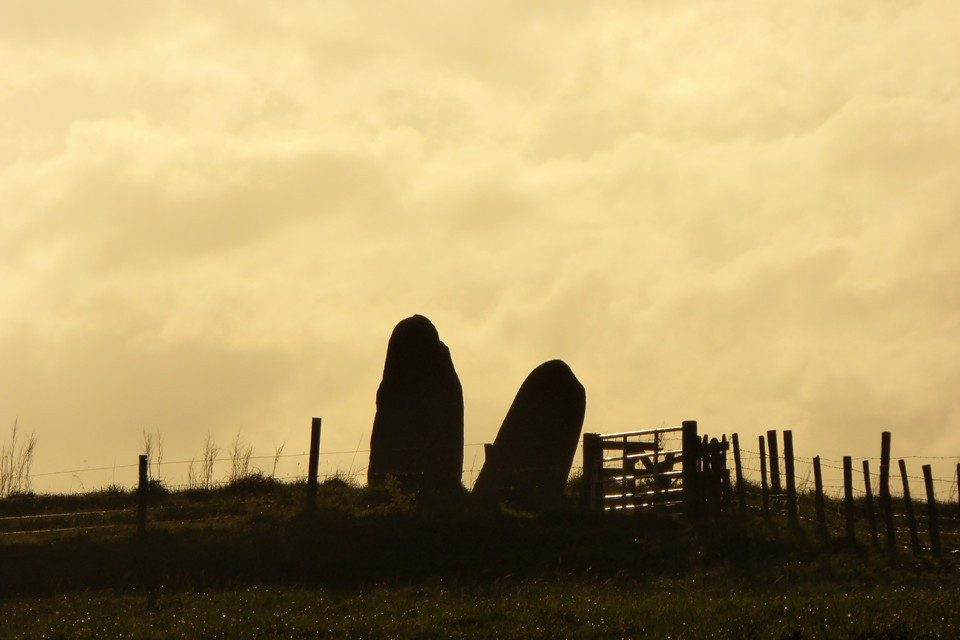
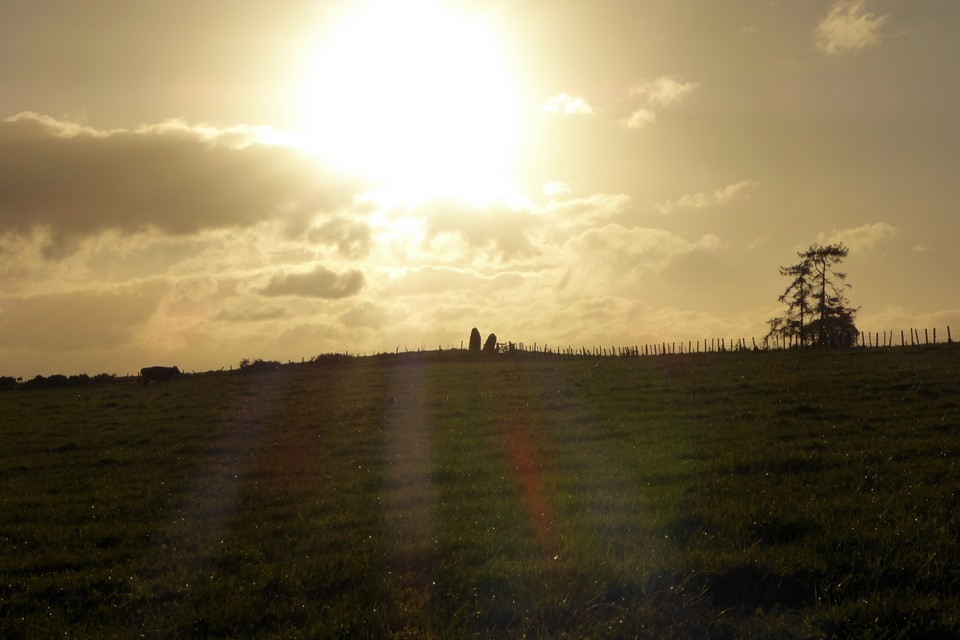
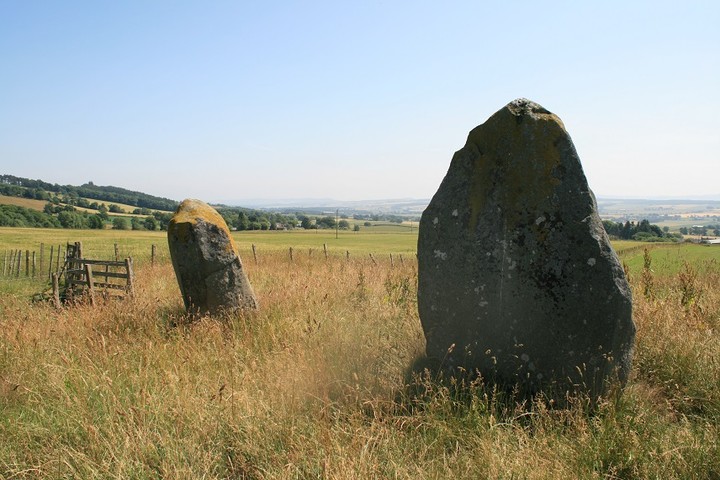
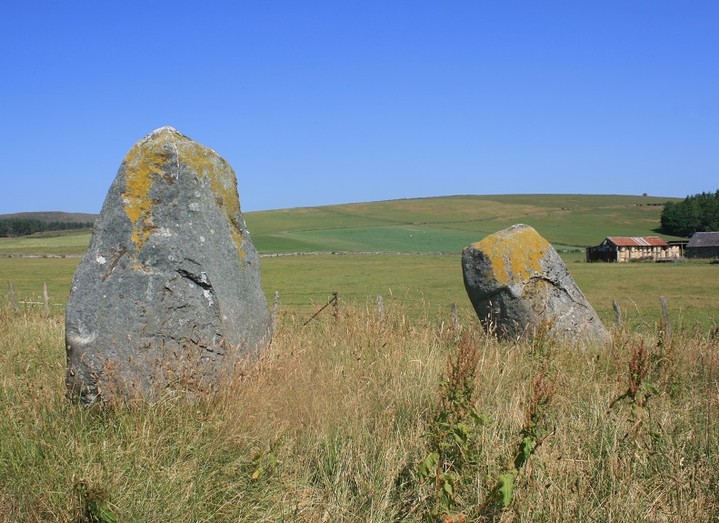
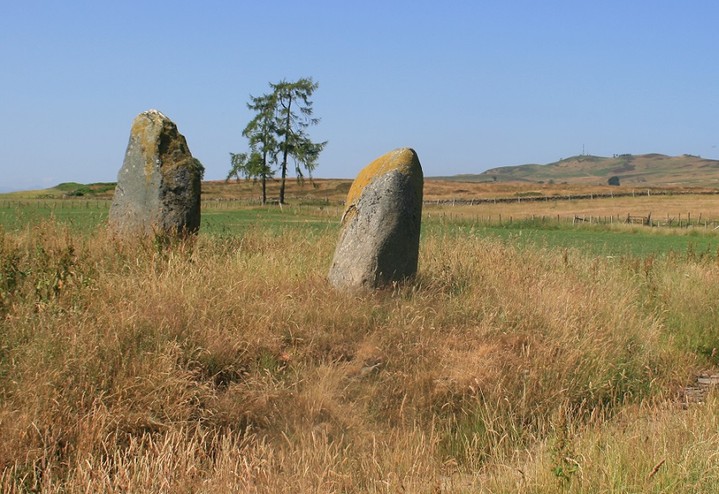
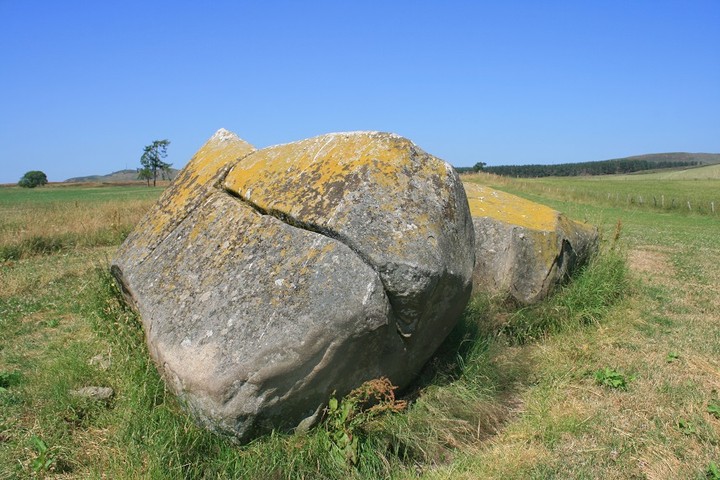
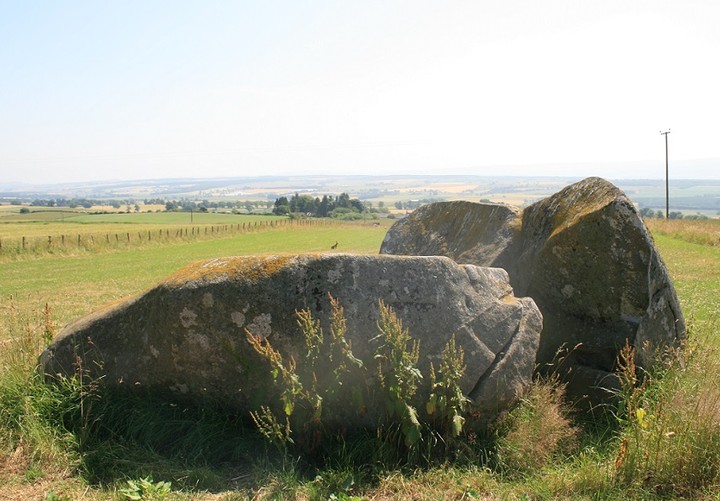
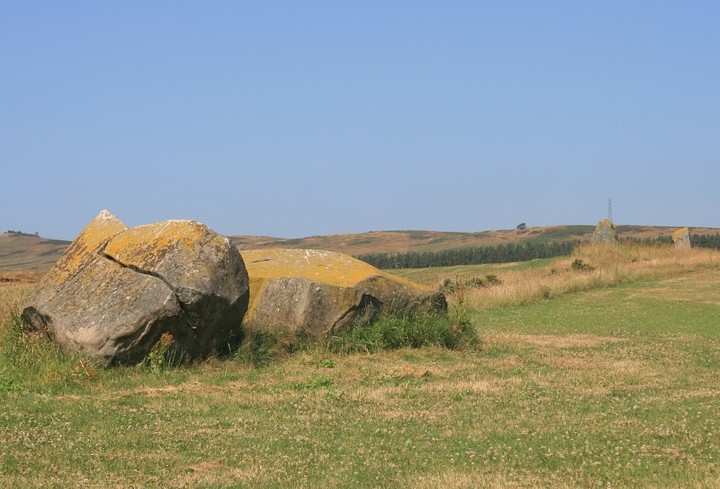
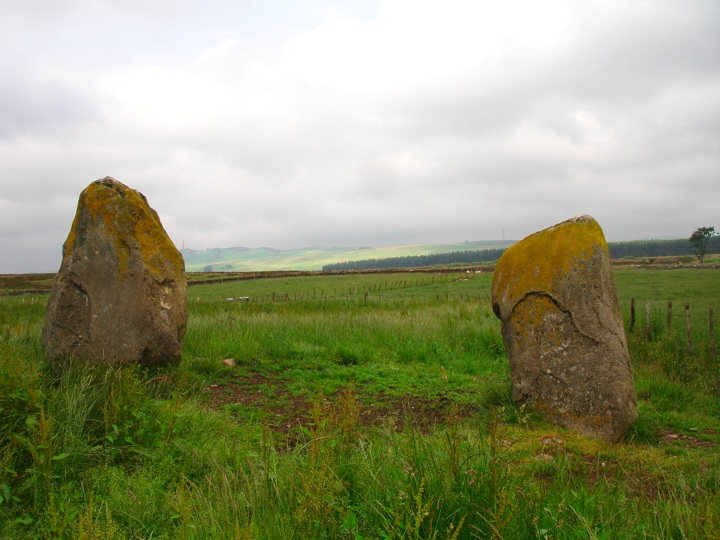
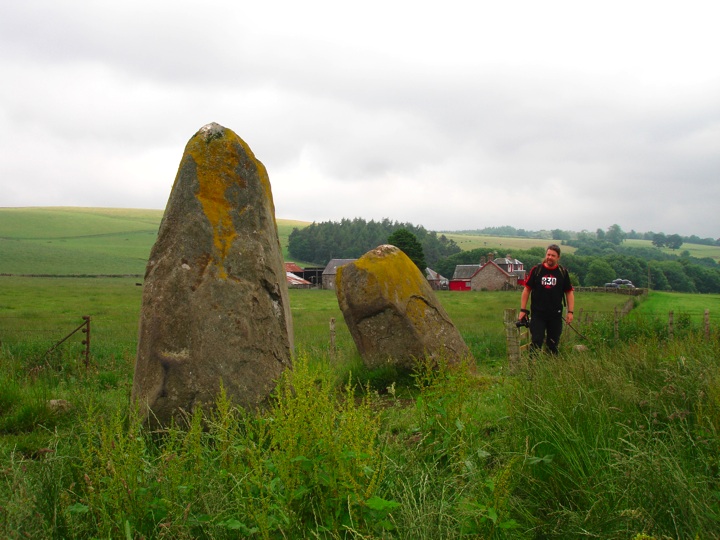
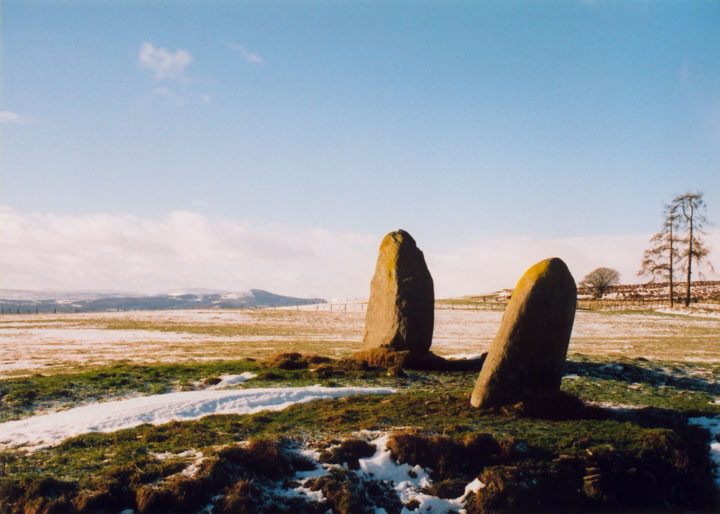
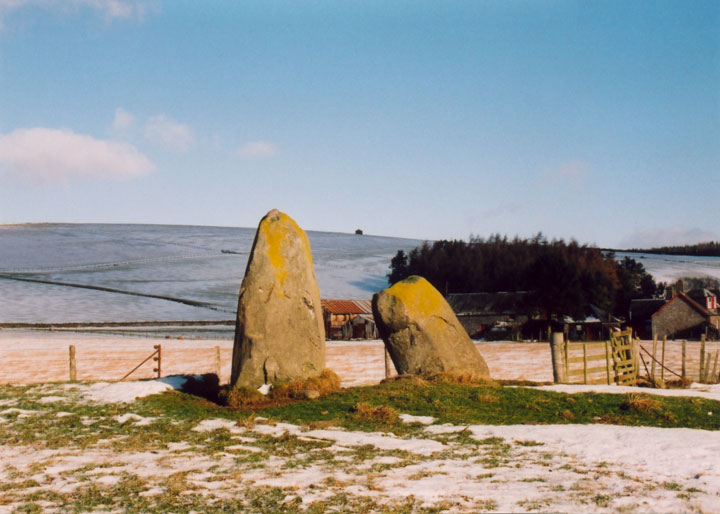
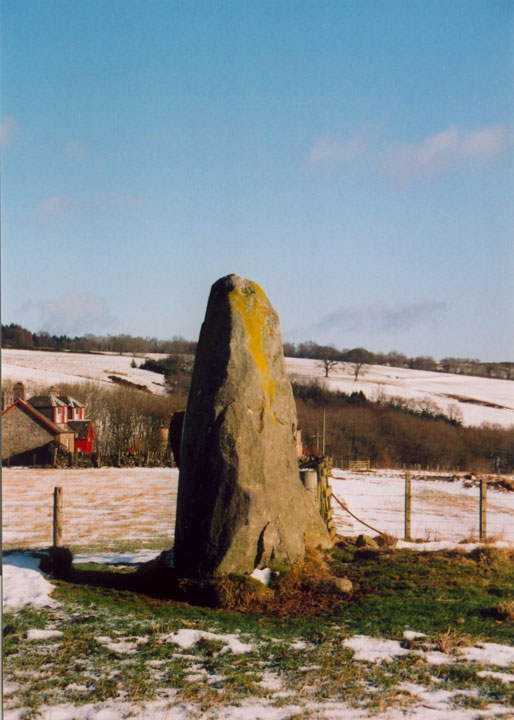
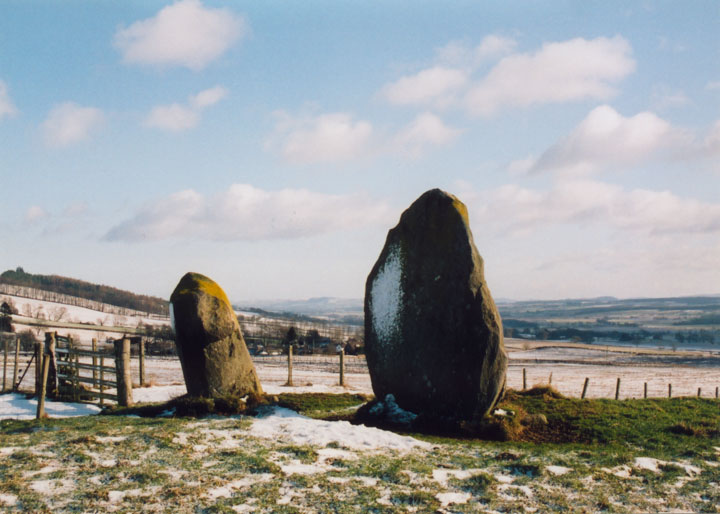
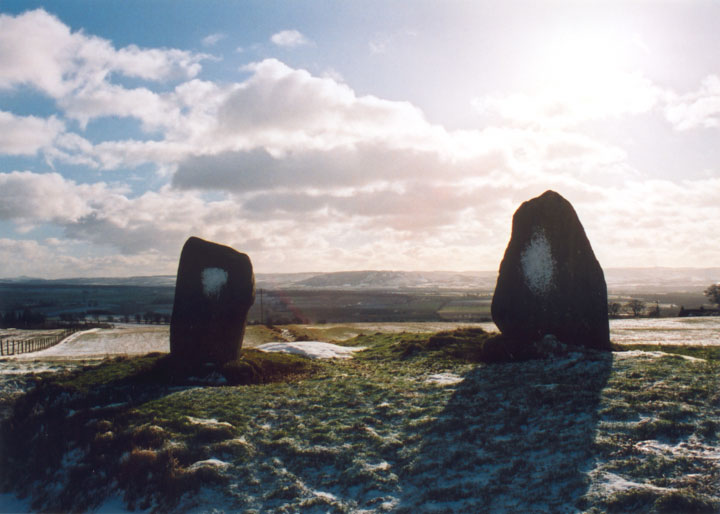
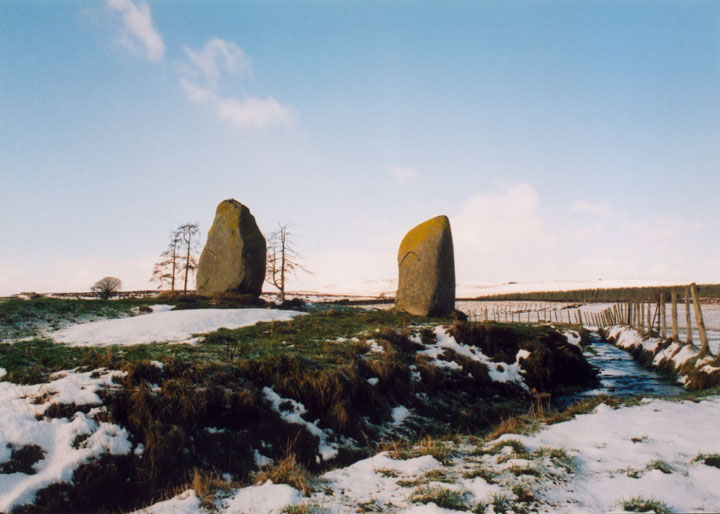
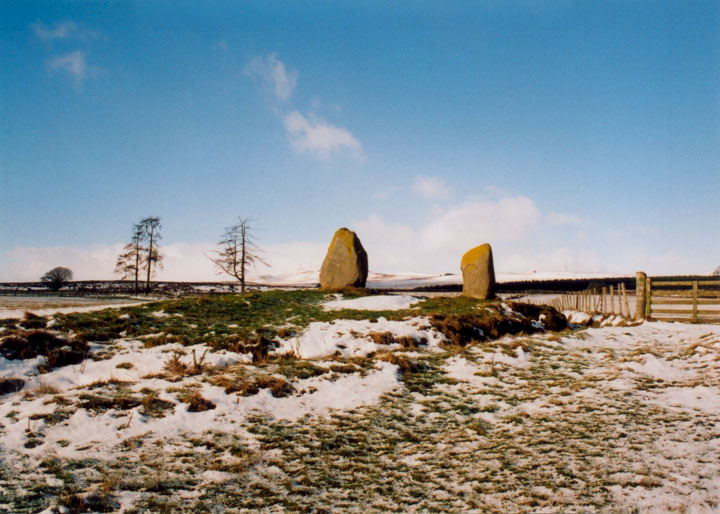
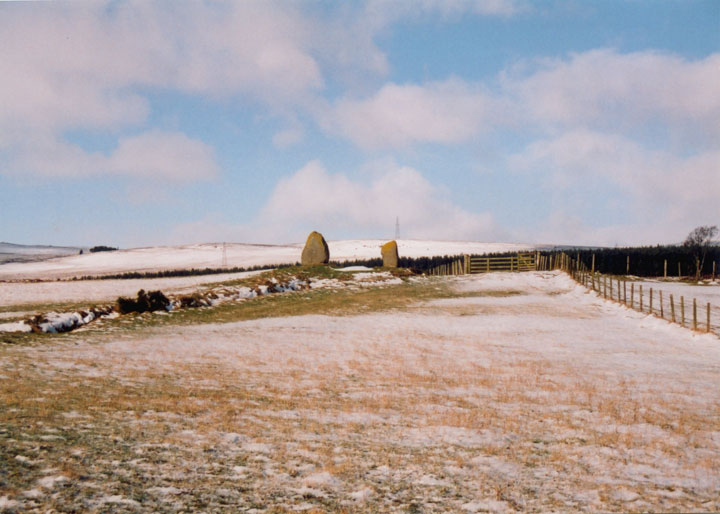
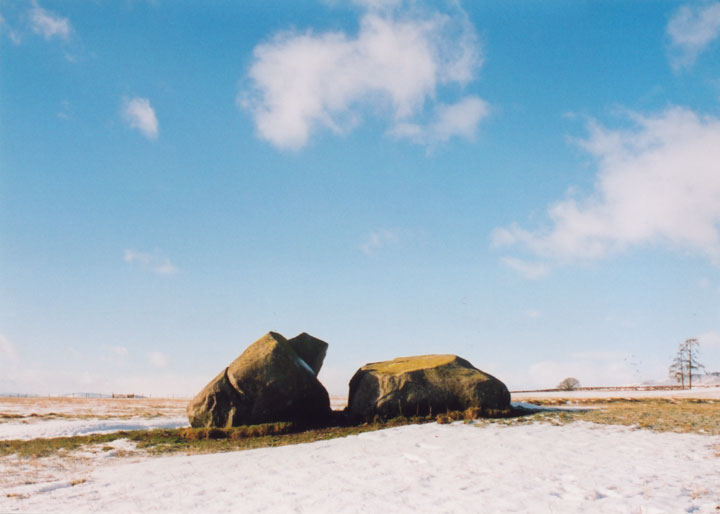
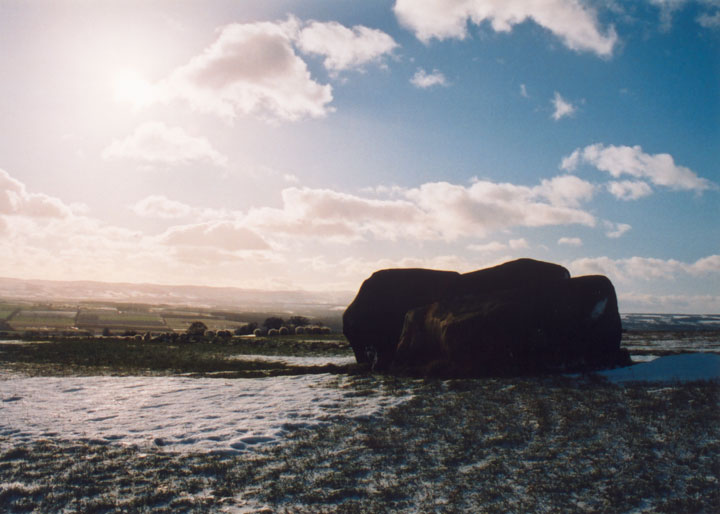
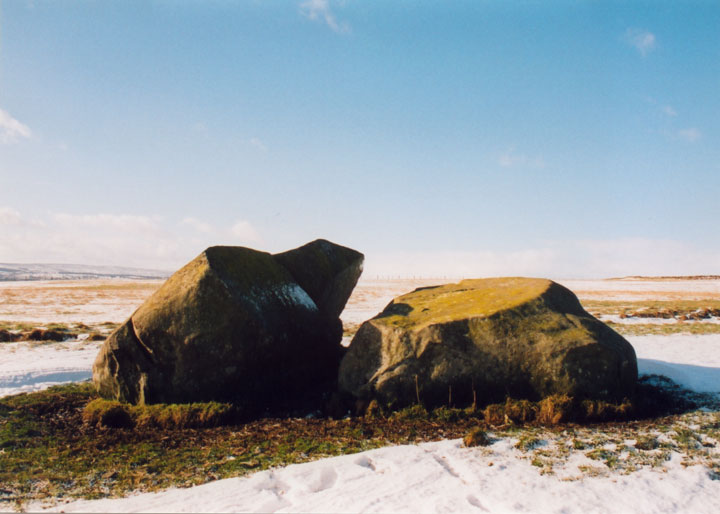
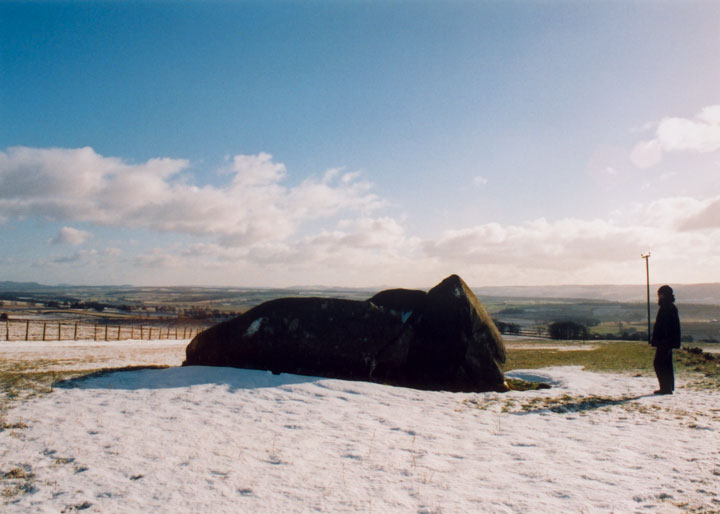
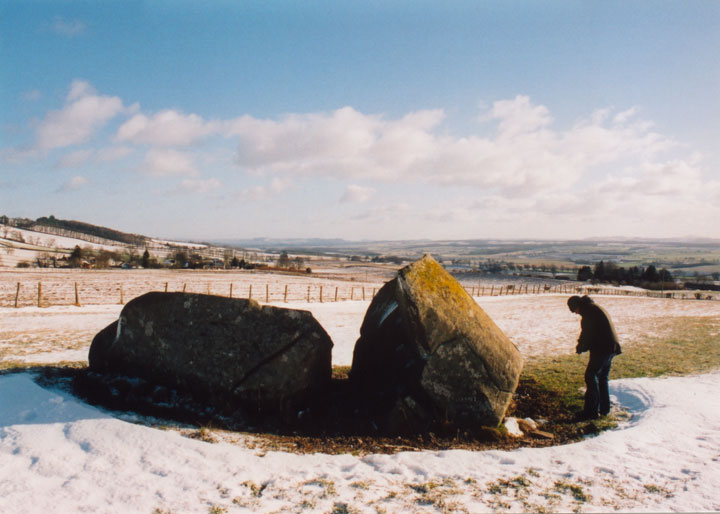
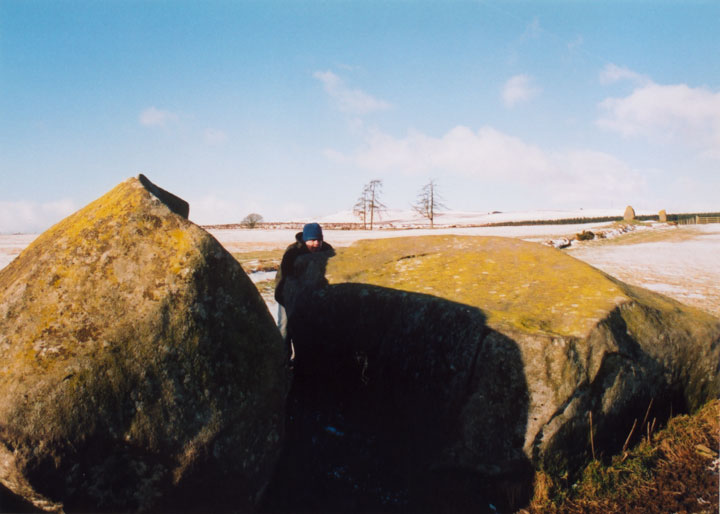
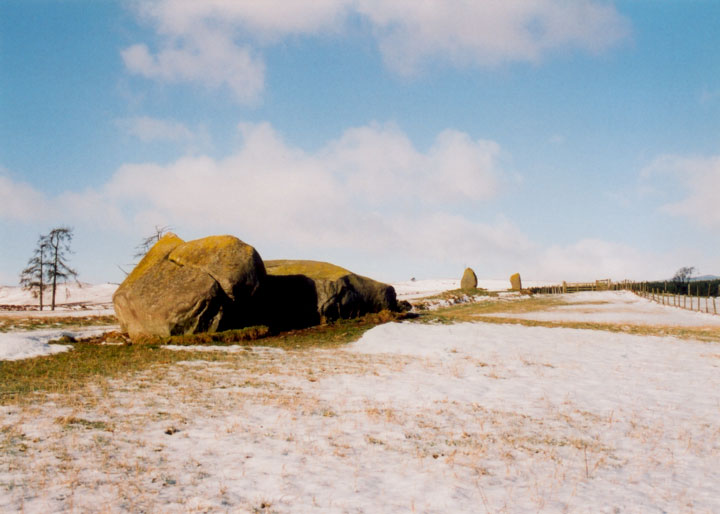
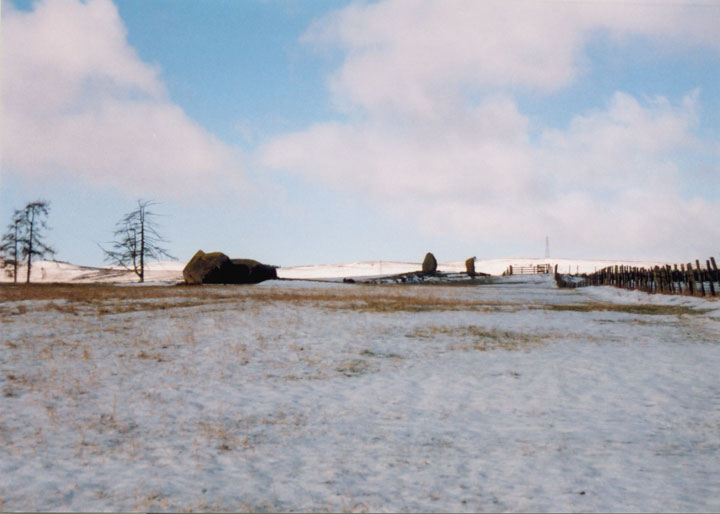
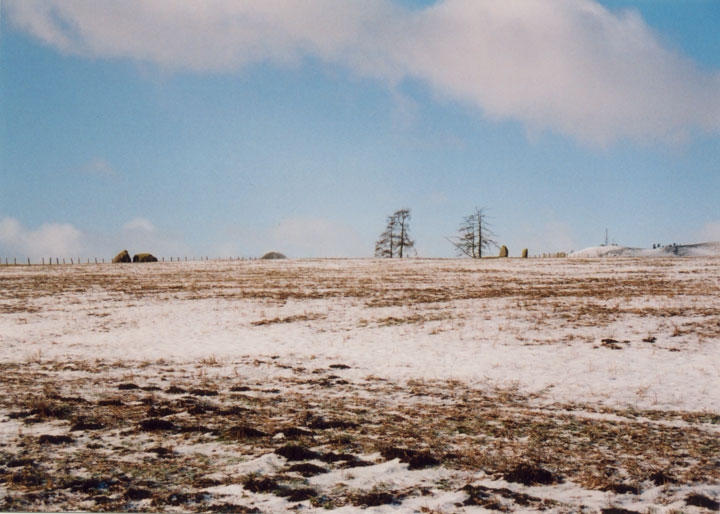
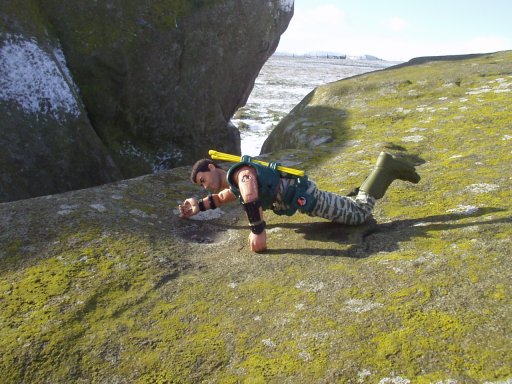
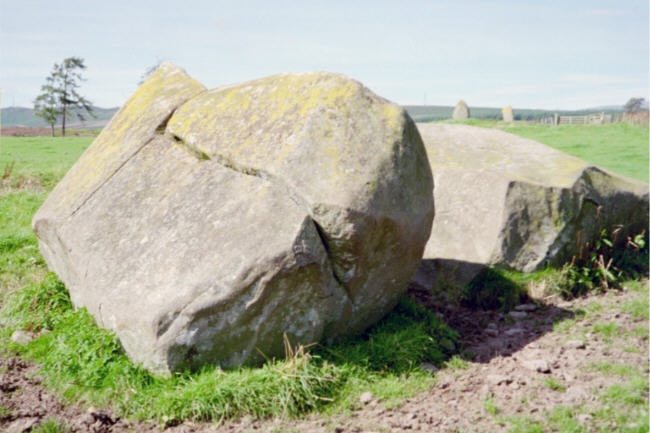
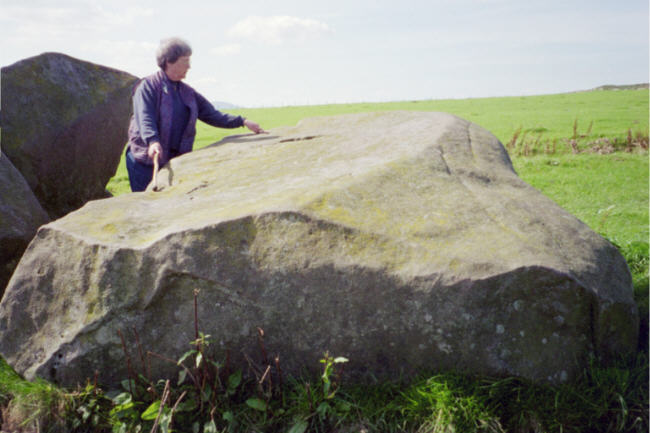
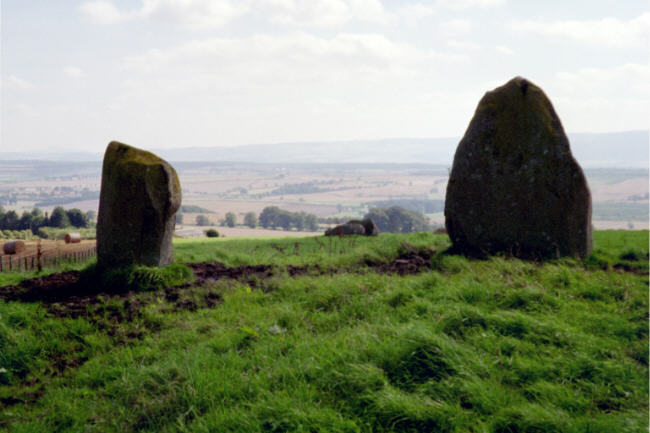
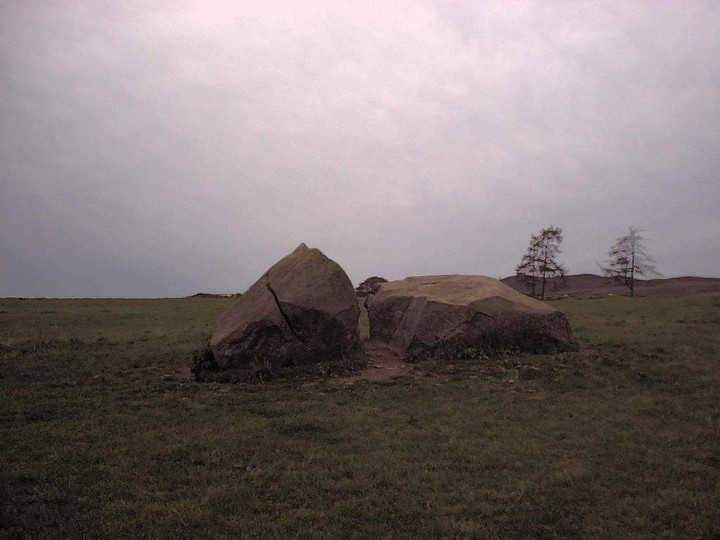
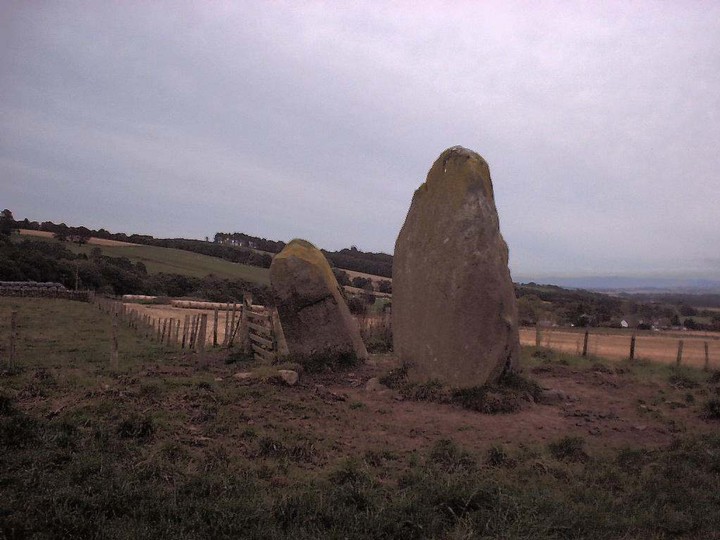
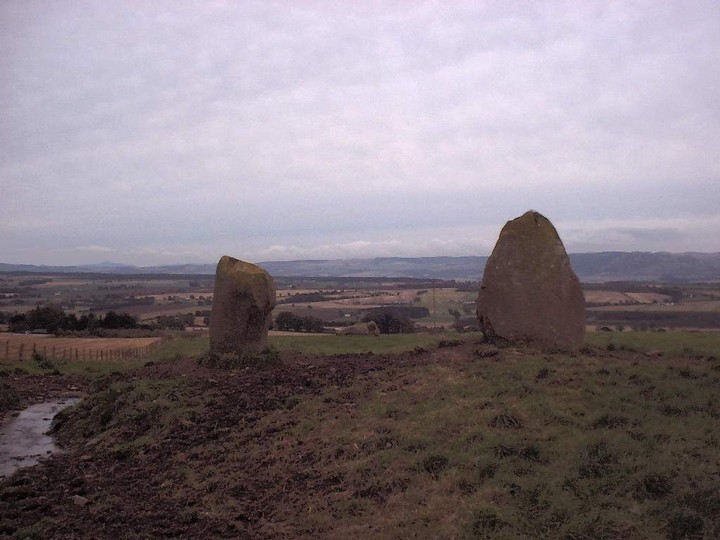
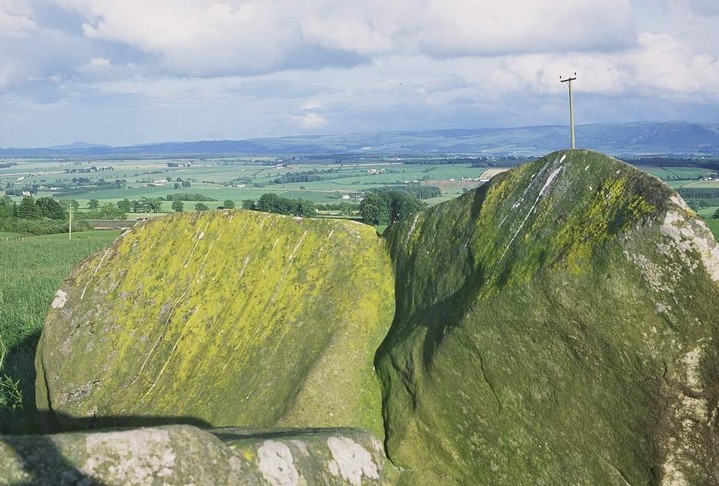
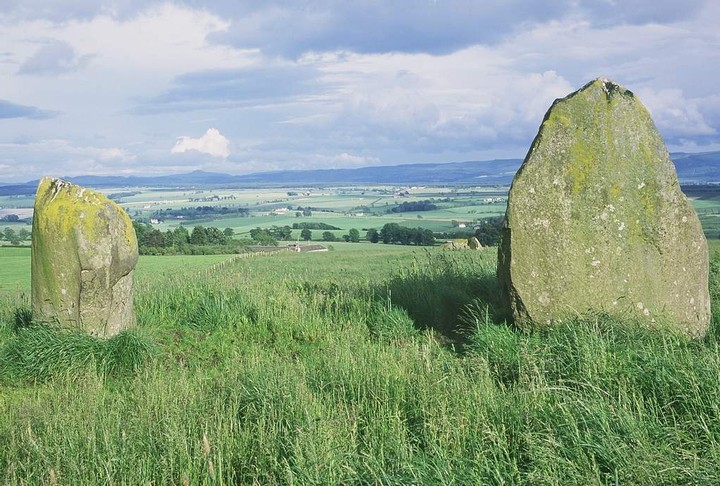
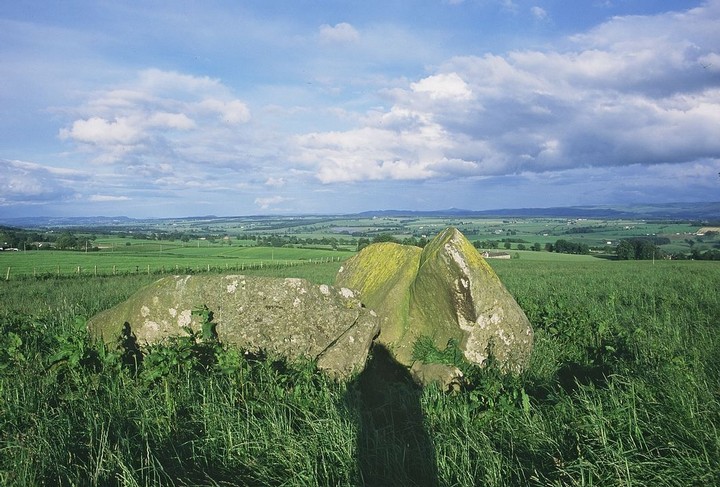
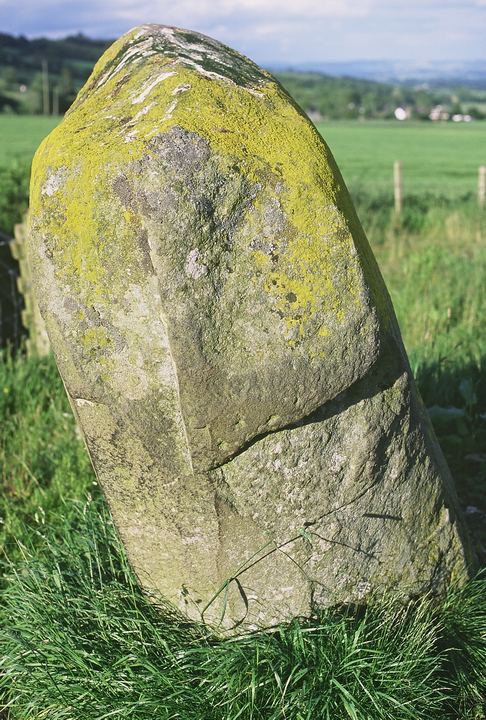
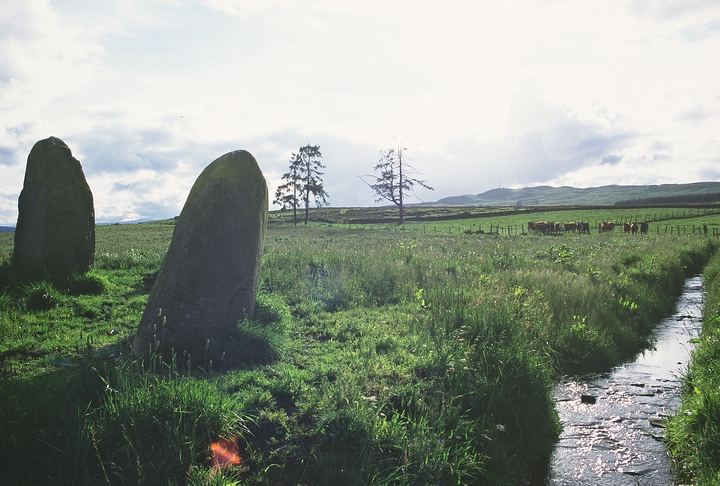
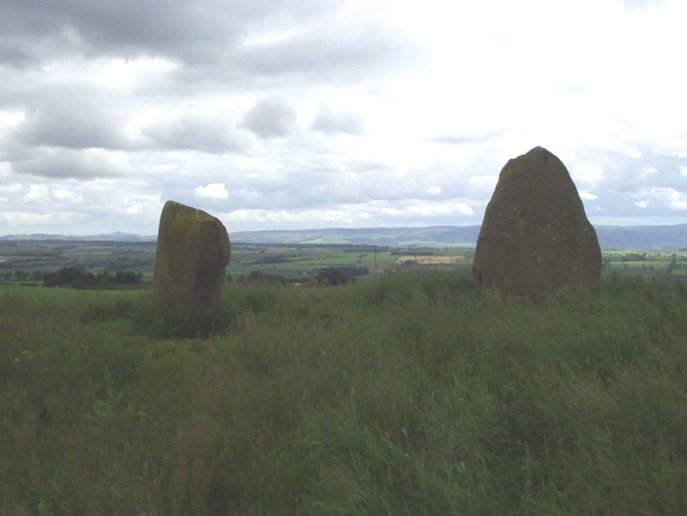
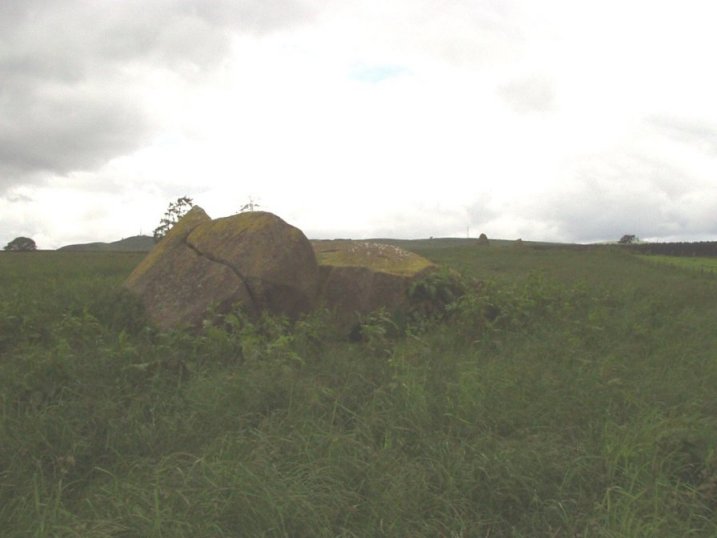
Just to re-iterate whats been said before, there is no where to park. I squeezed into the space before a gate and ran over to the stones. Just a quick five minutes, is all. First is the big split boulder with a couple of faint cup marks, which I couldn't see. As I walked round it a Hare darted out from it's hiding place, startling me in the process. The two standing stones are close to each other, no more than ten yards. Around six feet tall, one pointy one flat topped. A small stream runs by them but it was all dried up when I was there. It was very hot and sweaty. Quickly back to the car and away , no one bothered no one any the wiser. You might not be so lucky. Then again you might. |
 Posted by postman
22nd July 2013ce |

| When visiting this site it's best to park in the village as there is nowhere to park on the track without blocking it. It's only a short walk and the view make it worth the exercise. |
Posted by scotty 27th February 2003ce |
|
If you carry on along the lane instead of going to Crofthead farm house, you can get to the stones from here. Not so wet, no burns to cross. The two large recumbents are large. One has cup markings on it. Up the field are the two standing stones, and as Winterjc says, you can see as far as the Lomond Hills. |
 Posted by hamish
26th December 2002ce Edited 27th December 2002ce |
|
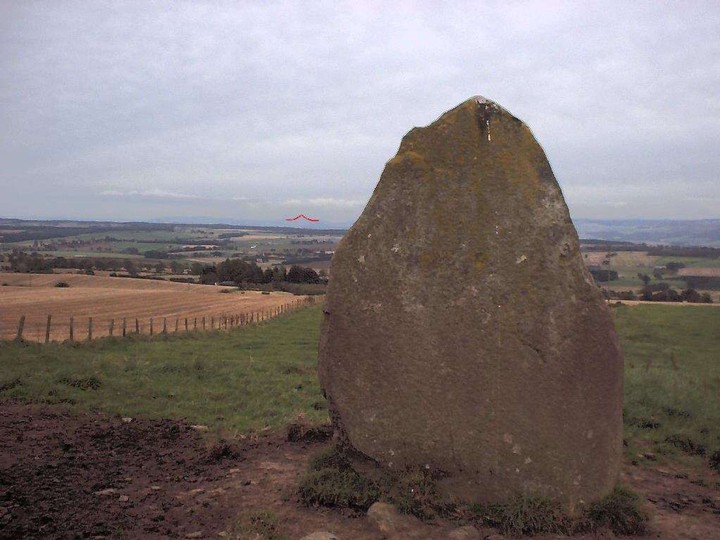
October 2002. Visited here with my 2 oldest friends Norie of the photos and George. We didn't tell George where we were going - but anyway. Asked permission from the old couple at Crofthead Farm and went to the stones. The higher up, north pair of standing stones sit quietly at the side of a stream. I read on the Ancient Scotland website that the tip of the tallest of these two stones may mirror a distant peak in the Lomond Hills on the Southern horizon above the Keillour Forest. A hundred yards to the south, down the hill are two large boulder type stones which may be the remains of one stone which has been split. The megalithic culture remained strong in this area - you can visit a giant pictish carved stone inside the church in the village - there is also a full sized replica of this stone which stands in the village. We headed out towards Perth. |
Posted by winterjc 10th November 2002ce |
Links |
Add a link |
Old Maps - Croftheadview the site on the old OS map |
 Posted by BigSweetie
3rd January 2004ce |

Prehistoric Perthshirecircles of stone and mounds of earth in Perthshire |
Posted by scotty 10th August 2002ce |
 Top of page