
Segmenting jambs between the first and second chambers of the eastern gallery..
Image credit: ryaner

Segmenting jambs between the first and second chambers of the eastern gallery..

The jambstones between the second and third chambers of the eastern gallery.

Northern side of the middle chamber of the eastern gallery. The remains are messy and overgrown but are full of charm and mystery.


Different angle here – sidestone on the left with two courses of slipped corbelling above it.

Much of the western tomb/gallery is still buried deeply in the cairn. This is showing chamber sidestones with courses of corbelling above them.

This is from the rear of the second chamber of the eastern gallery. The chamber sidestone at left has a large corbel above it.

The eastern gallery/tomb is three-chambered. The focus here is on the central chamber, the southern side of which is missing. The tall stone to the right is a jambstone – corbelling is in evidence in both the first and second chambers.

The eastern gallery entrance – the stone just left of centre is an entrance jambstone, the stone next to it the beginning of the southern arm of the court.
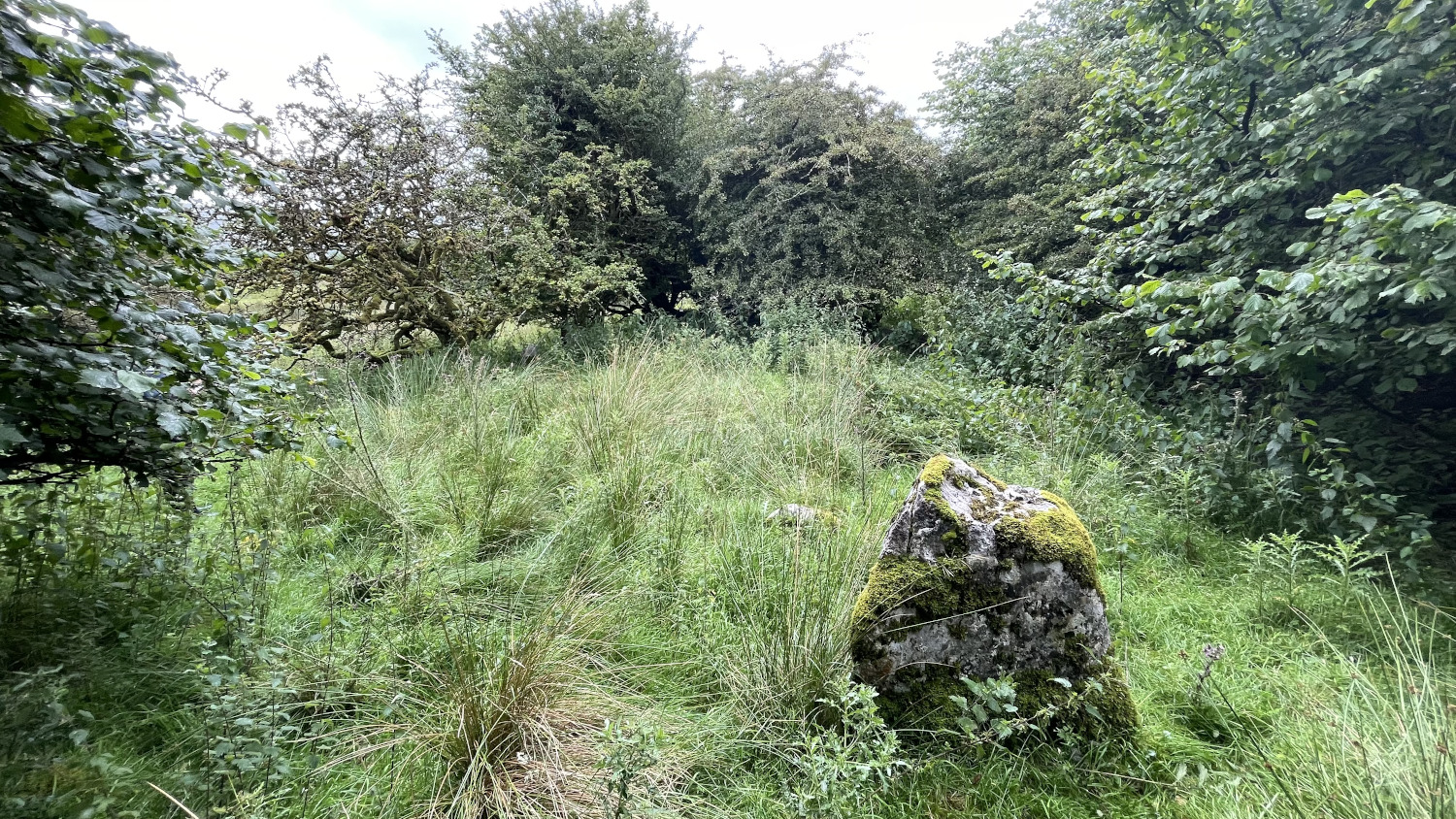
Large court stone on the end of the northern arm of the eastern tomb. From here it was hard to tell what lay beyond...

You can just about see the second stone above and to the left of the nearer one.


This is at the rear, north-eastern end of the tomb. The fallen tree had grown above the roofstone and is thought to have caused it to split.


The back of the tomb – for once the clatter of vegetation adds to the ambience.


Stone at the eastern end of the monument – I’d love to see it tidied up.


Along the reconstructed gallery.
Dairy farming could have been happening in Wales as early as 3,100BC, according to new research.
Shards of decorated pottery taken from the Trellyffaint Neolithic monument near Newport, Pembrokeshire, were found to contain dairy fat residue.
The residue could only originate from milk-based substances such as butter, cheese, or more probably yoghurt.
George Nash, of the Welsh Rock Art Organisation, said it was the earliest proof of dairy farming in Wales.

One of three subsidiary cists placed into the monument.

This is taken from the north side of the tomb and cairn.

The chamber of the monument is now a favourite drinking spot and fire-pit. This is the most vulnerable of all the south Dublin megalithic tombs. ACE is an ass.


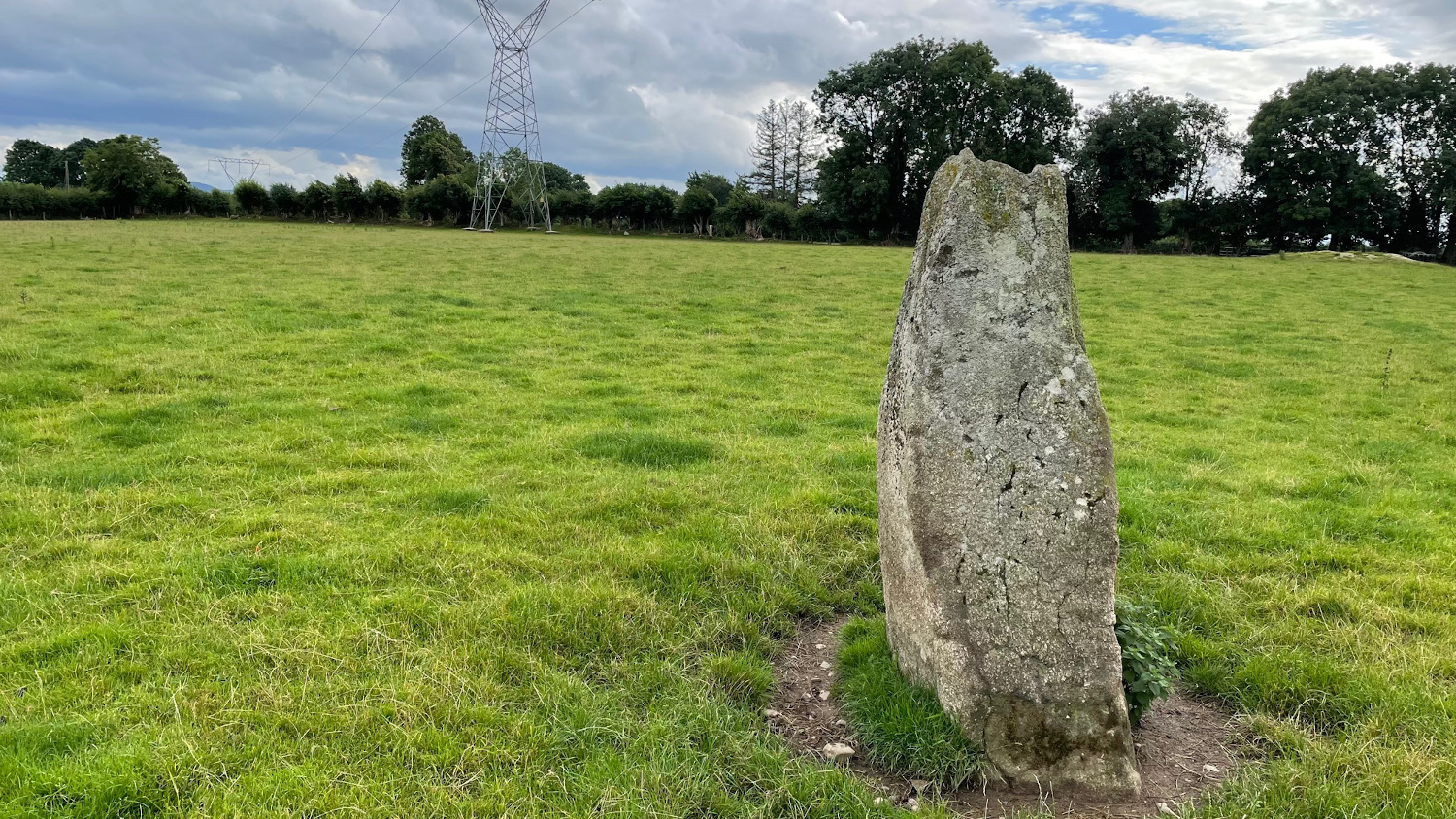
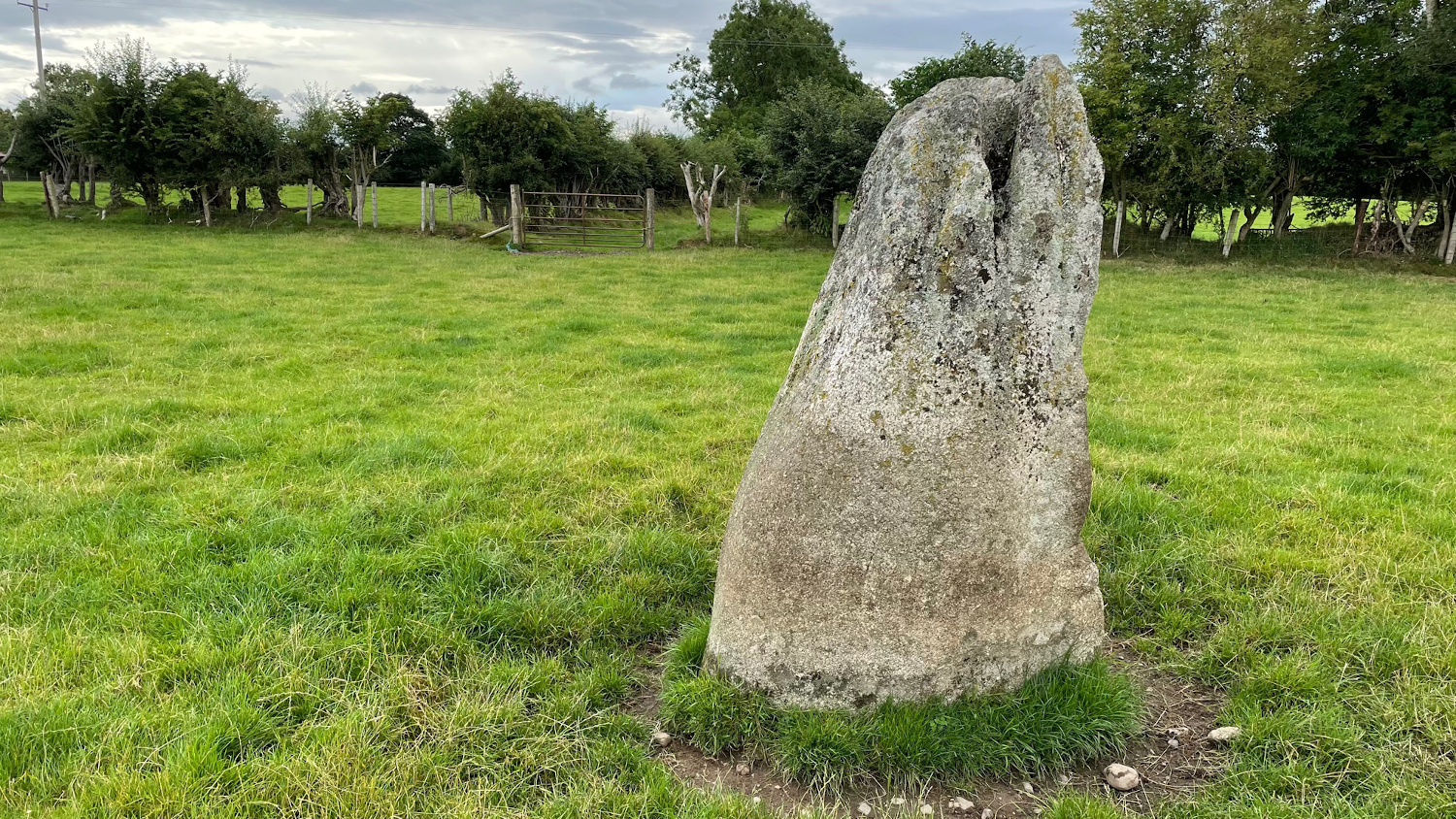


The hollowed out centre – oh how I rued the cloud, views as far as the Kerry mountains in that direction.

Looking west – the large capstone-like stone on the left is said to mark a possible (passage?) entrance.

Looking south at the central core of the remains, approx. 18 metres diameter.

Looking south-west. The original footprint of the cairn is a lot broader than what now remains.
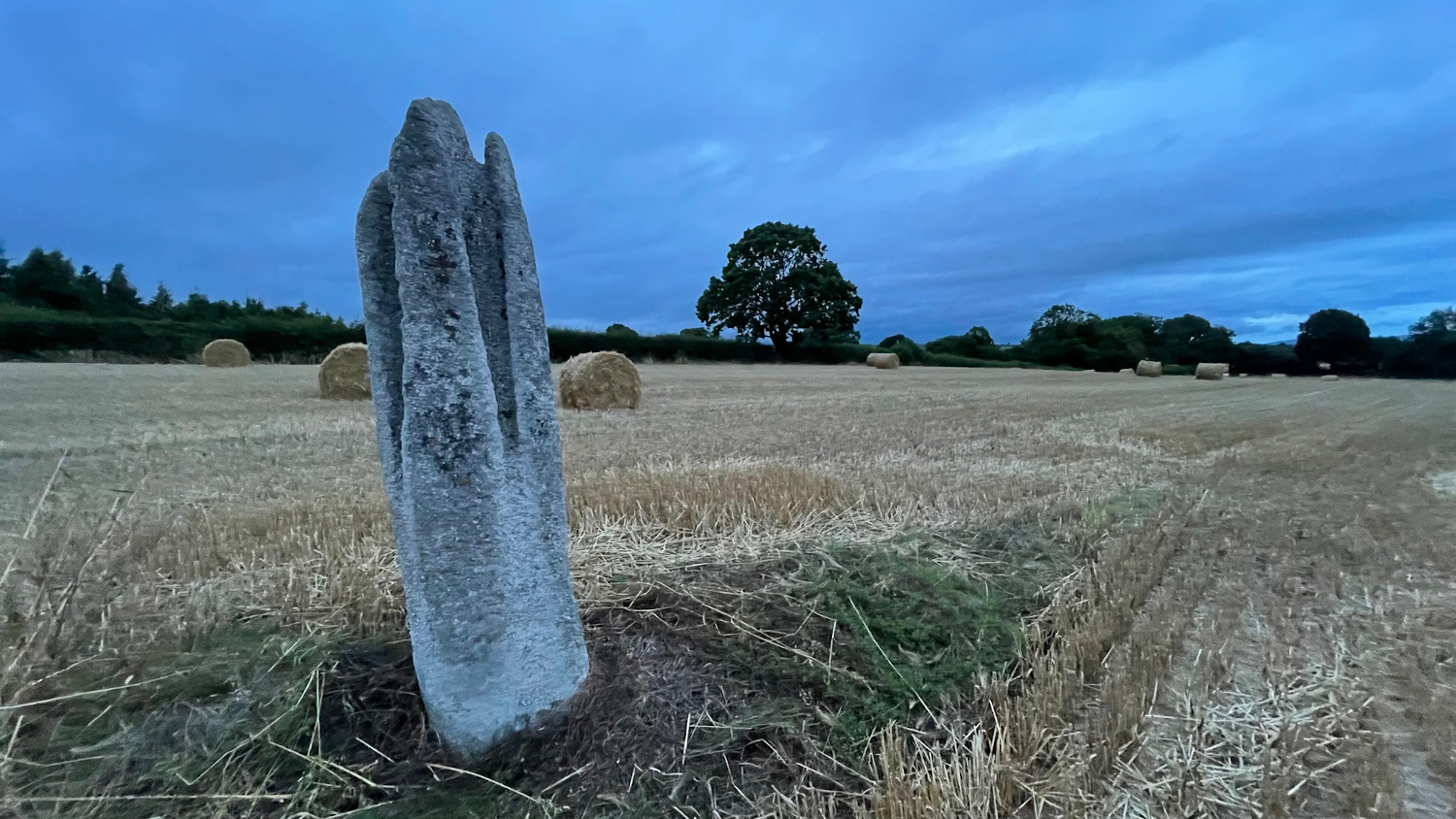


Low cloud and mist sweep in over Fair Head in the distance.


The passage doesn’t quite reach the arc of the kerb – the stone at front on the left is a possible blocking stone.

Kerbstones on the north-eastern arc of the passage grave – Ballycastle Bay and beach in the distance.

Just behind a small headland, the passage aligned onto Rathlin Island. The large stone is the capstone from the chamber, removed and left to one side.


