Showing 1-50 of 610 posts. Most recent first | Next 50 
An interesting study of this underappreciated site.
|

An old black an white film of the Mosley Heights excavation.
|
Prehistoric Human Brain Found Pickled in Bog
A human skull dated to about 2,684 years ago with an "exceptionally preserved" human brain still inside of it was recently discovered in a waterlogged U.K. pit, according to a new Journal of Archaeological Science study.
The brain is the oldest known intact human brain from Europe and Asia, according to the authors, who also believe it's one of the best-preserved ancient brains in the world.
full story here http://news.discovery.com/archaeology/preserved-brain-bog-england-110406.html
|
   
|
  
|
 
|
    
|
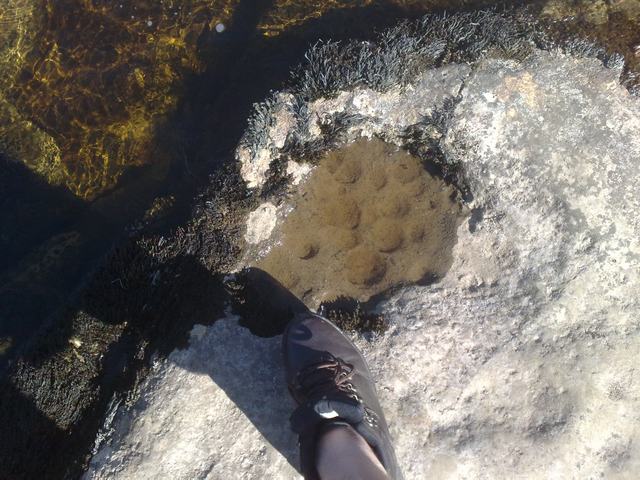
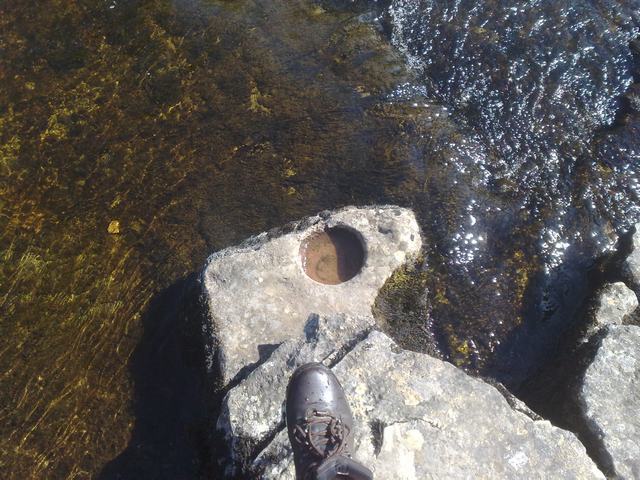
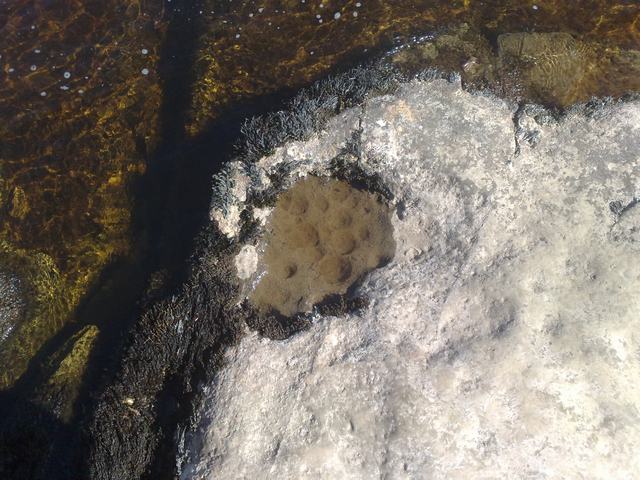
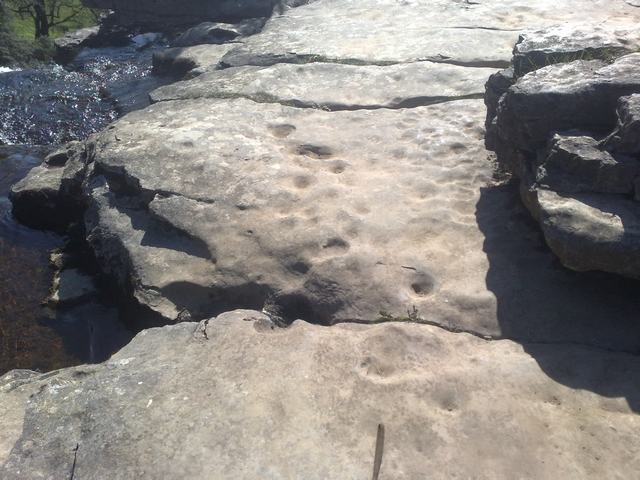
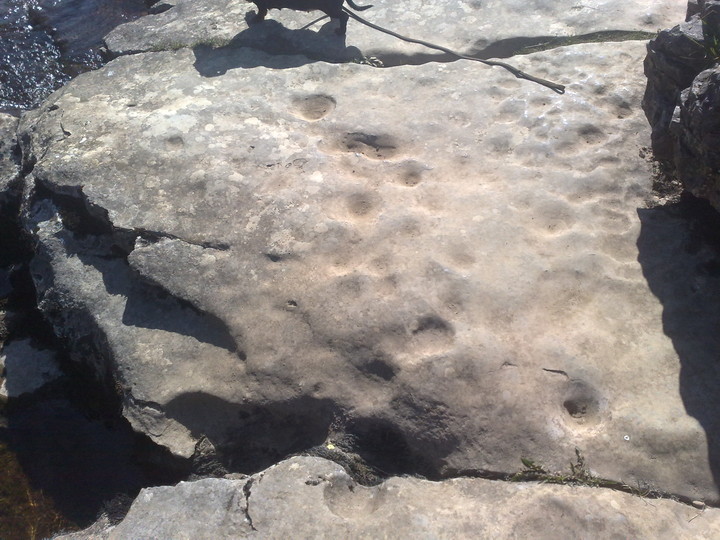
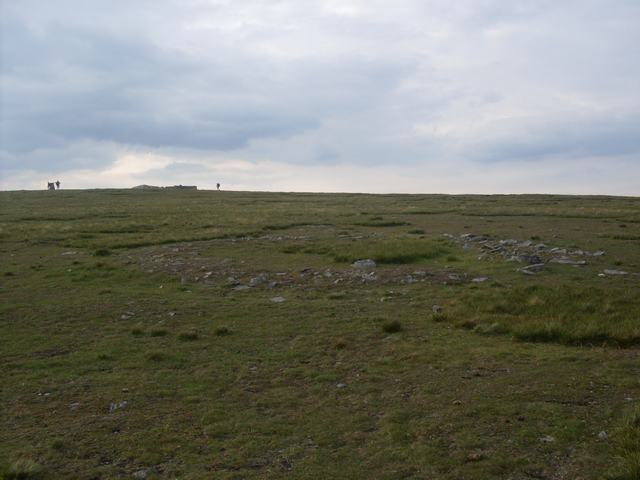
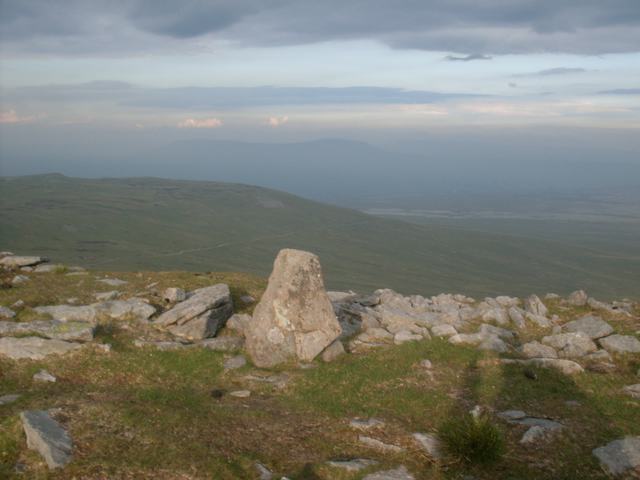
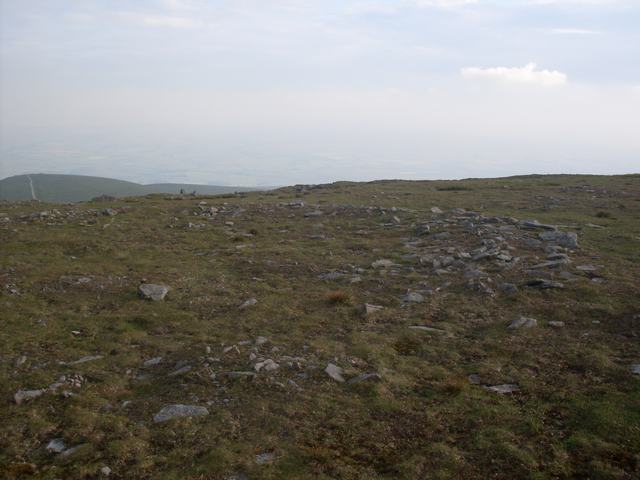
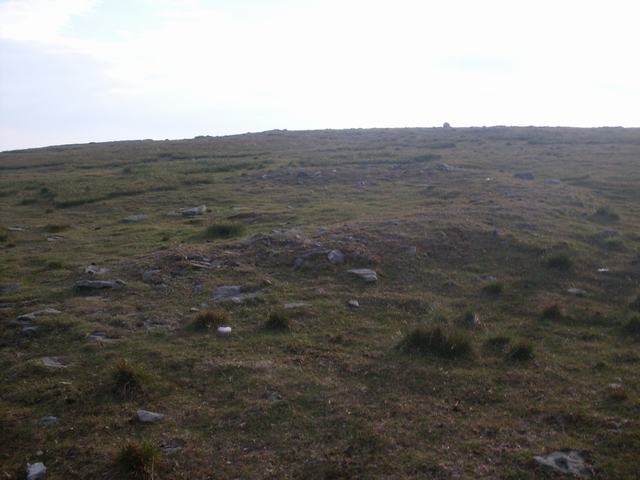
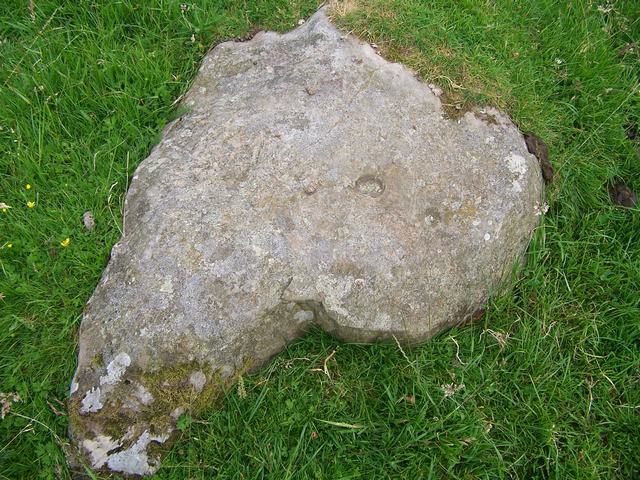
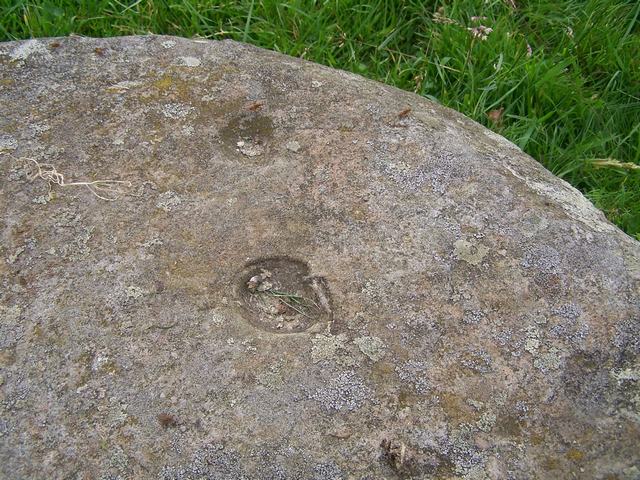
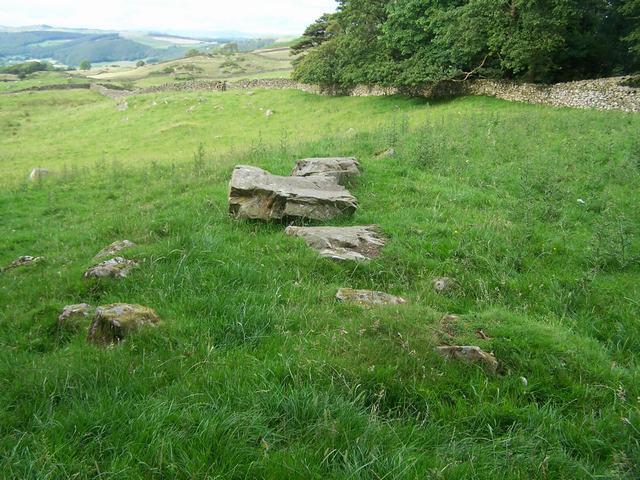
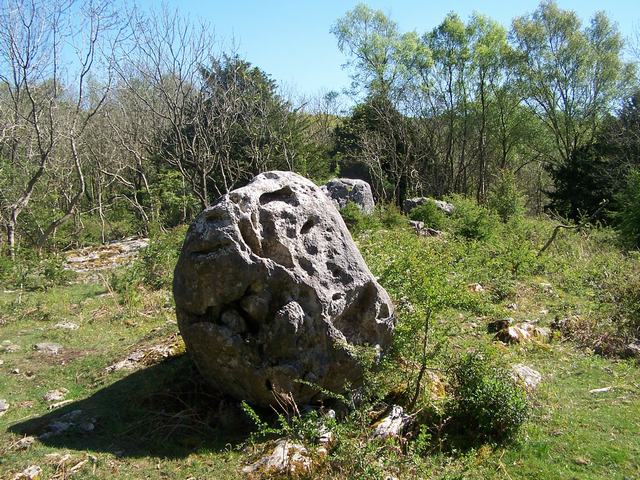
Took my woof for a walk the other day here and i stumbled across these possible carvings.
I know theres been discussion here before about similliat markings and how they may be produced naturally. I just thought i'd put them here so you guys can give your opinions if anybody feels strongly that they shouldnt be here then i'll glady remove them, anyway let me know what you Rock Art Peeps think.
|
          
|
West Dorset 'Oldest' human settlement found
Archaeologists working for the National Trust think they have found west Dorset's oldest human settlement.
Excavations over the last two weeks began when a number of artefacts were found by a man walking his dog.
Experts now believe people lived on Doghouse Hill on the Golden Cap estate up to 10,000 years ago.
Finds included a stone hearth, fire pit and pot shards from Bronze Age periods (2,500 to 1,000BC) and others from the Mesolithic Age (10,000 to 4,000BC)
Martin Papworth, from the National Trust, said: "Although it's a stunning coastal site now, 6,000 to 8,000 years ago this area would have been over a mile inland.
Read the full story here.
http://news.bbc.co.uk/2/hi/uk_news/england/dorset/8062513.stm
|
German 'Venus' may be oldest yet
A grotesque carving in mammoth ivory is arguably the world's oldest depiction of a human figure, scientists say.
The distorted sculpture, which portrays a woman with huge breasts, big buttocks and exaggerated genitals, is thought to be at least 35,000 years old.
The 6cm-tall figurine, reported in the journal Nature, is the latest find to come from Hohle Fels Cave in Germany.
Previous discoveries have included exquisite carvings of animals, and an object that could be a stone "sex toy".
Moreover, the range and sophistication of similar materials found across the Schwabian region of southern Germany has led some researchers to believe cave complexes such as Hohle Fels could have been early artists' workshops.
The Venus of Hohle Fels was found in six fragments in September 2008. It is still missing its left arm and shoulder, but researchers are hopeful these will emerge in future excavations of the cave's sediments.
Read the full story here
http://news.bbc.co.uk/1/hi/sci/tech/8047319.stm
|
| |
 Log in |
Register
Log in |
Register



 Top of page