|
 Log in |
Register Log in |
Register
|

|
|


Mount WoodRound Barrow(s)
|
||||||||||||||||||||||||


 0 discussions


 Show map (inline Google Map)
|
|
|
Images (click to view fullsize) |
 Add an image Add an image |
|
Fieldnotes |
Add fieldnotes |
|
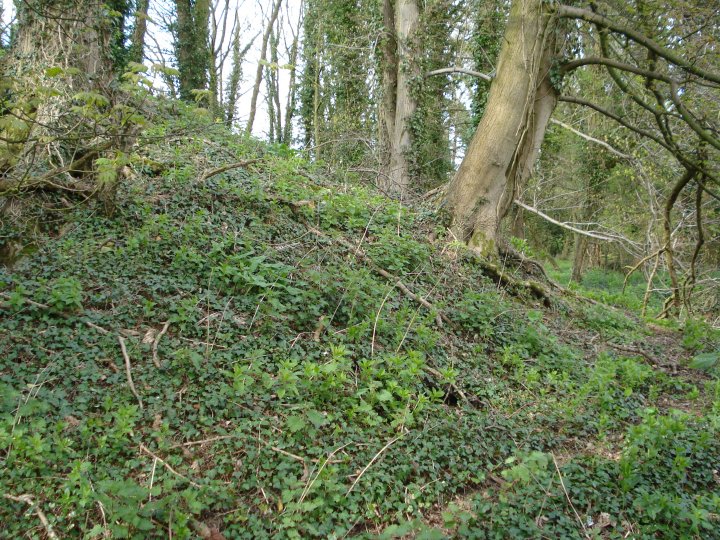
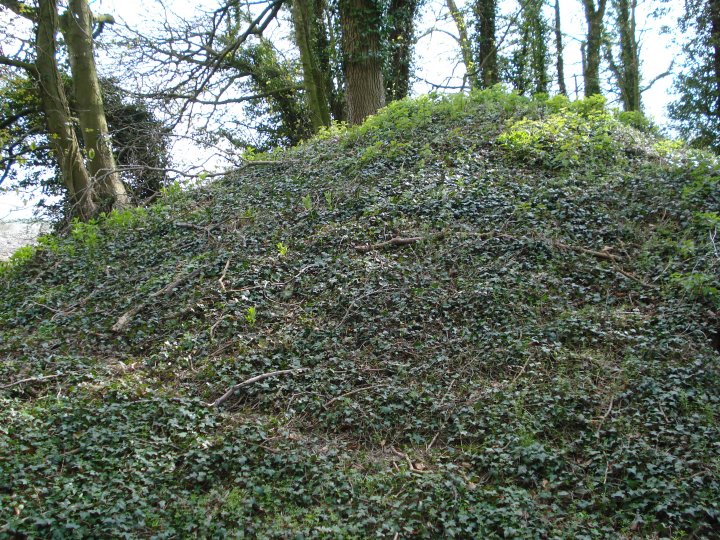
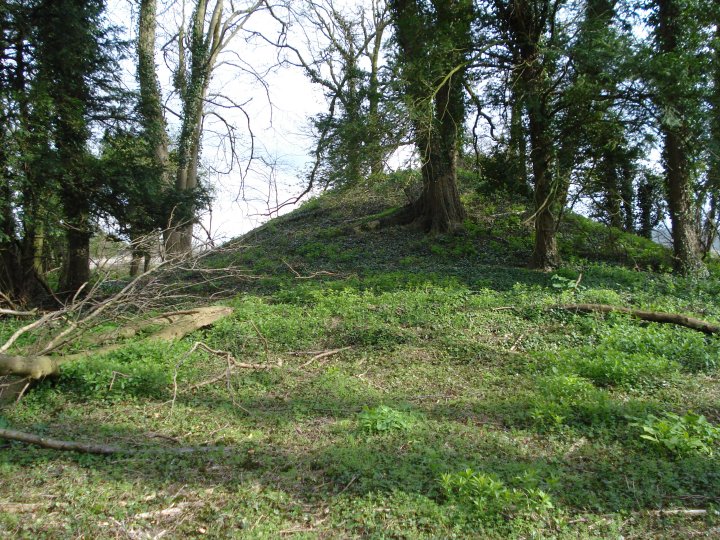
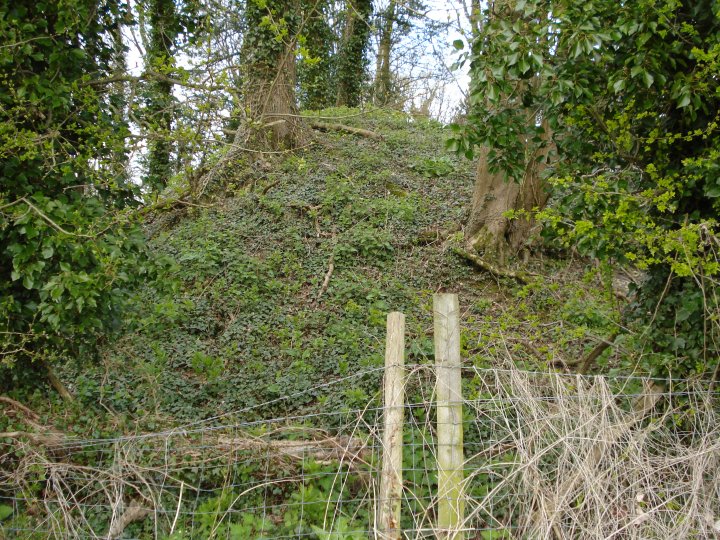
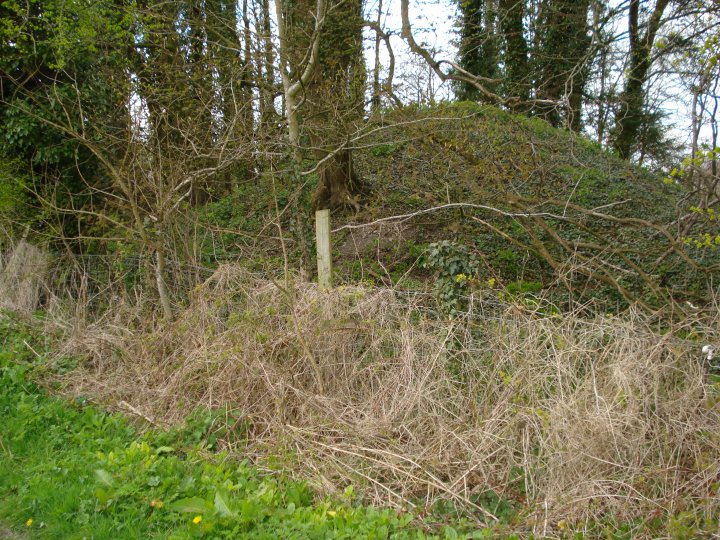
Visited 27.8.12 My last stop on the way home after a pleasant Bank Holiday visit to Devizes. We drove north through Cherhill and stopped where the road forks and a sign states ‘no access – private road – footpath only’ or words to that affect. Despite being dry all day it was now pouring down and I needed to put my waterproofs on. Karen and Sophie stayed in the car as I donned my wellies and headed up the road. After passing a barn full of cows (all sheltering from the rain and looking at me as if I am daft being out in this weather) you come to a house on the right. Just before the house is a footpath sign on the right and after jumping over a shiny new metal field gate you can walk along the edge of a field / the side of the house’s garden. Be careful as this field has an electric fence running all around it. Again, cows were in the field sheltering out of the rain under some trees and looking at me as equally strangely as the ones in the barn did! After crossing the field you come to an old rusty gate. Immediately after this are woods on the left with a sign nailed to a tree stating ‘private – no access’. Obviously I ignored the sign and carefully stepped over the barbed wire fence into the trees. It took a few minutes wandering around to spot the Barrow but it isn’t difficult to find. It is approximately 3 metres high x 15 metres across. The Barrow is covered in mature trees and nettles. The top of the Barrow has a small hollow in it – presumably as a result of digging? Due to the trees there are no views to be had although I suspect there would be decent views without them? Time to get out of the rain and squelch back to the car. Worth a visit when in the area. |
Posted by CARL 31st August 2012ce |

|
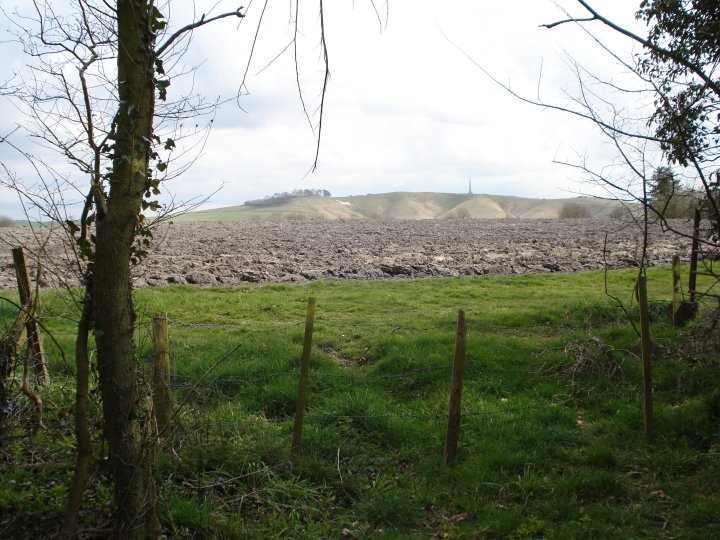
Mount Wood Fieldnotes - Sunday 13-04-08 Seeing site listed on TMA web site, decided to visit while cycling around Cherhill / Oldbury area. I Know some of the bridleways of Yatesbury and Compton Bassett as they lead out towards Avebury. Leaving the A4, opposite track to the White Horse, go down Park Lane to the farm by triangle wood. Up the bridleway and the mount is on the left, just over the fence, as the ground levels off. I've seen many barrows before but this one is truly different. 8 Feet high and 25 feet in diameter, it looks like a mini Silbury Hill. It's conical shape and steep sides seem to have never been dug by man or beast. As a consequence, it is undated, but is thought to be Romano-British. (Looks like it slipped through TMA Roman net!). As you can see from the pictures, it has a number of beeches and sycamore trees growing on and around it, but is still in perfect condition. Maybe, and this is a wild guess, it is a bowl-barrow with another burial on it's top. LVG didn't seem to know what to make of it either as it's marked down as Ba, Roman or later. It is Scheduled Monument No.SM12338. It must had always been known for being different. Why else would it be called Mount wood rather than Barrow wood or Barrow copse? I have included a picture looking towards Oldbury Castle from the site to illustrate it's prospect. On leaving, I travelled down the rest of the bridleway and on towards Nolands farm and Jugglers Lane. I was struck by the width and straightness of the later track. It screamed Roman to me with the area towards the end may be a ruined building of some sort. Needs more investigation, me thinks. I know that the site of Cherhill Church is built over a Roman villa or shrine. I also know that a major Lay-line passes through this same site, as it does the church in Calne, Stanley Abbey, Lanhill and the temple of Apollo at Nettleton. In the other direction, the Lay-line travels through Silbaby and the Sanctuary before going through Savernake forest and the middle of Tottenham house. Chance - April 2008 |
 Posted by Chance
15th April 2008ce |
Miscellaneous |
Add miscellaneous |
|
Details of Barrow on Pastscape Ditchless round barrow at Mount Wood, listed by Grinsell as Compton Bassett 1. The mound is conical, 15 metres across and 3.1 metres high, and has been suggested by OGS Crawford to perhaps be Roman rather than Bronze Age. (SU 03727119) TUMULUS (LB). (1) Compton Bassett 1 - a mound of uncertain date 84 ft x 8 ft. Crawford suggests a possible Roman date. (2-3) This is a ditchless conical mound 15 m. across and 3.1 m. high. It is certainly a barrow and its shape supports Crawford's suggestion of a possible Roman date. Grinsell in describing it as 84 ft in diameter probably transposed his figures. Published survey (1/2500) revised. (4) |
Posted by Chance 28th October 2012ce |

On the brow of the down, overlooking the vale, stands one solitary barrow, just within the precincts of the park at Compton Bassett: it is of moderate dimensions, bowl-shaped, and appears never to have been opened: it is planted with trees, and the wood in which it stands is in consequence marked in the Ordnance Map 'Mount Wood'.p44 in Rev. A C Smith's 'Guide to the British and Roman Antiquities of the North Wiltshire Downs' (1884). |
 Posted by Rhiannon
13th March 2006ce |
 Top of page