|
 Log in |
Register Log in |
Register
|

|
|

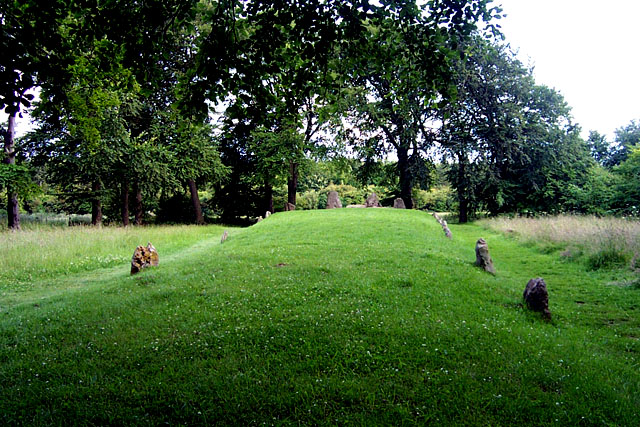
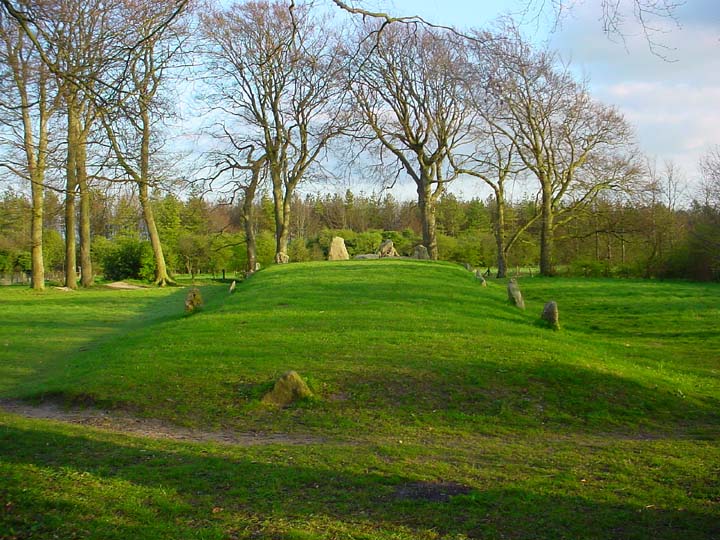
Wayland's SmithyLong Barrow
|


 Show map (inline Google Map)
|
|
|
News |
 Add news Add news |
Bus service to be withdrawnA friend in the Ramblers sent me this earlier today - am a bit gutted as have been known to use this service to walk up to Wayland's Smithy. "Thamesdown Transport's route 47 between Swindon and Lambourn, via Bishopstone and Ashbury, is to be withdrawn... continues... |
 Posted by tjj
4th September 2013ce |

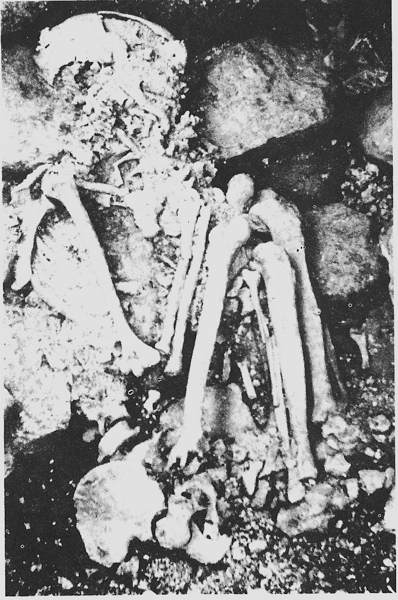
Experts reveal 'ancient massacre'Bones found at a prehistoric burial site indicate they belonged to victims of an ancient massacre, say scientists. Remains of 14 people were discovered at Wayland's Smithy, near Uffington White Horse, Oxfordshire, in the 1960s... continues... |
 Posted by The Eternal
12th March 2007ce Edited 12th March 2007ce |
Images (click to view fullsize) |
Add an image |
Photographs: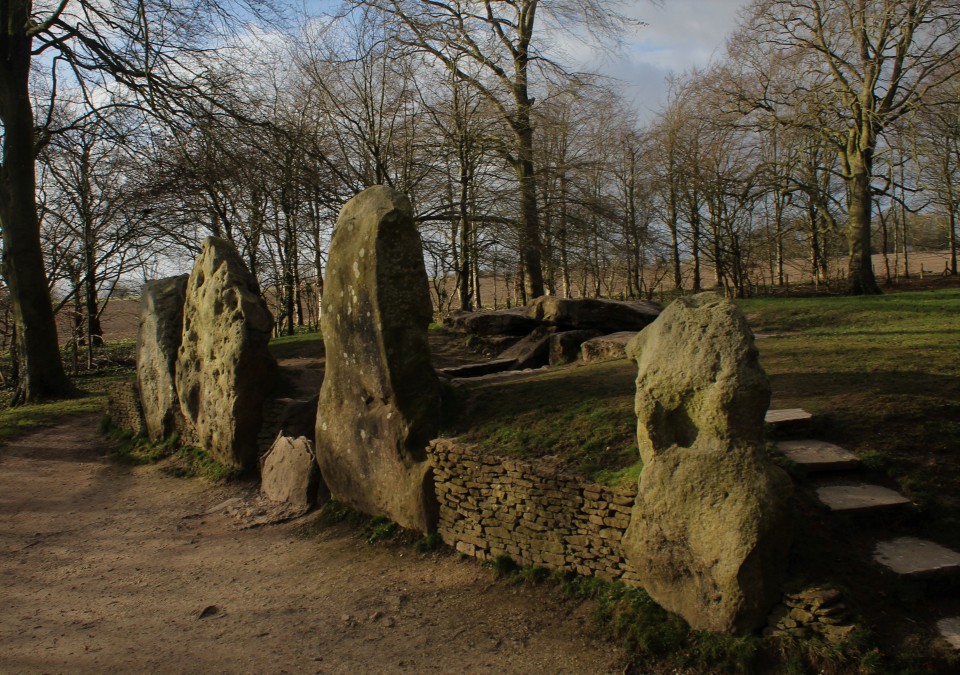



 Maps / Plans / Diagrams: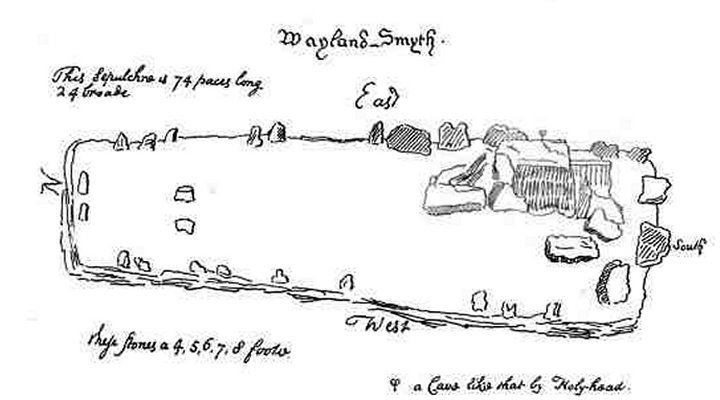
 Artistic / Interpretive: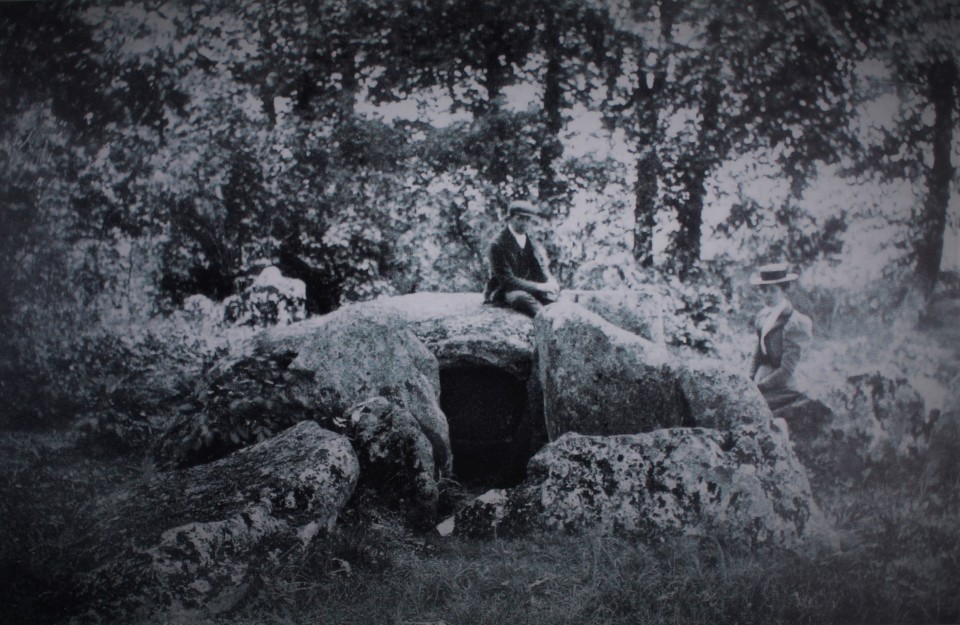
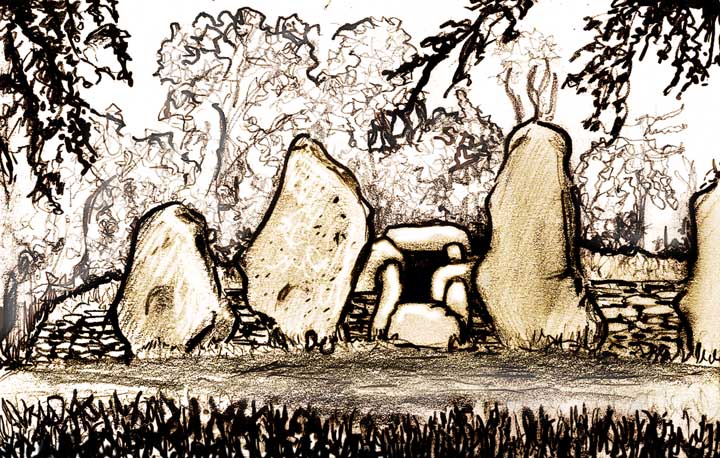
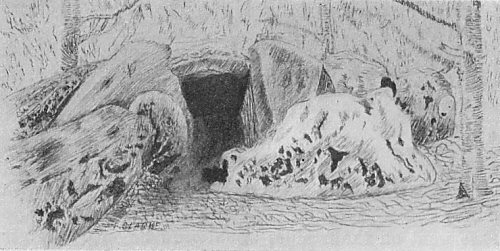
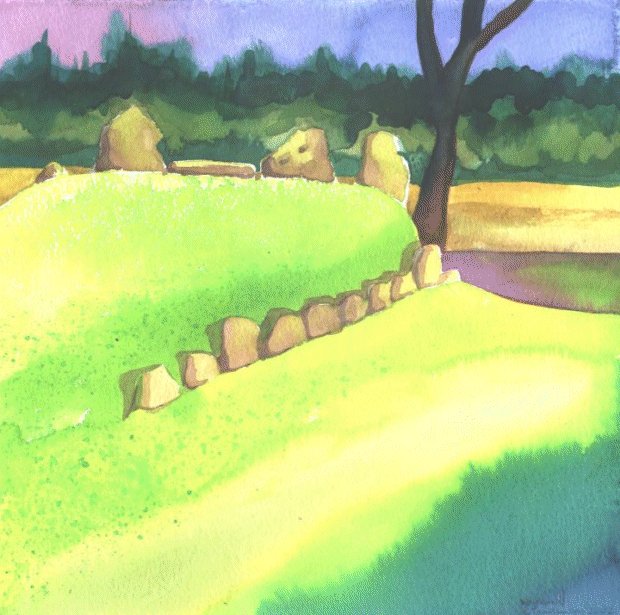
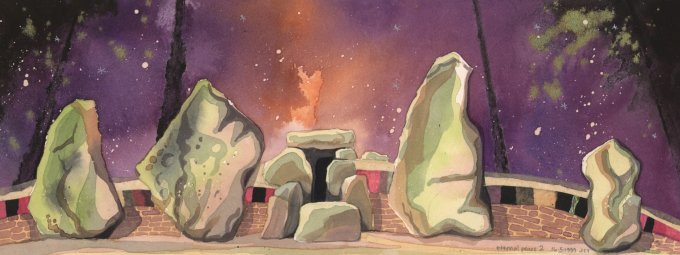
|
Fieldnotes |
Add fieldnotes |
|
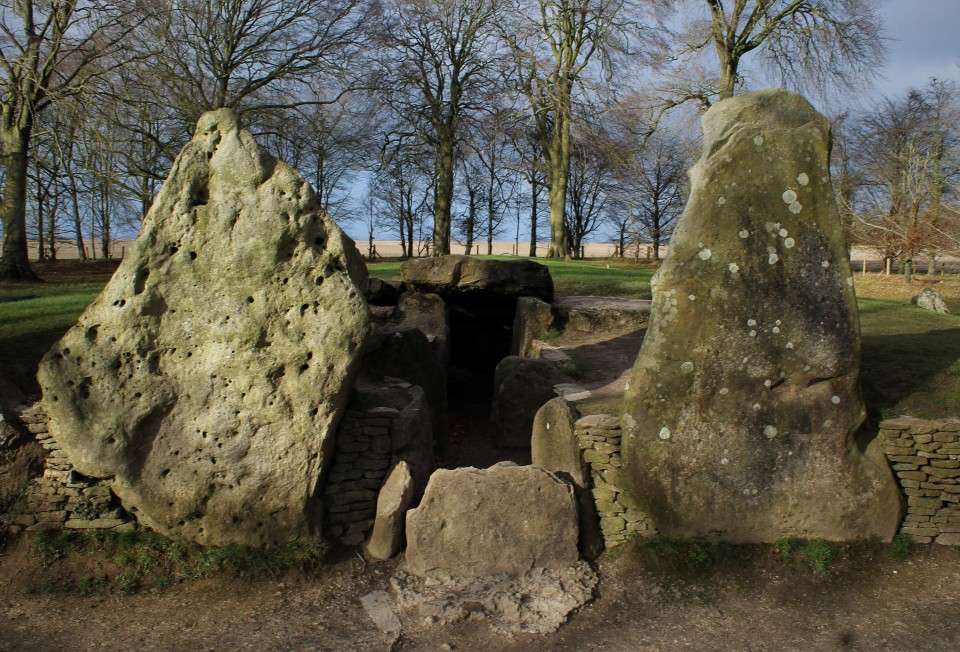
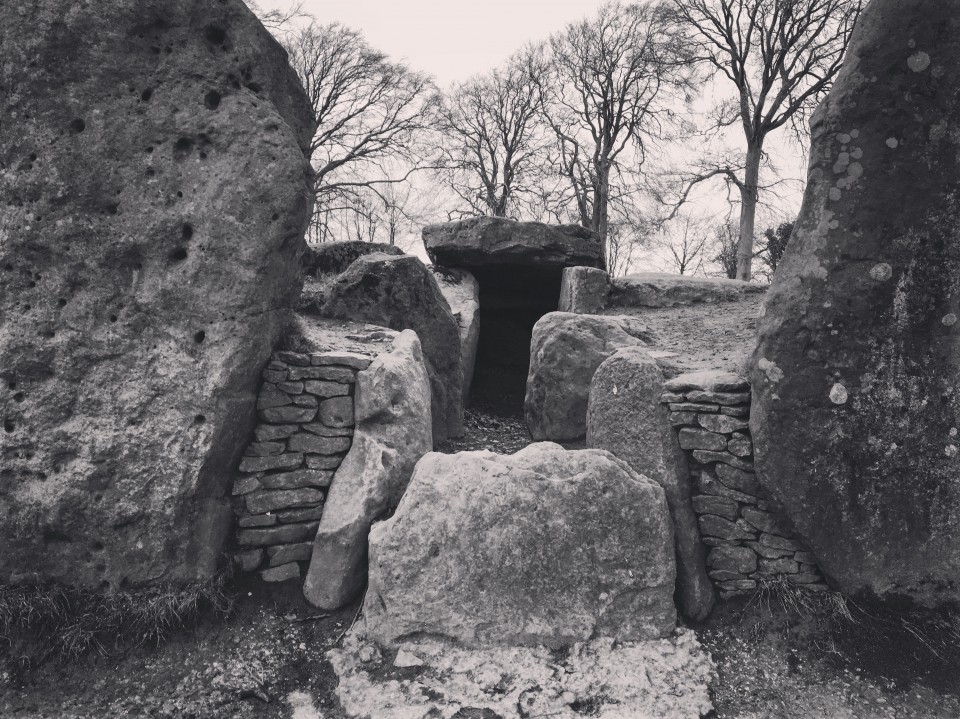
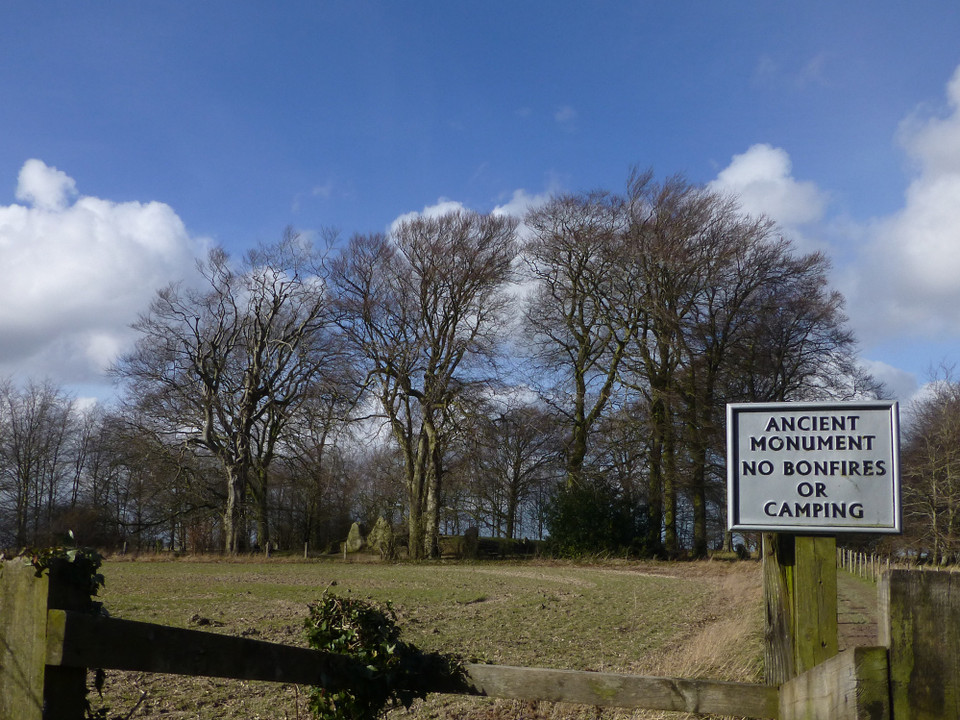
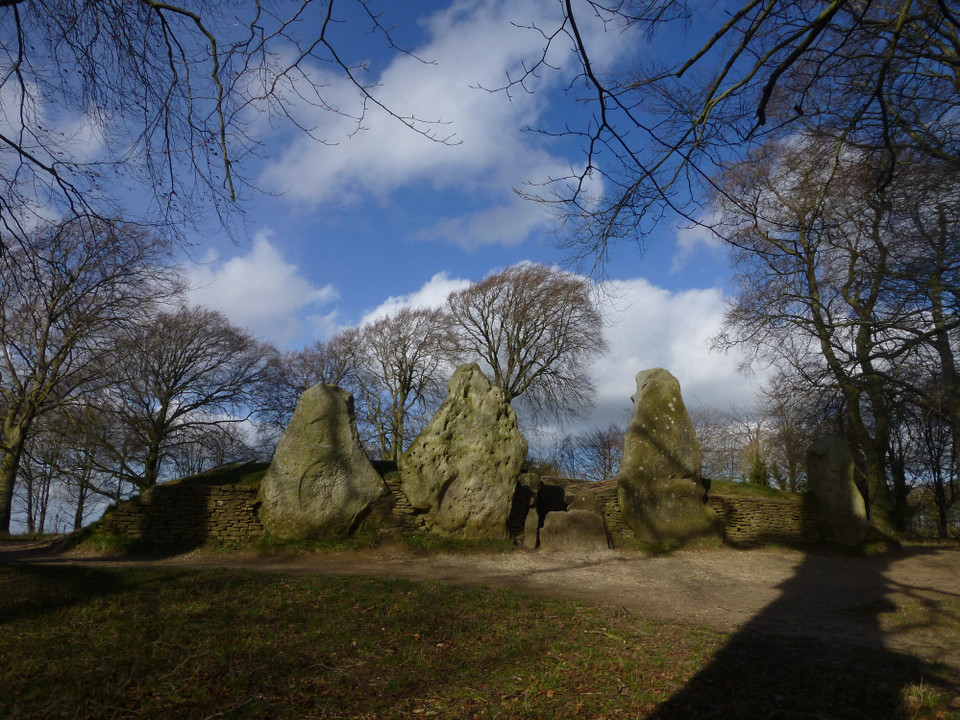
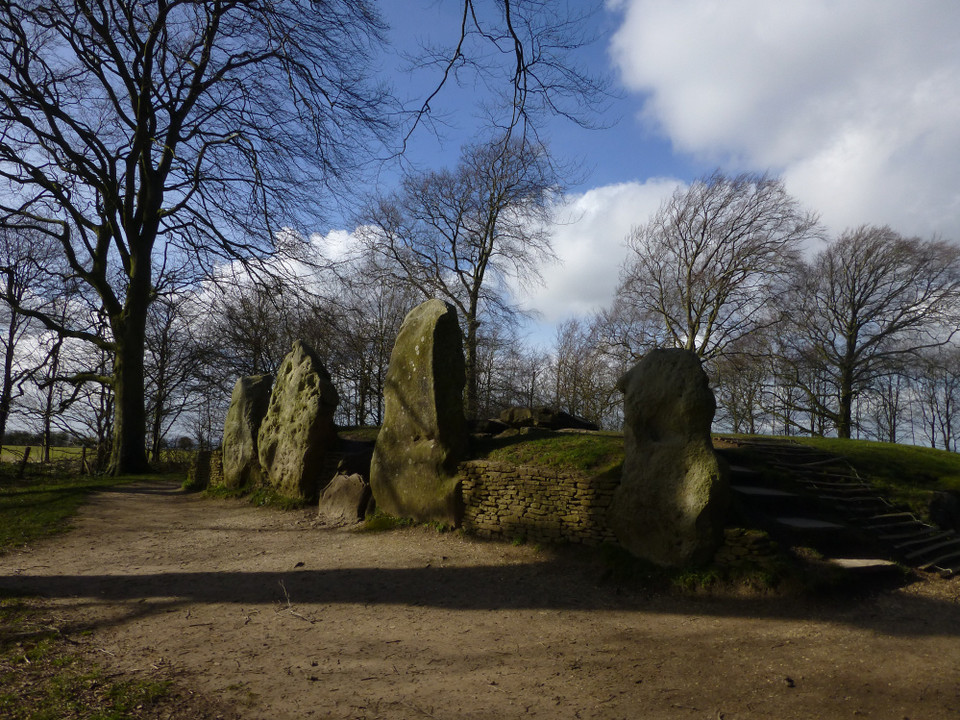
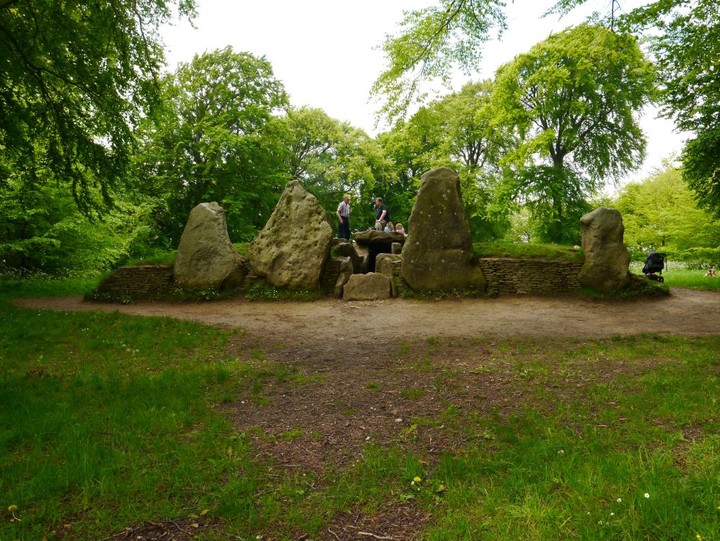
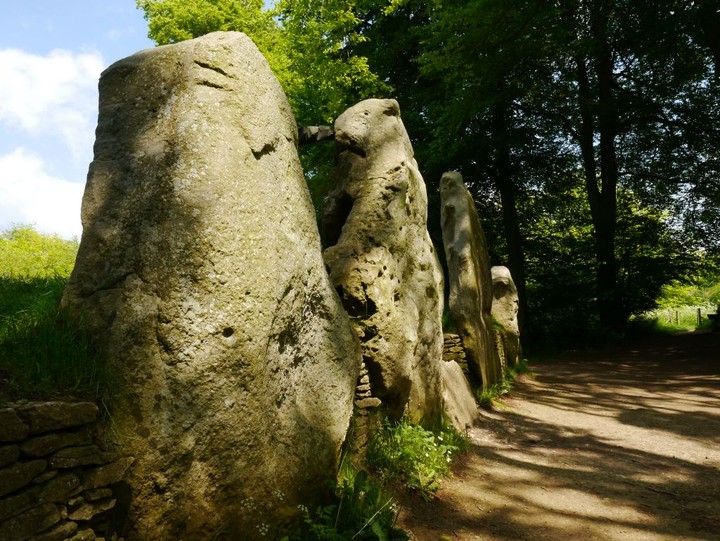
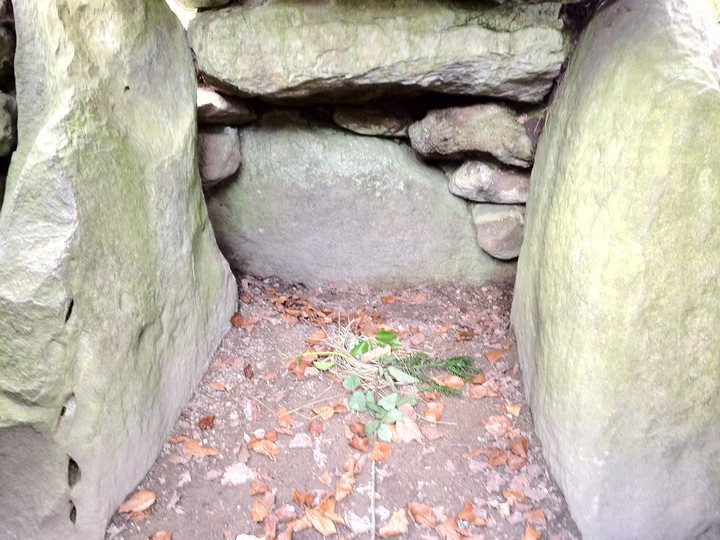
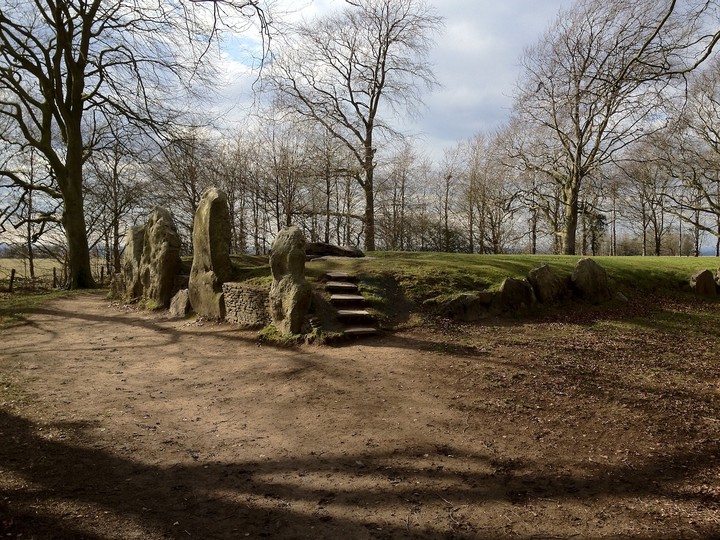
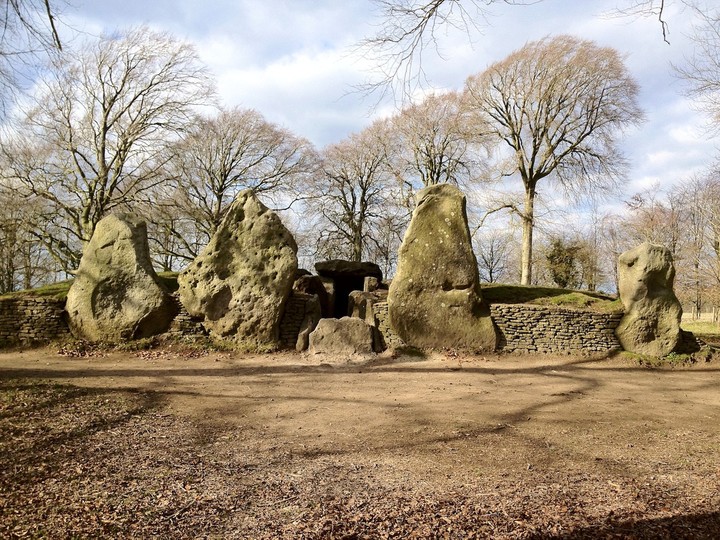
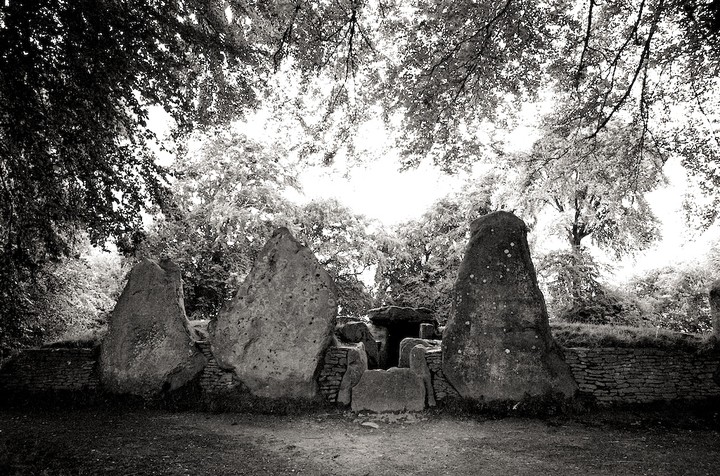
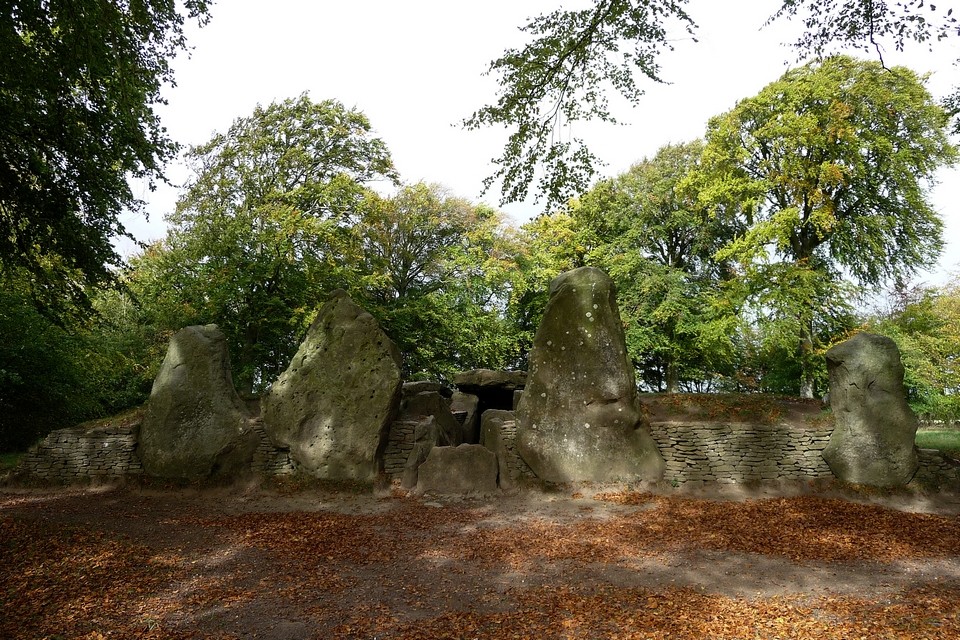
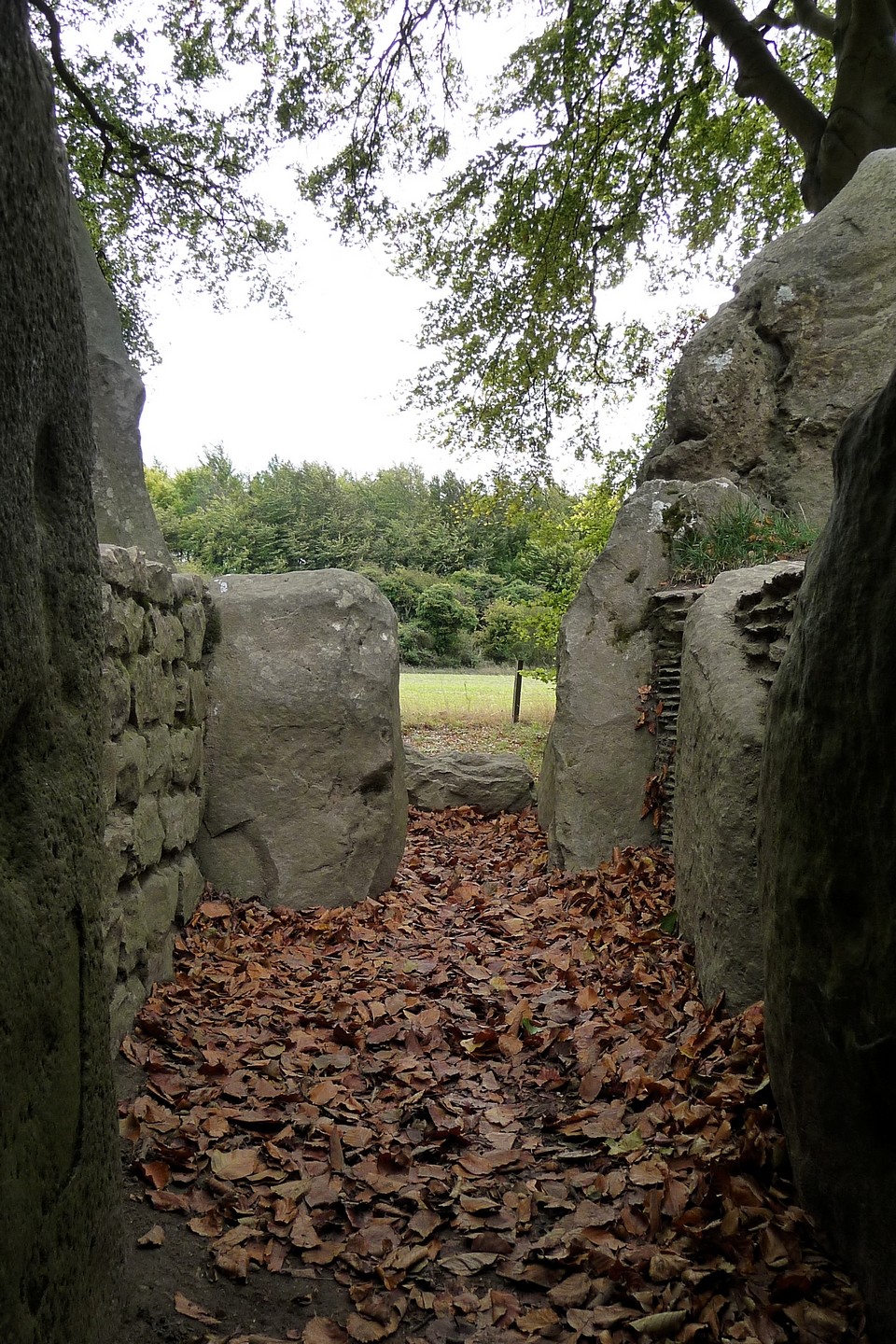
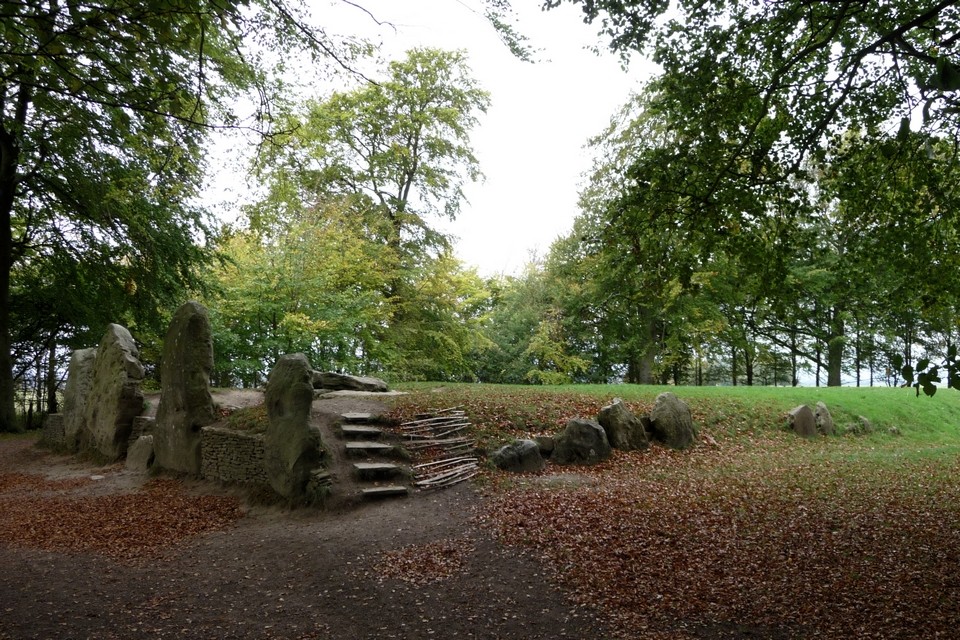
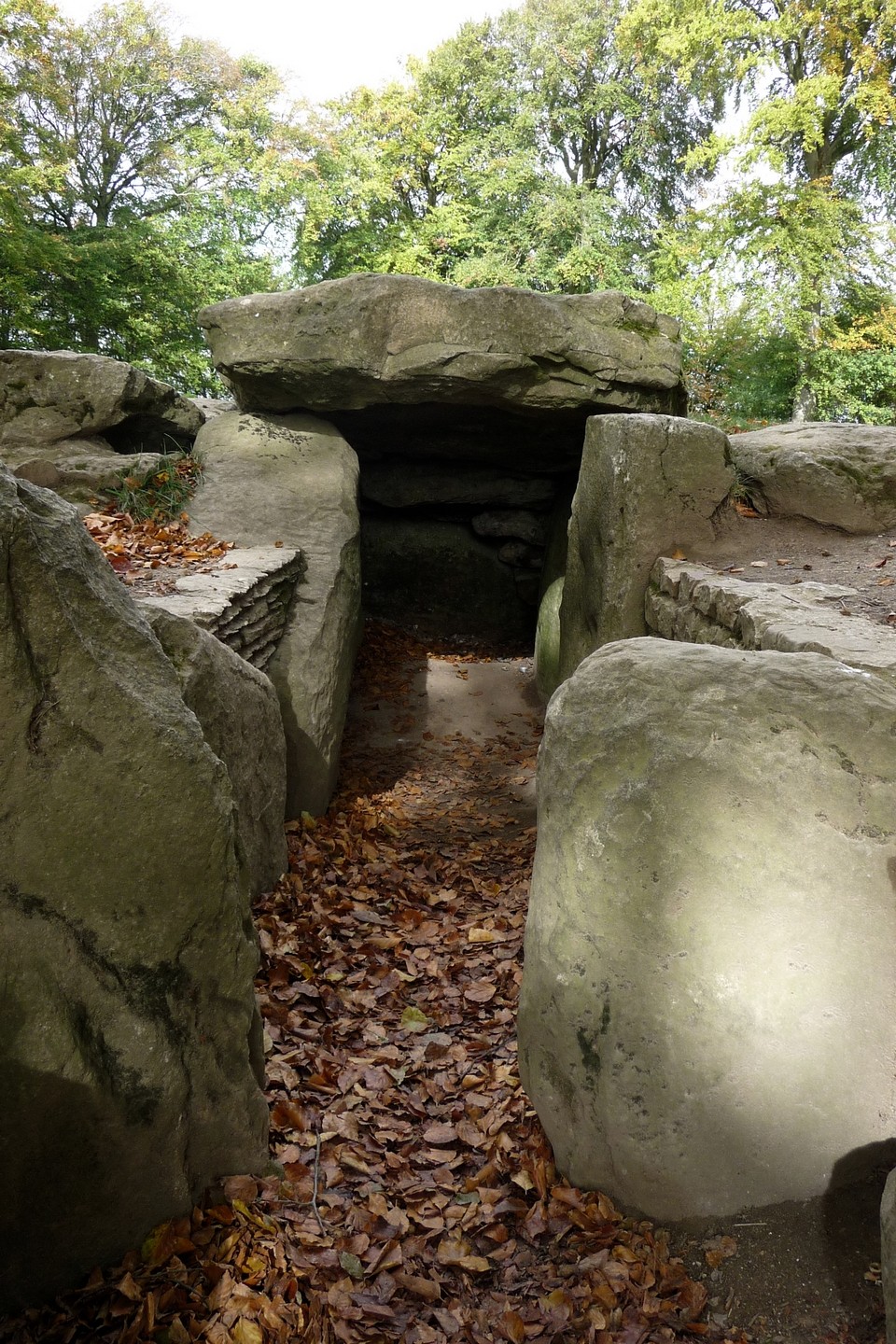
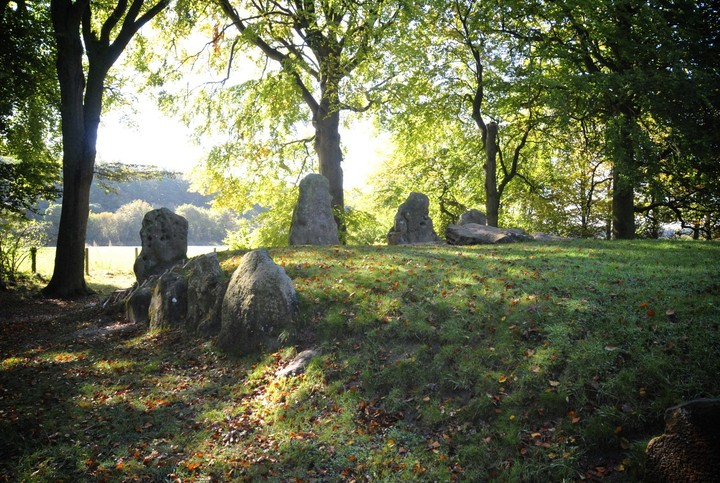
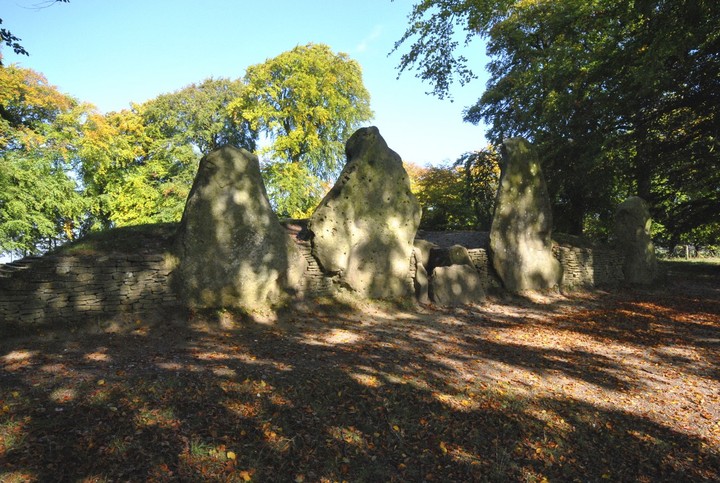
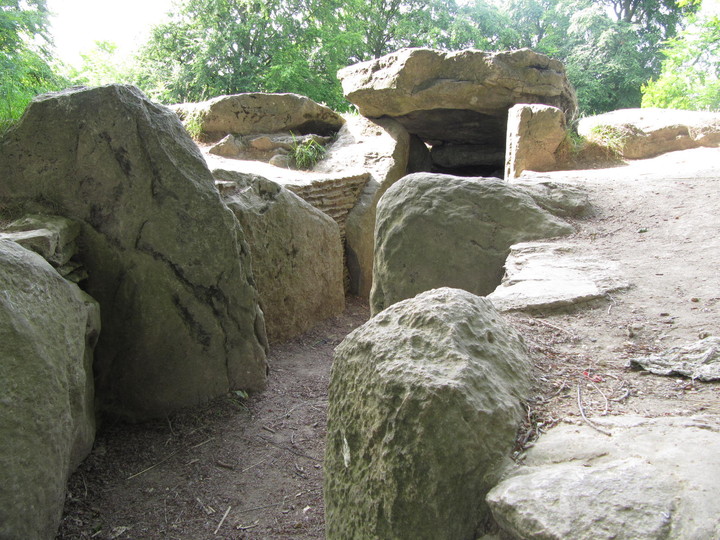
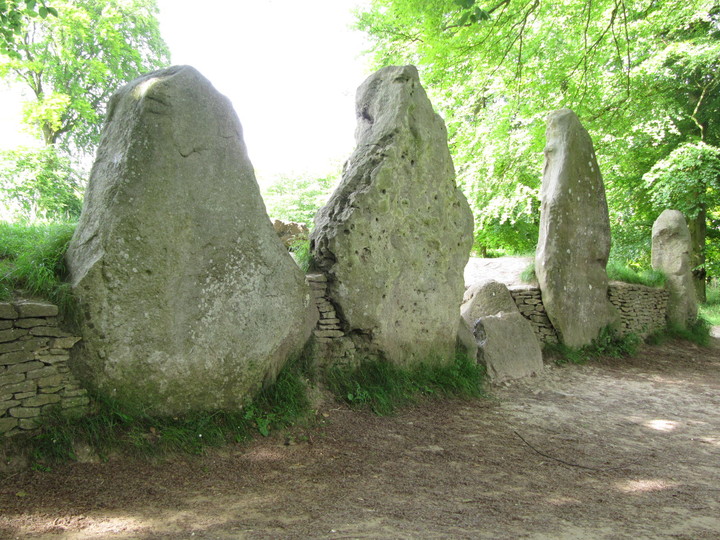
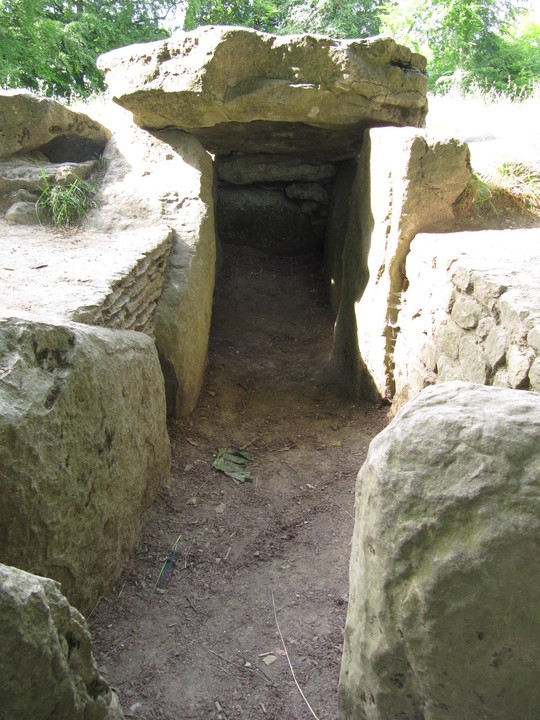
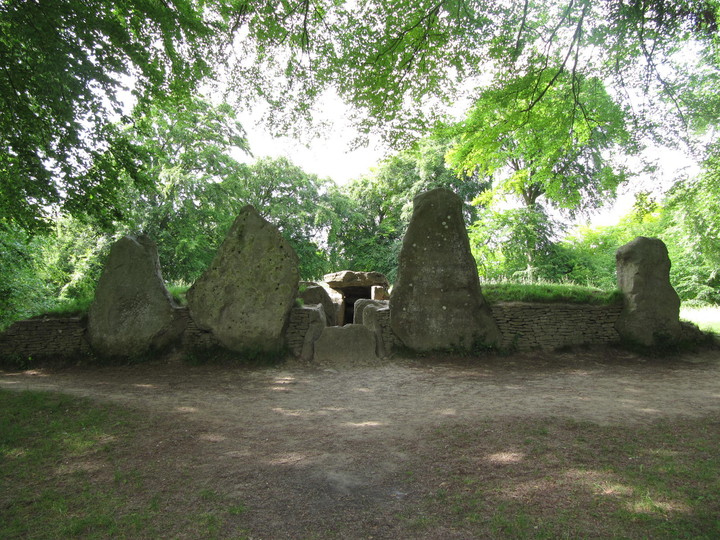
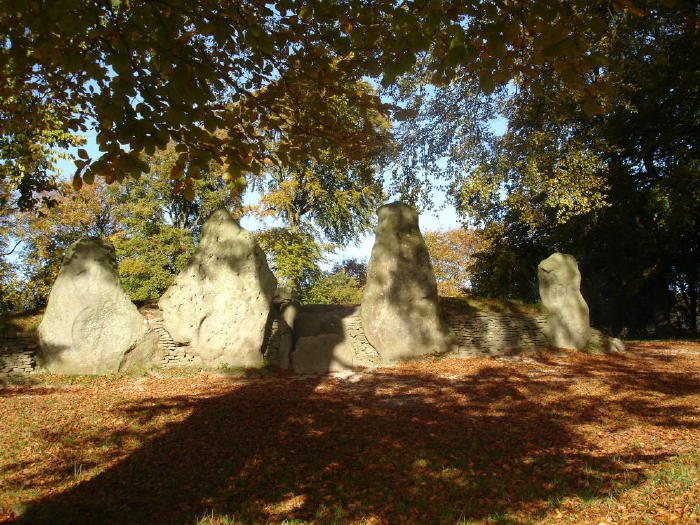
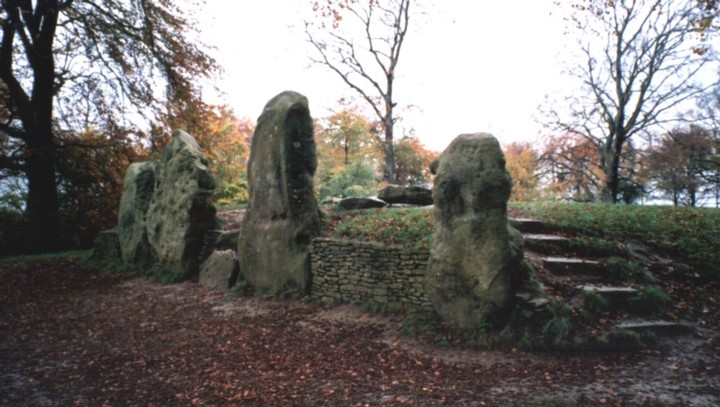
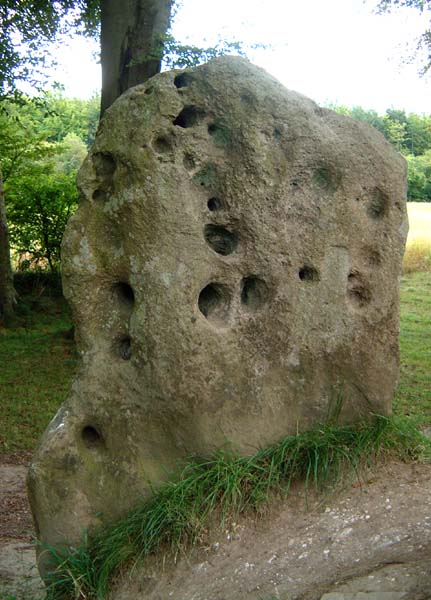
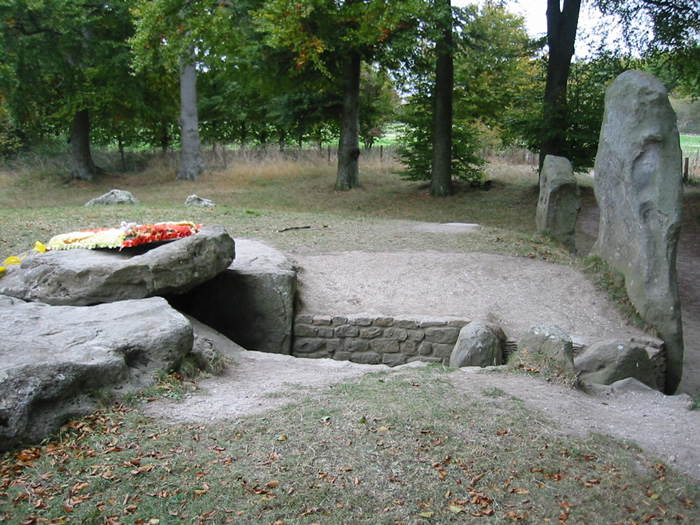
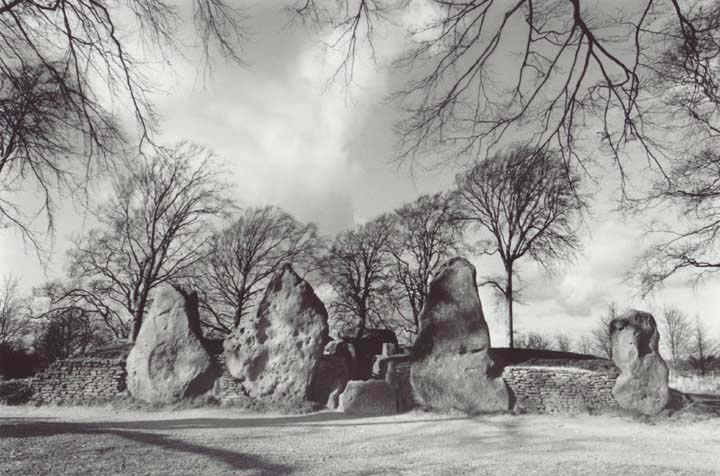
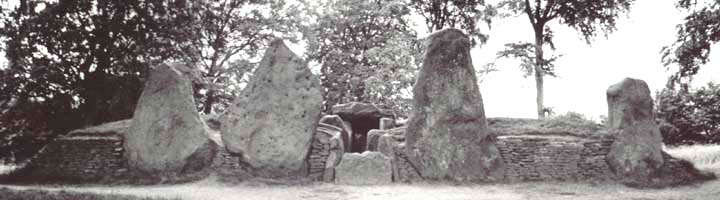
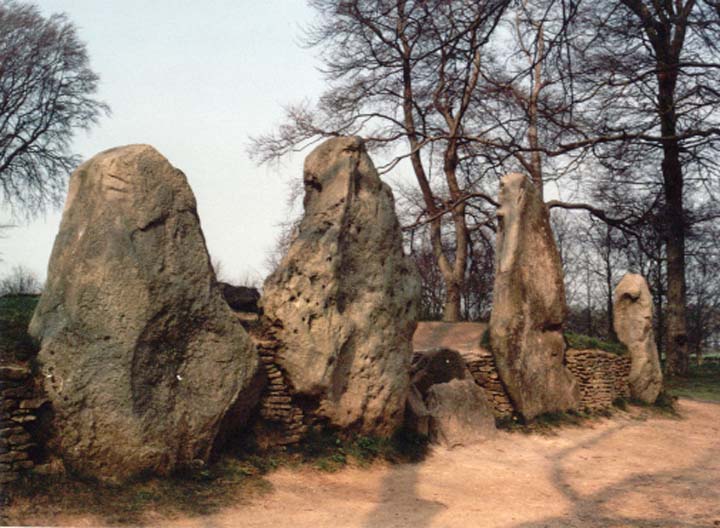
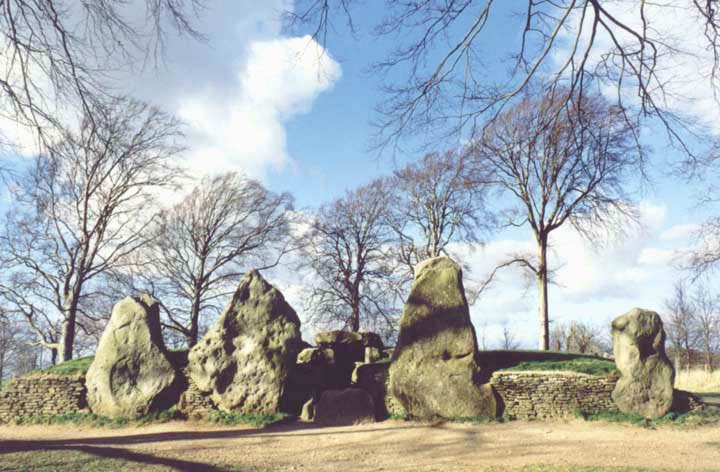
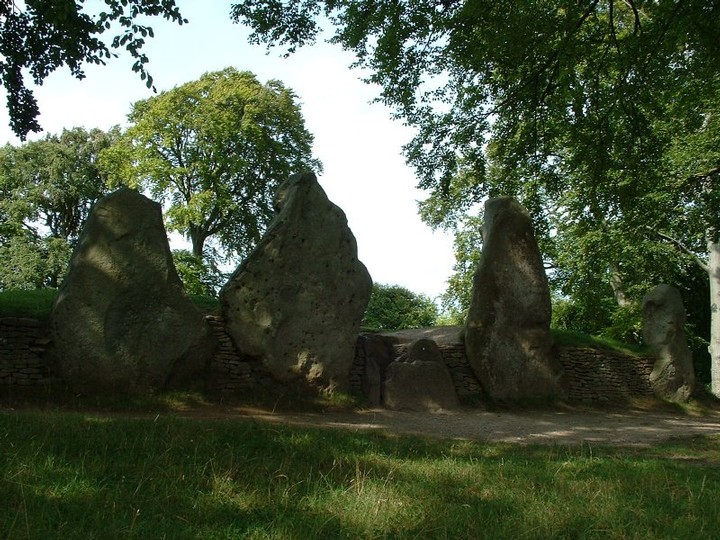
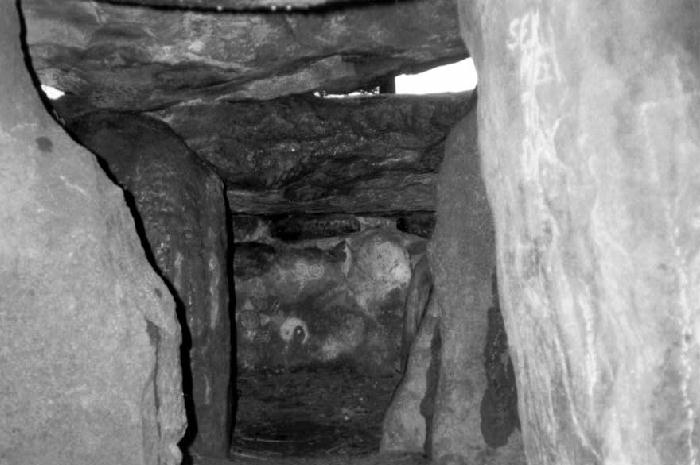
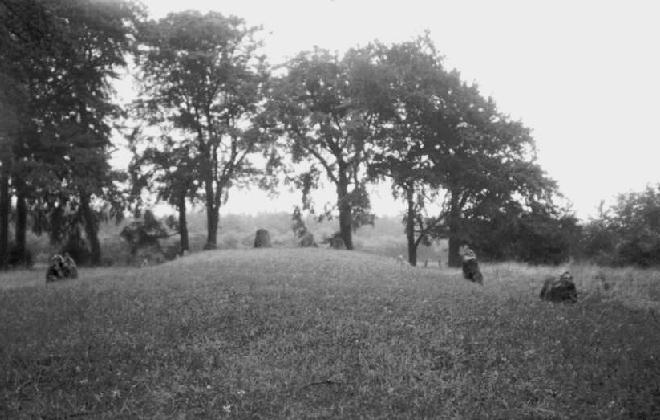
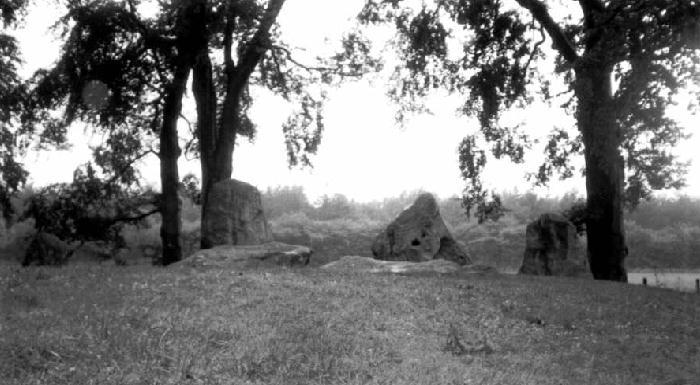
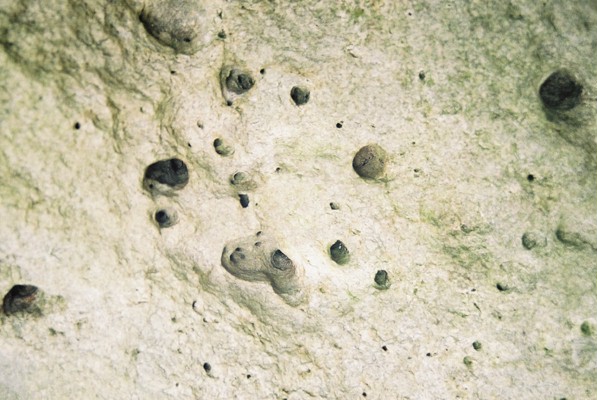
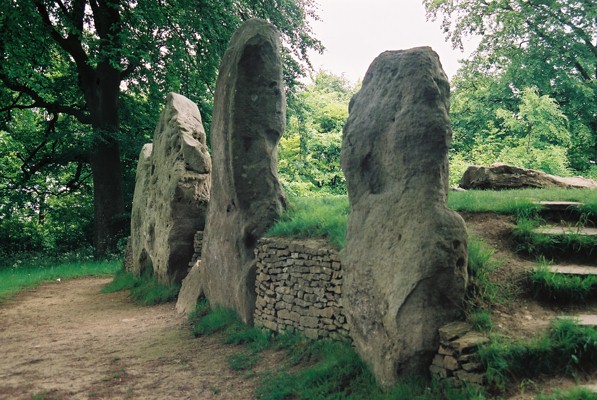
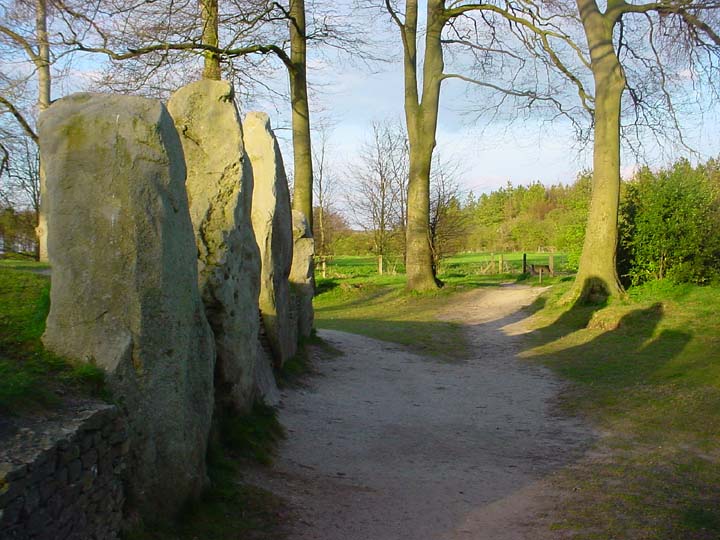
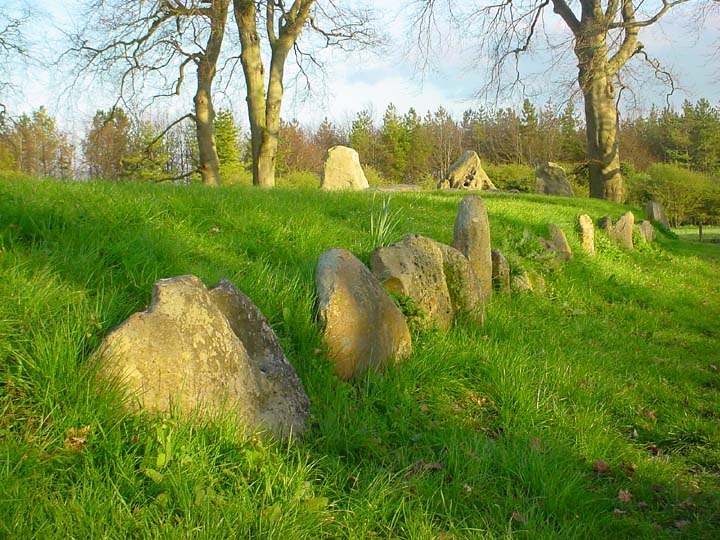
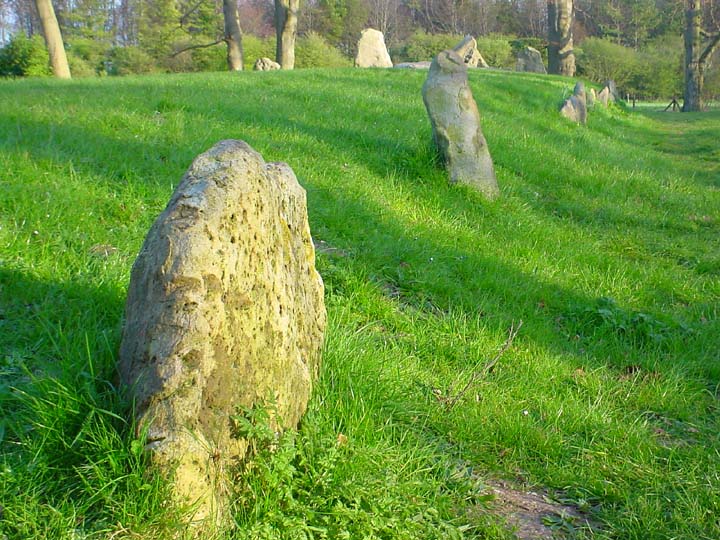
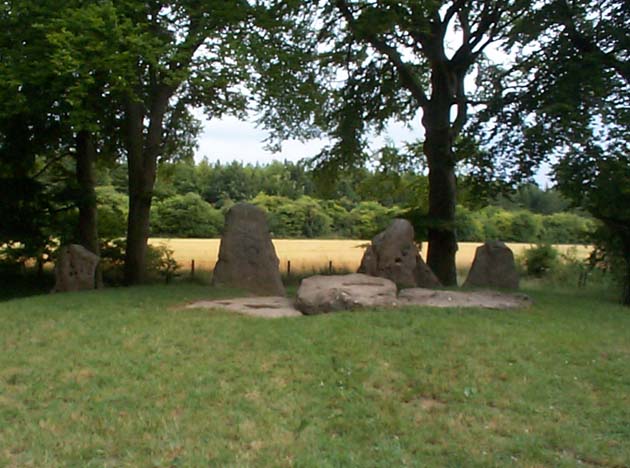
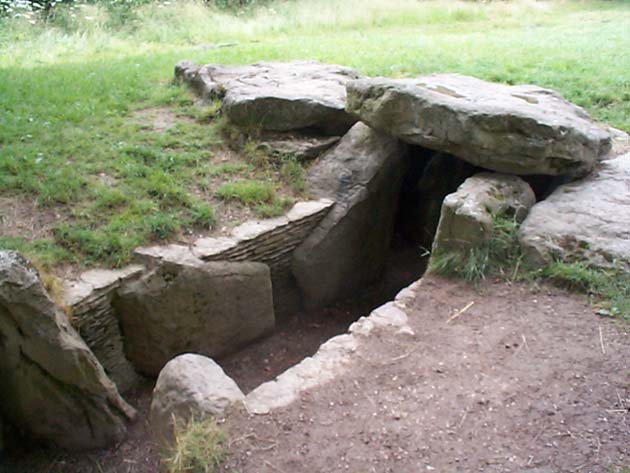
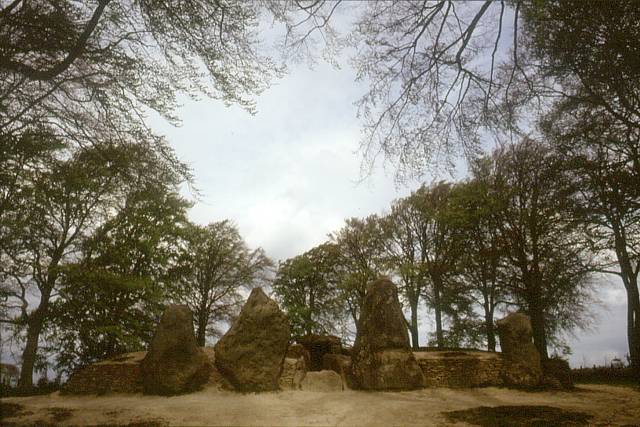
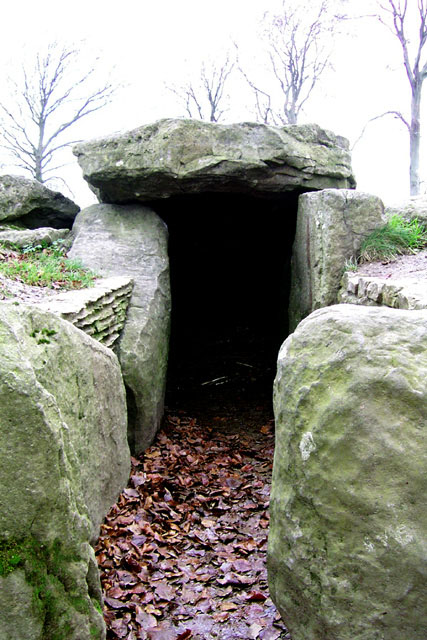
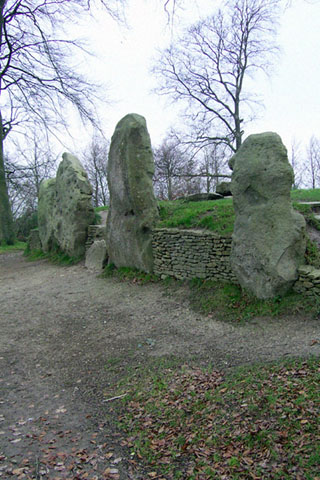
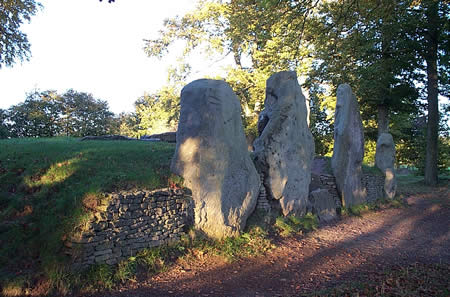
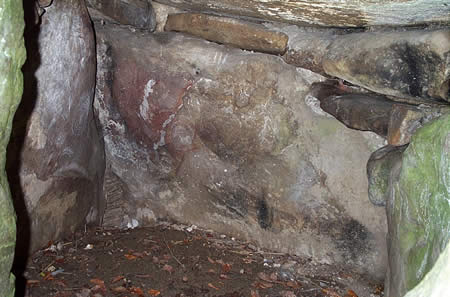
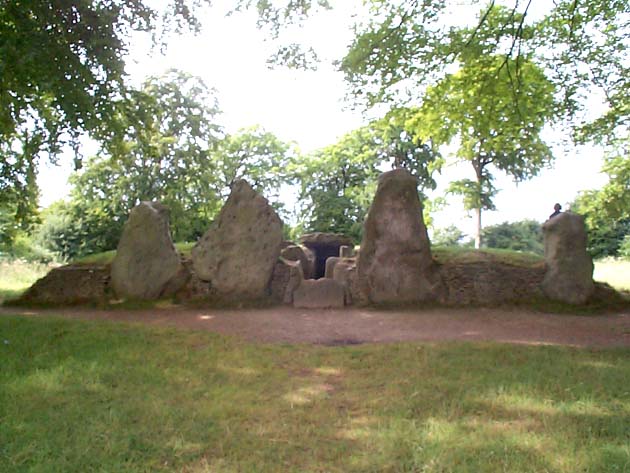
14th March 2013. For all my frequent trips to Uffington, Wayland's Smithy is an oft-missed destination. I've always viewed the area like a theme park of the ancient world. No matter how determined, you never really get to go on all the rides. This time round, the delights of the Ridgeway and Wayland's Smithy were top on the list and the first thing I made for. The journey along Britain's oldest road was contemplative and inspiring enough, with the arrival at the Smithy a just reward for such pilgrimage. My decision to go in the early afternoon on a weekday was well placed. With most folk at work I had the chance to soak in the Smithy's charm undisturbed. Free from the click of cameras and excitable children jumping up and down on the capstone. The Smithy is a monument that commands respect. Four stone guardians stand watch over the entrance to the inner sanctum, flanked by a horseshoe of trees. To clamber at will over the monument doesn't seem right; one has to be invited to cross the threshold and experience the Smithy's secrets. Once I'd perceived permission was given, I discovered a new secret as I passed the gateway into the cruciform chamber. An arrangement of wild flowers lay in the middle of the terminal chamber, no doubt an offering from another pilgrim who arrived before me. It wasn't the only gift. On closer inspection, I noticed a number of coins inserted in the crevices of the pock-marked sarsen standing left to the entrance. The legend of Wayland sprang to mind, with visitors perhaps asking the smith to shod their wishes in place of the traditional horse. I left a similar offering of my own in a free space, before standing back to regard the Smithy one last time before heading back up the Ridgeway. In the tranquility of the moment, it was almost as if I heard the Smithy speak. "Don't leave it so long next time," it said. And on such a similar well-placed day in the future, I won't. |
 Posted by Spiddly
15th March 2013ce |

|
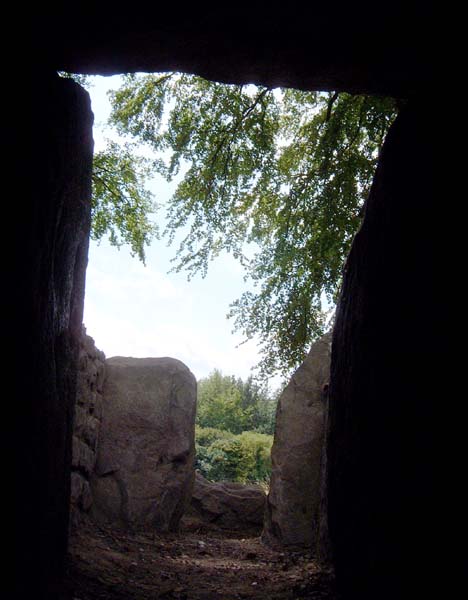
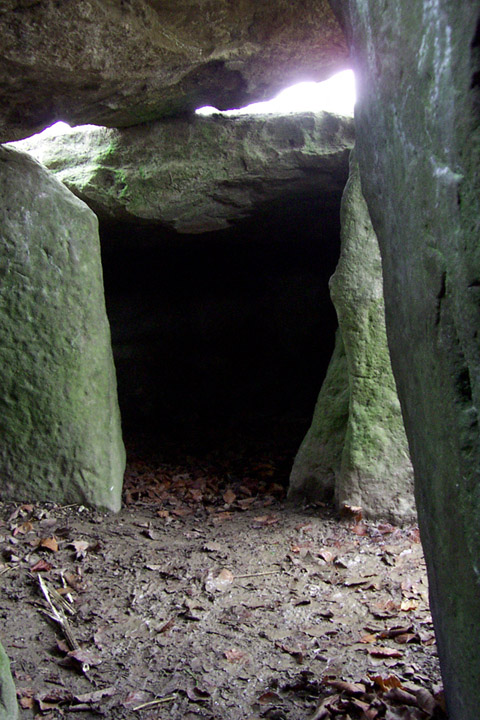
I have been to Wayland's Smithy about half a dozen times since I have lived in the north Wilts area, not really that often considering it is one of my favourite places. One of the aspects I love about visiting this site is the walk of about half a mile or so along the Ridgeway from the nearest parking area; this gets you in the right frame of mind. Yesterday afternoon, I had spent some time with a friend who is a garden enthusiast – I mention this as an aside because earlier we had visited the Woolstone Mill garden which has one of the best views of Uffington White Horse (seeing the White Horse from their little tree house there was a true delight). The friend later obliged by driving up to the Ridgeway from village of Ashbury; this is also the best place to head for if you are visiting by public transport: take the 47* (Newbury) bus from Swindon to Ashbury, picking up a downland path by the church which leads up to the Ridgeway (this just in itself is a lovely walk) then about a mile along the Ridgeway towards Uffington. Yesterday, late afternoon it was still quite hot and we had neither hat nor drink with us (not clever when walking the Ridgeway). We walked briskly along this particularly beautiful section of the Ridgeway, ancient hedgerows on both sides. Walking into the Wayland's enclosure, with its massive beeches, on a hot summer's day is like walking into an oasis of shade and cool; thirst disappeared and for once the site was completely deserted. I was able to go inside the two small side chambers which are like West Kennet Long Barrow in miniature - the shafting afternoon sunlight playing on the stones as I examined their surfaces. Like most of the long barrows in the Wiltshire/Cotswold area some reconstruction has obviously taken place to the entrance. As we walked around the barrow a couple turned up, headed for the end of the long barrow and lay down in the long grass looking up at the sky. Their presence only added to the peaceful ambience, probably my best visit yet. Note: The small EH information board near the entrance of the enclosure is discreet and helpful. *Public transport information below: http://www.thamesdown-transport.co.uk/times/047.htm |
Posted by tjj 1st July 2010ce Edited 1st July 2010ce |
| I parked at the main car park near the Uffington White Horse and walked the Ridgeway to Wayland's Smithy. (There is a lane where you can park closer to the site if you wish). It was a lovely sunny day and the path was dry and dusty. It is nice to be a ble to say I have walked (a little bit) of the Ridgeway although I wish I had taken the pushchair as Dafydd was starting to get heavy in the heat! This is a fantastic site and I loved it. On a sunny day, sheltered by the trees, this was a very relaxing place to be. Lots of people came and went and I had a nice photo taken sat on one of the entrance stones with Dafydd on my knee. Somthing to show him when he is older! This is a great place to visit and very highly recommended - you won't be dissapointed. |
Posted by CARL 24th May 2010ce |
|
I usually go here in the autumn, the dappled light through the beech trees on a sunny day in autumn makes it very atmospheric. The stones are old and gnarled and it looks like West Kennet on a smaller scale, though it has a lot of its own charm. Have been there since the neo nazi activity and not seen any noticeable damage. I am going to read Walter Scott's legend of Kenilworth as he is responsible in large part for the folklore about the phantom blacksmith which has made the site so popular. I read Clive Spinnage's myths and mysteries of Wayland's Smith which is an excellent resource although I still have not been able to find the "snivelling stone" he speaks of which is supposed to be there. |
 Posted by Circlemaster
24th April 2010ce |
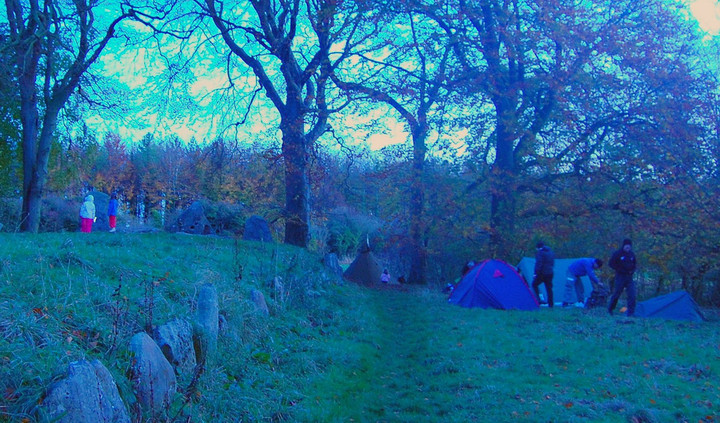
| talking about spoiling the ambience, a large group of neo-nazi's camping there, lighting fires, pissing all over the monument and making us feel very unwelcome. Wotansvolk flags all over the entrance to the tomb....I tried to find the number to contact the ranger but to no avail. A very upsetting experience. |
 Posted by listerinepree
8th November 2009ce |
| A beautiful Autumn day was spent yesterday at Waylands Smithy. The orange leaves falling all around on a gentle breeze, in this most tranquil spot. People came and went as we sat there and moved around taking our photographs, a popular place for those on foot or bikes and passed every now and then by huge off road vehicals powering down the ridgeway. Sstill this didn't bother me as I sat inside each of the chambers totally switching myself off from the world outside. This place is an absolute treasure. |
 Posted by texlahoma
31st October 2004ce Edited 1st November 2004ce |
|
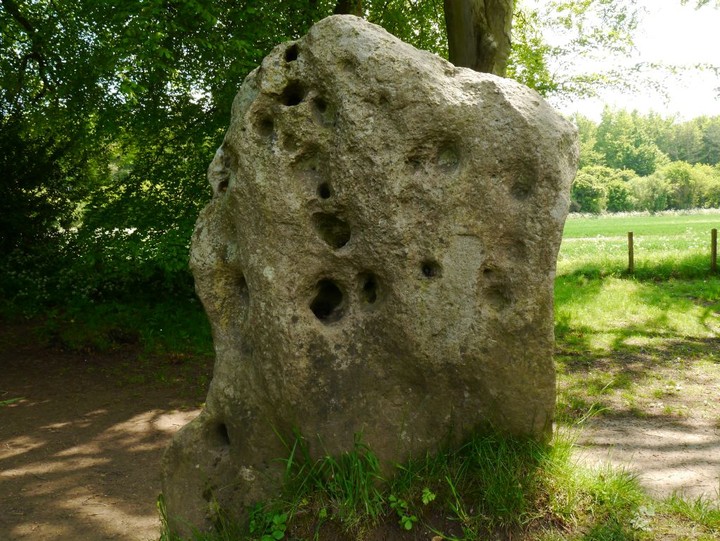
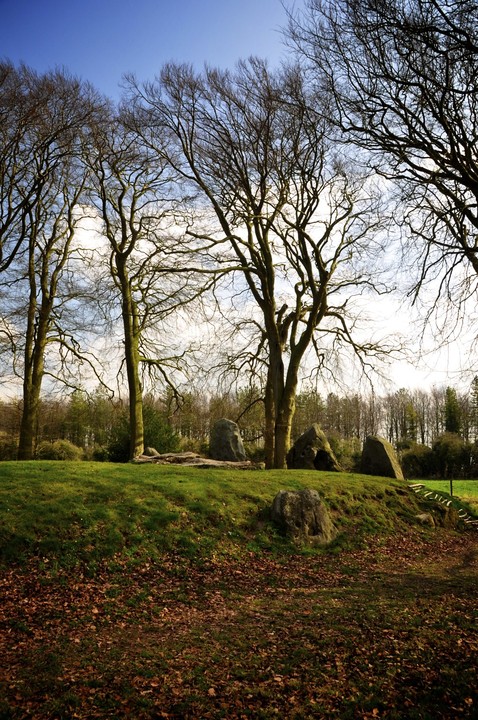
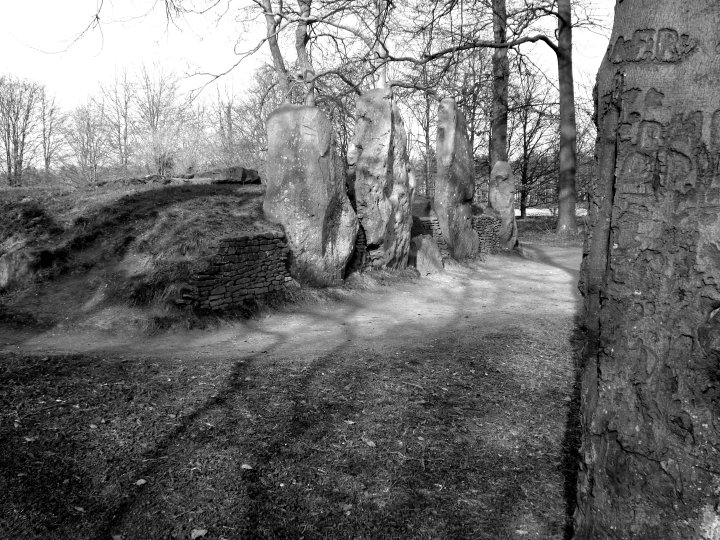
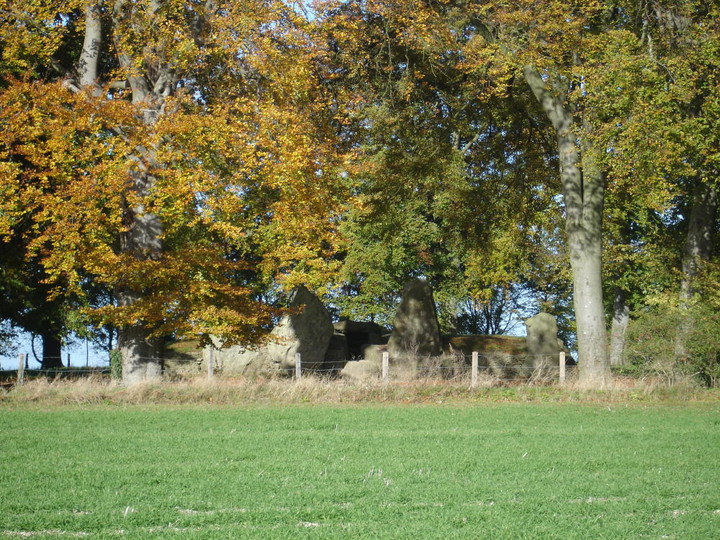
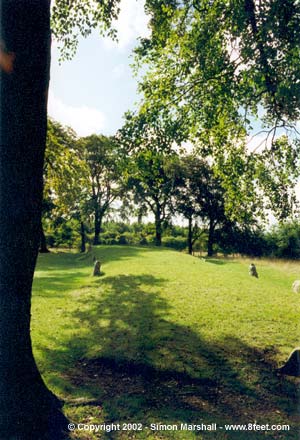
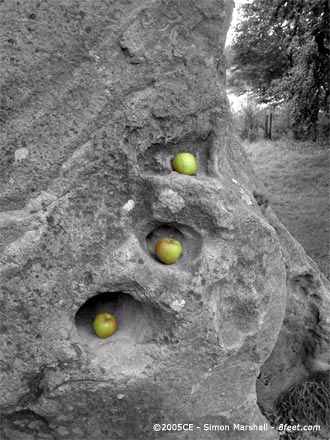
Mrs Hob was keen to revisit, having been here just after the big storm of '87, when she says some of the trees got toppled. Plenty trees now though. Whilst this may wreck any chances of checking out inter-visibilty with other stuff, it does make it superbly tranquil and welcomingly cool on a hot summer's day. In full agreement with PureJoy's comments about the 4x4s though. They are knackering the ridgeway, and can temporarily spoil the ambience. The holey stones on the facade are marvellous examples of domesticated sarsen. This place lives up to the hype. |
 Posted by Hob
24th August 2004ce Edited 24th August 2004ce |
|
Wayland's Smithy Long Barrow - 8.2.2004 Directions - I think what Chris means (see first fieldnotes) is that if you really want to have the shortest possible walk to Wayland's you could unofficially park where the dead-end road to Knighton Barn (the road is called Knighton Hill) crosses the Ridgeway (circa SU285856). I wouldn't encourage having the shortest possible walk though, although I guess there might be some good reasons in certain situations (e.g. lack of mobility, terrible weather). Most people walk from the Uffington Castle area, or from the signposted National Trust car park (free). For the latter, walk out of the car park as if you were continuing on the road that just took you to the car park and continue to walk up the road until you get to the Ridgeway, turn right and follow the Ridgeway until you pass a line of beech trees. 400m further you'll see the entrance on your right into the Wayland's Smithy enclosure. It's 2 km in total. Alternatively you can approach from the West by parking just off the road between Ashbury and Ashdown House, where it crosses the Ridgeway (circa SU274843). It's only just over 1 km from there. We walked from Uffington Castle, which was pretty pleasant, despite patches of the Ridgeway looking like a mangled forest track (and other bits being bone dry!). The only spoiler of the walk was three annoying 4x4's playing silly muddy buggers, with an attitude. I don't have a problem with real off roading (challenging stuff on private land in forests and farm land), but this is like off-roading for the blandly afflicted. Pointless and tedious. Later we heard and saw three motorbikes churning through the mud right outside Wayland's. It was about 12 years ago when I first visited this famous Long barrow, and it's a good sign that it hasn't changed much. Lots of visitors came and went (quickly), and then suddenly 5 minutes of calm and didn't see another human being all the way back to the NT car park. |
 Posted by pure joy
15th February 2004ce |
|
The exquisite Cheryl and I came here today with some serious photography in mind. The light was priceless, and even better, we had the place to ourselves pretty much all the time. As we did the shoot, something was making a strange whirring call in the field at the back of the monument. Sounded like a grouse, but I'm sure there are no grouse up there. Partridge, perhaps? Anyway, the shoot went brilliantly, and we felt entirely as one with the place. And we saw three hares chasing each other wildly round the adjoining field, which was just brilliant. No boxing, though. . . . Thank you Goddess. |
 Posted by treaclechops
31st August 2003ce |
|
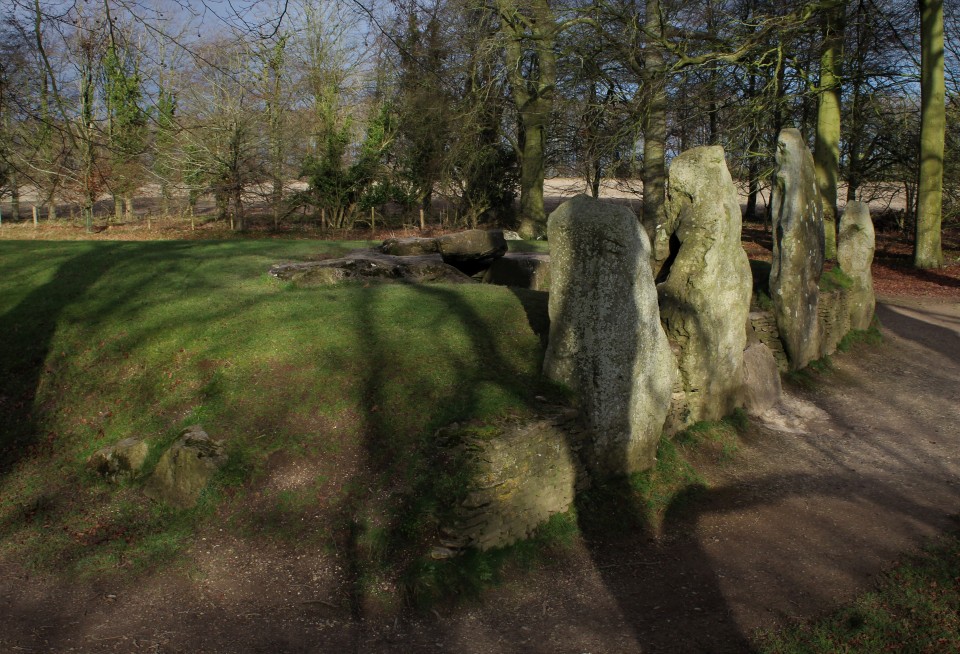
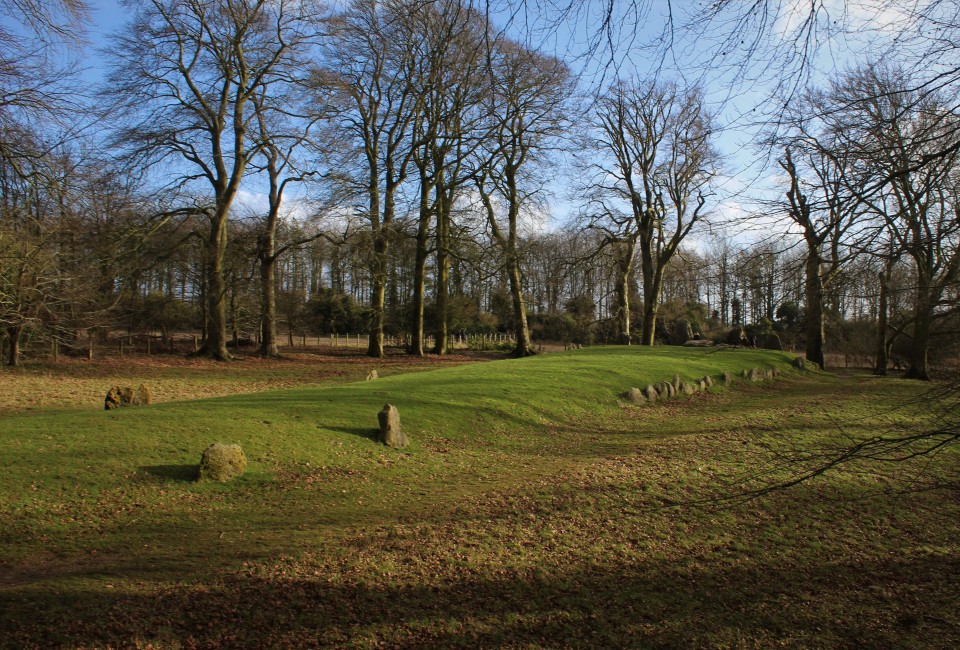
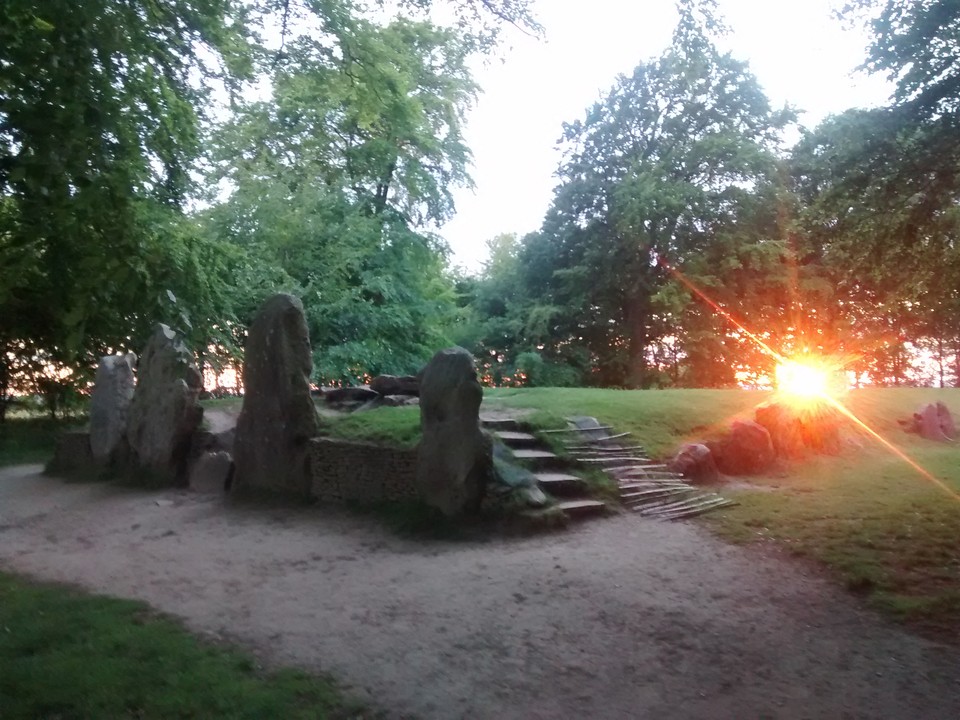
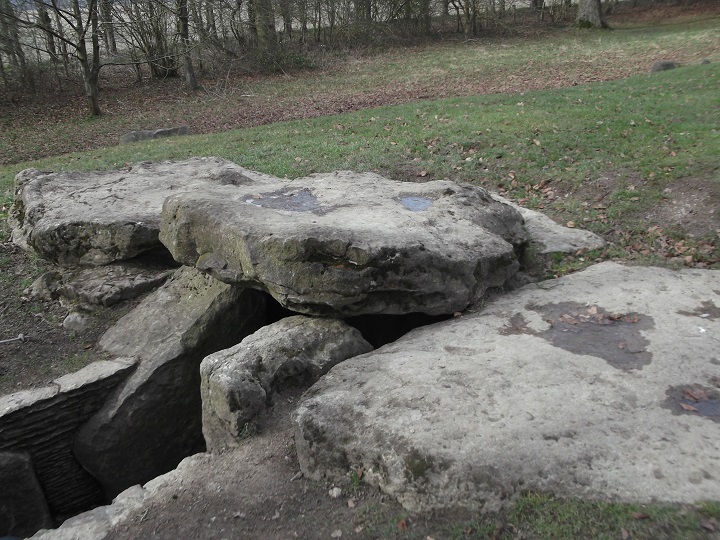
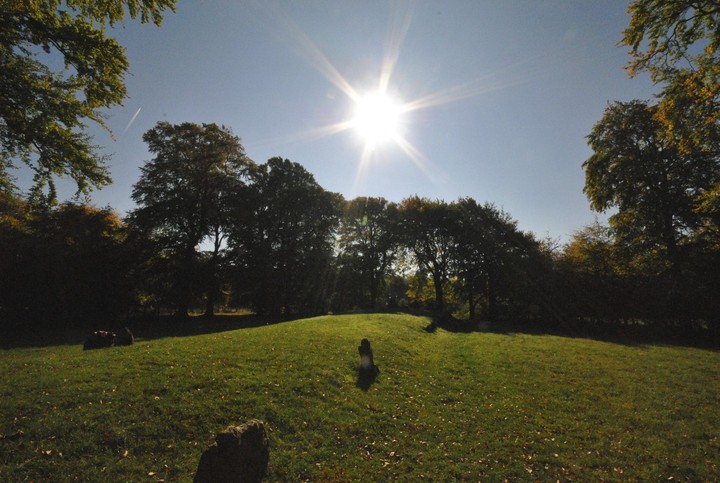
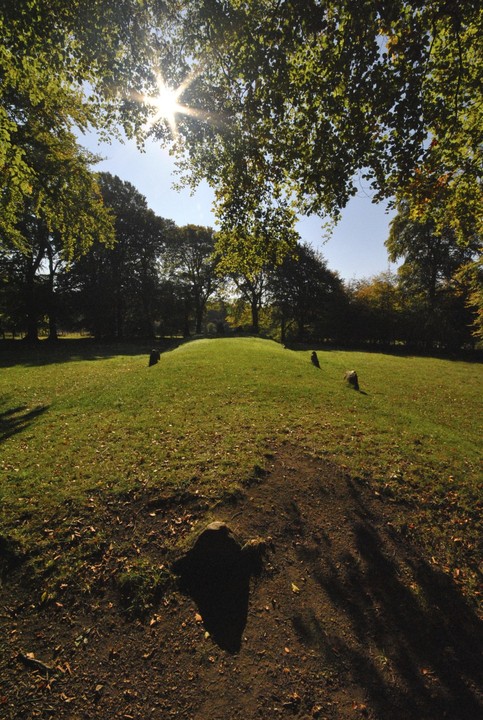
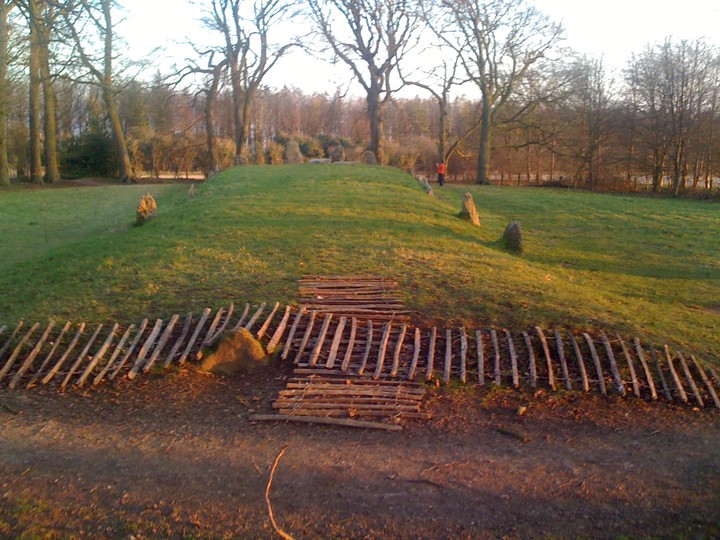
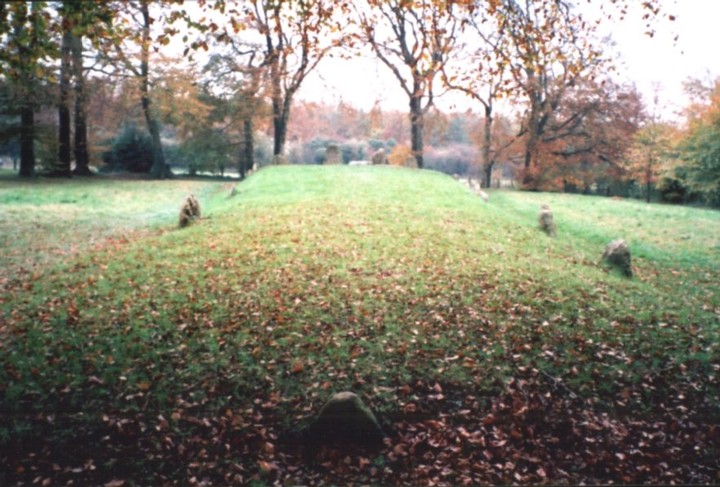
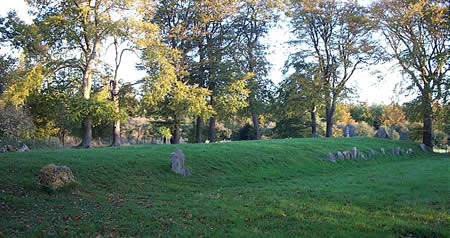
Ah!.... the great long barrow of Waylands Smithy. Is it the great beech trees which give the barrow so much intimacy? Why does it feel so much like home? I have lost count of the times I have been here for painting, picnics, loving, birdwatching, healing, photography, chillin', and now grieving and celebrating all at once. Sitting above the chamber on the capstone I look down into the mouth of the barrow and think of the beautiful, newly dead, feline body of Finbarr gracefully lying in her grave in my garden, 18 miles away. God, I loved that cat. But Waylands has eradicated the grief and now I remember with joy all the love we shared. I was curious to see the phenomenon of the way that although the long barrow is tapered, that if you stand at the very end, the edges of it appear parallel. 'Accident or design?' I mused. Gotta be design. Surely? Very clever in any case. This post appears as part of the weblog entry Galloping through life...
|
 Posted by Jane
19th April 2003ce Edited 30th April 2003ce |
|
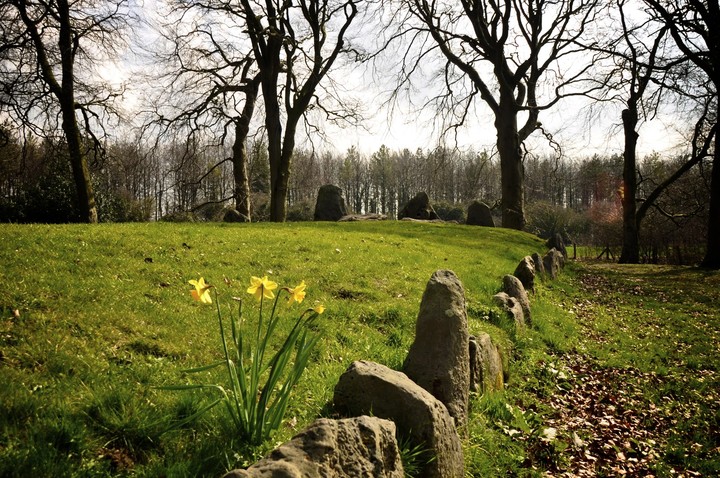
My first visit on a beautiful March day. Found through curiosity a good approach to the site - when coming down the Ridgeway from Uffington castle there are woods either side of the path, once you have crossed the final road before the Wayland's site - jump over the ditch and go into the woods on your left - there is a great straight avenue of trees to follow and the site can be seen appearing to your right - go back over the ditch through the gate and to the tomb I checked out the parallell sides "trick" mentioned below - subtle, interesting I particularly liked the sympathetic arrangement of trees around the tomb especially the four corner trees - if you go to the front and walk backwards the two back-end trees are framed nicely between the two front megaliths. At the foot of one of the back-corner trees daffodils (I think) were coming up; the dead are dead, but spring's begun the old make way for blooded young |
Posted by fat elvis 17th March 2003ce |
| I was here on Sunday the first of September. Whilst I stood on the mound with my wife a man who had obviously been mixing his drinks, or worse, reeled up to us and explained the amazing trick of perspective the barrow forms. Seen from the thin end the sides appear to be parallel. I have not seen this phenomenon noted anywhere else. |
Posted by Mantis 3rd September 2002ce |
| I always feel very emotional when I come here. I don't feel sad nor do I feel happy, but I do feel deeply. It is very peaceful here. Whenever I am in the area I pop along here and just spend a few minutes in quiet contemplation. Then I tend to leave a few pennies as a libation and then move on. |
Posted by younggayandfree 6th August 2002ce |
|
This is indeed a lovely spot. It was one of the stopping points on a brief tour of the area at the Ancient Sacred Landscapes Network conference in summer 2000. Nice to see that even though there were clearly solstice campers coming through the area, the Smithy site was relatively free of trash (not so Avebury or the orchards at Glastonbury, sadly...) I hope to hike all or part ofthe Rideway track this summer when I visit, and will certainly be spending time in this location; White Horse Hill and environs is my favorite place on earth. |
 Posted by albion
16th March 2002ce |
| Visited Wayland's Smithy on my 30th birthday, and must say I didn't feel quite so old! And what a birthday party with such esteemed company. Mrs Ironman & I enjoyed a bit of birthday cake there and managed to get a whole hour of undisturbed peace. The highlight of an otherwise hectic day spent travelling from Bristol to London and back again! |
 Posted by IronMan
7th January 2002ce |
| Wandered up the Ridgeway having been and sat on White Horse Hill in the afternoon sun, end of September '97. Nobody else about 'cept for a lone mountain biker and us two. Wayland's Smithy was a very welcome goal after such an enjoyable trudge. Trix did his usual archaeological assessment and took lots of photos...I oohed and aahed at the tranquility, the low golden light of early Autumn and was pleased to be here at last. They say that if you pay the Smith with silver he'll re-shoe your horse. Well, I don't know about that, but I hid a 5p piece amongst the stones and the next week I got bought a new set of tyres! |
Posted by franmort 21st November 2001ce Edited 6th February 2003ce |
|
I visited the Smithy for the first time this week, running the gauntlet of an angry stoat on the way! What a stunning site. Warming sunlight filtering through the almost protective wall of trees and the lack of other visitors created a perfect atmosphere. The long, low tapering mound is beautifully shaped and the row of stones guarding the entrance way are just perfect. I will be back soon. |
Posted by drzoon 17th September 2001ce |
| I spend a lot of time visiting sites, seeking out the unvisited and unheard of but there is something about Wayland's Smithy that keeps calling me back. Apart form this year, I have spent every beltain of my adult life at this barrow. It is so homely, beautiful and comforting. It as also worth a visit for the Summer Solstice as there are always other people there and a real sense of festival is in the air all night. One year a horse and cart turned up for the night and it was difficult to find somewhere to put your sleeping bag - that was a great night. |
 Posted by wayland
3rd June 2001ce |
|
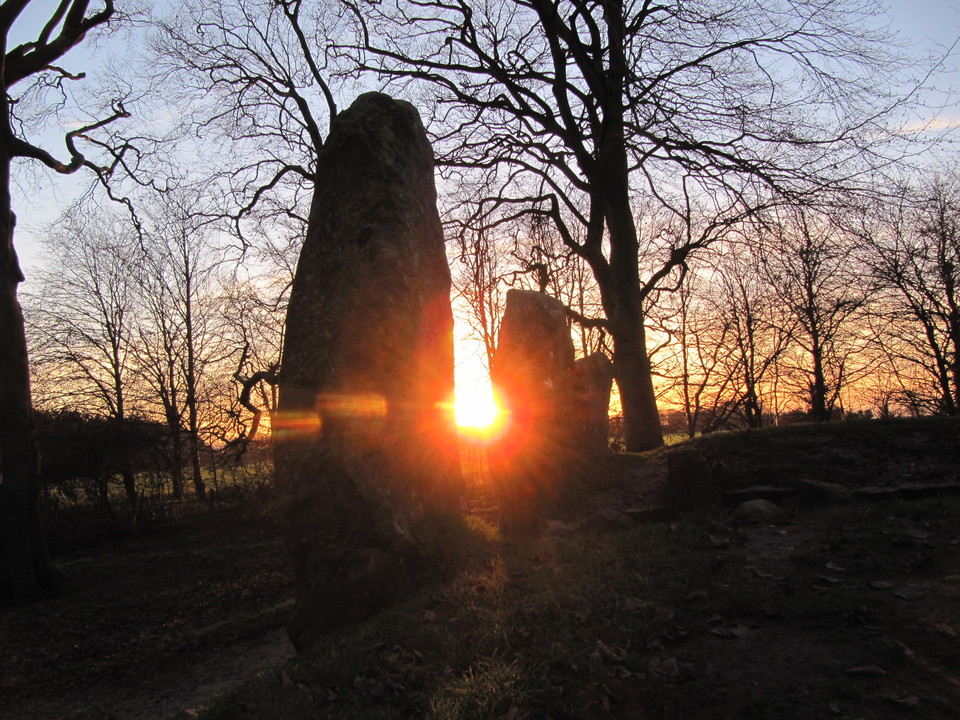
After the unexpected death of a close friend I just had to visit my favourite site. The deep calm that pervades the site is the single balm I know to ease pain. The fact that I saw Julian in Avebury on the same day was the greatest bonus I could have asked for! Unfortunately the first view of the sacred path to the Smithy almost completely ruined my mood. The rusting burnt-out car that blocks the path felt like a needle being stabbed into my third eye. I'm just grateful it wasn't any nearer to the site... Cold it may have been but I managed to get nekkid and run around before saying my proper goodbye's to a great mate. Naked, facing South over the entrance, I had the rising, almost full, moon balanced on one hand and the setting sun on the other. I don't think I could have stood any more symbolism at that point. Goodbye Hugh. |
Posted by teknohippy 10th February 2001ce |
|
I love this place. Has anyone else noticed how the trees all seem to bend inwards over the barrow? I was here with two friends a few years back, and one of them, Marcus, had brought two L-shaped bits of coathanger with him and was trying his hand at divining. He noticed that when he walked parellel to the front of the barrow, the rods would swing towards each stone and he passed them, and back to the centre during the spaces between. The same thing happened when I tried it, but when Matt had a go, they swung AWAY from the stones instead of towards them. Have a go next time you're there - see whether you're an 'inny' or an 'outy'! |
Posted by markybov 6th April 2000ce |
| Whatever you do, do not follow the signs to the official car park, unless you fancy a 2.5 mile trek down the Ridgeway. Check out your OS map and you'll see there's a small lane midway between the site and the car park- Once at the site, you'll find a great longbarrow , although not on the scale of West Kennet, it's somehow more inspiring. Set in a copse of tall trees, the only sound is that of the wind sighing through the trees, and a feeling of total tranquility pervades the whole area-forget what I said earlier-the long walk makes it all the more worthwhile-go early and forget for a few moments the teeming mass of human life thats all too close. |
 Posted by Chris
18th March 2000ce |
Folklore |
Add folklore |
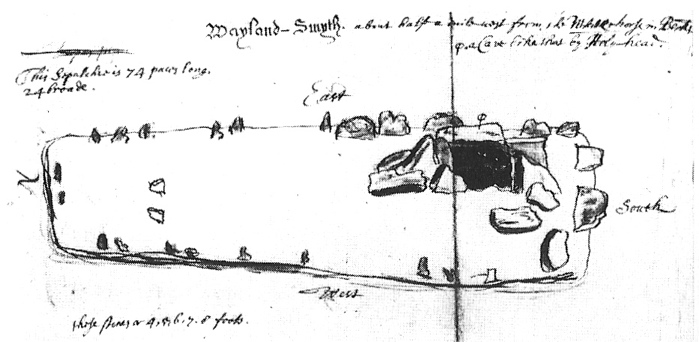
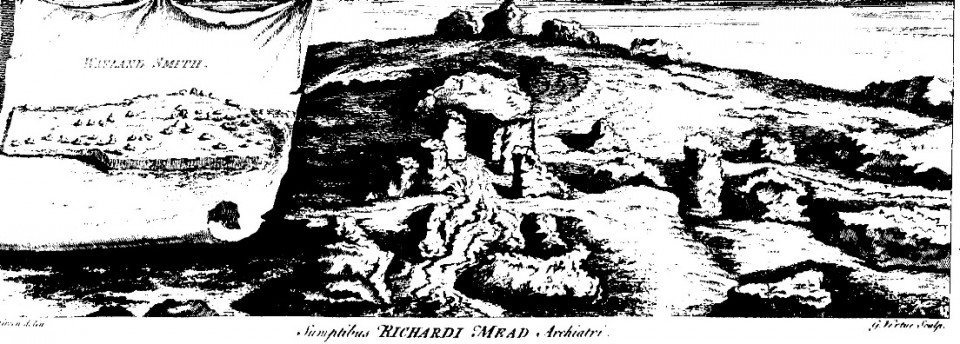
Mr Aubrey's account of it is this. "About a mile [or less] from the Hill [White-Horse Hill] there are a great many large stones, which though very confused, must yet be laid there on purpose. Some of them are placed edgwise, but the rest are so disorderly, that one would imagine, they were tumbled out of a cart."From 'A letter to Dr Mead' by Francis Wise (1738). |
 Posted by Rhiannon
27th September 2016ce Edited 27th September 2016ce |

|
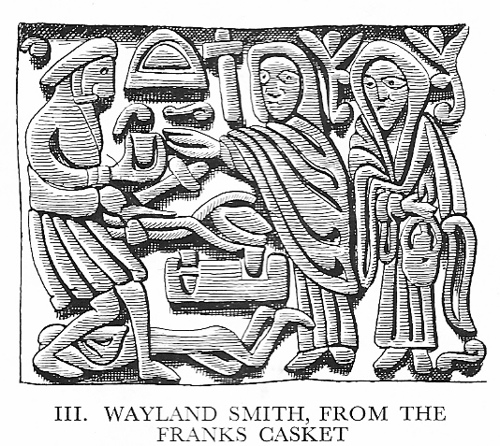
Wayland or Volund is the divine smith in Norse, Anglo-Saxon and Germanic. It is said that is you leave your horse tethered there overnight with a silver coin as payment, the horse will have been re-shoed in the morning! In folklore, Volund and his two brothers steal the "swan-shifts" of three swan maidens then go on to convince the swan maidens to stay in their human forms and become their wives. After a period of 9 years the Swan-Maidens manage to find their swan-shifts and turn back into swans! Interesting as it has been observed that Waylands Smithy aligns to Deneb in the consellation Cygnus (The Swan) Reference "The Cygnus Mystery" by Andrew Collins |
 Posted by faerygirl
12th July 2010ce Edited 12th July 2010ce |
|
In his book 'Villages of the White Horse' Alfred Williams writes about the legend of Wayland or Weland, the invisible smith who dwelt in the cave known as Wayland's Smithy. His forge was hidden far under ground and legend has it if a traveller wanted his horse shod and left some money by the entrance when he returned later he would find the horse newly shod. A well known legend; Alfred Williams adds to it this passage: "One day old Wayland lost his temper and gave a thrilling proof of his mighty strength, striking fear into the folks of the countryside round about. Running short of nails, he sent his favourite imp, Flibbertigibbert, down the valley to obtain some from the other blacksmiths, and bade him to make haste about it, as a horse was waiting outside to be shod. After waiting several hours he looked out from the cave and saw the imp had yielded to the temptations of a mortal and gone bird-nesting in the fields, forgetful of the nails. Thereupon Wayland, fell into a passion, snatched a big round stone, used as an anvil, and threw it at the loiterer, two miles off; the stone shot through the air with a loud whizzing noise and, falling short of the mark, nevertheless slid along the ground and struck the imp on the foot retaining the mark of his heel on one side. Thereupon the imp appeared to the astonished rustics, limping and snivelling and rubbing his eyes with his fist, so they called the spot Snivelling Corner, and the name remains to this day." Alfred Williams goes on to say "Others think the 'heel' on the stone at Snivelling Corner may be a clue to its true significance as a 'heol stone' or sun stone from 'heelios'. Greek for sun." Source: "Villages of the White Horse" by Alfred Williams (first published 1913) |
Posted by tjj 1st July 2010ce |
|
If you along the Rudgeway go, About a mile for aught I know, There Wayland's cave then you may see, Surrounded by a group of trees. They say that in this cave did dwell A smith that was invisible; At last he was found out, they say, He blew up the place and vlod away. To Devonshire then he did go, Full of sorrow, grief and woe, Never to return again; So here I'll add the shepherd's name - Job Cork. 'Job Cork's poem also indicates the site had trees around it before those planted by Lord Craven in 1810.' - Clive Alfred Spinnage |
 Posted by wysefool
13th May 2007ce Edited 13th May 2007ce |
|
Be careful about the amount of cash you leave: "The popular belief still retains memory of this wild legend.. It was believed that Wayland Smith's fee was sixpence, and that, unlike other workmen, he was offended if more was offered." From p219 of 'Introductions and notes and illustrations to the novels..' by Walter Scott. Vol 2, 1833. This sounds reminiscent of hobs and fairies, who are also unimpressed by the wrong type of payment, and will stop being helpful after such mannerless behaviour. |
Posted by Rhiannon 7th May 2007ce |
|
"...Then let my tale be told, While yet my stones stand firm on English mould, To those among ye who yet love our tongue, How Wayland the Smith forged here of old." K M Buck, The Song of Wayland |
Posted by wysefool 6th May 2007ce |
|
"It is believed that the almost total absence of coins from the recent excavations (1962-3) was largely due to the long-standing custom for the local children to search there for any coins which Wayland might have overlooked. (Disbury, D. 1968. History of Ashbury, II)." From Notes on the Folklore of Prehistoric Sites in Britain L. V. Grinsell Folklore, Vol. 90, No. 1. (1979), pp. 66-70. Would excavators really have been expecting to find many coins anyway?! |
Posted by Rhiannon 15th October 2006ce |
A reasonably old record of the legend:This was recorded by Francis Wise in 1738:From: Weland the Smith, by H. R. Ellis Davidson, in Folklore, Vol. 69, No. 3. (Sep., 1958), pp. 145-159. |
Posted by Rhiannon 29th September 2006ce Edited 29th September 2006ce |
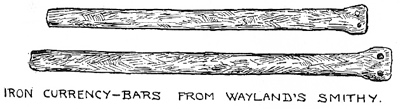
Sir Charles Peers, the joint excavator of the site, described the folk lore and its curious confirmation by the post-War work. It was said that Wayland, the Farrier God, lived here and shod the horses of the wayfarer who left a silver groat upon the stones. Now in excavating the site two iron currency bars of the first century B.C. were revealed, as if in fulfilment of the story.From The Times, August 9th, 1932, p13. However, dully, I have read elsewhere the suggestion that the 'currency bars' aren't as old as they might be. But what's the truth? According to the Davidson article in the Folklore post above, the bars are mentioned in C R Peers and R A Smith's article in Archaeological Journal, I, 1921, p188. |
Posted by Rhiannon 24th September 2006ce Edited 29th September 2006ce |
What Wayland (Volund) got up to in his smithy isn't actually very nice, if you read the 'Völundarkviða' Norse poem. It's a bit gruesome. I'll leave it up to you whether you tell the kids as they're poking about amongst the stones. Actually they'll probably relish it. A little excerpt:He struck off the heads of those stalwart boys,You can read the translation by W. H. Auden and P. B. Taylor at 'Woden's Harrow - Norse Myth Source Texts' here http://www.angelfire.com/on/Wodensharrow/volund.html |
Posted by Rhiannon 21st July 2006ce Edited 21st July 2006ce |
|
I'm posting this as folklore as much as to see if anyone can confirm the tale, else it's in danger of becoming newly minted 'folklore for the future', at least in Tyneside. During the great storm of 1987, when trees all over England were toppled by sudden great winds (the storm the Met Office didn't predict), many of the trees surrounding Wayland's Smithy were uprooted. However, none of them fell inwards, thus protecting the barrow from damage. Is this true? and if so, is there a nice tidy rational explanation, possibly to do with air pressure or soil density, that doesn't require the invocation of protective tree spirits? |
Posted by Hob 24th August 2004ce Edited 24th August 2004ce |
|
My Grandfather has been a regular visitor to the vale for most of his life and he recently recounted this tale to me: Wayland had a young apprentice called Flibberdy Gibbard whom he sent to Uffington to by some nails, sometime later Flibberdy returned with the wrong size nails and Wayland was so angered that he started throwing rocks at the poor apprentice, as each rock came they doubled in size 'til he threw one giant rock which landed just next to the now whimpering Flibberdy who was forced to stay there sobbing 'til the ends of his days. This final rock, and the spot where Flibberdy Gibbard was banished to, can still be found down towards the farm and is now reffered to as Snivelling Corner. It's also where the term "Flibberdy Gibbard" cames from meaning one whom could not organise a p**s up in a brewery, Which Ironically was a favourite insult of my Great Grandmother! |
Posted by devrev 9th March 2004ce |
|
Norse (or Teutonic) Mythology Wayland (alt: Weland, Volund, Vulcan et al) appears in various guises in various mythologies (even Ancient Greece!). In the Northern Mythology he and his brothers come into contact with the Valkyrs, beautiful ladies with swan plummage who can fly, only to lose them later. Wayland pursues his love with zeal and this causes him to be captured and enslaved. He is put to work creating weapons of magical power and during his capture suffers the loss of an eye and a cut achilles hill resulting in a lame leg. I thoroughly recommend anyone interested in wayland smithy to read up on the Norse Mythology for the full story, it is truly a wonderful tale. The Saxons have many mythological associations with the Norse tradition and you can see how the story of Wayland has been carried from Remote Scandinavia, through mainland Europe and with the arrival of the Anglo-Saxons, into England and then to leafy Oxfordshire. Although the folklore relates to the Anglo-Saxon mythology of a Neolithic Long barrow (many thousands of years difference!), it is still an interesting aside. Tied up with Wayland Smithy are a number of stones and barrows relating to the tale. Wittich's Hill, a barrow (Wittich was the son of Wayland) and Beaghild's burial place (a princess whom Wayland ravished), another barrow are but two in the local area. |
Posted by wysefool 5th November 2003ce |
|
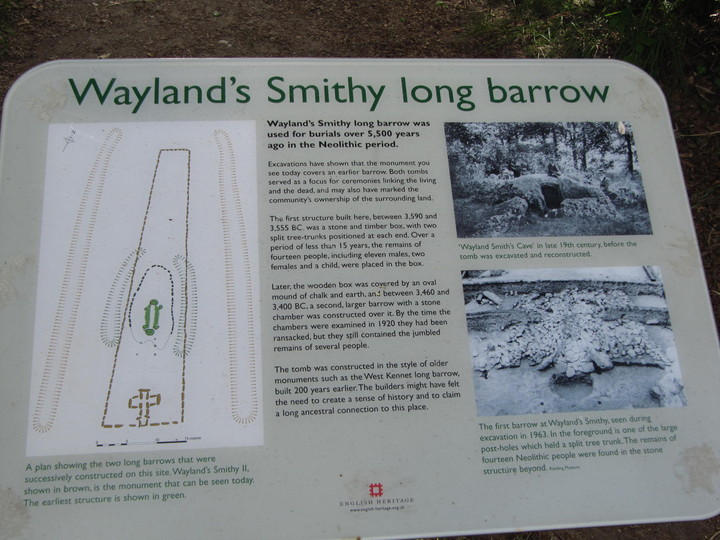
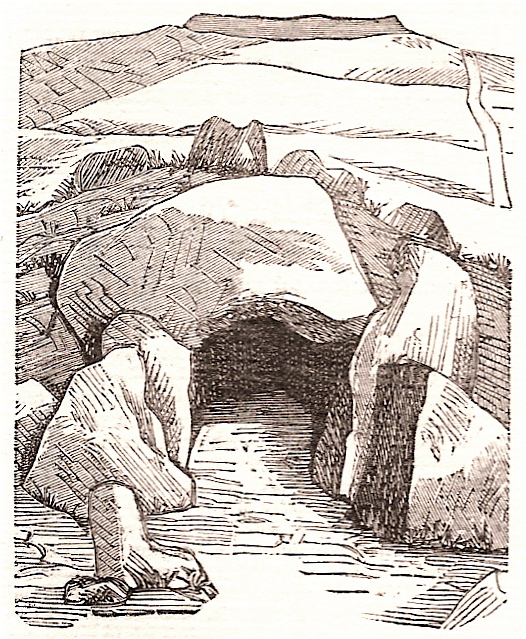
the secret passage There is some folklore concerning Waylands that a secret passage lies underneath it and opens up in Ashbury coombes (a mile or so away). Shepherds in the late 19th century used to strike a crowbar into the ground near to the 'cave' (as it was then before reconstruction in the 1960s) and hear a hollow sound. I guess they were half right! Later archaeology helped us understand that Waylands had a number of stages of construct. The hollow sound was likely to have been an earlier grave lying underneath the present sarsen faced long barrow. I have also read of the secret passage connecting to White Horse Hill. The two sites seem always to be closey linked in folklore. |
Posted by wysefool 5th November 2003ce |
|
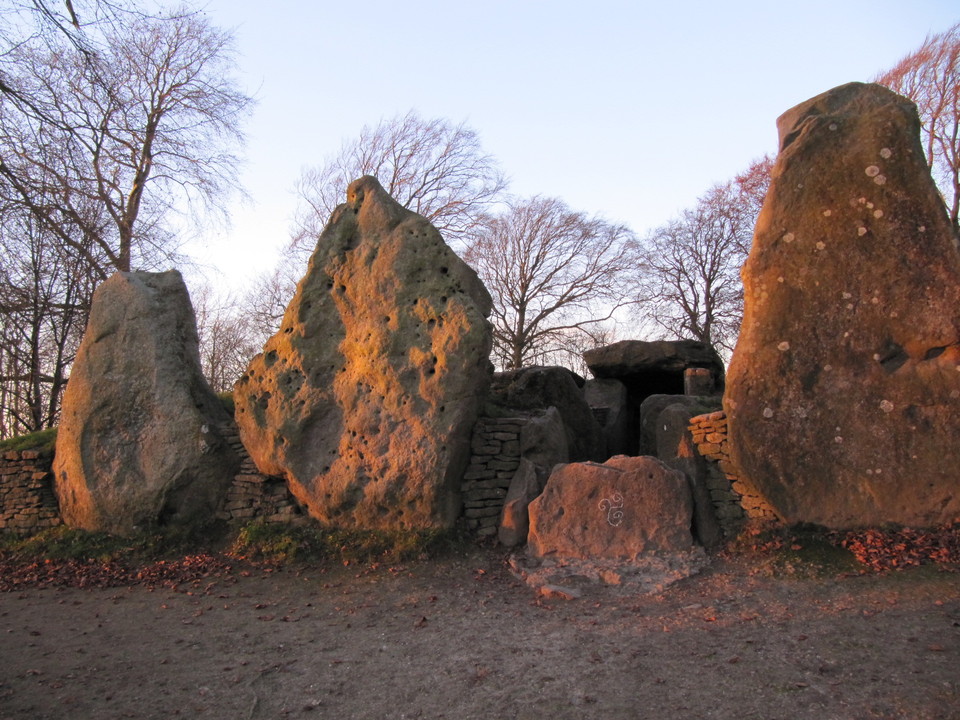
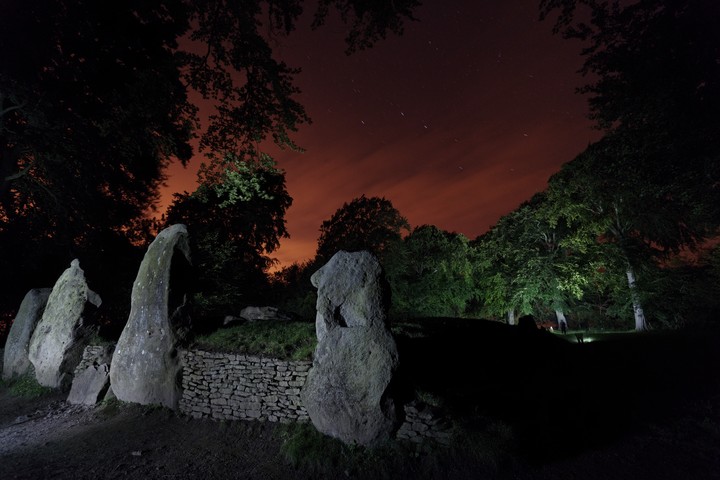
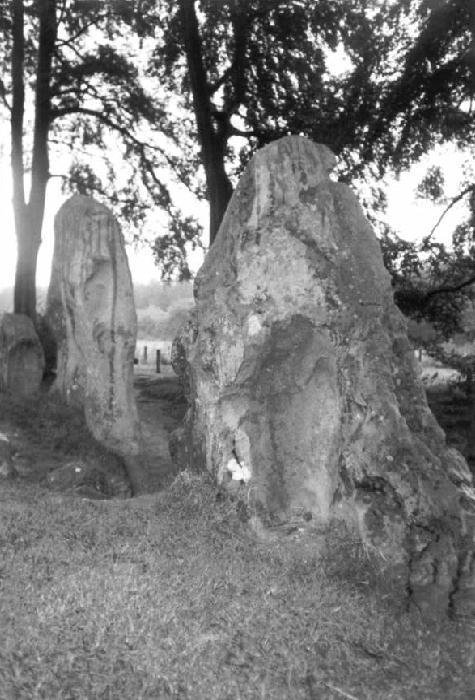
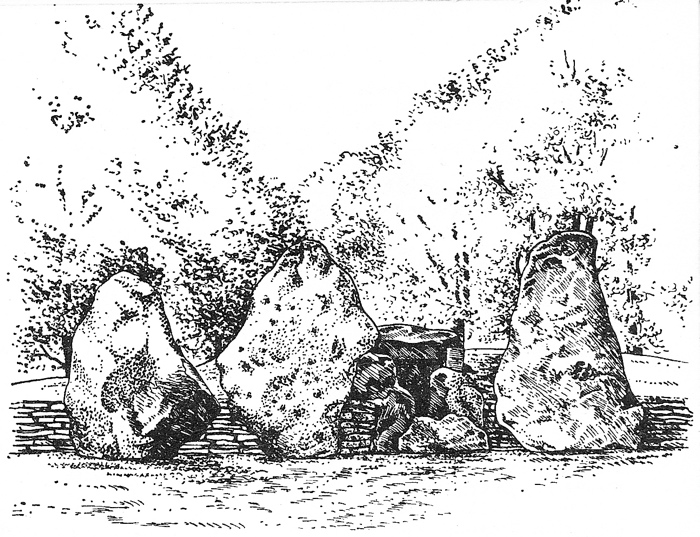
Female and Male stones? The huge sarsens that guard the front of the tomb are four in number. Two other original large stones are missing. Are they in any particular shape? I have always looked at the lozenge (or diamond) shaped stones as female (think hips!) and the thinner more upright stones as male (think phallus!). This appears to be the case at Waylands Smithy (look at some of the piccies). I think the missing one on the left hand side was male and the missing one on the right hand side middle was female. The avenue at Avebury sometimes leads me to a similar conclusion with male and female stones. |
Posted by wysefool 4th November 2003ce |
|
Kathleen Wiltshire published this story in her 'More Ghosts and Legends of the Wiltshire Countryside', hearing it from a Mrs J Morrison of Urchfont Manor in 1970. A man was once camping near Wayland's Smithy on a hiking trip. In the night 'he heard much movement nearby as would be heard if men and horses were moving camp.' In the morning he went to investigate where the sounds had been coming from - but there wasn't so much as a mark in the damp grass. Locals were said to remark 'It would be them Romans' whom he'd heard. |
Posted by Rhiannon 28th October 2003ce |
| Leave your horse and payment here and by the morning Wayland will have shod the horse and pocketed the cash. |
Posted by drzoon 17th September 2001ce |
Miscellaneous |
Add miscellaneous |
|
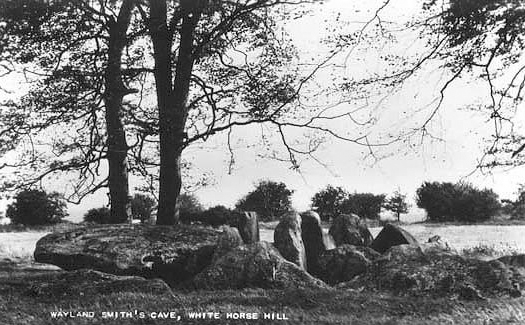
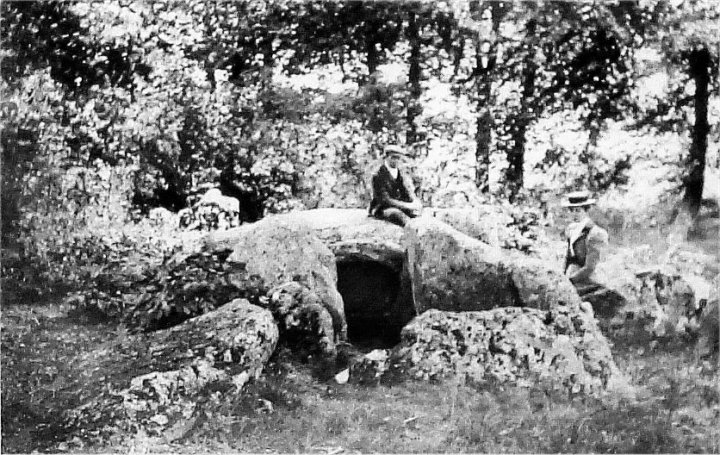
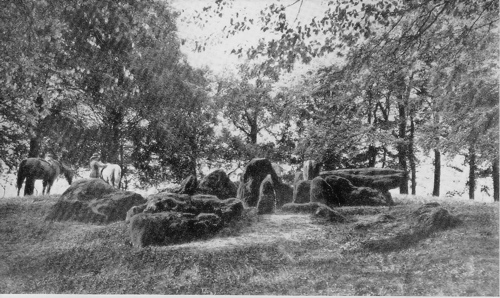
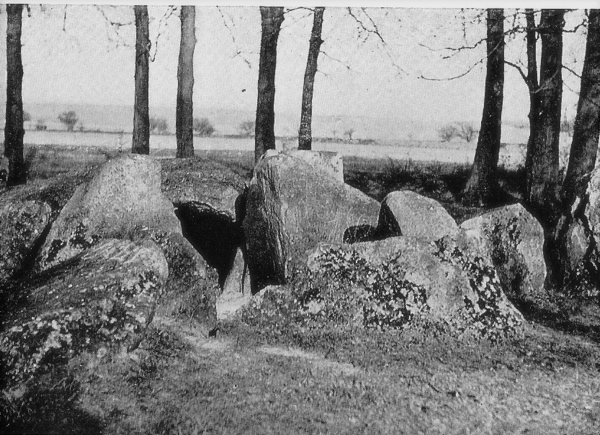
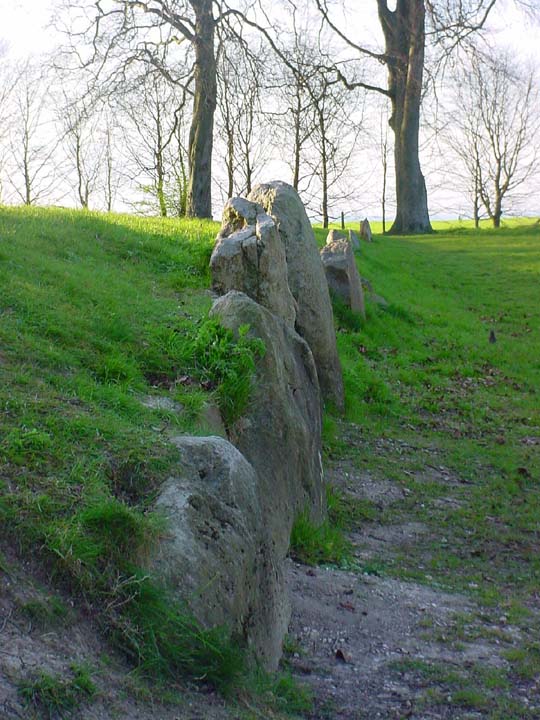
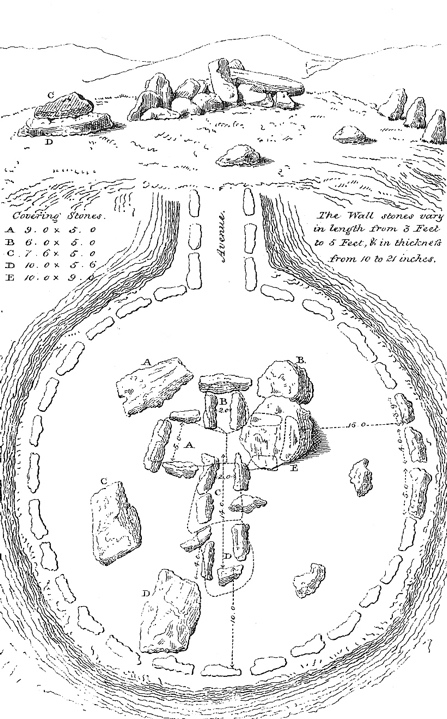
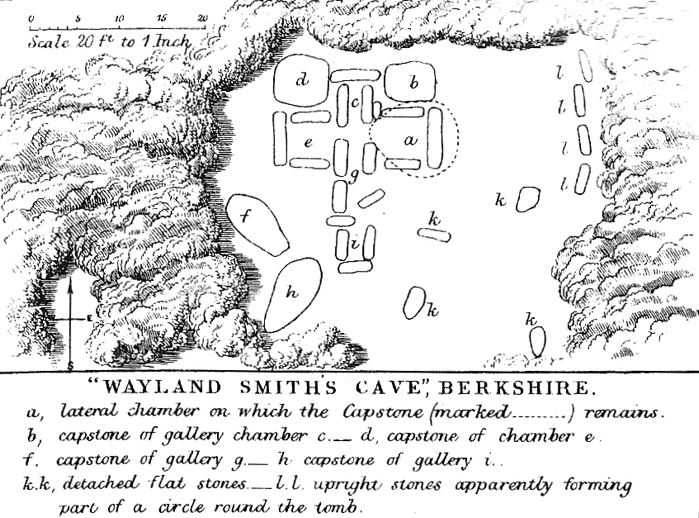
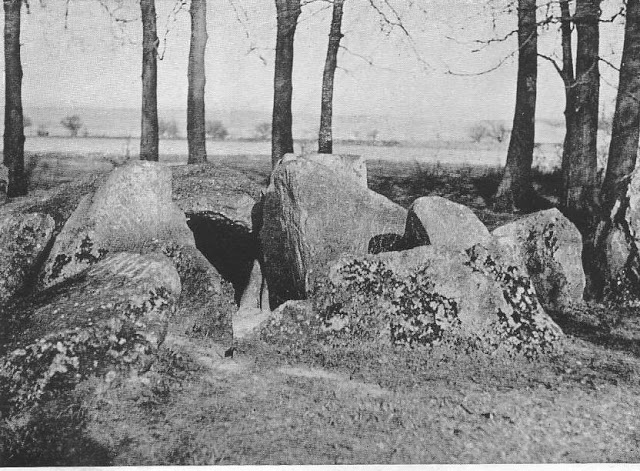
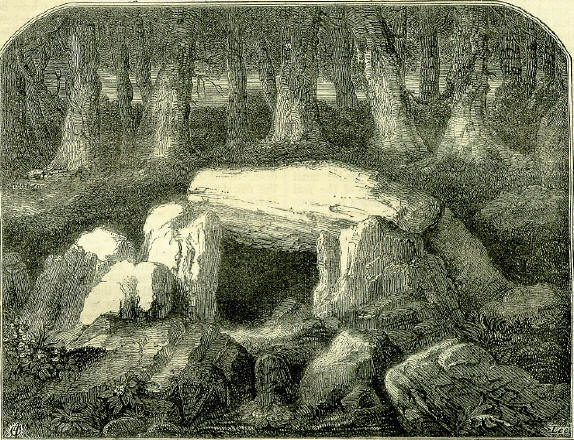
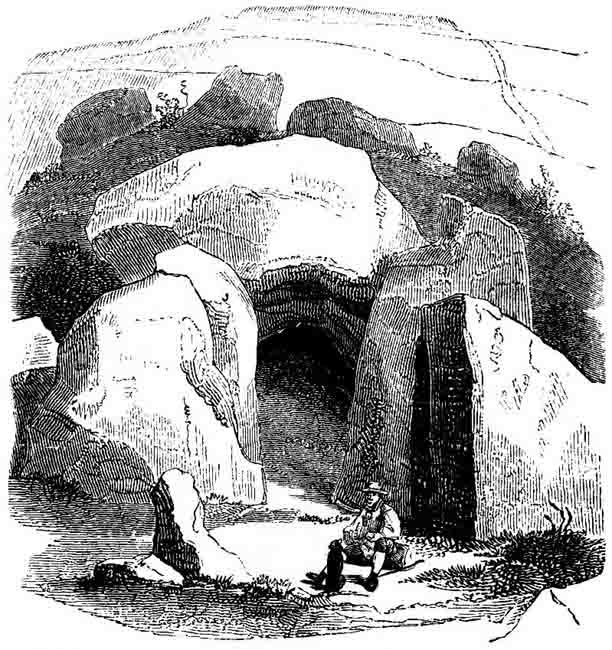
It was one of those long barrows, which we meet with occasionally, having a kistvaen of stones within it, to protect the place of interment. Four large stones of a superior size and height to the rest, were placed before the entrance to the adit, two on each side ; these now lie prostrate on the ground : one of these measures ten and another eleven feet in height ; they are rude and unhewn, like those at Abury. A line of stones, though of much smaller proportions, encircled the head of the barrow, of which I noticed four standing in their original position ; the corresponding four on the opposite side have been displaced. The stones which formed the adit or avenue still remain, as well as the large incumbent stone which covered the kistvaen, and which measures ten feet by nine. Sir Richard Colt Hoare - Ancient Wilts., ii, 47, 1821 |
 Posted by Chance
10th October 2012ce |

|
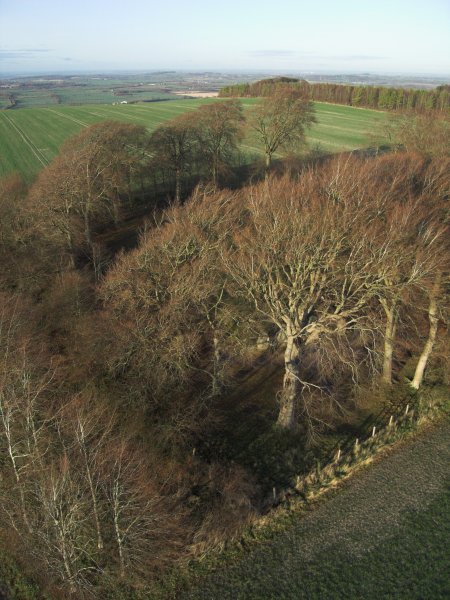
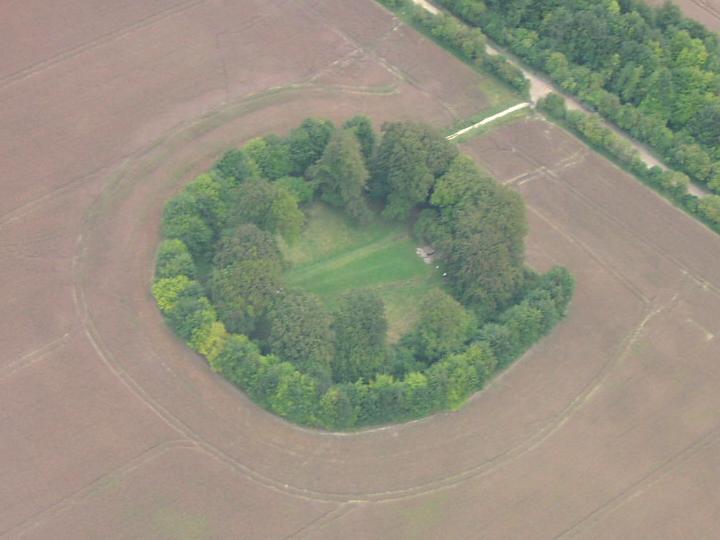
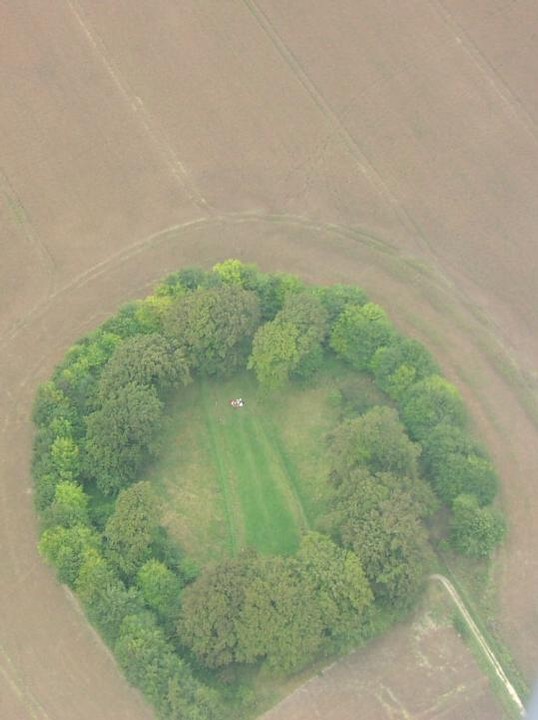
'About 1810 the ground covering and surrounding the stones was planted with fir trees and beeches, forming a circular plantation called here a folly, hence Wayland's Folly, a name that did not stick. The planting was after the site had been cleared at the direction of Lord Craven who owned the site, the monument being made considerably more conspicuous . . . In 1859 the firs having died were cut down, leaving the exterior ring of beeches. In 1861 it was referred to as in a very neglected state, covered with elder bushes, briars and nettles and when A L Lewis visited it in 1868 he referred to it as within a plantation the denseness of which made it difficult to trace the surrounding layout of stones.' Clive Alfred Spinage Myths and Mysteries of Wayland Smith |
Posted by wysefool 13th May 2007ce |
|
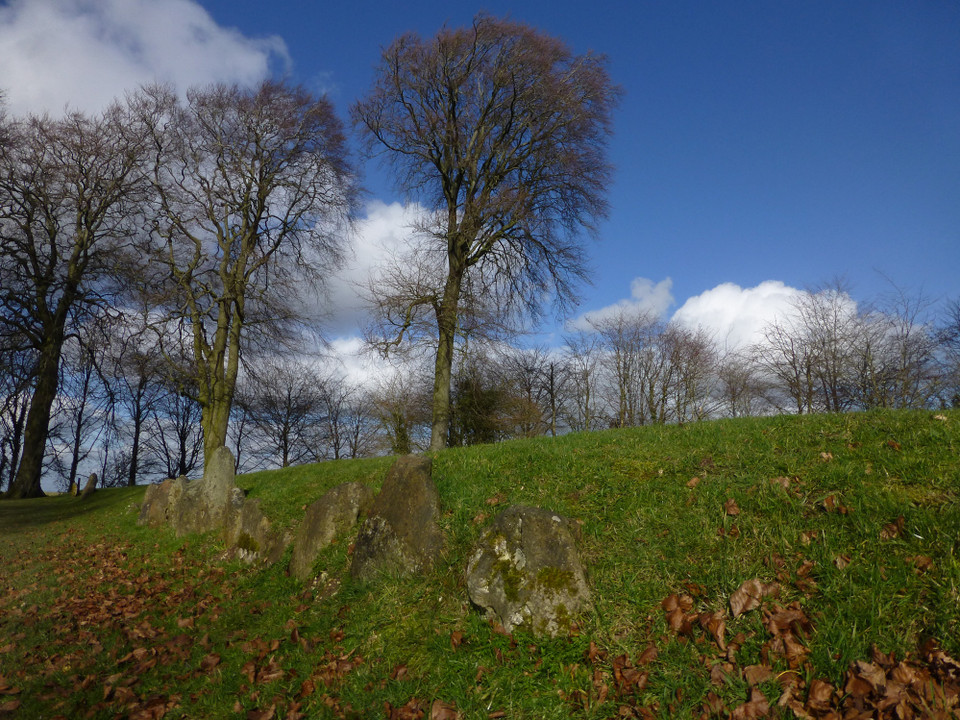
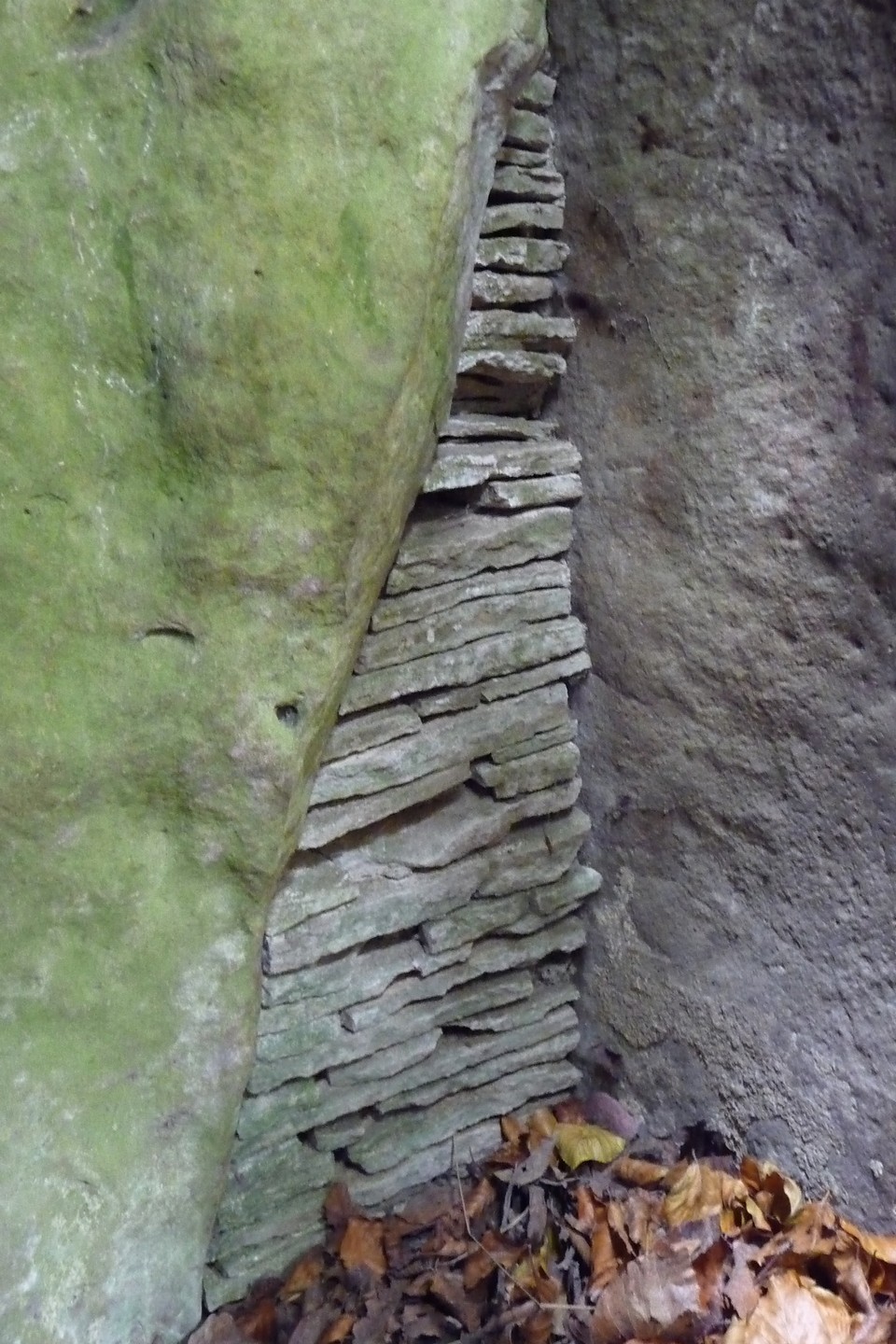
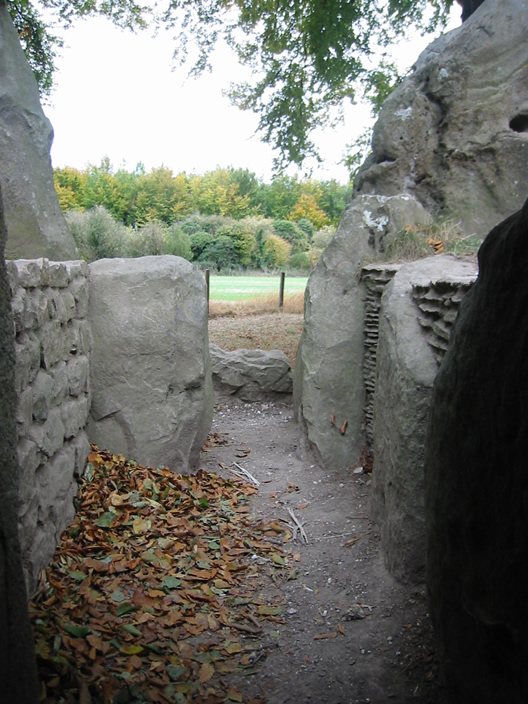
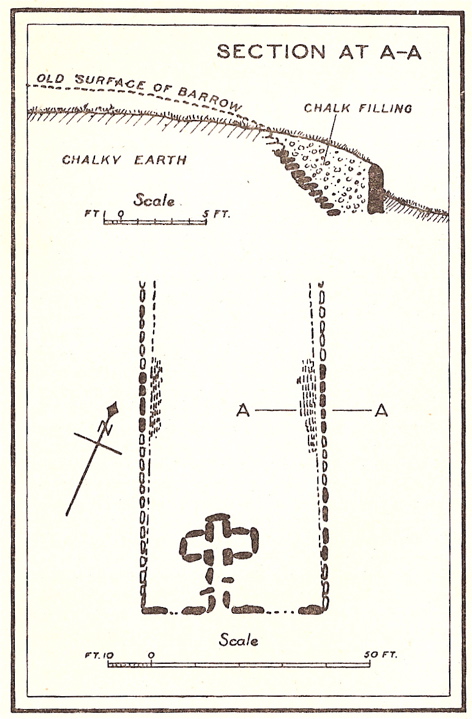
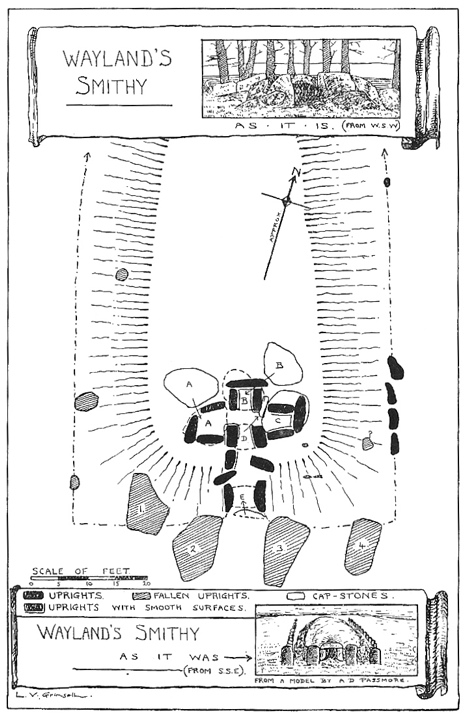
extract from 'Berkshire' by Harold Peake, concerning the first dig at Waylands: '... it was not until 1919 that any scientific exploration of it was undertaken. This exploration was conducted by Mr Reginald Smith and Mr C R Peers, with a number of Berkshire Colleagues, in July 1919 and June 1920. Among the interesting things that they found were two iron currency bars, dating from the Early Iron Age, dug up from the foot of the stone upon which it had been customary to place the groat. The chamber has always been known to consist of a central passage, with a square chamber on either side and one at the end. The end slab has every appearance of having been a roofing slab that has slipped down behind two side stones at the end of this chamber, but no steps have been taken to ascertain whether the passage continued beyond it. The most interesting discovery made was that the sides of the barrow had been supported by dry walling of large sarsen stones set with a decided ramp. Remains of eight skeletons were found in the chambers, but in a bad state of preservation, while a burial in a crouched position was found just outside on the west. In spite of a careful search no grave furniture was found.' |
Posted by wysefool 7th May 2007ce |
|
Wayland Smithy is a place that has a haunting atmosphere, and as I am reading a Peter Please book at the moment, he is a 'wayfaring soul' of Bath much given to walking the Wiltshire countryside,I thought it would be nice to recommend his book; "The Chronicles of the White Horse", written for children and adults it is a good book and the story culminates at Wayland's Smithy... In the following quote he invokes the bloodied hooves of the horse pounding between the standing stones, calling the dead and all things that have ended back into the barrow.... "I was at the door of the manger, the horseshoe chamber of Waylands. Not a grave, but a door, a passage between two worlds; a spirit cavern for the dead and all that is dying.... and on a happier note; "I heard the bells ringing in Wayland's Smithy. I heard the larks above White Horse Hill.I saw the flowers opening. I saw the barley growing. I saw the lambs in the meadows. I heard the earth singing. And even when the last of the light had faded to a pinprick in the sky, and the last of the stars had disappeared..... Myself when I wrote about it found it an utterly peaceful place but I expect it was because there were no people around - dead or alive ;) |
 Posted by moss
7th May 2007ce Edited 19th June 2007ce |
|
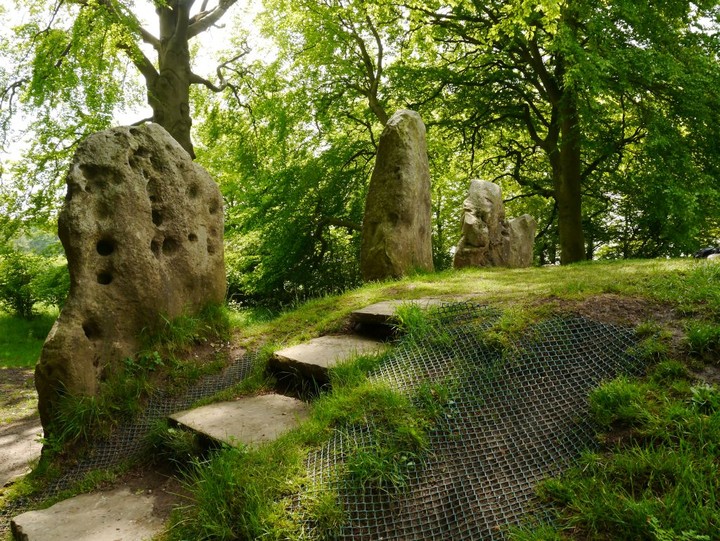
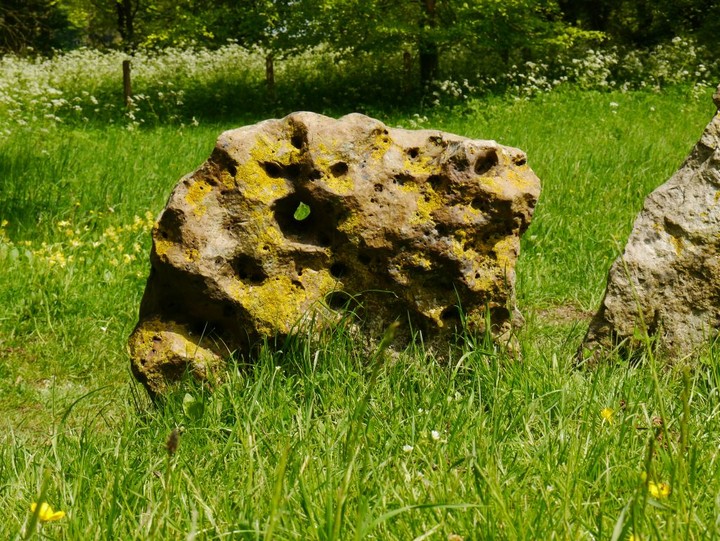
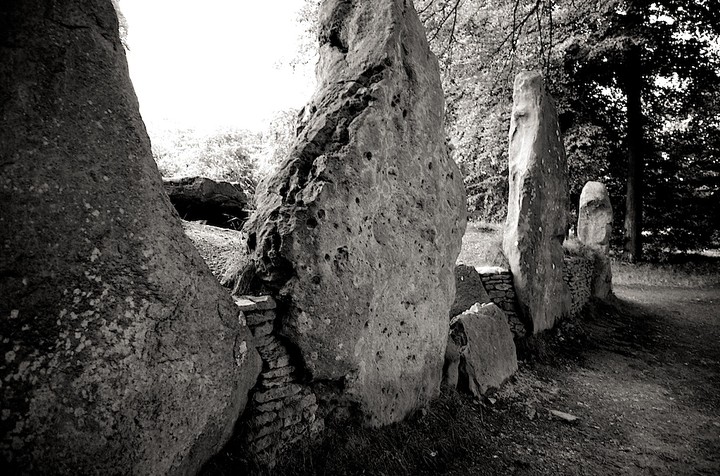
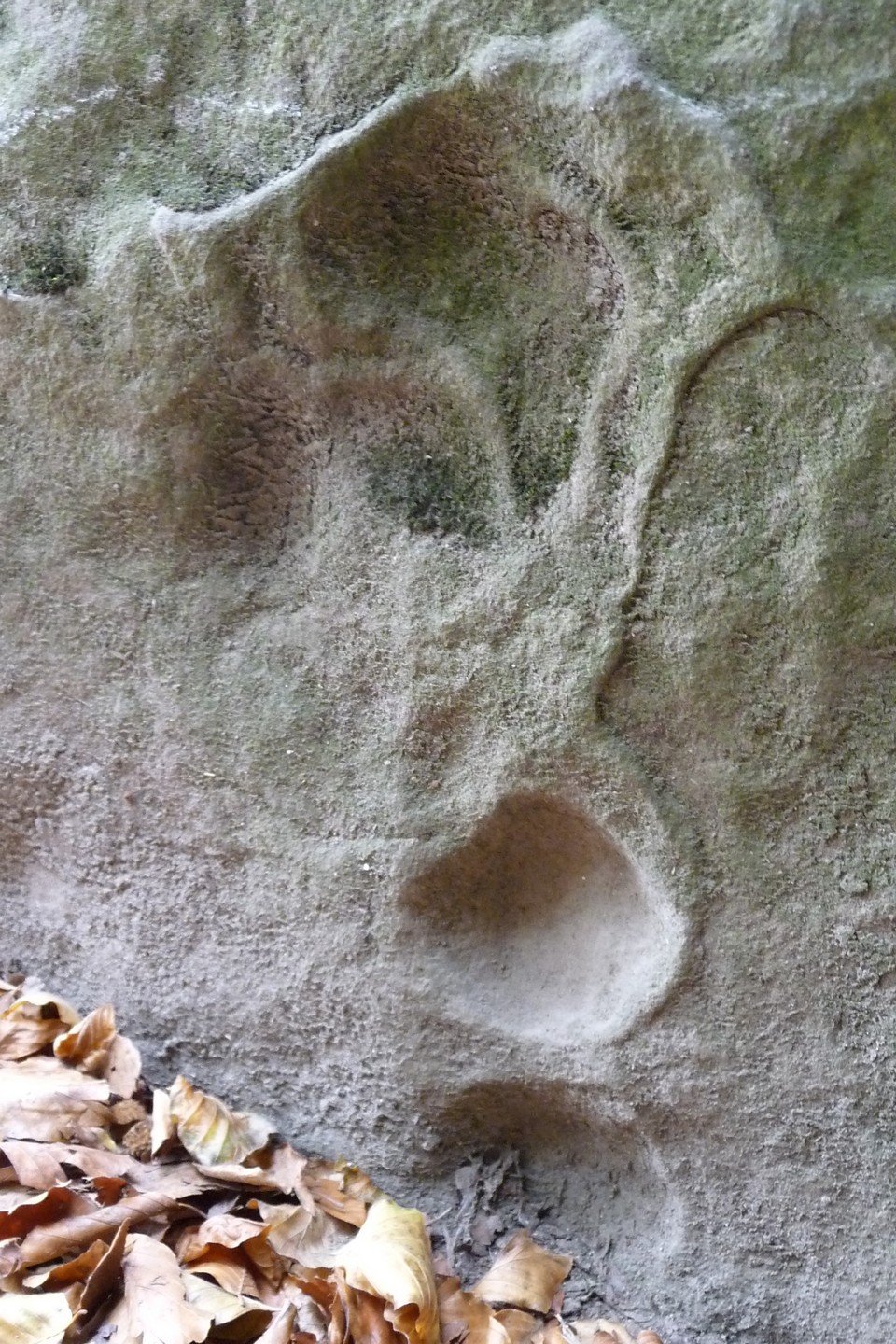
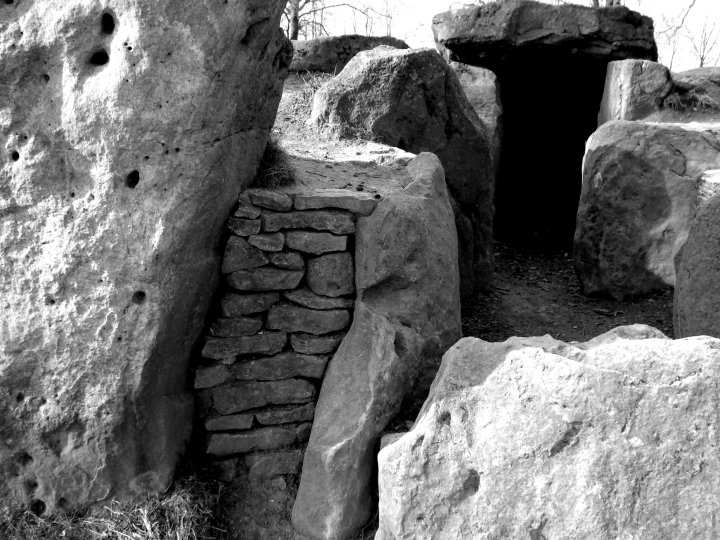
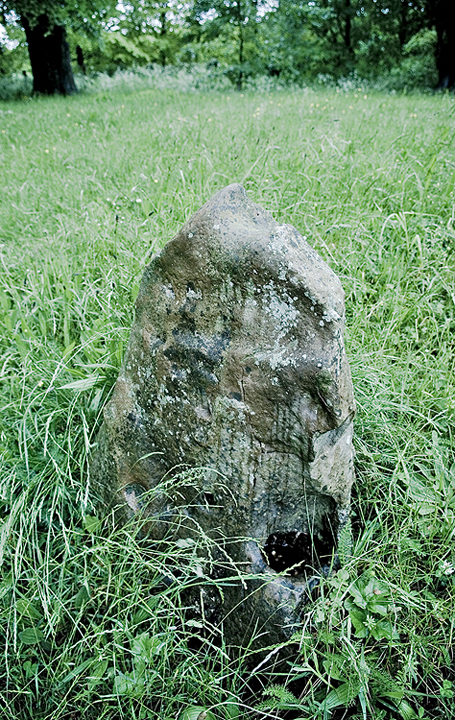
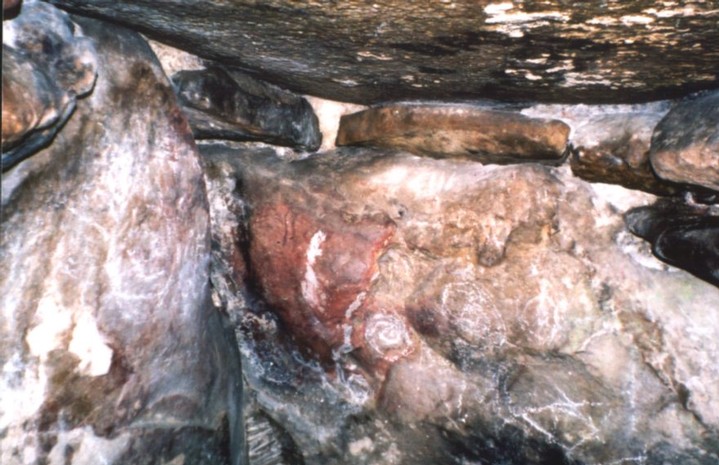
More Holy than rightious... Those huge sarsens at Waylands (and indeed many other sites). Ever noticed that huge one at Waylands full of little holes? Well how? I was dicussing this recently with a visitor to the site who suggested that the geological formation of the sarsen was to blame. Apparently, the holes were formed when the sedimentary sandstone in more liquid form, moulded around tree roots. The later cooling and formation of the stones caused these holes to appear. The wood, rots away, or at best creates a weakness, and hey presto, the holes appear and erode. Holy or Hole-y? |
Posted by wysefool 4th November 2003ce |
| Those interested in Waylands Smithy Neolithic origins should consider getting hold of a copy of John North's wonderful book 'Stonehenge, Neolithic Man and the Cosmos' in which a section is devoted to the Archaeo-Astronomy of Waylands Smithy and how it is sited according to the rising and setting of certain star constellations that had either ritual, or functional importance to neolithic man. Apparently, Waylands Smithy has a relationship to Deneb, a star in Cygnus (the swan) in the Milky Way. This was a star that set on the northern point of the horizon and was revered in Northern Mythology. |
Posted by wysefool 4th November 2003ce |
|
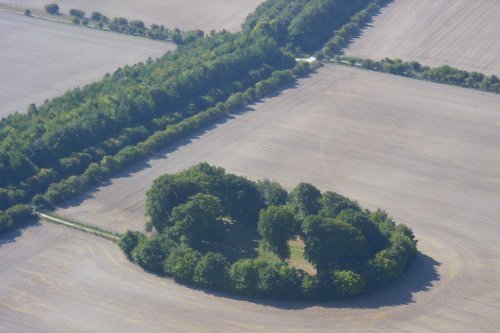
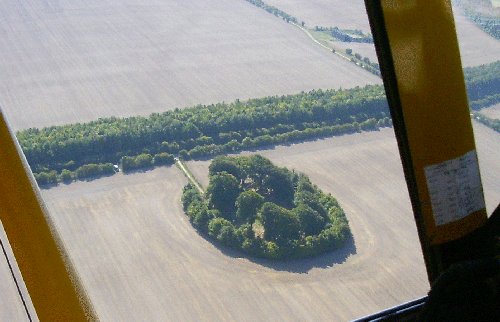
A new book by a local author about waylands smithy has been released this year. It is called 'Myths and Mysteries of Wayland Smith' by 'Clive Alfred Spinage' and is priced at £10 (GBP). It contains much folklore about the local legend of Wayland as well as more mythological folklore. There is also a good description of the archaeology relating to the site. There are some excellent prints in it (although the print quality is a bit lacking) including a lovely ariel shot of the site showing that the ridgeway once flowed right past the front of the tomb rather than on its present course. It is up for sale at www.amazon.co.uk, but I purchased mine local from a bookshop called 'wessex press' in Wantage. Good reading for those interested in both the archaeology and folklore of the site. |
Posted by wysefool 4th November 2003ce |
| Weylands Smithy, not far from the White Horse at Uffington......my sacred place. A place I like to go when the hectic world becomes too much. At the entrance I always ask Wayland for permission to enter this sacred site, he always invites me in with a gentle breeze and a whisper of acknowledgement through the trees. Many people come to this place, tourists, Witches and those wishing to be at one with nature. It is welcoming and safe and there in that sacred place, you can be yourself and nothing but. It is charged with such electricity at different times of the year but it has a wonderful peaceful atmosphere all the same. Come to this place, kindly ask for permission to enter as to be respectful to Wayland and bask in all it's Glory. Leave nothing behind except gentle tokens such as corn, flowers or your love when you go......but take with you the sense of peace and love that it gives willingly to those who wish to recieve it. Blessed Be that sacred place. |
Posted by Astrophel 9th May 2002ce Edited 28th December 2002ce |
|
summer in 99 first time along the ridgeway felt like my feet were wearing away had to stop here and rest in the arms of the mother slept in the shade of a beech tree so often been back since. |
Posted by mindweed 29th April 2002ce |
Links |
Add a link |
The Antiquaries journal, Volume 1 1921 page 183Walands Smithy Berkshire By C. R. Peers, Secretary, and Reginald A. Smith, F.S.A. [Read i6th December 1920] |
Posted by Chance 10th October 2012ce |

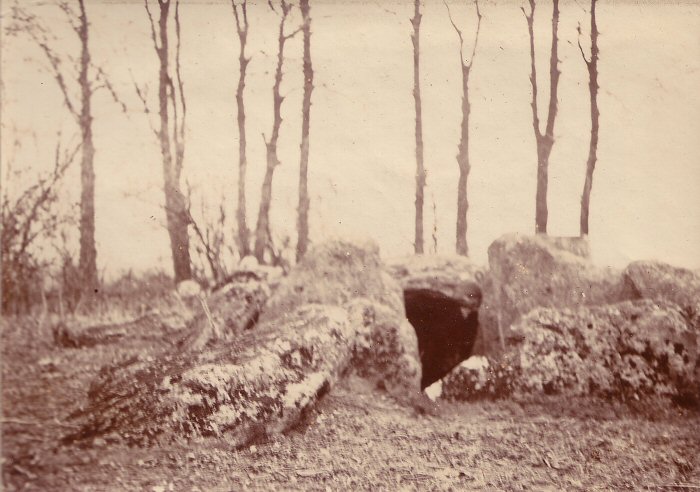
Rethinking Pitt-Rivers | Model MonumentsModel of Wayland Smiths Cave (i.e. pre restoration). 3 miles from Shrivenham Station (Berkshire). |
Posted by wysefool 13th March 2011ce |
ClonehengeA wooden replica of Wayland's Smithy. |
Posted by wysefool 10th March 2011ce |
Heritage ActionWayland's Smithy Restoration in the 1960s. Richard Atkinson and Stuart Piggott. |
Posted by wysefool 10th March 2011ce |
A visit to the Long Barrow on UTubeA visit to the barrow at 19:30 in early September 2009 |
Posted by Chance 22nd September 2009ce |
Wayland's Smithy video on youtube |
 Posted by wickerman
25th April 2009ce |
Chambers Book of daysSuperb Image and text explaining the Weyland myth and the connections with other myths and legends. |
Posted by wysefool 25th June 2007ce |
H M J Underhill SlidesTwo slides of the smithy from the archive of the Oxford Institute of Archaeology. |
Posted by wysefool 25th June 2007ce |
YouTube - Swords of WaylandClip from an episode of Robin of Sherwood (the eighties one, not the one on telly at the mo), entitled 'Swords of Wayland'. - they don't make them like they used too! |
Posted by wysefool 15th May 2007ce |
Kipling SocietyNotes on Puck of Pooks Hill and the Sword of Weyland. Nice piccy of Mr Smith aswell. |
Posted by wysefool 15th May 2007ce |
Jordsvin PageTeutonic/Scandinavian Roots of Mr Smith. Not sure I want to go into the 'Spae-Realms' though, down the pub sounds like more fun. ;-) |
Posted by wysefool 15th May 2007ce |
The Smith and the DevilInteresting look at how Blacksmiths are viewed as devilish in folklore and culture. Much text about the Vulcan! |
Posted by wysefool 15th May 2007ce |
Metalworking and the Sacred SmithView on prehistoric metallurgy and Wayland |
Posted by wysefool 7th May 2007ce |
Bored of the Rings?Text by prof. David Hinton about another prof. who goes by the name of J R R Tolkein, and his travels to Wayland Smithy (and WHH and other places in the vicinity). - Randal Graves: All right, look, there's only one "Return," okay, and it ain't "of the King," it's "of the Jedi." |
Posted by wysefool 6th May 2007ce |
English Heritage historic image |
Posted by BrigantesNation 29th March 2004ce |
 Top of page