|
 Log in |
Register Log in |
Register
|

|
|

Cornwall
|


 Show |
 |
|
|
Sites in this group:
|
2 posts
Advent Triple Barrow Barrow / Cairn Cemetery |
10 posts
Alex Tor Ring Cairn |
3 posts
Allabury Hillfort |
|
1 post
Allet Round Barrow(s) |
8 posts
Arthur's Bed Natural Rock Feature |
1 post
Ashbury Hillfort Hillfort |
|
3 posts
Bake Rings Enclosure |
1 post
Barcelona Ring Ancient Village / Settlement / Misc. Earthwork |
19 posts
Barrowfields Barrow / Cairn Cemetery |
|
15 posts
Bartinne Castle Enclosure Enclosure |
8 posts
The Beacon (Hendra Downs) cairns Cairn(s) |
5 posts
The Beacon (Zennor) Round Barrow(s) |
|
22 posts
Bearah Common Long Cairn |
4 posts
Bearah Tor Cairn(s) |
17 posts
Bearah Tramway cairn Cist |
|
19 posts
Beersheba Standing Stone / Menhir |
4 posts
Berry Castle Enclosure |
3 posts
Bishop's Wood (Truro) Hillfort |
|
1 post
Black Barrow Round Barrow(s) |
6 posts
Black Head Cliff Fort |
4 posts
Black Tor Ancient Village / Settlement / Misc. Earthwork |
|
6 posts
Black Tor Cairns Cairn(s) |
58 posts
The Blind Fiddler Standing Stone / Menhir |
11 posts
Bodrifty Barrows Round Barrow(s) |
|
25 posts
Bodrifty Iron Age Settlement Ancient Village / Settlement / Misc. Earthwork |
4 posts
Bodrifty Reconstruction |
2 posts
Bogee Barrow A Round Barrow(s) |
|
4 posts
Bogee Barrow B Round Barrow(s) |
1 post
Bogee Farm Round Barrow(s) |
66 posts
Boleigh Fogou |
|
9 posts
Bolster Bank Dyke |
27 posts
Boscawen-Ros Standing Stones |
168 posts
Boscawen-Un Stone Circle |
|
17 posts
Boscawen-Un hedge Standing Stone / Menhir |
15 posts
Boscawen Menhir Standing Stone / Menhir |
21 posts
Boscregan Cairn(s) |
|
32 posts
Bosigran Cliff Cliff Fort |
Bosigran Settlement
Ancient Village / Settlement / Misc. Earthwork
|
42 posts
Bosiliack Barrow Round Barrow(s) |
|
34 posts
Boskednan Cairn Cairn(s) |
17 posts
Boskednan Southern Cairn Kerbed Cairn |
1 post
Boskenwyn Down Round Barrow(s) |
|
52 posts
Bosporthennis 'Beehive Hut' Ancient Village / Settlement / Misc. Earthwork |
21 posts
Bosporthennis Quoit Dolmen / Quoit / Cromlech |
20 posts
Bosullow Trehyllys Courtyard House Settlement Ancient Village / Settlement / Misc. Earthwork |
|
11 posts
Bosvenning Common Round Barrow(s) |
35 posts
Boswens Croft Standing Stone / Menhir |
2 posts
Bosworlas Lehau Natural Rock Feature |
|
2 posts
Botallack Stone Circle (Destroyed) |
18 posts
Botrea Barrows Barrow / Cairn Cemetery |
4 posts
Bowda Stone Circle Stone Circle (Destroyed) |
|
8 posts
The Bowl Rock Natural Rock Feature |
39 posts
Brane Entrance Grave |
10 posts
Brane Long Barrow Long Barrow |
|
18 posts
Bray Down Cairn(s) |
1 post
Brea Hill Round Barrow(s) |
1 post
Brockabarrow Common |
|
11 posts
Brown Gelly Cairns Cairn(s) |
33 posts
Brown Willy Cairns Cairn(s) |
2 posts
Brown Willy Settlement Ancient Village / Settlement / Misc. Earthwork |
|
4 posts
Buckabarrows Barrow / Cairn Cemetery |
4 posts
Bunnings Park Earthworks Ancient Village / Settlement / Misc. Earthwork |
13 posts
Burras Menhir Standing Stone / Menhir |
|
7 posts
Bury Castle Hillfort |
9 posts
Bury Down Hillfort |
20 posts
Buttern Hill Cairn(s) |
|
2 posts
Buttern Hill NW Ancient Village / Settlement / Misc. Earthwork |
2 posts
Cadson Bury Hillfort |
27 posts
Caer Bran Hillfort |
|
6 posts
Caer Dane Enclosure |
3 posts
Caer Keif Enclosure |
1 post
Caer Vallack Enclosure |
|
1 post
Callestick Ancient Village / Settlement / Misc. Earthwork |
1 post
Callestick Vean Round Barrow(s) |
1 post
Calvadnack Settlement Ancient Village / Settlement / Misc. Earthwork |
|
6 posts
Camel Rock Natural Rock Feature |
16 posts
Cape Cornwall Cliff Fort (Destroyed) |
21 posts
Caradon Hill (northern group) Barrow / Cairn Cemetery |
|
23 posts
Caradon Hill (southern group) Barrow / Cairn Cemetery |
3 posts
Carbeans Rocks Luxulyan Natural Rock Feature |
9 posts
Carbis Bay Longstone Standing Stone / Menhir |
|
10 posts
Carburrow Tor Cairn(s) |
5 posts
Cardinham Moor Round Barrow(s) |
8 posts
Carey Tor Ancient Village / Settlement / Misc. Earthwork |
|
20 posts
Carfury Standing Stone / Menhir |
3 posts
Carland Cross Burrows Barrow / Cairn Cemetery |
2 posts
Carneglos Stone Row Stone Row / Alignment |
|
11 posts
Carne Beacon Round Barrow(s) |
1 post
Carne Cist Cist |
7 posts
Carnmenellis Cairn(s) |
|
9 posts
Carnsew Hillfort |
6 posts
Carn Bean barrow Round Barrow(s) |
33 posts
Carn Brea Tor enclosure |
|
142 posts
Carn Euny Fogou & Village Fogou |
30 posts
Carn Galva Tor enclosure |
82 posts
Carn Gluze Chambered Cairn |
|
20 posts
Carn Kenidjack Natural Rock Feature |
21 posts
Carn Les Boel Cliff Fort |
2 posts
Carvossa Enclosure Enclosure |
|
60 posts
Carwynnen Quoit Dolmen / Quoit / Cromlech |
9 posts
Casehill Cairn Kerbed Cairn |
9 posts
Castallack Cup Marked Stone |
|
8 posts
Castallack Carn Standing Stone / Menhir |
8 posts
Castallack Round Ancient Village / Settlement / Misc. Earthwork |
7 posts
Castilly Henge Henge |
|
29 posts
Castle-an-Dinas (Nancledra) Hillfort |
35 posts
Castle-an-Dinas (St. Columb) Hillfort |
8 posts
Castlewich Henge Henge |
|
4 posts
Castle Canyke Hillfort |
11 posts
Castle Dore Hillfort |
1 post
Castle Goff Hillfort |
|
2 posts
Castle Gotha Settlement Enclosure |
Castle Kayle
Ancient Village / Settlement / Misc. Earthwork
|
28 posts
Castle Pencaire Hillfort |
|
13 posts
Catshole Downs Long Cairn |
7 posts
Catshole Tor Cairn Cairn(s) |
11 posts
Catshole Tor Quoit Chambered Tomb |
|
8 posts
Catshole Tor Settlement Ancient Village / Settlement / Misc. Earthwork |
4 posts
Changwens Menhir Standing Stone / Menhir |
54 posts
Chapel Carn Brea Entrance Grave |
|
15 posts
Chapel Carn Brea long cairn Long Cairn |
13 posts
Chapel Carn Brea North Cairn(s) |
57 posts
The Cheesewring Rocky Outcrop |
|
2 posts
Cheesewring settlement Ancient Village / Settlement / Misc. Earthwork |
2 posts
Chûn Round Barrow(s) |
113 posts
Chûn Quoit Dolmen / Quoit / Cromlech |
|
9 posts
Choone Holed Stone |
51 posts
Chun Castle Hillfort |
13 posts
Chyenhal Standing Stone / Menhir |
|
Chy-Gwidden Round
Ancient Village / Settlement / Misc. Earthwork
|
11 posts
Chynhalls Point Cliff Fort |
15 posts
Chypraze Round Barrow(s) |
|
87 posts
Chysauster Village Ancient Village / Settlement / Misc. Earthwork |
15 posts
Clitters Cairn Cairn(s) |
5 posts
Codda Downs Ancient Village / Settlement / Misc. Earthwork |
|
2 posts
Colquite Menhir Standing Stone / Menhir |
17 posts
Colvannick Tor Stone Row Stone Row / Alignment |
11 posts
Condolden Barrow Round Barrow(s) |
|
Connor Downs
Round Barrow(s)
|
12 posts
Conquer Downs Cairn(s) |
10 posts
Constantine Church stone Christianised Site |
|
5 posts
Corner Quoit Natural Rock Feature |
3 posts
Council Barrow Round Barrow(s) |
35 posts
Craddock Moor cairn cemetery Barrow / Cairn Cemetery |
|
35 posts
Craddock Moor Circle Stone Circle |
4 posts
Craddock Moor Embanked Avenue Cairn(s) |
4 posts
Craddock Moor settlement Ancient Village / Settlement / Misc. Earthwork |
|
12 posts
Craddock Moor Stone Row Stone Row / Alignment |
4 posts
Craddock Moor Stone Setting Stone Setting |
17 posts
Crane Castle Cliff Fort |
|
Crankan courtyard settlement
Ancient Village / Settlement / Misc. Earthwork
|
Crasken Round
Ancient Village / Settlement / Misc. Earthwork
|
12 posts
Creeg Tol Natural Rock Feature |
|
2 posts
Cregou Barrow Round Barrow(s) |
Crofto
Ancient Village / Settlement / Misc. Earthwork
|
11 posts
Crousa Common Menhirs Standing Stone / Menhir |
|
1 post
Crowan Beacon Cairn(s) |
2 posts
Crowdy Reservoir Barrow Round Barrow(s) |
5 posts
Crowpound Enclosure |
|
4 posts
Crowpound Menhir Standing Stone / Menhir |
10 posts
Cubert Common Burrow Round Barrow(s) |
5 posts
Cubert Round Ancient Village / Settlement / Misc. Earthwork |
|
2 posts
Cudden Point Rocky Outcrop |
1 post
Deep Tye Farm Henge |
15 posts
Delford Bridge Menhir Standing Stone / Menhir |
|
7 posts
Devil's Jump Natural Rock Feature |
11 posts
Devil's Quoit Dolmen / Quoit / Cromlech |
3 posts
Dinas Head Kerbed Cairn |
|
2 posts
Dingerein Castle Hillfort |
13 posts
Dinnever Hill kerbed cairn Kerbed Cairn |
5 posts
Dodman Point Cliff Fort |
|
14 posts
Dozmary Pool Ancient Village / Settlement / Misc. Earthwork |
2 posts
Draynes Common Cairns Cairn(s) |
47 posts
Drift Stones Standing Stones |
|
Drym Round
Ancient Village / Settlement / Misc. Earthwork
|
29 posts
Dry Tree Menhir Standing Stone / Menhir |
110 posts
Duloe Stone Circle |
|
2 posts
Dupath Rounds Enclosure |
8 posts
East Moor Cairn Cairn(s) |
4 posts
East Moor Enclosure Enclosure |
|
3 posts
East Moor Menhir Standing Stone / Menhir |
6 posts
East Moor Menhirs (western area) Standing Stones |
7 posts
East Moor Ring Cairn Ring Cairn |
|
17 posts
East Moor Stone Row Stone Row / Alignment |
7 posts
Eathorne Menhir Standing Stone / Menhir |
4 posts
Elephant Rock (Hendra Downs) Natural Rock Feature |
|
23 posts
Emblance Downs Stone Circle |
1 post
Ennis Farm Standing Stone / Menhir |
11 posts
Escalls Cliff Round Cairn |
|
23 posts
Essa Standing Stones Standing Stones |
10 posts
Faugan Round Hillfort |
53 posts
Fernacre Stone Circle |
|
5 posts
Foage Round Barrow(s) |
6 posts
Four Burrows Barrow / Cairn Cemetery |
4 posts
Four Lanes barrows Round Barrow(s) |
|
10 posts
The Four Parish Stone Natural Rock Feature |
4 posts
Fox Cove Round Barrow(s) |
5 posts
Fox Tor Stone Row / Alignment |
|
1 post
Froxton Wood Castle Ancient Village / Settlement / Misc. Earthwork |
8 posts
Gannel Rock Markings Natural Rock Feature |
Garland Round
Ancient Village / Settlement / Misc. Earthwork
|
|
4 posts
Garrow Tor settlements Ancient Village / Settlement / Misc. Earthwork |
1 post
Gear Enclosure |
Gear Round
Ancient Village / Settlement / Misc. Earthwork
|
|
2 posts
The Giant's Grave (Morvah) Natural Rock Feature |
7 posts
Giants Quoits Natural Rock Feature |
11 posts
Giant's Rock Rocking Stone |
|
8 posts
Godolphin Hill Enclosure |
20 posts
Godrevy Barrow Round Barrow(s) |
4 posts
Golden Hillfort Hillfort |
|
10 posts
Goldherring Ancient Village / Settlement / Misc. Earthwork |
20 posts
Goodaver Stone Circle |
16 posts
Goonhilly Down Cairn(s) |
|
11 posts
Greenbarrow Round Barrow(s) |
10 posts
Greenbarrow Downs Cairns Cairn(s) |
9 posts
Griffin's Point Cliff Fort |
|
44 posts
Gun Rith Menhir Standing Stone / Menhir |
41 posts
Gurnard's Head Cliff Fort |
16 posts
Gwallon Menhir Standing Stone / Menhir |
|
2 posts
Hailglower Farm Round Cairn |
53 posts
Halliggye Fogou Fogou |
2 posts
Hall Rings Hillfort |
|
5 posts
Halzephron Cliff Round Barrow(s) |
12 posts
Hangman's Barrow Cairn(s) |
4 posts
Hannibal's Carn Natural Rock Feature |
|
5 posts
Harlyn Bay |
5 posts
Hawk's Tor Ancient Village / Settlement / Misc. Earthwork |
2 posts
Headon Barrow Round Barrow(s) |
|
20 posts
Helman Tor Natural Rock Feature |
4 posts
Helman Tor Enclosure Tor enclosure |
7 posts
Helman Tor Menhir Standing Stone / Menhir |
|
7 posts
Helsbury Castle Hillfort |
13 posts
Hendraburnick Quoit Dolmen / Quoit / Cromlech |
1 post
Hendra Farm Barrow / Cairn Cemetery |
|
12 posts
Hensbarrow Round Barrow(s) |
3 posts
Hervan Menhir Standing Stone / Menhir |
8 posts
Higher Boden Fogou Fogou |
|
1 post
Higher Boden Roundhouse Ancient Village / Settlement / Misc. Earthwork |
3 posts
Higher Bodinnar Fogou Fogou (Destroyed) |
5 posts
Higher Botallack Round Barrow(s) |
|
2 posts
Higher Downs Round Barrow(s) |
2 posts
Higher Longbeak Barrow Round Barrow(s) |
2 posts
Higher Spargo Standing Stone / Menhir |
|
1 post
Higher Tregolls Round Barrow(s) |
1 post
Higher Trevibban Round Barrow(s) |
4 posts
High Cove Round Barrow(s) |
|
4 posts
High Moor cairns Cairn(s) |
3 posts
Hilton Wood Castle Ancient Village / Settlement / Misc. Earthwork |
2 posts
Hingston Down Barrow / Cairn Cemetery |
|
1 post
Hingston Down East Round Barrow(s) |
3 posts
The Hood Enclosure |
11 posts
Hudder Down Round Barrow(s) |
|
186 posts
The Hurlers Stone Circle |
4 posts
Kelly Rounds Hillfort |
9 posts
The Kelseys Round Barrow(s) |
|
12 posts
Kelsey Head Cliff Castle Cliff Fort |
8 posts
Kemyel Standing Stone / Menhir |
12 posts
Kenidjack Cairn Circle Cairn circle |
|
33 posts
1 site Kenidjack Castle Cliff Fort |
16 posts
Kerris Standing Stone / Menhir |
3 posts
Kerrow Standing Stone / Menhir |
|
3 posts
Kerrow Bosullow Standing Stone / Menhir |
5 posts
Kerrow Downs Ancient Village / Settlement / Misc. Earthwork |
7 posts
Kilmar Quoit Dolmen / Quoit / Cromlech |
|
8 posts
Kilmar Tor Rocky Outcrop |
58 posts
King Arthur's Hall Stone Setting |
4 posts
King Arthur's Quoit Dolmen / Quoit / Cromlech |
|
1 post
King Arthur's Stone Standing Stone / Menhir |
3 posts
Kit Hill |
10 posts
Kynance Gate Settlement Ancient Village / Settlement / Misc. Earthwork |
|
3 posts
Lady Down (St Breward) Ancient Village / Settlement / Misc. Earthwork |
18 posts
Langstone Downs Cairns Cairn(s) |
4 posts
Langstone Downs settlement Ancient Village / Settlement / Misc. Earthwork |
|
10 posts
Langstone Downs (Withey Brook) Round Cairn |
1 post
Langstone Down Menhir Standing Stone / Menhir |
12 posts
Lankidden Cliff Fort |
|
7 posts
Lanyon Ancient Village / Settlement / Misc. Earthwork |
130 posts
Lanyon Quoit Dolmen / Quoit / Cromlech |
2 posts
Largin Castle Hillfort |
|
31 posts
Leaze Stone Circle |
9 posts
Leaze Cist Cist |
14 posts
Lescudjack Castle Hillfort |
|
23 posts
Lesingey Round Hillfort |
8 posts
Leskernick Cist Cist |
20 posts
Leskernick Hill Propped stone |
|
18 posts
Leskernick North Circle Stone Circle |
12 posts
Leskernick settlement Ancient Village / Settlement / Misc. Earthwork |
21 posts
Leskernick South Circle Stone Circle |
|
13 posts
Leskernick Stone Row Stone Row / Alignment |
27 posts
Lesquite Quoit Dolmen / Quoit / Cromlech |
6 posts
Letcha Kerbed Cairn |
|
4 posts
Letter Moor |
8 posts
Ligger Point Round Barrow(s) |
2 posts
Little Brea Round Barrow(s) (Destroyed) |
|
9 posts
Little Dennis Promontory Fort |
5 posts
Little Galva Ring Cairn |
Little Kistles
Kerbed Cairn
|
|
1 post
Little Regarded Farm Round Barrow(s) |
5 posts
Longstone (St Mabyn) Standing Stone / Menhir |
14 posts
The Long Stone Standing Stone / Menhir |
|
4 posts
Louden Long Cairn |
20 posts
Louden Hill Cairn(s) |
2 posts
Louden hill Logan stone Natural Rock Feature |
|
3 posts
Louden menhir Standing Stone / Menhir |
32 posts
Louden Stone Circle Stone Circle |
19 posts
Lower Boscaswell Fogou Fogou |
|
2 posts
Lower Helland Down Enclosure |
2 posts
Lower Longbeak Barrow Round Barrow(s) |
7 posts
Lowland Point Ancient Village / Settlement / Misc. Earthwork |
|
18 posts
Luxulyan Arse Stones Natural Rock Feature |
1 post
Mabel Barrow Barrow / Cairn Cemetery |
13 posts
Mabe Church Standing Stone / Menhir |
|
38 posts
Maen Castle Cliff Fort |
7 posts
Magi Stone Standing Stone / Menhir |
19 posts
Manor Common Round Barrow(s) |
|
27 posts
Mayon Cliff Cairn(s) |
2 posts
Melancoose Round Ancient Village / Settlement / Misc. Earthwork |
131 posts
Men-An-Tol Holed Stone |
|
8 posts
Menear Longstone Standing Stone / Menhir |
12 posts
Menevagar Longstone Standing Stone / Menhir |
11 posts
Men Amber Natural Rock Feature |
|
46 posts
Men Gurta Standing Stone / Menhir |
1 post
Merlin's Rock and the Mousehole Natural Rock Feature |
154 posts
The Merry Maidens Stone Circle |
|
12 posts
Minions Mound Barrow / Cairn Cemetery |
1 post
Mitchell Farm Barrow / Cairn Cemetery |
17 posts
Moorgate Menhir Standing Stone / Menhir |
|
2 posts
Mount Edgcumbe Barrow Barrow / Cairn Cemetery |
15 posts
Mulfra courtyard houses Ancient Village / Settlement / Misc. Earthwork |
4 posts
Mulfra Hill Standing Stone / Menhir |
|
21 posts
Mulfra Hill round barrows Round Barrow(s) |
93 posts
Mulfra Quoit Dolmen / Quoit / Cromlech |
6 posts
Mullion Towans Barrow / Cairn Cemetery |
|
5 posts
Mutton Down Menhir Standing Stone / Menhir |
2 posts
Nance Hillfort |
Nanjulian
Ancient Village / Settlement / Misc. Earthwork
|
|
3 posts
Newel Tor hut circles Ancient Village / Settlement / Misc. Earthwork |
65 posts
The Nine Maidens Stone Row / Alignment |
137 posts
Nine Maidens of Boskednan Stone Circle |
|
36 posts
Nine Maidens (Troon) Stone Circle |
41 posts
Nine Stones of Altarnun Stone Circle |
Noon Digery banjo enclosure
Enclosure
|
|
Numphra
Kerbed Cairn
|
2 posts
Pabyer Point Ancient Village / Settlement / Misc. Earthwork |
2 posts
Paderbury Top Enclosure |
|
17 posts
Park Head cemetery Barrow / Cairn Cemetery |
7 posts
Park Head fort Cliff Fort |
12 posts
Pawton Gate Round Barrow(s) |
|
35 posts
Pawton Quoit Dolmen / Quoit / Cromlech |
19 posts
Pawton Springs Barrow / Cairn Cemetery |
10 posts
Pelynt Round Barrow Cemetery Barrow / Cairn Cemetery |
|
6 posts
Pencarrow Rings Hillfort |
35 posts
Pendeen Vau Fogou |
1 post
Pendown Round Barrow(s) |
|
14 posts
Penhale Point Cliff Castle Cliff Fort |
3 posts
Penhargard Castle Hillfort |
19 posts
Pennance Entrance Grave |
|
1 post
Pennatillie Round Barrow(s) |
13 posts
Pentire Point East Round Barrow(s) |
92 posts
The Pipers (Boleigh) Standing Stones |
|
36 posts
The Pipers (St Cleer) Standing Stones |
15 posts
Piran's Round Hillfort |
3 posts
Poldowrian Ancient Village / Settlement / Misc. Earthwork |
|
1 post
Polgoda Stone Row Stone Row / Alignment |
20 posts
Pordenack Point Round Barrow(s) |
33 posts
Portheras Common Barrow Round Cairn |
|
20 posts
Porthmeor Standing Stone / Menhir |
Porthmeor Fogou
Fogou
|
Porthmeor Roundhouses
Ancient Village / Settlement / Misc. Earthwork
|
|
19 posts
Porthmeor (Treen Common) Stone Circle |
4 posts
Pridden Standing Stone / Menhir |
4 posts
Prideaux Hillfort Hillfort |
|
1 post
Prince Parc Round Barrow(s) |
8 posts
Prospidnick Longstone Standing Stone / Menhir |
9 posts
Pyramid Stone Natural Rock Feature |
|
3 posts
Rame Head Cliff Fort |
9 posts
Redcliff Castle Cliff Fort |
7 posts
Redhouse Standing Stones |
|
5 posts
Ridge Cairn(s) |
7 posts
The Rill Cairn(s) |
35 posts
Rillaton Barrow Round Barrow(s) |
|
7 posts
Rillaton N Cairn Cairn(s) |
36 posts
Roche Rock Natural Rock Feature |
1 post
Rosehill Farm Round Barrow(s) |
|
1 post
Rosemorran Fogou Fogou |
17 posts
Rosenannon Downs Barrow / Cairn Cemetery |
6 posts
Rosenannon Downs W Barrow / Cairn Cemetery |
|
9 posts
Rosewall Hill Cairn(s) |
Roskruge Beacon
Round Barrow(s)
|
16 posts
Roughtor Moors Ancient Village / Settlement / Misc. Earthwork |
|
12 posts
Roughtor North Ancient Village / Settlement / Misc. Earthwork |
3 posts
Roughtor NW Standing Stone / Menhir |
5 posts
Roughtor NW cemetery Barrow / Cairn Cemetery |
|
47 posts
Rough Tor Rocky Outcrop |
9 posts
Rough Tor long cairn Long Cairn |
2 posts
Round Wood Promontory Fort |
|
4 posts
Rowan Cove Round Barrow(s) |
8 posts
The Rumps Cliff Fort |
3 posts
Rushyford Gate Cairn(s) |
|
6 posts
Saint's Way Logan Stone Natural Rock Feature |
32 posts
Sancreed Beacon Cairn(s) |
5 posts
Sennen Standing Stone / Menhir |
|
5 posts
Sharpitor Cist Cist |
2 posts
Sharptor field system Ancient Village / Settlement / Misc. Earthwork |
6 posts
Sheffield Menhir Standing Stone / Menhir |
|
39 posts
Showery Tor Ring Cairn |
10 posts
Showery Tor Downs Cairn Cairn(s) |
2 posts
Showery Tor Downs Menhir Standing Stone / Menhir |
|
9 posts
Sibleyback Menhir Standing Stone / Menhir |
9 posts
Slaughter Bridge Stone Standing Stone / Menhir |
2 posts
Smith's Cairn Platform Cairn |
|
15 posts
Sperris Croft Ancient Village / Settlement / Misc. Earthwork |
27 posts
Sperris Quoit Burial Chamber |
6 posts
Spettigue Menhir Standing Stone / Menhir |
|
1 post
Stamford Hill Ancient Village / Settlement / Misc. Earthwork |
72 posts
Stannon Stone Circle |
8 posts
Starapark Barrows Barrow / Cairn Cemetery |
|
5 posts
Stithians Cupmarked Stones Cup Marked Stone |
5 posts
Stithians Menhir Standing Stone / Menhir |
39 posts
Stowe's Pound Ancient Village / Settlement / Misc. Earthwork |
|
72 posts
Stripple Stones Circle henge |
28 posts
St. Agnes Beacon Cairn(s) |
19 posts
St Breock Beacon Kistvaen Dolmen / Quoit / Cromlech |
|
24 posts
St Breock Downs Menhir Standing Stone / Menhir |
21 posts
St Breock Downs North Barrows Barrow / Cairn Cemetery |
9 posts
St Breock Wind Farm Barrow Round Barrow(s) |
|
8 posts
St Dennis Hillfort |
St Erth Round
Ancient Village / Settlement / Misc. Earthwork
|
14 posts
St. Eval Airfield Stone Standing Stone / Menhir |
|
14 posts
St. Eval Church Stones Stone Circle |
St Keverne Beacon
Chambered Cairn
|
14 posts
St. Levan's Stone Standing Stone / Menhir |
|
5 posts
St. Materiana Church Yard Standing Stone / Menhir |
27 posts
St. Michael's Mount Natural Rock Feature |
3 posts
Table Mên Natural Rock Feature |
|
1 post
Taphouse Barrows Barrow / Cairn Cemetery |
6 posts
Tehidy Round Ancient Village / Settlement / Misc. Earthwork |
1 post
Ten Acre Settlement Ancient Village / Settlement / Misc. Earthwork |
|
24 posts
Three Brothers of Grugith Cist |
2 posts
Three Burrows Round Barrow(s) |
2 posts
Tich Barrow Round Barrow(s) |
|
2 posts
The Tinners Way Ancient Trackway |
18 posts
Tintagel Cliff Fort |
14 posts
Tolborough Tor Cairn Cairn(s) |
|
4 posts
Tolborough Tor Menhir Standing Stone / Menhir |
5 posts
Tolborough Tor Stone Row Stone Row / Alignment |
2 posts
Tolbrough Downs small cairn Cairn(s) |
|
10 posts
Toldavas Standing Stone / Menhir |
9 posts
Tolmen Stone (Constantine) Natural Rock Feature (Destroyed) |
27 posts
Tolvan Holed Stone Holed Stone |
|
6 posts
Tom Thumb Rock Natural Rock Feature |
9 posts
Tonkins Downs Kerbed Cairn |
3 posts
Traboe Round Barrow(s) |
|
4 posts
Trebinnick Mound Cairn(s) |
2 posts
Trebowland Round Hillfort |
5 posts
Treburrick Menhir Standing Stone / Menhir |
|
20 posts
Tredinney Barrow Cairn(s) |
32 posts
Treen Entrance Graves Entrance Grave |
4 posts
Tregarrick Tor Menhir Standing Stone / Menhir |
|
1 post
Tregeare Camp Ancient Village / Settlement / Misc. Earthwork |
2 posts
Tregeare Rounds Ancient Village / Settlement / Misc. Earthwork |
Tregear Round
Ancient Village / Settlement / Misc. Earthwork
|
|
123 posts
Tregeseal Stone Circle |
12 posts
Tregeseal Entrance Grave Entrance Grave |
58 posts
Tregeseal Holed Stones Holed Stone |
|
75 posts
Tregiffian Entrance Grave |
17 posts
Tregiffian Vean Chambered Tomb |
5 posts
Tregingey Round Hillfort |
|
11 posts
Tregonning Hill Kerbed Cairn |
1 post
Tregoss Moor Round Barrow(s) |
7 posts
Trehudreth Downs Cairn Cairn(s) |
|
7 posts
Trehudreth Downs Cairn Cairn(s) |
8 posts
Trehudreth Downs Menhir Standing Stone / Menhir |
15 posts
Trehudreth Downs Stone Row Stone Row / Alignment |
|
4 posts
Trehudreth Downs Stone Setting Stone Setting |
7 posts
Trehudreth Downs Stone Setting / Row Stone Setting |
16 posts
Trelew Menhir Standing Stone / Menhir |
|
9 posts
Treligga Common Barrow / Cairn Cemetery |
9 posts
Tremayne Standing Stone / Menhir |
13 posts
Tremenhere Menhir Standing Stone / Menhir |
|
56 posts
Trencrom Hill Hillfort |
21 posts
Trendrine Hill Round Barrow(s) |
1 post
Treninnow Stone Monument Dolmen / Quoit / Cromlech (Destroyed) |
|
44 posts
Treryn Dinas Cliff Fort |
1 post
Tresawsen Round Barrow(s) |
13 posts
Tresvennack Pillar Standing Stone / Menhir |
|
23 posts
Treswallock Downs Cairn(s) |
130 posts
Trethevy Quoit Dolmen / Quoit / Cromlech |
5 posts
Trevean North Ancient Village / Settlement / Misc. Earthwork |
|
8 posts
Trevean Round Ancient Village / Settlement / Misc. Earthwork |
1 post
Trevear Standing Stone / Menhir |
20 posts
Trevelgue Head Cliff Fort |
|
4 posts
Trevelloe Carn Natural Rock Feature |
2 posts
Treveneague Fogou Fogou |
28 posts
Treverven Standing Stone / Menhir |
|
4 posts
Trevisker Round Enclosure |
20 posts
Trevorgans Menhir Standing Stone / Menhir |
2 posts
Trevowhan Standing Stone / Menhir |
|
11 posts
Trewalla Cairns Cairn(s) |
26 posts
Trewardreva Fogou Fogou |
17 posts
Trewavas Cliff Chambered Cairn |
|
10 posts
Trewern Standing Stone / Menhir |
11 posts
Trewern Round Enclosure |
11 posts
Trewortha Cairn and Cist Cist |
|
2 posts
Trewortha Tor Natural Rock Feature |
5 posts
Trezelland Two Stones Standing Stones |
1 post
Triffle Long Barrow Barrow / Cairn Cemetery |
|
9 posts
Trink Hill Round Barrow(s) |
91 posts
Trippet Stones Stone Circle |
43 posts
Truthwall Common Barrow / Cairn Cemetery |
|
12 posts
Try Standing Stone / Menhir |
2 posts
Trye Ancient Village / Settlement / Misc. Earthwork |
8 posts
Tubby's Head Cliff Fort |
|
12 posts
Twelve Men's cist Cist |
22 posts
Twelve Men's Moor Barrow / Cairn Cemetery |
1 post
Two Burrows Round Barrow(s) |
|
5 posts
Venton Bebibell Sacred Well |
9 posts
Veryan Castle Hillfort |
5 posts
Walla Barrow Cairn(s) |
|
9 posts
Warbstow Bury Hillfort |
35 posts
Watch Croft Cairn(s) |
23 posts
Watch Croft Standing Stone / Menhir |
|
5 posts
Watergate Menhir Standing Stone / Menhir |
5 posts
Wendron Mortar Outcrop Ancient Mine / Quarry |
6 posts
Westmoorgate Stone Circle Stone Circle |
|
12 posts
West Lanyon Quoit Dolmen / Quoit / Cromlech |
13 posts
Wheal Buller Menhir Standing Stone / Menhir |
17 posts
Whipsiderry Round Barrow(s) |
|
2 posts
Wicca Round Ancient Village / Settlement / Misc. Earthwork |
4 posts
Willabury (Boscastle) Cliff Fort |
4 posts
Willabury (Tintagel) Cliff Fort |
|
13 posts
Winecove Point Cliff Fort |
5 posts
Wooley Long Barrow Long Barrow |
2 posts
Yearles Wood Ancient Village / Settlement / Misc. Earthwork |
|
105 posts
Zennor Quoit Dolmen / Quoit / Cromlech |
Sites of disputed antiquity:
|
12 posts
Alsia Holy Well Sacred Well |
3 posts
The Beacon (Hendra Downs) barrow cemetery Barrow / Cairn Cemetery |
5 posts
Boscawen-Un (footpath) Standing Stones |
|
19 posts
Boslow Stone Standing Stone / Menhir |
3 posts
Bossiney Mound Artificial Mound |
3 posts
Carburrow Quoit Chambered Tomb |
|
6 posts
Carvannel Menhir Standing Stone / Menhir |
8 posts
Castallack 2 Standing Stone / Menhir |
3 posts
Colquite Cairn Cairn(s) |
|
5 posts
Cubert Stone Standing Stone / Menhir |
1 post
Cuby Stone Standing Stone / Menhir |
10 posts
Ding Dong lane Standing Stone / Menhir |
|
12 posts
The Druid's Chair and Menacuddle Well Sacred Well |
9 posts
The Fairy Well Sacred Well |
9 posts
Giant's Hedge Dyke |
|
2 posts
Giant's Well Sacred Well |
7 posts
Hawks Tor row Standing Stones |
3 posts
High Moor Fogou Fogou |
|
4 posts
Holywell Cave / Rock Shelter |
4 posts
Kemyel 2 Standing Stone / Menhir |
6 posts
Kerrowe Menhir Standing Stone / Menhir |
|
4 posts
Leaze Menhir Standing Stone / Menhir |
21 posts
Long Tom Christianised Site |
31 posts
Madron Holy Well Sacred Well |
|
5 posts
Maen Cadoar Standing Stone / Menhir |
4 posts
Mawgan Cross Christianised Site |
4 posts
Mayon Standing Stone Standing Stone / Menhir |
|
57 posts
Men Scryfa Standing Stone / Menhir |
4 posts
Oldpark Menhir Standing Stone / Menhir |
3 posts
Paul Celtic Cross Christianised Site |
|
5 posts
Phillack Towans Standing Stone / Menhir |
2 posts
Porthcothan Fogou Cave / Rock Shelter |
15 posts
Rocky Valley Rock Carvings Carving |
|
7 posts
Rosemorran Standing Stone / Menhir |
1 post
Roskestal West Cliff Round Cairn |
31 posts
Sancreed Holy Well Sacred Well |
|
6 posts
The Selus Stone Standing Stone / Menhir |
1 post
Settlement West of St Neot Ancient Village / Settlement / Misc. Earthwork |
21 posts
St Euny's Well Sacred Well |
|
8 posts
St. Levan's Well Sacred Well |
12 posts
Swingate Standing Stone / Menhir |
4 posts
Towednack Double Armed Cross |
|
2 posts
Tregune Menhir Standing Stone / Menhir |
2 posts
Tregune Menhir No2 Standing Stone / Menhir |
2 posts
Trehudreth Downs Menhir (markstone?) Standing Stone / Menhir |
|
4 posts
Trencrom Hill Well Sacred Well |
2 posts
Treninnow Gatepost Standing Stone / Menhir |
17 posts
The Tristan Longstone Standing Stone / Menhir |
News |
 Add news Add news |
|
Ancient findings in Cornwall uncovered during A30 road upgrade. https://www.bbc.co.uk/news/uk-england-cornwall-68107178 |
 Posted by The Eternal
27th January 2024ce |

|
Tregonning Hill, with Iron Age Hillfort and Bronze Age Barrows, up for Sale for £150,000. https://www.bbc.co.uk/news/uk-england-cornwall-66292887 |
Posted by The Eternal 25th July 2023ce |
Barrow discovered near LooeAn Archaeologist at The Australian National University (ANU) has discovered a prehistoric Bronze-Age barrow, or burial mound, on a hill in Cornwall and is about to start excavating the untouched site which overlooks the English Channel... continues... |
 Posted by thesweetcheat
30th March 2018ce |
Ancient stone monuments may have been used for Mysterious moonlit ceremonies, say archaeologistshttp://www.telegraph.co.uk/science/2017/07/07/ancient-stone-monuments-may-have-used-mysterious-moonlit-ceremonies/ The rationale for the headline produces some wonderful one liners ... continues... |
 Posted by tiompan
9th July 2017ce Edited 9th July 2017ce |
Cornwall was scene of prehistoric gold rush, says new researchDavid Keys in the Independent article.... New archaeological research is revealing that south-west Britain was the scene of a prehistoric gold rush. A detailed analysis of some of Western Europe’s most beautiful gold artefacts suggests that Cornwall was a miniature Klondyke in the Early Bronze Age... continues... |
 Posted by moss
5th June 2015ce Edited 5th June 2015ce |
Mesolithic objects found during Land's End excavationBBC News, 25 May 2014 More than 60 objects have been unearthed by archaeologists during an excavation at Land's End in Cornwall. The excavation was prompted after wild rabbits uncovered flint scrapers and arrowheads while burrowing, managers of the attraction said... continues... |
Posted by thesweetcheat 26th May 2014ce |
Truro experts uncover '6000-year-old' causeway"Remains of a prehistoric enclosure have been discovered by archaeologists in Truro, Cornwall. It is understood the enclosure was built during the early Neolithic period (3800 BC to 3600 BC). Archaeologists say it was built at the same time as Carn Brea, a tor enclosure near Redruth... continues... |
 Posted by ocifant
1st November 2012ce Edited 1st November 2012ce |
Bogged down in historyPeat bogs reveal only sporadic exploitation of South-west England's tin deposits in the Bronze Age, suggesting only limited tin mining and bronze production in the area at that time... continues... |
 Posted by baza
5th July 2012ce Edited 5th July 2012ce |
|
Cornish Bronze Age boat project http://www.bbc.co.uk/news/uk-england-17775009 Dumbed down TV article about project to build a replica Bronze Age boat the the National maritime Museum at Falmouth where you can also see the Nebra Sky Disc. |
 Posted by Mr Hamhead
22nd April 2012ce |
English Heritage not good for Cornwall's heritageA Penzance archaeologist and historian has joined with Cornish MP George Eustice in calling for 'English' Heritage to be replaced, in Cornwall, with a locally based body... continues... |
Posted by baza 30th October 2011ce Edited 30th October 2011ce |
Ancient site set for excavationNot sure where this site is, except that it is near Lanyon..... A glimpse into Cornish life 3,500 years ago is on offer next weekend as an archaeological investigation is carried out at one of the county's most important heritage sites... continues... |
Posted by moss 3rd September 2011ce Edited 11th August 2013ce |
|
New Books http://www.cornisharchaeology.org.uk/index_htm_files/Rough%20ground%20volumes%20-%20flyer.pdf Two new books are to be released this month by the Cornwall Historic Enviroment team. One looks at the landscape and archaeology of the West Penwith moors whilst the other may raise a few eyebrows here..its about managing the landscape in the far west. Cows and stones...do they mix? |
Posted by Mr Hamhead 3rd May 2011ce Edited 11th August 2013ce |
Hut circle revealed at LanliveryFrom Cornish Guardian 3/2/2010: A Bronze Age hut circle near Lanlivery, on Helman Tor (Cornwall, England), has been revealed by conservationists... continues... |
Posted by thesweetcheat 16th February 2010ce Edited 9th August 2013ce |
Penwith Moors cattle and fencingBarbed wire fencing is being erected across West Penwith (around Tregeseal and Nine Maidens/Lanyon areas in particular) with a view to introducing more cattle to areas where prehistoric sites stand. See the following links: http://www.stonepages... continues... |
Posted by thesweetcheat 27th January 2009ce Edited 11th August 2013ce |
Axe heads kept at Cornwall museumA collection of rare Bronze Age axe heads discovered in Cornwall has gone on display in Truro after a campaign to keep the relics in the county. The 3,000-year-old artifacts were found in perfect condition, buried in a clay pot at Mylor near Falmouth during a search using metal detectors... continues... |
Posted by Mr Hamhead 27th January 2009ce |
Cist uncovered at North Cornwall beauty spotHeard about this on local radio...not sure how accessible it is to the general public. http://www.bbc.co.uk/cornwall/content/articles/2008/08/07/marinewatch_hs_coastalerosion_feature... continues... |
Posted by Mr Hamhead 15th August 2008ce Edited 9th August 2013ce |
Protection in West PenwithMy latest issue of the Cornwall Archeological Societys newsletter has a nice feature on the work of the Cornish Ancient Sites Protection Network. http://www.cornishancientsites.com/index... continues... |
Posted by Mr Hamhead 3rd February 2007ce Edited 11th August 2013ce |
Stone age discovery in roadworksFrom: http://news.bbc.co.uk/1/hi/england/cornwall/4219956.stm Archaeologists face a race against time after the discovery of what are believed to be the remains of a stone age settlement on the A30 in Cornwall... continues... |
 Posted by Pilgrim
7th September 2005ce Edited 9th August 2013ce |
College playing field surrenders its Iron Age treasuresFrom the Western Morning News, Tuesday June 7th: The playing fields of Truro College have been excavated to reveal two Iron Age settlements. Finds include fragments of South Western decorated ware dating from 200 - 100 BCE and a "La Tene" Celtic brooch of similar age: continues... |
Posted by Pilgrim 7th June 2005ce Edited 9th August 2013ce |
Dig Reveals Story of Prehistoric Cornish09:30 - 14 October 2004 continues... |
Posted by phil 15th October 2004ce Edited 9th August 2013ce |
Cornish Barrow was not soldExtracts from the full article at www.thisiscornwall.co... continues... |
Posted by cookieneil 27th September 2003ce Edited 11th August 2013ce |
|
Cornish Barrow To Go For Auction http://observer.guardian.co.uk/cash/story/0,6903,1032434,00.html Budding archaeologists and historians will get a chance to bid for their own slice of ancient history next month, when one of the biggest Bronze Age barrows in Cornwall is put up for auction. |
Posted by BrigantesNation 1st September 2003ce Edited 11th August 2013ce |
YOUNG ARCHAEOLOGISTS DISCOVER NEW SITESYOUNG ARCHAEOLOGISTS DISCOVER NEW SITES A group of young people on an archaeological holiday in Cornwall with the Young Archaeologists' Club (YAC)(1) have discovered two previously unrecorded oblong, grave-shaped stone mounds (2) on Minions Moor, part of Bodmin Moor... continues... |
Posted by BrigantesNation 23rd August 2003ce Edited 9th August 2013ce |
Latest news on 'Cornish barrow for sale’Following my enquiry about the ‘Cornish barrow for sale’, I had a pleasant surprise yesterday. A fax from Nic Potter (the present owner)... continues... |
 Posted by pure joy
2nd August 2003ce Edited 11th August 2013ce |
More details for prospective burial chamber buyersFrom Western Morning News http://www.thisisdevon.co.uk/displayNode... continues... |
 Posted by Rhiannon
27th June 2003ce Edited 11th August 2013ce |
Burial chamber for salehttp://news.bbc.co.uk/1/hi/england/cornwall/3010974.stm One of the biggest Bronze Age burial chambers in Cornwall has been put on the market for £150,000... continues... |
Posted by Rhiannon 23rd June 2003ce Edited 11th August 2013ce |
Images (click to view fullsize) |
Add an image |
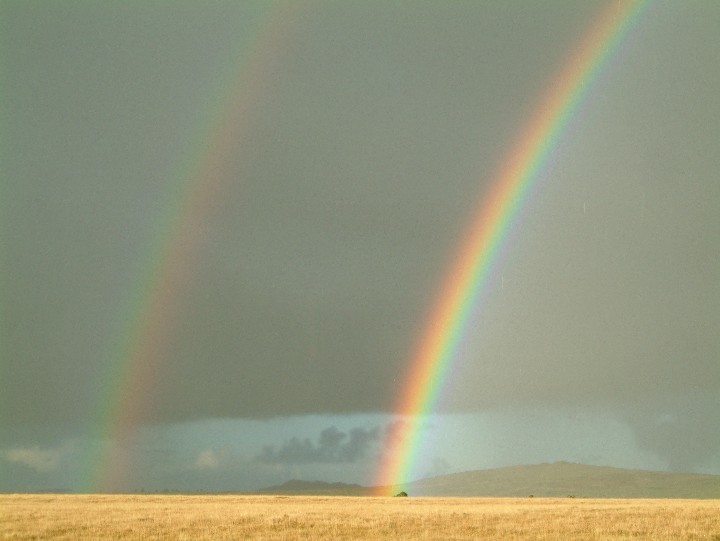
|
Folklore |
Add folklore |
The village herbalists and rural advisers have not entirely fallen into disrepute. Many are the remedies, some no doubt beneficial, recommended by them. The use of some, however, are equivocal. Thus rheumatism is attempted to be cured by a "boiled thunderbolt;" in other words, a boiled celt, supposed to be a thunderbolt. This is boiled for hours, and the water then dispensed to rheumatic patients. I know not whether it be a libel that one old woman, who employed this remedy, used to express her astonishment that, keep the saucepan on the fire as long as she would, none of the celt would ever boil away.J O Halliwell-Phillipps reporting in Rambles in Western Cornwall by the Footsteps of the Giants (1861). |
Posted by Rhiannon 8th August 2013ce Edited 11th August 2013ce |

.. the celebrated stone circle called the Dawns Men, the Dance Stones, or, popularly, the Merry Maidens. This is a very perfect circle of nineteen stones which average about three feet and a-half in height above the ground, the circle itself being nearly seventy feet in diameter.From Rambles in Western Cornwall by the Footsteps of the Giants by J O Halliwell-Phillipps (1861). |
Posted by Rhiannon 7th August 2013ce Edited 11th August 2013ce |
There is a tradition respecting the large top of a cromlech, in Cornwall, that was removed to a brook at a distance, and converted into a bridge; it is said that this stone possessed the power of speech, and answered questions put to it, until on a certain time, it cracked in an effort to speak, and has been silent ever since. This vague tradition must have originated in the oracular use made of the cromlech from whence the stone was taken.Vague indeed. Unless someone can enlighten us.. From p279 of The Graphic and Historical Illustrator Edward Wedlake Brayley (1834) - which can be perused on Google Books. |
Posted by Rhiannon 24th January 2008ce Edited 17th March 2008ce |
|
GARRACK ZANS - VILLAGE RITUAL STONES Whilst scouring my lil' collection of Cornish literature for any interesting references to visits, folklore &c, I found the following in William Bottrell's "Traditions and Hearthside Stories of West Cornwall (2nd series)". referencing a tradition of meeting stones, known as Garrack Zans: it doesn't have any proveable prehistory but looks damn likely to be a really late survivor of megalithic tradition, and thus very much of interest; brackets are mine. "Within the memory of many persons now living, there was to be seen, in the town-places of many western villages, an unhewn table like stone called the Garrack Zans. This stone was the usual meeting place of the villagers, and regarded by them as public property. Old residents in Escols (Escalls, near Sennen) have often told me of one which stood near the centre of that hamlet on an open space...(this) they described as nearly round, about three feet high, and nine in diameter, with a level top. A bonfire was made on it and danced around at Mid-summer. When petty offences were committed by unknown persons, those who wished to prove their innocence, and to discover the guilty, were accustomed to light a furse-fire on the Garrick Zans: each person who assisted took a stick of fire from the pile, and those could extinguish the fire in their sticks, by spitting on them, were deemed innocent; if the injured handed a fire-stick to any persons, who failed to do so, they were declared guilty. Most evening young persons, linked hand in hand, danced around the Garrack Zans, and many old folks passed around it nine times daily from some notion that it was lucky and good against withcraft. The stone now known as Table-men was called the Garrack Zans by old people of Sennen. If our traditions may be relied on, there was also in Treen a large one, around which a market was held in days of yore... There was a Garrack Zans in Sowah (Ardensawah near St.Buryan) only a few years since, and one may still be seen in Roskestal, St. Levan. Nothing seems to be known respecting their original use; yet the significant name, and a belief - that it is unlucky to remove them, denote that they were once regarded as sacred objects." Bottrell's work first appeared in 1873, from tales collected by him in the quarter century preceding; thus the Garrack Zans was a central feature up until at least about 1800. Questions arising; 1 - the etymology of the name? (Obviously Careg, Carrick in the first instance - but Zans?) 2 - Is the Table-men still extant in Sennen? I would imagine it to be in Churchtown rather than Cove...and indeed that in Roskestal, a small farmstead? |
 Posted by chris s
8th December 2007ce Edited 11th August 2013ce |
I own, I was thunderstruck* at the report of this singular instance of superstition, and suspended my belief of its existence till I was at length convinced by the testimony of my senses. The old lady, who possesses this miraculous thunderbolt, lives, at this moment, in the parish of St. Keverne, adjoining to Manaccan. She informed me that it was found, many years ago, at no great distance from her house, just after a thunderstorm, half buried in the ground, and was taken up hot and smoking; and that its virtue was accidentally discovered by one of the family, "who lost the rheumatism" merely by handling it. On asking her what was her method of applying her thunderbolt to her patients, her answer was, that "She boil'd 'en for about three hours, and gave the water to her patients, with directions to bathe the part affected; and that she had cured hundreds. - "Boil'd dunderbolt was a vine thing for the rheumatis," said an old man present. - - It is a perfect celt.p28 of 'The Old English Gentleman: A Poem, by Mr. Polwhele' by Richard Polwhele, published 1797. Online at Google Books. *yes very good. And some further axehead folklore: A celt (commonly called in this neighbourhood a thunderbolt) was some years ago found on [West Looe] Down. The common people believe these celts to be produced by thunder, and thrown down from the clouds; and that they shew what weather will ensue by changing their colour.p32 of 'The Parochial History of Cornwall' by Davies Gilbert (v4) 1838. Also on Google Books. |
Posted by Rhiannon 11th September 2007ce Edited 11th September 2007ce |
Miscellaneous |
Add miscellaneous |
|
A warning for TMA-ers! From "Churches of West Cornwall with Notes on the Antiquities of the District" - J.T. Blight, from the preface to the second edition (published 1884 after Blight's death): "By Mr. Blight's death Archaeology has lost not only an enthusiastic student, but a hard worker, and it is much to be feared that his too eager devotion to his favourite pursuit amidst his daily toil brought on the illness which had so sad a termination." Don't say we haven't been warned. |
Posted by thesweetcheat 21st January 2009ce Edited 11th August 2013ce |
Links |
Add a link |
The Threat to Cornwall's Heritage by Elizabeth DaleCornwall is blessed with a long and fascinating history. Although visitors are often drawn to the county by the so called ‘Poldark effect’ many more are also seeking out our enigmatic prehistoric monuments. Elizabeth Dale investigates the hidden threat to this precious heritage. |
Posted by moss 14th January 2018ce |

Access to monuments"A field guide to accessible sites This is an online guide to accessible monuments in Cornwall, compiled by the Strategic Historic Environment Service of Cornwall Council. It is aimed at anyone with an interest in the countryside, heritage and culture of Cornwall, who wish to get out and experience the wealth of the county’s remarkable sites and monuments. The range of monuments that can be visited in Cornwall encompass every period of history and prehistory, and reveals insights into changing patterns of agriculture and subsistence, ritual and religion, industry and transport – in short, all facets of human culture over a timespan exceeding 10,000 years. New sites will be added periodically, so please check back in the future for any newly added sites. Any new additions will be highlighted as such on this page." |
Posted by thesweetcheat 8th February 2017ce |
West Penwith; First and Last 14th May |
Posted by moss 16th June 2014ce |
YouTube - Cornwall Tourist BoardMr.Hamhead doing a pretty cool job of advertising Bodmin Moor... |
Posted by moss 3rd July 2013ce Edited 9th August 2013ce |
The Cornwall Heritage TrustThe new Cornwall Heritage Trust website is now up and running - "Cornwall Heritage Trust was founded in 1985 to help preserve important sites in Cornwall and to protect and promote the Duchy’s rich heritage. We own or manage some of the most iconic and important historic places in Cornwall." |
 Posted by The Heritage Trust
15th April 2012ce Edited 9th August 2013ce |
Access to Monuments: Cornwall's Archaeological HeritageLovely clear interactive maps with links to more information on the Heritage Gateway. |
Posted by Rhiannon 3rd June 2011ce |
Save Penwith MoorsNew website for the campaign group; |
Posted by moss 8th May 2011ce Edited 11th August 2013ce |
Caradon Hill Area Heritage ProjectKeeping us up to date on a funded project to, amongst other things, rediscover and preserve some of the archaeology around the Hurlers, Stowe's Hill etc. |
Posted by Mr Hamhead 5th February 2011ce Edited 9th August 2013ce |
The Heritage JournalCornwall: West Penwith Wanderings (Part 1) "If you ever find yourself in West Penwith (Cornwall) with 3 hours or so to spare, this walk should satisfy the Megalithic cravings of most people as it takes in half a dozen or more sites of different types." Part 1 of a 3 part feature by AlanS. |
 Posted by Littlestone
18th January 2011ce Edited 18th January 2011ce |
Cornish Ancient Sites Protection NetworkThe Cornish Ancient Sites Protection Network is a charitable partnership formed to look after the ancient sites and monuments of Cornwall. They work closely with local communities and official organisations to protect and promote the ancient heritage landscape through research, education and outreach activities. |
 Posted by Chance
5th July 2010ce |
Cornwall Guide - Bodmin Moor PhotosConstantly growing collection of quality photos of Bodmin Moor with a focus on the numerous ancient sites |
 Posted by Cornwall
30th March 2010ce Edited 9th August 2013ce |
Cornwall Guide PhotosExtensive collection of photos including large section on historic / ancient sites around Cornwall |
Posted by Cornwall 12th April 2009ce Edited 11th August 2013ce |
Flying Through Cornwall's PastFlyingpast.org is the culmination of a twelve year project mapping archaeological and historical sites visible on aerial photos in Cornwall and the Isles of Scilly. The project was commissioned and paid for by English Heritage and the mapping was carried out by the Historic Environment Service of Cornwall County Council. That's their words...my words...brilliant site! |
Posted by Mr Hamhead 23rd January 2008ce |
Cornwall Archaeological Society papersSome interesting papers first published in 1986. They cover everything from the mesolithic to the neolithic in the county. |
Posted by Mr Hamhead 16th August 2007ce Edited 17th August 2007ce |
Oliver's CornwallPictures and thoughts from one mans travels around the county...lots that is relevant to TMA fans. |
Posted by Mr Hamhead 16th May 2007ce Edited 16th May 2007ce |
Tony Howell photographsSome nice pics of a few Cornish monuments and natural rock formations, including an infra red image of the Men-an-Tol |
 Posted by Hob
5th November 2006ce Edited 9th August 2013ce |
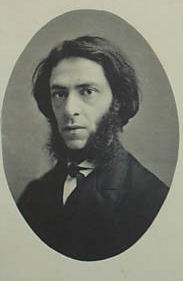
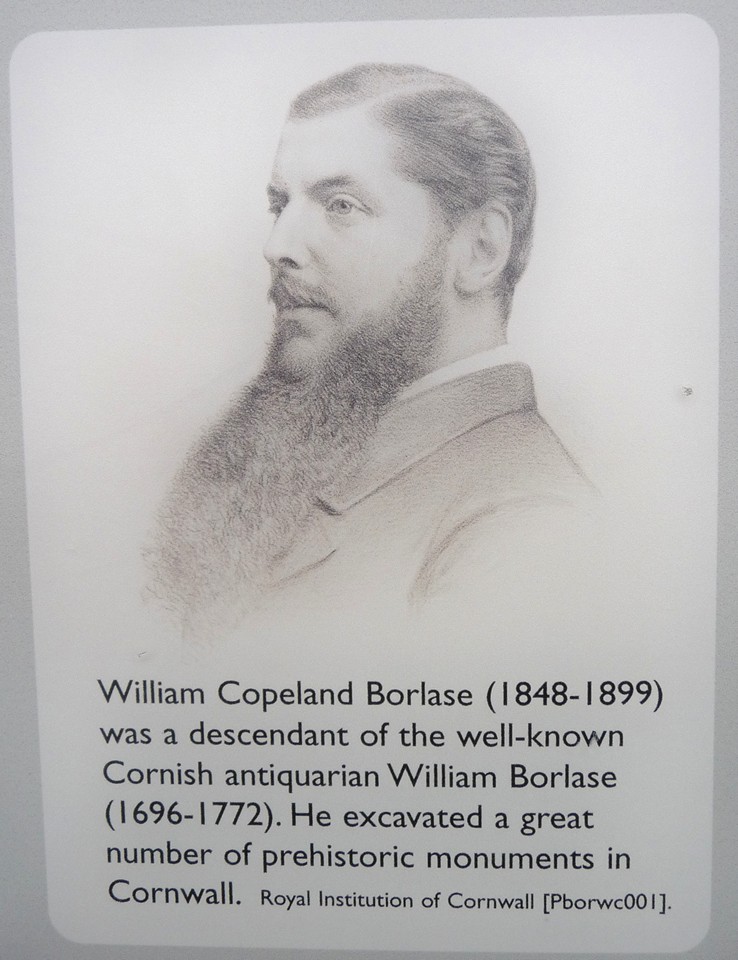
Ancient CornwallWilliam Copeland Borlase - Cornish Antiquities Viewed in the Light of Modern Research, 1880 |
 Posted by Chris Bond
5th April 2006ce Edited 4th September 2023ce |
Prehistory In PenwithA nice comprehensive website covering all aspects of prehistory in Penwith |
 Posted by fitzcoraldo
31st March 2006ce Edited 11th August 2013ce |
Historical Illustrations of Ancient CornwallAn absolutely wonderful website, packed full of ancient photographs and illustrations of the prehistoric monuments of Cornwall. My current favourite is the 1860's photograph of Lanyon Quoit and a bloke in a stove pipe hat. |
Posted by fitzcoraldo 31st March 2006ce Edited 11th August 2013ce |
Into CornwallCornwall information resource with features including archaeological sites, towns and villages, interactive maps, places to stay and much much more. |
Posted by Jane 3 8th March 2006ce Edited 11th August 2013ce |
The Leskernick ProjectThis beautiful website will make your brain ache and your heart leap - proper archaeology? |
Posted by fitzcoraldo 1st March 2005ce Edited 9th August 2013ce |
Archaeological work at ScarcewaterArchaeologists from Cornwall County Council's Historic Environment Service are uncovering the early history of Scarcewater, near St.Stephen-in-Brannel, where work on a much needed tip for the china clay industry is to begin shortly. read more... |
Posted by phil 17th October 2004ce Edited 9th August 2013ce |
Cornwall's Arch Druid and His Stones"I'm a Christian and a Druid" Cornwall's Arch Druid Ed Prynn believes it's possible to be both a Christian and a Druid. He told BBC Cornwall what his faith means to him. Ed Prynn's site Cornwall has the reputation of being a magical, mystical and spiritual place. We went to see Arch Druid Ed Prynn to discuss the Merlin, angels and marrying for a year and day... "Being the Arch Druid of Cornwall is a special, unusual job. I didn't get elected it fell out of the heavens for me." The healing stone is a replica of the Men-an-tol holed stone. Ed refuses to have his faith bound by other people's ideas: "I was born locked into both faiths - Christian and Druid. "Being a Druid you are a free spirit. The door is open to explore all the magic - the angels, the little people, the ley lines. Druids can experiment with all the things which are forbidden by the Bible. "I go to chapel but everything's from the one book. People ask me how can I be in both camps but spiritual camps are not like political or military camps. It's all about loving one another. It's all about trying to be one." Prynn had his first mystic encounter at the age of 9 and became drawn by the power of standing stones. He started to put the stones in his garden in 1982 and the last stone was put in 1999 to celebrate the total eclipse. "The stones here have made new spiritual history. Thousands of people have touched the stones and left some of their magic aura. Being a Christian you are supposed to follow the teaching of the Bible. "The stones are important because the energy gets drawn into them. You can feel this type of energy, you feel a bit wobbly on your feet." "Cornwall is a special place - we're not like a big city, we have a different way of life completely. Cornwall has all these old stones, cultures and ways. The ways have never died out and the people around who know how to make the magic work." The showpiece of Ed's stones is the Angel's runway: "The rocking stone provides a seal so that a spell would work. It's used for swearing in of priests and priestesses, healing, fertility - people even write their lottery tickets on it. "The Rocking Stone has magic energy lines around it. The site can be magic or people can be magic. I believe both are here and that the Godly mystique has come to this place." Ed is happy to accept visitors to his home in St Merryn to see the stones. You can't miss it... |
Posted by phil 4th April 2004ce Edited 9th August 2013ce |
A page of Cornish linksLinks to Cornish Stones Circles / Menhirs / Hillforts / and Earth mysteries etc. |
Posted by phil 1st April 2002ce Edited 11th August 2013ce |
The Holy Wells of West Penwith, CornwallSite by Laurence Hunt. West Penwith is justly famous for its prehistoric stone circles, quoits and standing stones. The area also has a large number of holy wells. |
Posted by phil 18th December 2001ce Edited 11th August 2013ce |
Meyn Mamvro - Stones of our MotherlandMEYN MAMVRO is the magazine of ancient stones and sacred sites in Cornwall. It has been published regularly 3 times a year since 1986, and, taken together, all the editions contain a wealth of original material about the prehistory and ancient customs of Cornwall. EARTH ENERGIES * ANCIENT STONES * SACRED SITES * PAGANISM * LEYPATHS CORNISH PRE-HISTORY & CULTURE * MEGALITHIC MYSTERIES * LEGENDS & FOLKLORE |
Posted by phil 3rd December 2001ce Edited 11th August 2013ce |
Cornwall OnlineLoads of info on places to stay in Cornwall. |
 Posted by Holy McGrail
13th November 2001ce Edited 9th August 2013ce |
WalkaboutwestI am a tourist guide operating in the Bodmin Moor/ southeast Cornwall area. Don't let that put you off! I am also a big Cope fan and love nothing better than heading of accross the open moors in search of whatever is out there. You don't even have to come on one of my organised walks, just email me quoting the Modern Antiquarian and I will sort something out. I gotta walk..... |
Posted by Mr Hamhead 5th November 2001ce Edited 9th August 2013ce |
Latest posts for Cornwall |
Showing 1-10 of 8,231 posts. Most recent first | Next 10 
Boscawen-Un hedge (Standing Stone / Menhir) — Images (click to view fullsize) |
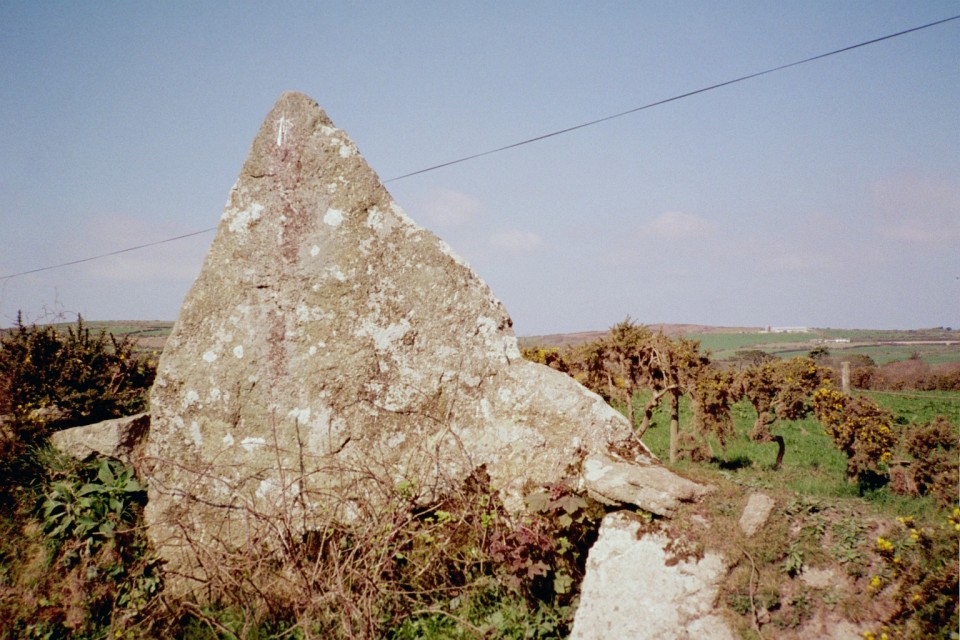 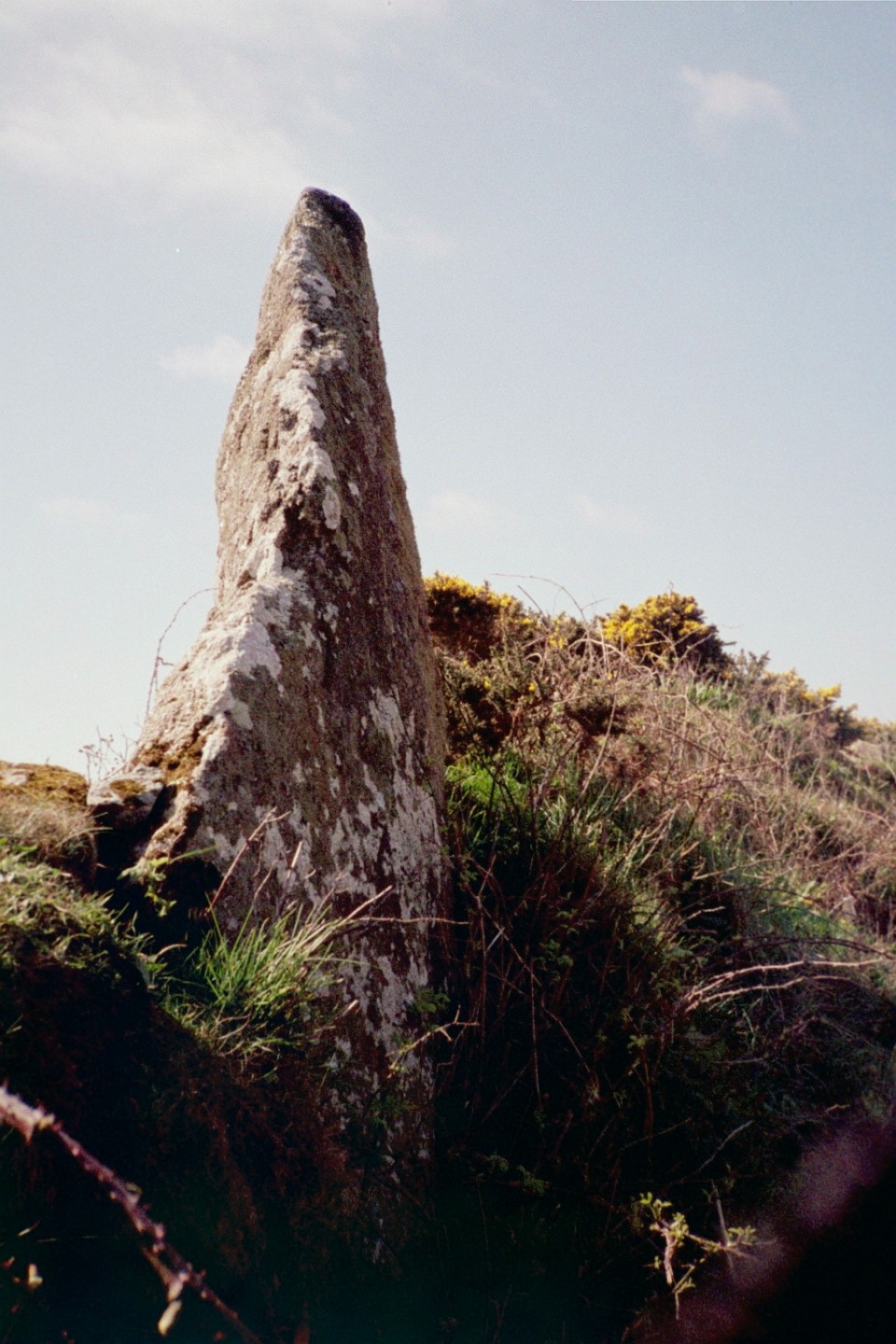
|
Posted by Chris Bond 14th April 2024ce |
Treverven (Standing Stone / Menhir) — Images |
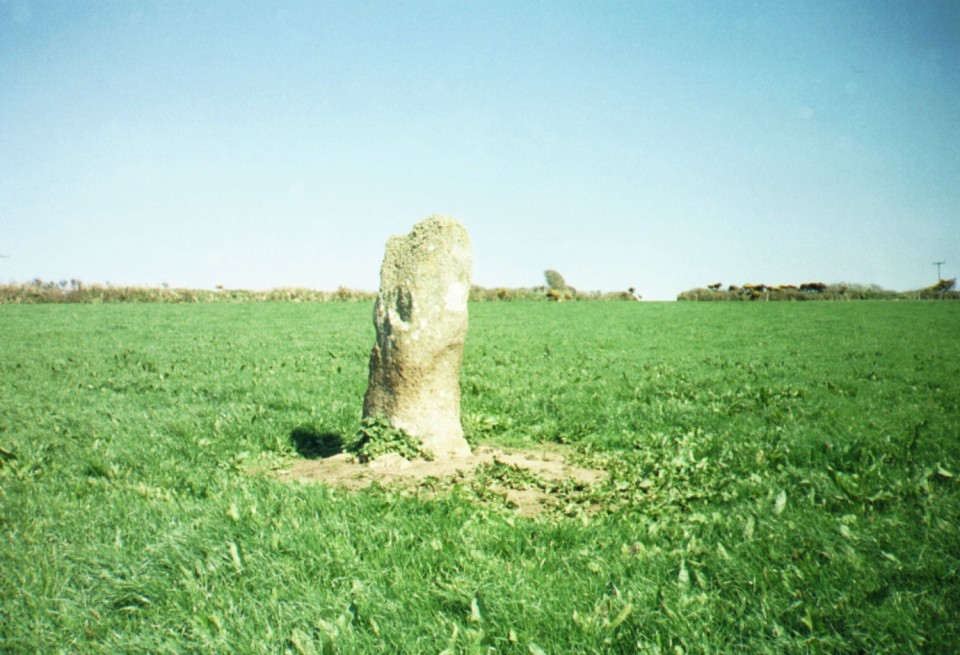 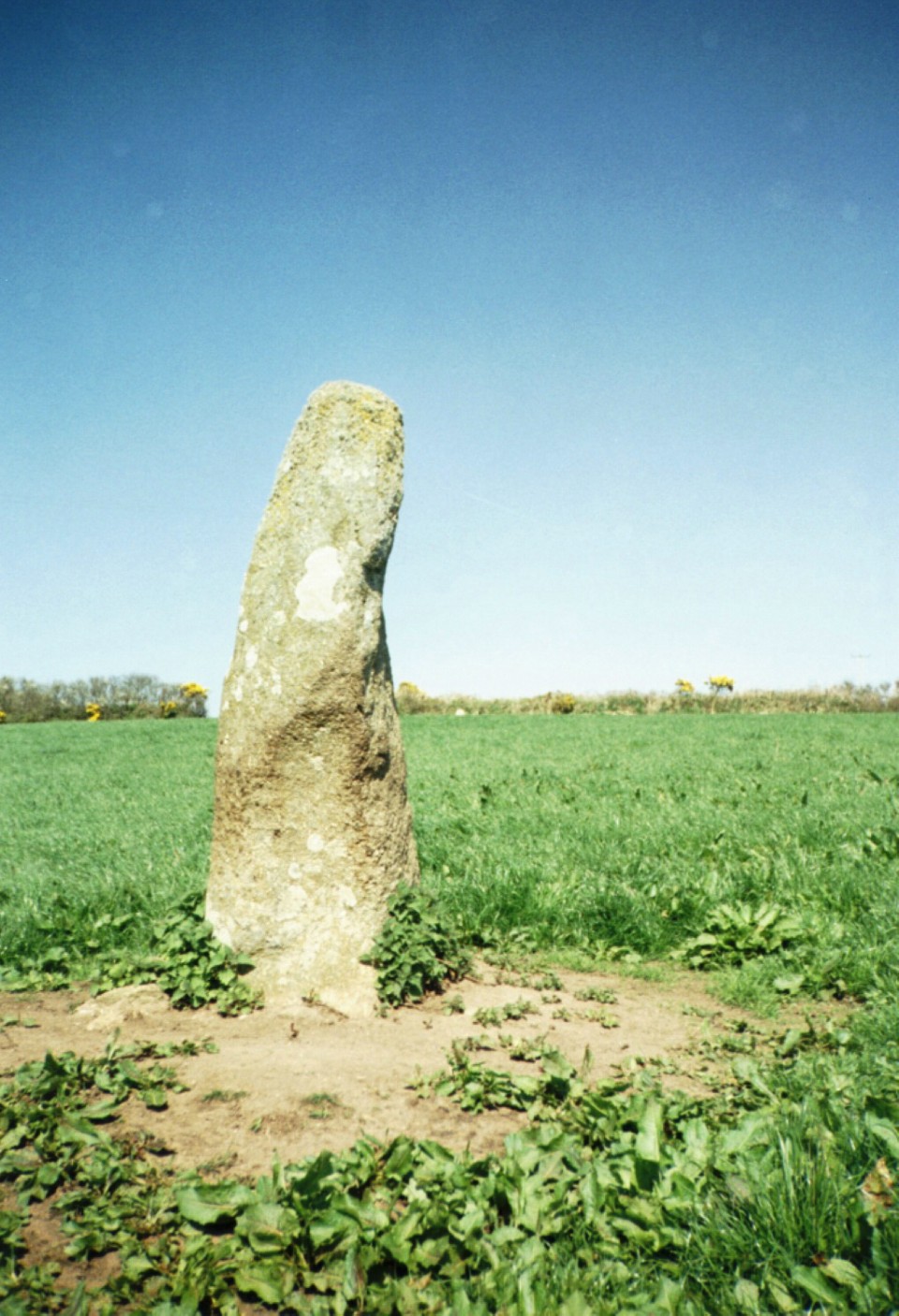 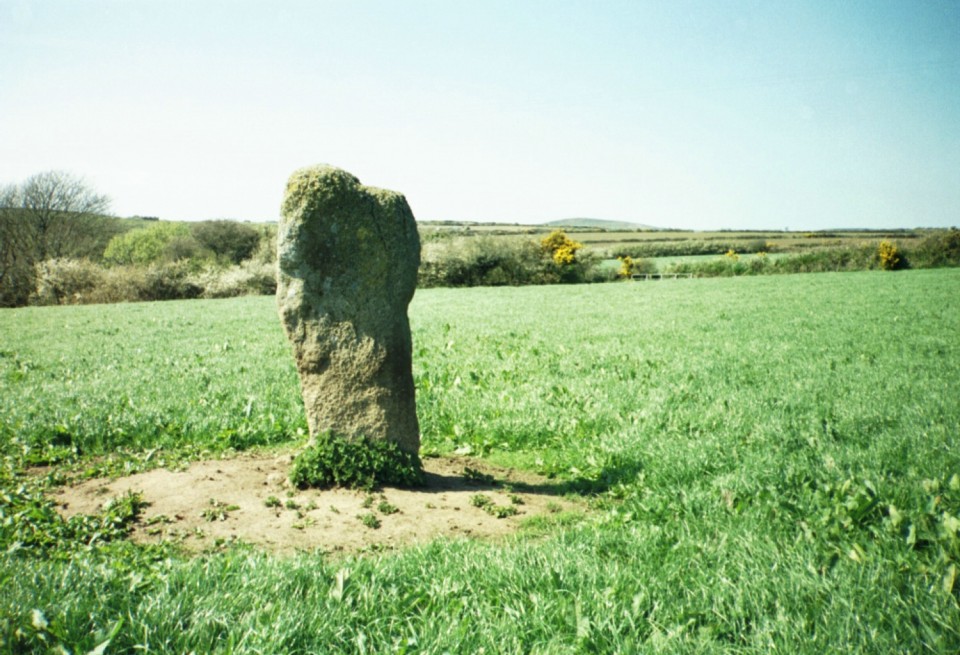 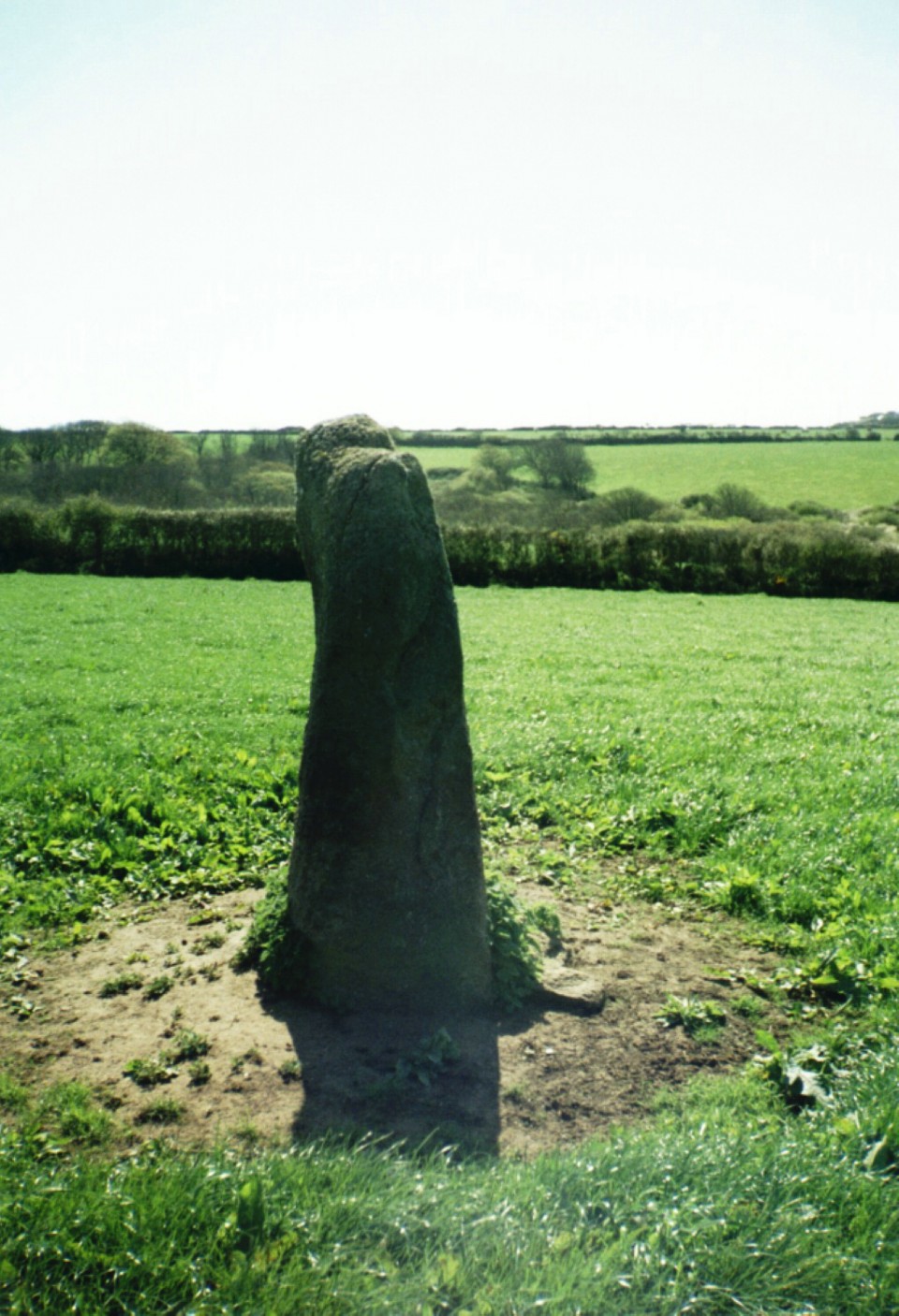 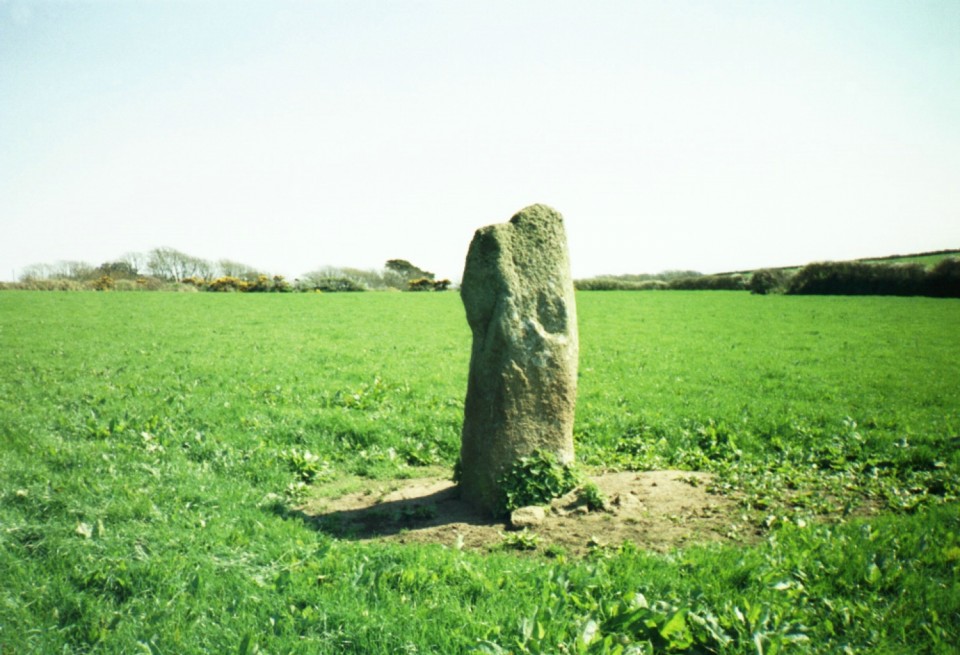 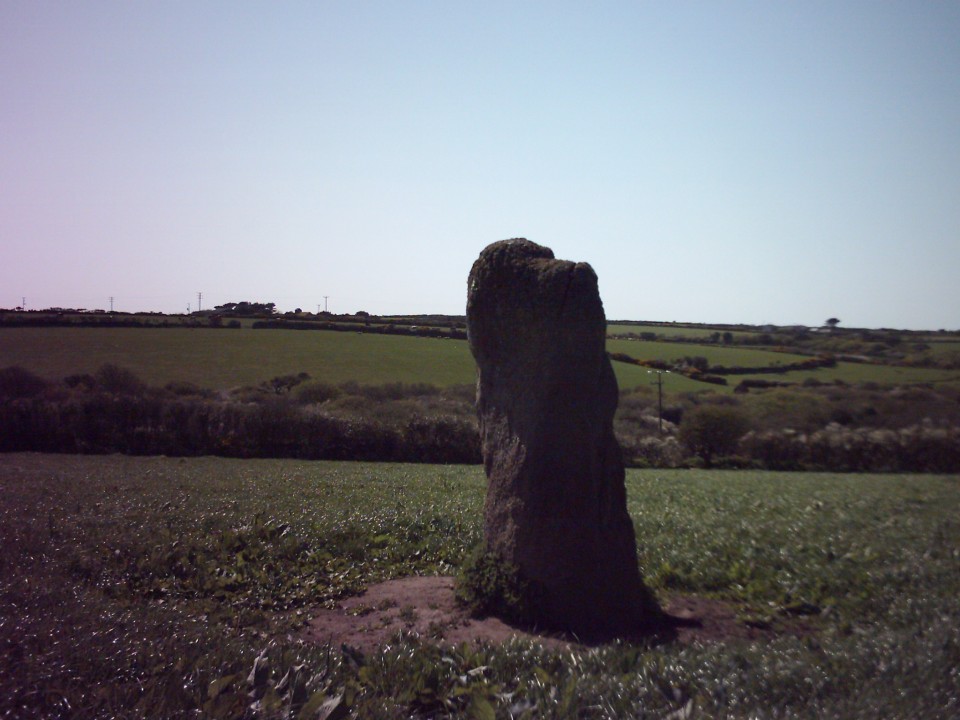 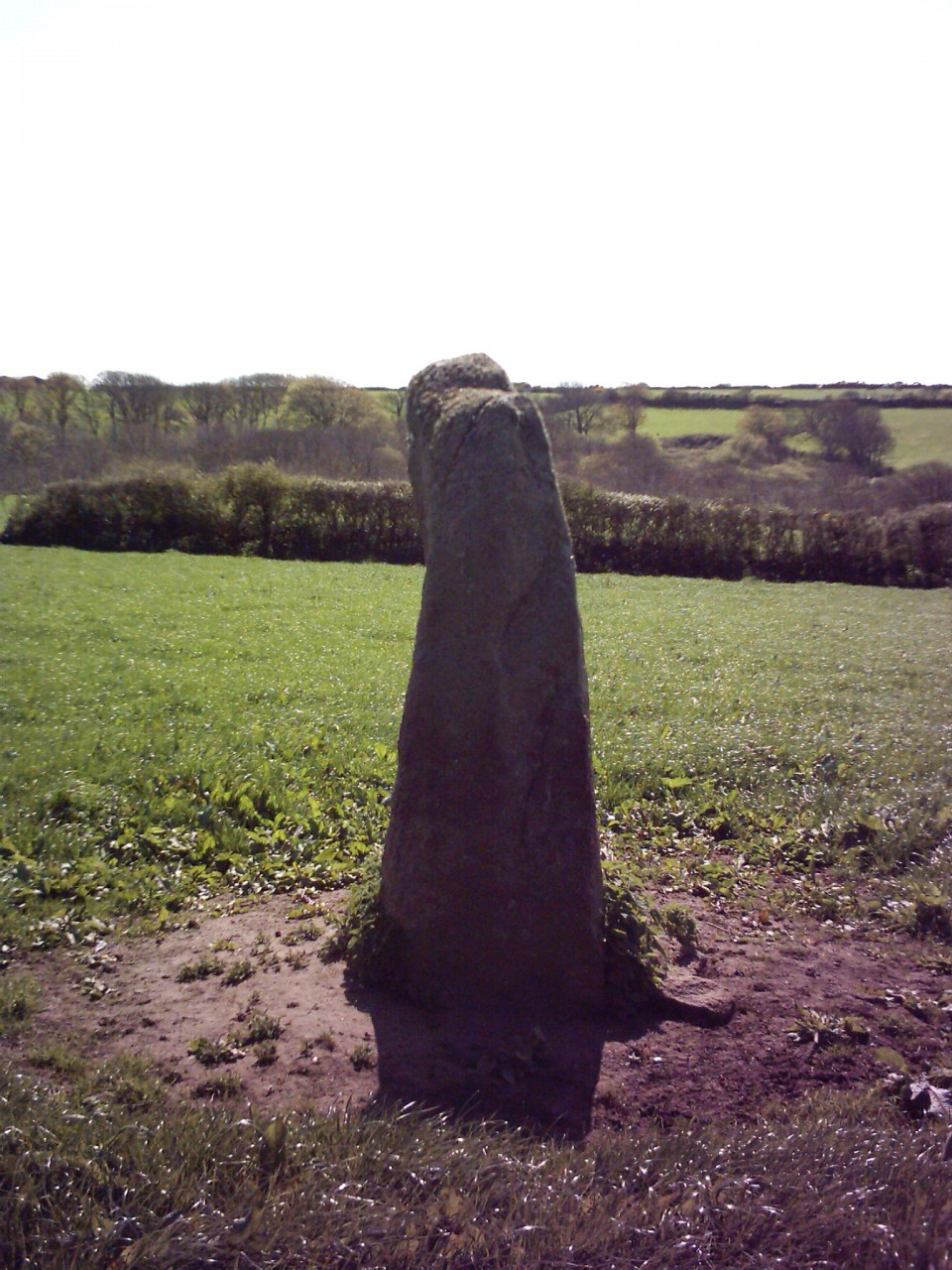 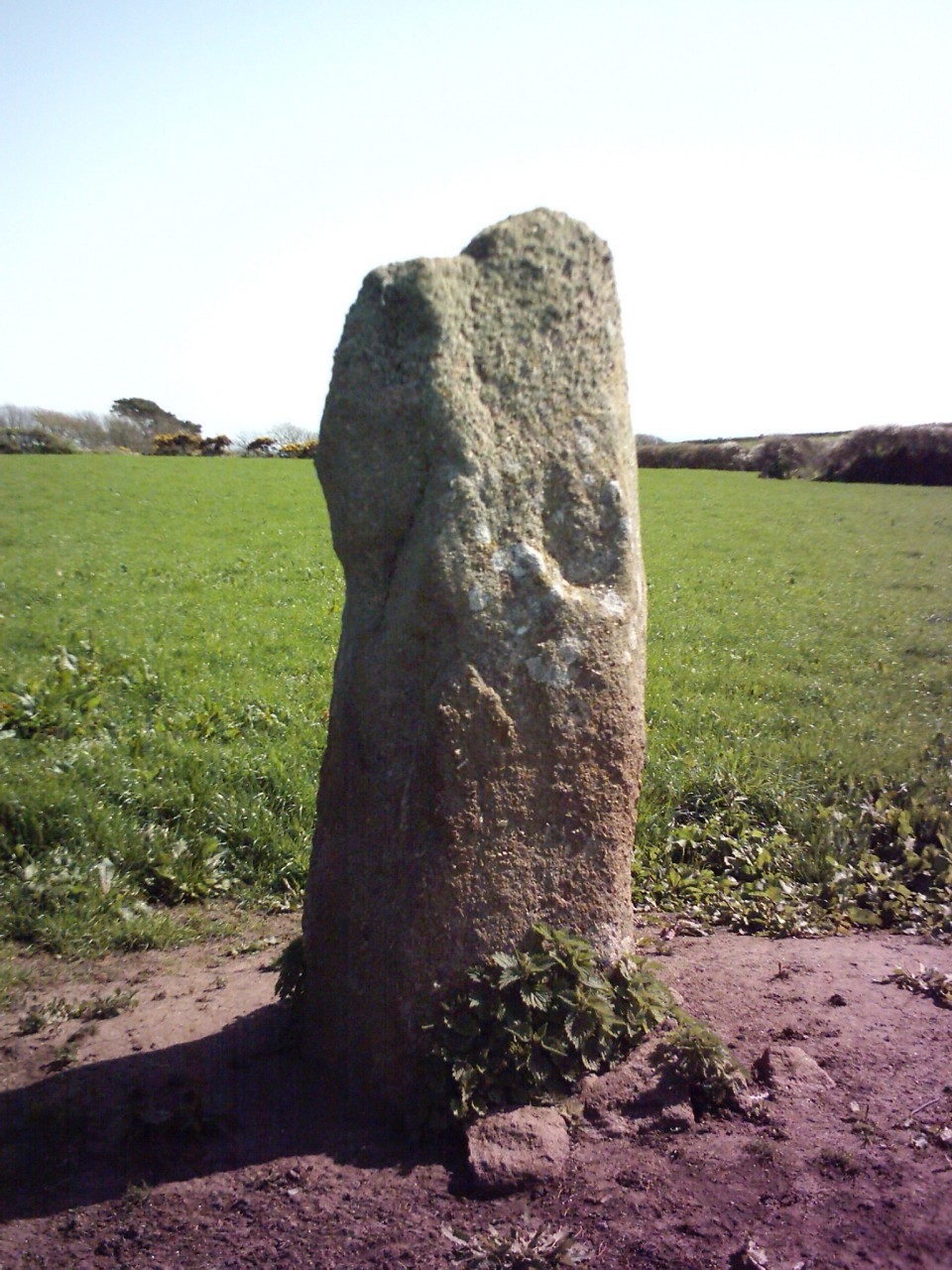
|
Posted by Chris Bond 3rd March 2024ce |
Showing 1-10 of 8,231 posts. Most recent first | Next 10
 Top of page