|
 Log in |
Register Log in |
Register
|

|
|

Clava CairnsClava Cairn
|


 Show map (inline Google Map)
|
|
|
News |
 Add news Add news |
|
Public help document damage to historic Scottish sites Members of the public are helping to document the effects of weather and vandalism at some of Scotland's most historic sites. More info : https://www.bbc.co.uk/news/uk-scotland-highlands-islands-50670902 |
 Posted by drewbhoy
7th December 2019ce |

|
Vandalism at ancient Clava Cairns burial site Pathetic :-( http://www.bbc.co.uk/news/uk-scotland-highlands-islands-40171195 |
Posted by drewbhoy 7th June 2017ce |
Images (click to view fullsize) |
Add an image |
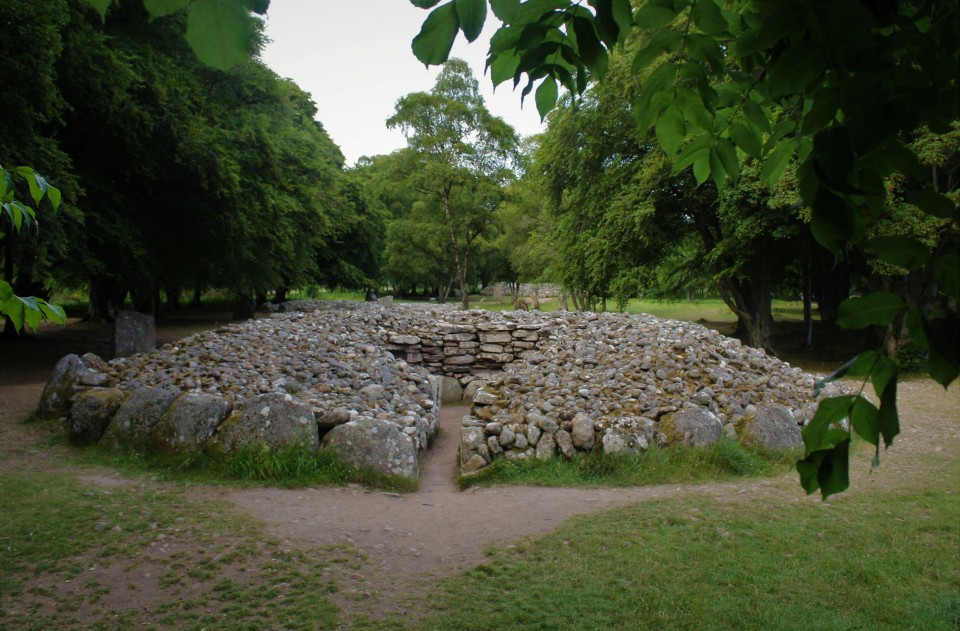
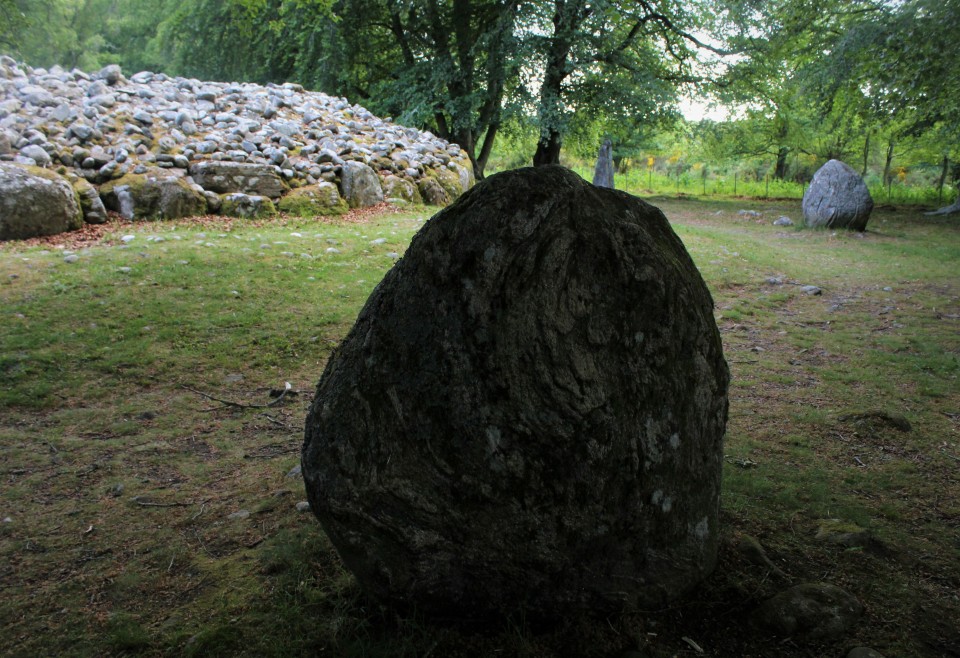
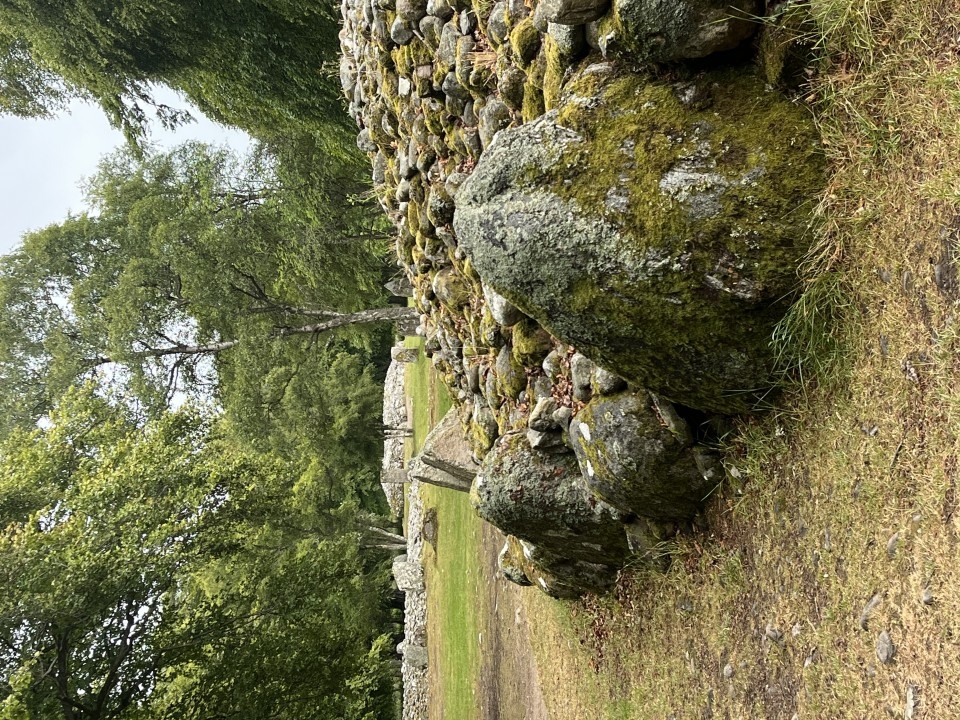
Photographs: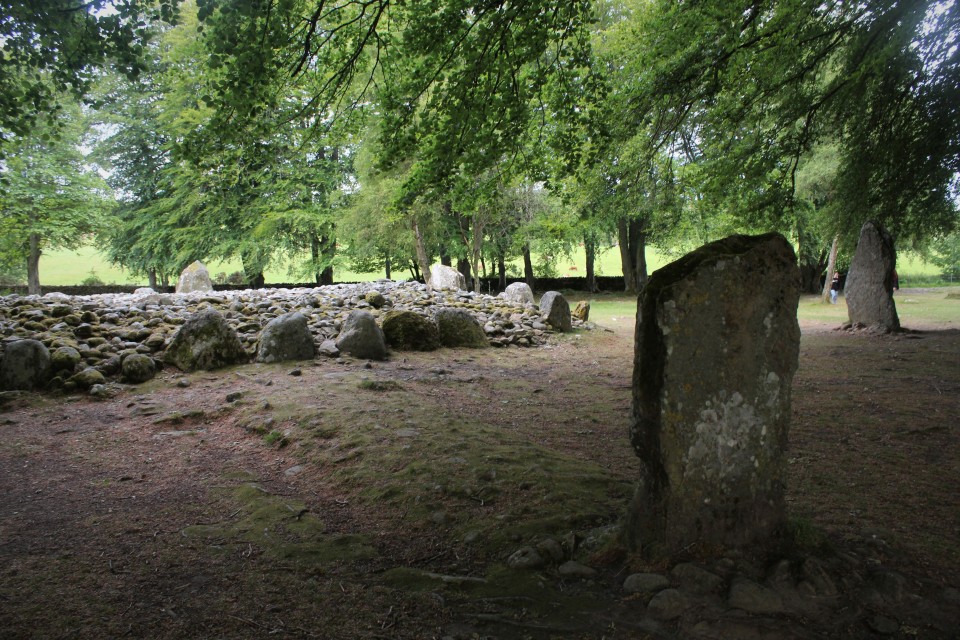



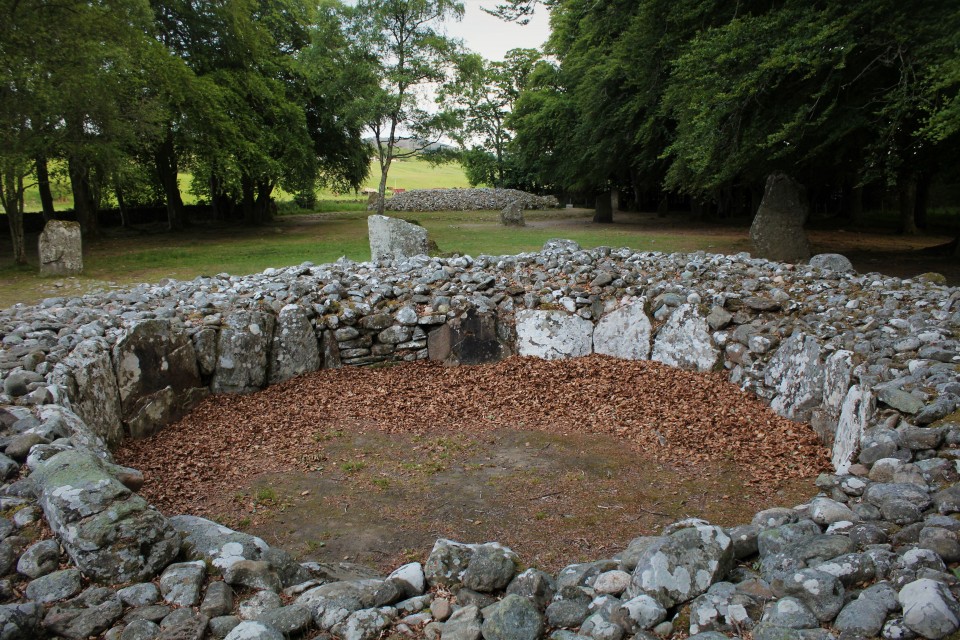
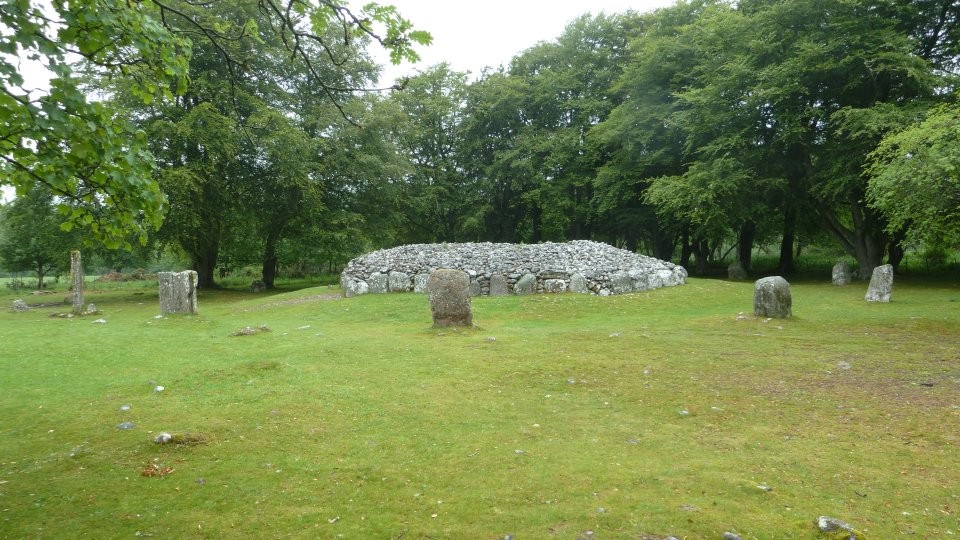
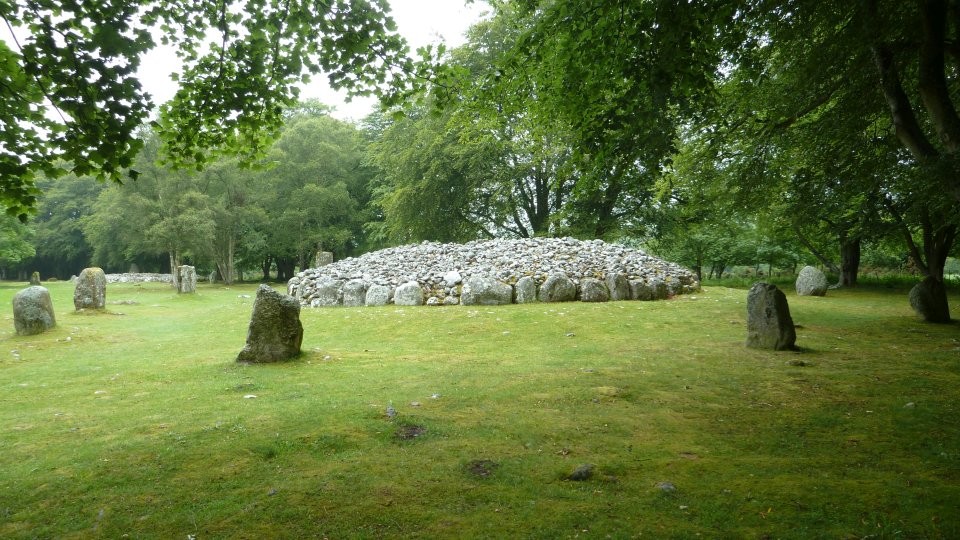
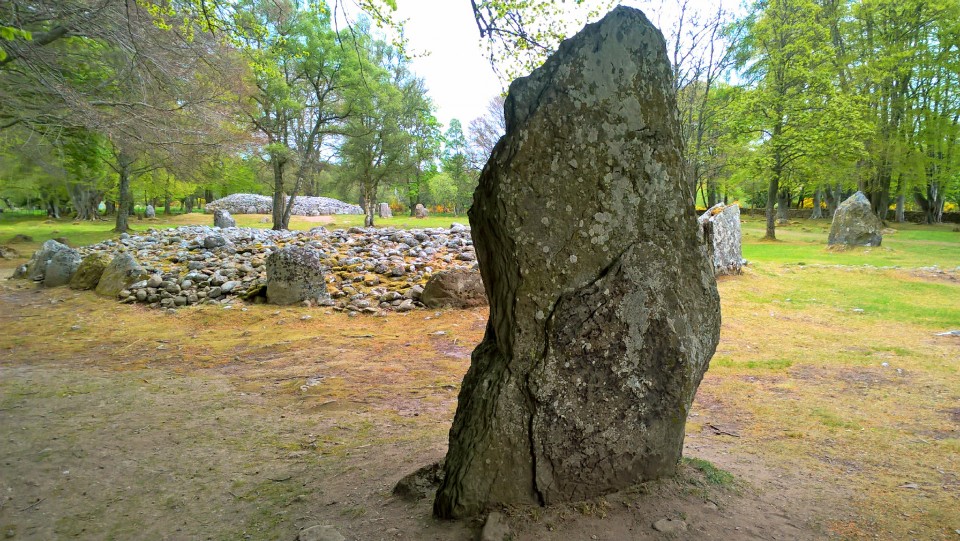
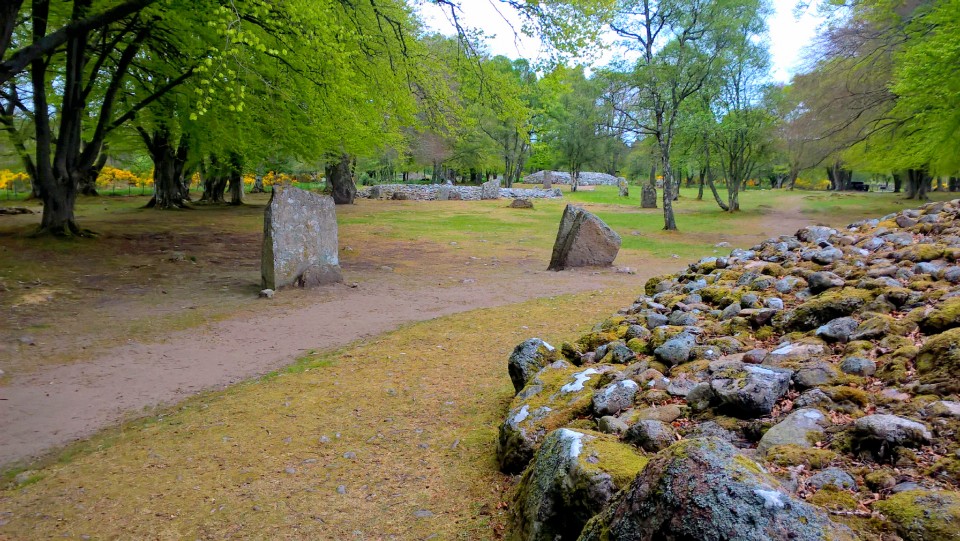
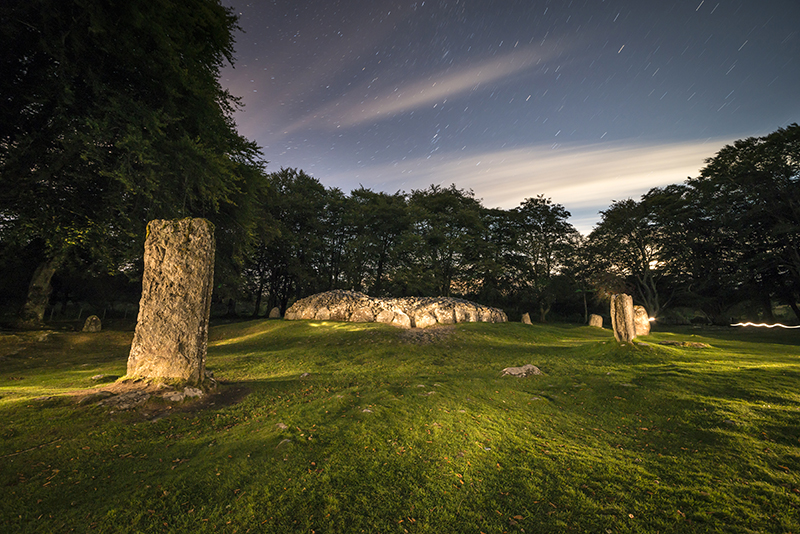
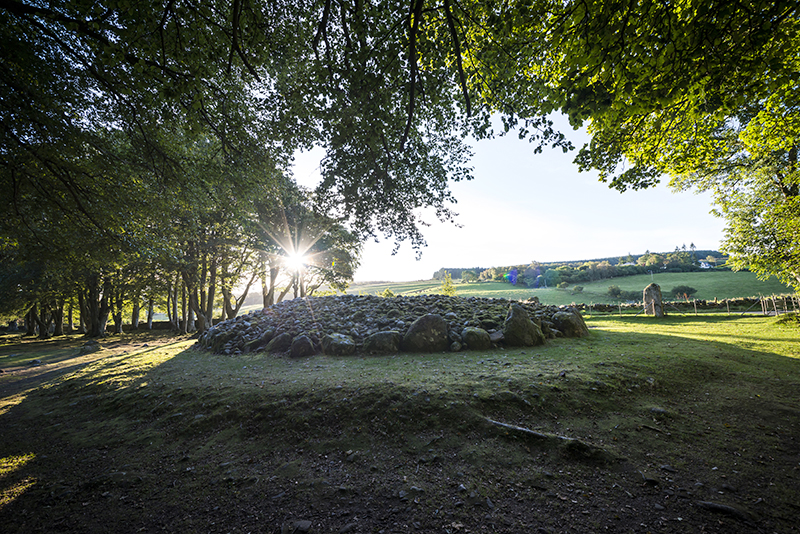
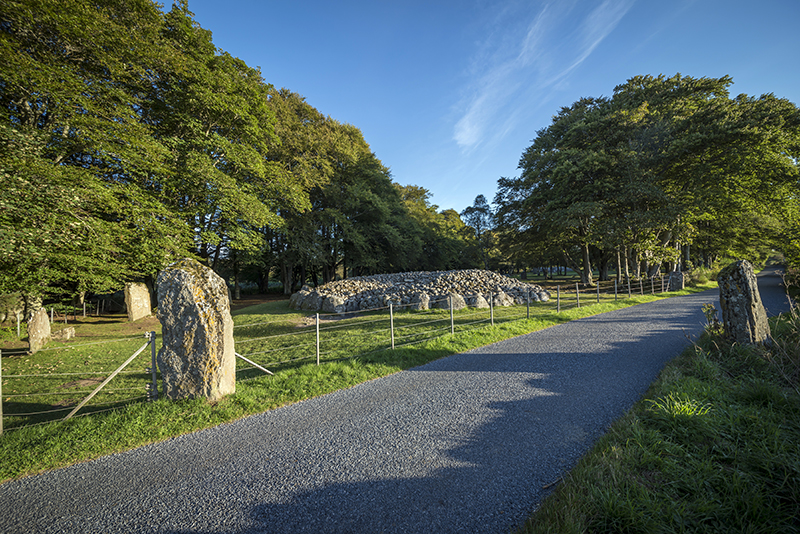
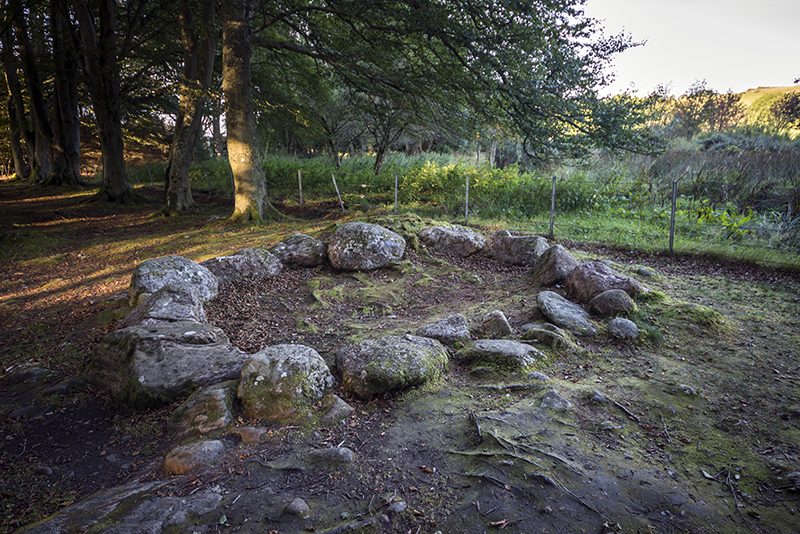
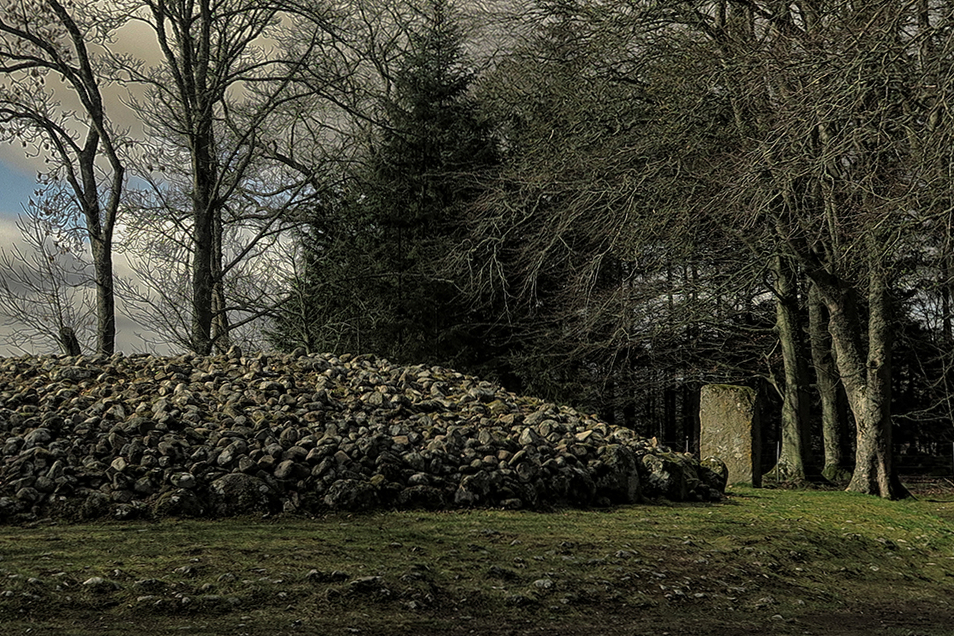
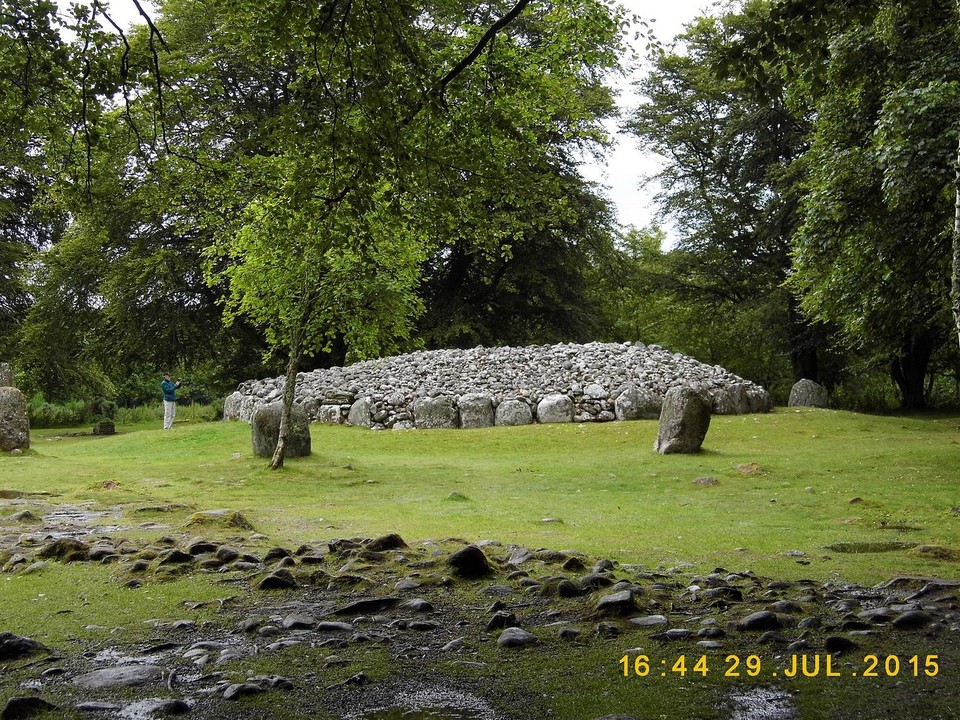
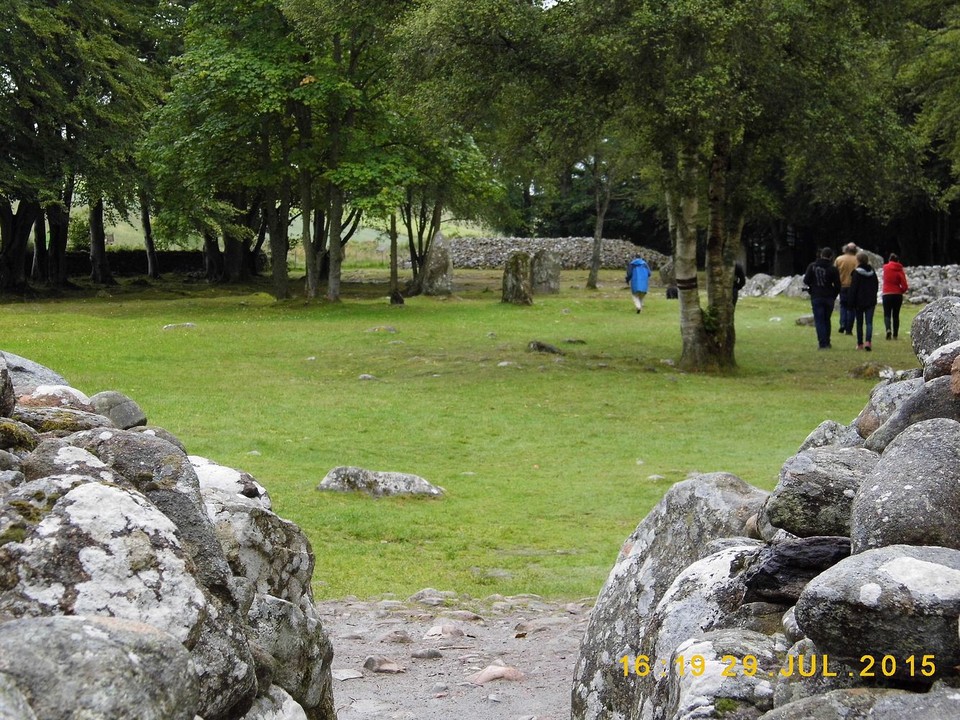
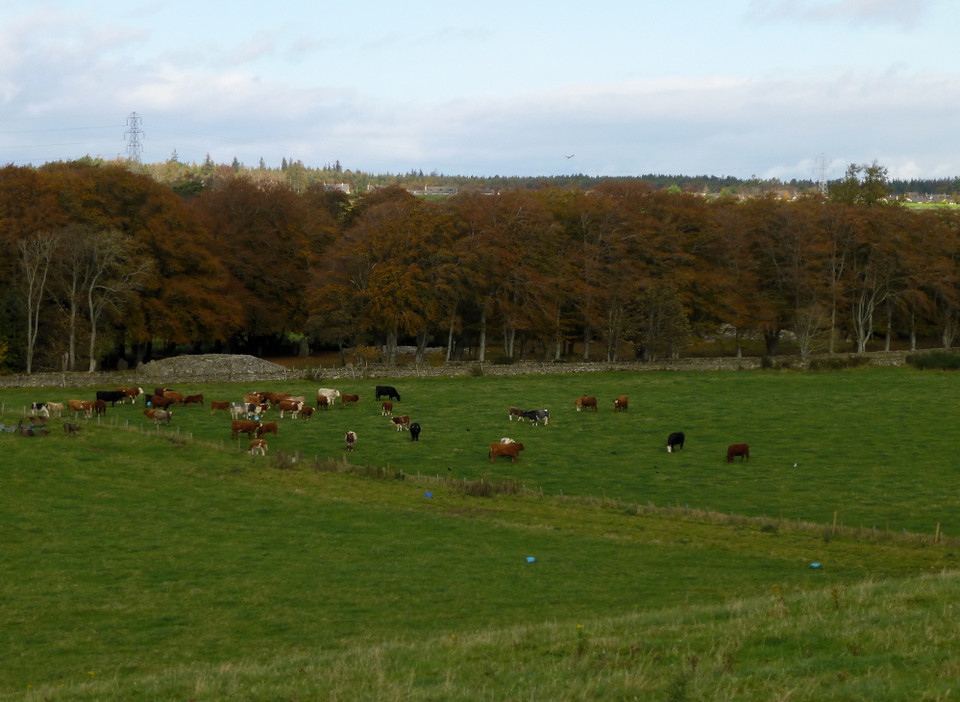
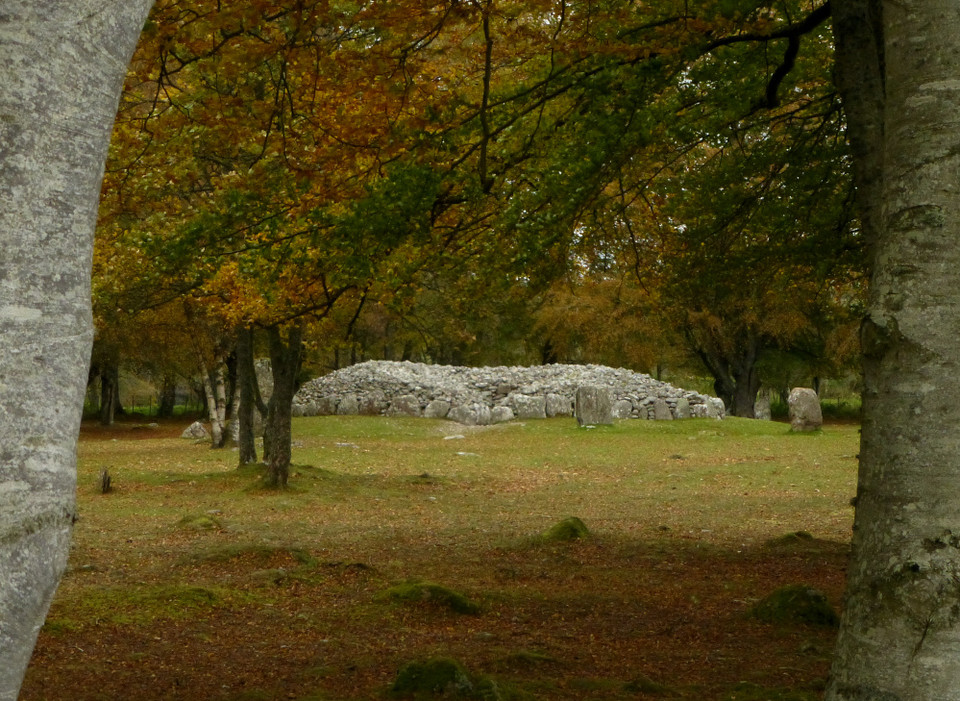
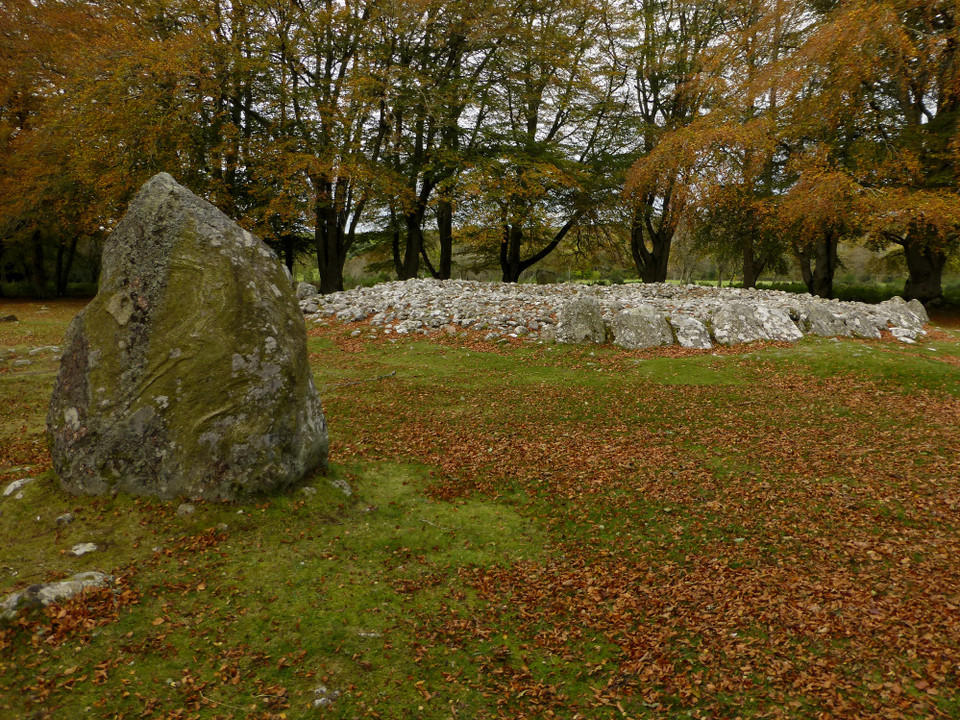
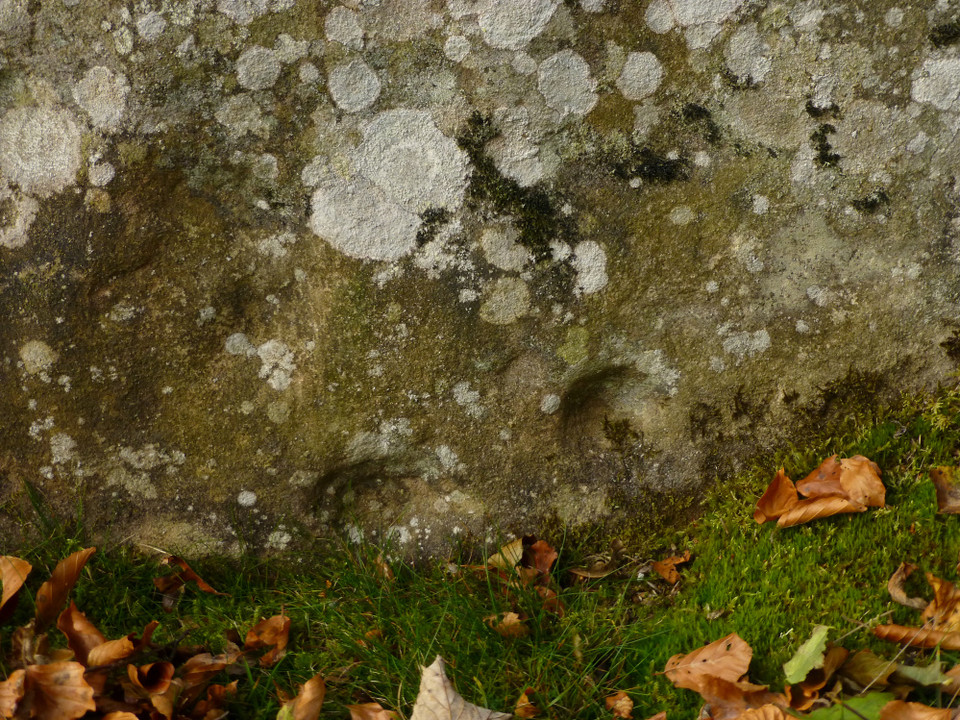
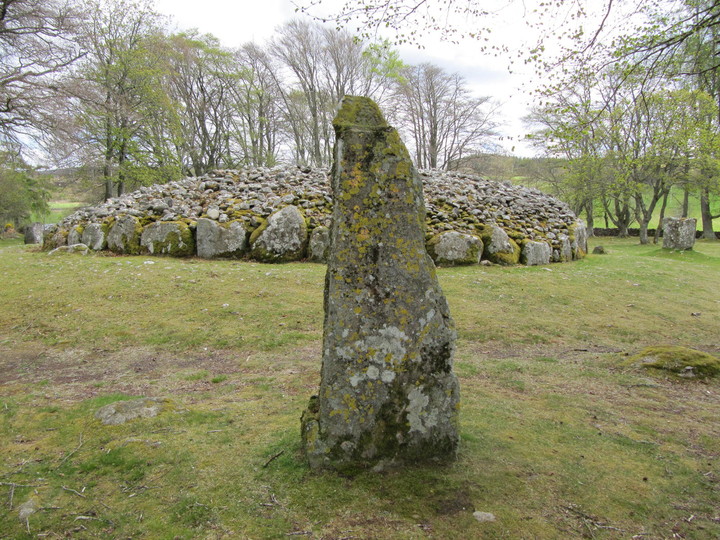
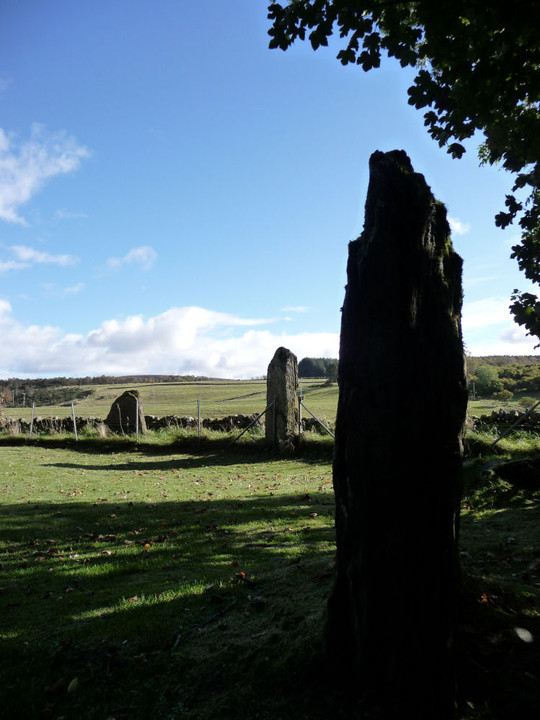
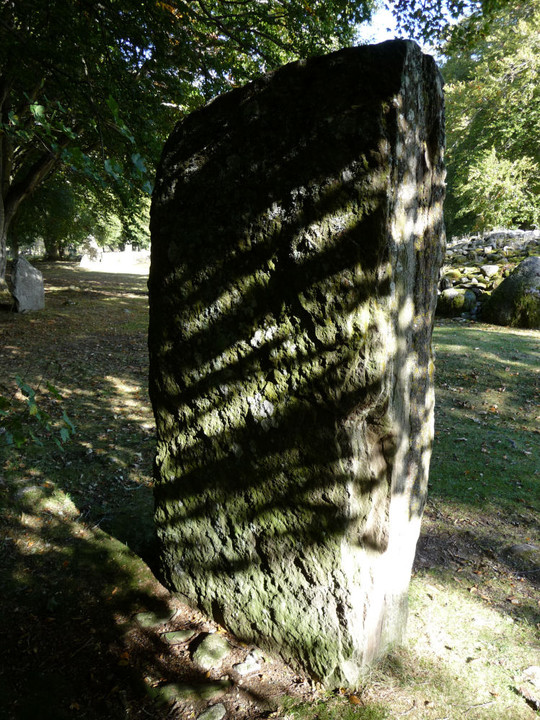
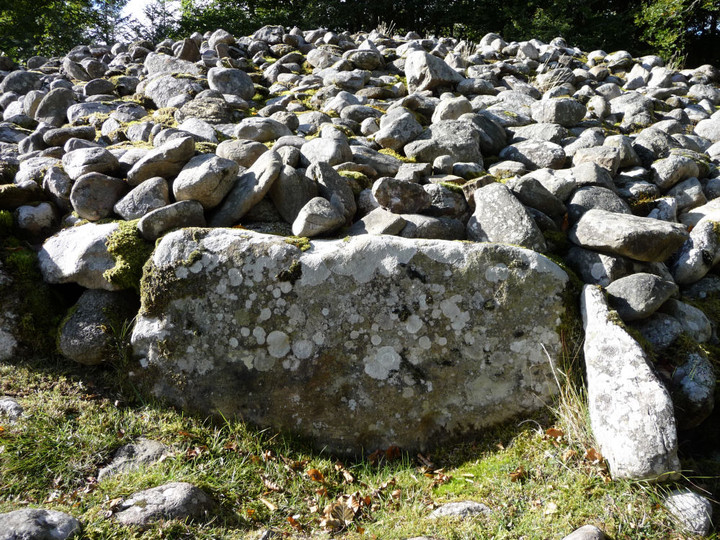
 Maps / Plans / Diagrams: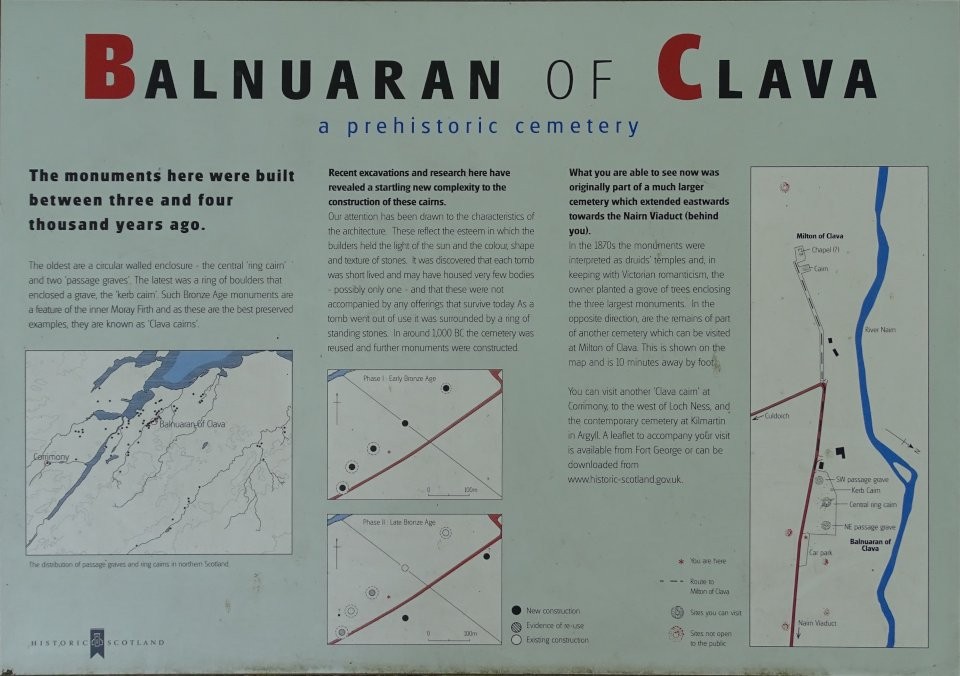

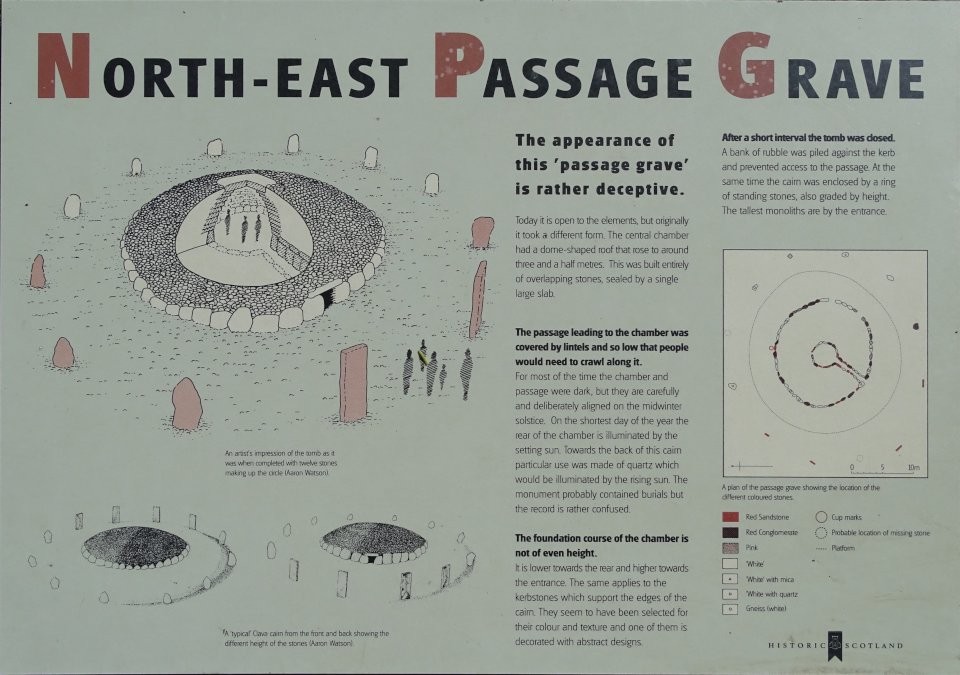
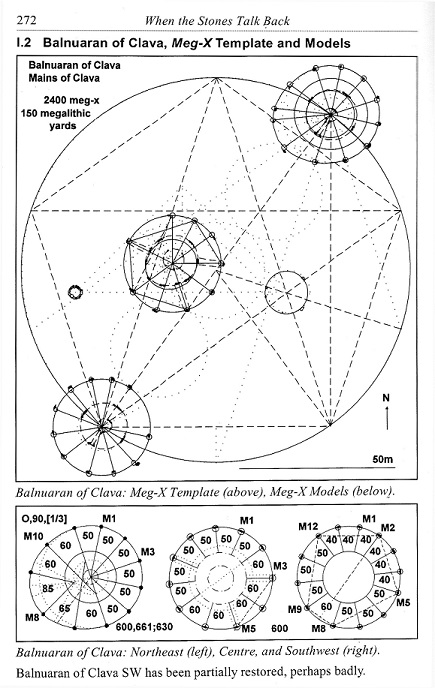
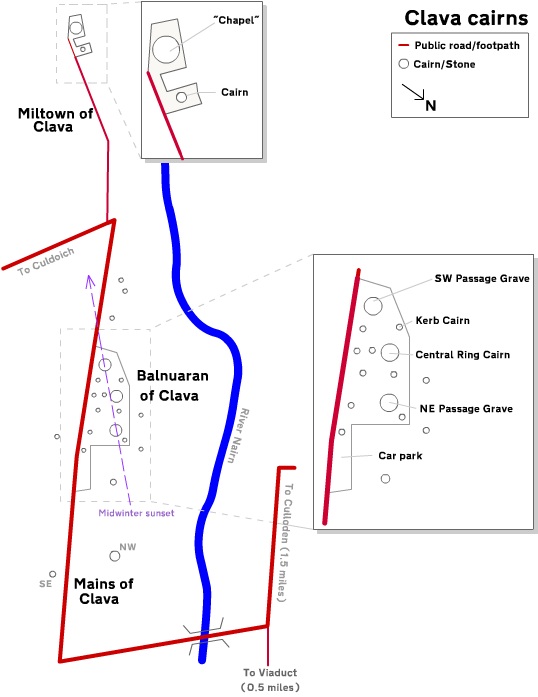
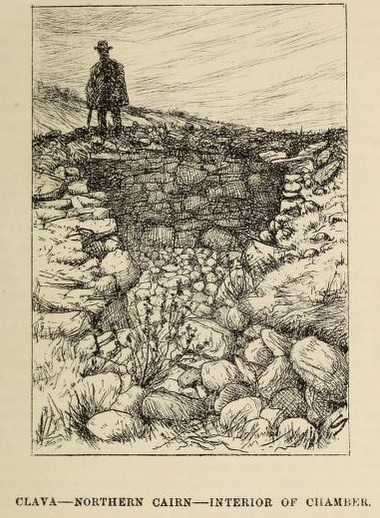
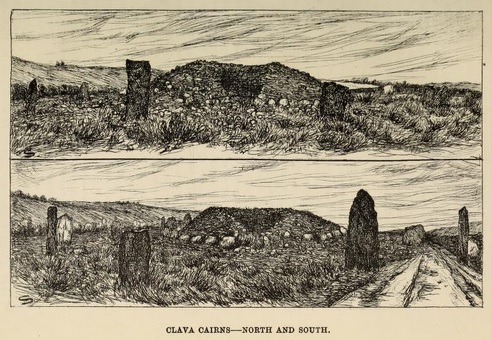
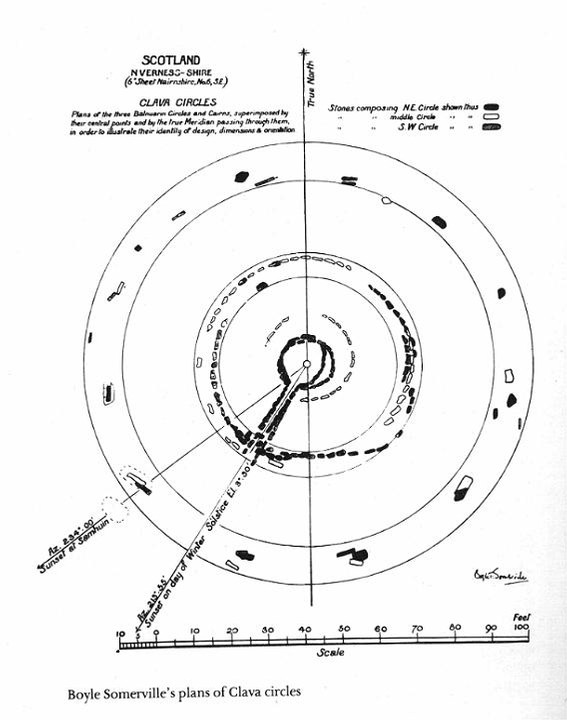 Artistic / Interpretive: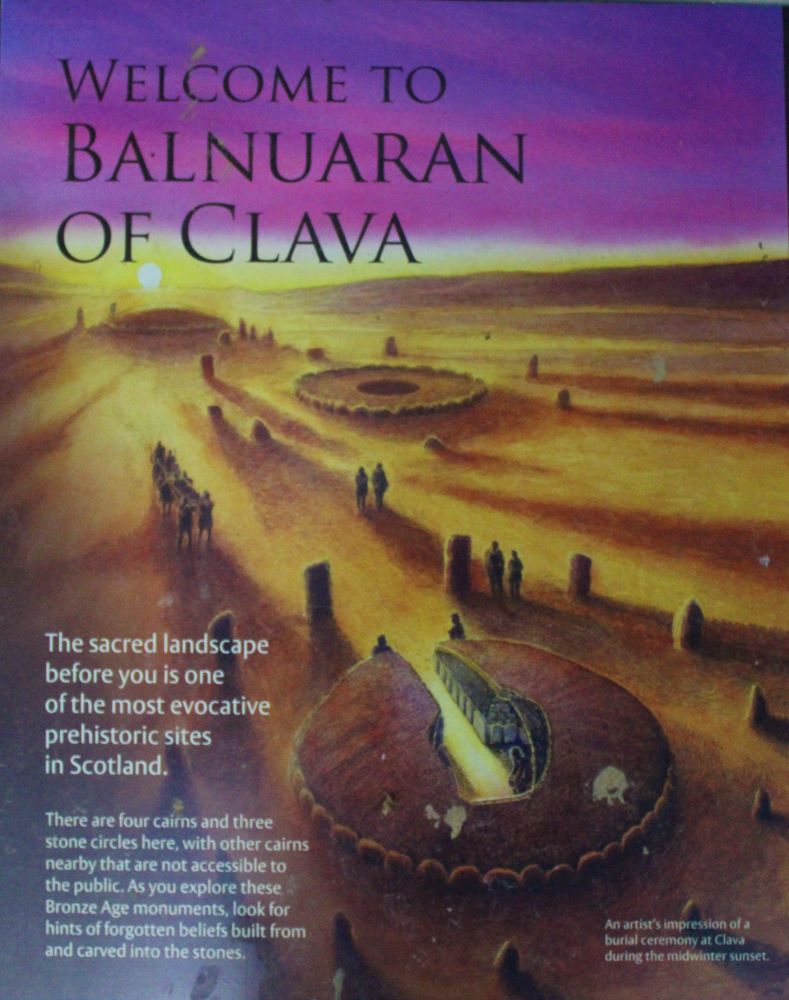
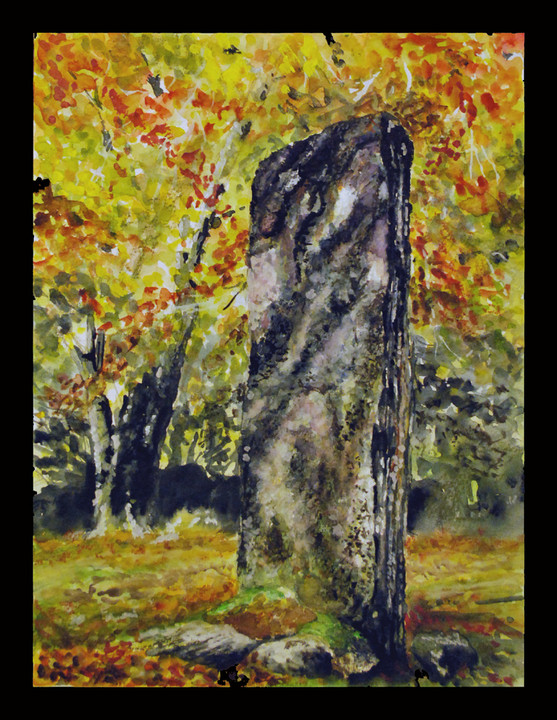
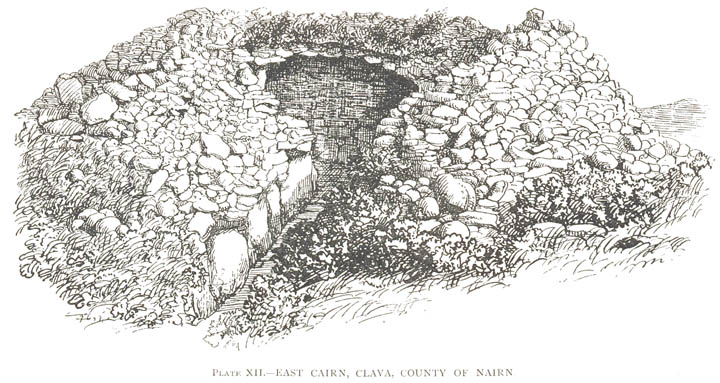
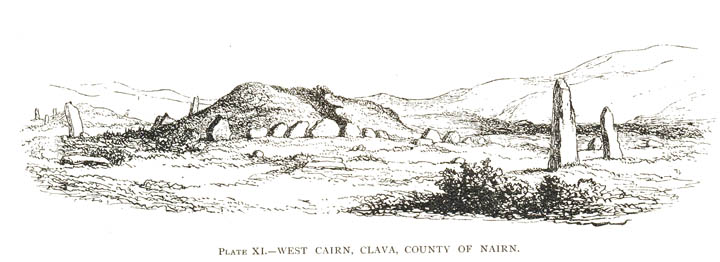
|
Fieldnotes |
Add fieldnotes |
|
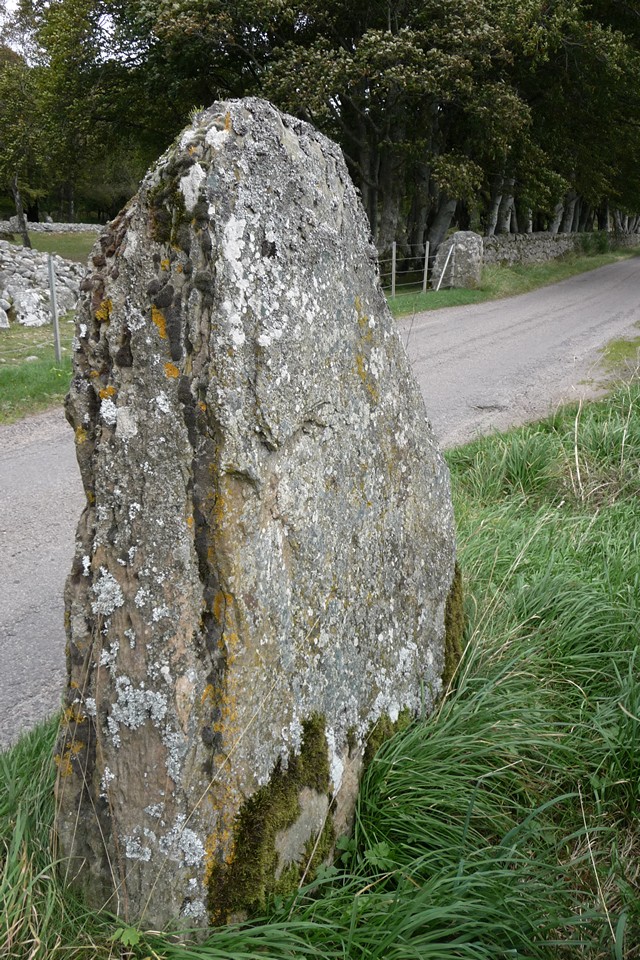
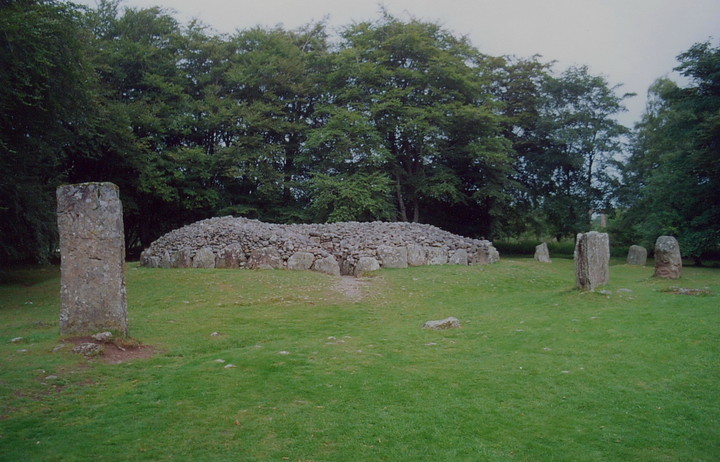
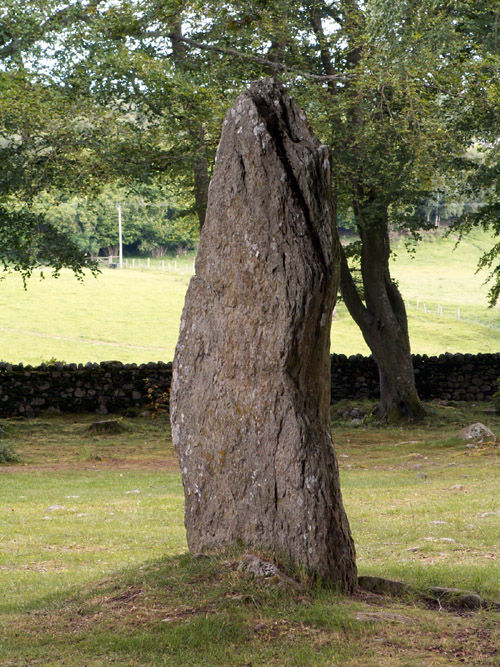
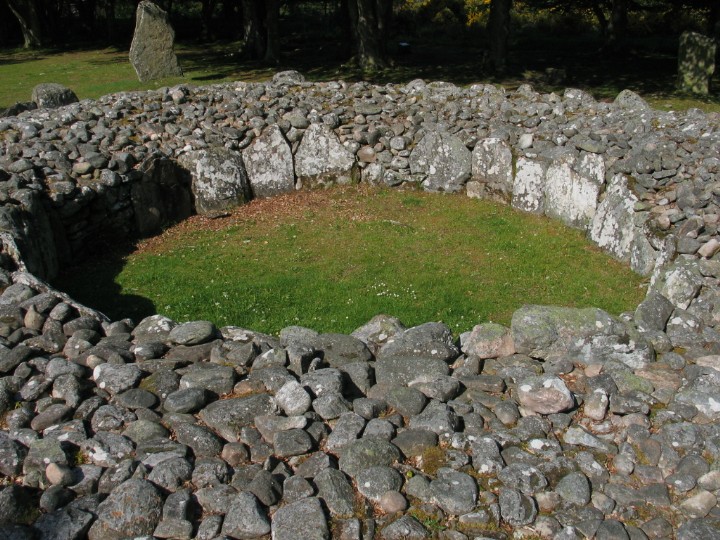
01/07/22 Upon reaching the site by foot I was pleasantly surprised to be welcomed by midday humidity and typical highland rain whilst walking pass a farmers field that has a lone standing stone called ‘Balnuaran of Clava’. Walking though the car park to the photogenic north east cairn that leads onto the ring cairn with the much smaller kerb cairn to the side before perfectly following on towards the last of the cairns - the south west cairn all surrounded with there own ring of standing stones. The site is impressively beautiful with trees planted by the Victorian land owner for a more ‘Druid’ appearance…. To say the sight is breath taking would be an understatement! |
Posted by Hornby Porky 2nd July 2022ce |

|
18/04/2016 - We spent the day before round the Loch Ruthven area, east of Loch Ness, looking for cairns. Good fun trying to find them but there wasn't much to see with some of them. With that in mind, we thought a revisit to Clava was in order on the way back to Aberdeen. Easy to find and lots to see, that will do me. This really is a top drawer site. Last time here the cairns were the main focus for me. Today I spent most of my time walking round the stones that form circles round the cairns. They really are good. Lots of individual character to them. There was a lovely tawny owl sitting high in the trees above the stones, like a silent guardian last time but sadly we didn't see it today. Very peaceful visit with the place to ourselves for most of the time. Clava Cairns - one of this island's megalithic wonders. |
 Posted by thelonious
20th April 2016ce Edited 15th May 2016ce |
|
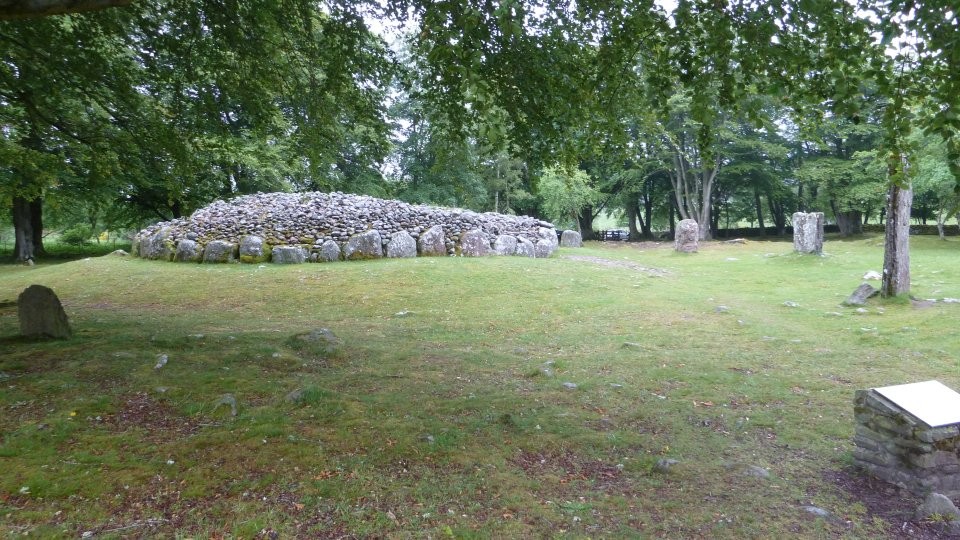
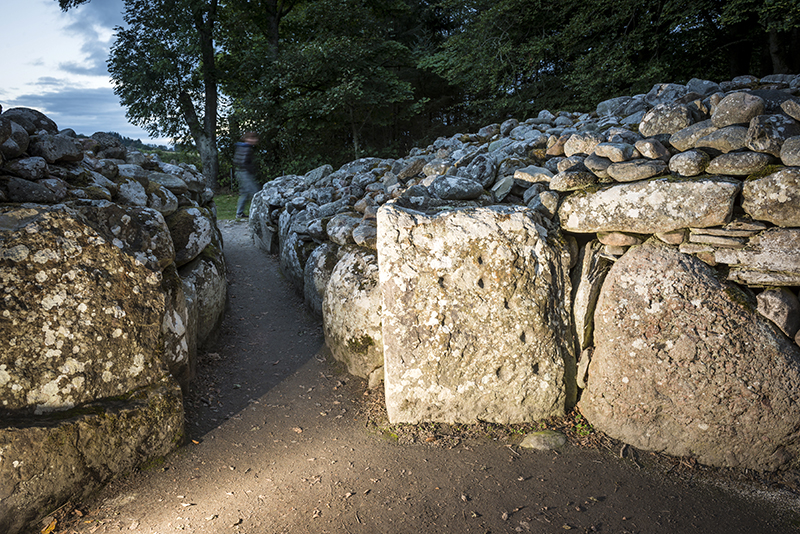
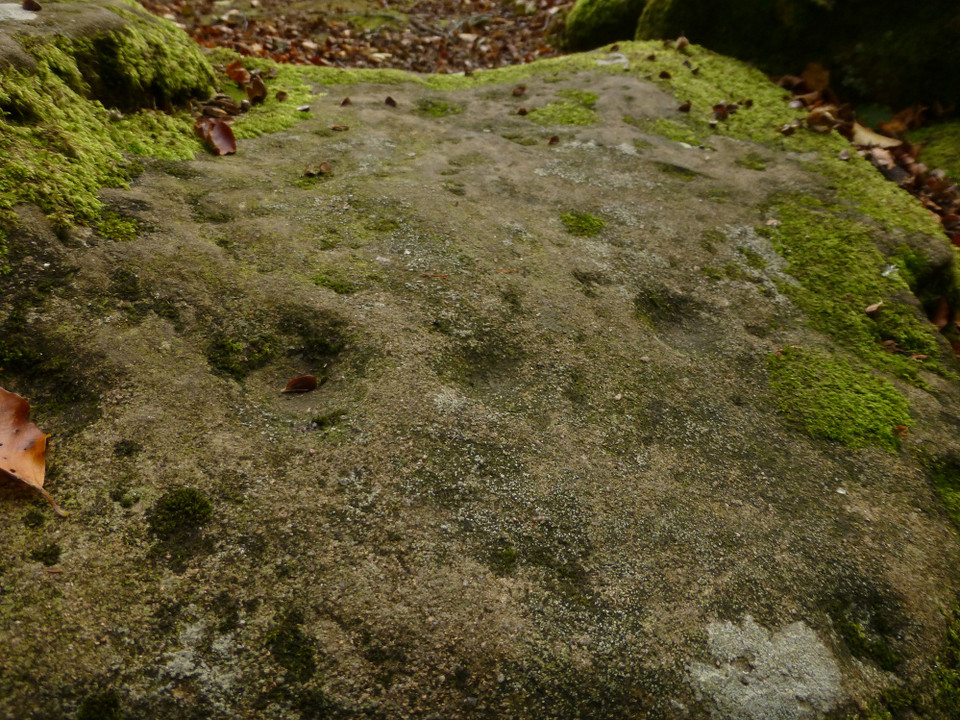
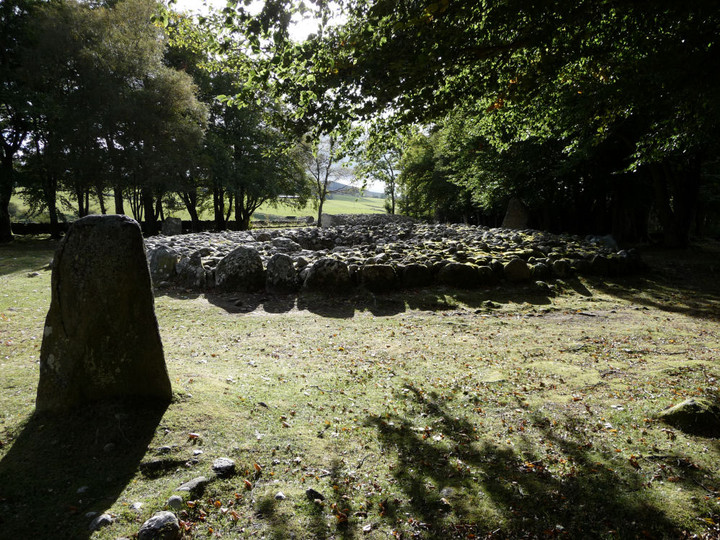
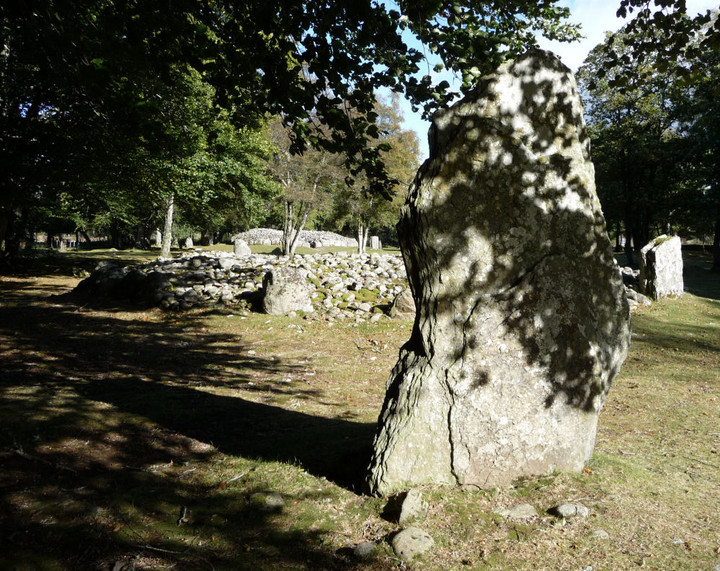
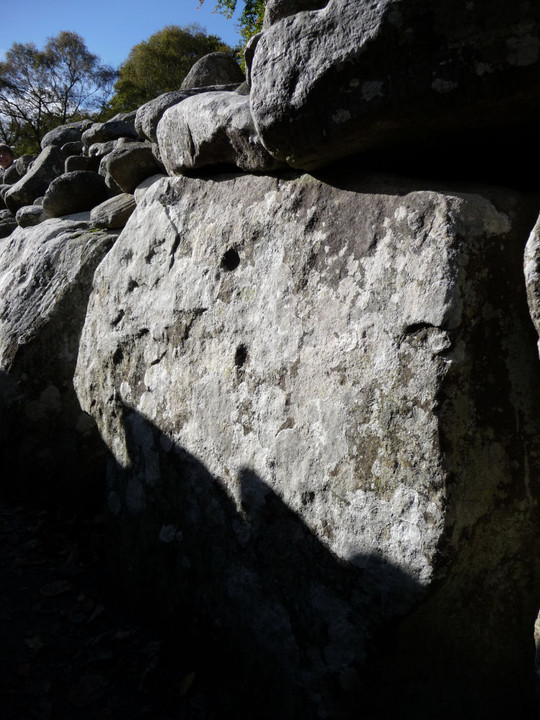
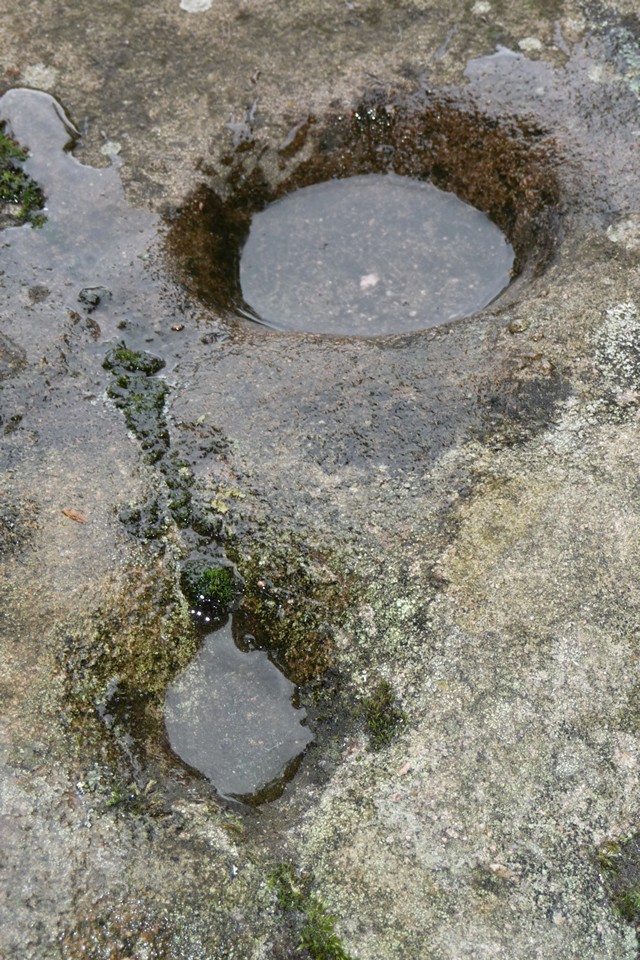
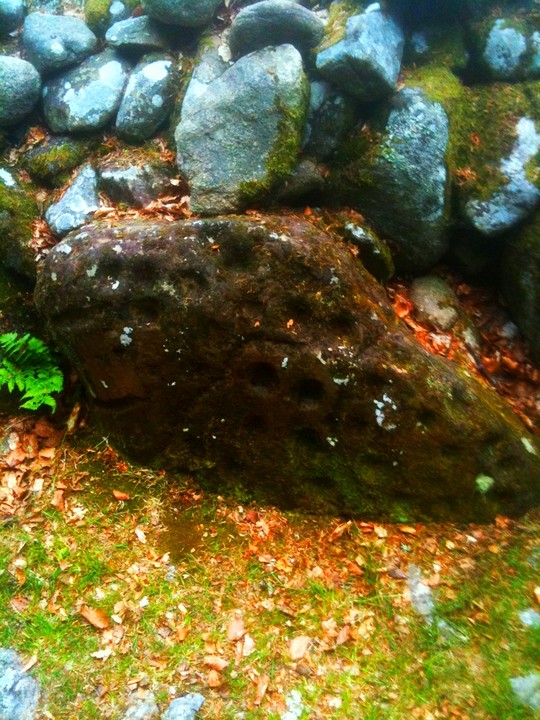
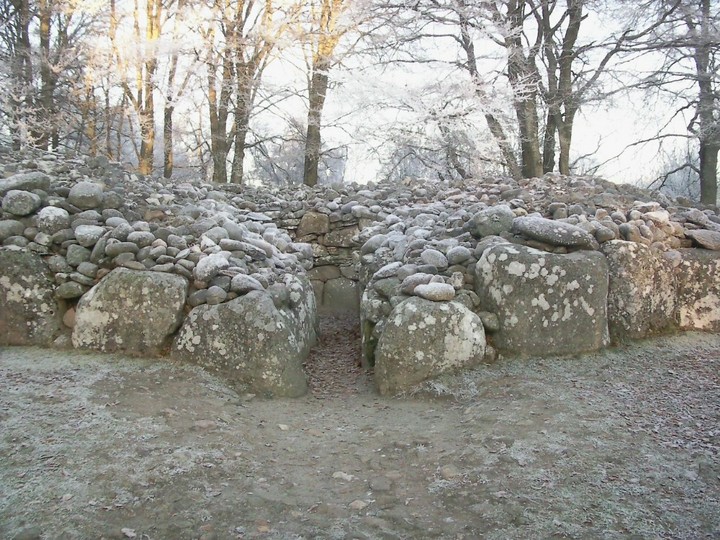
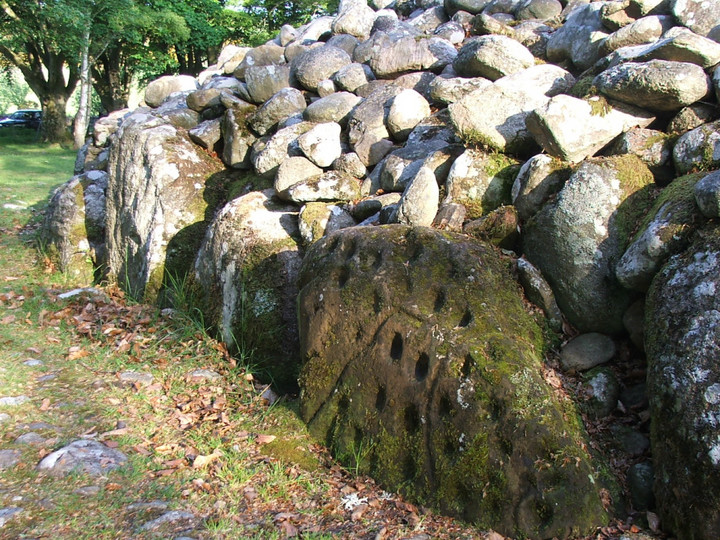
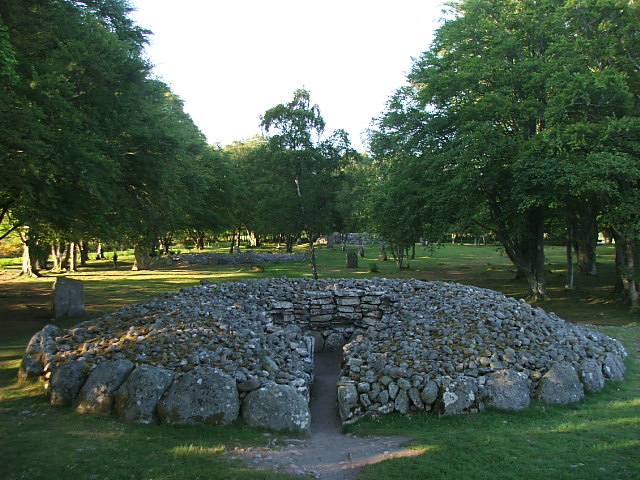
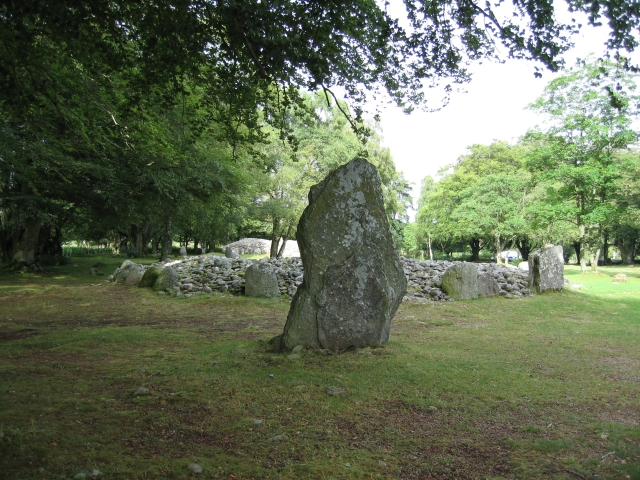
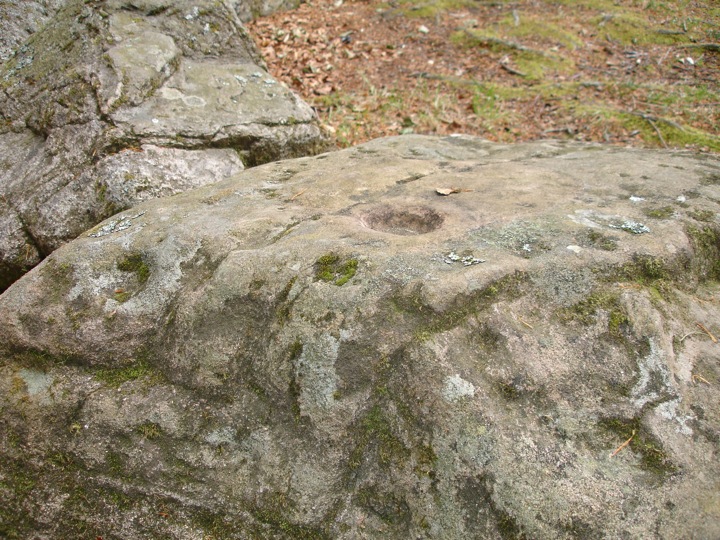
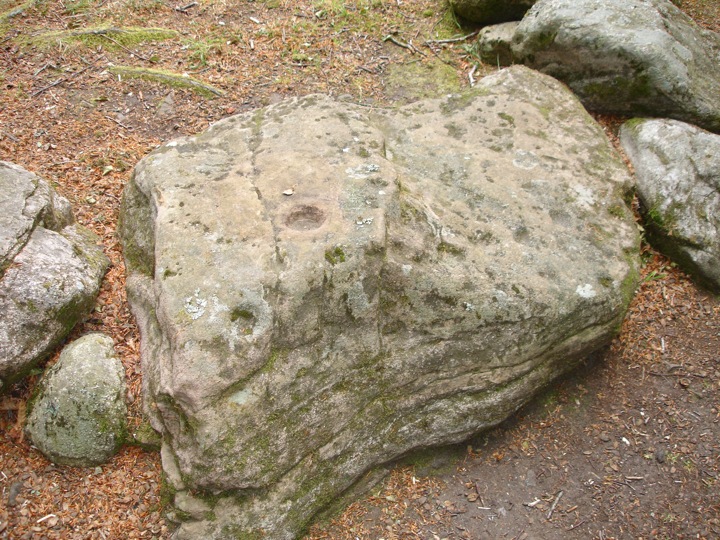
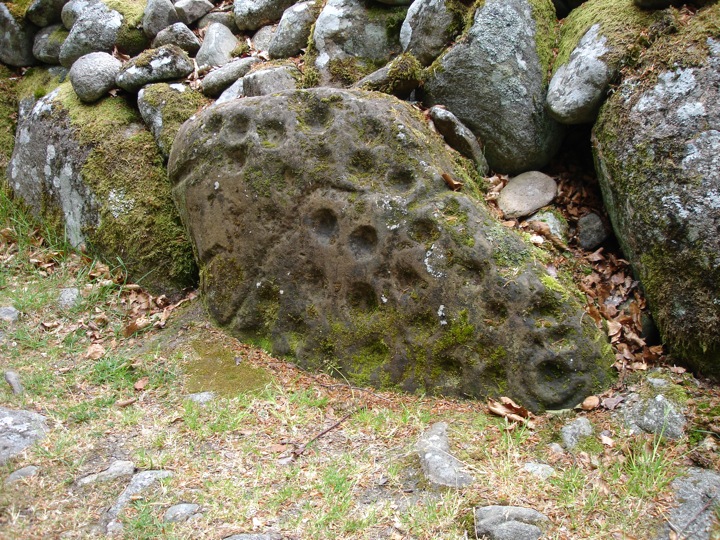
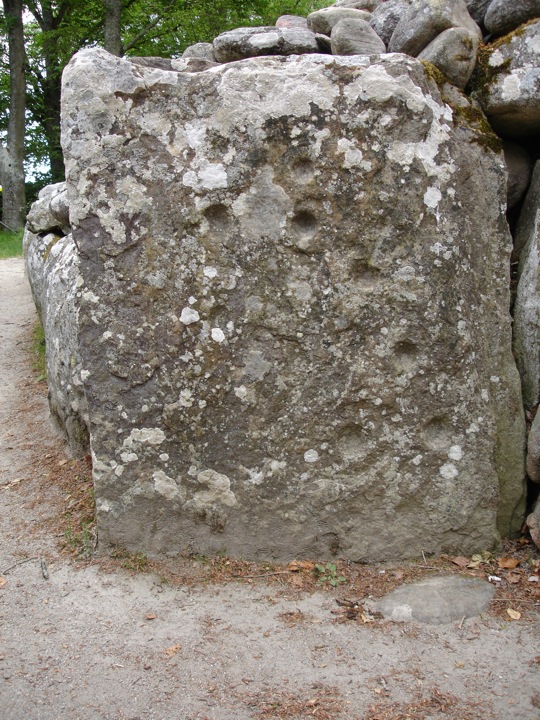
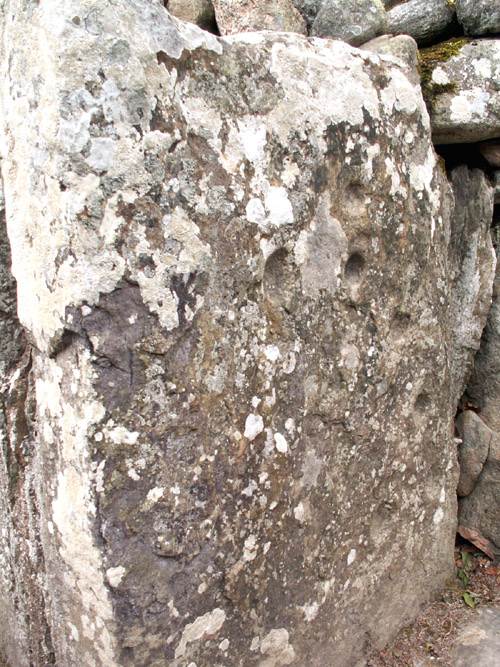
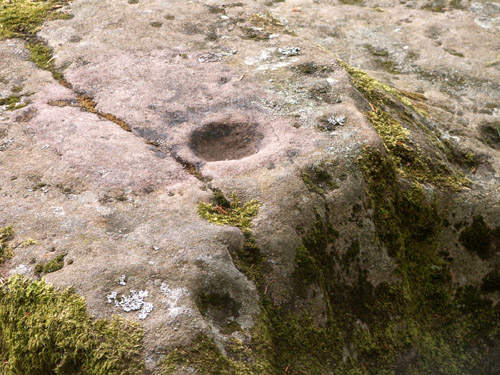
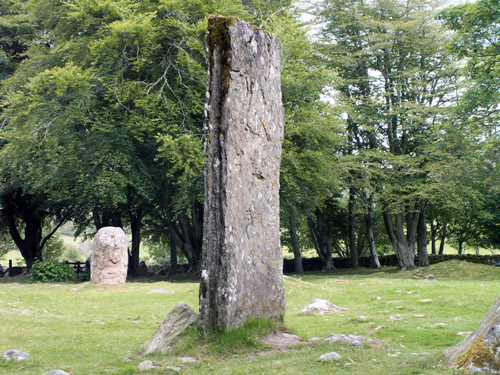
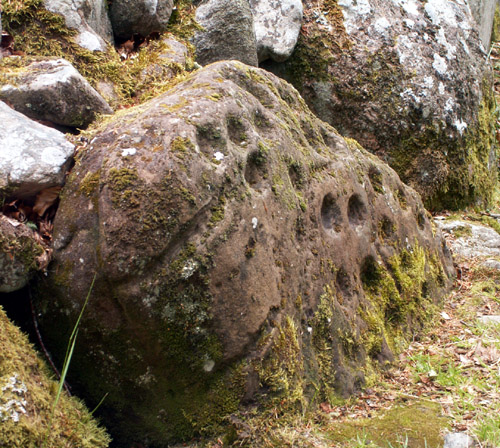
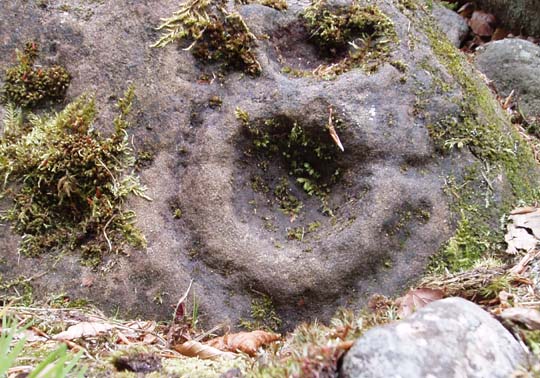
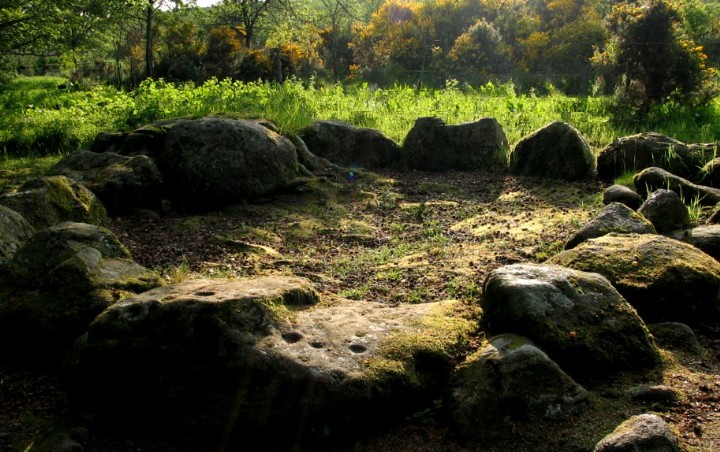
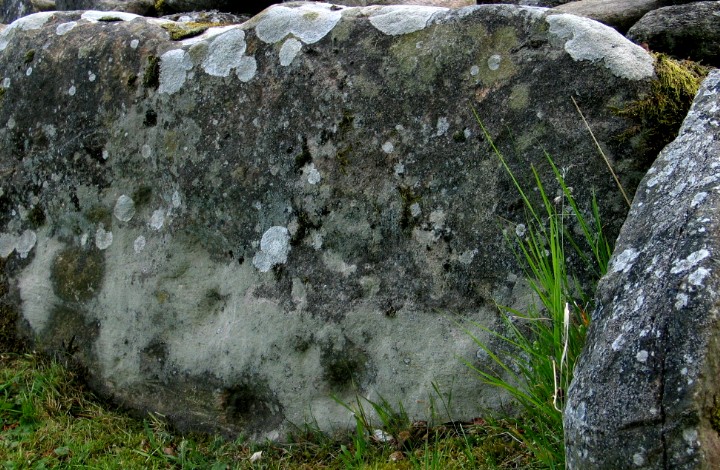
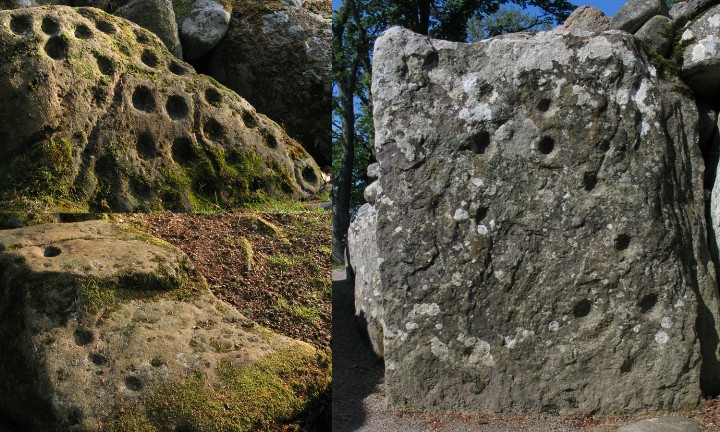
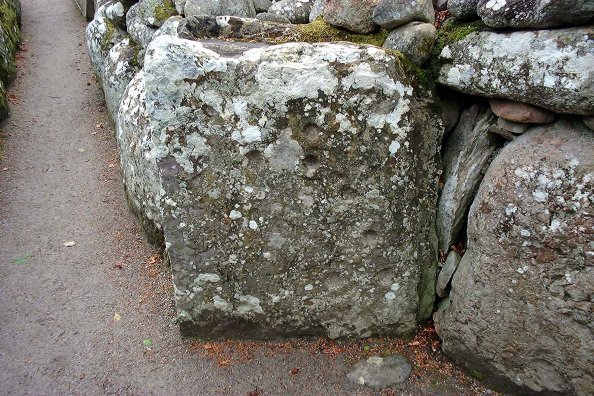
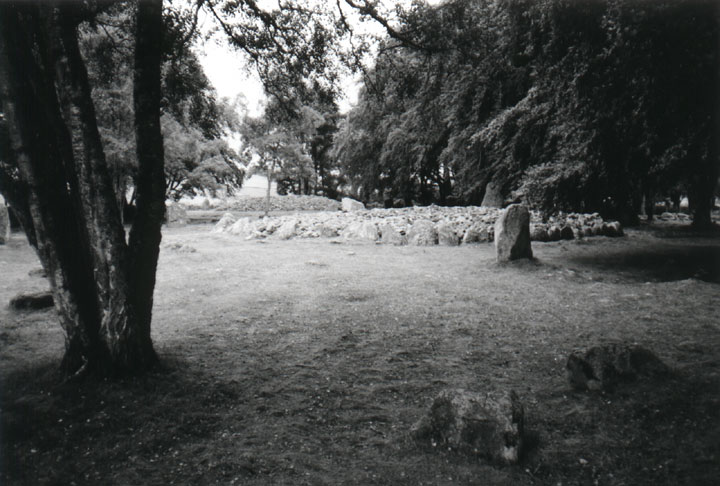
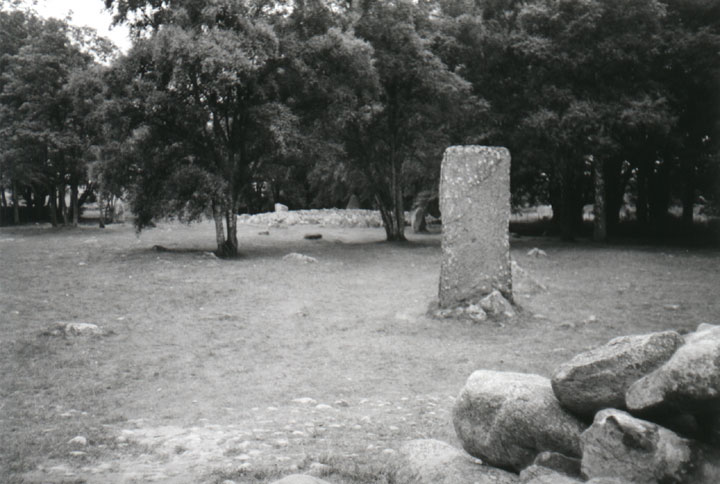
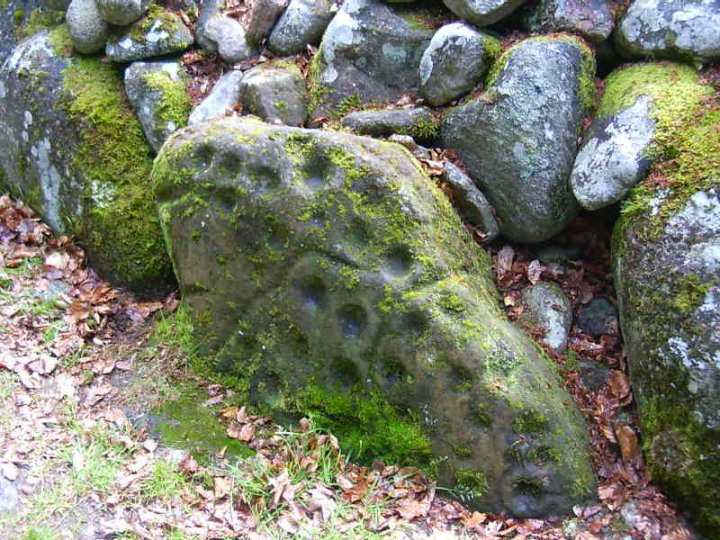
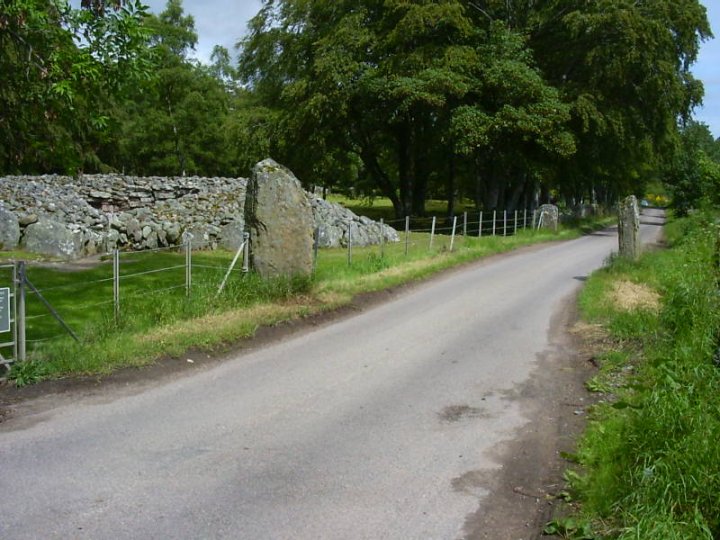
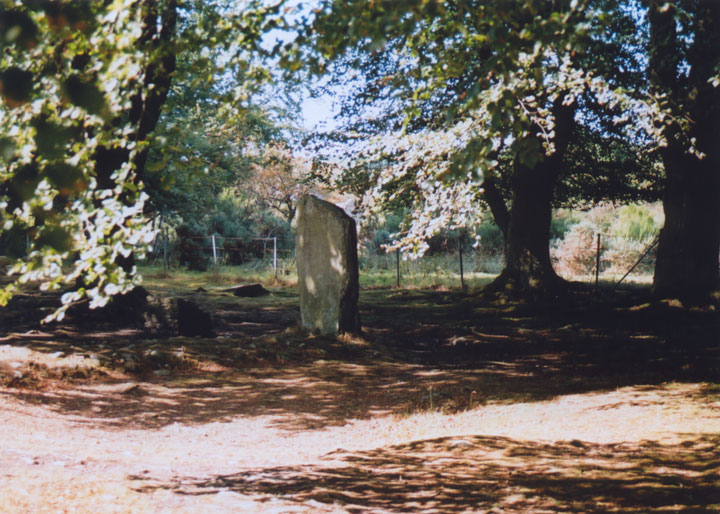
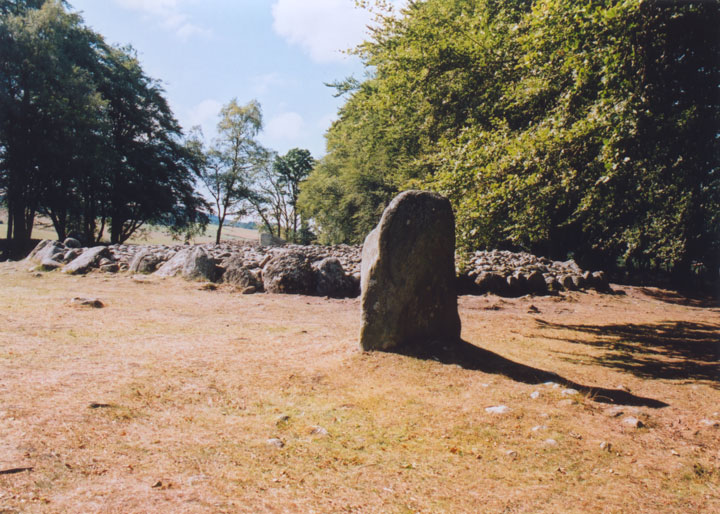
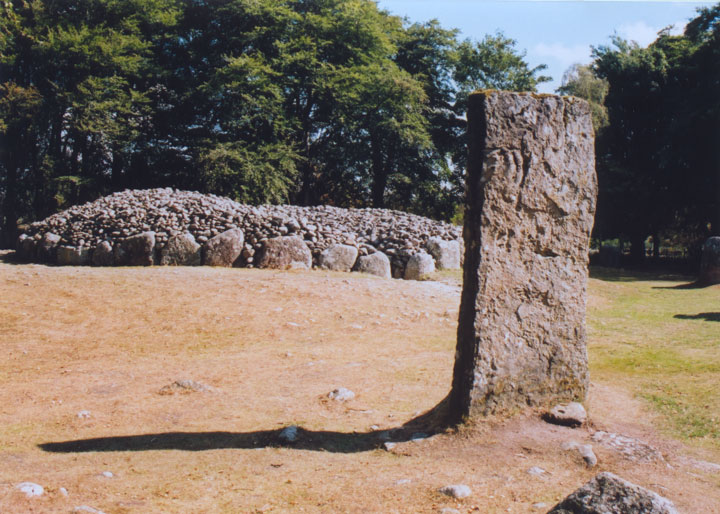
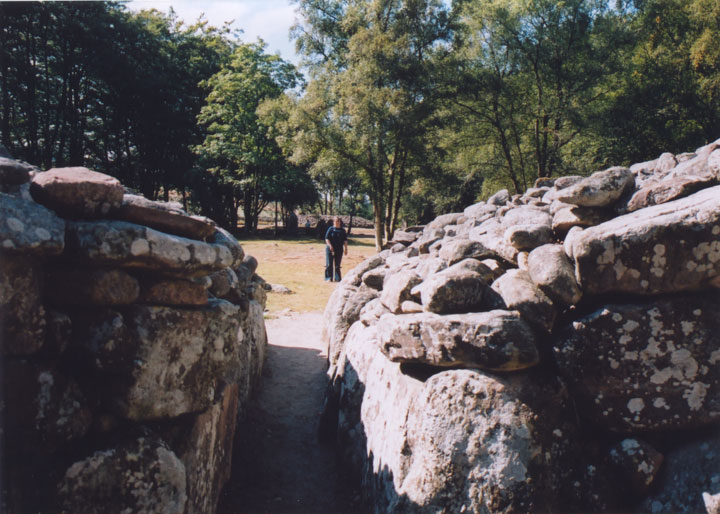
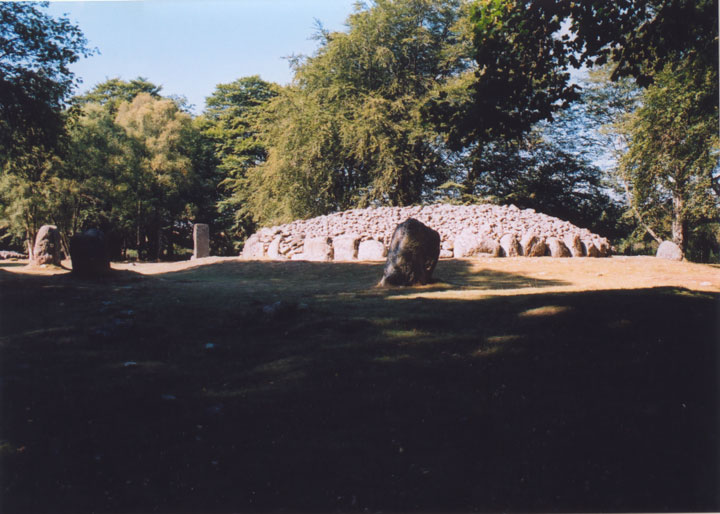
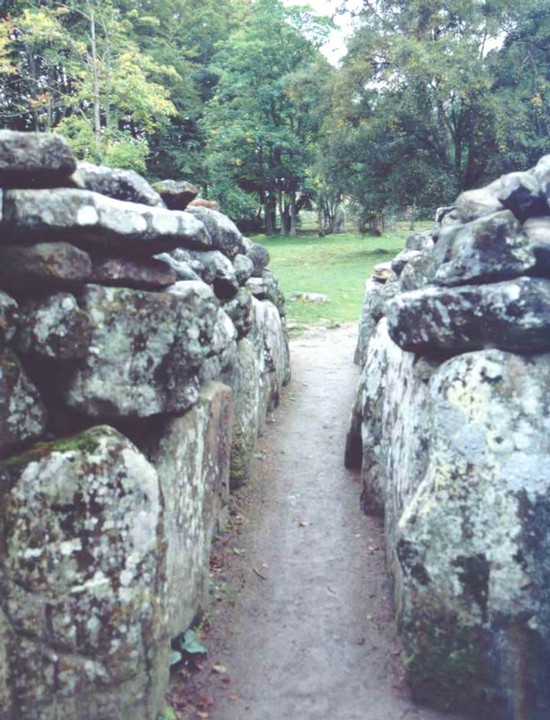
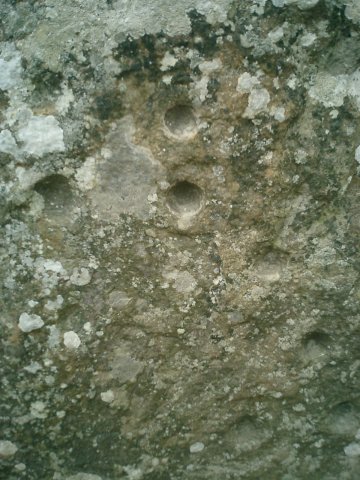
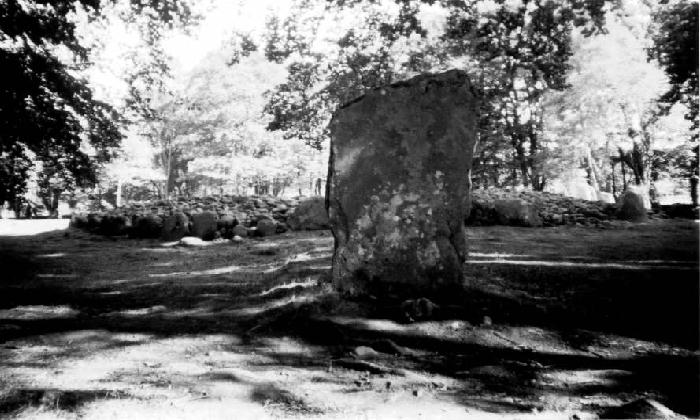
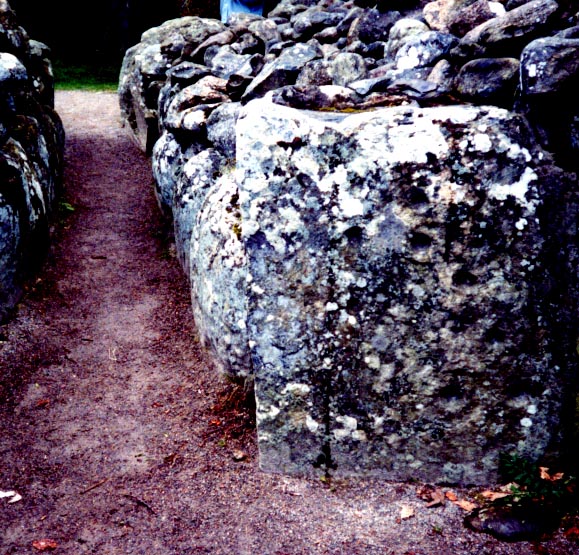
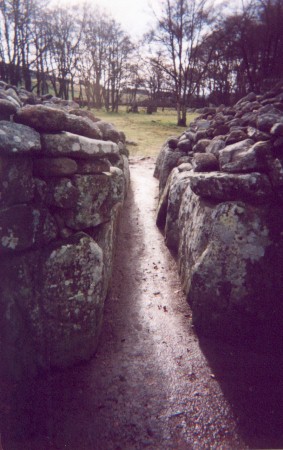
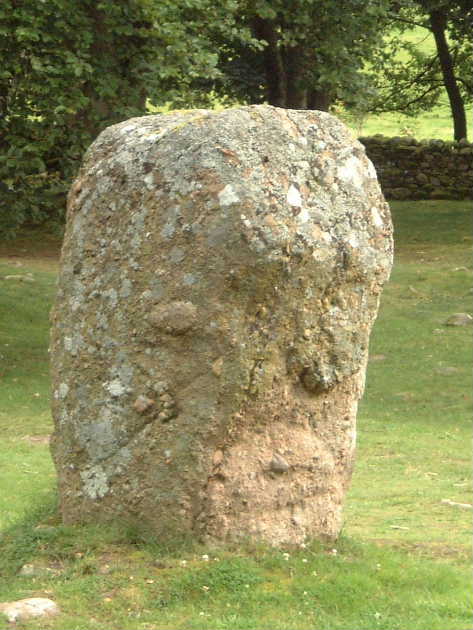
Visited 25.7.14 The famous Clave Cairns is a place I had long wanted to visit so it was with more than a little excitement that we followed the sign posts and pulled up in the car park. Despite my prompting Karen decided to stay in the car and keep an eye on the sleeping Sophie whilst myself and Dafydd went exploring. What amazed me was that despite the weather being fantastic there was no one here – we had the place to ourselves! We crossed the road, went through the gate and were soon face-to-face with the first of the cairns (the northern one). Each cairn had its own information board. The stones around the cairn reminded me of a mini Ring of Brodger for some reason. The two tall stones at the entrance were most impressive. Dafydd said he could count 25 cup marks on the stone. Who am I to argue? The second (middle) cairn was very interesting with the stone ‘rows’ radiating out from its centre. What does it all mean? Unfortunately someone had decided to have a BBQ in the centre of the cairn. What is wrong with these people? A very tall standing stone stood nearby. The third (southern) cairn was similar to its northern counterpart. An impressive circle of tall stones surrounded the cairn (part of which was cut through by the adjacent road). This cairn also has cup and ring marked stones. Close by is a small kerbed cairn with a cup marked stone. These cairns within its woodland setting is a pure delight and it goes without saying that this is a ‘must see’. On our way back to the car we met a middle aged couple who had brought dowsing rods with them. I asked them if they would mind if we had a go? They were both very nice and were only too happy to help. The lady explained about dowsing to Dafydd and I told her of my previous experience of dowsing. Dafydd’s rod mainly span around in circles whilst mine (oddly enough) led me into the northern cairn. I beckoned Karen out of the car to have a go – which she did. When Karen took hold of her rod it led her from tree to tree, completely ignoring any of the stones – I am sure that says something! As we were leaving a mini bus arrived and several people got out. They seemed intrigued by the dowsing rods and were soon having a go themselves! (the lady had gone back to her car and brought out several more rods from her boot) My expectation level for the Clava Cairns was high as I had previously read so much about them. I am pleased to report that I was not disappointed. This is a great (and very easy) site to visit and should be on everyone’s ‘must see’ list. |
Posted by CARL 21st August 2014ce |
|
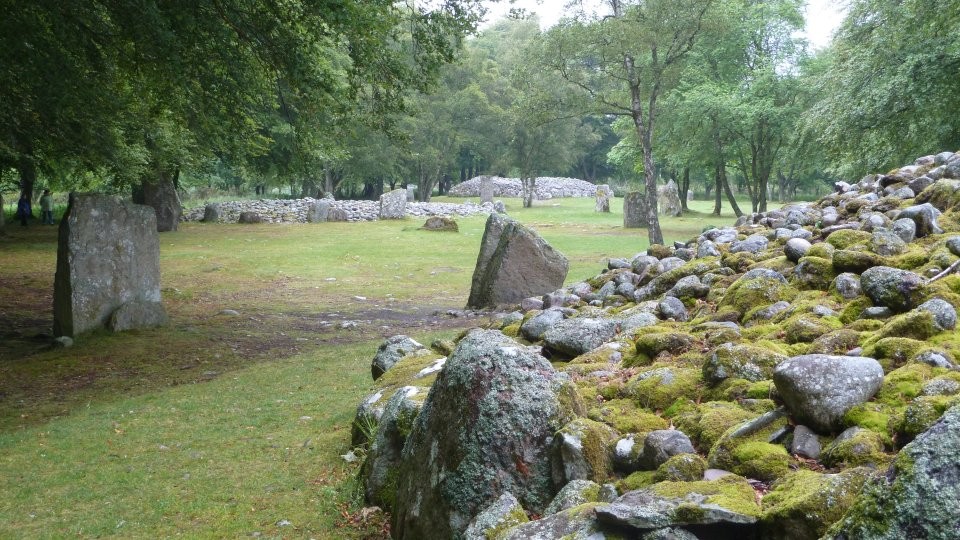
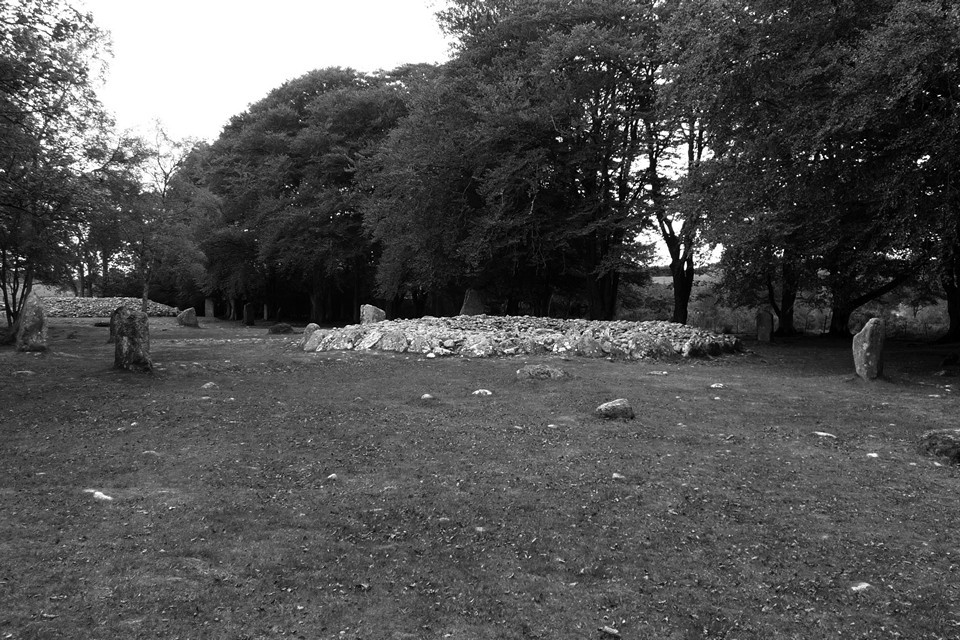
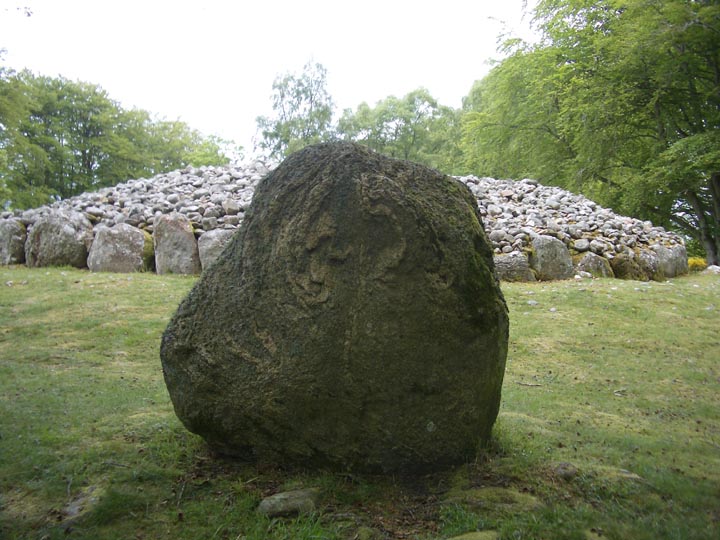
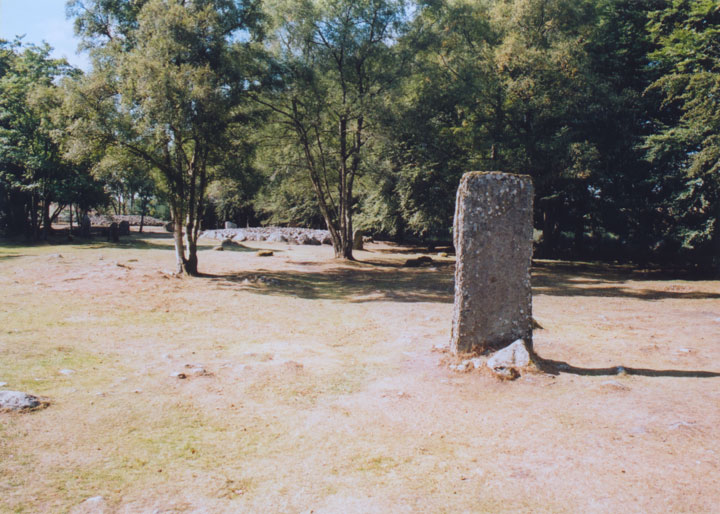
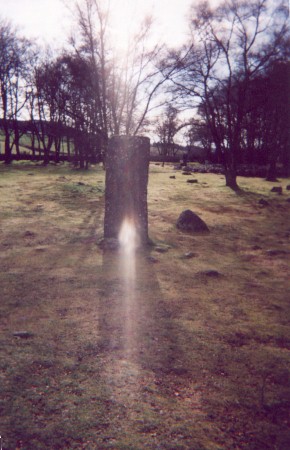
Visited 17/5/13 I can't add very much more to the excellent fieldnotes written by tsc. So this is really just to say I completely agree this is a wonderful site, unlike anywhere I've visited before. Had just arrived in Inverness. Friend collected hire car and we headed out in the direction of the historic site of the Battle of Culloden to make our only visit to a prehistoric site on mainland Scotland before starting the journey to Ullapool and Lewis. I was conscious that Callanish/Lewis might diminish my impressions of this visit - no chance. There are at least four detailed information boards at the site which tell you all you need know plus identify the positions of the various cup marks which appear on some of the stones. The information boards suggest that some are linked to solar alignments. The site mainly consists of two passage tombs (cairns) with one circular, flatter construction with no entrance which is central to both of the passage tombs - possibly used for cremation. Each of the cairns stand inside quite splendid stone circles. There are other notable features to the site - a solitary outlier in a field as you approach the site (private property) and a collection of large boulder stones just by the entrance. I did take photographs but had to purchase a new laptop just before I went away and am still trying to fathom out the photo editing function on Windows 8 - so photos may not appear for a while. |
 Posted by tjj
29th May 2013ce Edited 29th May 2013ce |
|
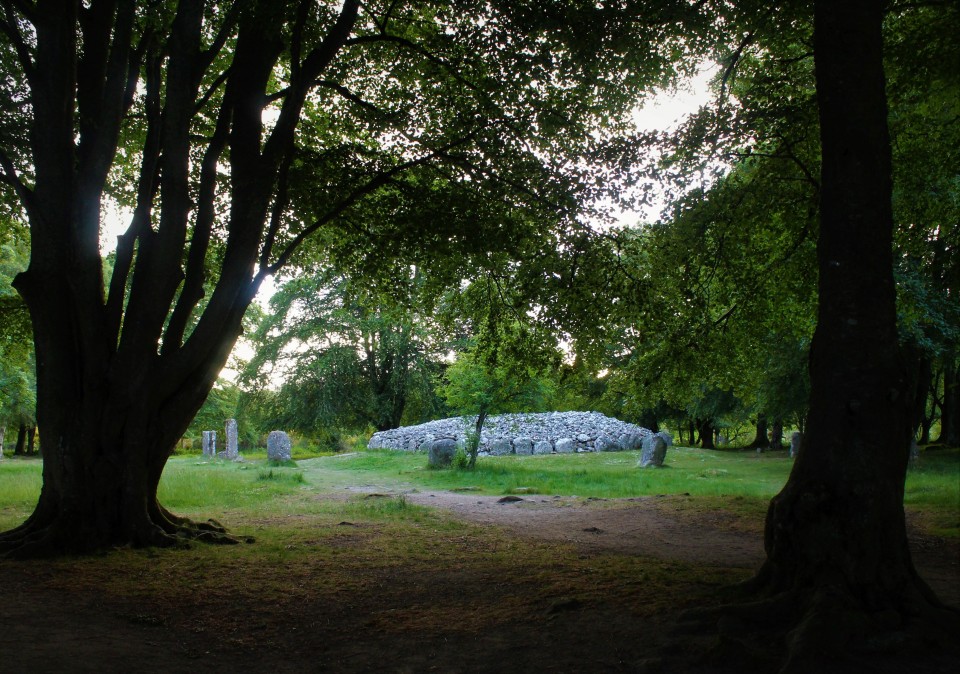
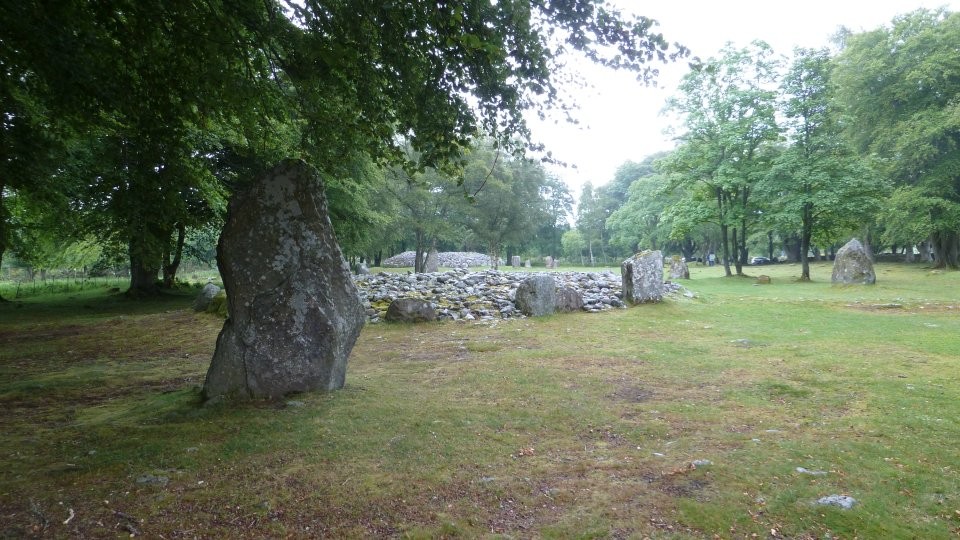
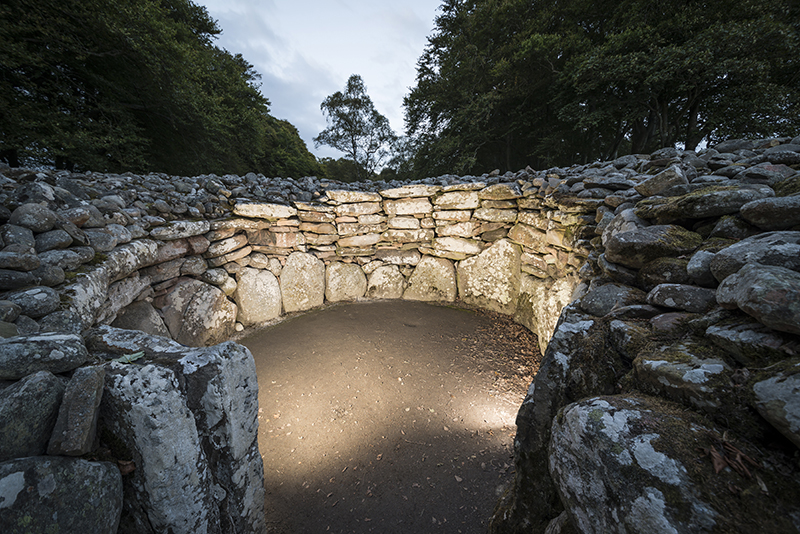
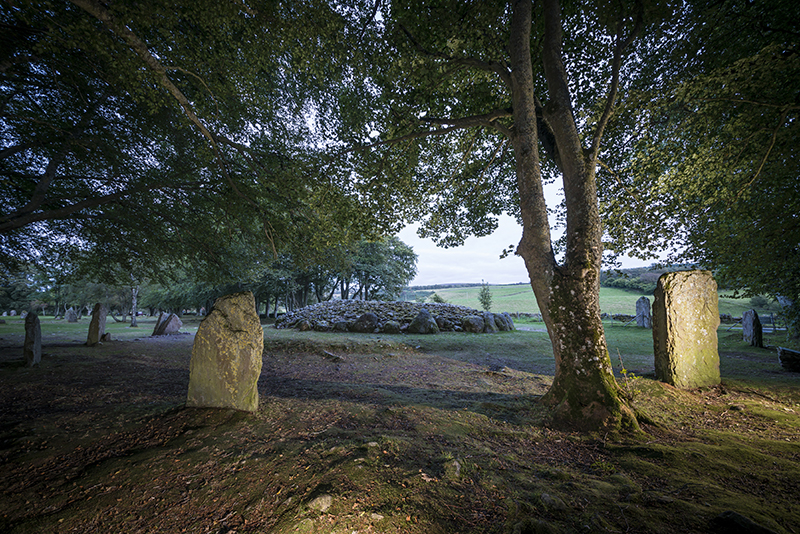
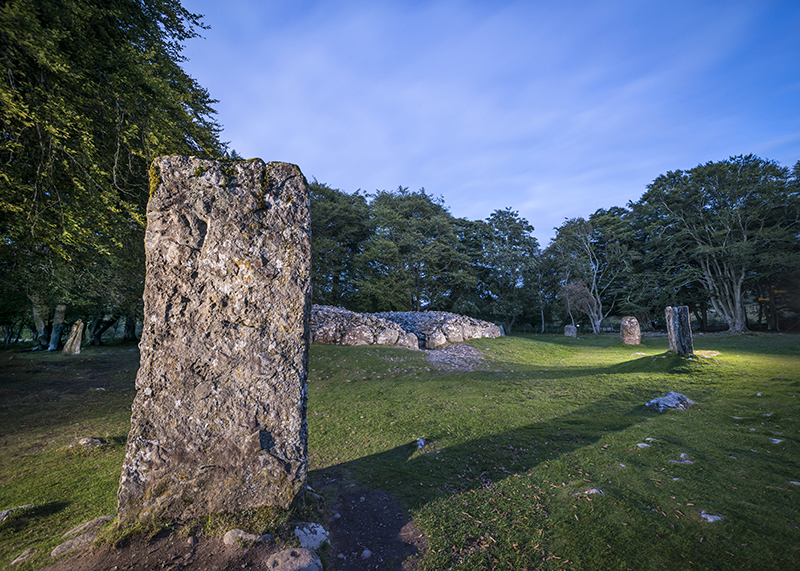
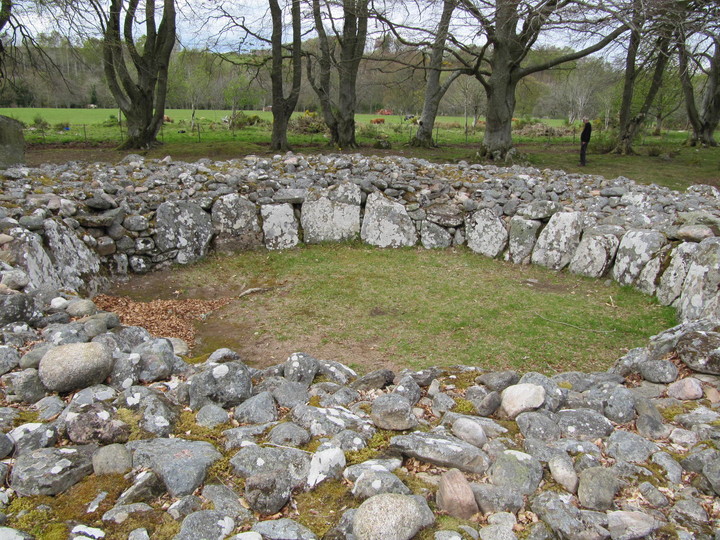
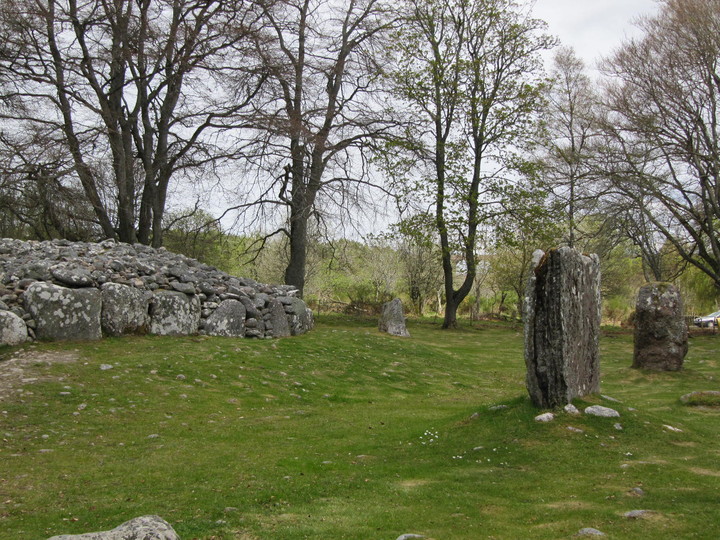
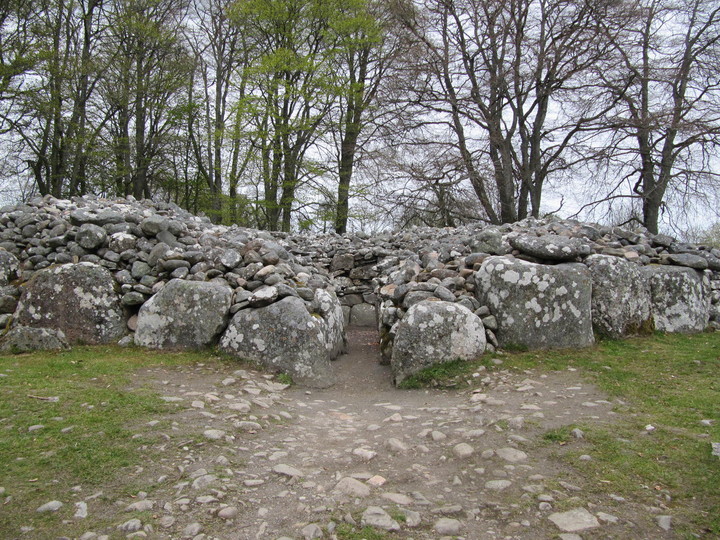
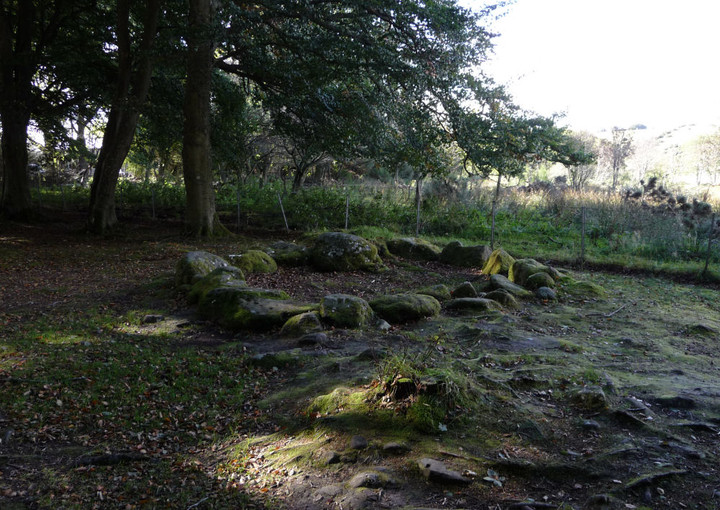
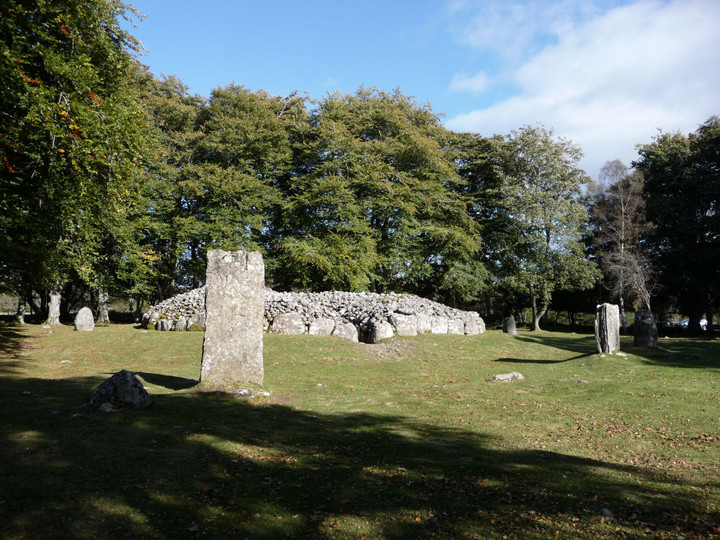
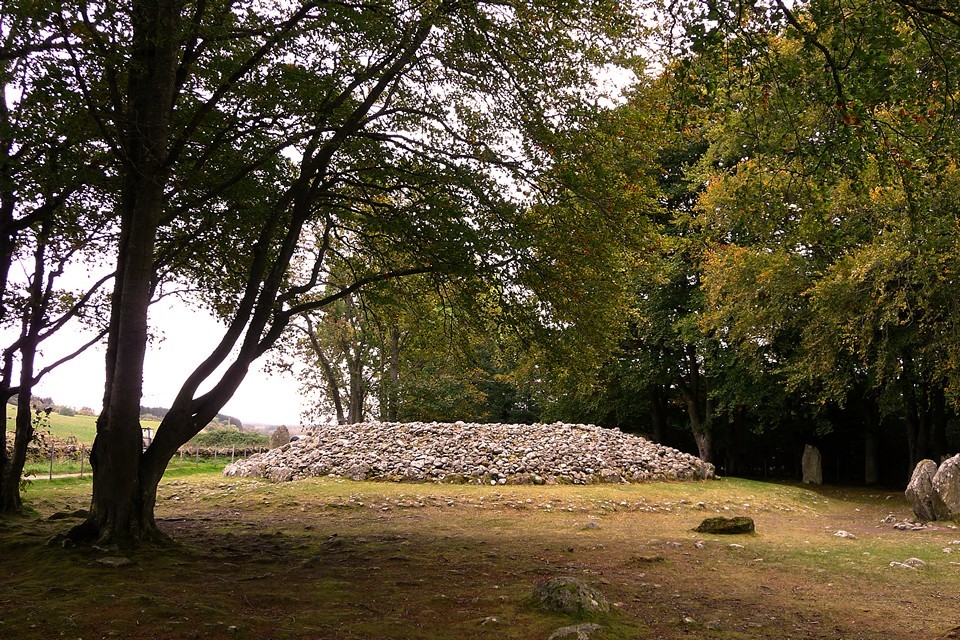
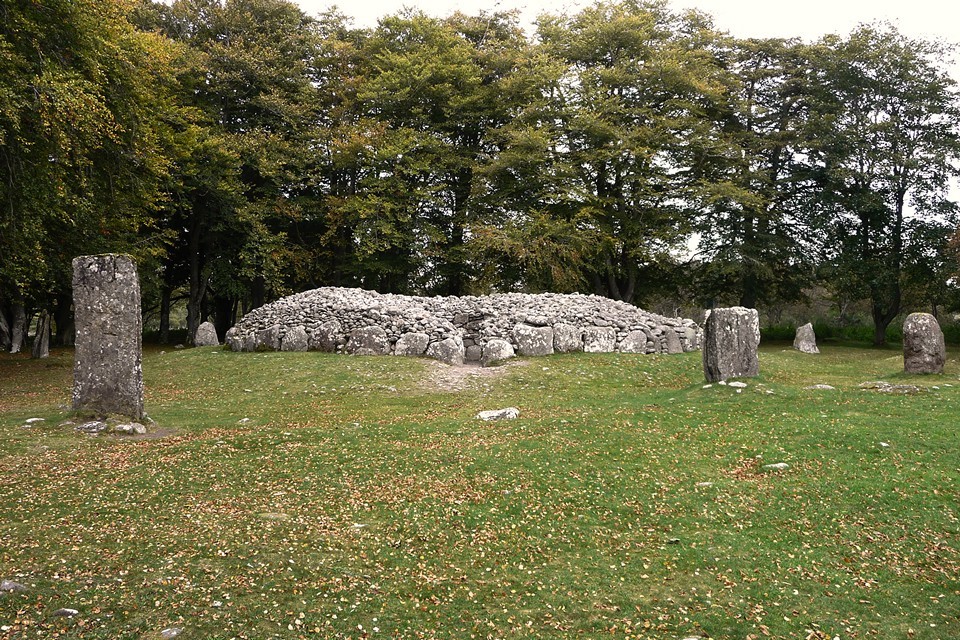
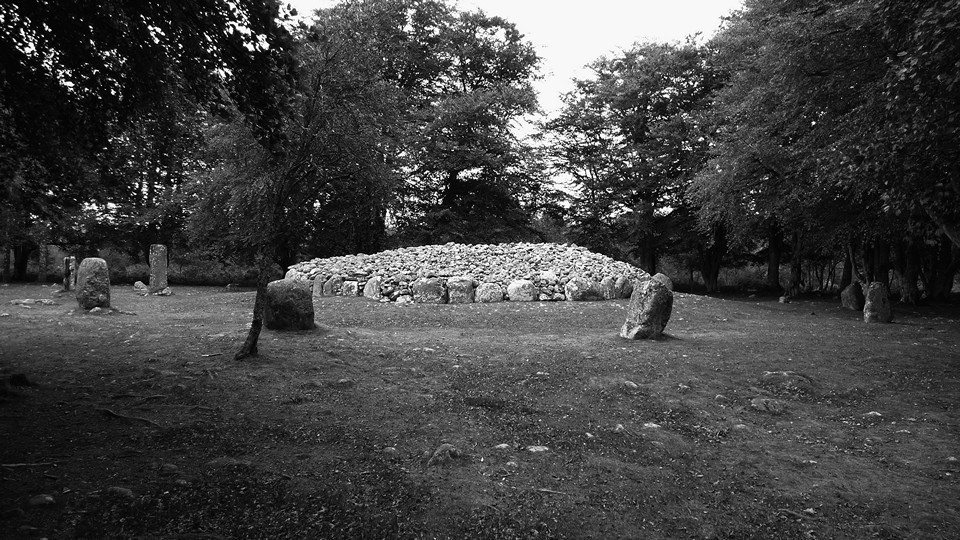
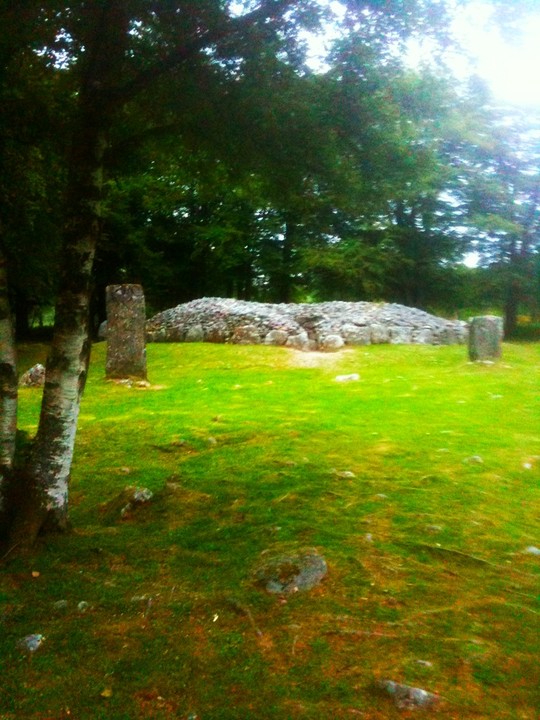
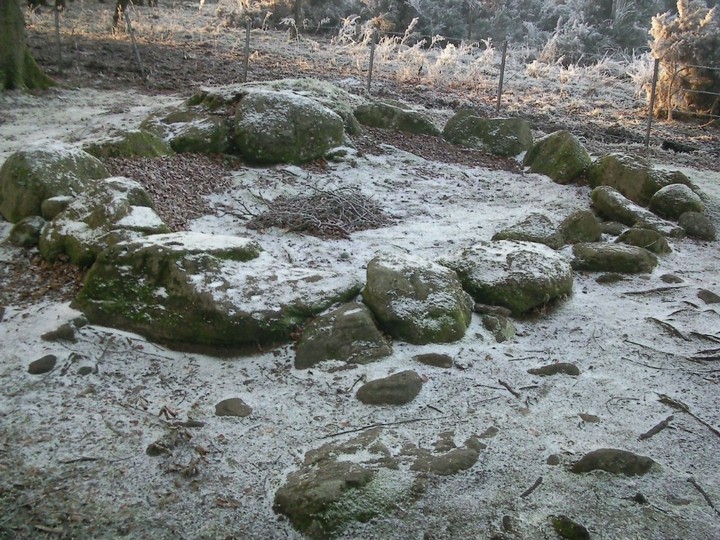
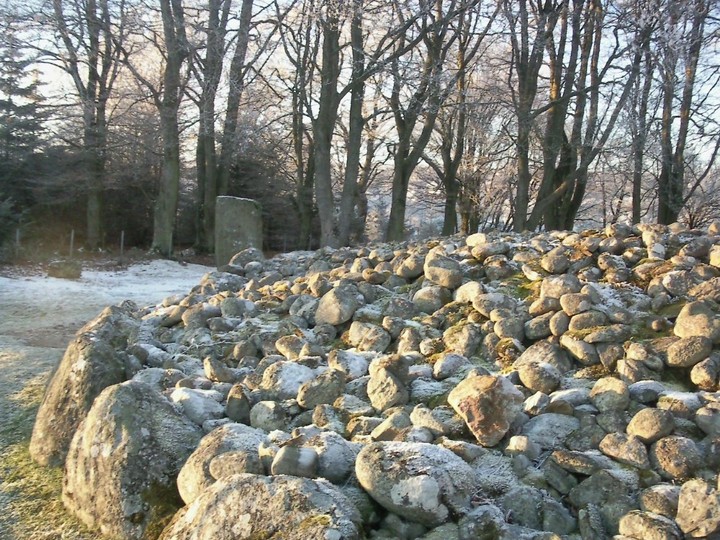
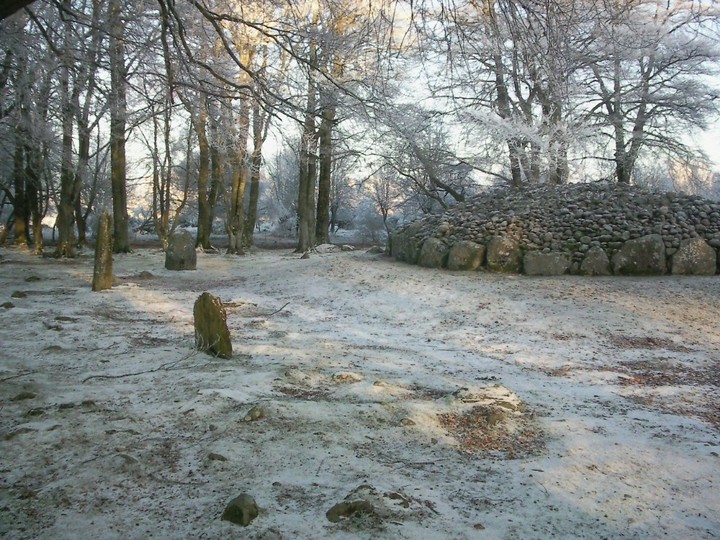
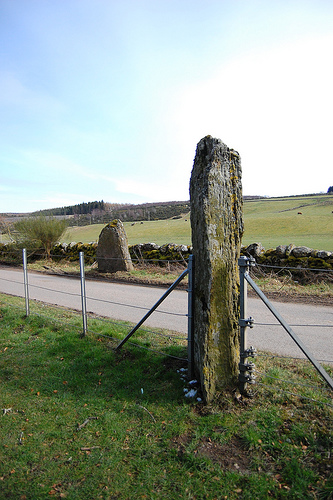
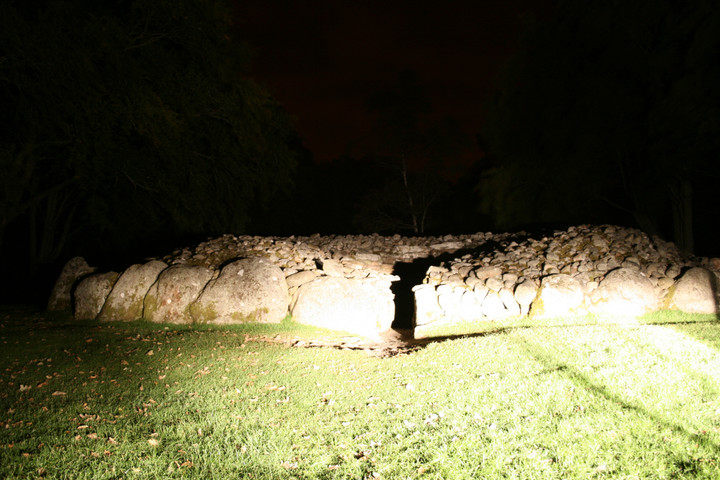
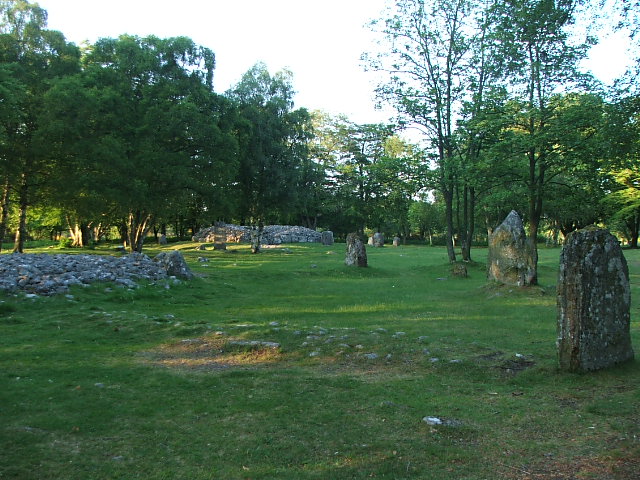
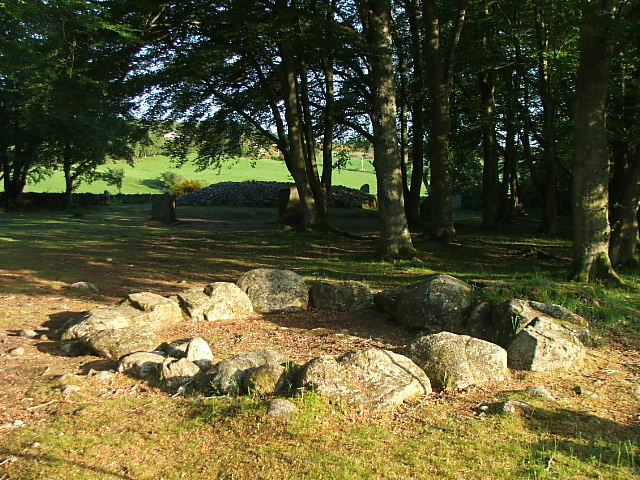
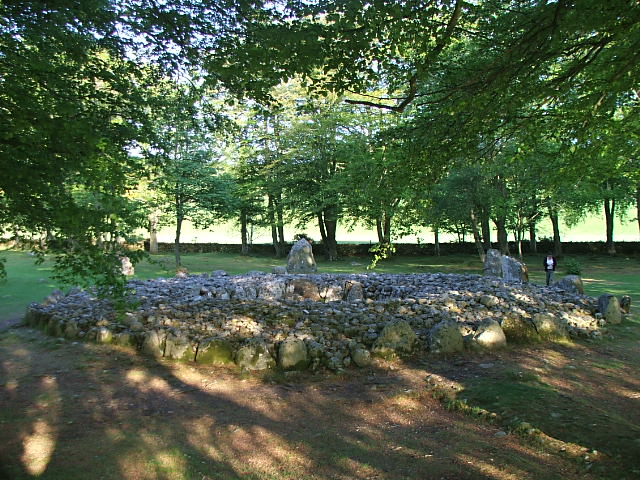
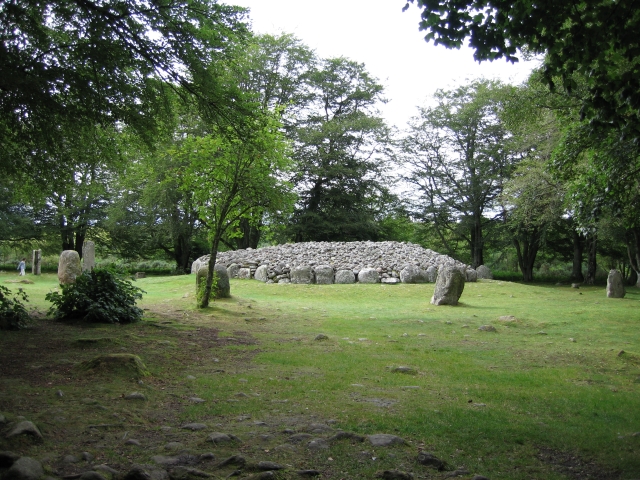
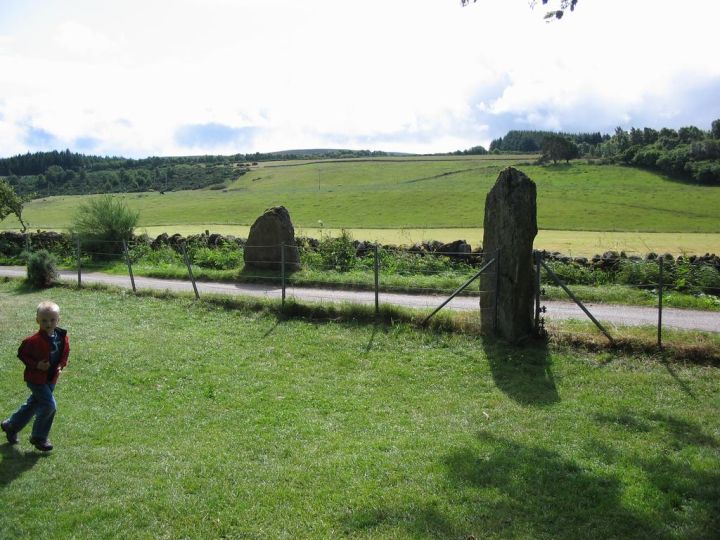
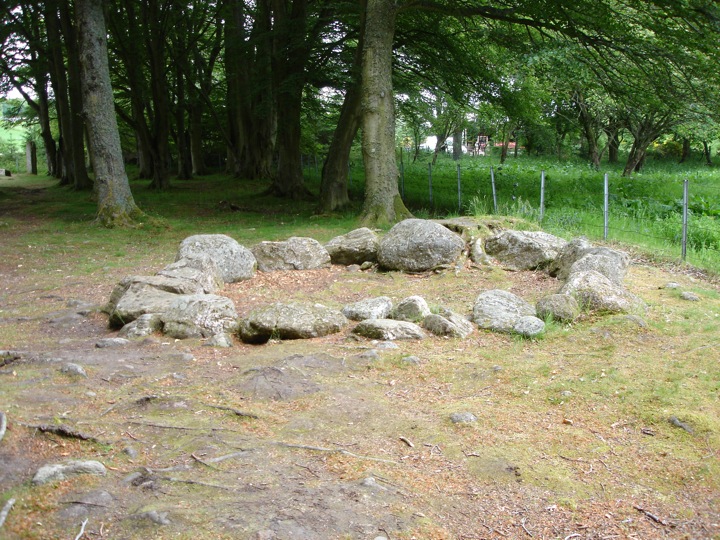
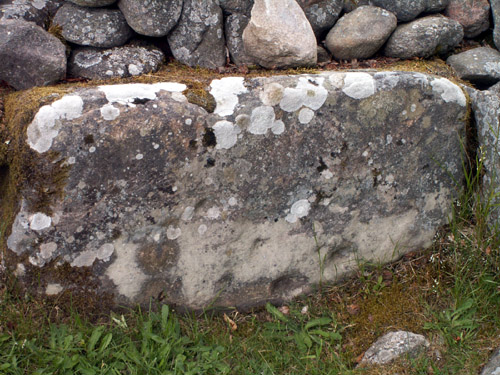
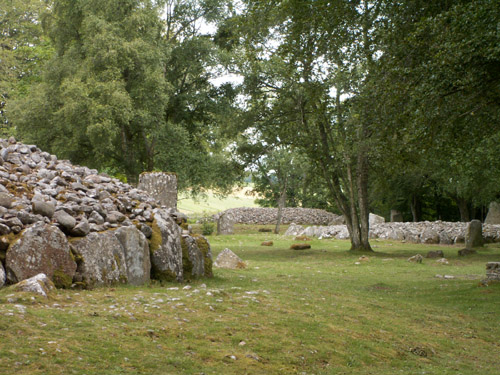
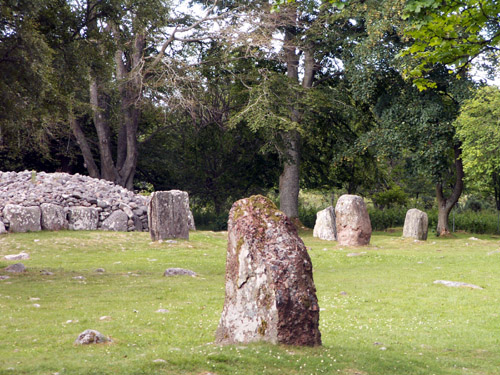
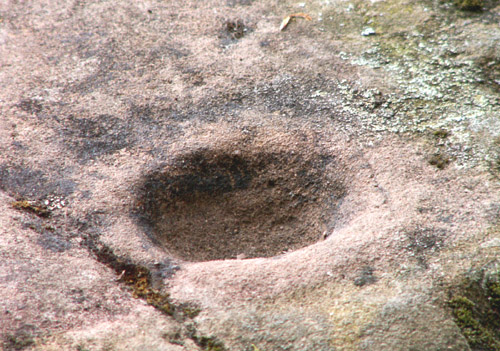
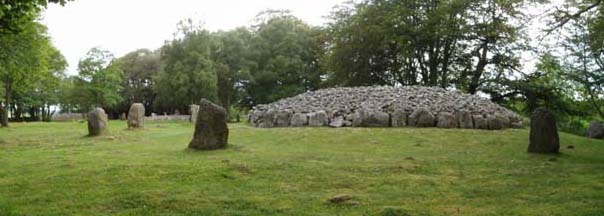
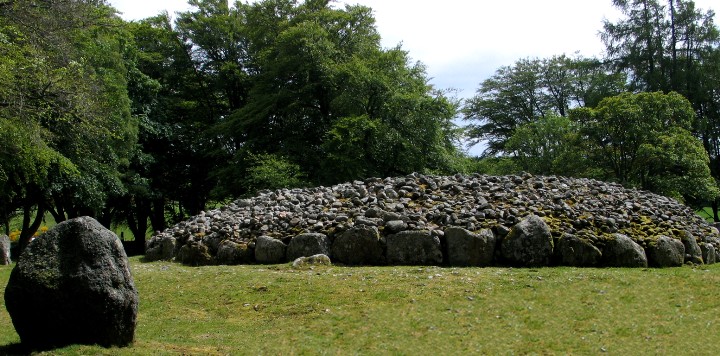
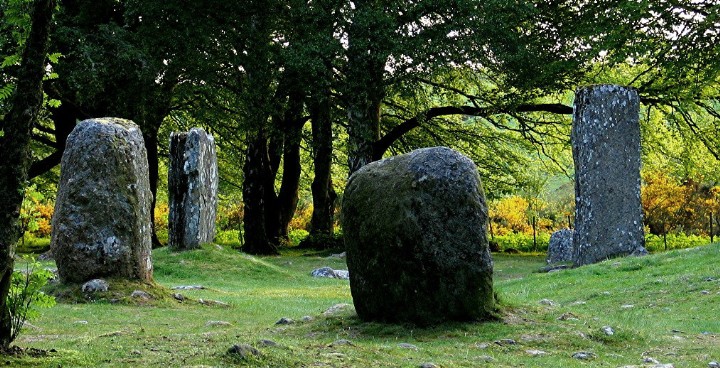
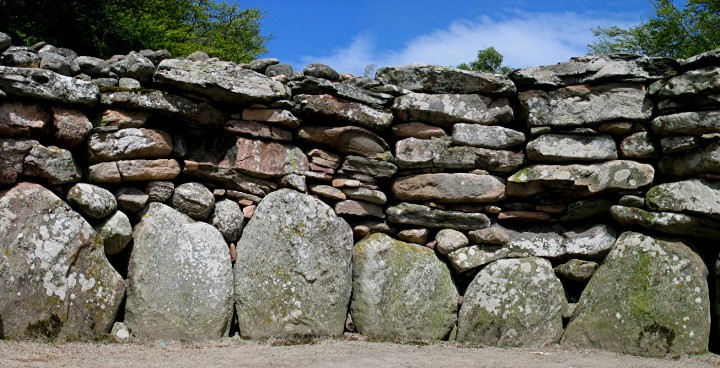
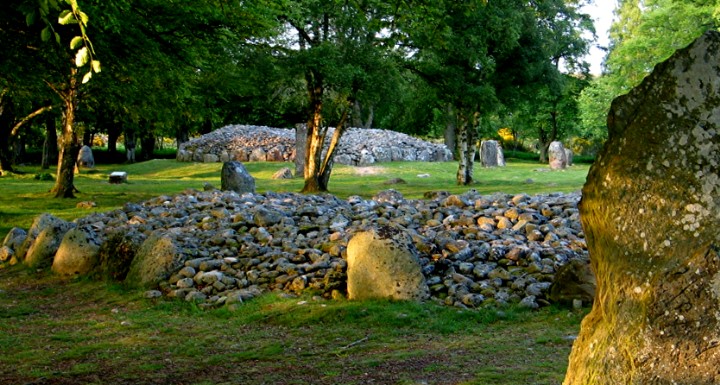
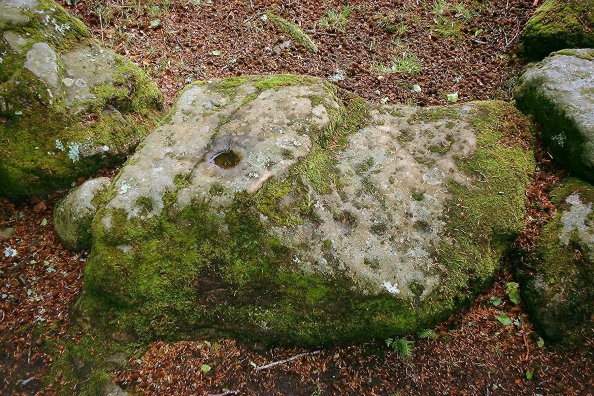
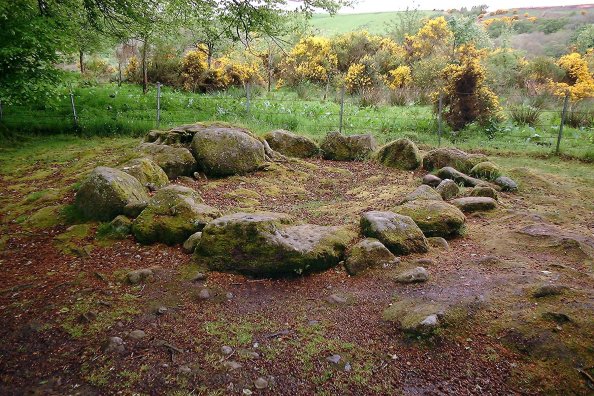
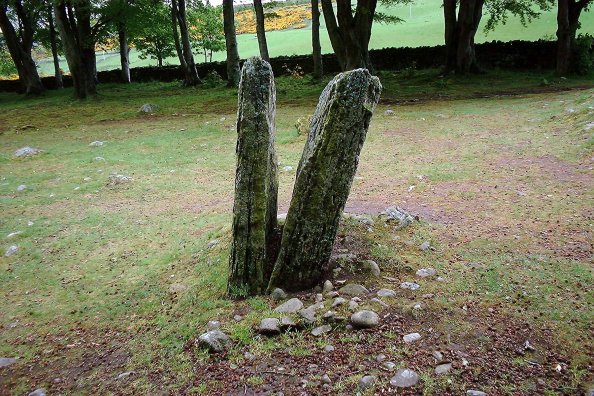
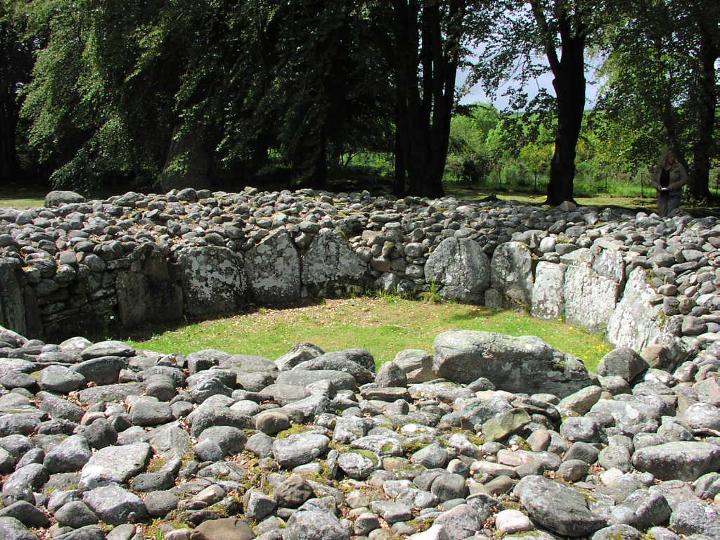
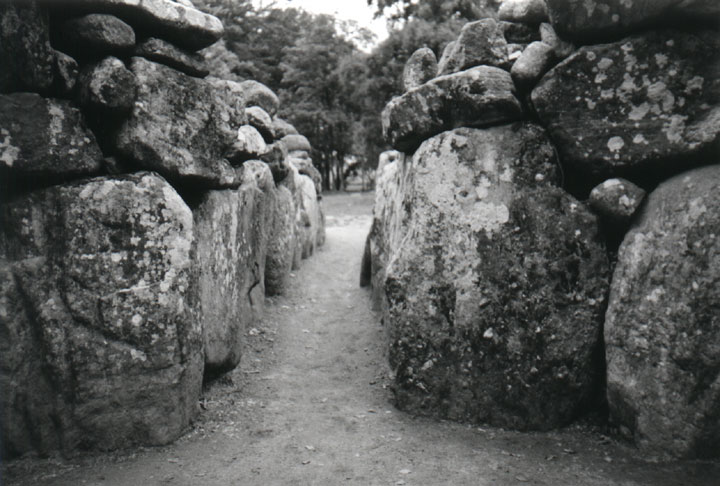
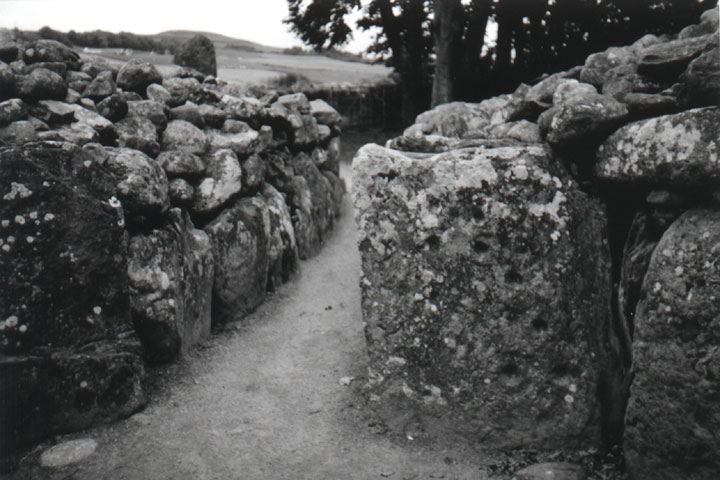
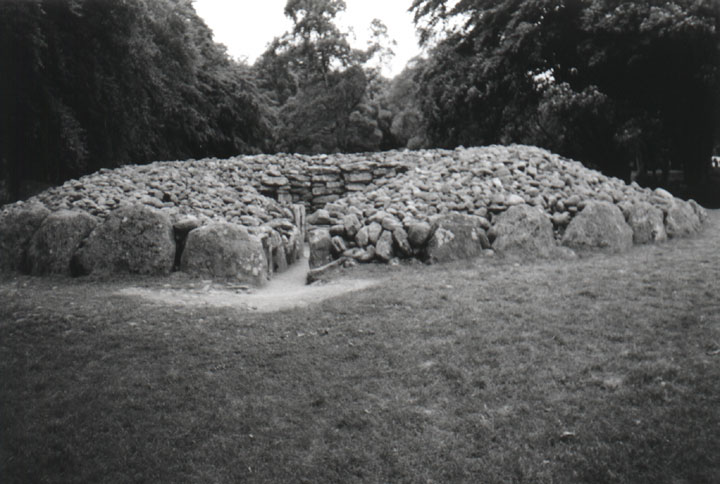
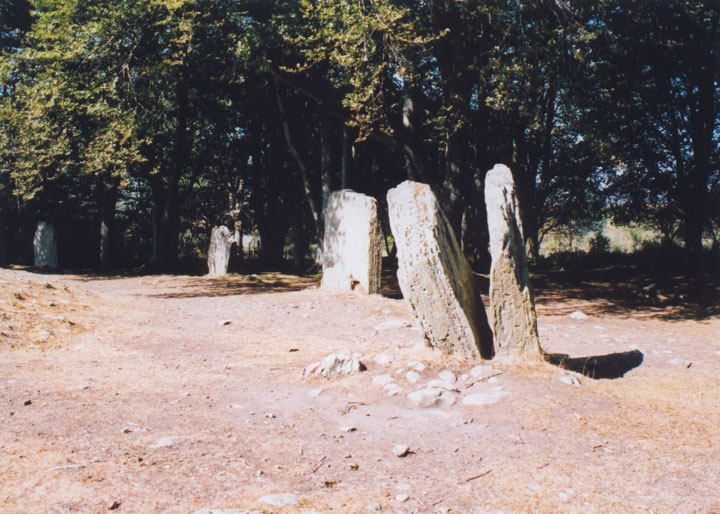
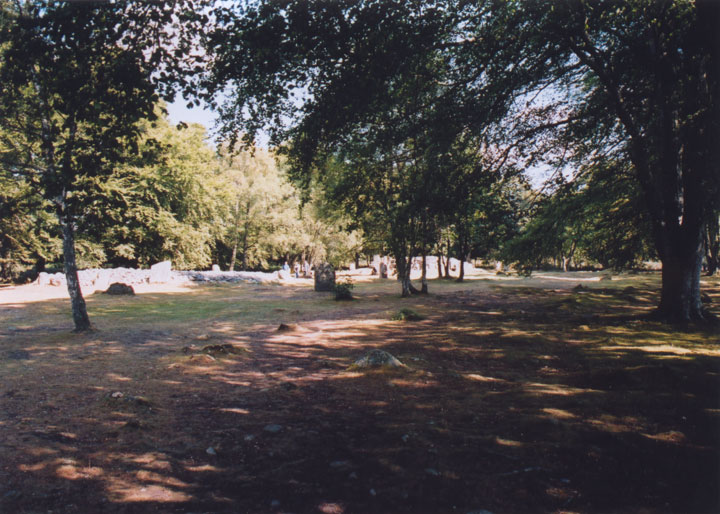
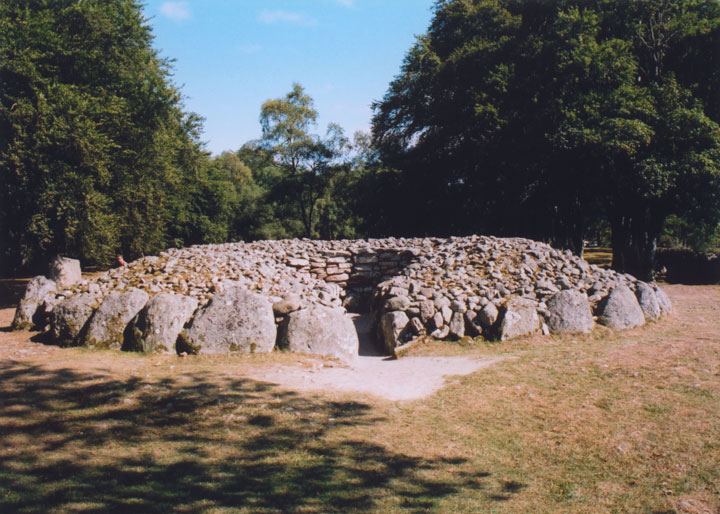
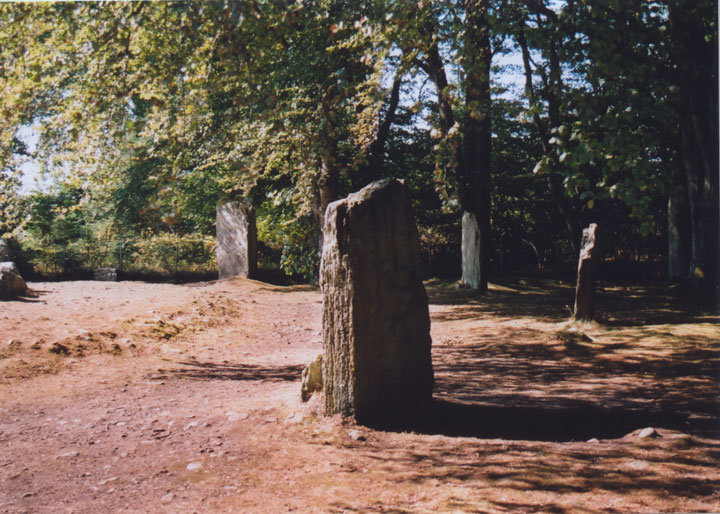
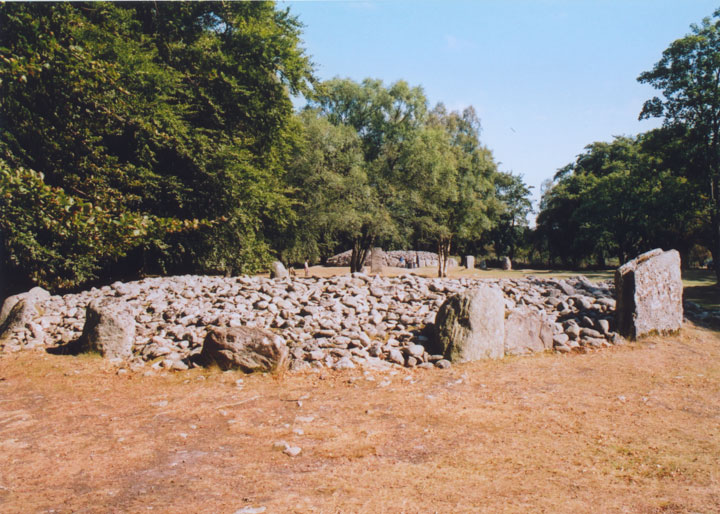
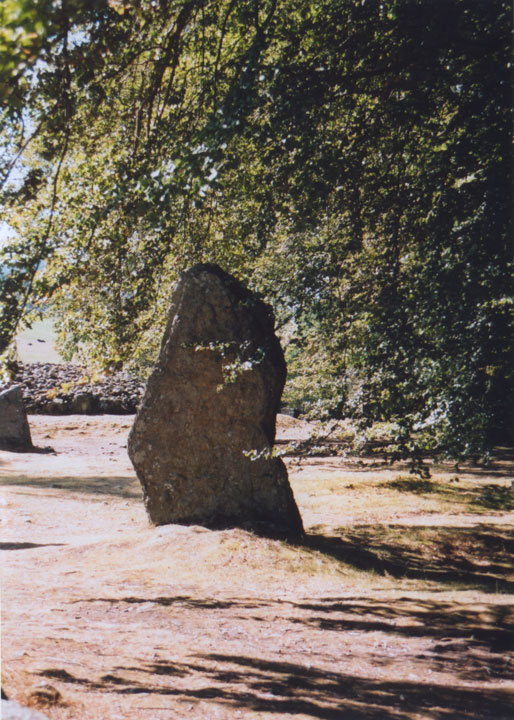
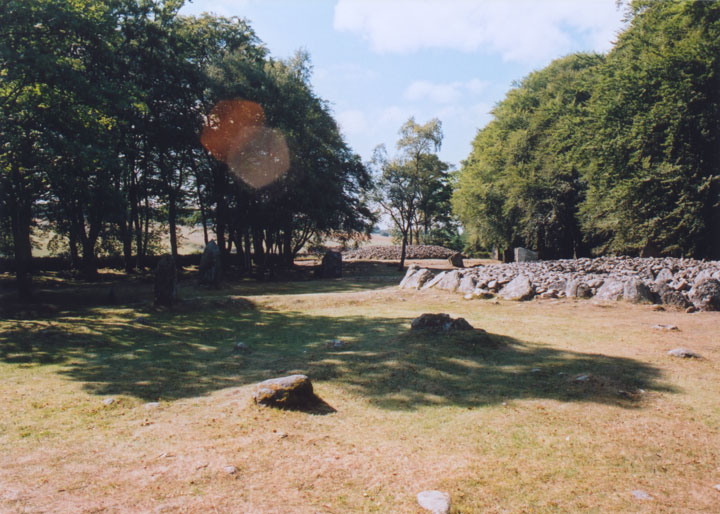
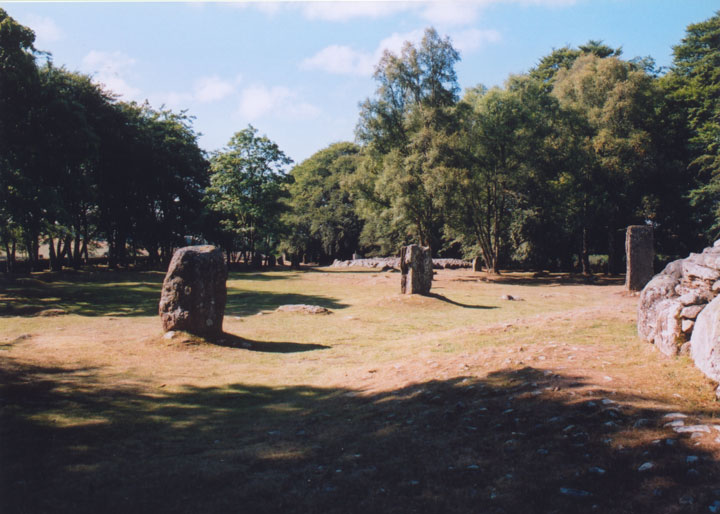
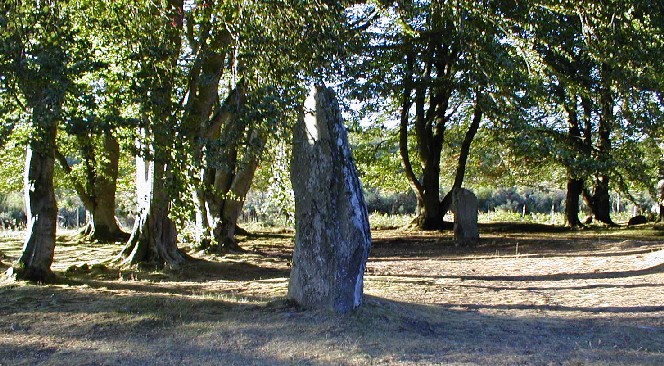
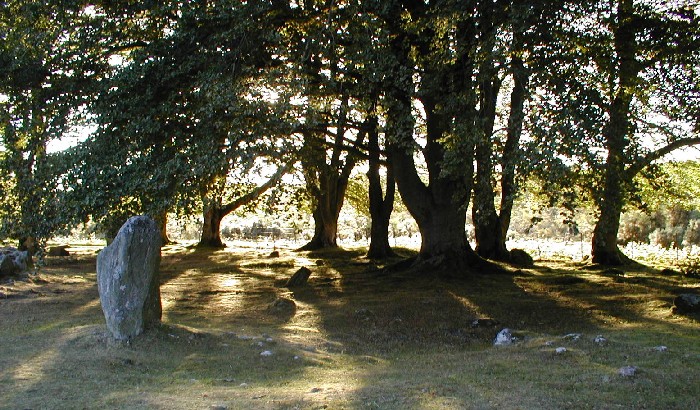
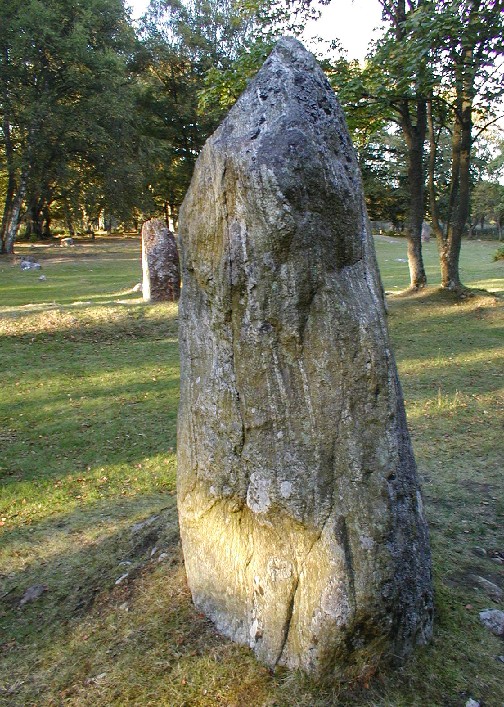
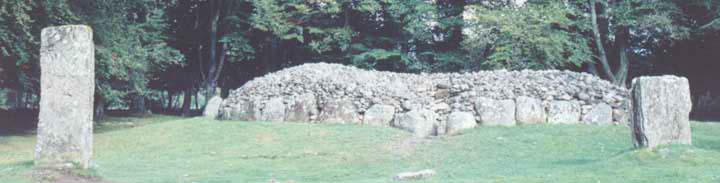
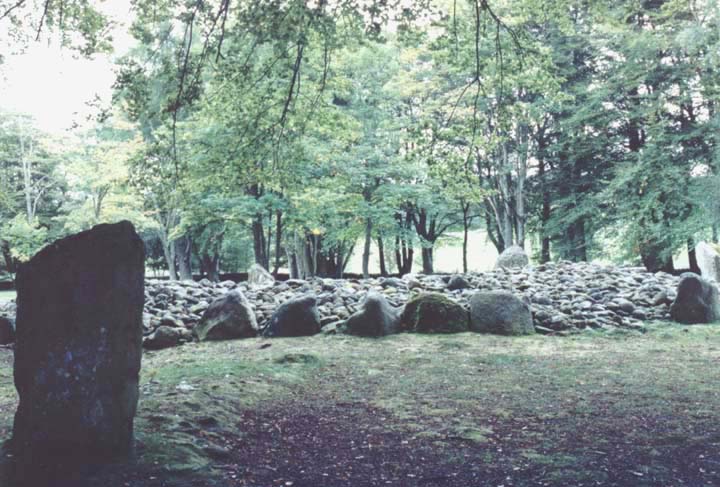
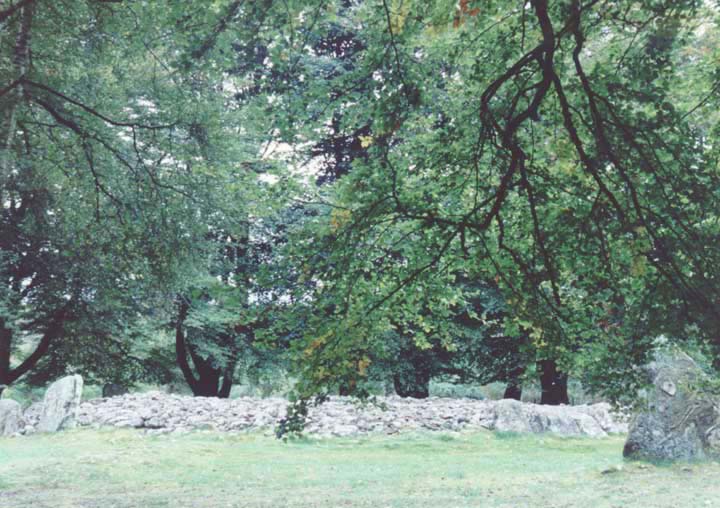
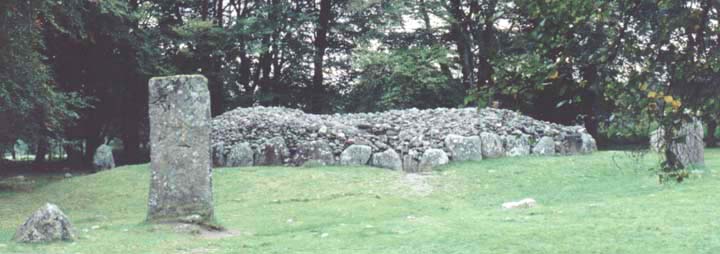
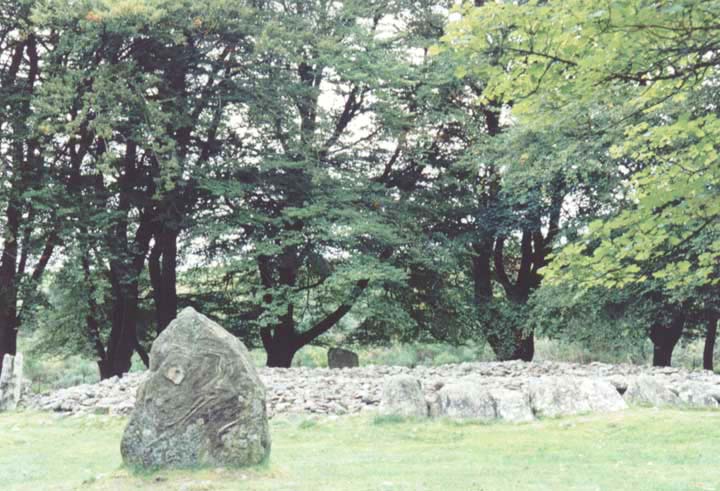
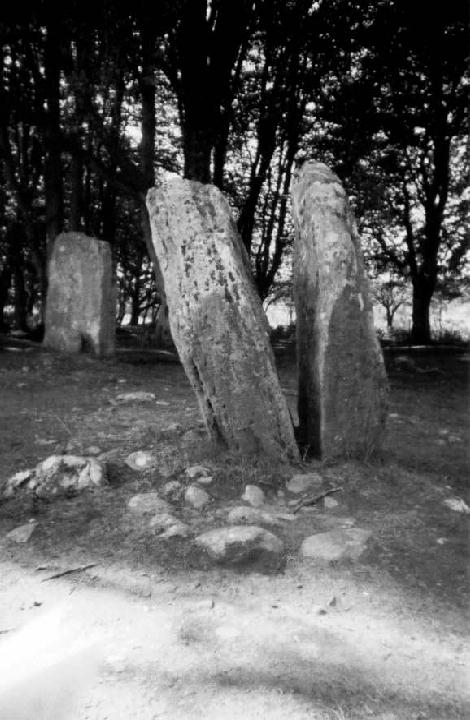
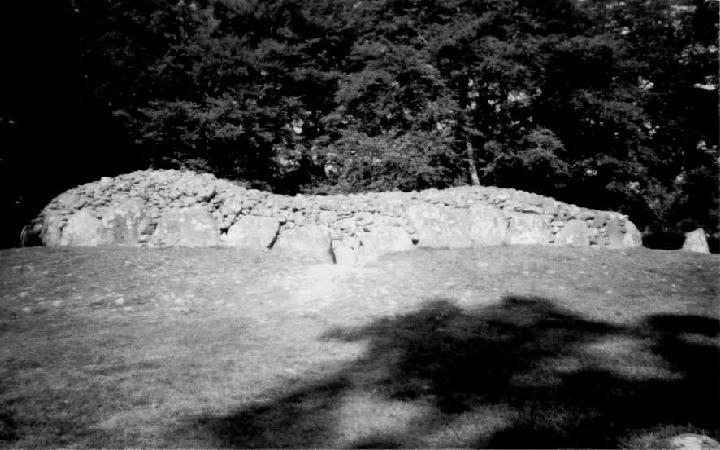
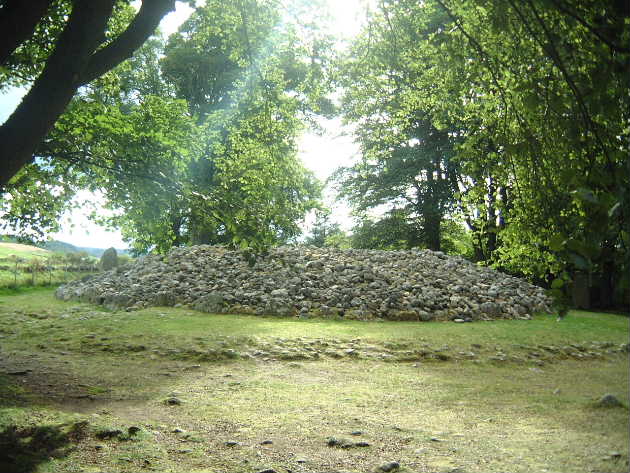
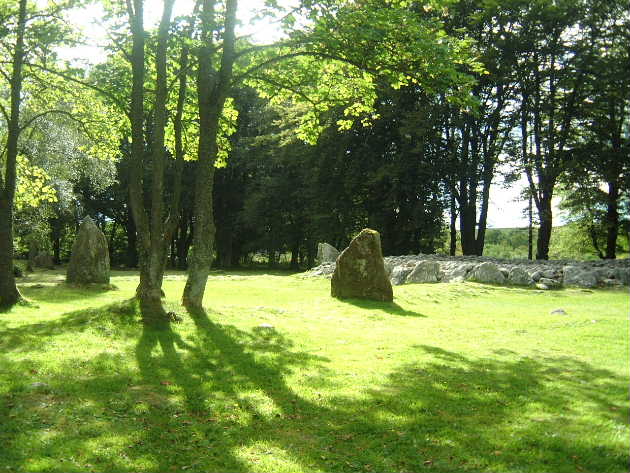
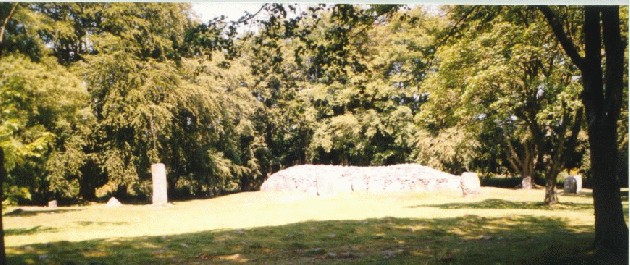
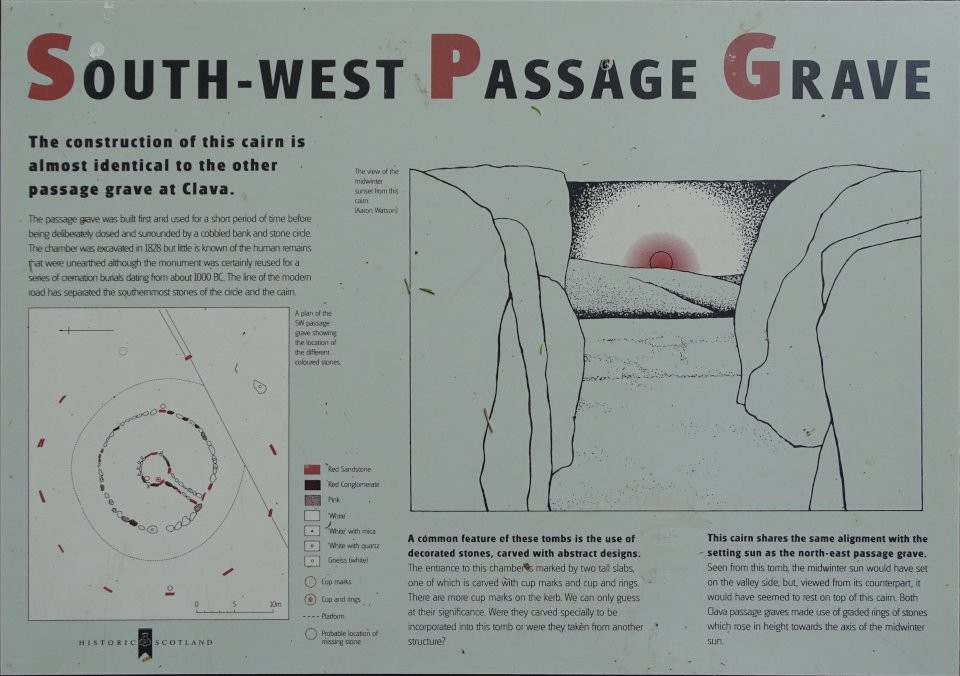
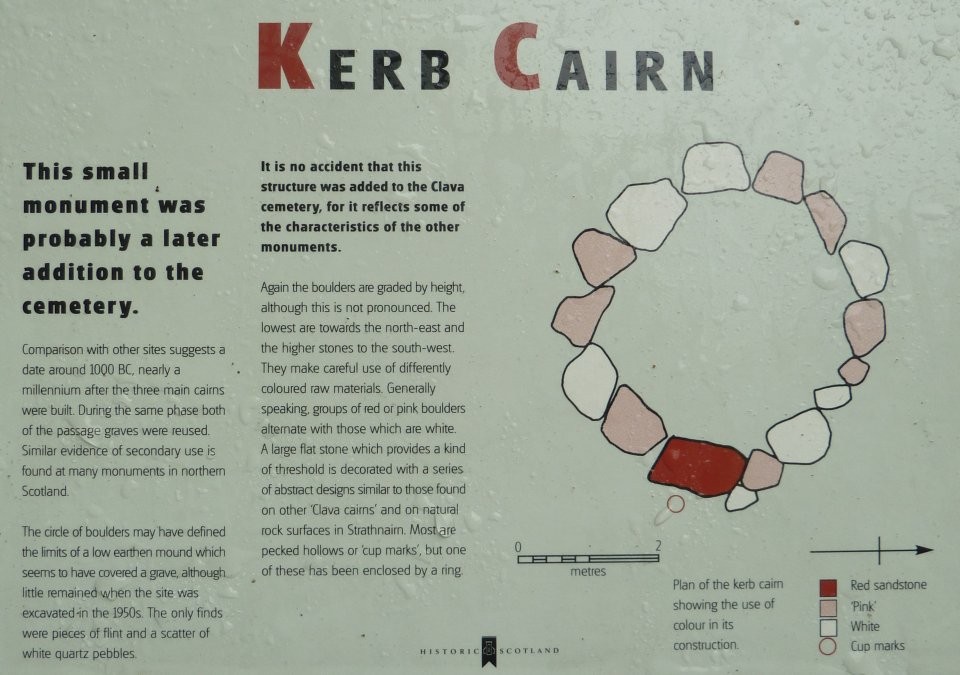
As soon as we’re under the trees the incredible atmosphere of this place hits home. Under a canopy of leaves turning slowly from green to autumn shades, the NE cairn is the nearest to us, surrounded by an impressive ring of upright stones. It’s almost too much for the brain to compute, the size of the cairn, the exquisite choice of stones for the circle. And then the eye relays the information that there’s two more of the damn things, right THERE. I’ll be honest – nothing I’d read about the site, no photos I’d seen, really prepared me for its raw, in the flesh, splendour. And it’s all ours for the moment, no coachloads of disinterested gawpers, just us in this magical glade. By now I’m wearing the stupidest grin ever. Walking around the NE cairn reveals the deliberate grading of the stones, up to a slender monster all of 9 feet. Both of us walk around the circle for a while, neither somehow quite ready for the cairn itself yet. During our circuits, we admire the amazing cup-marked kerb stone. What a beautiful thing. At length we head into the chamber. It’s a little difficult to imagine this open passage as a low “creep”, in truth. But the stonework inside the chamber is wonderful and the feeling of seclusion, already heightened in the quiet of the glade, is complete in here. When we re-emerge we spend another 10 minutes or so re-circling the circle. I can’t get enough of this. The central cairn is very different. The mound is lower and there is no passage into it (and apparently never was). Although its surrounding circle is similar to that around the NE cairn, it is connected to the cairn by a series of low rubble “spokes”, apparently at random but no doubt anything but. The effect is striking, if typically unfathomable, at least to me. Tucked away on the edge of the site near the central cairn is a lovely kerb or ring cairn, consisting of an open ring of small boulders, one decorated with cup-marks and a cup and ring. I like this little ring very much, although it feels almost like a whimsy in the company of the three main cairns and circles. The first thing that attracts my attention at the SW cairn is the rather unusual “double” stone in the surrounding circle. It looks like a single stone that has been split vertically and then prised apart, leaving an enigmatic upright V shape. There is so much to ponder over at this complex. The cairn itself is very fine, sitting on an even wider low mound. As well as the “double” stone, the uprights in the surrounding circle match the careful choice of those around the other two cairns. As with the NE cairn, we spend a while circling, taking in the stone over the road, sadly divorced from its family, and the couple built into the fence/wall. While we are here a couple on bikes arrive at the other end of the site, the only people we’ve seen so far. We head into the interior of the SW cairn, noting both the lovely cup-marked stone just inside the chamber and another stone built into the walling that appears to have a single cup-mark (although I’m not aware of reading about that). I could sit and look at the different stone textures for hours, but at length we decide to head back around the site again before checking out some of the neighbouring monuments. Apart from the cyclists, we’ve had the whole place to ourselves for over an hour. I can’t put into words how deeply this place has impressed me. I hope we can come back again, although perhaps the perfect visit won’t be easily repeated. This post appears as part of the weblog entry Through wooded glades – Clava 7 October 2010
|
 Posted by thesweetcheat
13th July 2012ce |
|
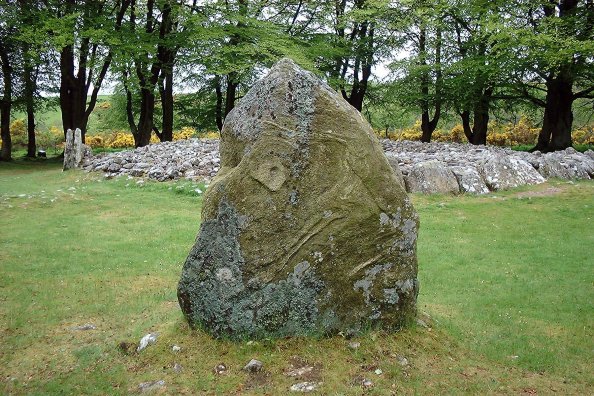
We stumbled over various large stones with possible cup marks in the meadow and found a couple of the same built into garden walls. http://www.flickr.com/photos/66391623@N03/sets/72157627435147864/ See what you think |
 Posted by nix
24th August 2011ce |
|
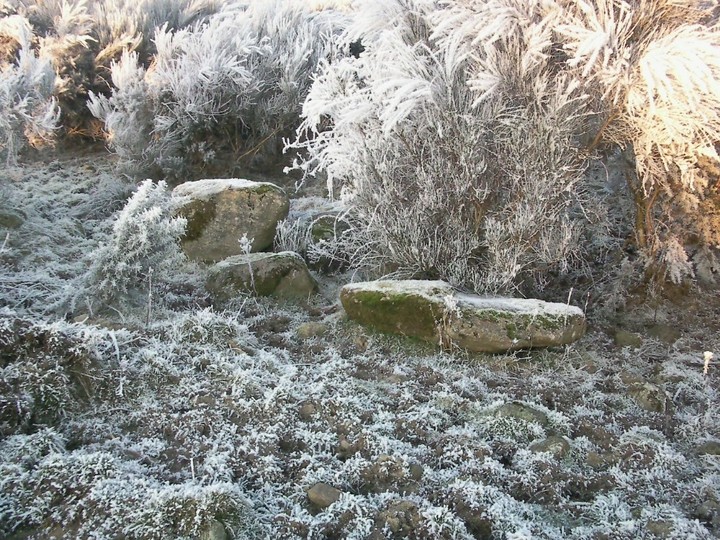
It was -10 when we, the two Johns + me, visited the Clava Cairns. A walk down from Culloden, a sad place, warmed us up. All posts say what I would say except that there is a badly ruined ring cairn on the other side of the road opposite the car park entrance. Treaclechops has the right idea. Visited 24/12/08. |
Posted by drewbhoy 24th June 2009ce Edited 25th June 2009ce |
|
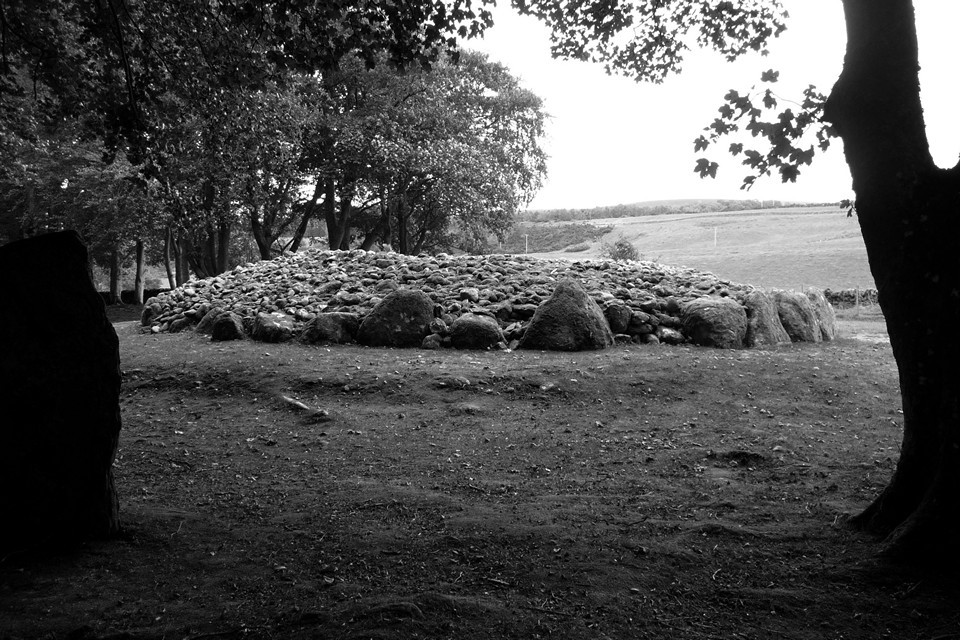
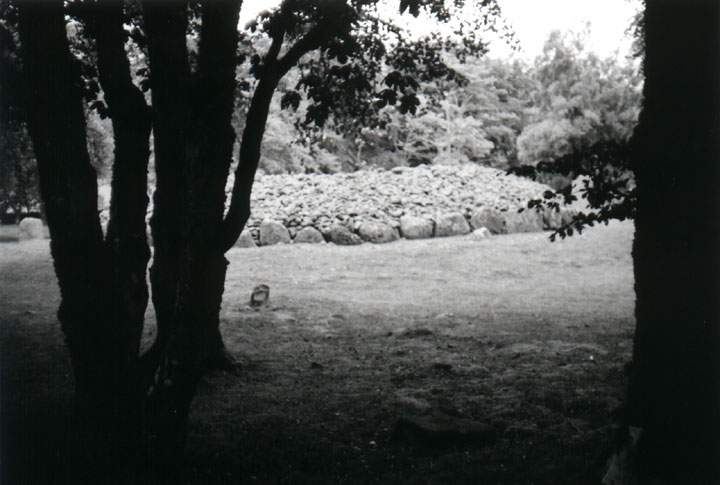
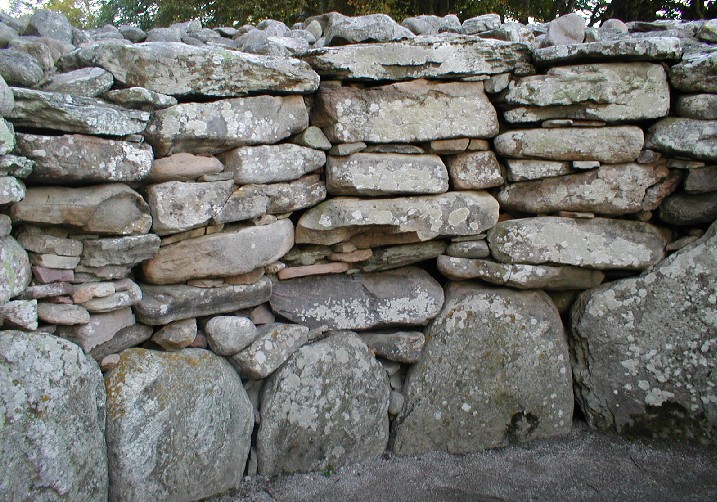
This site has just about everything you could wish for in one place. Stone circles, burial mounds, outlying standing stones, kerb cairns, cup-marked rocks and a very peaceful setting make this a place you could linger for hours. Although there are over 60 known 'Clava Cairns' as a type in this part of Scotland, (Corrimony being one) these are the originals the others were named after. Three beautiful cairns in a wooded river valley, each surrounded by their own Stone Circle. Although all of the cairns are now roofless, this does enable you to see and understand their construction better. Different coloured stones were deliberately placed for effect, and several stones were decorated with 'cup-marks' for reasons we can only guess at. All in all a wonderful site, and I can think of no-where better for your final resting place. |
 Posted by Chris
6th October 2006ce |
|
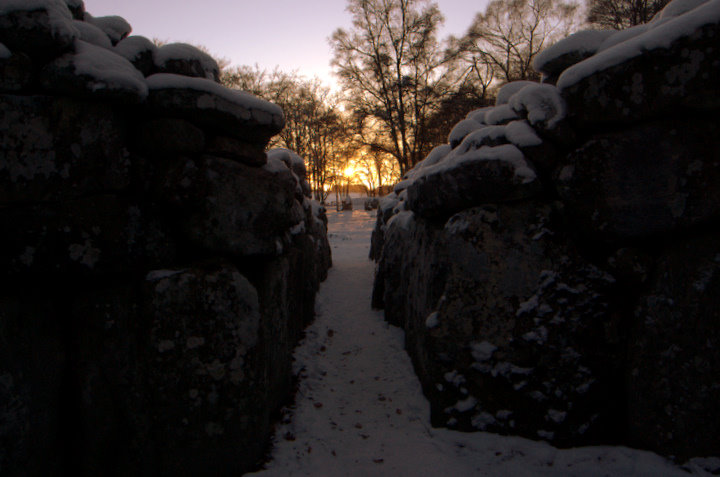
A pleasant, 1.5 mile walk will take you from the Culloden visitors' centre, down past Clava Lodge and Mains of Clava to this lovely fantastically well-preserved site. If you're going in summer, you'd be advised to visit early in the morning or late in the evening, as this is a 'coachloads of tourists'-type attraction. Two graves, a ring cairn and the 'kerb cairn', plus numerous other stones of all shapes and sizes. Excavations in 1828, 1857 and 1858 found bones and pottery in the NE cairn, flint flakes in the ring cairn, and bones in the SW cairn. Prof. Thom found that the entrance passages align exactly through two stones in the ring cairn with the midwinter sunset. (Source: 'A Guide to Ancient Sites in Britain, Janet & Colin Bord, 1978). I arrived there at about 9am at the height of summer (although it was a traditional Scottish summer day - gray, drizzly and very still), and was only joined by a few other quiet people, who soon left me on my own for a good forty minutes. By 11, when I was returning from Miltown of Clava, the place was heaving with bawling children, amateur photographers, loud tourists and disinterested coach drivers. The site extends on beyond the boundaries of the Historic Scotland 'official fence', in one direction into easily-accessible fields, and in the other, into people's gardens (also easily-accessible, but I wouldn't recommend it!) and beyond to the Miltown site. Two lovely graffiti'd stone picnic tables are available next to the car park if you need to take a break. This site suffers badly from litter, so if you're feeling charitable, bring a litter bag and pick some up. Historic Scotland don't seem to be doing it (although I did see one of their representatives driving around so they're not entirely neglecting the site). If you're looking for something else to do, it's worth having a walk down to the rather imposing viaduct. |
Posted by taras 4th August 2006ce |
|
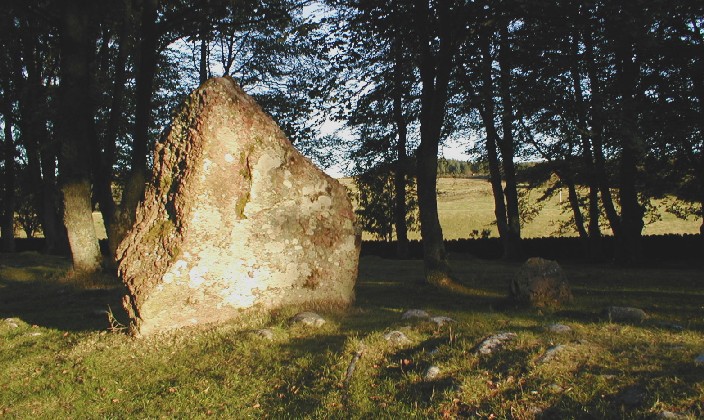
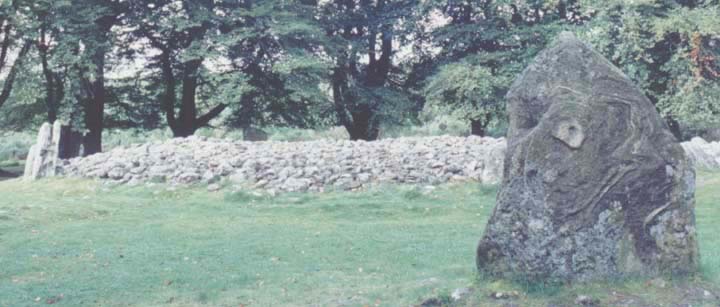
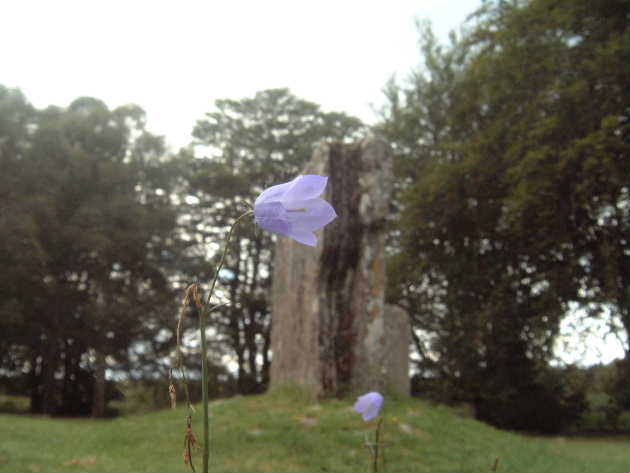
5th March 05 What a beautifully preserved, peaceful and interesting site. A standing stone in a field on the right just before the car park welcomes you as you arrive. Two passage graves, a central ring cairn and a kerb cairn, with another dilapidated cairn and enigmatic ruined chapel (?) 10 mins walk to the west at Milton of Clava. My favourite stone has to be the split 'crocodile' stone in the circle around the SW cairn (see images). I had the place to myself for a while this morning and it was pretty special. Now a variety of folk have passed through, all obviously impressed with the power and artistry of this place. (See the link to the leaflet below for practical info, then just get here and soak up the atmosphere of this perfect resting place). |
 Posted by danielspaniel
9th March 2005ce Edited 9th March 2005ce |
|
10-9-03 After the French tourbus left, there were only two other cars here – not too bad for this site, but it was nearly sunset. A lovely place, purposefully peaceful. The trees make the sunlight stripy. Although the site has obviously been prepared to be enjoyed by as many visitors as possible, the atmosphere is still wonderful. Spend as much time as possible here. Disabled access: There are two large gates to allow easy access but when I visited they were padlocked. The remaining access is a swing-gate into a small fenced area created by the locked gates, which would allow a wheelchair inside, it’s tight but it looks like an experienced driver could squeeze through the space. Once inside the site, a path has not been cleared so the ground is quite uneven, but firm. At the far end, there is a kissing gate out to the road. .o0O0o. |
 Posted by pebblesfromheaven
12th September 2003ce |
| This is a very cool place. It's almost too idyllic, and wonderfully evocative. If you believe in faeries and other spirits, this is where they live. And it's a pretty marvellous place to spend eternity, so I recommend a visit. |
 Posted by treaclechops
31st August 2003ce |
|
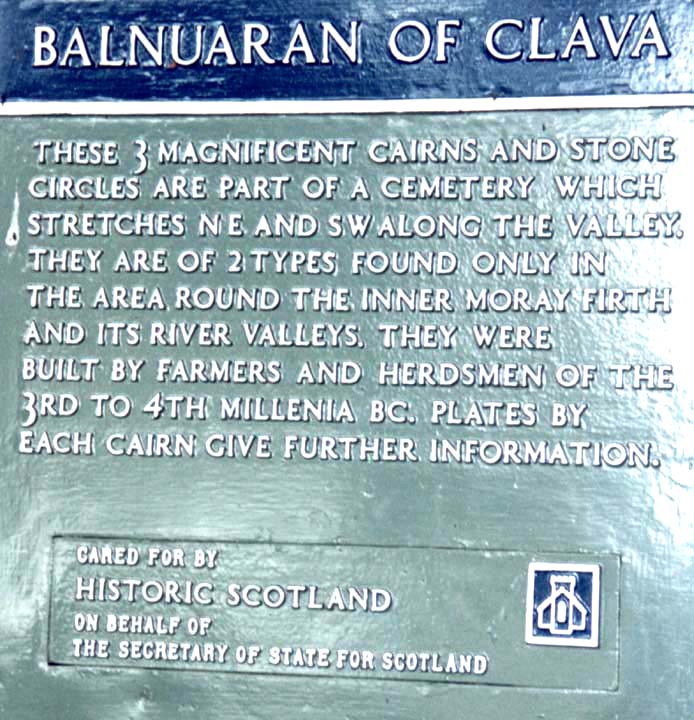
Very near, in fact practically next door to the battlefield (Culloden), is the ancient site of Clava Cairns. Burial chambers thought to date from the 3rd or 4th millennia BC. There are three of them and there all very impressive, cups marks can be found on various rocks and the place is in surprisingly good condition. Again we were blessed with the timing of our visit. We were the only people there, if we’d have had time we would have loved to have stayed a little longer. This post appears as part of the weblog entry From Rum to Rodel, our search for all things historic
|
 Posted by notjamesbond
1st July 2003ce |
|
The Cairns of Clava (22.8.2002) I bought a short leaflet on The Cairns of Clava at the National Trust shop at Culloden Battlefield. This was written by Edward Meldrum in 1983 and is described as 'a delightful leaflet' by Aubrey Burl in his 1995 book, 'A Guide to the Stone Circles of Britain, Ireland and Brittany'. If you can find it it's well worth a read, and describes not only the main 'show site' at Clava but also briefly mentions some of the other clava-style cairns in the area. The short drive from Culloden wasn't as well sign-posted as expected (both sites are in the care of the National Trust of Scotland), but rest assured, once you reach the little single track 'Clava Bridge' over the River Nairn you are getting very close. The site was full of tourists jumping around on the cairns, but it was still an amazing place in a sexy woodland glade. |
 Posted by pure joy
26th November 2002ce |
Folklore |
Add folklore |
|
A little way east of Inverness are three circular chambered cairns of an unusual type, each surrounded by a stone kerb and a ring of standing stones. While the passages of most chambered tombs in Scotland face approximately east or south-east, those at Clava face south-west towards the mid-winter sunset, an alignment which may have had symbolic significance. Although archaeological evidence dates them back to the third millennium BCE, tradition connects the tombs with a later period. They have been said to mark the burial place of the family of the sixth-century Pictish king Brude, and Otta Swire suggests in The Highlands And Their Legends (1963) that this theory may have been inspired by the digging up of a gold rod during drainage operations near the site. She does not mention when this discovery was made, but in any case the area had pre-existing associations with King Brude, whose castle is said to have been at nearby Craig Phadrig. Brude himself was one of St. Columbas' most important converts to Christianity, and was reburied on Iona, sacred to the saint. The Lore Of Scotland - a Guide To Scottish Legends Westwood & Kingshill |
Posted by drewbhoy 12th January 2024ce Edited 12th January 2024ce |
Links |
Add a link |
RCAHMSA enlightening view from the 'Hi-Spy' camera. |
 Posted by Rhiannon
8th April 2006ce |

Historic Scotlands Balnuaran of Clava LeafletExcellent 6 page leaflet with lots of background on this site. It has all the info detailed on the site sign boards - and more! |
Posted by danielspaniel 9th March 2005ce Edited 9th March 2005ce |
PSAS 88Excavation report of this and other clava cairns. Plans of this site on pdf pages 17 and 23. |
 Posted by greywether
10th December 2003ce |
 Top of page