|
 Log in |
Register Log in |
Register
|

|
|

Wychbury HillHillfort
|


 Show map (inline Google Map)
|
|
|
Images (click to view fullsize) |
 Add an image Add an image |
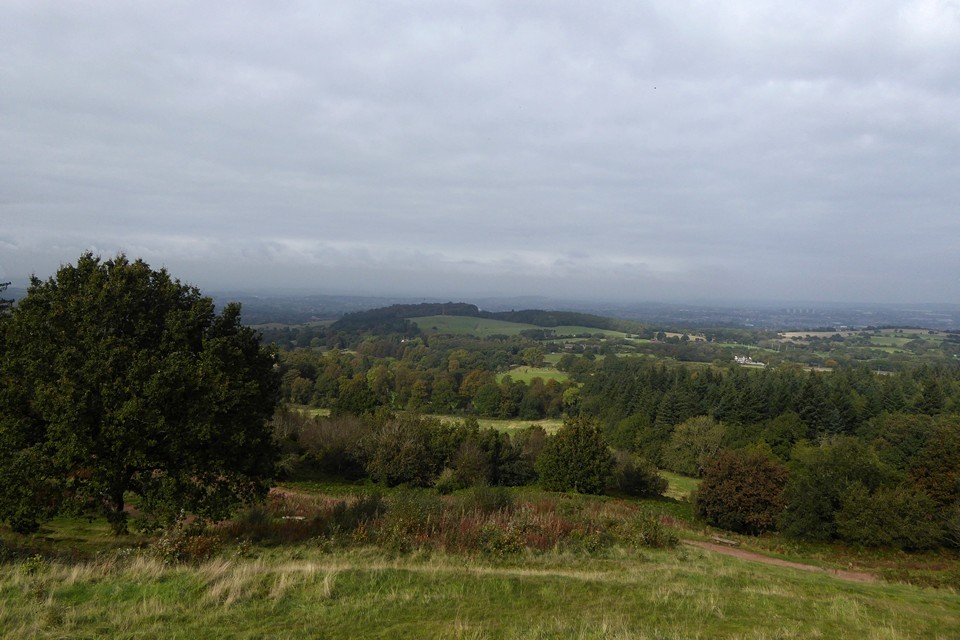
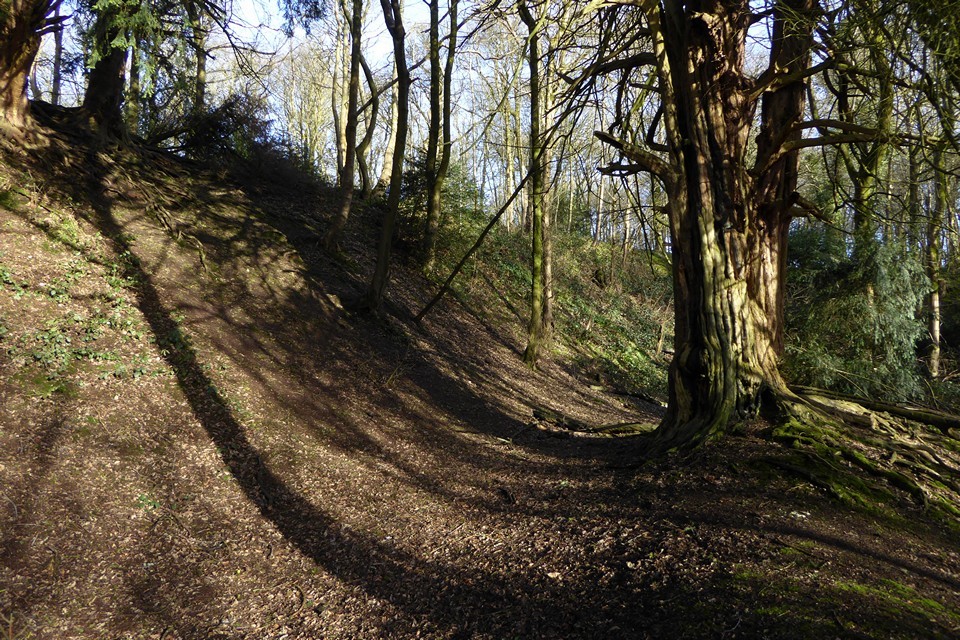
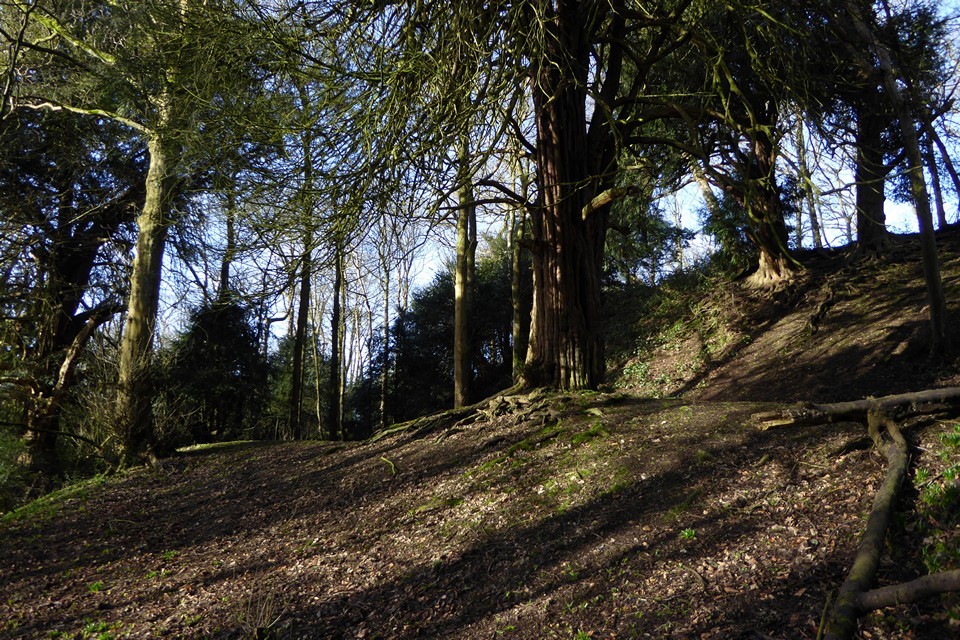
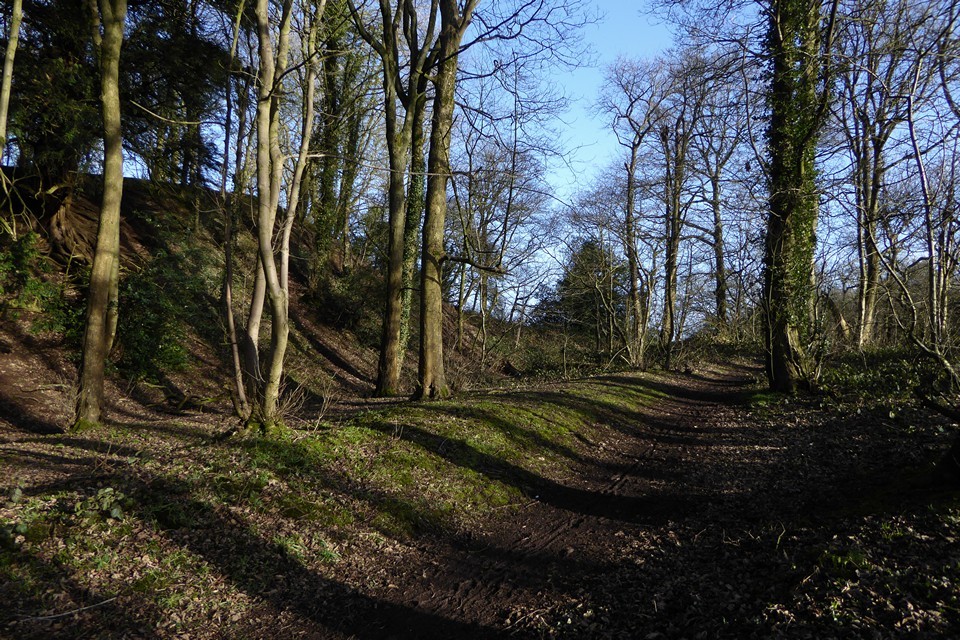
|
Folklore |
Add folklore |
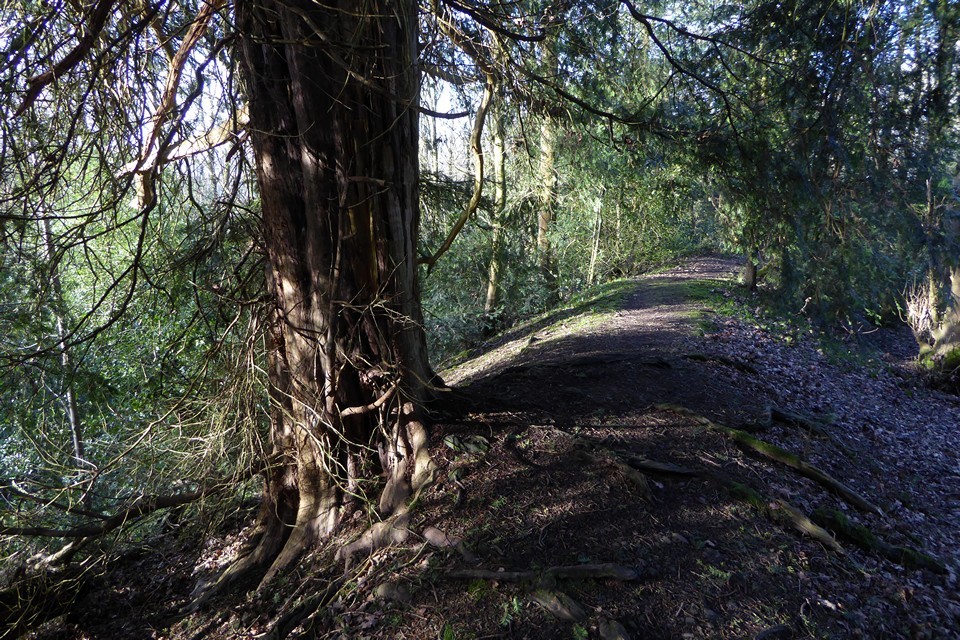
| Wychbury was one of those places you dared not visit after dark if you were brought up round there. The Yew trees are some of the most impressive I have ever seen and we were told (as kids) that they were associated with some tremendous battle on or near the fort. The nearby site of St Kenelm's is well worth a visit. There is some evidence that the flat topped hill at the end of the Clent range (which is above the spring and well) is a Lammas hill. There was an autumn fayre held right on the top of it until the end of the 19thc, always taking place on the first weekend of August. |
Posted by hedgerider 9th August 2004ce |
Miscellaneous |
Add miscellaneous |
|
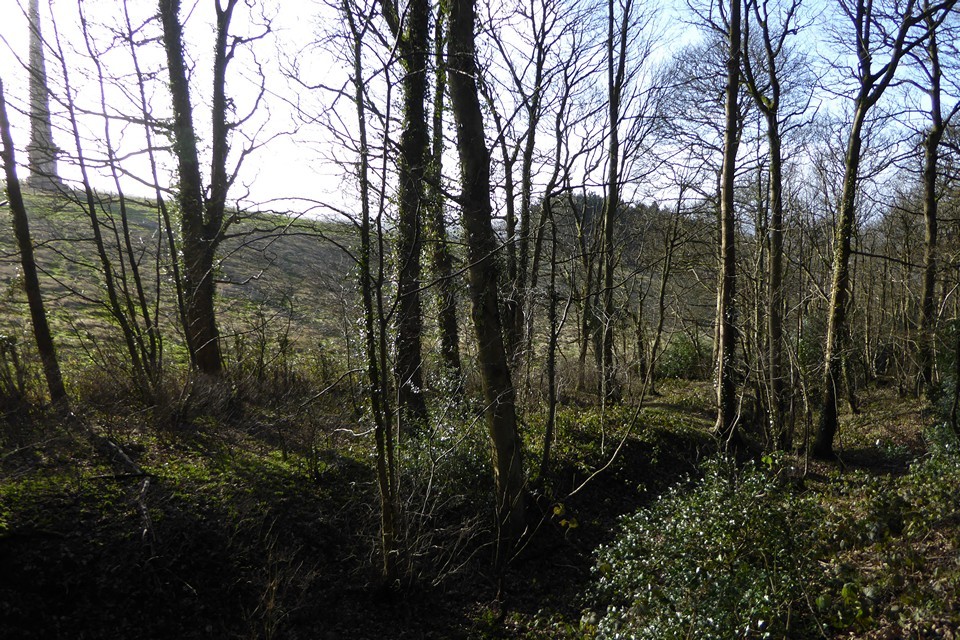
Who put Bella in the Wych Elm? Those visiting who pass the otherwise anonymous obelisk next to the fort might notice the old graffiti "Who put Bella in the Witch Elm?" painted on the base. Rather macabrely, it relates to the discovery by four children in 1943 of the skeletonised remains of a women placed inside a tree in nearby Hagley Wood (not the hillfort, thankfully). The murder remains unsolved. https://en.m.wikipedia.org/wiki/Who_put_Bella_in_the_Wych_Elm%3F |
 Posted by thesweetcheat
9th February 2019ce Edited 4th March 2019ce |

|
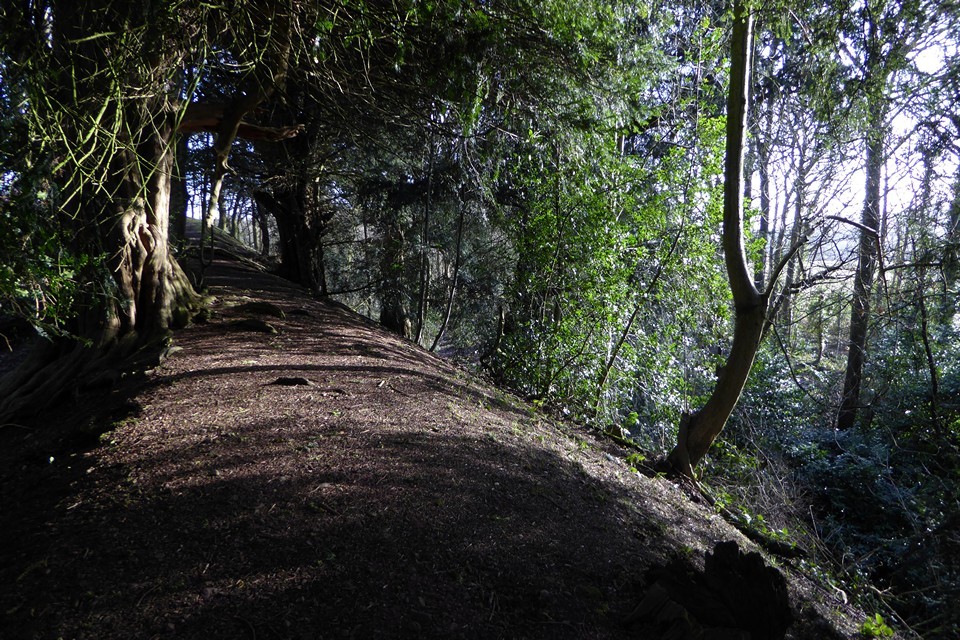
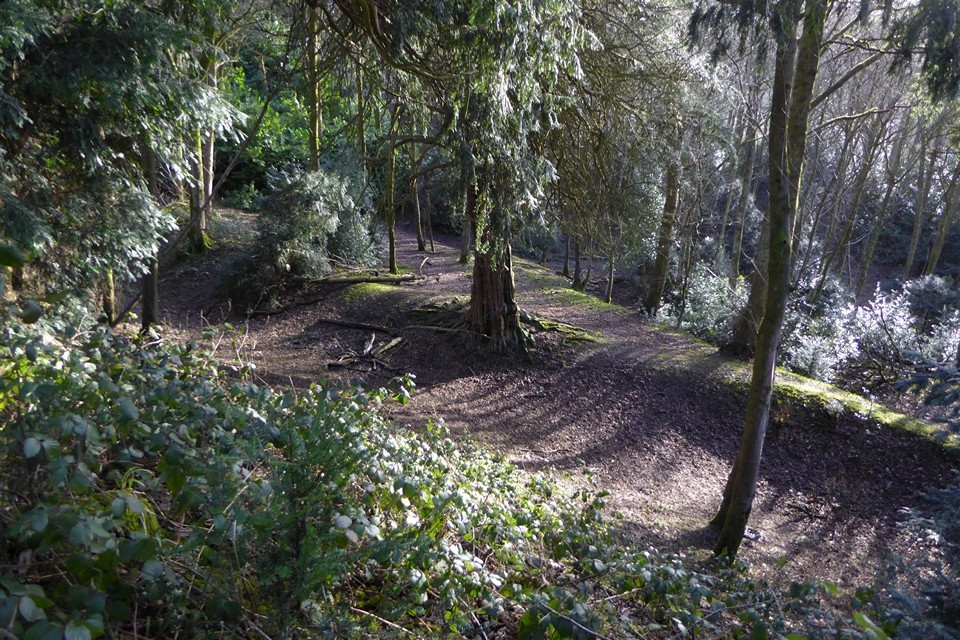
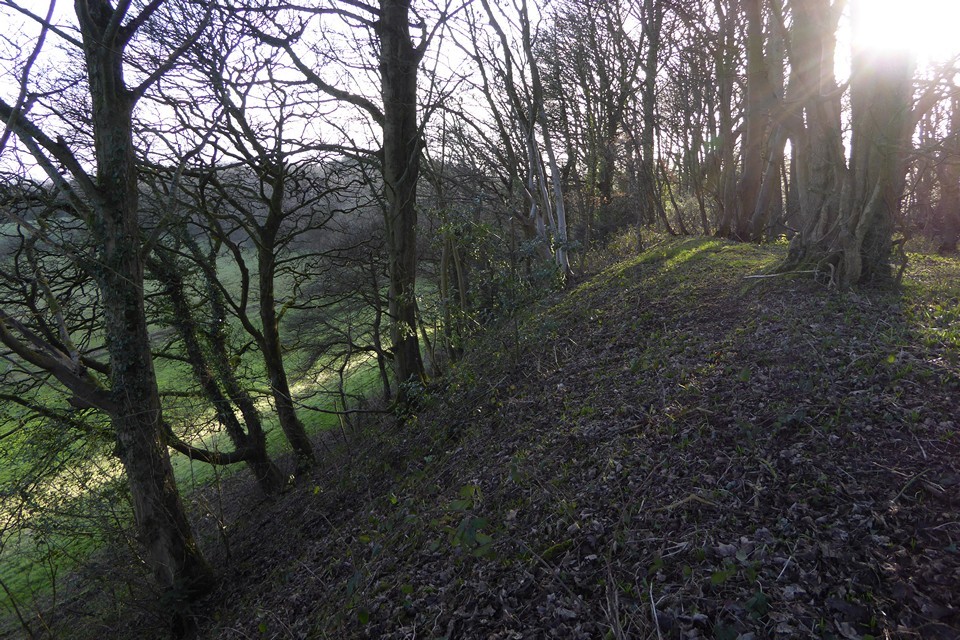
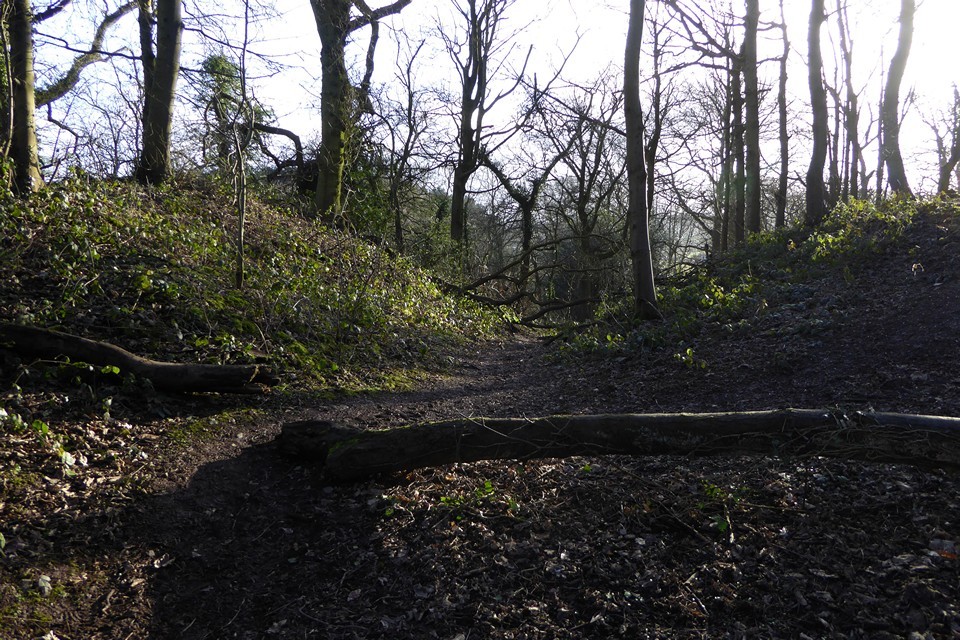
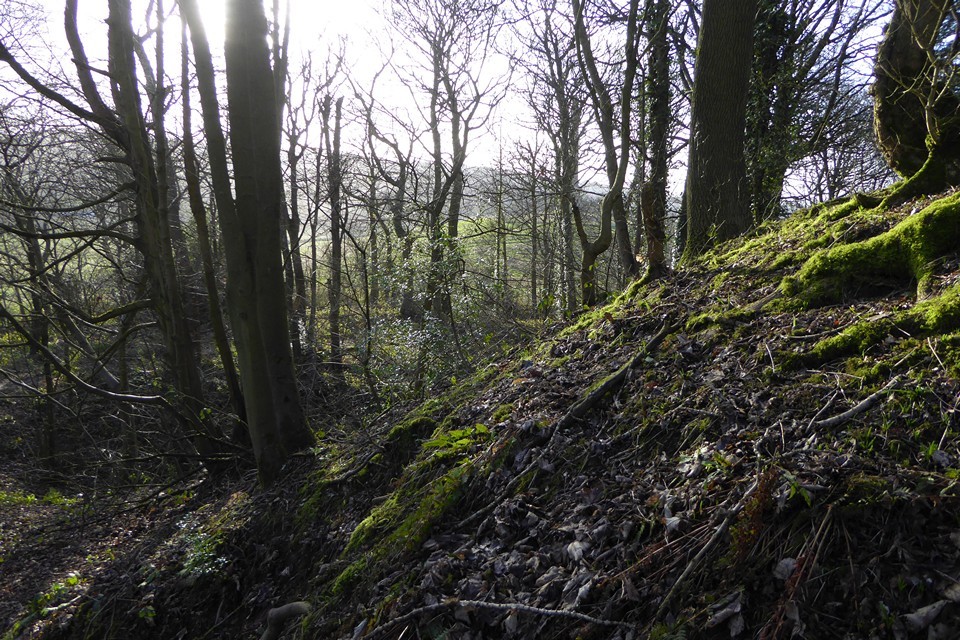
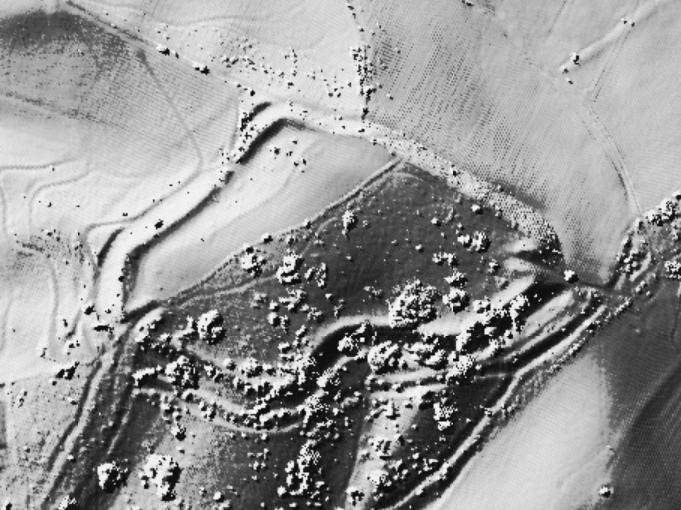
Details of hill-fort on Pastscape (SO 91908180) Wychbury Hill (TI) Camp (NR). Wychbury Camp is a contour, multi-vallate hill-fort with complex defences enclosing 7 1/4 acres and an annexe of 5 1/2 acres on the south. The entrances on the north-east and south-west sides of the fort are formed by incurved ramparts, the latter being approached by a wide track bounded by ditches. An excavation by E B Marten in 1884 produced two small bronze rings, since lost, but one of which was identified as an Early Iron Age terret by the British Museum. Several Roman coins in adjacent fields may indicate Romano-British occupation. (Coin hoard also found nearby-see SO 98 SW 5). The hill-fort has been badly damaged by tracks. Published survey (1:2500, 1923-4) has been revised. Iron Age field system, Wychbury Hill. Wychbury Ring, an Iron Age bivallate hillfort, measures internally 250.0m east-west by 150.0m transversely. The inner rampart is from 16.0m to 20.0m in width and up to 2.6m in height internally. It drops 6.0 to 8.0m to the foot of the inner ditch which is up to 10.0m in width and 1.7m in depth. The outer rampart is best preserved on the south side where it is 10.0m in width and rises from 2.0 to 3.0m from the outer ditch. The latter averages 10.0m in width and is up to 1.2m in depth. On the north side the inner ditch is silted up and the outer bank reduced to a lynchet-like slope. There are no traces of the outer ditch on the north west and north sides. The ramparts are boldly inturned at the entrances of the east and south west. The track with ditches leading to the latter entrance, referred to by Cantrill(2), is modern. The 'annexe', also referred to by Cantrill, is non-existent. An old hollow-way, some 2.0m deep, 80.0m south of the hillfort, has been mistaken for outworks. A perambulation of the arable slopes below wooded Wychbury Hill produced no traces of an Iron Age field system. Several fields on the north east and south east sides contain traces of rig and furrow and in one field in particular, centred at SO 92158197, it is better preserved than elsewhere and the baulks, separating areas of rig running in differing directions, might have been mistaken for an Iron Age system when viewed from the hill-fort. (Aston (5)) Published 1:2500 survey 1969 revised. |
 Posted by Chance
21st July 2016ce |
Links |
Add a link |
Arthur in the West MidlandsFrom Ceridwen's Cauldron: http://arthsoc.drruss.net/Cauldron/badon.html |
Posted by Alchemilla 21st April 2003ce Edited 30th July 2004ce |
 Top of page