22/03/2017 - Fine walk from Porlock to Wheddon Cross via Dunkery Beacon today. For anyone interested in routes, access etc we went
Porlock -> Hawkcombe Woods -> Porlock stone circle -> Alderman’s Barrow -> Almsworthy stone setting -> Bendels Barrows -> Great Rowbarrow -> Dunkery Beacon -> Dunkery Bridge -> Mansley Combe -> Wheddon Cross
Took all day with our slow plodding but it was a good way to get a feel for Exmoor, a place I hadn’t been to before. Mostly on good tracks/roads, a bit wet underfoot today. The weather was changeable to say the least, snowing in the morning then lovely sun and blue skies in the afternoon.
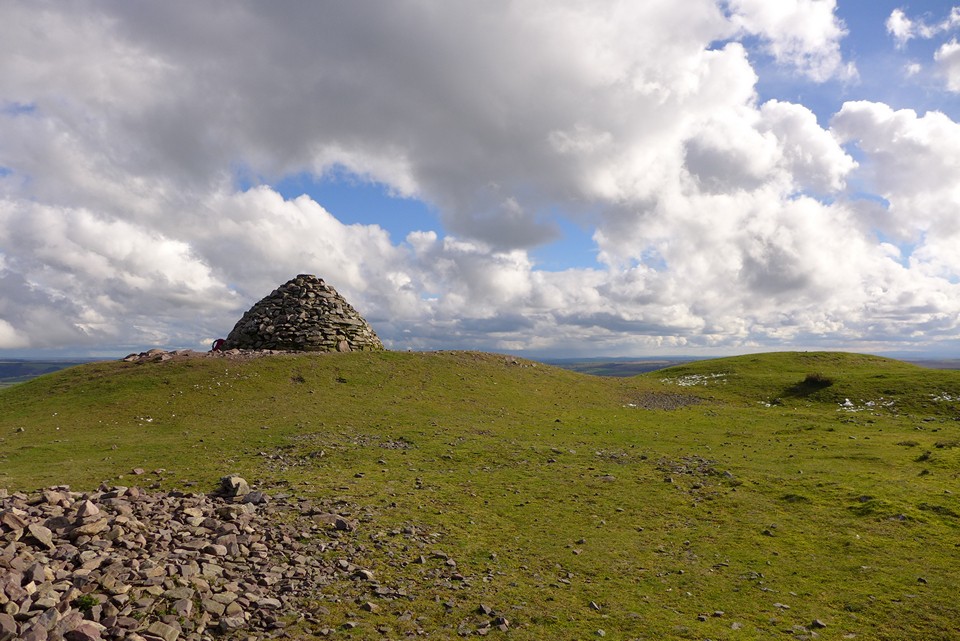
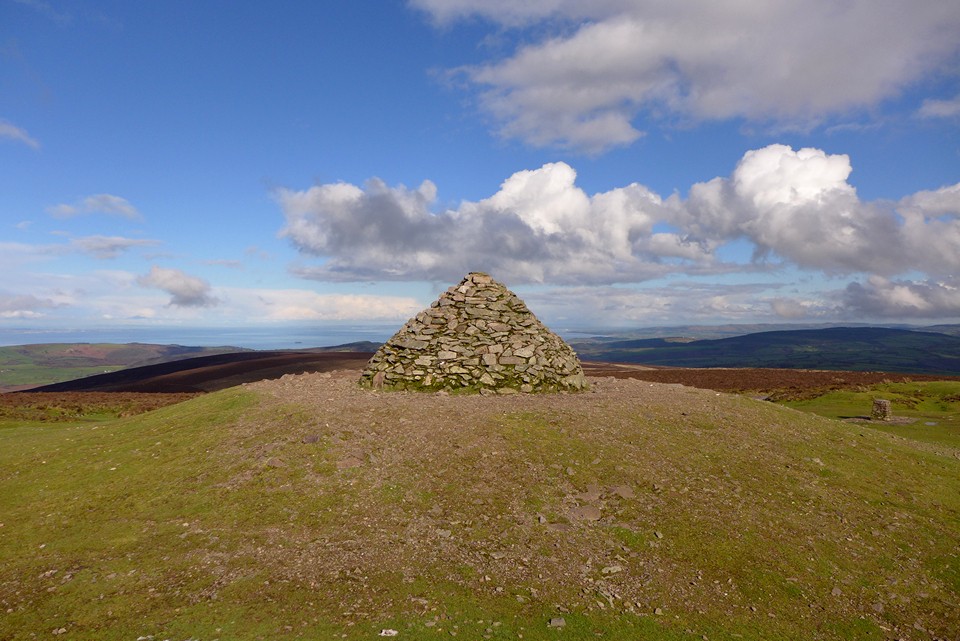
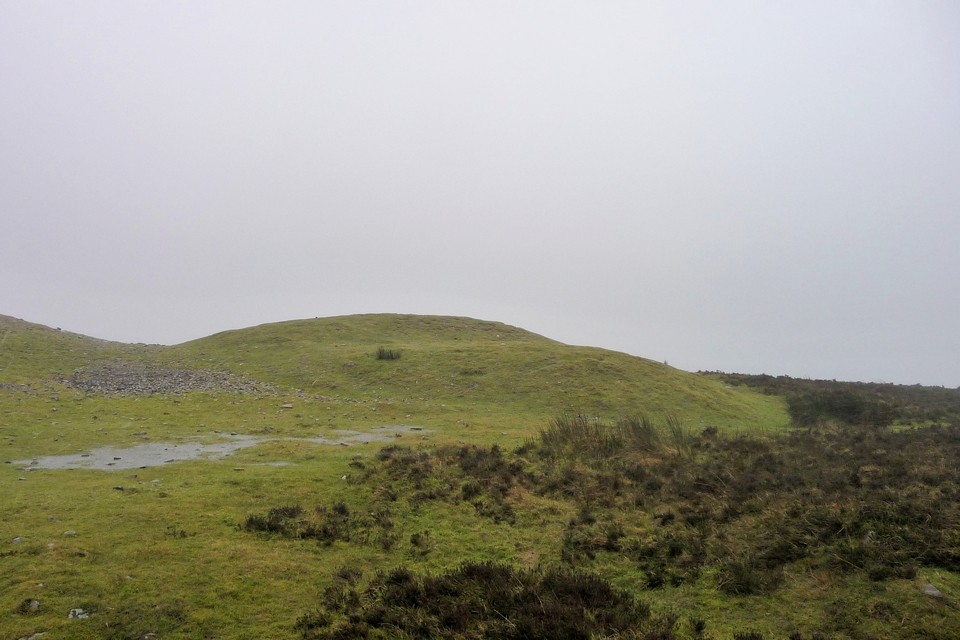
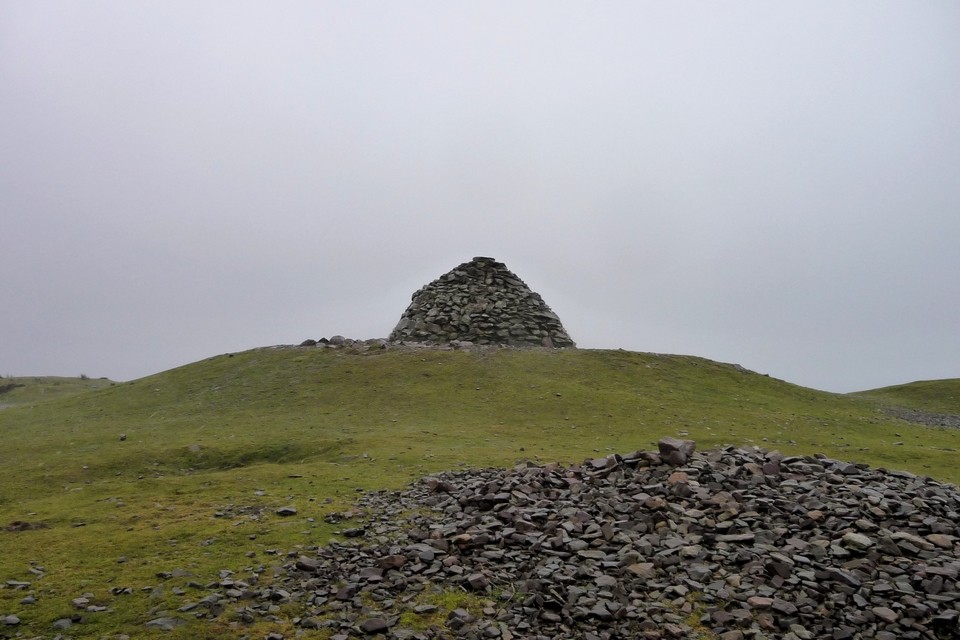
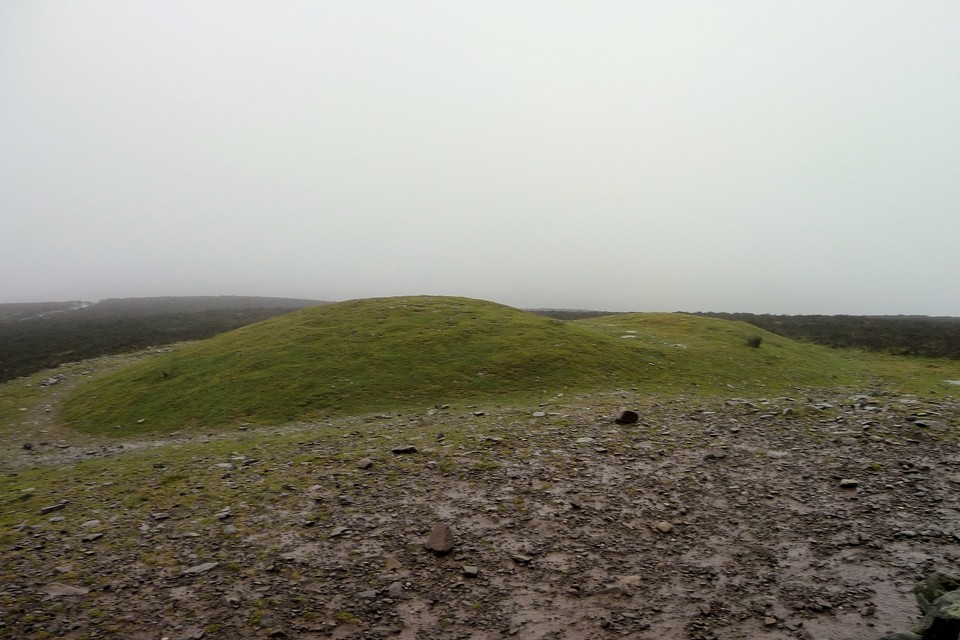
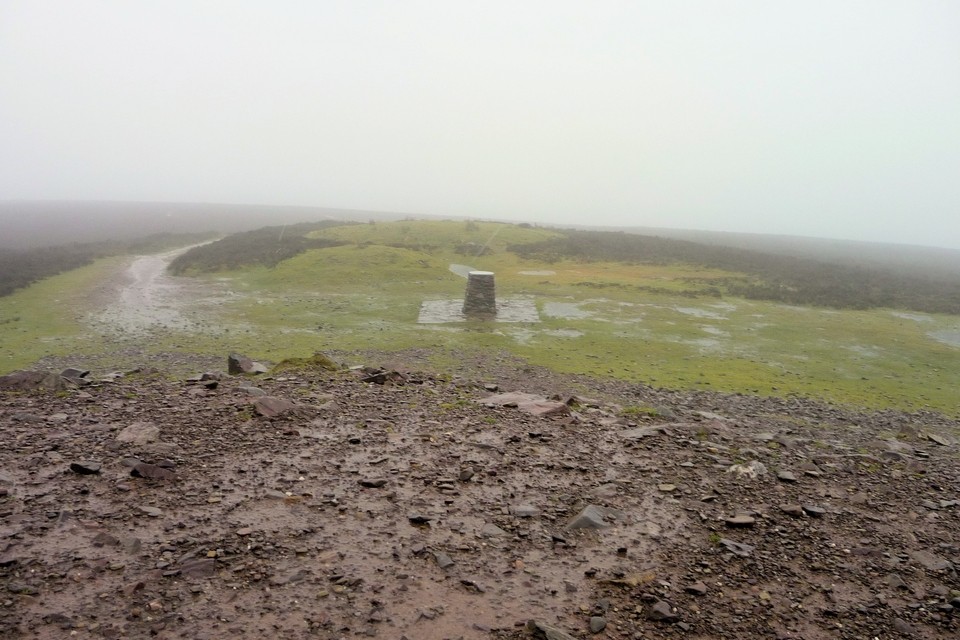
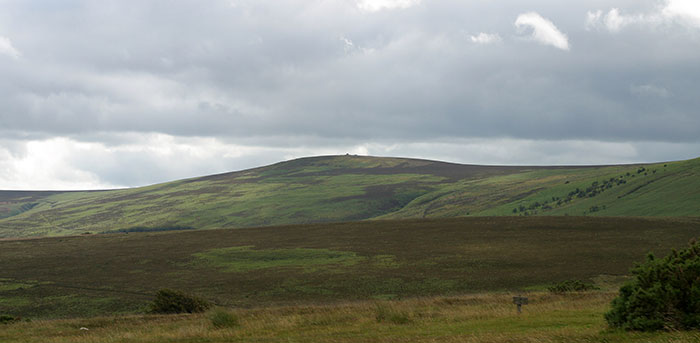
Dunkery Beacon really does catch your eye from far away. A strong feature in the landscape. We were lucky to get the top to ourselves today but I guess it’s a busy spot in the summer months. The cairns at the summit are a fair size with the main one having a modern commemorative cairn on top. If you like a trigpoint, sad to say Dunkery Beacon’s is long gone. Very good views today as the weather was kind (I was thinking of TSC’s battle against the elements whilst there and thanked my lucky stars).
If you like an upland cairn with a view you can’t go wrong with this place. Lots to see and do in the area as well. Top day out.
Mr J Ll W Page, in his 'Exploration of Exmoor' (pub 1895), wrote :- "One of the most beautiful of Easter customs still survives. Young men have not yet ceased, on the Resurrection morning, to climb over the nearest hill top to see the sun flash over the dark ridge of Quantock, or the more distant line of Mendip.
"The sight of the newly risen luminary on this particular morning is to them an augury of good luck, as it was to the white robed Druid in the ages that are past. Early in the [19th] century, Dunkery, probably because it is the highest land in Somerset, was favoured above all surrounding hills, and its sides, says Miss King, were covered with young men, who seemed to come from every quarter of the compass and to be pressing up towards the Beacon."
From 'Calender of Customs, Superstitions, Weather Lore, Popular Sayings and Important Events Connected with the County of Somerset', by W G Willis Watson, 1920.
Ruth Tongue was told in 1944 by a Person from Porlock that people used to climb to the top of Dunkery Beacon to see the sun rise on Easter Sunday, 'for good luck'.
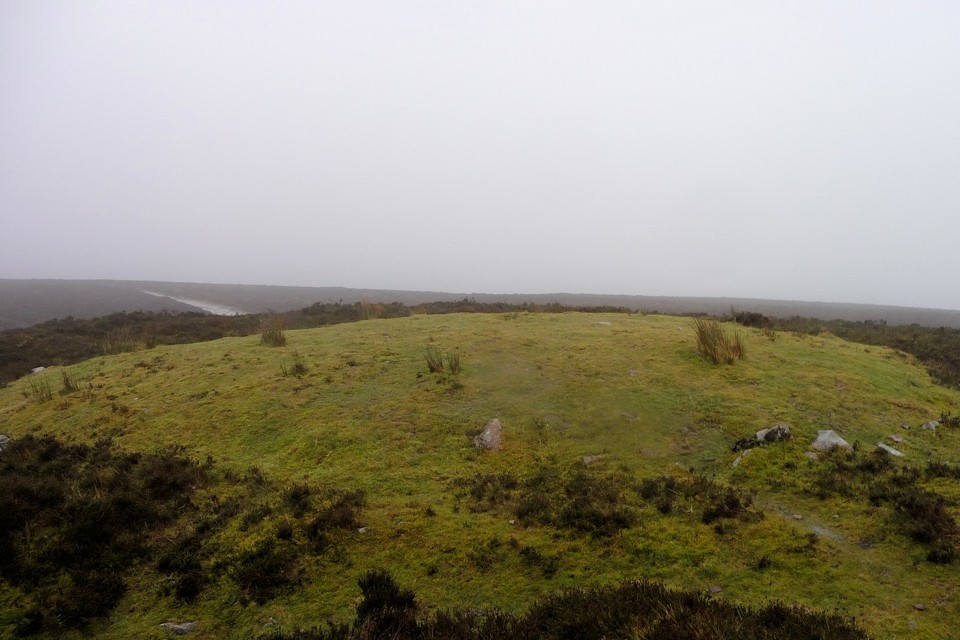
Five cairns of probable Bronze Age date are visible on the summit of Dunkery Beacon. The cairns were surveyed by English Heritage in August 2004 in response to a request by The National Trust and have been transcribed as closely as possible during the Exmoor National Mapping Programme survey. The group was previously recorded as both UID 35995 and 35990, but have now been combined into 35990 utilizing Grinsell's numbering scheme and with a concordance with the Scheduled Monument numbers.
I've not visited this site, but I understand that at 519 metres, Dunkery Beacon is the highest point on Exmoor (that's 1,706 feet if you're still using old money). The beacon is capped with two Bronze Age cairns.
This page contains a photo taken from Dunkery Beacon looking towards the coast. If you follow the Next Photo link there's a photo of the beacon itself with a cairn in shot. I'm not certain whether this is one of the Bronze Age cairns or a later addition.
 Log in |
Register
Log in |
Register


 Show map (inline Google Map)
 Add news
  Posted by Kammer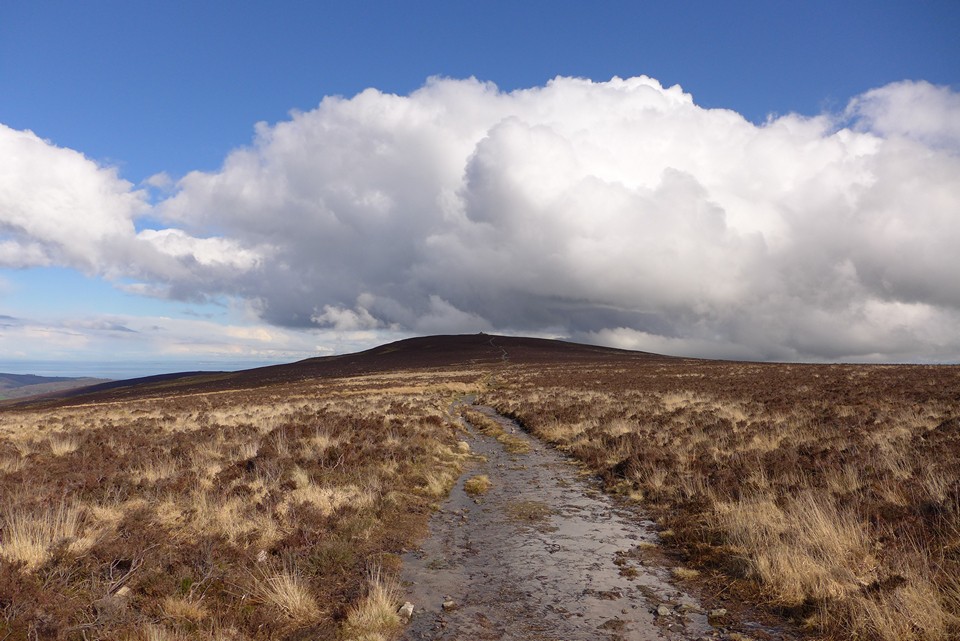
 Posted by thelonious
 Posted by Rhiannon
 Posted by Chance
 Top of page