|
 Log in |
Register Log in |
Register
|

|
|

Lincolnshire and Humberside
|


 Show |
 |
|
|
Sites in this group:
|
2 posts
Ash Hill Long Barrow Long Barrow |
3 posts
Ash Holt Long Barrow Long Barrow |
3 posts
Beacon Hill Barrow, Cleethorpes Round Barrow(s) |
|
5 posts
Beacon Plantation Long Barrow |
Boswell Barrow
Round Barrow(s)
|
3 posts
Bully Hill Round Barrow(s) |
|
10 posts
Bully Hills Barrow / Cairn Cemetery |
3 posts
Burgh On Bain Long Barrow Long Barrow |
2 posts
Burgh Top 1&2 Round Barrow(s) |
|
5 posts
Burgh Top 3 Round Barrow(s) |
2 posts
Buslingthorpe Round Barrow(s) |
4 posts
Butterbumps Barrow Cemetery Barrow / Cairn Cemetery |
|
1 post
Careby Camp Hillfort |
1 post
Cleatham Hall Farm Round Barrow(s) |
8 posts
Deadmen's Graves Long Barrows Long Barrow |
|
1 post
Deeping St Nicholas Round Barrow(s) |
3 posts
Donington on Bain Round Barrow(s) |
14 posts
Dragonby Rocky Outcrop |
|
6 posts
Fonaby Stone Standing Stone / Menhir |
3 posts
Giant's Hills Long Barrow Long Barrow |
7 posts
Grim's Mound Round Barrow(s) |
|
4 posts
Hagworthingham Barrow Round Barrow(s) |
5 posts
Hatcliffe Barrow Round Barrow(s) |
3 posts
Hills Brough Long Barrow Long Barrow |
|
4 posts
Hoe Hill Long Barrow Long Barrow |
8 posts
Honington Camp Hillfort |
2 posts
Howe Hill Round Barrow(s) |
|
2 posts
King's Hill Round Barrow(s) |
1 post
Little Ponton Round Barrow(s) |
3 posts
Luford Barrow Round Barrow(s) |
|
2 posts
Mill Hill Round Barrow(s) |
Ring Holt
Round Barrow(s)
|
1 post
Round Hills Ancient Village / Settlement / Misc. Earthwork |
|
3 posts
Silk Willoughby Round Barrow(s) |
6 posts
Spellow Hills Long Barrow |
3 posts
Tathwell Long Barrow Long Barrow |
|
1 post
Twyford Forest Ancient Village / Settlement / Misc. Earthwork (Destroyed) |
3 posts
West Ashby Henge Henge |
2 posts
West Butterwick Henge |
|
2 posts
Winceby Stone Natural Rock Feature |
1 post
Yarborough Camp Hillfort |
Sites of disputed antiquity:
|
7 posts
Anwick Drake Stones Natural Rock Feature |
Immingham Blue Stone
Standing Stone / Menhir
|
4 posts
Kell Well Sacred Well |
News |
 Add news Add news |
|
Archaeologists unearth massive 5,000-year-old structure near Lincoln industrial estate Archaeologists from Network Archaeology Ltd have teamed up with Lincolnshire Live to reveal more about the incredible artefacts from a dig along part of the route of Lincoln's Eastern Bypass http://www.lincolnshirelive.co.uk/news/local-news/archaeologists-unearth-massive-5000-year-603713.amp |
 Posted by thesweetcheat
13th October 2017ce |

|
Lincoln mesolithic find Hundreds of flint tools have been unearthed during excavation work prior to constructiom of Lincoln University's Isaac Newton Building. They include tiny cutting blades and are up to 11000 years old. |
 Posted by spencer
5th December 2015ce |
Bronze Age trackway unearthed on Cleethorpes beachA prehistoric trackway that could be more than 4,000 years old has been discovered on a beach in Cleethorpes. The wooden track would have been used to cross a boggy landscape and is believed to be from the early Bronze Age, said archaeologists... continues... |
Posted by thesweetcheat 6th August 2015ce |
|
2,000 year old salting site found at Willow Tree Fen BBC report on a dig at Willow Tree Fen, near Bourne in Lincolnshire. Nice video and more details at: http://www.bbc.co.uk/news/uk-england-lincolnshire-15168543 Mac |
 Posted by mascot
5th October 2011ce |
|
Metal detectorists trash Lincolnshire dig It's immoral. It's criminal vandalism. What they've destroyed can never be replaced. Spotted at: http://news.bbc.co.uk/1/hi/england/lincolnshire/6289762.stm http://www.lindumheritage.co.uk/dig-diary-2007.htm |
Posted by Robert Carr 12th July 2007ce Edited 29th July 2007ce |
Iron Age boat goes on displayA boat dating back to the Iron Age has gone on show at a Lincoln museum. The log boat, which has undergone four years of conservation work, is now on display at the city's new archaeological museum - The Collection... continues... |
 Posted by Rhiannon
28th February 2006ce |
Replica boat takes to waterhttp://www.yorkshiretoday.co.uk/ViewArticle2.aspx?SectionID=55&ArticleID=921180 The half life-size boat was paddled off down the Humber yesterday, crewed by members of Hull University Boat Club... continues... |
Posted by Rhiannon 18th January 2005ce Edited 18th January 2005ce |
Another Bronze Age boat to take to the waterA half size replica of a Bronze Age boat that was found at North Ferriby will be sailed on the Humber as part of SeaBritain 2005, a celebration of our maritime heritage. The original 16-metre boat wasn't a dug out but used sophisticated techniques and carpentry skills that are difficult to match today... continues... |
Posted by Rhiannon 15th December 2004ce Edited 15th December 2004ce |
Bronze Age Axe Head 'Too Heavy' TheoryA Bronze Age axe head unearthed in a Lincolnshire field is baffling archaeologists - because they think it is too heavy to use. Made of stone, the axe head weighs 4.4lb and was produced some time between 2000BC and 1600BC. It was found when a walker stumbled across it last summer in a farmer's field near Scotter, north of Gainsborough... continues... |
 Posted by Jane
13th January 2004ce Edited 13th January 2004ce |
Discoveries around the Fosse WayFOLLOWING THE FOSSE WAY - This Is Lincolnshire http://www.thisislincolnshire.co.uk/displayNode... continues... |
Posted by Rhiannon 14th July 2003ce |
Bronze Age sites in Hull at riskFrom This Is Hull.co.uk The rich abundance of Bronze Age archaeology near one of the city's poorest housing estates is at risk from controversial plans to build 105 homes... continues... |
Posted by Rhiannon 23rd June 2003ce Edited 23rd June 2003ce |
Latest posts for Lincolnshire and Humberside |
Showing 1-10 of 141 posts. Most recent first | Next 10 
Hoe Hill Long Barrow — Folklore |
| The barrow gets it's alternative name of Cromwell's Grave from the local tradition that one of Cromwell's Roundheads was captured, killed and buried there. (Source: Internet) |
Posted by Blind Davey 19th September 2023ce |
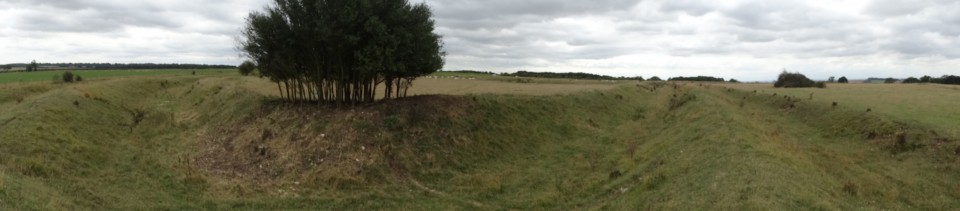
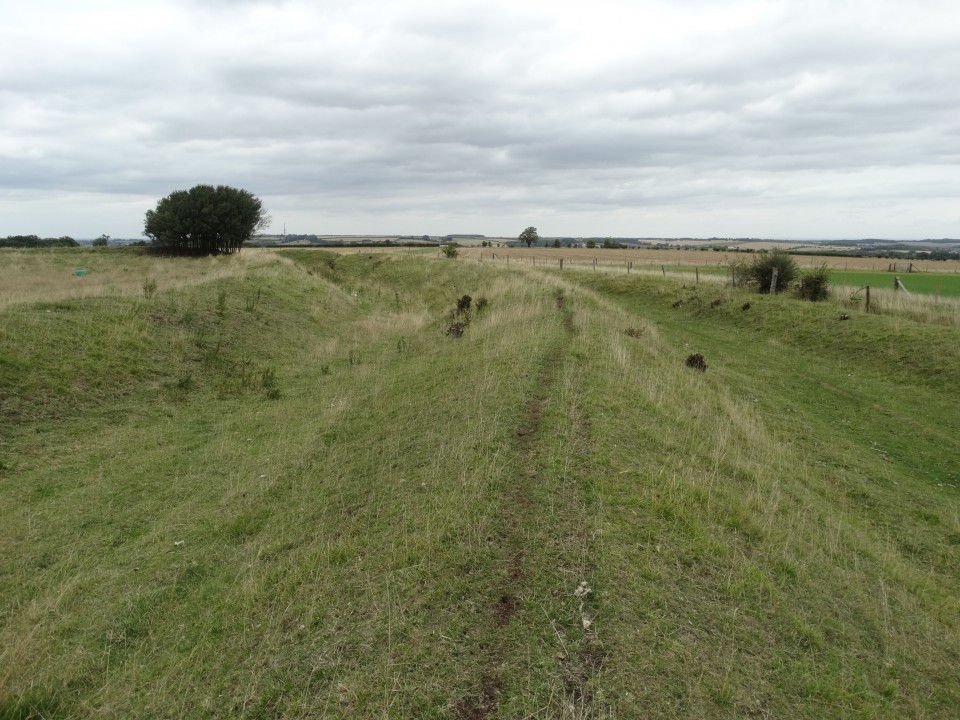
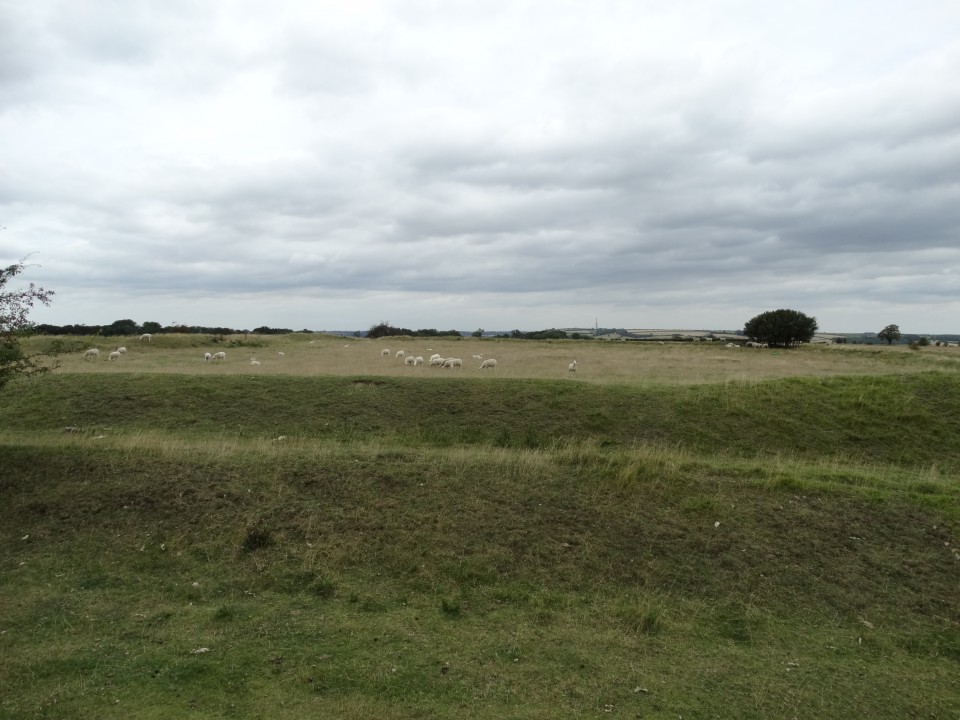
Honington Camp (Hillfort) — Images (click to view fullsize) |
|
Posted by costaexpress 22nd June 2017ce |
Bully Hills (Barrow / Cairn Cemetery) — Images |
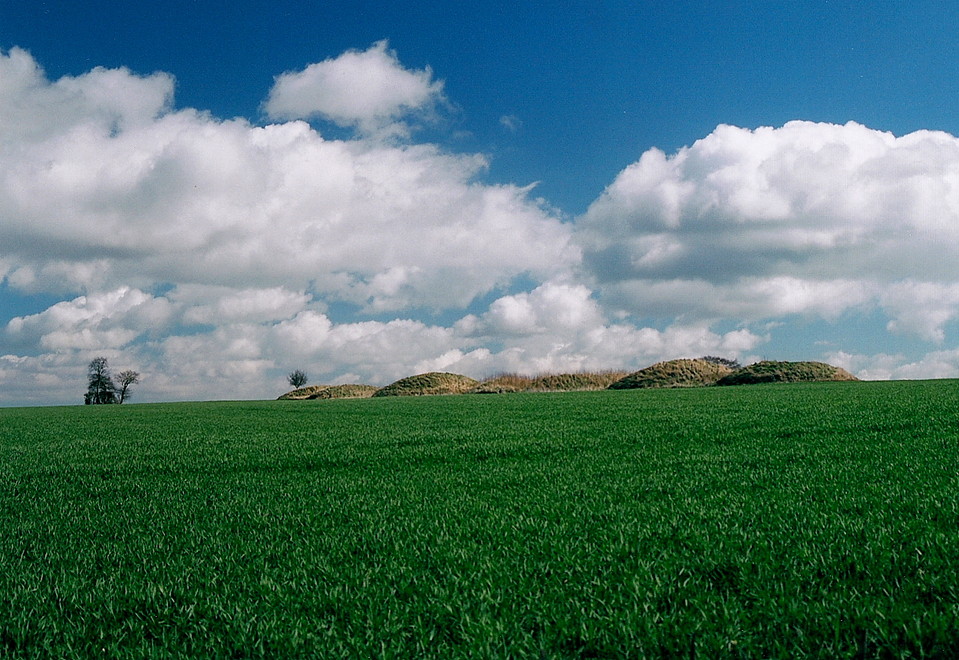 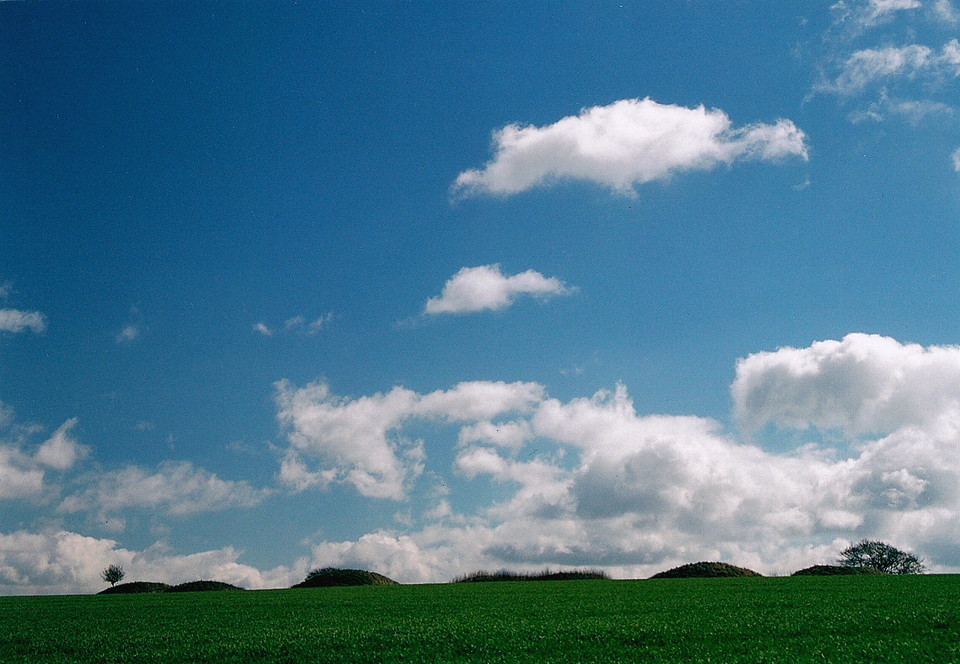 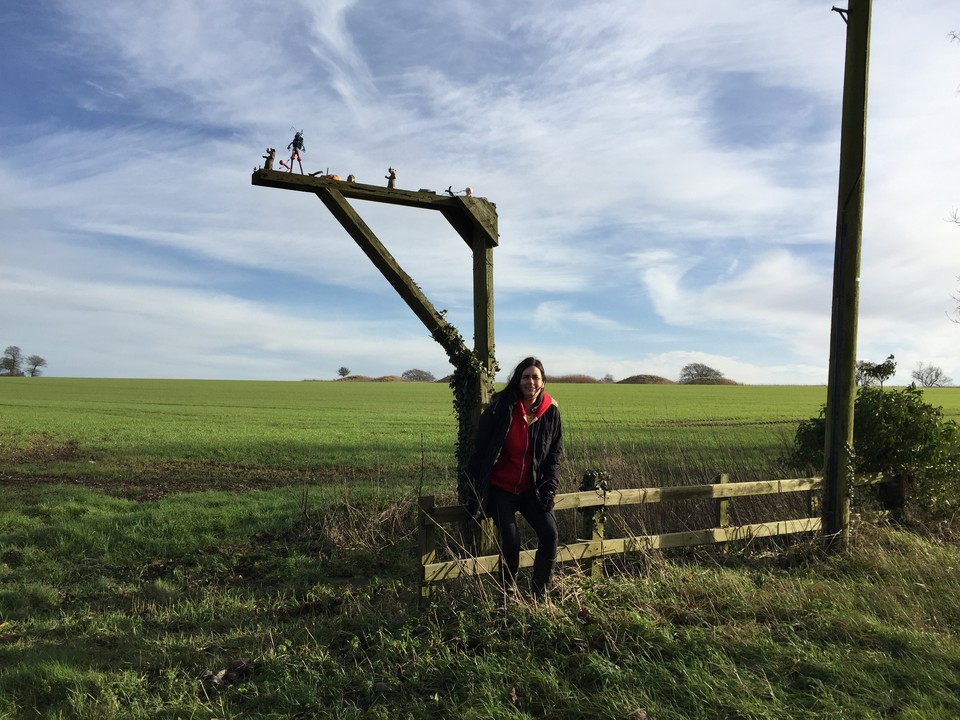
|
Posted by Princejasu 23rd January 2016ce |
West Ashby Henge — Miscellaneous |
|
Details of henge on Pastscape Oval cropmark, diameter c.25 m of henge monument, class II, with opposed entrances known from JK St Joseph AP's BCG82-84. Ditch is encircled by series of pits. Neolithic flints from fieldwalking include cores and scrapers. (See also TF 27 SW/14). (1-2) TF 254 716. Shearman's Wath henge. Scheduled no. LI/265. (3) Small sub-circular enclosure, known from cropmarks, situated at c 36.5m above OD. Enclosure is defined by faint, irregular cropmarks of a ditch with an entrance to the NW; a less certain entrance to the SE and a possible break to the ESE. The enclosure is surrounded by a partial circuit of pits of which 19 are visible.Internal diameter 17-5-18.5m. Described by Harding and Lee as a probable henge. (4) The Neolithic or Bronze Age henge referred to by the previous authorities was seen as cropmarks and mapped from good quality air photographs. The henge has an internal diameter of c20m and the diameter of the outer ring of pits is c26m. The henge is more accurately located at TF 2538 7168. (Morph No. LI.138.1.1) This description is based on data from the RCHME MORPH2 database. |
 Posted by Chance
28th December 2014ce |
Cleatham Hall Farm (Round Barrow(s)) — Fieldnotes |
|
Directions: North of the village of Kirton in Lindsey – along the B1400. We parked near the public footpath sign and I walked up the muddy track which skirts around a small lake. There is no public right of way to the Barrow but it can be seen on the opposite side of the lake from the water’s edge – a grass mound in a field. E.H. state: ‘The barrow is 1.5m high and 45m in diameter. The barrow has twice been investigated by antiquarians. The first investigation (1867) found a layer of partially cremated bones and two urns in the centre of the mound. The second excavation (1911) found a layer of burnt earth’. |
Posted by CARL 7th May 2014ce |
Bully Hill (Round Barrow(s)) — Folklore |
Orgarth Hill Farm is on the opposite side of the road to these barrows. The Ghost of Orgarth Hill. - This hill, a few miles south of Louth, some 40 years ago was haunted by a man riding on a shag or shaggy horse, which suddenly appeared without any warning, and kept up with persons until they were terrified, but usually it appeared to people riding or driving, who did not notice the horse and its rider, until they looked to see what had terrified their horses, which stood trembling with fear, until they bolted down the hill.From Lincolnshire Notes and Queries volume 2, page 272. The implication seems to be that this apparition might be connected with the shagfoal or tatterfoal, a kind of furry horsey supernatural cousin of the more widely known big black dogs like Shuck. |
Posted by Rhiannon 23rd January 2014ce |
Showing 1-10 of 141 posts. Most recent first | Next 10
 Top of page