|
 Log in |
Register Log in |
Register
|

|
|

Park Gate Stone CircleStone Circle
|
||||||||||||||||||||||||


 0 discussions


 Show map (inline Google Map)
|
|
|
Images (click to view fullsize) |
 Add an image Add an image |





|
Fieldnotes |
Add fieldnotes |
|
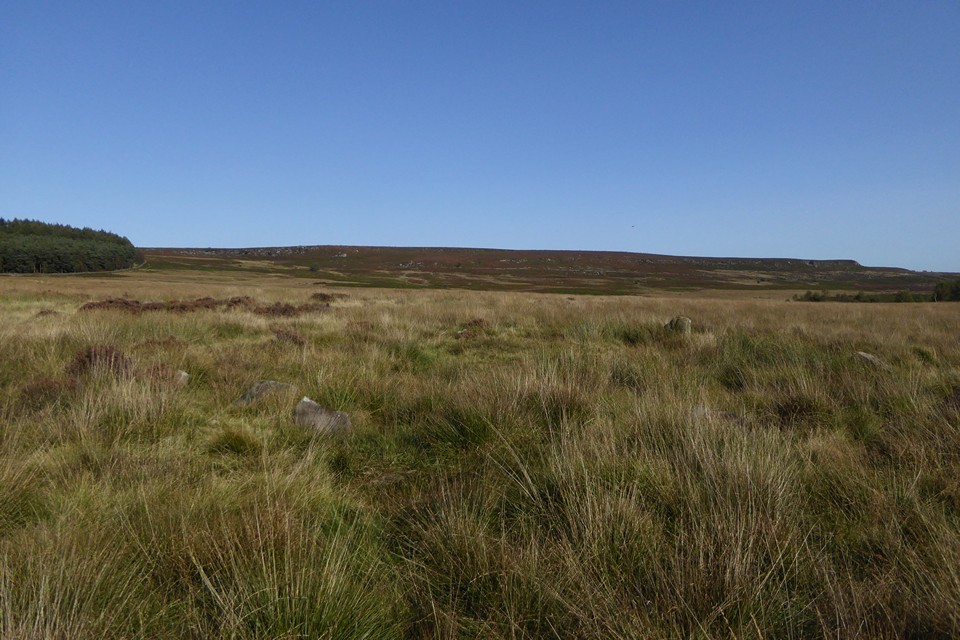
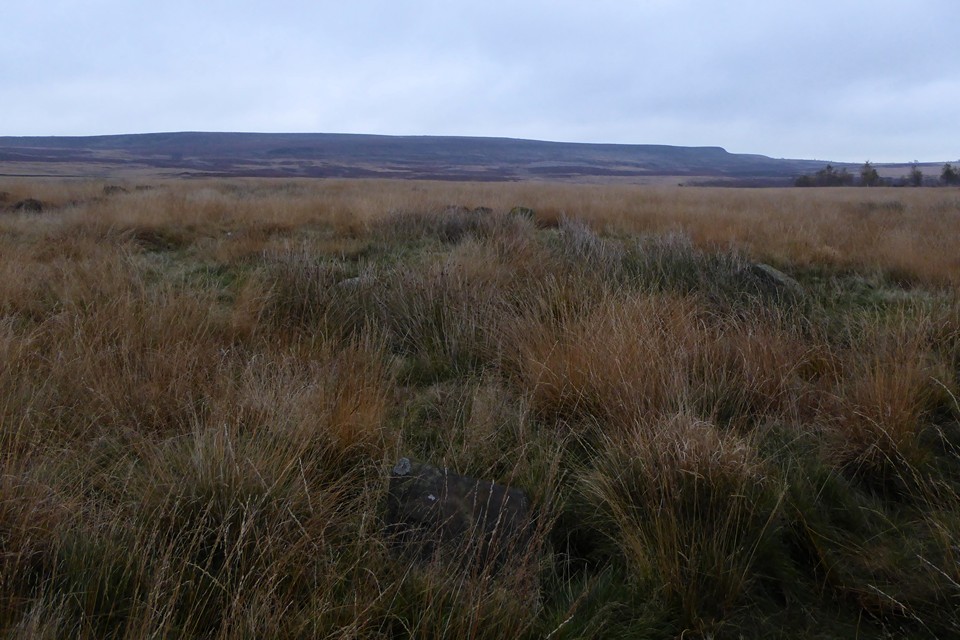
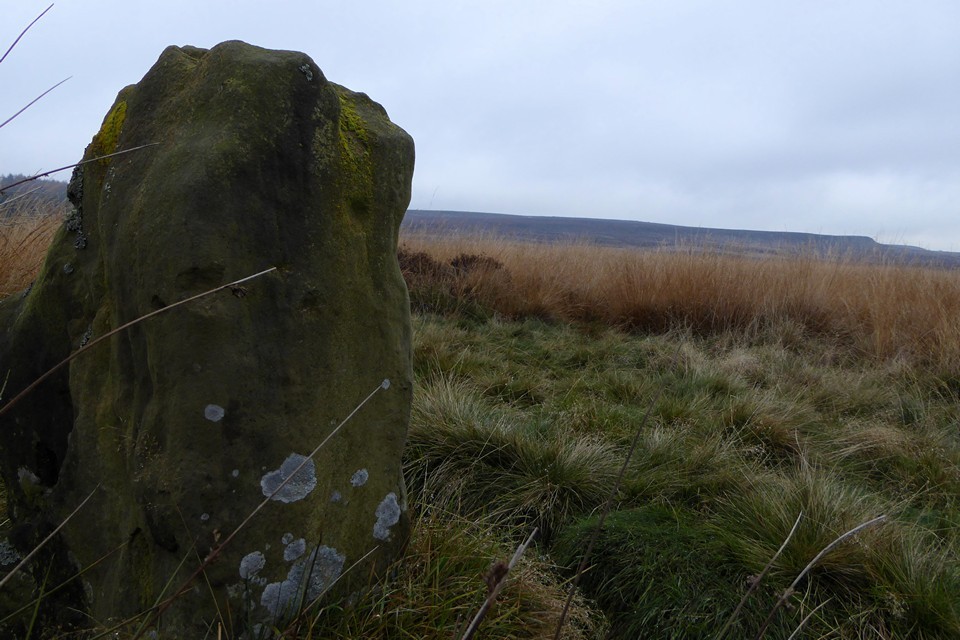
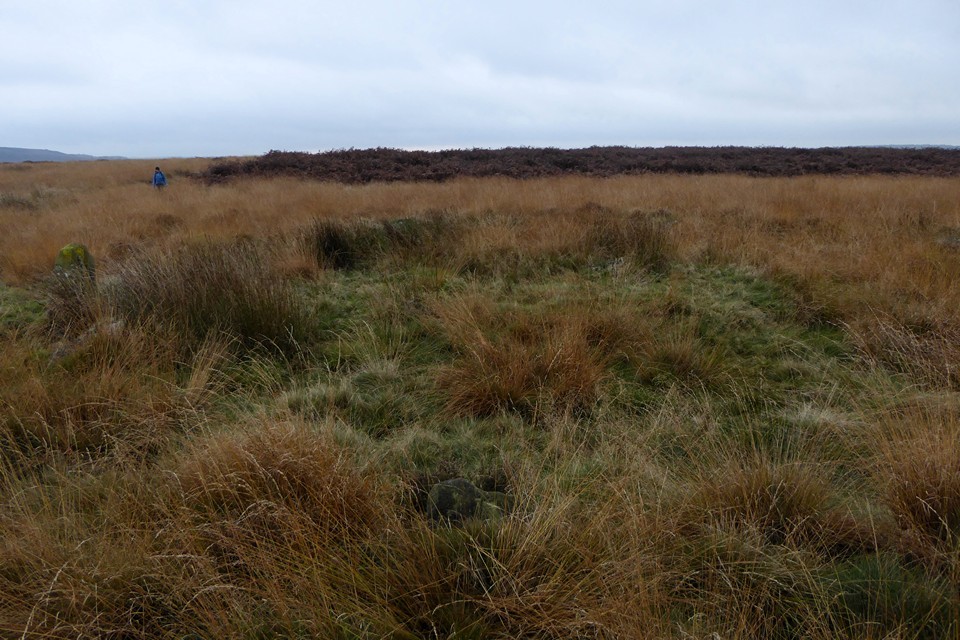
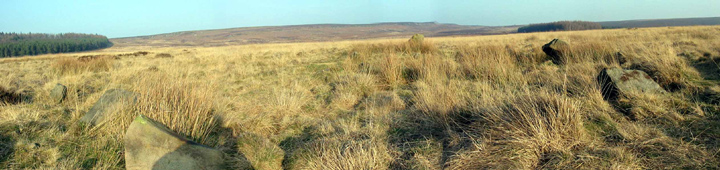
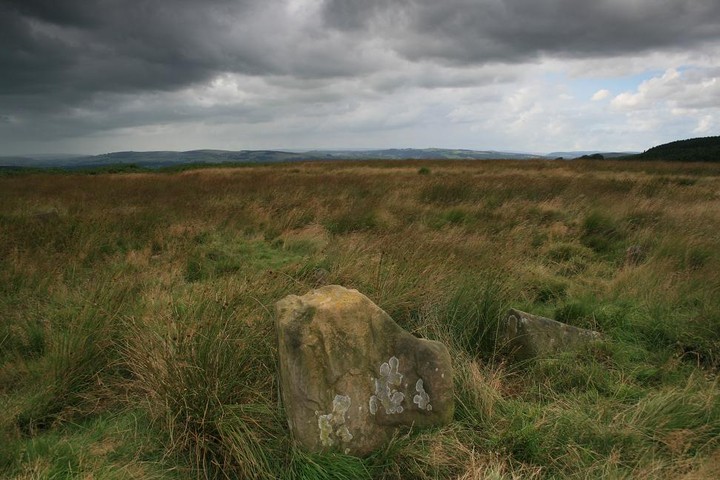
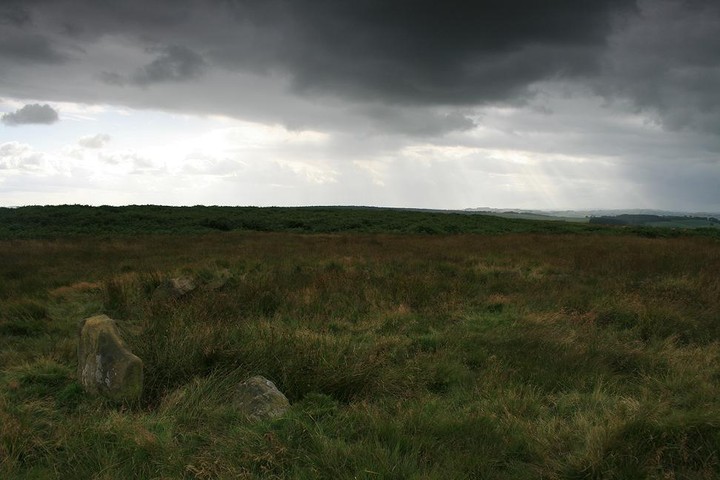
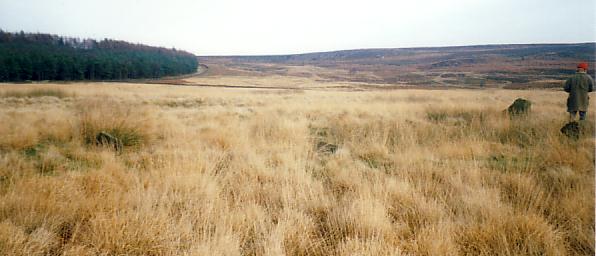
I always thought this was well off the beaten track, but heading up from Beeley towards Beeley moor in the car, I pulled up in the lay-by/parking area, to find about 15 cars and an Ice Cream Van! Luckily most folks were heading off elsewhere for walks, as I trundled along the track towards the circle. Dark clouds were rushing in overhead and it started to rain as I came up to where I thought the circle should be, which was behind a few young trees, but instead it was further along, near some scrub. I found no obvious track (however small), but just spotted a stone poking up over the long summer grasses, so stumbled over the uneven tufts towards it. Quite hard to make out much at this time of year, until you walk around a bit and remember where the hidden stones sit. Had really wanted to get to this site for a long time - and although it's not the most stunning circle, it'll do for me, for today, in the rain. |
Posted by ruskus 8th August 2017ce |

|
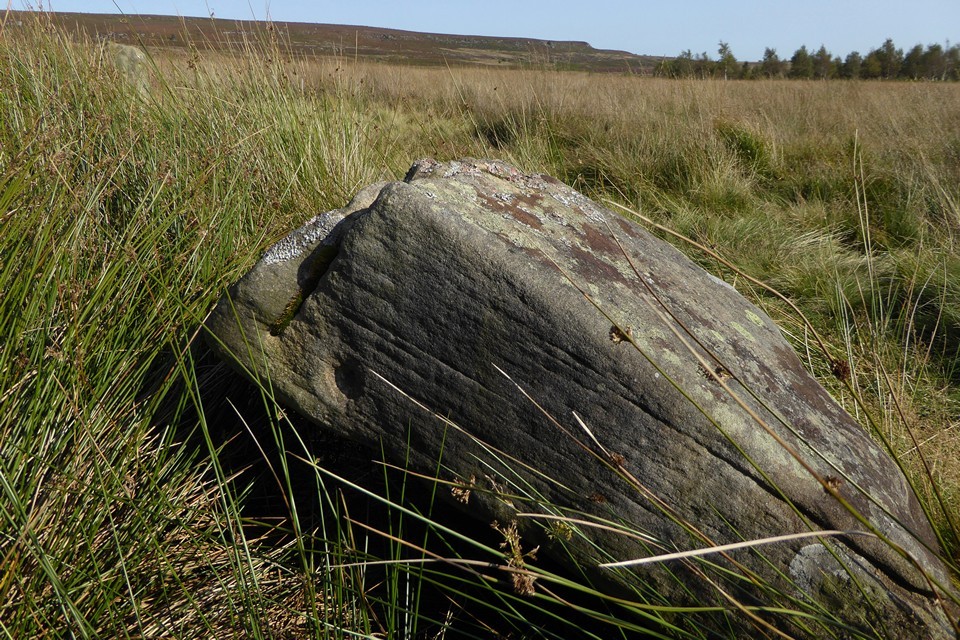
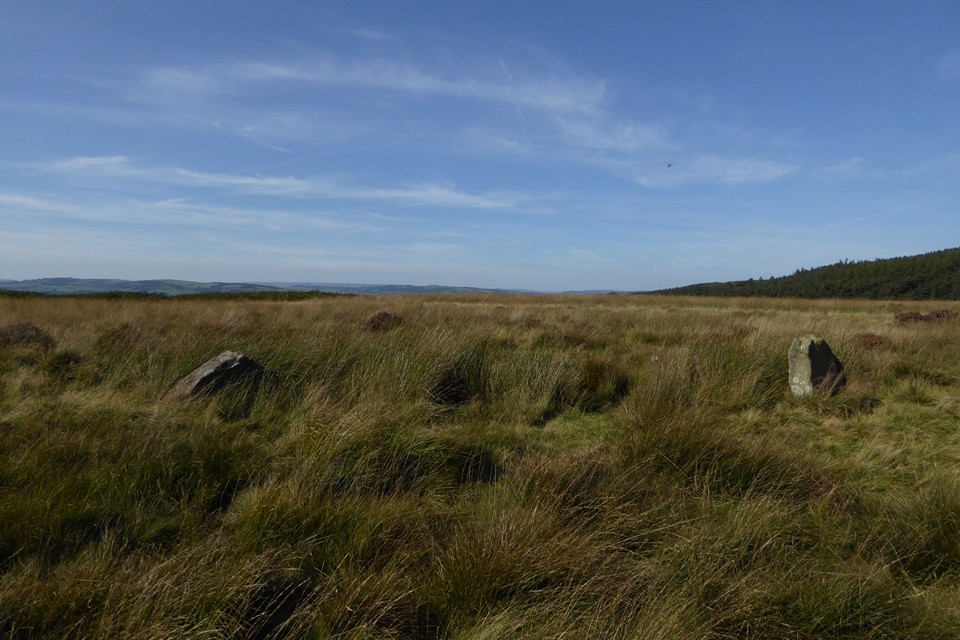
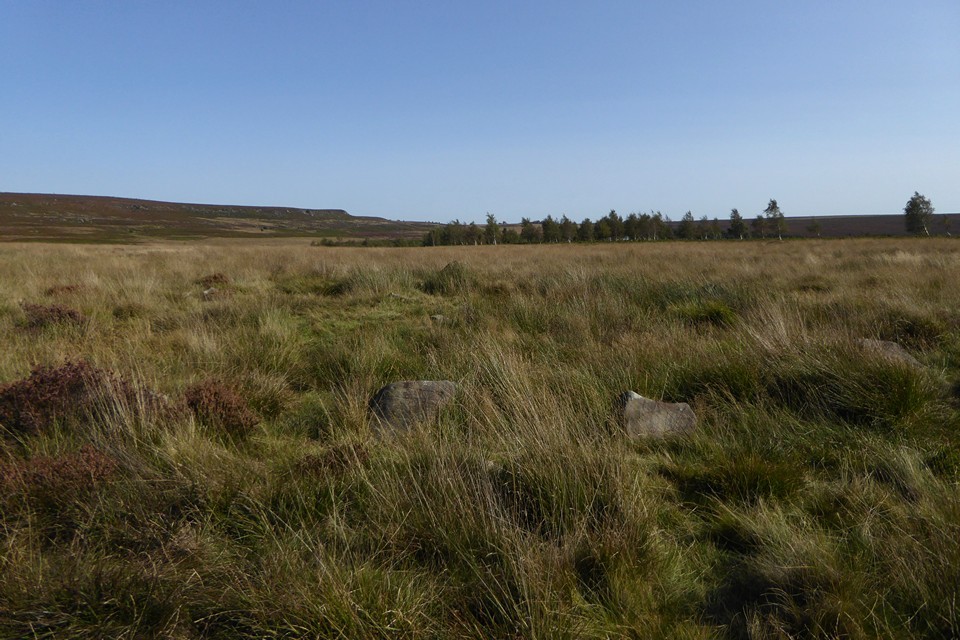
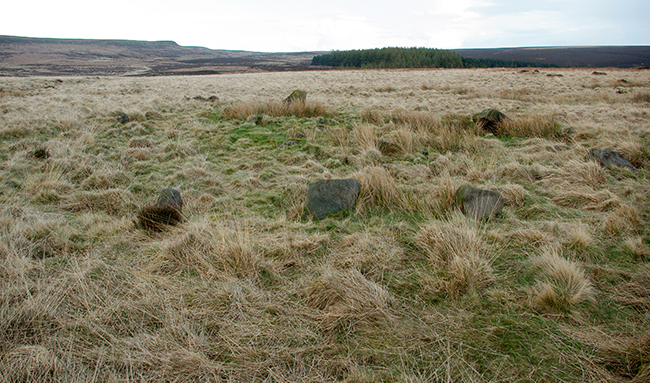
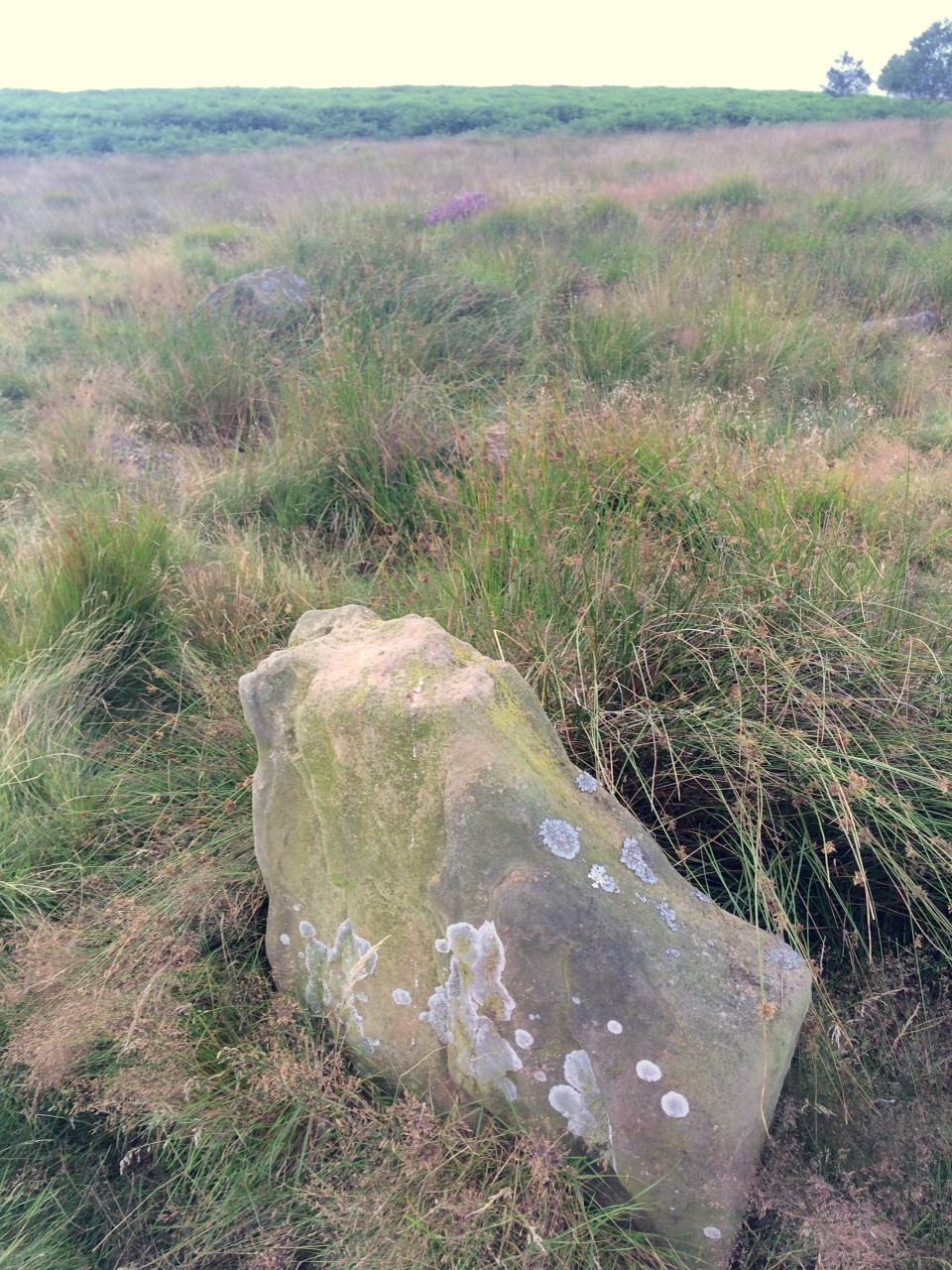
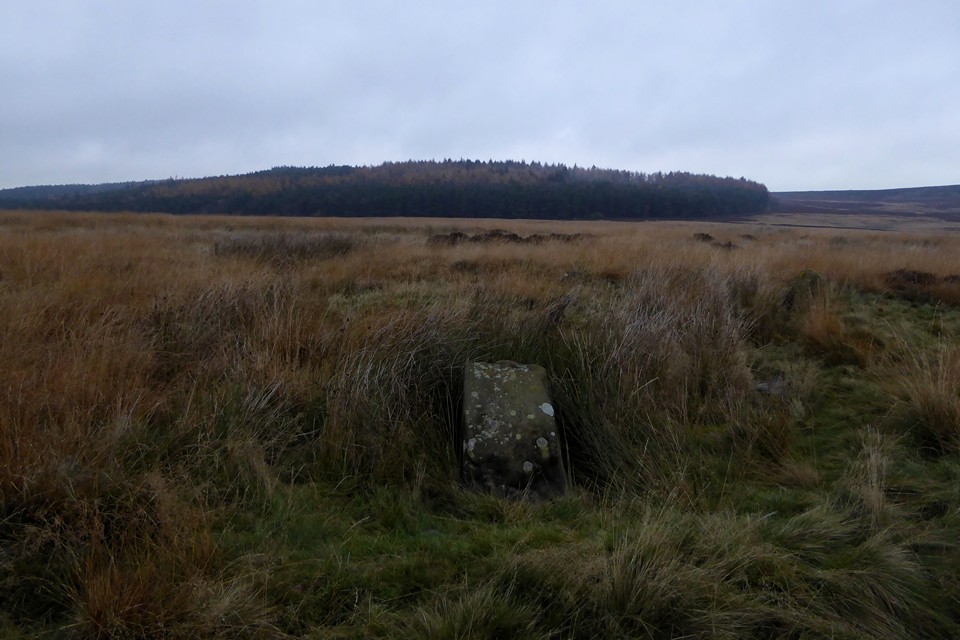
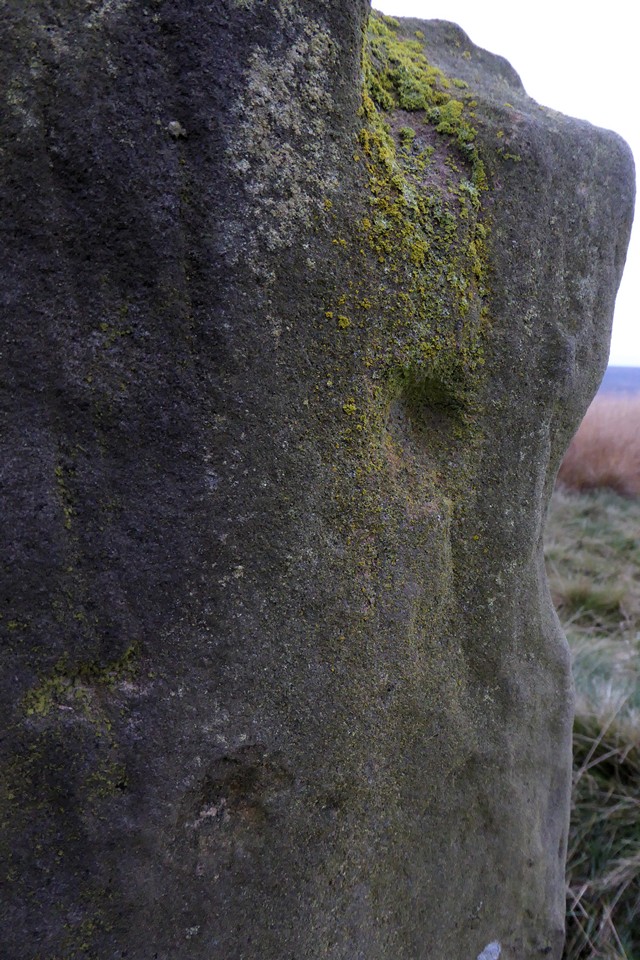
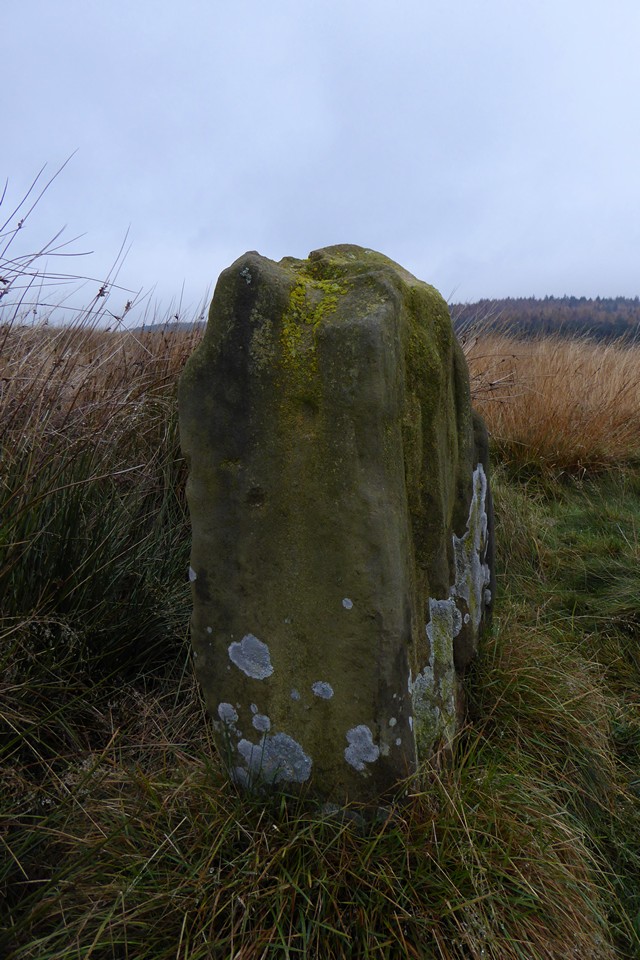
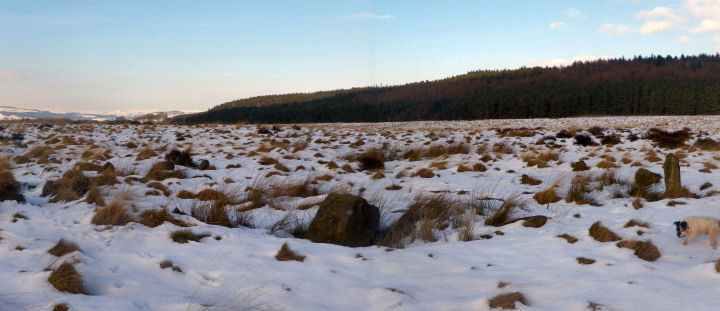
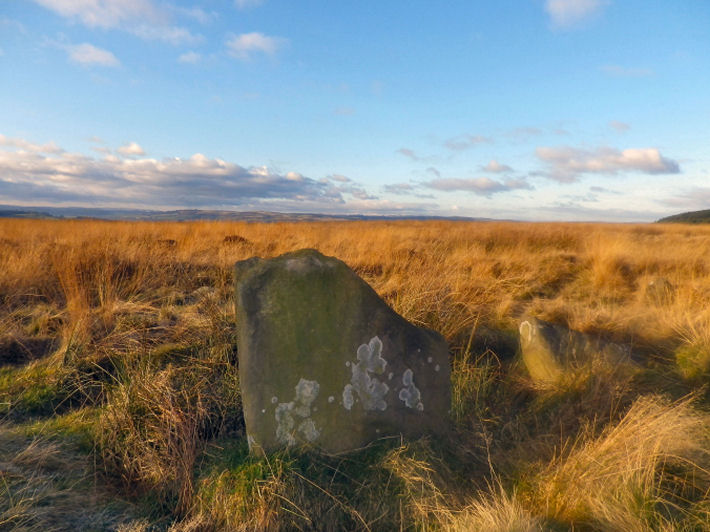
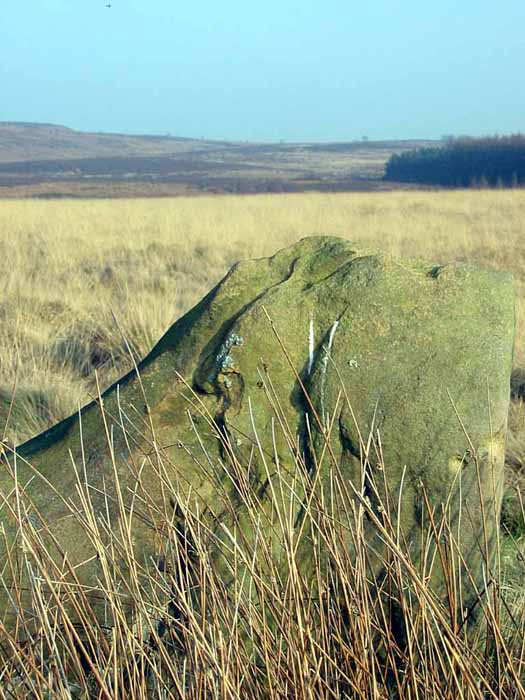
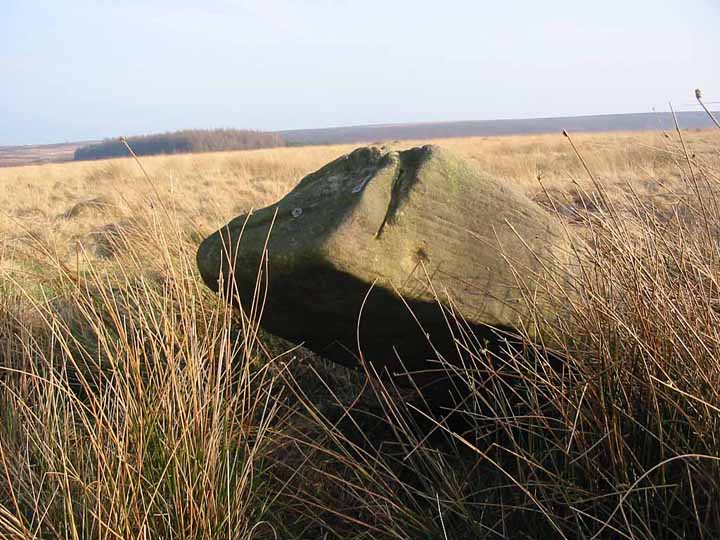
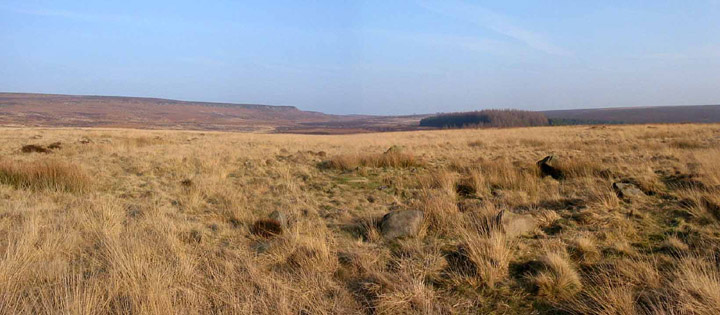
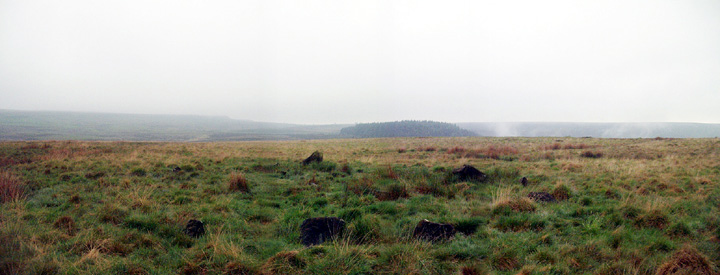
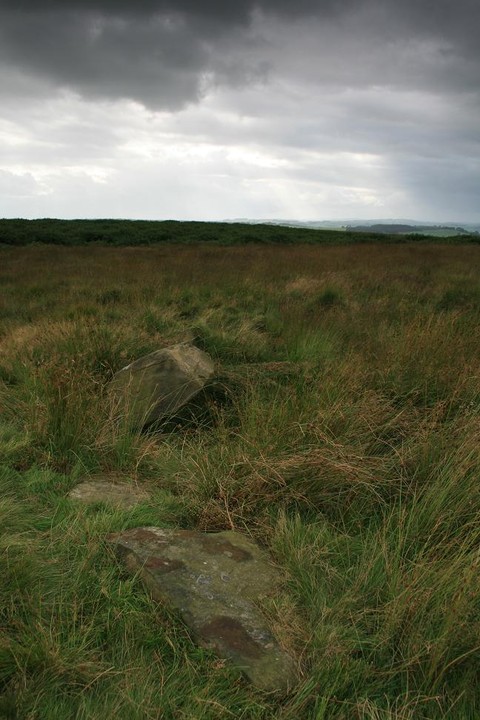
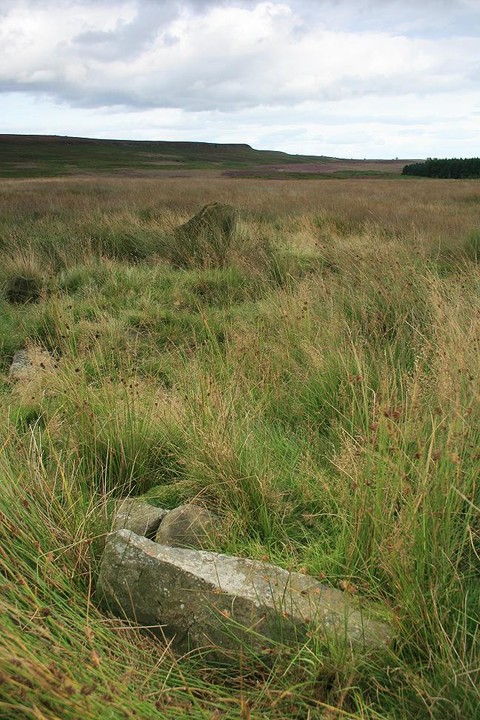
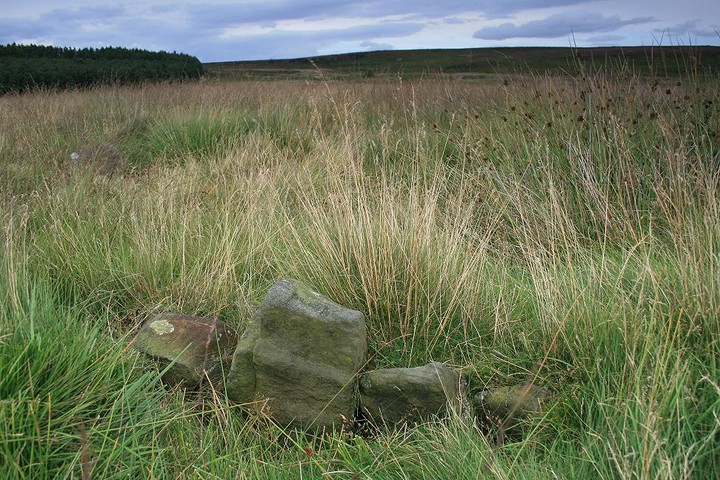
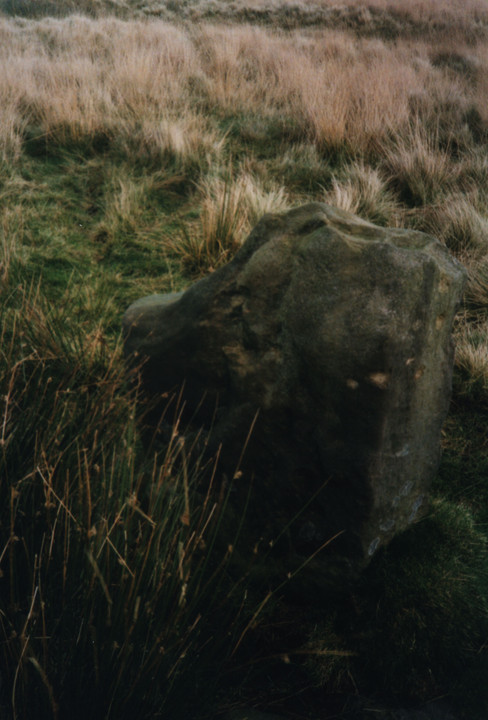
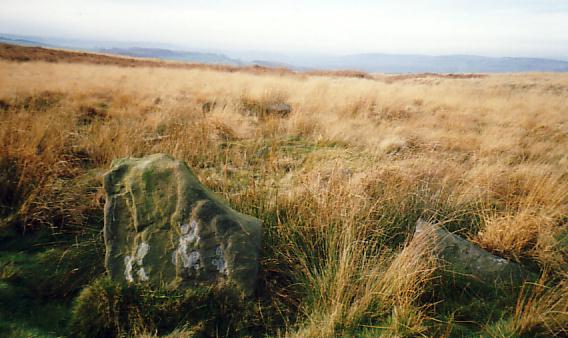
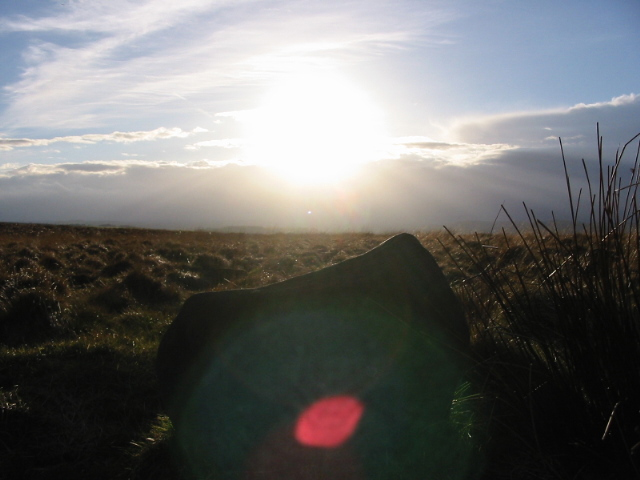
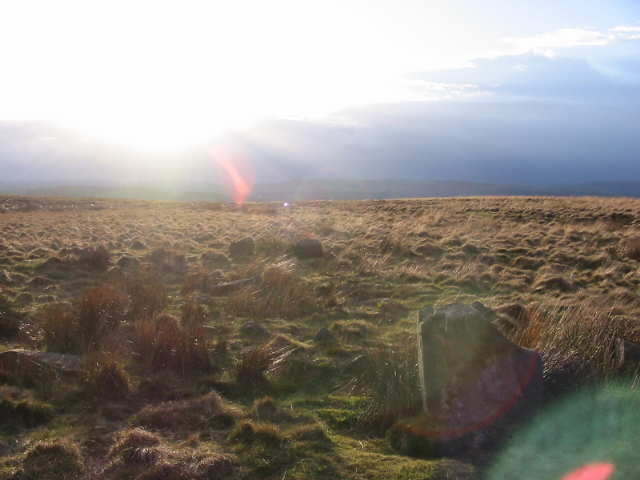
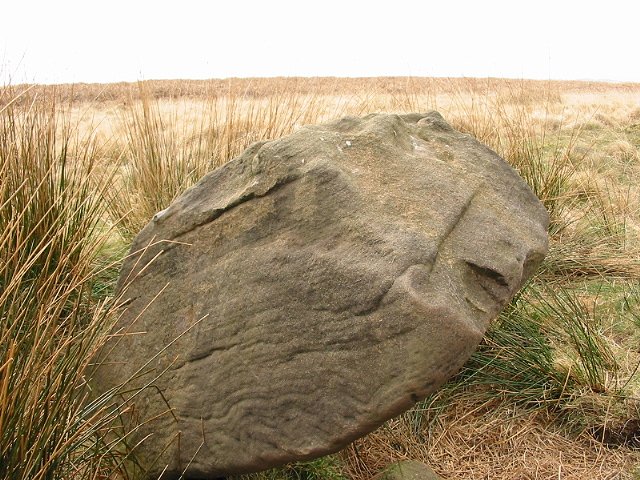
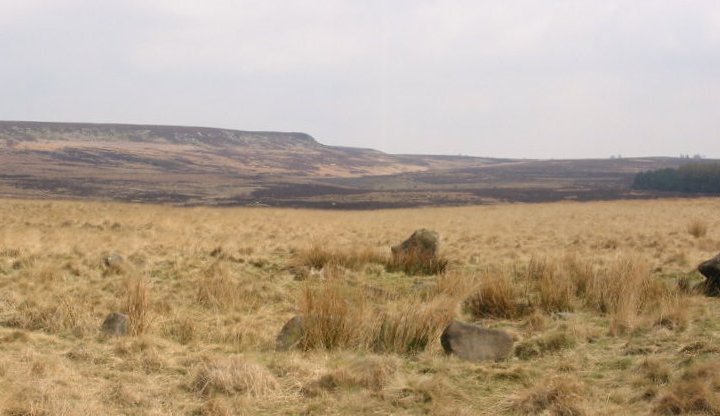
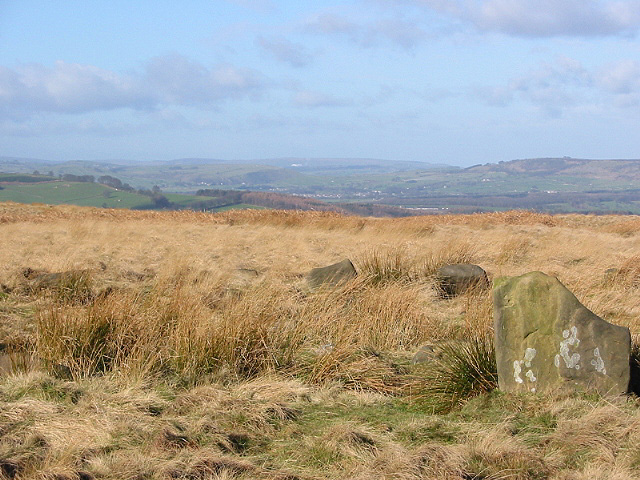
Park Gate stone circle is not visible from the track, so it’s a matter of following the route until it starts to turn northwest, where another fainter path heads off north onto the moor again. There are a couple of stones in the circle that are big enough to stand above the reedy grasses, so it’s a lot easier to see than Gibbet Moor was earlier. This is the second revisit of the day, as we came here in 1998 on the same day as Hob Hurst’s House. At the time it was the fourth stone circle I’d been to, after Arbor Low, Nine Ladies and Nine Stones Close, three of the Peak District’s big hitters. So it’s probably not a great surprise that it felt a bit of a disappointment after those sites. Although there are at least ten stones in the circle, many of them are small and overwhelmed by the tufty, reedy grass that surrounds the site. The biggest stone, on the southwest of the circle, is leaning at an alarming angle over the top of a pit that threatens to swallow it whole if it ever goes the rest of the way. The most striking stone is the one on the east, a shapely upright with what appears to be at least one cupmark and some other dents that are apparently bullet holes and do have a ragged outline. This is the stone I remember from our first visit, and indeed the only one that I have a photo of. For all that, it’s actually a really good circle. In the 18 years since I last came, I’ve been to a lot of wrecked, dishevelled, uncared for, ploughed out, vandalised and generally unloved sites. So although there’s also been a lot of awe-inspiring, stop-you–dead-at-50 paces classics over the same period, my expectations are very different to how they were back then. Now, I see a fine circle in a good setting, looking towards Harland Edge particularly. It could do with a de-vegging, as the long grass is detracting from the sense of the whole site. Circle stones needn’t be enormous to make an impression, as anyone who’s had the pleasure of Cerrig Duon or Nant Tarw could attest. But they do need to be kept visible, and a judicious tidy up here would do it wonders. The only disappointment really is the terrible dullness of the day. It’s not even 2:30 but it feels like dusk, as though the sun has given up and set early, leaving a crepuscular greyness to the scene, even with the autumn colours of the moor. We head back to the track and head west. This post appears as part of the weblog entry Raving on the Moors Part I – Gibbet Moor 9 November 2016
|
 Posted by thesweetcheat
23rd November 2016ce Edited 23rd November 2016ce |
|
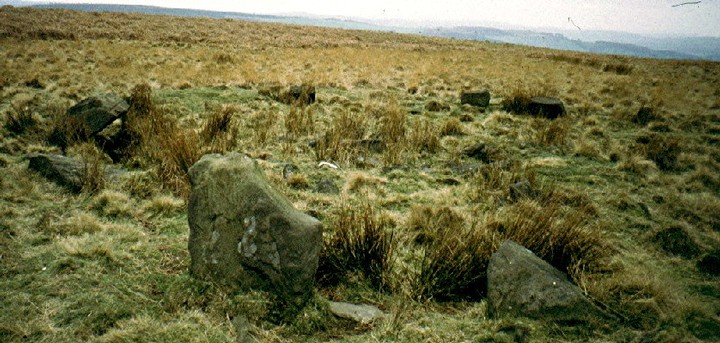
Visited 2.5.14 Directions: Follow the track that skirts the edge of Hell Bank Plantation. Where the track turns sharply to the south-west a ‘path’ continues to the north-west. Here you will find a small wooden sign pointing to Hob Hurst’s House or to Robin Hood’s House. Take the path towards Robin Hood’s House. As the path takes a slight turn to the right come off the path and head to the right (east). Although the circle can’t be seen from the path you shouldn’t have too much difficulty spotting it. The walk only takes about 15 minutes from where you park the car. The stone circle is actually quite circular! The circle is about 8m in diameter. Nearly all of the stones have fallen. One is leaning at an accute angle and only one is upright. This stone is about 1m high. In the centre of the circle are lots of large stones. The surroundings are of bleak (in a nice way) open moorland with good views. I liked this stone circle (much better than Wet Withens!) and would highly recommend a look when visiting the more famous nearby Hob Hurst’s House. Despite the fact that several cars were parked up I saw no one else at either site. |
Posted by CARL 7th May 2014ce |
|
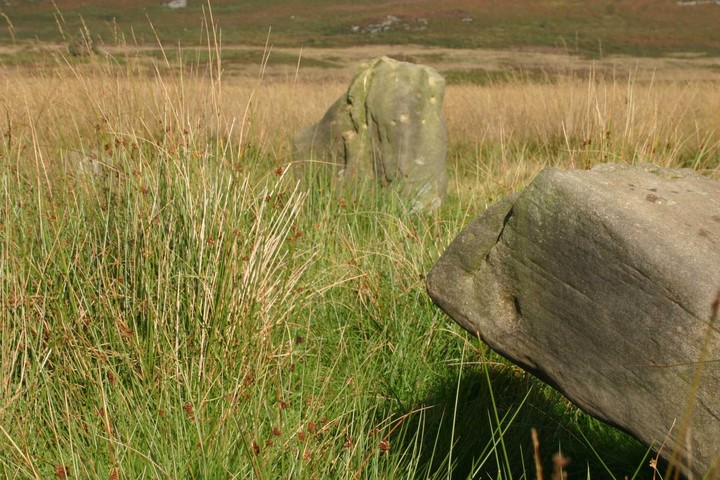
Plenty of parking half a mile south east of the circle, where the road meets the pleasantly named Hell bank plantation, there was a dozen cars there when I joined the throng. Follow the path with the trees on your left then climb a high stile over the wall and take the left track. The circle is about fifty yards from this track on the right, a land rover type track passes right by the circle and goes on towards Hob Hursts house. The tallest most impressive stones are on the south side whilst some of the stones on the north side are only just poking above the grass and not all of them are original, one or two are quite loose. Give me a few good men and one afternoon with shears and we could have this place looking postcard presentable, but untill then lets just be glad it's here at all, for every stone circle thats still here, how many passed away into oblivion ? Despite the full carpark I only saw three people all afternoon. |
 Posted by postman
30th August 2009ce Edited 30th August 2009ce |
|
Sunday 13 July 2003 We arrived at the bottom of the lane at 119 287681, leading north between forestry and nature reserve, towards the various cairns and stone circle. We followed the lane along the edge of the forestry. The first gate to the moor and towards the cairns forbids entry because of the nature reserve. We carried on along the lane, leaving it just as it turned sharp left. Here a track leads up and slightly left onto the moor. We followed this track until the first distinct (but gentle) bend to the right. There is a large patch of ferns on the right as the track bends (at least at the moment!). Park Gate stone circle is in the long rather 'reedy' grass' the other side of the fern patch, so turn right, off the track, and skirt the edge of the ferns on your left. Follow the edge of the ferns until you are 'behind' the whole patch – you should be able to see a couple of the stones of the circle a short distance off in the long grass. John and I were pleased to have found the circle, but Park Gate is not the most spectacular or impressive circle. It's certainly worth seeing if you are in the area though. Once more it is set on a fairly wild bit of moorland with impressive views. Looking at the circle itself, I was reminded slightly of some Scottish circles by the fact that the stones diminish in size from (at a guess) the south east of the circle to the north west. In this case it could easily just be because the north west is more ruined…. We both thought it would probably be worth a winter visit in the hope of lower grass – though as the area is likely to be boggy, the growth may still prevent a very good view of the stones. This post appears as part of the weblog entry Delerious in Derbyshire
|
 Posted by Moth
17th July 2003ce Edited 22nd July 2003ce |
|
A circular bank about 40' across made from earth and stone; standing stones within; remains of some other structure within that. The (sand stone?) standing stones are of varying sizes, three larger and the rest smaller of similar size. of those three, one remains upright (and potentially has cup marks), another (the tallest and slimmest of all) at a 45 degree angle (which also potentially has cup marks) and the other flat. Some stones stand, others are being buried by grass and moss. Much of the outer bank is covered by grass. The structure within the circle itself has an earth and stone bank (an almost rectangular oval) and a circle of stones within that. there are two slender stones layn flat amongst this, one about 3' tall, the other about 2'. A flat grassy area, a peak of land looking out for half the skyline at low hills, and behind the land soon rises a little more. A lime green lizard slithers around in the gaps between stones. About 6' outside the circle are three stones just sticking out from the grass, tracing a line in from roughly the northeast. about 12' and 15' out to the south are two outlying stones about 9" and 1.5' tall and about 12' apart on an east-west axis.' 1 June 2002 |
Posted by FlopsyPete 2nd June 2002ce |
|
Harland Edge in the East and views over much of the Peak District including Stanton Moor. Only 6 or 7 of the stones remain standing, the others lean severely. WNW of the circle are two stones, they seem too small to be useful outliers but are set vertically. The remains of a large cairn within the circle can be seen. The tallest stone (now leaning inwards) was thought to have a cup mark near the top on one side...this has now been found to be a bullet hole from the moors Army training days. |
 Posted by stubob
28th February 2002ce Edited 30th August 2003ce |
Links |
Add a link |
Clouds timelapseLate afternoon clouds over Harland Edge and Parkgate. |
 Posted by Chris Collyer
26th February 2010ce |
 Top of page