|
 Log in |
Register Log in |
Register
|

|
Dordogne (24)Departement
|
|||||||||||||


 0 discussions


 Show |
 |
|
|
Sites/Regions:
|
1 post
Abri de la Madeleine Cave / Rock Shelter |
4 posts
Grotte de Villars Cave / Rock Shelter |
6 posts
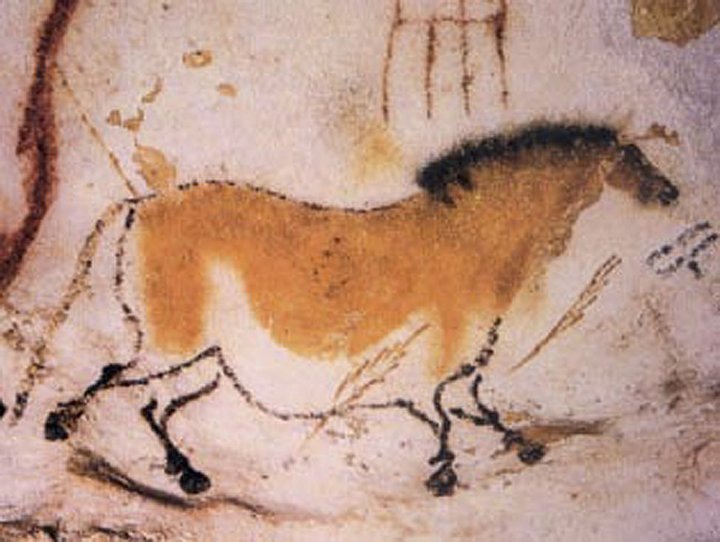
The Lascaux caves Cave / Rock Shelter |
|
8 posts
Paussac Dolmen / Quoit / Cromlech |
News |
 Add news Add news |
Six months to save LascauxToday's Independent* reports that - "Unesco, the world cultural body, has threatened to humiliate France by placing the Lascaux caves – known as the "Sistine Chapel of prehistory" – on its list of endangered sites of universal importance... continues... |
 Posted by Littlestone
12th July 2008ce Edited 15th June 2009ce |
Folklore |
Add folklore |
Perhaps someone knows the stone to which this daft story refers.On the Causse above Terrasson, in Dordogne, is a dolmen with a cuplike hollow in the capstone. A friend of mine living near learned that the peasants were wont to place either money or meal or grapes in it. So one night he concealed himself within the cist. Presently a peasantess came and deposited a sou in the cavity, when my friend roared out in patois: "Ce n'est pas assez. Donnez moi encore!" whereupon the woman emptied her purse into the receptacle and fled.Well I hope he was proud of himself. From p64 of Sabine Baring-Gould's 1911 'Book of Folklore'. |
 Posted by Rhiannon
15th January 2008ce Edited 15th January 2008ce |
Latest posts for Dordogne (24) |
Showing 1-10 of 19 posts. Most recent first | Next 10 
Paussac (Dolmen / Quoit / Cromlech) — Fieldnotes |
|
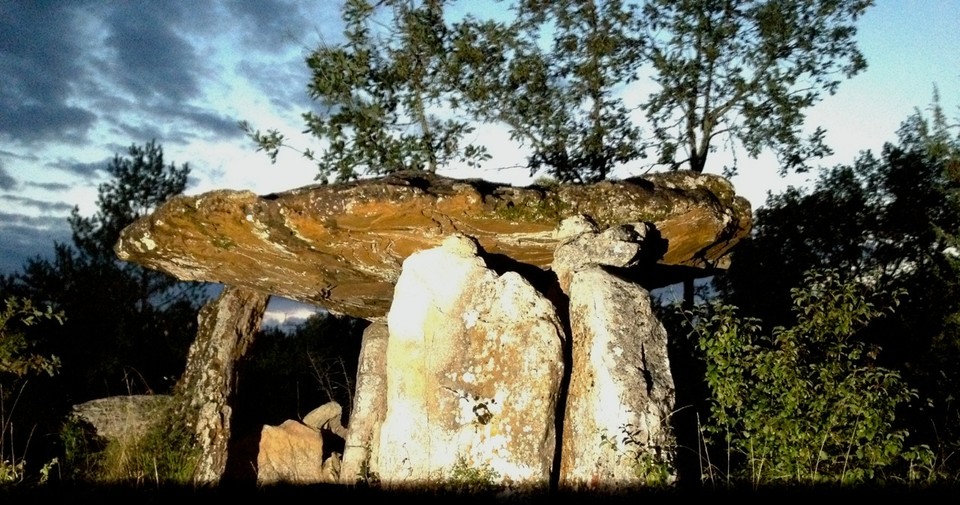
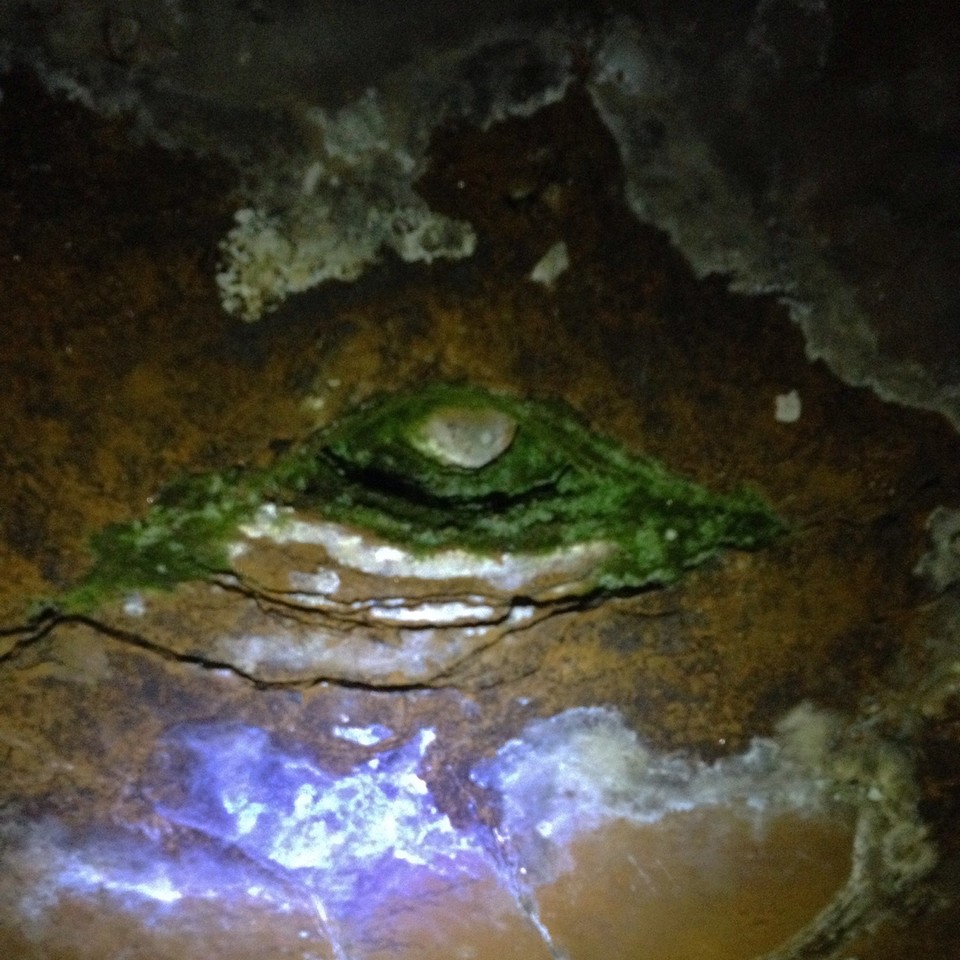
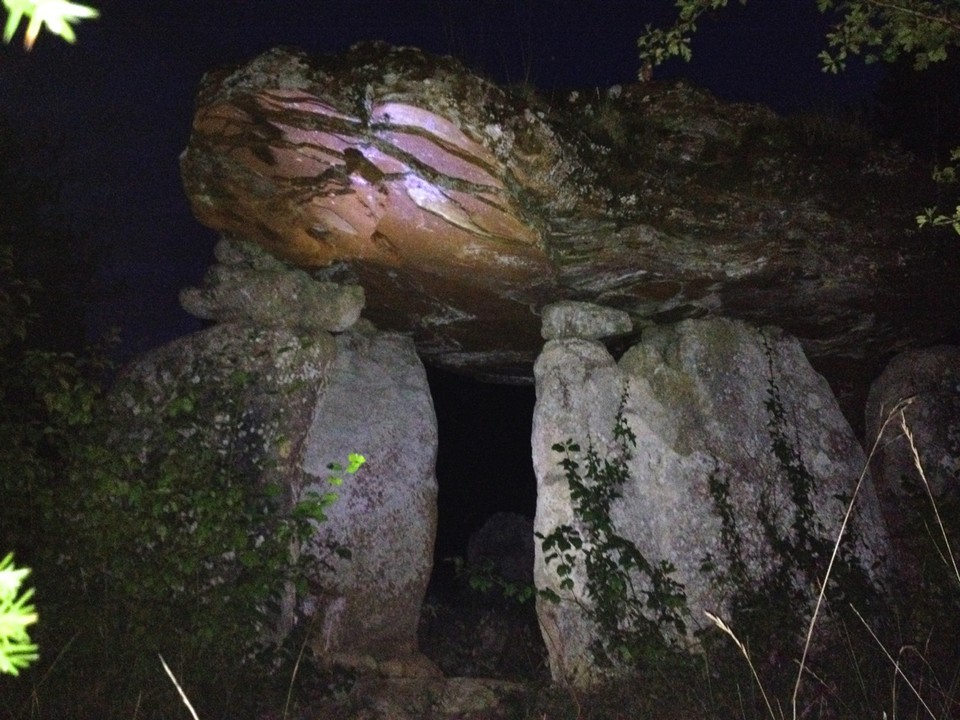
A magical first visit to Paussac during August 2014 with two Dutch friends. It took a while to find the right road but then all of a sudden we found it, parked up and there was the Dolmen, found in the twilight of sunset as a full moon was rising above the tree lone, two little owls calling to our north and south. This Dolmen is well worth searching out in this remote part of the Dordogne. As the sun set the full moon rose above the line of trees, the torch lights extenuating the strange 3rd eye like recess on the underside of the capstone. There is another Dolmen very close by but it was too dark to see where it was, just as we decided to give up the search and go back we turned a corner to a fully grown barn own that looked directly at us, starred for a time before flying in front of the moon into darkness. |
 Posted by texlahoma
22nd August 2014ce |
Grotte de Villars (Cave / Rock Shelter) — Fieldnotes |
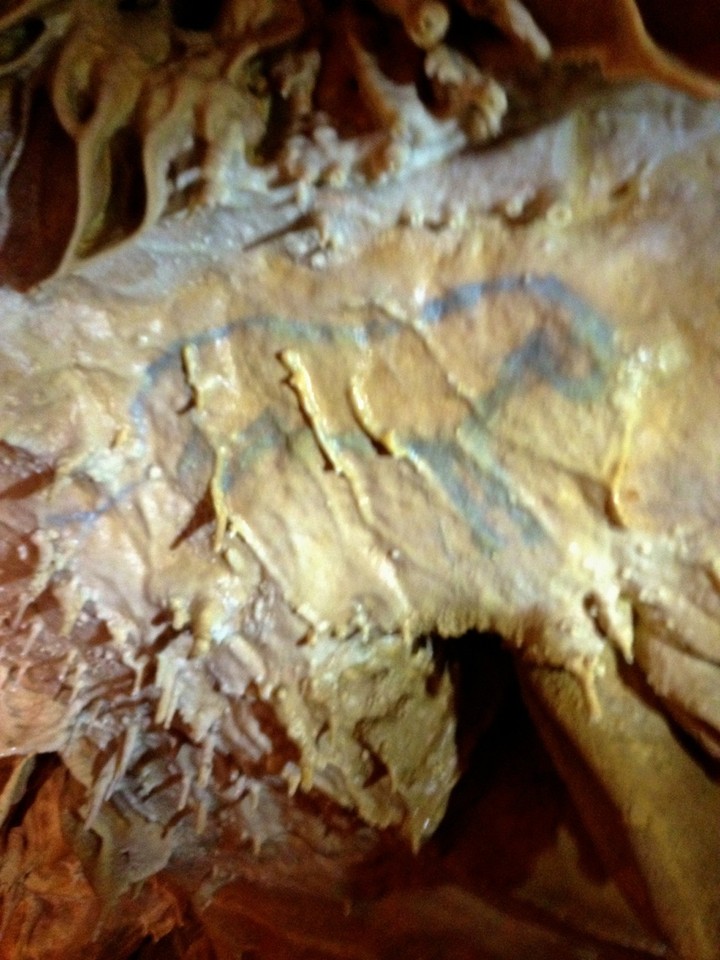
| I visited here in August 2014, a large cave complex which includes several examples of prehistoric art and signs of cave bear habitation. The caves themselves are worth visiting in their own right, with stalactites and stalagmites lit and shown off to great effect. The cave art has been protected from being covered by the living stone process since it's discovery and is a joy to behold. |
Posted by texlahoma 22nd August 2014ce |
Paussac (Dolmen / Quoit / Cromlech) — Images (click to view fullsize) |
   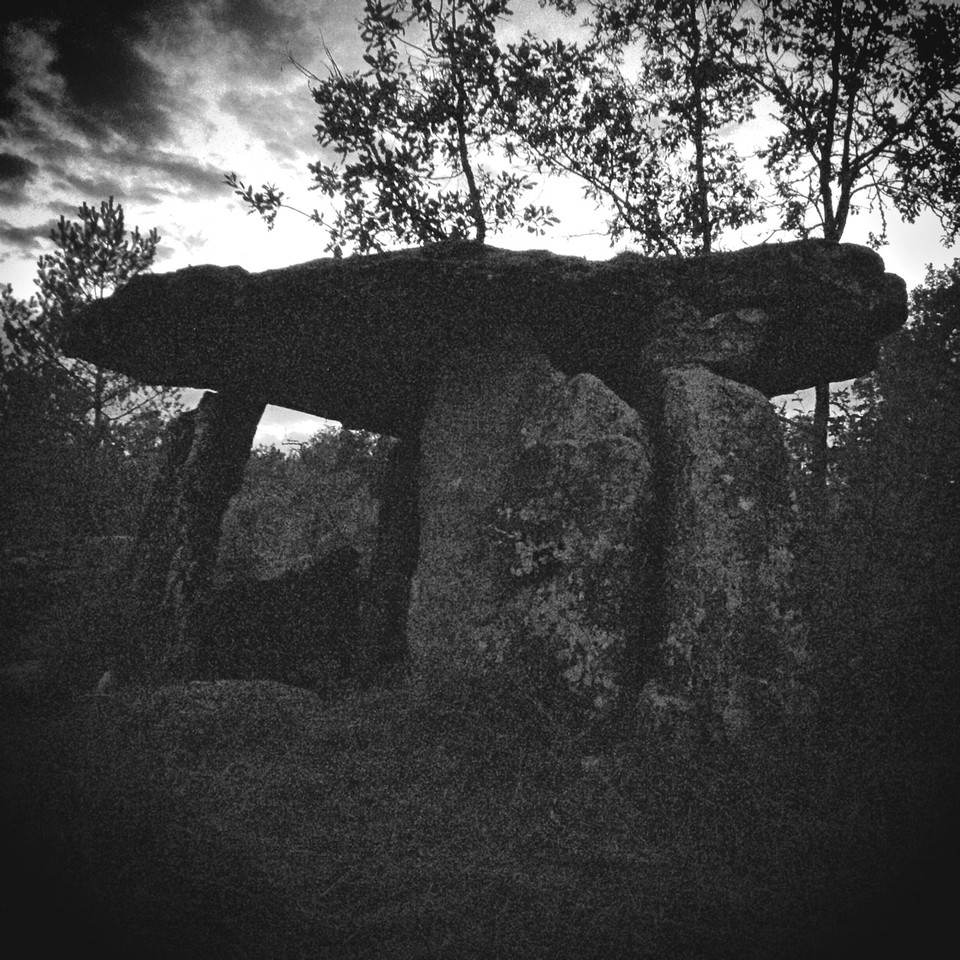 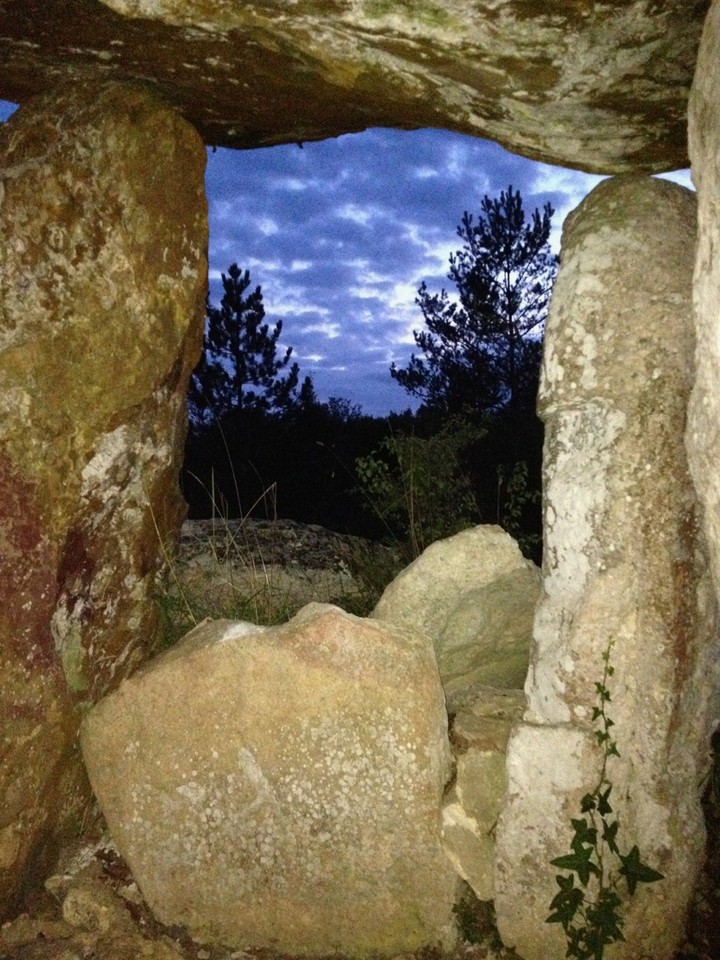 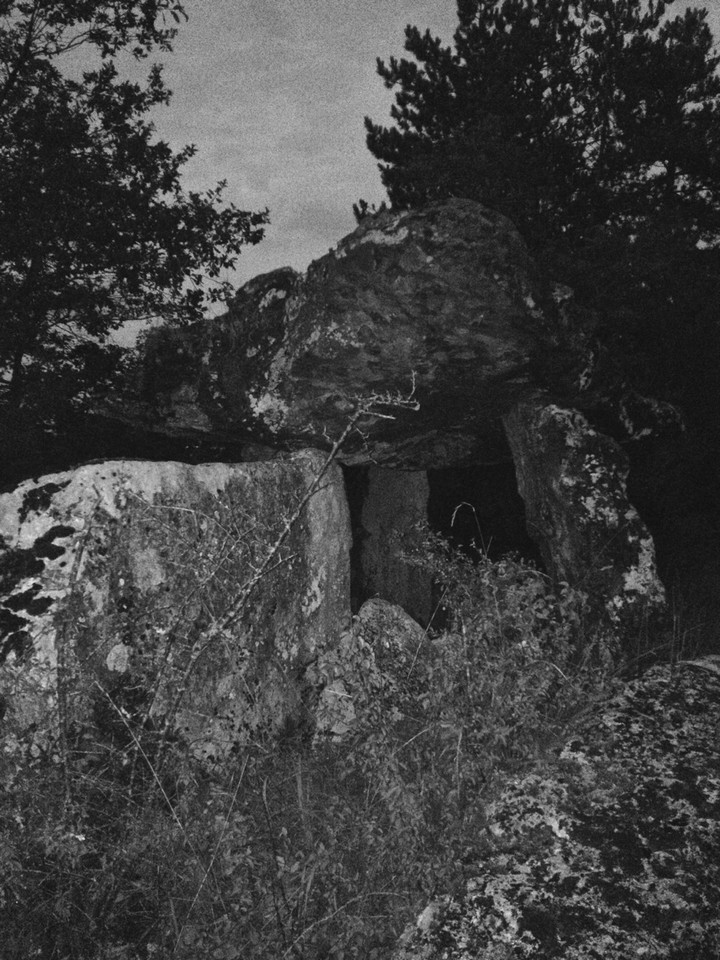 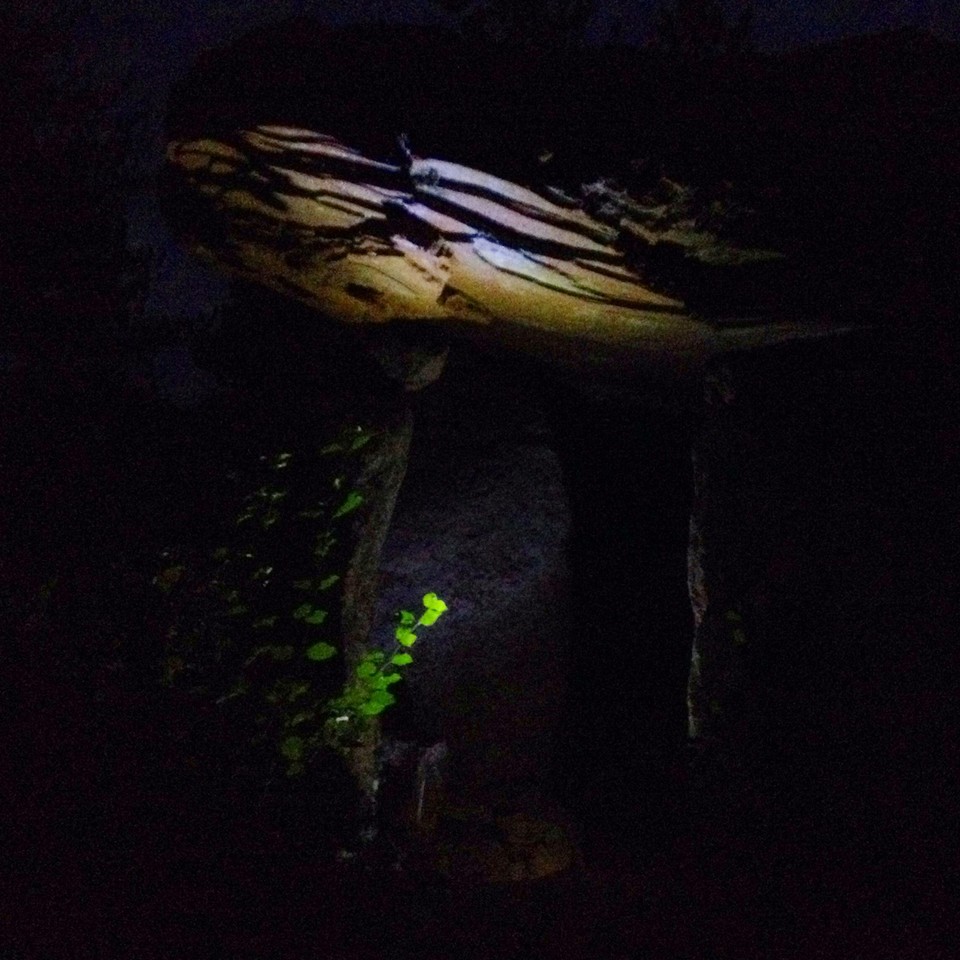
|
Posted by texlahoma 21st August 2014ce |
Grotte de Villars (Cave / Rock Shelter) — Images |
|
Posted by texlahoma 21st August 2014ce |
Showing 1-10 of 19 posts. Most recent first | Next 10
 Top of page